


 购物车
购物车 个人中心
个人中心

A Silent Ocean Away
¥78.32
Charmaine Ryan knows only poverty and pain growing up. In the wake of a horrifying tragedy, she seeks a new life, and fate leads her into the private world of the wealthy Duvoisin clan. At first, it seems as if nothing terrible could touch this seemingly charmed family. But an ill wind blows through the halls and chambers of the Duvoisins' sprawling island retreat, carrying betrayal, deceit, and ominous peril.Quickly, Charmaine is caught up in the secrets and mystique swirling around the enigmatic family. At the center are shipping tycoon Frederic Duvoisin and his youthful wife, Colette. And there is Paul Duvoisin, a dashing seducer and Frederic's bastard son, who stirs a dangerous fascination in the two women; the scheming Agatha Ward, who will not rest until she's taken Colette's place in Frederic's heart as well as in his bed; and exiled son, John, who reenters the family fold, stoking the turmoil as he unveils truths best kept hidden. Ultimately, Charmaine chooses to stand with Colette against formidable enemies, but has she made the right decision?A sweeping, remarkable blend of adventure, romance, intrigue, and suspense, A Silent Ocean Away heralds the arrival of a glorious new voice on the historical fiction scene.

The X-Files: Antibodies
¥56.07
A novel based on the Emmy Award-winning television series created by Chris Carter.When a disease-ravaged body is found in the smoldering ruins of the federally funded DyMar genetic research lab, Agents Fox Mulder and Dana Scully fear that a deadly, man-made plague is on the loose. As the FBI agents investigating the "X-Files" -- cases the bureau has deemed unsolvable -- Mulder and Scully pursue the truth wherever it leads, even into the labyrinthine corridors of the FBI... and beyond.Racing to contain the lethal virus before it can spread, Mulder and Scully make a chilling discovery. Before his death, Dr. David Kennessy, a hotshot cancer researcher at DyMar, had been experimenting with a promising but highly dangerous technology: microscopic bio-machines that can cure any disease, heal any wound. In theory, this research could be a miracle cure, perhaps even a doorway to immortality. It was also the only way Dr. Kennessy could save his leukemia-stricken son.But when a second corpse turns up, savagely mutilated from within, it's anything but theoretical. Could machines created to cure have learned to killScrambling for answers, Mulder and Scully are opposed at every step by faceless enemies with all the resources of the government -- even perhaps of their own agency -- at their command. Enemies who will stop at nothing to ensure that the secret of immortality falls in the right hands -- their hands.As sinister forces close in, Scully fights to save the life of an innocent boy while Mulder comes face to face with a crazed and desperate man. A man whose slightest touch brings agonizing death -- and perhaps a resurrection more horrible still.

The X-Files: Whirlwind
¥55.31
Serial killers come in all shapes and sizes, but this one is particularly puzzling.There's no pattern to the mutilated bodies that have been showing up in Albuquerque: both sexes, all races, ages, ethnic groups. There is no evidence of rape or ritual. Only one thing connects the victims. They were the victims of a natural disaster. One of the most unnatural natural disasters imaginable, leading to a most painful, most certain and most hideous death.... Mulder and Scully, FBI: the agency maverick and the female agent assigned to keep him in line. Their job: investigate the eerie unsolved mysteries the Bureau wants handled quietly, but quickly, before the public finds out what's really out there. And panics. The cases filed under "X."
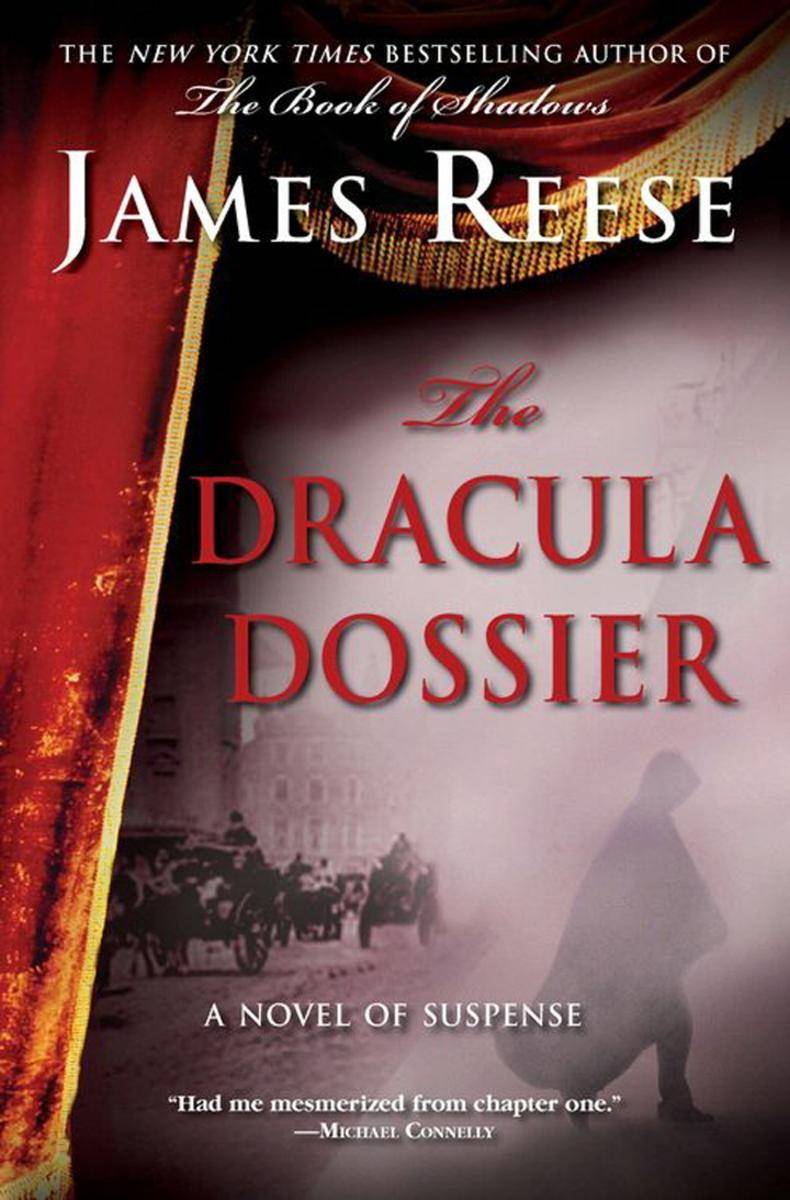
The Dracula Dossier
¥84.16
While taking an evening stroll through one of London's most impoverished districts, author Bram Stoker spies a maddeningly familiar figure hurrying through the shadows. Little does he know that, only a few steps away, a vicious killer has claimed his first victim, a local prostitute. The crime spree of the century has begun—and the hapless writer is the prime suspect. Now, to clear his name, Stoker must enlist the aid of illustrious friends—including Walt Whitman, the wildly popular novelist Sir Thomas Henry Hall Caine, and Lady Jane Wilde, mother of the most notorious literary notable of the day—to hunt down the fiend who is taunting and terrorizing London and calling himself Jack the Ripper.

In the Dark
¥55.31
A Deadly CrashA rainy night in south London. A gun is fired into a car, which swerves onto the pavement and plows into a bus stop. It seems that a chilling gang initiation has cost the life of an innocent victim. But the reality is far more sinister. . . .A Dangerous QuestOne life is wiped out and three more are changed forever: the young man whose finger was on the trigger, the ageing gangster planning a deadly revenge, and the pregnant woman who struggles desperately to uncover the truth. How will she, two weeks away from giving birth, now cope in a world where death is an occupational hazard?A Shocking TwistIn a city where violence can be random or meticulously planned, where teenage gangs clash with career criminals and where loyalty is paid for in blood, nything is possible. Secrets are uncovered as fast as bodies, and the story's final twist is as breathtakingly surprising as they come.Mark Billingham's first stand-alone thriller, In the Dark is his most powerful novel yet. Gritty, fierce, and moving, here is a must-read for anyone who likes their crime fiction unflinching—and unforgettable.
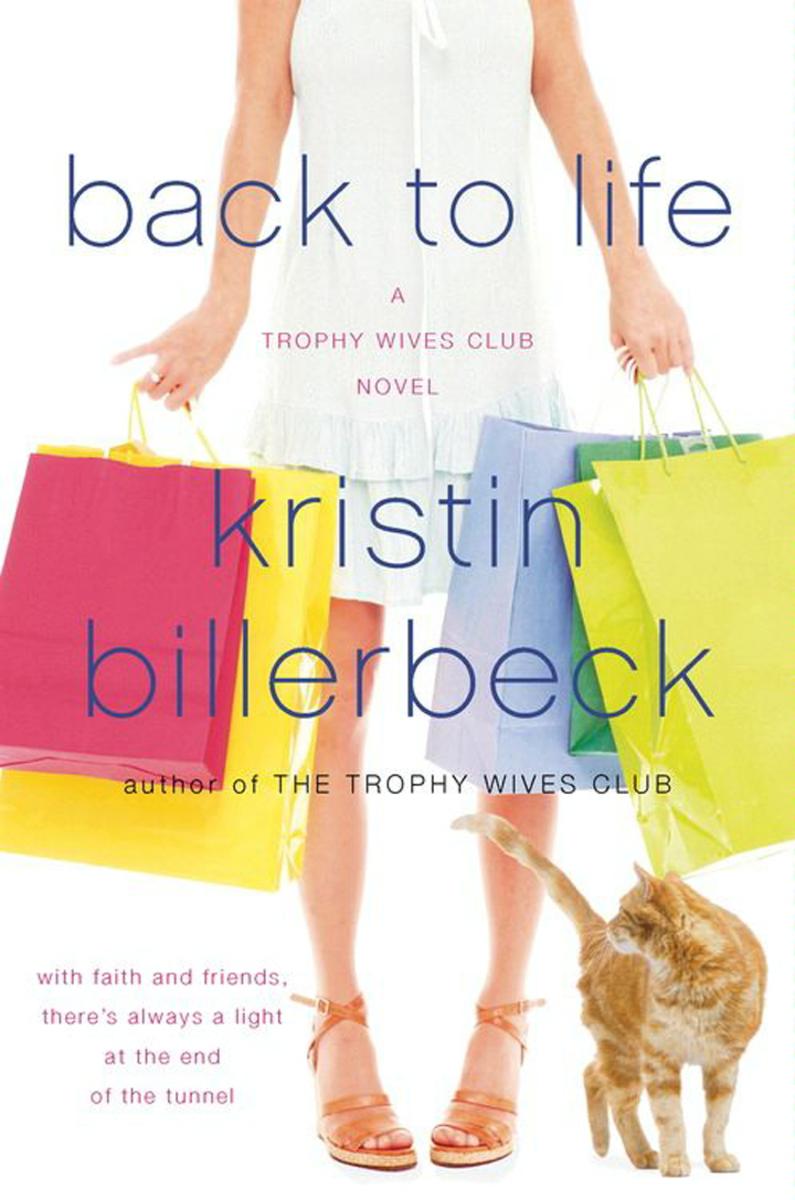
Back to Life
¥78.55
Lindsay took to marriage like a starlet to stilettos, but her husband had a deeper love for his business. Left alone after his death, Lindsay must find out who she is when there isn't a party to plan or another person's life to be organized. Can she find her way Back to Life?Lindsay realized when she married Ron, a man seventeen years her senior, that the odds were he'd see heaven before her, but she never expected to be a widow at thirty-five. She knows there's too much of life remaining for her to just sit around in mourning, but she can't seem to kick-start the rest of her life. Then unexpected help arrives...when Ron's first wife, Jane, shows up at Lindsay's front door.The executor of their late husband's estate, Jane is everything Lindsay's not: strong, stubborn, independent...and a lot older. There are other surprises as well, including Ron Jr. (whom Jane insists is not "really" Ron's son). But against all odds, a most unlikely friendship begins to develop—as each woman discovers how to own up to her past mistakes and to reevaluate what is really important. Told in the alternating voices of Jane and Lindsay, and featuring the return of many of the unforgettable characters introduced in The Trophy Wives Club, Back to Life is a lighthearted, relatable read about where to turn when life goes in a direction you never planned.
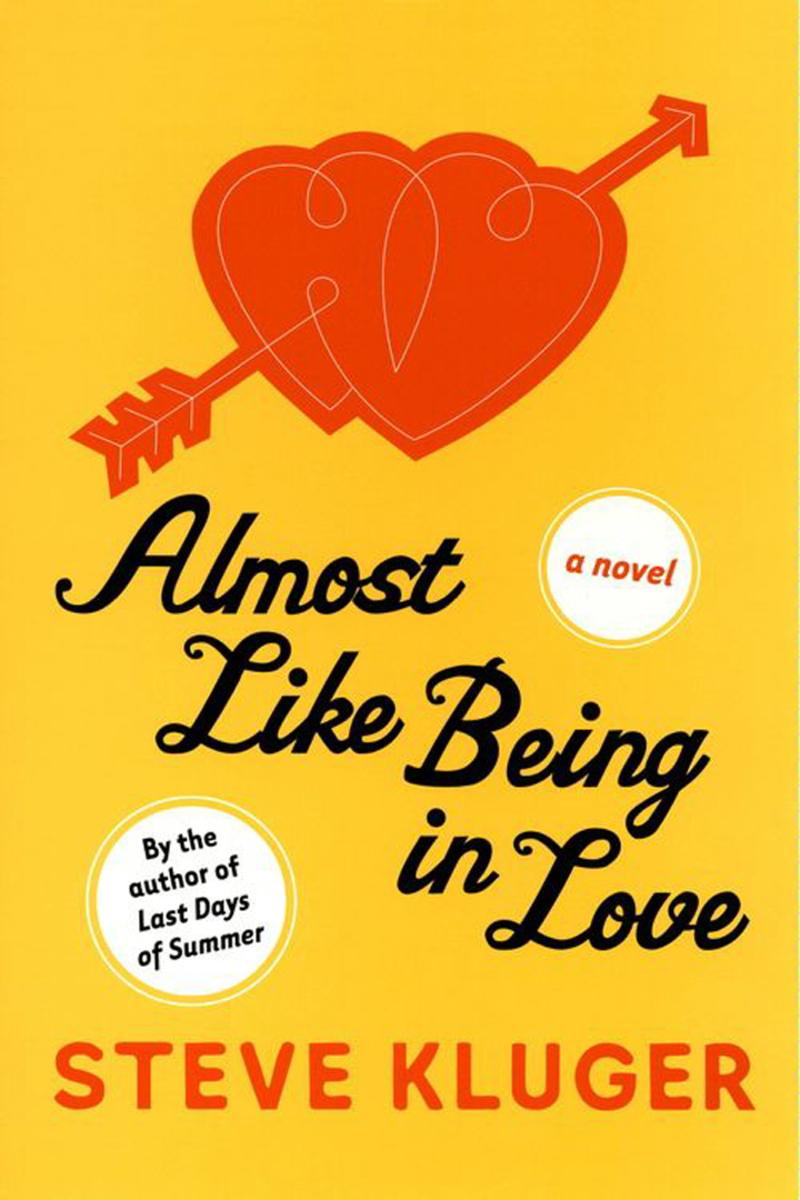
Almost Like Being in Love
¥83.03
A high school jock and nerd fall in love senior year, only to part after an amazing summer of discovery to attend their respective colleges. They keep in touch at first, but then slowly drift apart.Flash forward twenty years.Travis and Craig both have great lives, careers, and loves. But something is missing .... Travis is the first to figure it out. He's still in love with Craig, and come what may, he's going after the boy who captured his heart, even if it means forsaking his job, making a fool of himself, and entering the great unknown. Told in narrative, letters, checklists, and more, this is the must-read novel for anyone who's wondered what ever happened to that first great love.
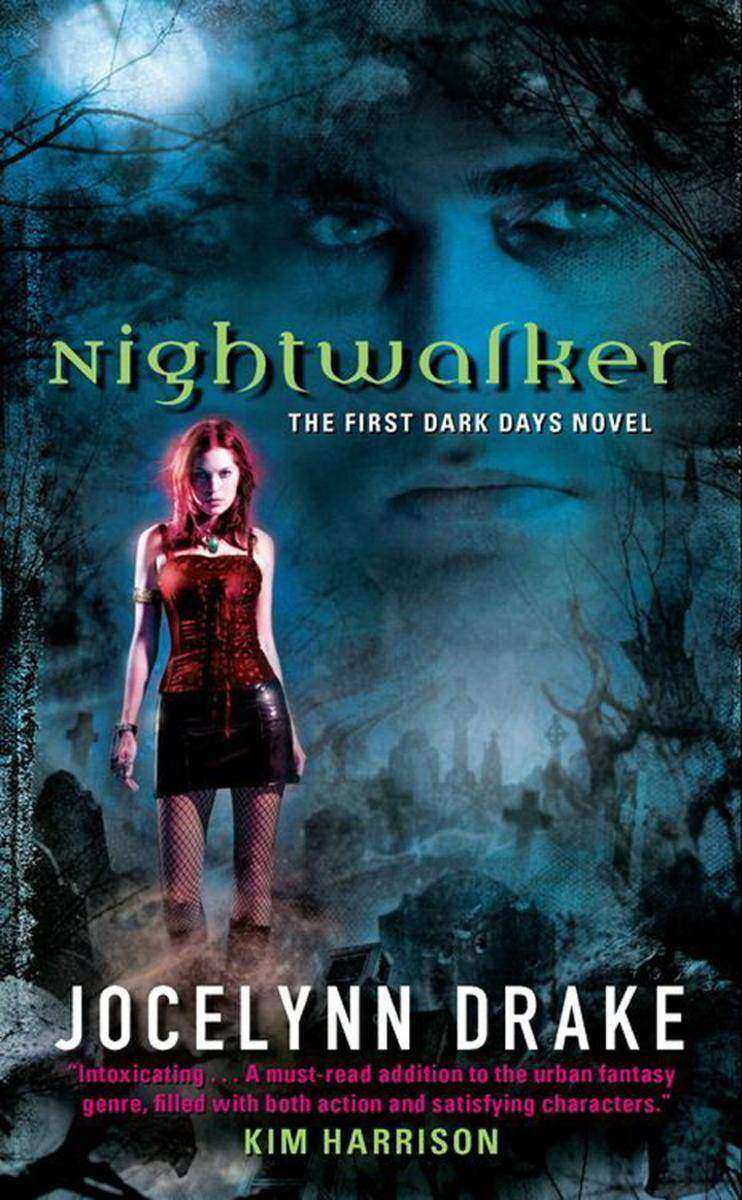
Nightwalker
¥56.07
For centuries Mira has been a nightwalker—an unstoppable enforcer for a mysterious organization that manipulates earth-shaking events from the darkest shadows. But elemental mastery over fire sets her apart from others of her night-prowling breed . . . and may be all that prevents her doom.The foe she now faces is human: the vampire hunter called Danaus, who has already destroyed so many undead. For Mira, the time has come to hunt . . . or be hunted.
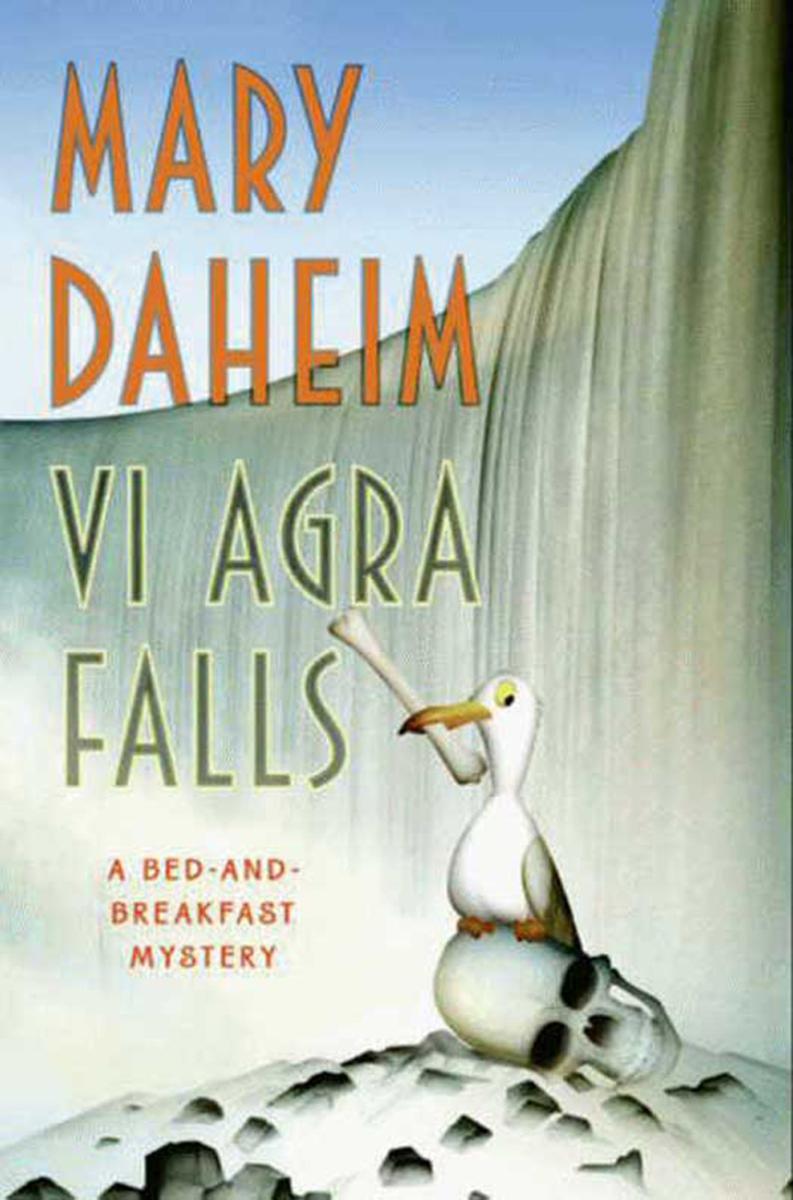
Vi Agra Falls
¥55.31
Innkeeper and amateur sleuth Judith McMonigle Flynn's worst nightmare comes true when Vivian Flynn—husband Joe's first wife—moves back into the neighborhood. Vivian, who has become mysteriously wealthy, plans to build a big, bad condoon their idyllic cul-de-sac. Outraged, Judith and her neighbors vow to fight the project to the death.Vivian isn't the only newcomer to the area. Frankie Buss, son of another of Vivian's ex-husbands, has arrived at Hillside Manor with his wife. Vivian was married to his father for what seemed like minutes before she inherited his vast wealth—and ran off with his other son. Now Frankie's dying for his share of the pot of gold.Vivian's got more than one mortal enemy—but which one ended up dead in her back yardIf she wants her home sweet home to stay happy, Judith will have to find out.

Hotter Than Hell
¥55.31
Beyond the boundaries of the everyday is an unseen realm where anything you imagine is possible. Your demon lover is waiting for you in the shadows, ready to fulfill your secret wishes and most dangerous fantasies. Here passion has a face and form both titillating and terrifying—and love has teeth and claws. Get ready to give in to your craving for something exquisitely dark . . . and different.Hotter Than Hell gathers together a baker's dozen of today's boldest and best authors of supernatural fiction and paranormal romance in a breathtaking anthology that blends black magic with red-hot desire. From the tantalizing tale of a conflicted psychic vampire driven by a powerful, savage love to the strange saga of a Greek warrior woman battling to save the world, these are stories outside the limits, as hypnotic as the full moon . . . and hotter than the sun.
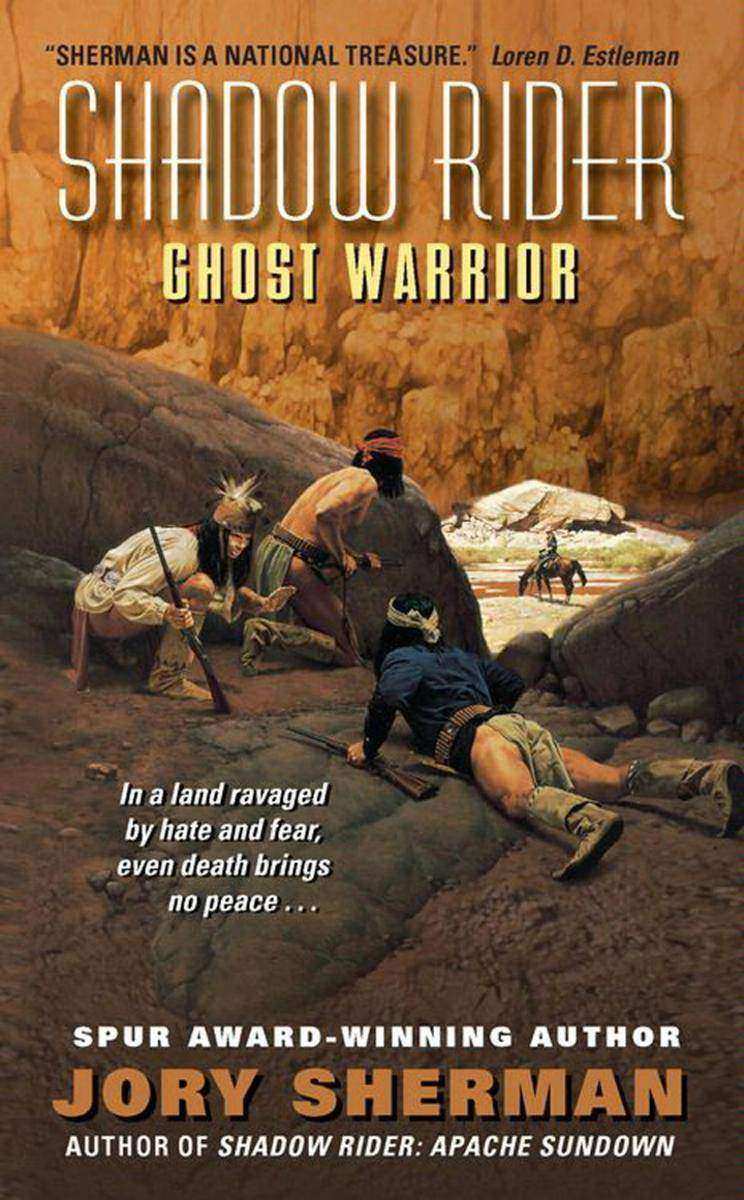
Shadow Rider: Ghost Warrior
¥42.03
A rebellion is brewing in the New Mexico territories. An Indian who rides with white men—a Navajo renegade using the name of a legendary fallen warrior—is stirring up fear and rage and bloodlust. Under orders from President Grant, Zak Cody—the enigmatic enforcer they call "Shadow Rider"—heads into the unknown to confront the killer and make things right. But on bloody ground where, without motive or warning, an Indian raiding party has set upon defenseless victims, things are not what they seem. Cody senses that a snare is being set—and many more, guilty and innocent alike, will die if he cannot avert the slaughter. His only hope is to spring the trap himself, and if the Shadow Rider's death is the consequence . . . so be it.
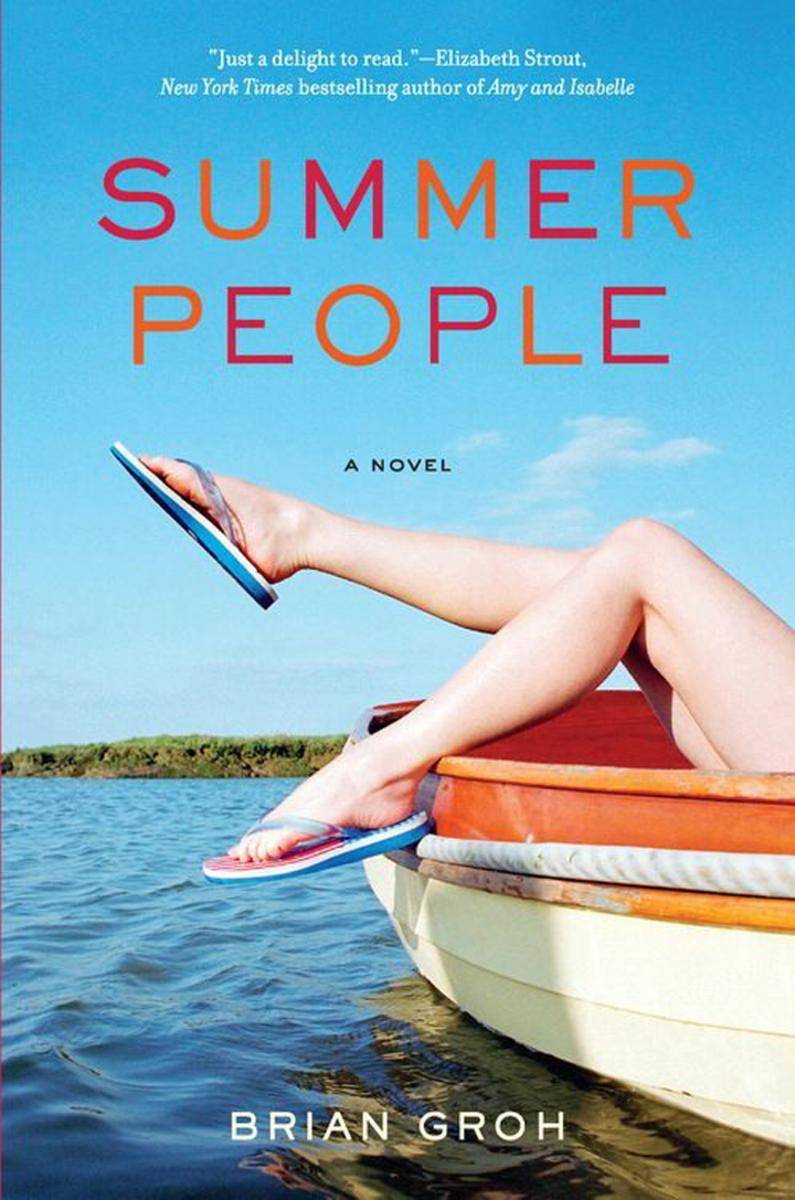
Summer People
¥94.10
Nathan Empson has just accepted the most unusual summer job of his life. In exchange for serving as a "caretaker” for Ellen Broderick, the eccentric matriarch of an exclusive coastal community, he'll earn a generous paycheck and gain access to one of the last bastions of old New England wealth. But not everyone in town is welcoming—or even civil. And while he discovers companionship with a philosophical, ex-punk Episcopalian pastor, and more than companionship with the alluring nanny to the pastor's children, Nathan finds it increasingly difficult to ignore his employer's unnerving behavior. With each escalating mishap, a new aspect of Ellen's colorful past comes to light, exposing the secret lives of her old friends, flames, and enemies, as well as the story behind a scandalous incident Nathan must prevent her from repeating. Yet to sound the alarm about her condition would mean leaving his beachside oasis and the romance that may well change him forever.
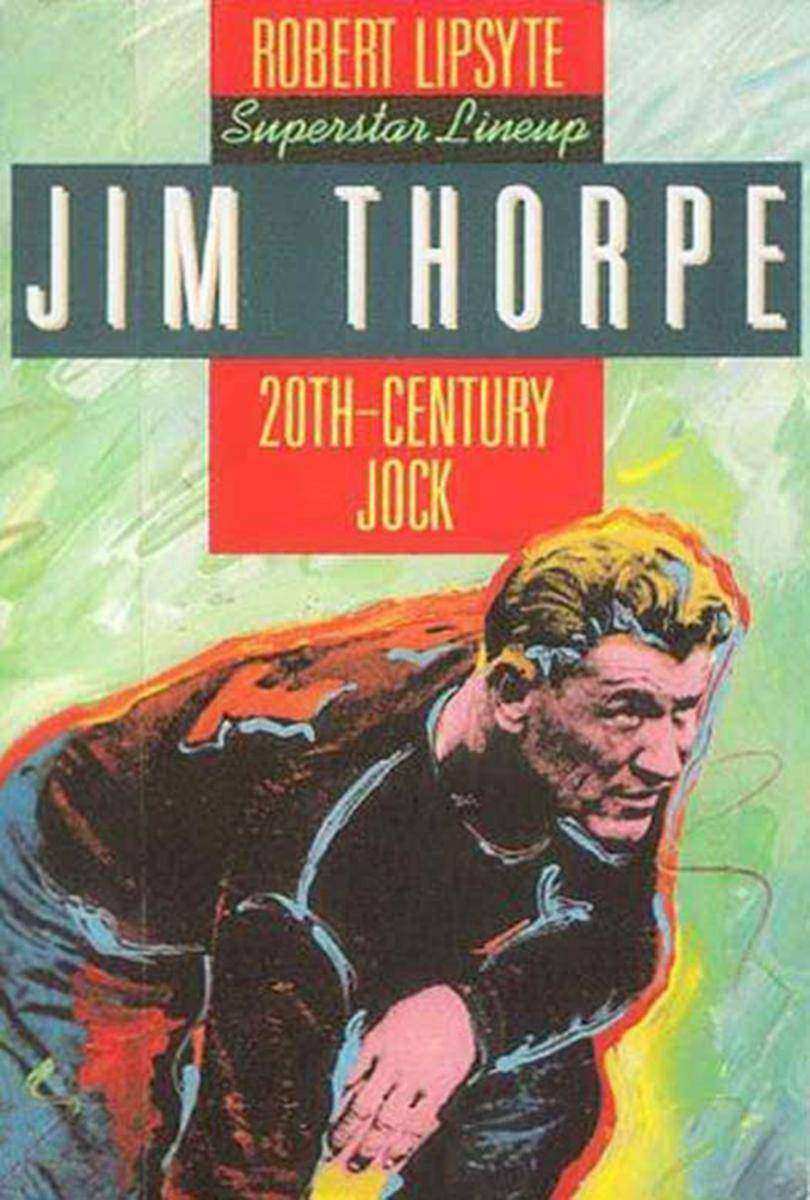
Jim Thorpe
¥21.73
A biography of the American Indian known as one of the best all-round athletes in history for his accomplishments as an Olympic medal winner and as an outstanding professional football and baseball player.
HarperCollins
¥108.99
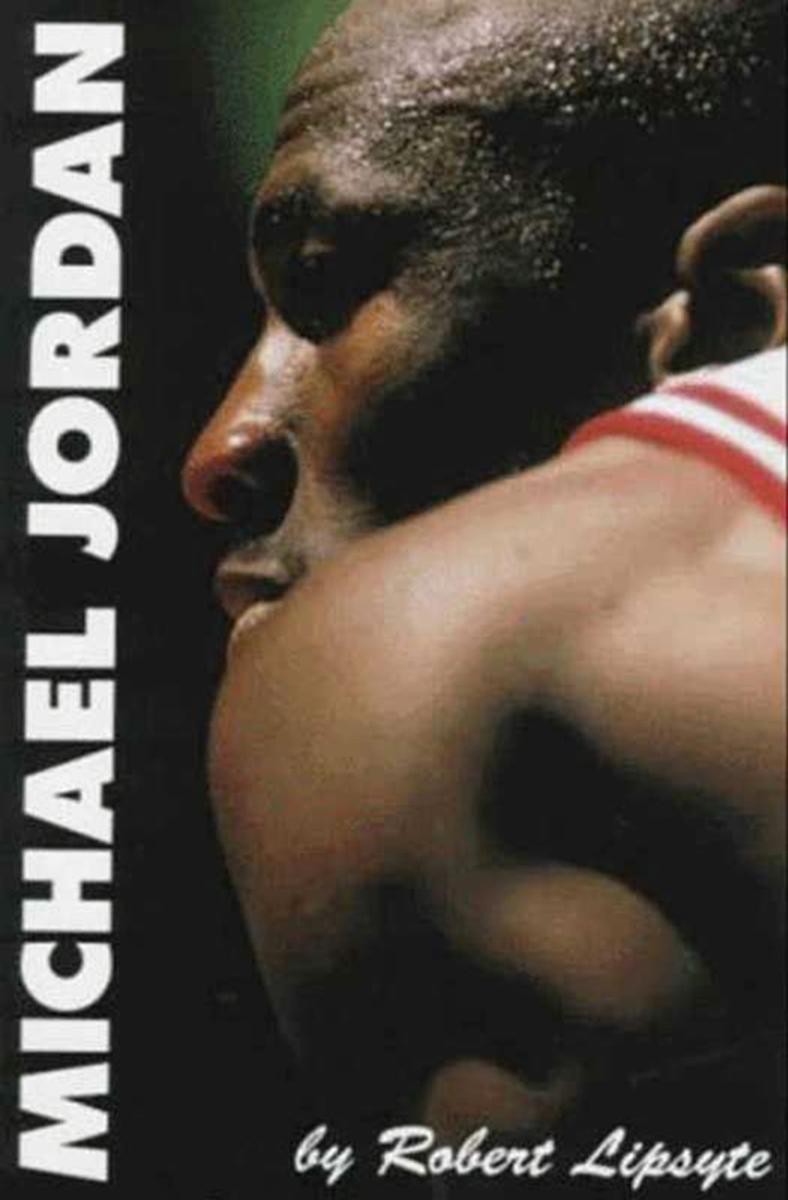
Michael Jordan was a late bloomer.Cut from the Varsity basketball team in high school when he first tried out, Michael nonetheless became the best basketball player that ever lived—Rare Air Jordan.The true story of how Michael Jordan achieved this amazing level of success as a basketball player—and as the high king of commercial endorsements—underscores one of the new roles of athletes in our society today.Here's a fascinating look at both the evolution of basketball and Michael Jordan's stunning climb to the peak of his sport, and his season in minor league baseball.
The Eye Of Horus
¥48.39
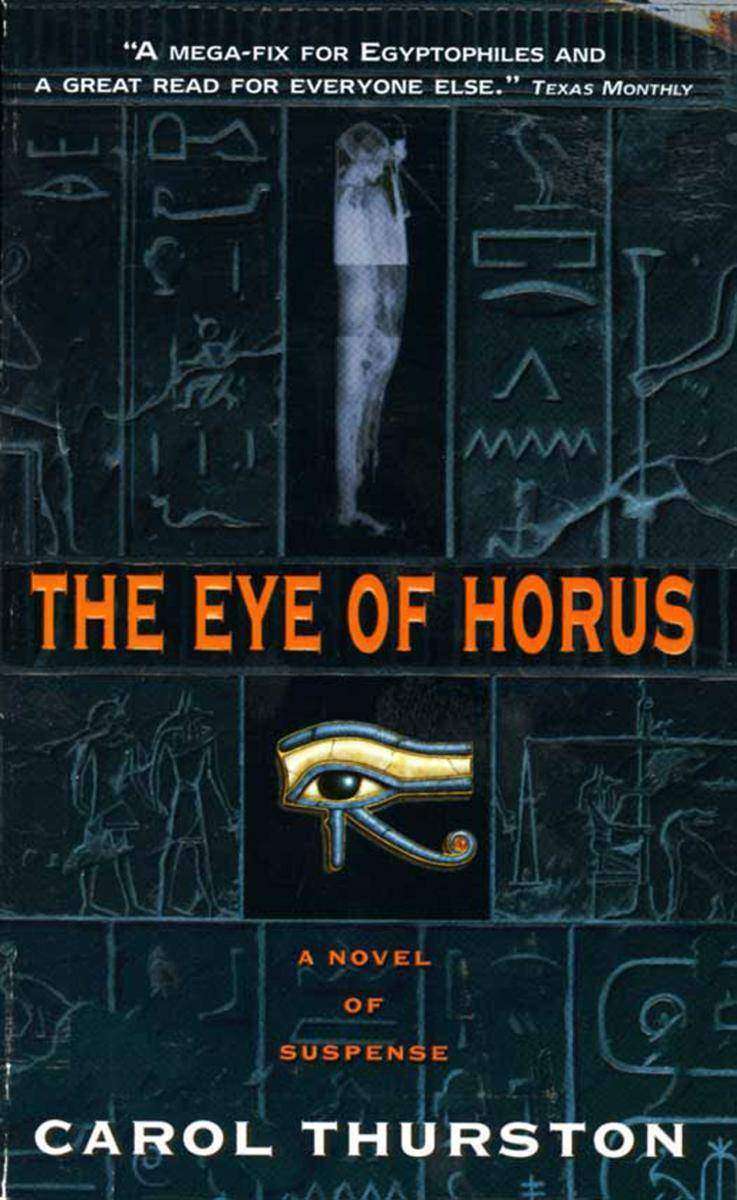
Hired by the Egyptology department of a Denver museum to create displays for an exhibit, medical illustrator Kate McKinnon encounters an intriguing enigma: the mummy of a young woman who lived thirty-three centuries ago, her ribs broken, one hand shattered, and a man's skull between her legs.With the aid of radiologist Max Cavanaugh, employing the latest forensic and medical imaging techniques, Kate starts to unravel the millennia-old puzzle. And as the mummy's remarkable secrets come to light, a parallel story begins to unfold of a young girl born into a nest of vipers in an age when godlike pharaohs reigned in unimaginable splendor. Suddenly Kate finds herself on a twisting path leading her deeper into the shadows of anciet Kemet...and ever closer to the shocking revelations of a crime so staggering its horrific power remains undimished by the relentless passage of time.
The Stories of Richard Bausch
¥94.10
A 2004 PEN/Malamud Award winner, this collection celebrates the work of American artist Richard Bausch -- a writer the New York Times calls "a master of the short story." By turns tender, raw, heartbreaking, and riotously funny, the many voices of this definitive forty-two-story collection (seven of which appear here for the first time) defy expectation, attest to Bausch's remarkable range and versatility, and affirm his place alongside such acclaimed story writers as John Cheever, Flannery O'Connor, Raymond Carver, and Grace Paley.
Ghost Country
¥55.31
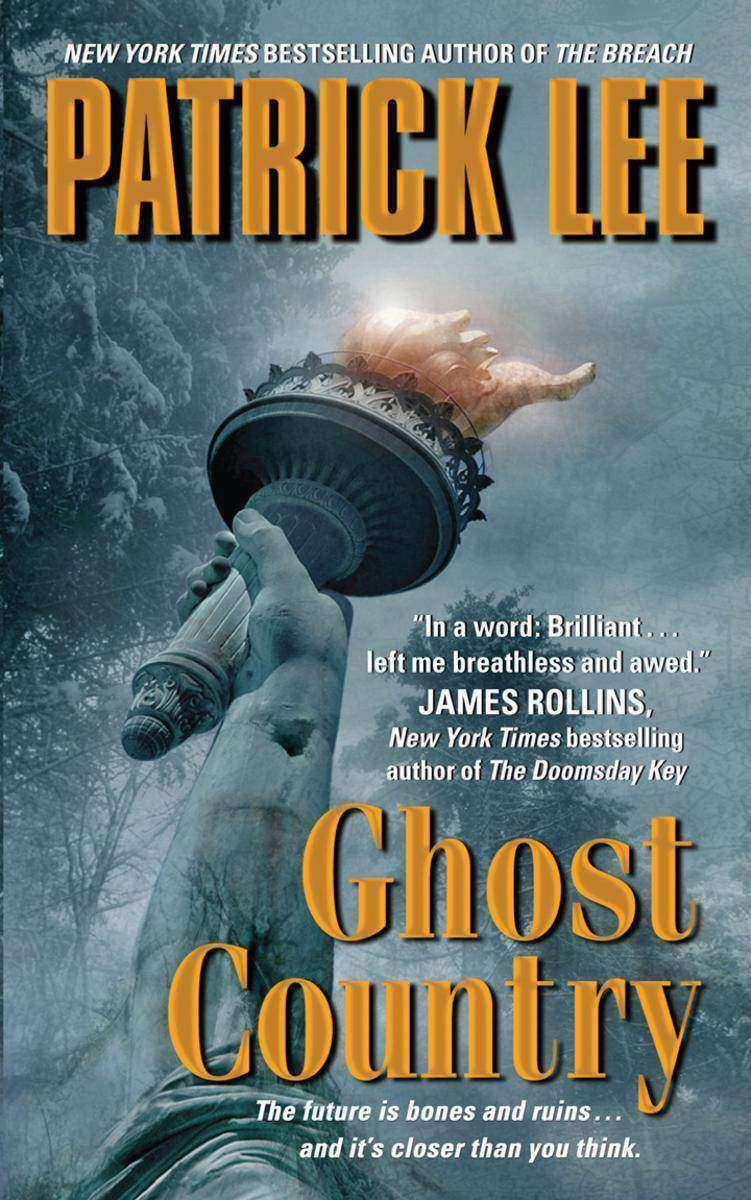
For decades, inexplicable technology has passed into our world through the top secret anomaly called the Breach. The latest device can punch a hole into the future . . .What Paige Campbell saw when she opened a door into seventy years from now scared the hell out of her. She and her Tangent colleagues brought their terrible discovery to the President—and were met with a hail of automatic gunfire after leaving the White House. Only Paige survived.Fearing a terrifying personal destiny revealed to him from the other side of the Breach, Travis Chase abandoned Tangent . . . and Paige Campbell. Now he must rescue her—because Paige knows tomorrow’s world is desolate and dead, a ghost country scattered with the bones of billions. And Doomsday will dawn in just four short months . . . unless they can find the answers buried in the ruins to come.But once they cross the nightmare border into Ghost Country, they might never find their way back . . .

The Guru in You
¥110.71
The Guru in You invites you to embark on a journey to reconnect with your body and discover its natural ability to heal. As the first male supermodel, Cameron Alborzian had a life that many dream of—traveling the globe, working with the most prestigious designers in the world, partying with celebrities, and appearing in major ad campaigns and cultural landmarks like Madonna's "Express Yourself" video. But his real achievement came when he decided to leave the material world of high fashion and investigate the ancient art of Ayurvedic healing. What he learned changed his life, and, after years of study, he now works with everyone from Hollywood celebrities to executives of international corporations to bring balance, improved health, and inner peace to their busy lives. The tools he provides for his clients are now available to all with The Guru in You.Most of us will never have a live-in guru, but Yogi Cameron provides the next best thing: an easy-to-follow program, guiding you to better health and happiness. The Guru in You lays the foundation for change, helping us identify our unhealthy patterns and set our intentions. It then provides you with a customizable plan. Whatever your body type and temperament, Yogi Cameron offers diet, supplements, breathing exercises, and yoga tailored just for you. This is not a one-size-fits all program but an invitation to develop a practice that you'll take with you for the rest of your life. Yogi Cameron teaches us the ancient wisdom that we all have the power to heal ourselves. By developing a practice that works for your individual needs, you will forever improve how you eat, sleep, work, and exercise. Yogi Cameron invites us to discover what he has learned firsthand: the material world will not bring sustainable happiness, but we can all find joy if we pursue a meaningful path toward balancing our body and mind. With this book, you can be guided by the guru in you.
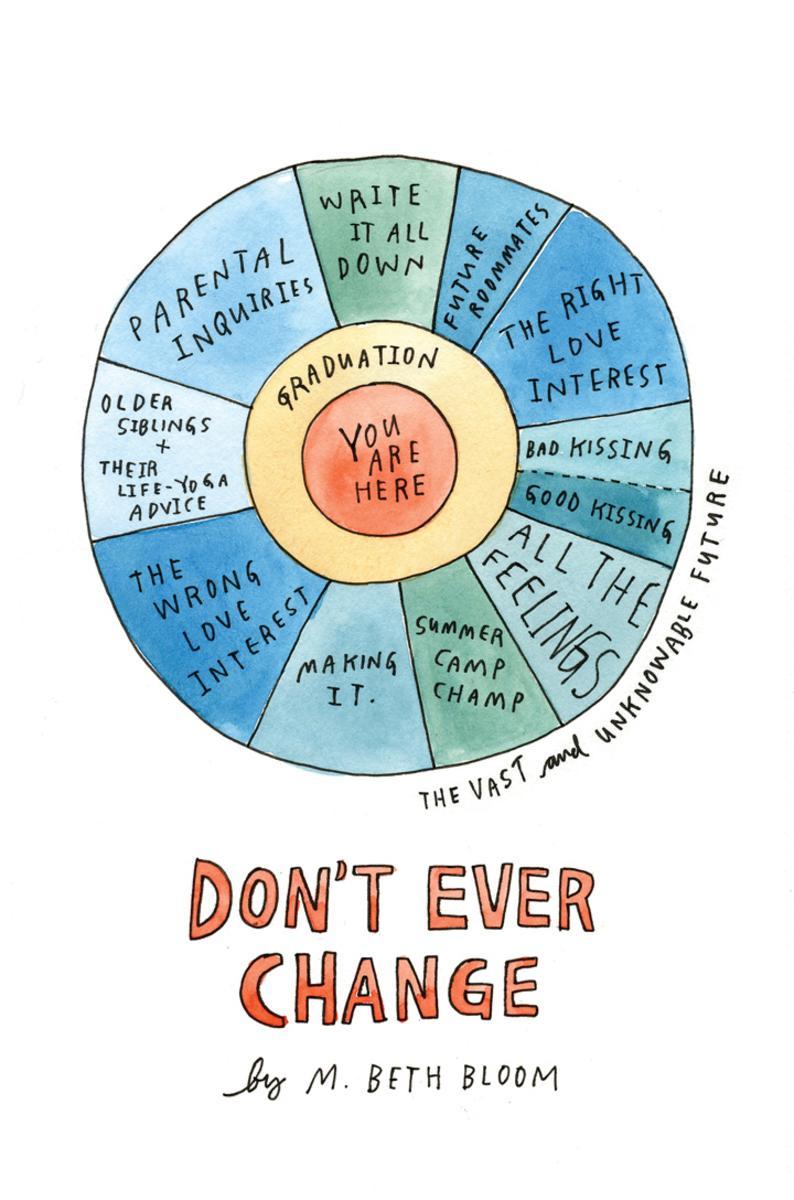
Don't Ever Change
¥100.71
Eva has always wanted to write a modern classic—one that actually appeals to her generation. The only problem is that she has realized she can't "write what she knows" because she hasn't yet begun to live. So before heading off to college, Eva is determined to get a life worth writing about.Soon Eva's life encounters a few unexpected plot twists. She becomes a counselor at a nearby summer camp—a job she is completely unqualified for. She starts growing apart from her best friends before they've even left for school. And most surprising of all, she begins to fall for the last guy she would have ever imagined. But no matter the roadblocks, or writer's blocks, it is all up to Eva to figure out how she wants this chapter in her story to end.Perfect for fans of E. Lockhart, David Levithan, and Rainbow Rowell, Don't Ever Change is a witty, snarky, and thought-provoking coming-of-age young adult novel about a teen who sets out to write better fiction and, ultimately, discovers the truth about herself.

Collecting Himself
¥112.00
James Thurber spent most of his career at the New Yorker magazine, drawing cartoons and writing essays and stories. Collecting Himself is a one-of-a-kind compilation of James Thurber's vintage writings, featuring previously unanthologized articles, essays, interviews, reviews, cartoons, parodies, as well as Thurber's reflections on his work in theater and at the New Yorker. An eclectic body of work that offers a glimpse into Thurber the man, the philosopher, and the critic.

Chicken on the Grill
¥140.08
The aroma should be irresistible. The outside should be crisp, the inside juicy. We're talking about one of America's most popular foods -- grilled chicken. But how many times does the outside look perfect while the inside is perfectly rawOr you're simply left with a smoldering, charred mess?Award-winning cookbook authors and America's outdoor grilling experts, Cheryl and Bill Jamison come to the rescue in Chicken on the Grill. The Jamisons identify the most common mistakes in grilling chicken and, most important, teach you how to correct them. Learn how to tend to the fire, how to time the grilling process, and how to check for doneness. Their advice and expertise make it easy to enjoy perfectly tender, juicy chicken that is bursting with true flavor only grilling over a fire can impart.With more than 50 color photographs throughout, Chicken on the Grill is as much a feast for the eyes as it is for the table. The 100-plus recipes include everything from classic Grill-Roasted Chicken and Grilled Chicken Caesar on a Skewer to exotic new dishes like Tequila-Lime Chicken Tacos with Charred Limes and Curried Chicken Roti. There are 50 inspiring ideas for boneless, skinless breasts, plus recipes for wings, sandwiches, and satays. Since man can't really live by chicken alone, there are recipes for sides and sweets such as Rockin' Guac, Grilled Asparagus with Orange Zest, and Frozen Margarita Pie.Chicken is economical, rich in protein and nutrients, and can be prepared in a wide variety of ways to suit a wide variety of tastes. From everyday family meals to entertaining a crowd, you can't beat a great grilled chicken. And you can't beat Chicken on the Grill for showing you just how to do it.


