


 购物车
购物车 个人中心
个人中心
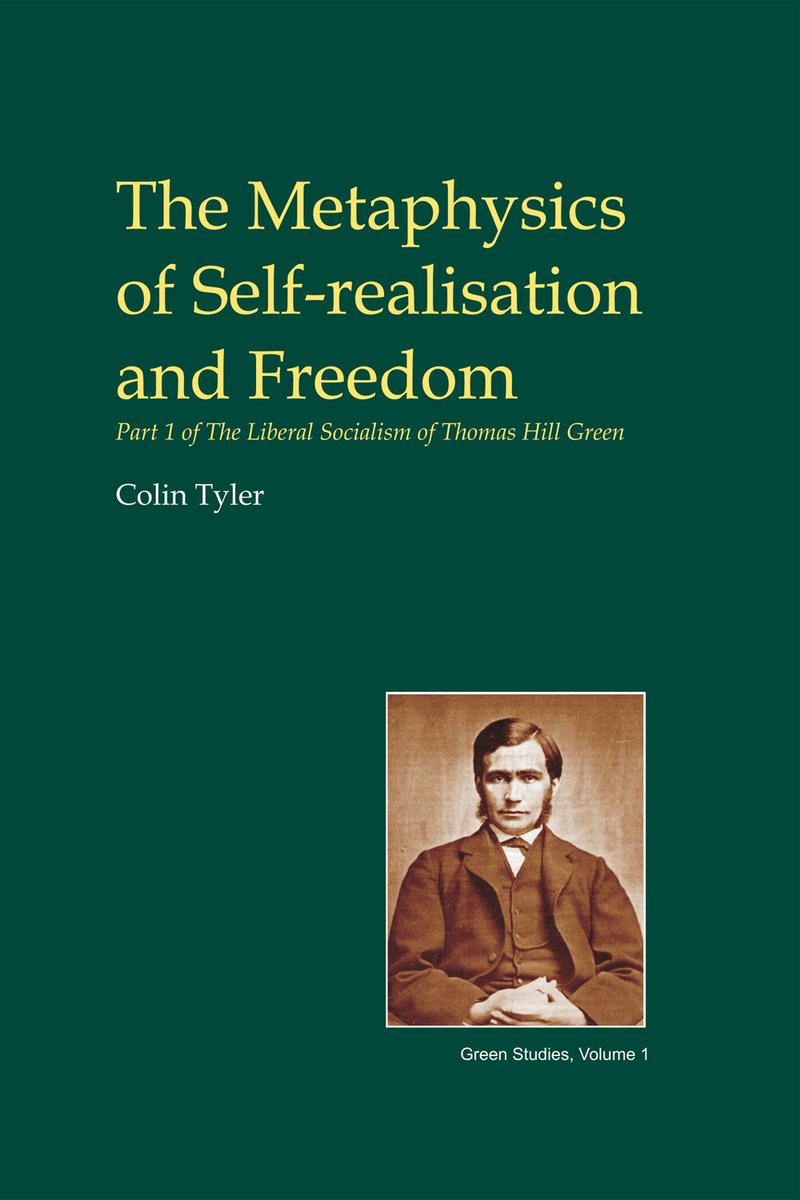
Metaphysics of Self-realisation and Freedom
¥220.63
This first part of Colin Tyler's new critical assessment of the social and political thought of T.H. Green (1836-1882) explores the grounding that Green gives to liberal socialism. Tyler shows how, for Green, ultimately, personal self-realisation and freedom stem from the innate human drive to construct a bedrock of fundamental values and commitments that can define and give direction to the individual's most valuable potentials and talents. This book is not only a significant contribution to British idealist scholarship. It highlights also the enduring philosophical and ethical resources of a social democratic tradition that remains one of the world's most important social and political movements, and not least across Britain, Europe, North America, India and Australia. Dr Colin Tyler is Reader in Politics at the University of Hull and joint convenor of the Centre for British Idealism.
Collection of Classic Stories for Children
¥44.05
Although written nearly 100 years ago, this collection is a wonderful read for children looking for stories which they will enjoy - and which will enhance their literacy skills! With a vocabulary so much wider and richer than many collections of children's stories today, this collection is sure to delight those who read it. Featuring tales such as Rab and his Friends, and Peter Rugg, the Missing Man, this collection has been specially formatted for today's e-readers by Andrews UK

Moored to the Continent
¥132.34
Is there an alternative to EU membership? What if Britain left the EU? Would it be a disastrous or liberating experience? What trade relationships could the UK forge outside the EU? How would economic and social policy be different? What are the implications for sovereignty and democracy?This text seeks to answer these questions through exploring the future options for Britain regarding its relationship with the European Union (EU). To the British establishment it seemed obvious that joining the process towards greater European integration would reverse the UK's post-war declining political influence and accelerate its rate of economic growth. Consequently, a recurrent theme is that UK participation in ever closer European integration is widely perceived as 'inevitable'. In contrast, this book both addresses and challenges this presumption by illustrating that a variety of alternative forms of relationship are feasible, together with outlining possible policy options that may compliment and enhance the consequences arising from the fundamental decision of how the UK determines its future.
Arsene Lupin
¥44.05
Arsene Lupin is a gentleman thief, and this first book from the pen of Maurice Leblanc introduces us to this wonderful character's first adventure. Written many years ago, this exciting crime romp is still fantastic fun today, and has been specially formatted for e-reading devices by Andrews UK.

Arabian Nights
¥44.05
The Stories contained in Arabian Nights have been handed down from generation to generation and are just as compelling today as they were when first told. This collection, specially selected and edited by Andrew Lang is a wonderful anthology, and will delight readers young and old. This version has been specially formatted for today's e-readers.

Around The World in 80 Days
¥44.05
An all time classic, this version of Jules Verne's Around The World in 80 days has been specially formatted for today's e-readers. Follow Phileas Fogg and Passepartout as Fogg takes a wager to travel around the world in what was - at the time - an unthinkably short amount of time!

Spectra Magazine - Issue 3
¥24.43
Spectra is the new digital magazine bringing you the best in new sci-fi, horror and fantasy short fiction, news and reviews. With four new stories from established writers and rising talent every issue, Spectra Magazine delivers the cutting edge of digital fiction direct to your favourite eBook platform. Spectra Magazine is the first science fiction, fantasy and horror short fiction publication dedicated to digital reading, delivering the best in genre-based literary entertainment. Each month, four brand new short stories are curated from award-winning genre writers and new talent alike, bringing you electrifying fiction in a host of different styles. We believe that sci-fi, fantasy and short fiction should dazzle and excite even the most seasoned reader, and we only select authors who are sure to blow your mind, ignite your imagination or turn your dreams into nightmares. Written and designed specifically for the e-book generation and e-reader technology, Spectra Magazine is essential for everyone with a passion for science fiction, fantasy, horror, or anyone looking for something fresh and exciting to bring their e-Reader to life. The future of short fiction is here.
Amateur Cracksman
¥44.05
Arthur Raffles is a prominent member of London society, and a national sporting hero. As a cricketer he regularly represents England in Test matches. He uses this as a chance to commit a number of burglaries, primarily stealing valuable jewellery from his hosts. In this, he is assisted by his friend, the younger, idealistic Bunny Manders. Both men are constantly under the surveillance of Inspector Mackenzie of Scotland Yard who is always thwarted in his attempts to pin the crimes on Raffles... This rip-roaring collection of short stories about Raffles, the Gentleman Thief, has been specially formatted for today's e-readers by Andrews UK.
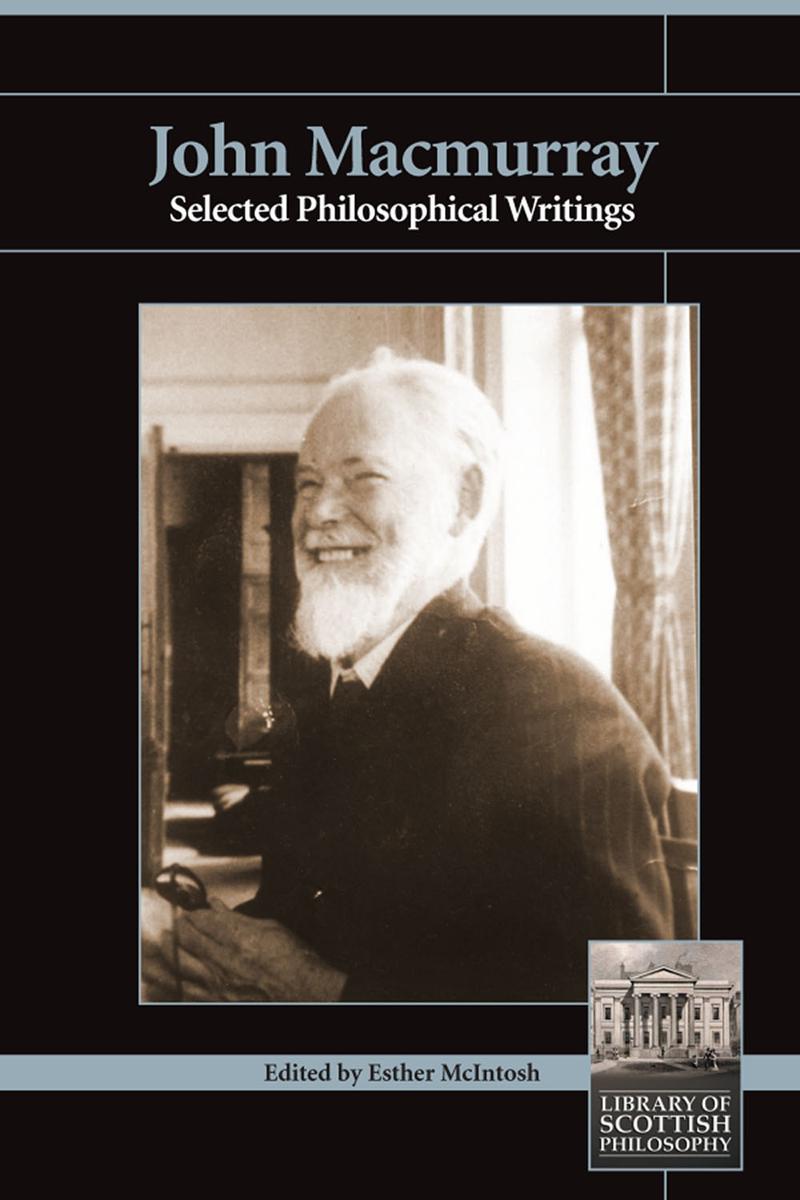
John Macmurray
¥107.81
The philosophy of John Macmurray is only now receiving the attention it deserves. It is in the contemporary climate of dissatisfaction with individualism that Macmurray's emphasis on the relations of persons has come to the fore. Moreover, Macmurray's recognition of the central importance of acknowledging human embodiment is being favourably received by a wide range of fields, which includes philosophers, theologians and psychologists.Macmurray's overriding concern is to present an adequate account of the person and of personal relationships. Nevertheless, he is an eclectic writer, whose work addresses concerns in education, science and art, which all stem from his understanding of human agency. In addition, this leads Macmurray into a discussion of the ethics of personal and political relations and a critique of otherworldly religion. Hence, Macmurray's philosophy is informed by fairly unconventional religious beliefs.
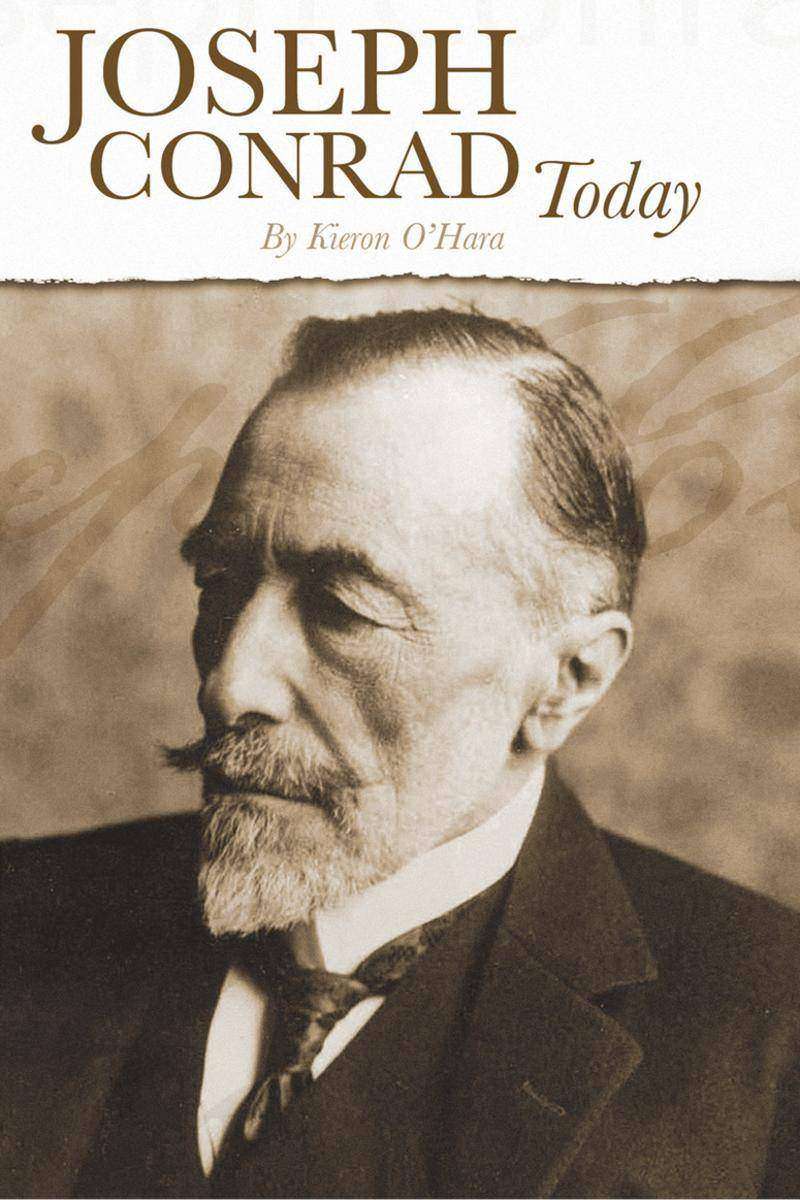
Joseph Conrad Today
¥63.67
This book argues that the novelist Joseph Conrad's work speaks directly to us in a way that none of his contemporaries can. Conrad's scepticism, pessimism, emphasis on the importance and fragility of community, and the difficulties of escaping our history are important tools for understanding the political world in which we live. He is prepared to face a future where progress is not inevitable, where actions have unintended consequences, and where we cannot know the contexts in which we act.Heart of Darkness uncovers the rotten core of the Eurocentric myth of imperialism as a way of bringing enlightenment to 'native peoples' - lessons which are relevant once more as the Iraq debacle has undermined the claims of liberal democracy to universal significance.The result can hardly be called a political programme, but Conrad's work is clearly suggestive of a sceptical conservatism of the sort described by the author in his 2005 book After Blair: Conservatism Beyond Thatcher. The difficult part of a Conradian philosophy is the profundity of his pessimism - far greater than Oakeshott, with whom Conrad does share some similarities (though closer to a conservative politician like Salisbury). Conrad's work poses the question of how far we as a society are prepared to face the consequences of our ignorance.
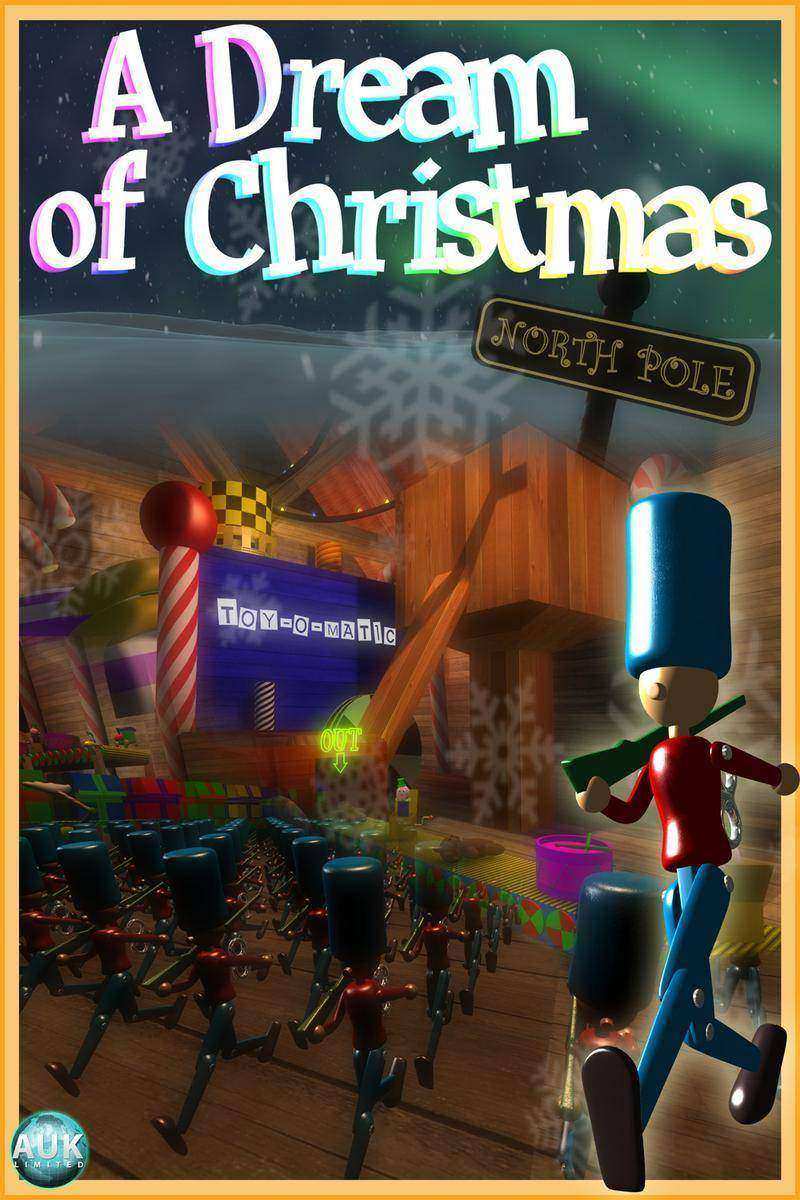
Dream of Christmas
¥19.52
A Dream of Christmas is a fantastic festive tale during which a child dreams of visiting Santa's toy factory. But is it just a dream? The story features 24 pictures and wonderfully written rhyming verse, and is a favourite of children across the world.
Moral Mind
¥63.67
The reality and validity of the moral sense - which ordinary people take for granted - took a battering in the last century. Materialist trends in philosophy, decline in religious faith, and a loosening of traditional moral constraints contributed to a shift in public attitudes, with many decent honest folk both aware of a questioning of moral claims and uneasy with a world that has no place for the moral dimension. Haslam shows how important the moral sense is to the human personality and exposes the weakness in much current thinking that suggests otherwise. His goal is to help the reader to a mature and confident understanding of the moral mind, which constitutes an essential part of what it is to be human.
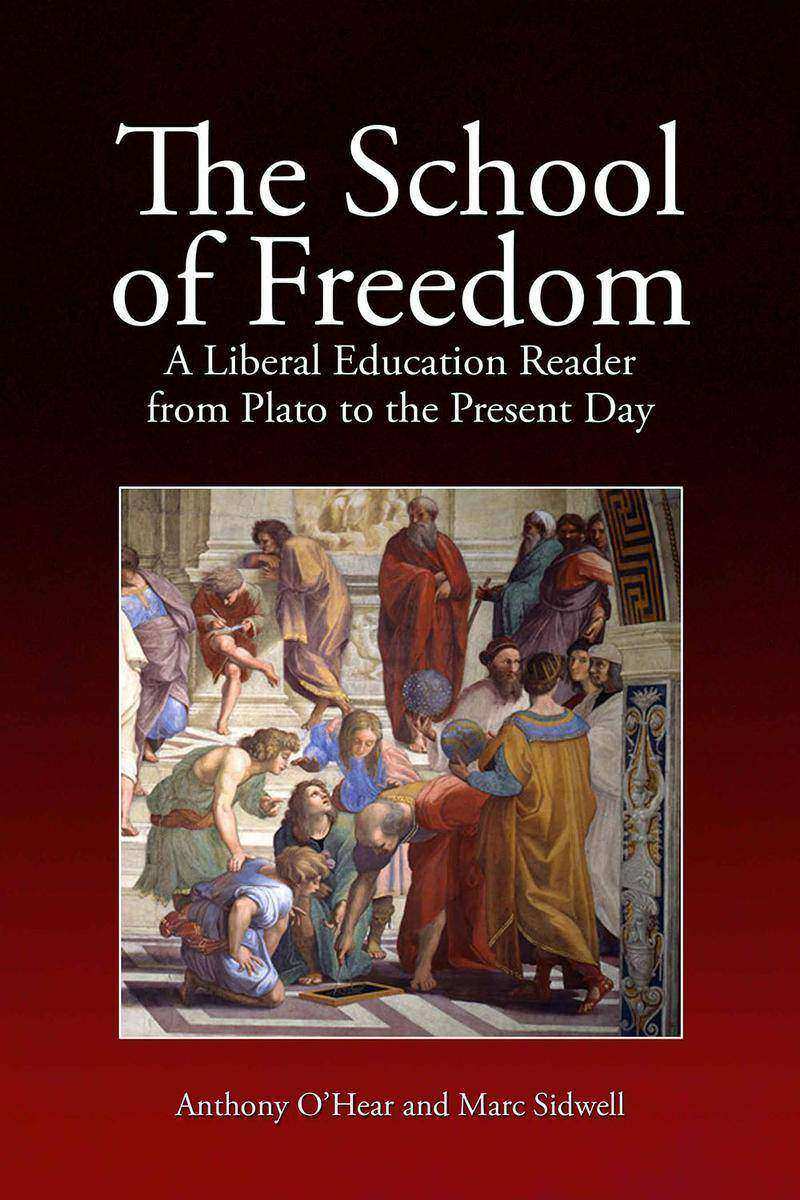
School of Freedom
¥107.81
Liberal education is not a theory. It is the tradition by which Western civilisation has preserved and enriched its inheritance for two and a half thousand years. Yet liberal education is a term that has fallen from use in Britain, its traditional meaning now freely confused with its opposite. This book is intended to correct that misapprehension, through the presentation of original source material from the high points in the liberal education tradition with particular focus on the British experience.Section 1: Origins (c. 450 BC to c. 450 AD)Section 2: The British Tradition (c. 750 to 1950)Section 3: After Tradition (1950 onward)Section 4: Liberal Education Redux (America)

Who's Afraid of a European Constitution?
¥63.67
In this short but authoritative book, the nature and purpose of the European Constitution are explained by someone involved in its preparation. The author discusses how it was drafted, and tackles some much debated questions: whether it promises any enhancement of democracy in the EU, whether it implies that the EU is becoming a superstate, and whether it will strengthen the principle of subsidiarity and the protection of human rights.
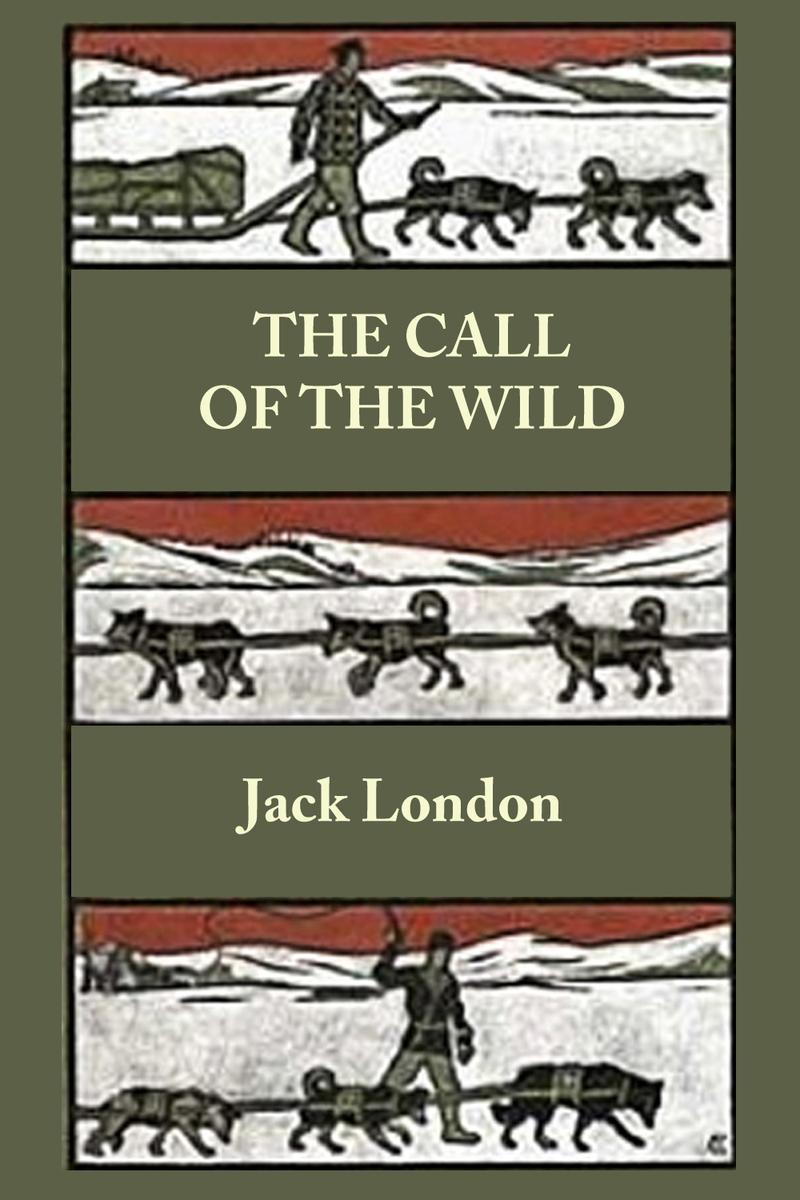
Call of the Wild
¥44.05
Buck is a St. Bernard/Scotch Shepherd mix dog living in the "e;sun-kissed"e; valley of Santa Clara, California. But, when he is stolen and transported up to frozen lands of the Yukon, he discovers an existence almost beyond his comprehension. However, while most southern dogs that are suddenly dropped into this harsh and unforgiving environment, Buck not only survives, he thrives. It seems that ancient memories are speaking to Buck, drawing him towards the call of the wild... This classic tale has been specially formatted for today's e-readers.
Read My Lips
¥19.52
Frederick Huntsman had a tough childhood. He was deaf for five years before his hearing was restored. His schoolmates shunned him and he never had a girlfriend in high school but this painful past left him with one very helpful skill: he could read lips.He was looking for his first job when he saw two people talking about a kidnapping. He reports this to the police but they do not believe him so he rescues the kidnap victim himself. The victim was the daughter of the town's Mayor who is a very rich man and is vying to become state governor. He employs Freddie as his investigator at a very high salary. Freddie uses his skill to keep track of what Barforth "e;Spike"e; Crawley, the kidnapper is planning to do next. Suddenly Freddie finds himself very popular with the opposite sex. The hunt for Crawley takes him into the woods and an encounter with a grizzly bear and a very attractive girl. He solves a ten year old murder as the mayor is elected to the governorship and Crawley finally corners Freddie, seeking revenge.

Great Immigration Scandal
¥63.67
Outlines the events that led to the decision that the author could no longer participate in a policy that appeared to be at odds with the intentions of Parliament. This book includes an analysis of the relevant scholarly literature in demography, economics and psychology.
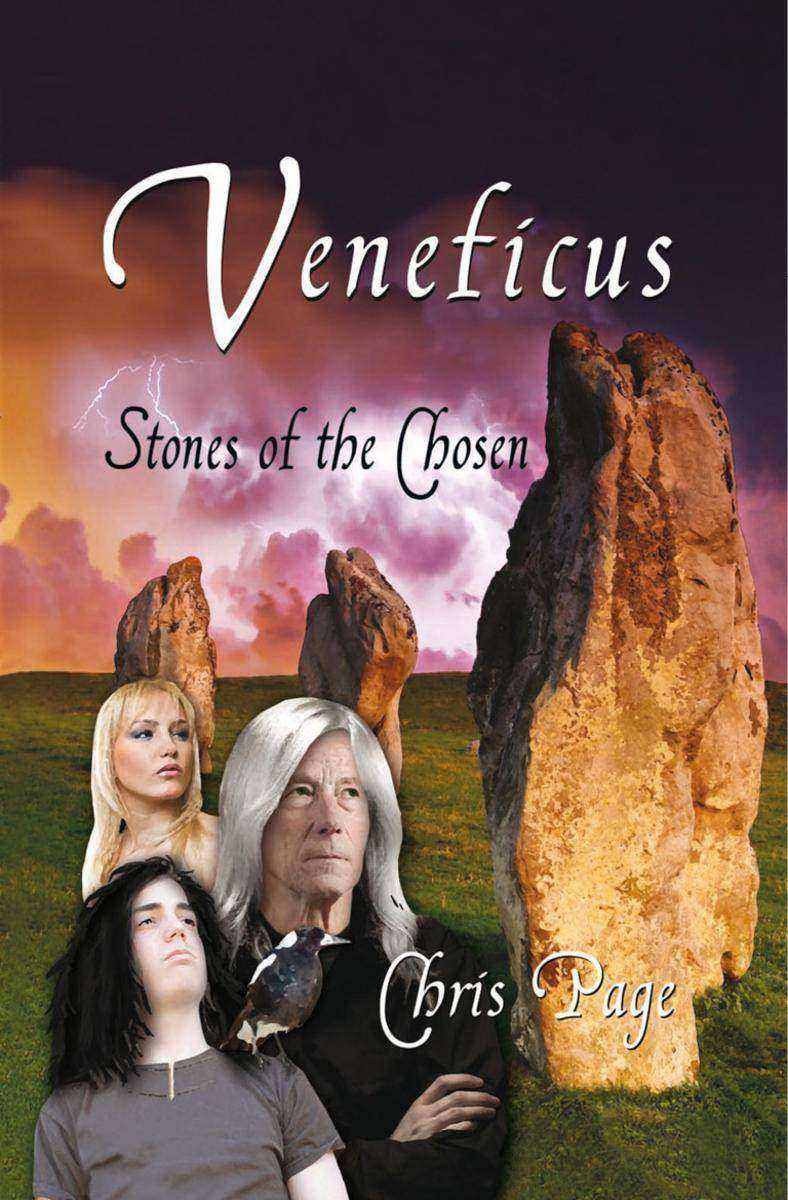
Veneficus
¥19.52
This is the beginning of an epic saga of books featuring the savage and brutal realism of Dark Ages conflict with domineering rulers and stardust legends. A veneficus is a Dark Ages hybrid of sorcerer, magician, hermit, alchemist, oracle, wizard and wax-pale ghost. Savage death stalks the venefical gift, those who oppose it and those who support it. The fate of Wessex lies in the enchanted hands of Merlin, the current manifestation of the 10,000 - year - old Avebury Stones dynasty of Wessex venefici. But time races against him. He has only seven years left to live; seven short years in which he must train his successor in the enchantments. Twilight, formerly the village boy Will Timms, has the aura of the one chosen to be taught by the mighty Merlin and eventually take his place. Meanwhile, Wessex has fallen into peril, consumed by conflict and death as the Northern King, Penda, and his wolf woman veneficus, Elelendise, invade the land in search of conquest and power. Elelendise also covets Merlin's title and will stop at nothing to obtain it. Penda and Elelendise are not the only threats. Forces even darker still are gathering as the God of the Cowering Dead strives for domination in an immortal struggle entwined with the fate of Wessex.

Stone of Destiny
¥48.95
During the elaborate funeral for Queen Victoria, a group of Irish separatists breaks into Westminster Abbey and steals the Coronation Stone, on which every monarch of England has been crowned since the 14th century. After learning of the theft from Mycroft, Sherlock Holmes is tasked with recovering the stone and returning it to England. In pursuit of the many-named stone, which has a rich and colorful history, Holmes and Watson travel to Ireland in disguise as they try to infiltrate the Irish Republican Brotherhood, the group they believe responsible for the theft. The story features a number of historical characters, including a very young Michael Collins, who would go on to play a prominent role in Irish history; John Theodore Tussaud, the grandson of Madame Tussaud; and George Bradley, the dean of Westminster at the time of the theft. There are also references to a number of other Victorian luminaries, including Joseph Lister and Frederick Treves. For fans of Conan Doyle's immortal detective, the game is always afoot. However, for the great detective the stakes have never been higher as he must mollify a king who refuses to ascend the throne until "e;order has been restored."e;
Democratic Theory of Michael Oakeshott
¥220.63
his book offers a description, explanation, and evaluation of Michael Oakeshott's democratic theory. He was not a democratic theorist as such, but as a twentieth-century English political theorist for whom liberal theory held deep importance, his thought often engaged democratic theory implicitly, and many times did so explicitly. The author's project penetrates two renewals. The first is the revitalization of interest in Oakeshott, and the second is the renewal of democratic theory which began in the 1980s. In respect to this latter renewal, the book engages the deliberative turn in democratic theory. These revivals create the context for this new look at Oakeshott. To state the matter as a problem, one might say that in light of new and fecund democratic theory, it is a problem for political theory if one of the most important political theorists of the twentieth century is left out of the discourse insofar as he has something relevant to say about deliberative democracy. It is of no small importance that almost all the work in democratic theory being done these days is of the deliberative/discursive kind, or responses to it. That is, deliberative theory is driving the agenda of democratic theory. The author argues that Oakeshott does indeed have something relevant to say which is applicable to this democratic theory.
Profit, Prudence and Virtue
¥132.34
Essays on the ethics of business and management.


