


 购物车
 个人中心


Cizme, rob?, c?ma?a de noapte
¥48.97
O poveste de dragoste se înfirip? între un soldat ?i o tân?r? turist?, într?un ora? de pe litoralul albanez. Numai c? nimic nu este ceea ce pare în acest minunat decor estival. Pe fundalul ruinelor unui teatru antic, regimul comunist monteaz? o înscenare grotesc? pentru a??i ?ine sub teroare propriul popor, iar protagoni?tii devin, cu sau f?r? voia lor, actori.

Alterna?tere
¥73.49
Enigma unor crime sângeroase din secolul al XVII?lea, tradi?ii africane aduse de sclavi, o confrerie secret? – toate acestea se împletesc în firul unei pove?ti spuse de diferi?i protagoni?ti, într?un amestec de perspective ?i rase care red? îns??i esen?a Braziliei. Iar deasupra tuturor se profileaz? figura misterioasei regine Jinga.
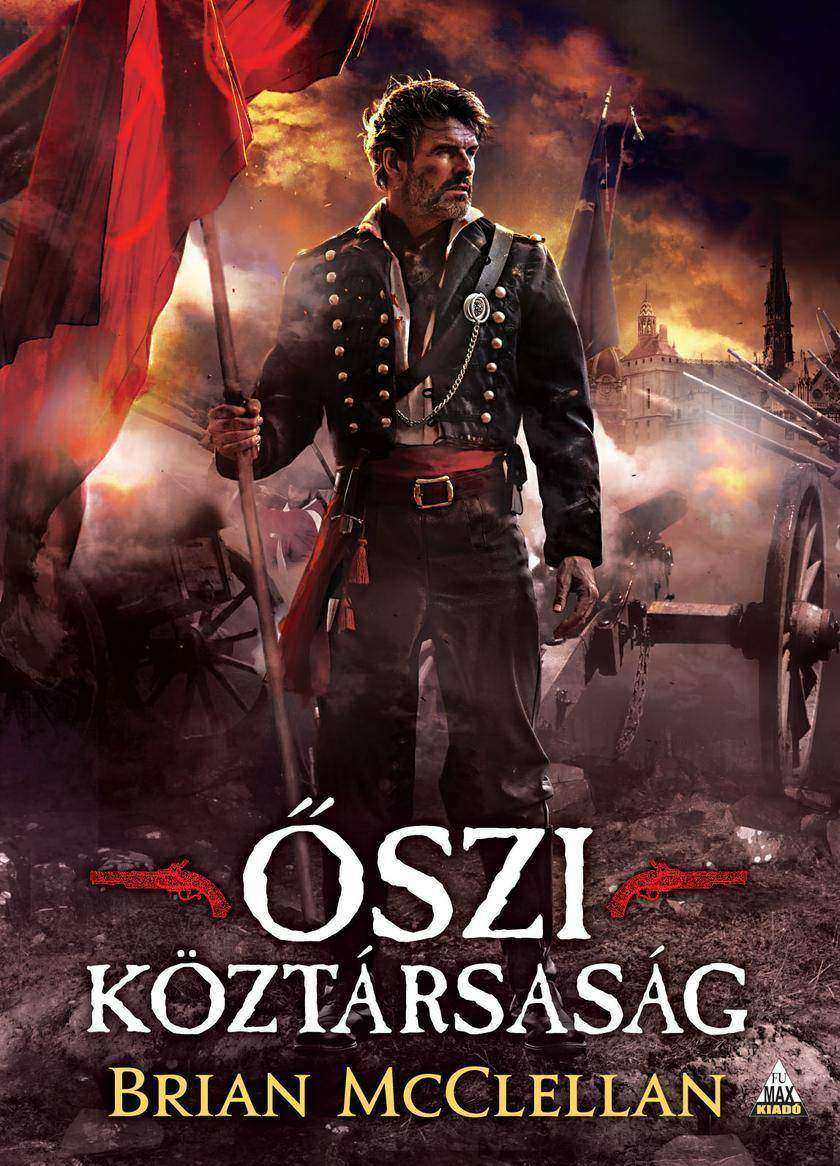
?szi k?ztársaság
¥80.52
Anna Karenina is a novel by the Russian writer Leon Tolstoy, published in serial installments from 1873 to 1877 in the periodical The Russian Messenger. Tolstoy clashed with editor Mikhail Katkov over political issues that arose in the final installment (Tolstoy's unpopular views of volunteers going to Serbia); therefore, the novel's first complete appearance was in book form. Widely regarded as a pinnacle in realist fiction, Tolstoy considered Anna Karenina his first true novel, when he came to consider War and Peace to be more than a novel. Fyodor Dostoevsky declared it to be "flawless as a work of art". His opinion was shared by Vladimir Nabokov, who especially admired "the flawless magic of Tolstoy's style", and by William Faulkner, who described the novel as "the best ever written". The novel is currently enjoying popularity, as demonstrated by a recent poll of 125 contemporary authors by J. Peder Zane, published in 2007 in "The Top Ten" in Time, which declared that Anna Karenina is the "greatest novel ever written" "..The novel opens with a scene introducing Prince Stepan Arkadyevich Oblonsky ("Stiva"), a Moscow aristocrat and civil servant who has been unfaithful to his wife Darya Alexandrovna ("Dolly"). Dolly has discovered his affair with the family's governess, and the household and family are in turmoil. Stiva's affair and his reaction to his wife's distress show an amorous personality that he cannot seem to suppress. In the midst of the turmoil, Stiva informs the household that his married sister, Anna Arkadyevna Karenina, is coming to visit from Saint Petersburg. Meanwhile, Stiva's childhood friend, Konstantin Dmitrievich Levin ("Kostya"), arrives in Moscow with the aim of proposing to Dolly's youngest sister, Princess Katerina Alexandrovna Shcherbatskaya ("Kitty"). Levin is a passionate, restless, but shy aristocratic landowner who, unlike his Moscow friends, chooses to live in the country on his large estate. He discovers that Kitty is also being pursued by Count Alexei Kirillovich Vronsky, an army officer. Whilst at the railway station to meet Anna, Stiva bumps into Vronsky who is there to meet his mother, the Countess Vronskaya. Anna and Vronskaya have traveled and talked together in the same carriage. As the family members are reunited, and Vronsky sees Anna for the first time, a railway worker accidentally falls in front of a train and is killed. Anna interprets this as an "evil omen." Vronsky, however, is infatuated with her. Anna is uneasy about leaving her young son, Sergei ("Seryozha"), alone for the first time.At the Oblonsky home, Anna talks openly and emotionally to Dolly about Stiva's affair and convinces her that Stiva still loves her despite the infidelity. Dolly is moved by Anna's speeches and decides to forgive Stiva. Kitty, who comes to visit Dolly and Anna, is just eighteen. In her first season as a debutante, she is expected to make an excellent match with a man of her social standing. Vronsky has been paying her considerable attention, and she expects to dance with him at a ball that evening. Kitty is very struck by Anna's beauty and personality and becomes infatuated with her just as Vronsky is. When Levin proposes to Kitty at her home, she clumsily turns him down, believing she is in love with Vronsky and that he will propose to her, and encouraged to do so by her mother who believes Vronsky would be a better match.At the big ball Kitty expects to hear something definitive from Vronsky, but he dances with Anna, choosing her as a partner over a shocked and heartbroken Kitty. Levin, crushed by Kitty's refusal, returns to his estate, abandoning any hope of marriage. Anna returns to her husband Alexei Alexandrovich Karenin, a senior government official, and her son Seryozha in Saint Petersburg. On seeing her husband for the first time since her encounter with Vronsky, Anna realises that she finds him unattractive, though she tells herself he is a good man.." ? ABOUT AUTHOR: Tolstoy was born in Yasnaya Polyana, the family estate in the Tula region of Russia. The Tolstoys were a well-known family of old Russian nobility. He was the fourth of five children of Count Nikolai Ilyich Tolstoy, a veteran of the Patriotic War of 1812, and Countess Mariya Tolstaya (Volkonskaya).
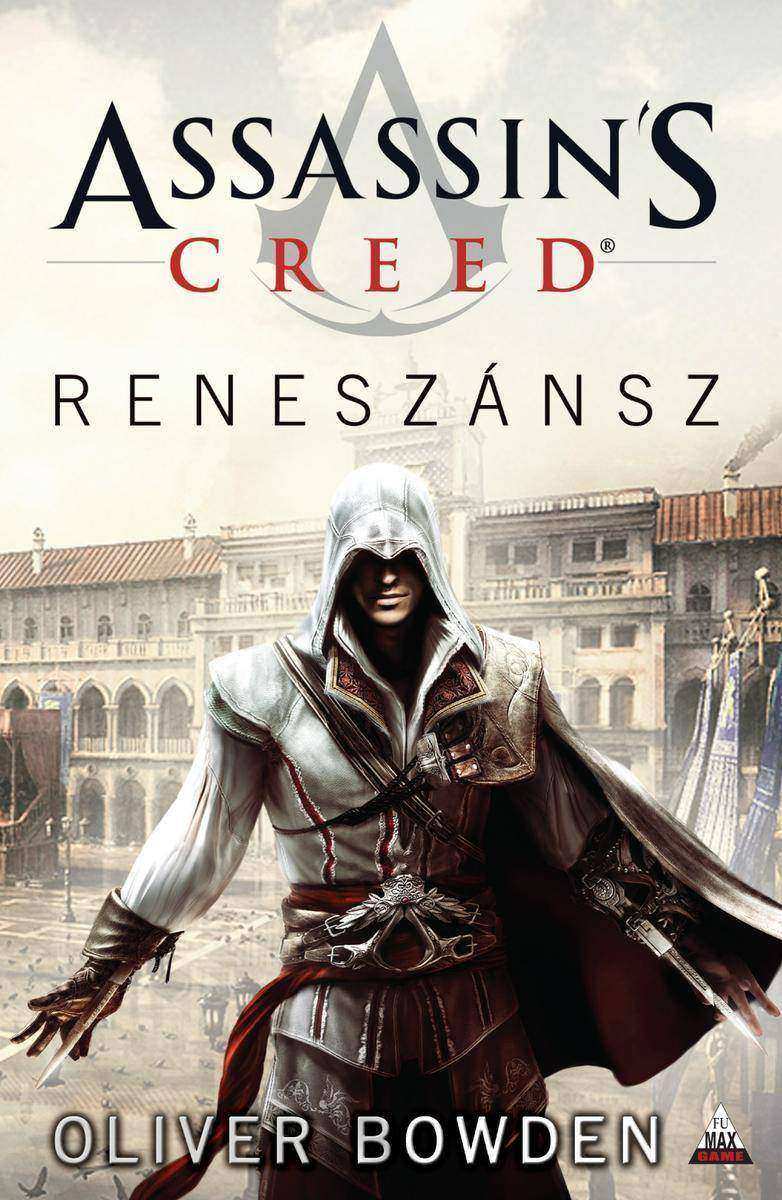
Assassin's Creed: Reneszánsz
¥71.69
The story starts in London on Tuesday, October 1, 1872. Fogg is a rich English gentleman and bachelor living in solitude at Number 7 Savile Row, Burlington Gardens. Despite his wealth, which is ?40,000 (roughly ?3,020,000 today), Fogg, whose countenance is described as "repose in action", lives a modest life with habits carried out with mathematical precision. Very little can be said about his social life other than that he is a member of the Reform Club. Having dismissed his former valet, James Foster, for bringing him shaving water at 84 °F (29 °C) instead of 86 °F (30 °C), Fogg hires a Frenchman by the name of Jean Passepartout, who is about 30 years old, as a replacement. Later on that day, in the Reform Club, Fogg gets involved in an argument over an article in The Daily Telegraph, stating that with the opening of a new railway section in India, it is now possible to travel around the world in 80 days. He accepts a wager for ?20,000 (roughly ?1,510,000 today) from his fellow club members, which he will receive if he makes it around the world in 80 days. Accompanied by Passepartout, he leaves London by train at 8:45 P.M. on Wednesday, October 2, 1872, and thus is due back at the Reform Club at the same time 80 days later, Saturday, December 21, 1872. Mr. Phileas Fogg lived, in 1872, at No. 7, Saville Row, Burlington Gardens, the house in which Sheridan died in 1814. He was one of the most noticeable members of the Reform Club, though he seemed always to avoid attracting attention; an enigmatical personage, about whom little was known, except that he was a polished man of the world. People said that he resembled Byron—at least that his head was Byronic; but he was a bearded, tranquil Byron, who might live on a thousand years without growing old. Certainly an Englishman, it was more doubtful whether Phileas Fogg was a Londoner. He was never seen on 'Change, nor at the Bank, nor in the counting-rooms of the "City"; no ships ever came into London docks of which he was the owner; he had no public employment; he had never been entered at any of the Inns of Court, either at the Temple, or Lincoln's Inn, or Gray's Inn; nor had his voice ever resounded in the Court of Chancery, or in the Exchequer, or the Queen's Bench, or the Ecclesiastical Courts. He certainly was not a manufacturer; nor was he a merchant or a gentleman farmer. His name was strange to the scientific and learned societies, and he never was known to take part in the sage deliberations of the Royal Institution or the London Institution, the Artisan's Association, or the Institution of Arts and Sciences. He belonged, in fact, to none of the numerous societies which swarm in the English capital, from the Harmonic to that of the Entomologists, founded mainly for the purpose of abolishing pernicious insects. Phileas Fogg was a member of the Reform, and that was all. The way in which he got admission to this exclusive club was simple enough. He was recommended by the Barings, with whom he had an open credit. His cheques were regularly paid at sight from his account current, which was always flush. Was Phileas Fogg rich? Undoubtedly. But those who knew him best could not imagine how he had made his fortune, and Mr. Fogg was the last person to whom to apply for the information. He was not lavish, nor, on the contrary, avaricious; for, whenever he knew that money was needed for a noble, useful, or benevolent purpose, he supplied it quietly and sometimes anonymously. He was, in short, the least communicative of men. He talked very little, and seemed all the more mysterious for his taciturn manner. His daily habits were quite open to observation; but whatever he did was so exactly the same thing that he had always done before, that the wits of the curious were fairly puzzled. ABOUT AUTHOR: Jules Gabriel Verne (1828 – 1905) was a French novelist, poet, and playwright best known for his adventure novels and his profound influence on the literary genre of science fiction. Born to bourgeois parents in the seaport of Nantes, Verne was trained to follow in his father's footsteps as a lawyer, but quit the profession early in life to write for magazines and the stage. His collaboration with the publisher Pierre-Jules Hetzel led to the creation of the Voyages Extraordinaires, a widely popular series of scrupulously researched adventure novels including Journey to the Center of the Earth, Twenty Thousand Leagues Under the Sea, and Around the World in Eighty Days.
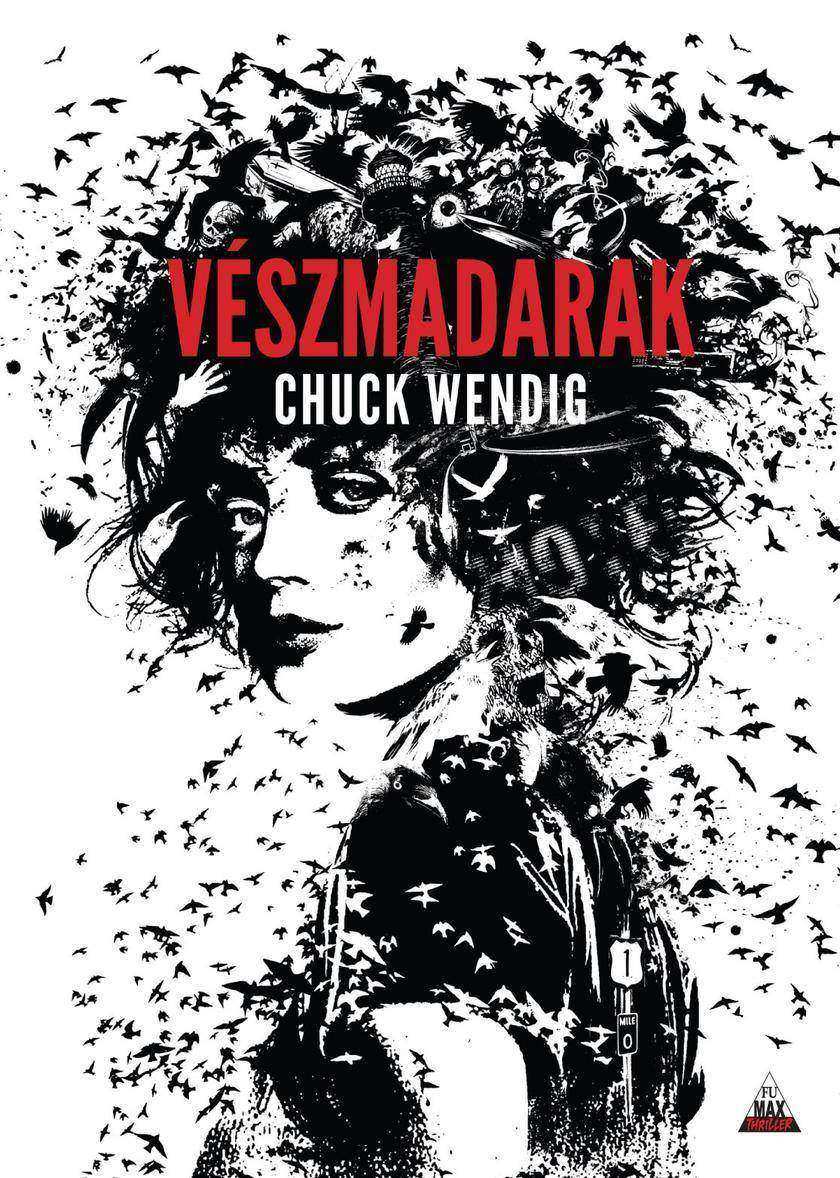
Vészmadarak
¥57.47
"BLEAK HOUSE" is a novel by Charles Dickens, published in 20 monthly instalments between March 1852 and September 1853. It is held to be one of Dickens's finest novels, containing one of the most vast, complex and engaging arrays of minor characters and sub-plots in his entire canon. The story is told partly by the novel's heroine, Esther Summerson, and partly by a mostly omniscient narrator. Memorable characters include the menacing lawyer Tulkinghorn, the friendly but depressive John Jarndyce, and the childish and disingenuous Harold Skimpole, as well as the likeable but imprudent Richard Carstone. At the novel's core is long-running litigation in England's Court of Chancery, Jarndyce v Jarndyce, which has far-reaching consequences for all involved. This case revolves around a testator who apparently made several wills. The litigation, which already has taken many years and consumed between 60,000 and 70,000 in court costs, is emblematic of the failure of Chancery. Though Chancery lawyers and judges criticised Dickens's portrait of Chancery as exaggerated and unmerited, his novel helped to spur an ongoing movement that culminated in the enactment of legal reform in the 1870s. In fact, Dickens was writing just as Chancery was reforming itself, with the Six Clerks and Masters mentioned in Chapter One abolished in 1842 and 1852 respectively: the need for further reform was being widely debated. These facts raise an issue as to when Bleak House is actually set. Technically it must be before 1842, and at least some of his readers at the time would have been aware of this. However, there is some question as to whether this timeframe is consistent with the themes of the novel. The English legal historian Sir William Holdsworth set the action in 1827. Characters in Bleak House: As usual, Dickens drew upon many real people and places but imaginatively transformed them in his novel. Hortense is based on the Swiss maid and murderess Maria Manning. The "telescopic philanthropist" Mrs Jellyby, who pursues distant projects at the expense of her duty to her own family, is a criticism of women activists like Caroline Chisholm. The "childlike" but ultimately amoral character Harold Skimpole is commonly regarded as a portrait of Leigh Hunt. "Dickens wrote in a letter of 25 September 1853, 'I suppose he is the most exact portrait that was ever painted in words! ... It is an absolute reproduction of a real man'; and a contemporary critic commented, 'I recognized Skimpole instantaneously; ... and so did every person whom I talked with about it who had ever had Leigh Hunt's acquaintance.'"[2] G. K. Chesterton suggested that Dickens "may never once have had the unfriendly thought, 'Suppose Hunt behaved like a rascal!'; he may have only had the fanciful thought, 'Suppose a rascal behaved like Hunt!'". Mr Jarndyce's friend Mr Boythorn is based on the writer Walter Savage Landor. The novel also includes one of the first detectives in English fiction, Inspector Bucket. This character is probably based on Inspector Charles Frederick Field of the then recently formed Detective Department at Scotland Yard. Dickens wrote several journalistic pieces about the Inspector and the work of the detectives in Household Words, his weekly periodical in which he also published articles attacking the Chancery system. The Jarndyce and Jarndyce case itself has reminded many readers of the thirty-year Chancery case over Charlotte Smith's father-in-law's will. Major characters: Esther Summerson – the heroine of the story, and one of its two narrators (Dickens's only female narrator), raised as an orphan because the identity of her parents is unknown. At first, it seems probable that her guardian, John Jarndyce, is her father because he provides for her. This, however, he disavows shortly after she comes to live under his roof.
Wuthering Heights
¥8.09
Kedves Feln?ttek! ?Ez a k?nyv Nektek készült! T?rténetünk a XXXIV. században játszódik. Egy királyi család nem épp szokványos életén keresztül betekintést nyerhetünk a j?v?be. ??j faj k?rvonalazódik, aminek fejl?dése megállíthatatlan. ?Unalmasnak t?n?, idillikus életüket felváltja a S?tétség er?ivel folytatott harc, aminek kimenetele végleg meghatározza a F?ld bolygó sorsát...
Annuska
¥8.67
The history of our English translations of "Don Quixote" is instructive. Shelton's, the first in any language, was made, apparently, about 1608, but not published till 1612. This of course was only the First Part. It has been asserted that the Second, published in 1620, is not the work of Shelton, but there is nothing to support the assertion save the fact that it has less spirit, less of what we generally understand by "go," about it than the first, which would be only natural if the first were the work of a young man writing currente calamo, and the second that of a middle-aged man writing for a bookseller. On the other hand, it is closer and more literal, the style is the same, the very same translations, or mistranslations, occur in it, and it is extremely unlikely that a new translator would, by suppressing his name, have allowed Shelton to carry off the credit. In 1687 John Phillips, Milton's nephew, produced a "Don Quixote" "made English," he says, "according to the humour of our modern language." His "Quixote" is not so much a translation as a travesty, and a travesty that for coarseness, vulgarity, and buffoonery is almost unexampled even in the literature of that day. But it is, after all, the humour of "Don Quixote" that distinguishes it from all other books of the romance kind. It is this that makes it, as one of the most judicial-minded of modern critics calls it, "the best novel in the world beyond all comparison." It is its varied humour, ranging from broad farce to comedy as subtle as Shakespeare's or Moliere's that has naturalised it in every country where there are readers, and made it a classic in every language that has a literature.
Antigoné
¥8.67
FIRE MOUNTAIN IS "A THRILLING SEA STORY BY "NORMAN SPRINGER", AUTHOR OF "THE BLOOD SHIP" Years. Bright, aslant eyes, and a suave and ever-ready smile that broke immediately Martin met his gaze. "You will be so good as to inform the honorable that Dr. Ichi is here?" he asked in precise and stilted voice. Ever the same—the noiseless entry, the quietly spoken request for the lawyer. Martin repressed a flash of irritation; the little Japanese, with his uncanny soft-footedness and stereotyped address, got upon his nerves. However, his orders were explicit; Mr. Smatt would see Dr. Ichi without delay or preliminary, whenever Dr. Ichi favored the office with a visit. It was already the third visit that day, but orders were orders. So, Martin inclined his head toward the door of Smatt's private office. The Japanese crossed the room. He bowed to Martin, as stately a bow as if Martin were also an "honorable," instead of a poor devil of a law clerk; then, noiselessly as he had entered the outer office, Dr. Ichi disappeared within Smatt's sanctum. Martin turned to his window again. But his bright day dream was fled, and he could not conjure it back again. The view was without charm. His thoughts, despite himself, persisted in centering upon the dapper little figure now closeted with his employer. The dandified Jap aroused Martin's interest. What manner of client was this Dr. Ichi? Martin had not seen a single scrap of paper, nor had Smatt dropped a single hint, concerning the case. It was mysterious! Martin was not an overly curious chap, but he was human. It was another of Smatt's secret cases, thought Martin. Another token of those hidden activities of the old vulture, which he sensed, but did not know about. For, though Martin attended to the routine work, though his duties were responsible—Smatt specialized and was prominent in maritime law—still Martin knew he did not enjoy his employer's complete confidence. Much of Smatt's time was taken up with cases Martin knew nothing about, with clients who appeared to shun the daylight of the courts. The Nippon Trading Company, for instance! Martin knew Smatt was interested in a company of that name—a strange company, that apparently conducted business without using the mails. And there was business between Ichi and Smatt—money, or Smatt would have nothing to do with it. The mystery aroused Martin's dormant curiosity. But all his speculation was pointless. Martin bethought himself of the marine affidavit lying uncompleted upon his desk. He turned from the window with the intention of applying himself to that task—and he discovered the office to have a second visitor. Another unusual figure who possessed the penchant for surreptitious entry. He observed the fellow in the very act of closing the office door.
Szigorúan bizalmas
¥46.68
– Itt Zachary Horner beszél! Miben segíthetek? – Jó estét kívánunk Zachary James Horner! A Brit Szerencsejáték Sz?vetség ?r?mmel értesíti ?nt, hogy megnyerte a British Bonus f?nyereményét, azaz nyolcvan?tmillió fontot. – A rohadt élet! – d?bbent meg a fiatalember a hír hallatán, majd felülve az ágyán, nagy ?r?mmel folytatta – Ez most azt jelenti, hogy eltalálták mind a négy számot, amit megjátszottam? – Igen, tisztelt uram! Ez a legmagasabb ?sszeg, amit ember eddig valaha nyert. Nyereményét bármikor átveheti a londoni k?zpontunkban is személyesen, de akár bankszámlára is elutalhatjuk ?nnek.
A Journal of the Plague Year: "Illustrated"
¥8.09
A háború el?szele már mindenütt érezhet?: az utakat másfajúak renegát csapatai tartják rettegésben, a városok utcáin rejtélyes halálesetek t?rténnek. A királyok nem bíznak t?bbé a varázslókban, akik azt képzelik, varázshatalmuk feljogosítja ?ket, hogy beleártsák magukat a politikába. Némelyikük a szabad országok javáért cselekszik, mások ?n?s érdekb?l, de a varázslók álságos mosolya és felszínes csevegése m?g?tt sorsd?nt? játszmák zajlanak. Ríviai Geralt mindig is büszke volt semlegességére. A vaják korábban úgy gondolta, elegend?, hogy a saját sorsáról d?nts?n… csakhogy akkor még nem kellett mások miatt aggódnia. Egyedül k?nny? semlegesnek maradni, de ha egy kislány élete a tét, már nem annyira. Geralt igyekszik mindent megtenni Ciri védelmében.

Egy ?rállomás-takarító naplója
¥16.27
Az Uralom Koronája egy ?si, egyedülálló varázser?vel rendelkez? elveszett ereklye. A civilizációtól távol, az elhagyatott Felejtés-sivataggal k?rülvett, misztikus Piramisf?ld?n nyugszik titkos rejtekhelyén. A legendák szerint megszerz?je Erabon világának urává válhat. A tolvajfiú Antor, tanítványa Morghan, a varázslón? Kyranda, a szerencsevadász Monteris és az íjászn? Elvana kapják azt az életveszélyes kényszerfeladatot, hogy megszerezzék ezt a fenséges varázstárgyat a rettegett Birodalom császárának. A k?z?s cél a viszontagságokkal teli utazás során elszánt és lelkes csapattá kovácsolja ?ket ?ssze. Egy ármányos és velejéig romlott rosszakaró, valamint a fondorlatos alvilág jelenléte miatt azonban a folytonos kihívások mellett ellenségekb?l sincs hiány. A konfliktusok során szerepet kap a hagyományos küzdelem, a kül?nféle harcm?vészetek, a mágia szinte minden iskolája és formája, továbbá a pusztán beavatottak által használt titokzatos kozmikus er?. A megpróbáltatások folyamán el?térbe kerülnek birodalmak, népek, kultúrák, vallások, világi és titkos rendek, szokások és kivételes világcsodák; mindek?zben változatos helyszíneken igaz barátságok és szenvedélyes szerelmek születnek. Az igazi meglepetéseket mégis az ismert világ peremvidékén túli, lakatlannak vélt vidék tartogatja. Vajon képes lesz-e a csapat megküzdeni minden nehézséggel? A k?nyvben ?tv?z?dik a páratlan részletességgel kidolgozott háttérvilág a rendkívül precíz ?sszefonódású, egymásra utaló eseményekkel, és mindezt életh?en színes leírások, filmszer? jelenetek, valamint hangulatos párbeszédek tarkítják. Nem mindennapi terjedelmét, színvonalas tartalmát és kimagasló mélységét tekintve e m? egyike a valaha megírt legnagyobb eredeti alkotásoknak. www.aholdsarlofenye.hu
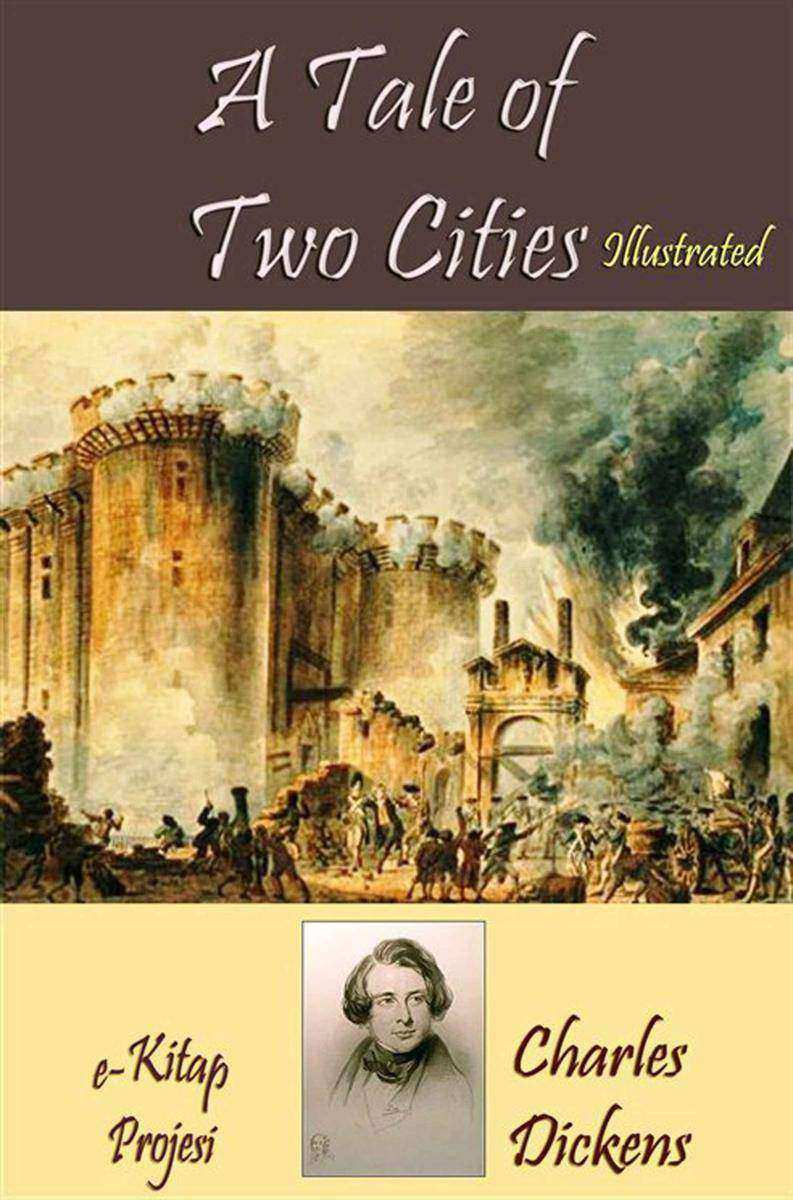
A Tale of Two Cities: Illustrated
¥24.44
Cirilla, a cintrai trón?r?k?s a Fecske-toronyban elt?nik saját világáról, és olyan útra indul, ahová sem védelmez?je, a fehér hajú vaják, sem mentora, a fekete hajú varázslón? nem k?vetheti. Olyan útra, amelynek a végén a végzet várja – az a végzet, amelyr?l már oly sok látomás kísértette. Minden a helyére kerül, a kígyó a saját farkába harap, valami véget ér, és valami elkezd?dik… A Vaják-saga befejez? k?tetében Sapkowski még magához képest is elképeszt? bravúrral ábrázol nagyszabású háborút és ugyanakkor az egyes ember drámai sorsát. Képzeletének és érzékletes leírásainak hatására megelevenednek el?ttünk az országok, városok és falvak, a t?le megszokott néz?pontváltások pedig gondoskodnak róla, hogy a sorssz?tte t?rténet végét a lehet? legalaposabb, legmélyebb módon kapjuk meg. A sagát átsz?v? fekete humor pedig tükr?t tart nemcsak a társadalom, de az egyes ember kicsinyessége és nagysága elé. ??

Hotel Bali
¥36.30
Guus Kuijer [ejtsd: kg?sz káüjer] holland gyermek- és ifjúsági író. Népszer?ségének titka, hogy éppolyan komolysággal és nyíltsággal fordul fiatalabb olvasóihoz, mintha feln?tteknek írna: nem kerüli el a kényes témákat, aktuális társadalmi kérdéseket, hanem ezeken keresztül elfogadásra tanít. 2012-ben elnyerte az Astrid Lindgren-emlékdíjat, a világ legjelent?sebb gyermek- és ifjúsági irodalmi díját. Thomasék szomszédja egy vén boszorkány, akit?l mindenki tart. Trópusi halak úsznak a csatornában. Békák hada d?r?mb?l a bejárati ajtón. Legalábbis Thomas így látja. Rajta kívül azonban senki másnak nem t?nnek fel ezek a dolgok. A fiú mindent lejegyez a naplójába, a Minden dolgok k?nyvébe. Ez nyugtatja meg, amikor az apja elveri, vagy amikor az angyalok sírni kezdenek az édesanyja miatt. Az írás er?t ad Thomasnak, és segít, hogy olyan emberré váljon, amilyen mindig is lenni szeretett volna… boldog. ?Felment a szobájába és el?vette a füzetet, amelybe a k?nyvét írta. A k?nyv címe az volt, hogy Minden dolgok k?nyve. Thomas el?vette a tollát, és írni kezdett. ?Olyan hatalmas jéges? volt, hogy leverte a leveleket a fákról. Ez tényleg így t?rtént, a Jan van Eyck utcában, kilencéves koromban.” Kinézett az ablakon, hogy gondolkodjon, mert ablak nélkül gondolkodni sem tudott. Vagy fordítva: ha volt a k?zelében egy ablak, mindjárt gondolkodni kezdett. Aztán így folytatta: ?Ha nagy leszek, boldog leszek.” ?Hallotta, hogy hazaért az apja, és azt gondolta: Már fél hat, és még mindig nem tudom, mir?l szóljon a k?nyvem. Tulajdonképpen mir?l szoktak szólni a k?nyvek?”
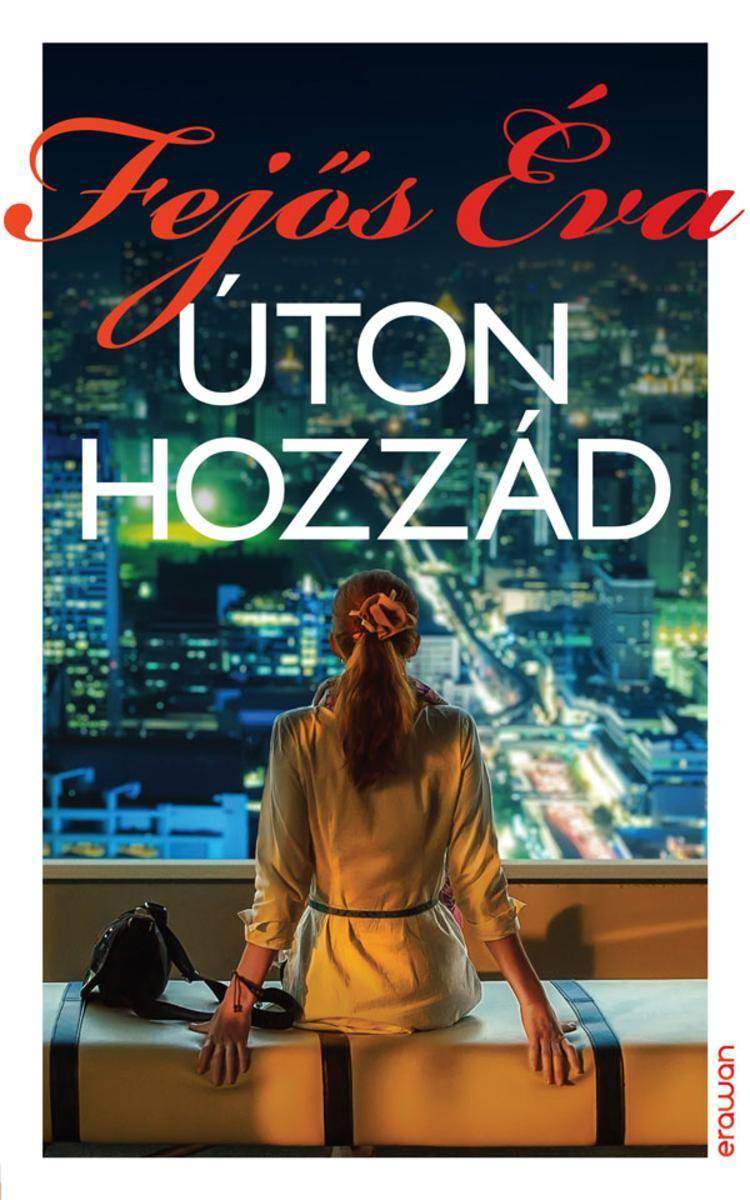
?ton hozzád
¥78.07
A K?M?LETLEN ?SZAKI PUSZTAS?G HAT?R?N… Az egykori páratlan orgyilkos, az othiri éjszaka ragadozó, s?tét árnya, Caim veszélyes játszmába kezdett, amikor egy trónját k?vetel? császárn? segítségére sietett. ?m titokzatos múltjának elfeledett ?r?ksége ismét csalogatni kezdi. Mik?zben szülei elt?nésének és meggyilkolásának k?rülményeir?l igyekszik kideríteni az igazságot, Caim tudomást szerez egy országról, amelyet az ?rny a rabigájába hajtott. Az Odaát mágikus kísértését?l ?z?tt harcos olyan háborúba keveredik, amelyben semmi kedve sincs küzdeni. De senki sem állhat ellen az ?rny csábításának. “Ez a k?nyv csupa akció… Az író mindvégig a sz?veg ritmusára, a cselekmény orientált mesesz?vésre és a t?kéletesen eltalált jellemekre ?sszpontosít, míg azok mesteri dark fantasy regénnyé állnak ?ssze… Mi bármikor szívesen olvassuk Jon Sprunk letehetetlen t?rténeteit.” – ELITIST BOOK REVIEWS

How To Camp Out
¥8.09
The fables were written and first published in the 17th century. They portray humans' behaviour in the society.The subject of each of the Fables is often common property of many ages and races. What gives La Fontaine's Fables their rare distinction is the freshness in narration, the deftness of touch, the unconstrained suppleness of metrical structure, the unfailing humor of the pointed the consummate art of their apparent artlessness.?

Karibi nyár
¥77.34
Ahogy a Részlegesek végs? lejárati ideje vészesen k?zeledik, a túlél?k sorsát eld?nt? háború immár elkerülhetetlennek látszik. Mindkét fél elszánta magát a végs? pusztításra, abban a biztos tudatban, hogy birtokában van a fegyver, amellyel megsemmisítheti a másikat. Samm és Kira Walker a két háborúban álló fél k?z?tt ragadt, egymástól ezer mérf?ldnyi távolságra. Samm a kontinens túlsó végén az amerikai k?zép-nyugat hatalmas mérgez? pusztaságain túl, Kira pedig dr. Morgan markában, akinek elt?kélt szándéka megmenteni a még megmaradt Részlegeseket, akár Kira élete árán is. Ekkor egy rejtélyes lény bukkan fel, sem ember, sem Részleges, és komoran figyelmezteti a harcoló feleket egy újabb apokalipszisre. Kirának egyetlen esélye van, hogy megmentse mindkét fajt és velük együtt a világot. De lehet, hogy ez az életébe kerül… A Részlegesek sorozat befejez? része epikus izgalmakat ígér, amelyben a bolygó utolsó megmaradt értelmes lényei ?sszecsapnak egymással, hogy meghatározzák a j?v?t.

Z?r?s hétvége
¥59.84
EGY FONTOS ?ZENET ROSSZ KEZEKBE KER?L. S?T?T TERV L?P M?K?D?SBE. ?M A K?T TOLVAJ MOST IS A CSELSZ?V?K ?TJ?BAN ?LL. A Riyria egyik fele, Hadrian Blackwater Novron elveszett ?r?k?sének felkutatására indul. Egykori társa életét féltve, Royce Melborn ismét csatlakozik hozzá egy utolsó küldetésre, így együtt szállnak tengerre. A sikerre egyetlen esélyük, ha szembeszállnak a kíméletlen Merrick Mariusszal, a mesterb?n?z?vel, aki barátból Royce legádázabb ellenségévé vált. ?tjuk csapdák és árulás ingoványos vidékén át vezet, és Hadrian arra kényszerül, hogy szembenézzen rég eltemetett múltjával. A Smaragdvihar a magával ragadó Riyria-krónikák negyedik k?tete. A hatk?tetes sorozatot írója egyetlen, eposzi magaslatokra t?r? t?rténetként alkotta meg, amit kül?n epizódokra bontott. A cselekményszálak egybefonódnak, de minden egyes k?tet a saját t?rténetét meséli el, és kül?n, kerek egészként is élvezhet?. Az eredetileg magánkiadásban megjelent sorozatra felfigyelt egy nagy kiadó is, és az új kiadás révén az utóbbi évek legsikeresebb új fantasyjévé vált.
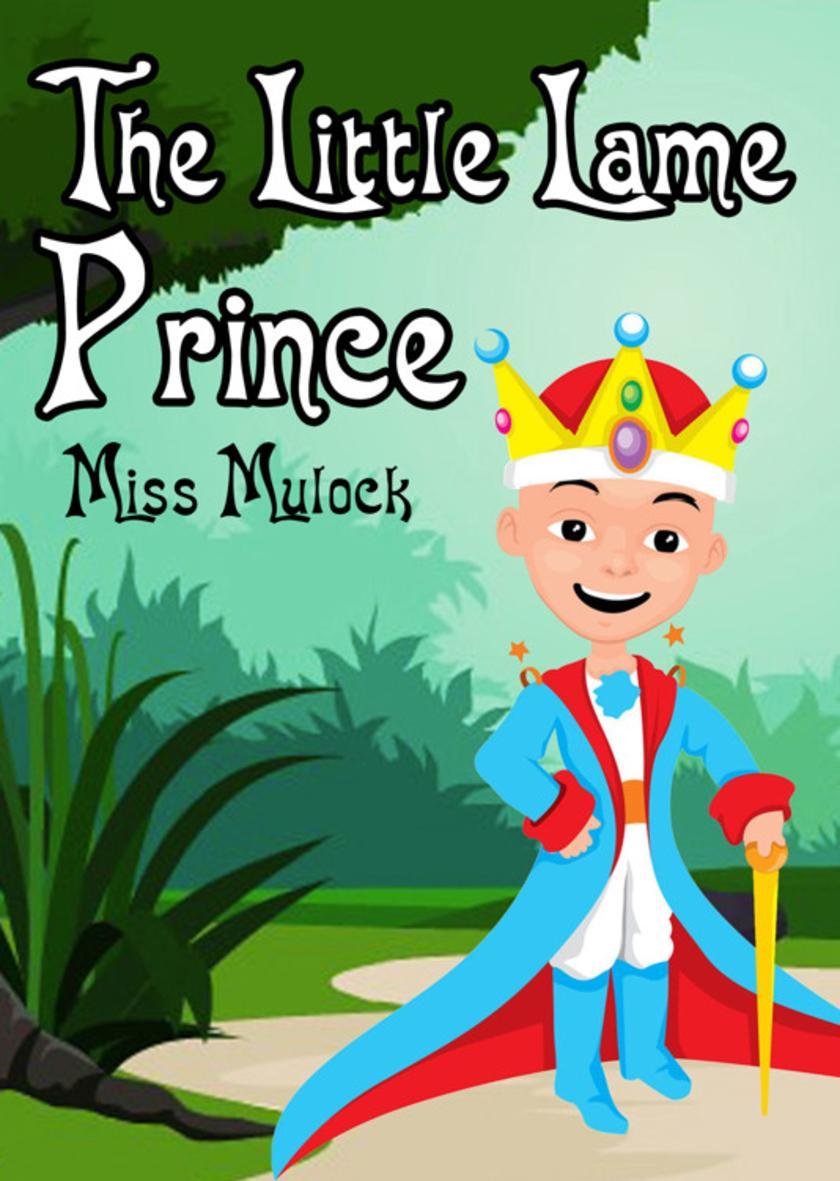
The Little Lame Prince
¥8.09
One of the true classics of literature, Pinocchio - The Story of a Puppet has stirred the imagination of young and old alike for over four generations.?This is a multi touch version, specially designed for the iPad, a unique experience and probably the most beautiful digital version ever made of this story. It contains gorgeous illustrations.?The book is enhanced with audio for all chapters, read by Phil Chenever.This is the wonderful story of Pinocchio, the puppet who must learn many lessons before he can become a real boy. Carved by a woodcarver named Geppetto in a small Italian village, he dreamed of becoming a real boy but strays from the path of goodness many times and is very willing to listen to temptation. He has also been used as a character who is prone to telling lies and fabricating stories for various reasons. The story has appeared in many adaptations in other mediums. Pinocchio has been called an icon of modern culture, and one of most reimagined characters in the pantheon of children's literature. Listen to his many adventures, scrapes, misdeeds and pranks followed by bouts of sincere repentance and remorse. But these last only until the next enticing adventure or misdeed presents itself. Of course he does finally learn his lesson and does become a real boy when finally understanding that love and duty come first before pleasure and play.

Hamish Macbeth és a t?rbe csalt falu
¥77.42
Az ?j Birodalom olyan ceremóniával készül megünnepelni a Nemzetelv?ek felett aratott gy?zelmét, ami ?r?kre emlékezetes marad. A Télvíz-ünnepre id?zítik a császárn? kézfogóját, no meg Degan Gaunt és a Melengári Boszorkány nyilvános kivégzését. Terveik szerint Modina ezt k?vet?en végzetes balesetet szenved majd, így az új császár ülhet a birodalom trónjára. Micsoda gy?ny?r? nap lesz az! Csak egy a b?kken?: Royce és Hadrian k?zben megtalálták a rég elveszett ?r?k?st.A Télvíz idején a magával ragadó Riyria-krónikák ?t?dik k?tete. A hatk?tetes sorozatot írója egyetlen, eposzi magaslatokra t?r? t?rténetként alkotta meg, amit kül?n epizódokra bontott. Az eredetileg magánkiadásban megjelent sorozatra felfigyelt egy nagy kiadó is, és az új kiadás révén az utóbbi évek egyik legsikeresebb új fantasyjévé vált.

Garantált hepiend
¥59.84
Megvertek és elárultak, meglték az apámat. Bosszút állok – bármi áron” 1789. Párizs varázslatos városában felvirrad a Francia Forradalom hajnala . Az utcakvek vértl vrslenek, ahogy a nép fellázad az elnyomó arisztokrácia ellen. De a forradalmi igazságszolgáltatásért komoly árat kell fizetnie minden embernek… Mikzben a gazdagok és a szegények kztti választóvonal minden korábbinál szélesebbre nyílik, és egy nemzet nmagát tépi szét, két fiatalember, egy férfi és egy n, bosszút akar állni mindazért, amit elveszített. Arno és lise hamarosan az Orgyilkosok és a Templomosok évszázados küzdelme kells kzepén találja magát – egy olyan világban, amelynek halálos veszedelmei minden képzeletet felülmúlnak. Az Ubisoft díjnyertes videójátéka alapján.
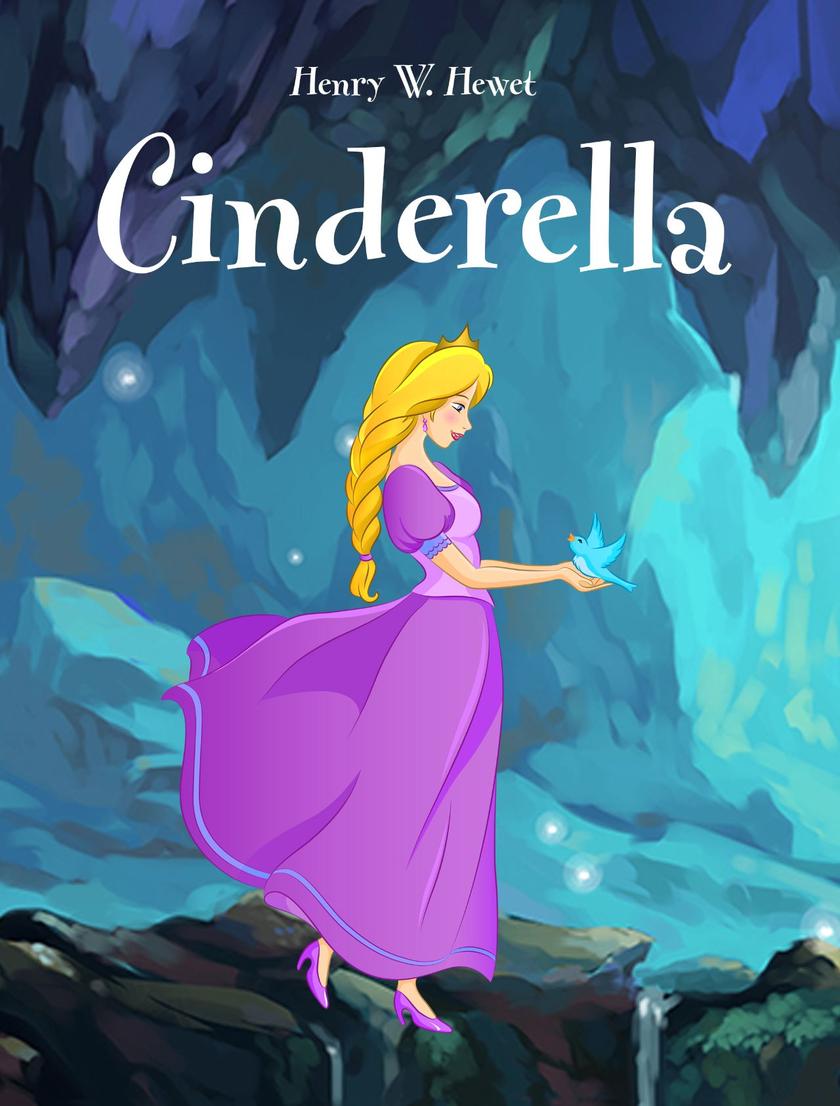
Cinderella: Illustrated Edition
¥8.09
The Original - The Prince and the Pauper - Mark Twain. Classic Historical Fiction. Top 100 Historical Fiction. The Prince and the Pauper is a novel by American author Mark Twain. On the same day in 16th century London were born Tom Canty, destined to become a street beggar, and Edward Tudor, son of Henry VII, a future king. Several years later, young Canty invades the royal precincts hoping to see the Prince. The boys discover they are identical in appearance and exchange clothes. Mistaken for the beggar boy, Prince Edward is thrown into the streets. Tom Canty, too frightened to confess his true identity, assumes the mantle of the Prince of Wales.


