


 购物车
购物车 个人中心
个人中心
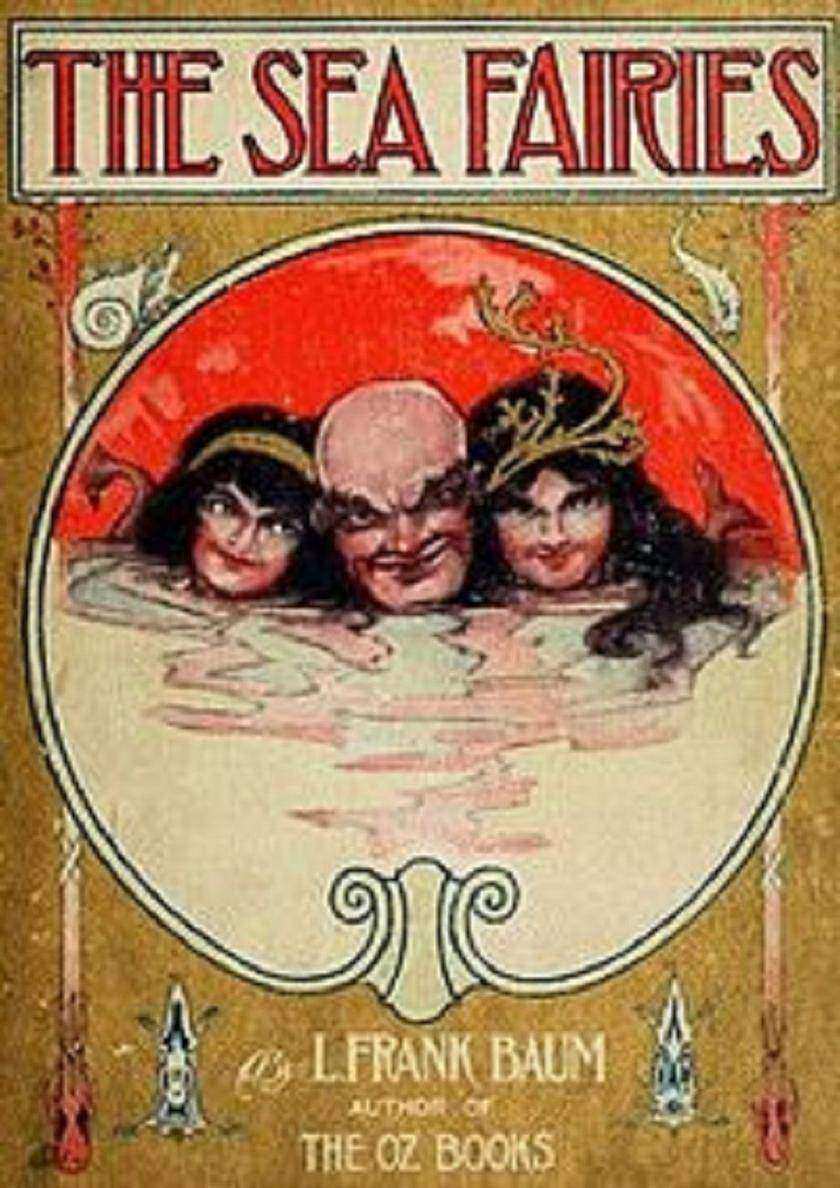
The Sea Fairies
¥8.09
According to Wikipedia: "Baum had decided to end the Oz series with The Emerald City of Oz in 1910, after six installments over the first decade of the twentieth century. The Sea Fairies was intended to be the first in a new series of fantasy novels, which Baum and Reilly & Britton continued the next year with Sky Island. Unfortunately for author and publisher, the two volumes of the new projected series did not meet with the same success as the Oz books previously had. The first edition of The Sea Fairies sold 12,400 copies in its initial year on the market, where The Emerald City of Oz had sold 20,000. Even when Baum's books experienced a major resurgence in interest and sales in 1918, The Sea Fairies sold only 611 copies that year while the Oz books and even Baum's non-Oz works were selling thousands of copies. Once Baum returned to writing Oz books with The Patchwork Girl of Oz in 1913, the Trot series was retired — but the main characters lived on. Trot and Cap'n Bill are the main protagonists in The Scarecrow of Oz (1915) — the plot of which was reworked from the projected third book in their aborted series — and they play a significant role in The Magic of Oz (1919). Trot appears in The Lost Princess of Oz (1917) and Glinda of Oz (1920) as well."
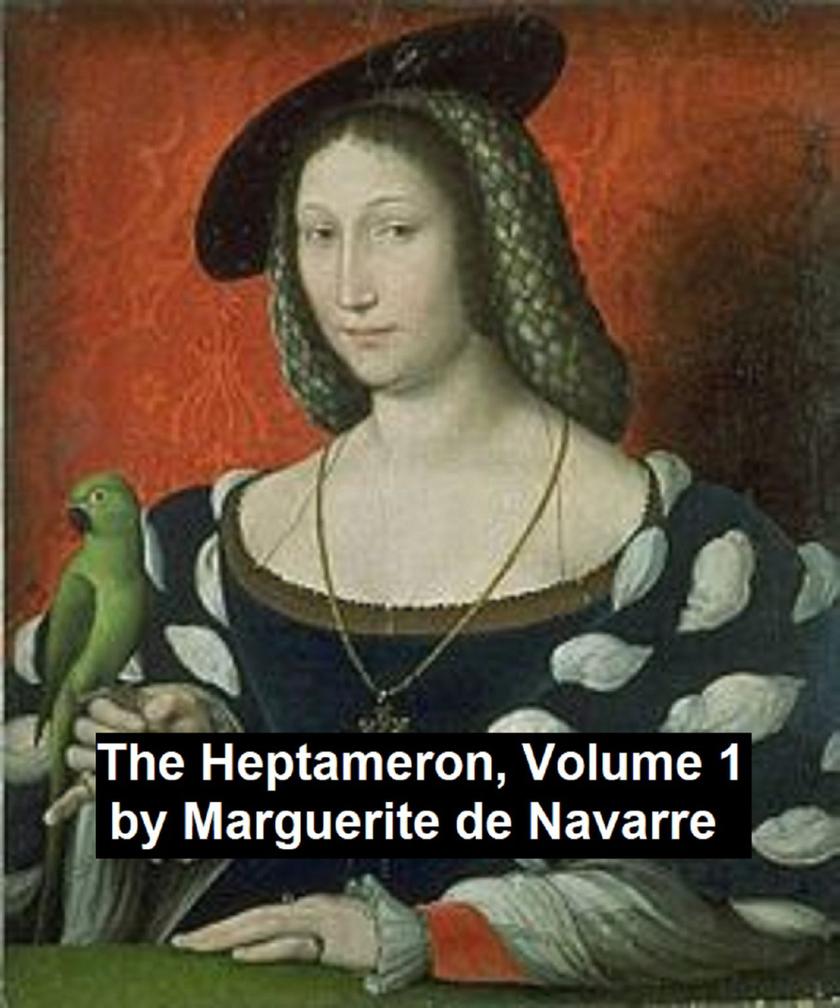
The Heptameron, Volume 1
¥8.09
With 23 illustrations. According to Wikipedia: "The Heptameron is a collection of 72 short stories written in French by Marguerite of Navarre (1492-1549), published posthumously in 1558. It has the form of a frame narrative and was inspired by The Decameron of Giovanni Boccaccio. It was originally intended to contain one hundred stories covering ten days just as The Decameron does, but at Marguerite’s death it was only completed as far as the second story of the eighth day. Many of the stories deal with love, lust, infidelity and other romantic and sexual matters. One was based on the life of Marguerite de La Rocque, a French noblewoman abandoned, as punishment, with her lover on an island off Quebec... Marguerite de Navarre (French: Marguerite d'Angoulême) (April 11, 1492 – December 21, 1549), also known as Marguerite of Angouleme and Margaret of Navarre, was the queen consort of King Henry II of Navarre. As patron of humanists and reformers, and as an author in her own right, she was an outstanding figure of the French Renaissance. Samuel Putnam called her "The First Modern Woman"."
The After House
¥8.09
According to Wikipedia: "Mary Roberts Rinehart (August 12, 1876-September 22, 1958) was a prolific author often called the American Agatha Christie. She is considered the source of the phrase "The butler did it", although she did not actually use the phrase herself, and also considered to have invented the "Had-I-But-Known" school of mystery writing.... Rinehart wrote hundreds of short stories, poems, travelogues and special articles. Many of her books and plays, such as The Bat (1920) were adapted for movies, such as The Bat (1926), The Bat Whispers (1930), and The Bat (1959). While many of her books were best-sellers, critics were most appreciative of her murder mysteries. Rinehart, in The Circular Staircase (1908), is credited with inventing the "Had-I-But-Known" school of mystery writing. The Circular Staircase is a novel in which "a middle-aged spinster is persuaded by her niece and nephew to rent a country house for the summer. The house they choose belonged to a bank defaulter who had hidden stolen securities in the walls. The gentle, peace-loving trio is plunged into a series of crimes solved with the help of the aunt. This novel is credited with being the first in the "Had-I-But-Known" school."[3] The Had-I-But-Known mystery novel is one where the principal character (frequently female) does less than sensible things in connection with a crime which have the effect of prolonging the action of the novel. Ogden Nash parodied the school in his poem Don't Guess Let Me Tell You: "Sometimes the Had I But Known then what I know now I could have saved at least three lives by revealing to the Inspector the conversation I heard through that fortuitous hole in the floor." The phrase "The butler did it", which has become a cliché, came from Rinehart's novel The Door, in which the butler actually did do it, although that exact phrase does not actually appear in the work."
The Bat
¥8.09
According to Wikipedia: "Mary Roberts Rinehart (August 12, 1876-September 22, 1958) was a prolific author often called the American Agatha Christie.[1] She is considered the source of the phrase "The butler did it", although she did not actually use the phrase herself, and also considered to have invented the "Had-I-But-Known" school of mystery writing.... Rinehart wrote hundreds of short stories, poems, travelogues and special articles. Many of her books and plays, such as The Bat (1920) were adapted for movies, such as The Bat (1926), The Bat Whispers (1930), and The Bat (1959). While many of her books were best-sellers, critics were most appreciative of her murder mysteries. Rinehart, in The Circular Staircase (1908), is credited with inventing the "Had-I-But-Known" school of mystery writing. The Circular Staircase is a novel in which "a middle-aged spinster is persuaded by her niece and nephew to rent a country house for the summer. The house they choose belonged to a bank defaulter who had hidden stolen securities in the walls. The gentle, peace-loving trio is plunged into a series of crimes solved with the help of the aunt. This novel is credited with being the first in the "Had-I-But-Known" school."[3] The Had-I-But-Known mystery novel is one where the principal character (frequently female) does less than sensible things in connection with a crime which have the effect of prolonging the action of the novel. Ogden Nash parodied the school in his poem Don't Guess Let Me Tell You: "Sometimes the Had I But Known then what I know now I could have saved at least three lives by revealing to the Inspector the conversation I heard through that fortuitous hole in the floor." The phrase "The butler did it", which has become a cliché, came from Rinehart's novel The Door, in which the butler actually did do it, although that exact phrase does not actually appear in the work."

Erewhon or Over the Range
¥8.09
According to Wikipedia: "Samuel Butler (4 December 1835 - 18 June 1902) was an iconoclastic Victorian author who published a variety of works, including the Utopian satire Erewhon and the posthumous novel The Way of All Flesh, his two best-known works, but also extending to examinations of Christian orthodoxy, substantive studies of evolutionary thought, studies of Italian art, and works of literary history and criticism . Butler also made prose translations of The Iliad and The Odyssey which remain in use to this day."

Winesburg, Ohio
¥8.09
According to Wikipedia: "Winesburg, Ohio (full title: Winesburg, Ohio: A Group of Tales of Ohio Small-Town Life) is a 1919 short story cycle by the American author Sherwood Anderson. The work is structured around the life of protagonist George Willard, from the time he was a child to his growing independence and ultimate abandonment of Winesburg as a young man. It is set in the fictional town of Winesburg, Ohio (not to be confused with the actual Winesburg), which is based loosely on the author's childhood memories of Clyde, Ohio... Sherwood Anderson (September 13, 1876 – March 8, 1941) was an American writer, mainly of short stories, most notably the collection Winesburg, Ohio. That work's influence on American fiction was profound[1], and its literary voice can be heard in Ernest Hemingway, William Faulkner, Thomas Wolfe, John Steinbeck, Erskine Caldwell and others."
The Romantic Adventures of a Milkmaid
¥8.09
According to Wikipedia: "Thomas Hardy, (1840 – 1928) was an English author of the naturalist movement, though he regarded himself primarily as a poet and composed novels mainly for financial gain. The bulk of his work, set mainly in the semi-fictional land of Wessex, delineates characters struggling against their passions and circumstances. Hardy's poetry, first published in his 50s, has come to be as well regarded as his novels, especially after The Movement of the 1950s and 1960s."
Wessex Tales
¥8.09
According to Wikipedia: "Thomas Hardy, (1840 – 1928) was an English author of the naturalist movement, though he regarded himself primarily as a poet and composed novels mainly for financial gain. The bulk of his work, set mainly in the semi-fictional land of Wessex, delineates characters struggling against their passions and circumstances. Hardy's poetry, first published in his 50s, has come to be as well regarded as his novels, especially after The Movement of the 1950s and 1960s."
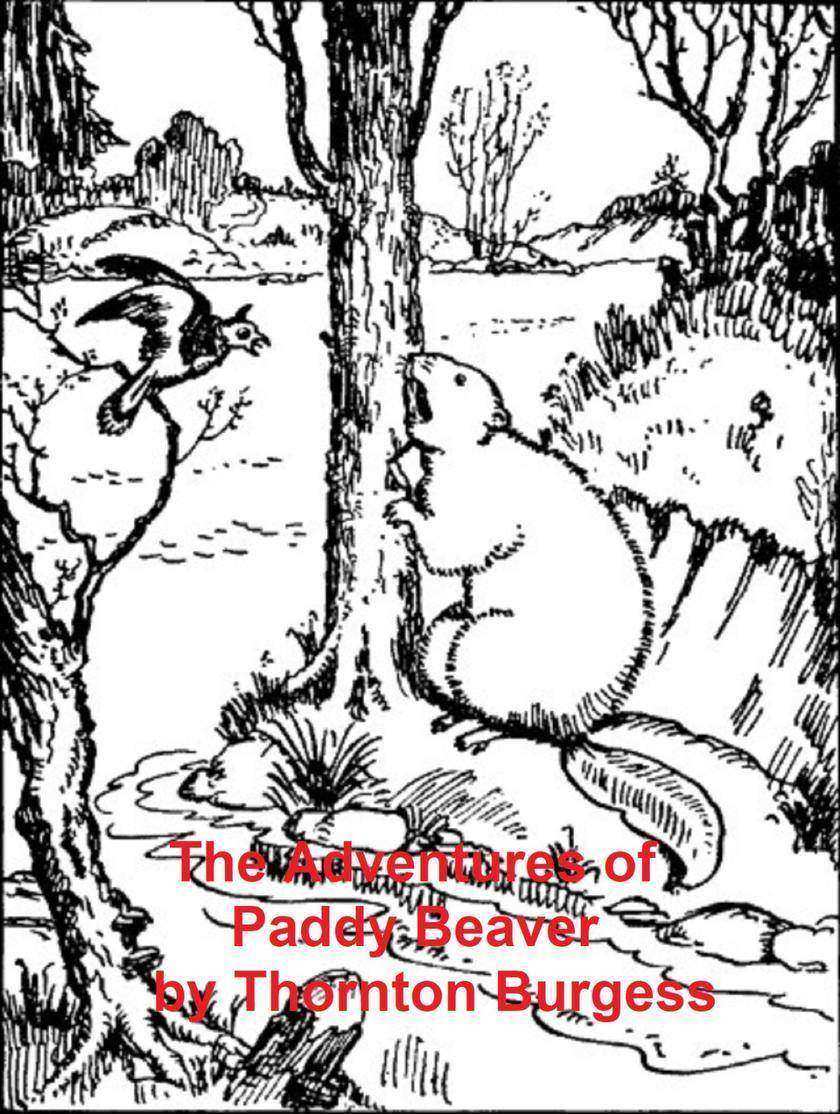
The Adventures of Paddy Beaver, Illustrated
¥8.09
Children's book, first published in 1917, with 8 black-and-white illlustrations. According to Wikipedia: "Thornton Waldo Burgess (January 14, 1874 – June 5, 1965). Born in Sandwich, Cape Cod, Massachusetts, he was a conservationist and author of children's stories. Thornton Waldo Burgess loved the beauty of nature and its living creatures so much that he wrote about them for 50 years. By the time he retired, he had written more than 170 books and 15,000 stories for daily columns in newspapers."
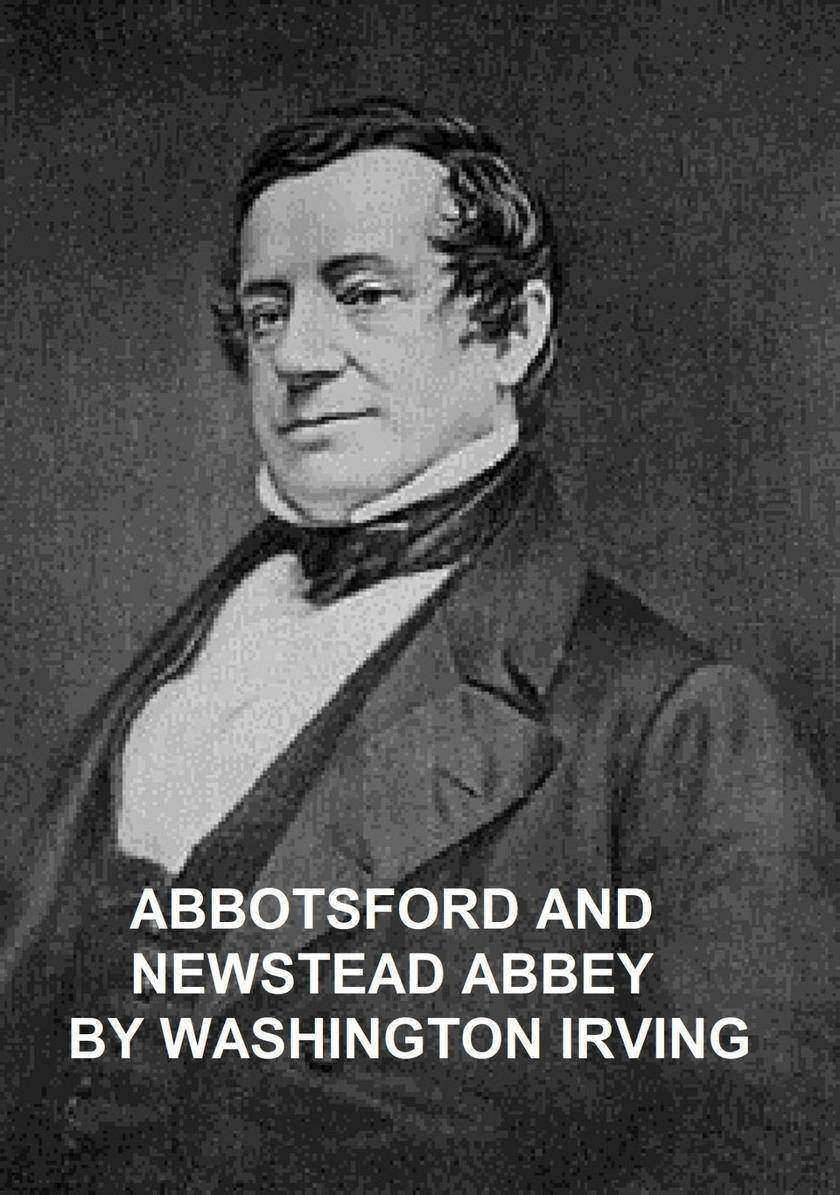
Abbotsford and Newstead Abbey
¥8.09
According to Wikipedia: "Washington Irving (April 3, 1783 – November 28, 1859) was an American author, essayist, biographer and historian of the early 19th century. He was best known for his short stories "The Legend of Sleepy Hollow" and "Rip Van Winkle", both of which appear in his book The Sketch Book of Geoffrey Crayon, Gent. His historical works include biographies of George Washington, Oliver Goldsmith and Muhammad, and several histories of 15th-century Spain dealing with subjects such as Christopher Columbus, the Moors, and the Alhambra. Irving also served as the U.S. minister to Spain from 1842 to 1846. He made his literary debut in 1802 with a series of observational letters to the Morning Chronicle, written under the pseudonym Jonathan Oldstyle. After moving to England for the family business in 1815, he achieved international fame with the publication of The Sketch Book of Geoffrey Crayon, Gent. in 1819. He continued to publish regularly—and almost always successfully—throughout his life, and completed a five-volume biography of George Washington just eight months before his death, at age 76, in Tarrytown, New York."

太宰治 ザベスト:走れメロス、女生徒、駈込み訴え、人間失格、斜陽: Osamu Dazai the Best
¥8.09
太宰治 ザベスト:走れメロス、女生徒、駈込み訴え、人間失格、斜陽: Osamu Dazai the Best
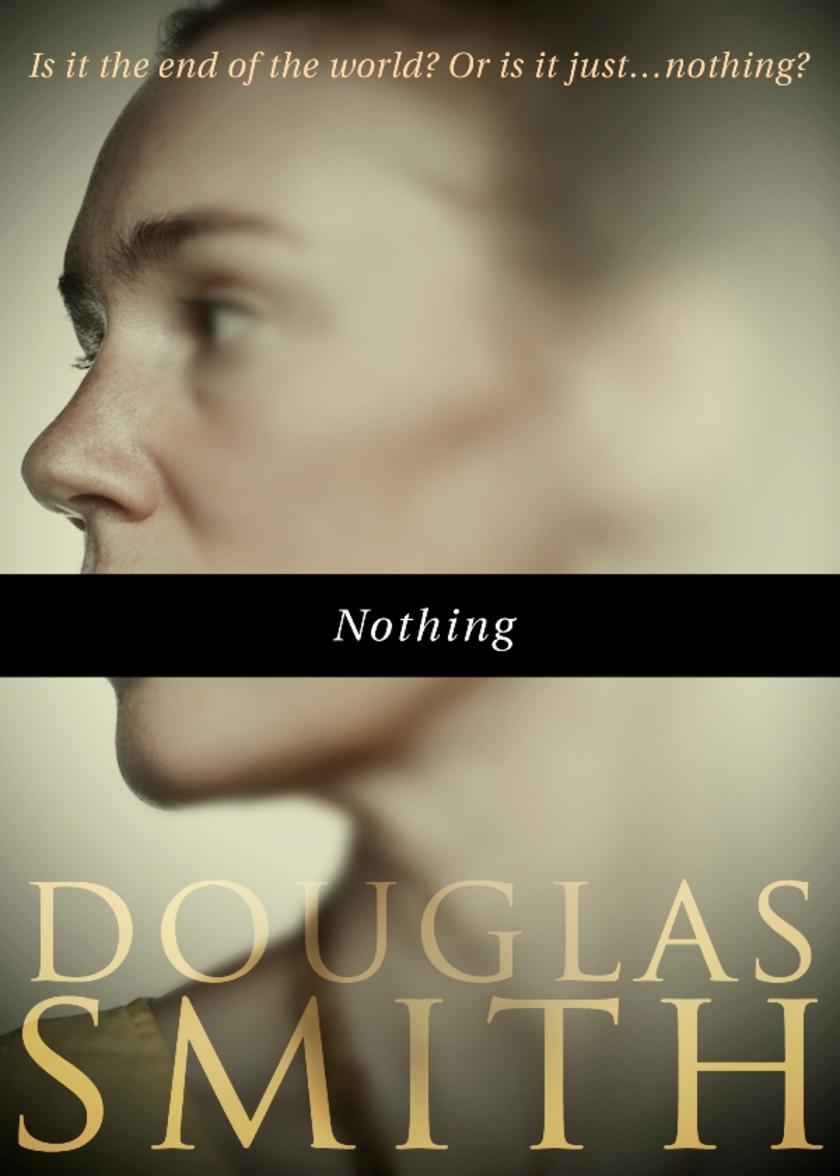
Nothing
¥8.09
A woman tries in vain to convince those around her that the world is ending. Is she right…or is she losing her mind?
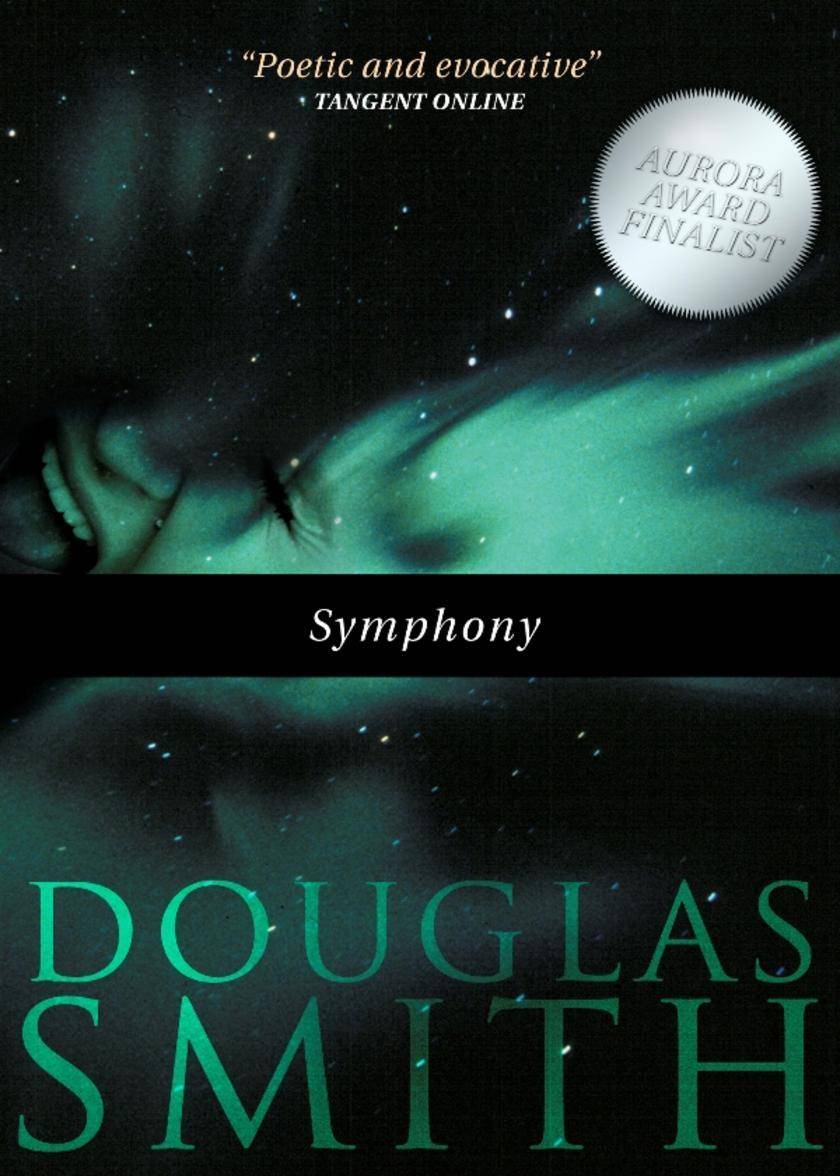
Symphony
¥8.09
Aurora Award Finalist.? The colony ship, The Last Chance, has fled a plague-poisoned Earth with the remnants of the human race. Launched before completion of its biosphere, the ship is only partly self-sustaining. Humanity has to find a new home—and time is running out. It isn’t called The Last Chance for nothing. When they find the planet, it seems a dream come true. Earth-like, breathable atmosphere, unpopulated. They name it Aurora, for the beauty that dances in its skies. At least, it had seemed beautiful at the time. Now they aren’t so sure. Now people are dying. Gar Franck is the ship’s communication expert. When signs point to a non-human intelligence on the planet, Gar becomes the key to communicating with it. But how can he communicate with an alien being when he can’t even talk to his autistic son, Anton, or his increasingly distant wife, Clara? "There are two stories in "Symphony"...both converge in a spectacular, explosive finale. Smith's prose is poetic and evocative. He creates an intricate fabric of light, color, and sound with effortless flair. The story’s fluid style and the abundance of complex, wrenching emotions [make this] another recommended story in this issue." —Eugie Foster and Marsha Sisolak, Tangent Online "A strong SF-nal story about a 'sentient light symphony' that objects to humans colonizing 'its planet.' How would you communicate with such and how would it react to a baby who lacks all 'human baggage' are some of the issues addressed here. (A+)" —Fantasy Book Critic
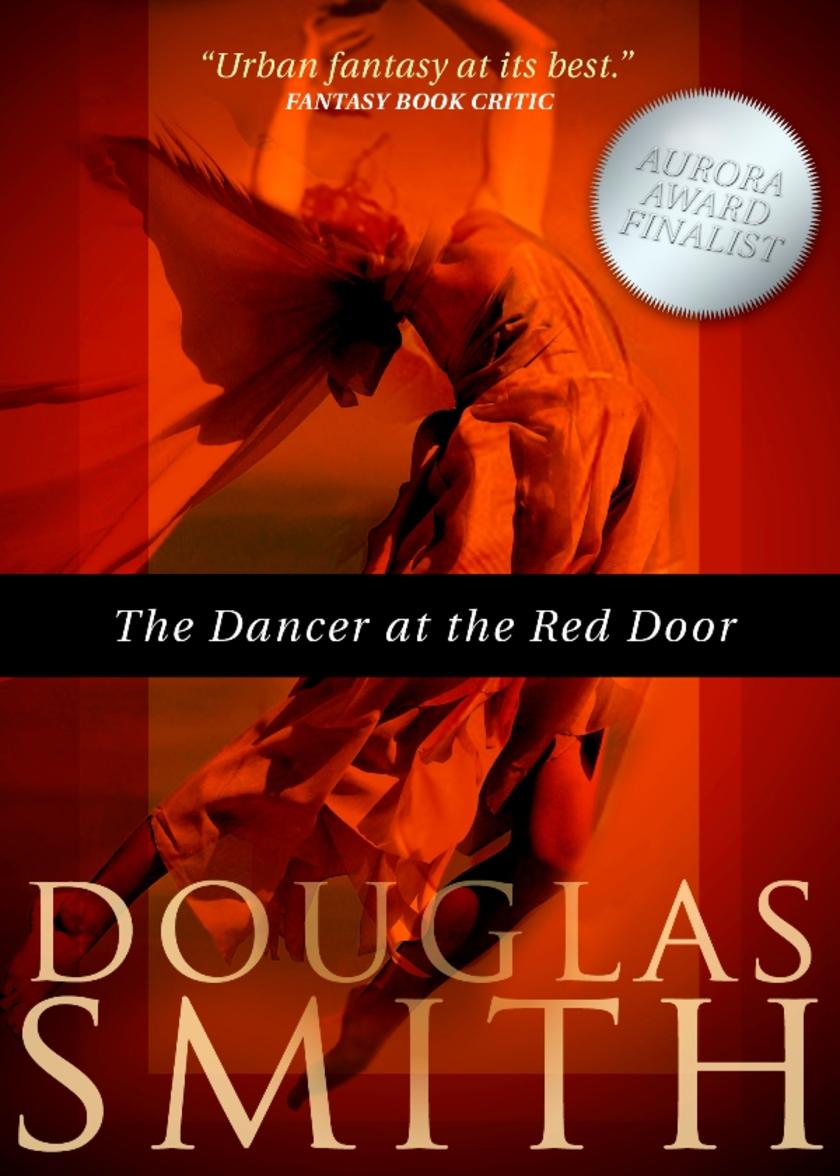
The Dancer at the Red Door
¥8.09
Aurora Award Finalist.? Alexander King has everything--wealth, power, a business empire over which he rules. But lately, the corporate game in which he excels has lost its thrill for him. He needs a new game. And then, on the crowded streets of Toronto, in the dead cold of winter, she appears before him. The Dancer. Achingly beautiful, half-naked, and dancing to a song that only she and King seem to hear, she becomes King’s new obsession, an obsession that draws him into a journey through a secret world hidden within the city he thought he knew…and to a very special club. "'The Dancer at the Red Door,' with its mix of oblique horror, urban fantasy, and monsters ... recalls British horror novelist Clive Barker at his most disturbingly fanciful." —Quill and Quire "An excellent story … urban fantasy at its best." —Fantasy Book Critic "...intriguing meditation on escapism...evoking Gaiman's Neverwhere, the obligatory helping of Lovecraft, plus a touch of something like Kubrick's Eyes Wide Shut" —Strange Horizons "Just as the song of the city leads King throughout his journey, so too does it lead the reader throughout Douglas Smith's beautifully crafted 'The Dancer at the Red Door.' The writing is lean and evocative; every element of the story works double-time as setting informs character, action creates mood, and nothing is superfluous. The song becomes a living, breathing creature which, more so than hearing, I could feel viscerally as I read Doug's wonderful story. Highly, highly recommended." —Rainbow Dragon Recommends
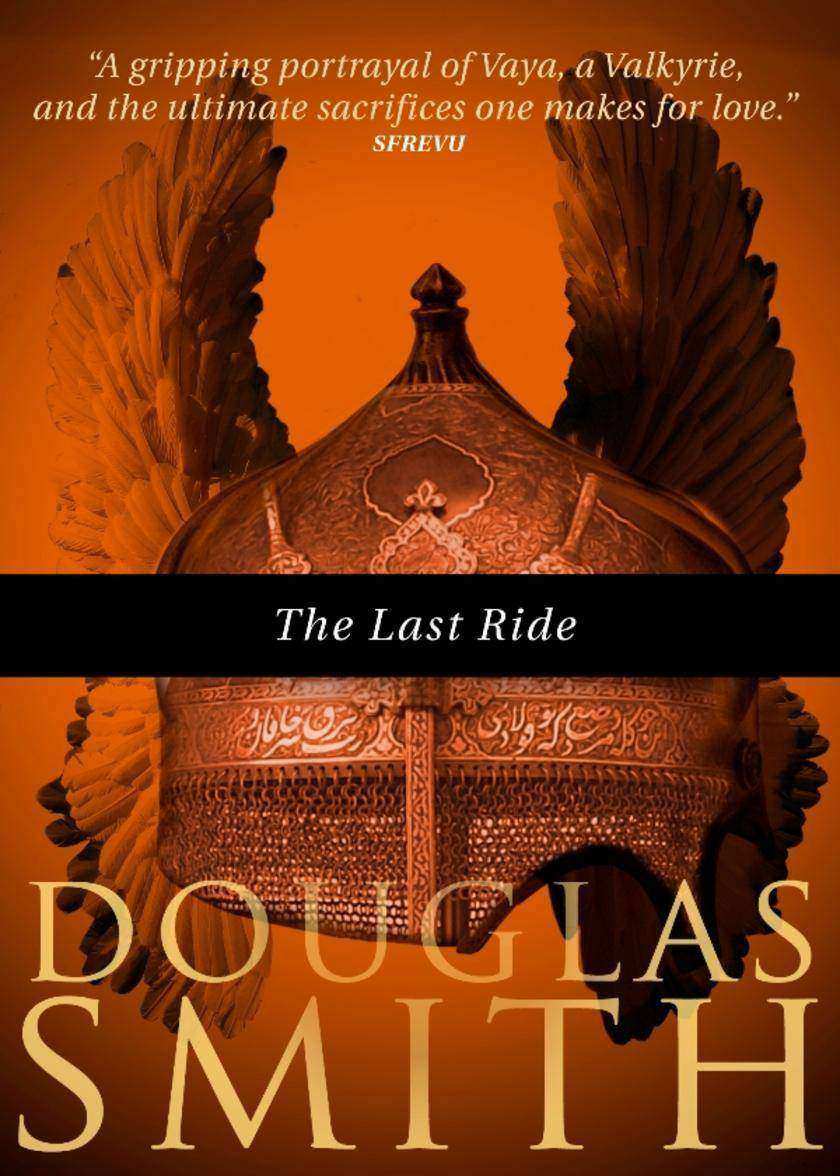
The Last Ride
¥8.09
Vaya is an immortal Valkyrie and favorite daughter of Odin All Father, sworn to carry dead heroes from the battlefields of Earth to live forever in Valhalla. One day, she intervenes on the battlefield to save the life of a soldier who has captured her heart, and is forced by Odin to choose between immortality and the man she loves. Vaya chooses love, not knowing that the hardest choice still lies ahead of her. "…exemplifies the best elements of Douglas Smith’s writing. A Valkyrie falls for her hero, gives up her immortality for him then has to make that inevitable and awful choice afterwards. As always, even for such a brief time, there is so much life in these characters. I don’t bother to marvel at how quickly I come to care for Douglas Smith’s people anymore, it’s a given." —SF Crowsnest Reviews "A gripping portrayal of Vaya, a Valkyrie, and the ultimate sacrifices one makes for love." —SFRevu

The Walker of the Shifting Borderland
¥8.09
Aurora Award WINNER. The Walker is a child of the two Realms of the Continuum, a prince of Order and of Chaos—and a rebel against both. When he falls in love with an ephemeral, a mortal woman who is the key to the balance between the Realms, he triggers a struggle for her life—and the fate of her universe. "A very different sort of tale. ... A cosmic story of gods which seems to be inspired by the works of Michael Moorcock, and I think he would not be ashamed of it." —SF Crowsnest Reviews "A tale of epic love when a mortal gets caught between a battle of the gods. Smith reminds us that we have the potential to change the world around us and that self-sacrifice can be a means of making the world around us better." —Speculating Canada "The descriptions here have cosmic sweep…" —Locus Online

King Arthur and The Knights Of The Round Table
¥8.09
King Arthur and the Kinghts of the Round Table Complete Works World's Best Collection This is the best King Arthur Collection available, including the most complete set of the Arthurian legends plus many extra free bonus materials. The Most Complete Collection Available In this irresistible collection we include all 11 complete Books (more than 130 chapters) from Thomas Malory (published by William Caxton) of the legendary epic ‘Le Morte D’ Arthur’. We also give you all the other, rare stories of the other famous Knights of the Round Table. Plus, we include additional bonuses covering Arthur related mythologies, including Celtic Mythology and other British and European Legends. Everything Arthur related in one, amazing comprehensive compilation. Works Included: Le Morte D’ Arthur -The legendary, famous compilation by Sir Thomas Malory of romance? tales about the legendary King Arthur. One of the best-known works of the English language and Arthurian literature. It coves the grand adventures and complete stories of the beloved characters, from Arthur himself, to Merlin, to Tristram, Launcelot and Guinevere, Morgan le Fay, Arthur’s sister, and even Mordred, Arthur’s villainous son. Who was the Real King Arthur? -?A special analysis of the 'suspects', written specifically for this collection. Additional Sir Gawayne Stories -?Additional stories of the popular Sir Gawayne, including the well known fairy tale: ‘Sir Gawayne and the Green Knight’ The Mabinogion -?11 classic stories from Welsh and Celtic mythology, known as prime examples of folktales, and early medieval and Iron age narratives, even including more stories of King Arthur. Myths And Legends Of The Celtic Race -?Devoted to explaining the fascinating and expansive Celtic mythology, as well as chapters on Celtic history and information on the Druids. Hero-Myths Of The British Race And Legends Of The Middle Ages -?A rich exploration into more British, as well as European and Middle Age mythology. It includes chapters about many Heroic Sagas, such as Charlemagne, Beowulf, and Robin Hood. Get This Collection Right Now This is the best King Arthur and Arthurian Legends collection you can get, so get it now and start enjoying and being drawn into the magnificent world of myth and legend like never before!
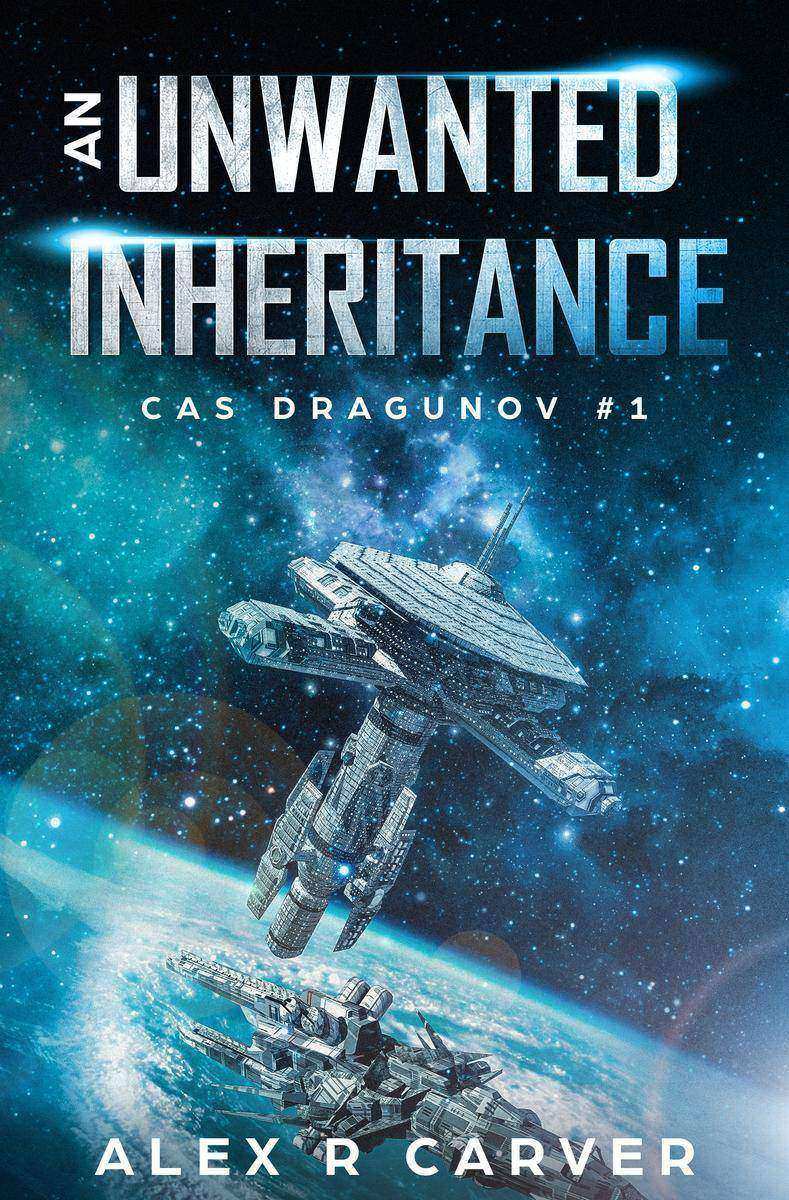
An Unwanted Inheritance
¥8.09
An Unwanted Inheritance

The Abbot's Ghost or Maurice Treherne's Temptation, A Christmas Story
¥8.09
According to Wikipedia: books, like this one, that Louisa May Alcott wrote under the pseudonym A.M . Barnard are "passionate, fiery novels and stories"... These works ... were known in the Victorian Era as "potboilers" or "blood-and-thunder tales." Her character Jo in "Little Women" publishes several such stories but ultimately rejects them after being told that they are "dangerous for little minds." Their protagonists are willful and relentless in their pursuit of their own aims, which often include revenge on those who have humiliated or thwarted them. These works achieved immediate commercial success and remain highly readable today." According to Wikipedia: "Louisa May Alcott (1832 – 1888) was an American novelist. She is best known for the novel Little Women, published in 1868. This novel is loosely based on her childhood experiences with her three sisters."
The Land that Time Forgot: First Novel of the Caspak Series
¥8.09
Adventure novel, first published in 1918. According to Wikipedia: "Edgar Rice Burroughs (1875 – 1950) was an American author, best known for his creation of the jungle hero Tarzan and the heroic John Carter, although he produced works in many genres."
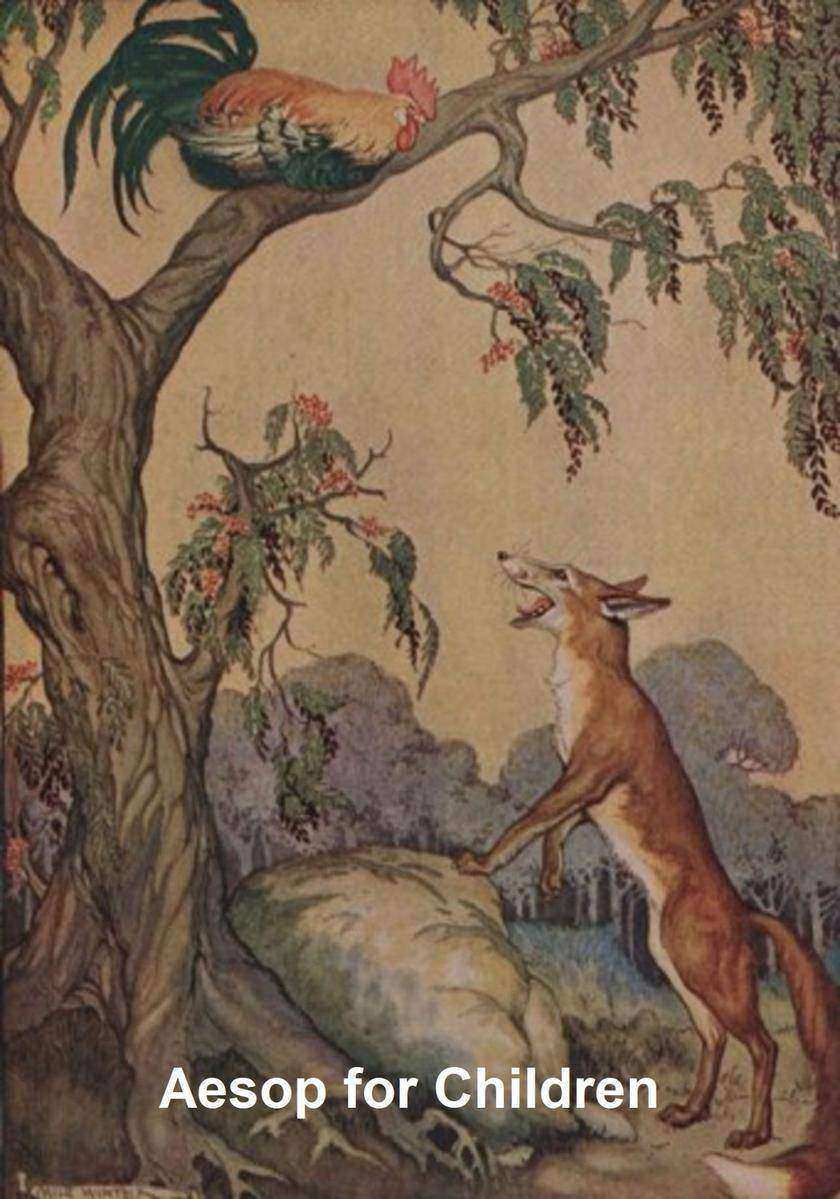
Aesop for Children
¥8.09
This edition, with 114 color illustrations, was first published in 1919. According to Wikipedia: "Aesop (ca. 620-564 BC), known for the genre of fables ascribed to him, was by tradition born a slave and was a contemporary of Croesus and Solon in the mid-sixth century BC in ancient Greece... The body of work identified as Aesop's Fables was transmitted by a series of later authors writing in both Greek and Latin. Demetrius of Phalerum (ca. 350-ca. 280 BC) made a collection in ten books, probably in prose (Lopson Aisopeion sunagogai) for the use of orators, which has been lost. Next appeared an edition in elegiac verse, cited by the Suda, but the author's name is unknown. Phaedrus, a freedman of Augustus, rendered the fables into Latin. Babrius turned the fables into Greek choliambics in the earlier part of the 3rd century A.D. Another 3rd century author, Titianus, rendered the fables in prose, now lost. Avianus (of uncertain date, perhaps the 4th century) translated 42 of the fables into Latin elegiacs. The 4th century grammarian Dositheus Magister also made a collection of Aesop's Fables, now lost. Aesop's Fables continued to be revised and translated through the ensuing centuries, with the addition of material from other cultures, so that the fables known today in some cases bear little relation to the original fables of Aesop. With a surge in scholarly interest in Aesop and Aesopic fable beginning toward the end of the 20th century, some attempt has been made to determine the nature and content of the very earliest fables which may be most closely linked to the historic Aesop... Milo Winter (August 7, 1888 – August 15, 1956) was a well known book illustrator, who produced works for editions of Aesop's Fables, Arabian Nights, Alice in Wonderland, Gulliver's Travels, Tanglewood Tales (1913) and others. He was born in Princeton, Illinois and trained at Chicago’s School of the Art Institute. He lived in Chicago until the early 1950s, when he moved to New York City. From 1947 to 1949, he was the art editor of Childcraft books and from 1949, was the art editor in the film strip division of Silver Burdett Company."


