


 购物车
购物车 个人中心
个人中心
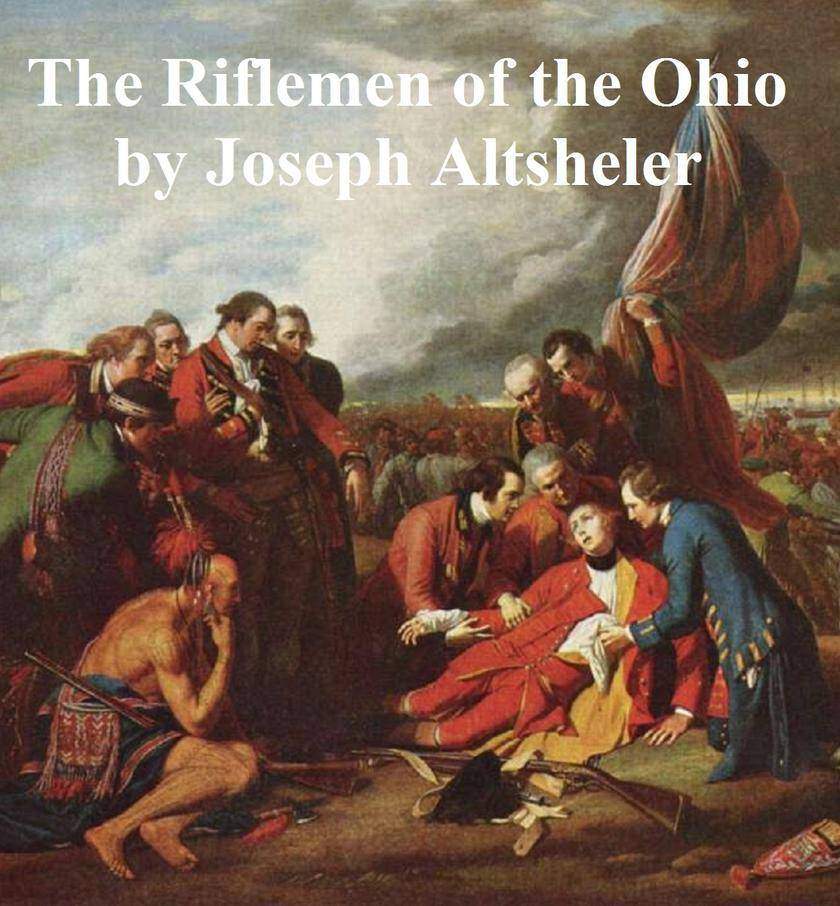
Riflemen of the Ohio
¥8.09
Historical novel, part of the Young Trailers series. According to the original publisher "Two boys, Henry Ware and Paul Cotter, and three scouts are the chief characters in these books dealing with frontier life and adventures with the Indians about the time of the Revolutionary War. Each story is complete in itself, full of excitement, and historically accurate." According to Wikpedia, "Joseph Alexander Altsheler (April 29, 1862 - June 5, 1919), was an American author of popular juvenile historical fiction."

In the Cage
¥8.09
Dodo Collections brings you another classic from Henry James, ‘In the Cage’. ? This long story centers on an unnamed London telegrapher. She deciphers clues to her clients' personal lives from the often cryptic telegrams they submit to her as she sits in the "cage" at the post office. Sensitive and intelligent, the telegrapher eventually finds out more than she may want to know. Henry James, OM (15 April 1843 – 28 February 1916) was an American writer who spent most of his writing career in Britain. He is regarded as one of the key figures of 19th-century literary realism. He was the son of Henry James, Sr. and the brother of philosopher and psychologist William James and diarist Alice James. ? He is best known for a number of novels showing Americans encountering Europe and Europeans. His method of writing from a character's point of view allowed him to explore issues related to consciousness and perception, and his style in later works has been compared to impressionist painting. His imaginative use of point of view, interior monologue and unreliable narrators brought a new depth to narrative fiction. ? James contributed significantly to literary criticism, particularly in his insistence that writers be allowed the greatest possible freedom in presenting their view of the world. James claimed that a text must first and foremost be realistic and contain a representation of life that is recognizable to its readers. Good novels, to James, show life in action and are, most importantly, interesting. In addition to his voluminous works of fiction he published articles and books of travel, biography, autobiography, and criticism, and wrote plays. James alternated between America and Europe for the first twenty years of his life; eventually he settled in England, becoming a British subject in 1915, one year before his death. James was nominated for the Nobel Prize in Literature in 1911, 1912, and 1916.

The American
¥8.09
Dodo Classics brings you another classic from Henry James, ‘The American’. ? The novel is an uneasy combination of social comedy and melodrama concerning the adventures and misadventures of Christopher Newman, an essentially good-hearted but rather gauche American businessman on his first tour of Europe. Newman is looking for a world different from the simple, harsh realities of 19th-century American business. He encounters both the beauty and the ugliness of Europe, and learns not to take either for granted. The core of the novel concerns Newman's courtship of a young widow from an aristocratic Parisian family. Henry James, OM (15 April 1843 – 28 February 1916) was an American writer who spent most of his writing career in Britain. He is regarded as one of the key figures of 19th-century literary realism. He was the son of Henry James, Sr. and the brother of philosopher and psychologist William James and diarist Alice James. ? He is best known for a number of novels showing Americans encountering Europe and Europeans. His method of writing from a character's point of view allowed him to explore issues related to consciousness and perception, and his style in later works has been compared to impressionist painting. His imaginative use of point of view, interior monologue and unreliable narrators brought a new depth to narrative fiction. ? James contributed significantly to literary criticism, particularly in his insistence that writers be allowed the greatest possible freedom in presenting their view of the world. James claimed that a text must first and foremost be realistic and contain a representation of life that is recognizable to its readers. Good novels, to James, show life in action and are, most importantly, interesting. In addition to his voluminous works of fiction he published articles and books of travel, biography, autobiography, and criticism, and wrote plays. James alternated between America and Europe for the first twenty years of his life; eventually he settled in England, becoming a British subject in 1915, one year before his death. James was nominated for the Nobel Prize in Literature in 1911, 1912, and 1916.

Washington Square
¥8.09
Dodo Classics brings you another classic from Henry James, ‘Washington Square’. ? Washington Square is a short novel by Henry James. Originally published in 1880 as a serial in Cornhill Magazine and Harper's New Monthly Magazine, it is a structurally simple tragicomedy that recounts the conflict between a dull but sweet daughter and her brilliant, unemotional father. The plot of the novel is based upon a true story told to James by his close friend, British actress Fanny Kemble. The book is often compared with Jane Austen's work for the clarity and grace of its prose and its intense focus on family relationships. James was hardly a great admirer of Jane Austen, so he might not have regarded the comparison as flattering. In fact, James was not a great fan of Washington Square itself. He tried to read it over for inclusion in the New York Edition of his fiction (1907–1909) but found that he could not, and the novel was not included. Other readers, though, have sufficiently enjoyed the book to make it one of the more popular works of the Jamesian canon. Henry James, OM (15 April 1843 – 28 February 1916) was an American writer who spent most of his writing career in Britain. He is regarded as one of the key figures of 19th-century literary realism. He was the son of Henry James, Sr. and the brother of philosopher and psychologist William James and diarist Alice James. ? He is best known for a number of novels showing Americans encountering Europe and Europeans. His method of writing from a character's point of view allowed him to explore issues related to consciousness and perception, and his style in later works has been compared to impressionist painting. His imaginative use of point of view, interior monologue and unreliable narrators brought a new depth to narrative fiction. ? James contributed significantly to literary criticism, particularly in his insistence that writers be allowed the greatest possible freedom in presenting their view of the world. James claimed that a text must first and foremost be realistic and contain a representation of life that is recognizable to its readers. Good novels, to James, show life in action and are, most importantly, interesting. In addition to his voluminous works of fiction he published articles and books of travel, biography, autobiography, and criticism, and wrote plays. James alternated between America and Europe for the first twenty years of his life; eventually he settled in England, becoming a British subject in 1915, one year before his death. James was nominated for the Nobel Prize in Literature in 1911, 1912, and 1916.

The Portrait of a Lady
¥8.09
Dodo Classics brings you another classic from Henry James, ‘The Portrait of a Lady’. The Portrait of a Lady is a novel by Henry James, first published as a serial in The Atlantic Monthly and Macmillan's Magazine in 1880–81 and then as a book in 1881. It is one of James's most popular long novels, and is regarded by critics as one of his finest. The Portrait of a Lady is the story of a spirited young American woman, Isabel Archer, who in "affronting her destiny", finds it overwhelming. She inherits a large amount of money and subsequently becomes the victim of Machiavellian scheming by two American expatriates. Like many of James's novels, it is set in Europe, mostly England and Italy. Generally regarded as the masterpiece of James's early period, this novel reflects James's continuing interest in the differences between the New World and the Old, often to the detriment of the former. It also treats in a profound way the themes of personal freedom, responsibility, and betrayal. James's first idea for The Portrait of a Lady was simple: a young American woman affronting her destiny, whatever it might be. Only then did he begin to form a plot to bring out the character of his central figure. This was the uncompromising story of the free-spirited Isabel losing her freedom—despite (or because of) suddenly coming into a great deal of money—and getting "ground in the very mill of the conventional”. It is a rather existentialist novel, as Isabel is very committed to living with the consequences of her choice with integrity but also a sort of stubbornness. Henry James, OM (15 April 1843 – 28 February 1916) was an American writer who spent most of his writing career in Britain. He is regarded as one of the key figures of 19th-century literary realism. He was the son of Henry James, Sr. and the brother of philosopher and psychologist William James and diarist Alice James. He is best known for a number of novels showing Americans encountering Europe and Europeans. His method of writing from a character's point of view allowed him to explore issues related to consciousness and perception, and his style in later works has been compared to impressionist painting. His imaginative use of point of view, interior monologue and unreliable narrators brought a new depth to narrative fiction. James contributed significantly to literary criticism, particularly in his insistence that writers be allowed the greatest possible freedom in presenting their view of the world. James claimed that a text must first and foremost be realistic and contain a representation of life that is recognizable to its readers. Good novels, to James, show life in action and are, most importantly, interesting. In addition to his voluminous works of fiction he published articles and books of travel, biography, autobiography, and criticism, and wrote plays. James alternated between America and Europe for the first twenty years of his life; eventually he settled in England, becoming a British subject in 1915, one year before his death. James was nominated for the Nobel Prize in Literature in 1911, 1912, and 1916.

The Moorland Cottage by Elizabeth Gaskell - Delphi Classics (Illustrated)
¥8.09
This eBook features the unabridged text of ‘The Moorland Cottage by Elizabeth Gaskell - Delphi Classics (Illustrated)’ from the bestselling edition of ‘The Complete Works of Elizabeth Gaskell’. Having established their name as the leading publisher of classic literature and art, Delphi Classics produce publications that are individually crafted with superior formatting, while introducing many rare texts for the first time in digital print. The Delphi Classics edition of Gaskell includes original annotations and illustrations relating to the life and works of the author, as well as individual tables of contents, allowing you to navigate eBooks quickly and easily. eBook features: * The complete unabridged text of ‘The Moorland Cottage by Elizabeth Gaskell - Delphi Classics (Illustrated)’ * Beautifully illustrated with images related to Gaskell’s works * Individual contents table, allowing easy navigation around the eBook * Excellent formatting of the text Please visit www.delphiclassics.com to learn more about our wide range of titles
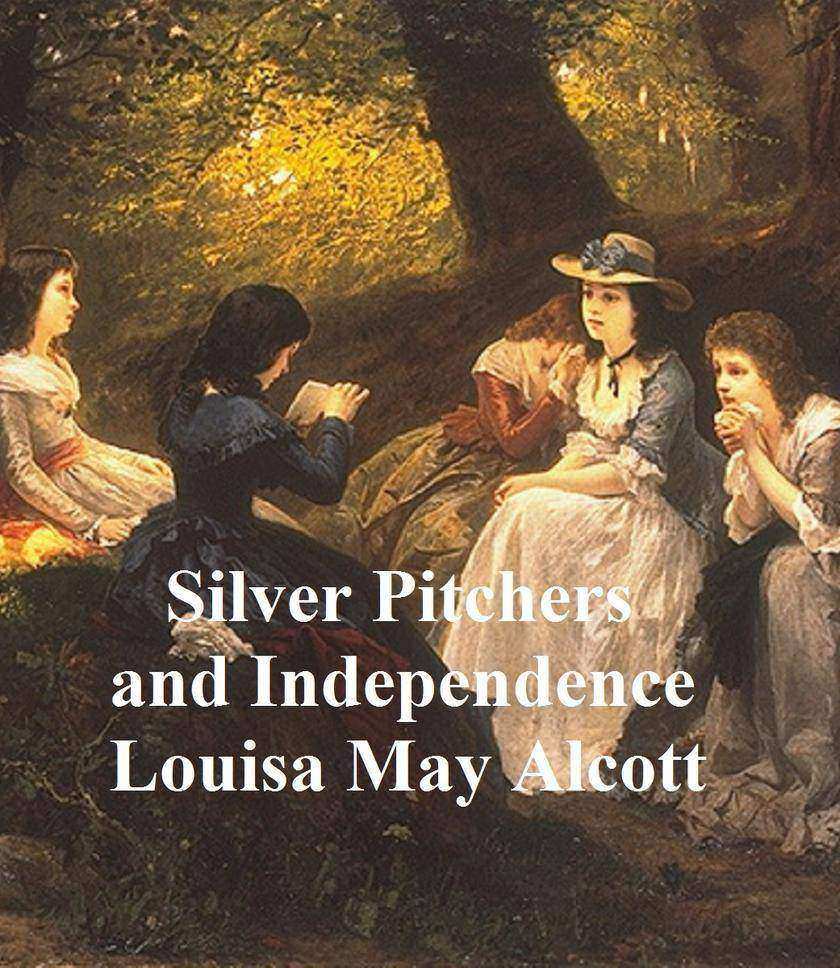
Silver Slippers and Independence
¥8.09
According to Wikipedia: "Louisa May Alcott (November 29, 1832 – March 6, 1888) was an American novelist. She is best known for the novel Little Women and its sequels Little Men and Jo's Boys. Little Women was set in the Alcott family home, Orchard House in Concord, Massachusetts, and published in 1868. This novel is loosely based on her childhood experiences with her three sisters."
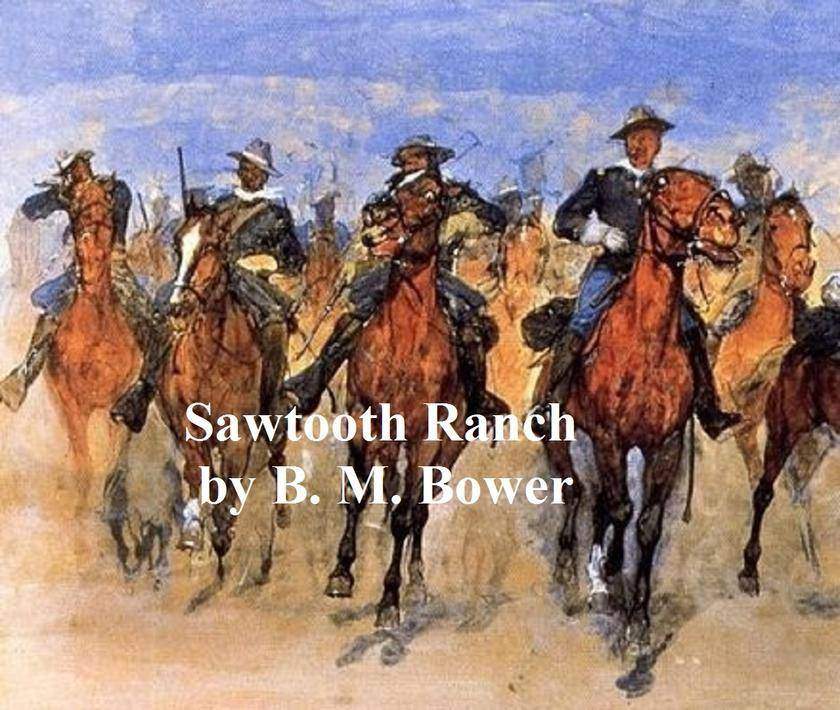
Sawtooth Ranch
¥8.09
Classic western. According to Wikipedia: "Bertha Muzzy Sinclair or Sinclair-Cowan, née Muzzy (November 15, 1871 – July 23, 1940), best known by her pseudonym B. M. Bower, was an American novelist who wrote fictional stories about the American Old West... She wrote 57 Western novels, several of which were turned into films."
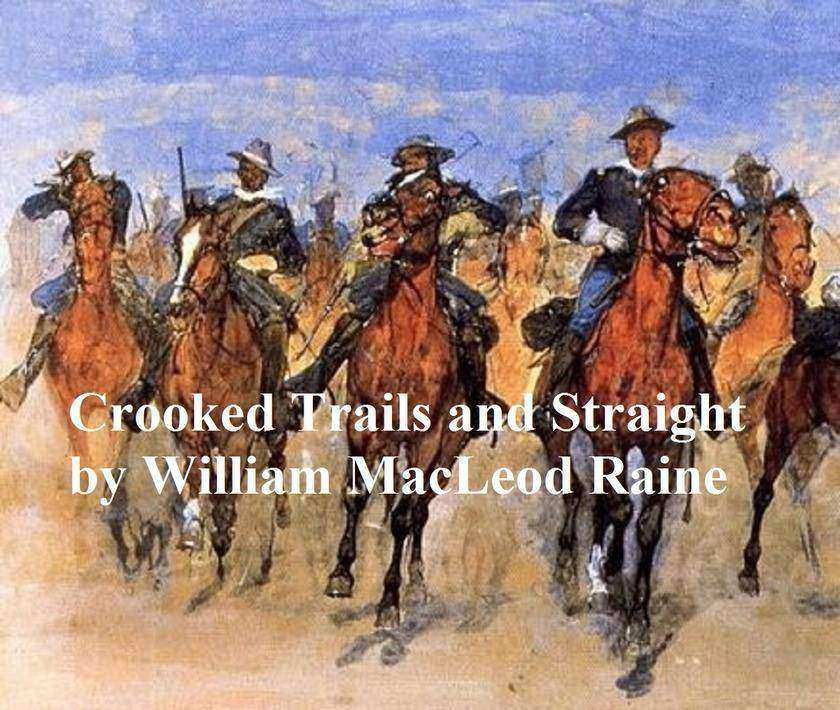
Crooked Trails and Straight
¥8.09
Classic western novel, first published in 1913. "A story of Arizona; of swift-riding men and daring outlaws; of a bitter feud between cattlemen and sheep-herders." According to Wikipedia: "William MacLeod Raine (1871—1954), was a British-born American novelist who wrote fictional adventure stories about the American Old West."
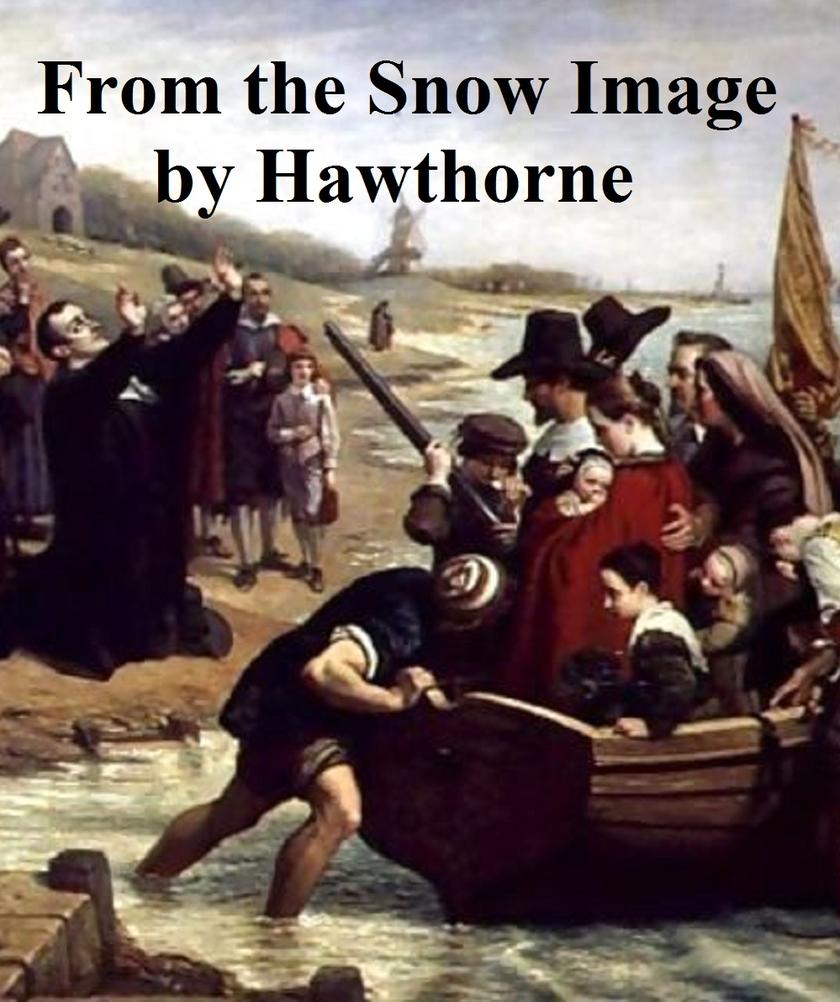
From the Snow Image
¥8.09
Collection of short stories, including The Snow Image, The Great Stone Face, Ethan Brand, The Canterbury Pilgrims, The Devil in Manuscript, and My Kinsman, Major Molineux. According to Wikipedia: "Nathaniel Hawthorne (born Nathaniel Hathorne; July 4, 1804 – May 19, 1864) was an American novelist and short story writer."
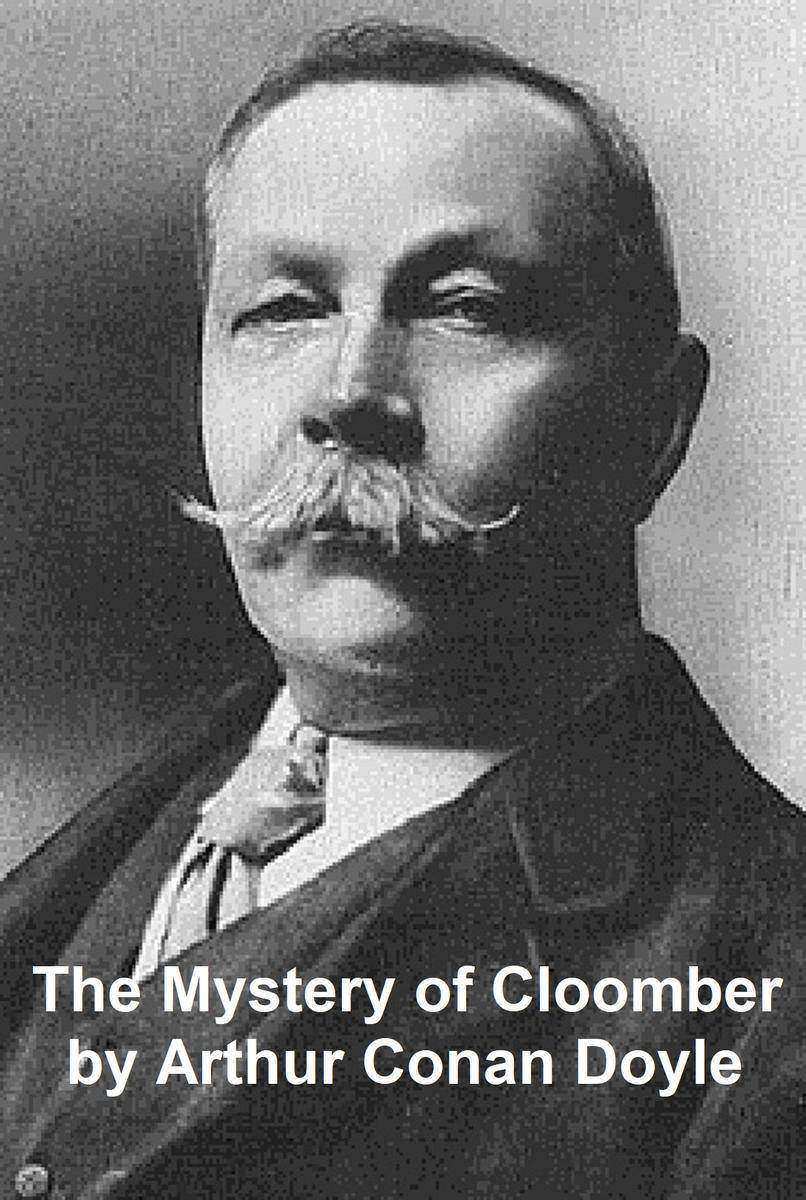
The Mystery of Cloomber
¥8.09
According to Wikipedia: "The Mystery of Cloomber is a novel by British author Sir Arthur Conan Doyle. It is narrated by John Fothergill West, a Scot who has moved with his family from Edinburgh to Wigtownshire to care for the estate of his father's half brother, William Farintosh. It was first published in 1889."
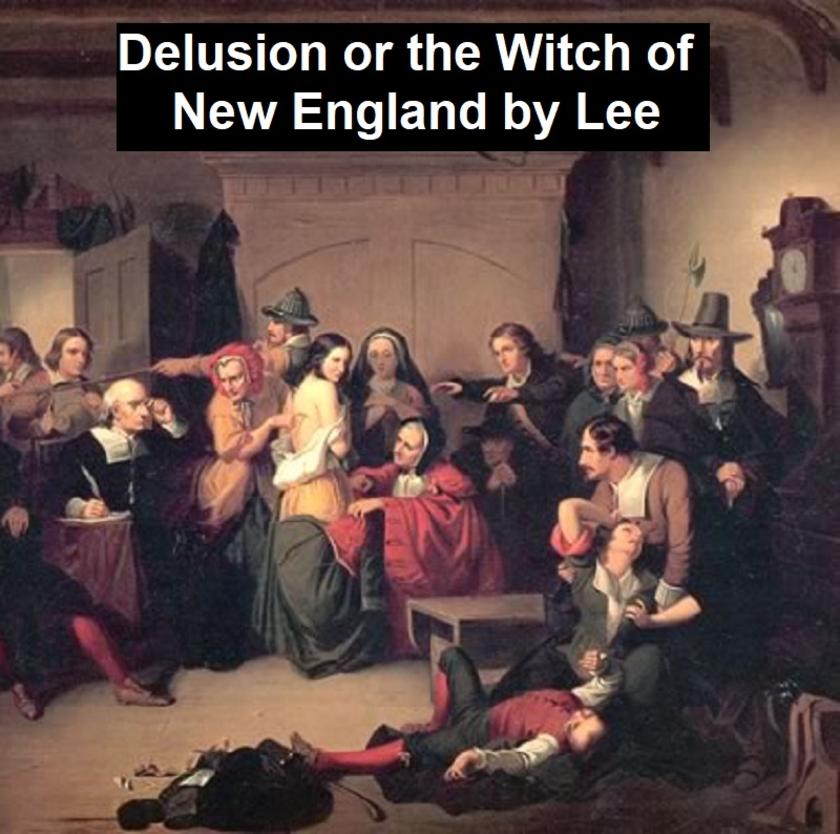
Delusion or The Witch of New England
¥8.09
According to Wikipedia: "Eliza (Buckminster) Lee (1792-1864) was an American author, the daughter of Joseph Buckminster. She was born in Portsmouth, New Hampshire; was well educated by her father and brother, Joseph Stevens Buckminster; married a Thomas Lee of Boston; became a writer; and was unusually felicitous in her descriptions of New England life. She wrote, notably: Sketches of New England Life (1837); Naomi, or Boston Two Hundred Years Ago (1848); and memoirs of her father and brother (1849). She translated from the German, wrote a life of Richter (1842), and published an historical novel, Parthenia, the Last Days of Paganism (1858).

Birds in Town and Village
¥8.09
According to Wikipedia: "William Henry Hudson (4 August 1841 – 18 August 1922) was an author, naturalist, and ornithologist. Hudson was born in the Quilmes, a borough (partido) of the greater Buenos Aires, in Buenos Aires Province, Argentina, the son of Daniel Hudson and his wife Catherine née Kemble, U.S. settlers of English and Irish origin. He spent his youth studying the local flora and fauna and observing both natural and human dramas on what was then a lawless frontier, publishing his ornithological work in Proceedings of the Royal Zoological Society, initially in an English mingled with Spanish idioms.
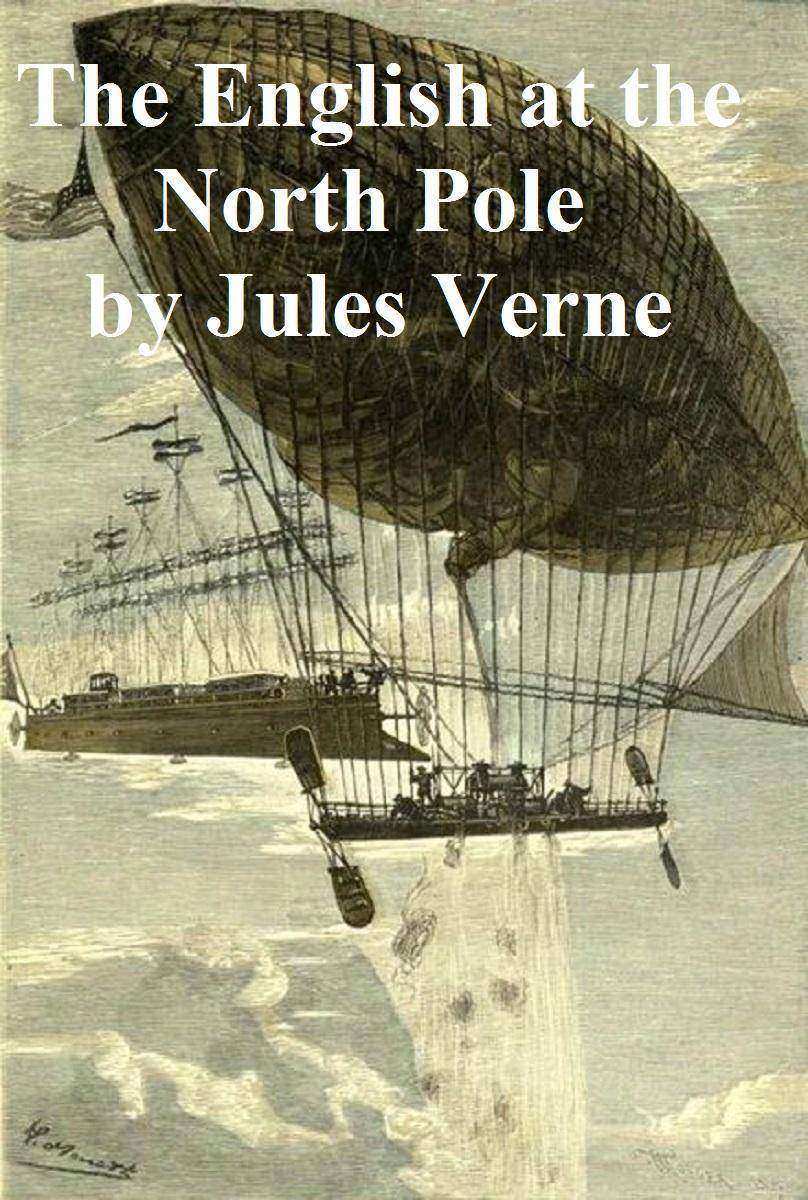
The English at the North Pole
¥8.09
Part 1 of the two-part Adventures of Captain Hatteras. According to Wikipedia: "Jules Gabriel Verne (February 8, 1828 – March 24, 1905) was a French author who pioneered the science fiction genre. He is best known for his novels Twenty Thousand Leagues Under the Sea (1870), Journey to the Center of the Earth (1864), and Around the World in Eighty Days (1873). Verne wrote about space, air, and underwater travels before air travel and practical submarines were invented, and before practical means of space travel had been devised."
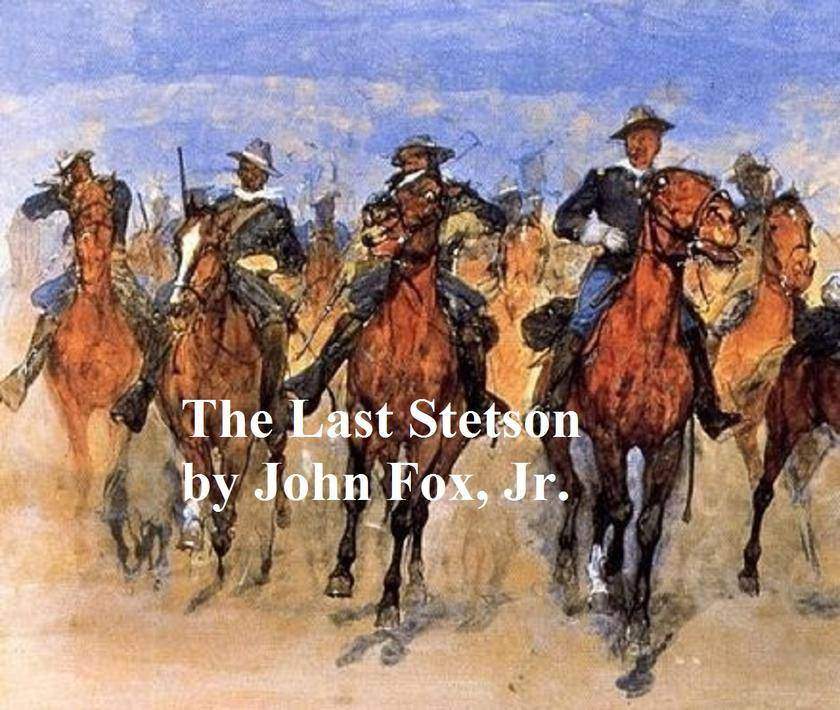
The Last Stetson
¥8.09
Classic western. According to Wikipedia: "Born in Stony Point, Kentucky to John William Fox, Sr., and Minerva Worth Carr, Fox studied English at Harvard University. He graduated in 1883 before becoming a reporter in New York City. After working for both New York Times and the New York Sun, he published a successful serialization of his first novel, A Mountain Europa, in Century magazine in 1892. Two moderately successful short story collections followed, as well as his first conventional novel, The Kentuckians in 1898. Fox gained a following as a war correspondent, working for Harper's Weekly in Cuba during the Spanish-American War of 1898, where he served with the "Rough Riders." Six years later he traveled to Asia to report on the Russo-Japanese War for Scribner's magazine. Though he occasionally wrote for periodicals, after 1904, Fox dedicated much of his attention to fiction. The Little Shepherd of Kingdom Come (published in 1903) and The Trail of the Lonesome Pine (published in 1908) are arguably his most well known and successful works, entering the New York Times top ten list of bestselling novels for 1903, 1904, 1908, and 1909 respectively. Many of his works reflected the naturalist style, his childhood in Kentucky's Bluegrass region, and his life among the coal miners of Big Stone Gap, Virginia. Many of his novels were historical romances or period dramas set in that region."
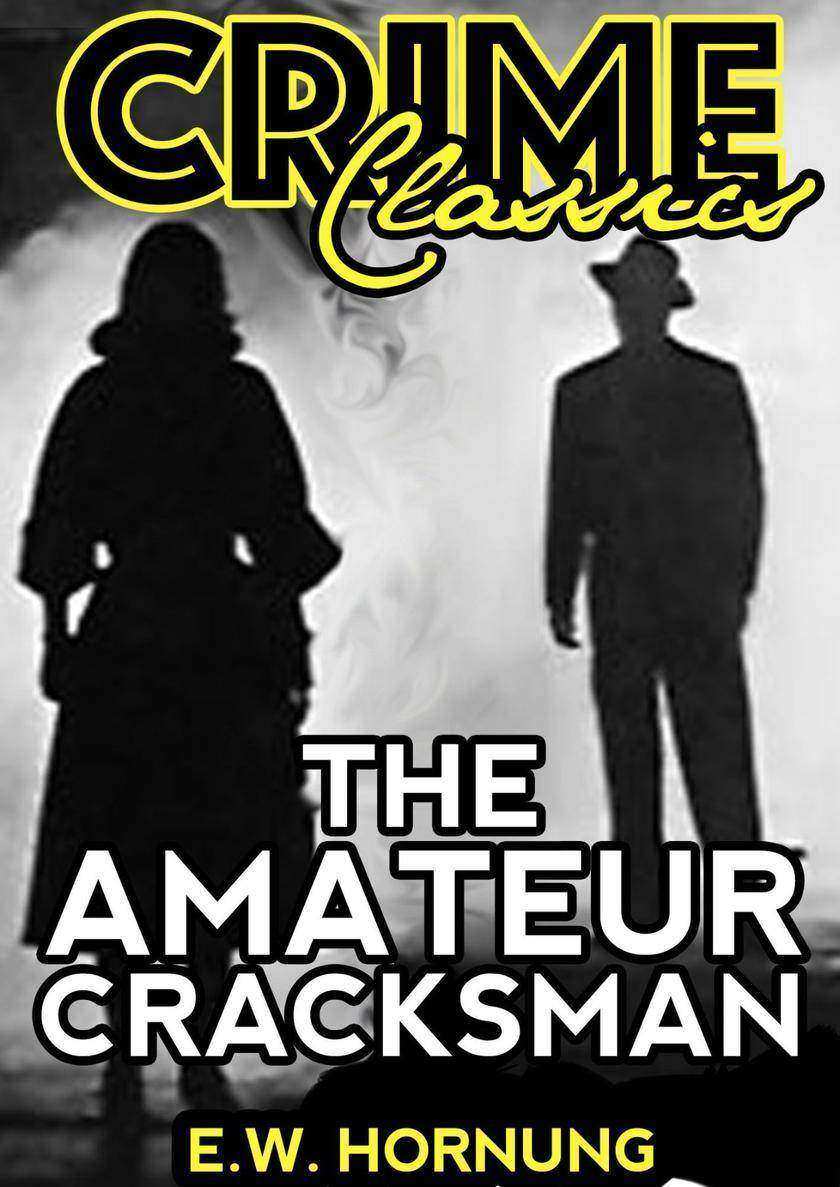
The Amateur Cracksman
¥8.09
Classic Crime Press presents you The Amateur Cracksman in a fantastic ebook edition. ? The Amateur Cracksman was the original short story collection by E.W. Hornung featuring his most famous character, A. J. Raffles, a gentleman thief in late Victorian Great Britain. It was first published in 1899. The book was very well received and spawned three follow-ups: two more short story collections, The Black Mask (1901) and A Thief in the Night (1904), as well as a full-length novel, Mr. Justice Raffles in 1909. ? Arthur Raffles is a prominent member of London society, and a national sporting hero. As a cricketer he regularly represents England in Test matches. He uses this as a chance to commit a number of burglaries, primarily stealing valuable jewelry from his hosts. In this he is assisted by his friend, the younger, idealistic Bunny Manders. Both men are constantly under the surveillance of Inspector Mackenzie of Scotland Yard who is always thwarted in his attempts to pin the crimes on Raffles. ? In the final story, "The Gift of the Emperor", Raffles is called into service on behalf of the Foreign Office who wish to recover a valuable pearl from a German diplomat staying in England. However, this is only in the TV adaptation; in the book he is working entirely for his own profit. ? The short stories included in the collection are: ? "The Ides of March" "A Costume Piece" "Gentlemen and Players" "Le Premier Pas" "Wilful Murder" "Nine Points of the Law" "The Return Match" "The Gift of the Emperor"

My Lady Ludlow by Elizabeth Gaskell - Delphi Classics (Illustrated)
¥8.09
This eBook features the unabridged text of ‘My Lady Ludlow by Elizabeth Gaskell - Delphi Classics (Illustrated)’ from the bestselling edition of ‘The Complete Works of Elizabeth Gaskell’. Having established their name as the leading publisher of classic literature and art, Delphi Classics produce publications that are individually crafted with superior formatting, while introducing many rare texts for the first time in digital print. The Delphi Classics edition of Gaskell includes original annotations and illustrations relating to the life and works of the author, as well as individual tables of contents, allowing you to navigate eBooks quickly and easily. eBook features: * The complete unabridged text of ‘My Lady Ludlow by Elizabeth Gaskell - Delphi Classics (Illustrated)’ * Beautifully illustrated with images related to Gaskell’s works * Individual contents table, allowing easy navigation around the eBook * Excellent formatting of the text Please visit www.delphiclassics.com to learn more about our wide range of titles

Love Eternal
¥8.09
Dodo Collections brings you another classic from H. Rider Haggard, ‘Love Eternal’. ? Although English author H. Rider Haggard is popularly known today as "the father of the lost race novel," such adventure tales of vanished civilizations were scarcely his sole concern. As any reader who has pursued this writer further than his "big 3" (1885’s "King Solomon’s Mines," 1887’s "Allan Quatermain" and 1887’s "She") would tell you, Haggard was also very much concerned with the matter of reincarnation and with what we might call "love that survives beyond the grave." These two themes comprise the very heart of "She" and its three sequels (1905’s "Ayesha," 1921’s "She and Allan" and 1923’s "Wisdom’s Daughter") and crop up in such disparate works of the author as his very first, "Dawn" (1884), and "Stella Fregelius" (1904). But perhaps the author’s most concise statement on these two matters is to be found in his beautifully written but largely forgotten novel simply entitled "Love Eternal." Written in 1916 but not published until April 1918, it is a work that is obviously very close to its author’s heart and one that draws largely on his own youthful experiences. ? aH. Rider Haggard — was an English writer of adventure novels set in exotic locations, predominantly Africa, and a pioneer of the Lost World literary genre. He was also involved in agricultural reform throughout the British Empire. His stories, situated at the lighter end of Victorian literature, continue to be popular and influential. ? His novels portray many of the stereotypes associated with colonialism, yet they are unusual for the degree of sympathy with which the native populations are portrayed. Africans often play heroic roles in the novels, although the protagonists are typically European (though not invariably). Notable examples are the heroic Zulu warrior Umslopogaasi and Ignosi, the rightful king of Kukuanaland, in King Solomon's Mines. Having developed an intense mutual friendship with the three Englishmen who help him regain his throne, he accepts their advice and abolishes witch-hunts and arbitrary capital punishment.

Confidence
¥8.09
Dodo Classics brings you another classic from Henry James, ‘Confidence’. ? Confidence is a novel by Henry James, first published as a serial in Scribner's Monthly in 1879 and then as a book later the same year. This light and somewhat awkward comedy centers on artist Bernie Longueville, scientist Gordy Wright, and the sometimes inscrutable heroine, Angie Vivian. The plot rambles through various romantic entanglements before reaching an uncomplicated, but still believable happy ending. ? Henry James, OM (15 April 1843 – 28 February 1916) was an American writer who spent most of his writing career in Britain. He is regarded as one of the key figures of 19th-century literary realism. He was the son of Henry James, Sr. and the brother of philosopher and psychologist William James and diarist Alice James. ? He is best known for a number of novels showing Americans encountering Europe and Europeans. His method of writing from a character's point of view allowed him to explore issues related to consciousness and perception, and his style in later works has been compared to impressionist painting. His imaginative use of point of view, interior monologue and unreliable narrators brought a new depth to narrative fiction. ? James contributed significantly to literary criticism, particularly in his insistence that writers be allowed the greatest possible freedom in presenting their view of the world. James claimed that a text must first and foremost be realistic and contain a representation of life that is recognizable to its readers. Good novels, to James, show life in action and are, most importantly, interesting. In addition to his voluminous works of fiction he published articles and books of travel, biography, autobiography, and criticism, and wrote plays. James alternated between America and Europe for the first twenty years of his life; eventually he settled in England, becoming a British subject in 1915, one year before his death. James was nominated for the Nobel Prize in Literature in 1911, 1912, and 1916.

Anna of the Five Towns
¥8.09
Dodo Collections brings you another classic from Arnold Bennett, ‘"Anna of the Five Towns ". Anna, a woman of reserve and integrity, lives with her tyrannical and selfish father. Courted for her money by the handsome and successful Henry Mynors, Anna defies her father's wrath--with tragic results. Set in the Potteries against a background of dour Wesleyan Methodism, Anna of the Five Towns is a brilliantly perceptive novel of provincial life in Victorian England. ? Enoch Arnold Bennett (always known as Arnold Bennett) was one of the most remarkable literary figures of his time, a product of the English Potteries that he made famous as the Five Towns. Yet he could hardly wait to escape his home town, and he did so by the sheer force of his ambition to succeed as an author. In his time he turned his hand to every kind of writing, but he will be remembered for such novels as The Old Wives' Tale, the Clayhanger trilogy (Clayhanger, Hilda Lessways, and These Twain), and The Card. He also wrote such intriguing self-improvement books as Literary Taste, How To Live on 24 Hours a Day, The Human Machine, etc. ? After a local education Bennett finished his education at the University of London and for a time was editor of Woman magazine. After 1900 he devoted himself entirely to writing; dramatic criticism was one of his foremost interests. Bennett is best known, however, for his novels, several of which were written during his residence in France. ? Bennett's infancy was spent in genteel poverty, which gave way to prosperity as his father succeeded as a solicitor. From this provincial background he became a novelist. ? His enduring fame is as a Chronicler of the Potteries towns, the setting and inspiration of some of his most famous and enduring literary work and the place where he grew up.
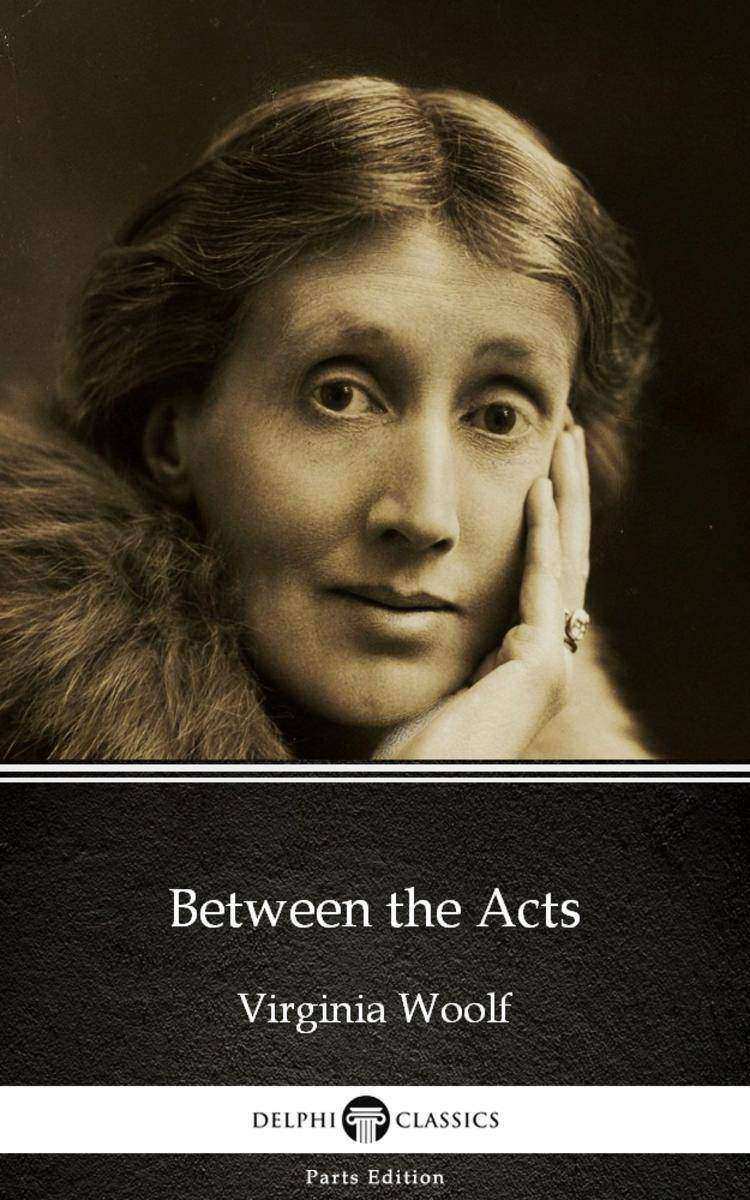
Between the Acts by Virginia Woolf - Delphi Classics (Illustrated)
¥8.09
This eBook features the unabridged text of ‘Between the Acts by Virginia Woolf - Delphi Classics (Illustrated)’ from the bestselling edition of ‘The Complete Works of Virginia Woolf’. Having established their name as the leading publisher of classic literature and art, Delphi Classics produce publications that are individually crafted with superior formatting, while introducing many rare texts for the first time in digital print. The Delphi Classics edition of Woolf includes original annotations and illustrations relating to the life and works of the author, as well as individual tables of contents, allowing you to navigate eBooks quickly and easily. eBook features: * The complete unabridged text of ‘Between the Acts by Virginia Woolf - Delphi Classics (Illustrated)’ * Beautifully illustrated with images related to Woolf’s works * Individual contents table, allowing easy navigation around the eBook * Excellent formatting of the text Please visit www.delphiclassics.com to learn more about our wide range of titles


