


 购物车
购物车 个人中心
个人中心
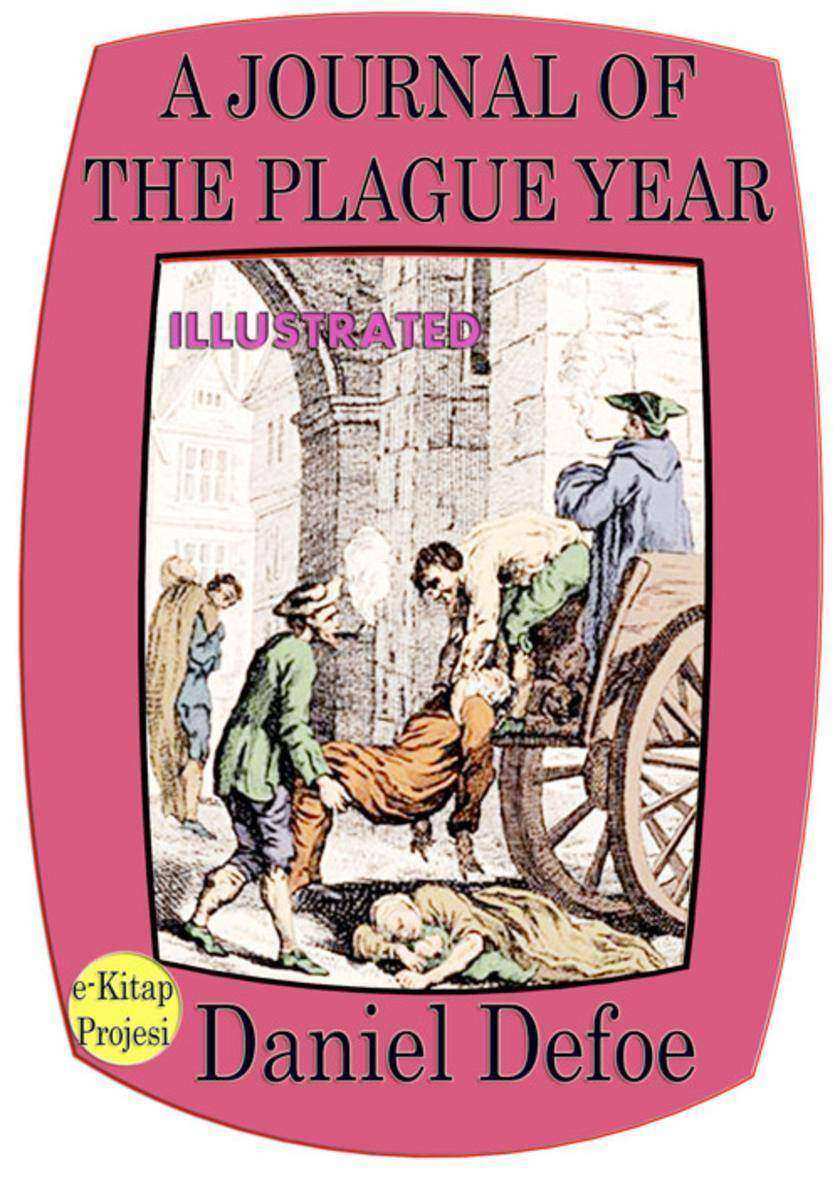
A Journal of the Plague Year: "Illustrated"
¥8.09
A háború el?szele már mindenütt érezhet?: az utakat másfajúak renegát csapatai tartják rettegésben, a városok utcáin rejtélyes halálesetek t?rténnek. A királyok nem bíznak t?bbé a varázslókban, akik azt képzelik, varázshatalmuk feljogosítja ?ket, hogy beleártsák magukat a politikába. Némelyikük a szabad országok javáért cselekszik, mások ?n?s érdekb?l, de a varázslók álságos mosolya és felszínes csevegése m?g?tt sorsd?nt? játszmák zajlanak. Ríviai Geralt mindig is büszke volt semlegességére. A vaják korábban úgy gondolta, elegend?, hogy a saját sorsáról d?nts?n… csakhogy akkor még nem kellett mások miatt aggódnia. Egyedül k?nny? semlegesnek maradni, de ha egy kislány élete a tét, már nem annyira. Geralt igyekszik mindent megtenni Ciri védelmében.

How To Camp Out
¥8.09
The fables were written and first published in the 17th century. They portray humans' behaviour in the society.The subject of each of the Fables is often common property of many ages and races. What gives La Fontaine's Fables their rare distinction is the freshness in narration, the deftness of touch, the unconstrained suppleness of metrical structure, the unfailing humor of the pointed the consummate art of their apparent artlessness.?
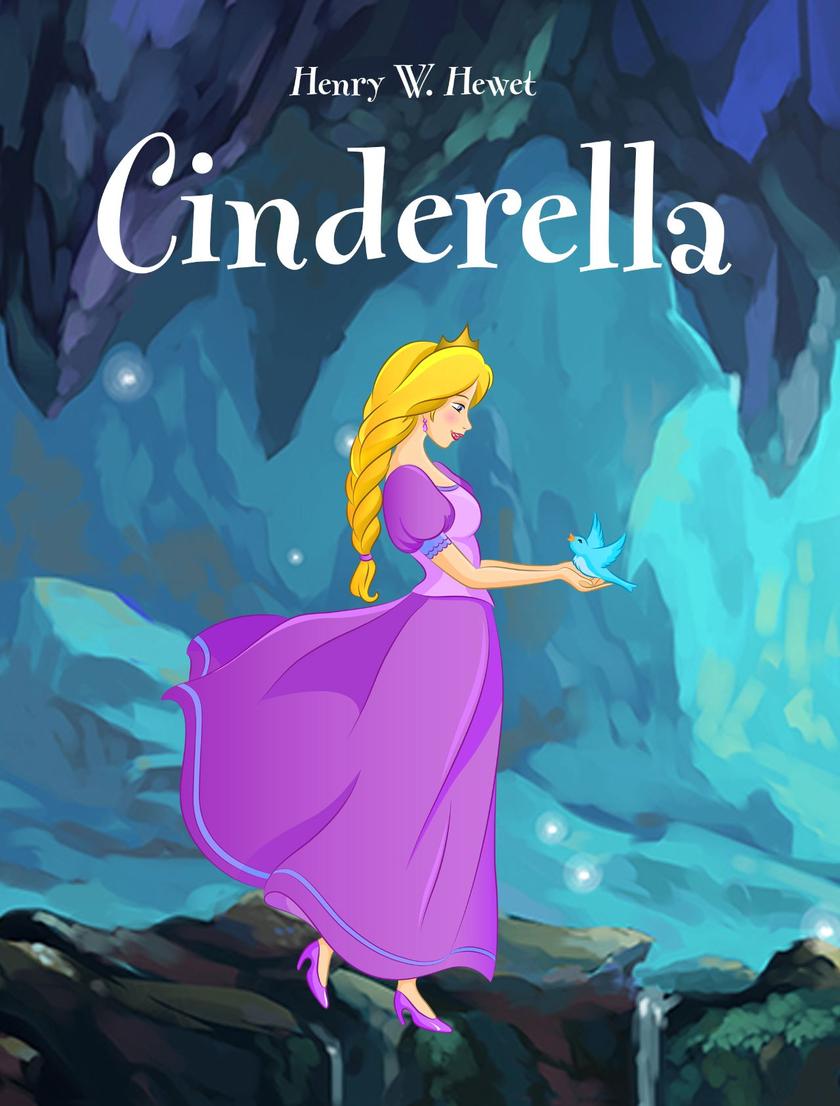
Cinderella: Illustrated Edition
¥8.09
The Original - The Prince and the Pauper - Mark Twain. Classic Historical Fiction. Top 100 Historical Fiction. The Prince and the Pauper is a novel by American author Mark Twain. On the same day in 16th century London were born Tom Canty, destined to become a street beggar, and Edward Tudor, son of Henry VII, a future king. Several years later, young Canty invades the royal precincts hoping to see the Prince. The boys discover they are identical in appearance and exchange clothes. Mistaken for the beggar boy, Prince Edward is thrown into the streets. Tom Canty, too frightened to confess his true identity, assumes the mantle of the Prince of Wales.
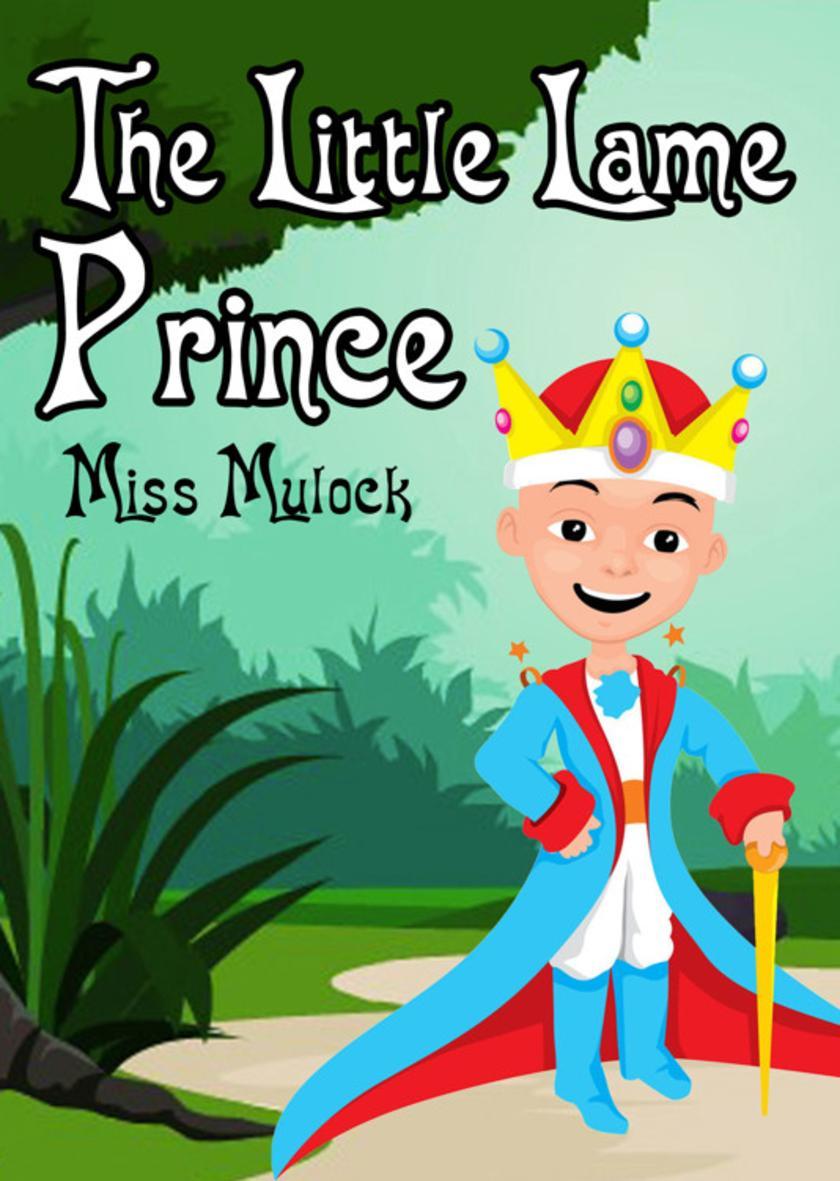
The Little Lame Prince
¥8.09
One of the true classics of literature, Pinocchio - The Story of a Puppet has stirred the imagination of young and old alike for over four generations.?This is a multi touch version, specially designed for the iPad, a unique experience and probably the most beautiful digital version ever made of this story. It contains gorgeous illustrations.?The book is enhanced with audio for all chapters, read by Phil Chenever.This is the wonderful story of Pinocchio, the puppet who must learn many lessons before he can become a real boy. Carved by a woodcarver named Geppetto in a small Italian village, he dreamed of becoming a real boy but strays from the path of goodness many times and is very willing to listen to temptation. He has also been used as a character who is prone to telling lies and fabricating stories for various reasons. The story has appeared in many adaptations in other mediums. Pinocchio has been called an icon of modern culture, and one of most reimagined characters in the pantheon of children's literature. Listen to his many adventures, scrapes, misdeeds and pranks followed by bouts of sincere repentance and remorse. But these last only until the next enticing adventure or misdeed presents itself. Of course he does finally learn his lesson and does become a real boy when finally understanding that love and duty come first before pleasure and play.
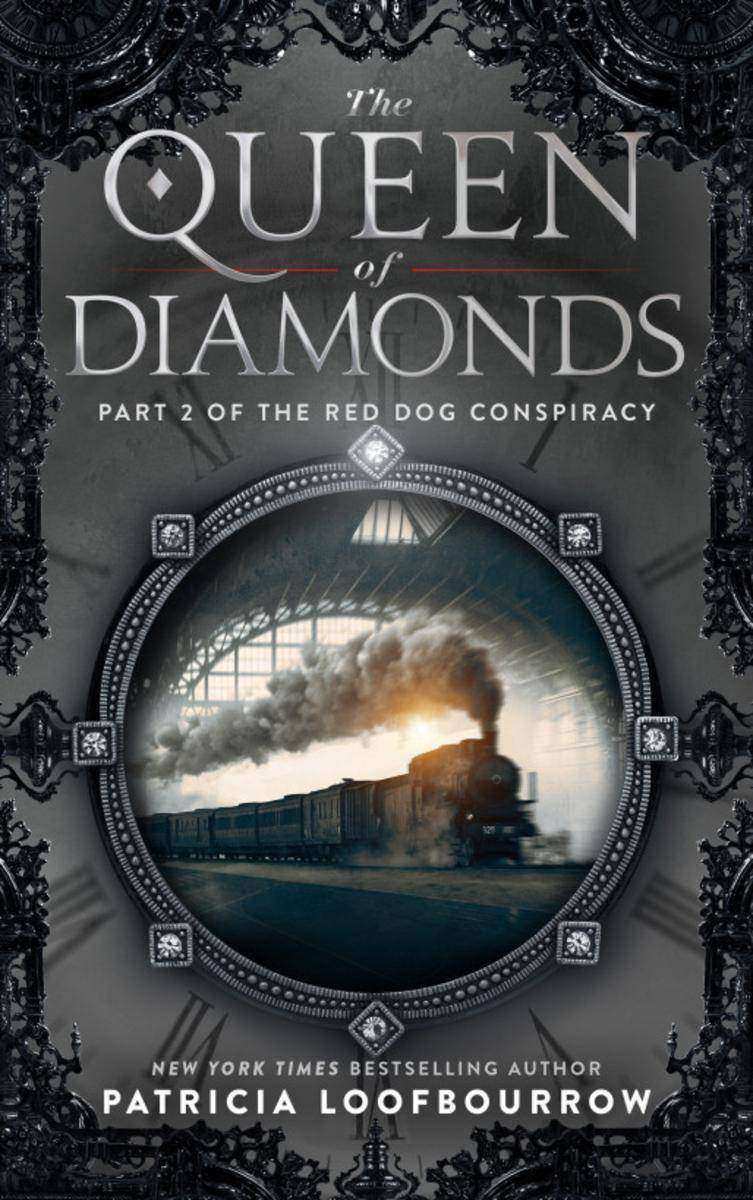
The Queen of Diamonds: Part 2 of the Red Dog Conspiracy
¥8.09
What if your best friend were working with your worst enemy? All is not well in Bridges. The Four Families accuse each other of spying while Red Dog attacks escalate. Aristocratic jewel merchant Dame Anastasia Louis, styling herself "The Queen of Diamonds," hires her long-time friend, private eye Jacqueline Spadros, to collect from her debtors so she can leave the city. But Jacqui can't leave David Bryce's kidnapping and the murders of her teenage informants unpunished. Convinced that her mortal enemy, the madman "Black Jack" Diamond, was complicit in the crimes, she pursues ways to prove it. The scoundrel and his crew, however, seem to be one step ahead: the terrifying man in white is seen outside David's home, forged letters are appearing across the city, and merchants in the Spadros quadrant report threats from a man who fits his description.? ? Jacqui is warned of a plot against her life. Those who try to warn Jacqui are murdered, and evidence emerges that Jacqui's mother is next on the list.? With time running out, Jacqui is forced to make a horrifying choice. Someone will surely die. Will it be Jacqui, or her mother?

The Hogmanay Stranger: A Sweetwater Canyon Novelette
¥8.09
Sweetwater Canyon Book 5?–?A New Year’s Novelette (32 pages plus 20 pages of “sneak peek of Book 3) The Sweetwater Canyon musicians celebrate Hogmanay (New Year’s Eve) in Scotland with Rachel’s father, Gavin Cullen. Since his wife’s death eight years ago, Gavin has never completely been the same. Clearing the cobwebs of the past year in order to begin anew is a tradition with special meaning at the family bed and breakfast inn. When a young, homeless stranger is invited inside he is met with caution by some members of the band. Will he be a source of division or will he help to free the Cullen’s from the past?
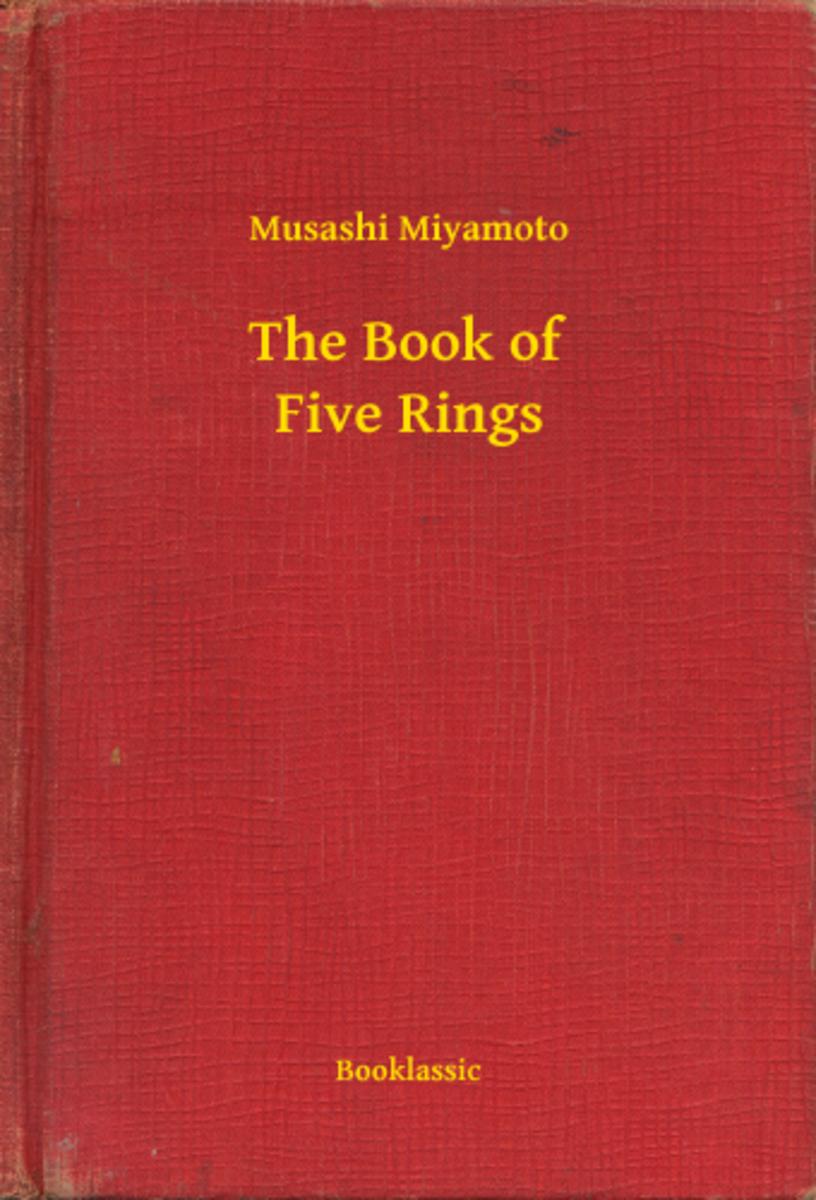
The Book of Five Rings
¥8.09
The Book of Five Rings
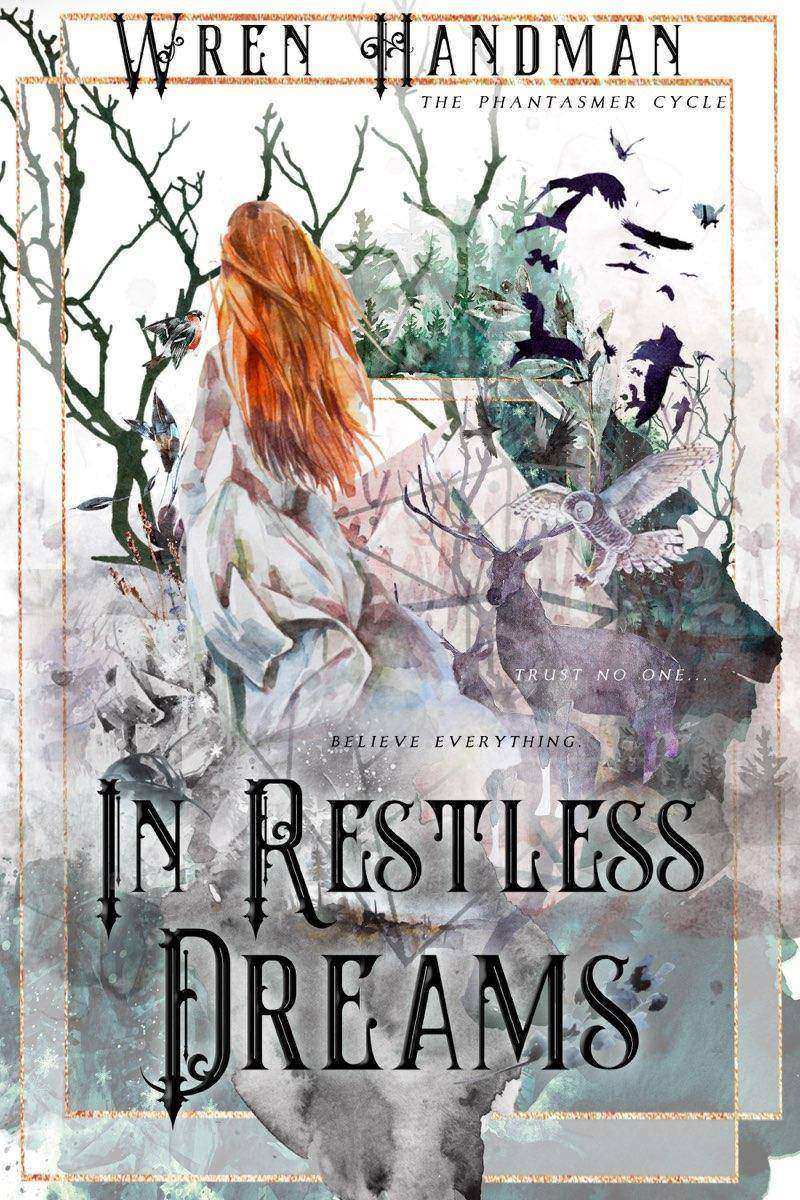
In Restless Dreams: Trust no one... believe everything
¥8.09
Sylvia is just a normal girl with huge, normal problems – her mother’s attempted suicide; how to adjust to life on the Upper East Side; trying to make friends in a rich prep school where she doesn’t belong; whether or not to trust the cute boy with the dangerous eyes. She thinks that’s more than she can handle, but she tests the limits of her endurance when she learns that she is the long awaited Phantasmer, a human who can change the fabric of Fairy simply by believing in a new story. Sylvia’s life is thrown off course as two warring Courts, the Seelie and Unseelie, both attempt to co-opt her gift to fight the other Court, which she has to deal with while trying not to get kicked out of school for fighting. And it doesn’t help matters that the fairies begging for her help are both attractive young men – with their own agendas.
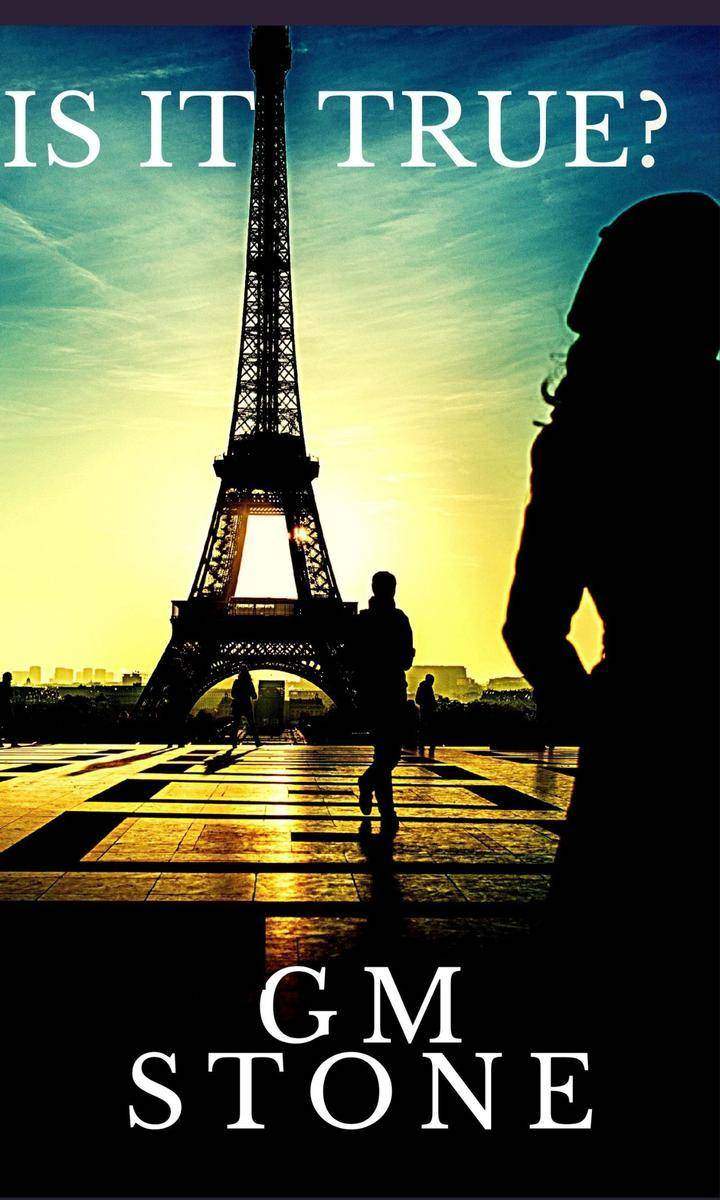
Is It True?
¥8.09
The truth is only half the story… Ten year old Vivienne’s parents disappeared without a trace.Twenty years later, an anonymous email claims to know where they are.Now, pregnant with her second child, Vivienne must confront her past to find out what happened to her parents. But as her family’s secrets and lies unravel, she starts to realise that the truth is only half the story… Who are her parents? And what have they done?

The Slaughter Sisters: When the Dead Walk the Earth
¥8.09
Strange world: creatures are more civilized than men. Set in the Helena Brandywine universe, this story follows the adventures of The Slaughter Sisters. Humans have become more monstrous than the legendary creatures the women are hired to seek out. How is a monster hunter meant to survive? The Slaughter Sisters are premier monster hunters in the North East, the only problem the legendary creatures are blending in with the human denizens of the world, while the human charlatans take their place. After a brush with the dreaded New Jersey devil, the sisters must flee their home of Yonkers, to escape the dreaded local matchmaker. Fearing for their independence, they escape to New York City to search for any job available. They uncover a series of disappearances around the notorious Five Points. Who is behind the missing people, monsters, or humans? The Slaughter Sisters will discover who is behind it all!
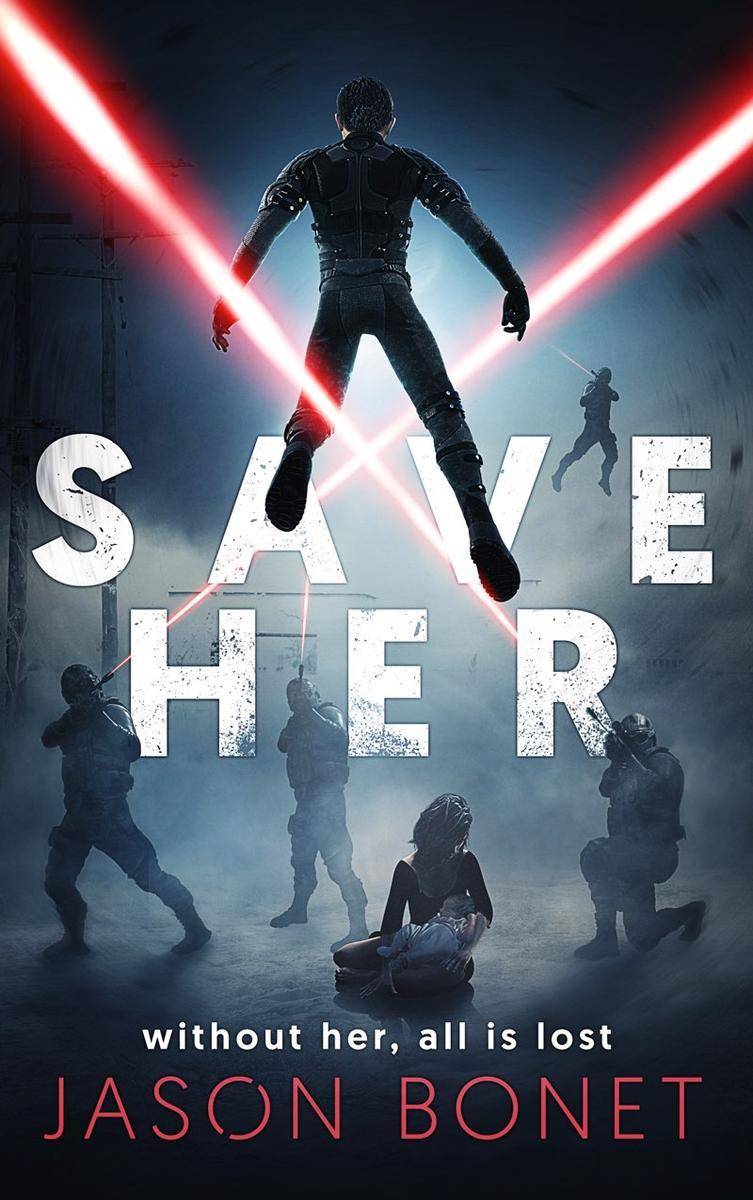
Save Her: A Dystopian Novel
¥8.09
Without Her, All Is Lost DRAYDEN's murdered brother started the bio-nanotech battle, but 16-year-old Drayden just started the war by revealing the secret technology to the enemy. Then, he made things worse by getting his lover pregnant and letting her get captured by the enemy. NATALIE wakes bound to a chair in a cement room with no windows. Across from her is an interrogator. Natalie reaches to feel the small belly bump already forming but her binds restrict her. She knows immediately who her captors are: Drayden’s enemy. The same enemy who killed his brother. The same enemy who stole the secret bio-tech for their evil purposes. And she knows why they want her -- to steal her baby. Natalie has to escape before revealing too much about Drayden and before her baby is born. Drayden has to find her and save her, or else the enemy will have everything they need to destroy everything, and everyone. Author Jason Bonet is back with an action-packed superhero series full of emotional and thrilling pacing, and a new future apocalyptic world with limitless consequences. Will Drayden find Natalie in time? Will Natalie be able to escape from her captors? Or, will the enemy get the grand prize they’ve been after all along — Natalie’s and Drayden’s powerful child? READ NOW and receive the first two chapters of the next book in the series, SAVE THE 7 - LAUNCHING SOON!
The Federalist Papers
¥8.09
The Federalist Papers
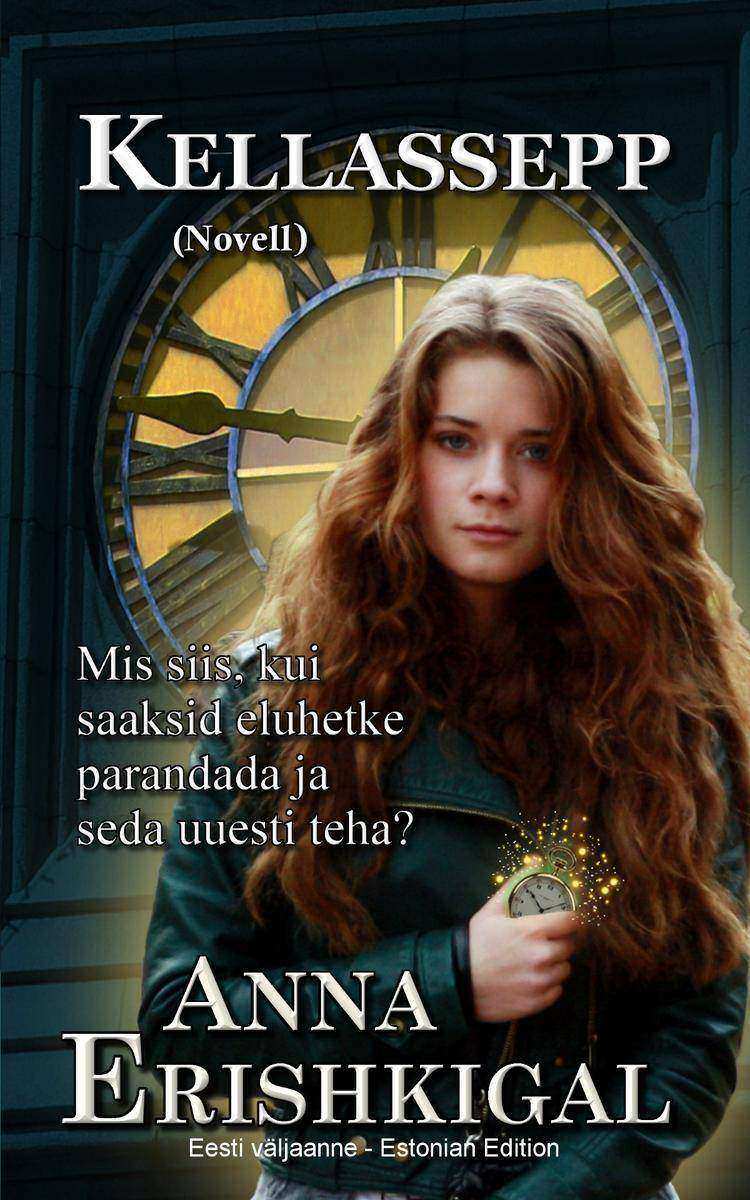
Kellassepp: Novell (Eesti v?ljaanne): Estonian edition
¥8.09
—Küsi, kuidas saad v?ita ühe tunni aega— Maria O’Connore’il on palju suuremaid probleeme kui see fakt, et tema kell seiskus kell 3:57. Kui ta viib oma kella lahke parandaja juurde, ootamatult selgub, et ta sai kummalise auhinna – v?imaluse taaselada ühe tunni oma elust. Aga saatusel on ranged reeglid mineviku torkimise suhtes, sealhulgas range hoiatus, et ei tohi tekitada aja-paradoksi. Kas Maria saab teha rahu oma k?ige kahetsusv??rsema veaga siin maailmas? "Nukker, lühike P?hjamaade mütoloogiast p?rit osund. Aeg on kingitus, ja m?nikord viimane v?imalus…" —Dale Amidei, autor "V?ga sisutihe ja dramaatiline lugu… Kas me muudaksime oma minevikku, kui meil oleks v?imalik seda teha?" —Lugeja arvamus "Saada unikaalset v?imalust, et parandada oma sügavaim viga on ainulaadne v?imalus!" —Lugeja arvamus Mis siis, kui saaksid eluhetke parandada ja seda uuesti teha? * Eesti keel - Estonian language
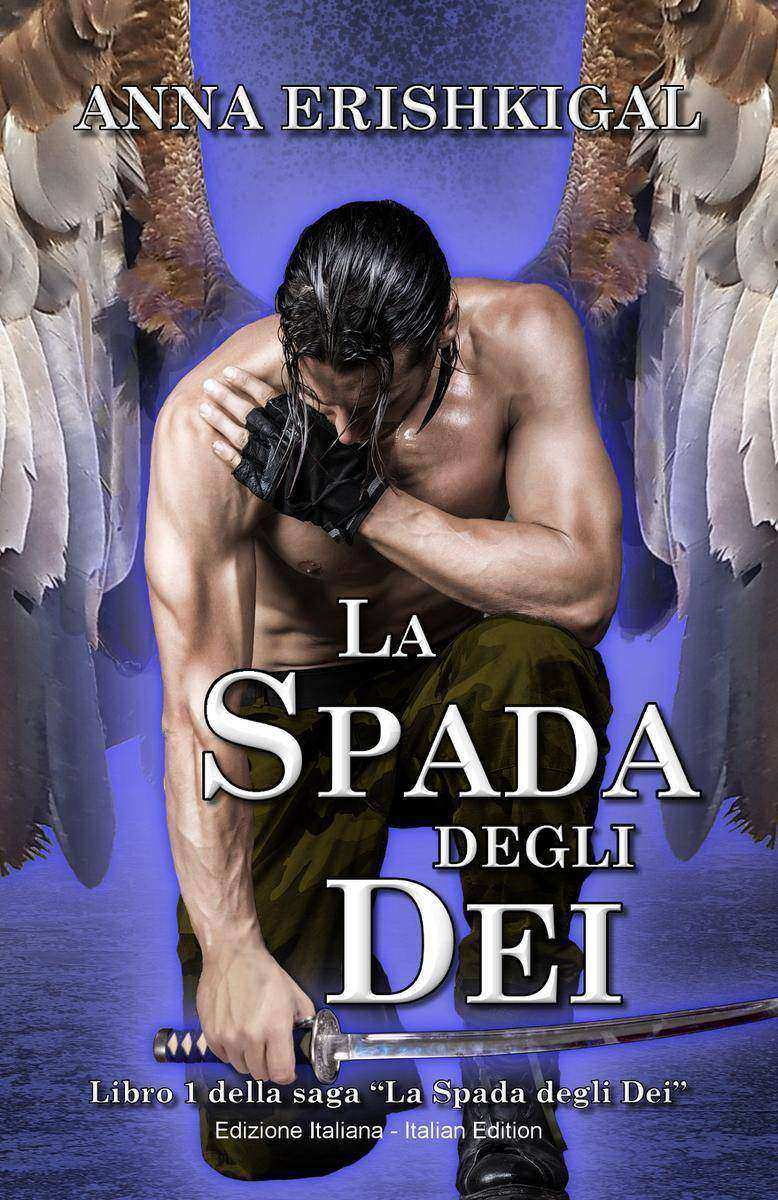
La Spada degli Dei (Edizione Italiana): Libro 1 della saga “La Spada degli Dei”
¥8.09
All’alba dei tempi, due antichi avversari si scontrarono per ottenere il controllo della terra. Un uomo si innalzò a difesa dell’umanità. Un soldato il cui nome ricordiamo ancora oggi… . Il colonnello delle Forze Speciali Angeliche, Mikhail Mannuki’ili, si sveglia nella sua navicella spaziale precipitata, gravemente ferito, senza alcuna memoria del passato. La donna che gli ha salvato la vita, Ninsianna, ha delle abilità speciali che gli sembrano familiari, ma non riesce a ricordare il perché! . Le profezie del popolo di Ninsianna parlano di un campione alato, una Spada degli Dei che li avrebbe difesi dal Dio del Male. Mikhail insiste nel dire di non essere un semidio, ma la sua inspiegabile abilità nell’uccidere sembra indicare altrimenti. . Il Male sussurra ad un principe tetro. Una specie morente cerca di evitare l’estinzione. E due imperatori, trincerati dietro le loro antiche ideologie non riescono a vedere la più grande minaccia che incombe su di loro: questo racconto di fantascienza parla della battaglia più epica della storia dell’umanità, quella tra bene e male; del crollo di imperi e ideologie, e del più grande supereroe mai esistito al mondo, l’Arcangelo Mikhail. .CONTENUTO SPECIALE: include il breve racconto sulla storia all’origine della saga, Gli Eroi dell’Antichità. .“Una alternativa creativa alla storia di quelli che chiamiamo angeli. Si potrebbe definire… un incrocio fra Star Trek e i miti della creazione" — Recensione del lettore .“Mikhail si risveglia” come recita la copertina “mortalmente ferito nella sua navicella spaziale precipitata” … ma questo è solo l'inizio del suo dilemma" — Cape Cod Times .“Ho apprezzato moltissimo la fusione del genere fantastico con la pura fantascienza. Unirli è tutt'altro che semplice. L'autrice vi riesce senza creare incongruenze di alcun tipo…" —Recensione del lettore . Questo libro NON è a sfondo religioso! .Ordine di lettura della serie "La Spada degli Dei": —Gli Eroi dell’Antichità: Episodio 1x01 (prequel) —La Spada degli Dei (include Gli Eroi dell'Antichità) —Non c’è posto per gli Angeli Caduti —Frutto Proibito . Lingua italiana, edizione italiana, libri italiani - Italian edition, Italian language
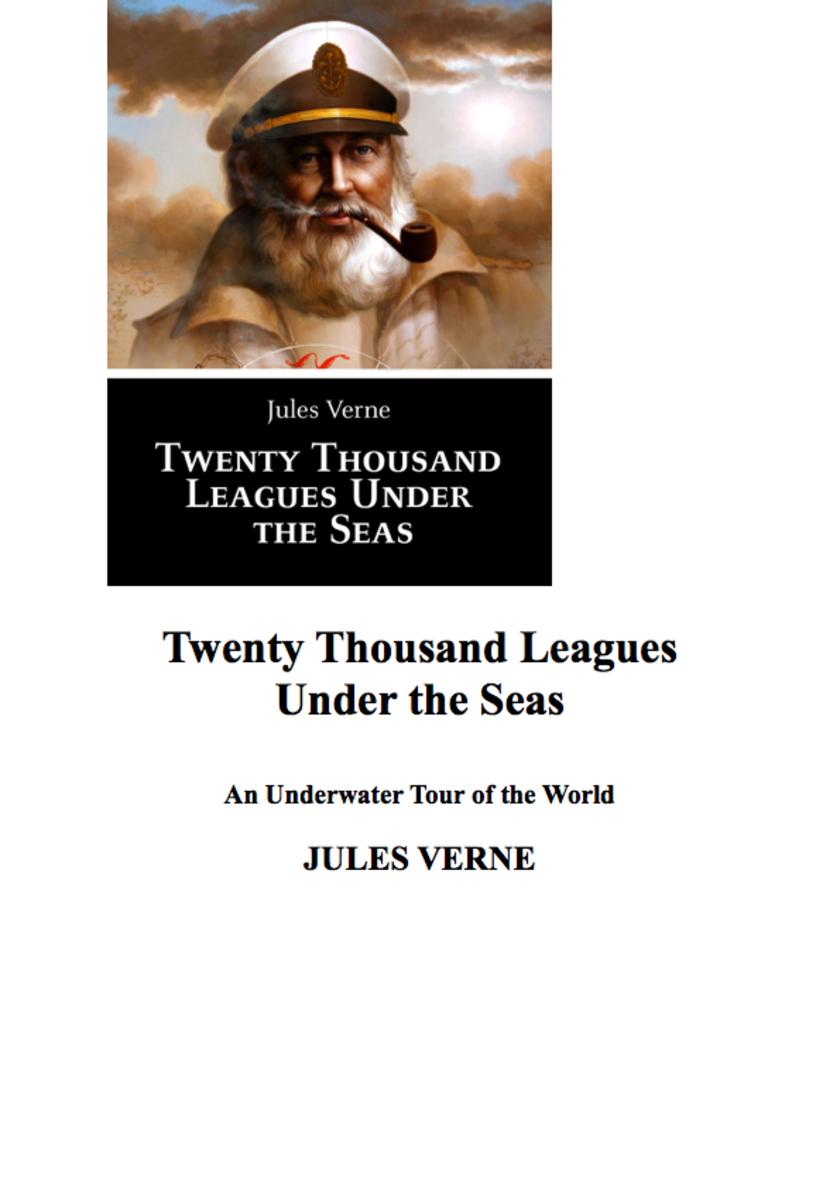
Twenty Thousand Leagues Under the Sea
¥8.09
The Last of the Mohicans is a historical novel written by James Fenimore Cooper. The book, which is set during the French and Indian War, was made into an award-winning film starring Kevin Costner.?James Fenimore Cooper's most famous character, Hawkeye, and his Mohican companions, Uncas and Chingachook, are tasked with rescuing the daughters of a British colonel, who have been abducted by the very man entrusted to keep them safe.?This ebook has been professionally proofread to ensure accuracy and readability on all devices.?
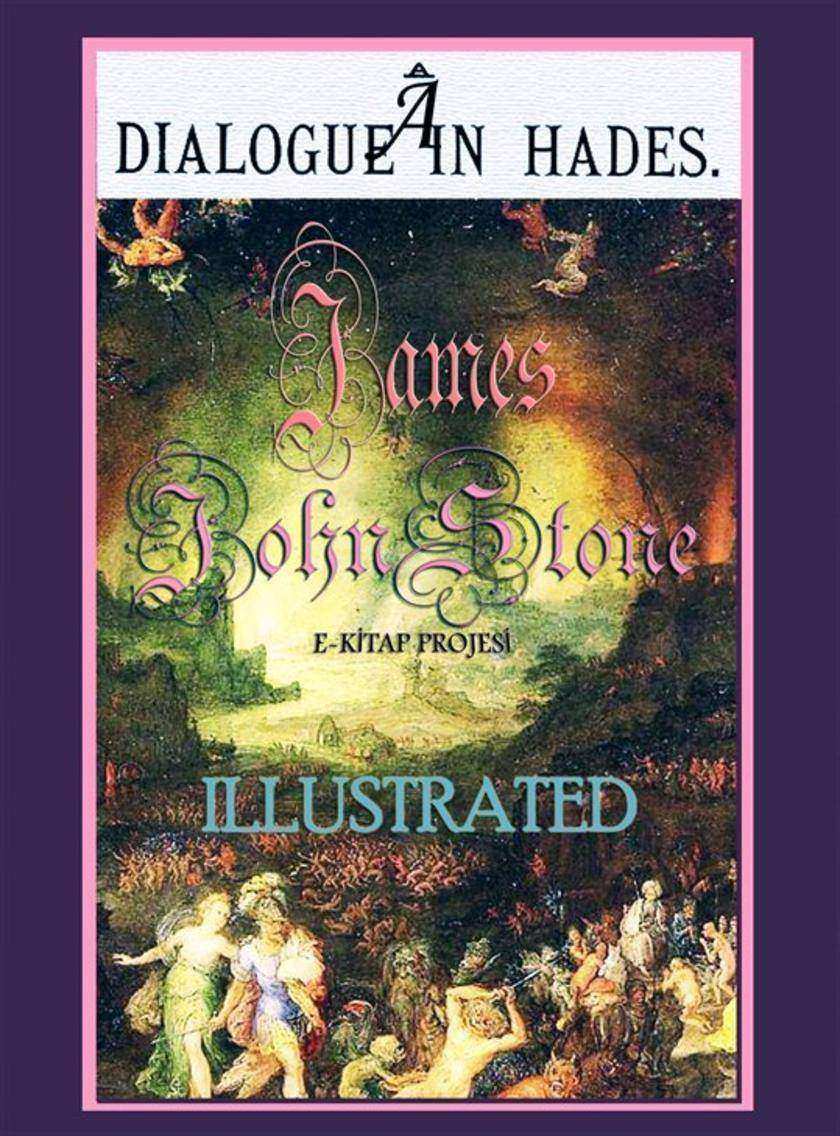
A Dialogue in Hades: "Illustrated"
¥8.09
t lány, t nézpont, t knyv. Cherry trténete, a Cseresznyés ábránd az els. Cherry Costello élete hamarosan rkre megváltozik. Somersetbe kltzik az apukájával, ahol egy új anyuka és egy csomó vadiúj testvér vár rá. Rgtn az els napon megismeri Shay Fletchert, aki annyira szívdgleszt, hogy az már kzveszélyes. Csakhogy Shay foglalt: Cherry új mostohatestvérével, Honey-val jár. Cherry pontosan tudja, milyen kockázatos Shayjel barátkoznia – hiszen ezzel mindent tnkretehet. Csakhogy ez még nem jelenti azt, hogy távol is tudja tartani magát tle… Csajok és csokik. Egy knyvsorozat, melyben minden testvérnek megvan a maga trténete… Neked melyik lány lesz a kedvenced Talán a Cseresznyés ábránd fhse, Cherry Az a lány, akinek tejeskávé szín a bre, stétbarna szeme pedig mandulavágású. Akinek élénk a képzelete, szórakoztató a társaságában lenni, és aki mindig kiáll magáért. Cathy Cassidy nyolc-kilencéves korában írta meg els képesknyvét kisccsének, és azóta ontja magából a trténeteket. Magyarul elsként a Csajok és csokik-sorozata (a Cseresznyés ábránd az 1. ktet) jelenik meg, melynek a vagány Tanberry-nvérek a fhsei, de mellettük feltnik néhány szupermen srác is, valamint Cathy egyik legnagyobb szerelme, a csokoládé is fontos szerepet kap. Cathy Skóciában él a családjával. Az sszes munka kzül, amivel valaha megpróbálkozott, az írást szereti a legjobban – hiszen amikor ír, mást sem kell csinálnia, mint ébren álmodozni egész álló nap.

The Food of the Gods and How It Came to Earth by H. G. Wells (Illustrated)
¥8.09
This eBook features the unabridged text of ‘The Food of the Gods and How It Came to Earth’ from the bestselling edition of ‘The Complete Works of H. G. Wells’. Having established their name as the leading publisher of classic literature and art, Delphi Classics produce publications that are individually crafted with superior formatting, while introducing many rare texts for the first time in digital print. The Delphi Classics edition of Wells includes original annotations and illustrations relating to the life and works of the author, as well as individual tables of contents, allowing you to navigate eBooks quickly and easily.eBook features:* The complete unabridged text of ‘The Food of the Gods and How It Came to Earth’* Beautifully illustrated with images related to Wells’s works* Individual contents table, allowing easy navigation around the eBook* Excellent formatting of the textPlease visit www.delphiclassics.com to learn more about our wide range of titles

The War in the Air by H. G. Wells (Illustrated)
¥8.09
This eBook features the unabridged text of ‘The War in the Air’ from the bestselling edition of ‘The Complete Works of H. G. Wells’. Having established their name as the leading publisher of classic literature and art, Delphi Classics produce publications that are individually crafted with superior formatting, while introducing many rare texts for the first time in digital print. The Delphi Classics edition of Wells includes original annotations and illustrations relating to the life and works of the author, as well as individual tables of contents, allowing you to navigate eBooks quickly and easily.eBook features:* The complete unabridged text of ‘The War in the Air’* Beautifully illustrated with images related to Wells’s works* Individual contents table, allowing easy navigation around the eBook* Excellent formatting of the textPlease visit www.delphiclassics.com to learn more about our wide range of titles
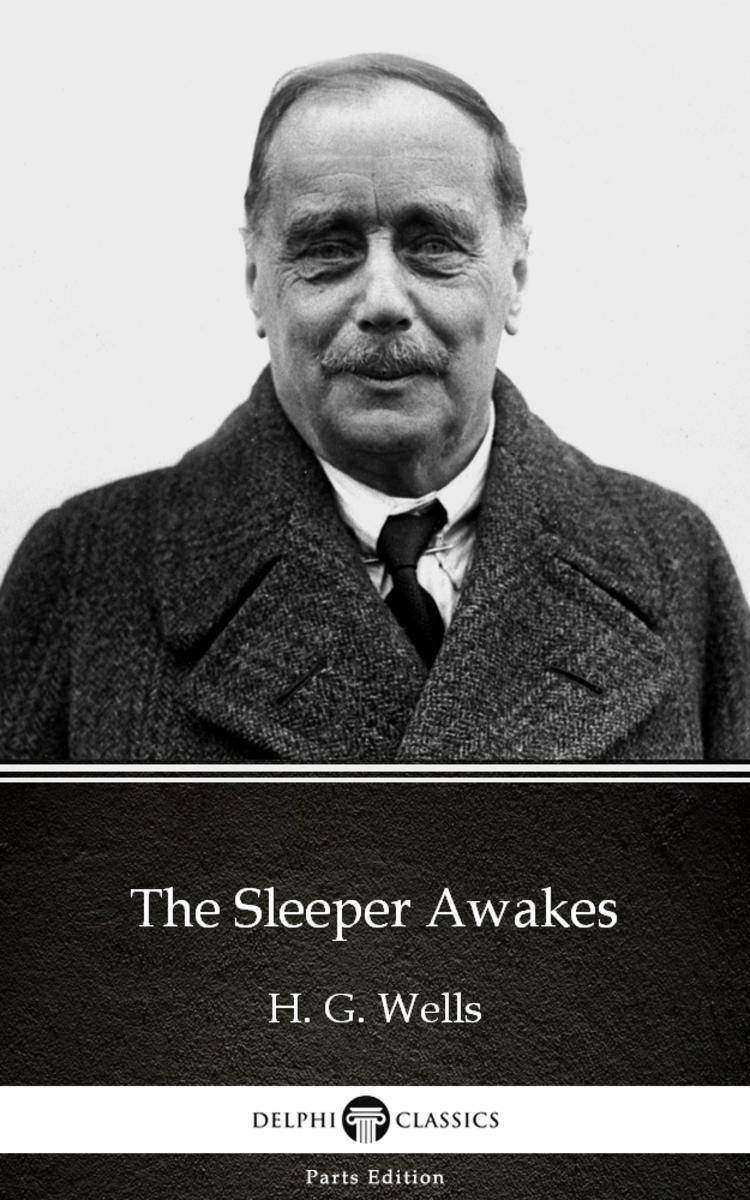
The Sleeper Awakes by H. G. Wells (Illustrated)
¥8.09
This eBook features the unabridged text of ‘The Sleeper Awakes’ from the bestselling edition of ‘The Complete Works of H. G. Wells’. Having established their name as the leading publisher of classic literature and art, Delphi Classics produce publications that are individually crafted with superior formatting, while introducing many rare texts for the first time in digital print. The Delphi Classics edition of Wells includes original annotations and illustrations relating to the life and works of the author, as well as individual tables of contents, allowing you to navigate eBooks quickly and easily.eBook features:* The complete unabridged text of ‘The Sleeper Awakes’* Beautifully illustrated with images related to Wells’s works* Individual contents table, allowing easy navigation around the eBook* Excellent formatting of the textPlease visit www.delphiclassics.com to learn more about our wide range of titles
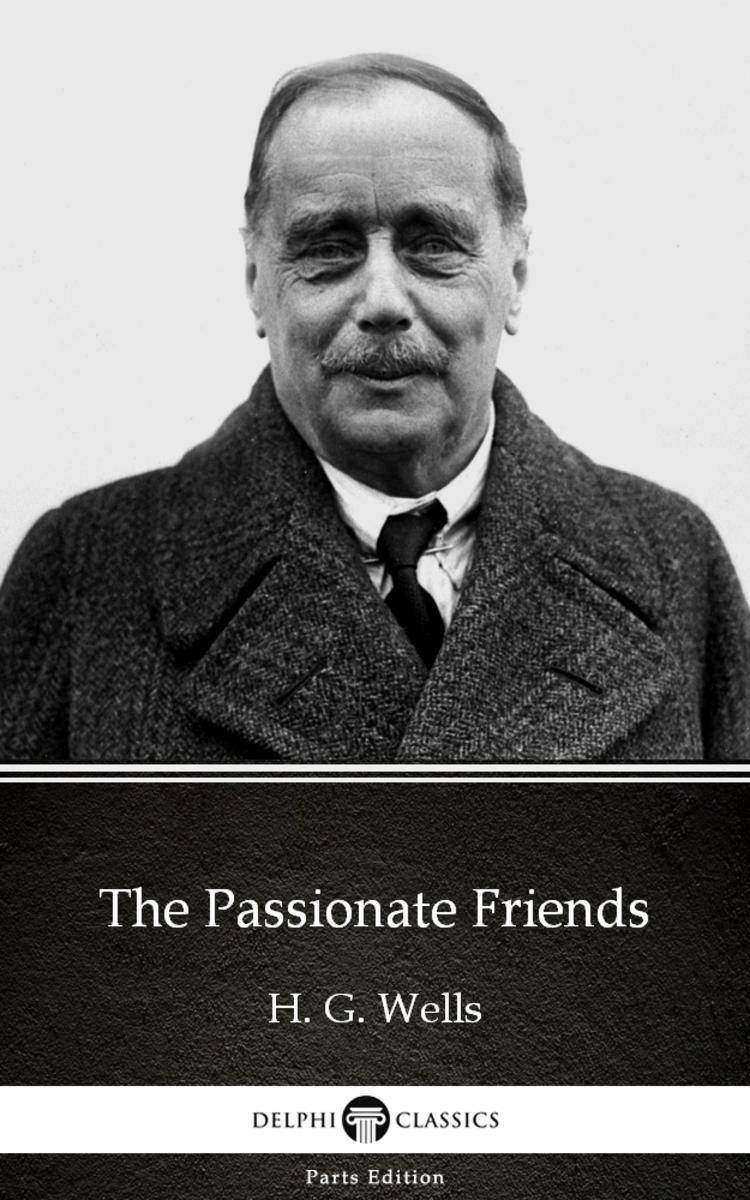
The Passionate Friends by H. G. Wells (Illustrated)
¥8.09
This eBook features the unabridged text of ‘The Passionate Friends’ from the bestselling edition of ‘The Complete Works of H. G. Wells’. Having established their name as the leading publisher of classic literature and art, Delphi Classics produce publications that are individually crafted with superior formatting, while introducing many rare texts for the first time in digital print. The Delphi Classics edition of Wells includes original annotations and illustrations relating to the life and works of the author, as well as individual tables of contents, allowing you to navigate eBooks quickly and easily.eBook features:* The complete unabridged text of ‘The Passionate Friends’* Beautifully illustrated with images related to Wells’s works* Individual contents table, allowing easy navigation around the eBook* Excellent formatting of the textPlease visit www.delphiclassics.com to learn more about our wide range of titles
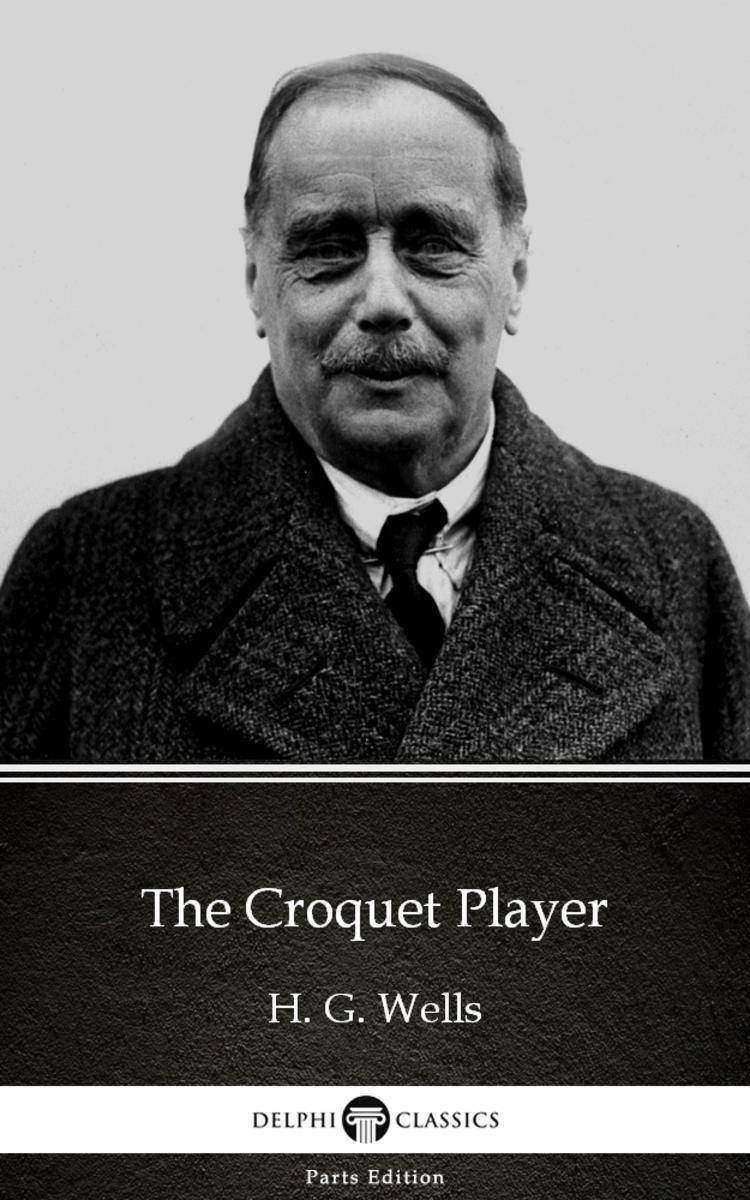
The Croquet Player by H. G. Wells (Illustrated)
¥8.09
This eBook features the unabridged text of ‘The Croquet Player’ from the bestselling edition of ‘The Complete Works of H. G. Wells’. Having established their name as the leading publisher of classic literature and art, Delphi Classics produce publications that are individually crafted with superior formatting, while introducing many rare texts for the first time in digital print. The Delphi Classics edition of Wells includes original annotations and illustrations relating to the life and works of the author, as well as individual tables of contents, allowing you to navigate eBooks quickly and easily.eBook features:* The complete unabridged text of ‘The Croquet Player’* Beautifully illustrated with images related to Wells’s works* Individual contents table, allowing easy navigation around the eBook* Excellent formatting of the textPlease visit www.delphiclassics.com to learn more about our wide range of titles


