


 购物车
购物车 个人中心
个人中心

Elias Zapple’s Rhymes from the Cabbage Patch Rhymes: American-English Edition
¥16.02
Elias Zapple’s Rhymes from the Cabbage Patch Rhymes: American-English Edition
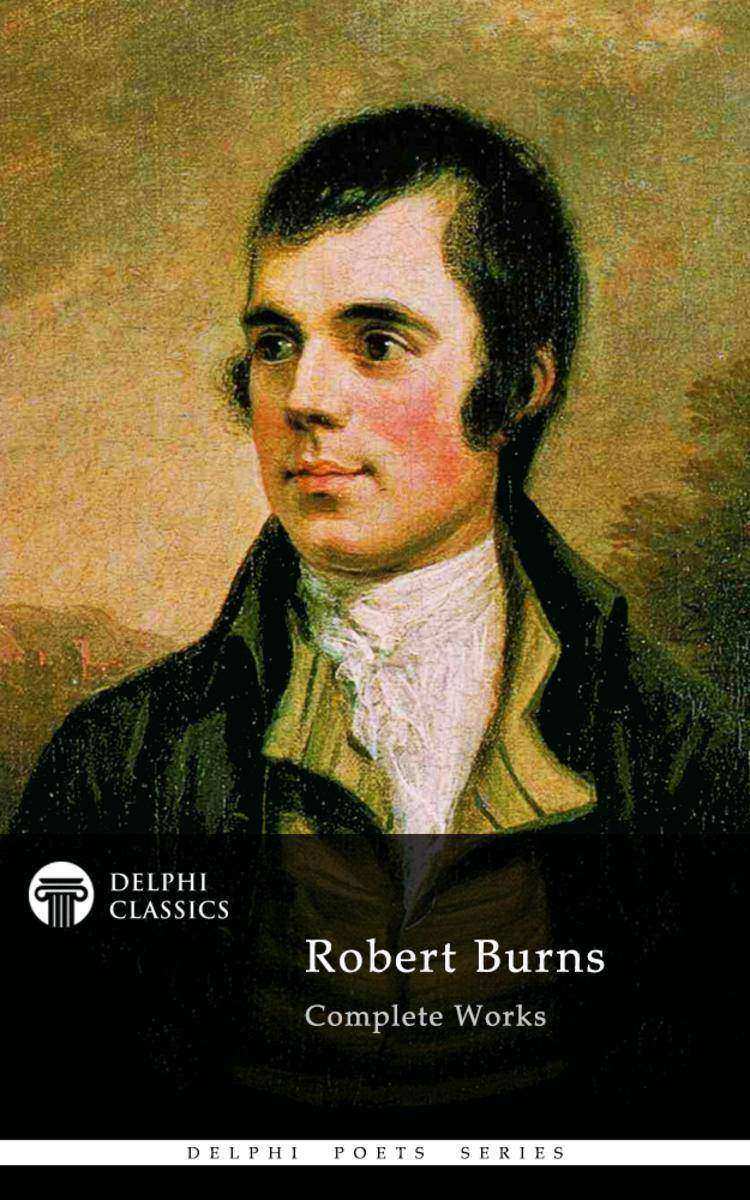
Delphi Complete Works of Robert Burns (Illustrated)
¥16.27
The Delphi Poets Series offers readers the works of literature's finest poets, with superior formatting. This volume presents the complete works of Scotland’s favourite son Robert Burns, with beautiful illustrations, superior indexing and the usual Delphi bonus material. (6MB Version 1) * Beautifully illustrated with images relating to Burns’ life and works * Concise introduction to Burns and his poetry * The famous TAM O’SHANTER is fully illustrated for your enjoyment * Excellent formatting of the poems * Special chronological and alphabetical contents tables for the poetry * Easily locate the poems you want to read * Special glossary of Scots words to aid your reading of the poems * Includes Burns’ letters, fully indexed - spend hours exploring the poet's personal correspondence * Features no less than four biographies, including Carlyle’s scholarly study of the great poet – immerse yourself in Burns’ world * Scholarly ordering of texts into chronological order and literary genres CONTENTS: The Poetry of Robert Burns ROBERT BURNS: A BRIEF INTRODUCTION THE COMPLETE POEMS The Poems LIST OF POEMS IN CHRONOLOGICAL ORDER LIST OF POEMS IN ALPHABETICAL ORDER Glossary of Scots Words The Letters THE LETTERS OF ROBERT BURNS The Biographies LIFE OF ROBERT BURNS by Thomas Carlyle THE REAL ROBERT BURNS by J. L. Hughes ROBERT BURNS by John Campbell Shairp BRIEF LIFE OF ROBERT BURNS by Allan Cunningham

The Great Story of Prophet Zakariya & Prophet Yahya In Islam
¥16.27
Prophet Zakariya (Zachariah) was an illustrious Prophet of the Israelites. He was one of the descendants of Prophet Sulaiman (peace be upon him). The name of his wife was al-Yashbi' who belonged to the family of Prophet Harun (peace be upon him). The Prophet Zakariya (peace be upon him) was the patron of Mary, the mother of Prophet Isa (peace be upon him). He was the trustee of Hekal. He worked as a carpenter and earned his livelihood. The Prophet Zakariya (peace be upon him) kept the torch of Mosaic law burning. He used to pray devotionally and preach zealously. His wife and he were the symbols of piety and righteousness. Most of his kinsmen lacked in spirit of true faith. ?As they were seduced, they were inclined to doing evil deeds. They were going out of the right path. ?The Prophet Zakariya (peace be upon him) was much anxious about this state of affairs. ?He had no offspring and there was no suitable person to hold the office of priesthood of Hekal after his death. ?He was ?desirous of having a son to become his good successor. ?He did not long for a son to satisfy a mere ?human desire for one's progeny. ?He wanted to have a son to maintain the warmth of religious activities. ?One night he stood in prayer in his sanctuary and prayed to Allah to bless him with a good son. ?He was conscious that he was in an advanced age and his wife was barren and unable to raise any issue. ?He had full faith in Allah Who possesses power to do whatever He wills. ?He came to know through his prophetic insight that Allah would grant his request. ?He would be blessed with a good son to act as his heir who could guide the people aright. God in His infinite mercy removed the defect of his wife's barrenness so that she might become mother. ?She gave birth to Prophet Yahya. ?(peace be upon him) who was destined to be honourable, chaste, and a prophet from among the righteous. ?The Prophet Zakariya (peace be upon him) felt satisfied as his son grew up and became a symbol of piety. ?He was graced with wisdom, obedience and asceticism. The Prophet Zakariya (peace be upon him) continued preaching the religion of Allah even in old age.? Prophet John or Yahya is also honored as a prophet in Islam as Ya?yā ibn Zakarīyā (Arabic: ???? ?? ??????), or "John, son of Zechariah". He is believed by Muslims to have been a witness to the word of God, and a prophet who would herald the coming of Jesus. His father Zechariah was also an Islamic prophet. Islamic tradition maintains that John was one of the prophets whom Muhammad met on the night of the Mi'raj, his ascension through the Seven Heavens. It is said that he met John and Jesus in the second heaven, where Muhammad greeted his two 'brothers' before ascending with archangel Gabriel to the third heaven. John's story was also told to the Abyssinian king during the Muslim refugees' Migration to Abyssinia. According to the Qur'an, John was one on whom God sent peace on the day that he was born and the day that he died. John is also honored highly in Sufism as well as Islamic mysticism, primarily because of the Qur'an's description of John's chastity and kindness. Sufis have frequently applied commentaries on the passages on John in the Qur'an, primarily concerning the God-given gift of "Wisdom" which he acquired in youth as well as his parallels with Jesus. Although several phrases used to describe John and Jesus are virtually identical in the Qur'an, the manner in which they are expressed is different. The Prophet Yahya (peace be upon him) was the precursor of Prophet Isa (Jesus Christ). ?He was his cousin and contemporary as well. ?His fidelity to his mission as a preacher soon deprived him of his liberty and subsequently his life.
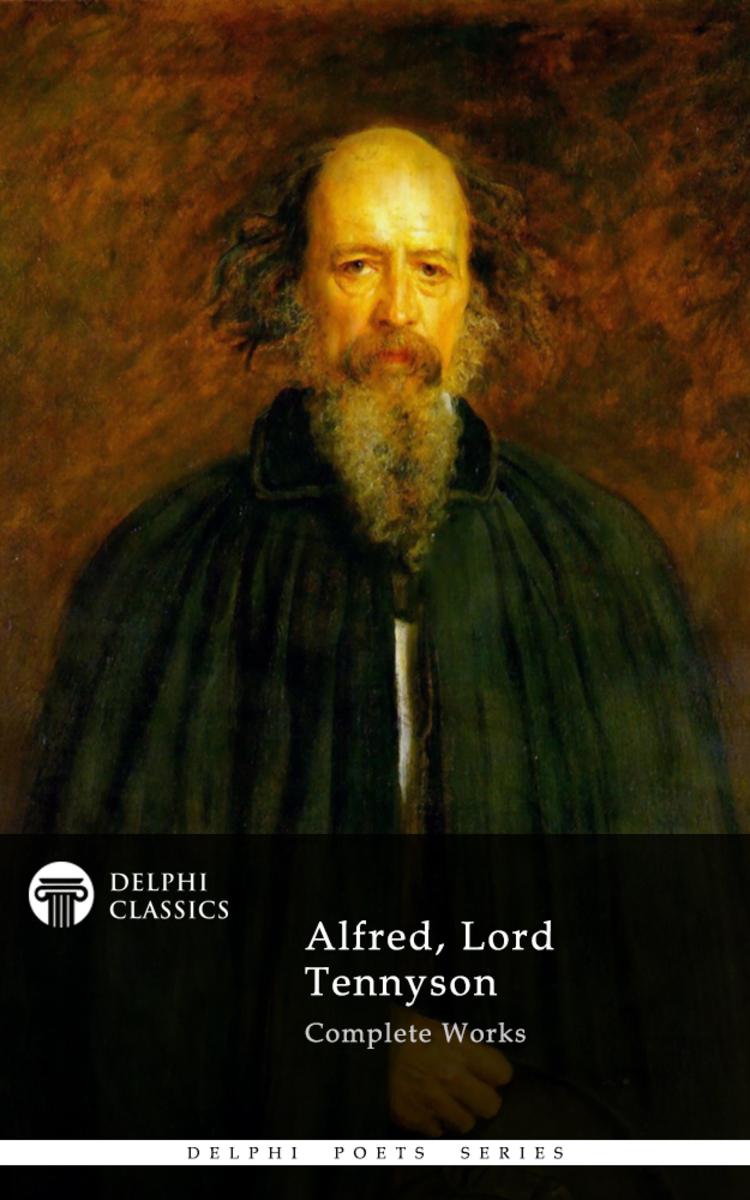
Delphi Complete Works of Alfred, Lord Tennyson (Illustrated)
¥16.27
The greatest poet of the Victorian era deserves a place in the digital library of all lovers of poetry. The Delphi Poets Series offers the works of literature's finest poets, with superior formatting. This volume presents the complete works of Alfred, Lord Tennyson, with beautiful illustrations and the usual Delphi bonus material. (5MB Version 1) * Beautifully illustrated with images relating to Tennyson's life and works * Concise introductions to the poetry and other works * Images of how the poetry books were first printed, giving your eReader a taste of the original texts * Features Tennyson's first poetry collection, which he wrote with his brother, appearing here for the first time in digital print * Includes other rare collections often missed out of editions * Excellent formatting of the poems * Special chronological and alphabetical contents tables for the poetry * Also includes the complete poetic dramas * Easily locate the poems you want to read * Includes the collection of memoirs edited by Tennyson's son - spend hours exploring the poet's letters and anecdotes written by close friends and literary figures * Features two bonus biographies - discover Tennyson's literary life * Scholarly ordering of texts into chronological order and literary genres Please visit www.delphiclassics.com to browse through our range of exciting titles CONTENTS: The Poetry Collections POEMS, BY TWO BROTHERS TIMBUCTOO : A POEM POEMS, CHIEFLY LYRICAL POEMS, 1832 THE LOVERíS TALE. A FRAGMENT. POEMS, 1842 MISCELLANEOUS CONTRIBUTIONS TO PERIODICALS, 1831-1868 THE PRINCESS: A MEDLEY IN MEMORIAM A. H. H. MAUD, AND OTHER POEMS IDYLLS OF THE KING ENOCH ARDEN AND OTHER POEMS BALLADS AND OTHER POEMS TIRESIAS AND OTHER POEMS LOCKSLEY HALL SIXTY YEARS AFTER, ETC. DEMETER AND OTHER POEMS THE DEATH OF ?NONE, AND OTHER POEMS The Poems LIST OF POEMS IN CHRONOLOGICAL ORDER LIST OF POEMS IN ALPHABETICAL ORDER The Plays QUEEN MARY: A DRAMA HAROLD: A DRAMA BECKET THE CUP: A TRAGEDY THE FALCON THE PROMISE OF MAY THE FORESTERS: ROBIN HOOD AND MAID MARIAN The Biographies TENNYSON AND HIS FRIENDS by Hallam, Lord Tennyson ALFRED TENNYSON by Andrew Lang TENNYSON'S LIFE AND POETRY by Eugene Parsons Please visit www.delphiclassics.com to browse through our range of exciting titles

Saemtliche Werke von Brüder Grimm (Illustrierte)
¥16.27
Brüder Grimm waren der ?Gründungsv?ter“ der Deutschen Philologie bzw. Germanistik. Jetzt genie?en Sie die kompletten Werke von Brüder Grimm auf Ihrem E-Reader. Diese enorme Sammlung umfasst auch besonderen Merkmalen. (Version 1) Merkmale: * die vollst?ndige M?rchen, mit Inhaltsverzeichnissen * kurze Einführungen in die M?rchen und anderen Texte * zahlreiche Bilder mit Bezug zu Brüder Grimm, ihr Leben und ihr Werken * alphabetisches Inhaltsverzeichnis der M?rchen und Sagen * ein kritischer Essay INHALT: M?rchen und Sagen KINDER- UND HAUSM?RCHEN, 1812 KINDER- UND HAUSM?RCHEN, 1815 KINDER- UND HAUSM?RCHEN, 1857 DEUTSCHE SAGEN IRISCHE ELFENM?RCHEN DEUTSCHE MYTHOLOGIE Index der M?rchen und Sagen LISTE DER M?RCHEN UND SAGEN IN ALPHABETISCHER REIHENFOLGE Literaturkritik DIE BR?DER GRIMM von Max Ring

Marked for Death
¥16.27
An ex-FBI agent with a past. A celebrity murdered. 24 hours to find a killer. When a shocking murder rocks Los Angeles, former FBI agent Keira Summers is called in to find the killer. But, when the identity of the victim is revealed, Keira is pulled deep into an investigation that takes her across the city and into the dark underbelly of Hollywood. Now, in a race against time, Keira must find the killer and discover why anyone would execute one of the most famous men alive. If you like gripping mysteries, thrilling action and suspense, you’ll love the next installment in PT Reade’s BOOK HITS. Click and get your copy of MARKED FOR DEATH now! Tags: Book hits, book shots, crime, hard boiled mysteries, mystery, mysteries, noir, private investigators, hard boiled thriller, hard boiled detective fiction, hard boiled private investigator mystery series, thriller.
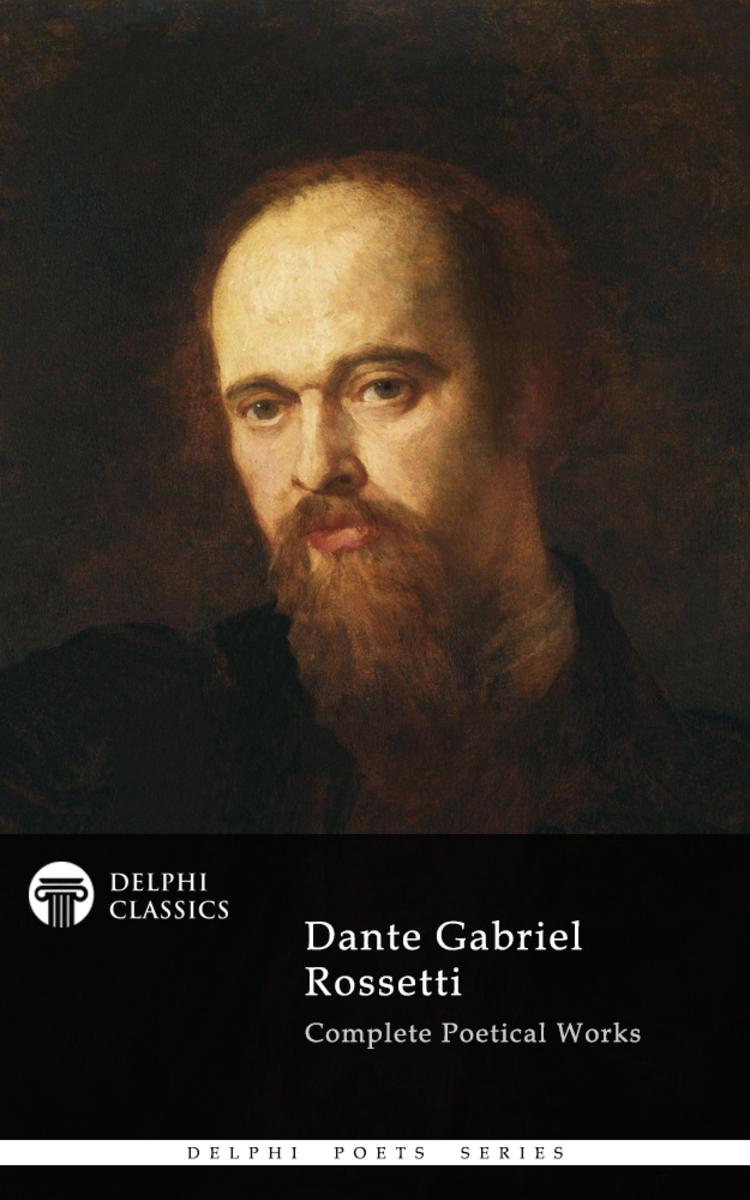
Dante Gabriel Rossetti - Delphi Poets Series
¥16.27
The famous Pre-Raphaelite artist Dante Gabriel Rossetti was also a celebrated poet, scholar and translator, whose works influenced the European Symbolists, serving as a precursor of the Aesthetic movement. His early poetry was influenced by John Keats, whilst his later verses were characterised by the complex interlinking of thought and feeling, as demonstrated by his masterpiece, the sonnet sequence, ‘The House of Life’. This volume of the bestselling Delphi Poets Series presents the complete written works of Dante Gabriel Rossetti, with beautiful illustrations, rare works and the usual Delphi bonus material. (Version 1) * Beautifully illustrated with images relating to Rossetti's life and works * Brief introduction to the poet and his work * Excellent formatting of the poems * Special chronological and alphabetical contents tables for the poetry * The rare translations of Italian poets, including the complete translation of Dante Alighieri's LA VITA NUOVA * Easily locate the poems you want to read * Includes Rossetti's rare prose works, including the scarce short story – first time in digital print * Features three biographies - discover Rossetti's literary life * Scholarly ordering of texts into chronological order and literary genres Please visit www.delphiclassics.com to browse through our range of exciting titles CONTENTS: The Poetry of Dante Gabriel Rossetti BRIEF INTRODUCTION: DANTE GABRIEL ROSSETTI The Poems LIST OF POEMS IN CHRONOLOGICAL ORDER LIST OF POEMS IN ALPHABETICAL ORDER The Prose HAND AND SOUL THE STEALTHY SCHOOL OF CRITICISM The Biographies ROSSETTI by Lucien Pissarro RECOLLECTIONS OF DANTE GABRIEL ROSSETTI by T. Hall Caine Extract from ‘FIGURES OF SEVERAL CENTURIES’ by Arthur Symons Please visit www.delphiclassics.com to browse through our range of exciting titles
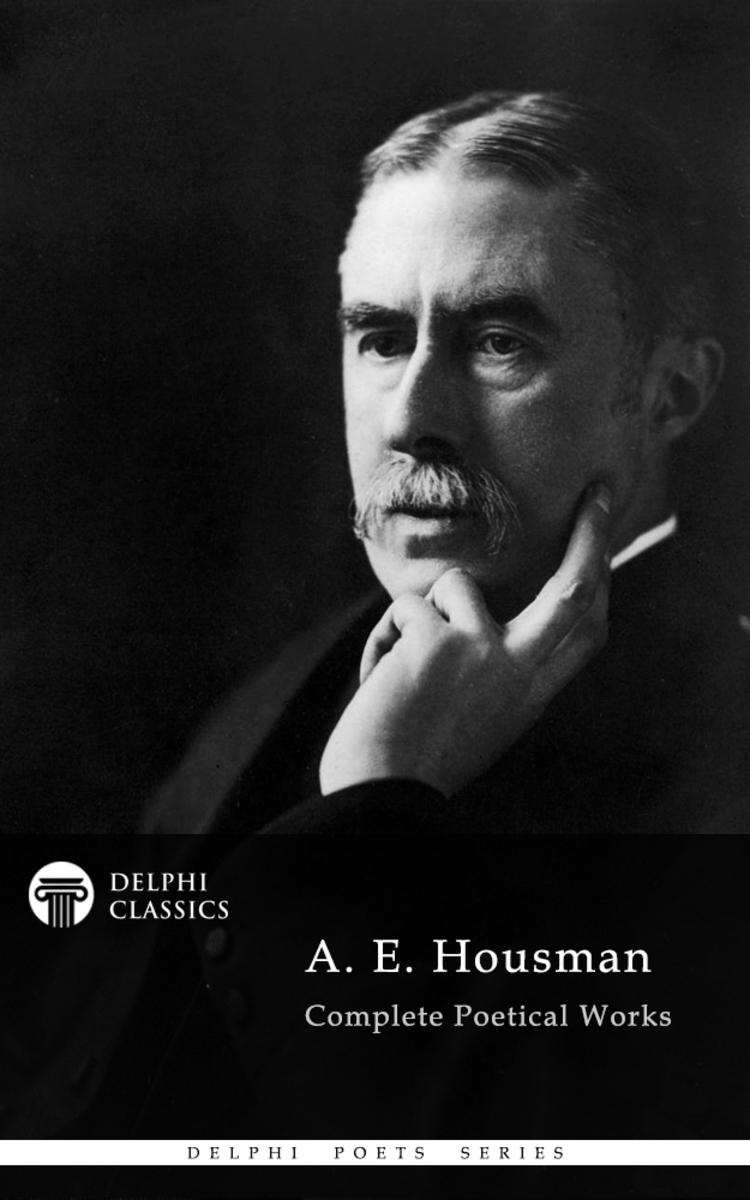
Delphi Complete Works of A. E. Housman (Illustrated)
¥16.27
The Delphi Poets Series offers readers the works of literature's finest poets, with superior formatting. This volume presents the complete poetical works of A. E. Housman, with beautiful illustrations and the usual Delphi bonus material. (Version 1) * Beautifully illustrated with images relating to Housman's life and works * Concise introductions to the poetry and other works * Images of how the poetry books were first printed, giving your eReader a taste of the original texts * A SHROPSHIRE LAD is presented with line numbers - ideal for students * Includes rare translations * Features Housman's comic verse - first time in digital print * Excellent formatting of the poems * Special chronological and alphabetical contents tables for the poetry * Easily locate the poems you want to read * Housman's rare essays - including seminal critical works and the controversial ?DE AMICITIA', published many years later by the poet's brother, detailing Housman's homosexual love for Jackson * Scholarly ordering of texts into chronological order and literary genres Please visit www.delphiclassics.com to browse through our range of exciting titles CONTENTS: The Poetry Collections A SHROPSHIRE LAD LAST POEMS MORE POEMS ADDITIONAL POEMS NOTEBOOK FRAGMENTS TRANSLATIONS COMIC VERSE UNCOLLECTED POEMS The Poems LIST OF POEMS IN CHRONOLOGICAL ORDER LIST OF POEMS IN ALPHABETICAL ORDER The Essays SWINBURNE THE NAME AND NATURE OF POETRY THE APPLICATION OF THOUGHT TO TEXTUAL CRITICISM A. E. HOUSMAN'S ?DE AMICITIA' by Laurence Housman Please visit www.delphiclassics.com to browse through our range of exciting titles
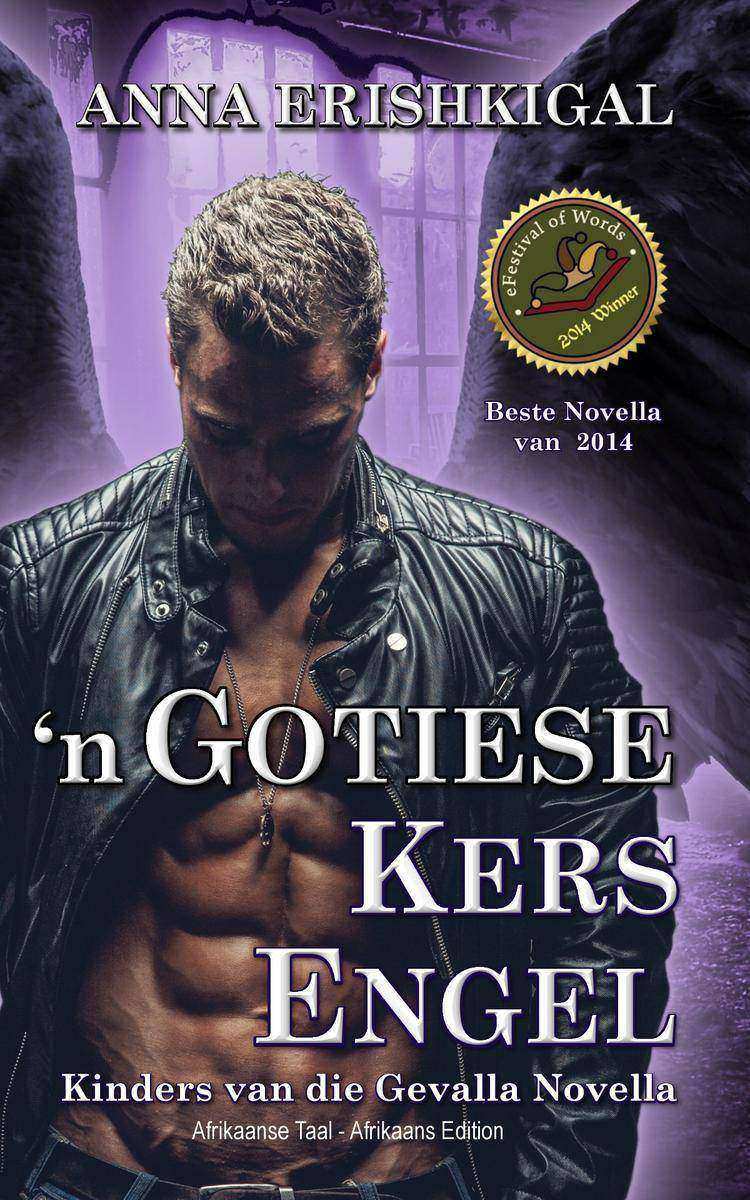
'n Gotiese Kers Engel (Afrikaanse uitgawe)
¥16.27
Wenner van die “eFestival of Words Best of the Independent eBook Awards - Best Novella of 2014”. Die Spoke van Ou Ellendes is nooit ver agter nie... Op Ou Kersaand mik Cassie Barug haar motor op ‘n ou beuk boom af, met die hoop dat haar pyn be?indig sal word nadat haar kêrel haar afgesê het. Maar toe 'n pragtige swart vlerk engel verskyn en vir haar sê: "Hierdie is geen vervlakste paranormale romanse nie skattebol," besef sy die dood het nie haar probleme opgelos nie. Kan Jeremi?l haar help om die spoke van haar verlede te besweer en afsluiting te vind? Hierdie moderne paranormale uitkyk op die mite van beskermingsengele kombineer “A Christmas Carol” met “It’s A Wonderful Life” om mense hoop te gee dat die verlede verwerk en oorwin kan word. "Baie min boeke dryf my tot trane, maar hierdie een het dit gedoen in ‘n skitterende manier. Die boodskap word vertel met humor en grasie. Wonderlik! "- Leser Resensie "Sy het my laat omgee. En sy het my laat huil. En ek is opreg dankbaar vir die einde. "- Leser Resensie "‘n Boek wat my aangeraak het soos geen ander boek van te vore!" - Leser Resensie "Weereens toor Anna woorde in goud in. Die Gotiese draai om hierdie moderne Kerslied is merkwaardig ..." - Leser Resensie "As ek kon, sou ek hierdie storie 'n oneindige hoeveelheid sterre gee! Hierdie boek / storie het my koue rillings gegee." - Leser Resensie Afrikaanse taal - Afrikaans language

A Silly Question
¥16.27
Dolly asks her kitten to explain why he's white and all his brothers are tabby. Dolly was not surprised to hear the kitten speak, for she had read her fairy books, as all good children should, and she knew that all creatures answer if one only speaks to them properly. So she held the kitten more comfortably and the tale began.
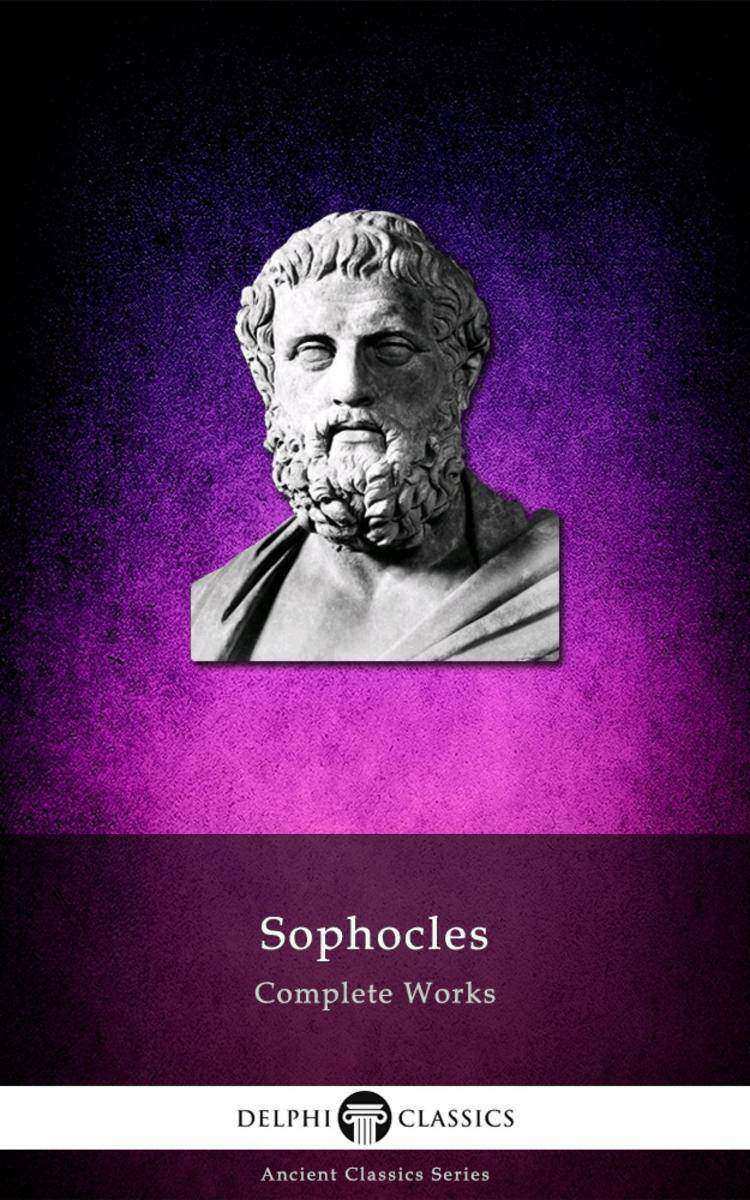
Delphi Complete Works of Sophocles (Illustrated)
¥16.27
The Ancient Classics series provides eReaders with the wisdom of the Classical world, with both English translations and the original Latin and Greek texts. This comprehensive eBook presents the complete works of Sophocles, with beautiful illustrations, informative introductions and the usual Delphi bonus material. (Version 1) * Beautifully illustrated with images relating to Sophocles' life and works * Features the complete extant works of Sophocles, in both English translation and the original Greek * Concise introductions to the plays * Provides rare fragments of Sophocles' lost plays * Includes translations previously appearing in Loeb Classical Library editions of Sophocles' works * Images of famous paintings that have been inspired by Sophocles' works * Excellent formatting of the texts * Easily locate the plays or fragments you want to read with individual contents tables * Features two bonus biographies - discover Sophocles' ancient world * Scholarly ordering of texts into chronological order and literary genres Please note: some EReader software programs cannot display Greek characters correctly, however they do display correctly on EReader devices. Please visit www.delphiclassics.com to browse through our range of exciting titles CONTENTS: The Translations AJAX ANTIGONE THE WOMEN OF TRACHIS OEDIPUS THE KING PHILOCTETES ELECTRA OEDIPUS AT COLONUS FRAGMENTS The Greek Texts LIST OF GREEK TEXTS The Biographies INTRODUCTION TO SOPHOCLES by F. Storr SOPHOCLES by T. W. Lumb Please visit www.delphiclassics.com to browse through our range of exciting titles
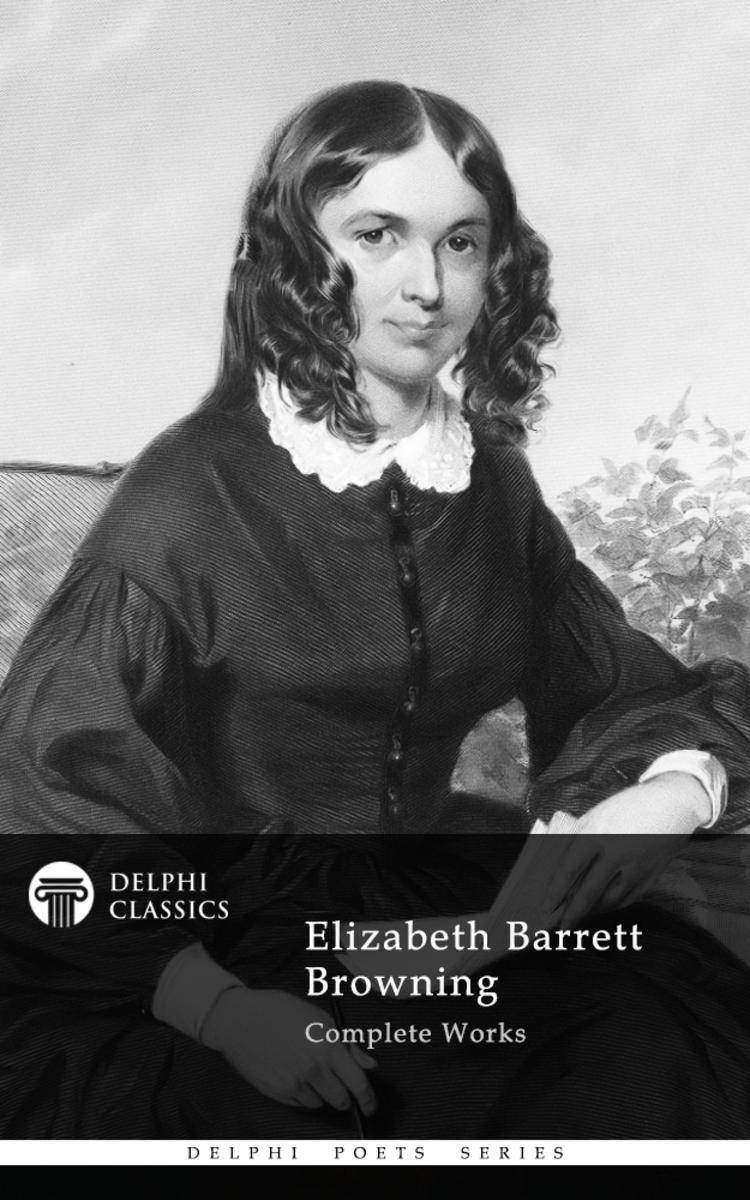
Delphi Complete Works of Elizabeth Barrett Browning (Illustrated)
¥16.27
The Delphi Poets Series offers readers the works of literature's finest poets, with superior formatting. This volume presents the complete works of Elizabeth Barrett Browning, with beautiful illustrations, rare texts and the usual Delphi bonus material. (Version 1) * Beautifully illustrated with images relating to Barrett Browning's life and works * Concise introductions to the poetry and other works * Images of how the poetry books were first printed, giving your eReader a taste of the original texts * Excellent formatting of the poems * Special chronological and alphabetical contents tables for the poetry * Easily locate the poems you want to read * Rare non-fiction works, including Barrett Browning's reviews on Wordsworth and Horne * Includes Barrett Browning's letters - spend hours exploring the poet's personal correspondence with her husband, friends and family * Features two biographies - discover Barrett Browning's literary life * Scholarly ordering of texts into chronological order and literary genres Please visit www.delphiclassics.com to browse through our range of exciting titles CONTENTS: The Poetry Collections THE BATTLE OF MARATHON A ESSAY ON MIND, WITH OTHER POEMS PROMETHEUS BOUND POEMS, 1838-50 SONNETS FROM THE PORTUGUESE SONNETS CASA GUIDI WINDOWS AURORA LEIGH POEMS BEFORE CONGRESS LAST POEMS The Poems LIST OF POEMS IN CHRONOLOGICAL ORDER LIST OF POEMS IN ALPHABETICAL ORDER The Non-Fiction SOME ACCOUNT OF THE GREEK CHRISTIAN POETS THE BOOK OF THE POETS REVIEW OF ?POEMS, CHIEFLY OF EARLY AND LATE YEARS, INCLUDING THE BORDERERS, A TRAGEDY BY WILLIAM WORDSWORTH' REVIEWS OF CORNELIUS MATHEWS' POETRY REVIEW OF ?ORION: AN EPIC POEM by R. H. Horne' The Letters THE LETTERS OF ELIZABETH BARRETT BROWNING The Biographies THE BROWNINGS: THEIR LIFE AND ART by Lilian Whiting ELIZABETH BARRETT BROWNING by G. K. Chesterton Please visit www.delphiclassics.com to browse through our range of exciting titles
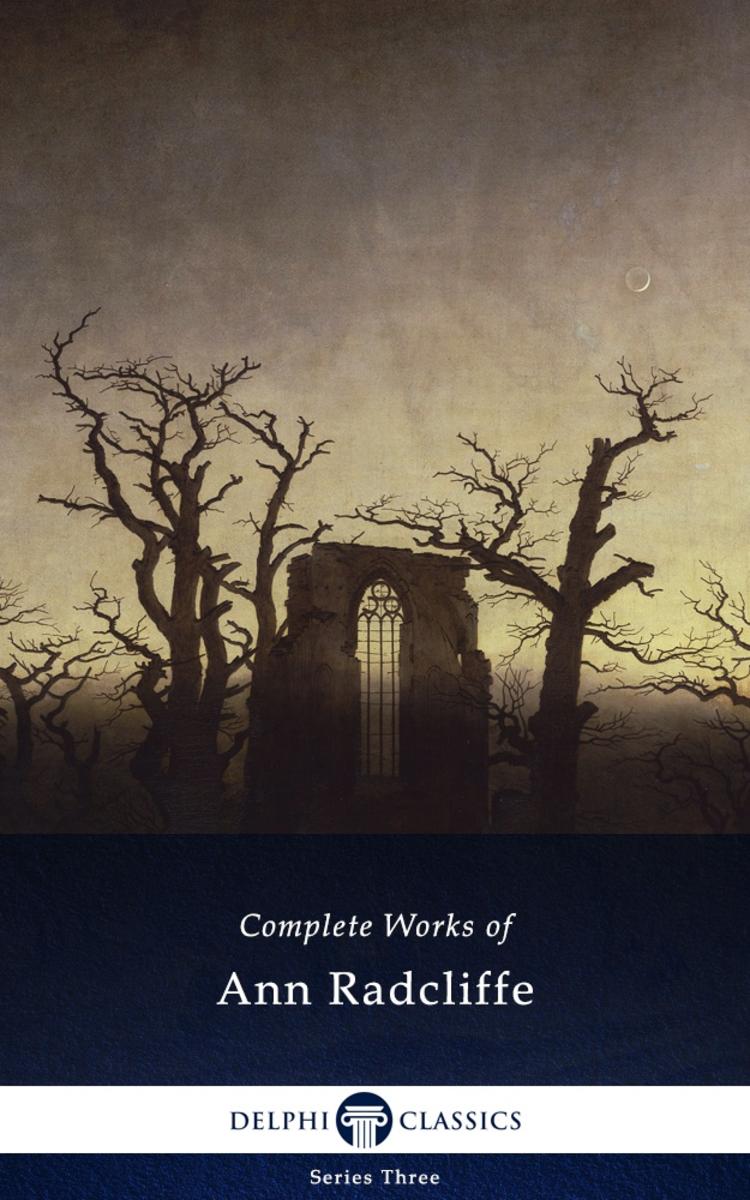
Delphi Complete Works of Ann Radcliffe (Illustrated)
¥16.27
A pioneer of the Gothic novel, Ann Radcliffe's atmospheric tales of forlorn landscapes, haunted ruins and spine-tingling adventures helped the Gothic genre to achieve respectability in the late eighteenth century. This comprehensive eBook presents Radcliffe's complete works, with numerous illustrations, informative introductions and the usual Delphi bonus material. (Version 1) * Beautifully illustrated with images relating to Radcliffe's life and works * Concise introductions to the novels and other texts * ALL 6 novels, with individual contents tables * Images of how the books were first printed, giving your eReader a taste of the original texts * Excellent formatting of the texts * Radcliffe's masterpiece THE MYSTERIES OF UDOLPHO is fully illustrated with the original serialisation artwork * Includes Radcliffe's rare poetry, including the epic ST. ALBAN'S ABBEY, appearing here for the first time in digital print * Explore the author's non fiction travel works and her intriguing pre-feminist text THE FEMALE ADVOCATE * Includes the 1826 biography, with extracts from Radcliffe's journal - discover the author's adventurous life * Scholarly ordering of texts into chronological order and literary genres Please visit www.delphiclassics.com to browse through our range of exciting titles CONTENTS: The Novels THE CASTLES OF ATHLIN AND DUNBAYNE: A HIGHLAND STORY A SICILIAN ROMANCE THE ROMANCE OF THE FOREST: INTERSPERSED WITH SOME PIECES OF POETRY THE MYSTERIES OF UDOLPHO THE ITALIAN GASTON DE BLONDEVILLE The Poetry ST. ALBAN'S ABBEY: WITH SOME POETICAL PIECES MISCELLANEOUS POEMS The Non-Fiction JOURNEY MADE IN THE SUMMER OF 1794 THE FEMALE ADVOCATE The Biography LIFE AND WRITINGS OF MRS. RADCLIFFE Please visit www.delphiclassics.com to browse through our range of exciting titles

Saemtliche Werke von Richard Wagner (Illustrierte)
¥16.27
Richard Wagner gilt als einer der bedeutendsten Erneuerer der europ?ischen Musik im 19. Jahrhundert. Er ver?nderte die Ausdrucksf?higkeit romantischer Musik und die theoretischen und praktischen Grundlagen der Oper, indem er dramatische Handlungen als Gesamtkunstwerk gestaltete und dazu Text, Musik und Regieanweisungen schrieb. Jetzt genie?en Sie die Werke von Wagner auf Ihrem E-Reader. Diese enorme Sammlung umfasst auch spezielle Bonustexte. (Version 1) Merkmale: * die vollst?ndige Opern, mit Inhaltsverzeichnissen * kurze Einführungen in die Opern und anderen Texte * zahlreiche Bilder mit Bezug zu Wagner, seinem Leben und seinen Werken * die theoretischen Schriften und Sachbücher * Tagebuchbl?tter und Briefe – pers?nliche Korrespondenz des Komponisten zu erforschen! * Kritik-Abschnitt mit Texten von Friedrich Nietzsche und anderen Schriftstellern * Autobiographischen Werke – Erkunden Sie Wagners erstaunliches Leben! * enth?lt eine Bonus-Text-Biografie INHALT: Opern DIE FEEN DAS LIEBESVERBOT RIENZI, DER LETZTE DER TRIBUNEN DER FLIEGENDE HOLL?NDER TANNH?USER UND DER S?NGERKRIEG AUF WARTBURG LOHENGRIN DER RING DES NIBELUNGEN Vorabend: Das Rheingold Erster Tag: Die Walküre Zweiter Tag: Siegfried Dritter Tag: G?tterd?mmerung TRISTAN UND ISOLDE DIE MEISTERSINGER VON N?RNBERG PARSIFAL Sachbücher OPER UND DRAMA AUSWAHL SEINER SCHRIFTEN Tagebuchbl?tter und Briefe RICHARD WAGNER AN MATHILDE WESENDONK BRIEFE RICHARD WAGNERS AN EINE PUTZMACHERIN Dramentheorie und Kritik DIE GEBURT DER TRAG?DIE von Friedrich Nietzsche DER FALL WAGNER von Friedrich Nietzsche NIETZSCHE KONTRA WAGNER von Friedrich Nietzsche DAS WAGNERTHEATER IN BAYREUTH von Adolf Kr?ner RICHARD WAGNER von Marie Lipsius Autobiographisches MEIN LEBEN Biografie RICHARD WAGNER von Franz Muncker
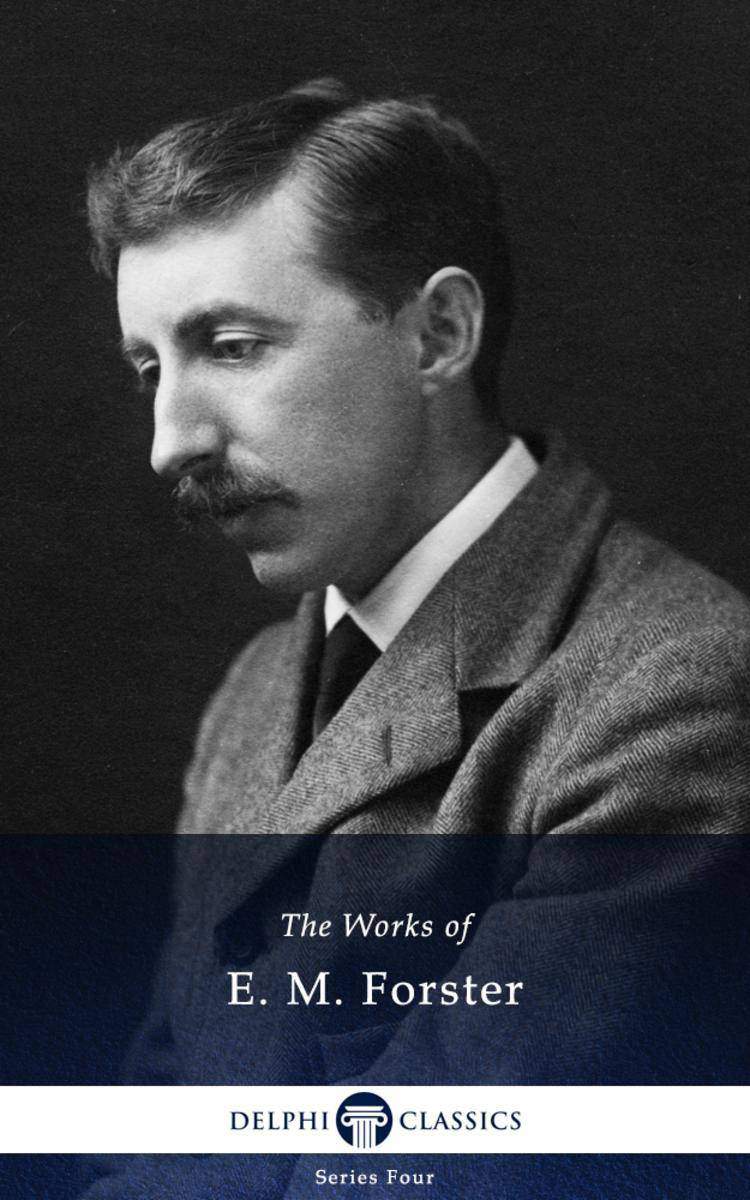
Delphi Works of E. M. Forster (Illustrated)
¥16.27
One of the most celebrated authors of his time, E. M. Forster produced significant novels that examined the social divide in early 20th-century British society. This comprehensive eBook presents the most complete collection possible of E. M. Forster’s works in the US, with almost all of the novels, numerous illustrations, informative introductions, rare short stories and the usual Delphi bonus material. (Version 1) * Beautifully illustrated with images relating to Forster's life and works * Concise introductions to the novels and other texts * ALL 4 novels available to US readers, with individual contents tables * Images of how the books were first printed, giving your eReader a taste of the original texts * Excellent formatting of the texts * Rare short stories like THE STORY OF THE SIREN * Special chronological and alphabetical contents tables for short stories * Scholarly ordering of texts into chronological order and literary genres Please note: this eBook contains the most possible works available to readers in the US, complying with copyright restrictions. Once new texts enter the public domain they will be added to the eBook as a free update. Please visit www.delphiclassics.com to browse through our range of exciting titles CONTENTS: The Novels WHERE ANGELS FEAR TO TREAD THE LONGEST JOURNEY A ROOM WITH A VIEW HOWARDS END The Shorter Fiction THE MACHINE STOPS THE CELESTIAL OMNIBUS AND OTHER STORIES THE STORY OF THE SIREN The Short Stories LIST OF SHORT STORIES IN CHRONOLOGICAL ORDER LIST OF SHORT STORIES IN ALPHABETICAL ORDER Please visit www.delphiclassics.com to browse through our range of exciting titles
Delphi Complete Works of Ovid (Illustrated)
¥16.27
Shakespeare's favourite poet, deserves a place in the digital library of all lovers of classic literature. The Ancient Classics series provides eReaders with the wisdom of the Classical world, with both English translations and the original Latin and Greek texts. This comprehensive eBook presents the complete works of Ovid, with beautiful illustrations, informative introductions and the usual Delphi bonus material. (6MB Version 1) * Beautifully illustrated with images relating to Ovid's life and works * Features the complete works of Ovid, in both English translation and the original Latin texts * Concise introductions to the poetry and other works * Provides both verse and prose translations of the METAMORPOHOSES and the AMOURS * Includes translations previously appearing in Loeb Classical Library editions of Ovid’s works * Images of famous paintings that have been inspired by Ovid’s works * Excellent formatting of the texts * Easily locate the poems or works you want to read with individual contents tables * Includes Ovid's rare works IBIS, TRISTIA and EX PONTO, first time in digital print * Features a bonus biography - discover Ovid's ancient world * Scholarly ordering of texts into chronological order and literary genres CONTENTS: The Translations AMOURS (VERSE) AMOURS (PROSE) HEROIDES WOMEN’S COSMETICS TO ART OF LOVE LOVE’S CURE METAMORPHOSES (VERSE) METAMORPHOSES (PROSE) FASTI IBIS TRISTIA EPISTULAE EX PONTO The Latin Texts LIST OF LATIN TEXTS The Biography THE LIFE AND WORKS OF OVID by Arthur Leslie Wheeler
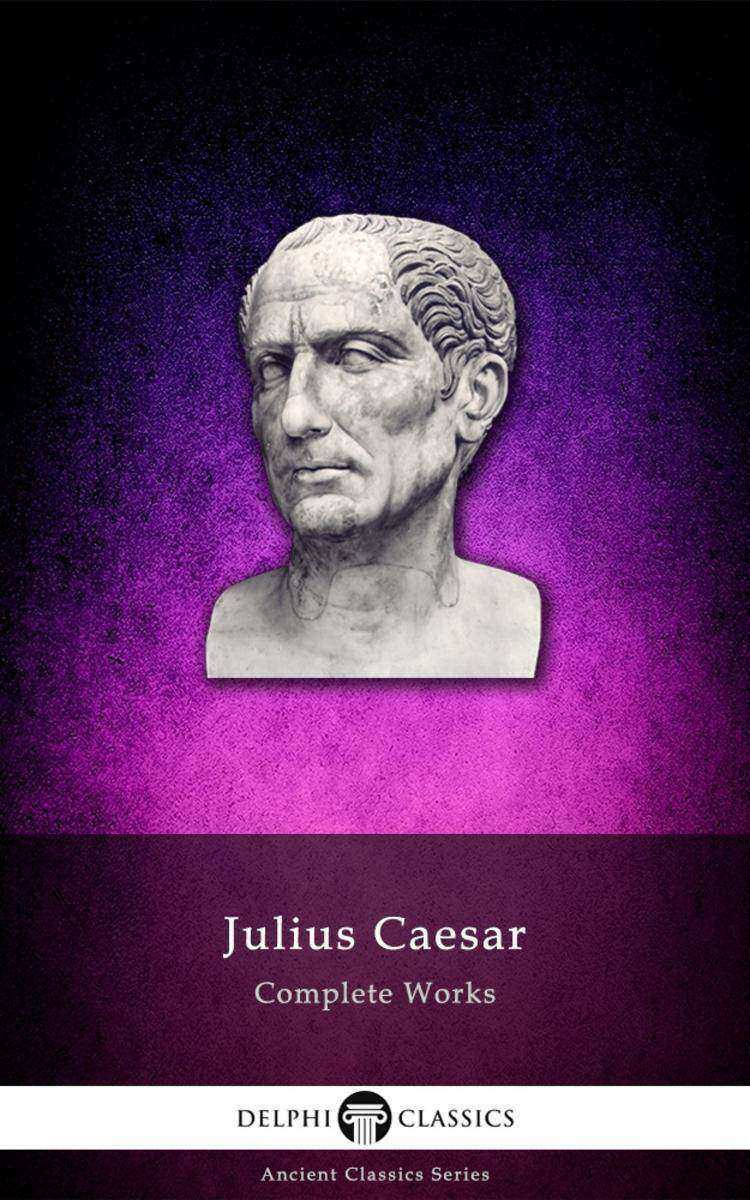
Delphi Complete Works of Julius Caesar (Illustrated)
¥16.27
One of history’s most monumental figures, the Roman politician and general Julius Caesar played a critical role in the events that led to the demise of the Roman Republic and the rise of the Roman Empire. A celebrated author of Latin prose, Caesar wrote detailed accounts of his military campaigns, composed in a vigorous, concise and unemotional style in the third person. These invaluable historical sources provide an engaging window into the world of the Roman army during the Republican. Delphi’s Ancient Classics series provides eReaders with the wisdom of the Classical world, with both English translations and the original Latin texts.? This comprehensive eBook presents Julius Caesar’s complete extant works, with illustrations, informative introductions and the usual Delphi bonus material. (Version 2) * Beautifully illustrated with images relating to Caesar’s life and works * Features the complete extant works of Julius Caesar, in both English translation and the original Latin * Concise introductions to the texts * Provides two translations of THE GALLIC WARS: W. A. MacDevitt, (1869) and H. J. Edwards (1917) * H. J. Edwards’ translation previously appeared in the Loeb Classical Library edition of Julius Caesar * Excellent formatting of the texts * Easily locate the texts you want to read with individual contents tables * Provides a special dual English and Latin text of Caesar’s works, allowing readers to compare the sections paragraph by paragraph – ideal for students * Features three bonus biographies, including Suetonius’ account of the general – discover Caesar’s ancient world * Scholarly ordering of texts into chronological order and literary genres Please visit www.delphiclassics.com to explore our range of Ancient Classics titles or buy the entire series as a Super Set CONTENTS: The Translations THE GALLIC WARS THE CIVIL WAR ON THE ALEXANDRINE WAR ON THE AFRICAN WAR ON THE HISPANIC WAR The Latin Texts LIST OF LATIN TEXTS The Dual Texts DUAL LATIN AND ENGLISH TEXTS The Biographies THE LIFE OF JULIUS CAESAR by Suetonius CAESAR by Plutarch THE HISTORY OF JULIUS CAESAR by Jacob Abbott Please visit www.delphiclassics.com to browse through our range of exciting titles
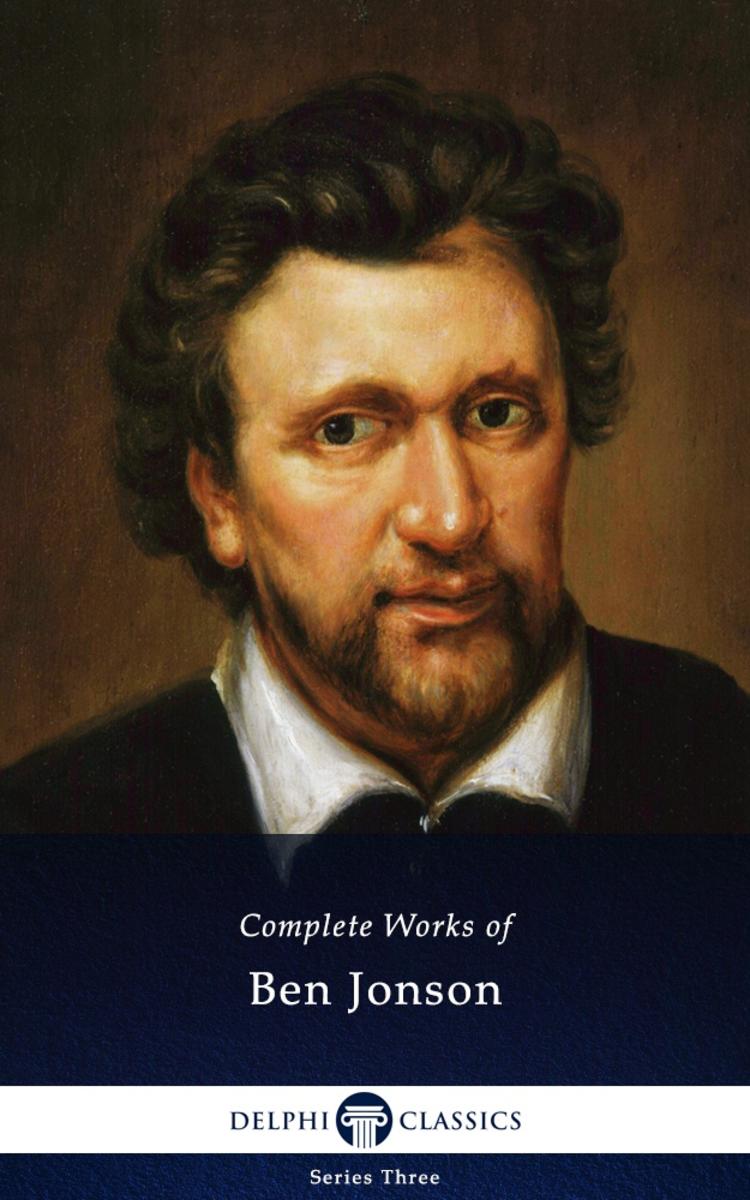
Delphi Complete Works of Ben Jonson (Illustrated)
¥16.27
The genius of Jacobean theatre appears here in his entirety for the first in digital print. This comprehensive eBook presents the complete works of Ben Jonson, with numerous illustrations, informative introductions and the usual Delphi bonus material. (Version 1) * Beautifully illustrated with images relating to Jonson’s life and works * Concise introductions to the plays and other texts * Images of how the dramas were first printed, giving your eReader a taste of the original texts * Excellent formatting of the texts * ALL 19 plays, including rare fragments and F G Waldron’s continuation of THE SAD SHEPHERD * Includes the complete masques and entertainments for the first time in digital print * Special chronological and alphabetical contents tables for the poetry * Easily locate the poems you want to read * Includes Jonson’s rare non-fiction texts * Features a special Jacobean Language glossary, providing easy access to difficult words and their definitions * Special criticism section, with essays by writers such as Samuel Taylor Coleridge and T. S. Eliot evaluating Jonson’s contribution to literature * Also includes a bonus biography – discover Jonson’s turbulent life * Scholarly ordering of texts into chronological order and literary genres CONTENTS: The Plays A TALE OF A TUB THE ISLE OF DOGS (LOST PLAY) THE CASE IS ALTERED EVERY MAN IN HIS HUMOUR EVERY MAN OUT OF HIS HUMOUR CYNTHIA’S REVELS THE POETASTER SEJANUS HIS FALL EASTWARD HO VOLPONE EPICOENE THE ALCHEMIST CATILINE HIS CONSPIRACY BARTHOLOMEW FAIR THE DEVIL IS AN ASS THE STAPLE OF NEWS THE NEW INN THE MAGNETIC LADY THE SAD SHEPHERD (Fragment) MORTIMER HIS FALL (Fragment) The Masques and Entertainments THE MASQUES OF BEN JONSON The Poetry Collections EPIGRAMS THE FOREST UNDERWOOD EUPHEME OR, THE FAIRE FAME EPITHALAMION MISCELLANEOUS POEMS The Poems LIST OF POEMS IN CHRONOLOGICAL ORDER LIST OF POEMS IN ALPHABETICAL ORDER The Non-Fiction TIMBER, OR DISCOVERIES MADE UPON MEN AND MATTER ENGLISH GRAMMAR The Criticism NOTES ON BEN JONSON by Samuel Taylor Coleridge BEN JONSON by Jacob Feis MASQUES AND GENERAL INFLUENCE by W. W. Greg BEN JONSON by T. S. Eliot The Biography LIFE OF BEN JONSON by Felix E. Schelling Glossary of Jacobean Language
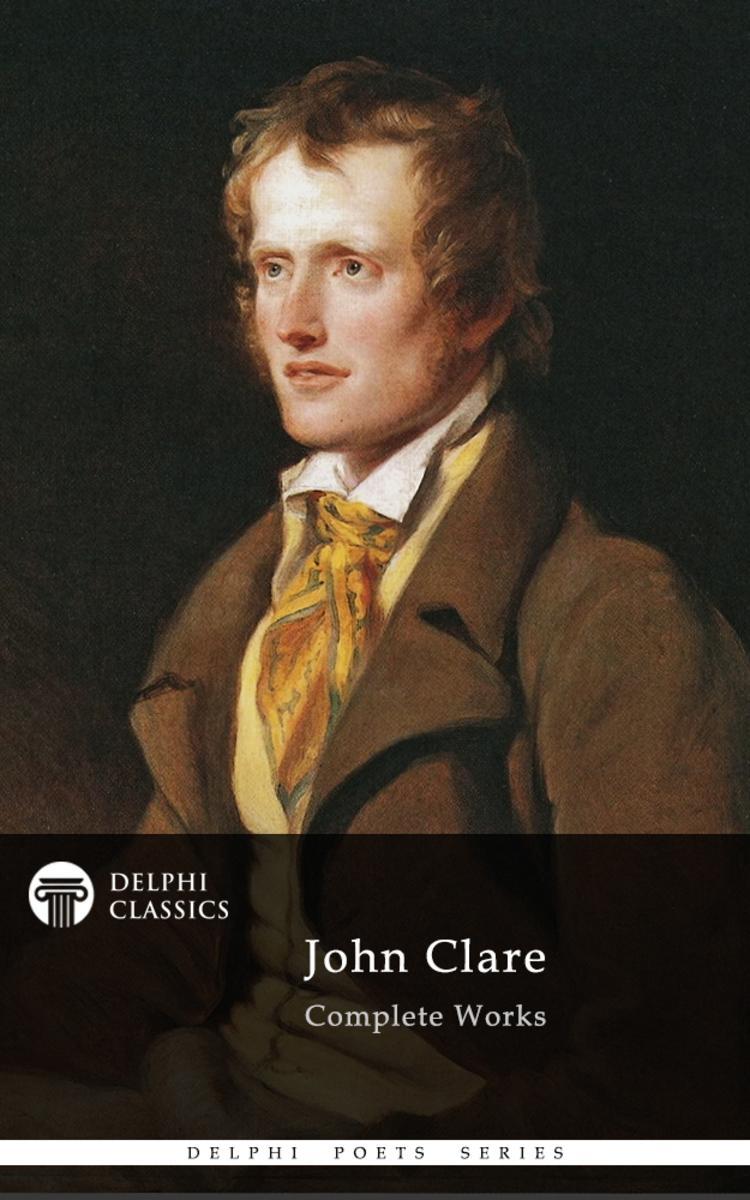
Delphi Complete Works of John Clare (Illustrated)
¥16.27
This groundbreaking edition of the 'Peasant Poet' presents the complete works of John Clare for the first time in publishing history. The Delphi Poets Series offers readers the works of literature's finest poets, with superior formatting, with beautiful illustrations and the usual Delphi bonus material. (Version 1) * Beautifully illustrated with images relating to Clare's life and works * Concise introductions to the poetry and other works * Images of how the poetry books were first printed, giving your eReader a taste of the original texts * Excellent formatting of the poems * Rare Asylum and Last poems, appearing here for the first time in digital print * Special chronological and alphabetical contents tables for the poetry * Easily locate the poems you want to read * Includes Clare's prose works, including the intriguing autobiography that he wrote for his children * Features two bonus biographies - discover Clare's literary life * Scholarly ordering of texts into chronological order and literary genres Please visit www.delphiclassics.com to browse through our range of exciting titles CONTENTS: The Poetry Collections POEMS DESCRIPTIVE OF RURAL LIFE AND SCENERY THE VILLAGE MINSTREL, AND OTHER POEMS THE SHEPHERD'S CALENDAR WITH VILLAGE STORIES AND OTHER POEMS THE RURAL MUSE MIDDLE PERIOD, 1824-1836 ASYLUM POEMS LAST POEMS The Poems LIST OF POEMS IN CHRONOLOGICAL ORDER LIST OF POEMS IN ALPHABETICAL ORDER The Prose LIST OF PROSE WORKS The Biographies THE LIFE OF JOHN CLARE by Frederick Martin BRIEF BIOGRAPHY OF JOHN CLARE by Edmund Blunden Please visit www.delphiclassics.com to browse through our range of exciting titles
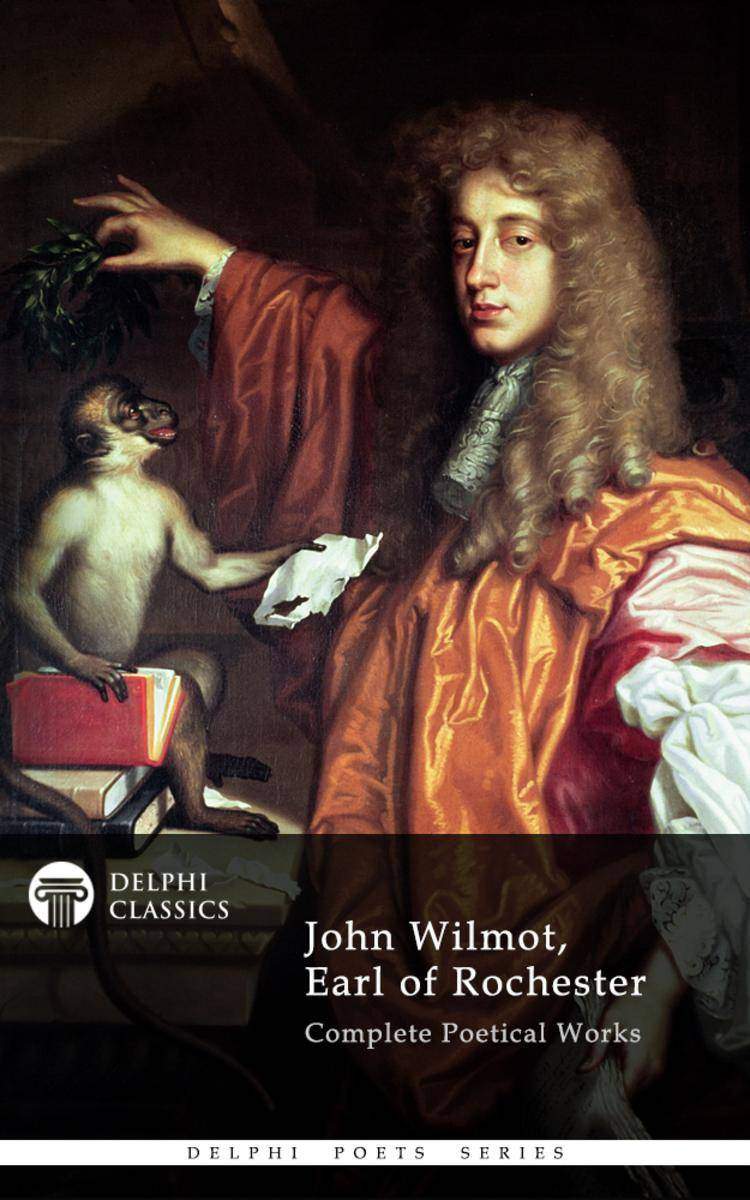
Delphi Complete Works of John Wilmot, Earl of Rochester (Illustrated)
¥16.27
John Wilmot, 2nd Earl of Rochester, was a poet and courtier of King Charles II's Restoration court, whose rakish lifestyle, biting satires and obscene verses established his name as one of the greatest wits of his time. The Delphi Poets Series offers readers the works of literature's finest poets, with superior formatting. This volume presents the complete works of Rochester, with beautiful illustrations and the usual Delphi bonus material. (Version 1) * Beautifully illustrated with images relating to Rochester's life and works * Concise introduction to the poet and his works * Excellent formatting of the poems * Special chronological and alphabetical contents tables for the poetry * Rare poems often missed out of collections * Easily locate the poems you want to read * Includes Rochester's rare play LUCINA’S RAPE * Features two bonus biographies, including Gilbert Burnet’s seminal study – immerse yourself in Rochester's literary life * Scholarly ordering of texts into chronological order and literary genres Please visit www.delphiclassics.com to browse through our range of exciting titles CONTENTS: The Poetry Collections BRIEF INTRODUCTION: EARL OF ROCHESTER The Poems LIST OF POEMS IN CHRONOLOGICAL ORDER LIST OF POEMS IN ALPHABETICAL ORDER The Play LUCINA’S RAPE The Biographies THE LIFE OF THE EARL OF ROCHESTER by Dr. Johnson SOME ACCOUNT OF THE LIFE AND DEATH OF JOHN WILMOT, EARL OF ROCHESTER by Gilbert Burnet Please visit www.delphiclassics.com to browse through our range of exciting titles
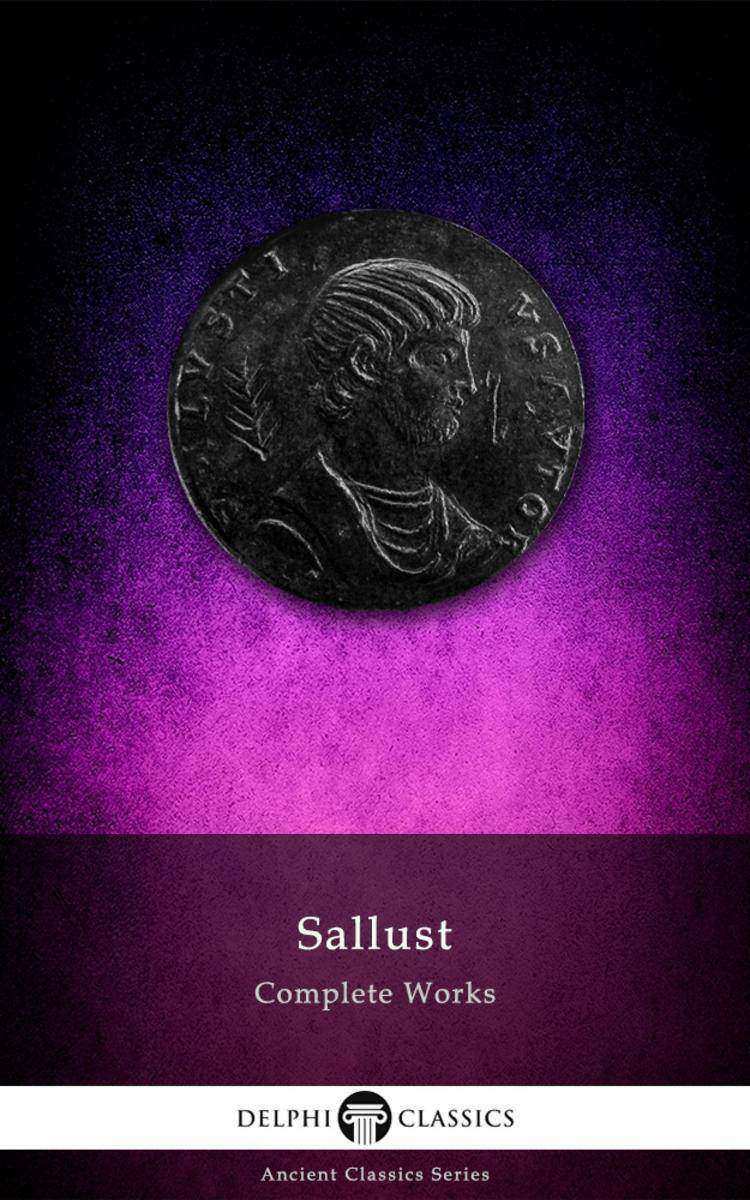
Delphi Complete Works of Sallust (Illustrated)
¥16.27
A political partisan of Julius Caesar, Sallust is the earliest Roman historian whose works have survived antiquity. The Ancient Classics series provides eReaders with the wisdom of the Classical world, with both English translations and the original Latin texts. This comprehensive eBook presents the complete extant works of Sallust, with beautiful illustrations, informative introductions and the usual Delphi bonus material. (Version 1) * Beautifully illustrated with images relating to Sallust's life and works * Features the complete works of Sallust, in both English translation and the original Latin * Concise introductions to the historical works * Includes all of J. C. Rolfe’s celebrated translations, which previously appeared in the Loeb Classical Library edition of Sallust’s works * Excellent formatting of the texts * Easily locate the works you want to read with individual contents tables * Includes Sallust's rare fragments and apocryphal texts, first time in digital print * Provides a special dual English and Latin text, allowing readers to compare the sections paragraph by paragraph – ideal for students * Features a bonus biography – discover Sallust's ancient world * Scholarly ordering of texts into chronological order and literary genres Please visit www.delphiclassics.com to browse through our range of exciting titles CONTENTS: The Translations THE WAR WITH CATILINE THE WAR WITH JUGURTHA ORATIONS AND LETTERS FROM THE HISTORIES THE PSEUDO-SALLUSTIAN WORKS The Latin Texts LIST OF LATIN TEXTS The Dual Texts DUAL LATIN AND ENGLISH TEXTS The Biography THE LIFE AND WORKS OF SALLUST by J. C. Rolfe Please visit www.delphiclassics.com to browse through our range of exciting titles


