


 购物车
购物车 个人中心
个人中心
Agatha Raisin és a karácsonyi búcsúcsók
¥77.01
A horda megérkezett. Pikk élete ?r?k?s harcból állt, amíg Megváltásban be nem fogadták. A várost azonban k?rülzárták a mutáns korcsok, és fél?, hogy a lány máris elveszíti a nem rég megszerzett biztonságot, új, szeret? családját. Barátaival, Fakóval, Kószával és Tegannal ezért lehetetlen küldetést vállal: titokban elhagyja a települést, hogy segítséget szerezzen és megmentse azokat, akiknek új életét k?sz?nheti. Amikor útnak indulnak, Pikk még nem is sejti, hogy a mindent eld?nt? csata felé száguld. A korcsok már nem azok az értelem nélküli sz?rnyek, amiket az Enklávéban megismert: uralják a vadont, emberek városait rohanják le, felderít?ket küldenek ki. Véres háború k?zeleg, olyan küzdelem, amilyenre évszázadok óta nem volt példa. De az emberiség már elfeledte, hogyan álljon ki magáért. Csak egy valaki képes ?sszefogni ?ket: Pikk. A tét ezúttal nem csupán egy enkláve, egy hely?rség, vagy egy városka. Az egykori vadászn? most a teljes emberi faj túléléséért kénytelen fegyvert rántani, noha ? maga sem tudja, egyetlen lány és maroknyi barát megállíthatja-e a pusztítás hordáját… ?S?tét színek, hátborzongató t?rténet… Ann Aguirre k?nyvét nem lehet letenni!” Gena Showalter, a New York Times sikerszerz?je
Az ajándék
¥17.17
A TITOKZATOS ?SZAKI PUSZTAS?G... A halál és az árnyak f?ldje, ahol csupán a leger?sebbek maradnak életben. Caimnak mégis e vidék mélyére kell utaznia, hogy felfejtse az életét ?vez? rejtélyt. Támaszt kizárólag pengéit?l és h? társaitól várhat, amikor beleveti magát az ?r?k éjszakába, amerre a Napot sohasem látni, és mindenki az ellensége. Caim korábban már némi békességre lelt, amikor eltemette atyja kardját, ám a messzi északon valamiféle kifürkészhetetlen er? lakozik, amely csak rá vár. Ha sikerrel akar járni, nem elegend? pusztán életben maradnia. Szembe kell szállnia az ?rny Urával. Jon Sprunk ezzel a mesteri regénnyel zárja le cselekménydús, nagy ív? trilógiáját. "Az ármány, az akció és a minden korábbinál árnyaltabban megrajzolt jellemek mesterien sz?v?dnek egybe ebben a letehetetlen k?nyvben... ?sszességében els?rangú, izgalmas szerepl?kkel teli, perg? tempójú dark fantasy t?rténetet vehetünk kézbe." - BOOKLIST"

A megsemmisülés
¥57.31
Ha Agatha Christie és P. G. Wodehouse együtt írna detektívregényt, ilyen lenne. 1932, London. A trón?r?klési sorrendben Lady Victoria Georgiana Charlotte Eugenie az esélytelen harmincnegyedik helyen áll, és szegény, mint a templom egere. Miután lelécel a skóciai családi kastélyból?, és ezzel megússza, hogy férjhez kelljen mennie Halpofához (Siegfried herceghez), Londonba k?lt?zik. A f?városban meglep? kalandok várnak rá: életében el?sz?r saját magának kell begyújtania egy kandallóba, belezúg egy házasságra alkalmatlan, nagyon szexi ír nemesbe, inkognitóban házvezet?n?i szolgálatot alapít, hogy ne kopjon fel az álla, a Királyn? felkéri, hogy kémkedjen a szoknyapecér trón?r?k?s után. De élete akkor vesz igazán új fordulatot, amikor holtan talál a fürd?szobájában egy férfit. Lady Georgiana pontosan tudja, ki az illet?: ez a francia idegen nemrégiben megzsarolta a családját, és azzal fenyeget?z?tt, hogy megszerzi a skóciai kastélyt. Lady Georgiana egyetlen módon tisztázhatja a helyzetet - ha miel?bb kideríti, ki volt a gyilkos.

Holiday: ?leted legszebb nyara
¥77.50
A Fumax Irodalom sorozat szép sikerrel indult tavaly a Tolvajok tele cím? regénnyel. A Fumax Irodalom sorozat második k?tetére, Az elvarázsoltakra még tavaly tavasszal figyeltünk fel, amikor az Amazon legjobb k?nyve lett márciusban. Azóta megnyerte a Prix du premier roman étrangert (külf?ldi els?regény-díj), a jelent?s francia irodalmi díjat és számtalan más díjra is jel?lték, rengeteg év legjobbjai listára került fel, illetve bejutott a Goodreads-en a legjobb 20-ba a fiction kategóriában (ami talán a legjelent?sebb kategória) az év végi olvasói szavazáson. Bekerült az ALA (Amerikai K?nyvtárak Sz?vetsége) Figyelemreméltó K?nyveinek listájára, 2015-?s díjazottként, és esélyesnek tartják az idei Pulitzer-díjra való jel?lésre is. Az elvarázsoltak csodálatos és megváltással teli els? regény, melynek rideg világában találkozik a gonoszság és a mágia, Alice Sebold empátiája és líraisága és Stephen King s?tét képzel?ereje. TARTALOM: "Még a sz?rnyeknek is szükségük van a békére. Még a sz?rnyeknek is szükségük van valakire, aki valóban meg akarja hallgatni - és hallani - ?ket, hogy egy napon megtaláljuk a szavakat, amelyek t?bbek üres dobozoknál. Talán akkor megakadályozhatjuk, hogy a hozzám hasonlók létrej?jjenek." A szigorúan ?rz?tt b?rt?n halálsorán raboskodó fogoly egyedüli menedéke a megálmodott szavakban rejlik, a nyelv hatalmán keresztül megteremtett világban. Nincsen neve, nem tudjuk a b?nét sem. De figyel, megérzi azt is, amire mások képtelenek. Látomásai, melyekben aranysz?r? paripák vágtáznak a b?rt?n alatt, és olvadt fémként csurran hátukról a h?ség, a b?rt?nélet pusztító er?szakosságával ?tv?z?dnek. Két kívülálló lép világába: a bukott pap és a h?lgy, egy nyomozó, aki eltemetett morzsákat kutat a rabok múltjában, amelyek megmenthetik a kivégzésre várókat. Egy York nev? gyilkos múltjába ásva fájdalmas titkokra bukkan, amelyek felülírják a megszokott elképzeléseket áldozatról és b?n?z?r?l, ártatlanságról és b?n?sségr?l, míg végül a h?lgy saját megd?bbent? múltjára is fény derül. ?s a rab várakozik, várja, hogy az ? t?rténetét is meghallgassa valaki. Mert még a sz?rnyeknek is van t?rténetük. Ez a fájdalommal teli, ugyanakkor k?lt?i regény emlékeztet a mindannyiunkat ?sszek?t? emberségre, és arra, hogy még a legsz?rny?bb, rémálomba ill? valóságban is létezhet szépség és szeretet. A k?tetet a neves m?fordító és írón?, Kleinheincz Csilla ültette át magyar nyelvre.

Csillagpuszta
¥22.97
A kosaras srácok t?rténete folytatódik! Valaki felgyújtja Sédar klubját. Nyolcszornyolc, az edz? kizártnak tartja, hogy a Sharks csapatának k?ze legyen a dologhoz. A gyanúsítottak k?re azonban egyre b?vül, el?veszik a játékosokat is: Tunyát, aki mindig kül?nck?dik, Levet, aki visszahúzódó és félénk, Grimaszt, aki a legkisebb provokációból is balhét csinál. ?s ha mindez nem volna elég, Stifti, aki a szép szál Sédar iránti féltékenységét soha sem titkolta, ezúttal Szilviával is ?sszekap. Ráadásul Porto Vecchio hárompontosakat szóró királyn?je is eltitkol valamit. A Sharksnak a nagy izgalmak k?zepette is meg kell ?riznie higgadtságát, hogy legy?zhessék a Templomosokat.
For Every Man A Reason
¥4.58
He stood watching while George Atkinson spun around, dark eyes flashing, hair tousled. There was a two days' growth of beard darkening Atkinson's face. "Why, George," Loveral said, swiftly examining the litter of metal and wood which was spread over a table behind Atkinson. There was a home-made hammer in Atkinson's hand. "What have we here, George?""Something for you," Atkinson said, tightening his fingers about the handle of the hammer.Loveral grinned his famous Loveral grin. "That's fine. What could it be?" "None of your damned business.""George," Loveral said, his smile still white but his eyes narrow and quick.The woman was behind them. Her voice screeched. "George, I told you. Why didn't you listen, George? You should have listened to me. You—" Loveral held up a hand, still watching Atkinson. "Now tell me, George, what is it you're making for me?"Atkinson raised the hammer slightly.Loveral stood very still. "That's a nice hammer, George."Atkinson's eyes were black beneath his thick brows."You made that, didn't you?" Loveral asked."Yes, I made that," Atkinson said. "I made that and I made something else. Another minute and I'll have that finished, too." "George," said Loveral, stepping quietly forward, "I don't like to say this, of course. You've been one of our very best members. But nobody works here, George. We can't allow that. You know the rules." "I know the rules, all right.""Well, then," Loveral said, extending his hand toward the hammer, "we'll just destroy this and whatever else you might have been making. We'll just forget it ever happened. We'll get along real fine that way, George. We'll just be such good friends.""We'll just go to hell," said Atkinson, snatching his hammer away. Loveral's smile disappeared. "I'll tell you, George. I have to mean business with this. You know the reasons. If we allow anybody to work here, then there's going to be trouble. That isn't our plan. We're here to grow within ourselves and expand culturally. Not to commercialize a beautiful world like Dream Planet."

Az alvilág zsoldjában
¥86.33
Doktor Proktor, a kétbalkezes professzor maga sem sejti, milyen kalandokba keveredik majd, amikor véletlenül feltalálja a f?ldkerekség legnagyobb erej? pukiporát, ami bárkit képes az ?rbe r?píteni. ?m amíg két kisiskolás segít?je azon dolgozik, hogy a találmány híressé és gazdaggá tegye ?ket, a csodaszer híre illetéktelenek fülébe is eljut. A doktor hamarosan egy sz?késbiztos cellában találja magát, a gonosz ikerpár ellopja a találmányt, és egy folyton éhes anakonda is beszabadul Oslo szennyvízcsatornáiba. K?zben pedig feltartóztathatatlanul k?zeleg a nemzeti ünnepre gyakorló iskolai katonazenekar... A világhír? skandináv krimiíró Doktor Proktor-sorozatát már t?bb mint 20 nyelvre fordították le. A f?szerepl?k fergeteges kalandjait elképeszt? fordulatok, abszurd humor és a Nesb?-féle kül?nleges atmoszféra teszi feledhetetlenné.
Hard Times
¥28.04
The story begins on May 5, 1805, in one of the wildest and most abrupt portions of New Spain, which now forms the State of Coahuila, belonging to the Mexican Confederation. If the reader will have the kindness to take a glance at a numerous cavalcade, which is debouching from a canyon and scaling at a gallop the scarped side of a rather lofty hill, on the top of which stands an aldea, or village of Indios mansos, he will at the same time form the acquaintance of several of our principal characters, and the country in which the events recorded in this narrative occurred. This cavalcade was composed of fifteen individuals in all; ten of them were lancers, attired in that yellow uniform which procured them the nickname of tamarindos. These soldiers were execrated by the people, in consequence of their cruelty. They advanced in good order, commanded by a subaltern and an alférez—an old trooper who had grown gray in harness, who had long white moustachios and a disagreeable face. As he galloped on, he looked around him with the careless, wearied air of a man for whom the future reserves no hopes either of ambition, love, or fortune. About twenty paces from this little band, and just so far ahead that their remarks reached the soldiers' ears in a completely incomprehensible fashion, three persons, two men and a woman, were riding side by side.The first was a gentleman of about thirty years of age, of commanding stature; his harsh, haughty, and menacing features were rendered even more gloomy by a deep scar of a livid hue which commenced on his right temple and divided his face into two nearly equal parts. This man, who was dressed in the sumptuous costume of the Mexican campesinos, which he wore with far from common grace, was named Don Aníbal de Saldibar, and was considered the richest hacendero in the province.His companion, who kept slightly in the rear, doubtless through respect, was a civilized Indian, with a quick eye, aquiline nose, and a wide mouth lined with two rows of dazzling white teeth. His countenance indicated intelligence and bravery. He was short and robust, and the almost disproportioned development of his muscles gave an enormous width to his limbs. This individual must assuredly be endowed with extraordinary strength. His attire, not nearly so rich as that of the hacendero, displayed a certain pretension to elegance, which was an extraordinary thing in an Indian. This man's name was Pedro Sotavento, and he was majordomo to Don Aníbal.As we have said, the third person was a female. Although it was easy to see, through the juvenile grace of her movements and her taper waist, that she was still very young, she was so discreetly hidden behind gauze and muslin veils, in order to protect her from the burning heat of the sun which was then at its zenith, that it was impossible to distinguish her features. Long black locks escaped from beneath her broad-brimmed vicu?a hat, and fell in profusion on her pink and white shoulders, which were scarcely veiled by a China crape rebozo. At the moment when we approach these three persons they were conversing together with considerable animation."No," Don Aníbal said, with a frown, as he smote the pommel of his saddle, "it is not possible, I cannot believe in so much audacity on the part of these Indian brutes. You must have been deceived, Sotavento." The majordomo grinned knowingly, and buried his head between his shoulders with a motion which was habitual to him."You will see, mi amo," he replied, in a honeyed voice, "my information is positive." "What!" the hacendero continued with increased fury, "They would really attempt resistance! Why, they must be mad!""Not so much as you suppose, mi amo; the aldea is large and contains at least three thousand callis.""What matter? Suppose there were twice as many, is not one Spaniard as good as ten Indians?"
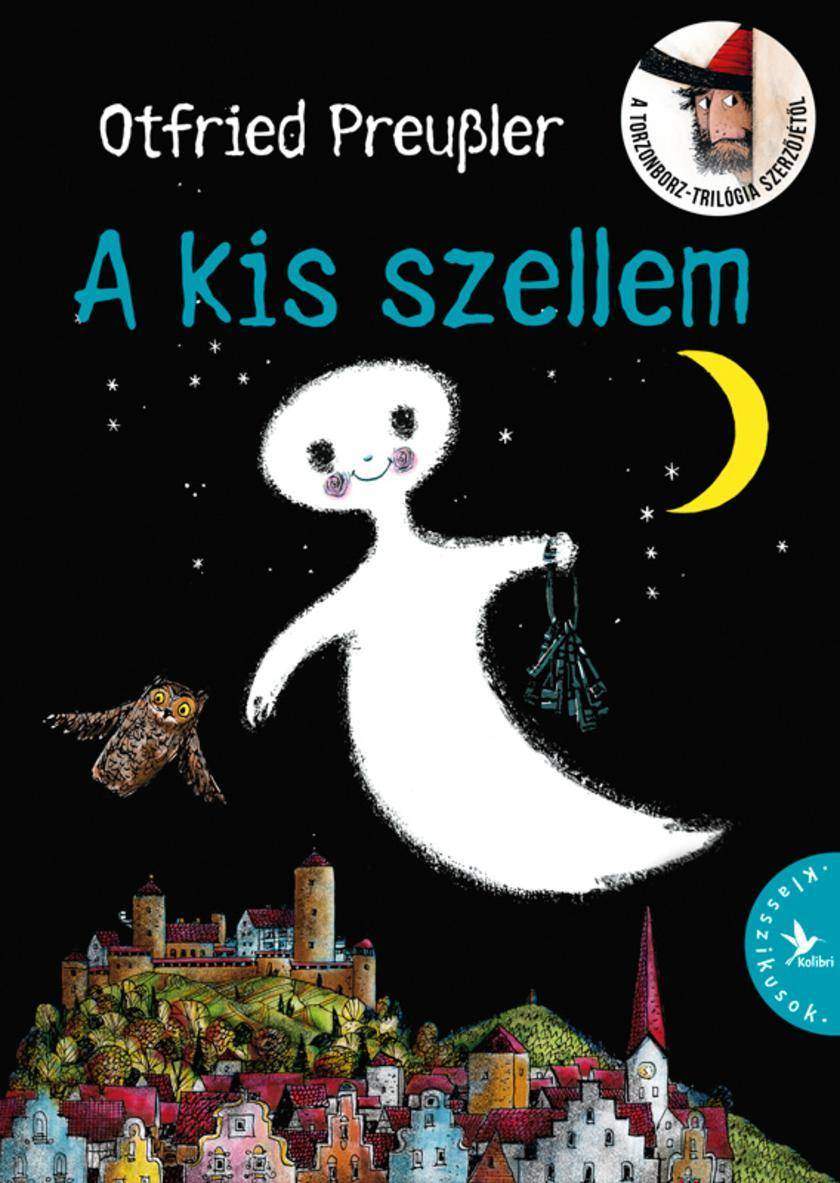
A kis szellem
¥58.78
Defoe's novel Robinson Crusoe (1719) tells of a man's shipwreck on a deserted island and his subsequent adventures. The author based part of his narrative on the story of the Scottish castaway Alexander Selkirk, who spent four years stranded on the island of Juan Fernandez. He may have also been inspired by the Latin or English translation of a book by the Andalusian-Arab Muslim polymath Ibn Tufail, who was known as "Abubacer" in Europe. The Latin edition of the book was entitled Philosophus Autodidactus and it was an earlier novel that is also set on a deserted island. "One day, about noon, going towards my boat, I was exceedingly surprised with the print of a man's naked foot on the shore, which was very plain to be seen on the sand."— Defoe's Robinson Crusoe, 1719 The novel has been variously read as an allegory for the development of civilisation, as a manifesto of economic individualism and as an expression of European colonial desires but it also shows the importance of repentance and illustrates the strength of Defoe's religious convictions. It is also considered by many to be the first novel written in English. Early critics, such as Robert Louis Stevenson admired it saying that the footprint scene in Crusoe was one of the four greatest in English literature and most unforgettable; more prosaically, Dr. Wesley Vernon has seen the origins of forensic podiatry in this episode. It has inspired a new genre, the Robinsonade as works like Johann David Wyss's The Swiss Family Robinson (1812) adapt its premise and has provoked modern postcolonial responses, including J. M. Coetzee's Foe (1986) and Michel Tournier's Vendredi ou les Limbes du Pacifique (in English, Friday, or, The Other Island) (1967). Two sequels followed, Defoe's The Farther Adventures of Robinson Crusoe (1719) and his Serious reflections during the life and surprising adventures of Robinson Crusoe: with his Vision of the angelick world (1720). Jonathan Swift's Gulliver's Travels (1726) in part parodies Defoe's adventure novel. ? About Author: Daniel Defoe (1660 – 24 April 1731), born Daniel Foe, was an English trader, writer, journalist, pamphleteer, and spy, now most famous for his novel Robinson Crusoe. Defoe is notable for being one of the earliest proponents of the novel, as he helped to popularise the form in Britain, and, along with others such as Samuel Richardson, is among the founders of the English novel. A prolific and versatile writer, he wrote more than 500 books, pamphlets and journals on various topics (including politics, crime, religion, marriage, psychology and the supernatural). He was also a pioneer of economic journalism. ? Early lifeDaniel Foe (his original name) was probably born in the parish of St. Giles Cripplegate, London. Defoe later added the aristocratic-sounding "De" to his name and on occasion claimed descent from the family of De Beau Faux. His birthdate and birthplace are uncertain: sources offer dates of anywhere between 1659 to 1662; considered most likely to be 1660. His father, James Foe, was a prosperous tallow chandler and a member of the Butchers' Company. In Defoe's early life he experienced firsthand some of the most unusual occurrences in English history: in 1665, 70,000 were killed by the Great Plague of London and the Great Fire of London (1666) left standing only Defoe's and two other houses in his neighborhood. In 1667, when he was probably about 7, Dutch fleet sailed up the Medway via the River Thames and attacked Chatham. His mother Annie had died by the time he was about 10.
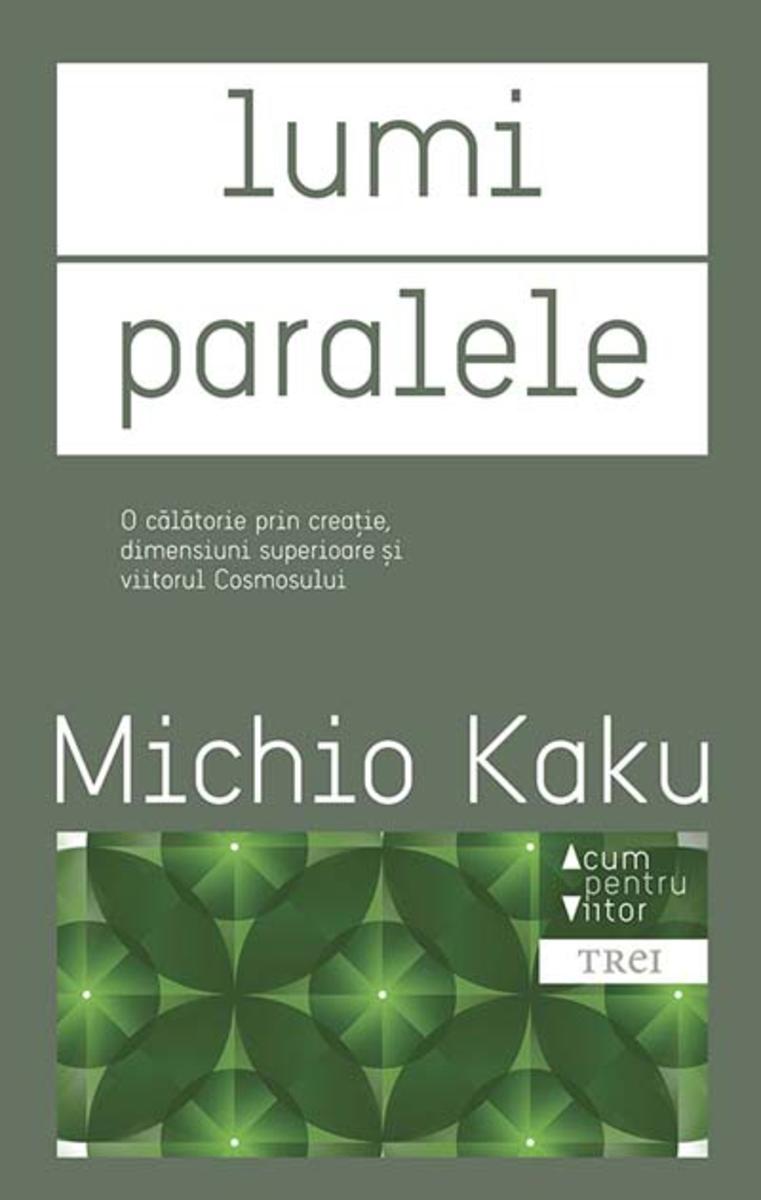
Lumi paralele. O c?l?torie prin crea?ie, dimensiuni superioare ?i viitorul cosmo
¥90.84
Sir Peter Paul Rubens ( 28 June 1577 – 30 May 1640), was a Flemish Baroque painter, and a proponent of an extravagant Baroque style that emphasised movement, colour, and sensuality. He is well known for his Counter-Reformation altarpieces, portraits, landscapes, and history paintings of mythological and allegorical subjects.In addition to running a large studio in Antwerp that produced paintings popular with nobility and art collectors throughout Europe.. Early lifeRubens was born in the German city of Siegen, Westphalia to Jan Rubens and Maria Pypelincks. His father, a Calvinist, and mother fled Antwerp for Cologne in 1568, after increased religious turmoil and persecution of Protestants during the rule of the Spanish Netherlands by the Duke of Alba. Jan Rubens became the legal advisor (and lover) of Anna of Saxony, the second wife of William I of Orange, and settled at her court in Siegen in 1570; their daughter Christine was born in 1571. Following Jan Rubens's imprisonment for the affair, Peter Paul Rubens was born in 1577. The family returned to Cologne the next year. In 1589, two years after his father's death, Rubens moved with his mother Maria Pypelincks to Antwerp, where he was raised as a Catholic. Religion figured prominently in much of his work and Rubens later became one of the leading voices of the Catholic Counter-Reformation style of painting (he had said "My passion comes from the heavens, not from earthly musings").In Antwerp, Rubens received a humanist education, studying Latin and classical literature. By fourteen he began his artistic apprenticeship with Tobias Verhaeght. Subsequently, he studied under two of the city's leading painters of the time, the late Mannerist artists Adam van Noort and Otto van Veen. Much of his earliest training involved copying earlier artists' works, such as woodcuts by Hans Holbein the Younger and Marcantonio Raimondi's engravings after Raphael. Rubens completed his education in 1598, at which time he entered the Guild of St. Luke as an independent master. Italy (1600–1608)In 1600, Rubens travelled to Italy. He stopped first in Venice, where he saw paintings by Titian, Veronese, and Tintoretto, before settling in Mantua at the court of Duke Vincenzo I Gonzaga. The coloring and compositions of Veronese and Tintoretto had an immediate effect on Rubens's painting, and his later, mature style was profoundly influenced by Titian. With financial support from the Duke, Rubens travelled to Rome by way of Florence in 1601. Last decade (1630–1640)The Exchange of Princesses, from the Marie de' Medici Cycle. Louvre, ParisRubens's last decade was spent in and around Antwerp. Major works for foreign patrons still occupied him, such as the ceiling paintings for the Banqueting House at Inigo Jones's Palace of Whitehall, but he also explored more personal artistic directions.In 1630, four years after the death of his first wife, the 53-year-old painter married 16-year-old Hélène Fourment. Hélène inspired the voluptuous figures in many of his paintings from the 1630s, including The Feast of Venus (Kunsthistorisches Museum, Vienna), The Three Graces and The Judgment of Paris (both Prado, Madrid). In the latter painting, which was made for the Spanish court, the artist's young wife was recognized by viewers in the figure of Venus. In an intimate portrait of her, Hélène Fourment in a Fur Wrap, also known as Het Pelsken, Rubens's wife is even partially modelled after classical sculptures of the Venus Pudica, such as the Medici Venus. In 1635, Rubens bought an estate outside of Antwerp, the Steen, where he spent much of his time. Landscapes, such as his Ch?teau de Steen with Hunter (National Gallery, London) and Farmers Returning from the Fields (Pitti Gallery, Florence), reflect the more personal nature of many of his later works. He also drew upon the Netherlandish traditions of Pieter Bruegel the Elder for inspiration in later works like Flemish Kermis (c. 1630; Louvre, Paris).

Anikomment
¥37.11
Miért vannak nemek? Miért hal ki tízmillió év múlva a férfi? Mi a n?i szépség és mit vár a n? a férfit?l? Mire jó az orgazmus? Jó-e medd?ség ellen az orális szex? Mir?l árulkodik mutató- és gy?r?sujj-arányunk? Szendi Gábor A n? felemelkedése és tünd?klése cím? k?nyvében ehhez hasonló kérdésekre keresi a választ, mik?zben az evolúciós pszichológia néz?pontjából vizsgálja N? és Férfi kapcsolatát. Lebilincsel?en izgalmas gondolatmenetei bizonyítják, hogy ebben a férfik?zpontúnak hitt világban valójában a N? a titkos mozgató! A N? a szervez?je és egyben a f?díja annak a férfiak k?zt dúló, vérre men? viadalnak, amely érte folyik. Mik?zben a N? gyengének t?nik, az Er? vele van, ? az evolúció titkos favoritja!

Lelkünk üzenete
¥81.26
Elég egy váratlan hajnali telefonhívás és egy rég nem hallott a hang a vonal másik végén, hogy Myron Bolitar, a kemény?kl? játékosügyn?k ismét egy els? ránézésre megoldhatatlan rejtély kell?s k?zepén találja magát. Nyolc éve, hogy utoljára találkozott a gy?ny?r? Terese Collinsszal, aki most arra kéri, utazzon Párizsba. Myron sejti, hogy nem csupán egy romantikus randevú várja a szerelem városában, ám amikor a repül?térre érve rend?r?k fogadják, majd hamarosan kiderül, hogy Terese az els? számú gyanúsítottja egy gyilkosságnak, úgy érzi, zsákutcába került. Nem ismeri sem a nyelvet, sem a szokásokat, így aligha tud bármit is kinyomozni. De miel?tt alaposabban végiggondolhatná a helyzetet, t?rténik valami, ami új megvilágításba helyezi az ügyet... ?Ekkor borítottam rá az asztalt. Amint leült mellém, azonnal végiggondoltam a lehet?ségeket. Már tudtam, mir?l van szó: emberrablás. Ha beszállok a furgonba, nekem l?ttek. Hallották már azt a nagy b?lcsességet, hogy az emberrablásoknál mindig az els? negyvennyolc óra a legkritikusabb? Amit nem szoktak hozzátenni - talán mert annyira nyilvánvaló -, hogy minden másodperccel cs?kken az esélye annak, hogy valaha is megtalálják az áldozatot. Itt ugyanez volt a helyzet. Ha beszállok abba a kocsiba, túlélési esélyeim a minimumra cs?kkennek. Ha felállok, és elindulok a furgon felé, szintén romlanak a kilátásaim. Ráadásul Sebhelyes Fej nem számít korai ellencsapásra. Azt hiszi, szépen begyakorolt kis monológját hallgatom. Nem jelentek fenyegetést. ?gy hát a meglepetés erejére építettem. Egy pillanatra ? is odanézett, hogy meggy?z?dj?n, valóban ott áll-e a kocsi. Ennyi elég is volt. Az asztal peremét már korábban megmarkoltam. Lábizmaim megfeszültek. ?gy pattantam f?l, mintha dobbantóról ugranék. Az asztallap egyenesen az arcába csapódott." Harlan Coben napjaink egyik legnépszer?bb krimiírója. Regényeit a m?faj gy?ngyszemeiként tartják számon, eddig negyven kül?nb?z? nyelvre fordították le, és k?zel 50 millió (!) példányt adtak el bel?lük világszerte.

Fecske-torony
¥63.03
I shall be grateful to any Reader of this book who will point out any mistakes or misprints he may happen to notice in it, or any passage which he thinks is not clearly expressed. I have a quantity of MS. in hand for Parts II and III, and hope to be able——should life, and health, and opportunity, be granted to me, to publish them in the course of the next few years. Their contents will be as follows:— PART II. ADVANCED.Further investigations in the subjects of Part I. Propositions of other forms (such as “Not-all x are y”). Triliteral and Multiliteral Propositions (such as “All abc are de”). Hypotheticals. Dilemmas. &c. &c. Part III. TRANSCENDENTAL.Analysis of a Proposition into its Elements. Numerical and Geometrical Problems. The Theory of Inference. The Construction of Problems. And many other Curiosa Logica. Introduction TO LEARNERS.[N.B. Some remarks, addressed to Teachers, will be found in the Appendix]The Learner, who wishes to try the question fairly, whether this little book does, or does not, supply the materials for a most interesting mental recreation, is earnestly advised to adopt the following Rules:— (1) Begin at the beginning, and do not allow yourself to gratify a mere idle curiosity by dipping into the book, here and there. This would very likely lead to your throwing it aside, with the remark “This is much too hard for me!”, and thus losing the chance of adding a very large item to your stock of mental delights. This Rule (of not dipping) is very desirable with other kinds of books——such as novels, for instance, where you may easily spoil much of the enjoyment you would otherwise get from the story, by dipping into it further on, so that what the author meant to be a pleasant surprise comes to you as a matter of course. Some people, I know, make a practice of looking into Vol. III first, just to see how the story ends: and perhaps it is as well just to know that all ends happily——that the much-persecuted lovers do marry after all, that he is proved to be quite innocent of the murder, that the wicked cousin is completely foiled in his plot and gets the punishment he deserves, and that the rich uncle in India (Qu. Why in India? Ans. Because, somehow, uncles never can get rich anywhere else) dies at exactly the right moment——before taking the trouble to read Vol. I. This, I say, is just permissible with a novel, where Vol. III has a meaning, even for those who have not read the earlier part of the story; but, with a scientific book, it is sheer insanity: you will find the latter part hopelessly unintelligible, if you read it before reaching it in regular course. (2) Don’t begin any fresh Chapter, or Section, until you are certain that you thoroughly understand the whole book up to that point, and that you have worked, correctly, most if not all of the examples which have been set. So long as you are conscious that all the land you have passed through is absolutely conquered, and that you are leaving no unsolved difficulties behind you, which will be sure to turn up again later on, your triumphal progress will be easy and delightful. Otherwise, you will find your state of puzzlement get worse and worse as you proceed, till you give up the whole thing in utter disgust. (3) When you come to any passage you don’t understand, read it again: if you still don’t understand it, read it again: if you fail, even after three readings, very likely your brain is getting a little tired. In that case, put the book away, and take to other occupations, and next day, when you come to it fresh, you will very likely find that it is quite easy.(4) If possible, find some genial friend, who will read the book along with you, and will talk over the difficulties with you. Talking is a wonderful smoother-over of difficulties. When I come upon anything——in Logic or in any other hard subject——that entirely puzzles me, I find it a capital plan to talk it over, aloud. ? ? ? ? ? L. C.29, Bedford Street, Strand. February 21, 1896.

A tó úrn?je
¥102.27
These tales are translated from a variety of authors. The translator has been chiefly led to the task by the hope of composing an entertaining volume out of materials not generally accessible. The works in which many of them are found, are by no means common, and the indelicacy with which almost all collections of Italian tales are polluted, deservedly excludes them from general perusal. Such care has, however, been employed in the following selection, and such liberties taken with the originals, when they appeared objectionable on this account, that it is hoped this little book will escape the censure too justly cast upon Italian works of humour, in general—a censure which falls heavily upon many of the otherwise admirable tales of Boccaccio. While, however, such trifling alterations have been made as appeared necessary, these tales may still justly be considered as fair specimens of the Italian Novella, and like the celebrated collection already alluded to, furnish us with a very lively idea of the early manners of the Italians. Those tales, from which our great dramatist borrowed parts of his plots, and some of his incidents, have a double interest, both from their own nature, and as they illustrate the process by which his genius, "by happy alchemy of mind," turned all the materials which fell in his way to gold. Two or three of this kind have been purposely selected. ITALIAN TALES: THE TEACHER TAUGHT. THE UNEXPECTED REPLY. WHO AM I? THE DEAD RIDER. THE SKILFUL PHYSICIAN THE POMEGRANATE SEED THE FATAL MISTAKE THE DEAD ALIVE THE FALSE CHAMPION THE MERCHANT OF VENICE THERE IS A SKELETON IN EVERY HOUSE. THE ELOPEMENT. THE FRIAR ENTRAPPED ANTONIO AND VERONICA. BELPHAGOR. THE SLEEPING DRAUGHT THE COUNTERPARTS

Viharid?
¥63.85
1. The architect should be equipped with knowledge of many branches of study and varied kinds of learning, for it is by his judgement that all work done by the other arts is put to test. This knowledge is the child of practice and theory. Practice is the continuous and regular exercise of employment where manual work is done with any necessary material according to the design of a drawing. Theory, on the other hand, is the ability to demonstrate and explain the productions of dexterity on the principles of proportion. 2. It follows, therefore, that architects who have aimed at acquiring manual skill without scholarship have never been able to reach a position of authority to correspond to their pains, while those who relied only upon theories and scholarship were obviously hunting the shadow, not the substance. But those who have a thorough knowledge of both, like men armed at all points, have the sooner attained their object and carried authority with them. 3. In all matters, but particularly in architecture, there are these two points:—the thing signified, and that which gives it its significance. That which is signified is the subject of which we may be speaking; and that which gives significance is a demonstration on scientific principles. It appears, then, that one who professes himself an architect should be well versed in both directions. He ought, therefore, to be both naturally gifted and amenable to instruction. Neither natural ability without instruction nor instruction without natural ability can make the perfect artist. Let him be educated, skilful with the pencil, instructed in geometry, know much history, have followed the philosophers with attention, understand music, have some knowledge of medicine, know the opinions of the jurists, and be acquainted with astronomy and the theory of the heavens. 4. The reasons for all this are as follows. An architect ought to be an educated man so as to leave a more lasting remembrance in his treatises. Secondly, he must have a knowledge of drawing so that he can readily make sketches to show the appearance of the work which he proposes. Geometry, also, is of much assistance in architecture, and in particular it teaches us the use of the rule and compasses, by which especially we acquire readiness in making plans for buildings in their grounds, and rightly apply the square, the level, and the plummet. By means of optics, again, the light in buildings can be drawn from fixed quarters of the sky. It is true that it is by arithmetic that the total cost of buildings is calculated and measurements are computed, but difficult questions involving symmetry are solved by means of geometrical theories and methods. 5. A wide knowledge of history is requisite because, among the ornamental parts of an architect's design for a work, there are many the underlying idea of whose employment he should be able to explain toGree inquirers. For instance, suppose him to set up the marble statues of women in long robes, called Caryatides, to take the place of columns, with the mutules and coronas placed directly above their heads, he will give the following explanation to his questioners. Caryae, a state in Peloponnesus, sided with the Persian enemies against Greece; later the Greeks, having gloriously won their freedom by victory in the war, made common cause and declared war against the people of Caryae. They took the town, killed the men, abandoned the State to desolation, and carried off their wives into slavery, without permitting them, however, to lay aside the long robes and other marks of their rank as married women, so that they might be obliged not only to march in the triumph but to appear forever after as a type of slavery, burdened with the weight of their shame and so making atonement for their State. Hence, the architects of the time designed for public buildings statues of these women, placed so as to carry a load..

Pataki Emma naplója
¥58.29
Восстановление зрения без вмешательства врачей! Здесь детально описаны самые действенные методики улучшения зрения Э. Аветисова, М. Норбекова, П. Брэгга, У. Бейтса. Книга расскажет, как избавиться от проблем со зрением, а тесты позволят выявить различные заболевания глаз на ранней стадии. Также вы узнаете о проверенных веками способах восстановления зрения с помощью йоги, аюрведы, цигуна и др. Средства народной медицины, упражнения и рекомендации по лечебному питанию помогут излечить глаукому, катаракту и др. Vosstanovlenie zrenija bez vmeshatel'stva vrachej! Zdes' detal'no opisany samye dejstvennye metodiki uluchshenija zrenija Je. Avetisova, M. Norbekova, P. Brjegga, U. Bejtsa. Kniga rasskazhet, kak izbavit'sja ot problem so zreniem, a testy pozvoljat vyjavit' razlichnye zabolevanija glaz na rannej stadii. Takzhe vy uznaete o proverennyh vekami sposobah vosstanovlenija zrenija s pomoshh'ju jogi, ajurvedy, ciguna i dr. Sredstva narodnoj mediciny, uprazhnenija i rekomendacii po lechebnomu pitaniju pomogut izlechit' glaukomu, kataraktu i dr.

Vízvonal
¥58.29
Он обошел на яхте ?Спрей? вокруг земного шара, оставаясь один на один с морской стихией. On oboshel na jahte ?Sprej? vokrug zemnogo shara, ostavajas' odin na odin s morskoj stihiej.

Az erd? vándorai
¥72.59
Шанувальниця врятувала письменника в?д смерт?. Але ?? захоплення перетворю?ться на?одержим?сть... Shanuval'nicja vrjatuvala pis'mennika v?d smert?. Ale ?? zahoplennja peretvorju?t'sja na?oderzhim?st'...

Довгий шлях до свободи
¥28.61
Quaranta anni di storia di Damanhur, raccontati da chi li ha vissuti di persona. Il racconto della giornata di un damanhuriano, per comprendere come si vive, si pensa, si cresce in quella che oggi è la comunità spirituale laica più grande in Italia.

Pillangó a vállamon
¥57.31
Míg Tompa Andrea el?z? k?nyve, A hóhér háza egy magányos leány huszadik századvégi bildungsromanja, addig az új regény egy magányos férfi és egy magányos leány kül?n?s kett?sét rajzolja meg száz évvel kés?bb. Felváltva beszélnek hozzánk: a Brassó k?zeli aljegyz? fia és az enyedi zsidó keresked? lánya. Lehetne e k?nyv romantikus példázat, de nem az. H?seink els? találkozásának emlékét kiradírozza az ?sszeomlás, az új id?számításban mellékesen, véletlenszer?en sodródnak megint egymás mellé. Az igazi nagy, szenvedélyes találkozás a tudásra és hasznos m?k?désre szomjas lelkeké Kolozsvárral, a polgári Erdély kultúrájával, szellemi potenciáljával, a fejl?dés igézetével.

Budapest a diktatúrák árnyékában
¥57.31
Végre egy férfi szemsz?géb?l is láthatjuk, milyen bonyolult (és csodálatos) párkapcsolatban élni! Norman humora Nick Hornby-éval vetekszik, elképeszt?en k?nnyed stílusban ír a harminc?t éves f?h?sér?l, aki felett ?sszecsapnak a hullámok: a szuper házassága meginogni látszik, de még a reklámsz?vegírói munkája is veszélybe kerül. Tom Violet írói álmokat kerget, de sajnos szinte mindenki az apjához, a t?bbsz?r?s irodalmi díjas, tehetséges íróhoz hasonlítja, akiért bomlanak a n?k, és aki mindig, minden helyzetben feltalálja magát. Tomnak nemcsak magában és maga k?rül kell rendet raknia, de még a család kajla fül?, krónikus szorongással küzd? kutyáját is istápolnia kell... Ez a Fej?s ?va k?nyvtára els? ?pasisan csajos”, imádnivalóan humoros regénye, amely egy férfi szemsz?géb?l mutatja be a párkapcsolat nehézségeit és szépségeit. ?Minden sora leny?g?z?tt. Egy érzékeny szerz? finom humorral megírt t?rténete, ami nemcsak a férfiakról, hanem rólunk, n?kr?l is szól. Egy regény a reményr?l, szerelemr?l, h?ségr?l, családról és a boldogságról...” – Fej?s ?va


