


 购物车
购物车 个人中心
个人中心
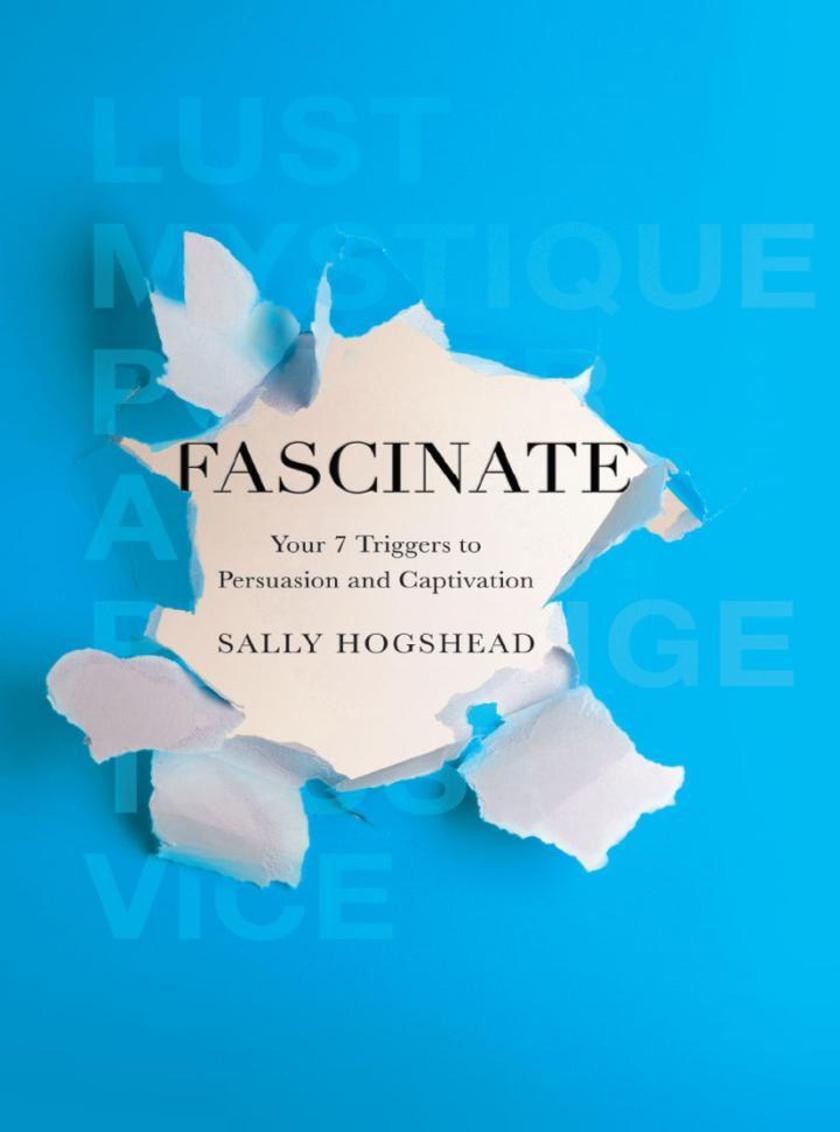
Fascinate
¥151.10
What triggers fascination, and how do companies, people, and ideas put those triggers to useWhy are you captivated by some people but not by othersWhy do you recall some brands yet forget the restIn a distracted, overcrowded world, how do certain leaders, friends, and family members convince you to change your behaviorFascination: the most powerful way to influence decision making. It's more persuasive than marketing, advertising, or any other form of communication. And it all starts with seven universal triggers: lust, mystique, alarm, prestige, power, vice, and trust. Fascination plays a role in every type of decision making, from the brands you choose to the songs you remember, from the person you marry to the employees you hire. And by activating the right triggers, you can make anything become fascinating.To explore and explain fascination's irresistible influence, Sally Hogshead looks beyond marketing, delving into behavioral and social studies, historical precedents, neurobiology and evolutionary anthropology, as well as conducting in-depth interviews and a national study of a thousand consumers, to emerge with deeply rooted patterns for why, and how, we become captivated.Hogshead reveals why the Salem witch trials began with the same fixations as those in Sex and the City. How Olympic athletes are subject to obsessions similar to those of fetishists. How a 1636 frenzy over Dutch tulip bulbs perfectly mirrors the 2006 real estate bubble. And why a billion-dollar "Just Say No" program actually increased drug use among teens, by activating the same "forbidden fruit" syndrome as a Victoria's Secret catalog.Whether you realize it or not, you're already using the seven triggers. The question is, are you using the right triggers, in the right way, to get your desired resultThis book will show you.
The Inner Experience
¥88.56
Now in paperback, revised and redesigned: This is Thomas Merton's last book, in which he draws on both Eastern and Western traditions to explore the hot topic of contemplation/meditation in depth and to show how we can practice true contemplation in everyday life. Never before published except as a series of articles (one per chapter) in an academic journal, this book on contemplation was revised by Merton shortly before his untimely death. The material bridges Merton's early work on Catholic monasticism, mysticism, and contemplation with his later writing on Eastern, especially Buddhist, traditions of meditation and spirituality. This book thus provides a comprehensive understanding of contemplation that draws on the best of Western and Eastern traditions. Merton was still tinkering with this book when he died; it was the book he struggled with most during his career as a writer. But now the Merton Legacy Trust and experts have determined that the book makes such a valuable contribution as his major comprehensive presentation of contemplation that they have allowed its publication.
The Monogamy Myth
¥95.11
One of the most valuable survival guides for men or women recovering from a partner's affair.Featured on Oprah, 48 Hours, CNN, Fox News, and in USA TodayIn this landmark book, Peggy Vaughan helps us to understand the stages of suspicion, confrontation, and the healing process necessary to recover, including rebuilding self-esteem, the marriage/divorce dilemma, and seeking professional help. Packed with practical, time-tested advice and successful strategies, this authoritative guide reveals: You are not alone estimates are that at least 60 percent of men and 40 percent of women will have an extramarital affair. People from all walks of life have affairs devoted parents, religious individuals, regardless of income or social class. Our society contributes to the prevalence of affairs. An affair does not mean the end of a marriage. Recovery is fueled by honest, open discussion of the affair. Substantiated by case studies, ongoing research, and the author's own experience, this updated third edition includes information on the role of the Internet in relationships, shares the words of others who are recovering from affairs, and describes the six-step program for establishing communication between partners that can actually prevent affairs.
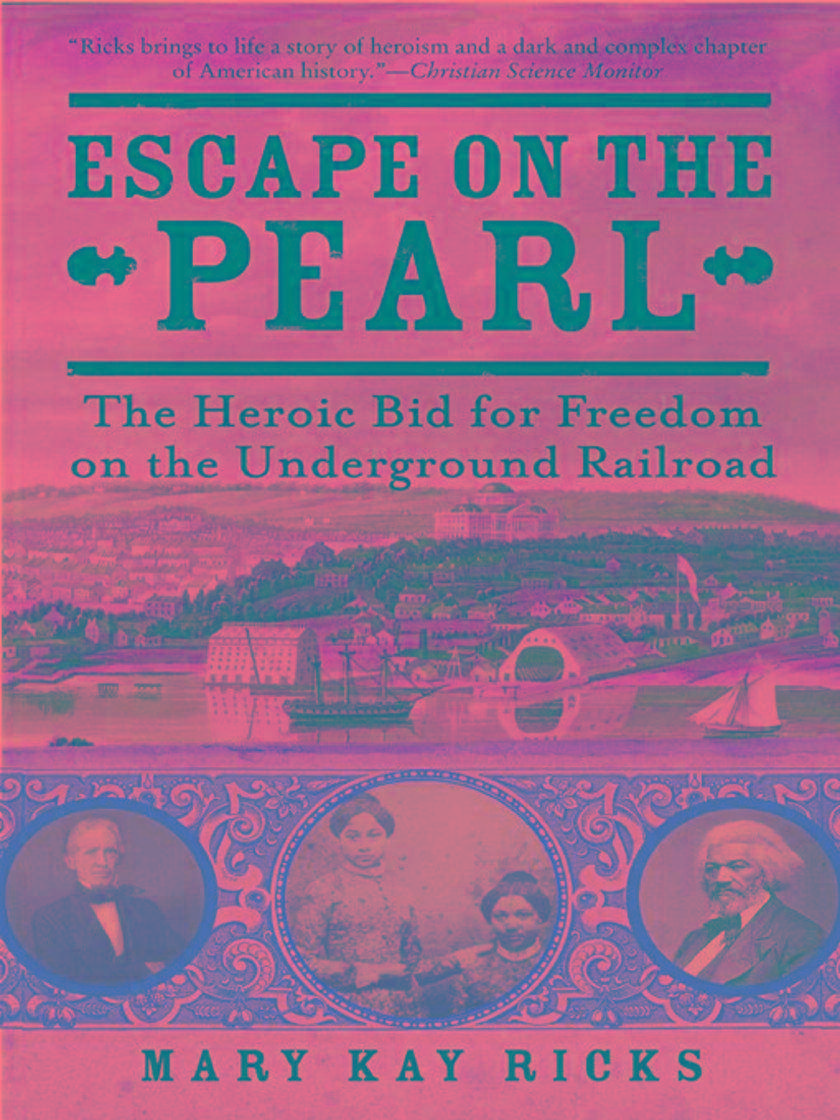
Escape on the Pearl
¥101.00
On the evening of April 15, 1848, nearly eighty enslaved Americans attempted one of history's most audacious escapes. Setting sail from Washington, D.C., on a schooner named the Pearl, the fugitives began a daring 225-mile journey to freedom in the North and put in motion a furiously fought battle over slavery in America that would consume Congress, the streets of the capital, and the White House itself.Mary Kay Ricks's unforgettable chronicle brings to life the Underground Railroad's largest escape attempt, the seemingly immutable politics of slavery, and the individuals who struggled to end it. Escape on the Pearl reveals the incredible odyssey of those who were onboard, including the remarkable lives of fugitives Mary and Emily Edmonson, the two sisters at the heart of this true story of courage and determination.
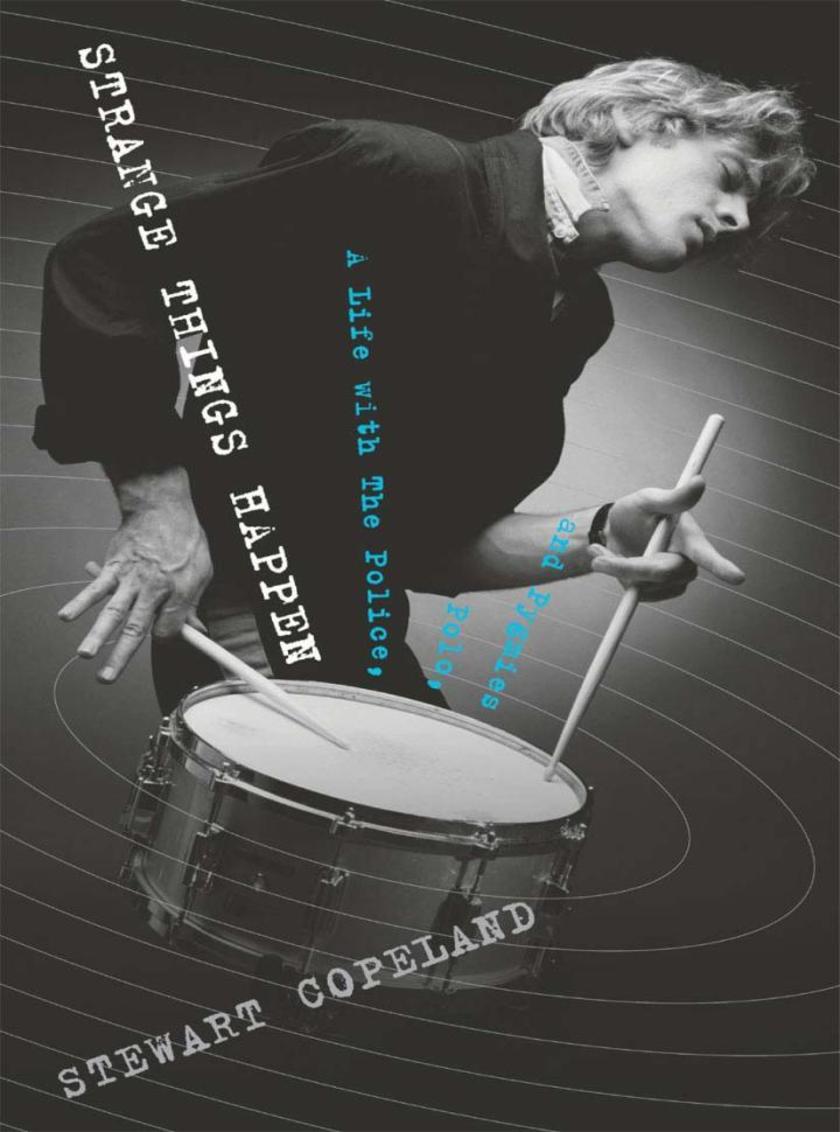
Strange Things Happen
¥83.03
When Stewart Copeland gets dressed, he has an identity crisis. Should he put on "leather pants, hostile shirts, and pointy shoes"Or wear something more appropriate to the "tax-paying, property-owning, investment-holding lotus eater" his success has allowed him to becomeThis dilemma is at the heart of Copeland's vastly entertaining memoir-in-stories, Strange Things Happen. The world knows Copeland as the drummer for The Police, one of the most successful bands in rock history. But they may not know as much about his childhood in the Middle East as the son of a CIA agent. Or be aware of his film-making adventures with the Pygmies in the deepest reaches of the Congo, and his passion for polo (Brideshead Revisited on horses). In Strange Things Happen we move from Copeland's remarkable childhood to the formation of The Police, their rise to stardom, and the settled-down life that followed. It ends with a behind-the-scenes view of The Police's extraordinarily successful reunion tour. It's a book of amazing anecdotes, all completely true, which take us backstage in a life that is fully lived.
Motherpeace
¥110.71
For over a decade, Motherpeace has been an inspiration and oracle for women all over the world. Motherpeace recovers the positive, nurturing peace-oriented values of prepatriarchal times, and brilliantly combines art, history, mythology, folklore, philosophy, and comparative religion with an informed spiritual and feminist perspective.Vicki Noble challenges us to celebrate our ancient peaceful heritage and to reclaim our right as a people to a life without war. The book is a vision of hope and transformation, made even more powerful by the vibrant pictorial images of the seventy-eight Motherpeace tarot cards.Motherpeace shows how traditional myths and symbols can provide ideas and images for understanding the meaning and power of the Goddess for women and men today.
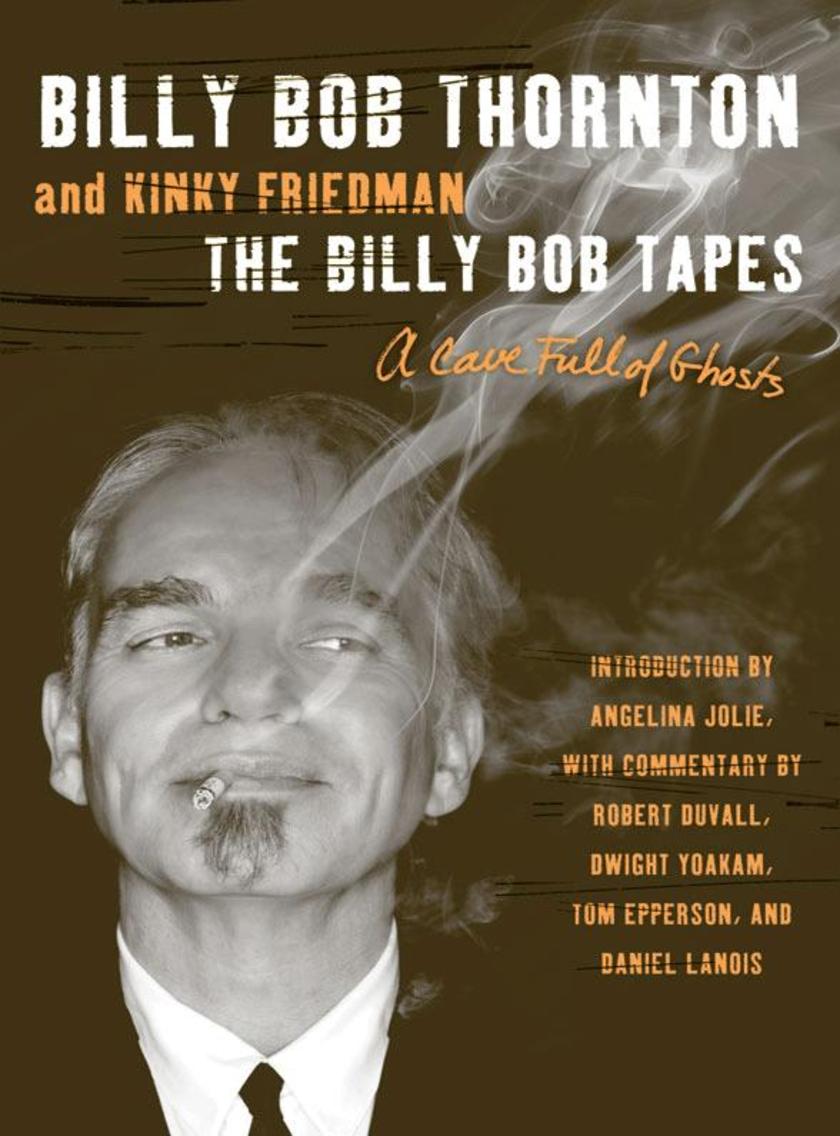
The Billy Bob Tapes
¥94.10
Raised in small-town Arkansas, Billy Bob Thornton grew up amid a rich storytelling tradition. See, the South is just different than other places. . . . You can feel the ghosts there. As a kid, he would sit on the porch listening to his family or some old man down the road spinning yarns about colorful neighbors. These stories didn't have to be made up. The characters were already there, so the stories just came out of the characters we knew. Thus was borne his Oscar-winning masterpiece Sling Blade and now The Billy Bob Tapes a narrative based on late-night conversations with Kinky Friedman and other friends who gathered 'round to hear Billy mine a cave full of ghosts. Billy grew up shooting squirrels, playing drums in VFW clubs, and dreaming of rock 'n' roll stardom or pitching for the St. Louis Cardinals. Then at sixteen he took a drama class to meet chicks and met Mrs. Treadway, who noticed the young man's talent and encouraged him as an actor and writer. "You don't know what it's like to be a drama teacher in a small town in Arkansas where nobody really cares," she said, "but let me tell you something. You can do this." Everything I've accomplished since, I can trace back to this woman, Maudie Treadway.The colorful characters, stories, and experiences of his youth would find their way into Billy's work, in his films and music, and in his perspective and attitude. It's like the old saying goes: you can take the boy out of the hills, but you can't take the hills out of the boy. That boy did leave the hills for Hollywood Hills. A true fish out of water, he recalls stories of miserable jobs, the cheapest accommodations, and physical hunger but also a devoted writing partner Tom Epperson, a life-changing acting teacher in L.A., and a compassionate nurse who snuck him milk shakes when he was near starvation. But there was always the dream of being an actor, and his fortunes turned when he served hors d'oeuvres as a catering waiter to legendary director Billy Wilder, who advised him, "Write about your interesting life." Billy's long career in Hollywood yields stories of inspired collaborations and failed ones, true friendships with other actors and musicians, and good friends gone too soon. In The Billy Bob Tapes, he reflects on the critics, the culture around fame, and the challenges of conveying an artistic vision in film. Most striking is Billy's clear-eyed perspective about the magic of entertainment, and how we perceive it in a rapidly changing world. With passion, unvarnished honesty, wry humor, and a little help from friends Angelina Jolie, Robert Duvall, Dwight Yoakam, Tom Epperson, and Daniel Lanois, Billy Bob finally talks.

Becoming Richard Pryor
¥100.71
Becoming Richard Pryor is a book that breaks new ground. . . . Saul details the amazing way that Richard found his way out of the life for which he seemed destined and into the world of the performing arts. New York Times Richard Pryor may have been the most unlikely star in Hollywood history. Raised in his family's brothels, in Peoria, Illinois, by a grandmother who often threatened to kick him upstairs with her size-twelve shoes, he always considered himself a bottom dog. He took to the stage originally to escape the tough realities of his childhood but later discovered he could alchemize his stand-up by delving fully, even painfully, into the off-color life he'd known. He brought that vitality to a movie career whose best moments Blazing Saddles, Blue Collar, the buddy comedies with Gene Wilder flowed directly out of his spirit of creative improvisation. The major studios considered him dangerous. Audiences felt plugged directly into the socket of life.Built on groundbreaking research, Becoming Richard Pryor brings into sharp focus the man and his genius as never before. From his heartbreaking childhood, his trials in the army, and his improv days in Greenwich Village to his soul-searching interlude in Berkeley and his rise in the New Hollywood of the 1970s, Becoming Richard Pryor sheds light on an entertainer who, by uniting the spirits of the Black Power movement and the counterculture, forever altered the cultural DNA of America. A fascinating, exhilarating read. Michael Chabon
Yes, And
¥162.76
The Second City has launched the careers of celebrated comic performers such as Tina Fey and Stephen Colbert and produced award-winning content. But it's the actual improvisational process developed and honed over the years by The Second City that has become its legacy. Players master an ability to co-create in ensembles, using philosophies that celebrate a "Yes, And" approach. They embrace authenticity and failure, and espouse the idea of "following the follower," which allows any member of the team to assume a leadership role. For more than two decades, The Second City has taken these same principles in thousands of corporate clients, showing leaders how to apply the tools of improv to common business challenges. Here, for the first time, Second City executives Kelly Leonard and Tom Yorton describe how you can use the same skills that thrill audiences around the world to improve your emotional intelligence, increase creativity, and learn to pivot out of tight and uncomfortable situations. In this engaging, often humorous, and highly practical book, you will learn how to become a more compelling leader and a more collaborative follower by employing the seven elements of improv: Yes, And, by which you give every idea a chance to be acted on; Ensemble, reconciling the needs of individuals with those of the broader team; Co-creation, which highlights the importance of dialogue in creating new products, processes, and relationships; Authenticity, or being unafraid to speak truth to power, challenge convention, and break the rules; Failure, teaching us that not only is it okay to fail, but we should always include it as part of our process; Follow the Follower, which gives any member of the group the chance to assume a leadership role; Listening, in which you learn to stay in the moment, and know the difference between listening to understand and listening merely to respond. When we are fiercely following the tenets of improvisation, we generate ideas both quickly and efficiently, we weather storms with more aplomb, and we don't work burdened by a fear of failure. Even better, these qualities are fully transferable to our lives outside the office. More people are beginning to recognize what The Second City has known for a long time: In the midst of a revolution in how we learn, communicate, and work, professional success often rests on the same pillars that form the foundation of great comedy: Creativity, Communication, and Collaboration. That's where improvisation comes in.
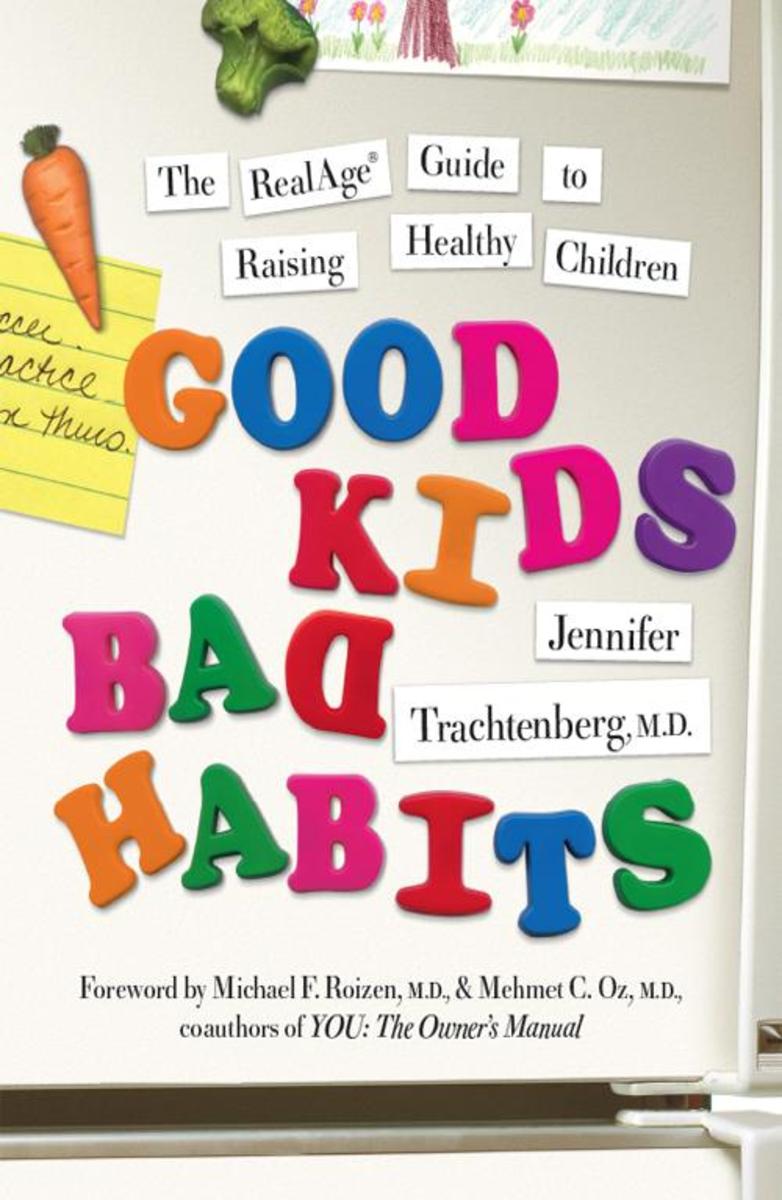
Good Kids, Bad Habits
¥129.07
When kids start going on TV binges or devouring fistfuls of cookies, it's easy to say, "They'll grow out of it." More likely, they're acquiring bad habits that could lead to childhood obesity and chronic adult diseases, from diabetes and depression to heart trouble and osteoporosis. But by making simple changes now, you can help your children avoid these problems later. Good Kids, Bad Habits supplies the tools you need, starting with the unique RealAge Healthy Kids Test. Based on the proven RealAge Test, which measures biological not calendar age, the Healthy Kids Test reveals where children are doing fine and where they're headed for health trouble. Regardless of the problem from sleeplessness to video-game addiction Dr. Jen has seen and solved it all, working with parents and kids together. Her insightful tips, preventive steps, and kid smarts, learned from working with thousands of children, make this book invaluable. It will help your kids grow into the healthiest adults they can be while still allowing them to be kids.
Mean Mothers
¥139.90
An exploration of the darker side of maternal behavior drawn from scientific research, psychology, and the real-life experiences of adult daughters, Mean Mothers sheds light on one of the last cultural taboos: what happens when a woman doesn't or can't love her daughter.Mean Mothers reveals the multigenerational thread that often runs through these stories many unloving mothers are the daughters of unloving or hypercritical women and explores what happens to a daughter's sense of self and to her relationships when her mother is emotionally absent or even cruel. But Mean Mothers is also a narrative of hope, recounting how daughters can get past the legacy of hurt to become whole within and to become loving mothers to the next generation of daughters. The personal stories of unloved daughters and sons and those of the author herself, are both unflinching and moving, and bring this most difficult of subjects to life.Mean Mothers isn't just a book for daughters who've had difficult or impossible relationships with their mothers. By exposing the myths of motherhood that prevent us from talking about the women for whom mothering a daughter is fraught with ambivalence, tension, or even jealousy, Mean Mothers also casts a different light on the extraordinary influence mothers have over their female children as well as the psychological complexity and emotional depth of the mother-daughter relationship.
The Fragile Bond
¥129.12
Focusing on the author's own marriage and on a group of case studies, this book vividly illustrates the obstacles married couples face today and offers help in overcoming them.

Affair-Proof Your Marriage
¥72.99
This singular guide presents the straightforward facts on affairs, as well as advice to affairees and spouses on how to cope with them.Since 60% of marriages are affected by affairs, you should know the facts: Women under 30 are as likely as men to have an affair. Love affairs are different from sex affairs. Most affairs last between and three years, but the consequences can last a lifetime. Fewer than 10% of affairees divorce their spouses then marry their lover. Over 75% of those who do divorce and marry their lover divorce again. Nearly 80% of those who divorce during an affair are sorry later. Most marriages survive affairs. If you want to stay married, you can. Prevention works. You can -- and should -- affair-proof your marriage right now.
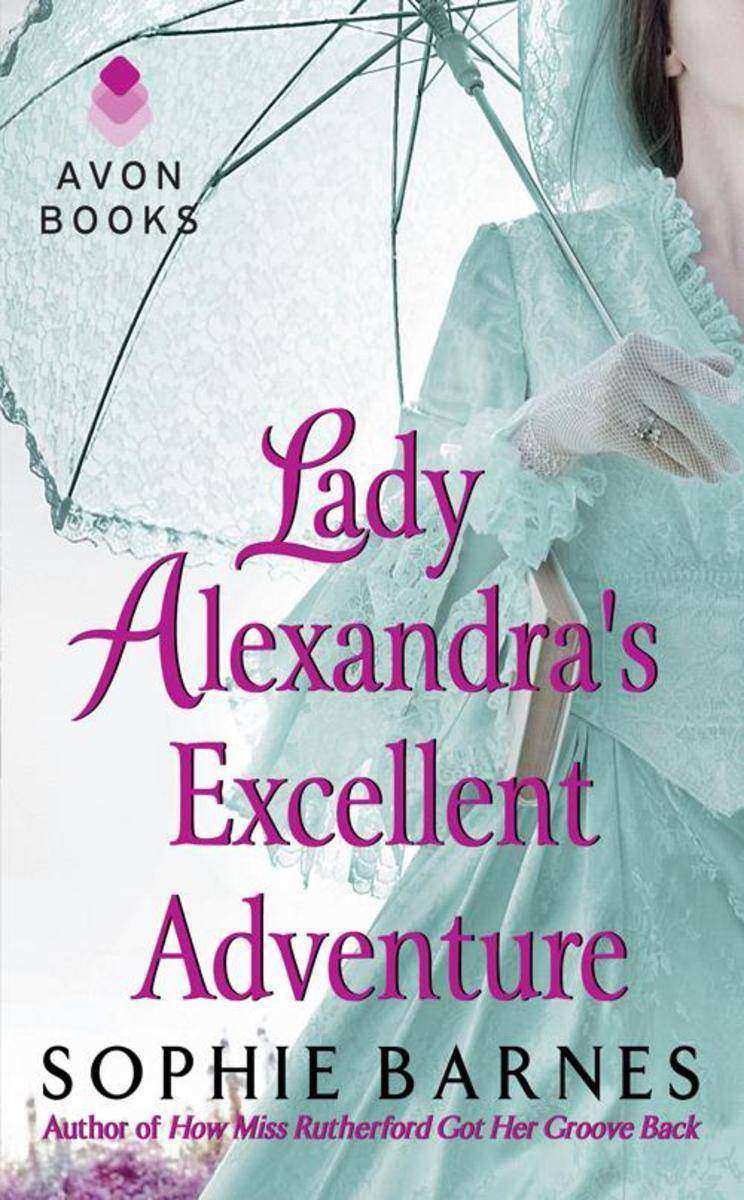
Lady Alexandra's Excellent Adventure
¥55.91
It's going to be a wild ride… Lady Alexandra Summersby is not your average society miss. Not only is she more likely to climb a tree than she is to wear a dress, but she has also sworn off marriage. Alex loves taking chances, which is how she finds herself embroiled in a secret mission as she races across the country with the Earl of Trenton. But Alexandra is about to discover that the real danger lies not in duels, but in her completely unexpected reaction to Lord Trenton's company. Michael Ashford, Earl of Trenton, is a man of duty. Honorable, charming, and a hit with the ladies, he's never had trouble staying focused—until now. Lady Alexandra is like no other woman he's ever met, and suddenly the prospect of marriage seems far more appealing. Now, to convince Alexandra that a life together could be an adventure like no other…
The Mighty Fallen
¥165.88
The Mighty Fallen is a beautiful, evocative presentation of more than 150 never-before-seen photographs of the nation's greatest monuments and war memorials, along with text that describes the memorials and tells their stories. This extraordinary collection calls attention to the power of memory and the ways in which we immortalize people and events. As Larry Bond notes in the Introduction, "Memories of a war or battle are unpleasant, but few veterans would want them erased." This book is a unique tribute to veterans and a commemoration of some of the most significant conflicts in our history. Most battlefields leave little record of the historic confrontations that occurred there. Those who fought in epic struggles want us to remember not just the outcome, but the cost of victory and those who paid the price for the freedoms we enjoy today. Memories fade, so we raise monuments of stone and bronze to carry their message of sacrifice through the centuries. The Iwo Jima Memorial and the Vietnam Veterans Memorial in Washington DC are instantly recognizable, but there are monuments all over North America honoring more than 300 years of military service. The Mighty Fallen shows you hundreds of monuments, memorials, and statues conveying the message their designers wanted you to hear these are more than just a date and location.
Hell and High Water
¥79.16
Global warming is the story of the twenty-first century. It is the most serious issue facing the future of humankind, but American energy and environmental policy is driving the whole world down a path toward global catastrophe. According to Joseph Romm, we have ten years, at most, to start making sharp cuts to our greenhouse gas emissions, or we will face disastrous consequences. The good news, he writes, is that there is something we can do but only if the leadership of the U.S. government acts immediately and asserts its influence on the rest of the world.Hell and High Water is nothing less than a wake-up call to the country. It is a searing critique of American environmental and energy policy, and a passionate call to action by a writer with a unique command of the science and politics of climate change.
No Groom at the Inn
¥34.91
“Megan Frampton’s delightful characters and delicious sense of humor always entertain!” - Sabrina Jeffries In this Dukes Behaving Badly holiday novella, a young lady entertains a sudden proposal of marriage—to a man she’s only just met What does a lady do when a man she’s never seen before offers his hand in marriageLady Sophronia Bettesford doesn’t scream and run away. Instead, she accepts the shocking proposition. After all, what’s her other choiceTo live with her cousin, caring for six children and a barnyard full of chickensJames Archer has roamed the world, determined never to settle down. He’s faced danger and disaster…he fears nothing and no one—except his mother and her matchmaking ways. So when ordered to attend a Christmastime house party filled with holiday cheer and simpering young misses, he produces—a fiancée! Sophronia and James vow to pretend to be in love for one month. But when they promise to give each other a Christmas kiss, it becomes clear that this pact made out of necessity might just be turning into love. An Avon Romance

All I Want Is Forever
¥48.39
Talia and Derrick share some of the same bitter memories.From the moment they met as kids, they seemed to understand the haunted look in each other's eyes. Today their lives are far apart in most ways, yet their bond can never truly be severed. They also share a dark secret murder. When Talia returns home to help her ailing foster mother, she and Derrick re-kindle the fire between them and together they exorcise the ghosts of their past by facing life together.
When The Marquess Met His Match
¥56.07
In the first of a dazzling new series, USA Today bestselling author Laura Lee Guhrke introduces London's most renowned matchmaker and a scoundrel intent on seducing his way to the altar.She's the matchmaker . . . Lady Belinda Featherstone's job is to guide American heiresses to matrimony, and away from men like Nicholas, Marquess of Trubridge. But the charming, disreputable marquess needs a wealthy bride, and he hires Belinda to help him find one. Her task seems easy: find that scoundrel the sort of wife he so richly deserves. But Nicholas's hot, searing kiss soon proves her task will be anything but easy.He's the perfect match . . . Nicholas plans to wed a rich, pretty young darling to restore his fortune, and he's happy to pay a marriage broker to help him. But one taste of Belinda's lips and Nicholas's sensible scheme to marry for money goes awry, and he yearns to show his beautiful matchmaker he's the perfect match . . . for her.

Good Guys Wear Black
¥56.07
Dewey Mitchell loves three things: fixing old cars, football, and family. Although an illness robbed him of his NFL dreams and his hopes for a big family of his own, he's made himself content working the family business and coaching middle school football. But when his town's vibrant new librarian and her young, emotionally challenged son burst into his ordered life, Dewey finds himself inexplicably drawn to the fascinating woman. Boston-born Rose Hanrehan had no idea how different living in a small town would be. But she's determined to start fresh for her son, who deals with Asperger's syndrome, without her overbearing parents judging her every move. Of course, sometimes her new neighbors seem to be equally closed-minded. And there's one new neighbor she can't seem to avoid … in fact, the handsome Dewey, despite his black hat and buried emotions, might end up being the only reason to stay in Kennison Falls. Neither one is looking for love, but what they're starting to feel can't be anything else. Will the longtime bachelor and the free-spirited librarian let themselves fallOr will their differences get in the way of their happy ending?
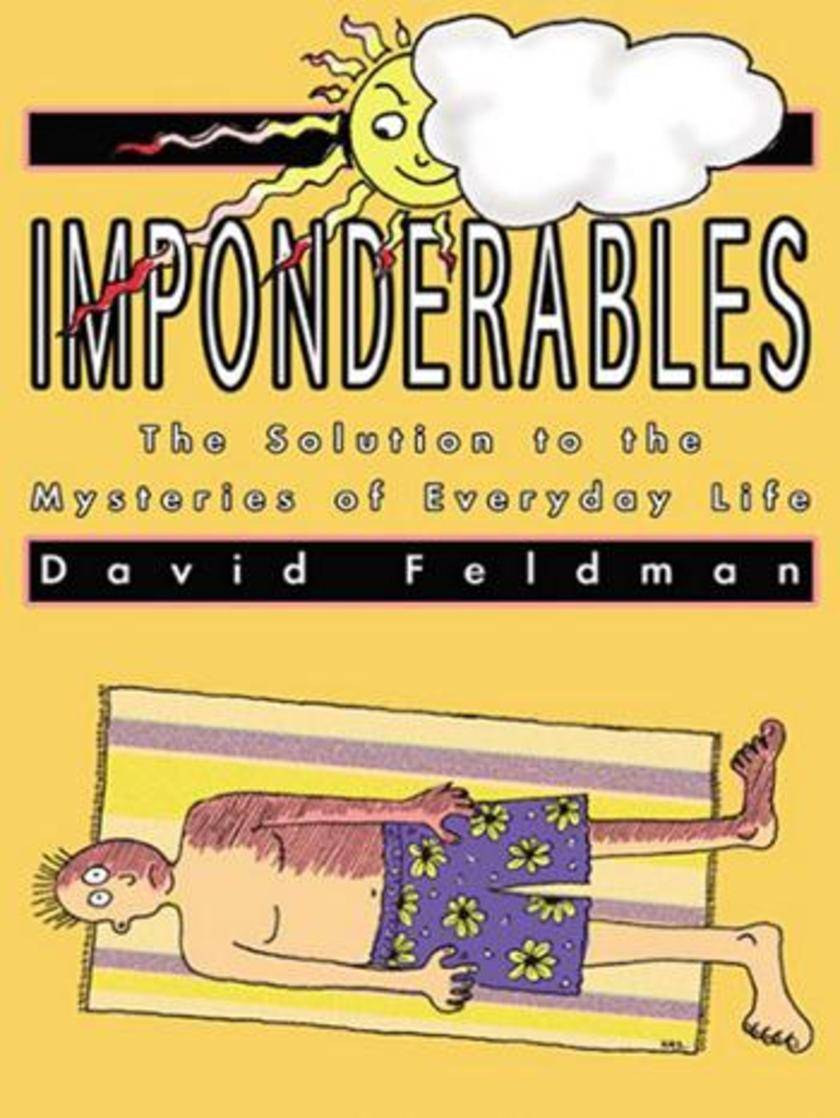
Imponderables
¥72.01
Why does an "X" stand for a kiss?Which fruits are in Juicy Fruit gumWhy do people cry at happy endings?Why do you never see baby pigeons?Pop-culture guru David Feldman demystifies these topics and so much more in Why Don't Cats Like to Swim-- the unchallenged source of answers to civilization's most perplexing questions. Part of the Imponderables series, Feldman's book arms readers with information about everyday life -- from science, history, and politics to sports, television, and radio -- that encyclopedias, dictionaries, and almanacs just don't have. Where else will you learn what makes women open their mouths when applying mascara?


