


 购物车
购物车 个人中心
个人中心

Your Own Worst Enemy
¥83.03
Do you suffer from any of the followingProcrastination Wide swings of mood and self-esteem Ambivalence in making decisions Dreaming big, but never following through If you or someone you love isn't living up to his or her potential -- and suffers from even one or two of the above feelings -- here is a program that can help. Your Own Worst Enemy is the first book devoted to the problem of adult underachievement, a problem stemming from common behavior patterns that can manifest itself in almost every walk of life -- from twentysomethings stuck in dead-end jobs to outwardly successful businesspeople who can't help feeling they've missed their true calling.In Your Own Worst Enemy, Dr. Kenneth Christian details the telltale signs of what he calls self-limiting behavior -- everyday habits that can seem harless (like taking unchallenging jobs) or even worthwhile (like setting absurdly high standards), but that over time can send high-potential people into a tailspin of dead ends and frustration. He identifies underachieving types, from charmers, who substitute congeniality for effort, to extreme risk-takers, who casually gamble their future away, to best-or-nothings, who refuse to play if they can't win. And he offers practical 15-step guide to help underachievers shake off their old habits and start taking an active hand in their own future.Filled with persuasive case studies and useful advice on everything from overhauling workspace to remaking self-image, Your Own Worst Enemy will help underachievers everywhere visualize their goals, break through their barriers, and start realizing their unlimited potential.
From Every End of This Earth
¥84.16
New York Times bestselling author Steven V. Roberts follows the stories of thirteen families in this poignant, eye-opening look at immigration in America today. America is a nation of immigrants. But what does it mean to be an immigrant in the United States todayIn some ways, the experience has never changed all newcomers feel the pain of separation. In other ways, it has changed drastically families maintain strong business ties to their home countries and speak daily with their relatives on cell phones. Attitudes about the great melting pot have taken a sharp turn toward insularity in recent years. The 9/11 attacks and recent waves of undocumented workers seem to have eroded America's long-standing belief in the value of immigration. Yet the families in this book conclusively demonstrate that critics are wrong, and that in the age of Barack Obama, the son of an immigrant from Kenya, newcomers "from every end of this earth" continue to renew America's greatness, every day, with their courage and character.Having shared his own family's story in My Fathers' Houses, distinguished journalist Steven V. Roberts now profiles immigrants from China and Afghanistan, Mexico and Sierra Leone, who have journeyed to our shores in pursuit of the same dream that propelled his own grandparents to leave Russia and Poland a century ago. He combines compelling interviews and meticulous research to produce an engaging, wonderfully clear, and accessible narrative that explores each family's original yet deeply resonant story.As the political debate rages on, Roberts offers an essential and timely look at today's immigrant accounts, and sheds light on the enormous contributions these individuals continue to make to the fabric and future of America.
Righteous Porkchop
¥90.73
When Robert F. Kennedy, Jr., first asked Nicolette Hahn Niman to head up his environmental organization's "hog campaign," she balked. Investigating hog manure pollution was hardly the glamorous assignment she pictured when leaving everything to work for him in New York. But Kennedy, she discovered, is not a man who takes no for an answer. Thus began Niman's fascinating odyssey into the inner workings of the "factory farm" industry and her transformation into an intrepid environmental lawyer who goes up against the big business farming establishment and unexpectedly finds love along the way. Starting her work for Kennedy's organization in North Carolina, Niman uncovers the shocking practices of hog factory farms, including inhumane animal confinement and devastating water and air pollution. She organizes a national reform movement to fight these practices and shows again and again that livestock farming can be done in a better way not only for hogs, but also for poultry, fish, and dairy cows. Through Niman's work, she also tours the best of farms, where traditional farmers and ranchers treat their animals humanely and have joined with other farmers to successfully market the foods they produce. She profiles the innovative and cost-effective methods these operations have incorporated to make a profit by ethical, sustainable means. Along the way, the story takes a surprising turn when Nicolette is swept off her feet by a high-profile cattle rancher. At first, they seem an unlikely pair: Nicolette, a thirty-something, urban, East Coast, vegetarian attorney, and Bill Niman, an older, West Coast, cowboy type. But they share a passion for raising animals with kindness, and she soon finds herself transitioning to ranching life at the famed Niman Ranch in Northern California. In telling her story, Niman details not only why to choose meat, poultry, dairy, eggs, and fish from traditionally farmed sources (and avoid products tainted by chemicals and antibiotic-resistant bacteria), but also how to do so. She reveals what to look for on labels, why to skip animal products from outside the United States, and what questions to ask when eating out. A searing account of an industry gone awry and one woman's passionate fight to remedy it, Righteous Porkchop is a must-read for anyone who cares about food sources or good eating.
1492
¥90.51
The world would end in 1492 so the prophets, soothsayers, and stargazers said. They were right. Their world did end. Ours began. In this extraordinary, sweeping history, Felipe Fernendez-Armesto traces key elements of the modern world back to that single, fateful year. Everything changed in 1492: the way power and wealth were distributed around the globe, the way major religions and civilizations divided the world, and the increasing interconnectedness of separate economies that we now call globalization. Events that began in 1492 transformed the whole ecological system of the planet. Our individualism and the very sense we share of inhabiting one world, as partakers in a common humanity, took shape and became visible in 1492.In search of the origins of modernity, 1492 takes readers on a journey around the globe of the time, in the company of real-life travelers, drawing together the threads that came to bind the planet. The tour starts in Granada, where the last Islamic kingdom in Europe collapsed, then moves to Timbuktu, where a new Muslim empire triumphed. With Portuguese explorers, we visit the court of the first Christian king in the southern hemisphere. We join Jews expelled from Spain as they cross the Mediterranean to North Africa, Italy, and Istanbul. We see the flowering of the Renaissance in the Florence of Lorenzo the Magnificent and go to the corrupt Rome of Alexander Borgia. We see the frozen frontiers of the dynamic, bloody Russia of Ivan the Great and hear mystical poets sing on the shores of the Indian Ocean. We sail the Atlantic with Columbus. In the depths of an old volcanic crater in the Canary Islands, we witness the start of the first European overseas empire. We observe the Aztecs and Incas laying the foundations of a New World in the Americas. Wars and witchcraft, plagues and persecutions, poetry and prophecy, science and magic, art and faith all the glories and follies of the time are in this book. Everywhere, new departures marked the start of a new configuration for humankind, revealing how and why the modern world is different from the worlds of antiquity and the Middle Ages.History seems a patternless labyrinth but a good guide can trace our paths through it back to the moment when some of the most striking features of today's world began.
Why I Fight
¥84.16
Street fighting. Brazilian jujitsu. Grappling. Welcome to BJ Penn's island. Don't worry, he won't hurt you (much). For the last decade, BJ Penn has been one of the most successful and feared fighters in the Ultimate Fighting Championship (UFC), rising through the ranks to become, pound for pound, one of the best in the world. Along the way, people have been quick to judge, praise, criticize, and hype him. They have torn him down only to build him back up. They have spilled ink and blood trying to understand what makes him the provocative and controversial fighter that he is.Why I Fight is the answer that everyone critics, fans, commentators, pundits, and perhaps even Dana White, current president of the UFC has been waiting for. In his own words, Penn tells the story of his life spent fighting, explaining what led a scrappy teenager from the rough streets of Hilo, Hawaii, onto the biggest stage in all of mixed martial arts (MMA). From his earliest days, becoming one of the preeminent practitioners of Brazilian jujitsu in the world, to his first MMA fights and his battles with UFC champions like Matt Hughes and Georges St-Pierre, Penn shows that in life, just like in the Octagon, he is never one to back down from a fight.A blunt and brutal look at his hardest-fought victories and his most frustrating defeats, Why I Fight is the story of how BJ Penn became one of only two fighters in UFC history to hold belts in two different weight classes. It is the story of a kid from Hawaii who loved to fight. It is the story of a true prodigy.
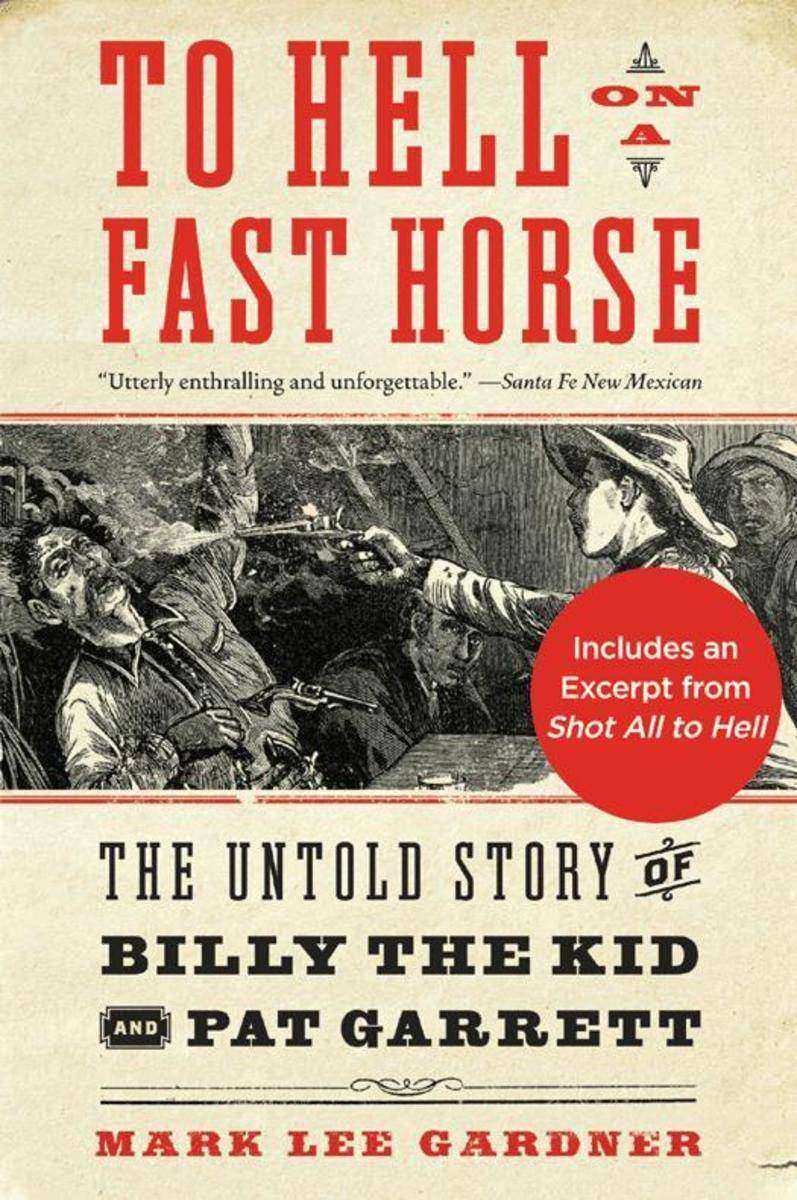
To Hell on a Fast Horse
¥94.10
A sheriff . . . An outlaw . . . A legendary showdown. Billy the Kid a.k.a. Henry McCarty, Henry Antrim, and William Bonney was a horse thief, cattle rustler, charismatic rogue, and cold-blooded killer. A superb shot, the Kid gunned down four men single-handedly and five others with the help of cronies. Two of his victims were Lincoln County, New Mexico, deputies killed during the Kid's brazen daylight escape from the courthouse jail on April 28, 1881.After dispensing with his guards and breaking the chain securing his leg irons, the Kid danced a macabre jig on the jail's porch before riding away on a stolen horse as terrified townspeople and many sympathizers watched. For new sheriff Pat Garrett, an acquaintance of Billy's, the chase was on. . . . To Hell on a Fast Horse re-creates the thrilling manhunt for the Wild West's most iconic outlaw. It is also the first dual biography of the Kid and Garrett, each a larger-than-life figure who would not have become legendary without the other. Drawing on voluminous primary sources and a wealth of published scholarship, Mark Lee Gardner digs beneath the myth to take a fresh look at these two men, their relationship, and their epic ride to immortality.
Wars, Guns, and Votes
¥83.03
In Wars, Guns, and Votes, Paul Collier investigates the violence and poverty in the small, remote countries at the lowest level of the global economy and argues that the spread of elections and peace settlements may lead to a brave new democratic world. For now and into the foreseeable future, however, nasty and long civil wars, military coups, and failing economies are the order of the day. An esteemed economist and a foremost authority on developing countries, Collier gives an eye-opening assessment of the ethnic divisions and insecurities in the developing countries of Africa, Latin America, and Asia, where corruption is often firmly rooted in the body politic, and persuasively outlines what must be done to bring peace and stability. Groundbreaking and provocative, Wars, Guns, and Votes is a passionate and convincing argument for the peaceful development of the most volatile places on earth.
Little Pink Raincoat
¥84.16
A little Coco Chanel, a lot Carrie Bradshaw, with a dash of Maureen Dowd a hip, hilarious collection of mini-profiles in shopping and romantic courage. From one very fabulous and elusive little pink raincoat (to woo the commitment phobe) to a pair of very persuasive peach panties (gift from a dazzling doc), author Gigi Anders relates her experiences as they deal with her dual obsessions of clothing and men. Here are ten vignettes chronicling ten choice sartorial items and the corresponding boyfriends that would undoubtedly love her stylishly ever after...even if they didn't.Featuring items and boyfriends from Anders's real life, real (extremely jammed) closet, and real bed, Little Pink Raincoat is a very tasty, very funny, universal, uplifting, pop cultural meditation on the things we crave and the lengths we'll go to get them.
Crossing the Continent 1527-1540
¥88.56
The true story of America's first great explorer and adventurer an African slave named Esteban Dorantes Crossing the Continent takes us on an epic journey from Africa to Europe and America as Dr. Robert Goodwin chronicles the incredible adventures of the African slave Esteban Dorantes (1500-1539), the first pioneer from the Old World to explore the entirety of the American south and the first African-born man to die in North America about whom anything is known. Goodwin's groundbreaking research in Spanish archives has led to a radical new interpretation of American history one in which an African slave emerges as the nation's first great explorer and adventurer.Nearly three centuries before Lewis and Clark's epic trek to the Pacific coast, Esteban and three Spanish noblemen survived shipwreck, famine, disease, and Native American hostility to make the first crossing of North America in recorded history. Drawing on contemporary accounts and long-lost records, Goodwin recounts the extraordinary story of Esteban's sixteenth-century odyssey, which began in Florida and wound through what is now Alabama, Mississippi, Louisiana, Texas, New Mexico, and Arizona, as far as the Gulf of California. Born in Africa and captured at a young age by slave traders, Esteban was serving his owner, a Spanish captain, when their disastrous sea voyage to the New World nearly claimed his life. Eventually he emerged as the leader of the few survivors of this expedition, guiding them on an extraordinary eight-year march westward to safety.On the group's return to the Spanish imperial capital at Mexico City, the viceroy appointed Esteban as the military commander of a religious expedition sent to establish a permanent Spanish route into Arizona and New Mexico. But during this new adventure, as Esteban pushed deeper and deeper into the unknown north, Spaniards far to the south began to hear strange rumors of his death at Zuni Pueblo in New Mexico. Filled with tales of physical endurance, natural calamities, geographical wonders, strange discoveries, and Esteban's almost mystical dealings with Native Americans, Crossing the Continent challenges the traditional telling of our nation's early history, placing an African and his relationship with the Indians he encountered at the heart of a new historical record.
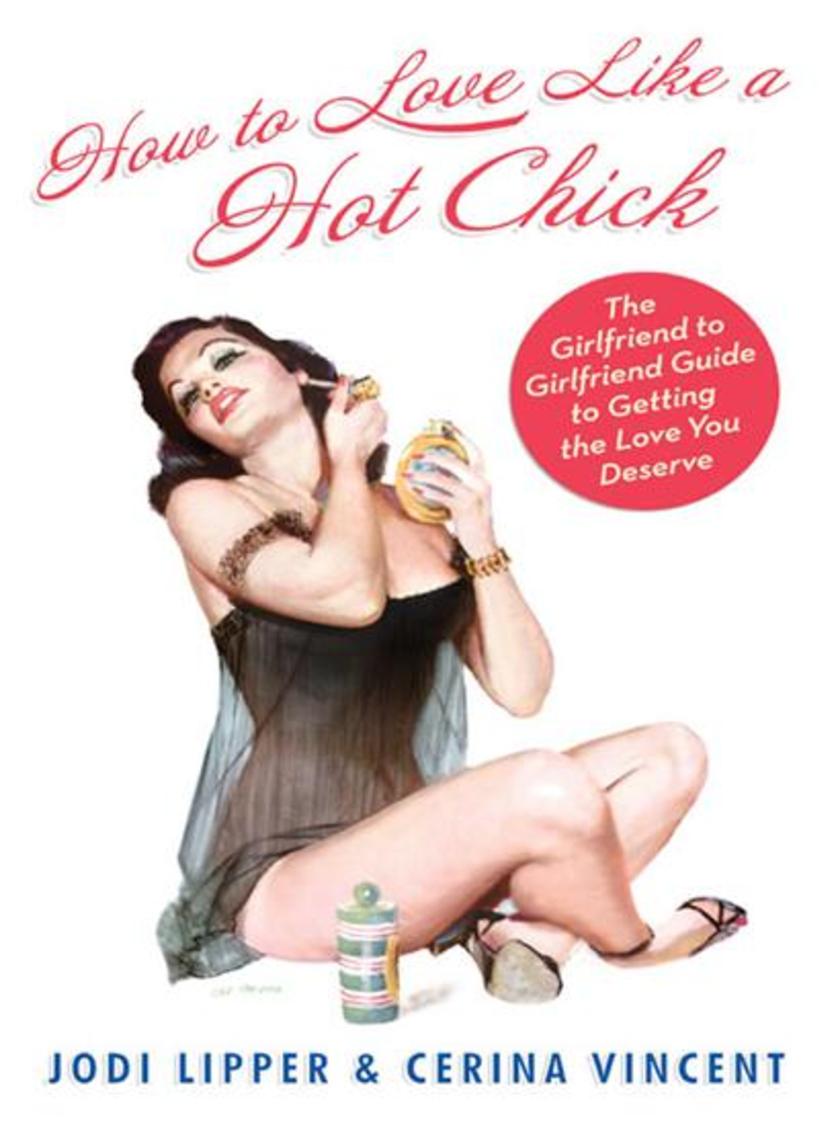
How To Love Like a Hot Chick
¥84.16
Hot Chick: A confident, passionate, honest woman. . . . You want to be around her to soak up those good vibes. The duo that taught you to embrace your body and indulge without guilt in How to Eat Like a Hot Chick is back to remind you of something that will transform your love life forever you are a Hot Chick! With their feisty humor and uplifting message, Jodi Lipper and Cerina Vincent will help you figure out what you want, how to get it, and why you shouldn't settle for anything less. Most important, they'll make the entire process a lot more fun with their advice on the hidden joys of being single, how to send out magical Hot Chick vibes and interpret your date's vibes, falling in love without freaking out, tactful dumping procedures, survival techniques for heart-wrenching breakups, and much more.Whether you're single, dating, in a relationship, or so confused you don't know what your status even is, How to Love Like a Hot Chick will have you laughing your way through dating and relationship issues and tackling them like the sexy, fabulous woman you deserve to be.

With Wings Like Eagles
¥90.51
In the summer of 1940, fewer than three thousand young fighter pilots of the Royal Air Force stood between Hitler and the victory that seemed almost within his grasp.In this superb history of three epic months that saved the world, Michael Korda brilliantly re-creates the intensity of combat in "the long, delirious, burning blue" of the sky above southern England while tracing, perhaps for the first time, the entire complex web of political, diplomatic, scientific, industrial, and human decisions during the 1930s that inexorably led to the world's first, greatest, and most decisive air battle. With Wings Like Eagles brings to vivid life the extraordinary men and women on both sides of the conflict from Winston Churchill, Neville Chamberlain, and Reichsmarschall Hermann Gring to the ground crews, the German pilots, the American volunteers, and the courageous airmen and airwomen of the RAF.

Lincoln's Men
¥85.05
Lincoln's Men is the first narrative portrait of the three young men who served as Lincoln's secretaries during the Civil War. John Nicolay and John Hay lived in the White House, across the hall from the president's office, and they and William Stoddard spent more time with Lincoln than anyone else outside his immediate family. Lincoln used these three intelligent, articulate young men as a sounding board; they were the first audience for much of his writing from the period. From their unique vantage point, they had a front-row seat on the drama of war, but they also had a good time. Washington under siege was a city of endless receptions and parties. Daniel Mark Epstein captures the drama in each life. We see Nicolay, balancing his obligations to Lincoln with a long-distance engagement to his childhood sweetheart; Hay, the poet/amanuensis, in love with a famous and married actress; and Stoddard, a little too obsessed with gambling in the gold market. The secretaries left significant diaries, letters, and memoirs about Lincoln. Nicolay and Hay went on to distinguished careers in the Foreign Service after the war and later wrote the classic authorized biography of Lincoln, published in 1890 in ten volumes. An intimate and moving portrait of the Civil War White House, Lincoln's Men gives a vivid sense of what it was like to work for America's most brilliant president at the pivotal moment in the country's history. It is essential reading for fans of American history.
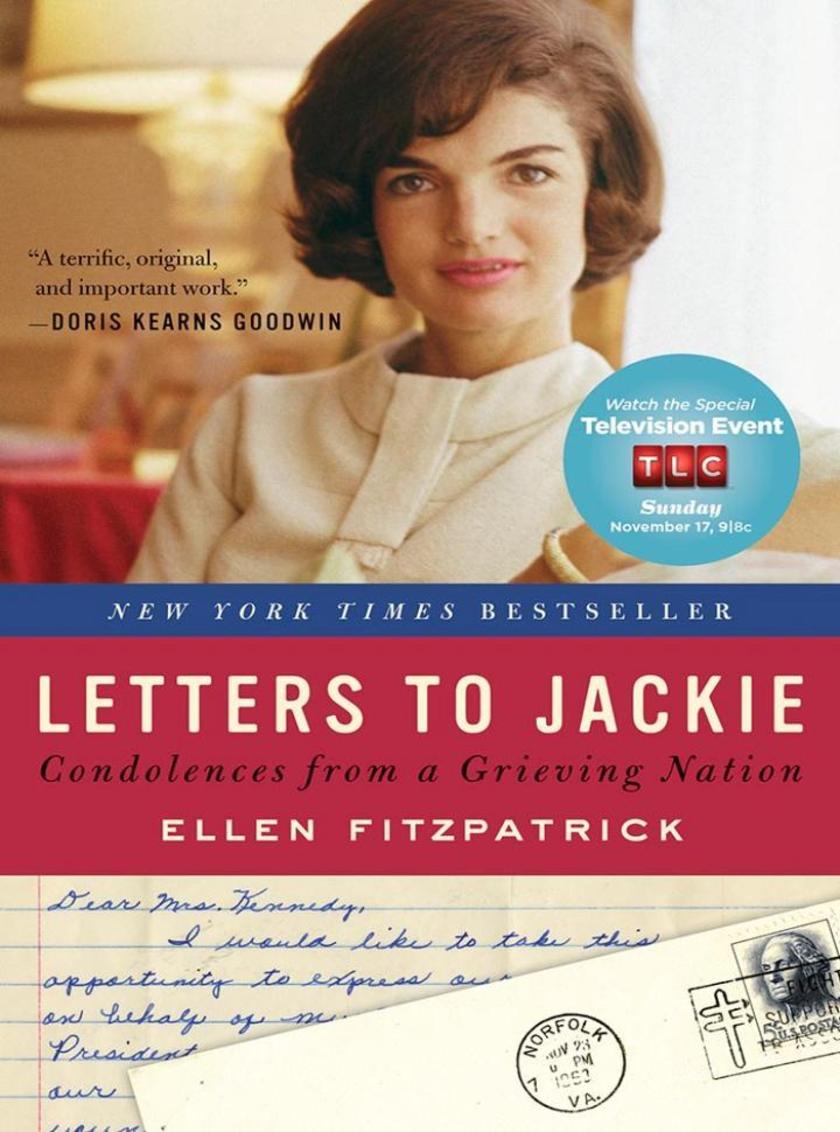
Letters to Jackie
¥84.16
It is perhaps the most memorable event of the twentieth century, a moment that left a family and a nation mourning, one that many Americans recall as their first historical memory the assassination of President John F. Kennedy.Within seven weeks of the President's death, Jacqueline Kennedy received more than 800,000 condolence letters. Two years later, the volume of correspondence would exceed 1.5 million letters. For the next forty-six years, the letters would remain essentially untouched.Now historian Ellen Fitzpatrick has selected approximately 250 of these letters for inclusion in Letters to Jackie, a remarkable human record that perfectly preserves the heart-wrenching grief and soul searching of the nation in a time of crisis. Capturing the extraordinary eloquence of so-called ordinary Americans across generations, regions, race, political leanings, and religion in messages written on elegant stationery, scraps of paper, in pencil, type, ink smudged by tears, and in barely legible handwriting the letters capture what John F. Kennedy meant to the country, and how his death for some divided American history into Before and After.In Letters to Jackie, Fitzpatrick allows Americans to write their own history of these tumultuous times. "The coffin was very small," as one sixteen-year-old girl observed, "to contain so much of so many Americans." In reflecting on their sense of loss, their fears, and their striving, the authors of these letters wrote an American elegy as poignant and as compelling as their shattered and cherished dreams.
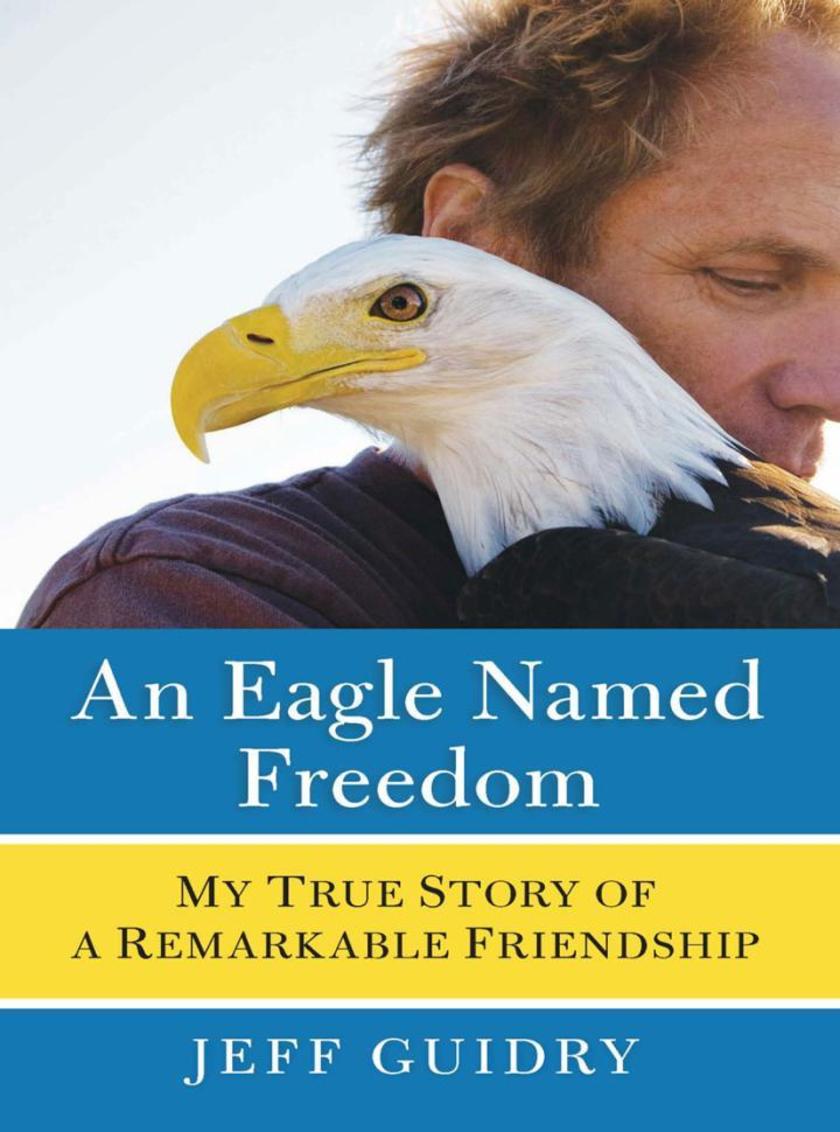
An Eagle Named Freedom
¥88.56
From the moment Jeff Guidry saw the emaciated baby eagle with broken wings, his life was changed. For weeks he and the staff at Sarvey Wildlife Care Center tended to the grievously injured bird. Miraculously, she recovered, and Jeff, a center volunteer, became her devoted caretaker. Though Freedom would never fly, she had Jeff as her wings. And after Jeff was diagnosed with stage 3 non-Hodgkin's lymphoma in 2000, Freedom returned his gift. Between sessions of debilitating chemotherapy, Jeff went back to Sarvey and began taking Freedom for walks that soothed his spirit and gave him the strength to fight. When he learned he was cancer free, Jeff's first stop was Sarvey to walk with Freedom. Somehow this special bird seemed to understand the significance of the day. For the very first time she wrapped both her wings around Jeff, enveloping him in an avian hug. In March 2008, Jeff shared his extraordinary experience with his friend Gayle in an e-mail of eight hundred words:When Freedom came in she could not stand. Both wings were broken, her left wing in 4 places. . . . We here at the Sarvey Wildlife Care Center made the decision to give her a chance at life. . . . That e-mail would unexpectedly circle the globe and inspire countless fans eager to know more. In An Eagle Named Freedom, Jeff tells the full story of his bond with Freedom and introduces the other wildlife and volunteers who have been saved by Sarvey. A tender tale of hope, love, trust, and life, this moving true story is an affirmation of the spiritual connection that humans and animals share.
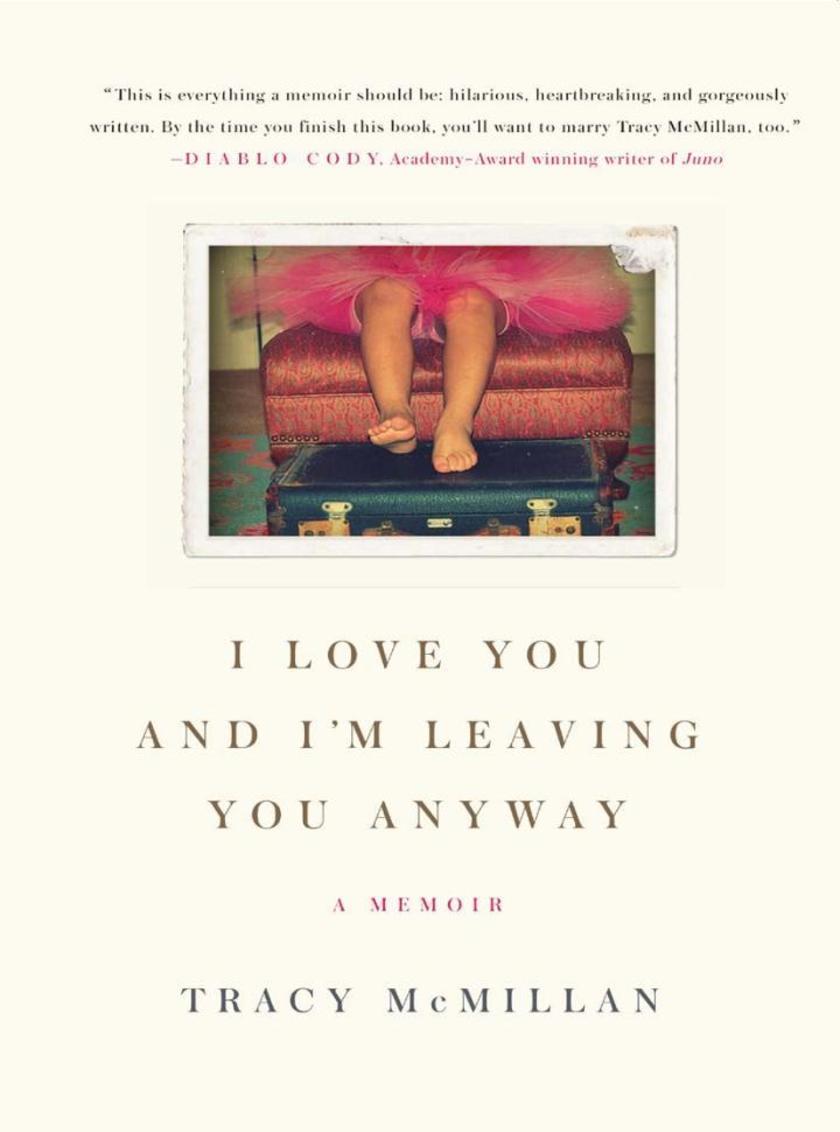
I Love You And I'm Leaving You Anyway
¥83.03
I love YouTelevision writer Tracy McMillan managed to work her way into a killer Hollywood career a privileged world of pool houses, premieres, and big-time producer deals despite being the daughter of a fur-coat-wearing, El Dorado driving, smooth-talking pimp named Freddie. But success couldn't save her from the pattern of self-destructive choices stemming from her history with her father that would shape all of her romantic relationships. I Love You and I'm Leaving You Anyway is her comic, tragic, and ultimately victorious story, the riveting true tale of how having a father obsessed with women made her a woman obsessed with men.And I'm Leaving YouBlessed with beauty and brains, Tracy had no problem attracting men. Marrying her first husband (a kind, stable MBA) before she was out of her teens, she quickly discovered the romantic contradiction that so many women face: the "right" kind of men feel wrong. And the wrong ones feel so, so right. Alternating between the nice guys she knew she should want, and the unavailable men who were compelling, Tracy found herself repeating the hurt that began when the man who loved her the most, her father, left her for prison when she was just three years old. Freddie's absence meant a childhood filled with foster homes, a temperamental stepmother, and near constant upheaval. It took three marriages, the birth of a son, and, most important, resolving her relationship with her dad for Tracy to discover the truth about herself a truth that finally set her free.AnywayThis provocative, insightful, and humorous memoir isn't a "woe is me" story of what went wrong. I Love You and I'm Leaving You Anyway is a story of what's gone right one woman's journey to creating a fulfilling life and raising a son who taught her everything she needed to know about men, love, and, of course, herself. Heartwarming, funny, and unflinchingly real, it is an inspiring testament to the power of change that proves we can all grow from even our most flawed relationships.

Smothered in Hugs
¥85.05
Selected from the range of Cooper's essays and reportage in Artforum, Bookforum, Detour, Interview, LA Weekly, Spin, and the Village Voice, among other publications, Smothered in Hugs presents the best nonfiction of one of America's greatest writers. Cooper has written on grave social issues, producing touchstone pieces for a generation of readers. His obituaries for Kurt Cobain, River Phoenix, and William S. Burroughs offer portraits that are both crystallizing and appropriately indefinite. His reckonings of contemporary writers are astute and unsparing. And, of course, he serves as witness to the work and play of an illustrious roster of cultural personalities and does so with an acuity and fairness missing from most pop culture criticism.
United States of Americana
¥84.16
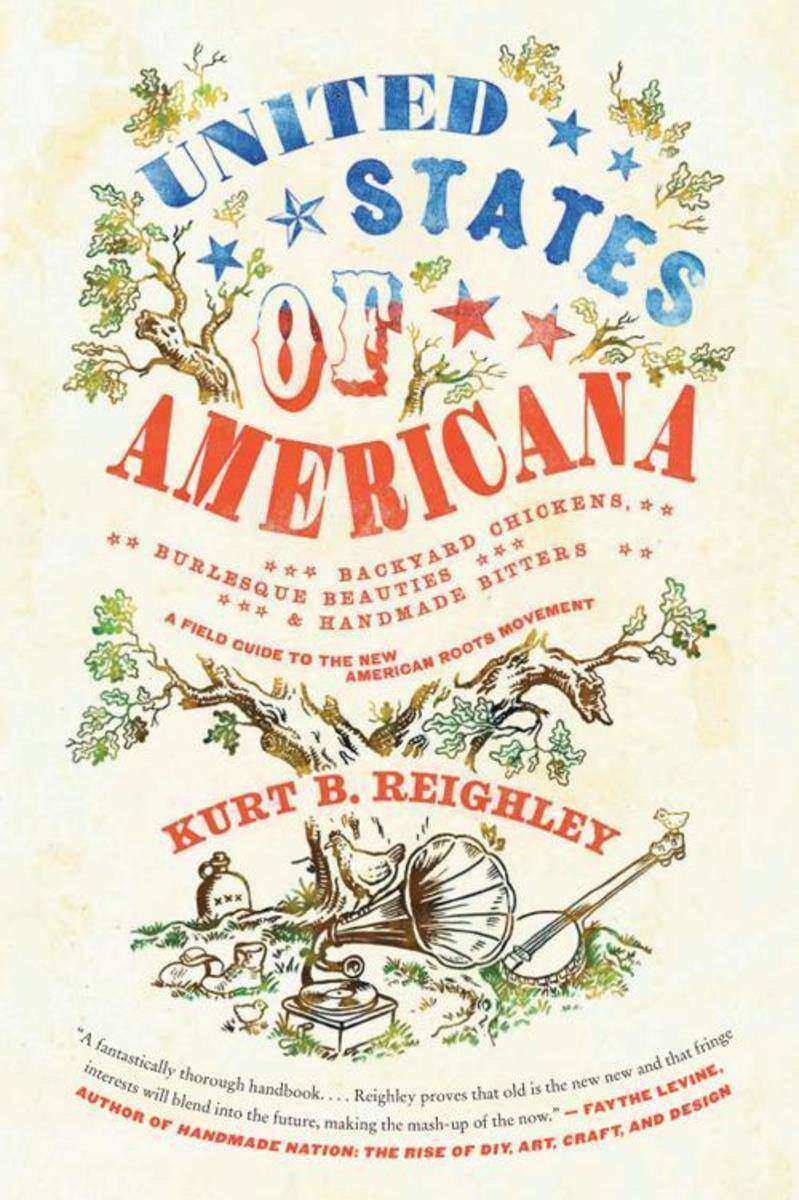
Young Americans are returning to the roots of a simpler culture Americana. It's more than mere nostalgia; it's a conscious celebration of community and sustainability. It's a movement born in response to the ever-accelerating pace of modern life and Internet technology overload. All over the country, people are returning to an appreciation for the simpler things in life, which are brilliantly surveyed in United States of Americana the first comprehensive handbook to all things Americana.Music: Renewed interest in the legends of country, blues, gospel, and folk (Johnny Cash, Emmylou Harris, Hank Williams, and Leadbelly); the rise and evolution of alt-country music and the Americana genre (Fleet Foxes, Wilco, the Decemberists, and T Bone Burnett)Fashion: Wearing American heritage clothing and footwear (Red Wing boots, Filson jackets, Carhartt overalls, and Pendleton wool shirts)Grooming: Returning to straight-razor shaving and old-fashioned barber shops D.I.Y.: Taking up handmade crafts (knitting, needlepoint, and soap making), as well as home canning (pickling and preserving) The speakeasy renaissance: Drinking Prohibition- and pre-Prohibition-era cocktails (old-fashioned, gin fizz, and sidecar) Entertainment: Seeking out burlesque, circuses, and the vinyl LP

Should America Pay?
¥83.03
Growing interest in reparations for African Americans has prompted a range of responses, from lawsuits against major corporations and a march in Washington to an anti-reparations ad campaign. As a result, the link between slavery and contemporary race relations is more potent and obvious than ever. Grassroots organizers, lawmakers, and distinguished academics have embraced the idea that reparations should be pursued vigorously in the courts and legislature. But others ask, Who should payAnd could reparations help heal the wounds of the past?This comprehensive collection -- the only of its kind -- gathers together the seminal essays and key participants in the debate. Pro-reparations essays, including contributions by Congressman John Conyers Jr., Christopher Hitchens, and Professor Molefi Asante, are countered with arguments by Shelby Steele, Armstrong Williams, and John McWhorter, among others. Also featured are important documents, such as the First Congressional Reparations Bill of 1867 and the Dakar Declaration of 2001, as well as a new chapter on the current status and future direction of the movement.
Dream Magic
¥84.16
Magic Can Make Your Dreams Come True!What do you want to do tonight as you close your eyes and enter the magical world of dreamsWalk with the Faery FolkSummon your soul mateAsk the Goddess to grant you one special wishOr experience a prophetic dream that will reveal your futurenow you can access the magical power of your dreams with Dream Magic, a one-of-a-kind collection of night spells and rituals.Popular Wiccan author Sirona Knight guides you carefully and clearly through the exciting world of using magic to make your dreams come true. Understanding that the realm of dreams is where the day-to-day and the magical overlap, this book shows you how to tap into the potent power of the dream world. Dream Magic features: A detailed list of easy-to-find magical ingredients Fun and simple step-by-step instructions An index of helpful Goddesses and Gods With more than a hundred empowering spells, Dream Magic unlocks your dream world's boundless possibilities. With easy-to-reference chapters on magical dreaming for love, money, success, self-empowerment, health, beauty, and more, as well as an introduction to the basics of magic and how to get started, this book can be used by the beginner as well as the seasoned practitioner. Anything you can imagine is possible with Dream Magic.
There's Nothing in the Middle of the Road but Yellow Stripes and Dead Armadillos
¥85.05
Revised, and with a New Introduction by the Author "I am an agitator, and an agitator is the center post in a washing machine that gets the dirt out."--Jim Hightower Hightower is mad as hell and he's not going to take it anymore! He's also funny as hell, and in this book he focuses his sharp Texas wit, populist passion, and native smarts on America's political, economic, scientific, and media establishments. In There's Nothing in the Middle of the Road But Yellow Stripes and Dead Armadillos, Hightower shows not only what's wrong, but also how to fix it, offering specific solutions and calling for a new political movement of working families and the poor to "take America back from the bankers and bosses, the big shots and bastards." "If you don't read another book about what's wrong with this country for the rest of your life, read this one. I think it's the best and most important book about out public life I've read in years." --Molly Ivins, author of Molly Ivins Can't Say That, Can She"When do we get to vote for Jim Hightower for presidentWill somebody please tell meWhen do we get to vote for Jim Hightower for president?."--Michael Moore, author of Downsize This! "Listen to Jim Hightower. His is a two-fisted, rambunctious voice unafraid to speak truth to power, eloquently and clearly...He's one of the best." --Studs Terkel
Conundrums
¥84.16
Conundrum is a mind-stretch. Encrypting idioms into their typographic equivalents, Harry enlivens our everyday language and challenges readers to see that "time after time after time" or, at least, "more often than not" "the writing is on the wall." For fans of word puzzles, sudoku, crosswords, and all manner of mind games, Conundrum offers an artfully packaged, cleverly designed new challenge. Drawing upon, literally in this case, graphic puzzles that he began creating as a child, Harry's developed over 100 witty conundrums for this book that will stretch the mind as well as delight the senses. A member of the Alliance Graphique Internationale, a frequent lecturer and contributor to design discourse, an internationally recognized leader in design, and a founder of Lippa Pearce, one of the UK's most respected design agencies, Harry refines the way we see and communicate. Conundrum achieves nothing less than changing how we understand and interact with language.


