


 购物车
购物车 个人中心
个人中心

Bloodletting and Miraculous Cures
¥69.26
An astonishing literary debut, this collection of mature and intricate stories introduces a powerful new voice in fiction. ‘A STUNNING DEBUT’ Margaret Atwood ‘IRRESISTIBLE’ Alice Munro In this beautifully written collection, Vincent Lam weaves together black humour, investigations of both common and extraordinary moral dilemmas, and a sometimes shockingly realistic portrait of today's medical profession. Twelve interlinked stories introduce us to a group of medical students over ten years, as they make the transition from medical school to hospital life. The stories span the unique challenges faced by young, inexperienced doctors – having to decide during a first human dissection whether it is more important to follow the anatomy textbook or keep a tattoo intact – but also delve into their private lives, their relationships and family histories, their fears and motivations. Riveting, convincing and precise, ‘Bloodletting & Miraculous Cures’ looks with rigorous honesty at the specificities of the lives of doctors and their patients and brings us to a deeper understanding of the challenges and temptations that surge around us all.

Alfred and Emily
¥57.09
Doris Lessing’s first book after winning the Nobel Prize for Literature revisits her childhood in Southern Africa and the lives, both fictional and factual, that her parents led. ‘I think my father'’s rage at the trenches took me over, when I was very young, and has never left me. Do children feel their parents' emotions? Yes, we do, and it is a legacy I could have done without. What is the use of it? It is as if that old war is in my own memory, my own consciousness.’ In this extraordinary book, Doris Lessing explores the lives of her parents, both of them irrevocably damaged by the Great War. Her father wanted the simple life of an English farmer, but shrapnel almost killed him in the trenches, and thereafter he had to wear a wooden leg. Her mother Emily's great love was a doctor who drowned in the Channel, and she spent the war nursing the wounded in the Royal Free Hospital. In the first half of this book, Lessing imagines the lives her parents might have made for themselves had there been no war, a story that has them meeting at a village cricket match as children but leading separate lives. This is followed by a piercing examination of their lives as they actually came to be in the shadow of that war, their move to Rhodesia, a damaged couple hulking over Lessing’s childhood in a strange land. ‘Here I still am,’ says Doris Lessing, ‘trying to get out from under that monstrous legacy, trying to get free.’
The Yummy Mummy’s Family Handbook
¥62.59
‘Liz Fraser portrayal of family life is hilarious and so true. I loved Liz Fraser's first book, but this is even better. Every single mum and dad in the world should have a book like this in their homes!’ Amazon review Throw off your Domestic Goddess apron or Superwoman's powersuit – the new family ensemble is far more wearable. But work pressures, stroppy kids, and run-ins with the in-laws can all lead to split seams and frayed nerves, and family life isn't a simple one-size fits all. Liz Fraser, mother of three, invites you into the family home to explore the most common of domestic snags. From TV tantrums to refreshing your sex life, feeding time at the zoo to playground politics, she offers invaluable reassurance and top tips for keeping it all hanging together. A honest, hilarious must-have guide on how to survive family life.

Touch the Devil
¥54.25
Classic adventure from the million copy bestseller Jack Higgins If there’s such a thing as a grade A terrorist then his name is Frank Barry. His ideology is money and his track record is flawless. When the Russians want review copies of the latest NATO missile system, Barry’s the man to deliver them. Stopping him will be near enough impossible, but one man knows all the moves. Martin Brosnan is a poet, scholar and trained killer. A graduate of Vietnam and polished in the ranks of the IRA he could be the key to ending Barry’s reign. There’s one problem, Brosnan is languishing in a French prison, and only the powerfully persuasive Liam Devlin can get him out and working for British intelligence.

Three Girls and their Brother
¥88.39
A stunning novel about celebrity and the price of fame from a Pulitzer-shortlisted playwright and the creator of hit series SMASH. It was the photograph in the New Yorker which started it all. They were three young, beautiful, red-haired girls, there granddaughters of a literary lion. They were News. But it was the row over the youngest's reaction to the attentions from one of Hollywood's biggest stars that made them Celebrities. The family – the three sisters, their brother, their mother, their normally absent father – are sucked into a whirlwind of agents, producers, managers, photo shoots, paparazzi, journalists, stylists, parties, shows, a maelstrom they have no idea how to control. The three girls – and their brother, an uneasy observer – experiment with life and change, and learn to survive, each of them differently. Each of them pays a different price in their relationship with each other, with their parents and in their beliefs in themselves and the civilisation around them. Three Girls and their Brother is a novel to devour. The story is compelling, sometimes cutting, sometimes touching. The characters leap widely off the page. The setting and portrait of the celebrity scene is completely convincing, busy and yet intimate. Theresa Rebeck's first novel is a triumph.

Living with the Laird: A Love Affair with a Man and his Mansion
¥72.99
A captivating memoir of one woman’s relationship with a man and his mansion. When Belinda Rathbone, a New York art historian, met eccentric Anglo-Scots bachelor John Ouchterlony it was the start of a story of clashing cultures and crumbling houses. After a whirlwind romance she married the man – and his 400 acre estate and decrepit mansion in Scotland. In her charming and moving account of their time together she reveals her many discoveries about this strange world – not just the persistence of lino, and family history ancient and recent, but the value of dead elms, the art of the Aga, yoga with the aristocracy, and the vitally important business of producing an heir…
London Born: A Memoir of a Forgotten City
¥81.03
An extraordinary memoir from a man in his nineties who remembers everyday life in a North London now long gone: the hardships and deprivations of a life of poverty but also the resourcefulness and fortitude of a community determined to survive between the wars. 'When I look back, I can picture the old gels chinwagging on their steps in the Bay like it was yesterday. Little did they think that young Sid, passing by with his arse out of his trousers, would one way publish his memoirs!' 'Ordinary' people do not write their stories, believing their lives to be unremarkable. Some, like Sid, cannot write at all. But, with the aid of his granddaughter Helen Day, Sid has produced an extraordinary memoir of a city and a way of life now lost forever. 'London Born' is a book that has appeared against all the odds - as Sid says, 'When me granddaughter Helen Day said she wanted to record the story of the first half of me life and turn it into a book I was astonished. I thought to meself, Well, I've done a lot of things, but I never dreamt I'd get into the book game. You see, I can't write more than me own name.' In 'London Born', Sid remembers the city that emerged from the First World War and recreates the daily life of the people living in the notorious street known as 'Tiger Bay'. He describes the drinking and merrymaking, the poverty and unemployment - and the 'villainry'. With relish he relates how youthful high spirits and a refusal to accept the hardship of the times sometimes put him and his friends on the wrong side of the law. He goes on to tell of the wartime mayhem endured by Londoners and his determination to survive. His story closes with demobilisation when he returns to his wife and young family - 'the only thing that ever counted'. This is a memoir from a warm and cheeky voice; from someone who remembers, as if it were yesterday, parading down Archway in his fifty-bob suit, or running rings around Ernie Costen, the local policeman.

Collected Love Poems
¥80.25
Of all the poets writing today, Brian Patten is perhaps the most accessible and popular. Now his love poems, old and new, are collected together in his single volume. Widely acknowledged as one of Europe's foremost writers, Brian Patten's love poems have earned him recognition far and wide. Truthful and tender, profoundly aware of the possibility of magic and the miraculous, these poems are beautiful, informed and, even at their darkest moments, filled with courage and hope. Alongside old favourites, this edition will contain a selection of new and hitherto unpublished poems. A must for lovers and poetry lovers everywhere this February.
The Geneva Deception
¥34.14
Mafia, a secret society and the world’s greatest treasures all converge in James Twining’s all new jaw–dropping thriller featuring reformed art thief Tom Kirk It begins with a young man hanging from the Ponte Sant' Angelo Rome, his pockets weighed down with lead whilst the current of the river below slowly tightens the noose around his neck. Meanwhile, in Las Vegas, retired art thief Tom Kirk is asked by an old friend to investigate a case involving the theft of a long lost Caravaggio painting. When tragedy strikes Tom is left holding a blood-soaked body. Back in Rome Art Protection Squad officer Allegra Damico has been called to the Parthenon where a second body has been found, It begins with a young man hanging from the Ponte Sant' Angelo Rome, his pockets weighed down with lead whilst the current of the river below slowly tightens the noose around his neck. Meanwhile, in Las Vegas, retired art thief Tom Kirk is asked by an old friend to investigate a case involving the theft of a long lost Caravaggio painting. When tragedy strikes Tom is left holding a blood-soaked body. Back in Rome police Lieutenant Allegra Damico has been called to the Parthenon where a second body has been found, but this time the body is surrounded by mannequins. When a third body is found crucified upside down in the middle of the ancient forum Allegra realises there is a sinister link between the murders. Someone is staging famous Caravaggio paintings. Suspecting the detective leading the case is corrupt Allegra begins her own investigation. Spurred on by grief and the desire to avenge the murder of his friend, Tom follows a trail to Rome where he finds Allegra piecing together a similar mystery. Before long they both find themselves submerged in a vast criminal conspiracy involving the police, politicians, the church and a secret society born of a pact between two Mafia families decades before.
The Good Divorce Guide
¥58.86
‘I believe we can separate in a really civilised, non-traumatic way’ I say. ‘And I bet’ Jill says ‘ that you believe in Father Christmas too.’ When Rosie Martin discovers that Jonathan, her husband of 15 years, is having an affair, she feels that her world is falling apart. That is, until she realises that she's actually fallen out of love with him, too. So Rosie and Jonathan decide to go their separate ways, determined to be civilised about their divorce, for the sake of the children – in short, to have a 'good divorce'… But even the best of intentions and the most mature of objectives can be no match for external forces. Cue the rest of the world, where divorce is always a dirty word. Everyone and everything seems determined to conspire to make this divorce bitter – the lawyer, the estate agent, the botox man, the friends, not least their respective families… ‘The Good Divorce Guide’ is a touching, witty, funny story about starting afresh and learning to find your own way in life, no matter what anyone says.

Last Christmas
¥51.50
It’s the most wonderful time of year. Isn’t it? Discover the true spirit of Christmas with this seasonal treat for fans of Love, Actually and The Holiday. Discover the true spirit of Christmas… Catherine Tinsall is dreading Christmas. As the 'Happy Homemaker' she is an online sensation, but the reality couldn't be more different. With Catherine's marriage in tatters, her children running wild and her mother increasingly forgetful, seasonal cheer is running low. Husband Noel also hides a secret: he's facing the axe at work. Until he chances upon the village of Hope Christmas, deep in the Shropshire countryside, which could be the second chance he's searching for. If he can save it from the developers… In Hope Christmas itself, schoolteacher Marianne Moore is trying to heal her battered heart. But Christmas is a time for families, and memories of what she's lost haunt her at every turn. Meanwhile, Gabriel North faces a lonely Christmas but hides his sadness for the sake of his son. Will his wife ever come home? Or does love lie elsewhere? All four need a Christmas miracle. And it might just happen - courtesy of a mysterious guardian angel … Forced to reassess their lives, will Catherine, Noel, Marianne and Gabriel discover what the meaning of Christmas really is? An irresistible gift of a tale that will warm the hearts of Christmas-lovers and Scrooges alike…

The Lost Labyrinth
¥59.15
Fact collides with fiction in Will Adams third pulse-pounding adventure featuring the enigmatic Daniel Knox. Twenty years after vanishing without a trace, French archaeologist Roland Petitier makes a dramatic reappearance at a major Athens conference, promising an astonishing find - the legendary Golden Fleece. But before he can give his talk, he’s found dead in a hotel room; and an out-of-control policeman puts Petitier’s onetime protégé Augustin Pascal into intensive care, then later accuses him of Petitier’s murder. Only Augustin’s two closest friends, Daniel Knox and Gaille Bonnard can prove his innocence. However, rumours of the fleece’s rediscovery have spread, and. ambitious Georgian oligarch Nergadze is determined to get it first. He sends his psychopathic grandson Mikhail to Athens with orders to bring it back. Mikhail quickly becomes convinced that Dan Knox has it, and slowly moves in for the kill…
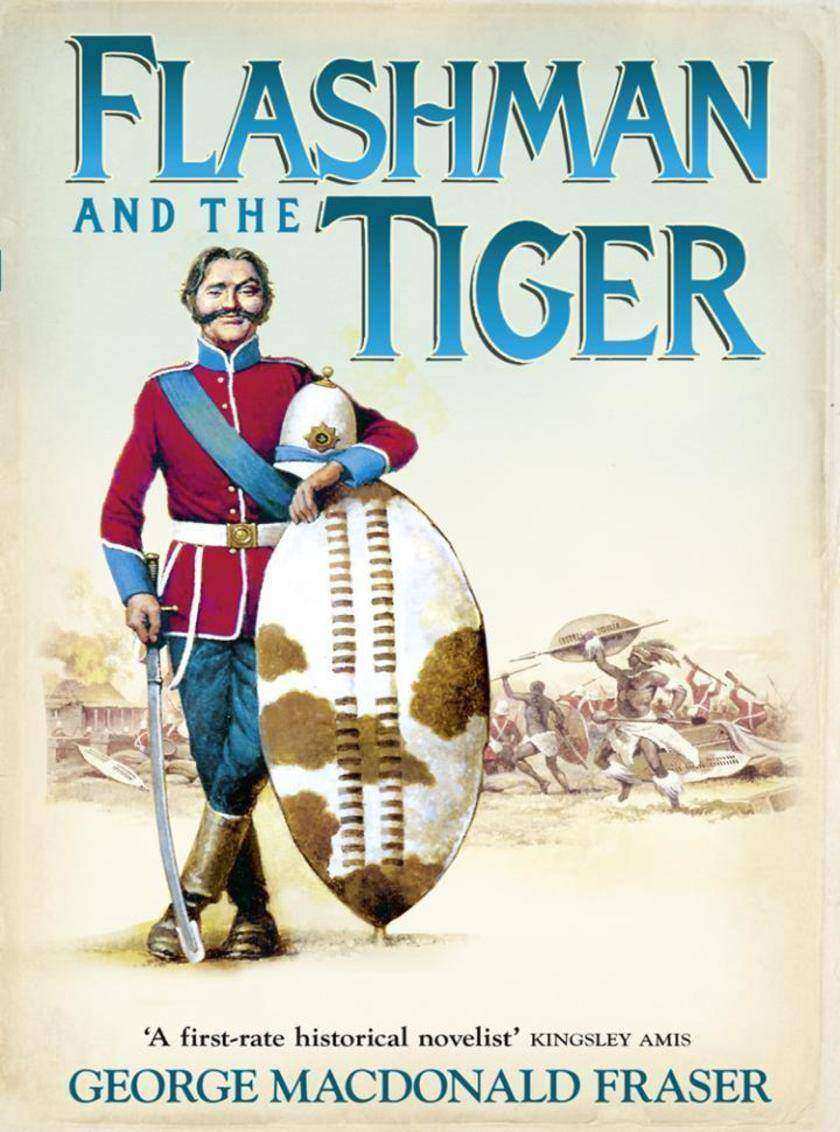
Flashman and the Tiger
¥72.30
Coward, scoundrel, lover and cheat, but there is no better man to go into the jungle with. Join Flashman in his adventures as he survives fearful ordeals and outlandish perils across the four corners of the world. In addition to the other famous adventures come three episodes in the career of this eminent if disreputable adventurer. Plumbing the depths of dishonour, Flashman’s up to his old tricks again. Whether embroiled in a plot to assassinate Emperor Franz-Josef, saving the Prince of Wales from scandal, or being chased by a horde of Zulus, Harry Flashman never disappoints.
The Pyrates
¥72.30
Now available in ebook format, ‘The Pyrates’ is a swashbuckling romp of a novel. The Pyrates is all the swashbucklers that ever were, rolled into one great Technicoloured pantomime – tall ships and desert islands, impossibly gallant adventurers and glamorous heroines, buried treasure and Black Spots, devilish Dons and ghastly dungeons, plots, duels, escapes, savage rituals, tender romance and steaming passion, all to the accompaniment of ringing steel, thunderous broadsides, sweeping film music, and the sound of cursing extras falling in the water and exchanging period dialogue. Even Hollywood buccaneers were never like this.
I Remember You
¥45.62
Rich, witty and moving, I Remember You is for anyone who likes to dream about a new life – and for anyone who still remembers their first love… For Tess Tennant, spring brings the promise of a fresh start. She’s moving back to her picture-perfect home town to take up a teaching job. Langford is a place of pretty stone cottages, friendly locals in oak-beamed pubs and of course Adam, her best friend since childhood. But Adam is preoccupied with a new girlfriend, and the past - which Tess thought she'd put behind her - is looming large again. So by the time she has to take her class on a trip to Rome, Tess is feeling reckless. She is swept off her feet by a mysterious stranger, and finds herself falling in love. But her magical Roman Holiday is about to turn into a nightmare… Back in Langford Adam is gone and everything has changed.Tess has to decide, once and for all, where she belongs and with whom.
CrocAttack!
¥61.51
A darkly comic novel about the bizarre realities of life in Israel today. Why is everyone so paranoid in this country? Can't dark guys get on buses with suit bags any more? Eitan Enoch - 'Croc' to his friends - is taking his usual bus to work in Tel Aviv one morning when a fellow passenger starts to worry about the dark-skinned man with the suit-bag sitting up at the front. Thus begins a week of bloody bombings and bloodier reprisals, at the end of which Croc is transformed into an inadvertent national celebrity: 'CrocAttack - the man the terrorists couldn't kill!' Naturally, the Palestinian cell behind the attacks are less than happy about this reluctant symbol of Israeli defiance. They may not have been after him before, but they are now. Meanwhile, in a hospital somewhere in Jerusalem, a young Palestinian suicide bomber lies in a coma, fighting for his life and trying to piece together how he got there - and just exactly what happened when he finally met the Croc… Fast as a thriller, blackly funny and very contemporary, CrocAttack! is the story of the lethal convergence of two very different lives, and a tragicomic portrait of the country exploding around them.

The Equivoque Principle (Cornelius Quaint Chronicles, Book 1)
¥52.78
An outrageous Victorian adventure in the spirit of The Vesuvius Club and Glass Books of the Dream Eaters
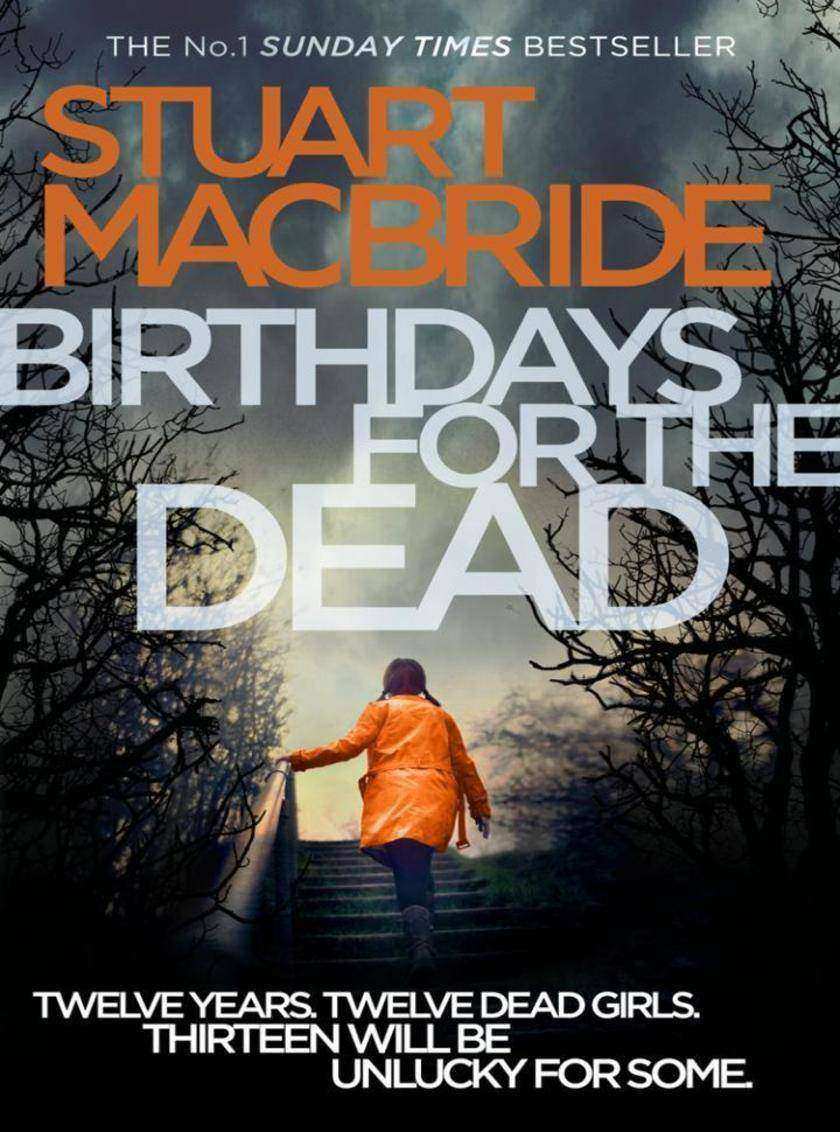
Birthdays for the Dead
¥52.58
The Number One bestselling crime thriller from the award-winning Stuart MacBride. A bloody, brilliant and brutal story of murder, kidnap and revenge. Detective Constable Ash Henderson has a dark secret… Five years ago his daughter, Rebecca, went missing on the eve of her thirteenth birthday. A year later the first card arrived: home-made, with a Polaroid picture stuck to the front – Rebecca, strapped to a chair, gagged and terrified. Every year another card: each one worse than the last. The tabloids call him ‘The Birthday Boy’. He’s been snatching girls for twelve years, always just before their thirteenth birthday, killing them slowly, then torturing their families with his homemade cards. But Ash hasn’t told anyone what really happened to Rebecca – they all think she ran away – because if anyone finds out, he’ll be taken off the investigation. And he’s sacrificed too much to give up before his daughter’s murderer gets what he deserves…
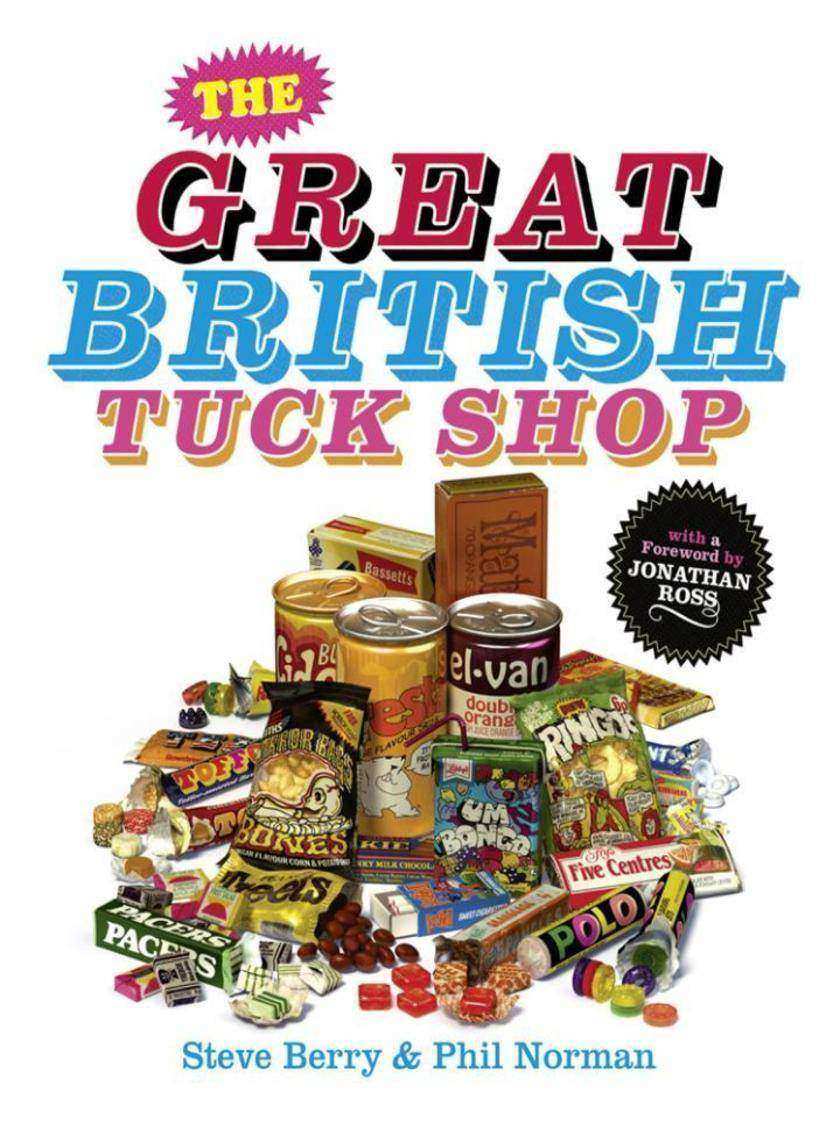
The Great British Tuck Shop
¥91.23
The ultimate book of sweetie nostalgia! AS SEEN ON THIS MORNING A colourful, witty and irreverent encyclopedia of all the sweets and crisps of your youth. From Mojos to Rainbow Drops, Space Raiders to Trios, Corona to Kia Ora and everything in between. Fully illustrated with hundreds of wrappers, ads and specially recreated packshots this book will lead you down memory lane until you reach the corner shop, load up a 10p mix up bag and rot your teeth on the contents. The authors have been given access to the archives, factories and warehouses of some of the leading sweet and snack manufacturers in the country and have delivered a book that is packed full of fascinating historical research… … and lots and lots of sweets. WITH A FOREWORD BY JONATHAN ROSS.
A Man Lay Dead (The Ngaio Marsh Collection)
¥27.27
Commemorating 75 years since the Empress of Crime’s first book, the first volume of the 32 Inspector Alleyn mysteries. Sir Hubert Handesley's extravagant weekend house-parties are deservedly famous for his exciting Murder Game. But when the lights go up this time, there is a real corpse with a real dagger in the back. All seven suspects have skilful alibis - so Chief Detective Inspector Roderick Alleyn has to figure out the whodunit…
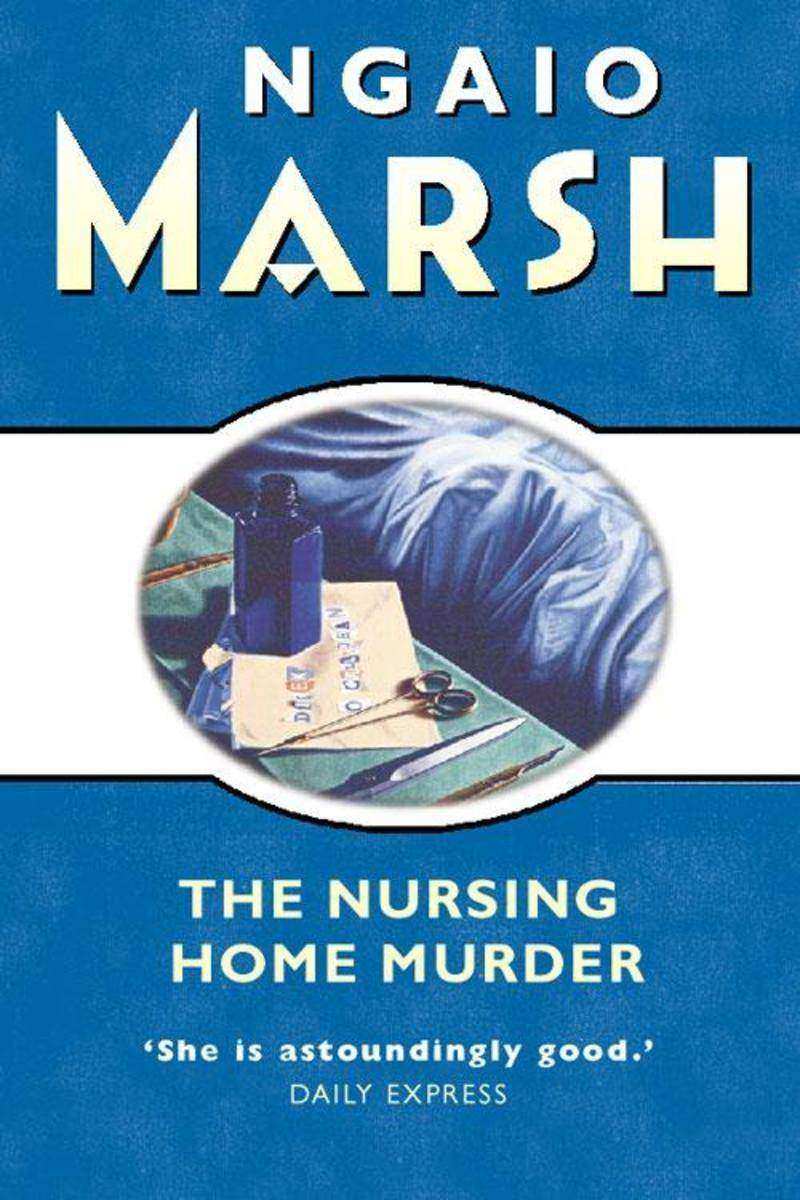
The Nursing Home Murder (The Ngaio Marsh Collection)
¥27.27
Ngaio Marsh’s bestselling and ingenious third novel remains one of the most popular pieces of crime fiction of all time. Sir John Phillips, the Harley Street surgeon, and his beautiful nurse Jane Harden are almost too nervous to operate. The emergency case on the table before them is the Home Secretary – and they both have very good, personal reasons to wish him dead. Within hours he does die, although the operation itself was a complete success, and Chief Detective Inspector Alleyn must find out why…


