


 购物车
购物车 个人中心
个人中心
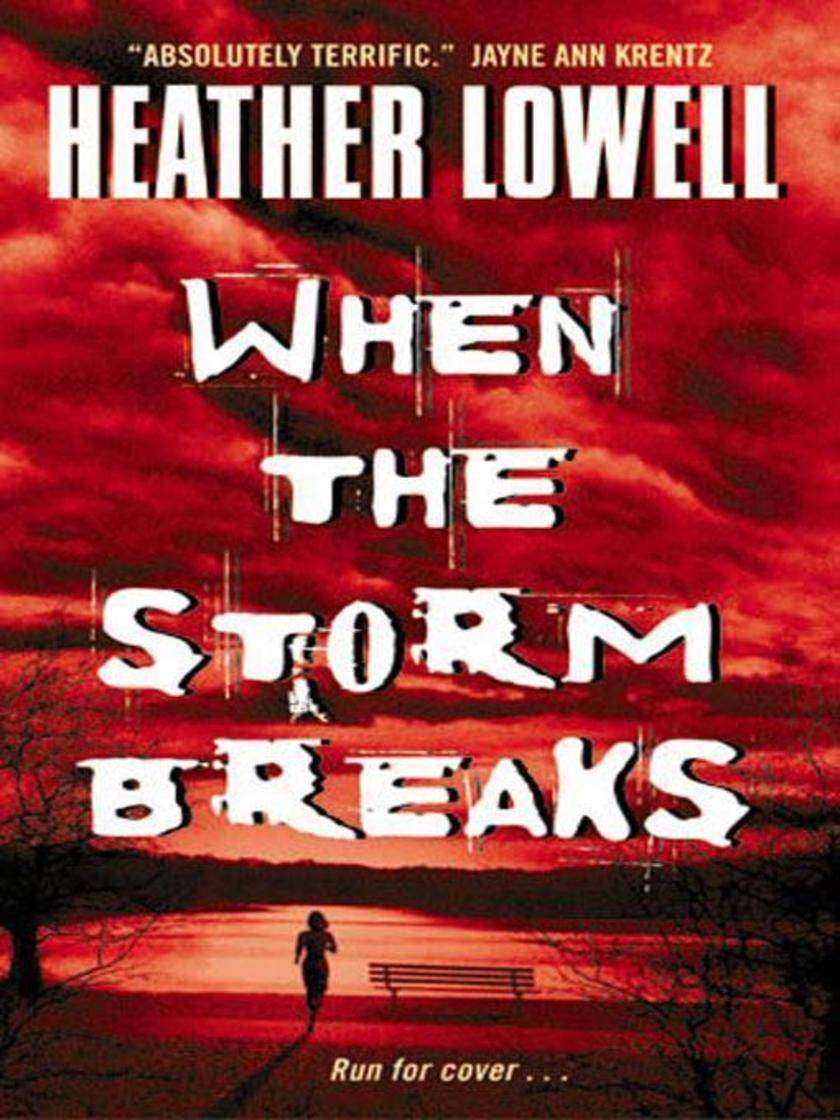
When the Storm Breaks
¥51.92
A serial killer has one obsession . . .Claire Lambert walked into a nightmare on a rainy night in Washington, D.C. Stumbling upon a killer in the midst of his latest bloody crime, she ran for her life -- but not before a head injury caused her to lose her memory, along with her purse and ID. Now a monster knows who Claire is . . . and where she lives.Waking up in a hospital room the day after being attacked -- her mind stripped of all memory of what happened to her -- Claire can only listen with horror to the scenario Detective Sean Richter unfolds before her. A law officer fiercely dedicated to ending the wave of brutal killings that has struck the city, Sean knows that this brave and beautiful woman holds the key to stopping the murderer before he can strike again. Claire is the only victim who has seen the killer's face and lived -- which is why Sean needs her help and will risk everything to protect her . . .And why a depraved, relentless animal is determined that Claire Lambert must die.
Growing Up Black
¥74.77
A classic work on the African-American experience is revised for the nineties with essays reflecting the concerns of black children from the last three decades and commentary from today's sports stars, politicians, and inner-city gang members.
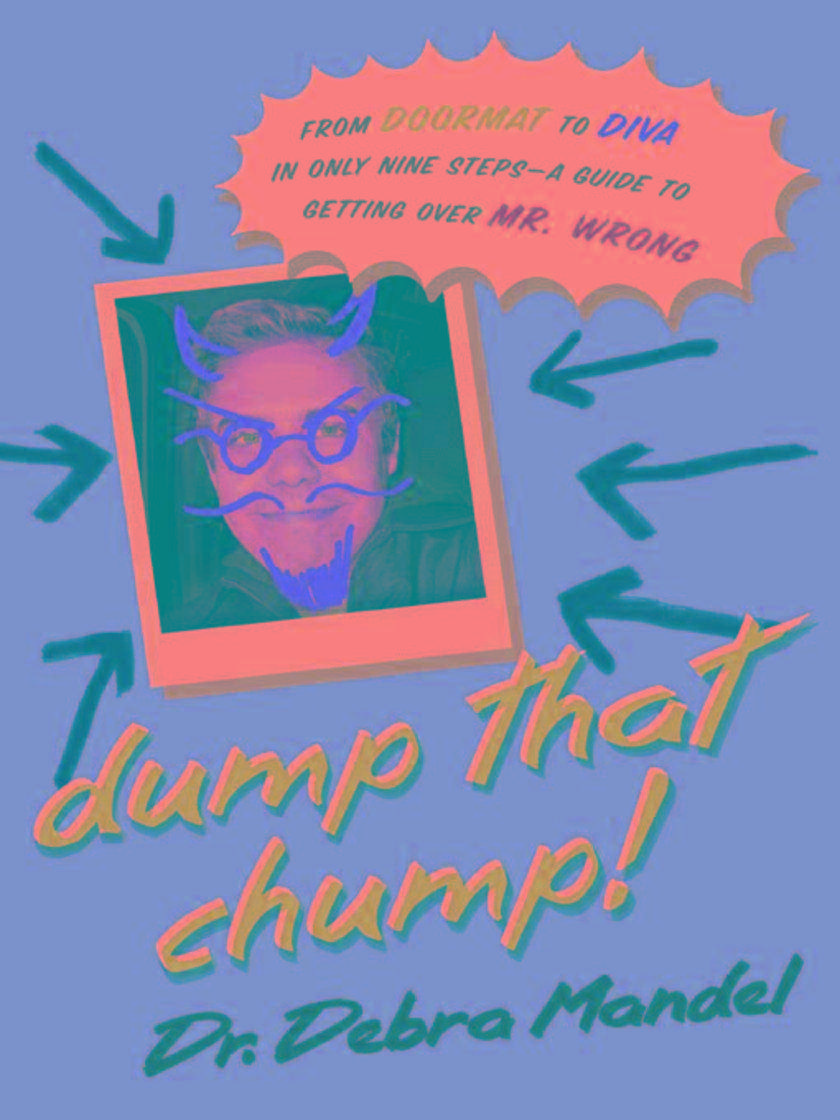
Dump That Chump!
¥79.16
Too many intelligent, attractive women these days find themselves trapped in destructive, unhealthy relationships, or simply settling for far less than they deserve.In Dump That Chump!, psychologist, author, columnist, and speaker Dr. Debra Mandel offers an essential nine-step program that will enable you to recognize the "red flags" and walk away from unhealthy relationships. Combining sensitivity with a positive "take charge" approach, Dr. Mandel provides checklists, quizzes, true stories, and exercises to help you restore your self-esteem and rid yourself of guilt and shame so you can Dump That Chump! once and for all, and turn your love life around.
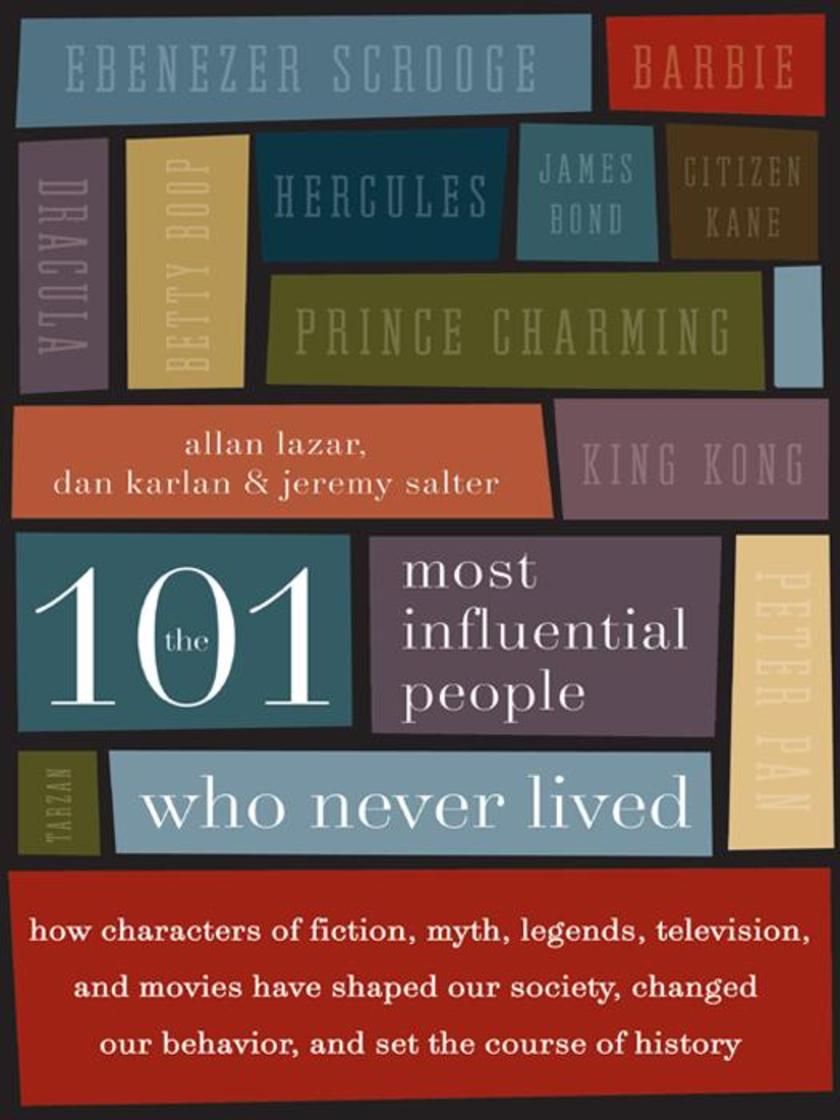
The 101 Most Influential People Who Never Lived
¥77.49
From Santa Claus to Buffy the Vampire Slayer, from Uncle Sam to Uncle Tom, here is a compelling, eye-opening, and endlessly entertaining compendium of fictional trendsetters and world-shakers who have helped shape our culture and our lives. The 101 Most Influential People Who Never Lived offers fascinating histories of our most beloved, hated, feared, and revered invented icons and the indelible marks they made on civilization, including:# 28: Rosie the Riveter, the buff, blue-collar factory worker who helped jump-start the Women's Liberation movement# 7: Siegfried, the legendary warrior-hero of Teutonic nationalism responsible for propelling Germany into two world wars# 80: Icarus, the headstrong high-flyer who inspired the Wright brothers and humankind's dreams of defying gravity . . . while demonstrating the pressing need for flight insurance# 58: Saint Valentine, the hapless, de-canonized loser who lost his heart and head at about the same time# 43: Barbie, the bodacious plastic babe who became a role model for millions of little girls, setting an impossible standard for beauty and style
The Ten Commandments
¥83.92
The master key to life--a universal guide to all that matters in making life more satisfying.
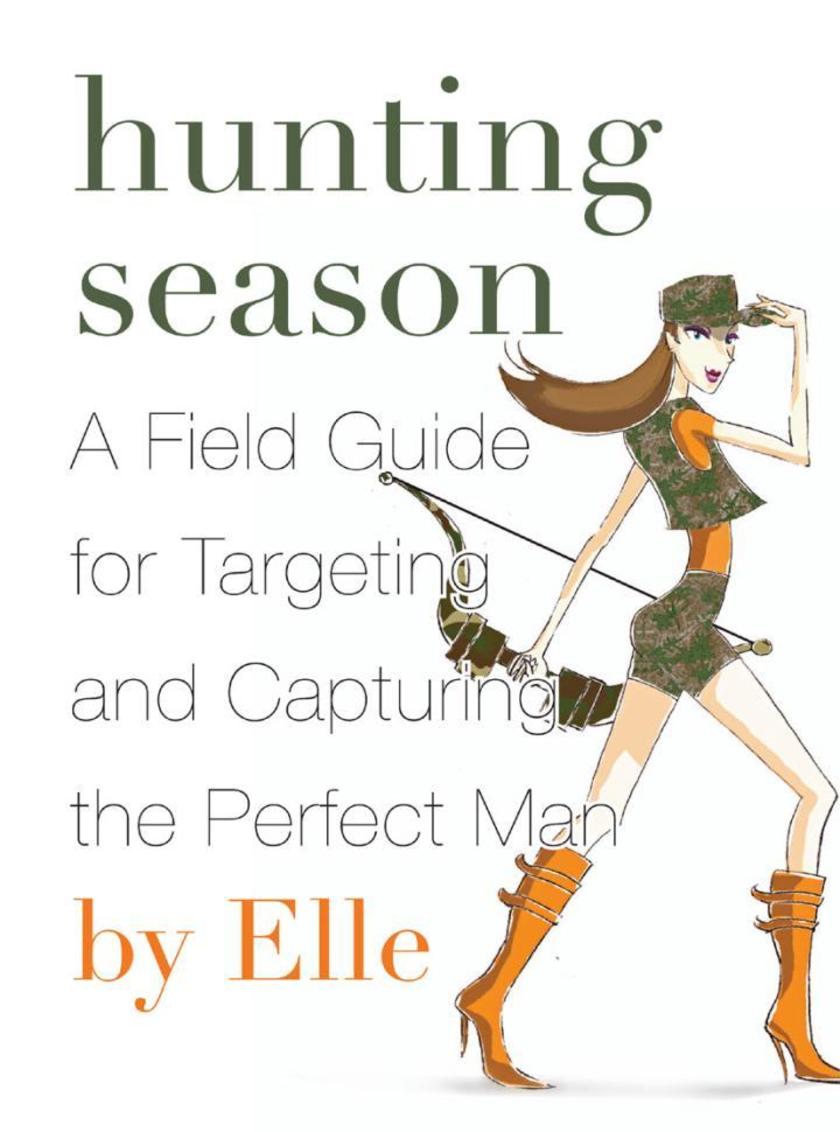
Hunting Season
¥78.55
Tallyho! The Hunt is afoot! Be a hunter not road kill. April 1 marks the official opening of Hunting Season, when available women should be heading out into the rural, urban, and suburban wild to bag themselves a prize buck. You might not need a literal gun to bring down a good man but you do need good technique, appropriate gear, and plenty of practice. Within these pages, successful hunter Elle shares the foolproof strategies she's adapted from rules that have been polished and honed over many centuries for successful bagging of prize big game. The Hunt can be exciting, exhilarating, and rewarding . . . if you do it right!No matter what kind of modern man you've got in your sights a Stag, a Tree Scratcher, or a 6-Point Buck here are all the skills you need to bring him down.Are you Trophy Hunting, or do you want to Bag 'n' TagYour strategies will be different depending on your goal so define it before the season opens.Never hunt with a posse. It's no fun sharing a kill.Stick to your Kill Zone. A wild buck's movements can't be controlled so if he wanders let him roam. Another buck will put himself in your sights soon enough.November 1-March 31 is Off-Season: A time for hibernation, emotional healing, and gun polishing.
What Obama Means
¥84.16
"This is our moment. This is our time," Barack Obama declared in his victory speech the night he was elected president. Such a moment is an opportunity to explore who we are, where we've been, and what the emergence of a leader like Obama can tell us about our culture, our politics, and our future. Jabari Asim provides the context needed to understand what the Obama presidency means to Americans of all backgrounds and shows that Obama's election is evidence of the progress that has been made in healing wounds and broadening America's concept of leadership and inspiration.
The Greatest Prayer
¥83.03
Every Sunday, the Lord's Prayer echoes in churches around the world.It is an indisputable principle of Christian faith. It is the way Jesus taught his followers to pray and distills the most essential beliefs required of every one of the world's 2.5 billion Christians. In The Greatest Prayer, our foremost Jesus scholar explores this foundational prayer line by line for the richest and fullest understanding of a prayer every Christian knows by heart.An expert on the historical Jesus, Crossan provides just the right amount of history, scholarship, and detail for us to rediscover why this seemingly simple prayer sparked a revolution. Addressing issues of God's will for us and our response, our responsibilities to one another and to the earth, the theology of our daily bread, the moral responsibilities that come with money, our nation-states, and God's kingdom, Crossan reveals the enduring meaning and universal significance of the only prayer Jesus ever taught.
Trapped in the Mirror
¥88.56
In this compelling book, Elan Golomb identifies the crux of the emotional and psychological problems of millions of adults. Simply put, the children of narcissist offspring of parents whose interest always towered above the most basic needs of their sons and daughters share a common belief: They believe they do not have the right to exist.The difficulties experienced by adult children of narcissists can manifest themselves in many ways: for examples, physical self-loathing that takes form of overeating, anorexia, or bulimia; a self-destructive streak that causes poor job performance and rocky personal relationships; or a struggle with the self that is perpetuated in the adult's interaction with his or her own children. These dilemmas are both common and correctable, Dr. Golomb tells us.With an empathic blend of scholarship and case studies, along with her own personal narrative of her fight for self, Dr. Golomb plumbs the depths of this problem, revealing its mysterious hold on the affairs of otherwise bright, aware, motivated, and worthy people. Trapped in the Mirror explores. the nature of the paralysis and lack of motivation so many adults feel stress and its role in exacerbating childhood wrongs why do many of our relationships seem to be "reruns" of the past how one's body image can be formed by faulty parenting how anger must be acknowledge to be overcome and, most important, how even the most traumatized self can be healed. Rooted in a profoundly humanist traditional approach, and suffused with the benefit of the latest knowledge about intrafamily relationships, Trapped in the Mirror offers more than the average self-help book; it is truly the first self-heal book for millions.
Use The News
¥78.32
Explaining the methods that have made her -- and her stock picks -- famous, Maria Bartiromo tells investors how to use hot information to make money in any market, raging bull or lumbering bear. Packed with sage advice from the most influential people on Wall Street, Use the News is an indispensable investment handbook that will disclose the Wall Street insiders' secrets and show you how to take control of your investments.

Fear
¥88.56
Without fear, we are able to see more clearly our connections to others. Without fear, we have more room for understanding and compassion. Without fear, we are truly free. from FearMost of us live in a constant state of fear of our past, of illness and aging and death, and of losing the things we treasure most. But it doesn't have to be this way, promises Zen master and Buddhist monk Thich Nhat Hanh.Drawing on a lifetime of mindfulness in action, Thich Nhat Hanh shows us how to use the practice of living in the present to acknowledge and embrace our fears, recognize their origins, and render them powerless. The world-renowned Zen teacher guides us through practical exercises for transforming fear into clarity. The worries of the past and the anxiety of the future disappear as we discover the power of the present moment. Not only are we are able to handle challenging emotions as they arise, but we can summon feelings of well-being and contentment, no matter what the unknown may bring.Rooted in the moment, we have the capacity to restore balance and happiness and be present with what is beautiful and affirming inside us and around us, every day.
Vacation Time
¥33.59
Vacation Time by Nikki Giovanni has de*ive copy which is not yet available from the Publisher.
Best Practices: Difficult People
¥72.70
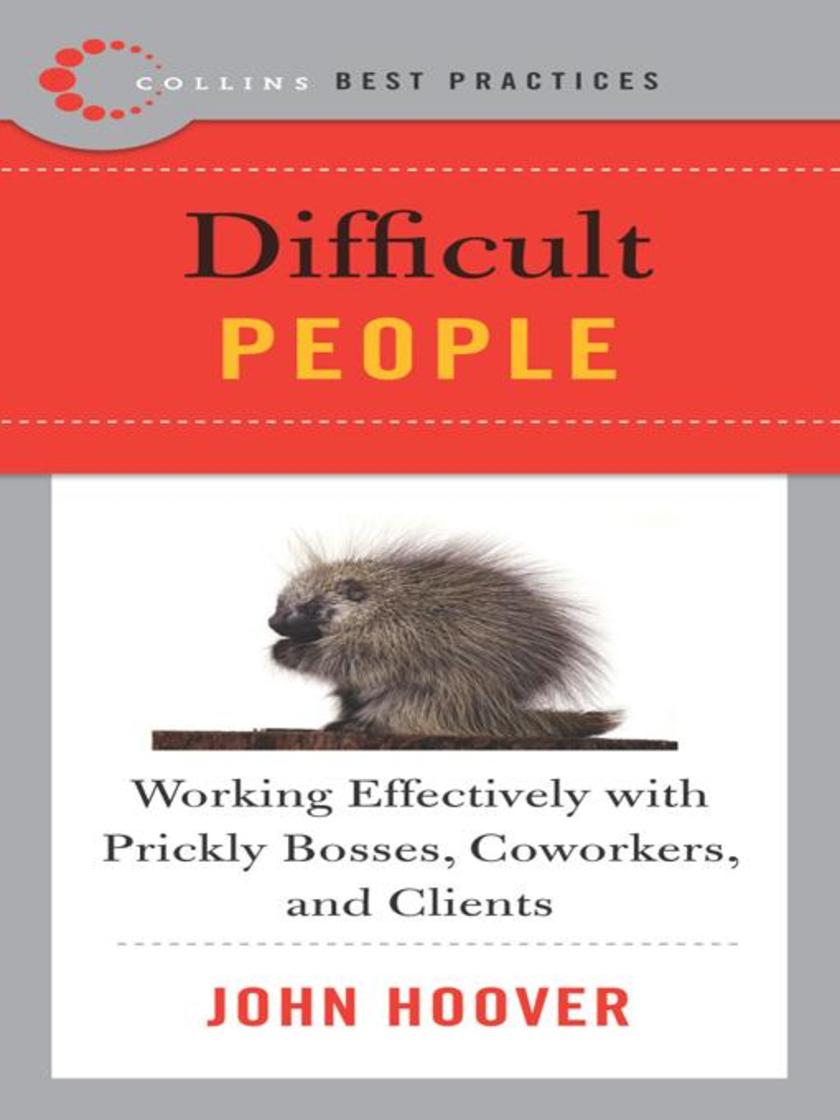
Every office has someone who's no fun to be around. But getting along with that person and managing them effectively can make both your jobs easier. Difficult People, a comprehensive and essential resource for any manager on the run, shows you how.Learn to: Recognize why and when people act out Identify different types of difficult people Cope with difficult behavior Get the most out of trouble employees Nurture a harmonious work environment The Collins Best Practices guides offer new and seasoned managers the essential information they need to achieve more, both personally and professionally. Designed to provide tried-and-true advice from the world's most influential business minds, they feature practical strategies and tips to help you get ahead.

Best Practices: Time Management
¥72.70
There are only twenty-four hours in a day, but you can make them count. Time Management, a comprehensive and essential resource for any manager on the run, shows you how.Learn to: Set and prioritize goals, objectives, and tasks Create an effective schedule Avoid distractions and interruptions Respect other people's time Build a time-conscious organization The Collins Best Practices guides offer new and seasoned managers the essential information they need to achieve more, both personally and professionally. Designed to provide tried-and-true advice from the world's most influential business minds, they feature practical strategies and tips to help you get ahead.
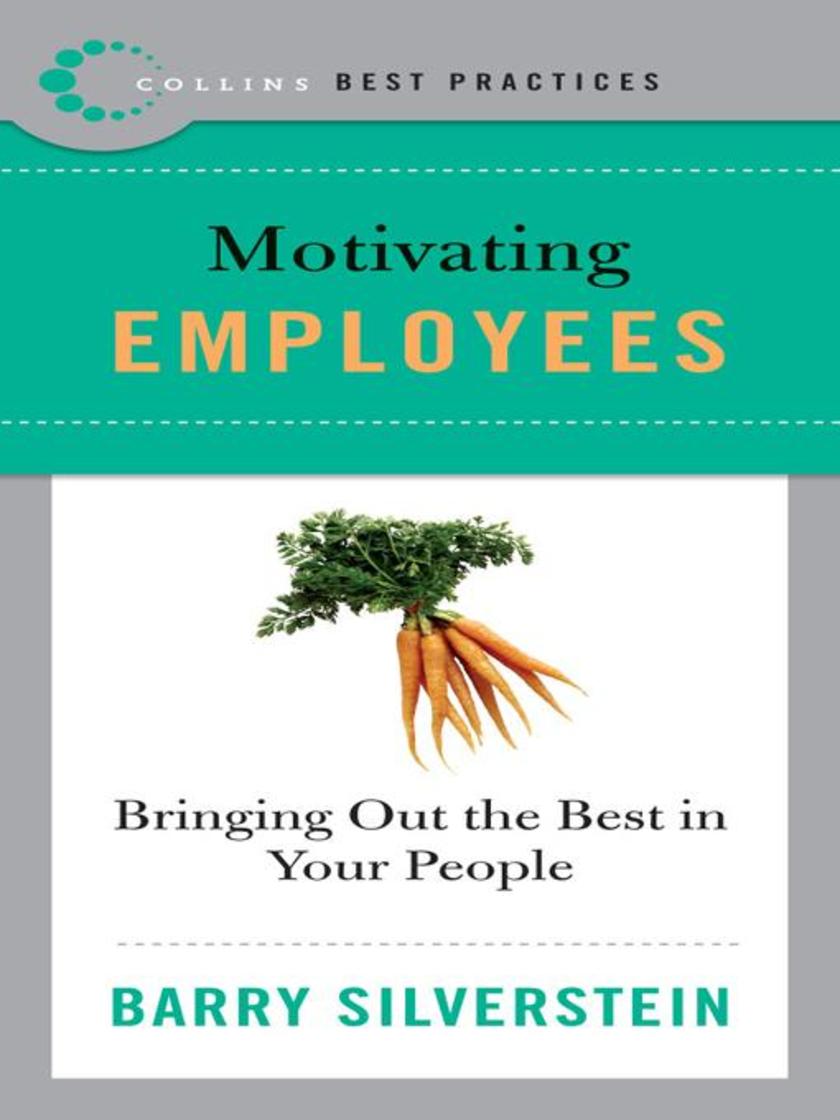
Best Practices: Motivating Employees
¥72.70
In today's high-pressure workplace, motivating all employees to consistently contribute their best can mean the difference between success and failure. Motivating Employees, a comprehensive and essential resource for any manager on the run, shows you how.Learn to: Inspire employees to succeed Improve performance through coaching Minimize the impact of common de-motivators Create a fair and consistent reward system Turn negative experiences into positive, motivational opportunities The Collins Best Practices guides offer new and seasoned managers the essential information they need to achieve more, both personally and professionally. Designed to provide tried-and-true advice from the world's most influential business minds, they feature practical strategies and tips to help you get ahead.
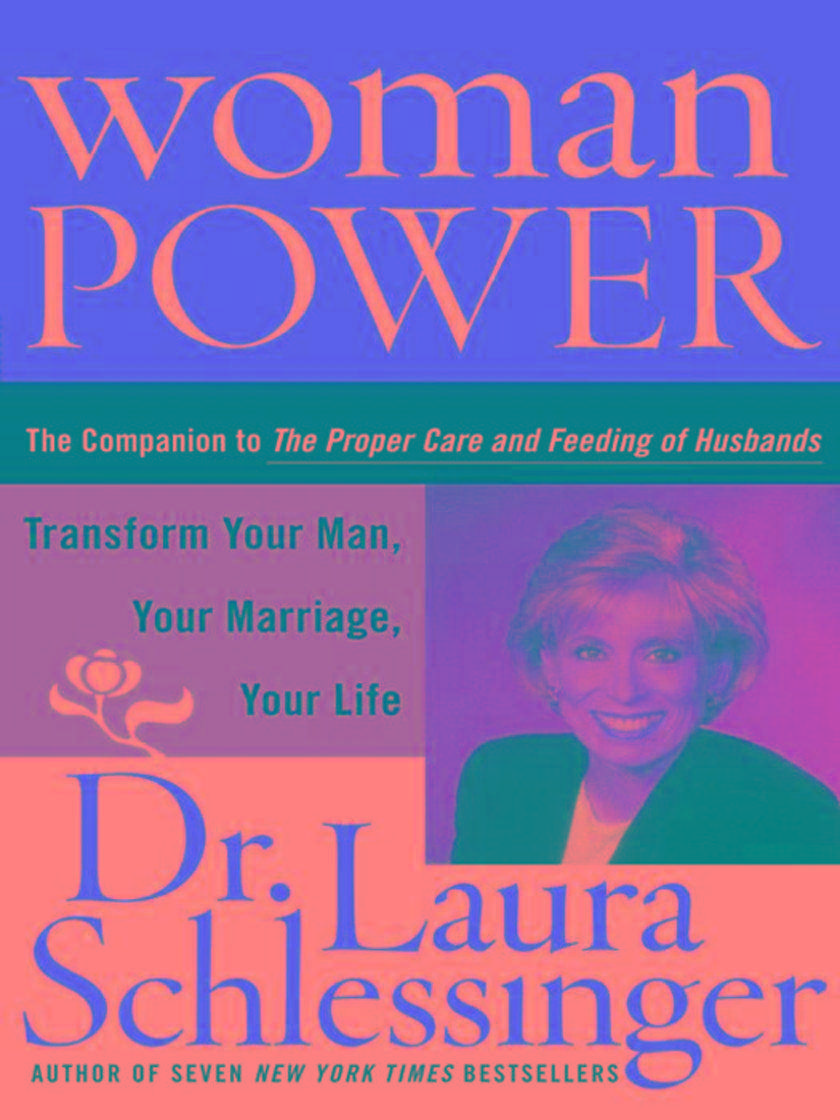
Woman Power
¥90.77
Woman Power: for the woman who wants to ensure for herself -- and for her man -- the marital happiness and success everyone dreams of! The immediate feedback to Dr. Laura Schlessinger's seventh bestseller, The Proper Care and Feeding of Husbands, affirmed that Dr. Laura helped hundreds of thousands of readers make good marriages even better and saved many from the brink of divorce. Now, due to overwhelming response from her readers and listeners who wanted to know more about the special power women have to transform their husbands, their marriages, and their lives, Dr. Laura has written Woman Power. Through a series of provocative chapters and Q&As, Dr. Laura guides women on how to assess what is valuable and what is vulnerable in their marriages, and stimulates women to think about what is really important about being a woman, a wife, and a mother. In addition, readers will find inspirational stories and tips, thought-provoking essays, and plenty of room for entries, thoughts, and journals. There are even fascinating Q&As for husbands and wives to do together!
Beyond Genetics
¥79.16
Genetic science is about to radically alter our lives. Sooner than you can imagine, human beings will be capable of diagnosing their own illnesses, designating the sex of their children, even designing the food they eat -- all as easily as using a cell phone. Now is the time for every one of us to take control of our DNA, and one man is uniquely qualified to show us how: Glenn McGee, bioethicist at the University of Pennsylvania, pioneer in the study of "home genetics," and the acknowledged wunderkind of the exciting world found at the nexus of life science and computer technology.One of the most respected authorities in the field of genomics -- the study of the genetic "software" inside plants, animals, and us -- McGee takes us on an eye-opening journey behind the headlines and into the heart of this formidable cutting-edge science. Probing the far-ranging ethical and legal implications of genomic research, McGee tackles its most controversial and hotly debated aspects -- from patenting your DNA to genetic engineering at the supermarket -- and explodes unnecessary fears about this wondrous new knowledge.We live in a brave new world. Beyond Genetics provides us with the knowledge we need to take the right steps forward into tomorrow ... and beyond.

Damage Control
¥78.32
Traditionally, women share their secrets with their hairdressers. But what about their manicurists, masseurs, chi gong teachers, and tattoo artistsIn Damage Control, women wax poetic about the experts and gurus who help them love themselves, sharing stories of everything from friendships born in the make-up chair to the utter dismay of a truly horrible haircut. Minnie Driver finally meets a Frenchman who understands her hair . . . and tries to teach her not to hate it.Marian Keyes remembers the blow-dry that pushed her over the edge.Francesca Lia Block tells the ugly story of the plastic surgeon who promised to make her beautiful.Rose McGowan explains why it's harder to be depressed when you're glamorous . . . and shows how it takes a village to transform from mere mortal to movie star.Witty and wise, Damage Control is an intimate, sometimes dark, look at our experiences with the professionals who pluck, prod, and pamper every inch of our bodies and a reminder why we surrender ourselves to their (hopefully) very capable hands.
All Those Moments
¥78.32
He came to mainstream prominence as a machine more human than his creators in Blade Runner, terrified us as a hitchhiker bent on his own death and the death of anyone who got in his way in The Hitcher, and unforgettably portrayed a lonely king roaming the night as a wolf and pining for the love of a hawk during the day in Ladyhawke. Rutger Hauer has dazzled audiences for years with his creepy, inspiring, and villainous portrayals of everyone from a cold-blooded terrorist in Nighthawks to a blind martial arts master in Blind Fury, but his movie career was nothing compared to his real-life adventures of riding horses, sword fighting, and leaving home at fifteen to scrub decks on a freighter and explore the world.From poverty to working with a traveling theater troupe to his breakout European performance in Turkish Delight and working with legendary directors such as Paul Verhoeven (RoboCop and Basic Instinct) and Ridley Scott (Alien and Gladiator), Hauer has collected All Those Moments here.
The Best People in the World
¥78.32
In Paducah, Kentucky, seventeen-year-old Thomas feels as reined in as the mighty Ohio, a river confined by high floodwalls protecting his small Southern hometown. But all boundaries vanish when Thomas experiences first love with Alice, his new history teacher, a woman eight years his senior and when he meets Shiloh, a misfit vagabond and anarchist who becomes his new role model. Fleeing to rural Vermont, this unlikely trio boldly pursues freedom, intimacy, and seclusion, unfettered by commitments and rules. But a life apart from the world does not ensure a life apart from the past and for one of them, the past that emerges will threaten tragedy.
Bloody Sundays
¥79.16
Award-winning sportswriter Mike Freeman goes beyond day-to-day newspaper journalism and ESPN highlights to take us deep inside the game and reveal the NFL in ways that will surprise the most avid football fans. He travels to the sidelines and into the locker rooms to interview hundreds of players and coaches on their expertise. Breaking the game down to its essential elements -- coaching, offense, and defense -- Freeman profiles in depth three of today's football elite: Jon Gruden, head coach of the Tampa Bay Buccaneers; Michael Strahan, defensive end for the New York Giants; and Emmitt Smith, the legendary running back.Bloody Sundays goes behind the scenes of the "secret society" of gay players who play in fear of their lives and careers, studies how the violence of the game ravages the bodies of players, and takes us into the owners' offices to look at the darker side of the sport.Part tribute, part expose, Bloody Sundays is a vivid portrait of professional football that "gives you so much to think about that you might find yourself switching off a game to read" (New York Times Book Review).


