


 购物车
购物车 个人中心
个人中心

Te salut, fericire!
¥53.14
Prix Médicis ?tranger, Fran?a, 2010Premi Llibreter, Spania, 2011California Book Award, 2008Grace Paley Price, 2007Dac? ideea de ?eliberare prin scris“ are ?n ea o s?m?n?? de adev?r, povestirile cvasiautobiografice din acest volum reprezint? cea mai bun? exemplificare. Obsedat de imaginea unui tat? ciudat, greu de ?n?eles, care pare s? nu-?i fi g?sit nic?ieri locul potrivit, David Vann ?ncearc? s? ?i traseze traiectoria de via??, pentru a-l ?n?elege mai bine ?i pentru a reu?i s? se ?mpace cu el. ??i rememoreaz? mai ?nt?i copil?ria, momentele dureroase sau senine petrecute al?turi de tat?l s?u ori cu g?ndul la el. ??i imagineaz? apoi o c?l?torie cu el ?n Alaska, unde se retrag am?ndoi ?ntr-o regiune nelocuit?, ?n mijlocul naturii s?lbatice, ?ncerc?nd parc? s? transforme ?n realitate atrac?ia dintotdeauna a tat?lui fa?? de ?spiritul de frontier?“, nostalgia unei austerit??i care ar fi putut s? compenseze via?a tr?it? p?n? atunci ?n dezordine, egoism ?i ?n?el?ciune. Cu o intransigen??, dar ?i o ingenuitate remarcabile, b?iatul merge p?n? la cap?t al?turi de tat?l s?u ?i rezolv? ?n mod radical nu at?t enigma acestuia, c?t raporturile sale filiale cu el ?i conflictul moral devastator din via?a tat?lui.Volum tradus ?n 19 limbi
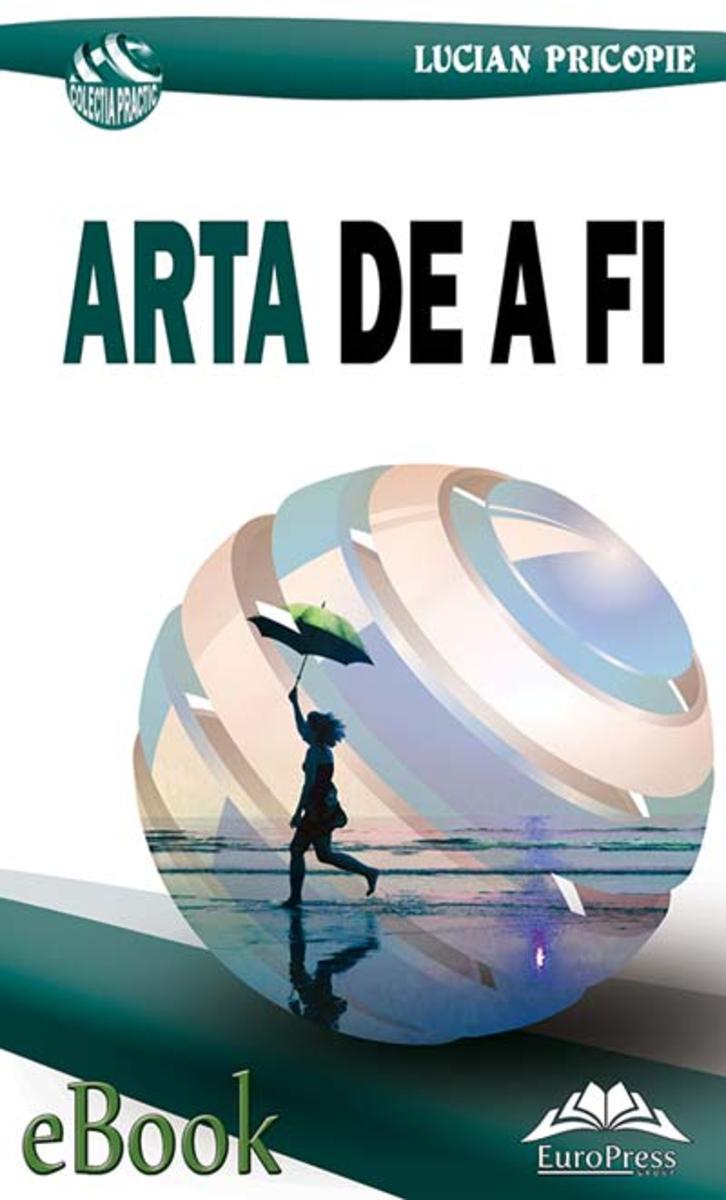
Arta de a fi
¥28.61
S? fii un tat? minunat pare o sarcin? de-a dreptul imposibil? uneori. Se a?teapt? de la tat?l modern s? poat? face orice – s? poarte ?ntotdeauna de grij? familiei, s?-i motiveze pe copii, s? fie un bun ?ndrum?tor, consilier, educator, gestionar, asistent medical, nutri?ionist, ofi?er de securitate... iar lista r?m?ne deschis?.Autorul le d? o speran?? tuturor ta?ilor care, p?n? acum, s-au descurcat ?i ei cum au putut, oferindu-le un ghid complet pentru a se implica direct ?n via?a copiilor lor, din momentul concep?iei ?i p?n? c?nd ace?tia ajung la v?rsta adult?. O lucrare necesar? at?t proaspe?ilor t?tici ?i celor cu state vechi, c?t ?i oric?rui b?rbat care sper? s? devin? ?ntr o bun? zi tat?.
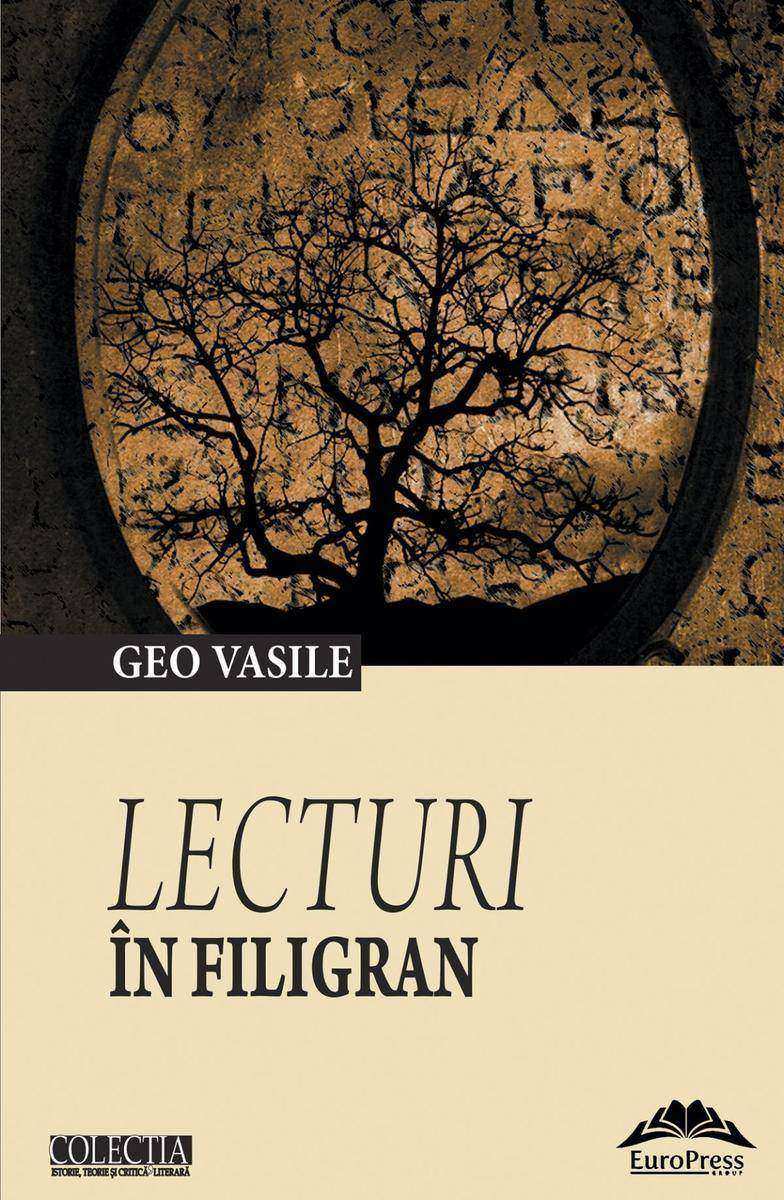
Lecturi ?n filigran
¥44.15
Biblioteca pentru toi copiii“ cuprinde cele mai preuite opere ale scriitorilor clasici ai literaturii romne i universale. Crile de neuitat ale copilriei sunt disponibile astzi si in format e-book.Capodoper a literaturii pentru copii i adolesceni, Robinson Crusoe rmne i astzi o carte fundamental a primelor lecturi. Creat n 1719, ea a legnat copilria multor generaii, fiind rspndit pe toate meridianele lumii. Jean-Jaques Rousseau considera romanul un excelent tratat de educaie, iar André Malraux l aaz pe nlimile atinse de Cervantes i de Dostoievski. Mereu vie, cartea lui Daniel Defoe ne nva s fim nelepi i curajoi, s sperm i s nvingem.“
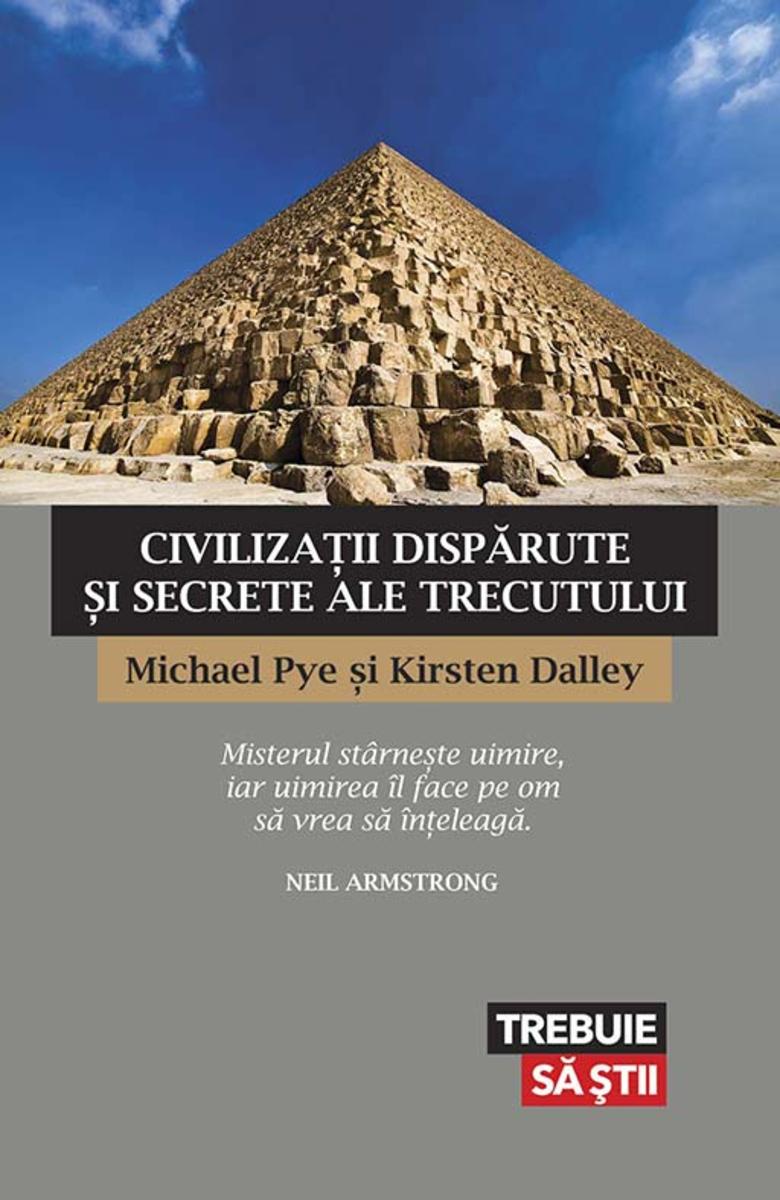
Civiliza?ii disp?rute ?i secrete ale trecutului
¥65.32
Am ales cazul de ruptur n evoluia unor exponeni proemineni din literatura romn actual, ruptura care a dus fie la impas, fie la regenerare. Pentru termenii conflictului un factor hotrtor l-a constituit n condiiile date epoca n formele ei de constrngere i de emulaie. Sunt convins c n alte circumstane ecuaia ar fi avut componente diferite. Nu sugerez c ar fi obligatorie restrngerea n ilustrarea pe care o propun, s-ar mai fi putut aduga cu aceeai ndreptite, recunosc, i alte aplicaii. Analizele nu sunt exhaustive, ele insist asupra unui fenomen caracteristic. Deruta ivit la unii pe traseu, parial sau total, s-a articulat pe planul angajrii civice i al nchegrii estetice. Trebuie s remarc o diferen n abordare, deoarece unii din cei selectai (G. Clinescu, M. Preda) nu mai sunt n via, aadar pentru ei e exclus posibilitatea unei schimbri de destin. A survenit pentru toi necesitatea unei racordri la orizontul epocii moderne, la presiunea raporturilor de for, la nvala dogmatismului, la ansele unei sincronizri cu Europa. Imperios necesar a fost lepdarea de prejudecile naionaliste i provinciale, ieirea din comarul ideologiei i al somaiei dure.“ – S. Damian
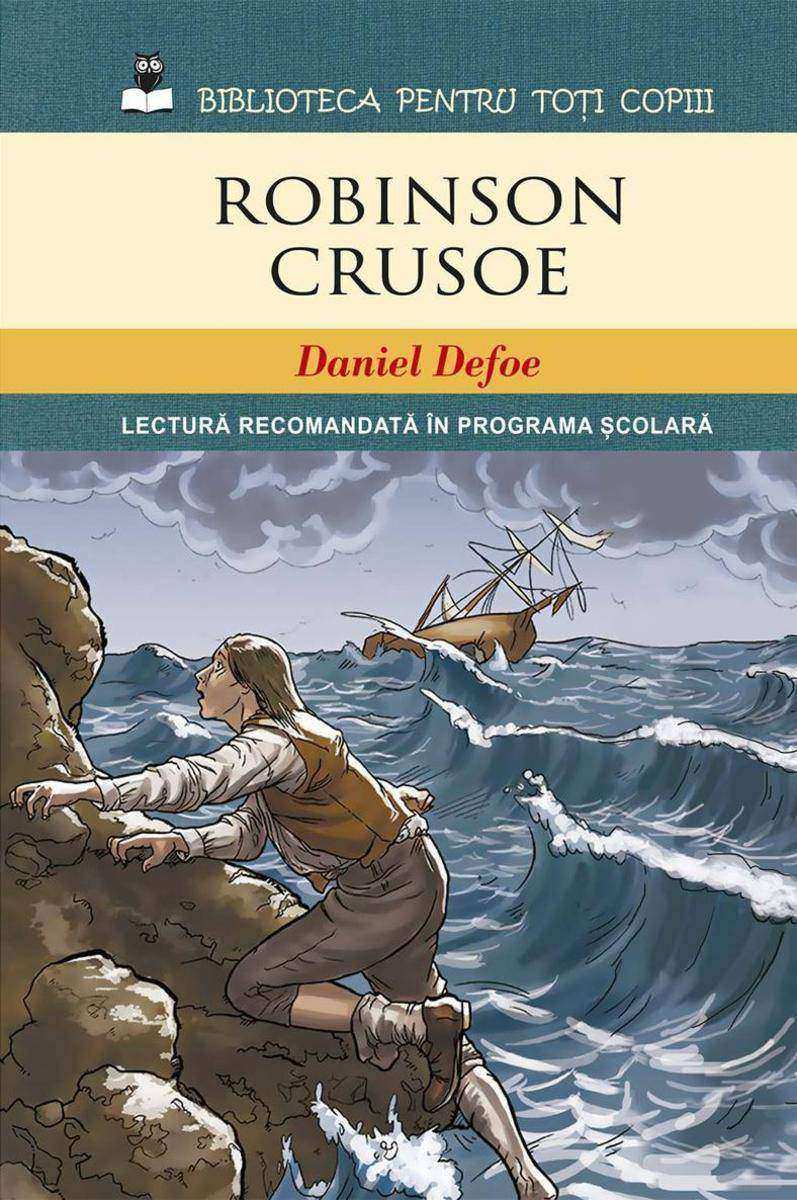
Robinson Crusoe
¥33.03
Cu ani ?n urm?, Lyra Davis l?sa ?n urm? o lume de bog??ie ?i privilegii, precum ?i pe cei pe care ?i iubea cel mai mult ?n lume, incapabil? s? ?mpace a?tept?rile familiei sale cu n?zuin?ele propriei inimi s?lbatice. Acum duce o existen?? lini?tit? pe insula Capri, ?nv???nd s? e bucure cu adev?rat de via??, al?turi de b?rbatul pe care ?l consider? sufletul pereche.Fiica ei, Pell, acum ?n v?rst? de 16 ani, ?i sora ei mai mic?, Lucy, ?nc? ?i duc dorul mamei care le-a p?r?sit c?nd erau copii. Pell crede c? ?tie motivele pentru care Lyra le-a abandonat, ?i, dup? moartea tat?lui lor, va traversa lumea ca s? o g?seasc? pe mama pe care ?i-o aminte?te ?i s? afle adev?rurile ad?nc ascunse, pe care Lyra nu a putut s? le dezv?luie p?n? acum.Un albastru infinit este o poveste despre dragoste, familie ?i prietenie ?n vie?ile a dou? femei care se re?nt?lnesc ?n locul unde ?ncep visele – ?i unde se pot ?mplini ?n cele din urm?.
Imparare a Morire
¥41.86
Un roman de excep?ie, cu o intrig? de prima m?n?. Un roman care se cite?te cu sufletul la gur?.
Simonetta Berlusconi. C?lugarul Filippo Lippi ?i c?lug?ri?a Lucrezia Buti
¥98.02
M aplec critic spre o literatur nc insuficient cunoscut, marcat n ultimele decenii i de obsesia sau complexul Premiului Nobel. Atitudinea noastr comun fibrileaz excesiv de relativizant sau absolutizant, ncercnd s devin acionar i s provoace reaciuni ntr-un domeniu artistic universal, cu suport multilingvistic. Rmn la convingerea c exemplaritatea este efectul stranietii privit ca insolit familiaritate. Testez, cum am mai spus, fondul autohton i forma universal, n epic romneasc din secolul XX, evideniind experimentului substanial, n msura n care se integreaz n – i face sau ncearc diferena de – epic occidental. Dincolo de valoarea intrinsec, prin traducere merituoas i meritat, se va arta c literatura romn, chiar i prin proz, vine ntr-un (de)mers firesc, de vie comunicare, spre doritul i hulitul Premiu Nobel...“ – Marian Victor Buciu

?ntunecare (2 vol.)
¥26.16
iganii lui Miron Radu Paraschivescu nu sunt arztorii gitanos andaluzi rzboindu-se cu la guardia civil, ci biei oameni nevoiai, obedieni, care-i cnt iubirile arzoaie, se blestem, se prsc, viseaz, iar nfruntrile cele mai sngeroase dintre ei nu depesc vendeta mrunt din Ric, ce aduce aminte de strlucitul cntec btrnesc Toma Alimo.“ – Ilie Constantin
Dumineca Orbului
¥13.08
Mamele, care fac at?t de multe lucruri, spun adesea despre ele c? stau ?n cas? ?i nu fac nimic. Se simt singure, invizibile ?i ne?nsemnate. ?i asta de?i fiecare mam? ??i preg?te?te copilul pentru societatea ?n care tr?im cu to?ii. ?ntreaga civiliza?ie depinde de munca mamelor. ?i nu sunt vorbe prea mari. Via?a social? ar fi haotic? f?r? contribu?ia at?t de ?nsemnat? a mamelor. Dac? ele se simt lipsite de importan??, atunci cu siguran?? valoarea muncii lor nu este apreciat? cum se cuvine. Cartea Ce fac mamele este scris? cu scopul de a ilustra nu doar motivele pentru care meseria de mam? merit? toat? admira?ia noastr?, ci ?i influen?a pe care noi to?i o avem ?n acest sens. Cu to?ii suntem conecta?i la universul acesta al mamelor.Atunci c?nd o femeie ?ncepe s? le spun? celor din jur c? este ?ns?rcinat?, se simte uneori de parc? ar fi p??it pe un teren minat. Pentru fiecare ?ntrebare posibil? legat? de ea ?i de copilul ei, exist? cel pu?in dou? ?coli opuse de g?ndire. Fiecare ?coal? de g?ndire ??i consolideaz? principiile prin intermediul unui atac la adresa ?colii ?inamice“, cu previziuni ?nfrico??toare privitoare la ceea ce se va ?nt?mpla dac? mama va c?dea prad? influen?ei acesteia. Au ap?rut o mul?ime de c?r?i care le ?ndeamn? pe mame s? urmeze regulile sau instruc?iunile personale ale autorilor, deoarece acestea, chipurile, le-ar u?ura munca. Dar c?t de util este un set de reguli? Tr?im ?ntr-o societate tolerant?, iar dreptul de a alege este o consecin?? pre?ioas? a acestui fapt. Totu?i, mamele se simt adesea etichetate ?n func?ie de alegerile pe care le fac ?i respinse de femeile care au luat decizii diferite. Autoarea ?ncearc? ?ns? s? ne spun? c?, ?n spatele alegerilor noastre individuale, exist? teme fundamentale, comune mai tuturor mamelor. Le ?mp?rt??im oriunde am locui ?i indiferent de epoc?. Rolul de mam? se concentreaz? asupra dragostei pe care o ofer? copilului s?u. Cartea ??i propune s? ofere pe de o parte ?ncuraj?rile de care au at?ta nevoie mamele, pe de alta, un reper ferm pentru oricine ?ncearc? s? le ?n?eleag?.
B?rba?ii vin de pe Marte, femeile de la coafor.
¥57.14
Robin ?tia c? Paul nu era perfect. Dar fiindc? el i-a spus c? sunt foarte noroco?i c? s-au ?nt?lnit, ea l-a crezut. ?n atmosfera stranie a Marocului, Paul e a?a cum a visat Robin: pasional, talentat, competent. E convins? c? aici va r?m?ne ?n sf?r?it ?ns?rcinat?. C?nd ?ns? Paul dispare brusc, iar Robin se treze?te principala suspect? ?n ancheta poli?iei, totul se schimb?. Pe m?sur? ce ?ncepe s? afle adev?rul, Robin r?t?ce?te din atmosfera decadent? ce ?nv?luie Casablanca ?n ar?i?a nemiloas? a de?ertului Sahara, prins? ?ntr-un v?rtej tot mai terifiant din care nu ?tie dac? va reu?i s? scape. Cu talentul s?u de a scrie romane care te ?in cu sufletul la gur?, dar te ?i ?ndeamn? la medita?ie, Douglas Kennedy te invit? ?ntr-o c?l?torie palpitant? ?n inima ?ntunericului, adres?ndu-?i totodat? o provocare: ce ai face dac? via?a ta ar depinde tocmai de aceast? c?l?torie? "Kennedy are o ?n?elegere profund? a personajelor feminine sofisticate, dar nefericite."?Daily Mirror "O poveste de dragoste?noir, superb scris?."?The Times "O aventur? psihologic? sub soarele arz?tor al de?ertului."?New Statesman
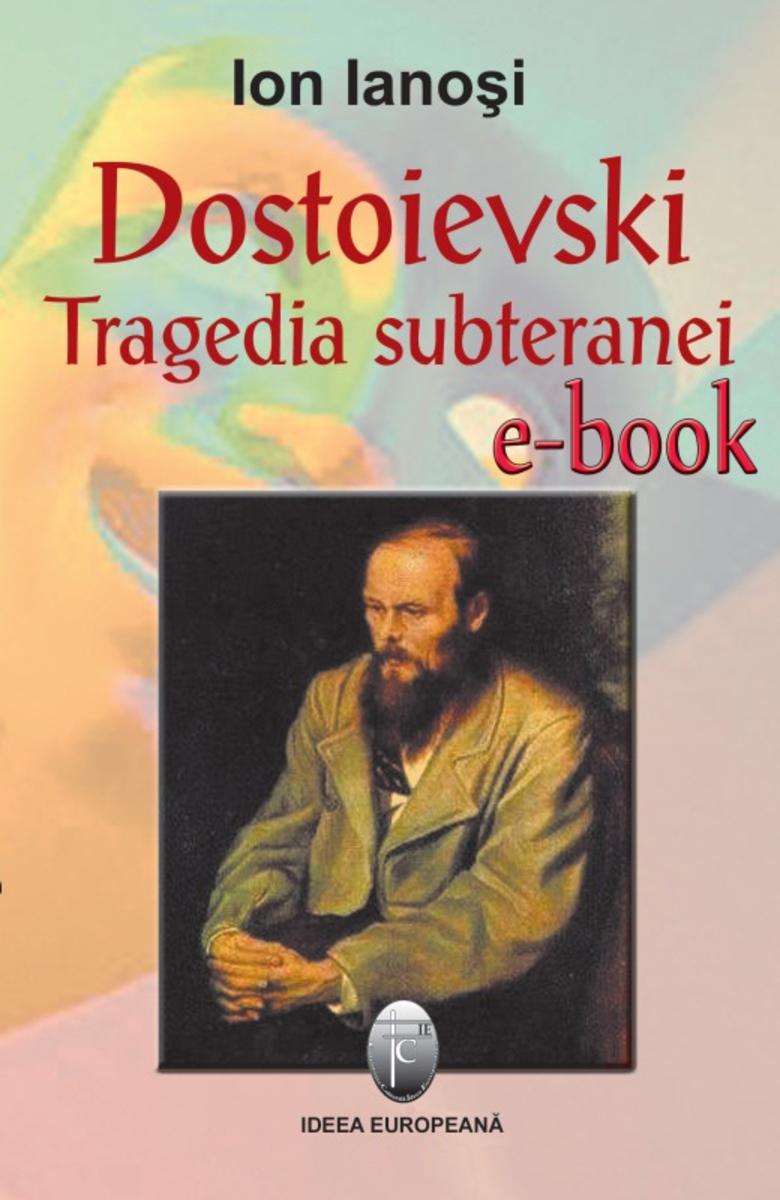
Dostoievski, tragedia subteranei
¥65.32
Lumea ?n care tr?im este tot mai schimb?toare. Tehnologia progreseaz? rapid, valorile se transform?, apar ?i dispar profesii cu o vitez? uluitoare. Cum am putea preg?ti ast?zi copilul, pentru lumea ?n care va tr?i m?ine, c?nd, poate, ceea ce pre?uim ast?zi, m?ine va fi dat uit?rii?P?rin?ii oscileaz? adesea ?ntre permisivitate ?i exigen??, ne?tiind care este strategia educa?ional? optim? pentru viitorul copiilor lor. S?-l scutim de orice efort ?i de orice responsabilitate? S?-l ?nscriem la cursuri op?ionale, ?n speran?a de a-i deschide c?t mai multe drumuri? S? insist?m pe disciplin? ?i materiile ?colare??n Calea ?nving?torului, cei doi autori recurg la numeroase exemple din via?a de zi cu zi ?i cercet?ri de ultim? or? ?i, ?ntr-un stil alert ?i atractiv, ofer? solu?ii simple. P?rin?ii nu numai c? se vor bucura mai t?rziu de roadele eforturilor lor, ci vor reu?i, prin intermediul activit??ilor desf??urate ?mpreun? cu copiii, s? creasc? coeziunea dintre ei ?i ace?tia.

Vindecarea prin pove?ti. Culegerea de cazuri destinat? folosirii metaforelor ter
¥114.37
Psihologia Sinelui, ?ntemeiat? de Heinz Kohut, este una dintre cele mai importante orient?ri din psihologia, psihoterapia ?i psihanaliza contemporan?. Pornind de la tulbur?rile narcisice de personalitate, frecvente ?n clinica sa din America anilor ‘50, Kohut se distan?eaz? de teoria pulsiunilor elaborat? de Freud pe baza trat?rii nevrozelor, foarte r?sp?ndite ?n Europa ?nceputului de secol. ?n centrul psihologiei sinelui se va afla linia narcisic? a dezvolt?rii psihice, pe care Kohut o consider? prioritar?. Sinele, obiectele sinelui, oglindirea, transferul narcisic iau locul principalelor concepte freudiene. Importantele modific?ri teoretice se concretizeaz? ?n ?nnoiri ale tehnicii, ?ntre care privilegierea empatiei ?n raport cu interpretarea se situeaz? pe primul plan.Sintetiz?nd ?ntreaga concep?ie a lui Kohut, prelegerile interactive sus?inute de el la Chicago la mijlocul anilor ‘70 se adreseaz? psihoterapeu?ilor, psihiatrilor, psihologilor, precum ?i tuturor celor interesa?i de cunoa?terea de profunzime a omului.
Scrisori din Cipangu. Povestiri japoneze de autori rom?ni
¥57.14
ntr-o cultur mercantil i narcisic, puini mai reuesc s triasc o iubire mplinit i autentic, stabil i satisfctoare. i aceasta, pentru c uitm adesea c iubirea, ca orice fel de art“, are nevoie de exerciiu i rbdare, de concentrare i determinare. n aceast carte clasic, Fromm exploreaz diversele chipuri ale iubirii, ncepnd cu forma ei romantic (adesea greit neleas), continund cu dragostea fratern i cea erotic i ncheind cu iubirea de sine i de Dumnezeu, precum i cu dragostea pentru prini i copii. Scris cu jumtate de secol n urm, acest ghid al ndrgostitului rtcit este mai actual ca oricnd, oferind, ntr-un limbaj limpede, ci spre un plus de intimitate, de pasiune i de rezonan afectiv. Lecia lui Fromm este c iubirea ncepe prin a oferi ceva celui drag (bucurie, nelegere, umor, curiozitate sau chiar tristee), prin a drui toate expresiile a ceea ce este viu n noi“.n anii 1970, am fost adeseori martor al felului deosebit n care Fromm i exprima iubirea. O simeam n felul n care ncepea o conversaie cu cineva. i, mai presus de toate, o simeam n felul n care se raporta la soia lui, Annis: cnd o sruta n lift, cnd i lua rmas bun, cnd o privea i o atingea. Capacitatea lui Fromm de a drui iubire poate fi resimit chiar i azi de cei care citesc Arta de a iubi.“ – Rainer Funk, psihanalist i fost asistent al lui E. FrommIubirea nu este n primul rnd o relaie cu o anumit persoan. Ea este o atitudine, o orientare a caracterului care determin relaionarea unei persoane cu lumea ca ntreg i nu doar cu un unic obiect al iubirii. Dac cineva iubete doar o alt persoan i este indiferent fa de restul semenilor si, iubirea sa nu este iubire, ci ataament simbiotic sau autocentrare amplificat.“ – Erich Fromm

Mályvacukor égbolt: Skye t?rténete
¥56.98
Un productor neobosit de surprize, n spaiul nostru literar, este Nicolae Breban…“ (Gabriel Dimisianu, Romnia literar“, nr. 42, 2009) Nicolae Breban este stpnit de – i ajunge sa stpneasc el nsui – voina de putere creatoare. Creaia este, dup Fr. Nietzsche, adevrata voina de putere. Ct pot crea – att exist“, iat relaia definitorie i poate chiar sensul vieii, raliat adnc unei ontologii a artei literare. Scriitorul se teme cel mai mult de insuficiena voinei. ntotdeauna a fost ngrozit de un succes de mna a doua. Un succes a fost faptul ca n Frana i-au fost publicate romane dificile“, ntr-un context literar i istoric defavorabil. (…) Breban triete cu luciditate abisal un vis estetic“. Urmeaz, aadar, i nu contrazice autonomia esteticului. Omul i cultura sunt artificioase, nu naturale. El crede c, n esen, literatura nu s-a schimbat niciodat de la Homer ncoace.“ (Marian Victor Buciu) Un romancier pentru o generaie a literaturii. Nici un prozator roman nu a trit, dup 1960, o evoluie att de rapid. Succesul fulgertor al lui Nicolae Breban nu poate i nici nu trebuie s fie judecat independent de momentul 1965 al literaturii tinere. O generaie de povestitori i de poei avea nevoie de un adevrat romancier pentru a-i consacra, aa cum se cuvine, strlucirea. Nu de un romancier fcut prin aglomerarea povestirilor, strlucitor pe fiecare pagina, spectaculos prin fiecare personaj al sau; generaia reclama nu un autor care tie sa povesteasc, ci un scriitor nzestrat cu vocaie de romancier: de adevrat constructor.“ (Cornel Ungureanu)

Banda celor ?ase ciori. Primul volum al seriei
¥90.84
Bestseller New York TimesUn roman din seria inspectorul Guido BrunettiCelebra c?nt?rea?? de oper? Flavia Petrelli reapare cu totul nea?teptat ?n via?a inspectorului de poli?ie Guido Brunetti.Flavia, care o interpreteaz? acum pe Floria Tosca din faimoasa oper? a lui Puccini, ?i m?rturise?te c? un admirator necunoscut a urmat-o de la Londra la Sankt Petersburg ?i la Vene?ia, cople?ind-o cu buchete imense de trandafiri galbeni. Pe m?sur? ce admiratorul invadeaz? via?a c?nt?re?ei, Brunetti ?ncearc? s? afle identitatea acestuia. Inspectorul ??i d? seama c? Flavia e ?n pericol c?nd un coleg de-al ei este r?nit grav.Va reu?i Brunetti s? intre ?n mintea admiratorului psihopat ?nainte ca Flavia sau altcineva din preajma ei s? p??easc? ceva r?u?"Un roman care are grandoarea unui spectacol de oper?… Seria Inspectorul Brunetti nu ?i-a pierdut deloc prospe?imea. Acesta e talentul extraordinar al Donnei Leon. Scriitura ei are exuberan?a unei opere de Puccini." - Independent (UK)"C?r?ile Donnei Leon se remarc? prin pitorescul locurilor unde se petrece ac?iunea ?i farmecul personajelor." - New York Times Book ReReview"Reapari?ia Flaviei ?i ofer? autoarei Donna Leon ocazia de a-?i exprima profunda dragoste pentru muzic? ?i de a construi o scen? magnific? ?ntre Flavia ?i admiratorul ei, scena ce reia finalul operei Tosca." - Booklist"Stilul elegant ?i expresiv al romanelor Donnei Leon face pentru Vene?ia ceea ce a f?cut Canaletto cu pensula ?i paleta de culori pentru cel mai seren dintre ora?e." - Daily Express
Elegii parisiene
¥46.36
Vrnd s fac un dar poeilor romni – de la care n tineree am primit inestimabile daruri, Nichita, Cezar, Grigore – am ndrznit o versiune romneasc a intraductibilelor i abstruselor poeme rilkeene. Mostre supreme ale unui discurs poetic somnambulic, desfidnd nu numai logica i sintaxa curent dar i cea poetic, aceste Elegii… sunt, cred eu, un vrf dac nu un monument al spiritualitii moderne europene. Sunt fericit ca limba romn a strmoilor mei i a marilor poei romni a primit i a putut cuprinde arta poetului austriac, ce se clatin i cuvnt ntr-un aer de o tensiune insuportabil, ntre Pindar i Holderlin, un monument de vrf inegalabil, cu siguran, al creaiei europene.“ (Nicolae Breban)
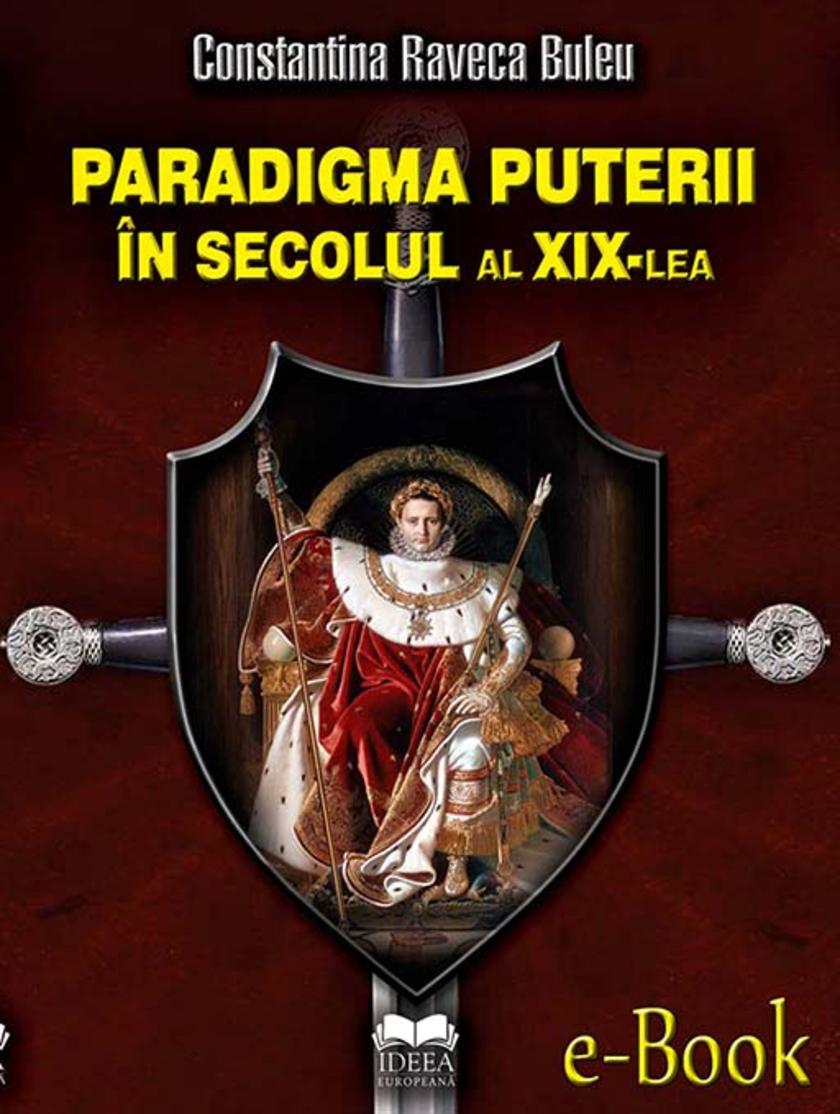
Paradigma puterii ?n secolul al XIX-lea
¥130.72
Educa?ia poate fi relaxant? ?i distractiv? at?t pentru copil c?t ?i pentru p?rinte, odat? ce de?inem bagajul minim necesar de cuno?tin?e despre etapele dezvolt?rii copilului ?i un set de metode simple ?i eficiente pentru a ie?i din ?ncurc?turi precum crizele de furie ?ntr-un magazin aglomerat sau manifest?rile de gelozie ?ntre fra?i.Interactiv?, clar? ?i instructiv?, aceast? carte ne arat? cum putem stimula imagina?ia, creativitatea, vorbirea sau abilit??ile practice ale copiilor ?ntr-un mod juc?u?, cum ?i de ce s? select?m din noianul de juc?rii de pe pia?? ?i, pe scurt, la ce s? ne a?tept?m ?i cum s? interac?ion?m cu copilul ?n func?ie de v?rsta ?i de pragul s?u de dezvoltare.

Convorbiri psihanalitice cu p?rin?ii
¥65.32
Cartea asta e inteligent. i amuzant. Nu, n-am dreptate. E genial i demenial. Dar avei grij: tocmai cnd o s v prpdii de rs, uluii i ngrozii de sinceritatea dezarmant a lui Alex, va schimba brusc tonul ntr-unul tandru i plin de compasiune.“ – Lawrence Cohen, PhD autorul crilor Reete de jocuri, Arta hrjonelii, Reete mpotriva ngrijorrii (ed. Trei).
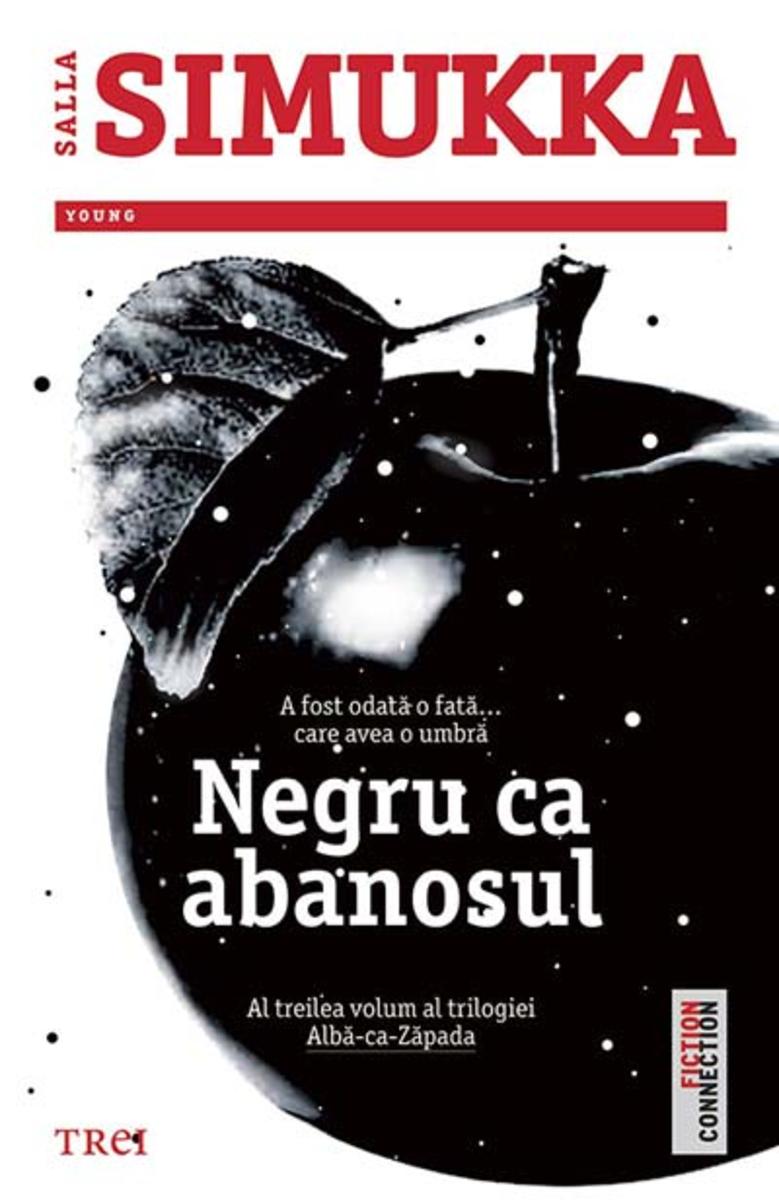
Negru ca abanosul: Al treilea volum al trilogiei Alb?-ca-Z?pada
¥57.14
Un roman tulbur?tor despre via??, iubire ?i moarte.Unde se afl? via?a noastr? con?tient?? E posibil s? o transfer?m altcuiva? S? o p?str?m intact??Hope, Josh ?i Luke sunt trei studen?i la neuro?tiin?e, lega?i inseparabil printr-o priete?nie necondi?ionat? ?i o idee genial?.C?nd unul dintre ei ajunge pe moarte, hot?r?sc s? ?ncerce imposibilul ?i s?-?i pun? ?n practic? proiectul lor ie?it din comun.Emo?ionant, misterios ?i ?n acela?i timp plin de umor, Orizontul r?sturnat e o poveste de dragoste etern? cu un dez?nod?m?nt uluitor."Cea mai bun? carte a lui Marc Levy! Teribil de captivant?!" - Le Parisien

Un Corazón de Ranita. 3° volumen. El vals estelar de la vida
¥53.30
Pe Nicolae Breban l-am citit, din primul an de facultate, a?a cum i-am citit pe marii scriitori: de la primul la ultimul titlu. ?n cazul s?u, mai mult poate dec?t ?n al oric?rui alt romancier postbelic, acest exerci?iu de fidelitate este obligatoriu. Romanele sale nu sunt indiferente unul fa?? de altul, ci comunic?, toate, ?ntre ele, alc?tuind un sistem omogen, ?n care fiecare pies? este necesar? ?i contribuie la armonia ?ntregului. De altfel, Breban a avut ?nc? de la primele c?r?i ambi?ia operei monumentale, displ?c?ndu-i fragmentarismul ?i proiectele care ?ncep ambi?ios, dar sucomba levantin. Romanele care au ap?rut p?n? ?n 1990, dup? care cititorii s?i fideli de p?n? atunci ?nc? mai suspin? nostalgic, ?n care marile sale teme sunt clar delimitate, reprezint? un reper nu doar pentru literatura rom?n? a ultimei jum?t??i de secol, ci ?i pentru opera ulterioara a scriitorului. C?r?ile publicate ?n ultimii dou?zeci ?i ceva de ani pierd mult dac? sunt citite ??n sine“, f?r? a fi raportate la ?ntregul operei brebaniene. Mai mult dec?t ?nainte, scriitorul a ?nceput s? se ?ntoarc? din ce ?n ce mai des la propriile crea?ii, s? le lege ?ntr-un silogism epic nu ?ntotdeauna facil de sesizat. Cine nu proiecteaz? ?ns? personajele, cazurile contorsionate, ac?iunile din ultimele ispr?vi epice ale autorului la vechile sale realiz?ri pierde imaginea de ansamblu, pierde poate chiar ?i ?calea de acces“ c?tre nucleul acestei opere majore. (Bogdan Cre?u).Ai o imens? ?tabl? de ?ah“, care se ?nt?mpl? s? fie lumea, manevrat? de dou? sisteme aparent antagonice (dar care se ?n?eleg foarte bine, fiindc? au fost de aceea?i parte a frontului ?n r?zboi), c?rora li se subsumeaz? unele subsisteme cu interese colaterale (cum a fost Lumea a treia sau alian?a ??rilor nealiniate). Dincolo de milioanele de mici episoade locale sau regionale care coloreaza jocul, unde se consuma nevroze f?r? num?r ?i mistific?ri extrem de sofisticate, dou? mize profunde r?m?n mereu pe tabl?, estompate ca relevan?? sau voit obscurizate, pentru a nu le vedea adversarul: planetarizarea surselor de energie ?i necesitatea cre?rii unui sistem inovator de control informa?ional, din care va ie?i, ?n cele din urm?, lumea Internetului de azi. Adic?, daca ne g?ndim bine, chiar cele dou? domenii ?n care comuni?tii au fost pu?i s? piard? partida, intr?nd apoi ?n colaps sistemic ?i ?n insolven??. Aminti?i-v? de ce se spunea dup? '89: c? Ceau?escu a fost mefient fa?? de computere. N-a fost singurul, din lumea comunista. Q.e.d. (?tefan Borbely)
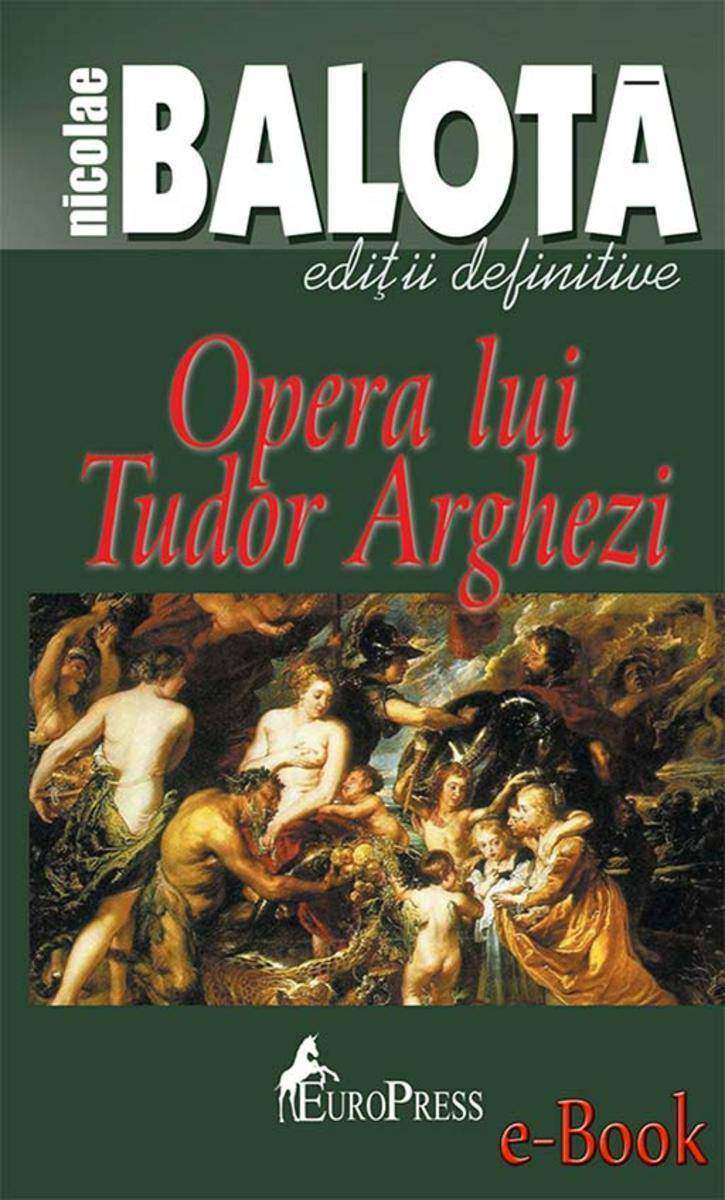
Opera lui Tudor Arghezi
¥106.19
Cartea lui Dan Dungaciu se individualizeaza prin originalitatea metodei sale: logistica. Sociologia este, prin excelenta, o "stiinta de spate", cum ar spune logisticienii, adica o stiinta care serveste marilor incordari colective (ofensive sau defensive) pe o durata anumita. Dan Dungaciu propune, in acest sens, cel putin trei procedee de cercetare a sociologiei la scara unei epoci si a unei arii de civilizatie, cea europeana in acest caz: a) "centrele logistice ale gandirii sociale" (care sustin retelele sociologiei); b). "Harta logistica a sociologiei" (romanesti in acest caz); c). Seria teoriilor reprezentative pentru cateva dintre temele dominante ale sociologiei interbelice. Modelul lecturii dezvaluie o fata surprinzatoare a uneia dintre cele mai spectaculoase manifestari ale sociologiei in secolul XX: sociologia romaneasca interbelica. Istoria logistica a sociologiei romanesti reconstituie astfel una dintre secventele de mare tensiune creatoare ale dramei neamului romanesc in secolul al XX-lea, ceea ce face din cartea lui Dan Dungaciu una de exceptie.


