


 购物车
 个人中心


A Dobay-ház
¥8.83
1791 októberében Wolfgang Amadeus Mozart azt mondta a feleségének, hogy megmérgezték. Másfél hónap múlva már nem volt az él?k sorában. N?vére, a szintén zongoravirtuózként indult Nannerl sógorn?jét?l értesül a fájdalmas hírr?l, és nyomban Bécsbe indul, de nem csak a temetésre. Elt?kéli, hogy kideríti az igazságot, és megtudja, valóban gyilkosság áldozata lett-e Mozart, és vajon kinek állt útjában. Bécs veszélyes városnak bizonyul: Nannerl s?tét titkokkal, ?sszeesküvésekkel, a császári udvarban zajló intrikákkal szembesül, a szabadk?m?vesek rejtélyes ?sszej?vetelein találja magát, mik?zben életében el?sz?r átéli az igaz szerelmet. ?s mindennek k?zpontjában Mozart utolsó operája, A varázsfuvola áll. Az olvasó a korabeli Bécs arisztokrata szalonjainak és hangversenytermeinek nyüzsg? világát láthatja mintegy függ?ny m?gül, mik?zben fel-felcsendül Mozart halhatatlan zenéje, és fény derül a sz?rny? titokra.

Cu c?r?ile pe fa??. Elemente de psihanaliz? rela?ional?
¥65.32
Amikor Vicky Firenzébe érkezik, hogy olaszul tanuljon és megmerítkezzen az ottani kultúrában, nem számít arra, hogy eltalálja ?mor nyila. A szerelem a jókép? és sármos, ám kissé rusztikus modorú talján séf, Gianfranco személyében érkezik. Gianfranco éttermében Vicky megismerkedik a toszkán konyham?vészettel is. Hétvégén a szerelmespár autóba pattan és felfedezi Toszkána gy?ny?r? tájait és a hegyekben megbújó k?zépkori városkákat. A színes leírásokban b?velked? gasztromemoár becsempészi az olvasót Toszkána, Umbria, Elba és Perugia romantikus éttermeinek és bárjainak színfalai m?gé. Remek olasz receptek szakítják meg hébe-hóba a sz?veget, mely nincs híján humornak, szerelemnek és szerelmi csalódásnak. ?Toszkán mese szerelemr?l és ételekr?l” – az alcím magáért beszél, de mesénél t?bbet kapunk: az írón? ironikus és olykor lírai stílusa igazi olvasási élményt is nyújt.

Mackó úr utazásai
¥8.83
Maszumé hétk?znapi kamaszlány a 60-as évek Iránjában. Iskolába menet meglát egy fiatalembert, akivel egymásba szeretnek. Maszumé bátyjai megtalálják ártatlan levelezésüket, húgukat megverik, majd máshoz kényszerítik feleségül. A lánynak fel kell adnia álmait, és el kell indulnia egy g?r?ngy?s úton, melyet a sors rendelt neki. Az ?tven évet fel?lel? regény a hazáját jól ismer? szerz? szemével k?veti végig Irán viharos t?rténelmét: a 60-as évek a sah elnyomó uralma alatt, majd az iszlám forradalom, mely visszahozta Iránba a k?zépkort, az iraki–iráni háború. A regényt, mely az utóbbi évtized legnagyobb bestsellere lett Iránban, kétszer is betiltották, azonban nem politikai tartalma miatt, hanem mert egy olyan független és er?s n? sorsát állítja példaképül, aki a sorscsapások és nehézségek ellenére sosem adja fel a reményt, s bár csendesen, mégis határozottan tiltakozik társadalmának elnyomó hagyományai ellen. Parinoush Saniee szociológus és pszichológus, t?bb regény szerz?je. A sors k?nyve els? regénye, melyet t?bb nyelvre fordítottak le, Olaszországban elnyerte a Boccaccio-díjat, Németországban bestseller lett. Az iráni írón? 1949-ben született, férjnél van, két fia külf?ld?n él.

Сочные блюда из курицы. Мамочкина вкуснятина!
¥17.74
Доля ж?нки в Пакистан? визначена наперед: бути пок?рною дружиною, догоджати чолов?ков? й виховувати д?тей. Але 1997 року народилася ??накша? д?вчинка. Вона хот?ла ходити в школу, носити яскравий одяг ? не ховати обличчя. В цей час владу в ?? р?дних краях, в долин? Сват, захопив ?Тал?бан?. За найменшу провину перед ?законом? терористи карали людей побоями ? нав?ть смертю. Геро?ня ? авторка ц??? книжки розум?ла важлив?сть осв?ти ? боронила права ж?нок, за що й отримала кулю в голову... ?? звуть Малала. ? це т?льки початок ?? ?стор??...
She
¥18.74
The War of the Worlds is a military science fiction novel by H. G. Wells. It first appeared in serialized form in 1897, published simultaneously in Pearson's Magazine in the UK and Cosmopolitan magazine in the US. The first appearance in book form was published by William Heinemann of London in 1898. It is the first-person narrative of the adventures of an unnamed protagonist and his brother in Surrey and London as Earth is invaded by Martians. Written between 1895 and 1897, it is one of the earliest stories that detail a conflict between mankind and an extraterrestrial race. The novel is one of the most commented-on works in the science fiction canon. The War of the Worlds has two parts, Book One: The Coming of the Martians and Book Two: The Earth under the Martians. The narrator, a philosophically-inclined author, struggles to return to his wife while seeing the Martians lay waste to southern England. Book One also imparts the experience of his brother, also unnamed, who describes events in the capital and escapes the Martians by boarding a ship near Tillingham, on the Essex coast. The plot has been related to invasion literature of the time. The novel has been variously interpreted as a commentary on evolutionary theory, British Imperialism, and generally Victorian superstitions, fears and prejudices. At the time of publication it was classified as a scientific romance, like his earlier novel The Time Machine. The War of the Worlds has been both popular (having never gone out of print) and influential, spawning half a dozen feature films, radio dramas, a record album, various comic book adaptations, a television series, and sequels or parallel stories by other authors. It has even influenced the work of scientists, notably Robert Hutchings Goddard. Plot SummaryYet across the gulf of space, minds that are to our minds as ours are to those of the beasts that perish, intellects vast and cool and unsympathetic, regarded this earth with envious eyes, and slowly and surely drew their plans against us.— H. G. Wells (1898), The War of the Worlds The Coming of the MartiansThe narrative opens in an astronomical observatory at Ottershaw where explosions are seen on the surface of the planet Mars, creating much interest in the scientific community. Later a "meteor" lands on Horsell Common, near the narrator's home in Woking, Surrey. He is among the first to discover that the object is an artificial cylinder that opens, disgorging Martians who are "big" and "greyish" with "oily brown skin," "the size, perhaps, of a bear," with "two large dark-coloured eyes," and a lipless "V-shaped mouth" surrounded by "Gorgon groups of tentacles." The narrator finds them "at once vital, intense, inhuman, crippled and monstrous." They briefly emerge, have difficulty in coping with the Earth's atmosphere, and rapidly retreat into the cylinder. A human deputation (which includes the astronomer Ogilvy) approaches the cylinder with a white flag, but the Martians incinerate them and others nearby with a heat-ray before beginning to assemble their machinery. Military forces arrive that night to surround the common, including Maxim guns. The population of Woking and the surrounding villages are reassured by the presence of the military. A tense day begins, with much anticipation of military action by the narrator.

Воздушные блинчики, оладьи, вафли.
¥17.99
Кра?на, яку залишили ?? творц?, винах?дники та мислител?, приречена на в?йну, голод ? смерть. Владу захоплюють нев?гласи, корупц?онери й мародери. ?стор?я трива? бодай тому, що одна вольова ж?нка на ?м’я Да?н? Та??арт переконана, що досконалий св?т справжн?х ц?нностей ?сну?. Вона намага?ться зламати сценар?й неминучо? катастрофи. ?? Атлантида не м?ф. У св?т? ще ? см?ливц?, спроможн? створити сусп?льний лад, де нема? конфл?кт?в, не виника? потреби в самопожертв?, жодна людина не становить загрози для мети ?нших. Бунт?вн? атланти знають, що розум таки переможе. Риторичне питання, хто такий Джон ?олт, насправд? ма? в?дпов?дь, а неймов?рн? ?де? — сво? вт?лення, яке проголомшу? людську уяву. В останн?й частин? свого фундаментального роману ?дей Айн Ренд змальову? ц?л?сну ф?лософську систему, яка дос? виклика? палк? дискус??, де в?д захвату до обурення — один крок.
Spiders
¥18.74
This book is called The White Spark as the white spark or vacuum cell in Nature IS THE RIGHT HAND OF GOD—it is a ubiquitous principle of the universe and is the cause and parent of electricity, combustion, radium, snow-flakes, flowers, trees, leaves, crystallization, wireless telegraphy, animal forms and EVEN LIFE ITSELF. This book is the key to every department of human endeavor, as it enunciates the basic principle and THE PRIME MOVER of the universe.?It tells the road to health, the cause and cure of disease, the truth about the germ humbug and drug treatments, serums and antitoxins. It shows why luminosity is produced on the flesh of various organisms, why a slice of pollock when first iced, then heated to 100 degrees and then thrust into a temperature of 50 degrees becomes luminous. It shows the farmer that he can become a magician of agriculture—tells that the nitrogen of the air is only a dust of quartz rocks, like the invisible moisture of the air is "a dust of water"—that the nodules on the roots of the clover and legumes do not abstract nitrogen from the air, for if they did nature would have placed these bacteriological growths on the vine and not the root, the scientists have the cart before the horse in this case and the nodular cells form the proteids from sand or silica, this book tells how it is done. It tells what a trance is and how the soul can leave the body temporarily. How JESUS CHRIST is carrying out the biblical prophesy by TELEPATHY. Gives the truths about the ideal society, alcohol, drunkenness, causes of crime, longevity and law.
Энциклопедия разумного огородника
¥17.74
Нельсон Мандела — п?вденноафриканський правозахисник, юрист, пол?тик, президент П?вденно-Африкансько? Республ?ки (1994 –??1999 рр.). Мандела був першим президентом ПАР, обраним на демократичних, не сфальсиф?кованих виборах. У сво?й трет?й книз? Нельсон Мандела в?дверто опису? ?н?ц?ац?ю африканських хлопчик?в, побут ? злидн? свого дитинства, навчання й одруження, народження ? смерть сво?х д?тей, жах самотност? в’язня на остров? Роббен ? вистраждану Свободу. Житт?вий досв?д та погляди Нельсона Мандели як н?коли актуальн? в контекст? нин?шн?х укра?нських реал?й, бо ?правда поляга? в тому, що ми ще не в?льн?, ми просто здобули свободу бути в?льними, право не бути пригноблюваними…справжн? випробування нашо? в?дданост? свобод? лише почина?ться?.??
Тринадцята казка (Trinadcjata kazka)
¥27.22
Одного дня життя дев’ятир?чного хлопчика повн?стю зм?нилося. Дитяча ц?кав?сть обернулася страшною пожежею, внасл?док яко? хлопчик отримав оп?ки майже усього т?ла. Пробувши у л?карн? п’ять м?сяц?в, в?н пережив ампутац?ю пальц?в та бол?сну реаб?л?тац?ю. Але якщо рубц? на т?л? можна прикрити одягом, то що робити ?з душевними шрамами? Чи можна п?сля цього мр?яти про повноц?нне щасливе життя? ?У полум’?? — це книга-спов?дь про незламн?сть, пошук себе ? велику роботу на шляху до усп?ху. Вона написана на основ? реальних под?й, як? зм?нили життя багатьох людей.

Торты нашего детства. Мамочкина вкуснятина!
¥17.99
Книга объединяет два главных прижизненных издания основателя и ярчайшего представителя поэзии абсурда. Эдвард Лир (1812-1888) – прославленный английский поэт и художник, отец литературного лимерика, жанра, оказавшего заметное влияние на литературу конца XIX и всего XX века. Лимерики (216 забавных пятистиший) приведены на языке оригинала с параллельными переводами, выполненными лучшим российским интерпретатором поэзии нонсенса Борисом Архипцевым, и сопровождаются авторскими иллюстрациями. Переводчик посвятил работе более 20 лет жизни, добившись уникального результата, невиданной прежде полноты раскрытия авторского замысла в сочетании с красотой и естественностью звучания русского стиха. ?…Архипцев переводит Эдварда Лира, как благочестивый толковник – Писание: он передает и смысл, и звук. Точен – часто до мельчайших деталей. Звучен – до самой лихой эквилибристики…??Н. Горбаневская. Книга погружает читателя в атмосферу тонкого английского юмора, превосходно переданного переводчиком, в мир абсурда, делая его близким и понятным человеку любого возраста – от младшего школьного до старшего пенсионного. Издательство Animedia Company желает вам приятного чтения.
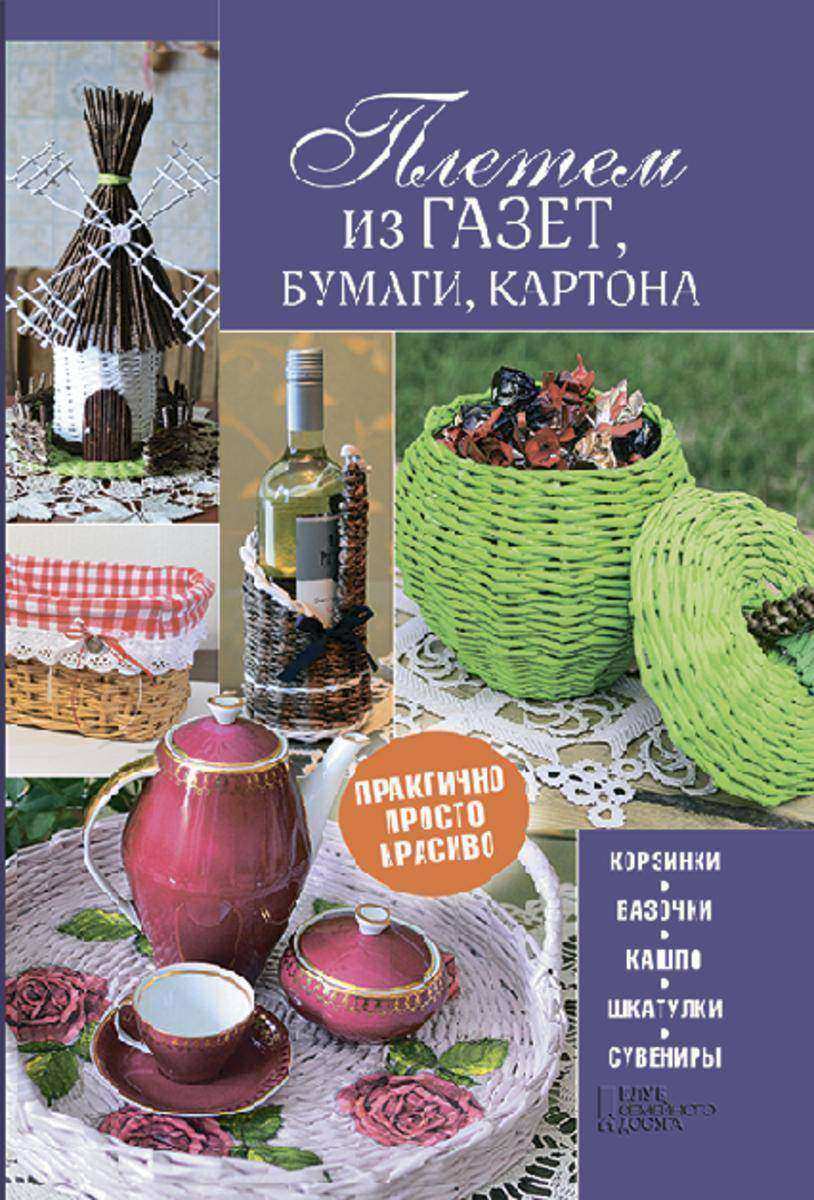
Плетем из газет, бумаги, картона (Pletem iz gazet, bumagi, kartona)
¥17.74
Rū?ītis ?ī skaistā pasaka ir mazā elfa dzīves stāsts. Vi?? mitinājās bagāta tirgotāja mājā un vienmēr bija pārticis.? ?ajā mājā dzīvoja arī kāds trūcīgs students, kur? bie?i cieta badu, jo visu naudu tērēja grāmatām. Kādu dienu Rū?ītis ieskatījās studenta istabi?ā pa atslēgas caurumu. Ko vi?? tur ieraudzīja? Kas notika tālāk? Lasiet pa?i! ?ajā burvju pasakā ir daudzas svarīgas patiesības un morāles vērtības. Tās saturs, noska?a un krāsainās ilustrācijas noteikti iepriecinās visus bērnus
The Lost World
¥18.74
Leonardo's views of aesthetic are all important in his philosophy of life and art. The worker's thoughts on his craft are always of interest. They are doubly so when there is in them no trace of literary self-consciousness to blemish their expression. He recorded these thoughts at the instant of their birth, for a constant habit of observation and analysis had early developed with him into a second nature. His ideas were penned in the same fragmentary way as they presented themselves to his mind, perhaps with no intention of publishing them to the world. But his ideal of art depended intimately, none the less, on the system he had thrown out seemingly in so haphazard a manner. The long obscurity of the Dark Ages lifted over Italy, awakening to a national though a divided consciousness. Already two distinct tendencies were apparent. The practical and rational, on the one hand, was soon to be outwardly reflected in the burgher-life of Florence and the Lombard cities, while at Rome it had even then created the civil organization of the curia. The novella was its literary triumph. In art it expressed itself simply, directly and with vigour. Opposed to this was the other great undercurrent in Italian life, mystical, religious and speculative, which had run through the nation from the earliest times, and received fresh volume from mediaeval Christianity, encouraging ecstatic mysticism to drive to frenzy the population of its mountain cities. Umbrian painting is inspired by it, and the glowing words of Jacopone da Todi expressed in poetry the same religious fervour which the life of Florence and Perugia bore witness to in action. Italy developed out of the relation and conflict of these two forces the rational with the mystical. Their later union in the greater men was to form the art temperament of the Renaissance. The practical side gave it the firm foundation of rationalism and reality on which it rested; the mystical guided its endeavour to picture the unreal in terms of ideal beauty.The first offspring of this union was Leonardo. Since the decay of ancient art no painter had been able to fully express the human form, for imperfect mastery of technique still proved the barrier. Leonardo was the first completely to disengage his personality from its constraint, and make line express thought as none before him could do. Nor was this his only triumph, but rather the foundation on which further achievement rested. Remarkable as a thinker alone, he preferred to enlist thought in the service of art, and make art the handmaid of beauty. Leonardo saw the world not as it is, but as he himself was. He viewed it through the atmosphere of beauty which filled his mind, and tinged its shadows with the mystery of his nature. From his earliest years, the elements of greatness were present in Leonardo. But the maturity of his genius came unaffected from without. He barely noticed the great forces of the age which in life he encountered. After the first promise of his boyhood in the Tuscan hills, his youth at Florence had been spent under Verrocchio as a master, in company with those whose names were later to brighten the pages of Italian art. At one time he contemplated entering the service of an Oriental prince. Instead, he entered that of Caesar Borgia, as military engineer, and the greatest painter of the age became inspector of a despot's strongholds. But his restless nature did not leave him long at this. Returning to Florence he competed with Michelangelo; yet the service of even his native city could not retain him. His fame had attracted the attention of a new patron of the arts, prince of the state which had conquered his first master. In this his last venture, he forsook Italy, only to die three years later at Amboise, in the castle of the French king.

The Secret Garden
¥8.67
The Divine Comedy describes Dante's journey through Hell (Inferno), Purgatory (Purgatorio), and Paradise (Paradiso), guided first by the Roman poet Virgil and then by Beatrice, the subject of his love and of another of his works, La Vita Nuova. While the vision of Hell, the Inferno, is vivid for modern readers, the theological niceties presented in the other books require a certain amount of patience and knowledge to appreciate. Purgatorio, the most lyrical and human of the three, also has the most poets in it; Paradiso, the most heavily theological, has the most beautiful and ecstatic mystic passages in which Dante tries to describe what he confesses he is unable to convey (e.g., when Dante looks into the face of God: "all'alta fantasia qui mancò possa" — "at this high moment, ability failed my capacity to describe," Paradiso, XXXIII, 142). His glory, by whose might all things are mov'd,Pierces the universe, and in one partSheds more resplendence, elsewhere less. In heav'n,That largeliest of his light partakes, was I,Witness of things, which to relate againSurpasseth power of him who comes from thence;For that, so near approaching its desireOur intellect is to such depth absorb'd,That memory cannot follow. Nathless all,That in my thoughts I of that sacred realmCould store, shall now be matter of my song. Benign Apollo! this last labour aid,And make me such a vessel of thy worth,As thy own laurel claims of me belov'd.Thus far hath one of steep Parnassus' browsSuffic'd me; henceforth there is need of bothFor my remaining enterprise Do thouEnter into my bosom, and there breatheSo, as when Marsyas by thy hand was dragg'dForth from his limbs unsheath'd. O power divine!If thou to me of shine impart so much,That of that happy realm the shadow'd formTrac'd in my thoughts I may set forth to view,Thou shalt behold me of thy favour'd treeCome to the foot, and crown myself with leaves;For to that honour thou, and my high themeWill fit me. If but seldom, mighty Sire!To grace his triumph gathers thence a wreathCaesar or bard (more shame for human willsDeprav'd) joy to the Delphic god must springFrom the Pierian foliage, when one breastIs with such thirst inspir'd. From a small sparkGreat flame hath risen: after me perchanceOthers with better voice may pray, and gainFrom the Cirrhaean city answer kind. About Dante: Durante degli Alighieri, simply referred to as Dante (1265–1321), was a major Italian poet of the Middle Ages. His Divine Comedy, originally called La Comedia and later called Divina by Boccaccio, is widely considered the greatest literary work composed in the Italian language and a masterpiece of world literature. In Italy he is known as il Sommo Poeta ("the Supreme Poet") or just il Poeta. He, Petrarch and Boccaccio are also known as "the three fountains" or "the three crowns". Dante is also called the "Father of the Italian language".

Szobortánc
¥58.29
Soman Chainani els? regénye, a New York Times bestseller Jók és Rosszak Iskolája folytatásában Sophie és Agatha visszatér Gavaldonba, és boldogan élnek saját világukban, ám az élet nem olyan tündérmese, amilyennek képzelték… Agatha már úgy érzi, bárcsak más boldog befejezést kívánt volna a mesének, ám ekkor véletlenül megtalálja és kinyitja a Jók és Rosszak Iskolájának kapuját. A lányok azzal szembesülnek, hogy az a világ, amit az els? tanévben tapasztaltak, megváltozott. A boszorkányok és a hercegn?k a Lányok Iskolájában laknak. Elhatározták, hogy kirekesztik életükb?l a hercegeket. Tedros és a fiúk a Rossz Iskolája régi tornyainak lakói lettek. A két iskola k?z?tt háború van kit?r?ben. Vajon Agatha és Sophie helyre tudják állítani a békét? Vajon Sophie jó tud maradni úgy, hogy Tedros állandóan üld?zi? ?s kihez húz Agatha szíve? A barátn?jéhez vagy a hercegéhez? Soman Chainani kül?nleges világot teremtett. A Newbery-díj legutóbbi jutalmazottja, Ann M. Martin ?páratlan mesének” nevezi, amely ?csupa romantika, varázslat, humor és rejtvény. Legszívesebben egyhuzamban olvasnánk végig.”
Hallatlan kiváncsiság
¥8.67
In creating psychoanalysis, a clinical method for treating psychopathology through dialogue between a patient and a psychoanalyst, Freud developed therapeutic techniques such as the use of free association (in which patients report their thoughts without reservation and in whichever order they spontaneously occur) and discovered transference (the process in which patients displace on to their analysts feelings derived from their childhood attachments), establishing its central role in the analytic process. Freud’s redefinition of sexuality to include its infantile forms led him to formulate the Oedipus complex as the central tenet of psychoanalytical theory. His analysis of his own and his patients' dreams as wish-fulfillments provided him with models for the clinical analysis of symptom formation and the mechanisms of repression as well as for elaboration of his theory of the unconscious as an agency disruptive of conscious states of mind. Freud postulated the existence of libido, an energy with which mental processes and structures are invested and which generates erotic attachments, and a death drive, the source of repetition, hate, aggression and neurotic guilt. In his later work Freud drew on psychoanalytic theory to develop a wide-ranging interpretation and critique of religion and culture. Psychoanalysis remains influential within psychotherapy, within some areas of psychiatry, and across the humanities. As such it continues to generate extensive and highly contested debate with regard to its therapeutic efficacy, its scientific status and as to whether it advances or is detrimental to the feminist cause. Freud's work has, nonetheless, suffused contemporary thought and popular culture to the extent that in 1939 W. H. Auden wrote, in a poem dedicated to him: "to us he is no more a person / now but a whole climate of opinion / under whom we conduct our different lives". About Author: Sigmund Freud (Born Sigismund Schlomo Freud; 6 May 1856 – 23 September 1939) was an Austrian neurologist who became known as the founding father of psychoanalysis. Freud qualified as a doctor of medicine at the University of Vienna in 1881, and then carried out research into cerebral palsy, aphasia and microscopic neuroanatomy at the Vienna General Hospital. He was appointed a university lecturer in neuropathology in 1885 and became a professor in 1902.

Kis karácsony, nagy karácsony
¥29.02
Sosem értetted a szakk?nyveket az autizmusról? Itt az alkalom, hogy olvasmányos és humoros formában megismerd a legfontosabb tudnivalókat a gyanújelekt?l a diagnózison át, a terápiáig. K?zérthet?, szakkifejezés mentes k?nyv szül?knek, nagyszül?knek és laikusoknak. Mit nevezünk autizmusnak és mi okozza? Mi az a BNO szám? Milyen terápiák vannak és melyik jó a gyerekemnek? Kérdések a diagnózis után? Családom nem fogadja el az autista gyerekemet, mit tehetek? Milyen támogatásokat kérhetek, és hol intézzem? Mi lesz vele ha én már nem leszek? ?s még számtalan más kérdés...
Hosszúhajú veszedelem
¥8.67
The stories were written when Irish nationalism was at its peak, and a search for a national identity and purpose was raging; at a crossroads of history and culture, Ireland was jolted by various converging ideas and influences. They centre on Joyce's idea of an epiphany: a moment where a character experiences self-understanding or illumination. Many of the characters in Dubliners later appear in minor roles in Joyce's novel Ulysses. The initial stories in the collection are narrated by child protagonists, and as the stories continue, they deal with the lives and concerns of progressively older people. This is in line with Joyce's tripartite division of the collection into childhood, adolescence and maturity. THERE was no hope for him this time: it was the third stroke. Night after night I had passed the house (it was vacation time) and studied the lighted square of window: and night after night I had found it lighted in the same way, faintly and evenly. If he was dead, I thought, I would see the reflection of candles on the darkened blind for I knew that two candles must be set at the head of a corpse. He had often said to me: "I am not long for this world," and I had thought his words idle. Now I knew they were true. Every night as I gazed up at the window I said softly to myself the word paralysis. It had always sounded strangely in my ears, like the word gnomon in the Euclid and the word simony in the Catechism. But now it sounded to me like the name of some maleficent and sinful being. It filled me with fear, and yet I longed to be nearer to it and to look upon its deadly work.Old Cotter was sitting at the fire, smoking, when I came downstairs to supper. While my aunt was ladling out my stirabout he said, as if returning to some former remark of his: "No, I wouldn't say he was exactly... but there was something queer... there was something uncanny about him. I'll tell you my opinion...." He began to puff at his pipe, no doubt arranging his opinion in his mind. Tiresome old fool! When we knew him first he used to be rather interesting, talking of faints and worms; but I soon grew tired of him and his endless stories about the distillery. "I have my own theory about it," he said. "I think it was one of those... peculiar cases.... But it's hard to say...." He began to puff again at his pipe without giving us his theory. My uncle saw me staring and said to me:"Well, so your old friend is gone, you'll be sorry to hear." "Who?" said I."Father Flynn.""Is he dead?" ? ABOUT AUTHOR: ? James Augustine Aloysius Joyce (1882 – 1941) was an Irish novelist and poet, considered to be one of the most influential writers in the modernist avant-garde of the early 20th century. Joyce is best known for Ulysses (1922), a landmark work in which the episodes of Homer's Odyssey are paralleled in an array of contrasting literary styles, perhaps most prominent among these the stream of consciousness technique he perfected. Other major works are the short-story collection Dubliners (1914), and the novels A Portrait of the Artist as a Young Man (1916) and Finnegans Wake (1939). His complete oeuvre also includes three books of poetry, a play, occasional journalism, and his published letters.

Rajtad a szemem
¥65.15
"Imádsz írni? Szeretnéd, ha olvasnák is? Még jobb lenne, ha megvennék, amit írsz?Gondolj csak bele, rajtad kívül még milliónyian akarnak írók lenni, s még t?bben blogszerz?k, cikkírók. ?riási a kínálat, mennyi az esély, hogy téged észrevesznek? ?s ha észrevesznek, mennyien fognak olvasni? S, ha olvasnak elegen, hogyan éred el, hogy vegyenek is t?led? S, ha még ezt el is éred, tudod, honnan veszed mindehhez az id?t? Ha elgondolkodtál ezeken, akkor máris tudod, milyen értékes, ha valaki helyetted már elgondolkodott ezeken a kérdéseken, megkereste a megoldásokat, és számodra id?t, fáradtságot spórolva a ?kezedbe adja”." Van egy bizonyos pszichológiai folyamat, amin az olvasó átmegy,amikor megismeri az írásaidat. Ha ennek ismeretében és figyelembevételével építed fel a kommunikációdat, az nagyon jól fog m?k?dni. Biztosan azt szeretnéd, ha egyre t?bb olvasód és/vagy vev?d lenne. Ha alkalmazod a k?nyvben bemutatott lépéseket, az olvasókat k?nnyen eléred, majd lépésr?l-lépésre végigviszed azon a folyamaton, amely érdekl?d?b?l visszatér? olvasót és lelkes vásárlót alakít. Ez a világ egyik legcsodálatosabb folyamata: Te egyre lelkesebben írsz és az olvasók egyre jobban várják, az új munkáidat. Mindezt úgy, hogy nem nyomulsz, hanem ellenkez?leg, olyan szimpatikusan csinálod, hogy ?r?m?t okoz újra és újra visszatérni, olvasni és megvásárolni a m?veidet.

Brooklyni balgaságok
¥65.15
Ez volt ám az ember, ha kellett, a gáton, Nem terem ma párja hetedhét országon; Ha most feltámadna s elj?ne k?zétek, Minden dolgát szemfényvesztésnek hinnétek. Hárman sem birnátok súlyos buzogányát, Parittyak?veit, ?klel? kopjáját; Elhülnétek, látva rettenetes pajzsát, ‘?s, kit a csizmáján viselt, sarkantyúját.’ […] He was brave and fearless, always ready for fight, There’s nobody like him here and there and world-wide; If he would rise from dead and would come to your ranks, You’d believe all his things to be fancies and cranks. Neither three of yours could raise his ponderous mace And his sling-stones and pike and his iron sword-lace; You’d be well dumbfounded looking at his grand shield, ‘And at spurs he had on his boots in battle-field.’ ?
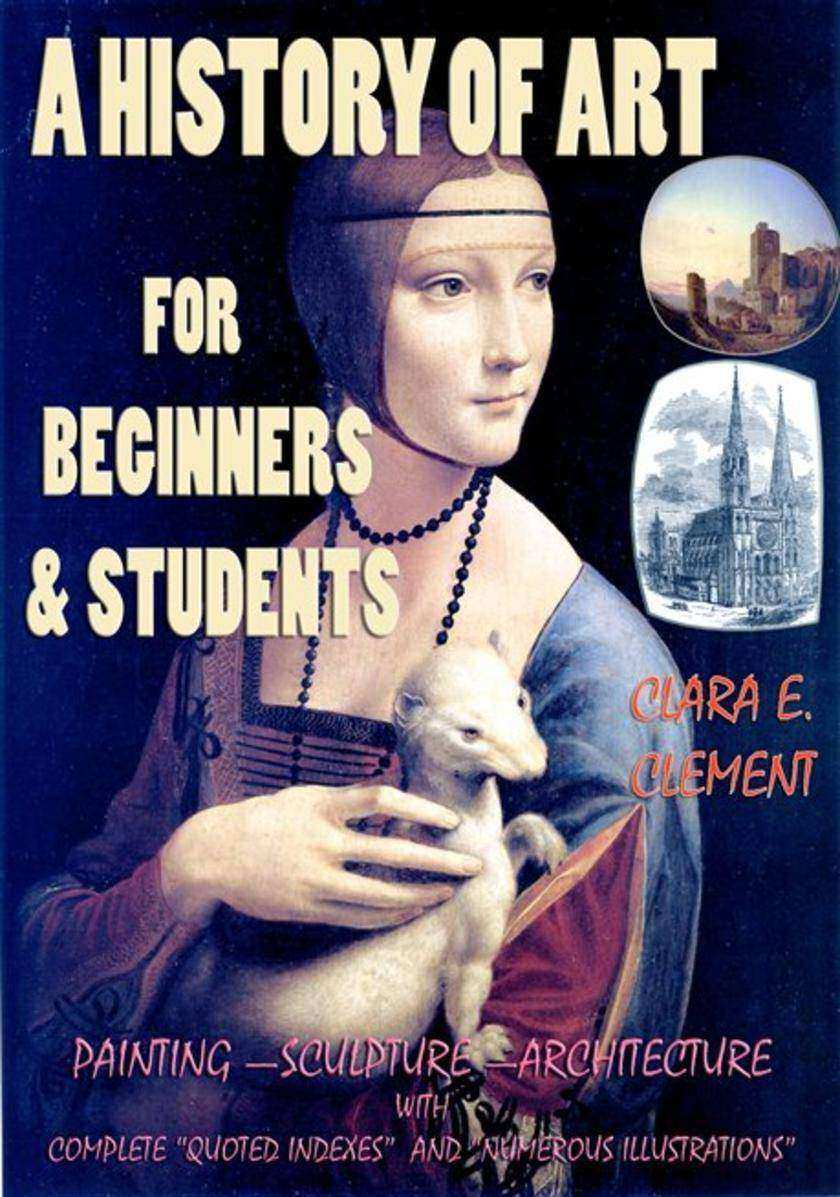
A History of Art for Beginners and Students
¥24.44
A kis szellem minden éjjel pontban éjfélkor f?lébred. Vígan járja Bagolyk? várának ?sszes termét, és meglátogatja ?reg barátját, Uhu bácsit. De k?zben arról ábrándozik, milyen jó lenne nappal látni a világot! Csupán egyetlenegyszer… Addig nem nyugszik, míg egy ver?fényes napon a kívánsága váratlanul nem teljesül. Ekkor izgalmas kalandok sora veszi kezdetét, és nemcsak a kis szellem számára… A Kolibri Klasszikusok sorozatban a Torzonborz-t?rténetek után egy újabb Otfried Preussler meseh?s, a kis szellem válhat generációk kedvencévé.
A Dialogue in Hades: "Illustrated"
¥8.09
t lány, t nézpont, t knyv. Cherry trténete, a Cseresznyés ábránd az els. Cherry Costello élete hamarosan rkre megváltozik. Somersetbe kltzik az apukájával, ahol egy új anyuka és egy csomó vadiúj testvér vár rá. Rgtn az els napon megismeri Shay Fletchert, aki annyira szívdgleszt, hogy az már kzveszélyes. Csakhogy Shay foglalt: Cherry új mostohatestvérével, Honey-val jár. Cherry pontosan tudja, milyen kockázatos Shayjel barátkoznia – hiszen ezzel mindent tnkretehet. Csakhogy ez még nem jelenti azt, hogy távol is tudja tartani magát tle… Csajok és csokik. Egy knyvsorozat, melyben minden testvérnek megvan a maga trténete… Neked melyik lány lesz a kedvenced Talán a Cseresznyés ábránd fhse, Cherry Az a lány, akinek tejeskávé szín a bre, stétbarna szeme pedig mandulavágású. Akinek élénk a képzelete, szórakoztató a társaságában lenni, és aki mindig kiáll magáért. Cathy Cassidy nyolc-kilencéves korában írta meg els képesknyvét kisccsének, és azóta ontja magából a trténeteket. Magyarul elsként a Csajok és csokik-sorozata (a Cseresznyés ábránd az 1. ktet) jelenik meg, melynek a vagány Tanberry-nvérek a fhsei, de mellettük feltnik néhány szupermen srác is, valamint Cathy egyik legnagyobb szerelme, a csokoládé is fontos szerepet kap. Cathy Skóciában él a családjával. Az sszes munka kzül, amivel valaha megpróbálkozott, az írást szereti a legjobban – hiszen amikor ír, mást sem kell csinálnia, mint ébren álmodozni egész álló nap.


