


 购物车
购物车 个人中心
个人中心

The Tale of Squirrel Nutkin by Beatrix Potter - Delphi Classics (Illustrated)
¥8.09
This eBook features the unabridged text of ‘The Tale of Squirrel Nutkin by Beatrix Potter' with the original high resolution illustrations, from the bestselling edition of ‘The Complete Works of Beatrix Potter’. Having established their name as the leading publisher of classic literature and art, Delphi Classics produce publications that are individually crafted with superior formatting, while introducing many rare texts for the first time in digital print. The Delphi Classics edition of Potter includes original annotations and illustrations relating to the life and works of the author, as well as individual tables of contents, allowing you to navigate eBooks quickly and easily. eBook features: * The complete unabridged text of ‘The Tale of Squirrel Nutkin by Beatrix Potter - Delphi Classics (Illustrated)’ * Beautifully illustrated with images related to Potter’s works * Individual contents table, allowing easy navigation around the eBook * Excellent formatting of the textPlease visit www.delphiclassics.com to learn more about our wide range of titles

Sister Anne by Beatrix Potter - Delphi Classics (Illustrated)
¥8.09
This eBook features the unabridged text of ‘Sister Anne by Beatrix Potter - Delphi Classics (Illustrated)’ from the bestselling edition of ‘The Complete Works of Beatrix Potter’. Having established their name as the leading publisher of classic literature and art, Delphi Classics produce publications that are individually crafted with superior formatting, while introducing many rare texts for the first time in digital print. The Delphi Classics edition of Potter includes original annotations and illustrations relating to the life and works of the author, as well as individual tables of contents, allowing you to navigate eBooks quickly and easily. eBook features: * The complete unabridged text of ‘Sister Anne by Beatrix Potter - Delphi Classics (Illustrated)’ * Beautifully illustrated with images related to Potter’s works * Individual contents table, allowing easy navigation around the eBook * Excellent formatting of the text Please visit www.delphiclassics.com to learn more about our wide range of titles

Selected Journal Entries by Beatrix Potter - Delphi Classics (Illustrated)
¥8.09
This eBook features the unabridged text of ‘Selected Journal Entries by Beatrix Potter - Delphi Classics (Illustrated)’ from the bestselling edition of ‘The Complete Works of Beatrix Potter’. Having established their name as the leading publisher of classic literature and art, Delphi Classics produce publications that are individually crafted with superior formatting, while introducing many rare texts for the first time in digital print. The Delphi Classics edition of Potter includes original annotations and illustrations relating to the life and works of the author, as well as individual tables of contents, allowing you to navigate eBooks quickly and easily. eBook features: * The complete unabridged text of ‘Selected Journal Entries by Beatrix Potter - Delphi Classics (Illustrated)’ * Beautifully illustrated with images related to Potter’s works * Individual contents table, allowing easy navigation around the eBook * Excellent formatting of the text Please visit www.delphiclassics.com to learn more about our wide range of titles
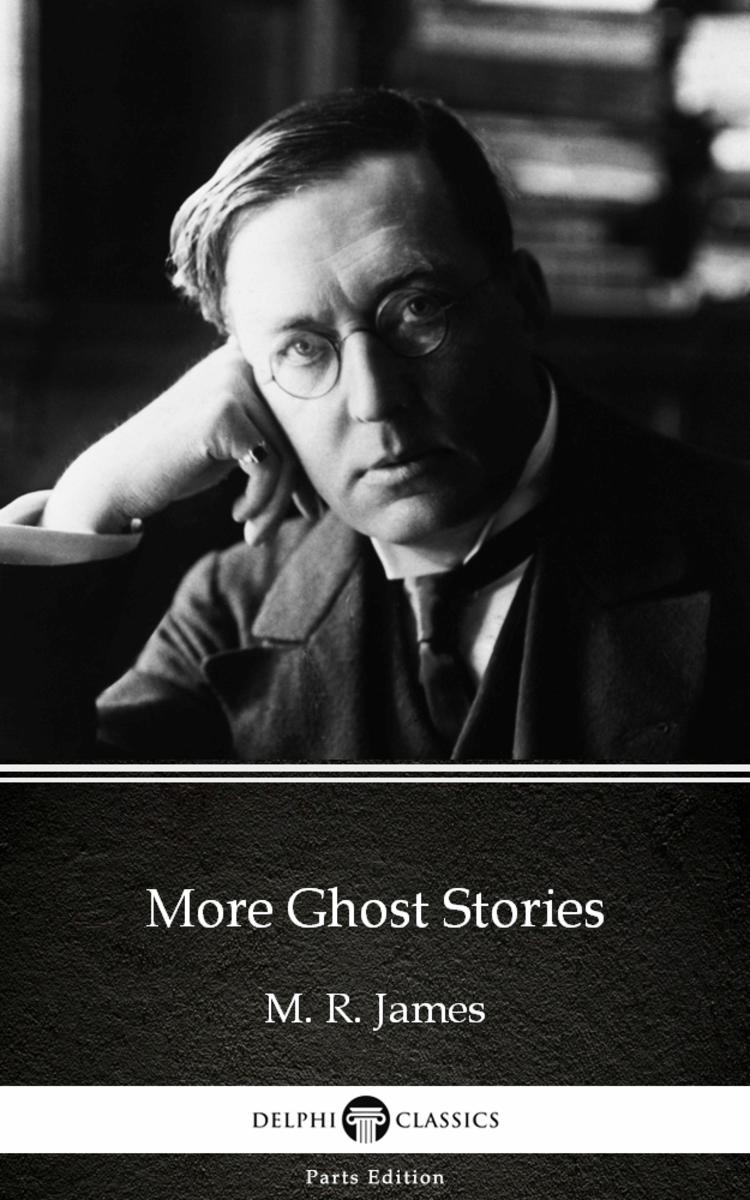
More Ghost Stories by M. R. James - Delphi Classics (Illustrated)
¥8.09
This eBook features the unabridged text of ‘More Ghost Stories by M. R. James - Delphi Classics (Illustrated)’ from the bestselling edition of ‘The Complete Works of M. R. James’. Having established their name as the leading publisher of classic literature and art, Delphi Classics produce publications that are individually crafted with superior formatting, while introducing many rare texts for the first time in digital print. The Delphi Classics edition of James includes original annotations and illustrations relating to the life and works of the author, as well as individual tables of contents, allowing you to navigate eBooks quickly and easily. eBook features: * The complete unabridged text of ‘More Ghost Stories by M. R. James - Delphi Classics (Illustrated)’ * Beautifully illustrated with images related to James’s works * Individual contents table, allowing easy navigation around the eBook * Excellent formatting of the textPlease visit www.delphiclassics.com to learn more about our wide range of titles
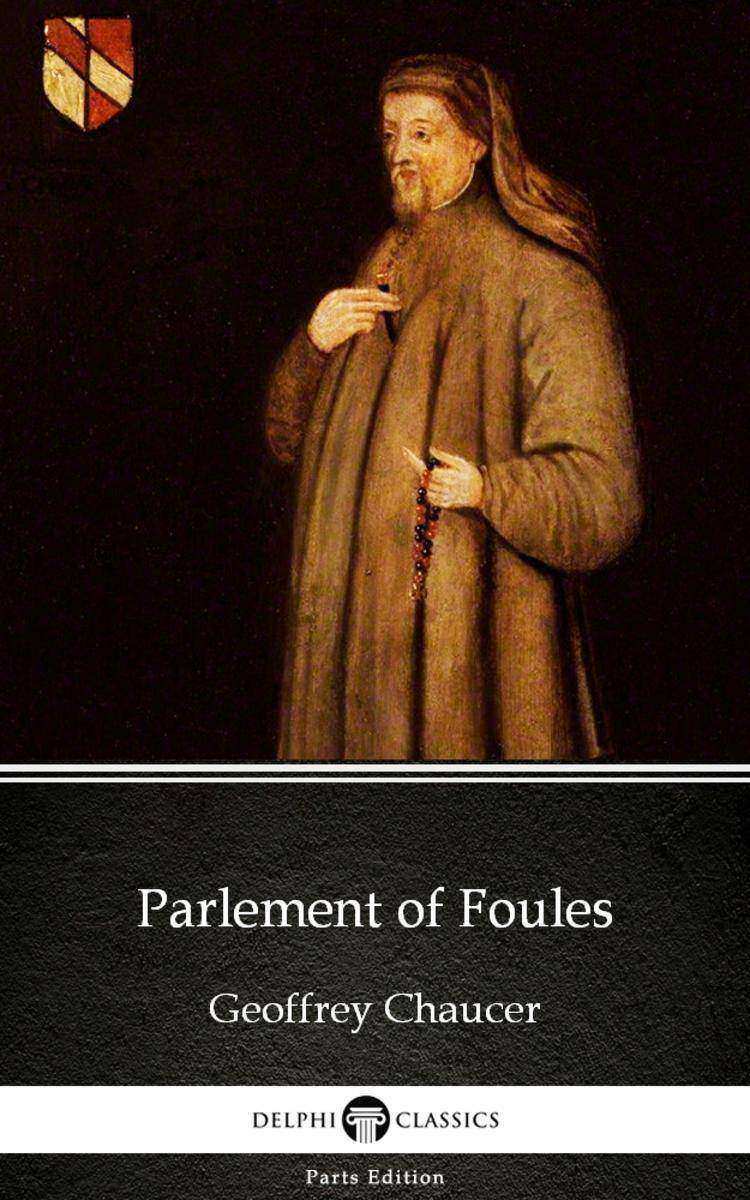
Parlement of Foules by Geoffrey Chaucer - Delphi Classics (Illustrated)
¥8.09
This eBook features the unabridged text of ‘Parlement of Foules by Geoffrey Chaucer - Delphi Classics (Illustrated)’ from the bestselling edition of ‘The Complete Works of Geoffrey Chaucer’. Having established their name as the leading publisher of classic literature and art, Delphi Classics produce publications that are individually crafted with superior formatting, while introducing many rare texts for the first time in digital print. The Delphi Classics edition of Chaucer includes original annotations and illustrations relating to the life and works of the author, as well as individual tables of contents, allowing you to navigate eBooks quickly and easily. eBook features: * The complete unabridged text of ‘Parlement of Foules by Geoffrey Chaucer - Delphi Classics (Illustrated)’ * Beautifully illustrated with images related to Chaucer’s works * Individual contents table, allowing easy navigation around the eBook * Excellent formatting of the textPlease visit www.delphiclassics.com to learn more about our wide range of titles

The Canterbury Tales - Original and Modernised Text by Geoffrey Chaucer - Delphi
¥8.09
This eBook features the unabridged text Chaucer's ‘The Canterbury Tales' in the Original medieval text and a Modernised Text, from the bestselling edition of ‘The Complete Works of Geoffrey Chaucer’. Having established their name as the leading publisher of classic literature and art, Delphi Classics produce publications that are individually crafted with superior formatting, while introducing many rare texts for the first time in digital print. The Delphi Classics edition of Chaucer includes original annotations and illustrations relating to the life and works of the author, as well as individual tables of contents, allowing you to navigate eBooks quickly and easily. eBook features: * The complete unabridged text of ‘The Canterbury Tales - Original and Modernised Text by Geoffrey Chaucer - Delphi Classics (Illustrated)’ * Beautifully illustrated with images related to Chaucer’s works * Individual contents table, allowing easy navigation around the eBook * Excellent formatting of the textPlease visit www.delphiclassics.com to learn more about our wide range of titles
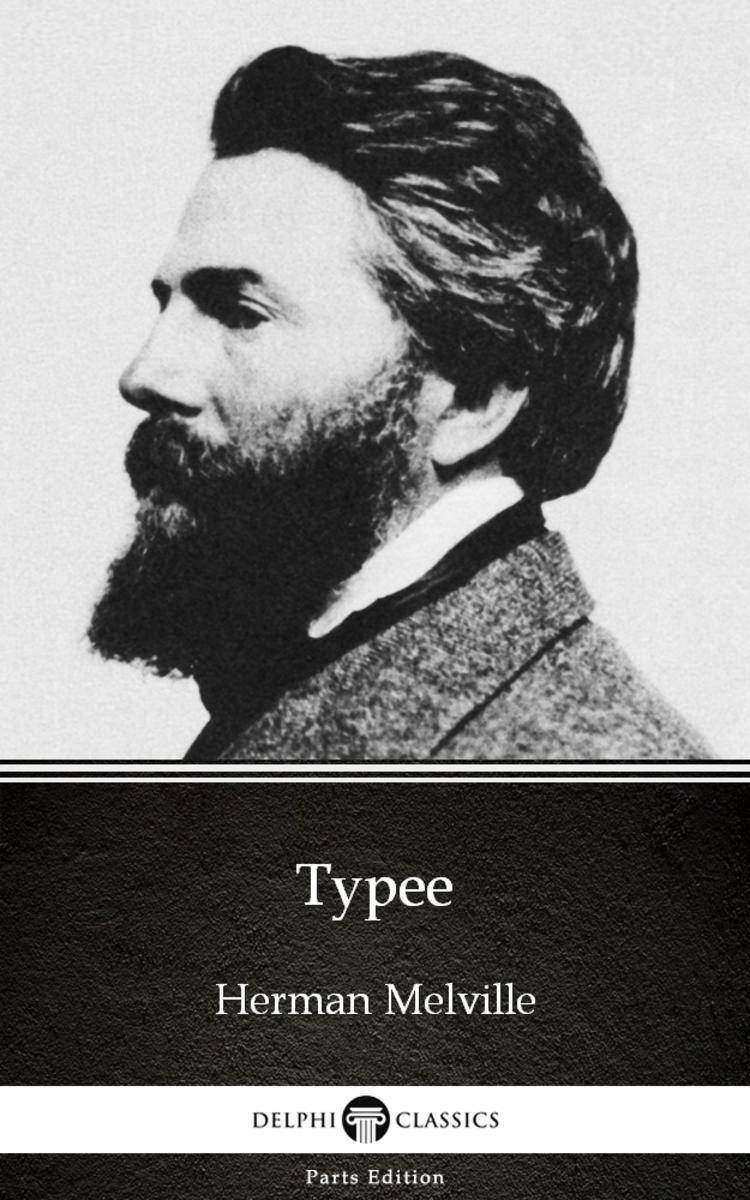
Typee by Herman Melville - Delphi Classics (Illustrated)
¥8.09
This eBook features the unabridged text of ‘Typee by Herman Melville - Delphi Classics (Illustrated)’ from the bestselling edition of ‘The Complete Works of Herman Melville’. Having established their name as the leading publisher of classic literature and art, Delphi Classics produce publications that are individually crafted with superior formatting, while introducing many rare texts for the first time in digital print. The Delphi Classics edition of Melville includes original annotations and illustrations relating to the life and works of the author, as well as individual tables of contents, allowing you to navigate eBooks quickly and easily. eBook features: * The complete unabridged text of ‘Typee by Herman Melville - Delphi Classics (Illustrated)’ * Beautifully illustrated with images related to Melville’s works * Individual contents table, allowing easy navigation around the eBook * Excellent formatting of the text Please visit www.delphiclassics.com to learn more about our wide range of titles
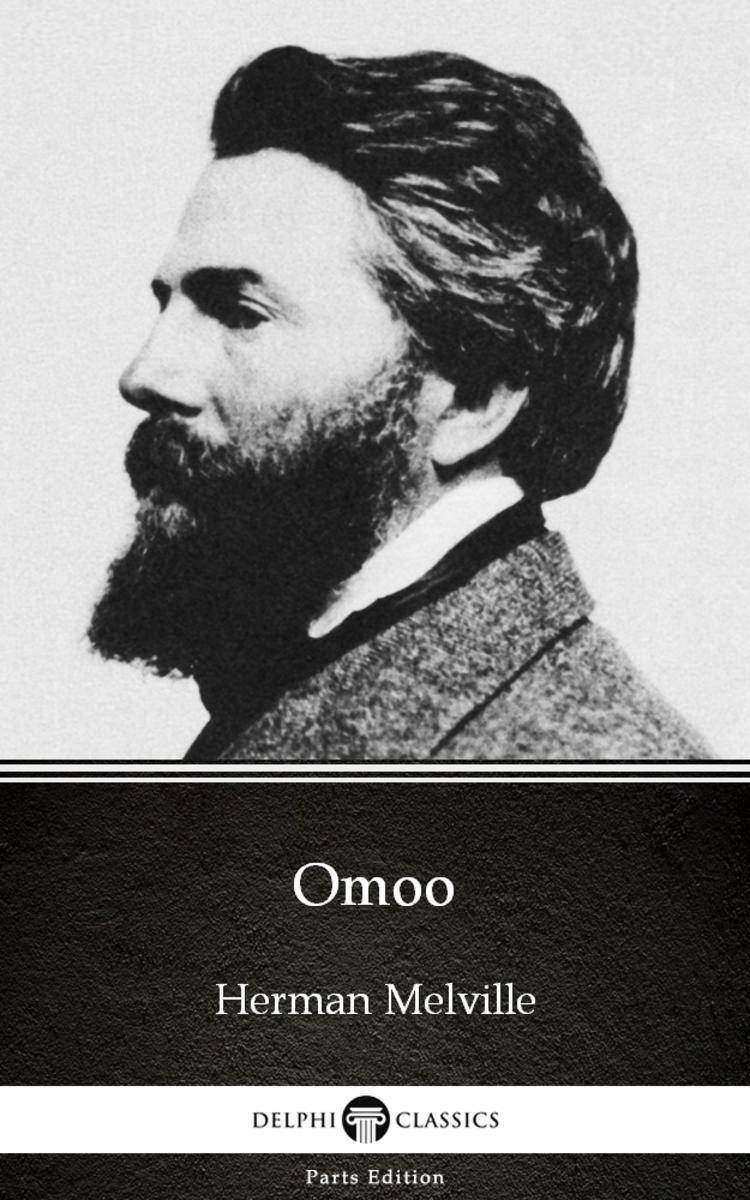
Omoo by Herman Melville - Delphi Classics (Illustrated)
¥8.09
This eBook features the unabridged text of ‘Omoo by Herman Melville - Delphi Classics (Illustrated)’ from the bestselling edition of ‘The Complete Works of Herman Melville’. Having established their name as the leading publisher of classic literature and art, Delphi Classics produce publications that are individually crafted with superior formatting, while introducing many rare texts for the first time in digital print. The Delphi Classics edition of Melville includes original annotations and illustrations relating to the life and works of the author, as well as individual tables of contents, allowing you to navigate eBooks quickly and easily. eBook features: * The complete unabridged text of ‘Omoo by Herman Melville - Delphi Classics (Illustrated)’ * Beautifully illustrated with images related to Melville’s works * Individual contents table, allowing easy navigation around the eBook * Excellent formatting of the text Please visit www.delphiclassics.com to learn more about our wide range of titles
Mardi by Herman Melville - Delphi Classics (Illustrated)
¥8.09
This eBook features the unabridged text of ‘Mardi by Herman Melville - Delphi Classics (Illustrated)’ from the bestselling edition of ‘The Complete Works of Herman Melville’. Having established their name as the leading publisher of classic literature and art, Delphi Classics produce publications that are individually crafted with superior formatting, while introducing many rare texts for the first time in digital print. The Delphi Classics edition of Melville includes original annotations and illustrations relating to the life and works of the author, as well as individual tables of contents, allowing you to navigate eBooks quickly and easily. eBook features: * The complete unabridged text of ‘Mardi by Herman Melville - Delphi Classics (Illustrated)’ * Beautifully illustrated with images related to Melville’s works * Individual contents table, allowing easy navigation around the eBook * Excellent formatting of the text Please visit www.delphiclassics.com to learn more about our wide range of titles
White-Jacket by Herman Melville - Delphi Classics (Illustrated)
¥8.09
This eBook features the unabridged text of ‘White-Jacket by Herman Melville - Delphi Classics (Illustrated)’ from the bestselling edition of ‘The Complete Works of Herman Melville’. Having established their name as the leading publisher of classic literature and art, Delphi Classics produce publications that are individually crafted with superior formatting, while introducing many rare texts for the first time in digital print. The Delphi Classics edition of Melville includes original annotations and illustrations relating to the life and works of the author, as well as individual tables of contents, allowing you to navigate eBooks quickly and easily. eBook features: * The complete unabridged text of ‘White-Jacket by Herman Melville - Delphi Classics (Illustrated)’ * Beautifully illustrated with images related to Melville’s works * Individual contents table, allowing easy navigation around the eBook * Excellent formatting of the text Please visit www.delphiclassics.com to learn more about our wide range of titles
Affinities and Other Stories
¥8.09
According to Wikipedia: "Mary Roberts Rinehart (August 12, 1876-September 22, 1958) was a prolific author often called the American Agatha Christie.[1] She is considered the source of the phrase "The butler did it", although she did not actually use the phrase herself, and also considered to have invented the "Had-I-But-Known" school of mystery writing.... Rinehart wrote hundreds of short stories, poems, travelogues and special articles. Many of her books and plays, such as The Bat (1920) were adapted for movies, such as The Bat (1926), The Bat Whispers (1930), and The Bat (1959). While many of her books were best-sellers, critics were most appreciative of her murder mysteries. Rinehart, in The Circular Staircase (1908), is credited with inventing the "Had-I-But-Known" school of mystery writing. The Circular Staircase is a novel in which "a middle-aged spinster is persuaded by her niece and nephew to rent a country house for the summer. The house they choose belonged to a bank defaulter who had hidden stolen securities in the walls. The gentle, peace-loving trio is plunged into a series of crimes solved with the help of the aunt. This novel is credited with being the first in the "Had-I-But-Known" school."[3] The Had-I-But-Known mystery novel is one where the principal character (frequently female) does less than sensible things in connection with a crime which have the effect of prolonging the action of the novel. Ogden Nash parodied the school in his poem Don't Guess Let Me Tell You: "Sometimes the Had I But Known then what I know now I could have saved at least three lives by revealing to the Inspector the conversation I heard through that fortuitous hole in the floor." The phrase "The butler did it", which has become a cliché, came from Rinehart's novel The Door, in which the butler actually did do it, although that exact phrase does not actually appear in the work."

A Series Of Lessons In Raja Yoga
¥8.09
An absolute must for anyone interested in practicing Raja Yoga. ? Listen to what readers are saying: ? “It is over thirty years since I studied the entire works and teachings of Ramacharaka and even now his knowledge of yoga has proved invaluable in my own life as a Psychologist,Nuro-pathological re-mapping,without his teachings my own self knowledge would be lacking from my own understanding.Jai Sat Guru Dev.” ? “I read this book the first time in 1968. It was instrumental in my life long study of Yoga. Because of the priceless knowlegde contained within this text I went to India where I met a Fully Awakened Yoga Master. In a sense I owe it all to "Ramacharaka" and this book. 10 Star Rating!!!” ? “The reading of this book aided me beond words in finding the truths of this exsistance. I recomend it to everyone, those who are in need of its information will get more than they have ever desired. Peace unto you”

A Series Of Lessons In Gnani Yoga
¥8.09
The Yogi Philosophy may be divided into several great branches, or fields. What is known as "Hatha Yoga" deals with the physical body and its control; its welfare; its health; its preservation; its laws, etc. What is known as "Raja Yoga" deals with the Mind; its control; its development; its unfoldment, etc. What is known as "Bhakti Yoga" deals with the Love of the Absolute--God. What is known as "Gnani Yoga" deals with the scientific and intellectual knowing of the great questions regarding Life and what lies back of Life -- the Riddle of the Universe.

An Introduction To Yoga
¥8.09
This great book gives an outline of Yoga, in order to prepare the student to take up, for practical purposes, the Yoga sutras of Patanjali, the chief treatise on Yoga.This book leads to the way where serenity can be had while making your life peaceful and healthy.

Nathaniel Hawthorne
¥8.09
According to Wikipedia: "George Edward Woodberry, Litt. D., LL. D. (May 12, 1855–January 2, 1930) was an American literary critic and poet… For twelve years, Woodberry was an almost constant writer to the literary portion of The Nation. He also, during Aldrich's editorship, was anonymously, and for this reason able, the more forcibly, to asser his critical strength in the Atlantic Monthly. He contributed one paper to the Fortnightly Review in 1882, and during 1888 wrote regularly, mostly upon literary topics, for the Boston Post. In 1891–1904 he was professor of comparative literature at Columbia University. He was elected to the American Academy of Arts and Letters. In 1930 he was posthumously awarded one of the first three Frost Medals for lifetime achievement in poetry by the Poetry Society of America. He wrote a number of books as well."
Fairy and Nursery Tales
¥8.09
This file includes three books: The Master Key, American Fairy Tales, and Mother Goose in Prose. According to Wikipedia: "Lyman Frank Baum (May 15, 1856 – May 6, 1919) was an American author of children's books, best known for writing The Wonderful Wizard of Oz. He wrote thirteen novel sequels, nine other fantasy novels, and a host of other works (55 novels in total, plus four "lost" novels, 83 short stories, over 200 poems, an unknown number of scripts, and many miscellaneous writings), and made numerous attempts to bring his works to the stage and screen. His works anticipated such century-later commonplaces as television, augmented reality, laptop computers (The Master Key), wireless telephones (Tik-Tok of Oz), women in high risk, action-heavy occupations (Mary Louise in the Country), and the ubiquity of advertising on clothing (Aunt Jane's Nieces at Work)."
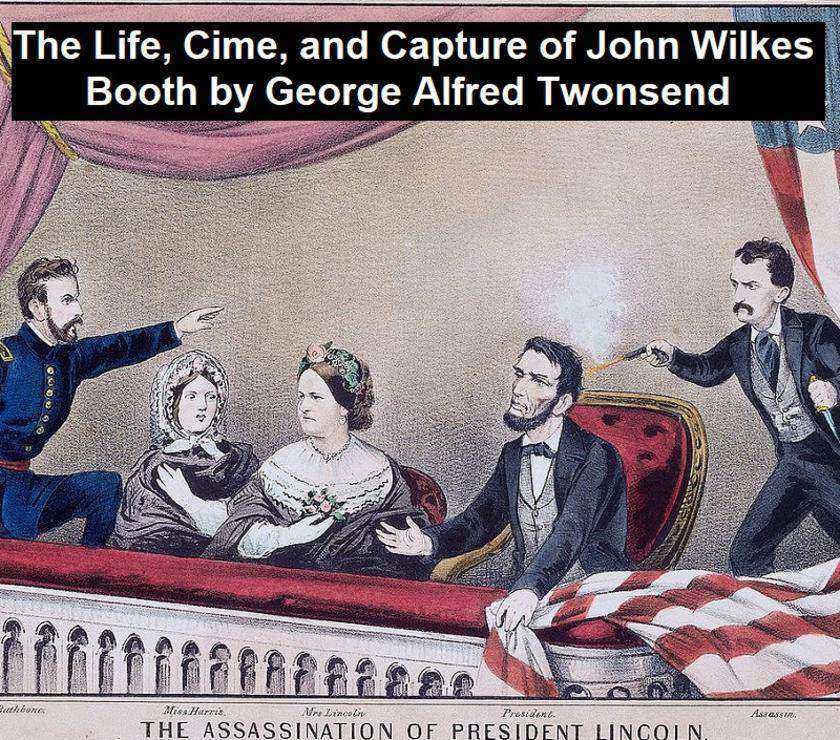
The Life, Crimes, and Capture of John Wilkes Booth
¥8.09
Account of the assassination of Abraham Lincoln, first published in 1865. According to Wikipedia: "George Alfred Townsend (January 30, 1841 – April 15, 1914), was a noted war correspondent during the American Civil War, and a later novelist. Townsend wrote under the pen name "Gath", which was derived by adding an "H" to his initials, and inspired by the biblical passage II Samuel 1:20, "Tell it not in Gath, publish it not in the streets of Askalon"... He is considered to have been the youngest correspondent of the war. In 1865, Townsend was Washington correspondent for the New York World, covering the assassination of Abraham Lincoln and its aftermath. His daily reports filed between April 17 – May 17 were published later in 1865 as a book, The Life, Crime, and Capture of John Wilkes Booth."
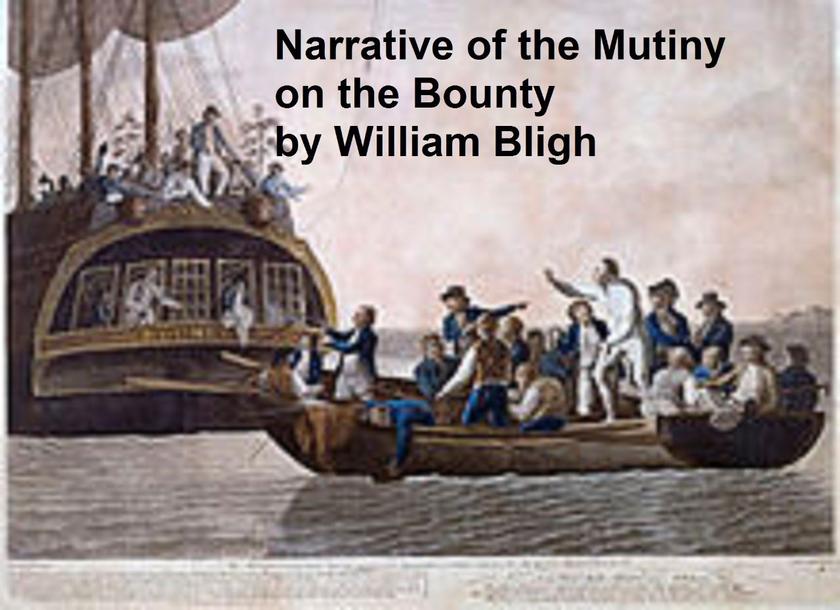
Narrative of the Mutiny on the Bounty
¥8.09
According to Wikipedia: "Vice Admiral William Bligh, (9 September 1754 – 7 December 1817) was an officer of the British Royal Navy and a colonial administrator. A historic mutiny occurred during his command of HMS Bounty in 1789; Bligh and his loyal men made a remarkable voyage to Timor, after being set adrift in the Bounty's launch by the mutineers. Fifteen years after the Bounty mutiny, he was appointed Governor of New South Wales in Australia, with orders to clean up the corrupt rum trade of the New South Wales Corps, resulting in the so-called Rum Rebellion."
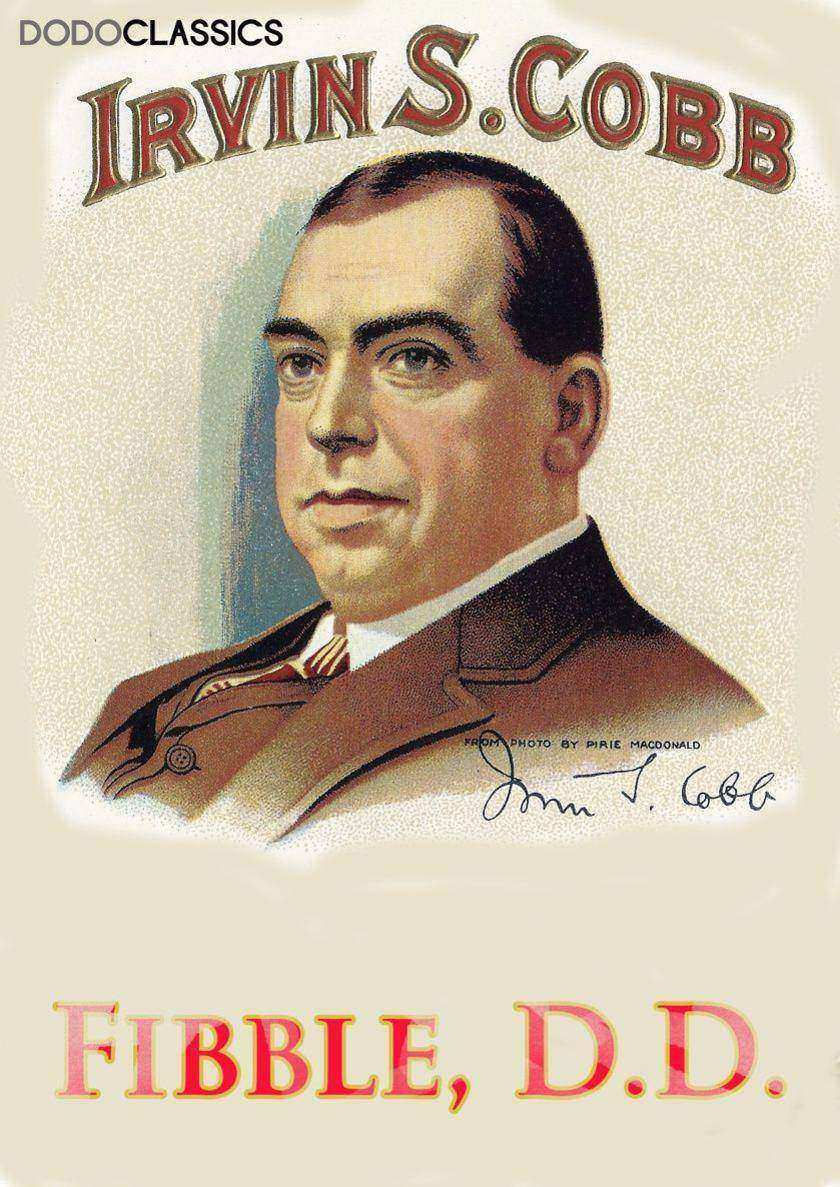
Fibble, D.D.
¥8.09
Dodo Collections brings you another classic from Irvin S. Cobb, ‘Fibble, D.D..’ ? A collection of three short stories originally published in the Saturday Evening Post, telling the comic misadventures of the Rev. Roscoe Titmarsh Fibble, D.D. ? Cobb joined the staff of the magazine?Saturday Evening Post?during 1911, and covered the?Great War?for the magazine. At the same time, he wrote a book about his experiences, published during 1915, titled?Paths Of Glory. After a second visit to France to cover the Great War, Cobb publicized the achievements of the unit known as theHarlem Hellfighters, most notably,?Croix de Guerre?recipients?Henry Lincoln Johnson?and?Needham Roberts. His article "Young Black Joe," published on August 24, 1918 in theSaturday Evening Post?and later republished in Cobb's book,?The Glory of the Coming,?highlighted the discipline and courage displayed by black American soldiers fighting in Europe during?World War I. The three-page article and half-page photograph reached a national audience of more than two million readers, and was widely reprinted in the black press.

Egypt
¥8.09
Travel essay, first published in French in "The Orient" in 1869. According to Wikipedia: "Pierre Jules Théophile Gautier (August 30, 1811 – October 23, 1872) was a French poet, dramatist, novelist, journalist, and literary critic. While an ardent defender of Romanticism, Gautier's work is difficult to classify and remains a point of reference for many subsequent literary traditions such as Parnassianism, Symbolism, Decadence and Modernism. He was widely esteemed by writers as diverse as Balzac, Baudelaire, the Goncourt brothers, Flaubert and Oscar Wilde."
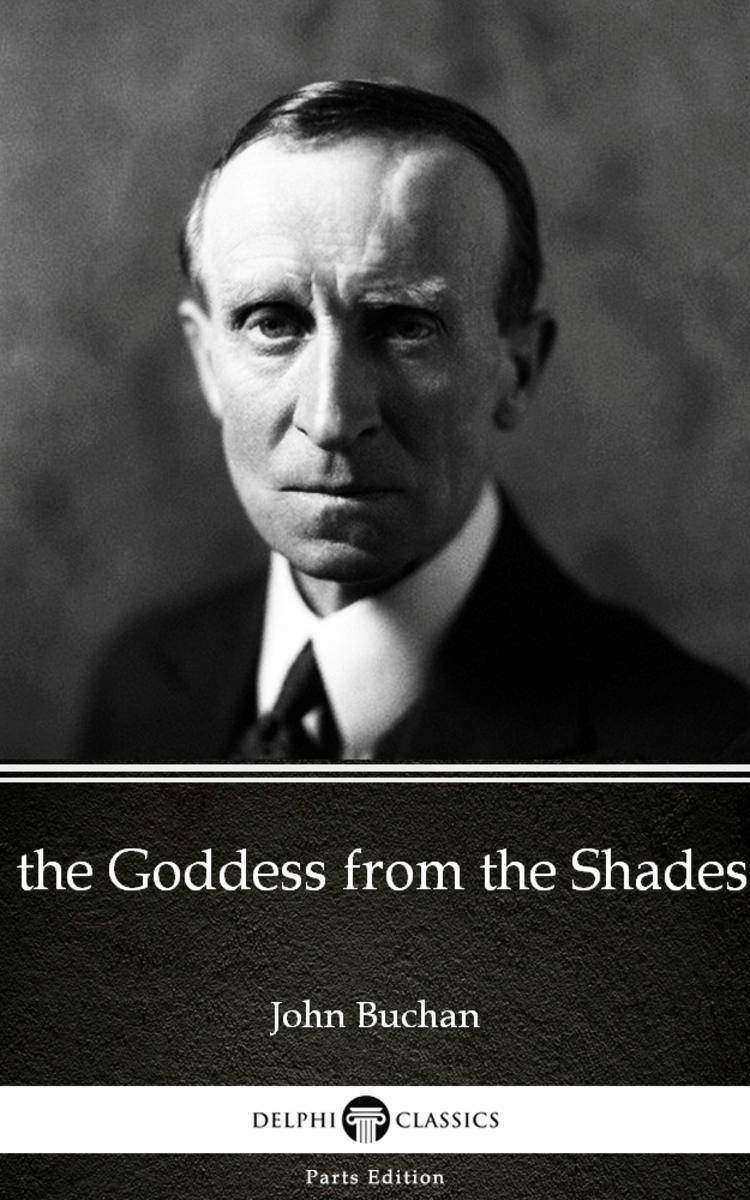
The Goddess from the Shades by John Buchan - Delphi Classics (Illustrated)
¥8.09
This eBook features the unabridged text of ‘ the Goddess from the Shades by John Buchan - Delphi Classics (Illustrated)’ from the bestselling edition of ‘The Complete Works of John Buchan’. Having established their name as the leading publisher of classic literature and art, Delphi Classics produce publications that are individually crafted with superior formatting, while introducing many rare texts for the first time in digital print. The Delphi Classics edition of Buchan includes original annotations and illustrations relating to the life and works of the author, as well as individual tables of contents, allowing you to navigate eBooks quickly and easily. eBook features: * The complete unabridged text of ‘ the Goddess from the Shades by John Buchan - Delphi Classics (Illustrated)’ * Beautifully illustrated with images related to Buchan’s works * Individual contents table, allowing easy navigation around the eBook * Excellent formatting of the textPlease visit www.delphiclassics.com to learn more about our wide range of titles


