


 购物车
购物车 个人中心
个人中心
Pulpit and Press
¥8.09
According to Wikipedia: "Mary Baker Eddy (born Mary Morse Baker July 16, 1821 – December 3, 1910) was the founder of the Christian Science movement. Deeply religious, she advocated Christian Science as a spiritual practical solution to health and moral issues. She wrote Science and Health with Key to the Scriptures, founded The First Church of Christ, Scientist of Boston in 1879, and several periodicals including The Christian Science Monitor. She took the name Mary Baker Glover from her first marriage and was also known as Mary Baker Glover Eddy or Mary Baker G. Eddy from her third marriage. She did much spiritual teaching, lecturing, and instantaneous healing. Her influence continues to grow through her writings."
A Christmas Posy
¥8.09
Popular children's book, first published in 1888. According to Wikipedia: "Mary Louisa Molesworth (29 May 1839 – 20 January 1921) was an English writer of children's stories who wrote for children under the name of Mrs Molesworth… Mrs Molesworth is best known as a writer of books for the young, such as Tell Me a Story (1875), Carrots (1876), The Cuckoo Clock (1877), The Tapestry Room (1879), and A Christmas Child (1880). She has been called "the Jane Austen of the nursery," while The Carved Lions (1895) "is probably her masterpiece." In the judgement of Roger Lancelyn Green: Mary Louisa Molesworth typified late Victorian writing for girls. Aimed at girls too old for fairies and princesses but too young for Austen and the Bront?s, books by Molesworth had their share of amusement, but they also had a good deal of moral instruction. The girls reading Molesworth would grow up to be mothers; thus, the books emphasized Victorian notions of duty and self-sacrifice. Typical of the time, her young child characters often use a lisping style, and words may be misspelt to represent children's speech—"jography" for geography, for instance."

Kings, Queens and Pawns
¥8.09
An American Woman at the Front. World War I. According to Wikipedia: "Mary Roberts Rinehart (August 12, 1876-September 22, 1958) was a prolific author often called the American Agatha Christie.[1] She is considered the source of the phrase "The butler did it", although she did not actually use the phrase herself, and also considered to have invented the "Had-I-But-Known" school of mystery writing.... Rinehart wrote hundreds of short stories, poems, travelogues and special articles. Many of her books and plays, such as The Bat (1920) were adapted for movies, such as The Bat (1926), The Bat Whispers (1930), and The Bat (1959). While many of her books were best-sellers, critics were most appreciative of her murder mysteries. Rinehart, in The Circular Staircase (1908), is credited with inventing the "Had-I-But-Known" school of mystery writing. The Circular Staircase is a novel in which "a middle-aged spinster is persuaded by her niece and nephew to rent a country house for the summer. The house they choose belonged to a bank defaulter who had hidden stolen securities in the walls. The gentle, peace-loving trio is plunged into a series of crimes solved with the help of the aunt. This novel is credited with being the first in the "Had-I-But-Known" school."[3] The Had-I-But-Known mystery novel is one where the principal character (frequently female) does less than sensible things in connection with a crime which have the effect of prolonging the action of the novel. Ogden Nash parodied the school in his poem Don't Guess Let Me Tell You: "Sometimes the Had I But Known then what I know now I could have saved at least three lives by revealing to the Inspector the conversation I heard through that fortuitous hole in the floor." The phrase "The butler did it", which has become a cliché, came from Rinehart's novel The Door, in which the butler actually did do it, although that exact phrase does not actually appear in the work."
Tish: The Chronicle of Her Escapades and Excursions
¥8.09
According to Wikipedia: "Mary Roberts Rinehart (August 12, 1876-September 22, 1958) was a prolific author often called the American Agatha Christie.[1] She is considered the source of the phrase "The butler did it", although she did not actually use the phrase herself, and also considered to have invented the "Had-I-But-Known" school of mystery writing.... Rinehart wrote hundreds of short stories, poems, travelogues and special articles. Many of her books and plays, such as The Bat (1920) were adapted for movies, such as The Bat (1926), The Bat Whispers (1930), and The Bat (1959). While many of her books were best-sellers, critics were most appreciative of her murder mysteries. Rinehart, in The Circular Staircase (1908), is credited with inventing the "Had-I-But-Known" school of mystery writing. The Circular Staircase is a novel in which "a middle-aged spinster is persuaded by her niece and nephew to rent a country house for the summer. The house they choose belonged to a bank defaulter who had hidden stolen securities in the walls. The gentle, peace-loving trio is plunged into a series of crimes solved with the help of the aunt. This novel is credited with being the first in the "Had-I-But-Known" school."[3] The Had-I-But-Known mystery novel is one where the principal character (frequently female) does less than sensible things in connection with a crime which have the effect of prolonging the action of the novel. Ogden Nash parodied the school in his poem Don't Guess Let Me Tell You: "Sometimes the Had I But Known then what I know now I could have saved at least three lives by revealing to the Inspector the conversation I heard through that fortuitous hole in the floor." The phrase "The butler did it", which has become a cliché, came from Rinehart's novel The Door, in which the butler actually did do it, although that exact phrase does not actually appear in the work."
The Gift of the Magi and Other Stories from The Four Million
¥8.09
The Gift of the Magi is O. Henry's best known story. It appears here together with the other stories of his "Four Million" collection. According to Wikipedia: "O. Henry was the pen name of American writer William Sydney Porter (September 11, 1862 – June 5, 1910). O. Henry short stories are known for wit, wordplay, warm characterization and clever twist endings…. Most of O. Henry's stories are set in his own time, the early years of the 20th century. Many take place in New York City, and deal for the most part with ordinary people: clerks, policemen, waitresses. Fundamentally a product of his time, O. Henry's work provides one of the best English examples of catching the entire flavor of an age. Whether roaming the cattle-lands of Texas, exploring the art of the "gentle grafter," or investigating the tensions of class and wealth in turn-of-the-century New York, O. Henry had an inimitable hand for isolating some element of society and describing it with an incredible economy and grace of language. Some of his best and least-known work resides in the collection Cabbages and Kings, a series of stories which each explore some individual aspect of life in a paralytically sleepy Central American town while each advancing some aspect of the larger plot and relating back one to another in a complex structure which slowly explicates its own background even as it painstakingly erects a town which is one of the most detailed literary creations of the period. The Four Million is another collection of stories. It opens with a reference to Ward McAllister's "assertion that there were only 'Four Hundred' people in New York City who were really worth noticing. But a wiser man has arisen—the census taker—and his larger estimate of human interest has been preferred in marking out the field of these little stories of the 'Four Million.'" To O. Henry, everyone in New York counted. He had an obvious affection for the city, which he called "Bagdad-on-the-Subway,"
La Comédie de la mort
¥8.09
Selon Wikipédia: "Pierre Jules Théophile Gautier (30 ao?t 1811 - 23 octobre 1872), poète, dramaturge, romancier, journaliste et critique littéraire fran?ais, défenseur ardent du romantisme, est difficile à classer et à classer. point de référence pour de nombreuses traditions littéraires ultérieures telles que le parnassianisme, le symbolisme, la décadence et le modernisme, il a été largement estimé par des écrivains aussi divers que Baudelaire, les frères Goncourt, Flaubert et Oscar Wilde."
King Candaules
¥8.09
According to Wikipedia: "Pierre Jules Théophile Gautier (August 30, 1811 – October 23, 1872) was a French poet, dramatist, novelist, journalist, and literary critic. While an ardent defender of Romanticism, Gautier's work is difficult to classify and remains a point of reference for many subsequent literary traditions such as Parnassianism, Symbolism, Decadence and Modernism. He was widely esteemed by writers as diverse as Baudelaire, the Goncourt brothers, Flaubert and Oscar Wilde."
Ménagerie intime
¥8.09
Selon Wikipédia: "Pierre Jules Théophile Gautier (30 ao?t 1811 - 23 octobre 1872), poète, dramaturge, romancier, journaliste et critique littéraire fran?ais, défenseur ardent du romantisme, est difficile à classer et à classer. point de référence pour de nombreuses traditions littéraires ultérieures telles que le parnassianisme, le symbolisme, la décadence et le modernisme, il a été largement estimé par des écrivains aussi divers que Baudelaire, les frères Goncourt, Flaubert et Oscar Wilde.
Glengarry School Days
¥8.09
Canadian novel, first published in 1902. According to Wikipedia: "Rev. Dr. Charles William Gordon, or Ralph Connor, (September 13, 1860 – October 31, 1937) was a Canadian novelist, using the Connor pen name while maintaining his status as a Church leader, first in the Presbyterian and later the United churches in Canada. Gordon was also at one time a master at Upper Canada College. He sold more than five million copies of his works in his lifetime,[1] and some of his works are still in print.... Gordon became interested in writing during his student days at the University of Toronto. He published his first novel, Black Rock, in 1898. While the book was moderately successful in Canada, his second novel, The Sky Pilot, gained him international attention in 1899 and sold more than 1,000,000 copies. The Sky Pilot, like many of his works, was a frontier adventure with strong themes of morality and justice. He continued to write until his death in 1937."
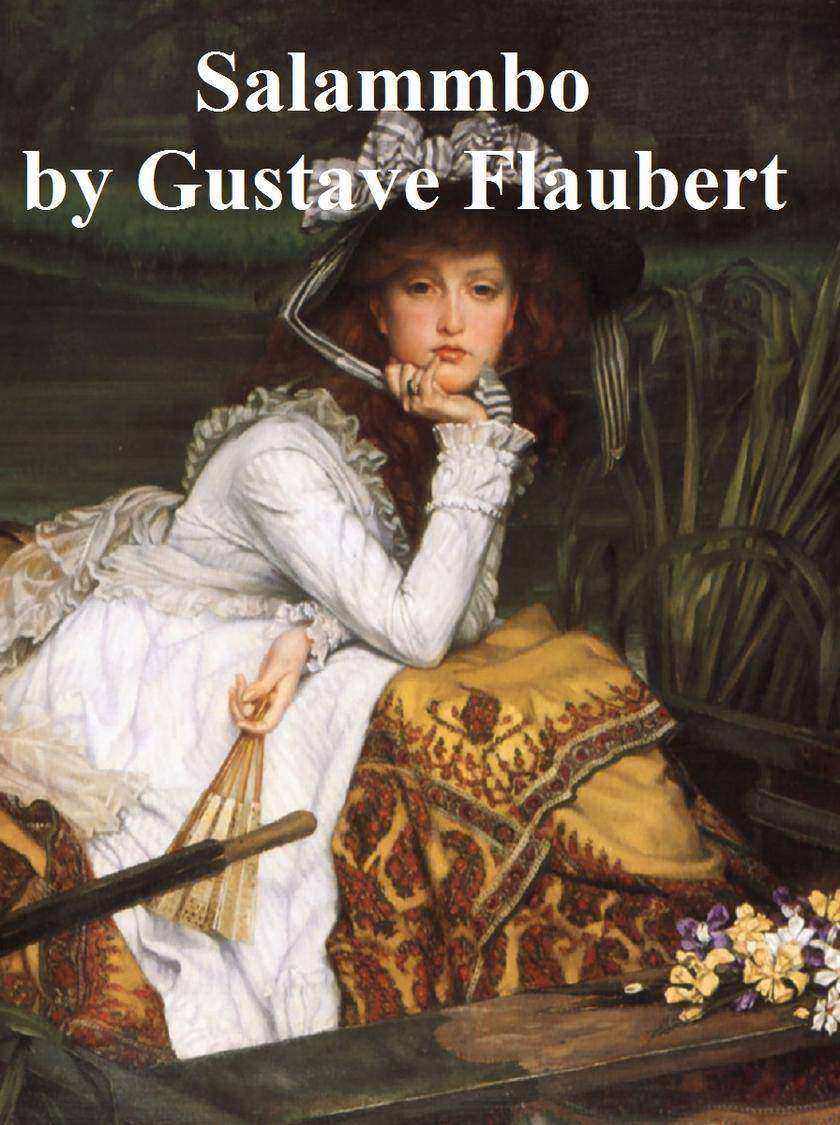
Salammbo
¥8.09
According to Wikipedia: "Salammbo (1862) is a historical novel by Gustave Flaubert that interweaves historical and fictional characters. The action takes place immediately before and during the Mercenary Revolt against Carthage in the third century BC. Flaubert's main source was Book I of Polybius's Histories. It was not a particularly well-studied period of history and required a great deal of work from the author, who enthusiastically left behind the realism of his masterpiece Madame Bovary for this tale of blood-and-thunder. The book, which Flaubert researched painstakingly, is largely an exercise in sensuous and violent exoticism. Following the success of Madame Bovary, it was another best-seller and sealed his reputation. The Carthaginian costumes described therein even left traces on the fashions of the time. Nevertheless, in spite of its classic status in France, it is practically unknown today among English-speakers."

Erewhon Revisited
¥8.09
According to Wikipedia: "Samuel Butler (4 December 1835 - 18 June 1902) was an iconoclastic Victorian author who published a variety of works, including the Utopian satire Erewhon and the posthumous novel The Way of All Flesh, his two best-known works, but also extending to examinations of Christian orthodoxy, substantive studies of evolutionary thought, studies of Italian art, and works of literary history and criticism . Butler also made prose translations of The Iliad and The Odyssey which remain in use to this day."
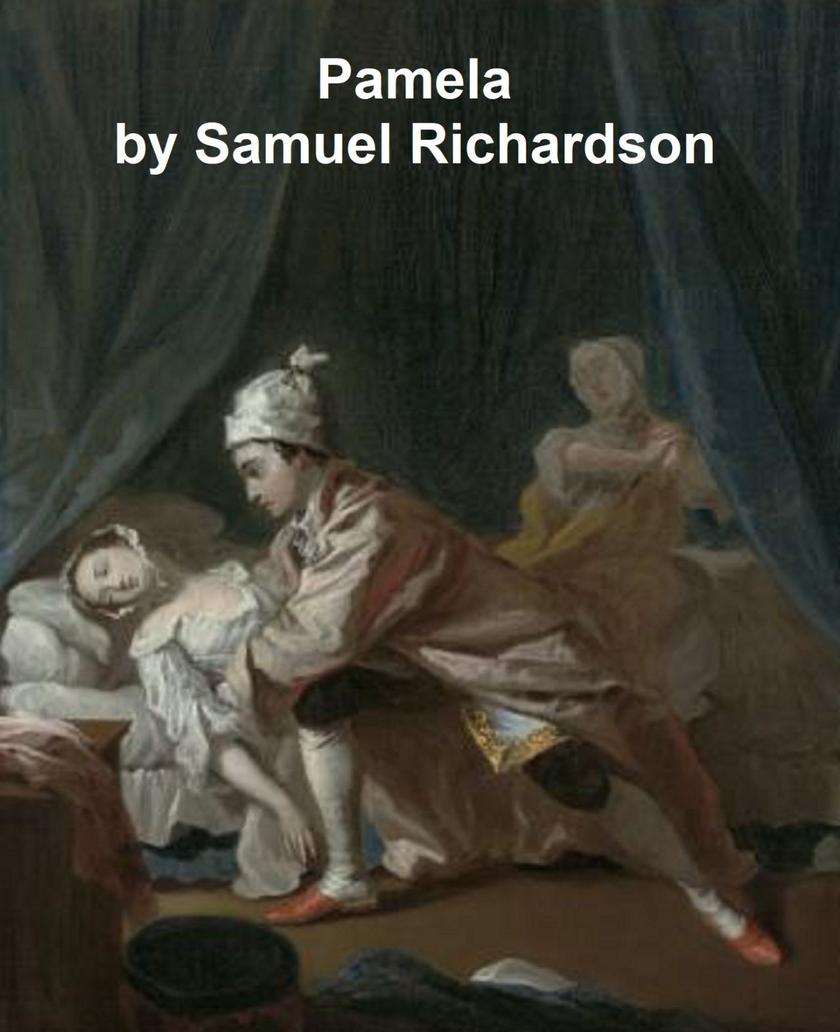
Pamela
¥8.09
According to Wikipedia: "Samuel Richardson (19 August 1689 – 4 July 1761) was an 18th-century English writer and printer. He is best known for his three epistolary novels: Pamela: Or, Virtue Rewarded (1740), Clarissa: Or the History of a Young Lady (1748) and The History of Sir Charles Grandison (1753). Outside of his writing career, Richardson was an established printer and publisher for most of his life and printed almost 500 different works and various journals and magazines."
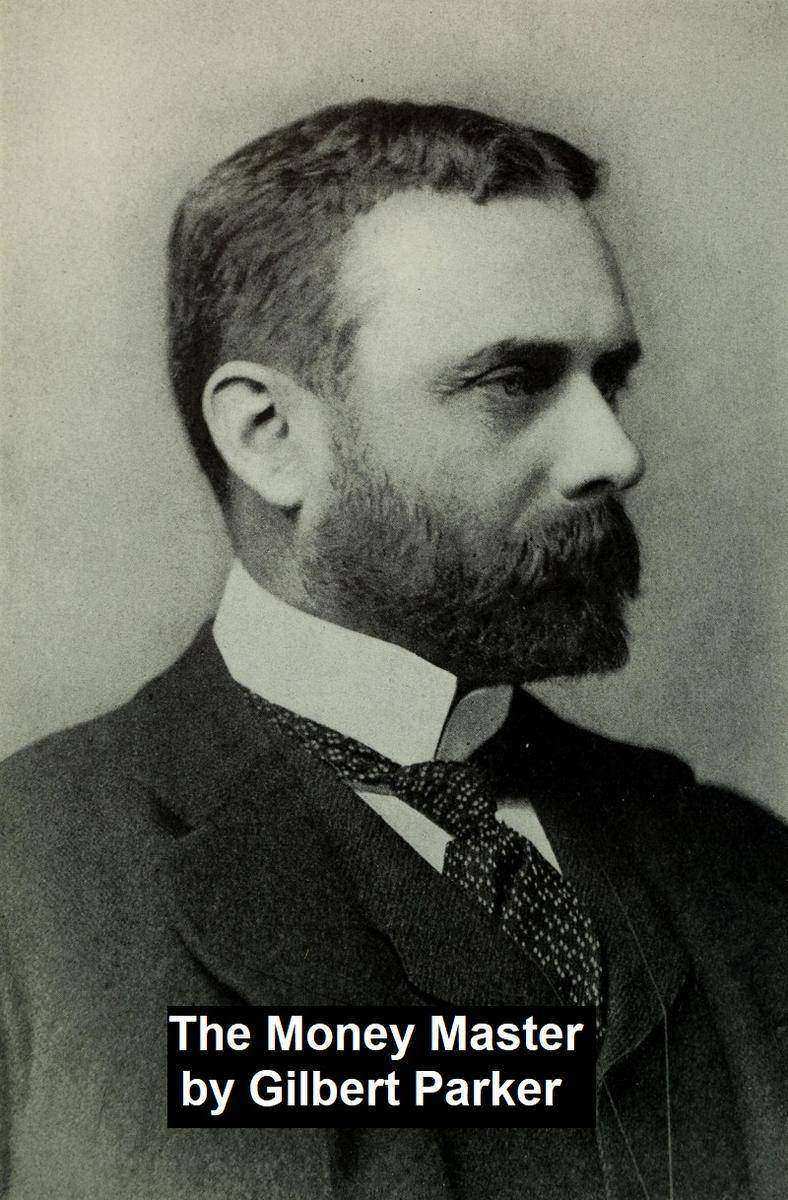
The Money Master
¥8.09
According to Wikipedia: "Sir Horatio Gilbert George Parker, 1st Baronet PC (November 23, 1862 – September 6, 1932), known as Gilbert Parker, Canadian novelist and British politician, was born at Camden East, Addington, Ontario, the son of Captain J. Parker, R.A... The best of his novels are those in which he first took for his subject the history and life of the French Canadians; and his permanent literary reputation rests on the fine quality, descriptive and dramatic, of his Canadian stories. Pierre and his People (1892) was followed by Mrs. Falchion (1893), The Trail of the Sword (1894), When Valmond came to Pontiac (1895), An Adventurer of Icy North (1895), and The Seats of the Mighty (1896, dramatized in 1897). The Seats of the Mighty was a historical novel depicting the English conquest of Quebec with James Wolfe and the Marquis de Montcalm as two of the characters. The Lane that had no Turning (1900) contains some of his best work. In The Battle of the Strong (1898) he broke new ground, laying his scene in the Channel Islands. His chief later books were The Right of Way (1901), Donovan Pasha (1902), The Ladder of Swords (1904), The Weavers (1907), Northern Lights (1909) and The Judgment House (1913). Parker had three that made it into the top 10 on the annual list of bestselling novels in the United States two of which were on it for two years in a row."
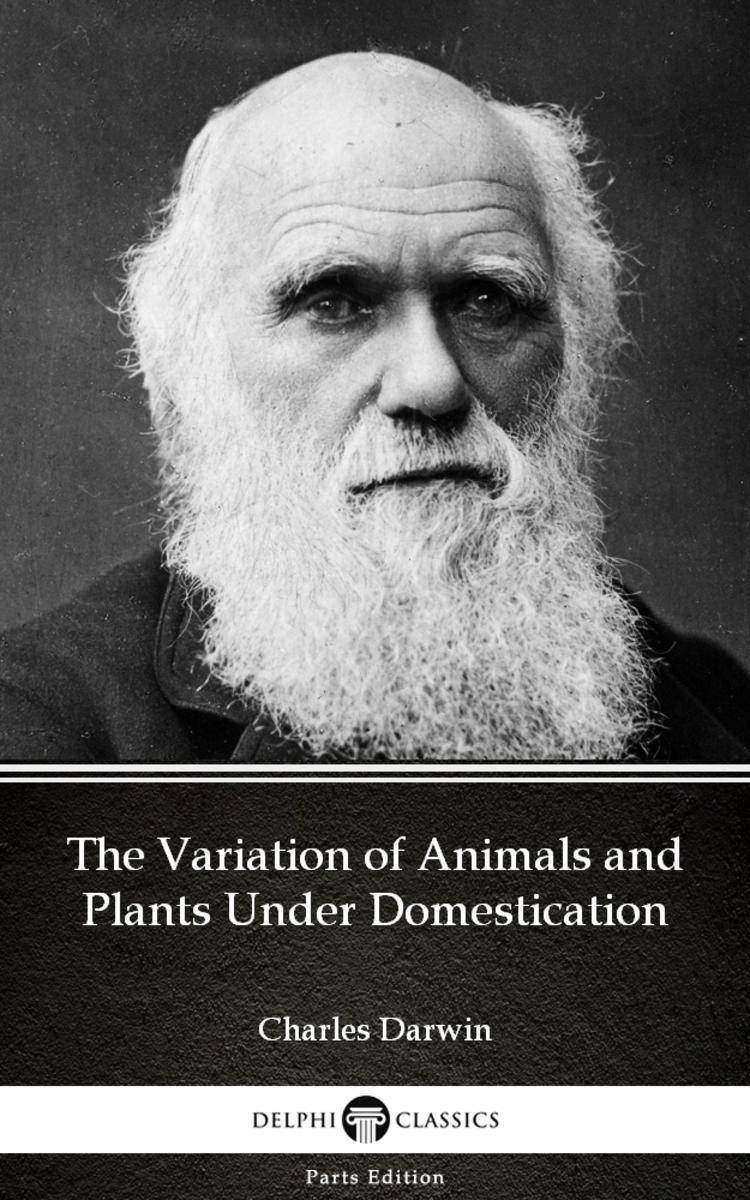
The Variation of Animals and Plants Under Domestication by Charles Darwin - Delp
¥8.09
This eBook features the unabridged text of ‘The Variation of Animals and Plants Under Domestication by Charles Darwin - Delphi Classics (Illustrated)’ from the bestselling edition of ‘The Complete Works of Charles Darwin’. Having established their name as the leading publisher of classic literature and art, Delphi Classics produce publications that are individually crafted with superior formatting, while introducing many rare texts for the first time in digital print. The Delphi Classics edition of Darwin includes original annotations and illustrations relating to the life and works of the author, as well as individual tables of contents, allowing you to navigate eBooks quickly and easily. eBook features: * The complete unabridged text of ‘The Variation of Animals and Plants Under Domestication by Charles Darwin - Delphi Classics (Illustrated)’ * Beautifully illustrated with images related to Darwin’s works * Individual contents table, allowing easy navigation around the eBook * Excellent formatting of the text Please visit www.delphiclassics.com to learn more about our wide range of titles
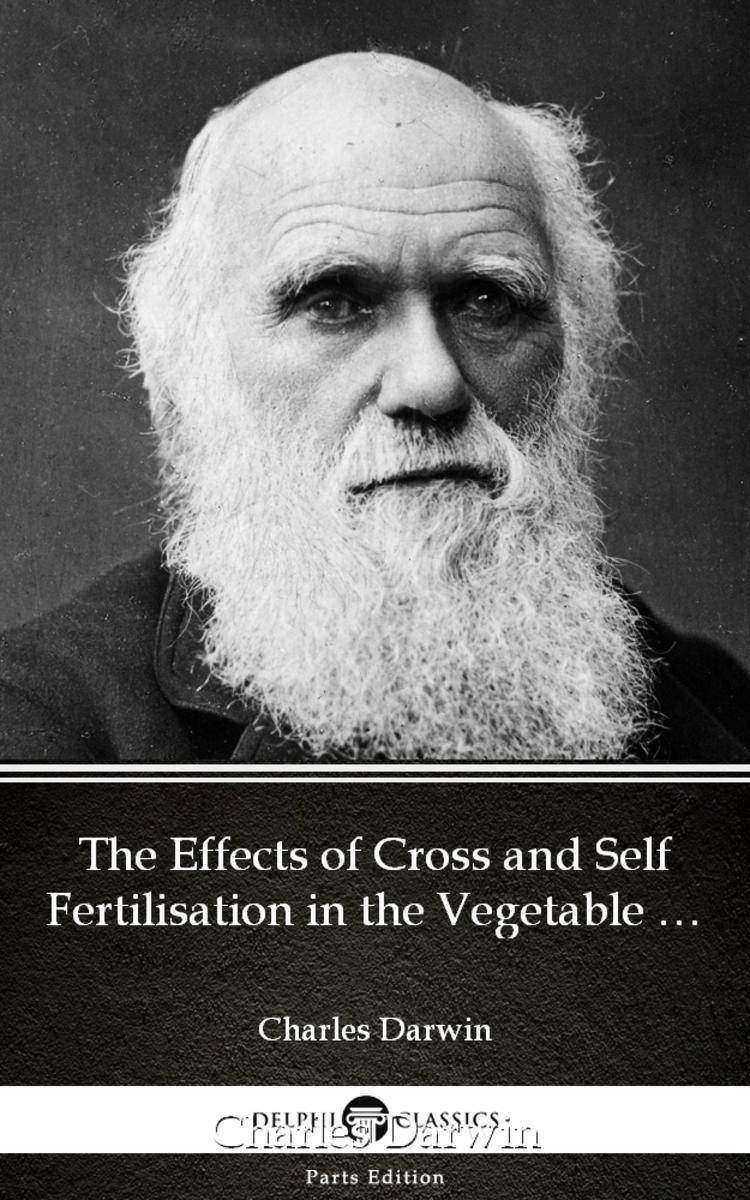
The Effects of Cross and Self Fertilisation in the Vegetable Kingdom by Charles
¥8.09
This eBook features the unabridged text of ‘The Effects of Cross and Self Fertilisation in the Vegetable Kingdom by Charles Darwin - Delphi Classics (Illustrated)’ from the bestselling edition of ‘The Complete Works of Charles Darwin’. Having established their name as the leading publisher of classic literature and art, Delphi Classics produce publications that are individually crafted with superior formatting, while introducing many rare texts for the first time in digital print. The Delphi Classics edition of Darwin includes original annotations and illustrations relating to the life and works of the author, as well as individual tables of contents, allowing you to navigate eBooks quickly and easily. eBook features: * The complete unabridged text of ‘The Effects of Cross and Self Fertilisation in the Vegetable Kingdom by Charles Darwin - Delphi Classics (Illustrated)’ * Beautifully illustrated with images related to Darwin’s works * Individual contents table, allowing easy navigation around the eBook * Excellent formatting of the text Please visit www.delphiclassics.com to learn more about our wide range of titles
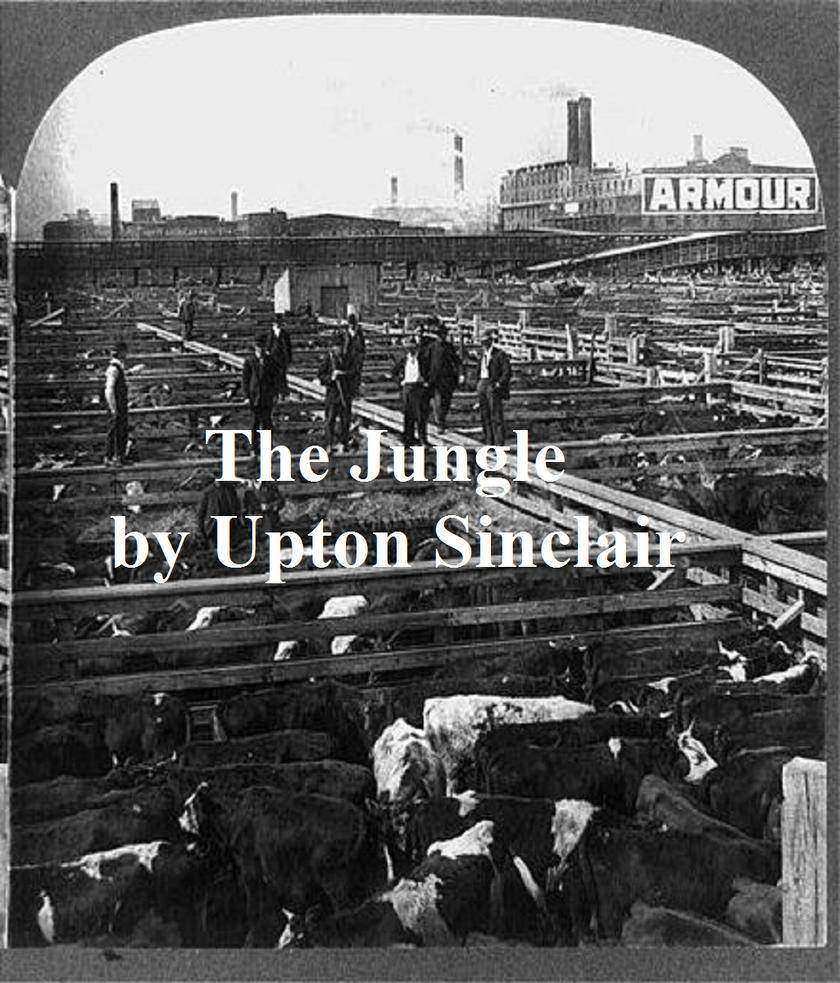
The Jungle
¥8.09
Sinclair's masterpiece. According to Wikipedia: "Upton Beall Sinclair, Jr. (1878 - 1968), was a prolific American author who wrote over 90 books in many genres and was widely considered to be one of the best investigators advocating socialist views. He achieved considerable popularity in the first half of the 20th century. He gained particular fame for his 1906 novel The Jungle, which dealt with conditions in the U.S. meat packing industry and caused a public uproar that partly contributed to the passage of the Pure Food and Drug Act and the Meat Inspection Act in 1906."
Vanity Fair
¥8.09
Thackeray's best-known novel. According to Wikipedia: "Thackeray is most often compared to one other great novelist of Victorian literature, Charles Dickens. During the Victorian era, he was ranked second only to Dickens, but he is now much less read and is known almost exclusively for Vanity Fair. In that novel he was able to satirize whole swaths of humanity while retaining a light touch. It also features his most memorable character, the engagingly roguish Becky Sharp. As a result, unlike Thackeray's other novels, it remains popular with the general reading public; it is a standard fixture in university courses and has been repeatedly adapted for movies and television. In Thackeray's own day, some commentators, such as Anthony Trollope, ranked his History of Henry Esmond as his greatest work, perhaps because it expressed Victorian values of duty and earnestness, as did some of his other later novels. It is perhaps for this reason that they have not survived as well as Vanity Fair, which satirizes those values."
Australian Poetry
¥8.09
This file includes The Man from Snowy River and Other Verses, Saltbush Bill, J. P. and Other Verses, Rio rade's Last Race and other Verses all by Banjo Paterson, The Old Bush Songs edited by Banjo Paterson, In the Cays When the World Was Wide and Other Verses by Henry Lawson, and The Songs of a Sentimental Bloke, Digger Smith, and The Glugs of Gosh by C. J. Dennis.
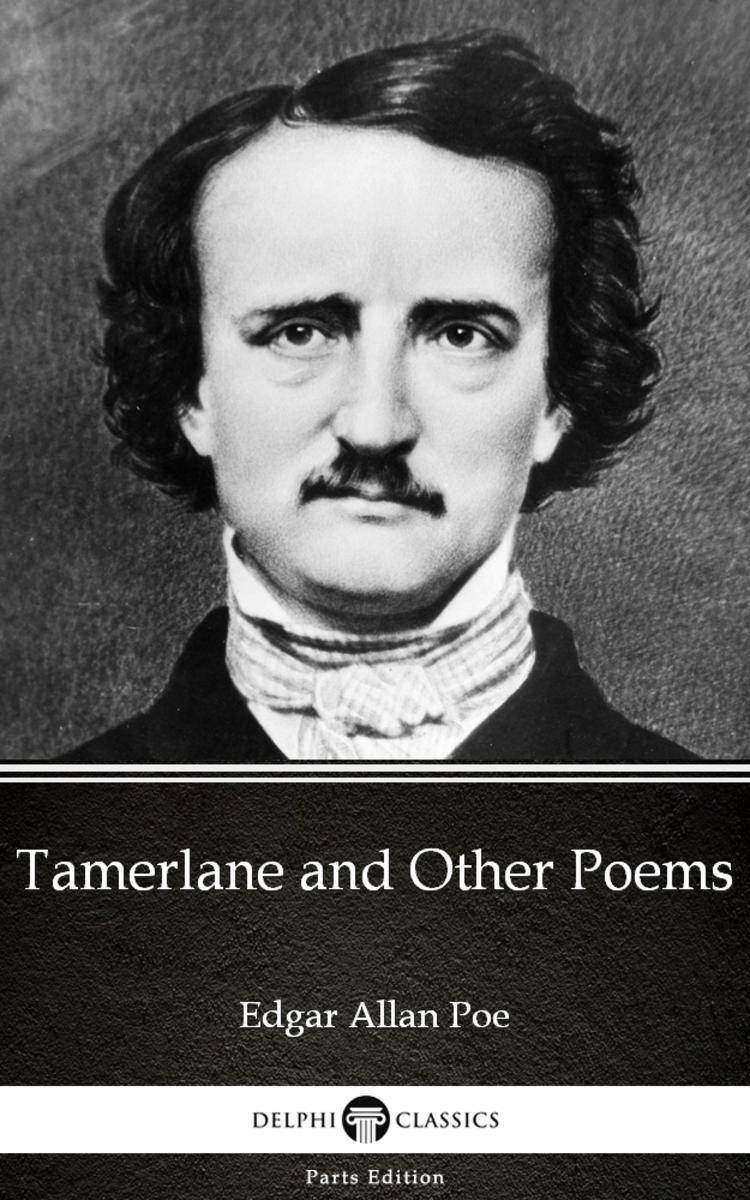
Tamerlane and Other Poems by Edgar Allan Poe - Delphi Classics (Illustrated)
¥8.09
This eBook features the unabridged text of ‘Tamerlane and Other Poems by Edgar Allan Poe - Delphi Classics (Illustrated)’ from the bestselling edition of ‘The Complete Works of Edgar Allan Poe’. Having established their name as the leading publisher of classic literature and art, Delphi Classics produce publications that are individually crafted with superior formatting, while introducing many rare texts for the first time in digital print. The Delphi Classics edition of Poe includes original annotations and illustrations relating to the life and works of the author, as well as individual tables of contents, allowing you to navigate eBooks quickly and easily. eBook features: * The complete unabridged text of ‘Tamerlane and Other Poems by Edgar Allan Poe - Delphi Classics (Illustrated)’ * Beautifully illustrated with images related to Poe’s works * Individual contents table, allowing easy navigation around the eBook * Excellent formatting of the text Please visit www.delphiclassics.com to learn more about our wide range of titles
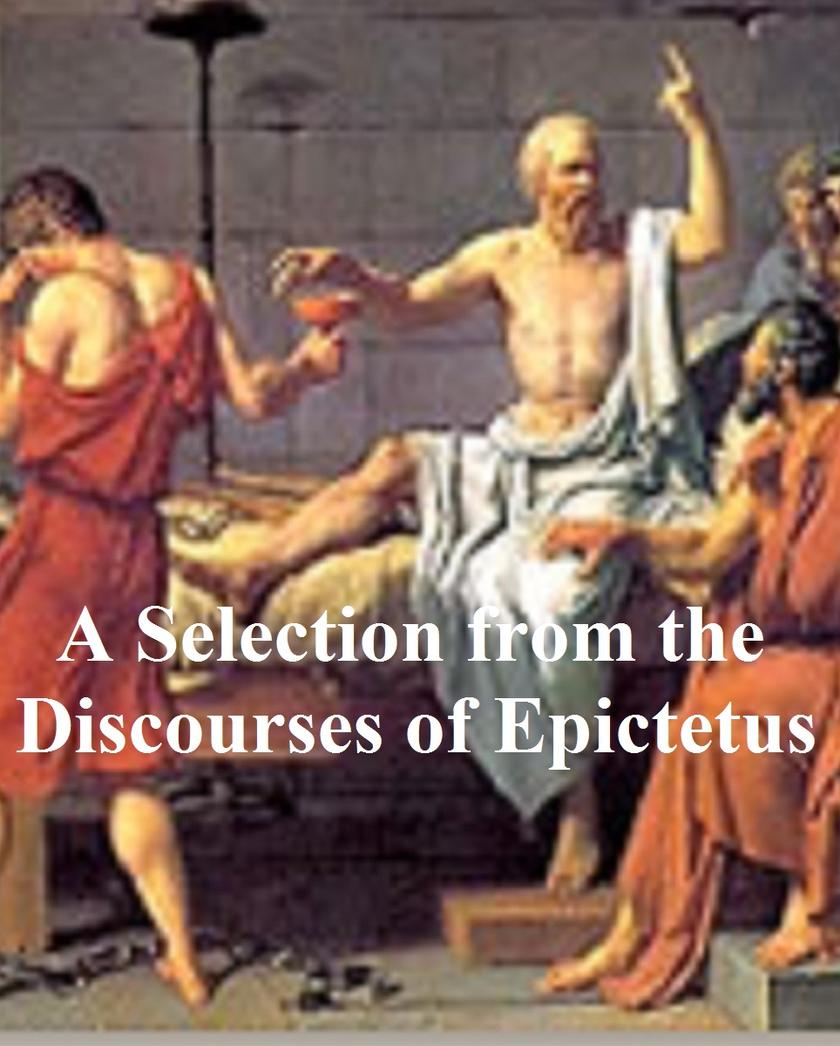
A Selection from the Discourses of Epictetus, with the Encheiridion
¥8.09
According to Wikipedia: "Epictetus (Ancient Greek: ?π?κτητο?; AD 55 – AD 135) was a Greek sage and Stoic philosopher. He was born a slave at Hierapolis, Phrygia (present day Pamukkale, Turkey), and lived in Rome until banishment when he went to Nicopolis in northwestern Greece where he lived the rest of his life. His teachings were noted down and published by his pupil Arrian in his Discourses."
The Leavenworth Case
¥8.09
The Leavenworth Case


