


 购物车
购物车 个人中心
个人中心

Good Catholic Girls
¥95.11
The widely exposed transgressions of priests within the Catholic Church stunned the faithful and sent a new surge of energy through the progressive church reform movement in the United States. Despite the movement's growing profile, the world has only recently learned that Catholic women are the driving force behind reform. Good Catholic Girls is a lively account of these courageous women, as seen through the eyes of an impassioned journalist, Angela Bonavoglia. They include Joan Chittister, the Benedictine nun who refused to obey a Vatican order not to speak at an international conference for women's ordination groups; Mary Ramerman, ordained a Catholic priest before 3,000 jubilant supporters; Frances Kissling, whose fight for women's reproductive rights has shaken the Church at its highest levels; Barbara Blaine, a priest abuse survivor who created the nation's most powerful voice for victims; and Sister Jeannine Gramick, who built a pioneering ministry to gays and lesbians, despite Vatican orders to silence her and ban her work.Backed by supporters worldwide, these and other women are rethinking Catholic theology, changing the face of ministry, and resurrecting the lost lives of female church leaders. As Bonavoglia shows, the hierarchy ignores them at its peril.

The Eldercare Handbook
¥101.00
In this comprehensive and accessible guide, long-term care expert Stella Henry helps readers navigate the daunting logistics and powerful emotions of making care decisions for an elderly parent or loved one. Drawing from her 36 years as a registered nurse and a nursing home administrator, as well as her experience caring for both her parents (both of whom suffered the ravages of Alzheimer's disease), Henry tackles all the tough issues: spotting the warning signs of dementia, redefining sibling roles, doing a walk-through at an assisted living facility or nursing home, making the move, and coping with "take me home!" demands.She also explains the medical, legal, and insurance maze. In a time when almost 10 million Americans currently need long-term care, The Eldercare Handbook is an essential read.
Complete Confidence Updated Edition
¥99.65
Confident people react positively and successfully to life's problems and challenges. Those who lack confidence often view themselves as victims blaming others or bingeing on drugs, sex, food, or alcohol to mask their feelings of shame or worthlessness.In Complete Confidence, renowned psychotherapist Dr. Sheenah Hankin points the way to a confident life free of self-criticism, anxiety, and immature anger. Her Winning Hand of Comfort technique is a clear, concise, and powerful pre*ion for dealing with everyday situations from resolving conflicts to ending unhealthy habits like overeating, complaining, and procrastinating. This essential handbook will teach you how to retrain your brain to manage your emotions and put your problems into perspective. You will learn how to calm down, clarify your thinking, challenge your blame habit, comfort your negative feelings, and achieve confidence. That is Dr. Hankin's promise.

Motherless Mothers
¥95.39
When Hope Edelman, author of the New York Times bestseller Motherless Daughters, became a parent, she found herself revisiting the loss of her mother in ways she had never anticipated. Now the mother of two young girls, Edelman set out to learn how the loss of a mother to death or abandonment can affect the ways women raise their own children. In Motherless Mothers, Edelman uses her own story as a prism to reveal the unique anxieties and desires that these women experience as they raise their children without the help of a living maternal guide. In an impeccably researched, luminously written book enriched by the voices of the mothers themselves and filled with practical insight and advice from experienced professionals she examines their parenting choices, their triumphs, and their fears, and offers motherless mothers the guidance and support they want and need.

Stonehenge: Neolithic Man and the Cosmos
¥100.06
JOHN NORTH moved in 1977 from Oxford to the University of Groningen, where he is Professor of the History of Philosophy and the Exact Sciences. He is a member of the Royal Netherlands Academy, the Royal Danish Academy and is a Fellow of the British Academy.
Horse Trader: Robert Sangster and the Rise and Fall of the Sport of Kings
¥154.12
It was always tense in The Rooms when they were proposing to elect a statesman to membership. Actually, it was always tense in The Rooms whomever they were proposing to elect to membership. But a statesman created a special feeling of apprehension. Such an event happened only every fifty years or so, because, by and large, the Jockey Club did not see statesmen as the right calibre of chap. Most of them had depressingly brilliant intellects coupled with dazzling charm and tact. Or, put in the more ducal vernacular of the Club, they were too clever by half, ‘too smarmy’.The Earl of Rosebery, during his Lordship’s tenure as Prime Minister of England, had of course been a member of the Club back in 1894 when his colt Ladas had won the Derby at Epsom. However, having been a member since the age of twenty-two, the touchy business of electing a statesman had never really applied.The Jockey Club had admitted an Under-Secretary of State for War, Earl Cadogan, in the middle of the nineteenth century, in the knowledge that he was much preoccupied with the unrest along India’s north-west frontier. The same applied, in smaller measure, to the Marquis of Londonderry and the Earl of Zetland in the 1880s when they were appointed as successive Lords-Lieutenants of Ireland. Different frontier, similar unrest among the natives and one or two furrowed brows in the Club. Lord Randolph Churchill, Chancellor of the Exchequer and owner of an Oaks winner in 1889, had had to be elected. And they could not quite avoid accepting his often fractious son Sir Winston, who won the Jockey Club Cup in 1950 with his stout-hearted grey Colonist II shortly before becoming Prime Minister for the second time.

Boissons naturelles pour votre santé
¥0.01
Un petit jus frais ou une tisane pour la santé? Vous aimez la nature, les animaux ou les végétaux? Vous aimeriez savoir comment utiliser fruits et légumes pour faire des jus frais, des tisanes, et améliorer votre santé? La vie est aussi faite de plaisirs simples qui peuvent se transformer en pur bonheur facilement Notre collection de livrets?pratiques ??eGuide Nature?? va vous le prouver! Découvrez des petits livres faciles et pas chers qui vont vous?aider à faire entrer la Nature dans votre quotidien! Nous avons plus d’une décennie d’expérience?dans l’élevage de petits animaux et leur présentation aux enfants dans le cadre d’un mini-zoo et aimons transmettre l’expérience de nos a?nés. Nous adorons aussi cuisiner naturellement et préparer toute sorte de jus ou de tisanes Nous souhaitons partager avec vous nos connaissances utiles et nos astuces pour???apprivoiser?? simplement cette Nature dont?quelques fois la vie moderne nous éloigne… Vous allez découvrir des petits livres pratiques utiles, toujours à portée de main dans votre smartphone N°0 – Boissons naturelles pour votre santé Dans ce numéro ??zéro?? de la collection ??eGuide Nature?? nous allons voir comment préparer des boissons naturelles, des jus frais ou des tisanes pour rester simplement et naturellement?en?bonne santé! Qu’allez vous trouver dans cet ??eGuide Nature??? nos conseils pour bien?préparer vos jus de fruits nos astuces pour concocter des tisanes 20?recettes?santé Alors, êtes vous prêt(e) à faire entrer la Nature dans votre quotidien?! Oui?On y va! Amicalement, Cristina Olivier Rebiere
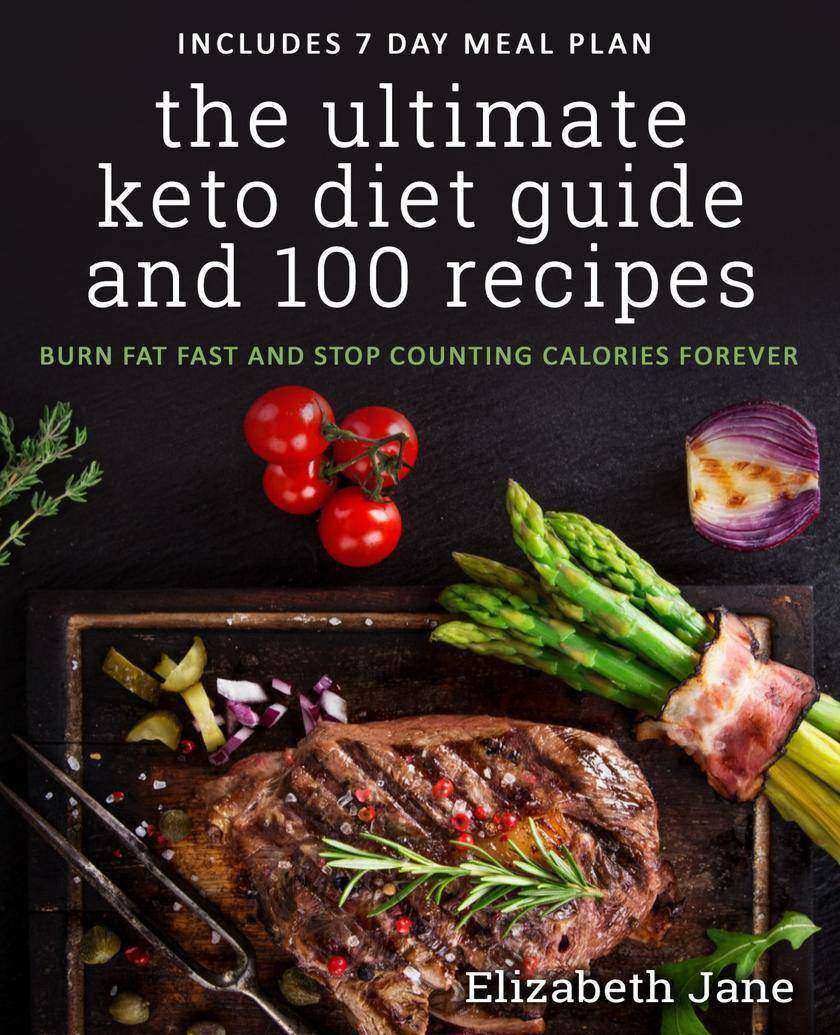
The Ultimate Keto Diet Guide & 100 Recipes
¥57.14
Do Want to Burn Fat or Store fat? Do you want to use fat to fuel your body? Do you want to stop counting calories forever? You'll learn all this and more, all for the cost of your morning coffee!! 50 Page Complete Guide to the Ketogenic Diet and 100 Delicious Recipes (all with detailed nutritional information). Includes Bonus 7 Day Quick Start Guide Meal Planner The Quick Start Guide and 7 Day Meal Planner means you can start today. Do you want to experience the benefits of the Ketogenic Diet (lose stubborn belly fat, reduced blood sugar levels, increased energy and mental focus) but are not sure where to start? Do you want a step by step Ketogenic Diet plan tailored to you? Would you like to master the Ketogenic Diet and learn how to never count calories again? Do you want a wide range of delicious and easy Ketogenic recipes to choose from? You'll get all this and more in the 'Ketogenic Diet: Low Carb, High Fat Diet Guide and 100 Recipe Cookbook for Beginners for Fast Weight Loss' You'll also learn: Why most diets fail and how to keep on track How you could be eating more carbs than you think and need. What food types to eat and what to avoid Using the 80% Approach, never to have to count calories again! Download now and discover the easy Ketogenic Diet and how it can help YOU with your health goals
World History:A Concise, Selective, Interpretive History of the World
¥327.00
This book provides a brief history of the world, focusing on major civilizations while employing a few strong interpretive themes. It could be used as a world history text for students and the ordinary public who are sometimes intimidated or overwhelmed by the detailed content of available history textbooks, or as a complementary book for world history classes. It could also benefit educated and intellectually inclined people by opening a stimulating topic of discussion. Upper division or graduate courses in historiography or philosophy of history might benefit from it as a review of world history, but also in the study of historiography as well. Ultimately, the book is didactic in nature and its goal is to teach history to students of history. In general, it presents an optimistic, if cautious, and realistic view of history in a coherent and meaningful narrative. It is hoped that through the understanding of history a new global ethic can ideally be envisioned and thereby achieved. The main underlying premise in this book is that successful civilizations—ones providing safety, prosperity, and room for individual growth and creativity—have from ancient times to the present flourished when responding creatively to the major challenges of their time and their environment. Second, many successful civilizations appear to have a life span of about two hundred years or some multiple of that number (e.g., the Greek’s Golden Age, the Romans, the Persians, the Chinese Han Dynasty). This number might be a consequence of the life span of individual human beings, about thirty years, with two hundred years constituting about six generations. These six generations might be divided into two first generations (father and son) of visionaries, two second generations of benefactors, and then two generations of critics. This hypothesis assumes the father-son relationship to be more direct, stronger, and more real than ideal. Third, throughout the dialectical process and cycles of integration and disintegration (or centralization and decentralization), societies tend to move toward expansion of greater human intellectual and political unity.
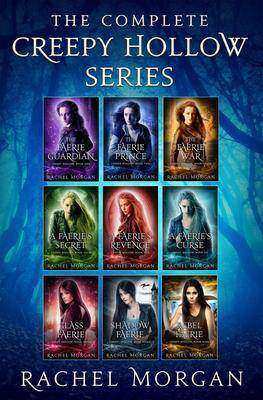
The Complete Creepy Hollow Series
¥76.22
Over 3000 pages of magic, intrigue, action and romance, with a collective 8000+ 5-star Goodreads reviews. Binge-read this bestselling fantasy series today! "Some of my favorite fantasy EVER!!" ~?booksmoviesandmoreohmy?★★★★★? "I cannot recommend this series enough ..." ~?Kez's Korner?★★★★★? "Put these books at the top of your must read list!!!!" ~ ★★★★★? "Excellent world building, excellent writing and great romance." ~?★★★★★? Violet has one job:?protect humans from dangerous magical creatures. It’s a job she’s good at—until her latest assignment, the?cute human guy?whose life she just saved,?follows her into the fae realm. Now she’s broken faerie law, putting graduation and her future at the Guild of Guardians at risk. She needs to get Nate home and make him forget everything he’s discovered—but it won’t be as easy as she hopes.Someone has been waiting for Nate, and now that he’s entered the fae realm, a dangerous plot is set in motion. Vi is about to find herself fighting for Nate’s life and her own as the two of them are pulled deeper into the darker side of the fae world. - - - An epic story of dazzling magic, heart-pounding action, thrilling twists, and swoon-worthy romance. Grab your copy and let yourself be swept away into this enchanting world! The Complete Creepy Hollow Series includes the following books:1.?The Faerie Guardian 2.?The Faerie Prince 3.?The Faerie War 4.?A Faerie's Secret 5.A Faerie's Revenge 6.?A Faerie's Curse 7.?Glass Faerie 8.Shadow Faerie 9.?Rebel Faerie
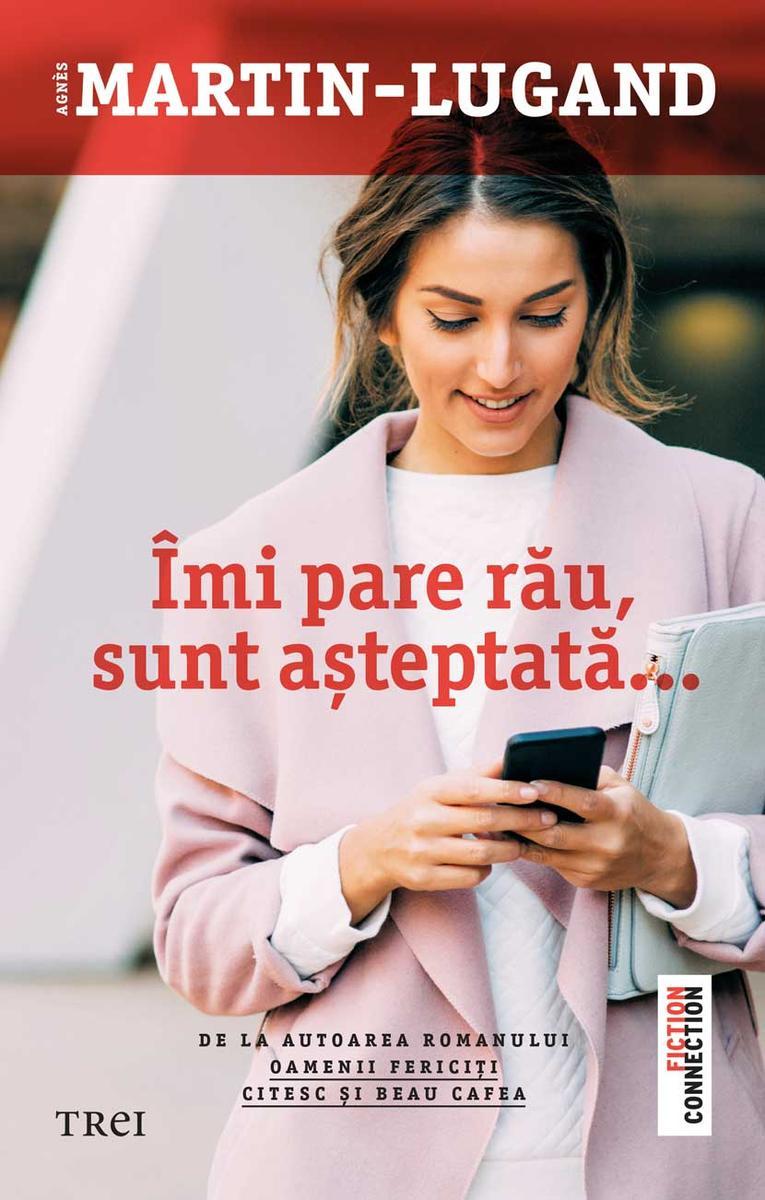
Imi pare rau, sunt asteptata
¥73.49
Ya?l tr?ie?te doar pentru munca ei. Interpret? de excep?ie la o agen?ie renumit?, ??i ?mparte timpul ?ntre ?nt?lniri ?i cine de afaceri. Nu ?tie ce ?nseamn? o vacan??, e dependent? de adrenalin?.?Nu renun?? niciodat? la ?inuta ei office ?i la pantofii cu tocuri ?nalte.???i vede rar familia ?i prietenii, care ??i fac griji pentru ea.?Nu ?ine cont de sfaturi, pentru c? simte c? a f?cut alegerea potrivit?, animat? de dorin?a neclintit? de a reu?i.?P?n? c?nd ?l ?nt?lne?te pe Marc, cel mai bun prieten al s?u din studen?ie, ?i via?a ei, at?t de bine organizat?, sare ?n aer.?Trecutul o ajunge din urm? ?i Ya?l descoper? c? fericirea ?i succesul personal par a fi incompatibile…?Un roman emo?ionant despre alegerile pe care le facem ?n via??."?mi pare r?u, sunt a?teptat?… e scris cu aceea?i naturale?e care a devenit o marc? a scrisului lui?Agnès Martin-Lugand." -?Le Parisien"Cred c? nu ne oprim niciodat? din a ne construi propria fericire. E un proces ne?ntrerupt. Ya?l poate s? se schimbe, are dreptul ca, la un moment dat, s? aleag? alt? cale. P?n? la urm?, putem avea mai multe vie?i." -?Agnès Martin-Lugand
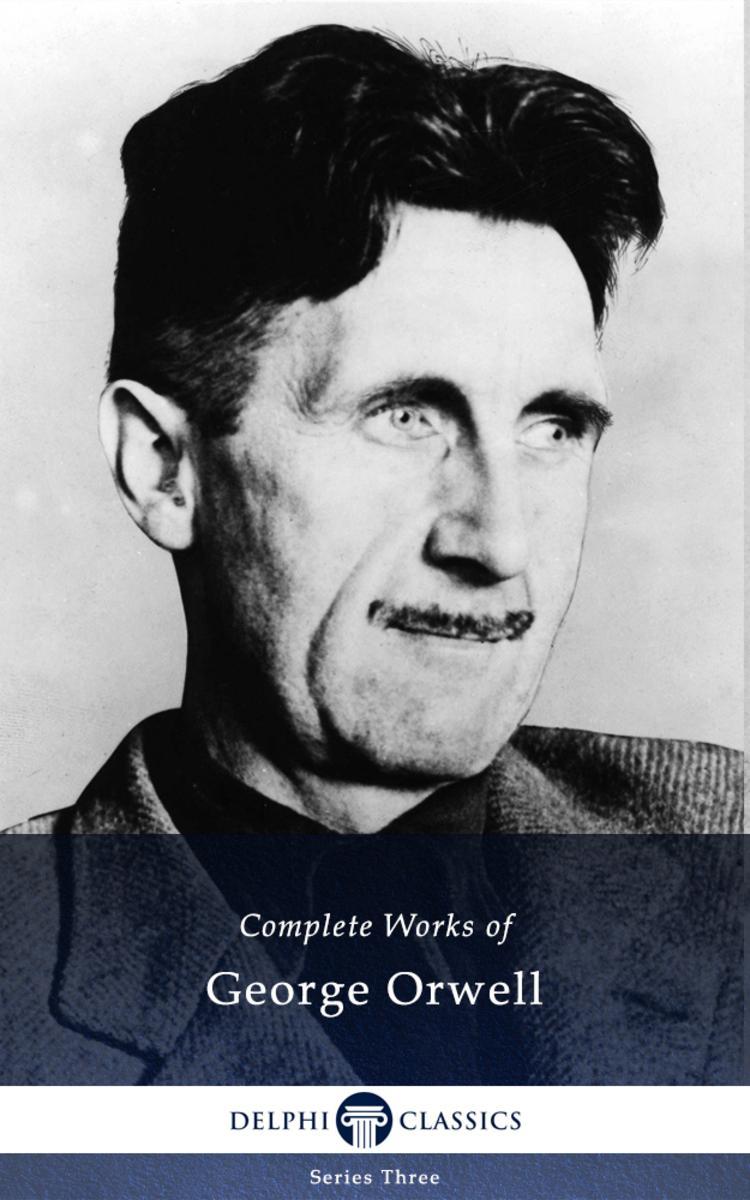
Delphi Complete Works of George Orwell (Illustrated)
¥24.44
For the first time in digital publishing history, readers can explore the complete fictional works of the modern master George Orwell in one comprehensive eBook. Also featuring a wide selection of non-fiction works, this latest addition to Delphi's bestselling series of publications is presented with numerous illustrations, informative introductions and active content tables. (Version 1)* Beautifully illustrated with images relating to Orwell's life and works* Concise introductions to the novels and other texts* All 6 novels and 3 memoirs, with individual contents tables* Images of how the books were first printed, giving your eReader a taste of the original texts* Excellent formatting of the texts* Includes fifty of Orwell's most celebrated essays - spend hours exploring the author's diverse oeuvre* Scholarly ordering of texts into chronological order and literary genres Please visit www.delphiclassics.com to browse through our range of exciting titles CONTENTS: The Novels BURMESE DAYS A CLERGYMAN'S DAUGHTER KEEP THE ASPIDISTRA FLYING COMING UP FOR AIR ANIMAL FARM NINETEEN EIGHTY-FOUR The Memoirs DOWN AND OUT IN PARIS AND LONDON THE ROAD TO WIGAN PIER HOMAGE TO CATALONIA The Poetry LIST OF POEMS Selected Non-Fiction LIST OF ESSAYS LIST OF BOOK REVIEWS AUTOBIOGRAPHICAL NOTE Please visit www.delphiclassics.com to browse through our range of exciting titles
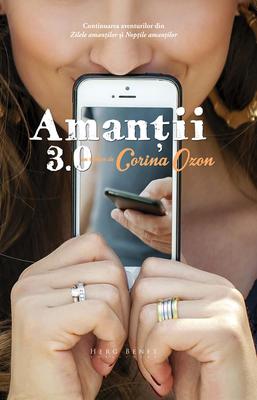
Aman?ii 3.0
¥53.33
Femeia asta, autoarea adic, nu e ntreag la minte i nici ia care o citesc, adic nici eu! i face singur promovare, pleac in turnee prin ar, doarme prin trenuri i pe la fanii ei p-acas, fr team c d peste vreo rud cu vasluienii. tia, adic fanii, o ajut cu organizarea evenimentelor, se implic n promovare, caut locaii pentru lansri. E aa, un fel de concubinaj sau amantlc literar de nu s-a mai pomenit. Oameni cu preocupri, profesii i niveluri de percepie diferite au devenit un fel de clan, de mafioi ai amantlcului Made in Romania. Sau mai degrab o sect, mie mi place s le spun Martorii Corinei. i lor, nou, ne place, because love is in the air, dragostea e n straturile de ozon. Aa cum e ea, dragostea, pe la noi, cu obscenitile, grobianismele i rahaturile tipic mioritice. Cnd o s-i cunoatei pe Cati i pe Mircea, eroii romanelor, vei nelege ce spun.“ (Cristian Niculescu, Bucureti) Corina Ozon face ce vrea, cu mine, cu tine, cu noi. Eu aa zic. Exact ce vrea. Ne-a scris, aa, din voleu, ntre dou postri pe Facebook, dou cri despre Viaa n Ultra High Definition. Ne place sau nu s recunoatem, noi tia care o citim suntem cam lovii cu leuca n cap i stau i m-ntreb cum de-am rezistat fr Zilele Amanilor i Nopile amanilor pn la vrsta asta“(Magdalena Manea, Toronto) Paradox este alctuirea Corinei. Blond doar la pr, cu nfiare candid de statuet de Tanagra, greu de crezut c poate fi att de spurcat la limb i oeit la fiere. Reporter par excelance, Corina are psihologia la vrful degetelor cu care tasteaz i un umor dulce amar de numa numa. i mai are ea ceva fainisim. Nu suport ipocrizia. Mircea i Cati exist n fiecare. Suntem noi, cei care mcar odat n via am fost sinceri cu noi nine i cu ispita i am clcat strmb. Iar dac unii s-au inut virtuoi, tot au pctuit n amantlcul cu gndul.“ (Ctlin Bdulescu, Braov)
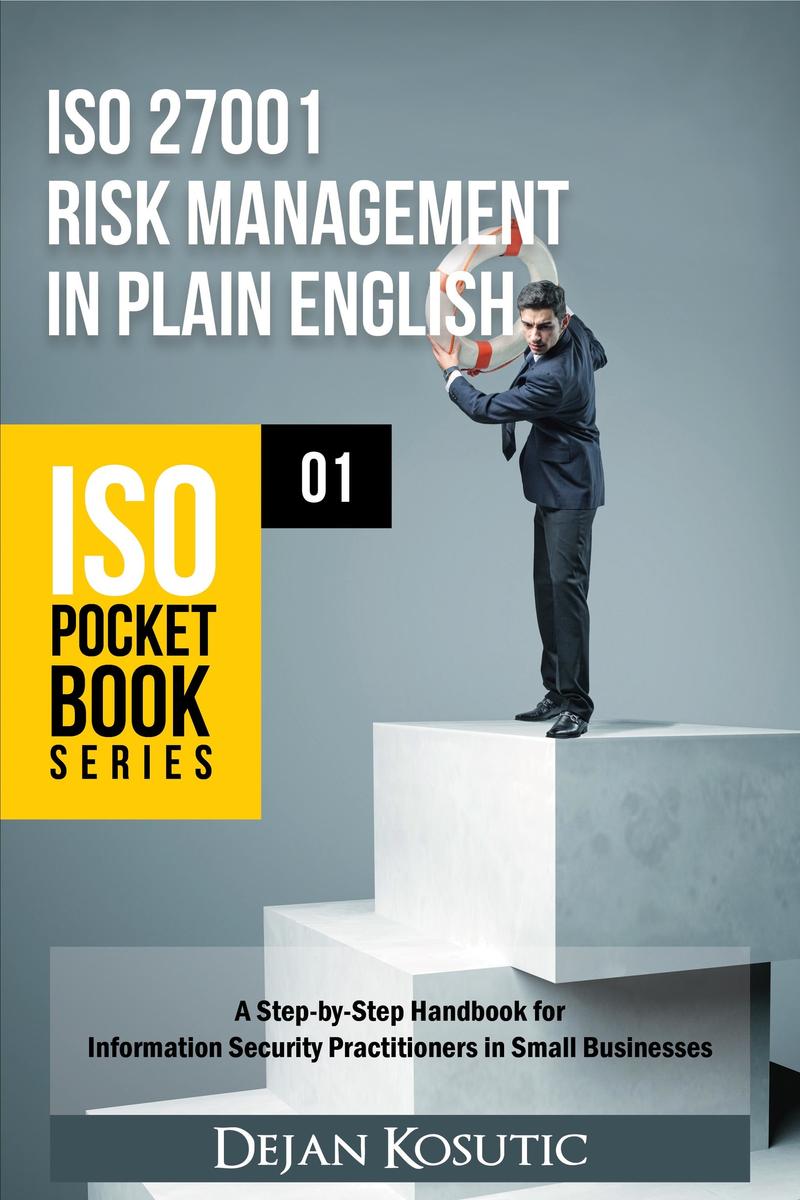
ISO 27001 Risk Management in Plain English
¥81.67
“Risk management is the central idea of ISO 27001. And, the way ISO 27001 tells you to achieve this tailor-made suit is to perform risk assessment and risk treatment.” This book, ISO 27001 Risk Management in Plain English, is a quick read for people who are focused solely on risk management. It has one aim in mind: to give you the knowledge and practical step-by-step process you need to successfully implement ISO 27001 risk assessment and treatment – without struggle, stress, or headaches. ISO 27001 Risk Management in Plain English is written primarily for beginners in this field and for people with moderate knowledge about risk assessment and treatment. It is structured in such a way that someone with no prior experience or knowledge about information security can quickly understand what it is all about, and how to implement the whole risk management project. However, if you do have experience with ISO 27001, but feel that you still have gaps in your knowledge, you’ll also find this book very helpful. This book will give you a complete overview of risk management according to ISO 27001. It will also explain the differences between risk management in ISO 27001 and other risk-oriented standards, such as ISO 27005 and ISO 31000. You will learn the five main steps in the risk management process, the purpose of risk assessment, and how to perform it. “In my experience, the employees (and the organization as a whole) are usually aware of only 25 to 40% of risks,” says author Dejan Kosutic. “Therefore, a thorough and systematic process needs to be carried out to find out everything that could endanger the confidentiality, integrity, and availability of their information.” This book will serve as your complete guide to ISO 27001 risk management. From the simple explanation of requirements, steps in risk management, development of methodology, and which documents are required for risk management – you will quickly see that this is the only book you’ll ever need on the subject.
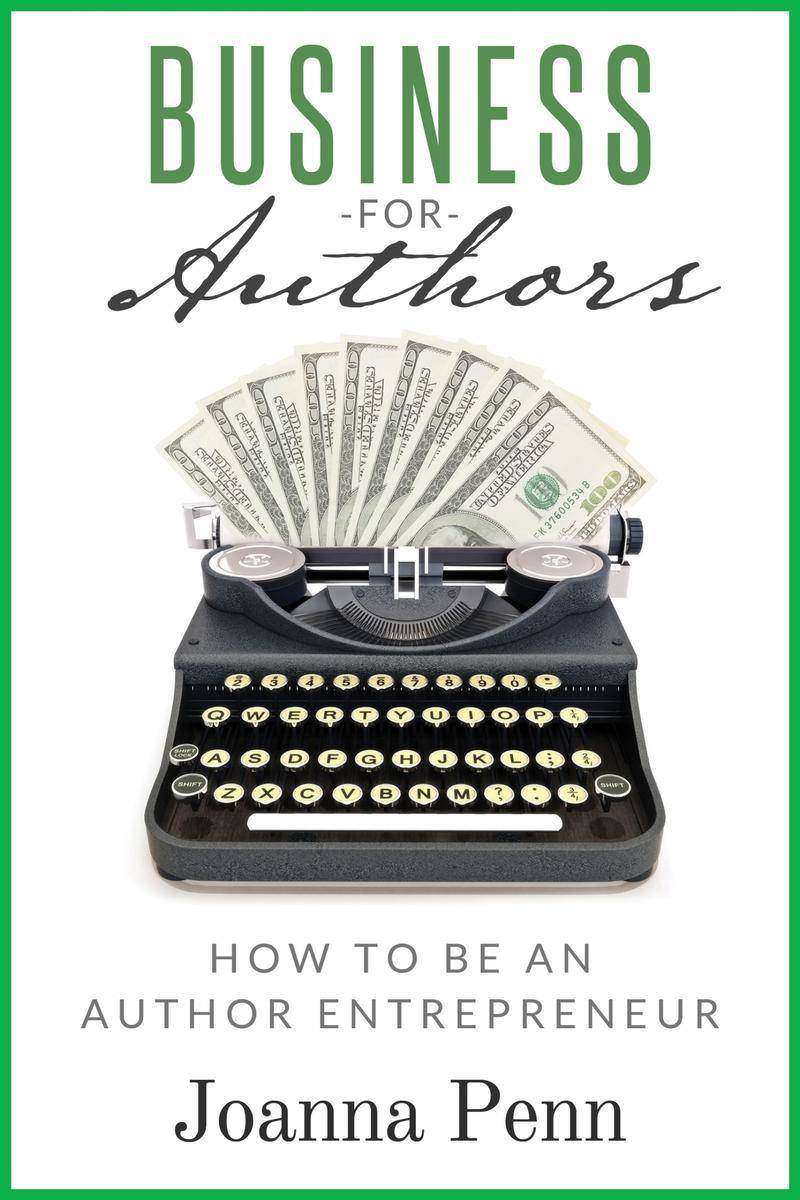
Business For Authors:How to be an Author Entrepreneur
¥81.67
Are you ready to take the next step in your author journey? Art for the sake of art is important. Writing for the love of it, or to create something beautiful on the page, is absolutely worthwhile and critical to expand the sum of human expression. But I’m not here to talk about creativity or the craft of writing in this book. My aim is to take the result of your creativity into the realm of actually paying the bills. To take you from being an author to running a business as an author.I was a business consultant for 13 years before I gave up my job in September 2011 to become a full-time author-entrepreneur. I worked for large corporates and small businesses, implementing financial systems across Europe and Asia Pacific. I’ve also started a number of my own businesses ”" a scuba dive charter boat in New Zealand, a customized travel website, a property investment portfolio in Australia as well as my freelance consultancy. I’ve failed a lot and learned many lessons in my entrepreneurial life and I share them all in this book. In the last six years of being an author, through tempestuous changes in the publishing world, I've learned the business side of being a writer and I now earn a good living as an author-entrepreneur. I’m an author because it's my passion and my joy but also because it's a viable business in this age of global and digital opportunity. In the book, you will learn: Part 1: From Author To Entrepreneur The arc of the author’s journey, definition of an author-entrepreneur, deciding on your definition of success. Plus/ should you start a company? Part 2: Products and Services How you can turn one manuscript into multiple streams of income by exploiting all the different rights, various business models for authors and how to evaluate them, information on contracts, copyright and piracy. Plus/ putting together a production plan. Part 3: Employees, Suppliers and Contractors The team you need to run your business. Your role as author and what you’re committing to, as well as co-writing. Editors, agents and publishers, translators, book designers and formatters, audiobook narrators, book-keeping and accounting, virtual assistants. Plus/ how to manage your team. Part 4: Customers In-depth questions to help you understand who your customers are and what they want, as well as customer service options for authors. Part 5: Sales and Distribution How to sell through distributors and your options, plus all the information you need to sell direct. ISBNs and publishing imprints ”" do you need them? Plus/ your options for pricing. Part 6: Marketing Key overarching marketing concepts. Book-based marketing including cover, back copy and sales pages on the distributors. Author-based marketing around building your platform, and customer-based marketing around your niche audience and targeted media. Part 7: Financials Revenues of the author business and how to increase that revenue. Costs of the author business and funding your startup. Banking, PayPal, accounting, reporting, tax and estate planning. Part 8: Strategy and Planning Developing your strategy and business plan. Managing your time and developing professional habits. The long-term view and the process for becoming a full-time author. Plus/ looking after yourself. Part 9: Next StepsQuestions from the book to help you work out everything to do with your business, plus encouragement for your next steps.Appendices, Workbook and Bonus Downloads including a workbook and business plan template.If you want to go from being an author to running a business as an author, download a sample or buy now.
The Call of Cthulhu
¥8.09
"The Call of Cthulhu" is one of H. P. Lovecraft's best-known short stories. Written in the summer of 1926, it was first published in Weird Tales, February 1928. It is the only story written by Lovecraft in which the extraterrestrial entity Cthulhu himself makes a major appearance. It is written in a documentary style, with three independent narratives linked together by the device of a narrator discovering notes left by a deceased relative. The narrator pieces together the whole truth and disturbing significance of the information he possesses, illustrating the story's first line: "The most merciful thing in the world, I think, is the inability of the human mind to correlate all its contents. We live on a placid island of ignorance in the midst of black seas of infinity; and it was not meant that we should voyage far."

Shadow Faerie
¥40.79
Enter the dazzling and deadly world of Unseelie royalty in the penultimate Creepy Hollow book! Emerson Clarke thought magic might solve all her problems. Turns out, magic only made her life more complicated. Her sick mother is in a worse position than before, and Em just made a risky deal with an Unseelie prince: he will heal her mother if Em agrees to the ultimate alliance—marriage. With the possibility of finally getting the one thing she’s always wanted, Em enters the dangerous world of the Unseelie Court. She’ll learn whatever she has to about magic and etiquette in order to fake her way through palace life until Prince Roarke fulfills his side of the bargain.But when someone unexpected shows up, bringing to light the secrets Roarke and his family are keeping from her, Em’s plans begin to unravel. She’ll soon have to decide once and for all: how far is she willing to go to save her mother? Be prepared for breathtaking magic, twisted plots, a hint of romance, and more shocking revelations!

Am uitat s? fim ferici?i
¥90.84
Imagineaz???i c? ai uitat cei mai importan?i zece ani din via?a ta. De la autoarea bestsellerurilor Secretul so?ului ?i Marile minciuni nevinovate C?nd se treze?te ?ntins? pe podeaua s?lii de gimnastic?, dup? o puternic? lovitur? la cap, Alice Love crede c? este ?nc? o t?n?r? de dou??zeci ?i nou? de ani, dornic? de distrac?ii, aflat? la ?nceput de drum al?turi de un so? minunat ?i ?ns?rcinat? cu primul lor copil. ?ns? descoper? cu uimire c? lovitura la cap i?a ?ters ultimii zece ani din memorie ?i c? acum este o femeie de treizeci ?i nou? de ani, cu trei copii ?i un b?rbat care o ur??te. Cum e posibil ca via?a ei s? se fi schimbat at?t de dramatic? ?i de ce nu??i aminte?te nimic? Alice nu se mai recunoa?te ?i nici nu?i place persoana ?n care s?a transformat. Trebuie s? decid? dac? pierderea memoriei este un blestem sau o bine?cuv?ntare ?i cum s? o ia de la cap?t. "O comedie romantic?, amuzant? ?i provocatoare, scris? cu un fin sim? al observa?iei." - Marie Claire "O poveste dulce?am?ruie scris? de o autoare talentat?." - Women's Weekly "Stilul lui Moriarty este minunat: uneori nostim, alteori trist, dar mereu irezistibil." - Good Housekeeping

Ketogenic Diet:Delicious Ketogenic Diet Recipes Cookbook:Easy Ketogenic Lifestyl
¥0.01
What is the ketogenic diet? It's a way of eating that shifts your body from being a sugar burner to being a fat burner. It's also a revolutionary way to support better health—it can improve everything from epilepsy to obesity to autoimmune disease and more. It's easier than you think to prepare mouthwatering, nourishing ketogenic meals. Are you ready to rapidly melt away chunks of fat from off your body and keep It off for good? Packed into this delightful little book are amazing ketogenic recipes that you will absolutely adore. That's a whole month of delicious dinners with a choice of different meals every single day! Delicious Recipes The Science Your body normally converts carbohydrates to glucose for energy. By limiting your intake and replacing it with fats, your body enters a state of ketosis. Here your body produces ketones created by a breakdown of fats in the liver. Without carbohydrates as your primary source of energy your body will turn to the ketones. This effectively cranks up the fat burning furnace and puts your body in the ultimate metabolic state. Beyond Weight Control Keto has its origins in treating healthcare conditions such as epilepsy, type 2 diabetes, cardiovascular disease, metabolic syndrome, auto-brewery syndrome and high blood pressure. This diet will take you beyond typical weight control and into a new realm of total body health. Finally, A Diet You Will Enjoy Forcing yourself to eat bland, uninspired meals is not a long-term solution to obtaining a healthy body. You will be more likely to relapse or even abandon your diet altogether. This ketogenic cookbook rekindles your love for food, meaning you will look forward to your every meal. When you enjoy what you are eating the results come easy Pick Up Your Copy Now! Click On The BUY NOW Button At The Top Of The Page!

10 Receitas para você fazer na ceia de natal
¥8.18
Quando se fala em Ceia de Natal, logo pensamos na família reunida na mesa de jantar para comemorar essa data especial. E nada melhor do que uma Ceia com a mesa farta.Aprenda a fazer 10 receitas tradicionais do Natal para deixar a sua confraterniza??o mais especial.

Magia ordinii. Senza?ionala metod? japonez? de a-?i elibera ?i organiza casa
¥57.14
2 milioane de exemplare v?ndute Transform?-?i locuin?a ?ntr-un spa?iu ordonat ?i permanent curat cu incredibila metod? KonMari, aplic?nd trei principii de baz?: simplific?, organizeaz? ?i depoziteaz?. Pentru a reu?i s?-?i ordonezi locuin?a, trebuie s?-?i organizezi ac?iunile ?ntr-o succesiune corect?, s? p?strezi numai obiectele care-?i sunt cu adev?rat dragi ?i s? faci totul dintr-odat? ?i repede. Dup? aceea, pentru tot restul vie?ii, nu va mai fi nevoie dec?t s? alegi ce s? p?strezi ?i ce s? arunci. Metoda KonMari nu ??i va transforma doar spa?iul de locuit. Dup? ce ai f?cut ordine ?n cas?, vei constata c? ?ntreaga ta via?? se va schimba. Vei c?p?ta mai mult? ?ncredere ?n tine, succesul te va ?nso?i, vei avea mai mult? energie ?i te vei sim?i mai motivat s? duci via?a pe care ?i-o dore?ti. De asemenea, vei dob?ndi curajul s? la?i ?n urm? aspectele negative ale vie?ii tale: vei recunoa?te o rela?ie care-?i face r?u ?i ?i vei pune cap?t; anxietatea te va p?r?si ?i, ?n sf?r?it, vei sc?dea ?n greutate. ?Kondo ne provoac? s? ne ?ntreb?m dac? obiectele care ne ?nconjoar? servesc unui scop. Ne fac s? avans?m ?n via?? sau ne ?in ata?a?i de trecut?“ – USA Today


