


 购物车
购物车 个人中心
个人中心
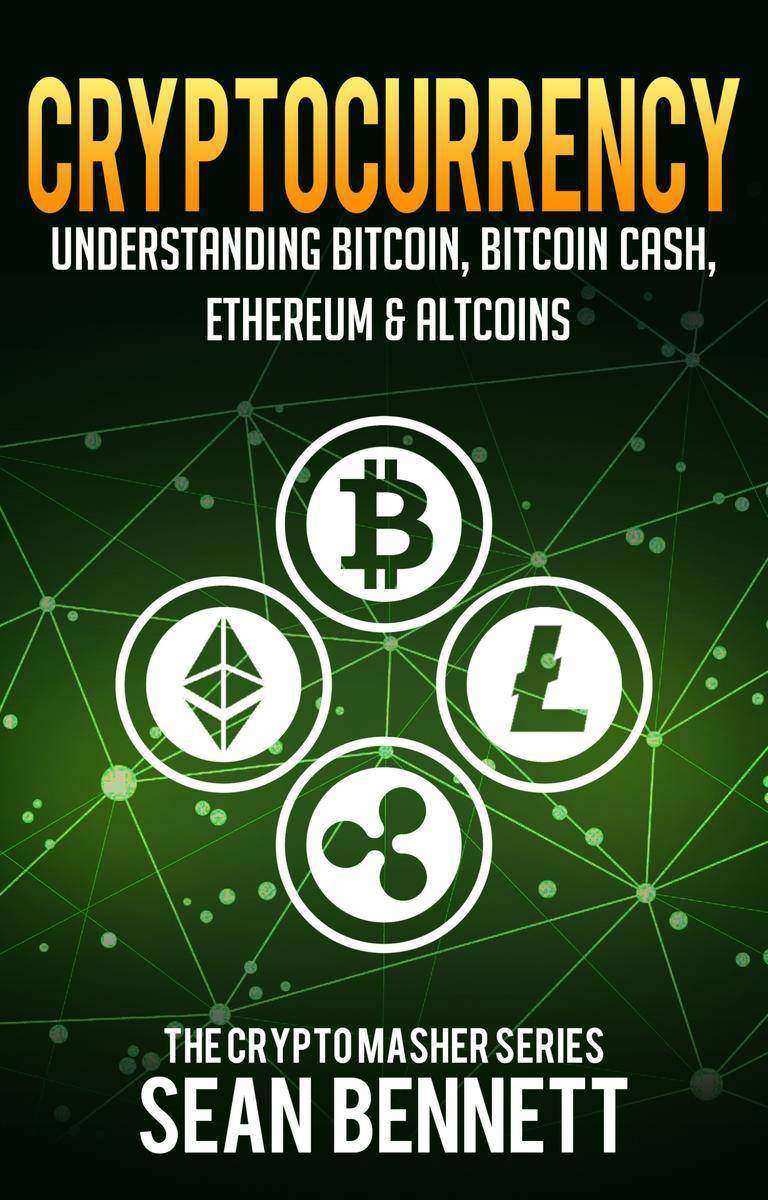
Cryptocurrency:Understanding Bitcoin, Bitcoin Cash, Ethereum & Altcoins
¥32.62
Cryptocurrencies have been referred to as ‘Digital Gold’. No wonder as they have continued to rise and beat expectations! Cryptocurrencies are a growing trend and have been on the rise over the past several years. There are a growing number of online businesses that accept cryptocurrencies as a form of payment, such as Bitcoin. With the growing world of cryptocurrencies, it can seem confusing with all the options you have. This book is here to help you understand the various cryptocurrencies currently serving the market. In this book you will learn about: ? What are Cryptocurrencies? The History of Cryptocurrencies? Cryptocurrency and Currency? What is Blockchain? How to Store Cryptocurrency? Sending and Receiving Currency? Investing in Cryptocurrencies? Trading Cryptocurrencies? Virtual Profits and Actual Profits? FOMO FUD? Risk Management? ICOs Not only will it cover this, you will also learn about: ? A Guide for Bitcoin, Bitcoin Cash, Ethererum, Litecoin Altcoins? The Future of Cryptocurrencies There are endless opportunities when it comes to cryptocurrencies, so why not get involved now. They can be great investment opportunities, and they are a great way to impress your friends. Get this book today and learn the basics of the world of cryptocurrencies. Start learning more about cryptocurrency! Enjoy the second book in the series from Cryptomasher! What are you waiting for? Take control of your financial future, go ahead and purchase the book!
21 Prayers of Thanksgiving: Transform Your Prayer Life by Giving Thanks
¥0.01
Thanksgiving prayers are powerful! This book will transform your prayer life through using the everyday spiritual tool of thanksgiving.? Using the 21 prayers will open your eyes to the unseen, draw you into God's presence, unlock conversations with God, keep you hopeful, banish fear and doubt, bring your clarity and help you to experience miracles. Each prayer focuses on a different area of your life or an aspect of God's character- family, teenagers, work, health, time, weaknesses, future, God's joy, God's provision, God's love, just to name a few. Use this book to unlock the incredible power of thanksgiving in your life.

Amores encontrados
¥31.88
Miriam y Jose Manuel, dos hermanos de padres poco presentes. La primera, como hermana mayor se siente enteramente responsable de la vida que ella adora como a un hijo propio. Miriam inicia una relación con un joven profesor de la universidad de su hermano; es en adelante donde sus vidas se harán tan complicadas al punto de llevarlos a tomar o aceptar decisiones que, sin importar cual caminos tomen, todos llegan a un mismo destino. El amor de hermanos, la amistad, la pasión, la inmadurez, el arrebato y el perdón son algunos de los ingredientes de esta corta pero sustanciosa novela.

Ducele p?c?tului
¥7.36
R?v??itor de chipe?, orgolios, lipsit de scrupule, Valentin Napier, duce de Montgomery, este b?rbatul despre care vorbe?te toat? Londra. Cu faima lui de crai ?i de ?antajist, Montgomery a revenit din exil ?i este hot?r?t s? se r?zbune pe cei care l-au nedrept??it. ?ns? descoperirea pe care o va face ?n propriul dormitor ?l va determina s?-?i schimbe cu totul planurile…Fiica bastard? a unei lady din lumea bun? londonez?, menajera Bridget Crumbs este o femeie inteligent?, curajoas? ?i extrem de loial?. C?nd mama ei ajunge ?inta unei escrocherii, Bridget se angajeaz? ?n casa ducelui de Montgomery ?n speran?a de a g?si probele incriminatoare pe care acesta le de?ine ? ?i ajunge s? descopere ceva mult mai periculos.Montgomery este peste poate de uimit ?i intrigat de ?nnebunitor de preten?ioasa ?i surprinz?tor de istea?a Bridget, pe care o g?se?te spion?nd ?n camerele lui. ?n ciuda str?daniilor ei, Bridget nu poate rezista farmecului acestui duce p?c?tos. Cei doi ?ncep un adev?rat joc de-a ?oarecele ?i pisica ?i ajung s? descopere ?n cur?nd c? am?ndoi au secrete bine ascunse ?i c? nici unul din ei nu este a?a infam ? sau de inocent ? cum pare.

A haldokló részvényes
¥0.01
Ingyenes tartalom - T?ltsd le Kondor Vilmos Szélhámos Budapest k?tetéhez készült el?novellát. Kondor Vilmos nemzetk?zi siker? B?n?s Budapest regényfolyamát már nem kell bemutatni az olvasónak. A szerz? legújabb regénye a Budapest Noir el?zményt?rténete, amelyb?l fény derül Gordon Zsigmond ifjúkorára, a t?zsdekrachok éveire és kedvenc zsurnalisztánk els? pesti ügyére, amelyet a már ismert kalandok sora k?vet. Kondor e-novellája is a korszak hírhedt vagy éppen pitiáner szélhámosainak, svindlereinek, és persze az átverésekhez elengedhetetlen palimadarainak világába vezeti olvasóit, egy igencsak példaérték? ?kopasztás" leírásával, amib?l az ifjú Gordon Zsigmond is kivette a részét. A k?tet ingyenes, let?ltéséhez válaszd az ek?nyv megvásárlását, majd a fizetés tárcáról opciót a fizetés harmadik lépésekor.

N?o me deixe sozinha
¥8.18
“?s vezes, tudo o que uma pessoa mais precisa é de alguém para lhe proteger”A vida de um sargento de polícia muda completamente quando ele é abordado por uma linda mo?a chamada Paula. Apesar de a mo?a ser-lhe totalmente desconhecida, o policial aceita a mo?a em sua casa em troca de companhia e felicidade.Mas Paula guarda segredos que poder?o colocar tudo a perder.
Adam ?i Eva
¥0.01
Adam ?i Eva este un roman scris de Liviu Rebreanu ?n anul 1925. Este un roman de dragoste mai aparte. Romanul are drept tem? principal? credin?a ?n re?ncarnare, metempsihoza. Cuplul arhetipal ?i androginic se caut? ?i se re?ntrege?te ?n ?apte perioade istorice foarte diferite. Personajul principal, Toma Novac, trece prin mai multe vie?i, este pe r?nd p?stor ?n India, guvernator ?n Egipt, scrib ?n Babilon, cavaler roman ?n Roma ?n epoca domniei ?mp?ratului Tiberiu, c?lug?r ?n Germania medieval?, medic ?n Fran?a revolu?iei franceze, ?i ?n fine profesor universitar la Bucure?ti. El se ?ndr?goste?te pe r?nd de 7 personaje feminine diferite: de Navamalika, Isit, Hamma, Servilla, Maria, Yvonne, ?i de Ileana.

30 Green Smoothies Recipes Supercharge Your Day
¥0.01
Green smoothies are blended drinks that contain fresh leafy green vegetables in them, such as Kale, Collard greens, Swiss chard, Spinach, Mint or Parsley, in addition to fresh or frozen fruit, ice, yogurt or milk. Other herbal or nutritional supplements can also be added. These beverages are blended into a smooth, thick, milkshake-like consistency. They are extremely easy to make, taste great and provide great nutrition.

?ntoarcerea ?n Eclipse Bay
¥7.36
Bunicii lor s-au uracirc;t din toat? inima. La fel ?i ta?ii lor. ?i, pentru c? reprezint? urm?toarea genera?ie din familie Harte ?i Madison, toat? lumea se a?teapt? ca ?i Hannah ?i Rafe s? se urasc?. Hannah Harte, de?in?toarea unei companii de succes ce organizeaz? nun?i, este o femeie cu o viziune sceptic? asupra c?s?toriei. Dar contrar opiniei celor din jur, eaicirc;?i aminte?te de noaptea petrecut? pe plaj? cu mult timpicircn urm? cu Rafe, cacircnd el s-a dovedit a fi mai mult decacirct b?iatul cu reputa?ie proast? din familia Madison. Iar Rafe ?i aduce aminte, la racircndul s?u, de gestul plin de curaj al lui Hannah, care a demonstrat c? spiritul s?u aprig ?i sincer era mai puternic decacirc;t orice vrajb? istoric? dintre familiile lor, salvacircndu-l de o condamnare aproape sigur? la icircnchisoare. Adu?i icirc;mpreun? de o mo?tenire surprinz?toare dup? ani ntregi icircn care vie?ile lor au urmat drumuri separate, Rafe ?i Hannah se icircntorc icircn Eclipse Bay ?i la ostilit??ile care icircnc? le mai despart ?i le leag? familiile. ?i descoper? un lucru icircn acela?i timpicircncacircnt?tor ?i extrem de tulbur?tor: sentimentele care se nasc icircntre ei pot fi mai presus de secrete, tr?d?ri ?i rivalit??i
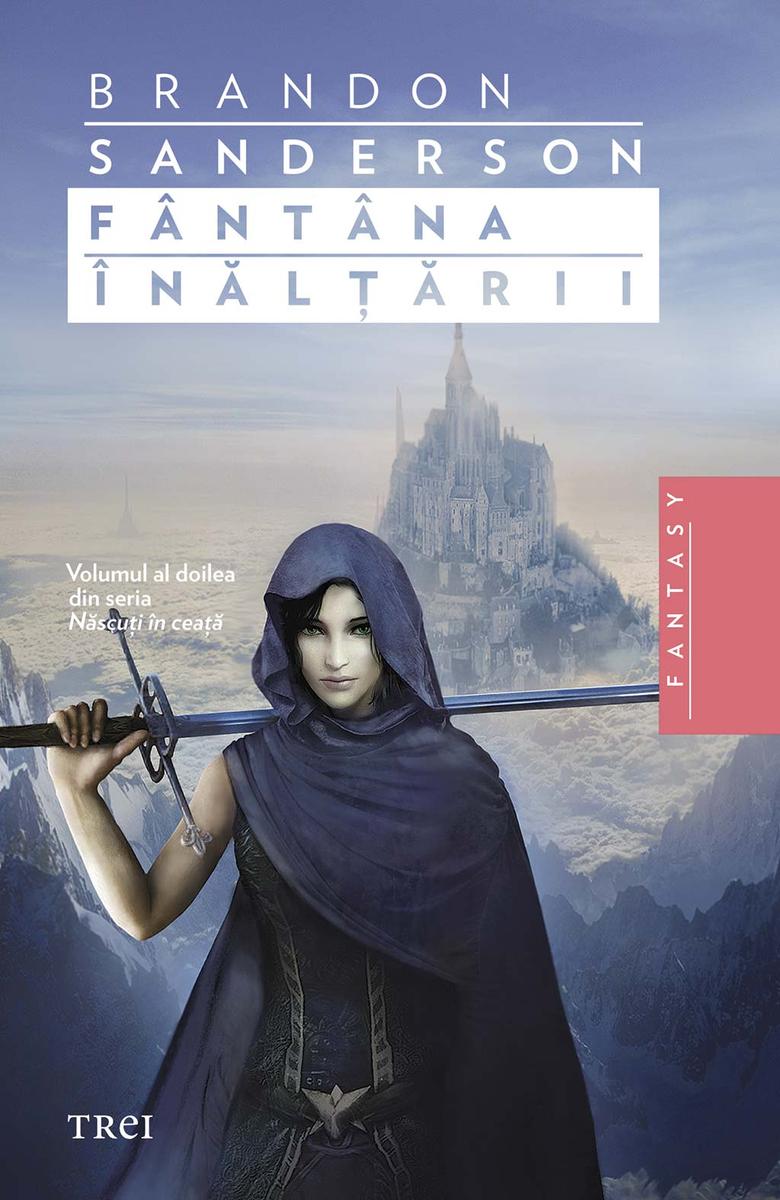
F?nt?na ?n?l??rii. Volumul al doilea din seria N?scu?i ?n cea??
¥114.37
Al doilea volum din seria N?scu?i din cea?? Imposibilul a fost atins. Lordul Legiuitor – care se pretindea nemuritor ?i conducea lumea cu brutalitate de o mie de ani – a pierit. Elend Venture, noul conduc?tor al lui Luthandel, ?ncearc? s?-?i men?in? puterea, ?n timp ce aristocra?ii ?i negu??torii murmur? nemul?umi?i ?i dou? armate inamice apar la por?ile ora?ului. C?nd asediul lui Luthandel se ?n?spre?te, o legend? str?veche pare s? ofere o sclipire de speran??. Dar chiar dac? F?nt?na ?n?l??rii ar exista cu adev?rat, nimeni nu ?tie unde s-o caute ?i nici ce puteri confer?. Din fericire, Elend se poate bizui pe ajutorul iubitei sale, Allomanta Vin, asasina neoficial? a Cur?ii. ?Ac?iunea exploziv? pe care ?i-o doresc to?i iubitorii de aventuri.“
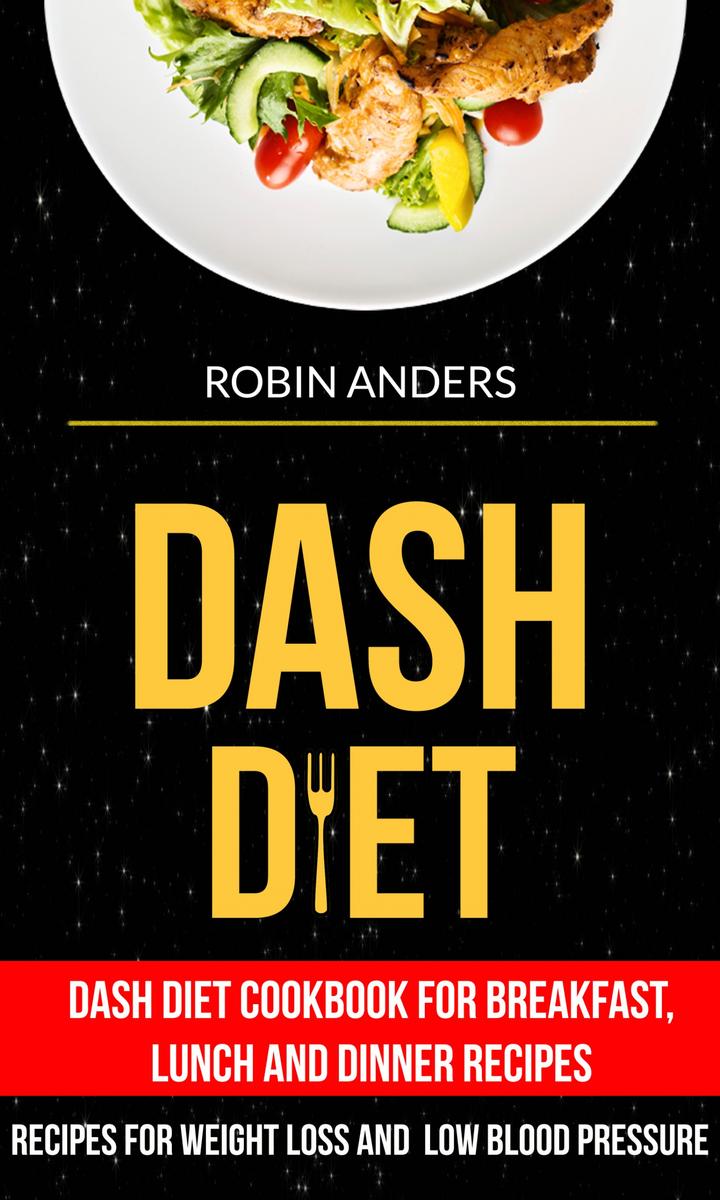
Dash Diet
¥0.01
Dash Diet Nowadays, the average person's diet is filled with foods that are not suitable for human consumption, but we have become so accustomed to them that we disregard health issues and continue to eat them. The DASH diet takes account of modern day living and allows you freedom of choice to a certain degree, rather than restriction. A person who starts the DASH diet will also be able to reduce the risk of procuring high blood pressure. Excess weight and high blood pressure are the cause of many terrifying illnesses. Don’t wait until it’s too late. Download this book, learn about the Dash Diet, follow its guidelines, and enjoy the delicious recipes. This book is all you need to get started on the Dash Diet and become healthy and fit once and for all. The diet is relatively easy, provided you are ready for a lifestyle change. Should you decide to get started with it, this book will guide you through every step of the way and provide you with information that is sure to help you make a smooth transition. You'll get delicious dash diet recipes in this book. Scroll to the top and select the "BUY" button for instant download
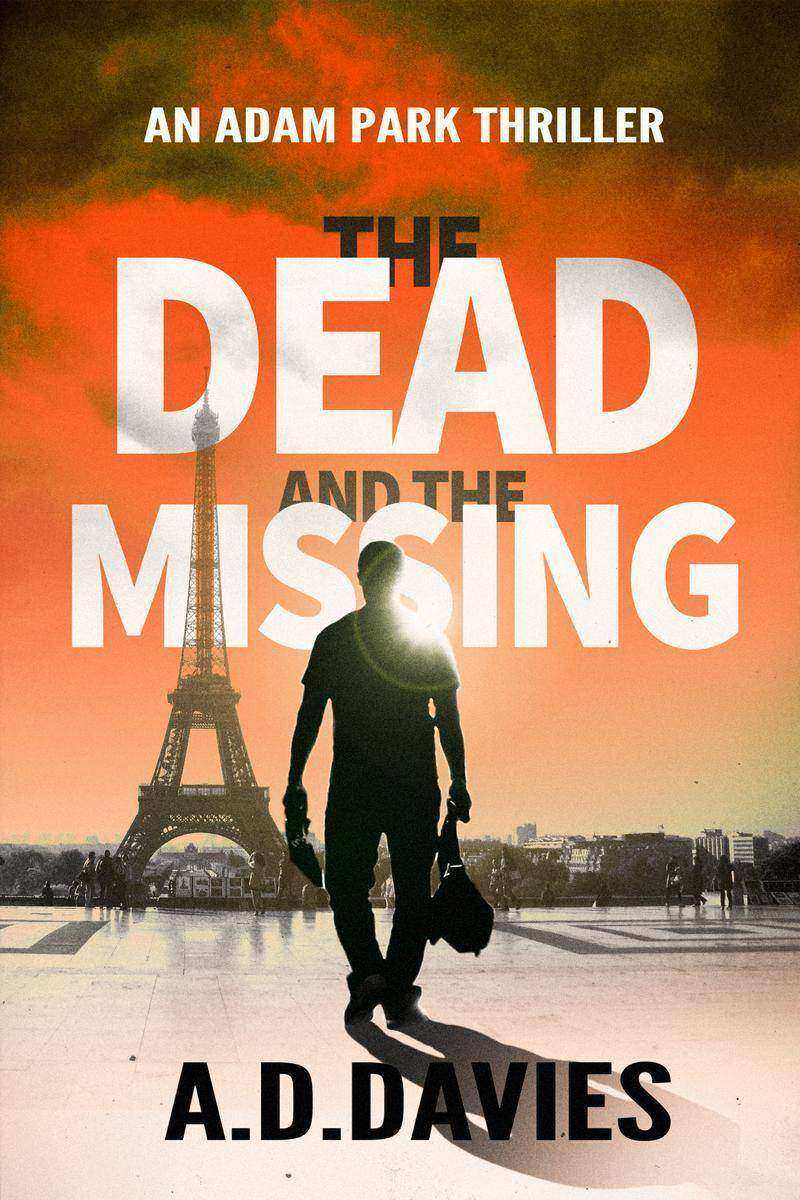
The Dead and the Missing: An Adam Park Thriller
¥0.01
A brutal international underworld. A lost girl. A PI determined to burn it all. Former private investigator Adam Park is living a quiet life of surfing and travel. But when a troubled young woman and her manipulative boyfriend disappear, Adam's former mentor cuts that retirement short. It seems the pair stole something important from the wrong ruthless criminal - evidence that puts his business and reputation under threat. Using cutting-edge technology, Adam must track the through the Parisian underworld and into an international organized crime network that treats human life like a business commodity. To survive ruthless traffickers, confront corrupt law enforcement, and return the girl safely, Adam must burn down his concepts of right and wrong, and draw upon violent facets of his psyche that he has long denied exist. Because Adam is a good person. Isn’t he? The Dead and the Missing is a suspense filled, international mystery crime thriller, a journey that launches a PI from the relative safety of the corporate world to the hard-boiled existence required to get the job done. At any cost to his soul. Review from Readers' Favourite: The Dead and the Missing is loaded with twists and turns and excitement, and had me holding my breath in fear several times, never being one hundred percent sure of how it would end. A.D. Davies is a very talented author. Pick up the first book in the Adam Park detective series today. Adam Park Books in Order: The Dead and the Missing A Desperate Paradise The Shadows of Empty Men Night at the George Washington Diner (novella) Master the Flame Under the Long White Cloud
P?durea sp?nzura?ilor
¥0.01
P?durea sp?nzura?ilor este un roman din categoria prozei de analiz? psihologic?, scris de Liviu Rebreanu. Inspirat de un eveniment real, condamnarea la moarte ?i apoi execu?ia prin sp?nzurare a fratelui lui Liviu Rebreanu, Emil, ofi?er ?n armata austro-ungar?, care a ?ncercat s? dezerteze ?i s? ajung? ?n liniile rom?ne?ti. P?durea sp?nzura?ilor configureaz? un univers dominat de r?zboi, ?i p?ndit de perspectiva mor?ii prin sp?nzurare, prezentat? chiar din primele scene ale romanului. Personajul principal, Apostol Bologa, este un intelectual confruntat cu mai multe drame de con?tiin??. Identitatea na?ional? a sa este pus? ?n cump?n? pe fondul ascensiunii na?ionalismului ?n jurul ?i chiar ?n interiorul Imperiului Austro-Ungar. Un personaj simbolic e locotenentul ceh Svoboda (cu nume programatic, provenit din cuv?ntul slav svobod?, ?slobod“, ?liber“), de la care Apostol Bologa ?nva?? re?eta libert??ii. Formula narativ? se schimb?, naratorul investigheaz? impactul evenimentelor ?n con?tiin?a personajului.

Belas palavras de amor
¥8.18
Cinquenta pequenas histórias que v?o deixar você emocionada e que v?o inspirar o seu cora??o a se expressar.S?o histórias doces, que acontecem no cotidiano daquelas pessoas que amam e se deixam amar. S?o palavras simples, mas que se ditas com sinceridade, tornam-se belas.
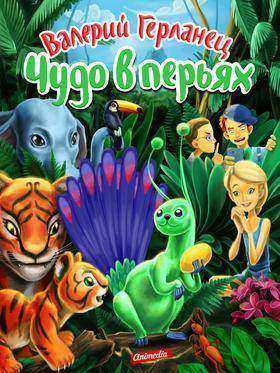
Чудо в перьях - Сказки для подростков
¥22.81
Свою новую экзотическую повесть о зверях и людях ?Чудо в перьях? ее автор адресовал тинейджерам. Именно в этом возрасте многие из них впервые задумываются над такими извечными вопросами, как: кто я? для чего живу? что такое любовь? Этими вопросами озабочен и главный герой повествования — неизвестный науке птицезверь по имени Хрум, обитающий в джунглях одной из далеких стран Юго-Восточной Азии. Он не желает жить ?по законам джунглей?, потому что окружающая его действительность наполнена насилием и кровожадностью. Хруму больше нравятся законы доброты, взаимной помощи и уважения, по которым живут дикие слоны, повстречавшиеся ему по пути к Большой Мутной реке. Главными героями повести выступает также троица юных представителей человеческого сообщества — Элиз Смит, Майк Питерс и Рэй Картер, которые приходят на помощь попавшему в беду странному зверенышу. Хрум вновь оказывается в своем привычном мире, где встречает похожее на него самого ?чудо в перьях?. Встреча с незнакомкой впервые пробуждает в нем неведомое ему ранее чувство… Повесть ?Чудо в перьях? написана в стиле экшен, с присущими автору мягким юмором и ?киношной? калейдоскопичностью построения сюжета. Издательство Animedia Company желает вам приятного чтения.

La final apare dragostea
¥7.36
Numai disperarea l-ar fi putut aduce pe Duncan Pennethorne, infamul conte de Sheringford, icircnapoi acas? dup? spectaculosul scandal pe care l-a stacirc;rnit cu cinci ani icircn urm?. C?ci dependent financiar de bunicul s?u, Duncan a primit de la acesta un ultimatum: se icirc;nsoar? icirc;n dou? s?pt?m acircni sau r?m acircne f?r? nici un ban. ?i iat? c? soarta i-o scoate icircn cale pe singura femeie din Londra care are tot at acircta nevoie ca ?i el s?-?i g?seasc? un so?. Pus? icircntr-o situa?ie jenant? din pricina unei minciuni spuse pe negacircndite, Margaret Huxtable se vede nevoit? s? accepte cererea icircn c?s?torie f?cut? de un necunoscut misterios. Dar cacirc nd descoper? cine se ascunde de fapt icircn spatele chipului fermec?tor al pe?itorul ei, este deja prea tacircrziu: tocmai s-a logodit cu cel mai notoriu seduc?tor al Londrei. ?i pe m?sur? ce pasiunea se aprinde icirc;ntre ei, doi oameni care se c?s?toresc din motive gre?ite descoper? c? niciodat? nu este prea tacircrziu s? apar? dragostea...
Moara cu noroc
¥0.01
Moara cu noroc este o nuvel? scris? de Ioan Slavici, trat?nd consecin?ele pe care dorin?a de ?mbog??ire le are asupra destinului uman. Majoritatea criticilor o consider? crea?ia cea mai important? a autorului, al?turi de P?dureanca ?i romanul Mara.

Velocidad luz
¥0.01
Velocidad luz nos inicia en el inframundo del crack y los alucinantes personajes que lo integran. Su humor ácido retrata el nihilismo de una juventud desencantada por los simulacros de vida que heredó de sus padres. La extensión de cada viaje es directamente proporcional al fracaso de sus realidades. ?Una novela llena de energía. Audaz e irreverente?. Milenio ?Retrata de forma magistral el trasfondo de la adicción?La Jornada
Hard Fall:A gripping noir thriller
¥0.01
An ex-cop with a past. A case police couldn't solve. One chance at redemption... An ex-New York detective, now working as a freelance investigator in London; Thomas Blume hunts for the killers that tore his family apart. For justice, for closure, for revenge. But when Blume stumbles across a case that baffled local police, he unwittingly becomes part of a world full of criminals, thugs and corrupt cops that will do anything to stop him. Now, in a country he doesn't understand and a city stacked against him, Blume must fight to expose the truth… before it's too late. Over 20,000 copies downloaded. Discover the thrilling first book in the Thomas Blume hard boiled mystery series today!? Click and get your copy now!
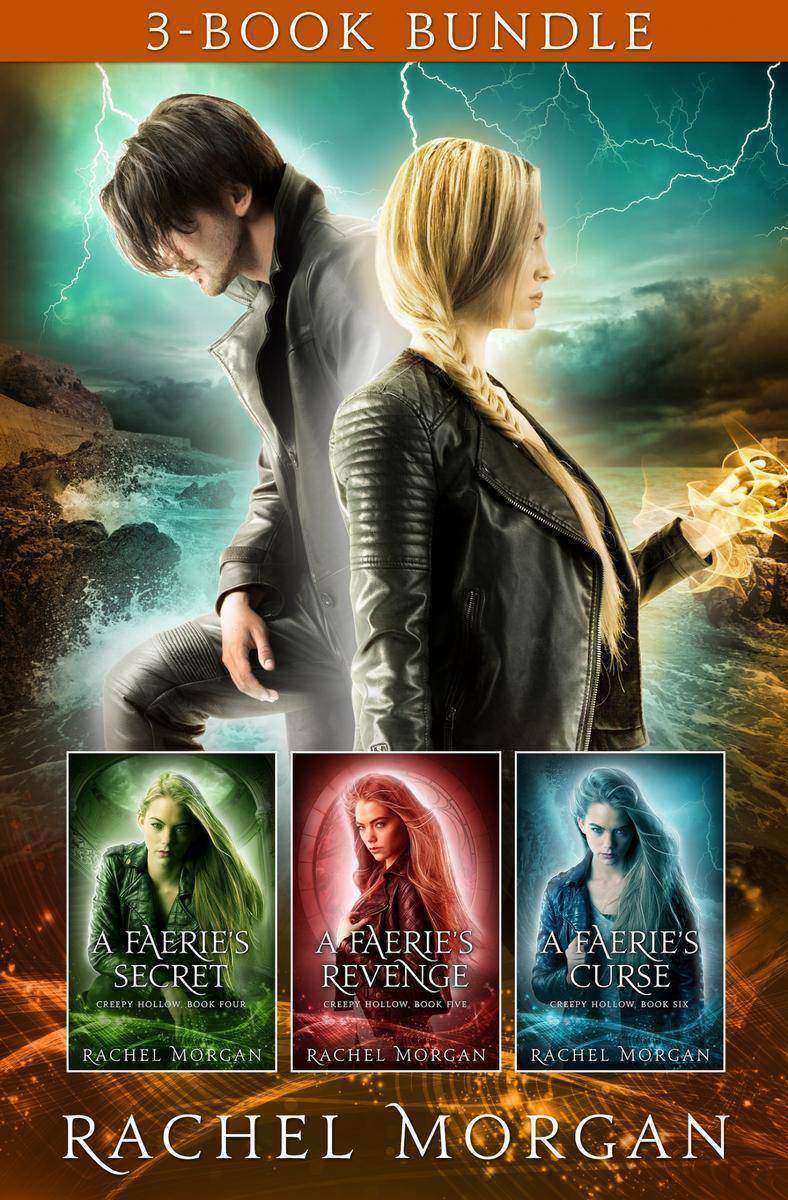
Calla's Story:(Creepy Hollow Books 4, 5 & 6)
¥81.67
The magic, mystery & adventure continue, ten years later ... When Calla Larkenwood is given the opportunity to realize her dream of becoming a guardian, she enters a world far more dangerous than she could ever have imagined. One foe is intent on bringing the Guild down for good, while another prepares for a horrifying prophesied spell that will forever change both the magic and non-magic realms. In a world where everyone keeps secrets and the line between good and bad has become blurred, how will Calla figure out whom to trust? Join beloved Creepy Hollow characters and new heroes in this thrill ride of heart-pounding action, startling revelations, and dangerous magic, beginning ten years after the events of The Faerie War. Includes the following THREE Creepy Hollow books: A Faerie’s Secret A Faerie’s Revenge A Faerie’s Curse THE COMPLETE CREEPY HOLLOW SERIES CONSISTS OF THE FOLLOWING BOOKS: Violet's Story 1. The Faerie Guardian 2. The Faerie Prince 3. The Faerie War Calla's Story 4. A Faerie's Secret 5. A Faerie's Revenge 6. A Faerie's Curse Emerson's Story 7. Glass Faerie 8. Shadow Faerie 9. Rebel Faerie

Career Change
¥48.97
Are you tired of asking "What should I do with my life?” Are you sick of your job? Don't worry, I know how you feel! I used to start every working week saying "I hate my job" and spend every Friday night drinking too much to drown my misery. I was a cubicle worker in large corporates, going to pointless meetings, writing endless documents no one would read, testing computer systems that would soon be obsolete. Every day, my soul and my creativity died a little. Maybe you feel the same? Well, life is too short to just exist on the edge of breakdown, and there is a better way of living. You need to discover what you love to do and then make that your job, your life's work. This book will take you through understanding the way you feel now as well as how to improve your current situation immediately so you can create enough space to work on breaking out and doing what you truly love. It also contains the career change process I used to go from management consultant to full-time author-entrepreneur. It's time to change your career and your life. In this book, you will find:? Part 1: I hate my job 1) Identifying the problem 2) The results of an unhappy workplace- stress, depression and weight gain Part 2: How to improve your current situation 3) Develop yourself 4) Coping with stress at work 5) Being valued and appreciated 6) Escaping the trap 7) Making money and keeping hold of it 8) Being creative 9) Escape is sometimes necessary Part 3: How to change your career 10) What do you really want to do? 11) Entrepreneurship or working for yourself 12) The Career Change Process 13) Setting and achieving your goals 14) Your Challenge. Your Future Bonus Articles: * Case Study Micro-Entrepreneur: How I run my business, The Creative Penn Limited * Interview with Joanna Penn on how to change careers * From affirmation to reality: the author’s story * The Smart Person’s Guide to Quitting the Day Job Life’s too short to continue feeling this way. It’s time to change your life. Packed with strategies, tips and personal stories that will help you find the work you love. If you want to change your life and your career, download a sample or buy now.


