


 购物车
购物车 个人中心
个人中心
The Wit and Wisdom of Jane Austen (Text Only)
¥31.59
Michael Kerrigan is a freelance writer and editor. He is the author of WHO LIES WHERE (Fourth Estate 1995) and has contributed articles and reviews to the Independent, The Times Literary Supplement, The Scotsman, and Scotland on Sunday.
Odd Laws
¥31.59
‘One for the road’ always seemed to be such a friendly farewell, at least before the drink driving laws were enforced. In fact, the phrase has a much more sinister meaning, originating from the days of public hangings. When a condemned prisoner left Newgate Prison on his way to the gibbet, he would be put on a cart which would stop at every pub along the route. Each publican would give the prisoner a free drink – One for the Road. Usually by the time the gibbet and the hangman came into view, the condemned man was far too drunk to care about his fate.
A Mind of Your Own
¥61.51
Betty Shine is known worldwide for her powers as a medium and healer. She is the author of a number of bestselling books, including Mind Magic, which was a Sunday Times No.1 bestseller. A former opera singer, she has been a therapist for 40 years and a healer and medium for over 20 years. She is a well-known television and radio personality and has been invited to lecture all over the world.
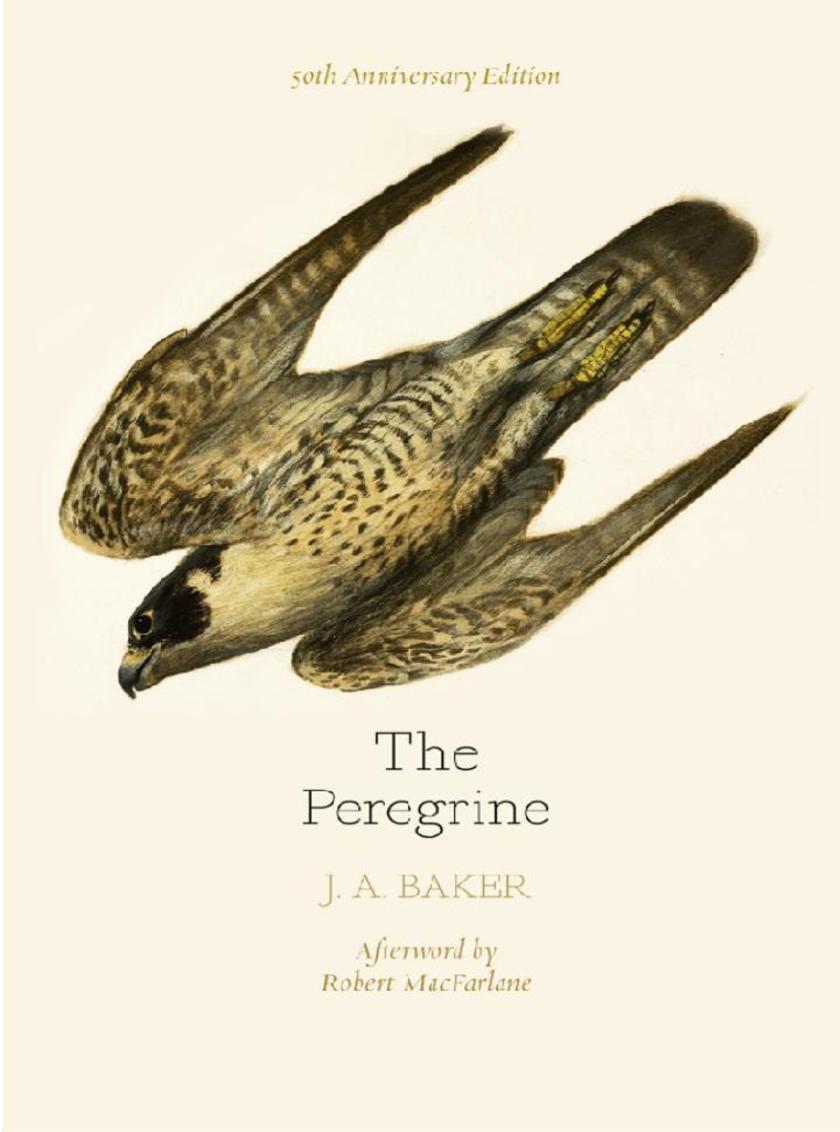
The Peregrine: 50th Anniversary Edition: Afterword by Robert Macfarlane
¥95.75
J.A. Baker (1926-1987) is now widely acknowledged as one of the most important British writers on nature in the twentieth century. When his first book, The Peregrine, appeared in 1967 with all the unexpected power and vertiginous daring of its eponymous bird, it was instantly recognised as a masterpiece. Today it is viewed by many as the gold standard for all nature writing and, in many ways, it transcends even this species of praise. A case could easily be made for its greatness by the standards of any literary genre.
![The Five Giants [New Edition]: A Biography of the Welfare State](https://platform-permanent.ddimg.cn/pt-media-info-soa-resource/digital/product/91/9/1901079109_ii_cover.jpg?version=35ee7947-a8b0-4eae-94f5-aa2ad644e56e)
The Five Giants [New Edition]: A Biography of the Welfare State
¥95.75
Nicholas Timmins has been Public Policy Editor of the Financial Times since 1996. Before that he was with the Independent for a decade from its foundation., working variously as its health and social services correspondent , politcal correspondent and its public policy editor. He previously held similar posts at The Times. He has also worked for the Press Association and Nature. He has therefore been reporting on the events covered in this, his first book, for twenty years.

Epitaph for the Ash: In Search of Recovery and Renewal
¥95.75
An English language and literature specialist with many years’ experience of teaching English and Italian, Lisa Samson is a Senior Lecturer in Writing at Leeds Beckett University. Lisa's first novel, Talk To Me, came second in the Virginia Prize for Fiction 2011. She has been published in short form both in print and online.

The Mills & Boon Modern Girl’s Guide to:Working 9-5: Career Advice for Feminists
¥51.50
Naturally slight of build, Ada’s first paid work, age five, was smuggling cigarettes and other contraband through the tunnels beneath the Berlin Wall. Enjoying her taste of early employment she went on to have over a hundred other different jobs, including, but not limited to: delivering eggs to Hollywood’s most glamorous celebrities, cartographer, professional wrestler, mystery shopper, designing man-hole covers, and ice-dance choreographer. She is author of over a hundred books, all of which she dictates from her bath to her man-secretary, Alan.

The Mills & Boon Modern Girl’s Guide to:Helping Yourself:Life Hacks for feminist
¥51.50
Throughout her youth Ada joined several popular cults, undertook spiritual quests, and even appeared in an episode of The Crystal Maze. In 2006, after a conscious uncoupling from her family for tax reasons, she set up a popular lifestyle and mindfulness blog where she promotes her unique pine-cone based gut exfoliation diet, which has now been banned by the US food and drug administration and labelled ‘hazardous and irresponsible’ by the world health organisation. Her agony aunt column in Angling Times has been popular for years.

Gin: A guide to the world’s greatest gins (Collins Little Books)
¥51.50
Dominic Roskrow has written about the drinks industry for more than 25 years. He currently writes for a range of leading drinks titles including Drinks International, Class, and Supper, as well as running his own business.
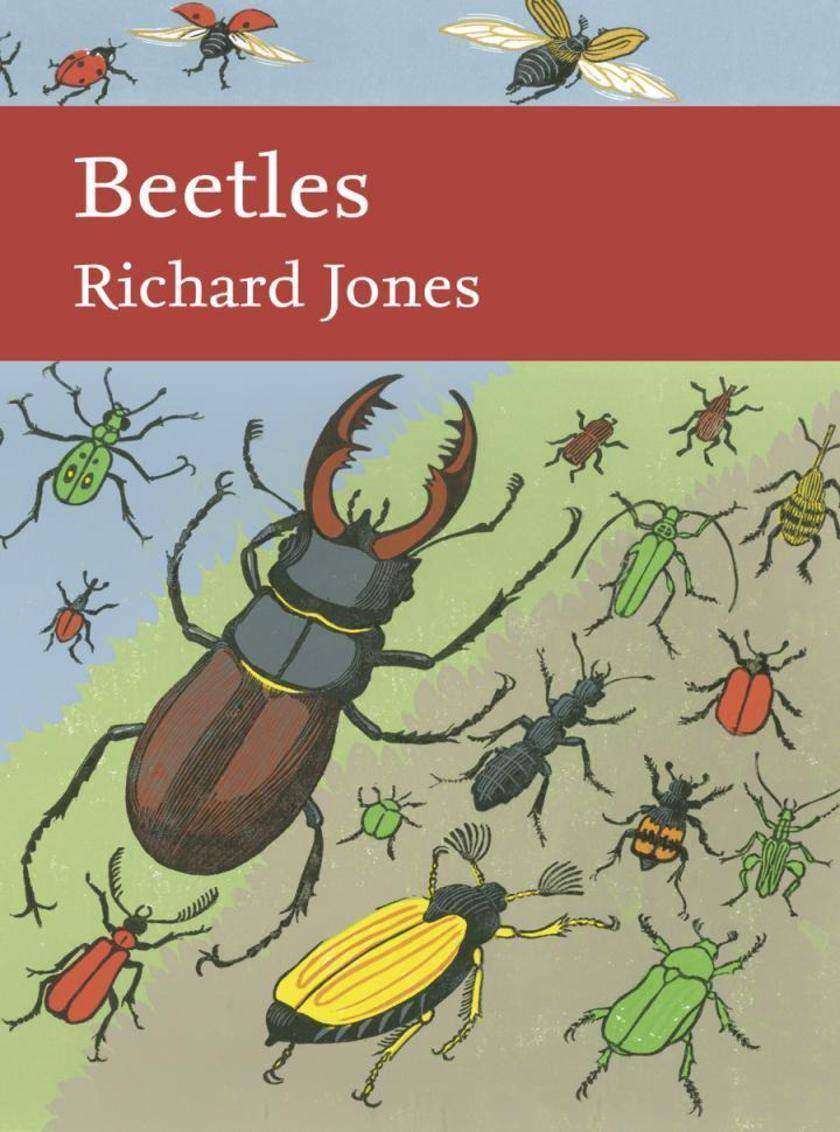
Beetles (Collins New Naturalist Library)
¥257.90
Richard Jones is a nationally acclaimed entomologist, a fellow of the Royal Entomological Society, fellow of the Linnean Society, and past president of the British Entomological and Natural History Society. He has been fascinated by wildlife since a childhood exploring the South Downs and Sussex Weald after plants and insects – especially beetles. He now writes about insects, nature and the environment for BBC Wildlife, Gardener’s World, Countryfile, the Guardian and Sunday Times and has regular media appearances on programmes such as Springwatch Unsprung, Natural Histories and Open Country. He is the author of several books on science and wildlife.
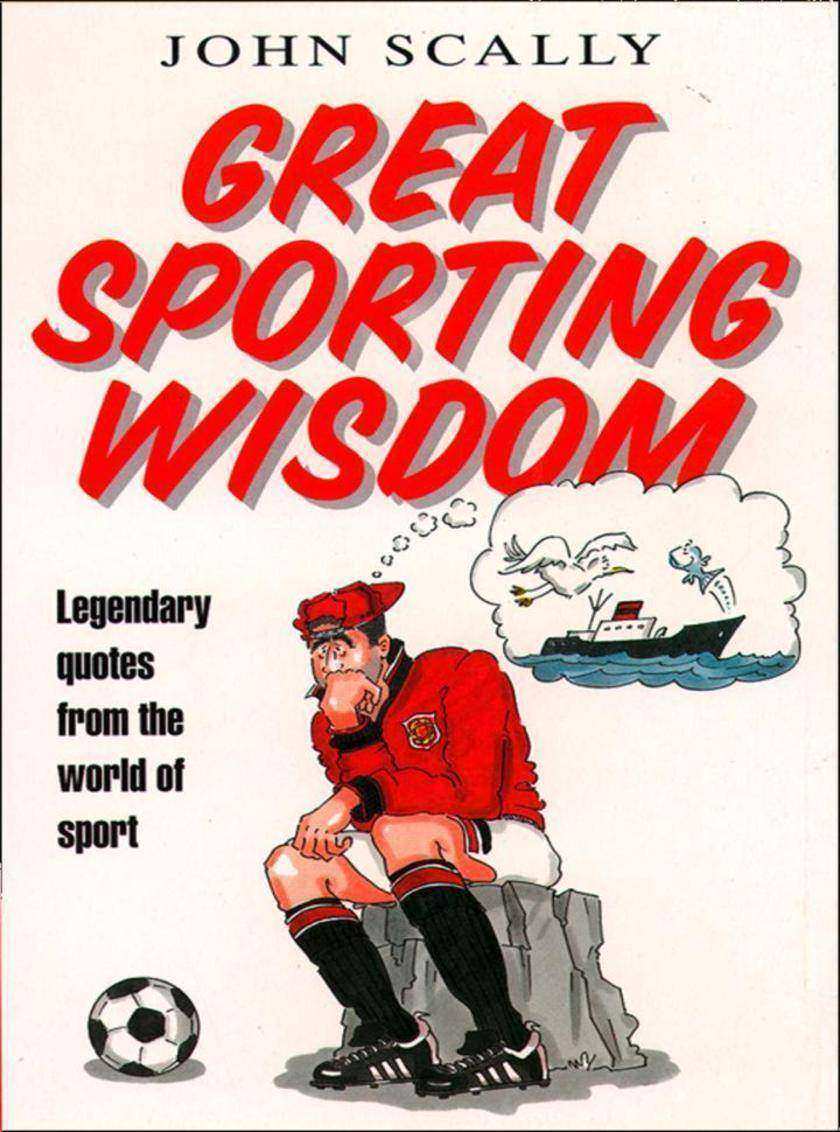
Great Sporting Wisdom: Legendary Quotes from the World of Sport
¥30.61
In 1906 Ambrose Bierce defined quotation as ‘the act of repeating erroneously the words of another. The words erroneously repeated.’ Down through history much has been said and written about the people and events that have shaped the sporting world. This book assembles some of the most commonly misquoted and misattributed of those sporting quotations.Humour is a difficult thing to define. What reduces one person to helpless laughter may leave another indifferent. And what makes a funny quote? The context can be crucial.In normal circumstances the following would not be of great interest: ‘Sharp are currently working on bringing 3D TV into your living-rooms. Mr Koshima hopes it will be so realistic that viewers will have to duck when Eric Cantona takes a shot.’
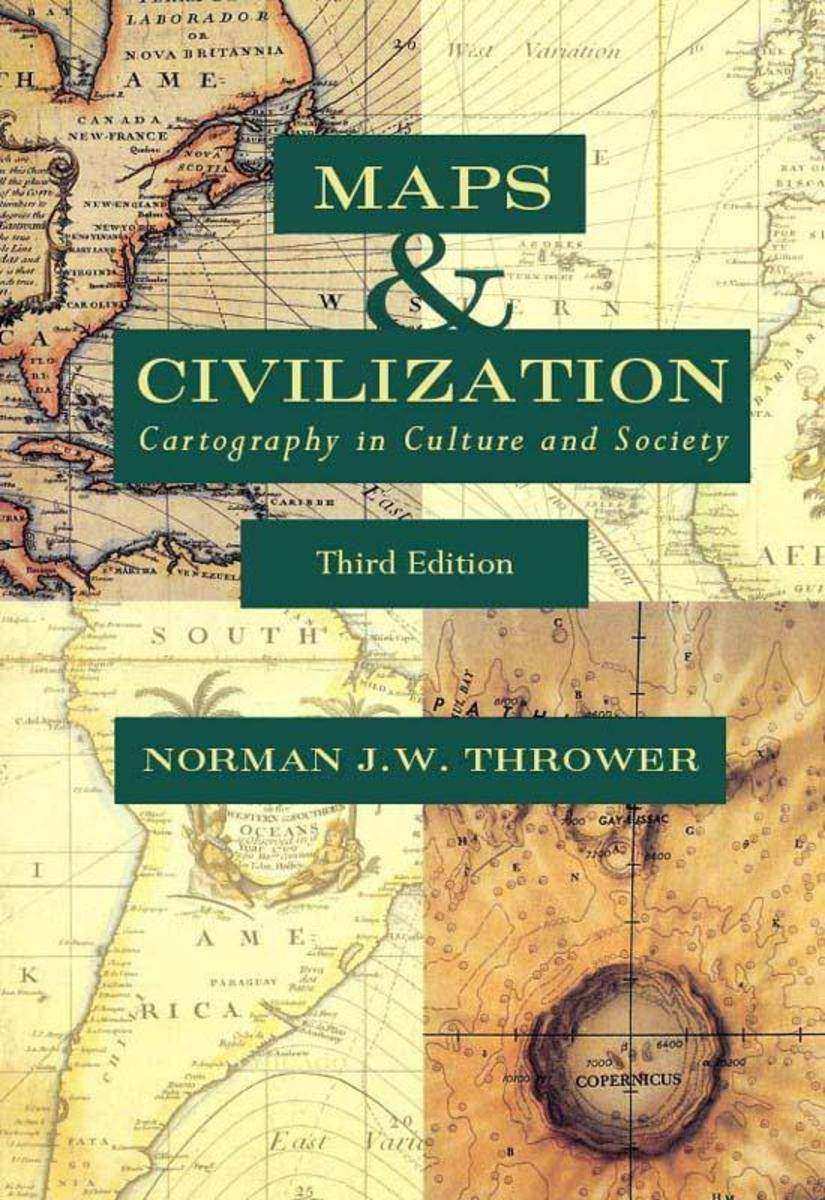
Maps and Civilization
¥282.53
In this concise introduction to the history of cartography, Norman J. W. Thrower charts the intimate links between maps and history from antiquity to the present day. A wealth of illustrations, including the oldest known map and contemporary examples made using Geographical Information Systems (GIS), illuminate the many ways in which various human cultures have interpreted spatial relationships.The third edition of Maps and Civilization incorporates numerous revisions, features new material throughout the book, and includes a new alphabetized bibliography.?Praise for previous editions of Maps and Civilization:"e;A marvelous compendium of map lore. Anyone truly interested in the development of cartography will want to have his or her own copy to annotate, underline, and index for handy referencing."e;-L. M. Sebert, Geomatica

The Theory of Ecology
¥394.36
Despite claims to the contrary, the science of ecology has a long history of building theories. Many ecological theories are mathematical, computational, or statistical, though, and rarely have attempts been made to organize or extrapolate these models into broader theories. The Theory of Ecology brings together some of the most respected and creative theoretical ecologists of this era to advance a comprehensive, conceptual articulation of ecological theories. The contributors cover a wide range of topics, from ecological niche theory to population dynamic theory to island biogeography theory. Collectively, the chapters ably demonstrate how theory in ecology accounts for observations about the natural world and how models provide predictive understandings. It organizes these models into constitutive domains that highlight the strengths and weaknesses of ecological understanding. This book is a milestone in ecological theory and is certain to motivate future empirical and theoretical work in one of the most exciting and active domains of the life sciences.
The Easter Moment
¥109.31
The Easter Moment tells the moving story of Spong's friendship with a young physician dying of cancer and how that relationship shed new light on the years of study the author has devoted to the great mystery of what actually happened on that long-ago Easter when the whole history of the human race was changed. Spong is willing to ask tough and searching questions and to come up with startling and significant answers to what happened after death that first fateful Easter, and what that means for thinking about life after death today.
The Eyes of the Heart
¥77.49
From critically acclaimed author and Pulitzer Prize runner-up Frederick Buechner comes another powerfully honest memoir, The Eyes of the Heart. Full of poinant insights into his most personal relationships, this moving account traces how the author was shaped as much by his family's secrets as by its celebrations.Within the innermost chambers of his consciousness, Buechner, in his characteristically self-searching style, explores the mysteries and truths behind his deepest connections to family, friends, and mentors. Extraordinarily moving, this memoir follows not chronology but the converging paths of Buechner's imagination and memory.Buechner invites us into his library-his own Magic Kingdom, Surrounded by his beloved books and treasures, we discover how they serve as the gateway to Buechner's mind and heart. He draws the reader into his recollections, moving seamlessly from reminiscence to contemplation. Buechner recounts events such as the tragic suicide of his father and its continual fallout on his life, intimate and little-known details about his deep friendship with the late poet James Merrill, and his ongoing struggle to understand the complexities of his relationship to his mother.This cast of characters comprised of Buechner's relatives and loved ones is brought to vibrant life by his peerless writing and capacity to probe the depths of his own consciousness. Buechner visits his past with an honest eye and a heart open to the most painful and life-altering of realizations. heartbreaking and enlightening, The Eyes of the Heart is a treasure for any who have ever pondered the meaning and mystery of their own past.As "one of our finest writers," according to author Annie Dillard, Frederick Buechner provides yet another chapter in the tale of his life in this gripping memoir tracing the complicated roots and path of his inner life and family, with their multitude of intersections." The Eyes of the Heart stands as a touching testimonial to the significance of kinship to the author as well as to the legions of readers who have come to regard him as one of their own.
Dirty
¥84.16
Venturing into uncharted territory, mother and award-winning journalist Meredith Maran takes us inside teenagers' hearts, minds, and central nervous systems to explore the causes and consequences of our nation's drug crisis. In these pages we get to know the kids, the parents, the therapists, and the drug treatment programs at their best and worst. We're face-to-face with seventeen-year-old Mike, whose life revolves around selling, smoking, and snorting speed; fifteen-year-old Tristan -- the boy next door -- who can't get enough pot, pills, or vodka; and sixteen-year-old Zalika, a runaway, crack dealer, and prostitute since the age of twelve. Combining powerful on-the-street reporting and groundbreaking research, Dirty is essential reading for every parent and professional who works with or cares about children or teenagers.
Too Good For Her Own Good
¥84.16
In the bestselling tradition of The Dance of Anger, a compassionate and insightful guide that shows women how they can learn to feel good about who they are and what they do.
The Proper Care and Feeding of Husbands
¥90.77
In her most provocative book yet, Dr. Laura urgently reminds women that to take proper care of their husbands is to ensure themselves the happiness and satisfaction they yearn for in marriage.Women want to be in love, get married, and live happily ever after. Yet disrespect for men and disregard for the value, feelings, and needs of husbands has fast become the standard for male-female relations in America. Those two attitudes clash in unfortunate ways to create struggle and strife in what could be a beautiful relationship.Countless women call Dr. Laura, unhappy in their marriages and seemingly at a loss to understand the incredible power they have over their men to create the kind of home life they yearn for. Now, in The Proper Care and Feeding of Husbands, Dr. Laura shows you with real-life examples and real-life solutions how to wield that power to attain all the sexual pleasure, intimacy, love, joy, and peace you want in your life.Dr. Laura's simple principles have changed the lives of millions. Now they can change yours.
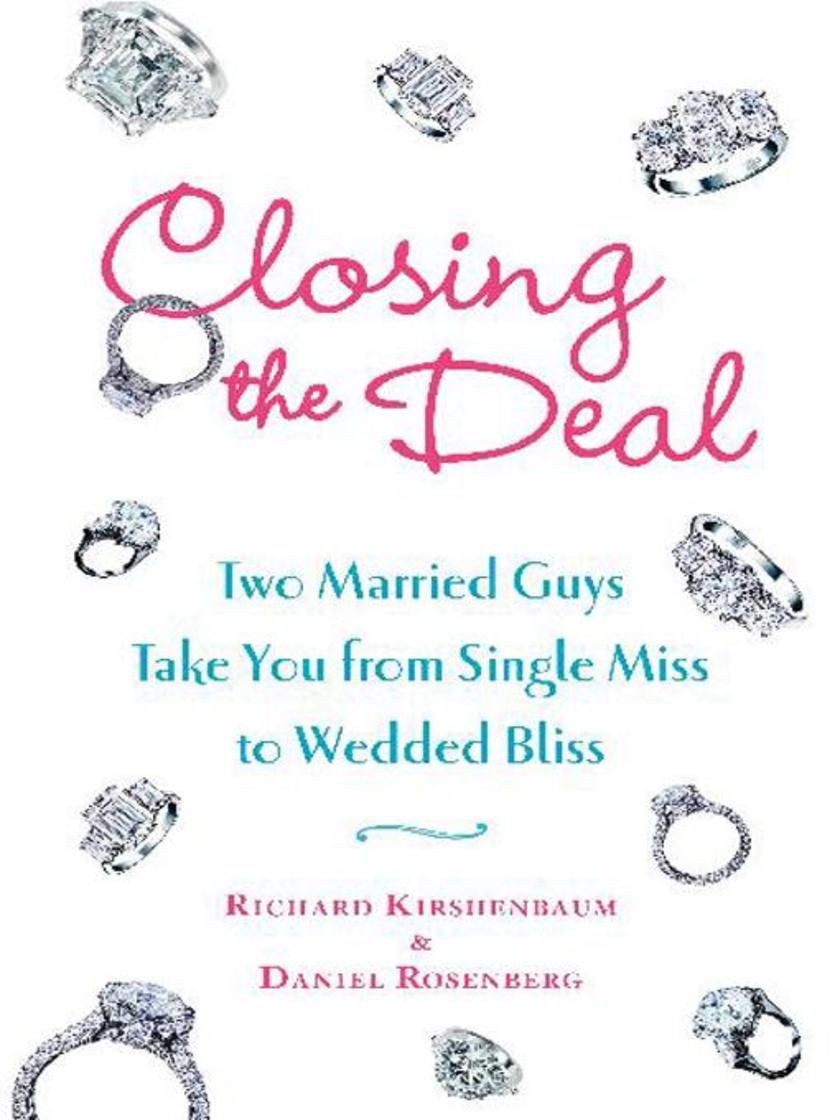
Closing the Deal
¥84.16
In this hip and utterly indispensable guide, two happily married husbands and regular guys reveal the secrets to getting a man down on bended knee -- his most uncomfortable position.Over the years, Richard Kirshenbaum and Daniel Rosenberg have dispensed loads of successful relationship advice to friends, colleagues, and relatives, who then pushed the ex-bachelors to share their lessons with the masses of future brides who need help taking their existing relationships to the next level. These guys have been there and know what it takes to get even the biggest commitment phobes to take the plunge.Closing the Deal will help you make a realistic assessment of your relationship and offers a fresh perspective on how your man's mind works. You'll find a new way to drive your relationship toward marriage without resorting to game playing.The authors promote the importance of truth telling, self-positioning, and the artful use of marketing tactics to reel in your man. You don't have to be the prettiest, thinnest, or richest woman to close the deal -- there is an art to it!Closing the Deal is not about outsmarting your man to the altar -- it's about learning to understand him. Richard and Daniel explain that no matter how much a guy may love his significant other, Change is the Enemy, so wannabe brides everywhere must convince their boyfriends that marriage is man's best friend. Closing the Deal will show you how to do just that.To help future brides build their matrimonial muscles and monitor their progress, Richard and Daniel include quizzes and real-life scenarios and throw in a glossary for extra clarification.Honest and supportive, funny and straightforward, these ideal big brothers offer a sure cure for the wedding-bell blues.
Embracing Fear
¥78.32
It's Time to Take Back Your Life Fear takes many forms dread panic anxiety self consciousness superstition and negativity and manifests itself in many ways avoidance procrastination judgment control and agitation to name just a few. Whether we are afraid of the dark or being alone of failure or commitment of public speaking or flying fear dominates our lives affecting nearly every decision we make. Combining compelling stories from the author's twenty five year practice examples from his own struggles with addiction and depression and practical exercises and tools Embracing Fear does not pretend to teach the impossible and eliminate fear but rather shows us that once we understand it we can live beyond its tyrannical control. Instead of repressing or ignoring the voices of panic and dread we learn that it is only through facing exploring accepting and responding to fear that we free ourselves from its paralyzing grip.
Brendan
¥77.49
An acclaimed author interweaves history and legend to re-create the life of a complex man of faith fifteen hundred years ago. Winner of the 1987 Christianity and Literature Book Award for Belles-Lettres.


