


 购物车
购物车 个人中心
个人中心
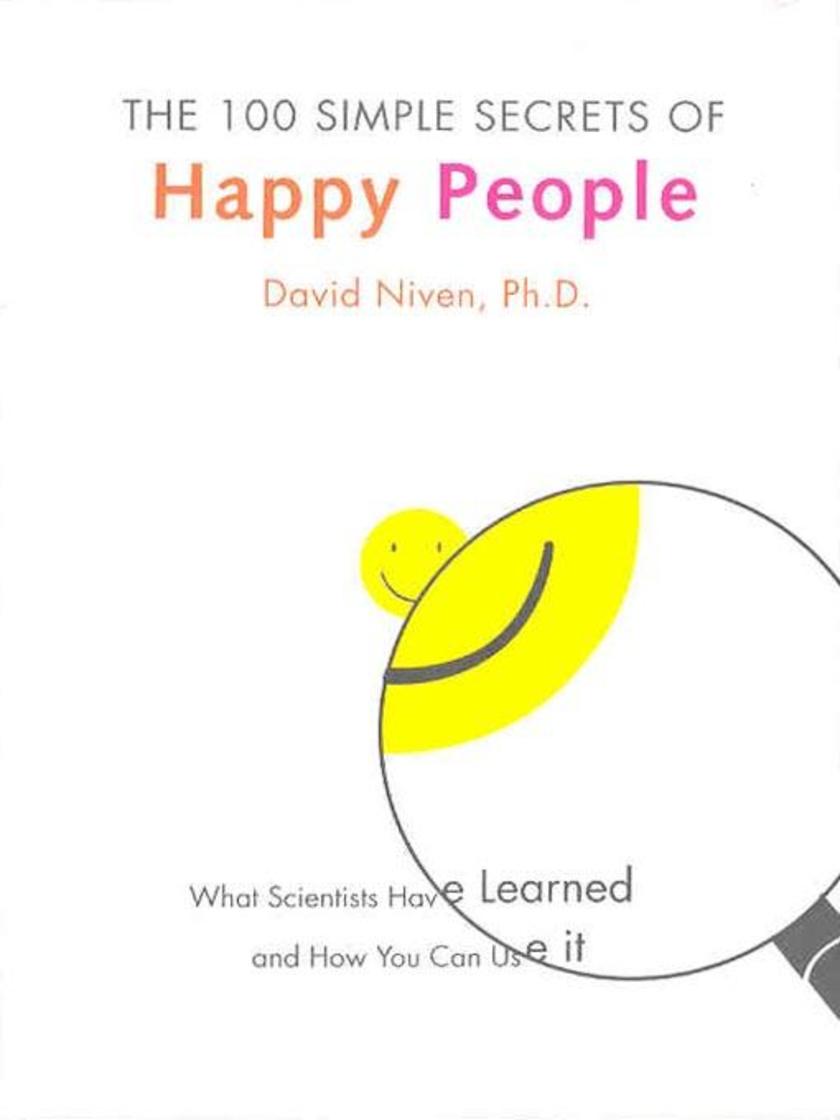
The 100 Simple Secrets of Happy People
¥77.49
Scientists and academics have spent entire careers investigating what makes people happy. But hidden in obscure scholarly journals and reports, their research is all too often inaccessible to ordinary people. Now the bestselling author of the 100 Simple Secrets series distills the scientific findings of over a thousand of the most important studies on happiness into easy-to-digest nuggets of advice. Each of the hundred practices is illustrated with a clear example and illuminated by a straightforward explanation of the science behind it to show you how to transform a ho-hum existence into a full and happy life. Believe in yourself: Across all ages, and all groups, a solid belief in one's own abilities increases life satisfaction by about 40 percent, and makes us happier both in our home lives and in our work lives. Turn off your TV: Watching too much TV can triple our hunger for more possessions, while reducing our personal contentment by about 5 percent for every hour a day we watch.
Win the Crowd
¥94.10
Would You Like to Become More Commanding, Convincing, And Charismatic?In this book, Steve Cohen, master magician and star of the long-running Chamber Magic show in New York City, will reveal the secrets of all great showmen and magicians how to persuade, influence, and charm, and ultimately accomplish the things you've always wanted to do. As Cohen writes, "You'll discover how to take over a room, read people, and build anticipation to a feverish pitch so people are burning to hear what you have to say."Win the Crowd will teach you Steve Cohen's Maxims of Magic, simple rules you can use to take charge of practically any situation, from on-the-job disagreements to dating to important cocktail parties. The Maxims of Magic will wash away insecurities and hesitations, and replace them with confidence, poise, and leadership. What's more, Steve Cohen will show you: How to Create a Magic Moment. Capturing people's imaginations and attention so they listen carefully to every word you say. How to Command a Room. Showing everyone in the room that you are speaking right to them, making them all feel unique and completely focused on you. How to Read People. Learning to sense what people are feeling and thinking as you speak, what they want from you, and how to make them feel like they are getting it. Misdirection. The most important trick in all of magic getting inside people's heads, and directing what they are thinking at every minute. When you strip away the sleight of hand tricks, magicians are essentially masters of attracting and holding attention and impressing audiences, exactly the psychological secrets you need to be successful in life and business.
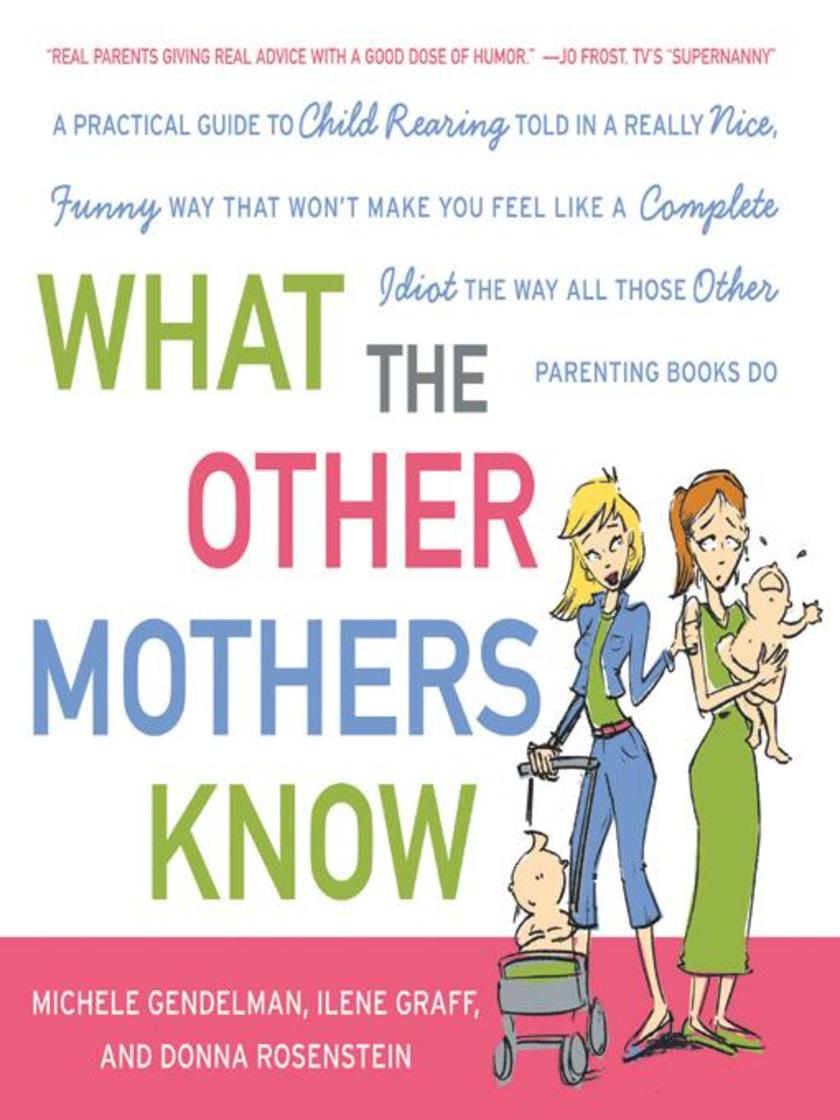
What the Other Mothers Know
¥90.77
Written by three mothers who've been through it all, What the Other Mothers Know gives you straight, funny, realistic talk on: getting drool stains out of clothing finding the perfect babysitter and maintaining her loyalty taking car trips with toddlers recognizing how to set limits and holding to them sucking up to preschool directors keeping your child off ihatemymom.com And much, much more The maternal wisdom of the ages is right in your hands delivered with a heaping spoonful of humor.
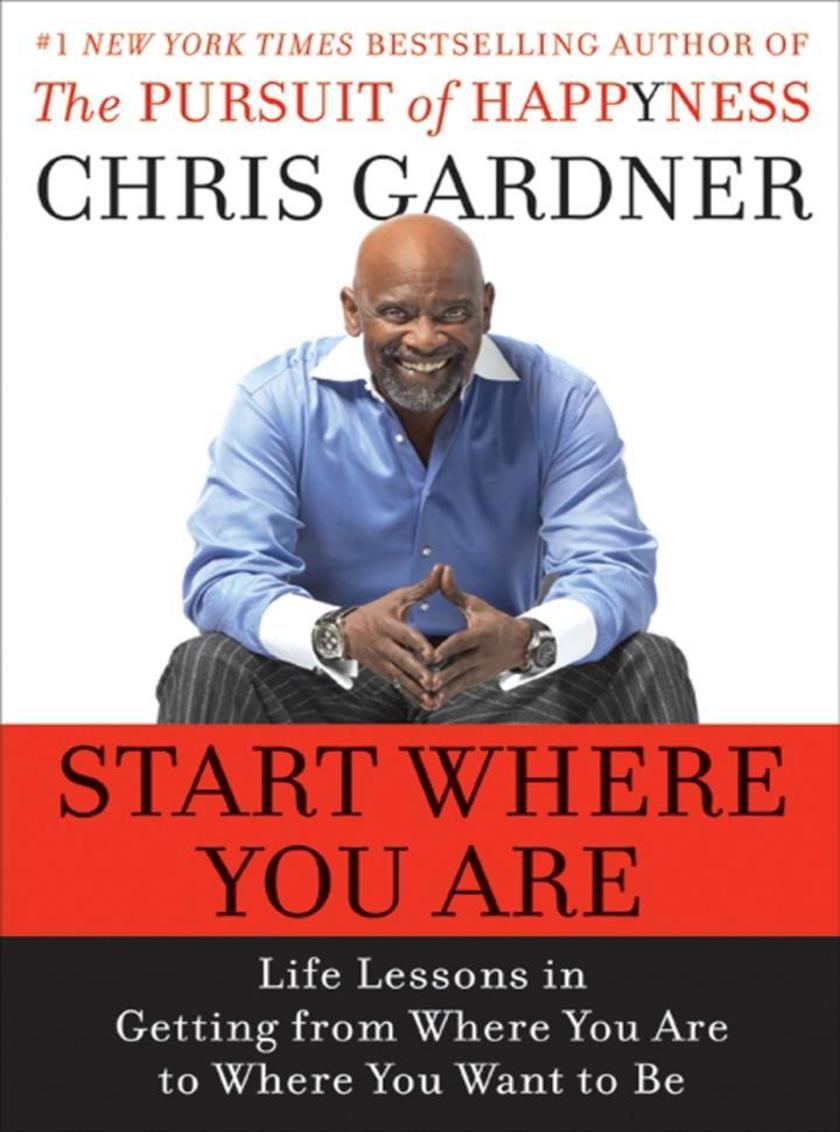
Start Where You Are
¥90.51
Ever since the story of his transformation from homeless, single and struggling father to millionaire became known the world over, Chris Gardner --whose life story both inspired the movie The Pursuit of Happyness and became a #1 New York Times bestseller by the same name--has been inundated with two questions: How Did You Do It and How Can I Do it Too?Gardner's power-packed, transformational reply is the basis of this long-anticipated book. As a departure from standard self-help tomes that promise overnight riches and exclusive secrets for success, Gardner avoids any tilt toward magical thinking by staying with real issues and solutions impacting individuals in all walks of life. If you've had the rug pulled out from under you, or have been dealing with the loss of a home, a job, a health or financial crisis, or simply can't find the motivation to pursue new challenges,Start Where You Are abounds with life lessons that offer hope and provide a road map for starting anew. This is also the book for anyone ready to launch a personal, professional undertaking, or break generational cycles that hem in their potential. Taking stock of his own credos, including The Cavalry Aint Coming, Find Your Button,and Seek the Furthest Star-- Gardner's 44 life lessons are earthy, soulful, and always accessible. With an array of stories from the author's own life, as well as from those he has known or admired, both famous and not,Start Where You Are has arrived just in time to embolden and encourage all of us, even in our era of great global change, reminding us of the infinite resources we already have in our collective pursuit of happyness, and spurring us on in only one direction - forward!
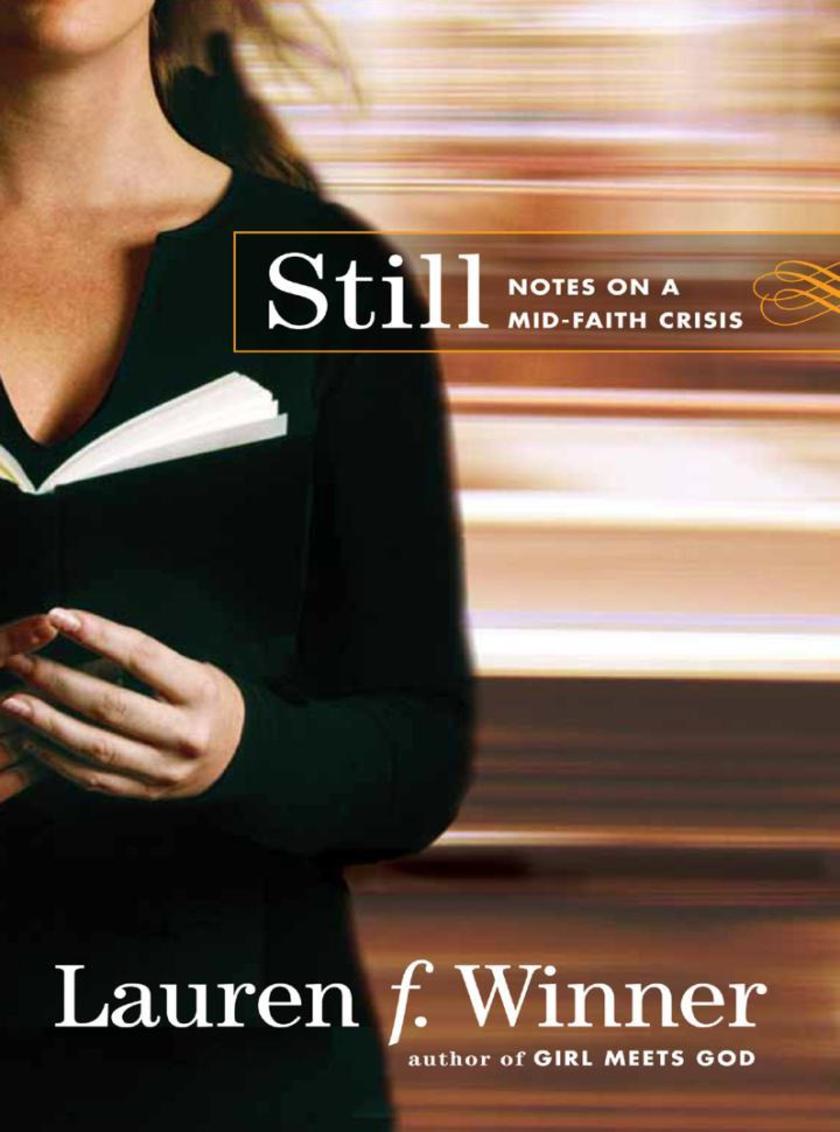
Still
¥101.00
In the critically acclaimed memoir Girl Meets God, Lauren F. Winner chronicled her sojourn from Judaism to Christianity. Now, in Still: Notes on a Mid-Faith Crisis, Winner describes how experiences of loss and failure unexpectedly slam her into a wall of doubt and spiritual despair: My belief has faltered, my sense of God’s closeness has grown strained, my efforts at living in accord with what I take to be the call of the gospel have come undone.”Witty, relatable, and fiercely honest, Winner lays bare her experience of what she calls the middle” of the spiritual life. In elegant and spare prose, she explores why in the midst of the overwhelming anxiety, loneliness, and boredom of her deepest questioning about where (or if) God is the Christian story still explains who she is better than any other story she’s ever known. Still is an absorbing meditation combining literary grace with spiritual wisdom. It is sure to resonate with anyone looking to sustain a spiritual life in the midst of real life.
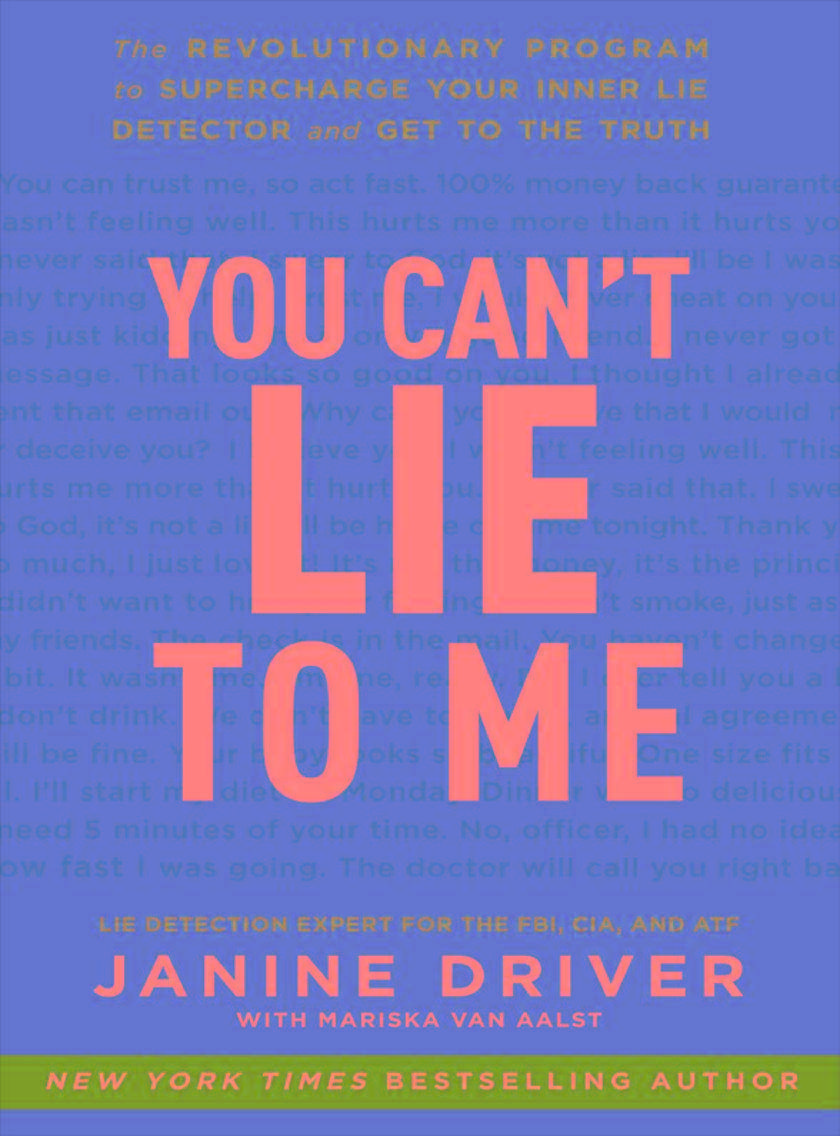
You Can't Lie to Me
¥94.10
What if you could increase your salary by 15 percent, kick problems and worries to the curb, and get a better night's rest simply by learning how to detect a lie the moment it starts (or even before)What if you had an easy-to-use test that tipped you off the instant someone held something back from youAn innate lie detector so powerful it becomes an unconscious skill, applicable with any person, in any situation, to help you act fast before what began as an innocent white lie suddenly takes hold of you, your paycheck, or your happinessNo machine built to date has proven more effective than a well-trained human lie detector, says world-renowned body language expert Janine Driver, a former federal law enforcement investigator who has trained agents at the ATF, CIA, and FBI. Today, Driver teaches people like you to supercharge your internal BS Barometer quickly and accurately so you can protect yourself from liars and manipulators. You Can't Lie to Me will change the way you look at job applicants, coworkers, dates, salespeople, money managers anyone from whom you want and deserve the truth while simultaneously strengthening and deepening your relationships with your siblings, children, friends, and lovers. Driver distills nearly two decades of behind-the-scenes knowledge, cutting-edge science, and relatable case studies into a simple, powerful five-step program.Whether it's with your teenager, spouse, mechanic, or fellow board member, and whether you are communicating face-to-face or through phone calls, e-mails, texts, Facebook posts, or handwritten notes, you will have all the tools and confidence you need to spot deception. More important, you will recognize the truth as you build the caring, authentic connections that make life worth living.In You Can't Lie to Me learn how to perfect your inner lie detector ( BS Barometer) and ban liars from your life, so you can feel more confident and create stronger, more trusting relationships. Lie detection expert Janine Driver delivers a step-by-step, foolproof program to:outsmart disloyal coworkers and beat them to theplum promotions protect your children from predators and guard agingloved ones and their nest eggs from unscrupulous con artists hire honest employees whose resumes and experienceyou can trust say yes to honest partners and avoid lying cheaters Get your boss's attention with these little tips save thousands of dollars each year using rich people's #1 trick
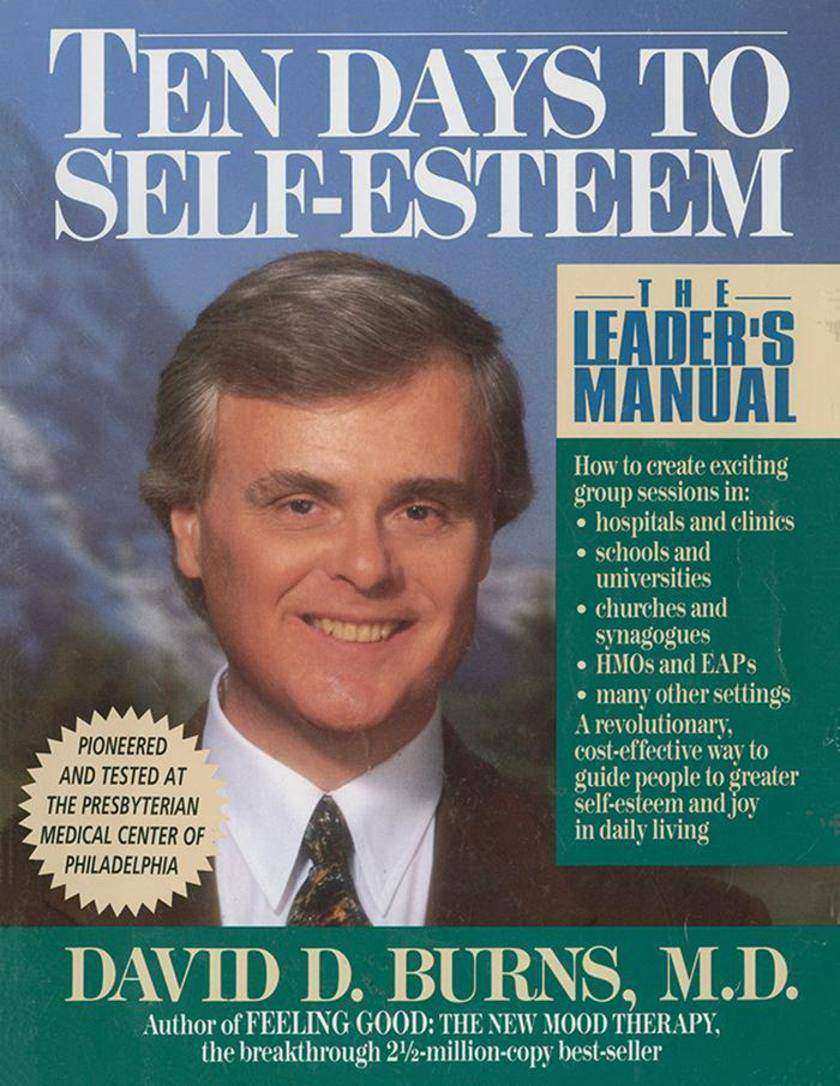
Ten Days to Self-Esteem
¥105.17
Do you wake up dreading the dayDo you feel ciscouraged with what you've accomplished in lifeDo you want greater self-esteem, productivity, and joy in daily livingIf so, you will benefit from this revolutionary way of brightening your moods without drugs or lengthy therapy. All you need is your own common sense and the easy-to-follow methods revealed in this book by one of the country's foremost authorities on mood and personal relationship problems. In Ten Days to Self-esteem, Dr. David Burns presents innovative, clear, and compassionate methods that will help you identify the causes of your mood slumps and develop a more positive outlook on life. You will learn that You feel the way you think: Negative feelings like guilt, anger, and depression do not result from the bad things that happen to you, but from the way you think about these events. This simple but revolutionary idea can change your life! You can change the way you feel: You will discover why you get depressed and learn how to brighten your outlook when you're in a slump. You can enjoy greater happiness, productivity, and intimacy—without drugs or lengthy therapy. Can a self-help book do all thisStudies show that two thirds of depressed readers of Dr. Burns's classic bestseller, Feeling Good: The New Mood Therapy, experienced dramatic felief in just four weeks without psychotherapy or antidepressant medications. Three-year follow-up studies revealed that readers did not relapse but continued to enjoy their positive outlook. Ten Days to Self-esteem offers a powerful new tool that provides hope and healing in ten easy steps. The methods are based on common sense and are not difficult to apply. Research shows that they really work! Feeling good feels wonderful. You owe it to yourself to feel good!

The Portable Pediatrician, Second Edition
¥143.95
Dr. Laura Nathanson wrote The Portable Pediatrician to help parents find the joy in parenting and gain the confidence to quickly and easily assess their child's development, medical symptoms, and behavioral problems. Parents can't always visit their pediatrician every time they have a question, but fortunately with this book they have the next best thing.The Portable Pediatrician, one of the few child-care books written by a practicing pediatrician, offers authoritative and practical advice on: Keeping up with, or even one step ahead of, your child's rapidly changing needs Setting limits before the one year birthday Planning the arrival of the next baby in the family Coping with your own as well as with your child's separation anxiety Dealing with the four I's: illnesses, injuries, immunizations, and insurance coverage Getting prompt medical attention for serious crises -- and what to do in the meantime Preventing childhood obesity and eating disorders later Confronting complex behavior and medical problems, including ADD, autism, asthma, oppositional behavior (including potty resistance)
HarperCollins e-books
¥110.77
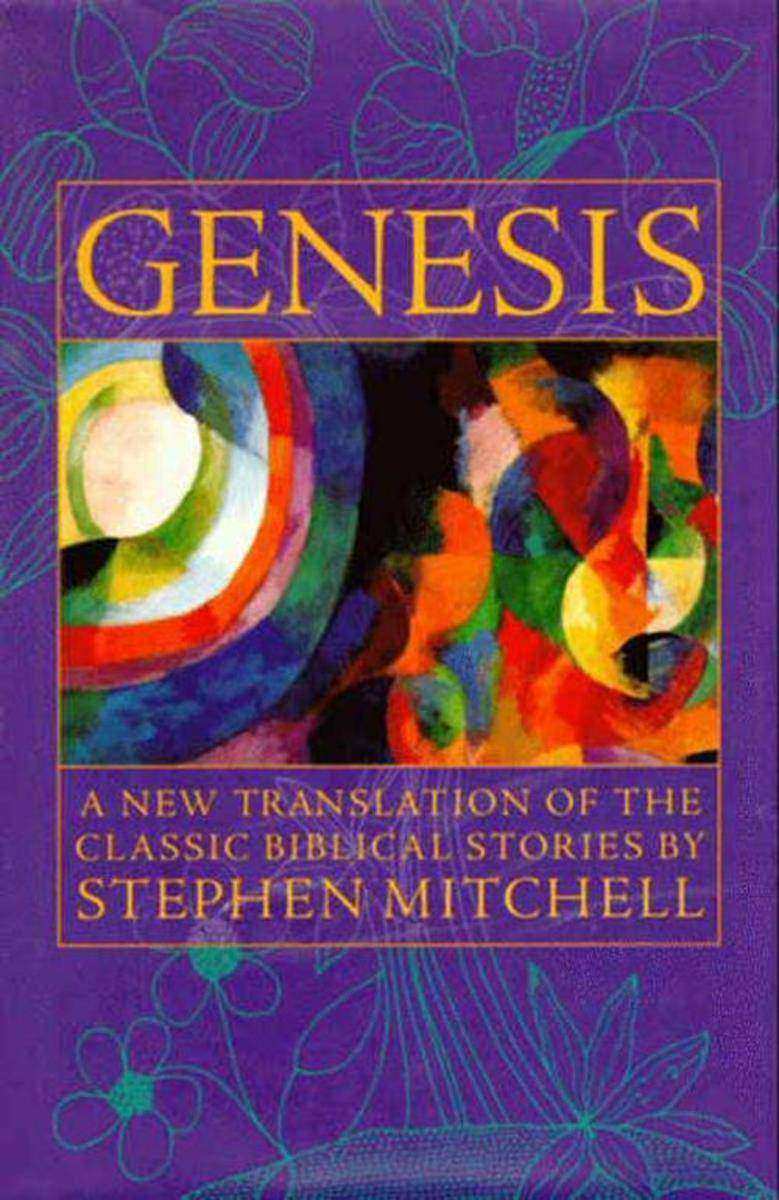
In this highly acclaimed translation, Stephen Mitchell conveys in English the simplicity, dignity and powerful earthiness of the original Hebrew. More than just interpreting it, he also separates stories that were combined by scribes centuries after they were written, explaining their sources and omitting all verses that are recognized as scribal additions. Like removing coat after coat of lacquer from a once-vibrant masterpiece, this allows readers to appreciate the clarity of the original tales.Genesis is an extraordinarily beautiful book that is accessible in a way that no other translation has ever been. It will shed new light on readers' understanding of this seminal work of sacred *ure.

JFK:History in an Hour
¥18.05
Love history? Know your stuff with History in an Hour. John Fitzgerald Kennedy, America’s youngest President, was assassinated barely one thousand days into his Presidency. In the fiftieth anniversary of his death, this is the story of the man who brought an aspirational new approach to American politics. Born into the glamorous cast of Kennedys, JFK was propelled to political success despite family tragedy, disappointment and pressure. He engaged in a Space Race, averted the Cuban missile crisis and showed solidarity with the fledging civil rights movement. Throughout all he maintained a charismatic public image as son, brother and husband, despite his concealed personal failings and the chronic illness that beset him. JFK: History in an Hour provides a compelling and comprehensive overview of the man who epitomised the hopes of a decade and remains an influential figure to this day. Love history? Know your stuff with History in an Hour.
HarperCollins e-books
¥145.69
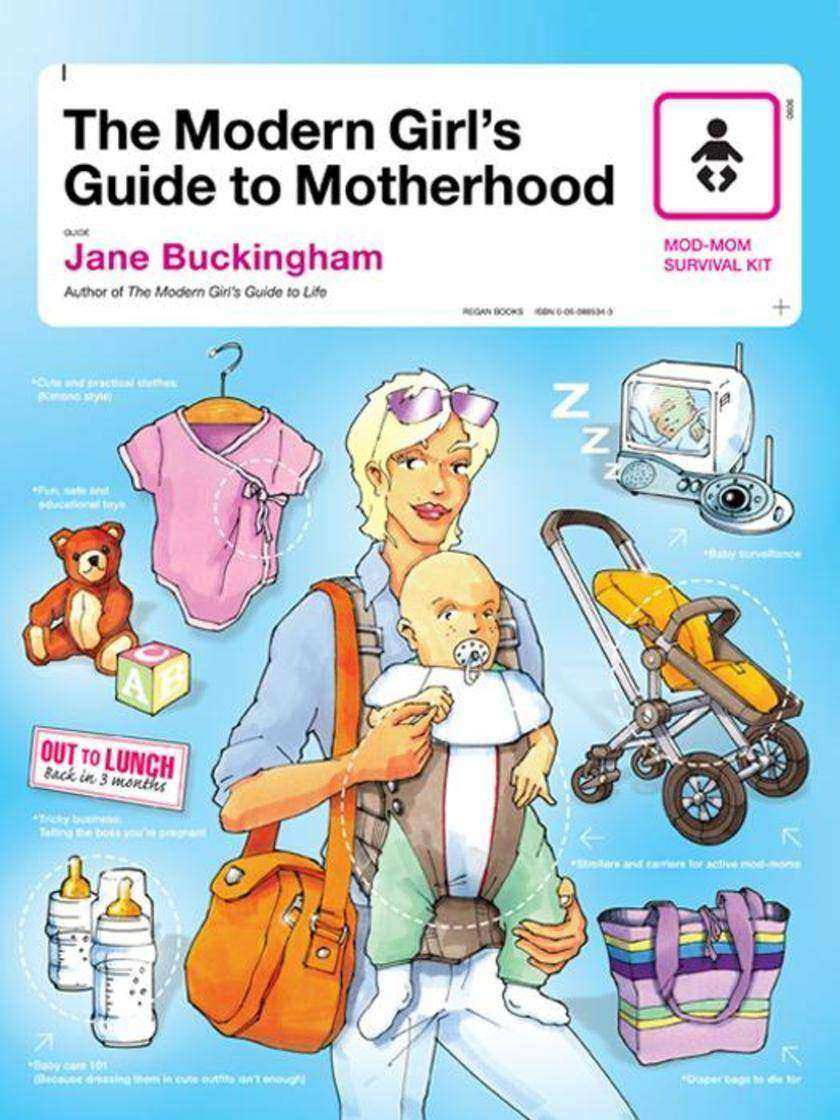
From the author of the bestselling The Modern Girl's Guide to Life comes a must-have book for the young mom, including best-kept secrets, practical advice, and multiple solutions for problems from birth to age four Just when you thought you could cook (hey, one meal counts), clean (if the queen was coming), and seduce a man (well, long enough to get married), life throws you a curveball that makes all of your previous ineptitudes in life pale in comparison. With the appearance of one little extra line on a pregnancy test, you're thrown into a world of covering up leaks on shirts and taking a pacifier away from a two-year-old who has the grip of a pit bull.In this funny, smart, and honest book, Jane Buckingham cuts through the clutter to give you simple information and practical advice for navigating the different stages of motherhood. From how to get your child to sleep and how to wean, to how to get him off the pacifier and how to stop his tantrums, this book will help moms feel in the know and in control! Some of Buckingham's favorite tips: If your baby has a hard time feeding because of a stuffy nose, turn on the shower to steam up the bathroom and feed her there. Put your children's paints in an empty egg carton -- it's the perfect size, and there's no mess to clean up when you're done. Use an old raincoat with the arms cut off as a smock. You should buy a new car seat, rather than borrowing a friend's old car seat, as there are constant safety upgrades. Also, be sure you are the person registered to that car seat (send in that registration card!) so that you'll be notified in case of a recall. Keep the three-day rule in mind: Almost any bad habit can be broken in three days. Granted, they may be tough, torturous days, but you can do it! The Modern Girl's Guide to Motherhood helps modern moms do it all with love, style, and flair!

Woodlands
¥95.75
‘Trees are wildlife just as deer or primroses are wildlife. Each species has its own agenda and its own interactions with human activities …’ Written by one of Britain’s best-known naturalists, Woodlands offers a fascinating new insight into the trees of the British landscape that have filled us with awe and inspiration throughout the centuries. Looking at such diverse evidence as the woods used in buildings and ships, and how woodland has been portrayed in pictures and photographs, Rackham traces British woodland through the ages, from the evolution of wildwood, through man’s effect on the landscape, modern forestry and its legacy, and recent conservation efforts and their effects. In his lively and thoroughly engaging style, Rackham explores woodlands and their history, through names, surveys, mapping and legal documents, archaeology, photographs and works of art, thus offering an utterly compelling insight into British woodlands and how they have come to shape a national obsession.

Springwatch Unsprung:Why Do Robins Have Red Breasts?
¥66.22
Which birds have the most air miles? Are adders born venomous? Springwatch Unsprung brings together all the most-asked questions from the surprise hit BBC 2 TV spin-off of the same name. The heart of the book is what has become the star of the TV programme – the viewers' anecdotes and questions. Many seemingly simple questions turn out to have complex answers, and some that seem difficult have a very simple explanation. All wildlife questions – be they trivial, idiosyncratic, baffling or strange – are covered, making this compilation equally as entertaining and enlightening as it is educational. Arranged by season, the book allows people to discover what is going on around them at any particular time of year. The book is peppered with elements from the Unsprung TV programme such as quizzes, wildlife suggestions for each season, and practical ideas of how to preserve wildlife in your garden. Each seasonal section comprises: ? A short introduction to the season including what the wildlife-watcher might expect to see at this time of year ? Questions and answers drawing on the latest research, but translated by the Springwatch experts. ? Quizzes – simple, mostly multiple choice questions e.g. who collects the most air miles? Spring sees the arrival of many of our migrant birds but which travels the furthest? ? What You Can Do – suggestions of seasonal activities including top tips on how to help wildlife at any given time of year, plus 3 or 4 things to make and do. e.g. helping your hogs – what and how to feed hedgehogs and what to do if you find an underweight one that should be hibernating. Springwatch Unsprung will entertain, inform and empower anyone interested in British wildlife.

Sylvia’s Story (GI Brides Shorts, Book 3)
¥9.71
This is Sylvia’s story, one of four true stories from the book GI Brides. The room was filled with GIs – some playing pool, some jostling for control of the jukebox, and others taking doughnuts from a silver machine in the corner – while half a dozen young women rushed around serving them. ‘So, what can I do?’ Sylvia asked, keen to get stuck in. Sylvia is volunteering at a Red Cross Club in the West End when she meets a charismatic Irish-American called Bob. He sweeps her off her feet and convinces her to fly to America to marry him after the war. But living with Bob’s gambling relatives proves a nightmare, and in desperation Sylvia runs away to England, giving Bob an ultimatum… Sylvia’s story is extracted from GI Brides, written by the bestselling authors of The Sugar Girls. It captures the memories of the thousands of women who crossed the Atlantic for love after the Second World War.

Parenthood by Proxy
¥77.49
Following her previous New York Times bestsellers, Dr.Laura Schlessinger, the conscience of talk radio, now addresses an issue near and dear to her heart: the stupid things parents do to mess up their children. Never one to shy away from tough truths, Dr. Laura marshals compelling evidence for the widespread neglect of America's children and convincingly condemns the numerous rationalizations to excuse it. These are just a few of her hard-hitting points: Don't Have Them If You Won't Raise Them: "The cavalier manner in which our society treats child care, not as a matter of intimacy and love, but as a matter of convenience and economics, is deeply destructive to our children's sense of attachment, identity, and importance." Dads Need Not Apply: "Single motherhood may be more acceptable to society, but it is not acceptable to children; nor is it in their best interest." Brave New Baby: "In our society, reproductive freedom means anyone can decide to create a life by any means with no, and I mean no, consideration of what is in the best interest of that new human being." Spare the Rod: "Children without discipline often become adults with tempertantrums, defiance, rage, depression, anxiety, poor school and work adjustment, drug and alcohol abuse." Stupid Things Parents Do to Mess Up Their Kids covers all aspects of parenting and also tackles such cultural and societal concerns as abortion, modern sexuality, drug and alcohol use, violence, discipline, and a child's right to privacy.
Easy To Love, Difficult To Discipline
¥94.10
The 7 Basic Skills for Turning Conflict into Cooperation. Have you ever opened your mouth to discipline your child, and your parents' nastiest words tumble outIn an era when most parenting books focus on the child, this book supports parents in dealing more positively with themselves as well as their toddler to school age children, offering specific tools to stop policing and pleading with kids and start being the parents we want to be. Based on Dr. Bailey's more than 25 years of work with children, this book explains that how we discipline ourselves is ultimately how we discipline our children. Her "Seven Powers for Self–Control" dramatically increase our ability to keep our cool with our children. These correspond to "Seven Basic Discipline Skills" we can use with our children in conflict situations. As children internalise these skills, they naturally learn "Seven Values for Living," which include integrity, respect, compassion, and responsibility.
Spiritual Divorce
¥90.51
Could the end of your marriage be the first step toward reclaiming your personal power and joyfully living the life of your dreamsIf the answer is yes, this book is for you. Divorce rocks the very foundation of our beings, leaving us feeling lonely, flawed, enraged, undesirable, hopeless, and empty. In Spiritual Divorce, New York Times bestselling author Debbie Ford reveals how this devastation can be transformed into a profoundly enlightening experience. This empowering guide shows how the collapse of a marriage is, at root, a spiritual wake-up call, an opportunity to liberate ourselves and reclaim our lives. The end of a relationship no matter who ends it is a damaging moment. Ford offers a clear program for turning ruin into renewal.
The Price of Privilege
¥88.56
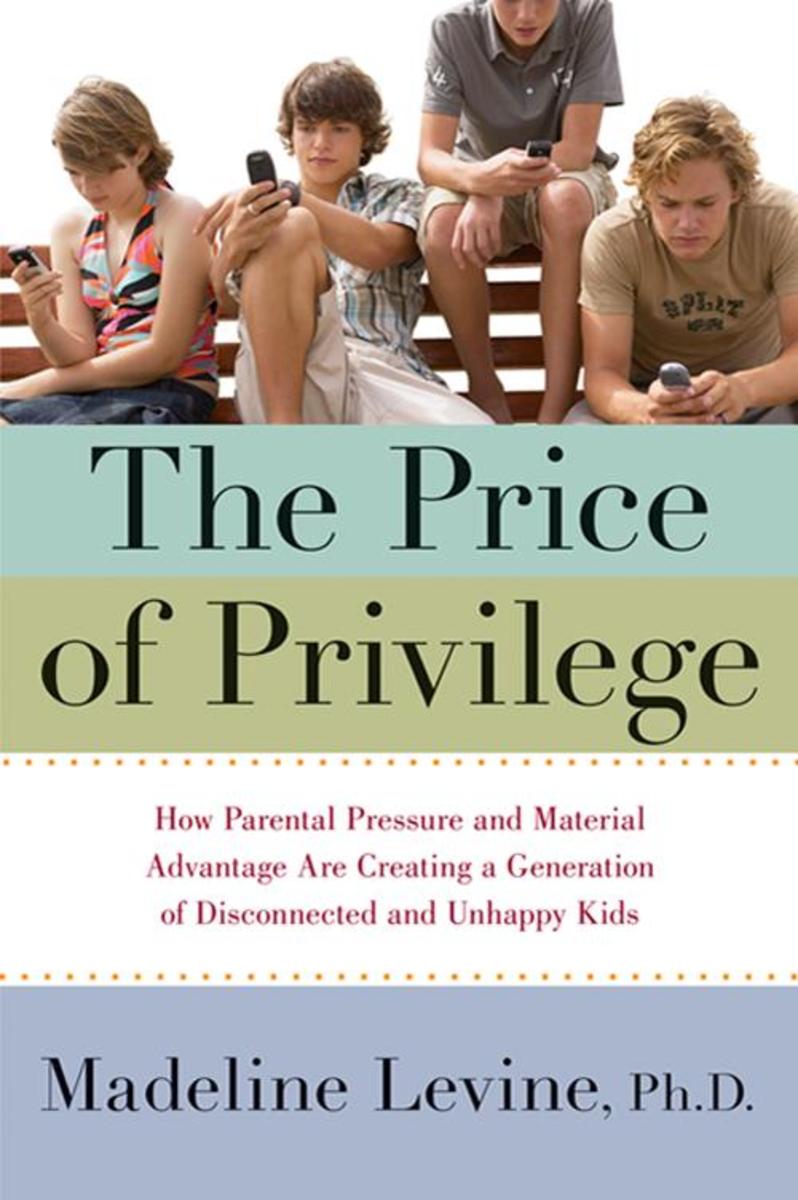
Madeline Levine has been a practicingpsychologist for twenty-five years, but it was only recently that she began to observe a new breed of unhappy teenager. When a bright, personable fifteen-year-old girl, from a loving and financially comfortable family, came into her office with the word empty carved into her left forearm, Levine was startled. This girl and her message seemed to embody a disturbing pattern Levine had been observing. Her teenage patients were bright, socially skilled, and loved by their affluent parents. But behind a veneer of achievement and charm, many of these teens suffered severe emotional problems. What was going onConversations with educators and clinicians across the country as well as meticulous research confirmed Levine's suspicions that something was terribly amiss. Numerous studies show that privileged adolescents are experiencing epidemic rates of depression, anxietydisorders, and substance abuse rates that are higherthan those of any other socioeconomic group ofyoung people in this country. The various elements of a perfect storm materialism, pressure to achieve, perfectionism, disconnection are combining to create a crisis in America's culture of affluence. This culture is as unmanageable for parents mothers in particular as it is for their children. While many privileged kids project confidence and know how to make a goodimpression, alarming numbers lack the basic foundation of psychological development: an authentic sense of self. Even parents often miss the signs of significant emotional problems in their "star" children. In this controversial look at privileged families, Levine offers thoughtful, practical advice as she explodes one child-rearing myth after another. With empathy and candor, she identifies parenting practices that are toxic to healthy self-development and that have contributed to epidemic levels of depression, anxiety, and substance abuse in the most unlikely place the affluent family.
Lovetypes
¥95.39
Everyone who has ever been disappointed in Love knows how hard it is to find the "right" person. All too often we fall for people who seem too good to be true...and then discover they are. True romance is a gamble. But now there's a way to greatly reduce the odds. In LoveTypes, relationship expert Dr. Alexander Avila declares a dating revolution with his groundbreaking LoveType system -- the scientifically proven and effective method for instantly recognizing your true soul mate when you meet him or her. Based on the theory behind the most popular personality test today -- the Myers-Briggs Type Indicator -- and years of extensive research, the remarkable LoveType system is exactly what you need to cut through the dating maze. By first taking a brief quiz, you determine your unique LoveType profile. From there, the system guides you toward the LoveType best for you and provides specific answers to your most pressing relationship questions: ?Which of the 16 LoveTypes is most compatible with me psychologically, emotionally and sexuallyWhat four questions can I ask to determine instantly if someone is right for meWhere can I meet my ideal mateHow can I break the ice naturally and smoothly, even if I'm shyWhat dating strategies will win the heart of my ideal LoveType ?and ensure a Long-term relationshipLasting love no longer has to be hit or miss with LoveTypes, your complete and indispensable guide to a happy and fulfilling romantic life.
Making All Things New
¥88.56
"During the past few years, various friends have asked me, 'What do you mean when you speak about the spiritual life?' Every time this question has come up, I have wished I had a small and simple book which could offer the beginning of a response. I have felt that there was a place for a text that could be read within a few hours and could not only explain what the spiritual life is but also create a desire to live it. This feeling caused me to write Making All Things New..." "The beginning of the spiritual life is often difficult not only because the powers which cause us to worry are so strong but also because the presence of God's Spirit seems barely noticeable. If, however, we are willing to live a life of prayer and practice the disciplines of solitude and community, a new hunger will make itself known. This new hunger is the first sign of God's presence. When we remain attentive to this divine presence, we will be led always deeper into the kingdom. There, to our joyful surprise, we will discover that the power of our worries is weakening and all things are being made new."- -from Making All Things New

The Miracles of Exodus
¥96.50
The Real Story of the ExodusColin Humphreys, a world-renowned Cambridge University scientist, reveals for the first time the concrete, scientific truth behind the Exodus miracles. The Burning Bush: Caused by a volcanic vent that opened up under the bush. Crossing the Red Sea: The water was pushed back by a very strong wind blowing all night. This is a known physical phenomenon called wind setdown. The details given in the Bible mean we can pinpoint where the Red Sea crossing occurred. Drowning Pharaoh's Army: When the very strong wind suddenly stopped blowing, the water rushed back in the form of a rapidly returning "bore" wave, sweeping Pharaoh's army into the sea. Mount Sinai: The real Mount Sinai is in present-day Saudi Arabia, not the Sinai Desert as is generally assumed.


