


 购物车
购物车 个人中心
个人中心
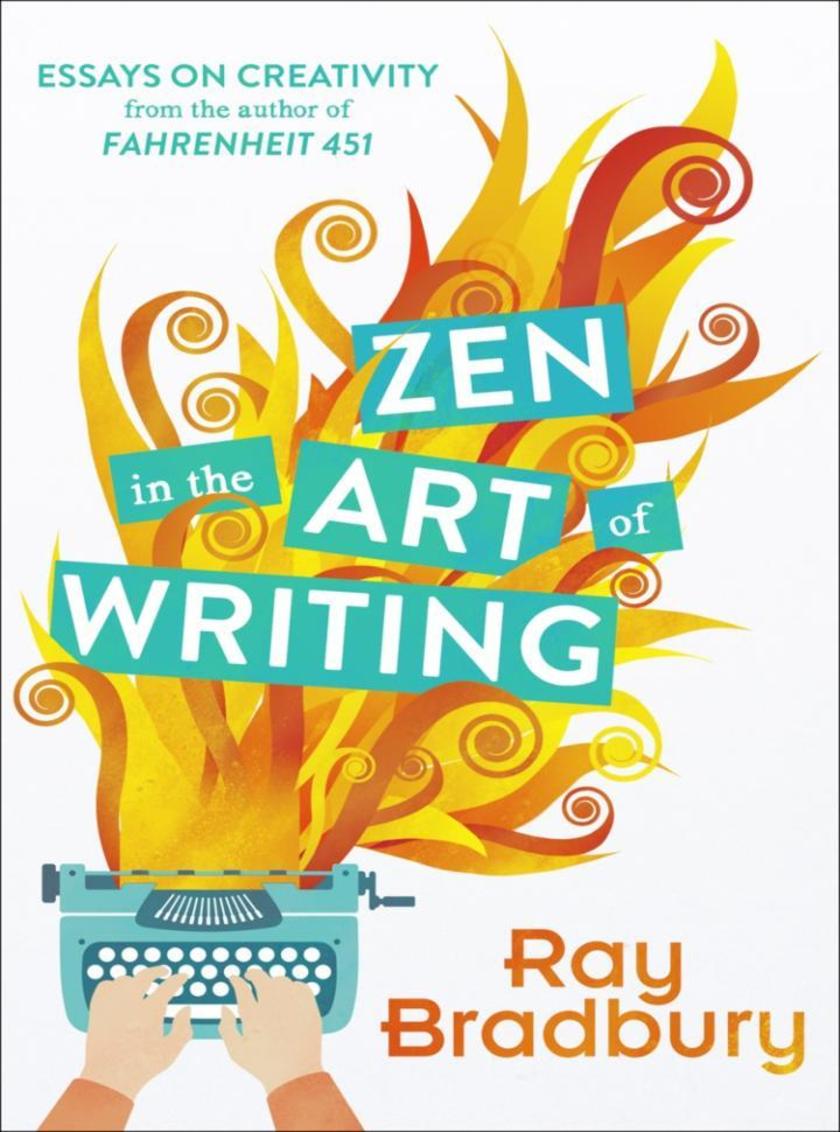
Zen in the Art of Writing
¥67.49
One of the greatest science fiction and fantasy writers of all time, Ray Bradbury was born in Waukegan, Illinois, in 1920. He moved with his family to Los Angeles in 1934. Since his first story appeared in Weird Tales when he was twenty years old, he published some 500 short stories, novels, plays, scripts and poems. Among his many famous works are Fahrenheit 451, The Illustrated Man and The Martian Chronicles. Ray Bradbury died in 2012 at the age of 91.
Is Shane MacGowan Still Alive?
¥53.76
TIM BRADFORD is a freelance writer and illustrator. He has written for the NME, When Saturday Comes, Empire and Amateur Photographer. His drawings have appeared in the Observer and the Express. He lives in London and is an enthusiastic trainee Celt.
King Dong
¥53.76
A pseudonym for an established comedy author who is trying their hand at something more risquè than normal…
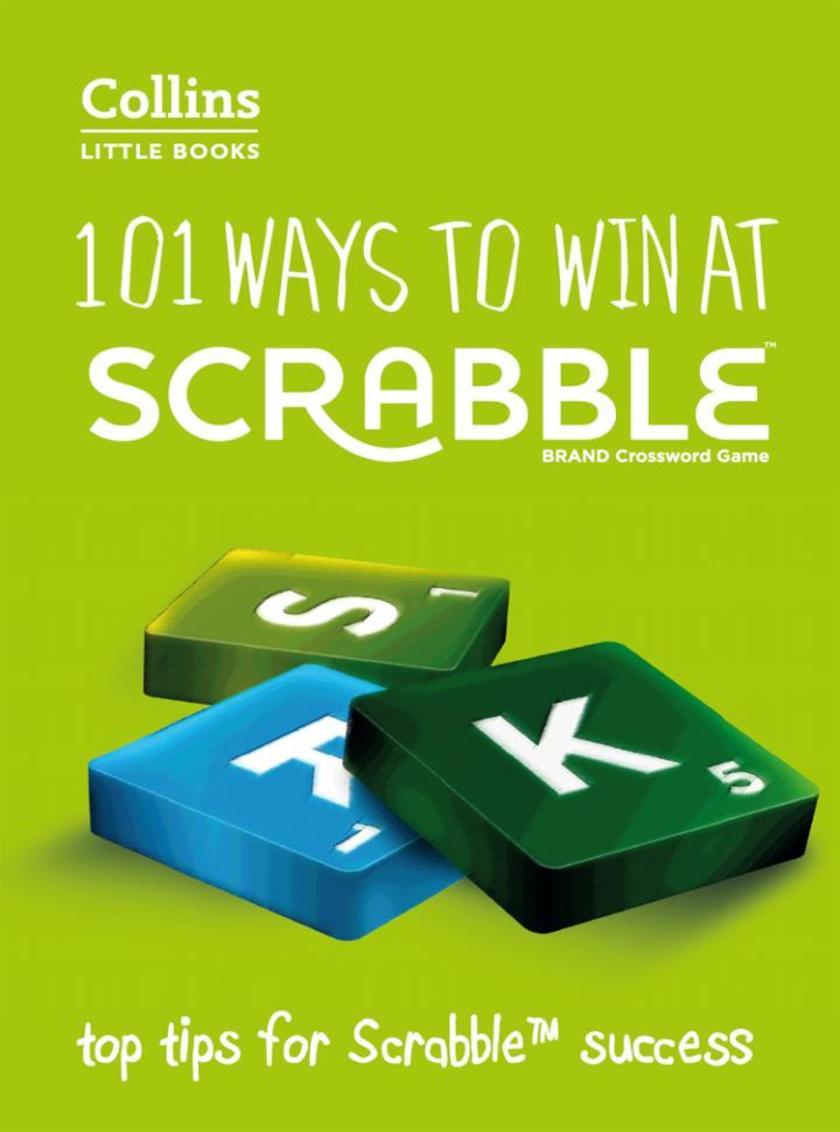
101 Ways to Win at Scrabble: Top tips for Scrabble success (Collins Little Books
¥51.50
Barry Grossman is one of the UK's best Scrabble players, and former chairman of the influential London Scrabble League. Barry also writes for radio; his best-known work is the Radio 4 comedy “The Attractive Young Rabbi”, which ran for three series between 1999 and 2002.
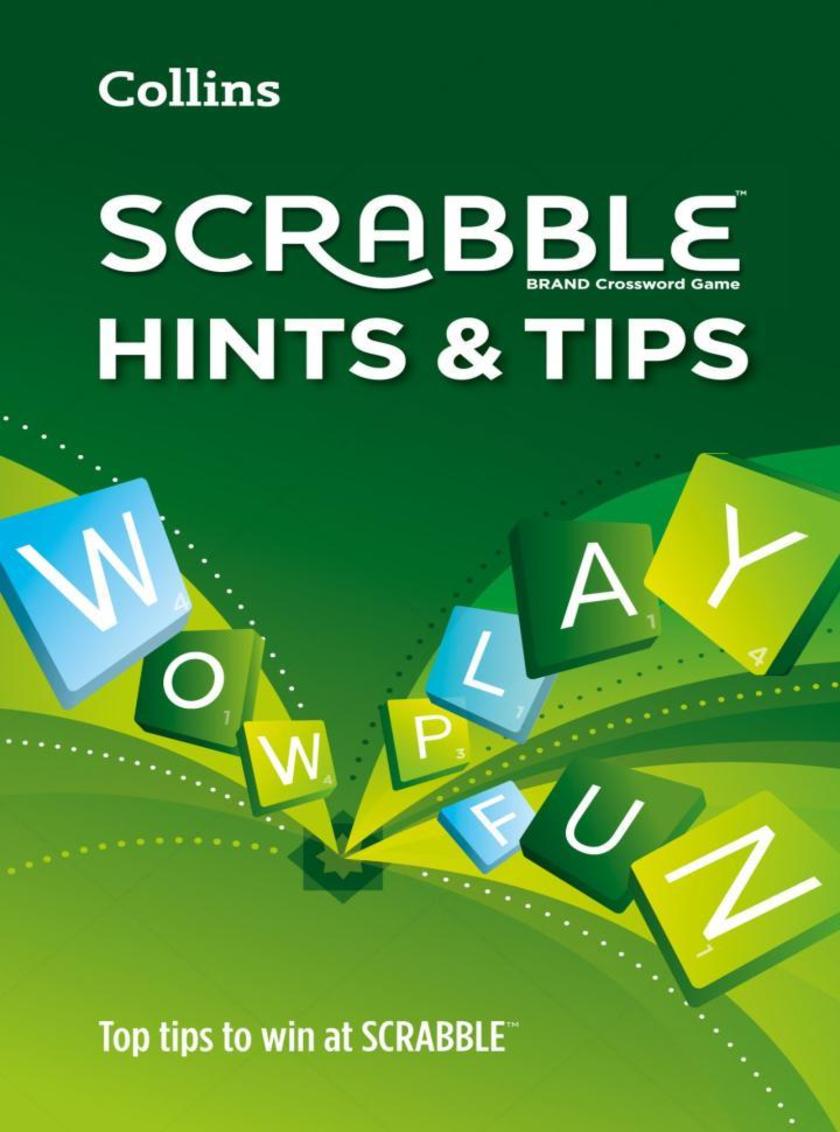
Collins Scrabble Hints and Tips
¥44.24
Pioneers in dictionary publishing since 1819

The Mills & Boon Modern Girl’s Guide to:Happy Endings:Dating hacks for femin
¥51.50
Ada has been married eight times, including on one occasion in the early 90’s to a rock – a full twenty years, you’ll note, before Tracy Emin came up with the same idea. Unlucky in love, all of Ada’s partners have died in tragic circumstances, mostly unexplained fires. Ada’s interests include life insurance policies, petrol and topical poisons.

BANANAGRAMS? Secrets: The Inside Track on Becoming Top Banana (Collins Little Bo
¥51.50
Writer and magician Deej Johnson is aBANANAGRAMS? fanatic! Deej serves asa creative consultant at BANANAGRAMS? and claims that hisformer high-school teacher, Janise Marillat, summed him upbest in an annual report that said: “Deej’s cheerful smile oftengets him out of difficult situations… Unfortunately, these areusually situations that he creates himself.”
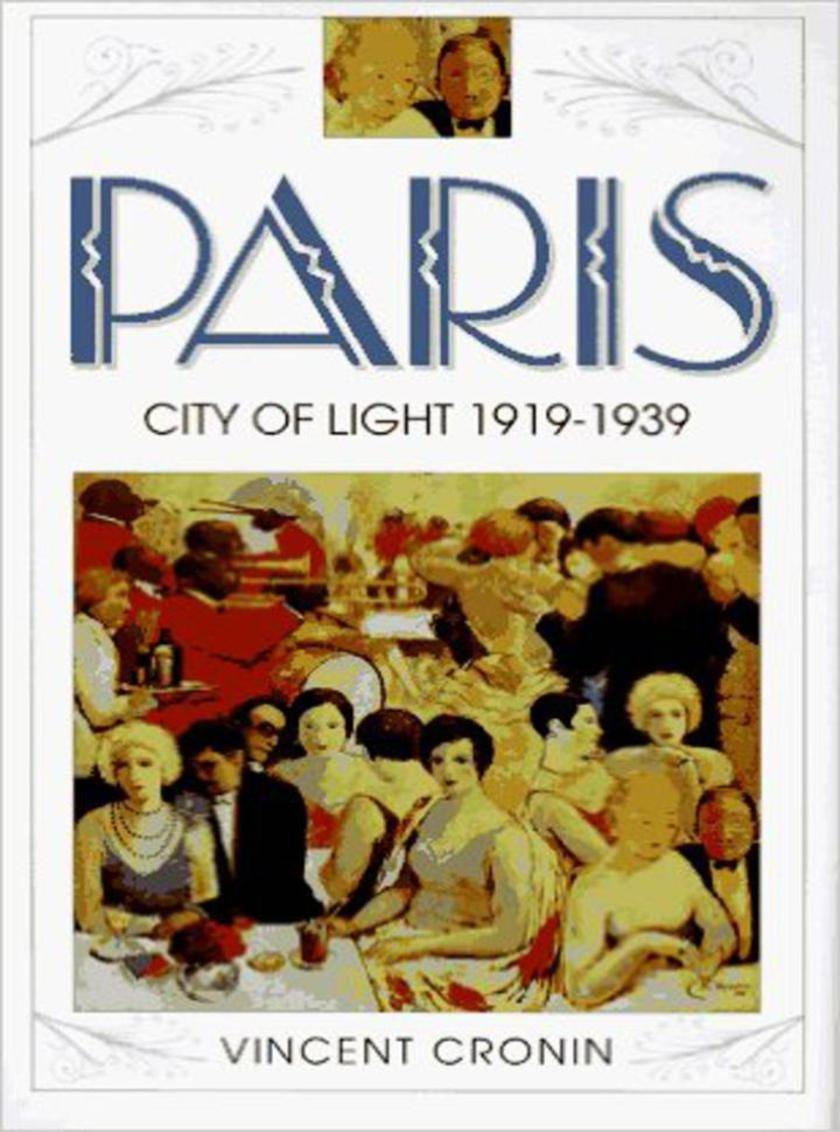
Paris, City of Light: 1919–1939 (Text Only)
¥154.12
In the early days of Cubism, when writers and painters led bohemian lives in Montmartre, a familiar figure in the studios and cafes was a young journalist named Roland Dorgelès. With high brow, long straight nose, lean face and steady blue eyes, smartly turned out, often in a long black coat with astrakhan collar, he was well liked for his cheerful manner, vein of poetry and adventurousness.Dorgelès came of petit bourgeois parents. The father, a travelling textile salesman, was often absent and did not get along with his wife, who transferred her affection to her only son without however becoming possessive. She gave him a Catholic upbringing and encouraged him to read good authors, his favourites being Molière and Courteline. After an unsuccessful spell at the Ecole des Arts décoratifs he decided on a literary career. He became a journalist of the Paris scene, had two short plays put on and indulged in light-hearted practical jokes: calling the fire brigade to extinguish a nonexistent fire in the flat of a rival in love and, on another occasion, to protest against the thick glass on certain paintings in the Louvre, installing himself in front of one such painting, producing razor, cream and brush, soaping his face and calmly shaving as though in front of a mirror.
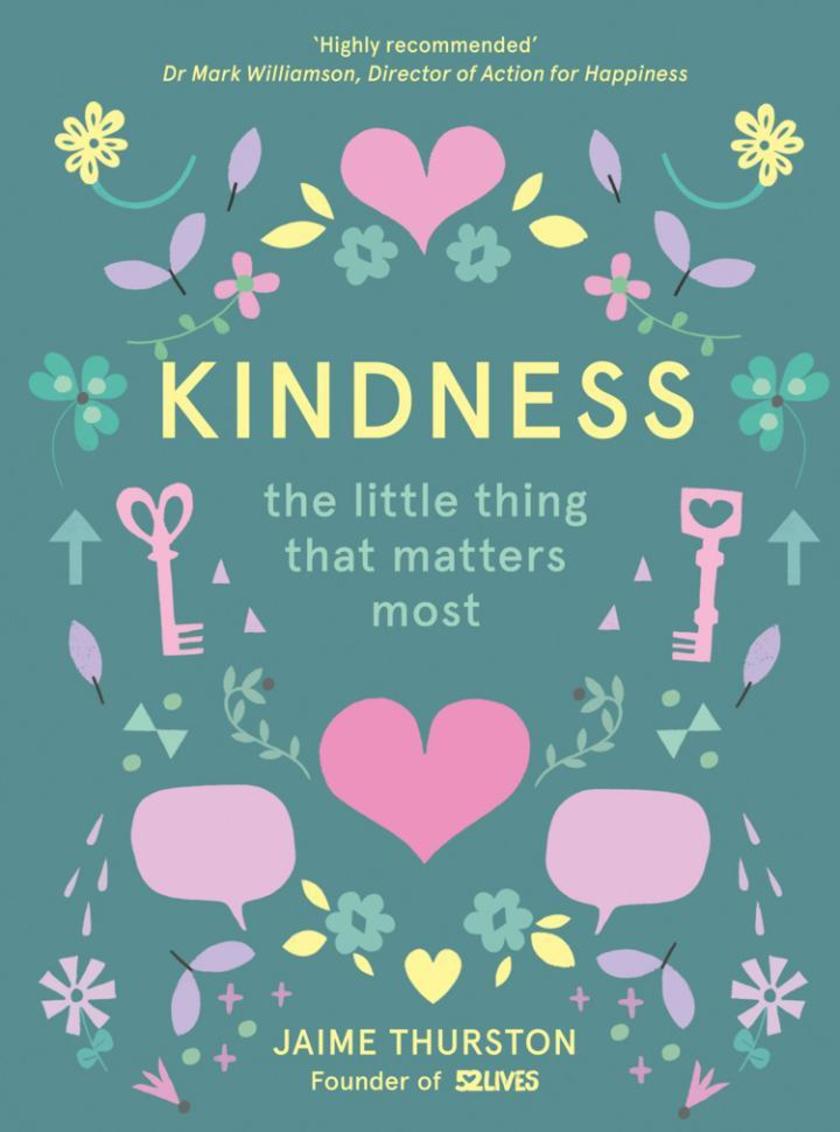
Kindness: The Little Thing that Matters Most
¥73.58
‘Urgently needed – rugs.’ That was the message that started everything. I was searching online for second-hand furniture, when I came across the plea for help. It was a Wanted ad placed by a woman who sounded desperate. I emailed her and was heartbroken by what I learned. She needed the rugs to cover her broken floor so her young children wouldn’t cut their feet. She was a single mum who had fled a horrifying domestic situation and was starting all over again with nothing. I wanted to help her, and I was sure that if others knew about her, they would want to help, too. So I spread the word among my friends and family, and household goods soon started pouring in.I delivered everything to her one afternoon – piles of bedding, furniture, kitchenware, clothing, toys and some gift vouchers. I will never forget the look on her face when she opened the door. She was in complete shock that people she didn’t even know would be willing to help her. This was a woman very much in need of kindness, and strangers helped her feel loved when she needed it the most.
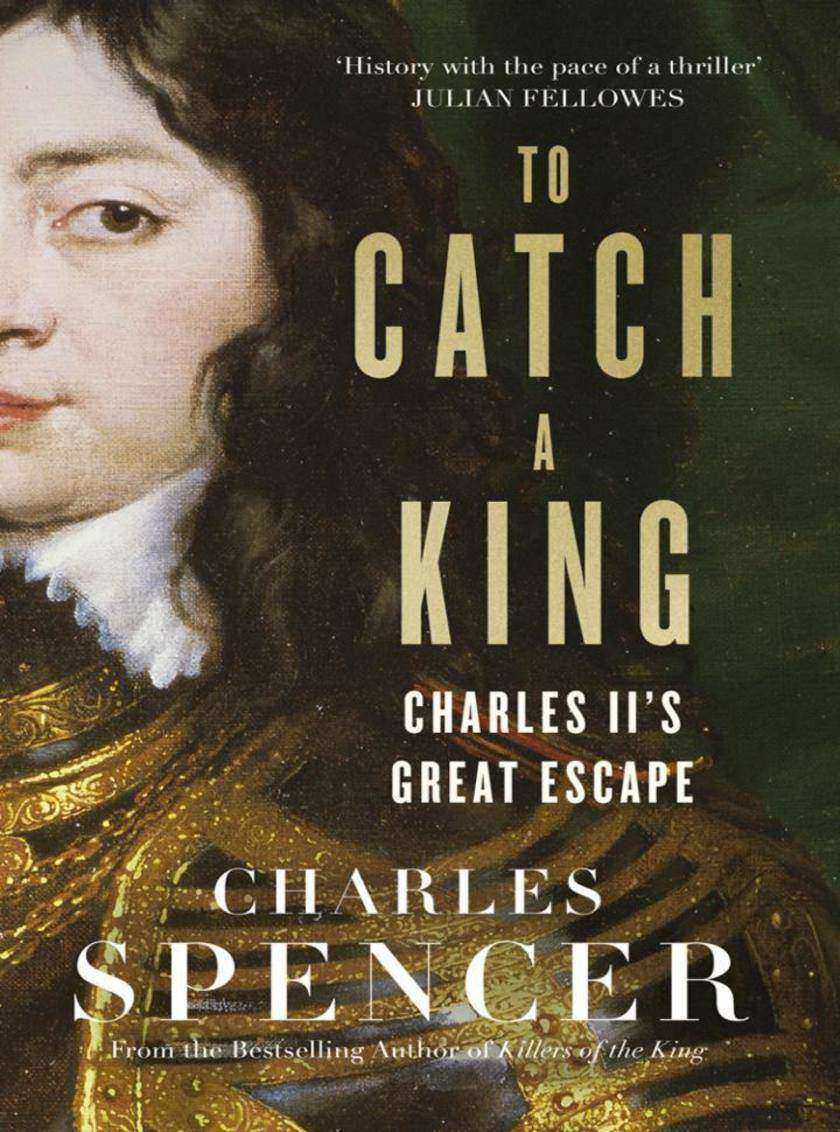
To Catch A King: Charles II's Great Escape
¥73.58
Charles Spencer was educated at Eton College and obtained his degree in Modern History at Magdalen College, Oxford. He was a reporter on NBC’s Today show from 1986 until 1995, and is the author of four books, including the Sunday Times bestseller Blenheim: Battle for Europe (shortlisted for History Book of the Year, National Book Awards) and Prince Rupert: The Last Cavalier.

Tom’s Daily Plan: Over 80 fuss-free recipes for a happier, healthier you. All da
¥125.18
Tom Daley is an Olympic athlete and TV presenter.
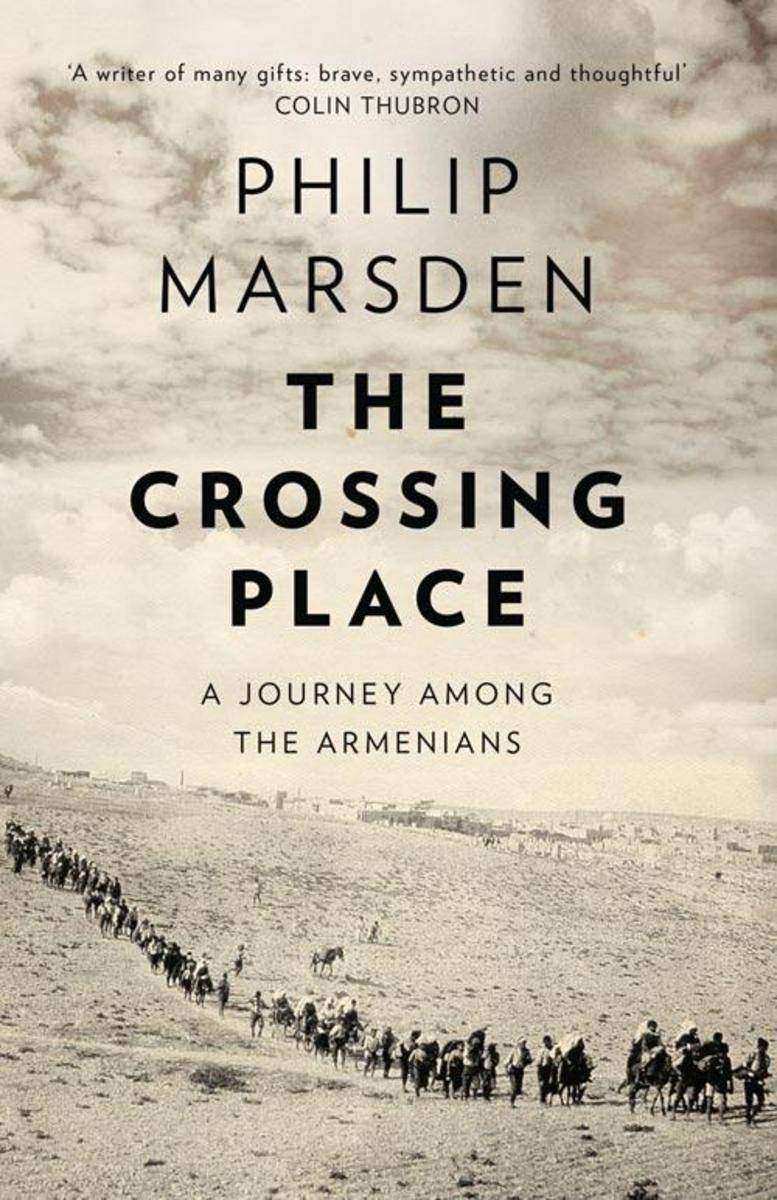
The Crossing Place: A Journey among the Armenians
¥66.22
Philip Marsden is the author of The Bronski House, The Spirit-Wrestlers (winner of the Thomas Cook Travel Book of the Year Award), The Chains of Heaven, The Barefoot Emperor, The Levelling Sea and Rising Ground. He is a fellow of the Royal Society of Literature and his work has been translated into more than a dozen languages. He lives in Cornwall.

Truly Scrumptious Baby: My complete feeding and weaning plan for 6 months and be
¥124.59
Holly Willoughby is best known for her presenting roles on This Morning, Surprise Surprise and Celebrity Juice. After she was discovered by Storm Modelling Agency on a school trip at the age of 14, she quickly went on to land modelling jobs and presenting roles for various CiTV children’s programmes, all before becoming the co-presenter of Dancing on Ice with Philip Schofield. Juggling her busy television career with being a mum to her three small children, she is also the author of Truly Happy Baby and co-author of a series of children’s books with her sister, Kelly.
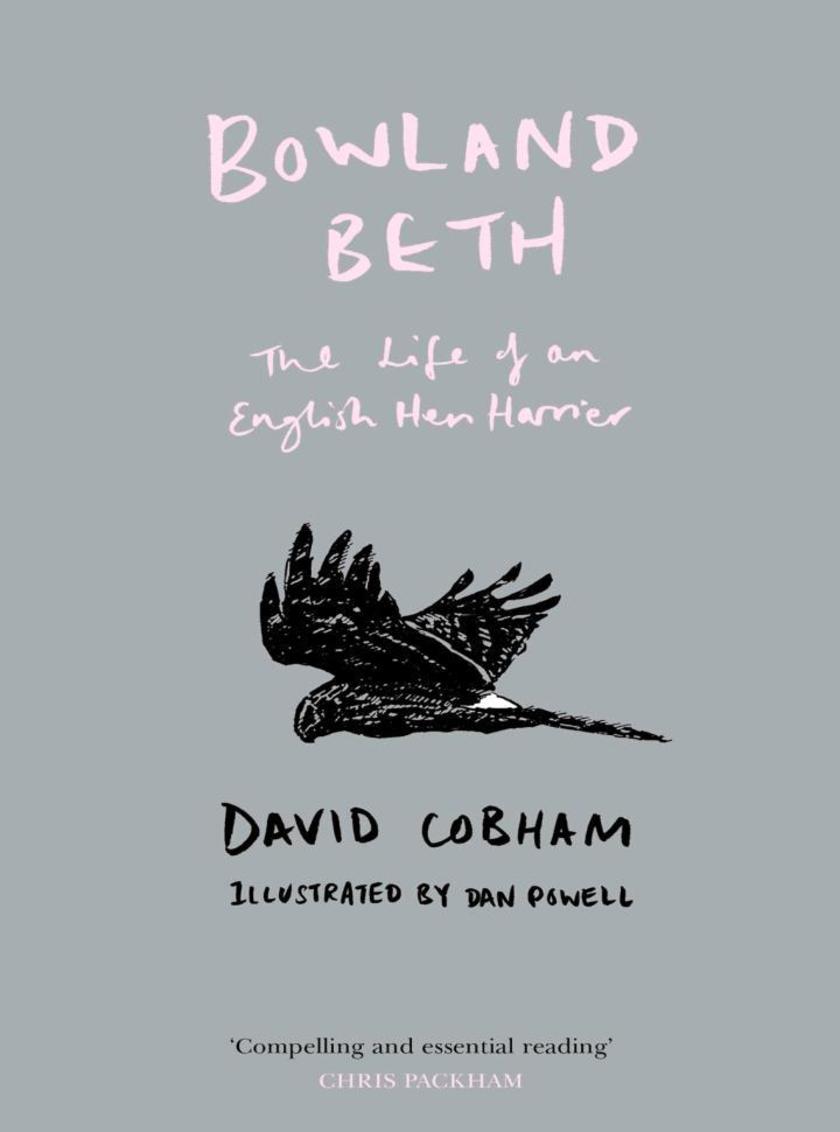
Bowland Beth: The Life of an English Hen Harrier
¥125.18
David Cobham was an internationally renowned filmmaker, well known for his films Tarka the Otter and The Goshawk. Dan Powell is a wildlife artist best known for the field guide to The Dragonflies of Great Britain. His drawings and paintings have appeared in numerous wildlife books and publications.
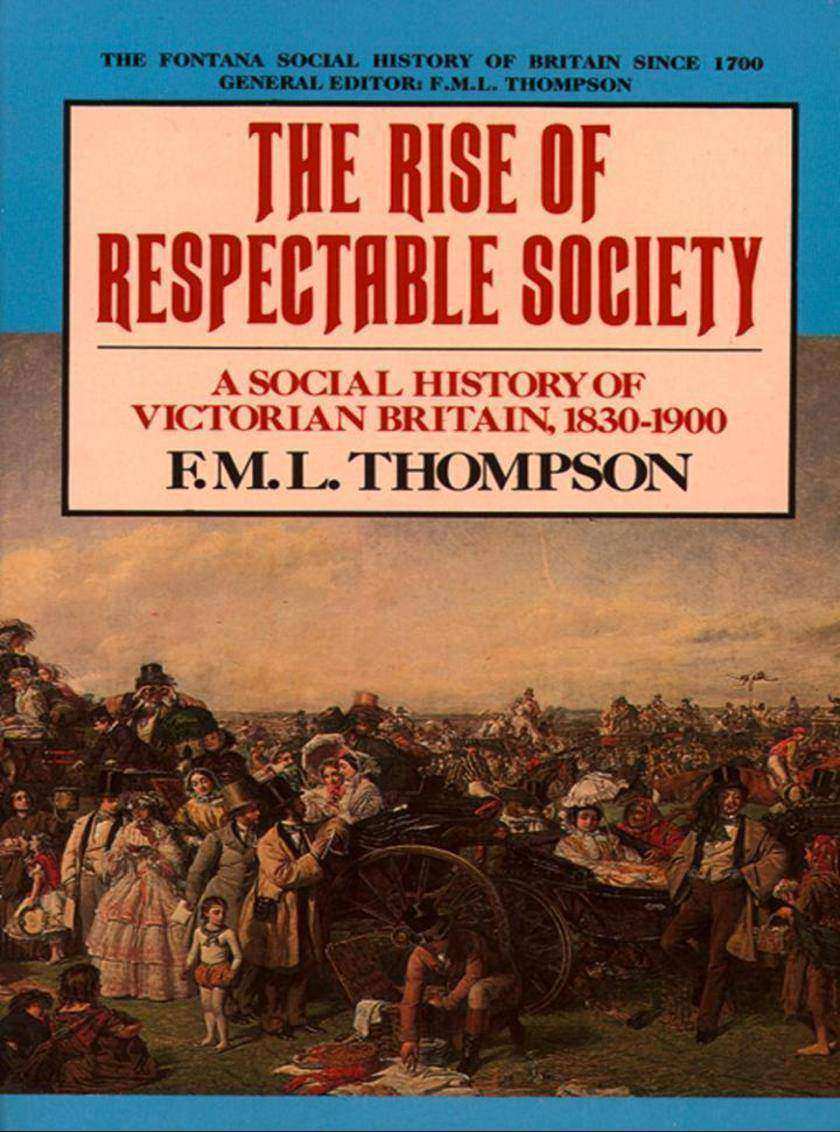
The Rise of Respectable Society: A Social History of Victorian Britain
¥73.48
By F. M. L. Thompson
The World’s Best Skiing Jokes
¥18.93
‘Why the hell did you write that insurance policy for a 96-year-old man going on a skiing holiday?’ shouted the manager at the travel clerk.‘Well,’ said the clerk, ‘I checked the records and no one of that age has ever had a skiing accident.’The skier came to a stop at the end of the run and threw his poles, hat and gloves to the ground as he snorted in disgust, ‘I’ve never skied so badly before!’‘Oh,’ probed an interested instructor, ‘you mean to say you’ve skied before?’
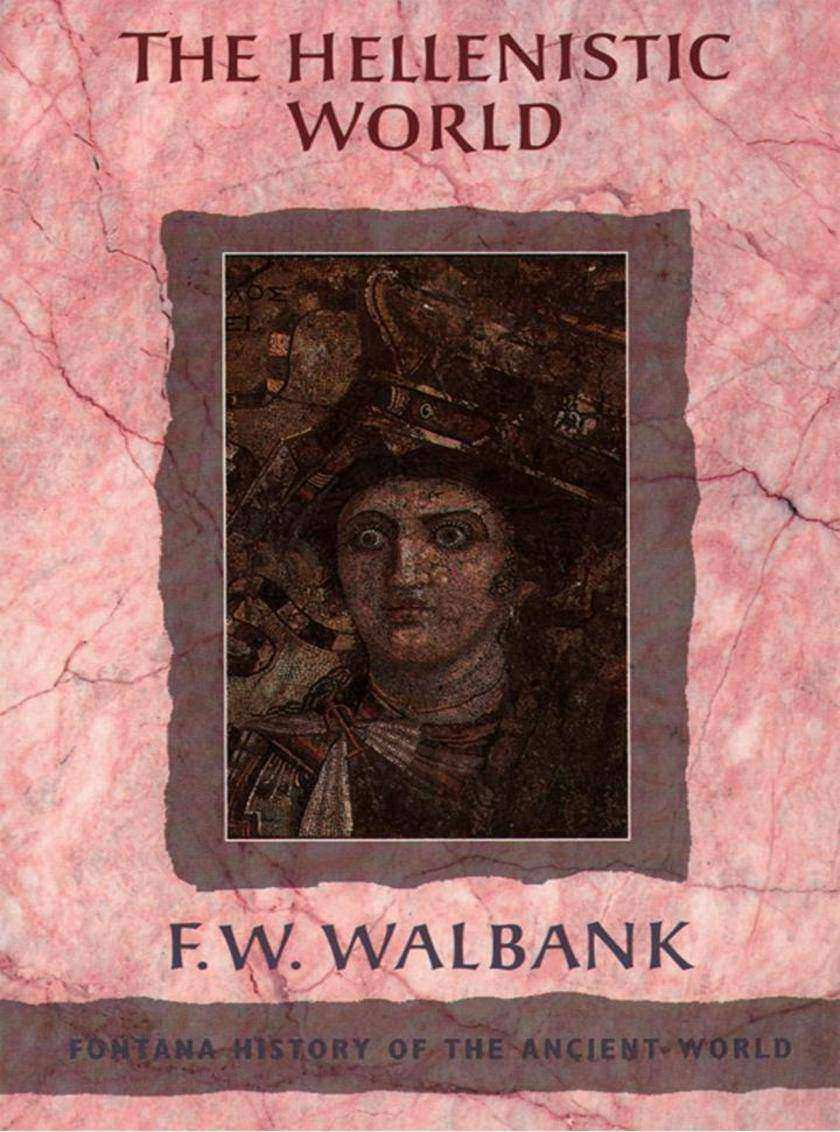
The Hellenistic World
¥88.39
F. W. Walbank was Rathbone Professor of Ancient History and Classical Archaeology at the University of Liverpool and a Fellow of the British Academy.

Feasts From the Middle East
¥147.35
Tony Kitous arrived in London for the first time on August 6, 1988, aged 18, he spent his 1st night sleeping in Victoria coach station and spent the next fortnight living off chocolate. The self-styled Algerian “street boy” had just ?70 in his pocket and was meant to be on a holiday with a school friend. More than 29 years later, the now hugely successful owner of the Comptoir Libanais canteen and delicatessen chain has 24 branches in and London and around the UK, employing around 1000 staff. They are part of an empire which also encompasses three Shawa - Lebanese grill outlets, as well as prestige restaurants such as Levant on Wigmore Street and Kenza in the city of London.

Marcus at Home
¥147.35
MARCUS WAREING is one of the most respected and acclaimed chefs and restaurateurs in Britain today. Originally from Southport, Merseyside, Marcus began his career at the age of 16. An incredible talent, he started acquiring Michelin stars aged just 26 – one of only a handful of chefs to be recognised at such a young age. Over the last 30 years Marcus has been involved in the creation of many of London’s most iconic and celebrated restaurants, including his own restaurant group, Marcus Wareing Restaurants, which he founded in 2008. With two Michelin stars at his flagship restaurant, Marcus, in the Berkeley Hotel, he also owns and operates two other London restaurants, The Gilbert Scott and Tredwell’s.Alongside his Michelin stars, Marcus has also won numerous coveted awards. These include the Acorn Award, Chef of the Year with Caterer and Hotelkeeper, Tatler Restaurateur of the Year and GQ Chef of the Year. A familiar face on our TV screens, Marcus took on the new role as judge on MasterChef:The Professionals in 2014. Marcus lives in London with his wife and three children.
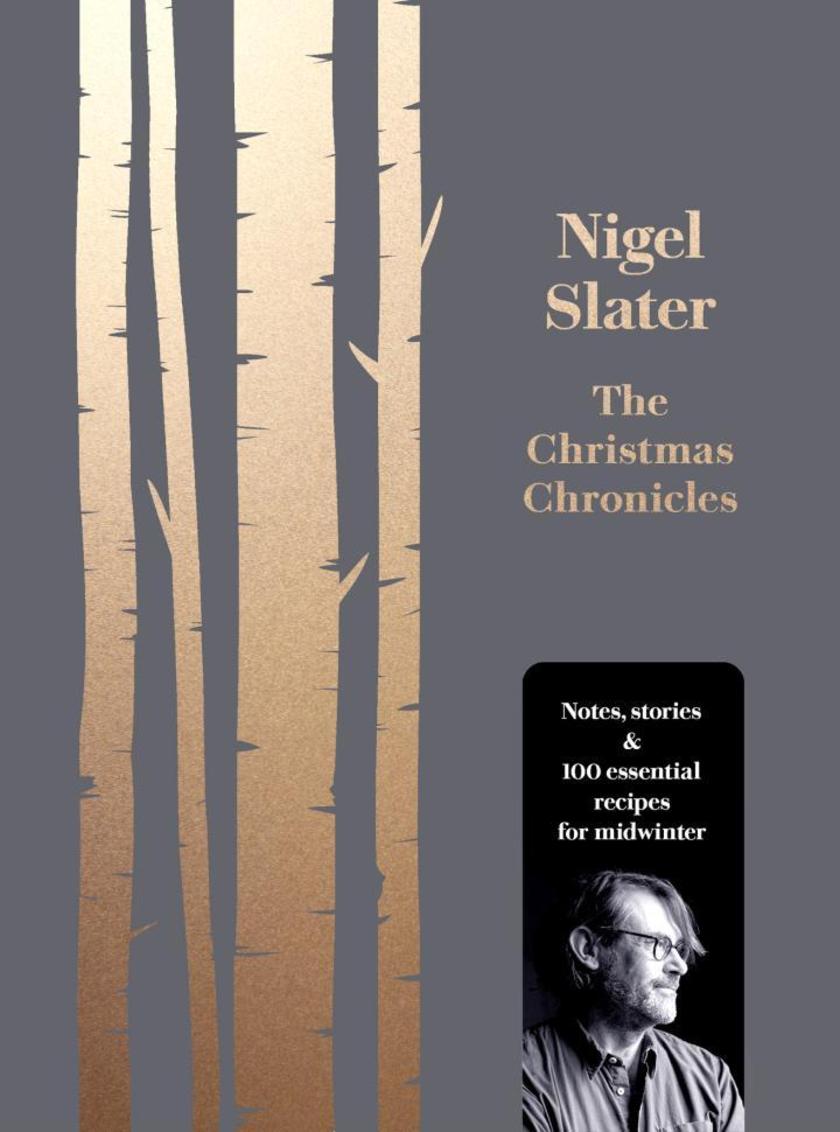
The Christmas Chronicles: Notes, stories & 100 essential recipes for midwinter
¥190.80
Nigel Slater is the author of a collection of best-selling books and presenter of BBC 1's Eating Together, Simple Cooking and Dish of the Day. He has been food columnist for The Observer for over twenty years. His books include the classics Appetite and The Kitchen Diaries and the critically acclaimed two-volume Tender. His award-winning memoir Toast – the Story of a Boy's Hunger won six major awards and is now a BBC film starring Helena Bonham Carter and Freddie Highmore. His writing has won the National Book Awards, the Glenfiddich Trophy, the André Simon Memorial Prize and the British Biography of the Year. He was the winner of a Guild of Food Writers' Award for his BBC 1 series Simple Suppers.
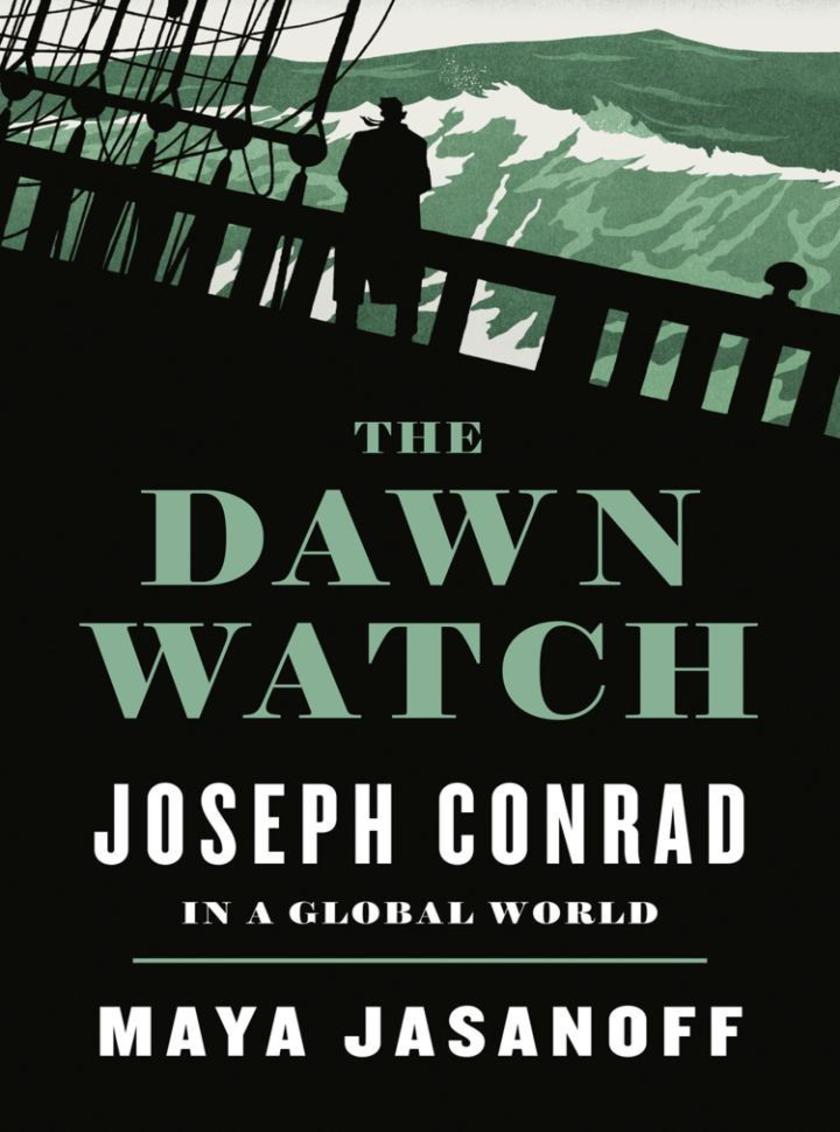
The Dawn Watch: Joseph Conrad in a Global World
¥73.58
Maya Jasanoff is Coolidge Professor of history at Harvard University. Her first book, Edge of Empire, was awarded the 2005 Duff Cooper Prize and was a book of the year selection in numerous publications including the Economist, Guardian and Sunday Times. Her second, Liberty’s Exiles was shortlisted for the 2011 Samuel Johnson Prize (now Baillie Gifford). A 2013 Guggenheim Fellow, Jasanoff won the prestigious 2017 Windham-Campbell Prize for Non-Fiction. Her essays and reviews appear frequently in publications including The Guardian, The New York Times, and The New York Review of Books.


