


 购物车
购物车 个人中心
个人中心
Forces of Nature
¥66.22
Professor Brian Cox, OBE is a particle physicist, a Royal Society research fellow, and a professor at the University of Manchester as well as researcher on one of the most ambitious experiments on Earth, the ATLAS experiment on the Large Hadron Collider in Switzerland. He is best known to the public as a science broadcaster and presenter of the popular BBC Wonders trilogy. Andrew Cohen is Head of the BBC Science Unit and the Executive Producer of the BBC series Human Universe. He has been responsible for a wide range of science documentaries including Horizon, the Wonders trilogy and Stargazing Live. He lives in London with his wife and three children.
Down to the River and Up to the Trees: Discover the hidden nature on your doorst
¥66.22
Sue Belfrage lives in a cottage in rural Somerset with her husband and pet animals. A writer and artist, she draws inspiration from the land around her.
Japonisme: Ikigai, Forest Bathing, Wabi-sabi and more
¥73.58
Erin Niimi Longhurst has always treasured the Japanese traditions that shaped her upbringing. She spends time in Japan every year and currently lives in London. Her blog Island Bell focuses on food travel and lifestyle. She currently works freelance as a digital marketeer.
Made at Home: The food I cook for the people I love
¥191.59
Michelin-starred Giorgio Locatelli is one of Britain's best known Italian chefs. Giorgio began his career at his family's restaurant in Italy before coming to London. He was head chef at Zafferano in London from its opening to a storm of praise and press coverage in 1994, before moving in 2002 to open Locanda Locatelli, where he remains chef-patron.
Insect Natural History (Collins New Naturalist Library, Book 8)
¥476.96
THE name insect is very commonly given to any small creeping animal with a ringed or segmented body and several pairs of legs. Not many people, excepting entomologists and trained biologists, could give a proper definition of an insect that would distinguish it from its near relatives. In the first place it needs to be borne in mind that insects belong to the great group of invertebrate animals known as the Arthropoda. These creatures have the body divided into more or less separate rings or segments, of which a variable number bear jointed limbs. Their whole body and the limbs are covered with a specially hardened cuticle forming an external skeleton. Between the segments, and at the joints of the limbs, there is flexible connecting membrane which allows of freedom of movement. An arthropod, in fact, is encased in a tubular outer skeleton, in striking contrast with a vertebrate animal whose skeleton lies within the body. The functions of the skeleton, whether it be an inner or an outer one, is to give attachment to the muscles and general support to the body. The word insect is derived from the Latin insectum, meaning “cut into,” and refers to the way in which its body is made up of a series of ring-like pieces.
Care for your Dog (The Official RSPCA Pet Guide)
¥25.21
The diversity of dogs is enormous. In height, they range from the gigantic Irish Wolfhound to the tiny Yorkshire Terrier. They include both the massive Newfoundland, weighing as much as a full-grown man, and the Chihuahua which, at 1 kg/2 lb in weight, is the smallest breed of dog in the world. Their coats vary too, from the smooth satin of the Boxer to the silky plumes of the Maltese and the long ‘cords’ of the Hungarian Komondor. At the other extreme, the warm, smooth-skinned Mexican Hairless Dog is almost completely bald.
Care for your Gerbil (The Official RSPCA Pet Guide)
¥25.21
Mongolian gerbils have been kept as pets in Britain only since 1964. The first breeding pairs arrived in that year, intended as laboratory animals, but their qualities as delightful pets soon became obvious. They rapidly became established as one of the most successful pets ever introduced into this country, especially for families living in homes which are not suitable for larger animals.
Woodlands (Collins New Naturalist Library, Book 100)
¥95.75
The 100th volume of the prestigious New Naturalist series, written by one of Britain's best-known naturalists, explores the significance and history of woodlands on the British landscape ‘Trees are wildlife just as deer or primroses are wildlife. Each species has its own agenda and its own interactions with human activities…’ This 100th volume of the New Naturalist series presents a landmark in natural history publishing. Looking at such diverse evidence as the woods used in buildings and ships, and how woodland has been portrayed in pictures and photographs, Rackham reconstructs British woodland through the ages. Aimed at the non-specialist, ‘New Naturalist Woodlands’ investigates what woods are and how they function. In lively style, Rackham takes us through: ? How woods evolved and how they are managed, ? The basic botany (understanding roots, partnerships, longevity, tree-rings), ? Outline of woodland history, ? Pollen analysis and wildwood, ? Archives of woodland and how to study them, ? Different types of woodland, ? The rise and fall of modern forestry. Illustrated with beautiful colour photographs throughout, this New Naturalist is set to be a classic for collectors and general readers alike.
British Game (Collins New Naturalist Library, Book 2)
¥456.66
British Game ranges beyond the strict legal interpretation of game and is full of interesting details about the birds and beasts that should interest sportsmen. Collins are delighted to announce the republication in facsimile form of the first editions of the very first volumes in the New Naturalist Library. Originally planned in the darkest days of World War II and first published in 1945, this series is the longest running nature series in the world. It is a reflection of the quality of the authors and the books they wrote, that they are still sought after 73 years later. The books will be identical in every way to the original first editions, including the iconic jackets by Clifford and Rosemary Ellis.
Natural History in the Highlands and Islands (Collins New Naturalist Library, Bo
¥456.66
The Highlands and Islands of Scotland are rugged moorland, alpine mountains and jagged coast with remarkable natural history. Collins are delighted to announce the republication in facsimile form of the first editions of the very first volumes in the New Naturalist Library. Originally planned in the darkest days of World War II and first published in 1945, this series is the longest running nature series in the world. It is a reflection of the quality of the authors and the books they wrote, that they are still sought after 73 years later. The books will be identical in every way to the original first editions, including the iconic jackets by Clifford and Rosemary Ellis. The Highlands and Islands of Scotland are rugged moorland, alpine mountains and jagged coast with remarkable natural history, including relict and specialised animals and plants. Here are animals in really large numbers: St. Kilda with its sea-birds, North Rona its seals, Islay its wintering geese, rivers and lochs with their spawning salmon and trout, the ubiquitous midges! This is big country with red deer, wildcat, pine marten, badger, otter, fox, ermine, golden eagle, osprey, raven, peregrine, grey lag, divers, phalaropes, capercaillie and ptarmigan. Off-shore are killer whales and basking sharks. Here too in large scale interaction is forestry, sheep farming, sport, tourism and wild life conservation.
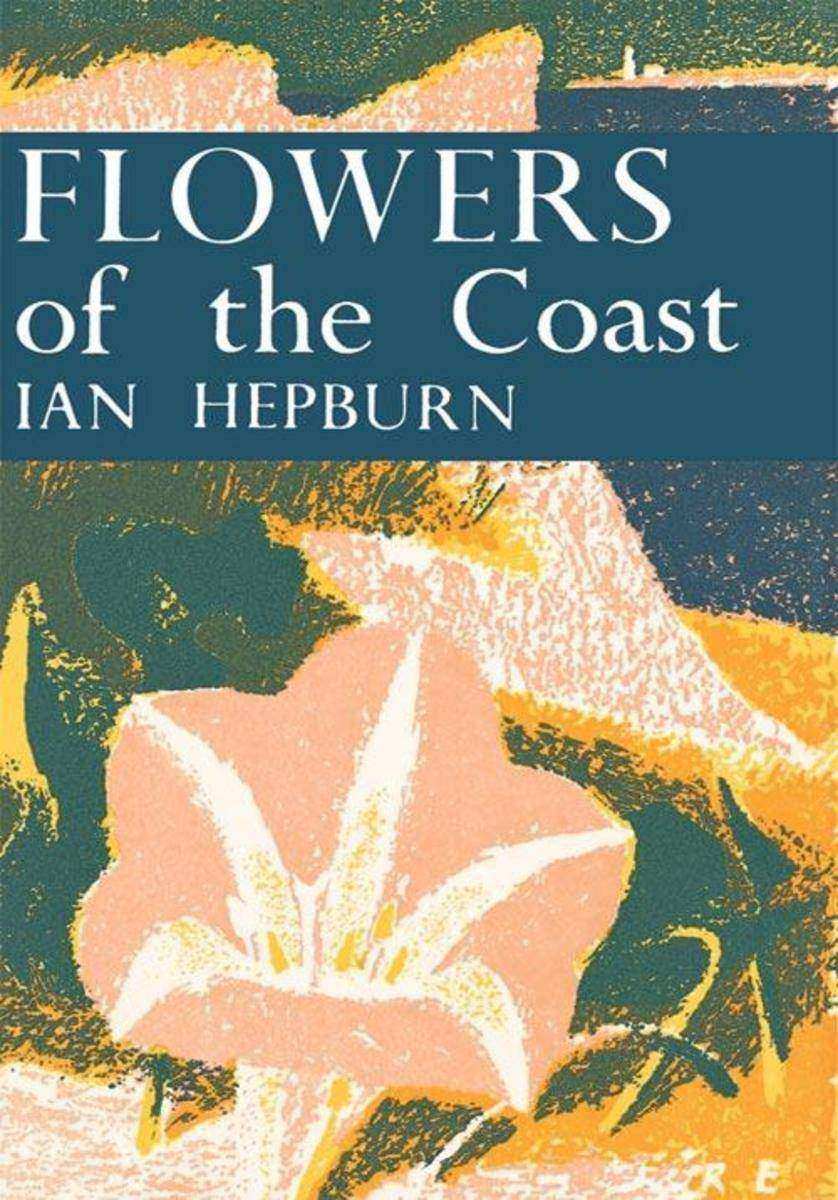
Flowers of the Coast (Collins New Naturalist Library, Book 24)
¥456.66
Few parts of our British islands can compare with our sea coasts as plant hunting ground. Flowers of the Coast takes us on a search across sand dune, cliff, shingle and rock. This edition is produced from an original copy by William Collins.
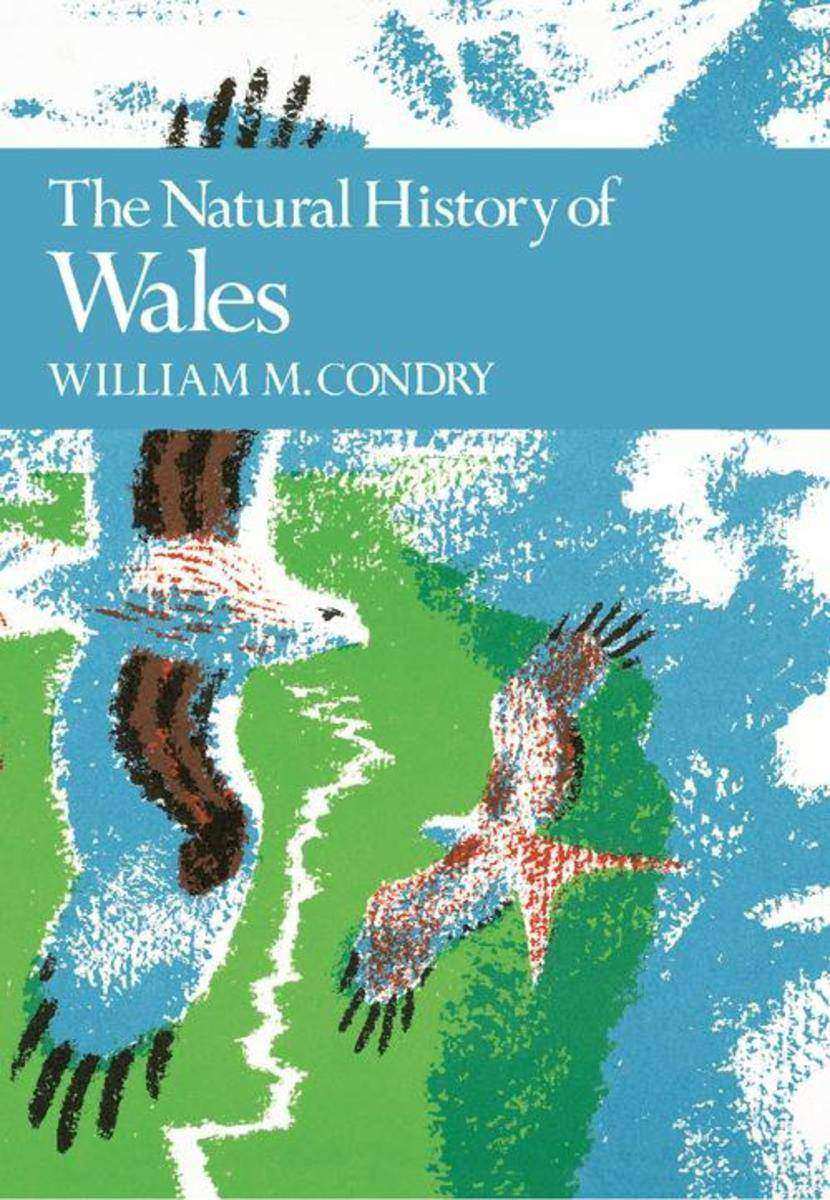
The Natural History of Wales (Collins New Naturalist Library, Book 66)
¥456.66
This book is an attempt to survey the natural history of the whole of Wales. It therefore covers such areas as Snowdonia and the Brecon Beacons as well as the spectacularly beautiful Pembrokeshire coast and the less well-known but no less interesting areas of mid-Wales. Wales is a country of great geographical and biological diversity, a largely mountainous land whose eastern scarps overlook the richer plains of Mercia. William Condry is an acute observer of the potentialities of terrain, and particularly in respect of wildlife habitats. The author of the distinguished volume on Snowdonia in the New Naturalist series, he is the ideal person to write about one of the best-known and best-loved parts of Great Britain. This book is an attempt to survey the natural history of the whole of Wales. It therefore covers such areas as Snowdonia and the Brecon Beacons as well as the spectacularly beautiful Pembrokeshire coast and the less well-known but no less interesting areas of mid-Wales. Describing each kind of terrain in turn, William Condry has explored and surveyed the face of this unique land as few others have done. Beginning with corries, crags and summits, he goes on to consider moorlands, mires and conifers. There then follow rivers, lakes and marshes; the native woodlands; limestone flora; farmlands, villages and estates; the industrial scene; and finally perhaps the most striking terrain of all, the coast. This encompasses polders, peatlands, beaches, dunes and estuaries as well as cliffs, headlands and island. Within each of these areas William Condry brings a wealth of experience to bear on the more obvious aspects of wildlife - flowering plants and ferns, mammals, birds, fish, reptiles and amphibians. Important rarities such as the Snowdon lily or the red kite are, of course, included, but always with the intention of establishing a proper respect for their conservation. Affectionate and thoroughly informative, full of insights into local history and always a delight to read, this is a magnificent introduction to Wales and its countryside.
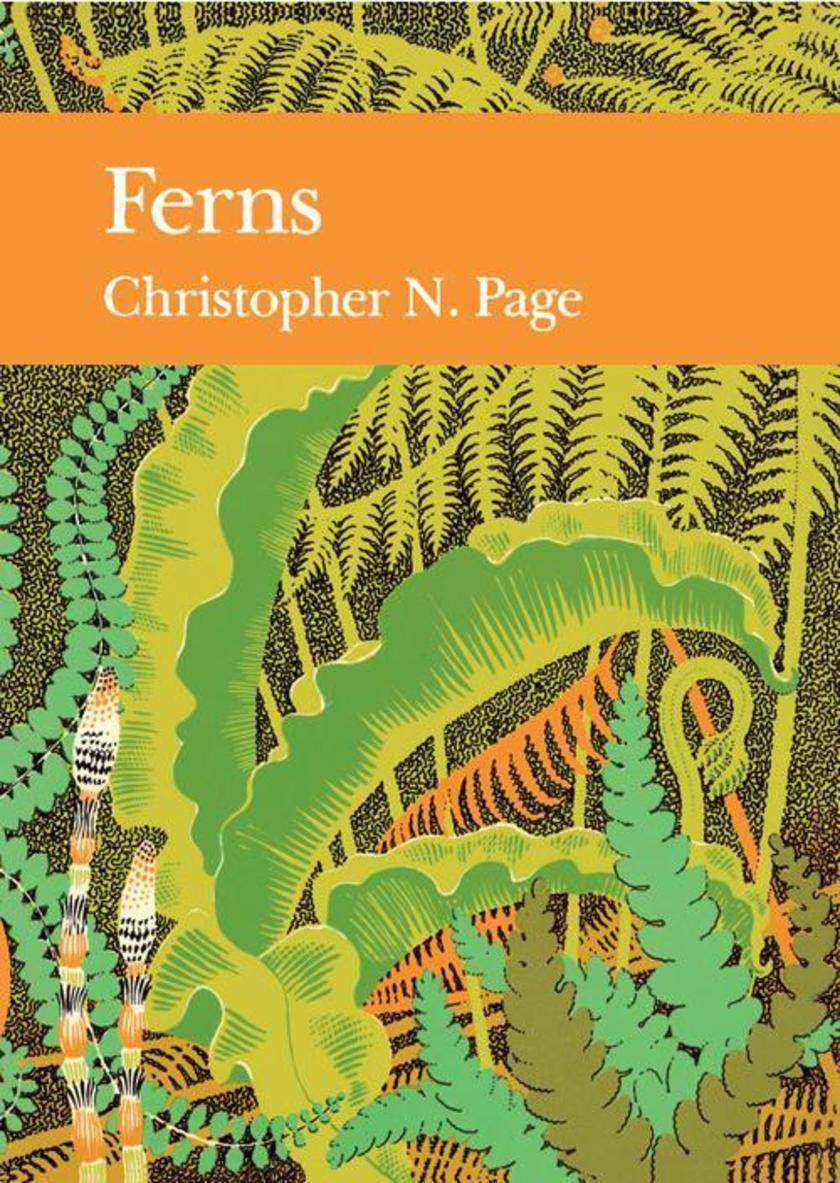
Ferns (Collins New Naturalist Library, Book 74)
¥456.66
Ferns gives the reader an introduction to the reasons for the variety of ferns in the British Isles, as well as the history of their development within this landscape and their use by man. This edition is exclusive to newnaturalists.com Ferns, horsetails and clubmosses, or to use their technical term the Pteridophyta, are a fascinating area of the British flora that ranged from the prehistoric-looking horsetails to the delicate beauty of the Aspleniaceae family (otherwise known as the spleenworts and familiar inhabitants of many a conservatory). Ferns are ubiquitous on this damp island, but often overlooked, overshadowed by the interest in the technicolour of our flowering plants. This book gives the reader an introduction to the reasons for the variety of ferns in the British Isles, as well as the history of their development within this landscape and their use by man. Taking each major habitat, Dr Page details which species of ferns are most likely to be encountered and why. Using numerous examples, he also shows how some species have become highly adapted to their environment using a whole range of strategies varying from the ordinary to the bizarre. Ferns follows in the distinguished New Naturalist series tradition of investigative natural history, drawing from the latest field studies and research, and is the most authoritative, up-to-date and in-depth survey of this part of the British flora available.
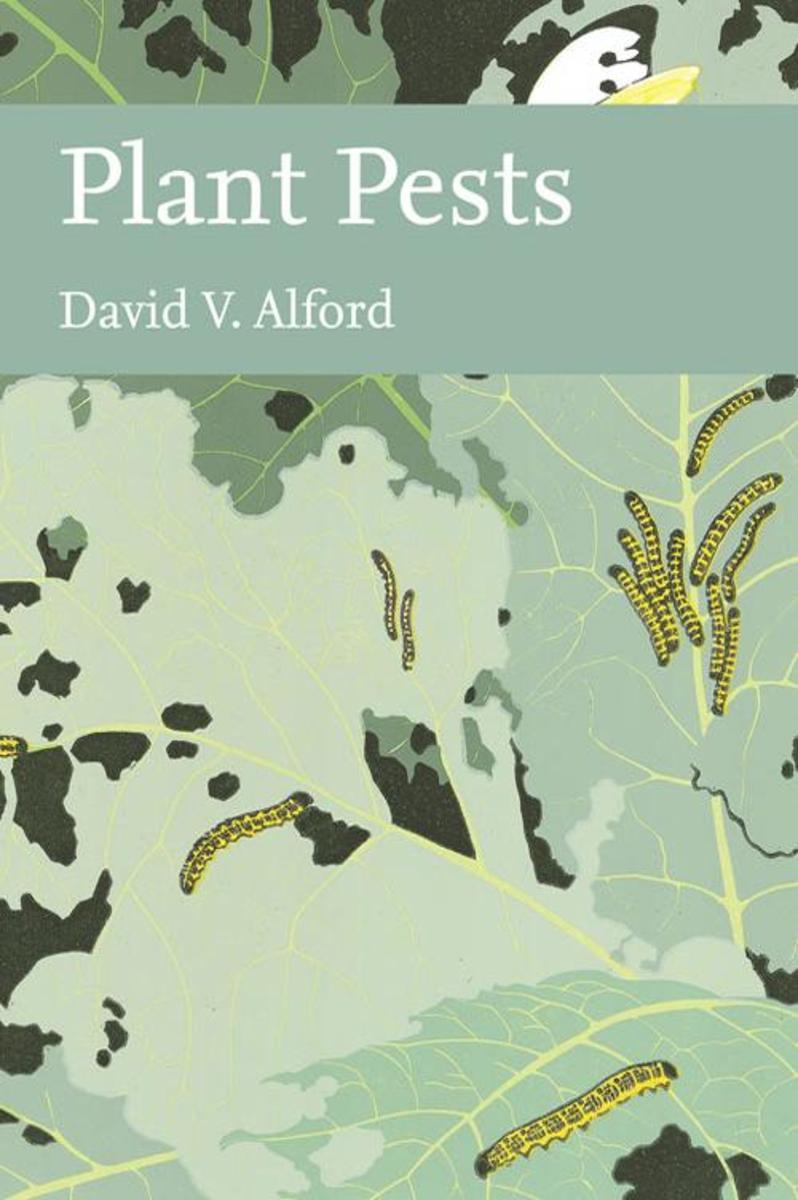
Plant Pests (Collins New Naturalist Library, Book 116)
¥273.90
Ever since man first cultivated plants and grew crops, insects, mites and other creatures have risen to prominence as pests, but it is only throughout the last two centuries that we have come to study them in any detail. Whereas in the past, emphasis has mainly been placed on ways to protect cultivated plants from attack or damage, nowadays our over-reliance on pesticides has been replaced by a far more enlightened approach to plant protection. Though chemical pesticides still have a role to play, environmental aspects and non-chemical means of pest control have become equally, if not more, important. This requires a greater appreciation of ecosystems, coupled with a greater understanding of individual pests, including their habits and their role in the environment. Drawing on a lifetime of experience, David V. Alford provides a fascinating account of the natural history of the insects and mites that inhabit our farms and gardens, and feed on our cultivated plants. He shows how and why the different operations of cultivation affect their world, and why plant pests should not be viewed as different from other wildlife. Coverage of pests includes aliens, and although emphasis is placed mainly on arable and horticultural field crops, pests of protected crops - both edible and non-edible - are also included. Details of pest life cycles, status, distribution and the damage they cause are given, and natural enemies of pests are examined. The author also explores the impact of pesticides, climate change and evolving crop management practices.
The Ocean Railway
¥81.52
An epic social history of steamship travel from the 19th-century to the ‘Lusitania’, the ‘Mauretania’ and the ‘Titanic’. The great transatlantic steamships became emblems of an age, of a Victorian audacity of spirit-cathedrals to man's harnessing of new technology. Through the innovations and designs of key engineers and shipping magnates – Samuel Cunard, Isambard Kingdom Brunel and Edward Knights Collins – ‘the largest movable objects in human history' were created. To the wealthy, steamships represented glamorous travel, but to most they offered cheap passage out of Europe to the New World. At their peak, steamships delivered one million new Americans each year, transforming the world’s oceans from barriers into highways. In this fascinating history, Stephen Fox chronicles the tragedies that marked the evolution of the ocean liner, including the 1852 sinking of the ‘Arctic’, with the loss of three hundred and twenty-two lives, and the early 20th-century losses of the ‘Lusitania’ and the ‘Titanic’. Using contemporary records, diaries and writing, he penetrates the experience of transatlantic passage and examines the societies created on the vast floating cities, ‘a kind of third human environment, neither land nor sea but partaking of each, and bridging them in unprecedented ways’.

LZ-’75: Across America with Led Zeppelin
¥18.74
Stephen Davis’s brilliantly-written personal account of criss-crossing America with Led Zeppelin on their 1975 tour. A warts-and-all snapshot of the world’s biggest hard-rock band at their peak. As a young rock writer Stephen Davis landed the ultimate commission – touring America with Led Zeppelin. This is a personal account by Davis of his journey, which saw him crossing the country with the band on board the Starship, their famous Boeing passenger jet, complete with deep shag purple carpet, electric pianos, girlfriends and star-struck hangers-on. This is also the story of one of the hardest-living bands in the world at their peak. For Robert Plant, Jimmy Page, John Paul Jones and John Bonham, the most beautiful women in America tear their spangled jackets from them and riots start outside their gigs. LZ-75 captures a few perfect months in rock, when Led Zeppelin epitomised the free-living rock dream, but, like Icarus, their wings were already beginning to melt. It wouldn't be long before John Bonham died of a vodka overdose, and punk killed their brand of monumental rock. With it's up-close-and-personal accounts of band members, managers, groupies, fans and drug-dealers, there's a lot of Almost Famous about this book – Led Zep's 1975 tour is in fact the very one on which Cameron Crowe's film was based. Stephen Davis was barely twenty in 1975, but now he is recognised as one of the best rock writers in the world. He is the author of the mega-selling Hammer of the Gods – a biography of Led Zeppelin. He recently unearthed his notebooks of the 1975 tour – which he didn't use for Hammer of the Gods – to write LZ-75. LZ-75: Across America with Led Zeppelin is a wonderful and unique thing – a beautifully succinct account of a single moment in rock, when no lyric was too far-fetched, no drink went undrunk and no expense was ever, ever spared. It's a moment that will never be repeated.
Books and Naturalists (Collins New Naturalist Library, Book 112)
¥231.22
Natural history, perhaps more than any other pursuit or study, has always relied heavily on books. Without their basic function of enabling the different kinds of animals and plants to be described in adequate detail, the subject could never have come into being and gone on to thrive as it does today. In displaying nature's colourful diversity, books have stimulated attempts to capture the wonders of the natural world with the pencil or in paint. They have challenged their readers to seek out and record what the countryside has to offer, and they have enabled naturalists to convey to unknown fellow spirits the excitements of 'the chase' and of unexpected discoveries. In this latest book in the highly-acclaimed New Naturalist series, David Elliston Allen explores the often complicated ways in which books on the flora and fauna of these islands have been published through the years, from the earliest days of printing through to the era of the computerised distribution atlas and the giant multinational compendium. Difficult to free from market constraints, publication in book form would have remained an elusive aim for all too many naturalists but for the regular trickle of individual publishers who have shared their delight in the subject and leant over backwards to assist it. The important role played by these allies, the colourful backgrounds of many of the authors and the sometimes fraught relationship between the partners in a process in which the aims of business and learning do not necessarily coincide are among the many themes woven together into a fascinating account, which also breaks new ground.
Dragonflies (Collins New Naturalist Library, Book 106)
¥192.67
Dragonflies are among the most ancient of living creatures – few insect groups fascinate as much or are more immediately recognisable. In this seminal new work, Philip Corbet and Stephen Brooks examine the behaviour, ecology and distribution of dragonflies in Britain and Ireland, placing emphasis on the insects' habitats and also on measures needed to conserve them. Published in 1960 – with Philip Corbet as contributing author – volume 41 of the New Naturalist series provided the first in-depth study of the biology of British dragonflies, helping to inspire many people to take an interest in these intriguing insects. In this new volume, Corbet has teamed up with Stephen Brooks, offering a fascinating new outlook on the natural history of dragonflies. The authors have combined their knowledge and experience to help illuminate the relevance of British dragonfly species, placing them in the overall context of natural history from a broader, worldwide perspective. Illustrated with beautiful photography throughout, New Naturalist Dragonflies explores all aspects of the biological significance of dragonfly behaviour, thus revealing the beauty and hidden complexity of these powerful, agile, flying predators.

Rites of Peace: The Fall of Napoleon and the Congress of Vienna
¥80.25
Following on from his epic ‘1812: Napoleon's Fatal March on Moscow’, bestselling author Adam Zamoyski has written the dramatic story of the Congress of Vienna. In the wake of his disastrous Russian campaign of 1812, Napoleon's imperious grip on Europe began to weaken, raising the question of how the Continent was to be reconstructed after his defeat. There were many who dreamed of a peace to end all wars, in which the interests of peoples as well as those of rulers would be taken into account. But what followed was an unseemly and at times brutal scramble for territory by the most powerful states, in which countries were traded as if they had been private and their inhabitants counted like cattle. The results, fixed at the Congress of Vienna in 1815, not only laid the foundations of the European world we know; it put in place a social order and a security system that lie at the root of many of the problems which dog the world today. Although the defining moments took place in Vienna, and the principle players included Tsar Alexander I of Russia, the Austrian Chancellor Metternich, the Duke of Wellington and the French master of diplomacy Talleyrand, as well as Napoleon himself, the accepted view of the gathering of statesmen reordering the Continent in elegant salons is a false one. Many of the crucial questions were decided on the battlefield or in squalid roadside cottages amid the vagaries of war. And the proceedings in Vienna itself were not as decorous as is usually represented. Drawing on a wide range of first-hand sources in six languages, which include not only official documents, private letters, diaries and first-hand accounts, but also the reports of police spies and informers, Adam Zamoyski gets below the thin veneer of courtliness and reveals that the new Europe was forged by men in thrall to fear, greed and lust, in an atmosphere of moral depravity in which sexual favours were traded as readily as provinces and the 'souls' who inhabited them. He has created a chilling account, full of menace as well as frivolity.
Irish birds (Collins Gem)
¥47.58
David Cabot is one of Ireland's foremost ornithologists and wildlife experts. A zoology graduate from Trinity College, Dublin, he completed his PhD at University College Galway, where he also taught and founded the Irish Wildfowl Conservancy. He worked for 20 years as head of Conservation and Amenity Reaseach in a State planning institute before becoming a special environmential advisor to the Irish Prime Minister. He is a well-known natural history film maker, broadcaster and writer.
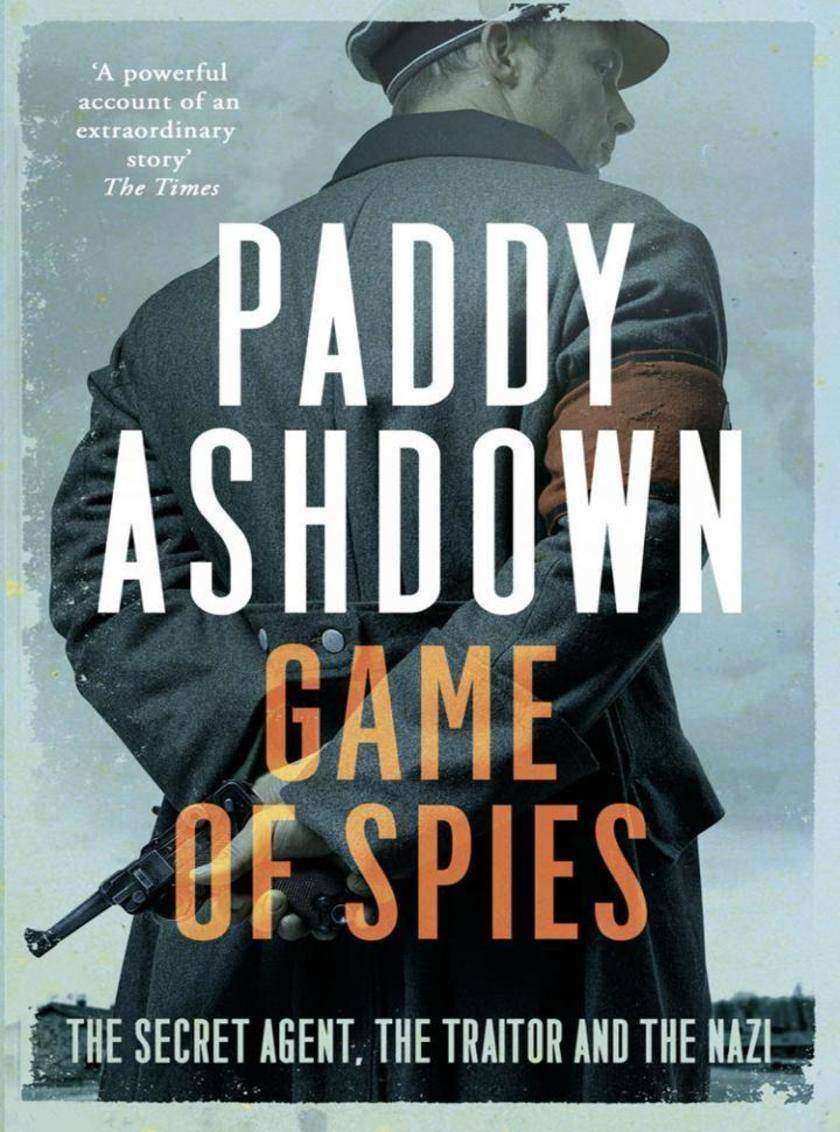
Game of Spies: The Secret Agent, the Traitor and the Nazi, Bordeaux 1942-1944
¥73.58
After service as a Royal Marine and as an intelligence officer for the UK security services, Paddy Ashdown was a Member of Parliament for Yeovil from 1983 to 2001, and leader of the Liberal Democrats from 1988 until 1999. Later he was the international High Representative for Bosnia and Herzegovina from 2002 to 2006. He was made a Knight Grand Cross of the Most Distinguished Order of Saint Michael and Saint George in 2006.


