


 购物车
购物车 个人中心
个人中心
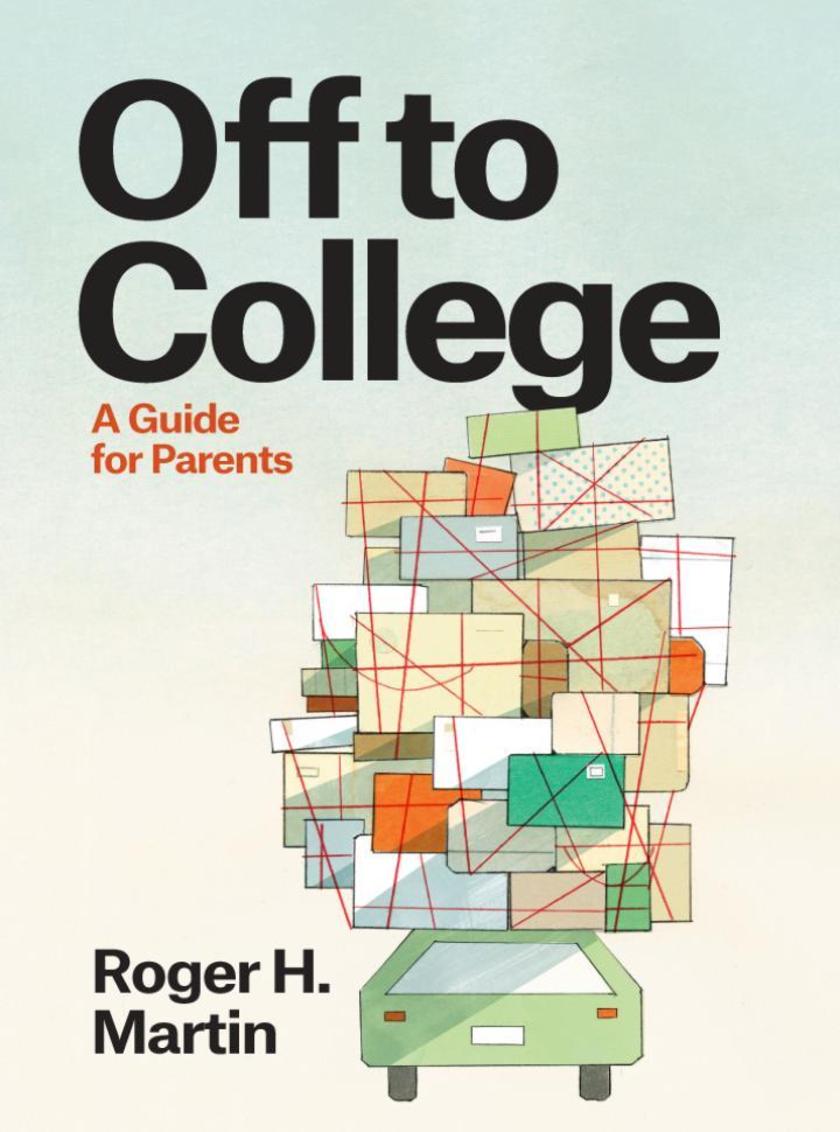
Off to College
¥147.15
For many parents, sending their child off to college can be a disconcerting leap. After years spent helping with homework, attending parent-teacher conferences, and catching up after school, college life represents a world of unknowns. What really happens during that transitional first ?year of collegeAnd what can parents do to strike the right balance between providing support and fostering independence?With Off to College, Roger H. Martin helps parents understand this important period of transition by providing the perfect tour of the first year on today's campus. Martin, a twenty-year college president and former Harvard dean, spent a year visiting five very different colleges and universities across the United States-public and private, large and small, elite and non-elite-to get an insider's view of modern college life. He observes an advising session as a student sorts out her schedule, unravels the mysteries of roommate assignments with a residence life director, and patrols campus with a safety officer on a rowdy Saturday night. He gets pointers in freshman English and tips on athletics and physical fitness from coaches. He talks with financial aid officers and health service providers. And he listens to the voices of the first-year students themselves. Martin packs Off to College with the insights and advice he gained and bolsters them with data from a wide variety of sources to deliver a unique and personal view of the current student experience.The first year is not just the beginning of a student's college education but also the first big step in becoming an adult. Off to College will help parents understand what to expect whether they're new to the college experience or reconciling modern campus life with memories of their own college days.
Legendary Detective
¥147.15
"e;I'm in a business where people come to me with troubles. Big troubles, little troubles, but always troubles they don't want to take to the cops."e; That's Raymond Chandler's Philip Marlowe, succinctly setting out our image of the private eye. A no-nonsense loner, working on the margins of society, working in the darkness to shine a little light.?The reality is a little different-but no less fascinating. In The Legendary Detective, John Walton offers a sweeping history of the American private detective in reality and myth, from the earliest agencies to the hard-boiled heights of the 1930s and '40s. Drawing on previously untapped archival accounts of actual detective work, Walton traces both the growth of major private detective agencies like Pinkerton, which became powerful bulwarks against social and labor unrest, and the motley, unglamorous work of small-time operatives. He then goes on to show us how writers like Dashiell Hammett and editors of sensational pulp magazines like Black Mask embellished on actual experiences and fashioned an image of the PI as a compelling, even admirable, necessary evil, doing society's dirty work while adhering to a self-imposed moral code. Scandals, public investigations, and regulations brought the boom years of private agencies to an end in the late 1930s, Walton explains, in the process fully cementing the shift from reality to fantasy.?Today, as the private detective has long since given way to security services and armed guards, the myth of the lone PI remains as potent as ever. No fan of crime fiction or American history will want to miss The Legendary Detective.
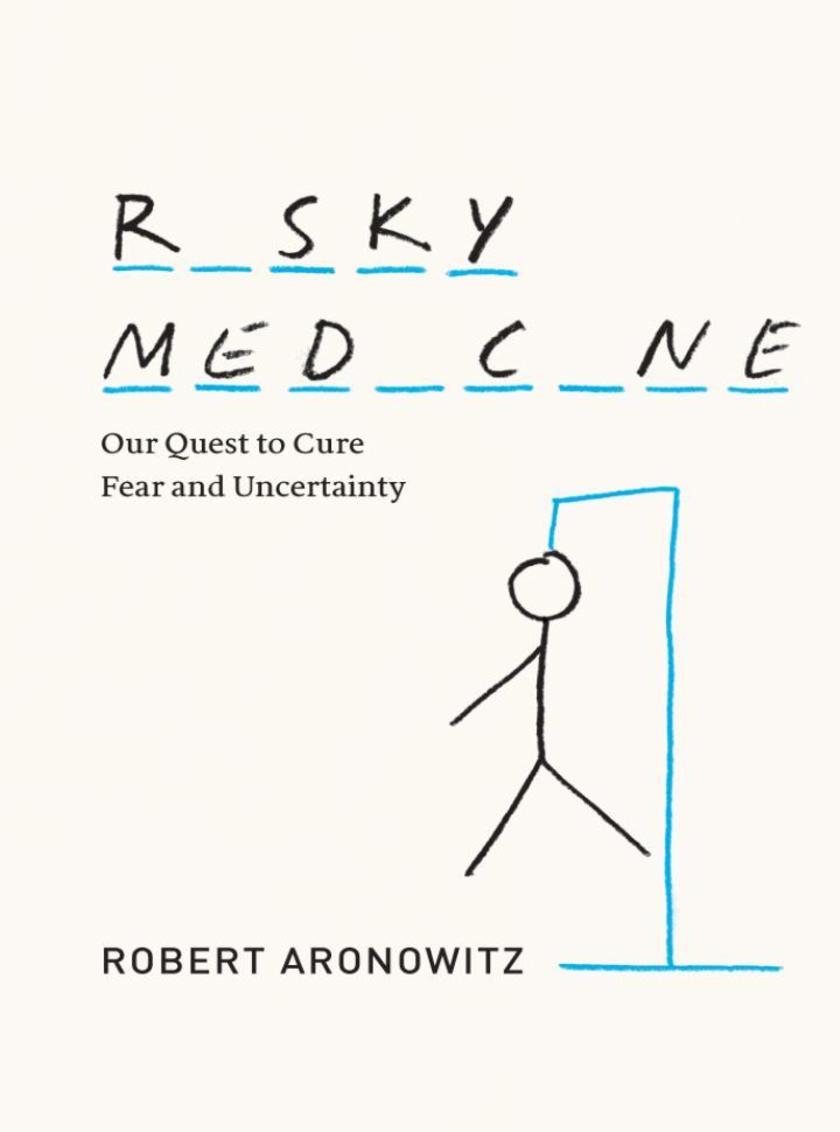
Risky Medicine
¥147.15
Will ever-more sensitive screening tests for cancer lead to longer, better lives Will anticipating and trying to prevent the future complications of chronic disease lead to better health Not always, says Robert Aronowitz in Risky Medicine. In fact, it often is hurting us.Exploring the transformation of health care over the last several decades that has led doctors to become more attentive to treating risk than treating symptoms or curing disease, Aronowitz shows how many aspects of the health system and clinical practice are now aimed at risk reduction and risk control. He argues that this transformation has been driven in part by the pharmaceutical industry, which benefits by promoting its products to the larger percentage of the population at risk for a particular illness, rather than the smaller percentage who are actually affected by it. Meanwhile, for those suffering from chronic illness, the experience of risk and disease has been conflated by medical practitioners who focus on anticipatory treatment as much if not more than on relieving suffering caused by disease. Drawing on such controversial examples as HPV vaccines, cancer screening programs, and the cancer survivorship movement, Aronowitz argues that patients and their doctors have come to believe, perilously, that far too many medical interventions are worthwhile because they promise to control our fears and reduce uncertainty.Risky Medicine is a timely call for a skeptical response to medicine's obsession with risk, as well as for higher standards of evidence for risk-reducing interventions and a rebalancing of health care to restore an emphasis on the actual curing of and caring for people suffering from disease.?
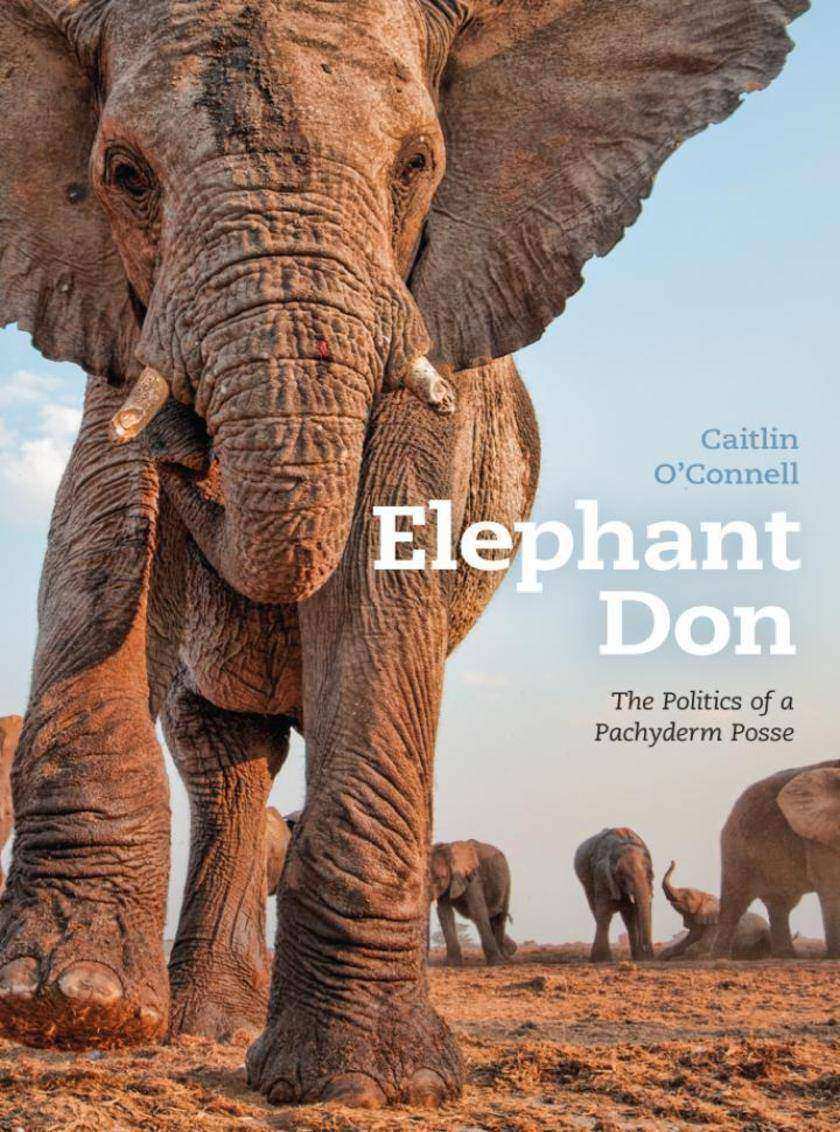
Elephant Don
¥147.15
Meet Greg. He's a stocky guy with an outsized swagger. He's been the intimidating yet sociable don of his posse of friends-including Abe, Keith, Mike, Kevin, Torn Trunk, and Willie. But one arid summer the tide begins to shift and the third-ranking Kevin starts to get ambitious, seeking a higher position within this social club. But this is no ordinary tale of gangland betrayal-Greg and his entourage are bull elephants in Etosha National Park, Namibia, where, for the last twenty-three years, Caitlin O'Connell has been a keen observer of their complicated friendships.In Elephant Don, O'Connell, one of the leading experts on elephant communication and social behavior, offers a rare inside look at the social world of African male elephants. Elephant Don tracks Greg and his group of bulls as O'Connell tries to understand the vicissitudes of male friendship, power struggles, and play. A frequently heart-wrenching portrayal of commitment, loyalty, and affection between individuals yearning for companionship, it vividly captures an incredible repertoire of elephant behavior and communication. ?Greg, O'Connell shows, is sometimes a tyrant and other times a benevolent dictator as he attempts to hold onto his position at the top. Though Elephant Don is Greg's story, it is also the story of O'Connell and the challenges and triumphs of field research in environs more hospitable to lions and snakes than scientists.Readers will be drawn into dramatic tales of an elephant society at once exotic and surprisingly familiar, as O'Connell's decades of close research reveal extraordinary discoveries about a male society not wholly unlike our own. Surely we've all known a Greg or two, and through this book we may come to know them in a whole new light.

Siena
¥147.15
Jane Tylus's Siena is a compelling and intimate portrait of this most secretive of cities, often overlooked by travelers to Italy. Cultural history, intellectual memoir, travelogue, and guidebook, it takes the reader on a quest of discovery through the well- and not-so-well-traveled roads and alleys of a town both medieval and modern.?As Tylus leads us through the city, she shares her passion for Siena in novelistic prose, while never losing sight of the historical complexities that have made Siena one of the most fascinating and beautiful towns in Europe. Today, Siena can appear on the surface standoffish and old-fashioned, especially when compared to its larger, flashier cousins Rome and Florence. But first impressions wear away as we learn from Tylus that Siena was an innovator among the cities of Italy: the first to legislate the building and maintenance of its streets, the first to publicly fund its university, the first to institute a municipal bank, and even the first to ban automobile traffic from its city center.?We learn about Siena's great artistic and architectural past, hidden behind centuries of painting and rebuilding, and about the distinctive characters of its different neighborhoods, exemplified in the Palio, the highly competitive horserace that takes place twice a year in the city's main piazza and that serves as both a dividing and a uniting force for the Sienese. Throughout we are guided by the assured voice of a seasoned scholar with a gift for spinning a good story and an eye for the telling detail, whether we are traveling Siena's modern highways, exploring its underground tunnels, tracking the city's financial history, or celebrating giants of painting like Simone Martini or giants of the arena, Siena's former Serie A soccer team.?A practical and engaging guide for tourists and armchair travelers alike, Siena is a testament to the powers of community and resilience in a place that is not quite as timeless and serene as it may at first appear.
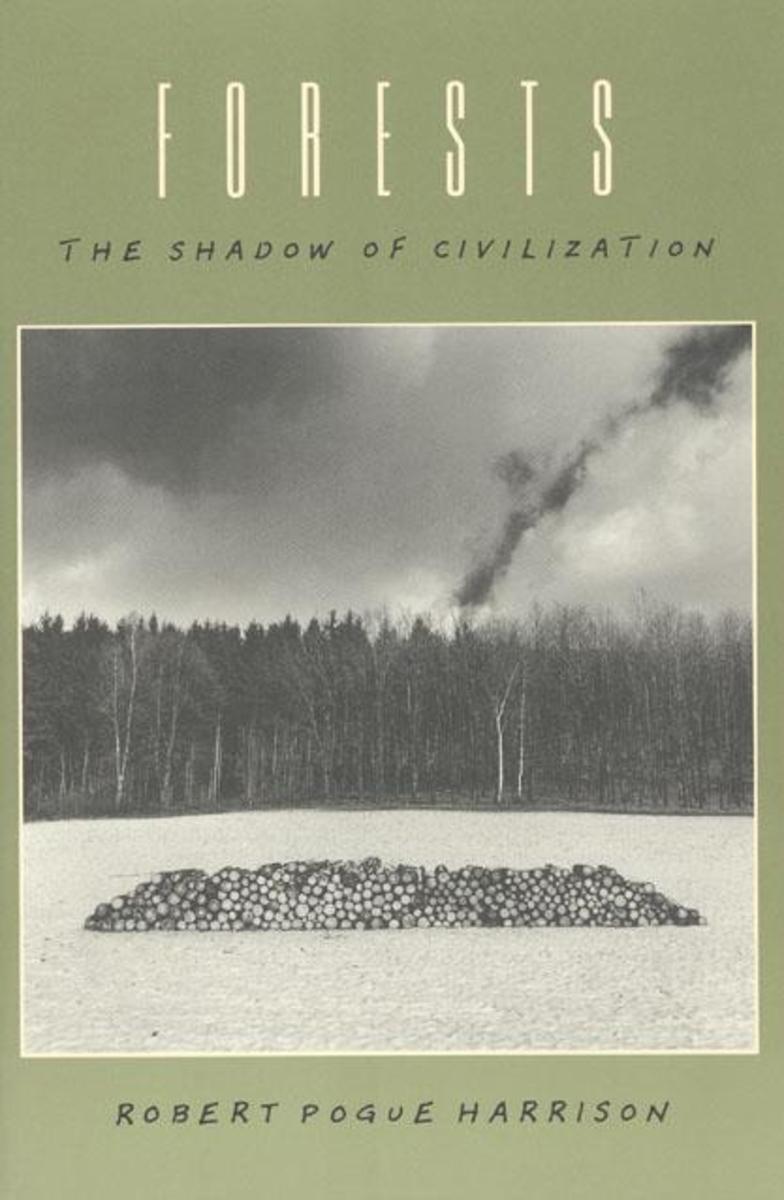
Forests
¥147.15
In this wide-ranging exploration of the role of forests in Western thought, Robert Pogue Harrison enriches our understanding not only of the forest's place in the cultural imagination of the West, but also of the ecological dilemmas that now confront us so urgently. Consistently insightful and beautifully written, this work is especially compelling at a time when the forest, as a source of wonder, respect, and meaning, disappears daily from the earth."e;Forests is one of the most remarkable essays on the human place in nature I have ever read, and belongs on the small shelf that includes Raymond Williams' masterpiece, The Country and the City. Elegantly conceived, beautifully written, and powerfully argued, [Forests] is a model of scholarship at its passionate best. No one who cares about cultural history, about the human place in nature, or about the future of our earthly home, should miss it.-William Cronon, Yale Review"e;Forests is, among other things, a work of scholarship, and one of immense value . . . one that we have needed. It can be read and reread, added to and commented on for some time to come."e;-John Haines, The New York Times Book Review

Ancient Shore
¥105.95
Born in Australia, Shirley Hazzard first moved to Naples as a young woman in the 1950s to take up a job with the United Nations. It was the beginning of a long love affair with the city. The Ancient Shore collects the best of Hazzard's writings on Naples, along with a classic New Yorker essay by her late husband, Francis Steegmuller. For the pair, both insatiable readers, the Naples of Pliny, Gibbon, and Auden is constantly alive to them in the present.With Hazzard as our guide, we encounter Henry James, Oscar Wilde, and of course Goethe, but Hazzard's concern is primarily with the Naples of our own time-often violently unforgiving to innocent tourists, but able to transport the visitor who attends patiently to its rhythms and history. A town shadowed by both the symbol and the reality of Vesuvius can never fail to acknowledge the essential precariousness of life-nor, as the lover of Naples discovers, the human compassion, generosity, and friendship that are necessary to sustain it.Beautifully illustrated by photographs from such masters as Henri Cartier-Bresson and Herbert List, The Ancient Shore is a lyrical letter to a lifelong love: honest and clear-eyed, yet still fervently, endlessly enchanted."e;Much larger than all its parts, this book does full justice to a place, and a time, where 'nothing was pristine, except the light.'"e;-Bookforum"e;Deep in the spell of Italy, Hazzard parses the difference between visiting and living and working in a foreign country. She writes with enormous eloquence and passion of the beauty of getting lost in a place."e;-Susan Slater Reynolds, Los Angeles Times?"e;The two voices join in exquisite harmony. . . . A lovely book."e;-Booklist, starred review

Nature's Ghosts
¥206.01
The rapid growth of the American environmental movement in recent decades obscures the fact that long before the first Earth Day and the passage of the Endangered Species Act, naturalists and concerned citizens recognized-and worried about-the problem of human-caused extinction.As Mark V. Barrow reveals in Nature's Ghosts, the threat of species loss has haunted Americans since the early days of the republic. From Thomas Jefferson's day-when the fossil remains of such fantastic lost animals as the mastodon and the woolly mammoth were first reconstructed-through the pioneering conservation efforts of early naturalists like John James Audubon and John Muir, Barrow shows how Americans came to understand that it was not only possible for entire species to die out, but that humans themselves could be responsible for their extinction. With the destruction of the passenger pigeon and the precipitous decline of the bison, professional scientists and wildlife enthusiasts alike began to understand that even very common species were not safe from the juggernaut of modern, industrial society. That realization spawned public education and legislative campaigns that laid the foundation for the modern environmental movement and the preservation of such iconic creatures as the bald eagle, the California condor, and the whooping crane.A sweeping, beautifully illustrated historical narrative that unites the fascinating stories of endangered animals and the dedicated individuals who have studied and struggled to protect them, Nature's Ghosts offers an unprecedented view of what we've lost-and a stark reminder of the hard work of preservation still ahead.
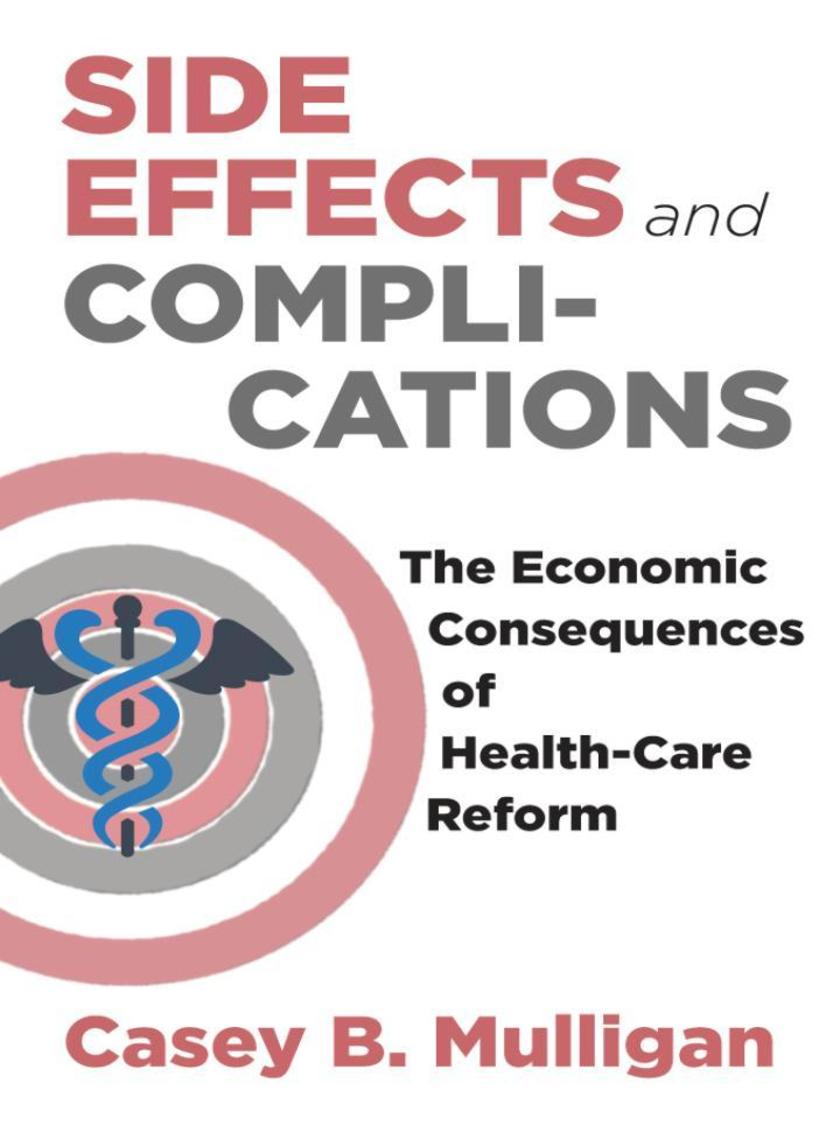
Side Effects and Complications
¥147.15
The Affordable Care Act will have a dangerous effect on the American economy. That may sound like a political stance, but it's a conclusion directly borne out by economic forecasts.In Side Effects and Complications, preeminent labor economist Casey B. Mulligan brings to light the dire economic realities that have been lost in the ideological debate over the ACA, and he offers an eye-opening, accessible look at the price American citizens will pay because of it.Looking specifically at the labor market, Mulligan reveals how the costs of health care under the ACA actually create implicit taxes on individuals, and how increased costs to employers will be passed on to their employees. Mulligan shows how, as a result, millions of workers will find themselves in a situation in which full-time work, adjusted for the expense of health care, will actually pay less than part-time work or even not working at all. Analyzing the incentives-or lack thereof-for people to earn more by working more, Mulligan offers projections on how many hours people will work and how productively they will work, as well as how much they will spend in general. Using the powerful tools of economics, he then illustrates the detrimental consequences on overall employment in the near future.Drawing on extensive knowledge of the labor market and the economic theories at its foundation, Side Effects and Complications offers a crucial wake-up call about the risks the ACA poses for the economy. Plainly laying out the true costs of the ACA, Mulligan's grounded and thorough predictions are something that workers and policy makers cannot afford to ignore.

Bas Jan Ader
¥141.26
On July 9, 1975, Dutch-born artist Bas Jan Ader set sail from Chatham, Massachusetts, on a thirteen-foot sailboat. He was bound for Falmouth, England, on the second leg of a three-part piece titled In Search of the Miraculous. The damaged boat was found south of the western tip of Ireland nearly a year later. Ader was never seen again.?Since his untimely death, Ader has achieved mythic status in the art world as a figure literally willing to die for his art. Considering the artist's legacy and concise oeuvre beyond the romantic and tragic associations that accompany his peculiar end, Alexander Dumbadze resituates Ader's art and life within the conceptual art world of Los Angeles in the early 1970s and offers a nuanced argument about artistic subjectivity that explains Ader's tremendous relevance to contemporary art.?Bas Jan Ader blends biography, theoretical reflection, and archival research to draw a detailed picture of the world in which Ader's work was rooted: a vibrant international art scene populated with peers such as Ger van Elk, William Leavitt, and Allen Ruppersberg. Dumbadze looks closely at Ader's engagement with questions of free will and his ultimate success in creating art untainted by mediation. The first in-depth study of this enigmatic conceptual artist, Bas Jan Ader is a thoughtful reflection on the necessity of the creative act and its inescapable relation to death.

Big Jones Cookbook
¥147.15
You expect to hear about restaurant kitchens in Charleston, New Orleans, or Memphis perfecting plates of the finest southern cuisine-from hearty red beans and rice to stewed okra to crispy fried chicken. But who would guess that one of the most innovative chefs cooking heirloom regional southern food is based not in the heart of biscuit country, but in the grain-fed Midwest-in Chicago, no lessSince 2008, chef Paul Fehribach has been introducing Chicagoans to the delectable pleasures of Lowcountry cuisine, while his restaurant Big Jones has become a home away from home for the city's southern diaspora. From its inception, Big Jones has focused on cooking with local and sustainably grown heirloom crops and heritage livestock, reinvigorating southern cooking through meticulous technique and the unique perspective of its Midwest location. And with The Big Jones Cookbook, Fehribach brings the rich stories and traditions of regional southern food to kitchens everywhere.?Organized by region, The Big Jones Cookbook provides an original look at southern heirloom cooking with a focus on history, heritage, and variety. Throughout, Fehribach interweaves personal experience, historical knowledge, and culinary creativity, all while offering tried-and-true takes on everything from Reezy-Peezy to Gumbo Ya-Ya, Chicken and Dumplings, and Crispy Catfish. Fehribach's dishes reflect his careful attention to historical and culinary detail, and many recipes are accompanied by insights about their origins. In addition to the regional chapters, the cookbook features sections on breads, from sweet potato biscuits to spoonbread; pantry put-ups like bread and butter pickles and chow-chow; cocktails, such as the sazerac; desserts, including Sea Island benne cake; as well as an extensive section on snout-to-tail cooking, including homemade Andouille and pickled pigs' feet.?Proof that you need not possess a thick southern drawl to appreciate the comfort of creamy grits and the skill of perfectly fried green tomatoes, The Big Jones Cookbook will be something to savor regardless of where you set your table.

Who Freed the Slaves?
¥147.15
In the popular imagination, slavery in the United States ended with Abraham Lincoln's Emancipation Proclamation. The Proclamation may have been limited-freeing only slaves within Confederate states who were able to make their way to Union lines-but it is nonetheless generally seen as the key moment, with Lincoln's leadership setting into motion a train of inevitable events that culminated in the passage of an outright ban: the Thirteenth Amendment.?The real story, however, is much more complicated-and dramatic-than that. With Who Freed the Slaves?, distinguished historian Leonard L. Richards tells the little-known story of the battle over the Thirteenth Amendment, and of James Ashley, the unsung Ohio congressman who proposed the amendment and steered it to passage. Taking readers to the floor of Congress and the back rooms where deals were made, Richards brings to life the messy process of legislation-a process made all the more complicated by the bloody war and the deep-rooted fear of black emancipation. We watch as Ashley proposes, fine-tunes, and pushes the amendment even as Lincoln drags his feet, only coming aboard and providing crucial support at the last minute. Even as emancipation became the law of the land, Richards shows, its opponents were already regrouping, beginning what would become a decades-long-and largely successful-fight to limit the amendment's impact.?Who Freed the Slavesis a masterwork of American history, presenting a surprising, nuanced portrayal of a crucial moment for the nation, one whose effects are still being felt today.
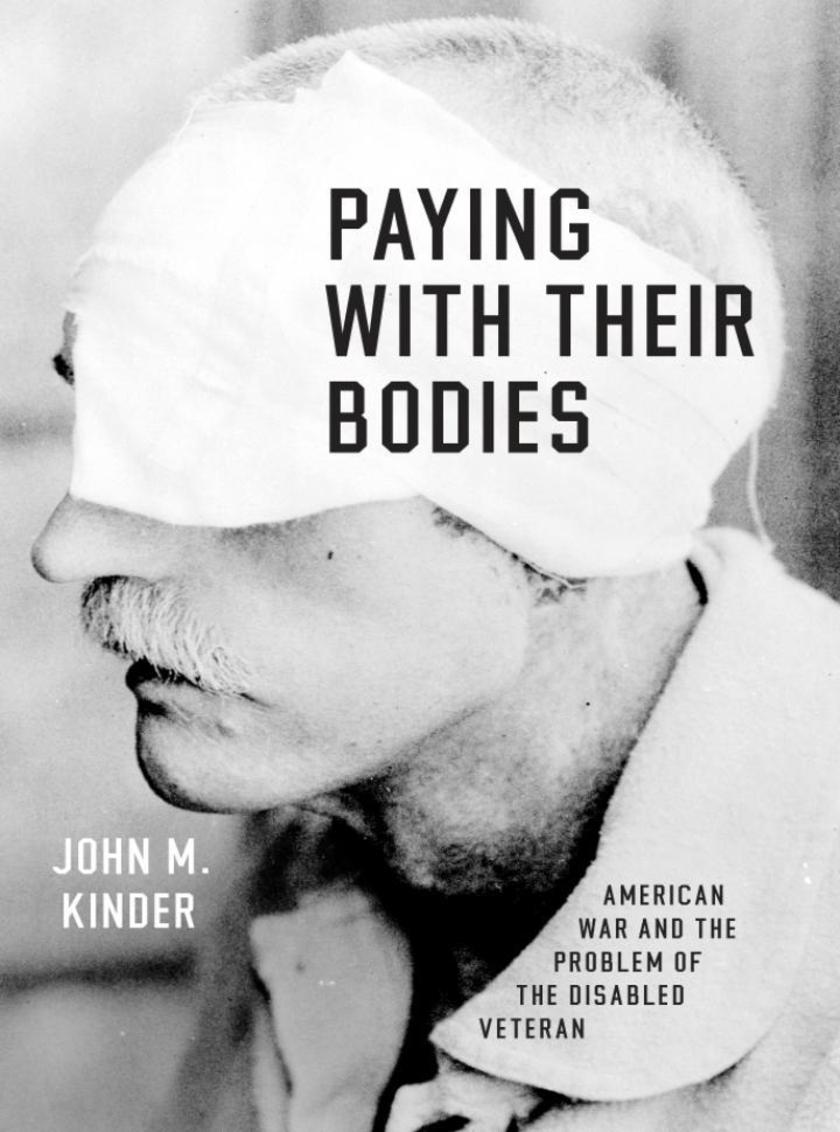
Paying with Their Bodies
¥147.15
Christian Bagge, an Iraq War veteran, lost both his legs in a roadside bomb attack on his Humvee in 2006. Months after the accident, outfitted with sleek new prosthetic legs, he jogged alongside President Bush for a photo op at the White House. The photograph served many functions, one of them being to revive faith in an American martial ideal-that war could be fought without permanent casualties, and that innovative technology could easily repair war's damage. When Bagge was awarded his Purple Heart, however, military officials asked him to wear pants to the ceremony, saying that photos of the event should be "e;soft on the eyes."e; Defiant, Bagge wore shorts.America has grappled with the questions posed by injured veterans since its founding, and with particular force since the early twentieth century: What are the nation's obligations to those who fight in its nameAnd when does war's legacy of disability outweigh the nation's interests at home and abroadIn Paying with Their Bodies, John M. Kinder traces the complicated, intertwined histories of war and disability in modern America. Focusing in particular on the decades surrounding World War I, he argues that disabled veterans have long been at the center of two competing visions of American war: one that highlights the relative safety of US military intervention overseas; the other indelibly associating American war with injury, mutilation, and suffering. Kinder brings disabled veterans to the center of the American war story and shows that when we do so, the history of American war over the last century begins to look very different. War can no longer be seen as a discrete experience, easily left behind; rather, its human legacies are felt for decades.The first book to examine the history of American warfare through the lens of its troubled legacy of injury and disability, Paying with Their Bodies will force us to think anew about war and its painful costs.
Marvelous Clouds
¥147.15
When we speak of clouds these days, it is as likely that we mean data clouds or network clouds as cumulus or stratus. In their sharing of the term, both kinds of clouds reveal an essential truth: that the natural world and the technological world are not so distinct. In The Marvelous Clouds, John Durham Peters argues that though we often think of media as environments, the reverse is?just as true-environments are media.Peters defines media expansively as elements that compose the human world. Drawing from ideas implicit in media philosophy, Peters argues that media are more than carriers of messages: they are the very infrastructures combining nature and culture that allow human life to thrive. ?Through an encyclopedic array of examples from the oceans to the skies, The Marvelous Clouds reveals the long prehistory of so-called new media. Digital media, Peters argues, are an extension of early practices tied to the establishment of civilization such as mastering fire, building calendars, reading the stars, creating language, and establishing religions. New media do not take us into uncharted waters, but rather confront us with the deepest and oldest questions of society and ecology: how to manage the relations people have with themselves, others, and the natural world.A wide-ranging meditation on the many means we have employed to cope with the struggles of existence-from navigation to farming, meteorology to Google-The Marvelous Clouds shows how media lie at the very heart of our interactions with the world around us. ?Peters's ?book will not only change how we think about media but provide a new appreciation for the day-to-day foundations of life on earth that we so often take for granted.
Handbook for Science Public Information Officers
¥206.01
Whether sharing a spectacular shot from a deep-space probe, announcing a development in genetic engineering, or crafting an easy-to-reference list of cancer risk factors, science public information officers, or PIOs, serve as scientific liaisons, connecting academic, nonprofit, government, and other research organizations with the public. And as traditional media outlets cut back on their science coverage, PIOs are becoming a vital source for science news.W. Matthew Shipman's Handbook for Science Public Information Officers covers all aspects of communication strategy and tactics for members of this growing specialty. It includes how to pitch a story, how to train researchers to navigate interviews, how to use social media effectively, and how to respond to a crisis. The handbook offers a wealth of practical advice while teaching science PIOs how to think critically about what they do and how they do it, so that they will be prepared to take advantage of any situation, rather than being overwhelmed by it.For all science communicators-whether they're starting their careers, crossing over from journalism or the research community, or professional communicators looking to hone their PIO skills-Shipman's Handbook for Science Public Information Officers will become their go-to reference.
Chicago Guide to Writing about Numbers, Second Edition
¥206.01
Earning praise from scientists, journalists, faculty, and students, The Chicago Guide to Writing about Numbers has helped thousands of writers communicate data clearly and effectively. Its publication offered a much-needed bridge between good quantitative analysis and clear expository writing, using straightforward principles and efficient prose. With this new edition, Jane Miller draws on a decade of additional experience and research, expanding her advice on reaching everyday audiences and further integrating non-print formats.Miller, an experienced teacher of research methods, statistics, and research writing, opens by introducing a set of basic principles for writing about numbers, then presents a toolkit of techniques that can be applied to prose, tables, charts, and presentations. Throughout the book, she emphasizes flexibility, showing writers that different approaches work for different kinds of data and different types of audiences.The second edition adds a chapter on writing about numbers for lay audiences, explaining how to avoid overwhelming readers with jargon and technical issues. Also new is an appendix comparing the contents and formats of speeches, research posters, and papers, to teach writers how to create all three types of communication without starting each from scratch. An expanded companion website includes new multimedia resources such as slide shows and podcasts that illustrate the concepts and techniques, along with an updated study guide of problem sets and suggested course extensions.This continues to be the only book that brings together all the tasks that go into writing about numbers, integrating advice on finding data, calculatingstatistics, organizing ideas, designing tables and charts, and writing prose all in one volume. Field-tested with students and professionals alike, this holistic book is the go-to guide for everyone who writes or speaks about numbers.
Civic Jazz
¥206.01
Jazz is born of collaboration, improvisation, and listening. In much the same way, the American democratic experience is rooted in the interaction of individuals. It is these two seemingly disparate, but ultimately thoroughly American, conceits that Gregory Clark examines in Civic Jazz. Melding Kenneth Burke's concept of rhetorical communication and jazz music's aesthetic encounters with a rigorous sort of democracy, this book weaves an innovative argument about how individuals can preserve and improve civic life in a democratic culture.Jazz music, Clark argues, demonstrates how this aesthetic rhetoric of identification can bind people together through their shared experience in a common project. While such shared experience does not demand agreement-indeed, it often has an air of competition-it does align people in practical effort and purpose. Similarly, Clark shows, Burke considered Americans inhabitants of a persistently rhetorical situation, in which each must choose constantly to identify with some and separate from others. Thought-provoking and path-breaking, Clark's harmonic mashup of music and rhetoric will appeal to scholars across disciplines as diverse as political science, performance studies, musicology, and literary criticism.
Organizing Locally
¥206.01
We love the local. From the cherries we buy, to the grocer who sells them, to the school where our child unpacks them for lunch, we express resurgent faith in decentralizing the institutions and businesses that arrange our daily lives. But the fact is that huge, bureaucratic organizations often still shape the character of our jobs, schools, the groceries where we shop, and even the hospitals we entrust with our lives. So how, exactly, can we work small, when everything around us is so big, so global and standardizedIn Organizing Locally, Bruce Fuller shows us, taking stock of America's rekindled commitment to localism across an illuminating range of sectors, unearthing the crucial values and practices of decentralized firms that work.?Fuller first untangles the economic and cultural currents that have eroded the efficacy of-and our trust in-large institutions over the past half century. From there we meet intrepid leaders who have been doing things differently. Traveling from a charter school in San Francisco to a veterans service network in Iowa, from a Pennsylvania health-care firm to the Manhattan branch of a Swedish bank, he explores how creative managers have turned local staff loose to craft inventive practices, untethered from central rules and plain-vanilla routines. By holding their successes and failures up to the same analytical light, he vividly reveals the key cornerstones of social organization on which motivating and effective decentralization depends. Ultimately, he brings order and evidence to the often strident debates about who has the power-and on what scale-to structure how we work and live locally.Written for managers, policy makers, and reform activists, Organizing Locally details the profound decentering of work and life inside firms, unfolding across postindustrial societies. Its fresh theoretical framework explains resurging faith in decentralized organizations and the ingredients that deliver vibrant meaning and efficacy for residents inside. Ultimately, it is a synthesizing study, a courageous and radical new way of conceiving of American vitality, creativity, and ambition.?

Under a Bad Sign
¥229.55
Many people have contributed to the completion of this book.Its inception can be traced to a seminar that Lary May and Paula Rabinowitz asked me to deliver on hip hop's gangsta culture toward the end of my graduate studies in the American studies program at the University of Minnesota.The media hype and moral panic surrounding gangsta culture in the early 1990s bore an uncanny resemblance to the troublesome reception of Hollywood's white ethnic gangsters in the 1930s, the subject of my research at the time.The chance to discuss the gangster/gangsta relation also fueled the development of an undergraduate course on African American popular culture.So I have the American studies faculty and fellow graduates in Scott Hall, as well as the students on the consequent course, to thank for setting me on the road to writing Under a Bad Sign.A particular shout-out has to go to John Wright, who insisted I dig up Claude McKay's Harlem: Negro Metropolis in the rare books section of Wilson Library to see how deep the provenance and complex the relationship was between black denizens of the American city and their gangster culture heroes.

Nostalgia for the Future
¥211.90
Since the end of the cold war, Africa has seen a dramatic rise in new political and religious phenomena, including an eviscerated privatized state, neoliberal NGOs, Pentecostalism, a resurgence in accusations of witchcraft, a culture of scamming and fraud, and, in some countries, a nearly universal wish to emigrate. Drawing on fieldwork in Togo, Charles Piot suggests that a new biopolitics after state sovereignty is remaking the face of one of the world's poorest regions.In a country where playing the U.S. Department of State's green card lottery is a national pastime and the preponderance of cybercafs and Western Union branches signals a widespread desire to connect to the rest of the world, Nostalgia for the Future makes clear that the cultural and political terrain that underlies postcolonial theory has shifted. In order to map out this new terrain, Piot enters into critical dialogue with a host of important theorists, including Agamben, Hardt and Negri, Deleuze, and Mbembe. The result is a deft interweaving of rich observations of Togolese life with profound insights into the new, globalized world in which that life takes place.
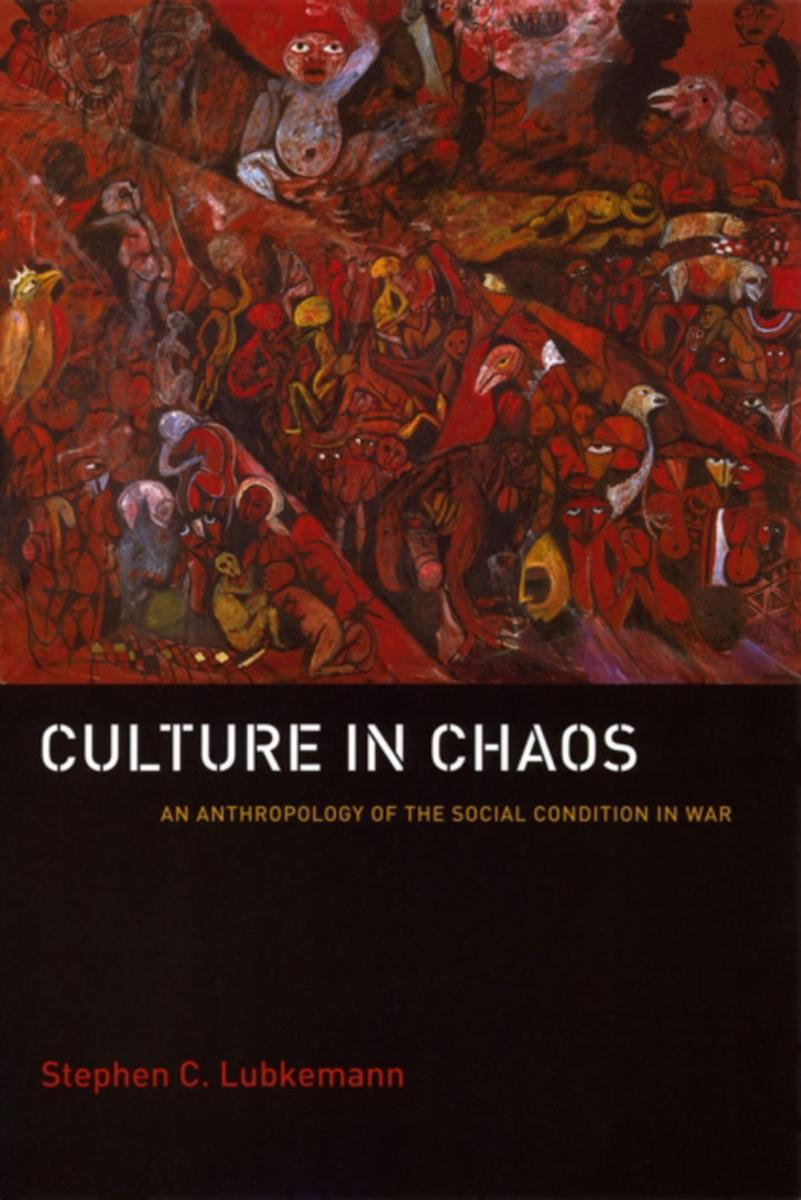
Culture in Chaos
¥282.53
Fought in the wake of a decade of armed struggle against colonialism, the Mozambican civil war lasted from 1977 to 1992, claiming hundreds of thousands of lives while displacing millions more. As conflicts across the globe span decades and generations, Stephen C. Lubkemann suggests that we need a fresh perspective on war when it becomes the context for normal life rather than an exceptional event that disrupts it. Culture in Chaos calls for a new point of departure in the ethnography of war that investigates how the inhabitants of war zones live under trying new conditions and how culture and social relations are transformed as a result.Lubkemann focuses on how Ndau social networks were fragmented by wartime displacement and the profound effect this had on gender relations. Demonstrating how wartime migration and post-conflict return were shaped by social struggles and interests that had little to do with the larger political reasons for the war, Lubkemann contests the assumption that wartime migration is always involuntary. His critical reexamination of displacement and his engagement with broader theories of agency and social change will be of interest to anthropologists, political scientists, historians, and demographers, and to anyone who works in a war zone or with refugees and migrants.


