


 购物车
 个人中心

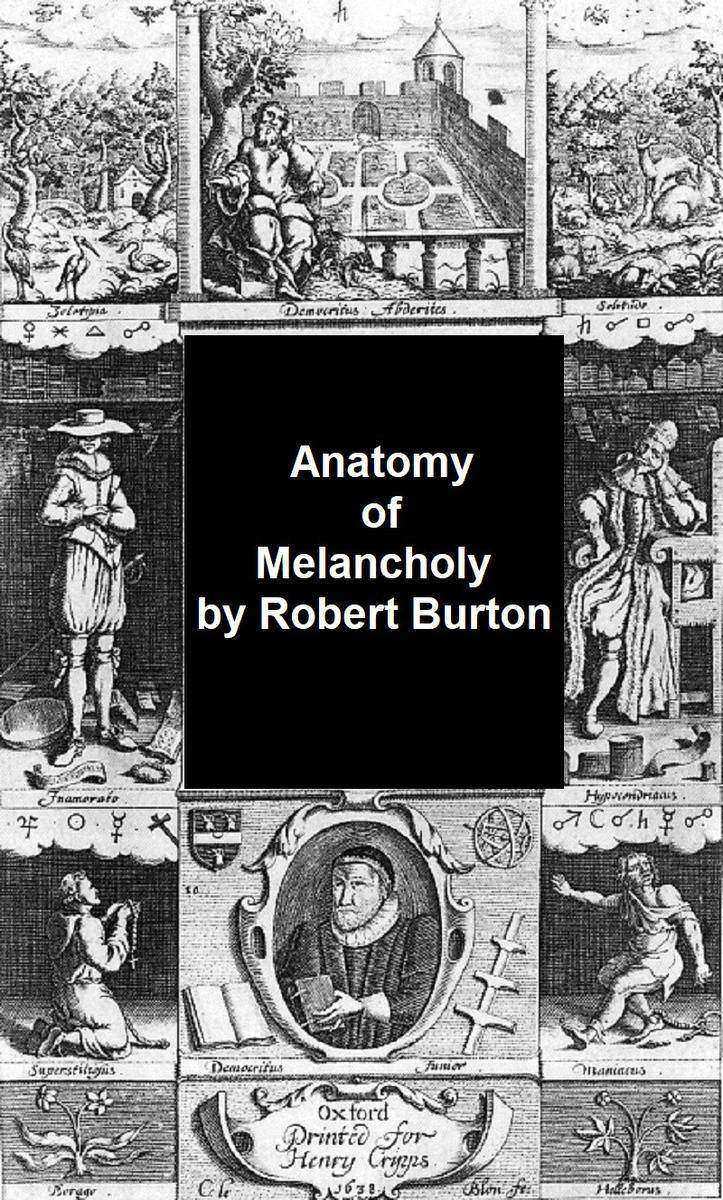
Anatomy of Melancholy
¥8.09
According to Wikipedia: "The Anatomy of Melancholy (Full title: The Anatomy of Melancholy, What it is: With all the Kinds, Causes, Symptomes, Prognostickes, and Several Cures of it. In Three Maine Partitions with their several Sections, Members, and Subsections. Philosophically, Medicinally, Historically, Opened and Cut Up) is a book by Robert Burton, first published in 1621. Burton's book consists mostly of a collection of opinions of a multitude of writers, grouped under quaint and old-fashioned divisions; in a solemn tone Burton endeavoured to prove indisputable facts by weighty quotations. The subjects discussed and determined by Burton ranged from the doctrines of religion to military discipline, from inland navigation to the morality of dancing-schools. On its surface, the book is presented as a medical textbook in which Burton applies his vast and varied learning, in the scholastic manner, to the subject of melancholia (which includes what is now termed clinical depression). Though presented as a medical text, The Anatomy of Melancholy is as much a sui generis work of literature as it is a scientific or philosophical text, and Burton addresses far more than his stated subject. In fact, the Anatomy uses melancholy as the lens through which all human emotion and thought may be scrutinized, and virtually the entire contents of a 17th-century library are marshalled into service of this goal. It is encyclopedic in its range and reference. In his satirical preface to the reader, Burton's persona Democritus Junior explains, "I write of melancholy by being busy to avoid melancholy." This is characteristic of the author's style, which often supersedes the book's strengths as a medical text or historical document as its main source of appeal to admirers. Both satirical and serious in tone, the Anatomy is "vitalized by (Burton's) pervading humour",[3] and Burton's digressive and inclusive style, often verging on a stream of consciousness, consistently informs and animates the text."
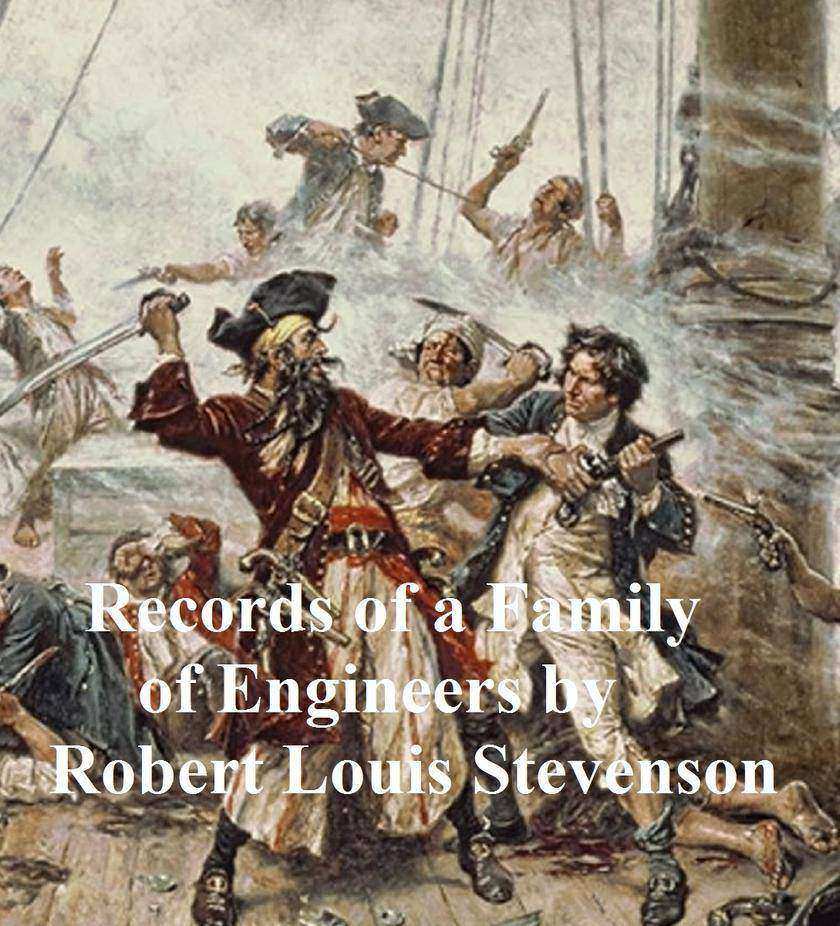
Records of a Family of Engineers
¥8.09
Robert Louis Stevenson's account of his ancestors. According to Wikipedia: "Robert Louis (Balfour) Stevenson ( 1850 - 1894), was a Scottish novelist, poet, and travel writer, and a leading representative of Neo-romanticism in English literature. He was the man who "seemed to pick the right word up on the point of his pen, like a man playing spillikins", as G. K. Chesterton put it. He was also greatly admired by many authors, including Jorge Luis Borges, Ernest Hemingway, Rudyard Kipling, Vladimir Nabokov, and J. M. Barrie. Most modernist writers dismissed him, however, because he was popular and did not write within their definition of modernism. It is only recently that critics have begun to look beyond Stevenson's popularity and allow him a place in the canon."

Szívhang 416. (Egy kis szerencse)
¥18.74
Szívhang 416. (Egy kis szerencse)

Jeromos és Mihály
¥25.67
Jeromos és Mihály
Romana 470. (Hajnalcsillag)
¥18.74
Romana 470. (Hajnalcsillag)
Bianca 241. (Az a fránya cipzár)
¥18.74
Bianca 241. (Az a fránya cipzár)
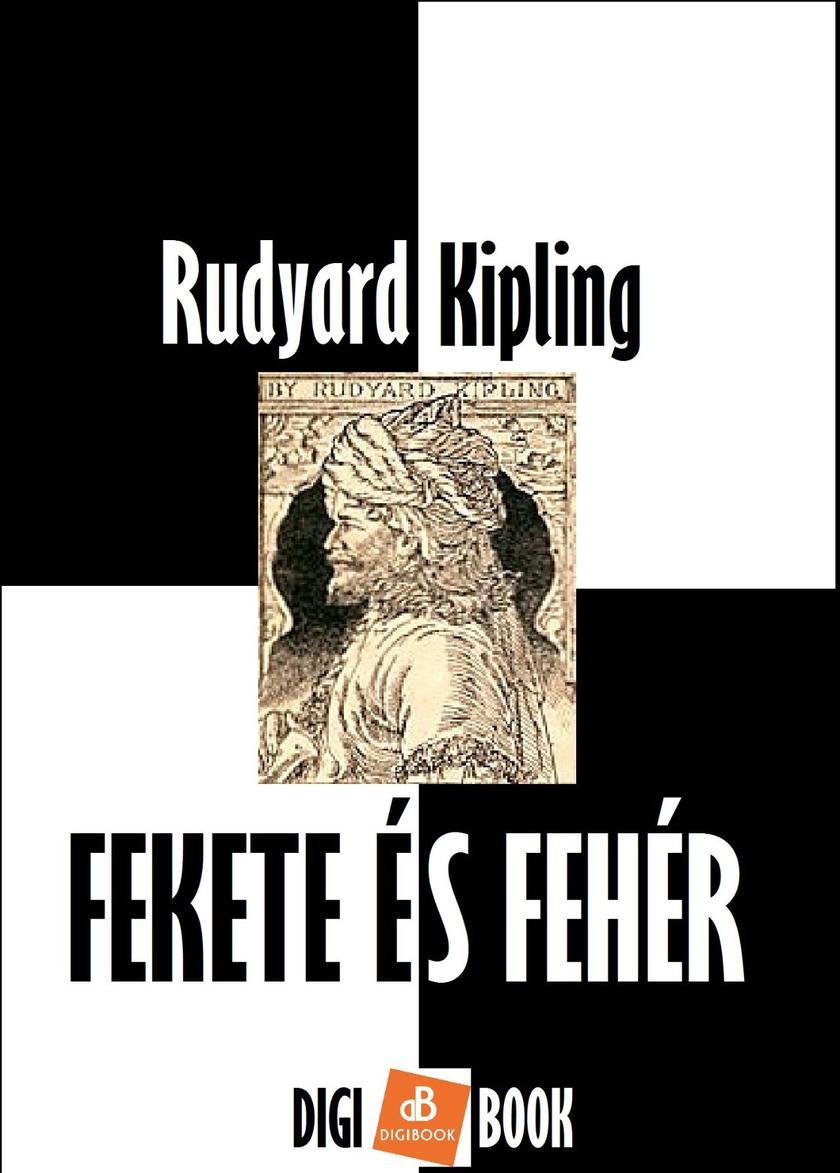
Fekete és fehér
¥28.53
Fekete és fehér

Júlia 476. (Szilveszter el?tt)
¥18.74
Júlia 476. (Szilveszter el?tt)
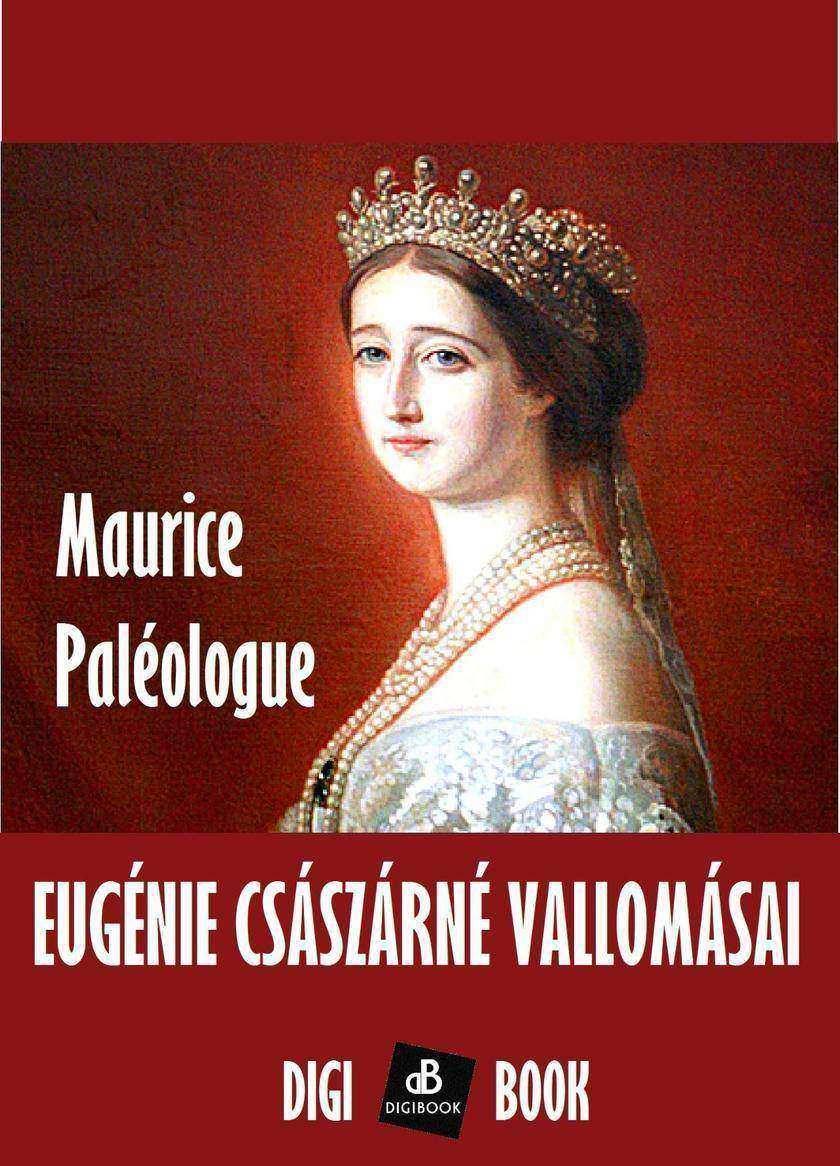
Eugénie császárné vallomásai
¥25.67
Eugénie császárné vallomásai

Júlia 474. (Termékeny tévedés)
¥18.74
Júlia 474. (Termékeny tévedés)

Eltitkolt származás: Második rész
¥37.11
Eltitkolt származás: Második rész

A sírásó
¥22.73
A sírásó

Szívhang kül?nszám 29. k?tet
¥43.08
Szívhang kül?nszám 29. k?tet
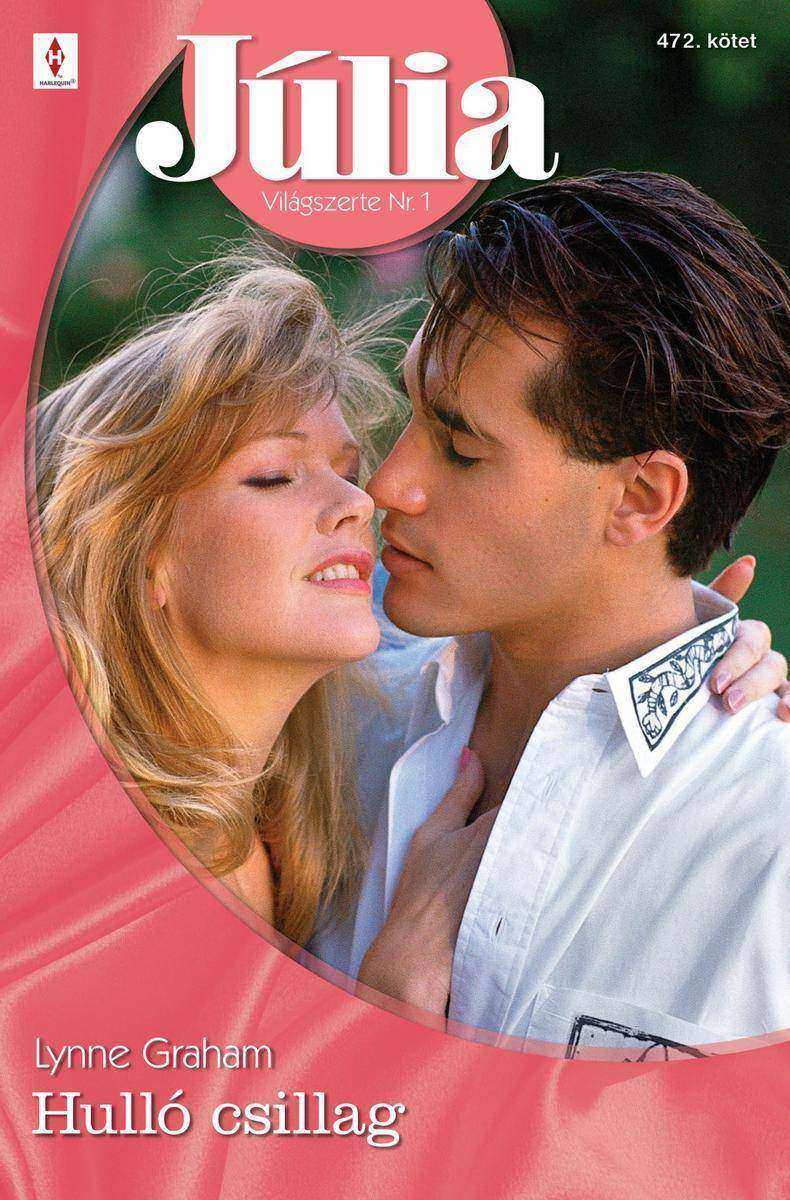
Júlia 472. (Hulló csillag)
¥18.74
Júlia 472. (Hulló csillag)

Romana 461. (Becsületbeli ügy)
¥18.74
Romana 461. (Becsületbeli ügy)

Magyar tük?r
¥22.73
Magyar tük?r

Az ?nz? óriás - The Selfish Giant
¥22.73
Az ?nz? óriás - The Selfish Giant

Szívhang kül?nszám 28. k?tet
¥43.08
Szívhang kül?nszám 28. k?tet

Az árnyékvonal
¥34.25
Az árnyékvonal

Júlia kül?nszám 40. k?tet
¥37.36
Júlia kül?nszám 40. k?tet
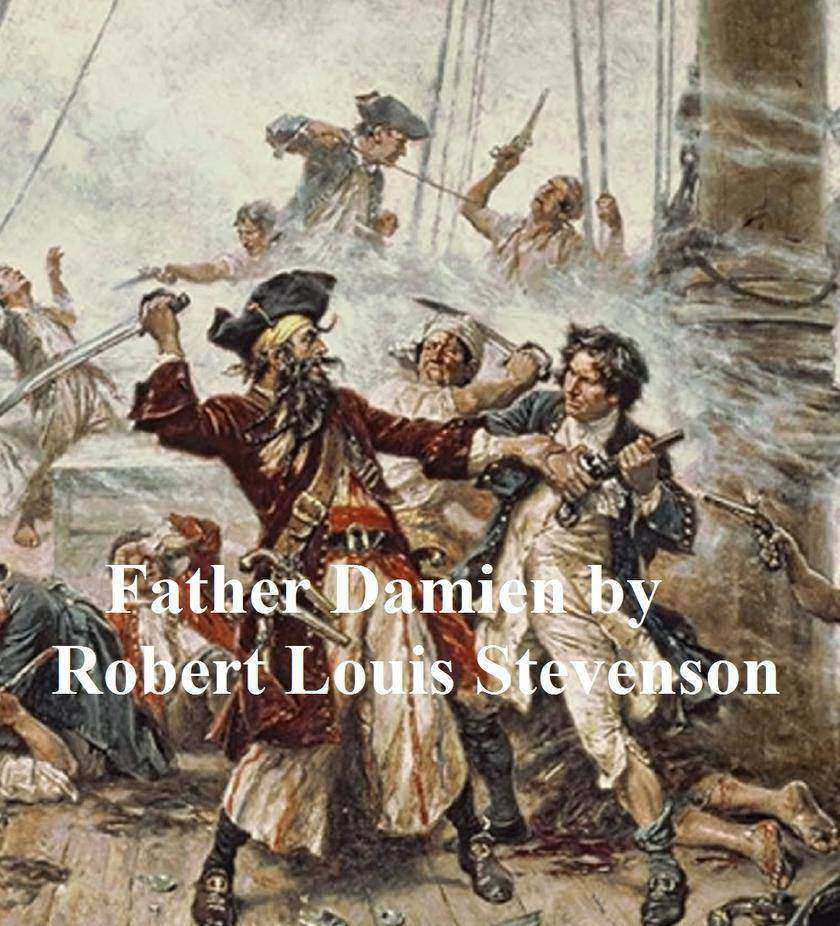
Father Damien
¥8.09
Short essay. According to Wikipedia: "Robert Louis (Balfour) Stevenson ( 1850 - 1894), was a Scottish novelist, poet, and travel writer, and a leading representative of Neo-romanticism in English literature. He was the man who "seemed to pick the right word up on the point of his pen, like a man playing spillikins", as G. K. Chesterton put it. He was also greatly admired by many authors, including Jorge Luis Borges, Ernest Hemingway, Rudyard Kipling, Vladimir Nabokov, and J. M. Barrie. Most modernist writers dismissed him, however, because he was popular and did not write within their definition of modernism. It is only recently that critics have begun to look beyond Stevenson's popularity and allow him a place in the canon."


