


 购物车
购物车 个人中心
个人中心

American Railroads
¥211.90
Few scenes capture the American experience so eloquently as that of a lonely train chugging across the vastness of the Great Plains, or snaking through tortuous high mountain passes. Although this vision was eclipsed for a time by the rise of air travel and trucking, railroads have enjoyed a rebirth in recent years as profitable freight carriers.A fascinating account of the rise, decline, and rebirth of railroads in the United States, John F. Stover's American Railroads traces their history from the first lines that helped eastern seaports capture western markets to today's newly revitalized industry. Stover describes the growth of the railroads' monopoly, with the consequent need for state and federal regulations; relates the vital part played by the railroads during the Civil War and the two World Wars; and charts the railroads' decline due to the advent of air travel and trucking during the 1950s.In two new chapters, Stover recounts the remarkable recovery of the railroads, along with other pivotal events of the industry's recent history. During the 1960s declining passenger traffic and excessive federal regulation led to the federally-financed creation of Amtrak to revive passenger service and Conrail to provide freight service on bankrupt northeastern railroads. The real savior for the railroads, though, proved to be the Staggers Rail Act of 1980, which brought prosperity to rail freight carriers by substantially deregulating the industry. By 1995, renewed railroad freight traffic had reached nearly twice its former peak in 1944.Bringing both a seasoned eye and new insights to bear on one of the most American of industries, Stover has produced the definitive history of railroads in the United States.

War on Error
¥150.29
War on Error brings together the stories of twelve young people, all vastly different but all American, and all Muslim. Their approaches to religion couldn't be more diverse: from a rapper of Korean and Egyptian descent to a bisexual Sudanese American to a converted white woman from Colorado living in Cairo and wearing the hijab. These individuals, whether they were born to the religion or came to it on their own, have made their own decisions about how observant they'll be, whether or not to fast, how often to pray, and what to wear. Though each story is unique, each is also seen through the searching eyes of Melody Moezzi, herself an American Muslim of Iranian descent. She finds that the people she interviews are horrified that, in a post-9/11 world, they have seen their religion come to be represented, in the minds of many Americans, by terrorism. These thoughtful and articulate individuals represent the truth about the faith and its adherents who are drawn to the logic, compassion, and tolerance they find in Muslim teachings. Moezzi, ever comfortable with contradiction and nuance, is a likable narrator whose underlying assumption that "e;faith is greater than dogma"e; is strengthened as she learns more about her religion and faces her own biases and blind spots. This fresh new voice, combined with the perceptions and experiences of her fellow American Muslims, make for a read that is both illuminating and enjoyable.
Measuring Capital in the New Economy
¥1024.16
As the accelerated technological advances of the past two decades continue to reshape the United States' economy, intangible assets and high-technology investments are taking larger roles. These developments have raised a number of concerns, such as: how do we measure intangible assetsAre we accurately appraising newer, high-technology capitalThe answers to these questions have broad implications for the assessment of the economy's growth over the long term, for the pace of technological advancement in the economy, and for estimates of the nation's wealth.In Measuring Capital in the New Economy, Carol Corrado, John Haltiwanger, Daniel Sichel, and a host of distinguished collaborators offer new approaches for measuring capital in an economy that is increasingly dominated by high-technology capital and intangible assets. As the contributors show, high-tech capital and intangible assets affect the economy in ways that are notoriously difficult to appraise. In this detailed and thorough analysis of the problem and its solutions, the contributors study the nature of these relationships and provide guidance as to what factors should be included in calculations of different types of capital for economists, policymakers, and the financial and accounting communities alike.
Improbability of Othello
¥488.54
Shakespeare's dramatis personae exist in a world of supposition, struggling to connect knowledge that cannot be had, judgments that must be made, and actions that need to be taken.For them, probability-what they and others might be persuaded to believe-governs human affairs, not certainty. Yet negotiating the space of probability is fraught with difficulty. Here, Joel B. Altman explores the problematics of probability and the psychology of persuasion in Renaissance rhetoric and Shakespeare's theater.Focusing on the Tragedy of Othello, Altman investigates Shakespeare's representation of the self as a specific realization of tensions pervading the rhetorical culture in which he was educated and practiced his craft. In Altman's account, Shakespeare also restrains and energizes his audiences' probabilizing capacities, alternately playing the skeptical critic and dramaturgic trickster. A monumental work of scholarship by one of America's most respected scholars of Renaissance literature, The Improbability of Othello contributes fresh ideas to our understanding of Shakespeare's conception of the self, his shaping of audience response, and the relationship of actors to his texts.
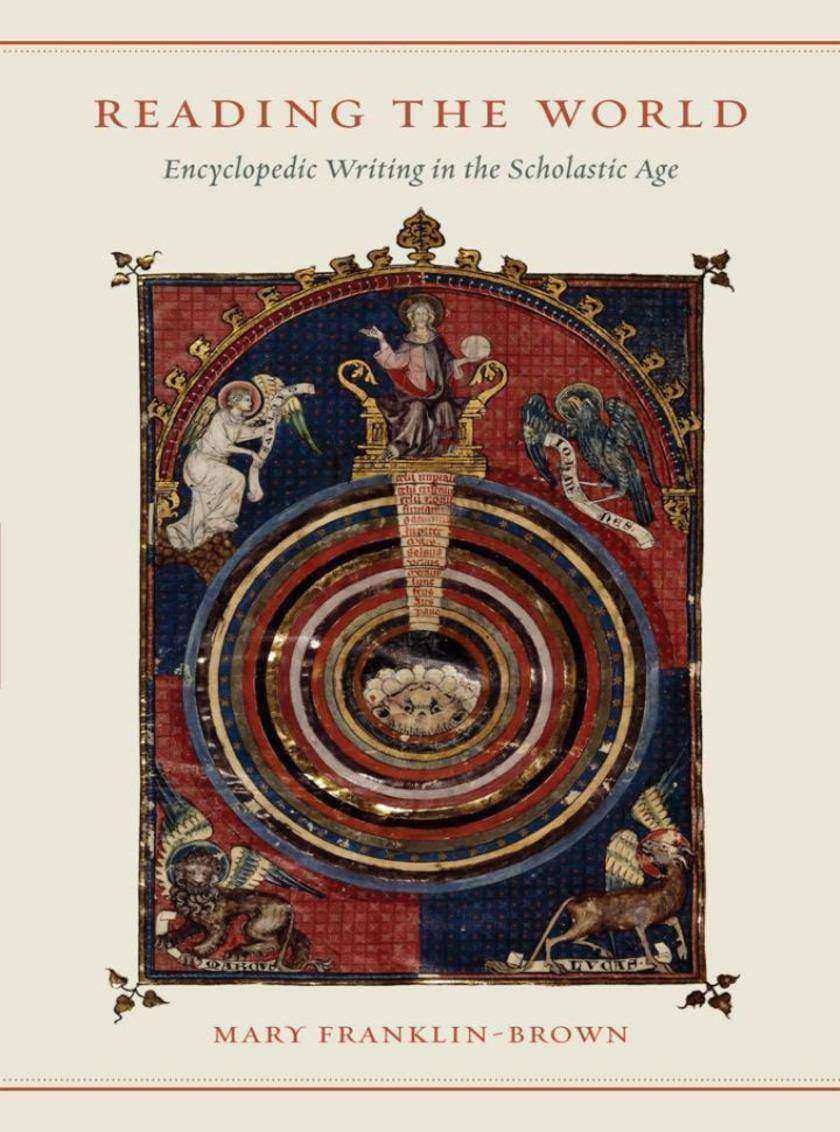
Reading the World
¥488.54
The thirteenth century saw such a proliferation of new encyclopedic texts that more than one scholar has called it the "e;century of the encyclopedias."e; Variously referred to as a speculum, thesaurus, or imago mundi-the term encyclopedia was not commonly applied to such books until the eighteenth century-these texts were organized in such a way that a reader could easily locate a collection of authoritative statements on any given topic. Because they reproduced, rather than simply summarized, parts of prior texts, these compilations became libraries in miniature.?In this groundbreaking study, Mary Franklin-Brown examines writings in Latin, Catalan, and French that are connected to the encyclopedic movement: Vincent of Beauvais's Speculum maius; Ramon Llull's Libre de meravelles, Arbor scientiae, and Arbre de filosofia d'amor; and Jean de Meun's continuation of the Roman de la Rose. Franklin-Brown analyzes the order of knowledge in these challenging texts, describing the wide-ranging interests, the textual practices-including commentary, compilation, and organization-and the diverse discourses that they absorb from preexisting classical, patristic, and medieval writing. She also demonstrates how these encyclopedias, like libraries, became "e;heterotopias"e; of knowledge-spaces where many possible ways of knowing are juxtaposed.?But Franklin-Brown's study will not appeal only to historians: she argues that a revised understanding of late medievalism makes it possible to discern a close connection between scholasticism and contemporary imaginative literature. She shows how encyclopedists employed the same practices of figuration, narrative, and citation as poets and romanciers, while much of the difficulty of the imaginative writing of this period derives from a juxtaposition of heterogeneous discourses inspired by encyclopedias.With rich and innovative readings of texts both familiar and neglected, Reading the World reveals how the study of encyclopedism can illuminate both the intellectual work and the imaginative writing of the scholastic age.
Materials and Expertise in Early Modern Europe
¥488.54
It is often assumed that natural philosophy was the forerunner of early modern natural sciences. But where did these sciences' systematic observation and experimentation get their startsIn Materials and Expertise in Early Modern Europe, the laboratories, workshops, and marketplaces emerge as arenas where hands-on experience united with higher learning. In an age when chemistry, mineralogy, geology, and botany intersected with mining, metallurgy, pharmacy, and gardening, materials were objects that crossed disciplines.Here, the contributors tell the stories of metals, clay, gunpowder, pigments, and foods, and thereby demonstrate the innovative practices of technical experts, the development of the consumer market, and the formation of the observational and experimental sciences in the early modern period. Materials and Expertise in Early Modern Europe showcases a broad variety of forms of knowledge, from ineffable bodily skills and technical competence to articulated know-how and connoisseurship, from methods of measuring, data gathering, and classification to analytical and theoretical knowledge. By exploring the hybrid expertise involved in the making, consumption, and promotion of various materials, and the fluid boundaries they traversed, the book offers an original perspective on important issues in the history of science, medicine, and technology.
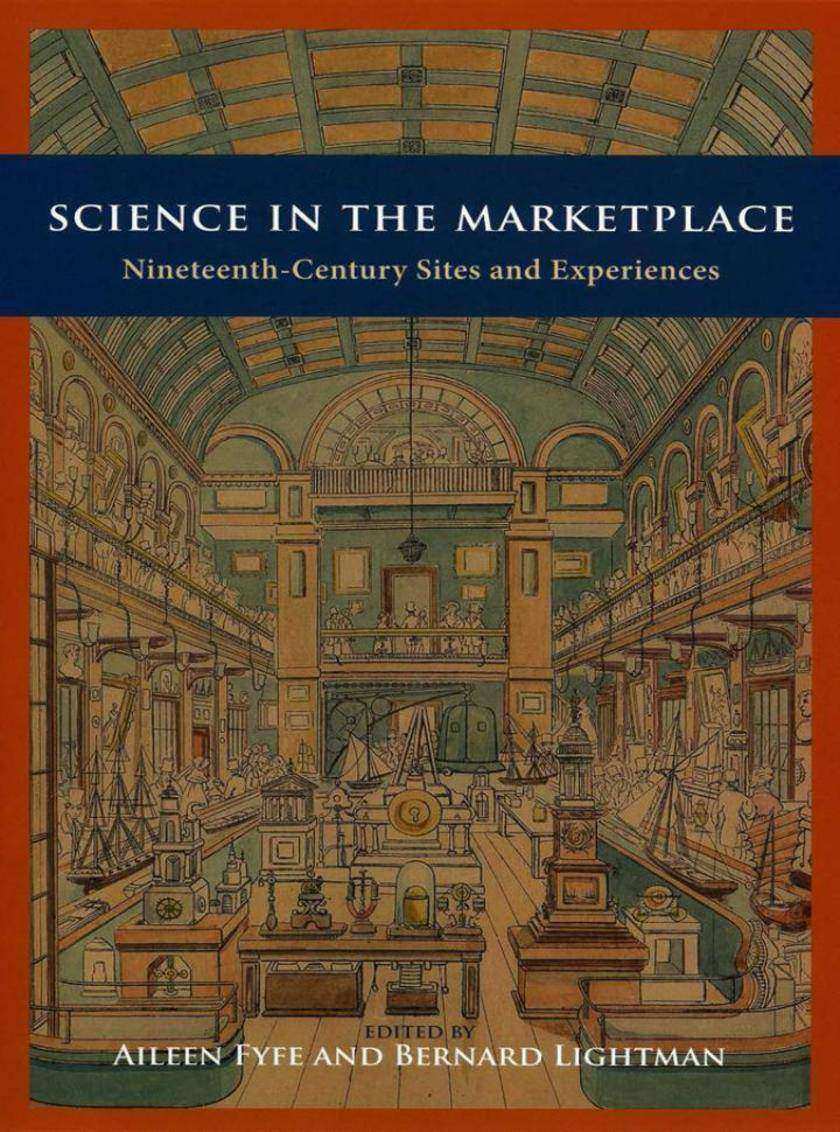
Science in the Marketplace
¥447.34
The nineteenth century was an age of transformation in science, when scientists were rewarded for their startling new discoveries with increased social status and authority.But it was also a time when ordinary people from across the social spectrum were given the opportunity to participate in science, for education, entertainment, or both. In Victorian Britain science could be encountered in myriad forms and in countless locations: in panoramic shows, exhibitions, and galleries; in city museums and country houses; in popular lectures; and even in domestic conversations that revolved around the latest books and periodicals.Science in the Marketplace reveals this other side of Victorian scientific life by placing the sciences in the wider cultural marketplace, ultimately showing that the creation of new sites and audiences was just as crucial to the growing public interest in science as were the scientists themselves. By focusing attention on the scientific audience, as opposed to the scientific community or self-styled popularizers, Science in the Marketplace ably links larger societal changes-in literacy, in industrial technologies, and in leisure-to the evolution of "e;popular science."e;
Restless Anthropologist
¥229.55
What does a move from a village in the West African rain forest to a West African community in a European city entail What about a shift from a Greek sheep-herding community to working with evictees and housing activists in Rome and BangkokIn?The Restless Anthropologist, Alma Gottlieb brings together eight eminent scholars to recount the riveting personal and intellectual dynamics of uprooting one's life-and decades of work-to embrace a new fieldsite.Addressing questions of life-course, research methods, institutional support, professional networks, ethnographic models, and disciplinary paradigm shifts, the contributing writers of?The Restless Anthropologist?discuss the ways their earlier and later projects compare on both scholarly and personal levels, describing the circumstances of their choices and the motivations that have emboldened them to proceed, to become novices all over again. In doing so, they question some of the central expectations of their discipline, reimagining the space of the anthropological fieldsite at the heart of their scholarly lives.
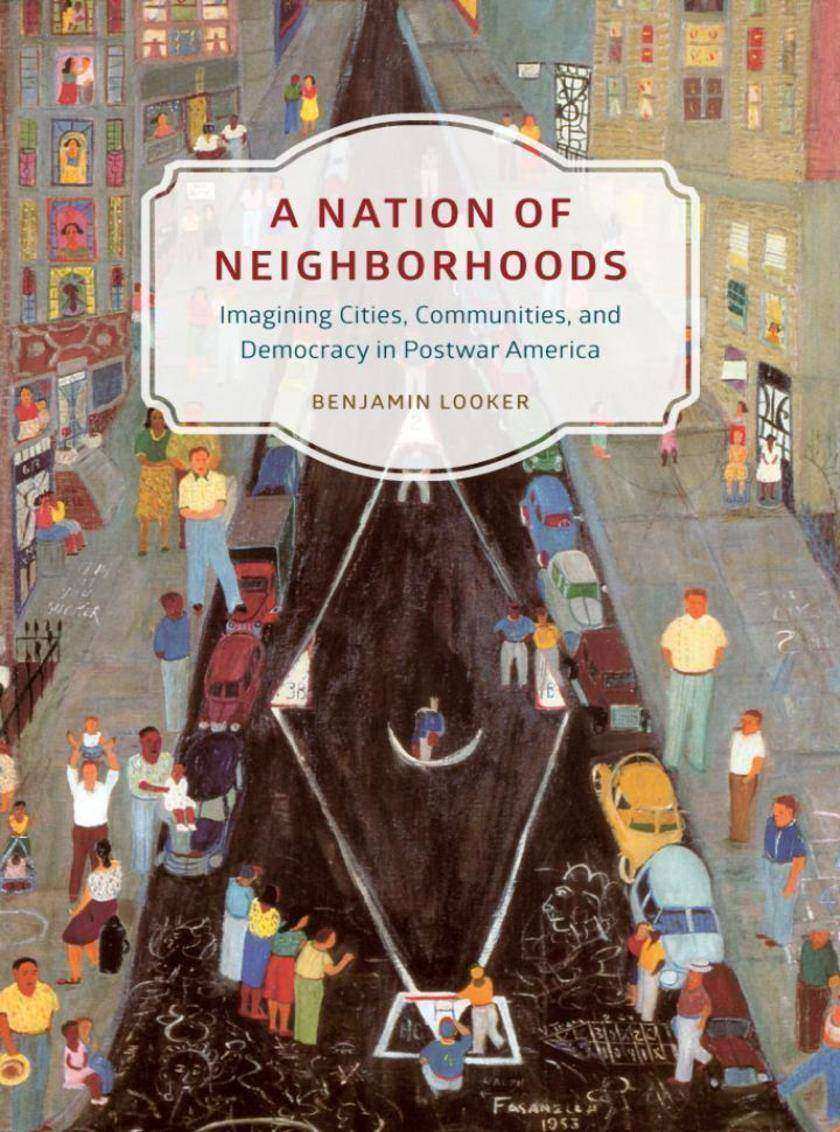
Nation of Neighborhoods
¥229.55
Despite the pundits who have written its epitaph and the latter-day refugees who have fled its confines for the half-acre suburban estate, the city neighborhood has endured as an idea central to American culture. In A Nation of Neighborhoods, Benjamin Looker presents us with the city neighborhood as both an endless problem and a possibility.Looker investigates the cultural, social, and political complexities of the idea of "e;neighborhood"e; in postwar America and how Americans grappled with vast changes in their urban spaces from World War II to the Reagan era. In the face of urban decline, competing visions of the city neighborhood's significance and purpose became proxies for broader debates over the meaning and limits of American democracy. By studying the way these contests unfolded across a startling variety of genres-Broadway shows, radio plays, urban ethnographies, real estate documents, and even children's programming-Looker shows that the neighborhood ideal has functioned as a central symbolic site for advancing and debating theories about American national identity and democratic practice.

Empowering Science and Mathematics Education in Urban Schools
¥253.10
Math and science hold powerful places in contemporary society, setting the foundations for entry into some of the most robust and highest-paying industries. However, effective math and science education is not equally available to all students, with some of the poorest students-those who would benefit most-going egregiously underserved. This ongoing problem with education highlights one of the core causes of the widening class gap.?While this educational inequality can be attributed to a number of economic and political causes, in?Empowering Science and Mathematics Education in Urban Communities, Angela Calabrese?Barton?and Edna Tan demonstrate that it is augmented by a consistent failure to integrate student history, culture, and social needs into the core curriculum. They argue that teachers and schools should create hybrid third spaces-neither classroom nor home-in which underserved students can merge their personal worlds with those of math and science. A host of examples buttress this argument: schools where these spaces have been instituted now provide students not only an immediate motivation to engage the subjects most critical to their future livelihoods but also the broader math and science literacy necessary for robust societal engagement. A unique look at a frustratingly understudied subject,?Empowering Science and Mathematics Education?pushes beyond the idea of teaching for social justice and into larger questions of how and why students participate in math and science.?

Power in Concert
¥265.87
How states cooperate in the absence of a sovereign power is a perennial question in international relations. With Power in Concert, Jennifer Mitzen argues that global governance is more than just the cooperation of states under anarchy: it is the formation and maintenance of collective intentions, or joint commitments among states to address problems together. The key mechanism through which these intentions are sustained is face-to-face diplomacy, which keeps states' obligations to one another salient and helps them solve problems on a day-to-day basis.Mitzen argues that the origins of this practice lie in the Concert of Europe, an informal agreement among five European states in the wake of the Napoleonic wars to reduce the possibility of recurrence, which first institutionalized the practice of jointly managing the balance of power.?Through the Concert's many successes, she shows that the words and actions of state leaders in public forums contributed to collective self-restraint and a commitment to problem solving-and at a time when communication was considerably more difficult than it is today. Despite the Concert's eventual breakdown, the practice it introduced-of face to face diplomacy as a mode of joint problem solving-survived and is the basis of global governance today.

Good Project
¥229.55
NGOs set out to save lives, relieve suffering, and service basic human needs. They are committed to serving people across national borders and without regard to race, ethnicity, gender, or religion, and they offer crucial help during earthquakes, tsunamis, wars, and pandemics. But with so many ailing areas in need of assistance, how do these organizations decide where to go-and who gets the aid?In?The Good Project, Monika Krause dives into the intricacies of the decision-making process at NGOs and uncovers a basic truth: It may be the case that relief agencies try to help people but, in practical terms, the main focus of their work is to produce projects. Agencies sell projects to key institutional donors, and in the process the project and its beneficiaries become commodities. In an effort to guarantee a successful project, organizations are incentivized to help those who are easy to help, while those who are hardest to help often receive no assistance at all. The poorest of the world are made to compete against each other to become projects-and in exchange they offer legitimacy to aid agencies and donor governments. Sure to be controversial,?The Good Project?offers a provocative new perspective on how NGOs succeed and fail on a local and global level.
We Were Adivasis
¥229.55
In We Were Adivasis, anthropologist Megan Moodie examines the Indian state's relationship to "e;Scheduled Tribes,"e; or adivasis-historically oppressed groups that are now entitled to affirmative action quotas in educational and political institutions. Through a deep ethnography of the Dhanka in Jaipur, Moodie brings readers inside the creative imaginative work of these long-marginalized tribal communities. She shows how they must simultaneously affirm and refute their tribal status on a range of levels, from domestic interactions to historical representation, by relegating their status to the past: we were adivasis.Moodie takes readers to a diversity of settings, including households, tribal council meetings, and wedding festivals, to reveal the aspirations that are expressed in each. Crucially, she demonstrates how such aspiration and identity-building are strongly gendered, requiring different dispositions required of men and women in the pursuit of collective social uplift. The Dhanka strategy for occupying the role of adivasi in urban India comes at a cost: young women must relinquish dreams of education and employment in favor of community-sanctioned marriage and domestic life. Ultimately, We Were Adivasis explores how such groups negotiate their pasts to articulate different visions of a yet uncertain future in the increasingly liberalized world.
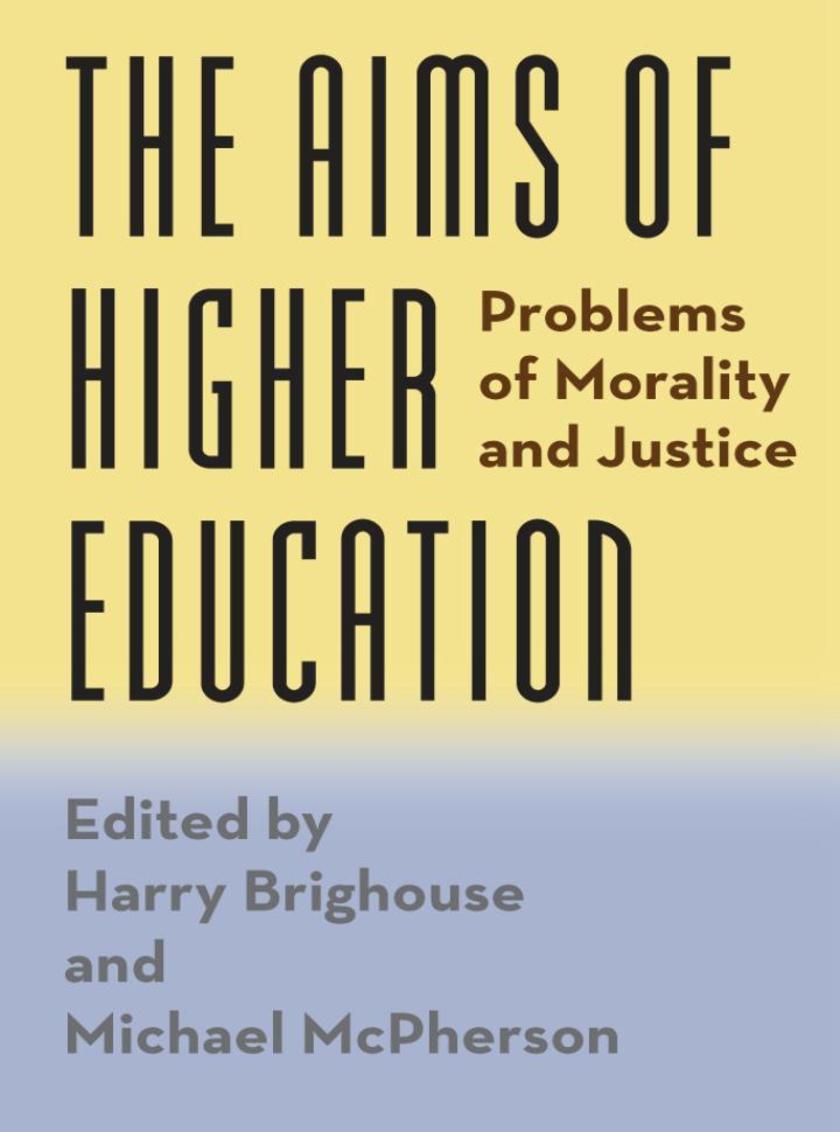
Aims of Higher Education
¥229.55
In this book, philosopher Harry Brighouse and Spencer Foundation president Michael McPherson bring together leading philosophers to think about some of the most fundamental questions that higher education faces. Looking beyond the din of arguments over how universities should be financed, how they should be run, and what their contributions to the economy are, the contributors to this volume set their sights on higher issues: ones of moral and political value. The result is an accessible clarification of the crucial concepts and goals we so often skip over-even as they underlie our educational policies and practices.?The contributors tackle the biggest questions in higher education: What are the proper aims of the universityWhat role do the liberal arts play in fulfilling those aimsWhat is the justification for the humanitiesHow should we conceive of critical reflection, and how should we teach it to our studentsHow should professors approach their intellectual relationship with students, both in social interaction and through curriculumWhat obligations do elite institutions have to correct for their historical role in racial and social inequalityAnd, perhaps most important of all: How can the university serve as a model of justiceThe result is a refreshingly thoughtful approach to higher education and what it can, and should, be doing.?
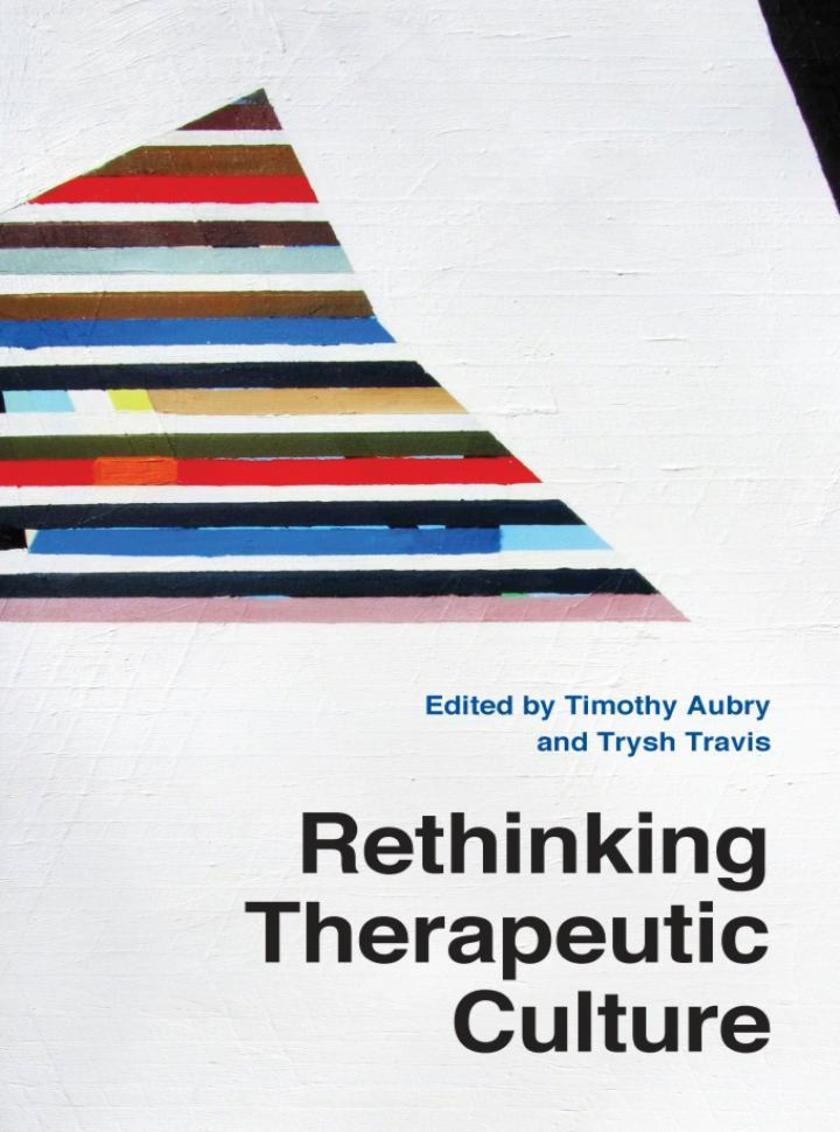
Rethinking Therapeutic Culture
¥247.21
Social critics have long lamented America's descent into a "e;culture of narcissism,"e; as Christopher Lasch so lastingly put it fifty years ago. From "e;first world problems"e; to political correctness, from the Oprahfication of emotional discourse to the development of Big Pharma products for every real and imagined pathology, therapeutic culture gets the blame. Ask not where the stereotype of feckless, overmedicated, half-paralyzed millennials comes from, for it comes from their parents' therapist's couches.?Rethinking Therapeutic Culture makes a powerful case that we've got it all wrong. Editors Timothy Aubry and Trysh Travis bring us a dazzling array of contributors and perspectives to challenge the prevailing view of therapeutic culture as a destructive force that encourages narcissism, insecurity, and social isolation. The collection encourages us to examine what legitimate needs therapeutic practices have served and what unexpected political and social functions they may have performed. Offering both an extended history and a series of critical interventions organized around keywords like pain, privacy, and narcissism, this volume offers a more nuanced, empirically grounded picture of therapeutic culture than the one popularized by critics. Rethinking Therapeutic Culture is a timely book that will change the way we've been taught to see the landscape of therapy and self-help.

Boundaries of the State in US History
¥247.21
The question of how the American state defines its power has become central to a range of historical topics, from the founding of the Republic and the role of the educational system to the functions of agencies and America's place in the world. Yet conventional histories of the state have not reckoned adequately with the roots of an ever-expanding governmental power, assuming instead that the American state was historically and exceptionally weak relative to its European peers.Here, James T. Sparrow, William J. Novak, and Stephen W. Sawyer assemble definitional essays that search for explanations to account for the extraordinary growth of US power without resorting to exceptionalist narratives. Turning away from abstract, metaphysical questions about what the state is, or schematic models of how it must work, these essays focus instead on the more pragmatic, historical question of what it does. By historicizing the construction of the boundaries dividing America and the world, civil society and the state, they are able to explain the dynamism and flexibility of a government whose powers appear so natural as to be given, invisible, inevitable, and exceptional.
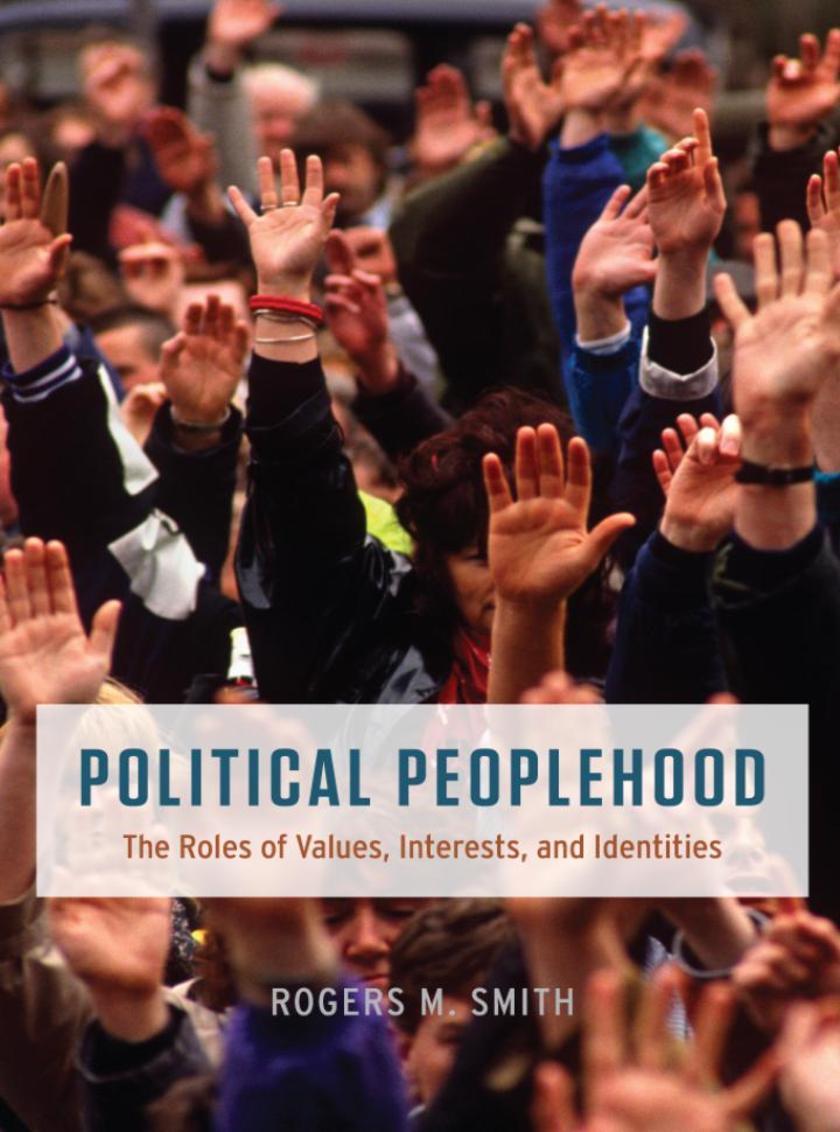
Political Peoplehood
¥247.21
For more than three decades, Rogers M. Smith has been one of the leading scholars of the role of ideas in American politics, policies, and history. Over time, he has developed the concept of "e;political peoples,"e; a category that is much broader and more fluid than legal citizenship, enabling Smith to offer rich new analyses of political communities, governing institutions, public policies, and moral debates.This book gathers Smith's most important writings on peoplehood to build a coherent theoretical and historical account of what peoplehood has meant in American political life, informed by frequent comparisons to other political societies. From the revolutionary-era adoption of individual rights rhetoric to today's battles over the place of immigrants in a rapidly diversifying American society, Smith shows how modern America's growing embrace of overlapping identities is in tension with the providentialism and exceptionalism that continue to make up so much of what many believe it means to be an American.A major work that brings a lifetime of thought to bear on questions that are as urgent now as they have ever been, Political Peoplehood will be essential reading for social scientists, political philosophers, policy analysts, and historians alike.

Stitching the West Back Together
¥288.41
News headlines would often have us believe that conservationists are inevitably locked in conflict with the people who live and work on the lands they seek to protect. Not so. Across the western expanses of the United States, conservationists, ranchers, and forest workers are bucking preconceptions to establish common ground. As they join together to protect the wide open spaces, diverse habitats, and working landscapes upon which people, plants, and animals depend, a new vision of management is emerging in which the conservation of biodiversity, ecosystem integrity, and sustainable resource use are seen not as antithetical, but as compatible, even symbiotic goals.Featuring contributions from an impressive array of scientists, conservationists, scholars, ranchers, and foresters, Stitching the West Back Together explores that expanded, inclusive vision of environmentalism as it delves into the history and evolution of Western land use policy and of the working landscapes themselves. Chapters include detailed case studies of efforts to promote both environmental and economic sustainability, with lessons learned; de*ions of emerging institutional frameworks for conserving Western working landscapes; and implications for best practices and policies crucial to the future of the West's working forests and rangelands. As economic and demographic forces threaten these lands with fragmentation and destruction, this book encourages a hopeful balance between production and conservation on the large, interconnected landscapes required for maintaining cultural and biological diversity over the longterm.
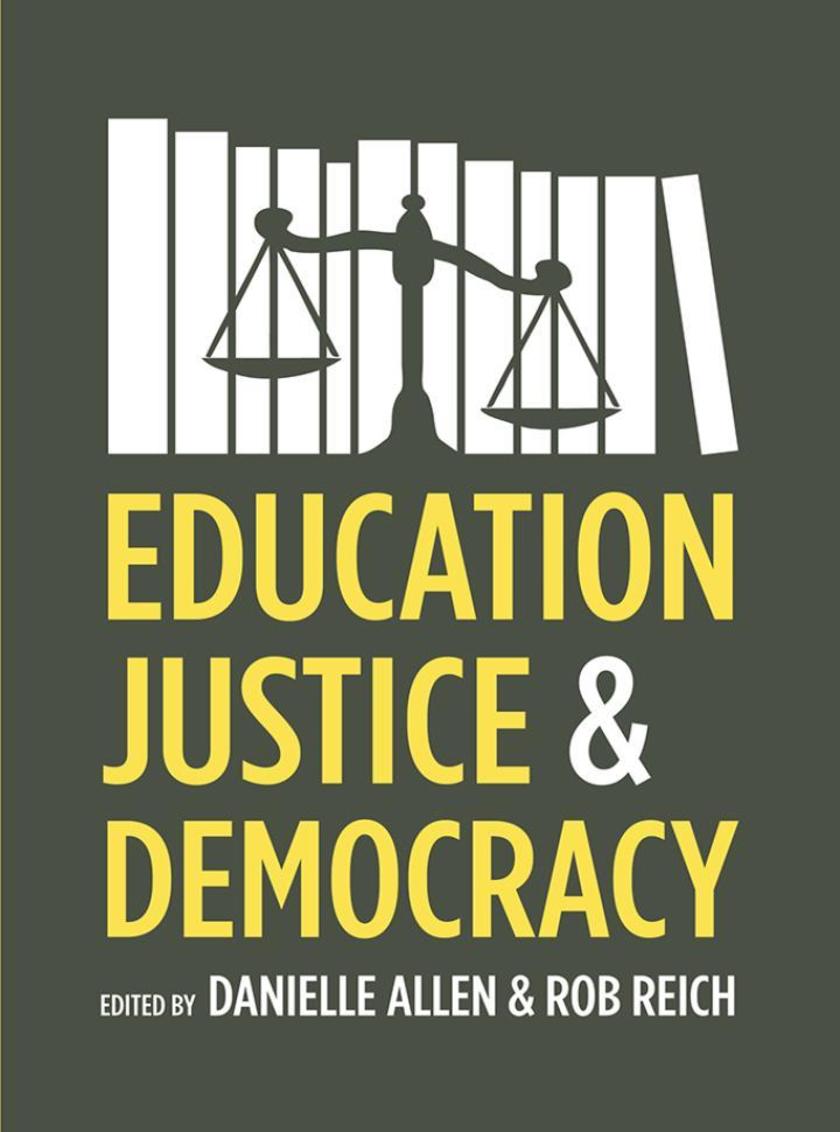
Education, Justice, and Democracy
¥265.87
Education is a contested topic, and not just politically. For years scholars have approached it from two different points of view: one empirical, focused on explanations for student and school success and failure, and the other philosophical, focused on education's value and purpose within the larger society. Rarely have these separate approaches been brought into the same conversation. Education, Justice, and Democracy does just that, offering an intensive discussion by highly respected scholars across empirical and philosophical disciplines.?The contributors explore how the institutions and practices of education can support democracy, by creating the conditions for equal citizenship and egalitarian empowerment, and how they can advance justice, by securing social mobility and cultivating the talents and interests of every individual. Then the authors evaluate constraints on achieving the goals of democracy and justice in the educational arena and identify strategies that we can employ to work through or around those constraints. More than a thorough compendium on a timely and contested topic, Education, Justice, and Democracy exhibits an entirely new, more deeply composed way of thinking about education as a whole and its importance to a good society.
Marketing Schools, Marketing Cities
¥265.87
Discuss real estate with any young family and the subject of schools is certain to come up-in fact, it will likely be a crucial factor in determining where that family lives. Not merely institutions of learning, schools have increasingly become a sign of a neighborhood's vitality, and city planners have ever more explicitly promoted "e;good schools"e; as a means of attracting more affluent families to urban areas, a dynamic process that Maia Bloomfield Cucchiara critically examines in Marketing Schools, Marketing Cities.?Focusing on Philadelphia's Center City Schools Initiative, she shows how education policy makes overt attempts to prevent, or at least slow, middle-class flight to the suburbs. Navigating complex ethical terrain, she balances the successes of such policies in strengthening urban schools and communities against the inherent social injustices they propagate-the further marginalization and disempowerment of lowerclass families. By asking what happens when affluent parents become "e;valued customers,"e; Marketing Schools, Marketing Cities uncovers a problematic relationship between public institutions and private markets, where the former are used to leverage the latter to effect urban transformations.
Women in the Club
¥265.87
In the run-up to the 2012 presidential election, Democrats and Republicans were locked in a fierce battle for the female vote. Democrats charged Republicans with waging a "e;war on women,"e; while Republicans countered that Democratic policies actually undermined women's rights. The women of the Senate wielded particular power, planning press conferences, appearing on political programs, and taking to the Senate floor over gender-related issues such as workplace equality and reproductive rights.The first book to examine the impact of gender differences in the Senate, Women in the Club is an eye-opening exploration of how women are influencing policy and politics in this erstwhile male bastion of power. Gender, Michele L. Swers shows, is a fundamental factor for women in the Senate, interacting with both party affiliation and individual ideology to shape priorities on policy. Women, for example, are more active proponents of social welfare and women's rights. But the effects of gender extend beyond mere policy preferences. Senators also develop their priorities with an eye to managing voter expectations about their expertise and advancing their party's position on a given issue. The election of women in increasing numbers has also coincided with the evolution of the Senate as a highly partisan institution. The stark differences between the parties on issues pertaining to gender have meant that Democratic and Republican senators often assume very different roles as they reconcile their policy views on gender issues with the desire to act as members of partisan teams championing or defending their party's record in an effort to reach various groups of voters.


