


 购物车
购物车 个人中心
个人中心

Mixed Medicines
¥353.16
During the first half of the twentieth century, representatives of the French colonial health services actively strove to expand the practice of Western medicine in the frontier colony of Cambodia. But as the French physicians ventured beyond their colonial enclaves, they found themselves negotiating with the plurality of Cambodian cultural practices relating to health and disease. These negotiations were marked by some success, a great deal of misunderstanding, and much failure.Bringing together colorful historical vignettes, social and anthropological theory, and quantitative analyses, Mixed Medicines examines these interactions between the Khmer, Cham, and Vietnamese of Cambodia and the French, documenting the differences in their understandings of medicine and revealing the unexpected transformations that occurred during this period-for both the French and the indigenous population.
Political Theology and Early Modernity
¥270.76
Political theology is a distinctly modern problem, one that takes shape in some of the most important theoretical writings of the twentieth and twenty-first centuries. But its origins stem from the early modern period, in medieval iconographies of sacred kinship and the critique of traditional sovereignty mounted by Hobbes and Spinoza. In this book, Graham Hammill and Julia Reinhard Lupton assemble established and emerging scholars in early modern studies to examine the role played by sixteenth- and seventeenth-century literature and thought in modern conceptions of political theology.?Political Theology and Early Modernity explores texts by Shakespeare, Machiavelli, Milton, and others that have served as points of departure for such thinkers as Schmitt, Strauss, Benjamin, and Arendt. Written from a spectrum of positions ranging from renewed defenses of secularism to attempts to reconceive the religious character of collective life and literary experience, these essays probe moments of productive conflict, disavowal, and entanglement in politics and religion as they pass between early modern and modern scenes of thought. This stimulating collection is the first to answer not only how Renaissance and baroque literature help explain the persistence of political theology in modernity and postmodernity, but also how the reemergence of political theology as an intellectual and political problem deepens our understanding of the early modern period.
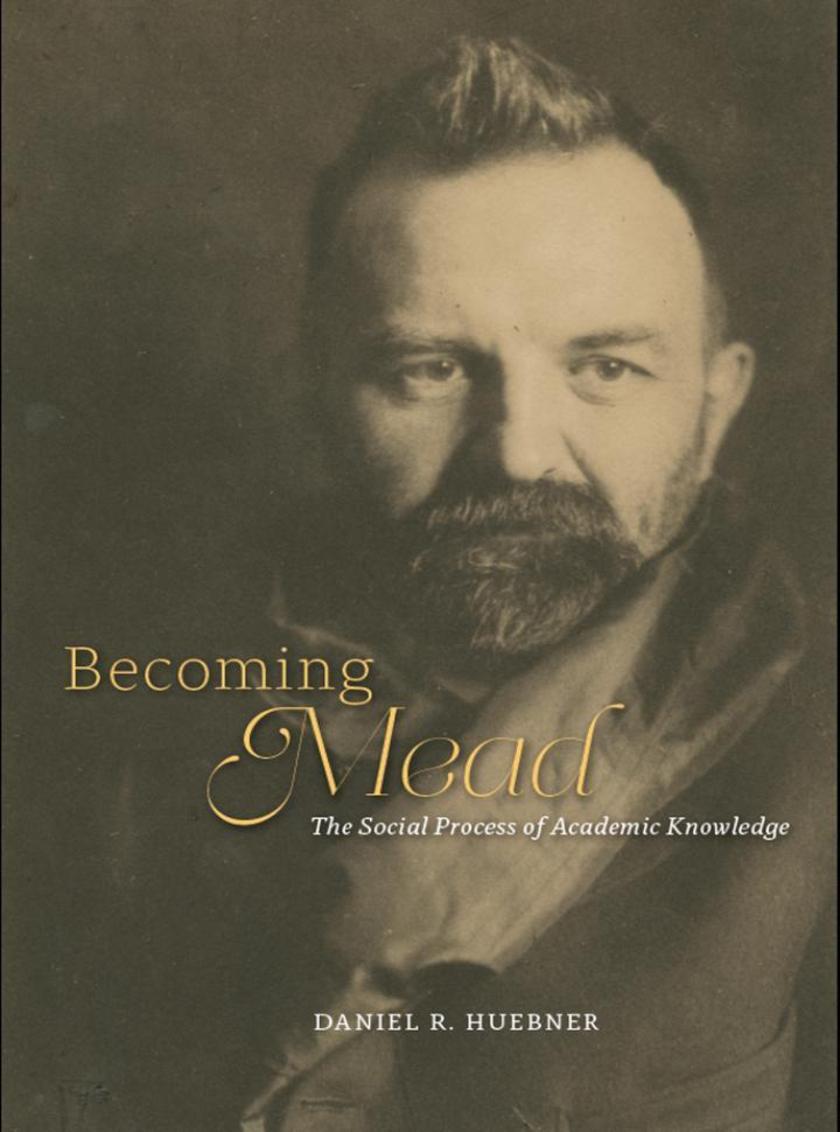
Becoming Mead
¥288.41
George Herbert Mead is a foundational figure in sociology, best known for his book Mind, Self, and Society, which was put together after his death from course notes taken by stenographers and students and from unpublished manu*s. Mead, however, never taught a course primarily housed in a sociology department, and he wrote about a wide variety of topics far outside of the concerns for which he is predominantly remembered-including experimental and comparative psychology, the history of science, and relativity theory.In short, he is known in a discipline in which he did not teach for a book he did not write.In Becoming Mead, Daniel R. Huebner traces the ways in which knowledge has been produced by and about the famed American philosopher. Instead of treating Mead's problematic reputation as a separate topic of study from his intellectual biography, Huebner considers both biography and reputation as social processes of knowledge production. He uses Mead as a case study and provides fresh new answers to critical questions in the social sciences, such as how authors come to be considered canonical in particular disciplines, how academics understand and use others' works in their research, and how claims to authority and knowledge are made in scholarship. Becoming Mead provides a novel take on the history of sociology, placing it in critical dialogue with cultural sociology and the sociology of knowledge and intellectuals.
Lonesome Roads and Streets of Dreams
¥282.53
Any listener knows the power of music to define a place, but few can describe the how or why of this phenomenon. In?Lonesome Roads and Streets of Dreams: Place, Mobility, and Race in Jazz of the 1930s and '40s, Andrew Berish attempts to right this wrong, showcasing how American jazz defined a culture particularly preoccupied with place. By analyzing both the performances and cultural context of leading jazz figures, including the many famous venues where they played, Berish bridges two dominant scholarly approaches to the genre, offering not only a new reading of swing era jazz but an entirely new framework for musical analysis in general, one that examines how the geographical realities of daily life can be transformed into musical sound.?Focusing on white bandleader Jan Garber, black bandleader Duke Ellington, white saxophonist Charlie Barnet, and black guitarist Charlie Christian, as well as traveling from Catalina Island to Manhattan to Oklahoma City,?Lonesome?Roads?and Streets of Dreams?depicts not only a geography of race but how this geography was disrupted, how these musicians crossed physical and racial boundaries-from black to white, South to North, and rural to urban-and how they found expression for these movements in the insistent music they were creating. ?
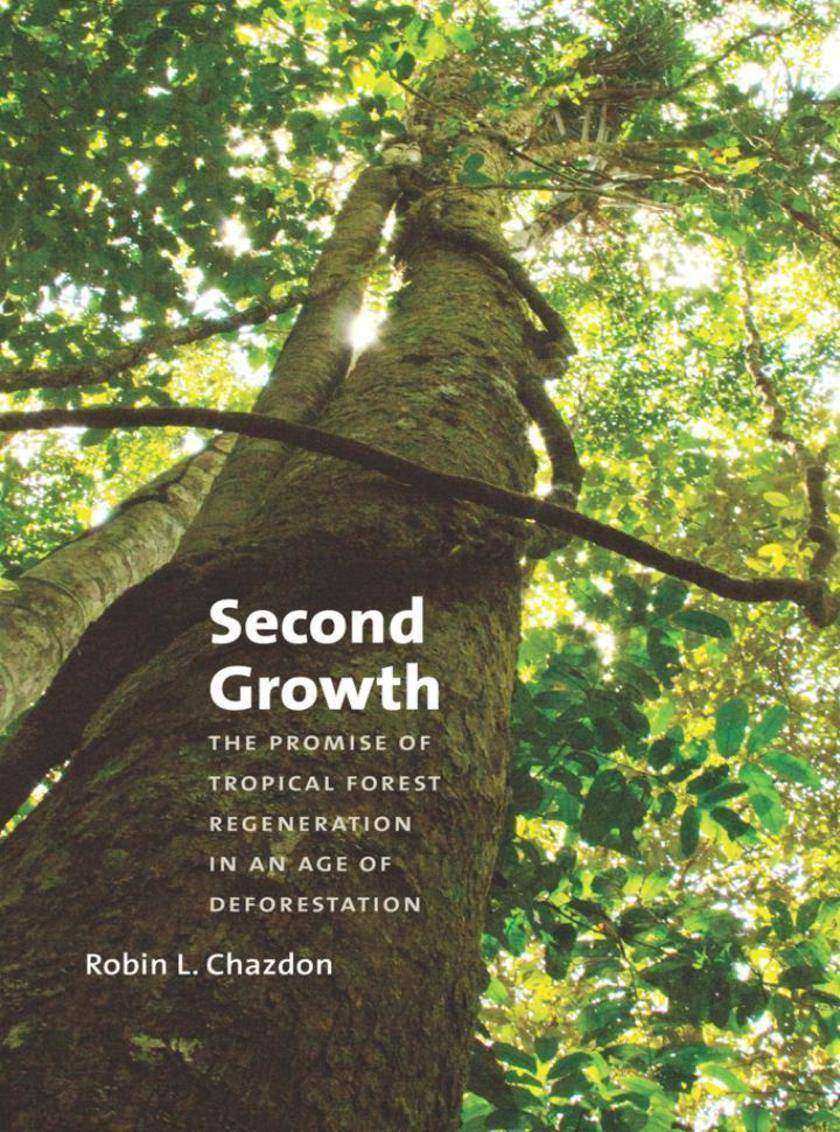
Second Growth
¥370.82
For decades, conservation and research initiatives in tropical forests have focused almost exclusively on old-growth forests because scientists believed that these "e;pristine"e; ecosystems housed superior levels of biodiversity. With Second Growth, Robin L. Chazdon reveals those assumptions to be largely false, bringing to the fore the previously overlooked counterpart to old-growth forest: second growth.Even as human activities result in extensive fragmentation and deforestation, tropical forests demonstrate a great capacity for natural and human-aided regeneration. Although these damaged landscapes can take centuries to regain the characteristics of old growth, Chazdon shows here that regenerating-or second-growth-forests are vital, dynamic reservoirs of biodiversity and environmental services. What is more, they always have been.With chapters on the roles these forests play in carbon and nutrient cycling, sustaining biodiversity, providing timber and non-timber products, and integrated agriculture, Second Growth not only offers a thorough and wide-ranging overview of successional and restoration pathways, but also underscores the need to conserve, and further study, regenerating tropical forests in an attempt to inspire a new age of local and global stewardship.

Serengeti IV
¥535.63
The vast savannas and great migrations of the Serengeti conjure impressions of a harmonious and balanced ecosystem. But in reality, the history of the Serengeti is rife with battles between human and non-human nature. In the 1890s and several times since, the cattle virus rinderpest-at last vanquished in 2008-devastated both domesticated and wild ungulate populations, as well as the lives of humans and other animals who depended on them. In the 1920s, tourists armed with the world's most expensive hunting gear filled the grasslands. And in recent years, violence in Tanzania has threatened one of the most successful long-term ecological research centers in history.Serengeti IV, the latest installment in a long-standing series on the region's ecology and biodiversity, explores the role of our species as a source of both discord and balance in Serengeti ecosystem dynamics. Through chapters charting the complexities of infectious disease transmission across populations, agricultural expansion, and the many challenges of managing this ecosystem today, this book shows how the people and landscapes surrounding crucial protected areas like Serengeti National Park can and must contribute to Serengeti conservation. In order to succeed, conservation efforts must also focus on the welfare of indigenous peoples, allowing them both to sustain their agricultural practices and to benefit from the natural resources provided by protected areas-an undertaking that will require the strengthening of government and education systems and, as such, will present one of the greatest conservation challenges of the next century.
Racial Order
¥323.73
Proceeding from the bold and provocative claim that there never has been a comprehensive and systematic theory of race, Mustafa Emirbayer and Matthew Desmond set out to reformulate how we think about this most difficult of topics in American life. In The Racial Order, they draw on Bourdieu, Durkheim, and Dewey to present a new theoretical framework for race scholarship. Animated by a deep and reflexive intelligence, the book engages the large and important issues of social theory today and, along the way, offers piercing insights into how race actually works in America. Emirbayer and Desmond set out to examine how the racial order is structured, how it is reproduced and sometimes transformed, and how it penetrates into the innermost reaches of our racialized selves. They also consider how-and toward what end-the racial order might be reconstructed.?In the end, this project is not merely about race; it is a theoretical reconsideration of the fundamental problems of order, agency, power, and social justice. The Racial Order is a challenging work of social theory, institutional and cultural analysis, and normative inquiry.
Great Transformations in Vertebrate Evolution
¥294.30
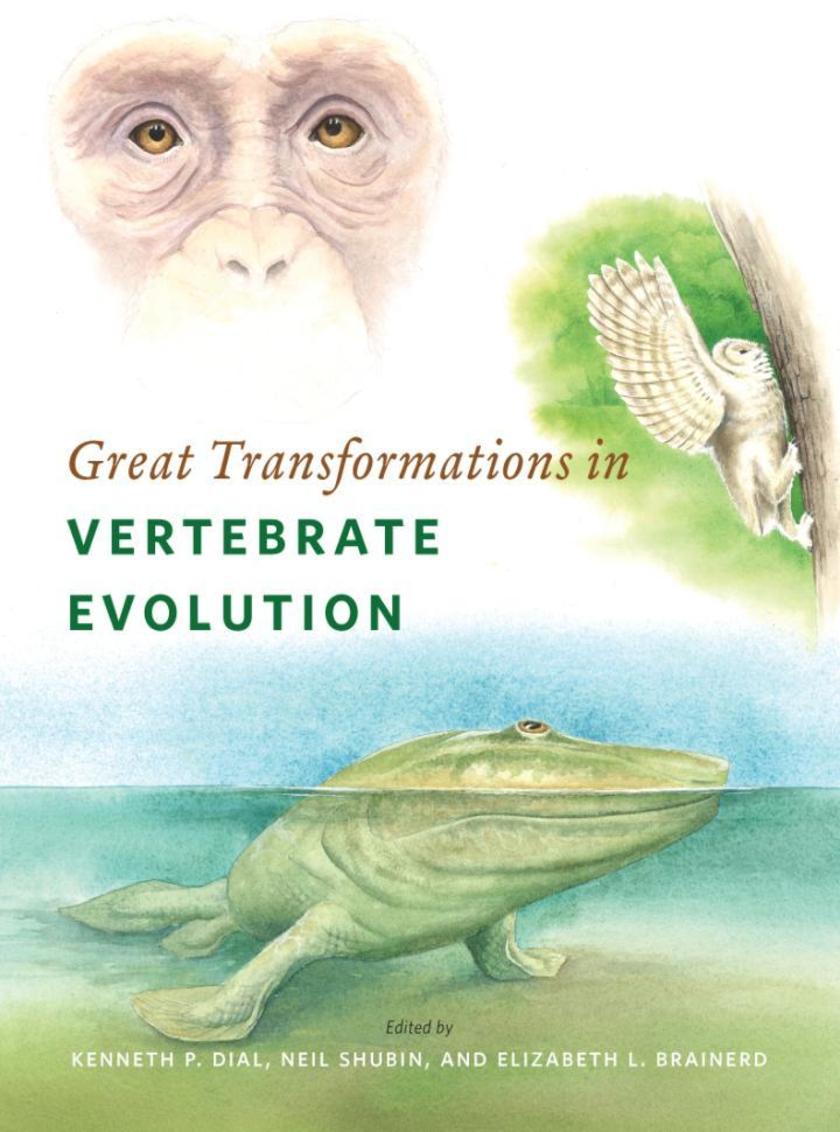
How did flying birds evolve from running dinosaurs, terrestrial trotting tetrapods evolve from swimming fish, and whales return to swim in the seaThese are some of the great transformations in the 500-million-year history of vertebrate life. And with the aid of new techniques and approaches across a range of fields-work spanning multiple levels of biological organization from DNA sequences to organs and the physiology and ecology of whole organisms-we are now beginning to unravel the confounding evolutionary mysteries contained in the structure, genes, and fossil record of every living species.This book gathers a diverse team of renowned scientists to capture the excitement of these new discoveries in a collection that is both accessible to students and an important contribution to the future of its field. Marshaling a range of disciplines-from paleobiology to phylogenetics, developmental biology, ecology, and evolutionary biology-the contributors attack particular transformations in the head and neck, trunk, appendages such as fins and limbs, and the whole body, as well as offer synthetic perspectives. Illustrated throughout, Great Transformations in Vertebrate Evolution not only reveals the true origins of whales with legs, fish with elbows, wrists, and necks, and feathered dinosaurs, but also the relevance to our lives today of these extraordinary narratives of change.
General Cytology
¥247.21
A Textbook of Cellular Structure and Function for Students of Biology and Medicine
Five Words
¥288.41
Blood. Invention. Language. Resistance. World. Five ordinary words that do a great deal of conceptual work in everyday life and literature. In this original experiment in critical semantics, Roland Greene considers how these five words changed over the course of the sixteenth century and what their changes indicate about broader forces in science, politics, and other disciplines.?Greene discusses a broad swath of Renaissance and transatlantic literature-including Shakespeare, Cervantes, Cames, and Milton-in terms of the development of these words rather than works, careers, or histories. He creates a method for describing and understanding the semantic changes that occur, extending his argument to other words that operate in the same manner. Aiming to shift the conversation around Renaissance literature from current approaches to riskier enterprises, Greene also challenges semantic-historicist scholars, proposing a method that takes advantage of digital resources like full-text databases but still depends on the interpreter to fashion ideas out of ordinary language. Five Words is an innovative and accessible book that points the field of literary studies in an exciting new direction.
American Egyptologist
¥247.21
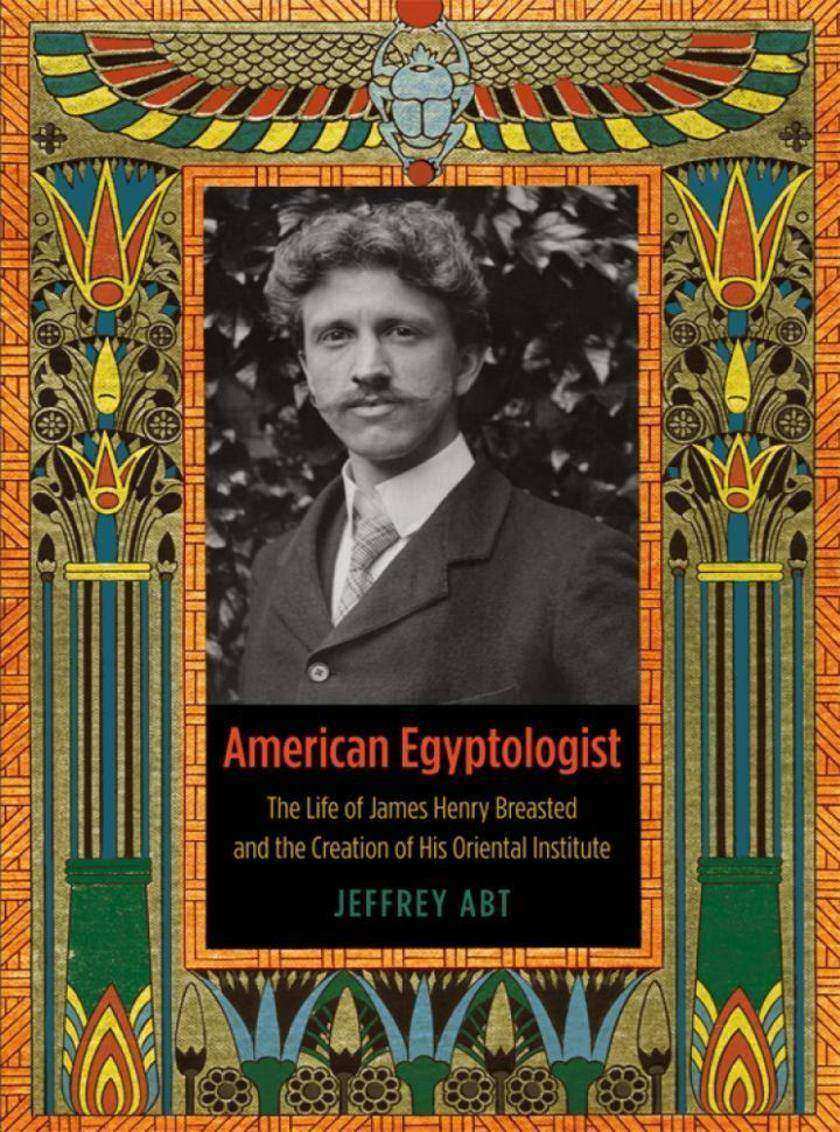
James Henry Breasted (1865-1935) had a career that epitomizes our popular image of the archaeologist. Daring, handsome, and charismatic, he traveled on expeditions to remote and politically unstable corners of the Middle East, helped identify the tomb of King Tut, and was on the cover of Time magazine. But Breasted was more than an Indiana Jones-he was an accomplished scholar, academic entrepreneur, and talented author who brought ancient history to life not just for students but for such notables as Teddy Roosevelt and Sigmund Freud.In American Egyptologist, Jeffrey Abt weaves together the disparate strands of Breasted's life, from his small-town origins following the Civil War to his evolution into the father of American Egyptology and the founder of the Oriental Institute in the early years of the University of Chicago. Abt explores the scholarly, philanthropic, diplomatic, and religious contexts of his ideas and projects, providing insight into the origins of America's most prominent center for Near Eastern archaeology.?An illuminating portrait of the nearly forgotten man who demystified ancient Egypt for the general public, American Egyptologist restores James Henry Breasted to the world and puts forward a brilliant case for his place as one of the most important scholars of modern times.
More Important Than the Music
¥370.82
Today, jazz is considered high art, America's national music, and the catalog of its recordings-its discography-is often taken for granted. But behind jazz discography is a fraught and highly colorful history of research, fanaticism, and the intense desire to know who played what, where, and when. This history gets its first full-length treatment in Bruce D. Epperson's More Important Than the Music. Following the dedicated few who sought to keep jazz's legacy organized, Epperson tells a fascinating story of archival pursuit in the face of negligence and deception, a tale that saw curses and threats regularly employed, with fisticuffs and lawsuits only slightly rarer.Epperson examines the documentation of recorded jazz from its casual origins as a novelty in the 1920s and '30s, through the overwhelming deluge of 12-inch vinyl records in the middle of the twentieth century, to the use of computers by today's discographers. Though he focuses much of his attention on comprehensive discographies, he also examines the development of a variety of related listings, such as buyer's guides and library catalogs, and he closes with a look toward discography's future. From the little black book to the full-featured online database, More Important Than the Music offers a history not just of jazz discography but of the profoundly human desire to preserve history itself.
Trade and Romance
¥370.82
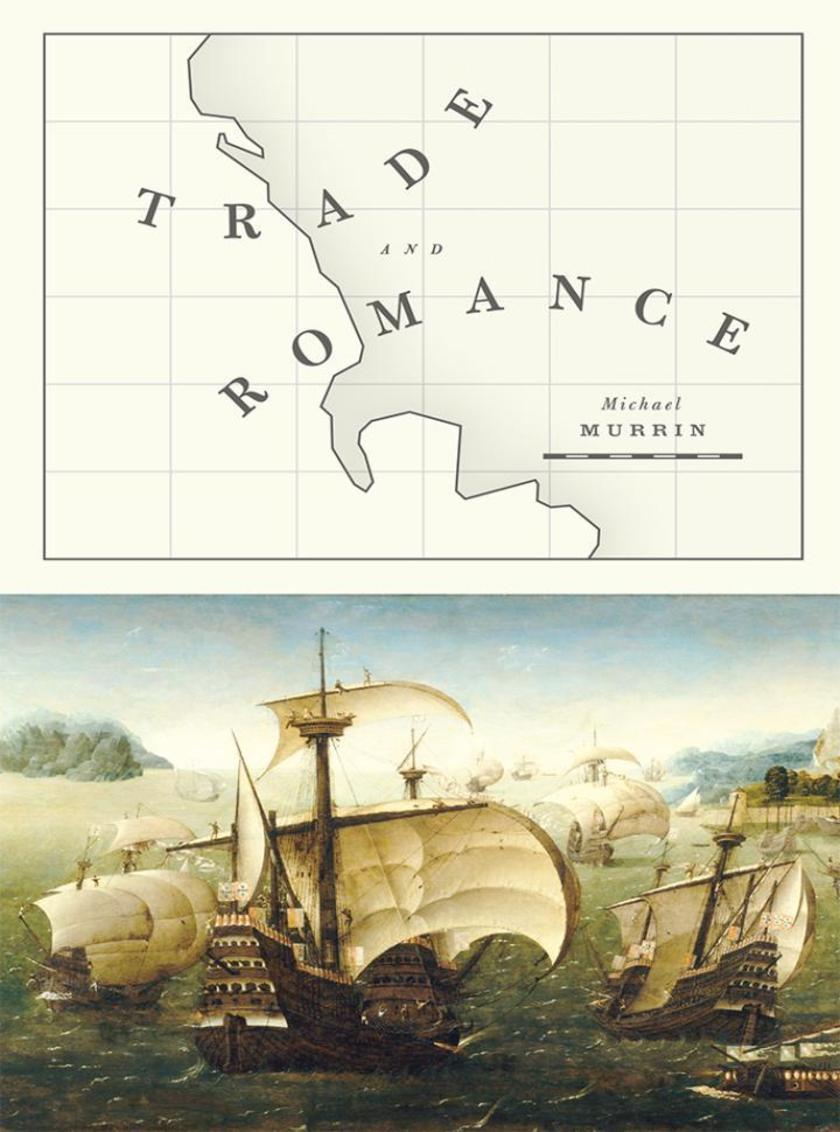
In Trade and Romance, Michael Murrin examines the complex relations between the expansion of trade in Asia and the production of heroic romance in Europe from the second half of the thirteenth century through the late seventeenth century. He shows how these tales of romance, ostensibly meant for the aristocracy, were important to the growing mercantile class as a way to gauge their own experiences in traveling to and trading in these exotic locales. Murrin also looks at the role that growing knowledge of geography played in the writing of the creative literature of the period, tracking how accurate, or inaccurate, these writers were in depicting far-flung destinations, from Iran and the Caspian Sea all the way to the Pacific.?With reference to an impressive range of major works in several languages-including the works of Marco Polo, Geoffrey Chaucer, Matteo Maria Boiardo, Lus de Cames, Ferno Mendes Pinto, Edmund Spenser, John Milton, and more-Murrin tracks numerous accounts by traders and merchants through the literature, first on the Silk Road, beginning in the mid-thirteenth century; then on the water route to India, Japan, and China via the Cape of Good Hope; and, finally, the overland route through Siberia to Beijing. All of these routes, originally used to exchange commodities, quickly became paths to knowledge as well, enabling information to pass, if sometimes vaguely and intermittently, between Europe and the Far East. These new tales of distant shores fired the imagination of Europe and made their way, with surprising accuracy, as Murrin shows, into the poetry of the period.
Notebooks, English Virtuosi, and Early Modern Science
¥370.82
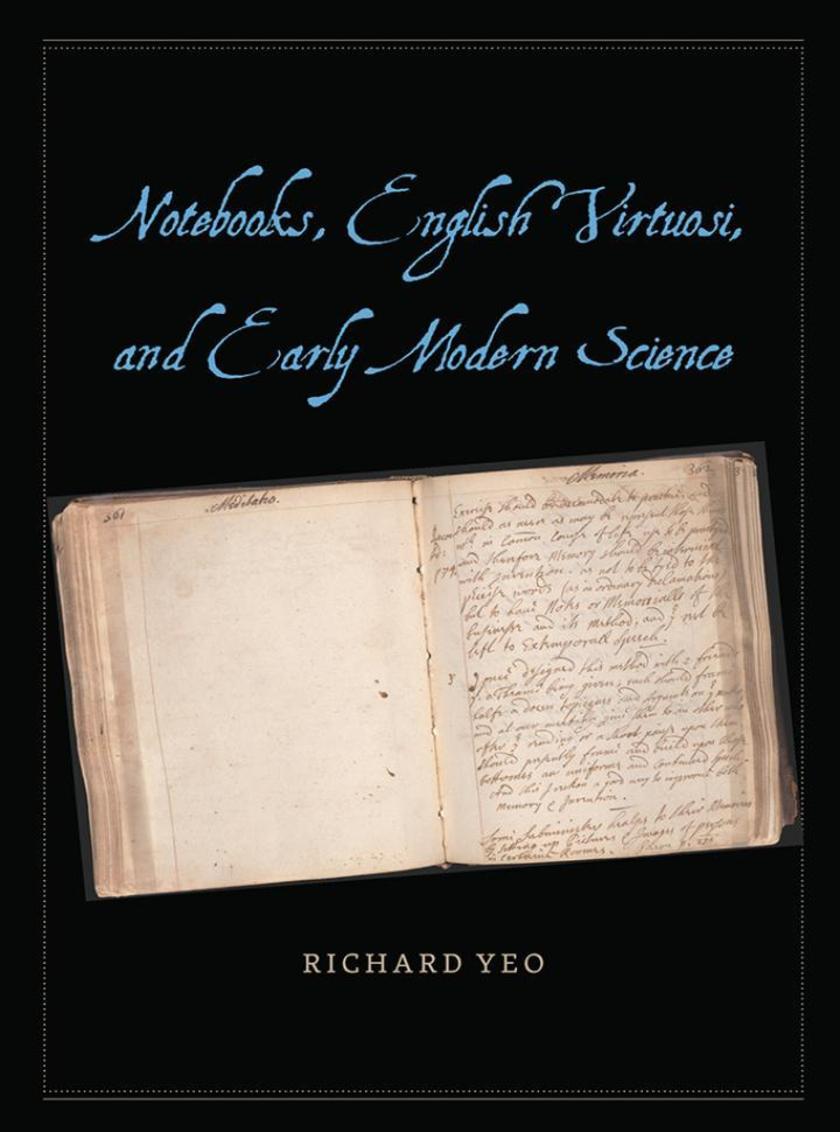
In Notebooks, English Virtuosi, and Early Modern Science, Richard Yeo interprets a relatively unexplored set of primary archival sources: the notes and notebooks of some of the leading figures of the Scientific Revolution. Notebooks were important to several key members of the Royal Society of London, including Robert Boyle, John Evelyn, Robert Hooke, John Locke, and others, who drew on Renaissance humanist techniques of excerpting from texts to build storehouses of proverbs, maxims, quotations, and other material in personal notebooks, or commonplace books. Yeo shows that these men appreciated the value of their own notes both as powerful tools for personal recollection, and, following Francis Bacon, as a system of precise record keeping from which they could retrieve large quantities of detailed information for collaboration.?The virtuosi of the seventeenth century were also able to reach beyond Bacon and the humanists, drawing inspiration from the ancient Hippocratic medical tradition and its emphasis on the gradual accumulation of information over time. By reflecting on the interaction of memory, notebooks, and other records, Yeo argues, the English virtuosi shaped an ethos of long-term empirical scientific inquiry.
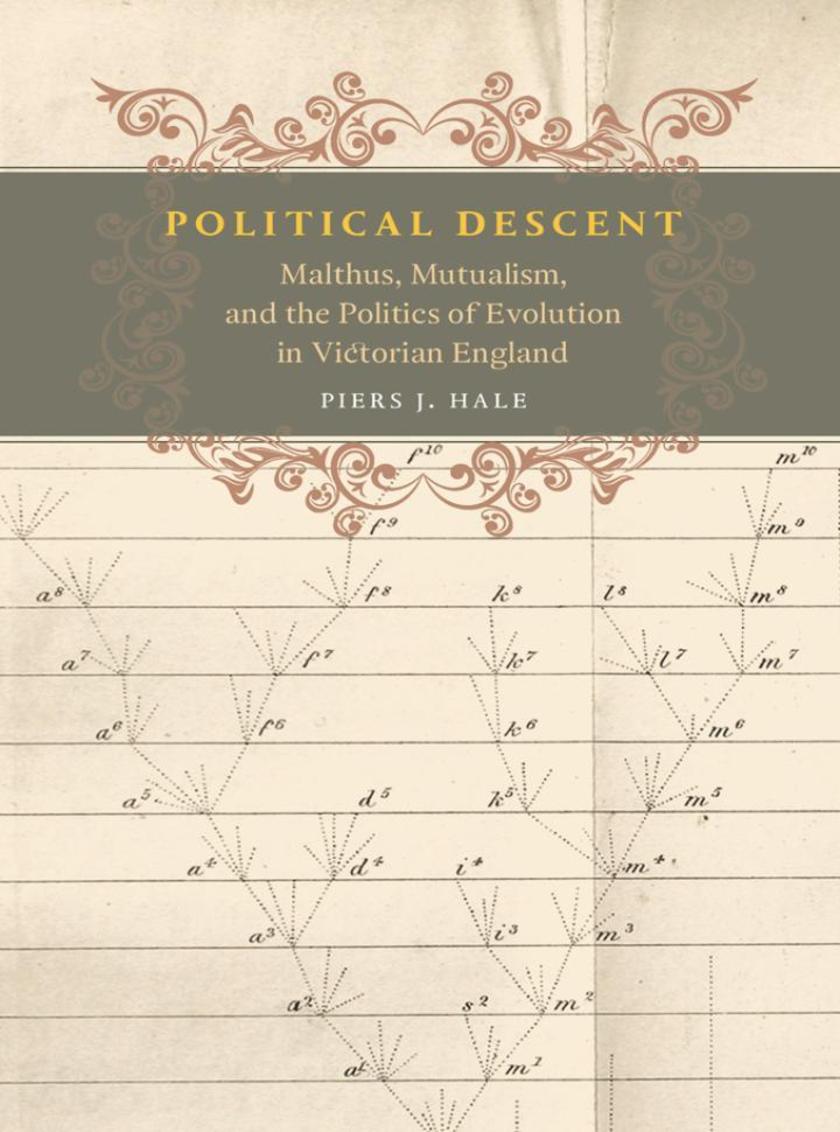
Political Descent
¥370.82
Historians of science have long noted the influence of the nineteenth-century political economist Thomas Robert Malthus on Charles Darwin. In a bold move, Piers J. Hale contends that this focus on Malthus and his effect on Darwin's evolutionary thought neglects a strong anti-Malthusian tradition in English intellectual life, one that not only predated the 1859 publication of the Origin of Species but also persisted throughout the Victorian period until World War I. Political Descent reveals that two evolutionary and political traditions developed in England in the wake of the 1832 Reform Act: one Malthusian, the other decidedly anti-Malthusian and owing much to the ideas of the French naturalist Jean Baptiste Lamarck. These two traditions, Hale shows, developed in a context of mutual hostility, debate, and refutation. Participants disagreed not only about evolutionary processes but also on broader questions regarding the kind of creature our evolution had made us and in what kind of society we ought therefore to live. Significantly, and in spite of Darwin's acknowledgement that natural selection was "e;the doctrine of Malthus, applied to the whole animal and vegetable kingdoms,"e; both sides of the debate claimed to be the more correctly "e;Darwinian."e; By exploring the full spectrum of scientific and political issues at stake, Political Descent offers a novel approach to the relationship between evolution and political thought in the Victorian and Edwardian eras.
On Tyranny
¥229.55
On Tyranny is Leo Strauss's classic reading of Xenophon's dialogue Hiero, or Tyrannicus, in which the tyrant Hiero and the poet Simonides discuss the advantages and disadvantages of exercising tyranny. Included are a translation of the dialogue from its original Greek, a critique of Strauss's commentary by the French philosopher Alexandre Kojeve, and the complete correspondence between the two.This revised and expanded edition introduces important corrections throughout and expands Strauss's restatement of his position in light of Kojve's commentary to bring it into conformity with the text as it was originally published in France.
Meaning
¥229.55
Published very shortly before his death in February 1976, Meaning is the culmination of Michael Polanyi's philosophic endeavors. With the assistance of Harry Prosch, Polanyi goes beyond his earlier critique of scientific "e;objectivity"e; to investigate meaning as founded upon the imaginative and creative faculties.Establishing that science is an inherently normative form of knowledge and that society gives meaning to science instead of being given the "e;truth"e; by science, Polanyi contends here that the foundation of meaning is the creative imagination. Largely through metaphorical expression in poetry, art, myth, and religion, the imagination is used to synthesize the otherwise chaotic and disparate elements of life. To Polanyi these integrations stand with those of science as equally valid modes of knowledge. He hopes this view of the foundation of meaning will restore validity to the traditional ideas that were undercut by modern science. Polanyi also outlines the general conditions of a free society that encourage varied approaches to truth, and includes an illuminating discussion of how to restore, to modern minds, the possibility for the acceptance of religion.
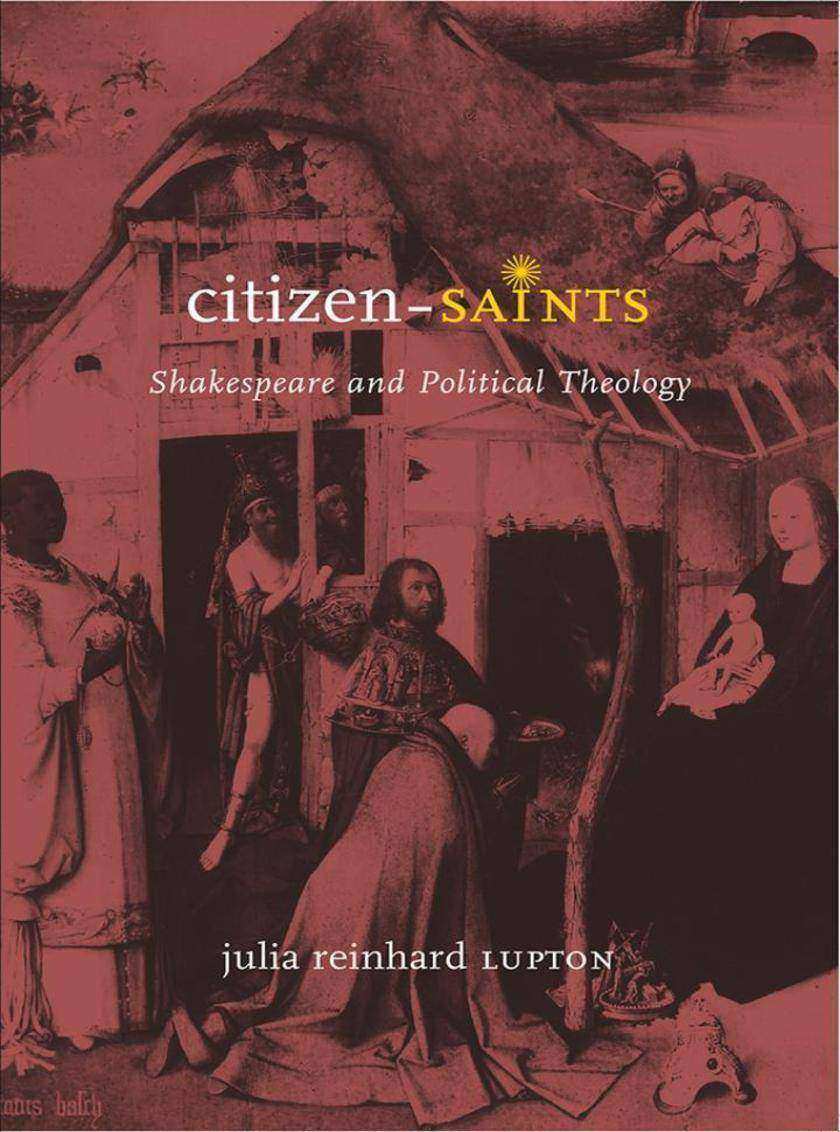
Citizen-Saints
¥206.01
Turning to the potent idea of political theology to recover the strange mix of political and religious thinking during the Renaissance, this bracing study reveals in the works of Shakespeare and his sources the figure of the citizen-saint, who represents at once divine messenger and civil servant, both norm and exception. Embodied by such diverse personages as Antigone, Paul, Barabbas, Shylock, Othello, Caliban, Isabella, and Samson, the citizen-saint is a sacrificial figure: a model of moral and aesthetic extremity who inspires new regimes of citizenship with his or her death and martyrdom.Among the many questions Julia Reinhard Lupton attempts to answer under the rubric of the citizen-saint are: how did states of emergency, acts of sovereign exception, and Messianic anticipations lead to new forms of religious and political lawWhat styles of universality were implied by the abject state of the pure creature, at sea in a creation abandoned by its creatorAnd how did circumcision operate as both a marker of ethnicity and a means of conversion and civic naturalization?Written with clarity and grace, Citizen-Saints will be of enormous interest to students of English literature, religion, and early modern culture.
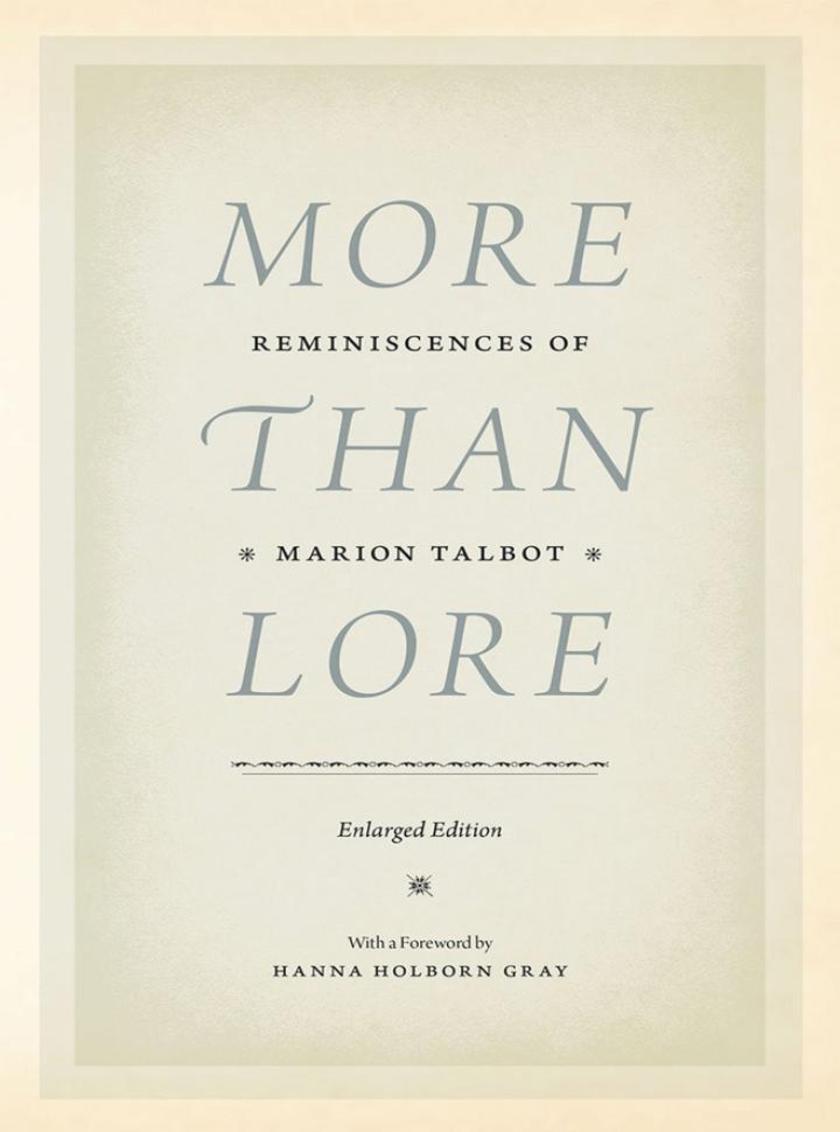
More than Lore
¥206.01
The founding articles of the University of Chicago contained what was for the era a shocking declaration: "e;To provide, impart, and furnish opportunities for all departments of higher education to persons of both sexes on equal terms."e; In a time when many still scoffed at educating women, the university was firmly co-ed from the very start. One of its first hires was Marion Talbot. Ready for the adventure of a lifetime, she set her sights on Chicago at a time when the city was still considered all but the Wild West. Talbot eventually became the University of Chicago's first Dean of Women, influencing a generation of female students.Originally published in 1936, More than Lore is a unique firsthand account of the early days of the university, capturing the excitement and travails of life on an academic frontier. Talbot shares gossip from the faculty lounge, relays student antics in the dorms, and tells stories from the living rooms of Hyde Park. It's also a fascinating look at life as an early twentieth-century college woman, with scandals over improper party invitations and underground sororities, petitions calling for more female professors, and campaigns to have students be known as "e;university women"e; instead of "e;college girls."e; With Talbot as our guide, we reenter a lost world where simply to be a woman was to be a pioneer and where the foundations of the modern undergrad experience were being established.
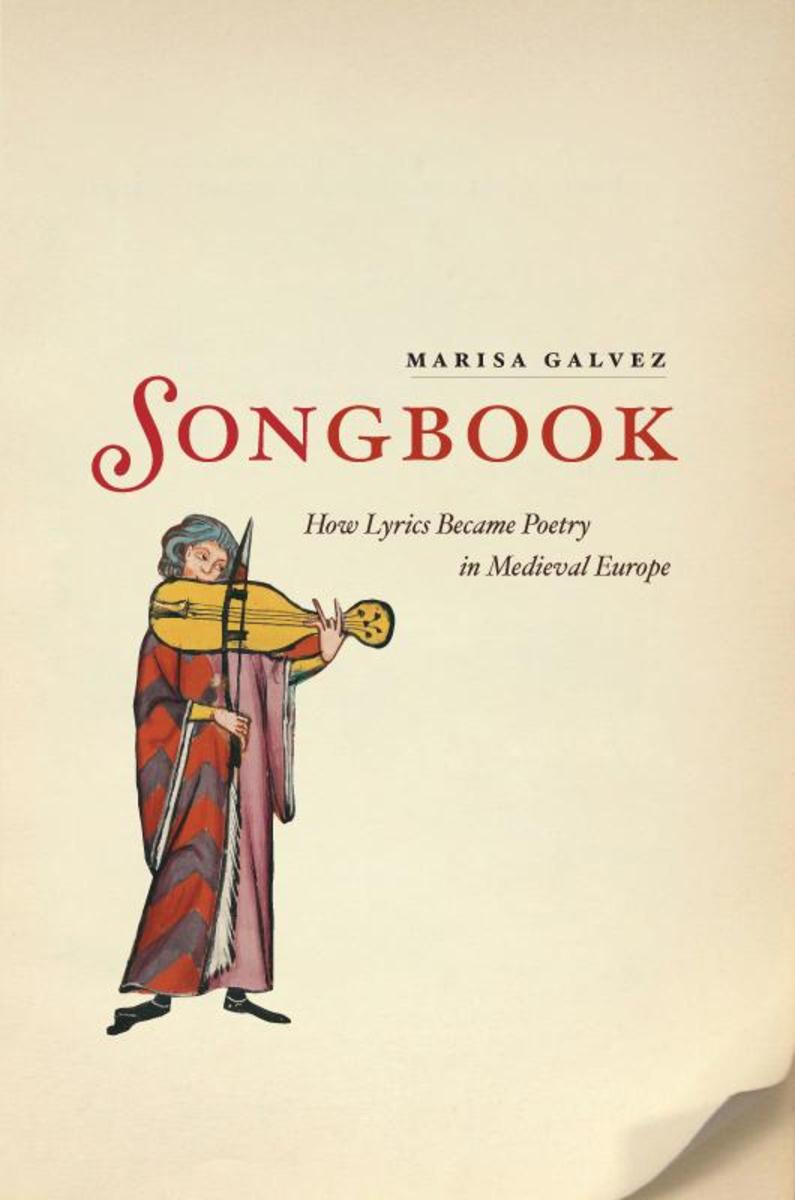
Songbook
¥200.12
Today we usually think of a book of poems as composed by a poet, rather than assembled or adapted by a network of poets and readers.?But the earliest European vernacular poetries challenge these assumptions. Medieval songbooks remind us how lyric poetry was once communally produced and received-a collaboration of artists, performers, live audiences, and readers stretching across languages and societies.The only comparative study of its kind, Songbook treats what poetry was before the emergence of the modern category "e;poetry"e;: that is, how vernacular songbooks of the thirteenth to fifteenth centuries shaped our modern understanding of poetry by establishing expectations of what is a poem, what is a poet, and what is lyric poetry itself. Marisa Galvez analyzes the?seminal songbooks representing the vernacular traditions of Occitan, Middle High German, and Castilian, and tracks the process by which the songbook emerged from the original performance contexts of oral publication, into a medium for preservation, and, finally, into an established literary object. Galvez reveals that songbooks-in ways that resonate with our modern practice of curated archives and playlists-contain lyric, music, images, and other nonlyric texts selected and ordered to reflect the local values and preferences of their readers. At a time when medievalists are reassessing the historical foundations of their field and especially the national literary canons established in the nineteenth century, a new examination of the songbook's role in several vernacular traditions is more relevant than ever.
Agrarian Revolt in a Mexican Village
¥188.35
Agrarian Revolt in a Mexican Village deals with a Tarascan Indian village in southwestern Mexico which, between 1920 and 1926, played a precedent-setting role in agrarian reform. As he describes forty years in the history of this small pueblo, Paul Friedrich raises general questions about local politics and agrarian reform that are basic to our understanding of radical change in peasant societies around the world. Of particular interest is his detailed study of the colorful, violent, and psychologically complex leader, Primo Tapia, whose biography bears on the theoretical issues of the "e;political middleman"e; and the relation between individual motivation and socioeconomic change. Friedrich's evidence includes massive interviewing, personal letters, observations as an anthropological participant (e.g., in fiesta ritual), analysis of the politics and other village culture during 1955-56, comparison with other Tarascan villages, historical and prehistoric background materials, and research in legal and government agrarian archives.


