


 购物车
购物车 个人中心
个人中心
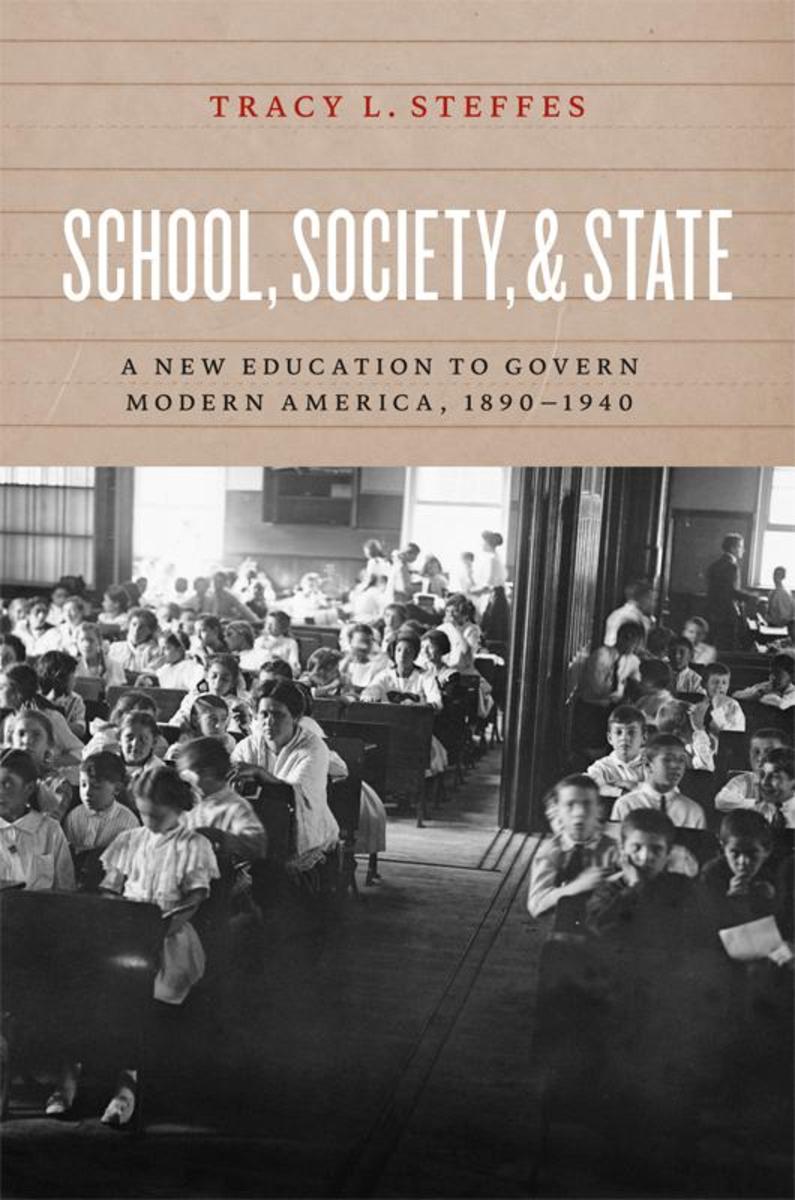
School, Society, and State
¥394.36
"e;Democracy has to be born anew every generation, and education is its midwife,"e; wrote John Dewey in his classic work The School and Society. In School, Society, and State, Tracy Steffes places that idea at the center of her exploration of the connections between public school reform in the early twentieth century and American political development from 1890 to 1940.American public schooling, Steffes shows, was not merely another reform project of the Progressive Era, but a central one. She addresses why Americans invested in public education and explains how an array of reformers subtly transformed schooling into a tool of social governance to address the consequences of industrialization and urbanization. By extending the reach of schools, broadening their mandate, and expanding their authority over the well-being of children, the state assumed a defining role in the education-and in the lives-of American families.In School, Society, and State, Steffes returns the state to the study of the history of education and brings the schools back into our discussion of state power during a pivotal moment in American political development.
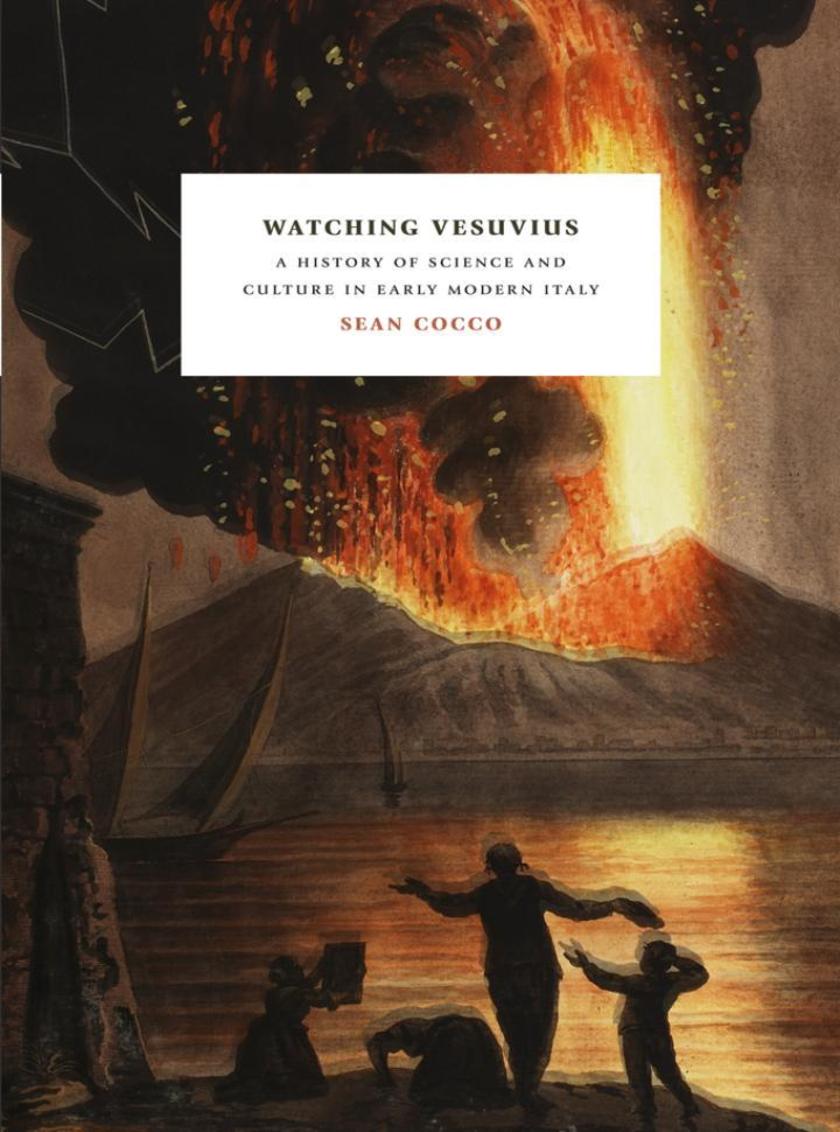
Watching Vesuvius
¥394.36
Mount Vesuvius has been famous ever since its eruption in 79 CE, when it destroyed and buried the Roman cities of Pompeii and Herculaneum. But less well-known is the role it played in the science and culture of early modern Italy, as Sean Cocco reveals in this ambitious and wide-ranging study. Humanists began to make pilgrimages to Vesuvius during the early Renaissance to experience its beauty and study its history, but a new tradition of observation emerged in 1631 with the first great eruption of the modern period. Seeking to understand the volcano's place in the larger system of nature, Neapolitans flocked to Vesuvius to examine volcanic phenomena and to collect floral and mineral specimens from the mountainside.?In Watching Vesuvius, Cocco argues that this investigation and engagement with Vesuvius was paramount to the development of modern volcanology. He then situates the native experience of Vesuvius in a larger intellectual, cultural, and political context and explains how later eighteenth-century representations of Naples-of its climate and character-grew out of this tradition of natural history. Painting a rich and detailed portrait of Vesuvius and those living in its shadow, Cocco returns the historic volcano to its place in a broader European culture of science, travel, and appreciation of the natural world.
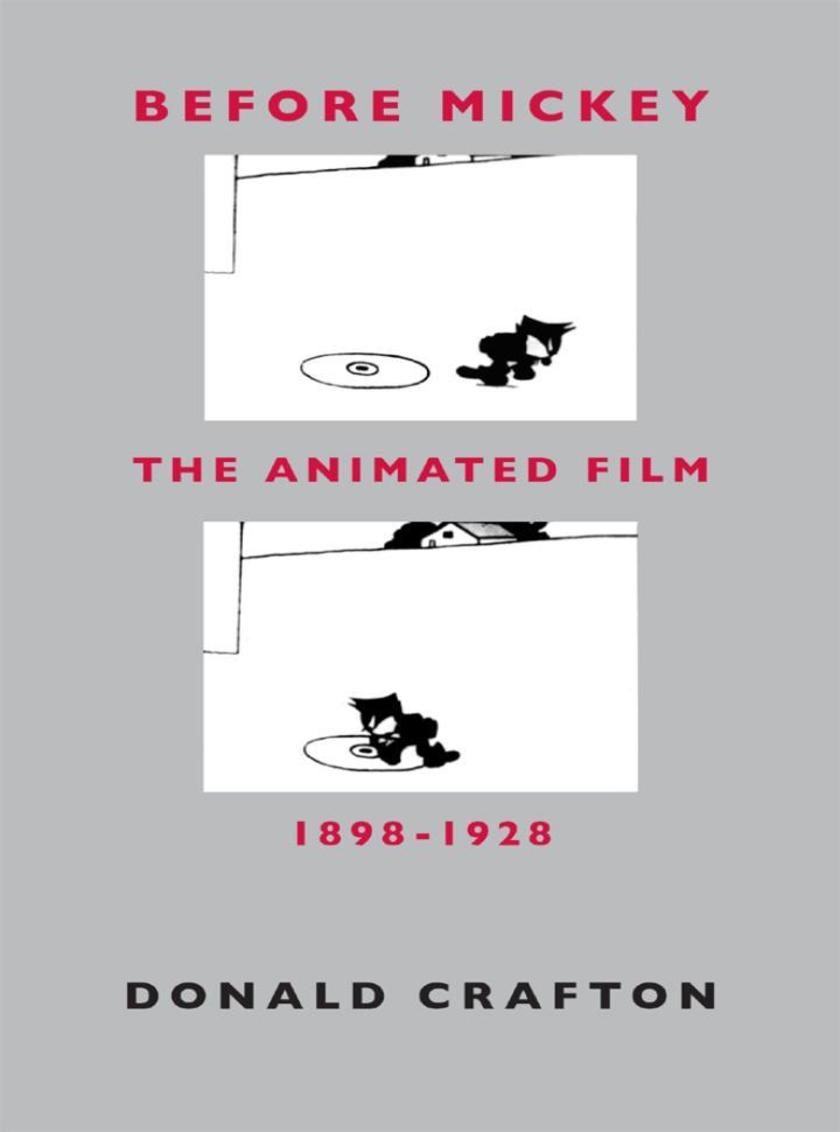
Before Mickey
¥288.41
This witty and fascinating study reminds us that there was animation before Disney: about thirty years of creativity and experimentation flourishing in such extraordinary work as Girdie the Dinosaur and Felix the Cat. Before Mickey, the first and only in-depth history of animation from 1898-1928, includes accounts of mechanical ingenuity, marketing and art. Crafton is equally adept at explaining techniques of sketching and camera work, evoking characteristic styles of such pioneering animators as Winsor McCay and Ladislas Starevitch, placing work in its social and economic context, and unraveling the aesthetic impact of specific cartoons."e;Before Mickey's scholarship is quite lively and its de*ions are evocative and often funny. The history of animation coexisted with that of live-action film but has never been given as much attention."e;-Tim Hunter, New York Times
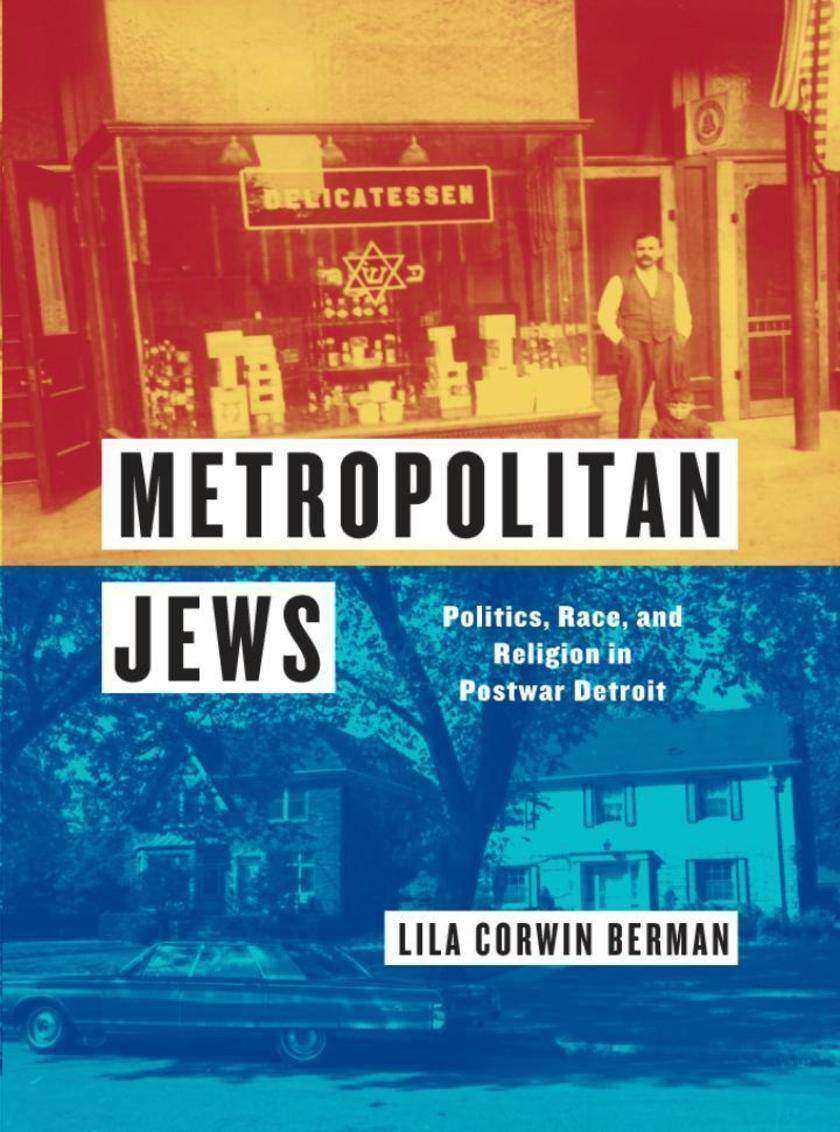
Metropolitan Jews
¥288.41
In this provocative and accessible urban history, Lila Corwin Berman considers the role that Detroit's Jews played in the city's well-known narrative of migration and decline. Taking its cue from social critics and historians who have long looked toward Detroit to understand twentieth-century urban transformations, Metropolitan Jews tells the story of Jews leaving the city while retaining a deep connection to it. Berman argues convincingly that though most Jews moved to the suburbs, urban abandonment, disinvestment, and an embrace of conservatism did not invariably accompany their moves. Instead, the Jewish postwar migration was marked by an enduring commitment to a newly fashioned urbanism with a vision of self, community, and society that persisted well beyond city limits.Complex and subtle, Metropolitan Jews pushes urban scholarship beyond the tenacious black/white, urban/suburban dichotomy. It demands a more nuanced understanding of the process and politics of suburbanization and will reframe how we think about the American urban experiment and modern Jewish history.
Courtiers' Anatomists
¥288.41
The Courtiers' Anatomists is about dead bodies and live animals in Louis XIV's Paris--and the surprising links between them. Examining the practice of seventeenth-century anatomy, Anita Guerrini reveals how anatomy and natural history were connected through animal dissection and vivisection. Driven by an insatiable curiosity, Parisian scientists, with the support of the king, dissected hundreds of animals from the royal menageries and the streets of Paris. Guerrini is the first to tell the story of Joseph-Guichard Duverney, who performed violent, riot-inducing dissections of both animal and human bodies before the king at Versailles and in front of hundreds of spectators at the King's Garden in Paris. At the Paris Academy of Sciences, meanwhile, Claude Perrault, with the help of Duverney's dissections, edited two folios in the 1670s filled with lavish illustrations by court artists of exotic royal animals.Through the stories of Duverney and Perrault, as well as those of Marin Cureau de la Chambre, Jean Pecquet, and Louis Gayant, The Courtiers' Anatomists explores the relationships between empiricism and theory, human and animal, as well as the origins of the natural history museum and the relationship between science and other cultural activities, including art, music, and literature.
Hayek's Challenge
¥265.87
Friedrich A. Hayek is regarded as one of the preeminent economic theorists of the twentieth century, as much for his work outside of economics as for his work within it. During a career spanning several decades, he made contributions in fields as diverse as psychology, political philosophy, the history of ideas, and the methodology of the social sciences. Bruce Caldwell-editor of The Collected Works of F. A. Hayek-understands Hayek's thought like few others, and with this book he offers us the first full intellectual biography of this pivotal social theorist.Caldwell begins by providing the necessary background for understanding Hayek's thought, tracing the emergence, in fin-de-sicle Vienna, of the Austrian school of economics-a distinctive analysis forged in the midst of contending schools of thought. In the second part of the book, Caldwell follows the path by which Hayek, beginning from the standard Austrian assumptions, gradually developed his unique perspective on not only economics but a broad range of social phenomena. In the third part, Caldwell offers both an assessment of Hayek's arguments and, in an epilogue, an insightful estimation of how Hayek's insights can help us to clarify and reexamine changes in the field of economics during the twentieth century.As Hayek's ideas matured, he became increasingly critical of developments within mainstream economics: his works grew increasingly contrarian and evolved in striking-and sometimes seemingly contradictory-ways. Caldwell is ideally suited to explain the complex evolution of Hayek's thought, and his analysis here is nothing short of brilliant, impressively situating Hayek in a broader intellectual context, unpacking the often difficult turns in his thinking, and showing how his economic ideas came to inform his ideas on the other social sciences.Hayek's Challenge will be received as one of the most important works published on this thinker in recent decades.
Moral Imagination
¥265.87
Using path-breaking discoveries of cognitive science, Mark Johnson argues that humans are fundamentally imaginative moral animals, challenging the view that morality is simply a system of universal laws dictated by reason. According to the Western moral tradition, we make ethical decisions by applying universal laws to concrete situations. But Johnson shows how research in cognitive science undermines this view and reveals that imagination has an essential role in ethical deliberation.Expanding his innovative studies of human reason in Metaphors We Live By and The Body in the Mind, Johnson provides the tools for more practical, realistic, and constructive moral reflection.
Argument and the Action of Plato's Laws
¥265.87
The posthumous publication of The Argument and the Action of Plato's "e;Laws"e; was compiled shortly before the death of Leo Strauss in 1973. Strauss offers an insightful and instructive reading through careful probing of Plato's classic text."e;Strauss's The Argument and the Action of Plato's 'Laws' reflects his interest in political thought, his dogged method of following the argument of the Laws step by step, and his vigorous defense of this dialogue's integrity in respect to the ideals of the Republic."e;-Cross Currents"e;The unique characteristics of this commentary on the Laws reflect the care and precision which were the marks of Professor Strauss's efforts to understand the complex thoughts of other men."e;-Allan D. Nelson, Canadian Journal of Political Science"e;Thorough and provocative, an important addition to Plato scholarship."e;-Library Journal"e;The major purpose of the commentary is to provide a reading of the dialogue which displays its structural arrangement and the continuity of the argument."e;-J. W. Dy, Bibliographical Bulletin of Philosophy"e;The reader of Strauss's book is indeed guided closely through the whole text."e;- M. J. Silverthorne, The Humanities Association ReviewLeo Strauss (1899-1973) was the Robert Maynard Hutchins Distinguished Service Professor Emeritus of political science at the University of Chicago.
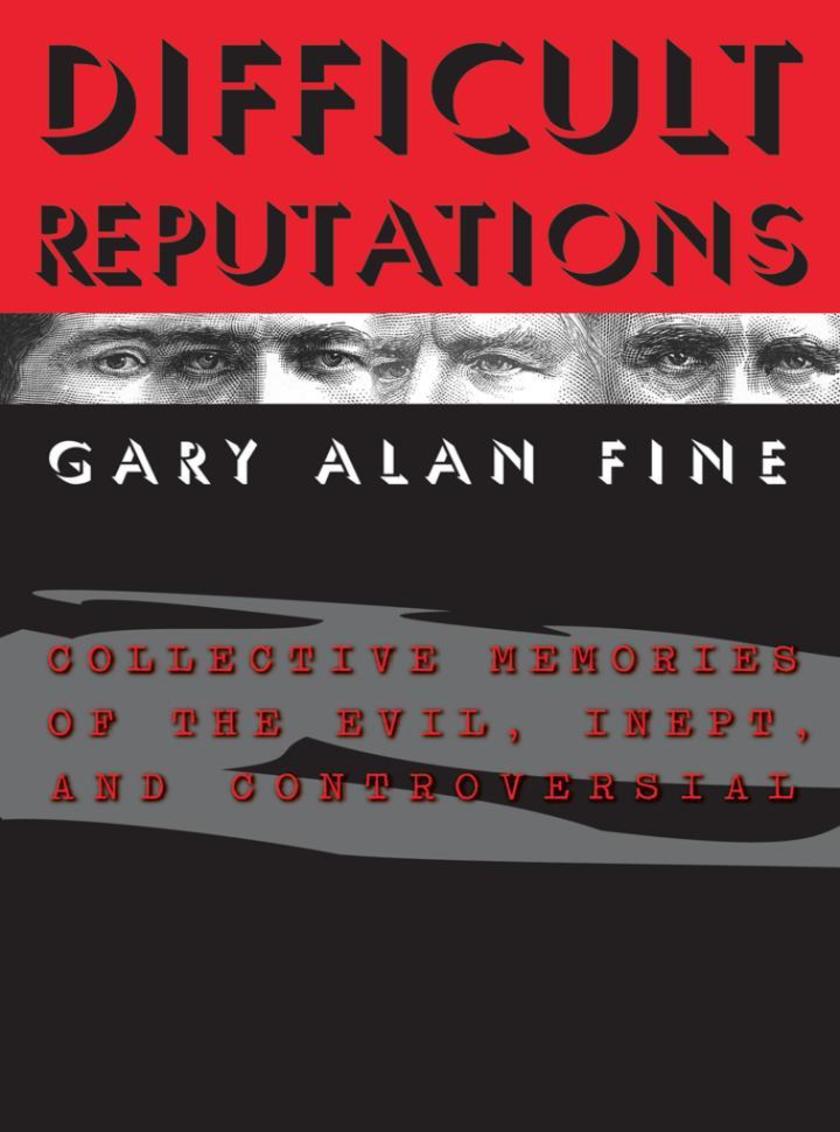
Difficult Reputations
¥253.10
We take reputations for granted. Believing in the bad and the good natures of our notorious or illustrious forebears is part of our shared national heritage. Yet we are largely ignorant of how such reputations came to be, who was instrumental in creating them, and why. Even less have we considered how villains, just as much as heroes, have helped our society define its values.Presenting essays on America's most reviled traitor, its worst president, and its most controversial literary ingnue (Benedict Arnold, Warren G. Harding, and Lolita), among others, sociologist Gary Alan Fine analyzes negative, contested, and subcultural reputations. Difficult Reputations offers eight compelling historical case studies as well as a theoretical introduction situating the complex roles in culture and history that negative reputations play.Arguing the need for understanding real conditions that lead to proposed interpretations, as well as how reputations are given meaning over time, this book marks an important contribution to the sociologies of culture and knowledge.
What Is Education?
¥253.10
One day in 1938, John Dewey addressed a room of professional educators and urged them to take up the task of "e;finding out just what education is."e;?Reading this lecture in the late 1940s, Philip W. Jackson took Dewey's charge to heart and spent the next sixty years contemplating his words. The stimulating result of a lifetime of thinking about educating, What Is Educationis a profound philosophical exploration of how we transmit knowledge in human society and how we think about accomplishing that vital task.?Most contemporary approaches to education follow a strictly empirical track, aiming to discover pragmatic solutions for teachers and school administrators. Jackson argues that we need to learn not just how to improve on current practices but also how to think about what education means-in short, we need to answer Dewey by constantly rethinking education from the ground up. Guiding us through the many facets of Dewey's comments, Jackson also calls on Hegel, Kant, and Paul Tillich to shed light on how a society does, can, and should transmit truth and knowledge to successive generations. Teasing out the implications in these thinkers' works ultimately leads Jackson to the conclusion that education is at root a moral enterprise.?At a time when schools increasingly serve as a battleground for ideological contests, What Is Educationis a stirring call to refocus our minds on what is for Jackson the fundamental goal of education: making students as well as teachers-and therefore everyone-better people.
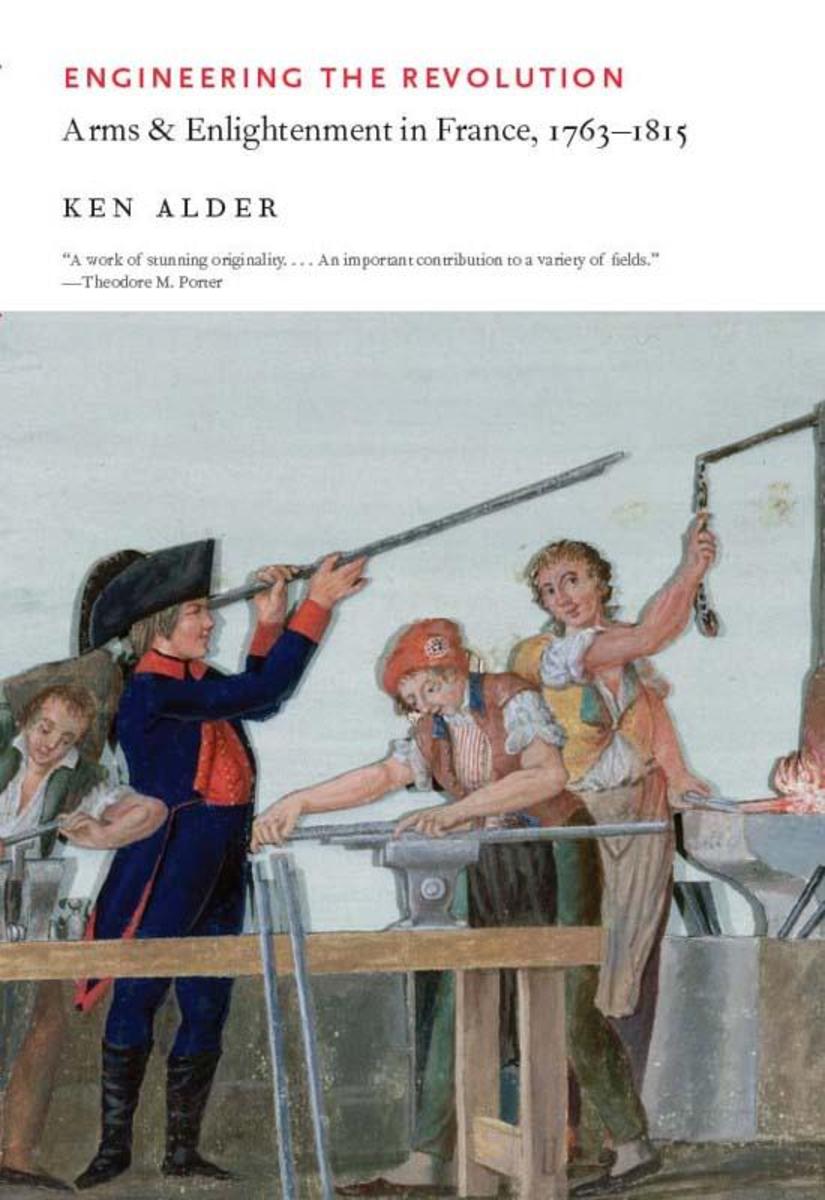
Engineering the Revolution
¥247.21
Engineering the Revolution documents the forging of a new relationship between technology and politics in Revolutionary France, and the inauguration of a distinctively modern form of the "e;technological life."e;Here, Ken Alder rewrites the history of the eighteenth century as the total history of one particular artifact-the gun-by offering a novel and historical account of how material artifacts emerge as the outcome of political struggle. By expanding the "e;political"e; to include conflict over material objects, this volume rethinks the nature of engineering rationality, the origins of mass production, the rise of meritocracy, and our interpretation of the Enlightenment and the French Revolution.
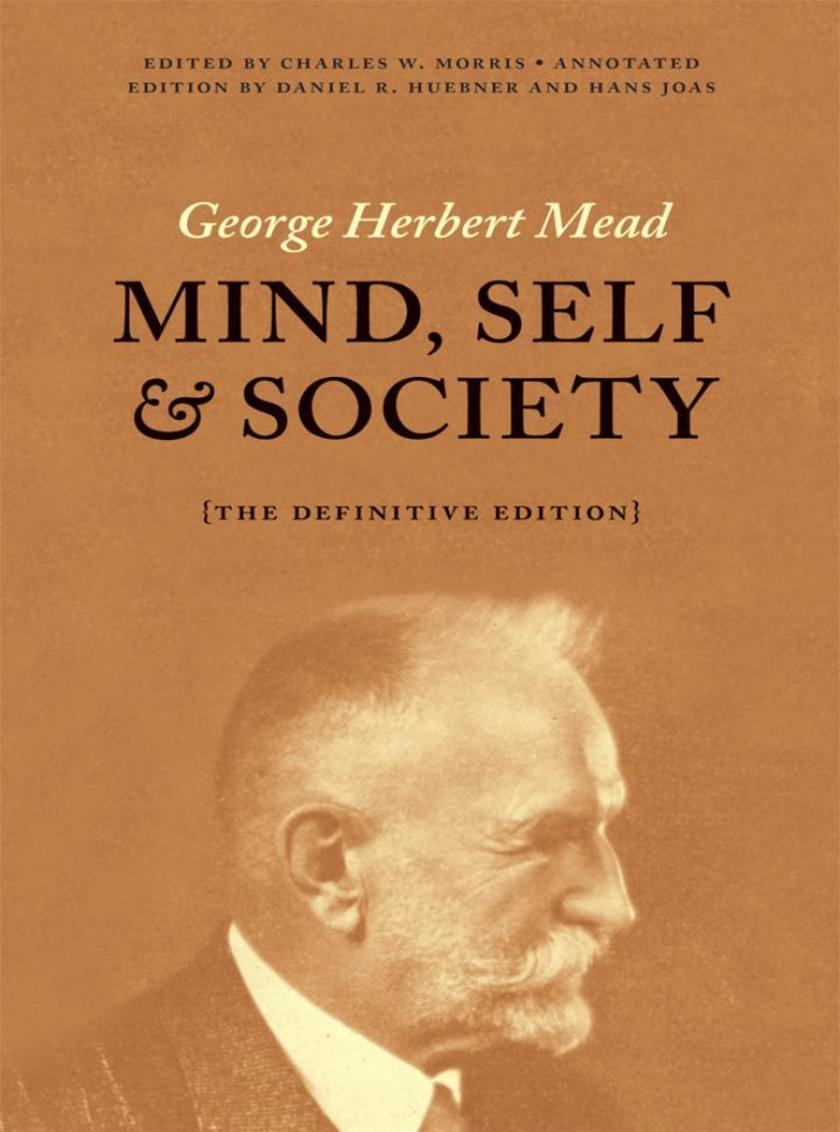
Mind, Self, and Society
¥247.21
George Herbert Mead is widely recognized as one of the most brilliantly original American pragmatists. Although he had a profound influence on the development of social philosophy, he published no books in his lifetime. This makes the lectures collected in Mind, Self, and Society all the more remarkable, as they offer a rare synthesis of his ideas.This collection gets to the heart of Mead's meditations on social psychology and social philosophy. Its penetrating, conversational tone transports the reader directly into Mead's classroom as he teases out the genesis of the self and the nature of the mind. The book captures his wry humor and shrewd reasoning, showing a man comfortable quoting Aristotle alongside Alice in Wonderland.Included in this edition are an insightful foreword from leading Mead scholar Hans Joas, a revealing set of textual notes by Dan Huebner that detail the text's origins, and a comprehensive bibliography of Mead's other published writings. While Mead's lectures inspired hundreds of students, much of his brilliance has been lost to time. This new edition ensures that Mead's ideas will carry on, inspiring a new generation of thinkers.
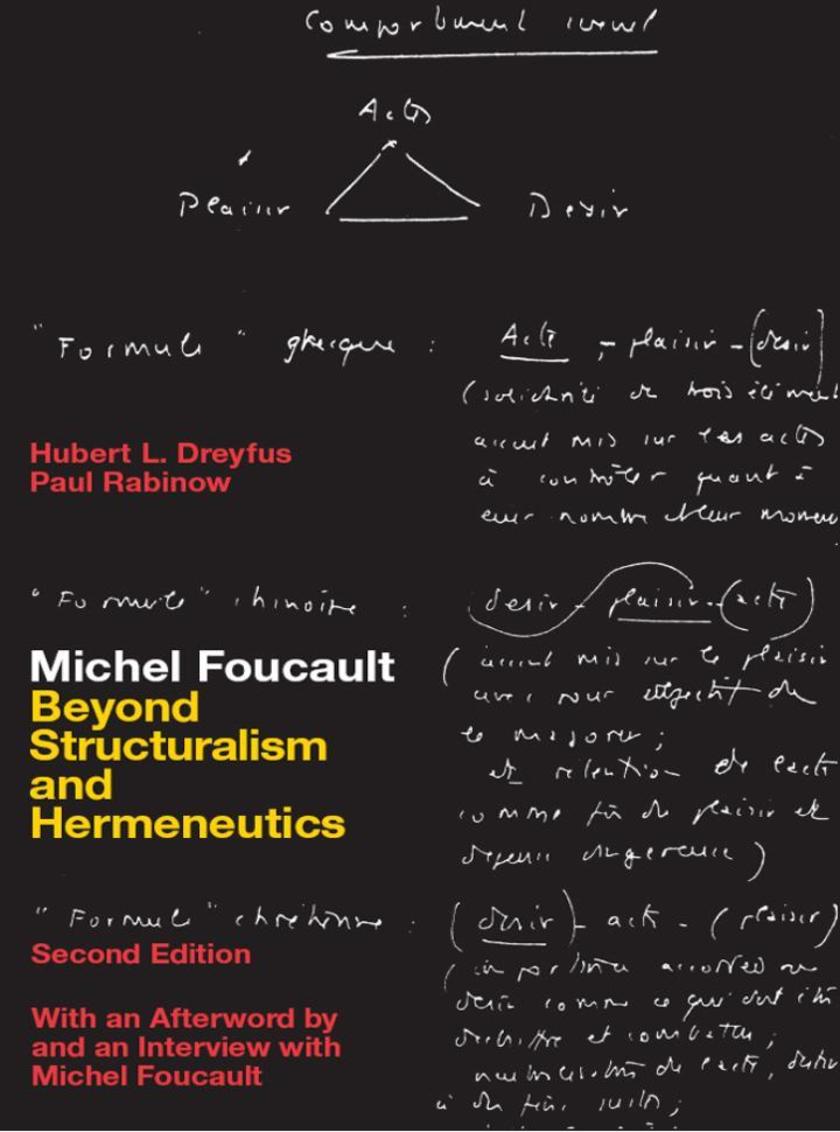
Michel Foucault
¥247.21
This book, which Foucault himself has judged accurate, is the first to provide a sustained, coherent analysis of Foucault's work as a whole.To demonstrate the sense in which Foucault's work is beyond structuralism and hermeneutics, the authors unfold a careful, analytical exposition of his oeuvre. They argue that during the of Foucault's work became a sustained and largely successful effort to develop a new method-"e;interpretative analytics"e;-capable fo explaining both the logic of structuralism's claim to be an objective science and the apparent validity of the hermeneutical counterclaim that the human sciences can proceed only by understanding the deepest meaning of the subject and his tradition."e;There are many new secondary sources [on Foucault]. None surpass the book by Hubert Dreyfus and Paul Rabinow. . . . The American paperback edition contains Foucault's 'On the Genealogy of Ethics,' a lucid interview that is now our best source for seeing how he construed the whole project of the history of sexuality."e;-David Hoy, London Review of Books
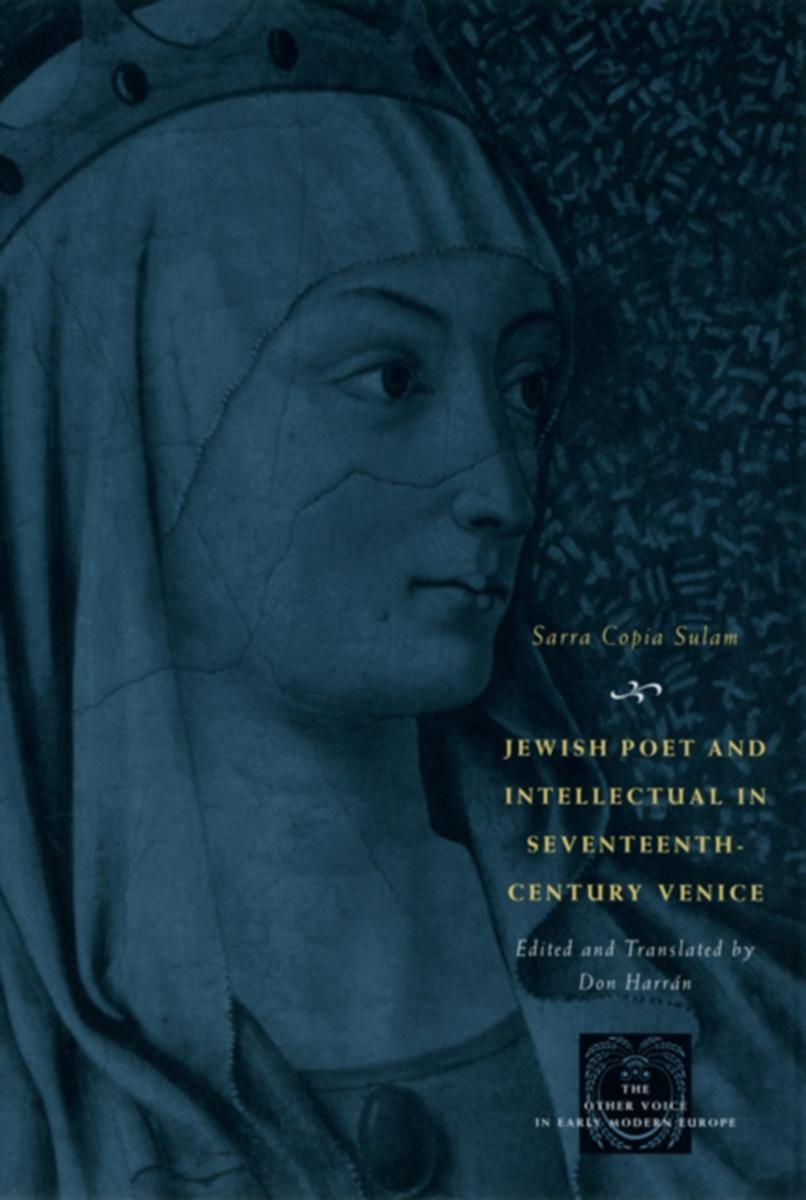
Jewish Poet and Intellectual in Seventeenth-Century Venice
¥353.16
These recent achievements have their origins in things women (and some male supporters) said for the first time about six hundred years ago. Theirs is the “other voice,” in contradistinction to the “first voice,” the voice of the educated men who created Western culture. Coincident with a general reshaping of European culture in the period 1300- 1700 (called the Renaissance or early modern period), questions of female equality and op-portunity were raised that still resound and are still unresolved.
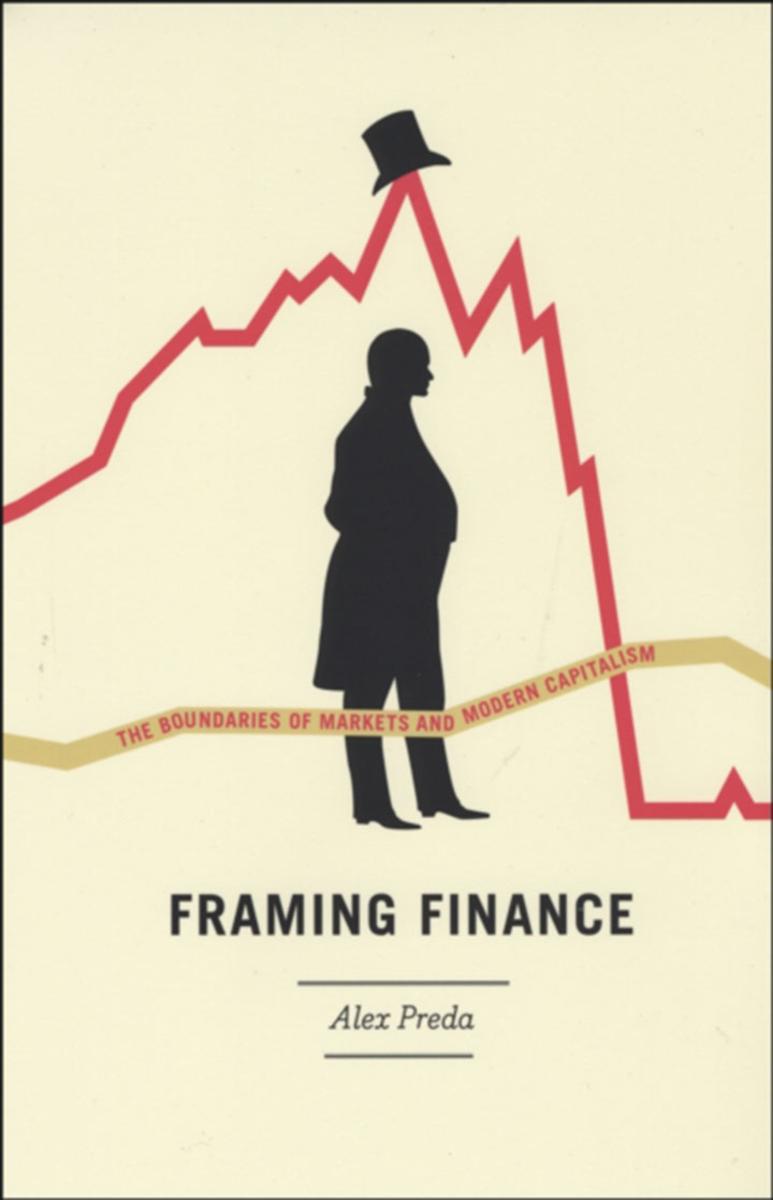
Framing Finance
¥253.10
As the banking crisis and its effects on the world economy have made plain, the stock market is of colossal importance to our livelihoods. In Framing Finance, Alex Preda looks at the history of the market to figure out how we arrived at a point where investing is not only commonplace, but critical, as market fluctuations threaten our plans to send our children to college or retire comfortably. As Preda discovers through extensive research, the public was once much more skeptical. For investing to become accepted, a deep-seated prejudice against speculation had to be overcome, and Preda reveals that over the course of the eighteenth and nineteenth centuries groups associated with stock exchanges in New York, London, and Paris managed to redefine finance as a scientific pursuit grounded in observational technology. But Preda also notes that as the financial data in which they trafficked became ever more difficult to understand, charismatic speculators emerged whose manipulations of the market undermined the benefits of widespread investment. And so, Framing Finance ends with an eye on the future, proposing a system of public financial education to counter the irrational elements that still animate the appeal of finance.
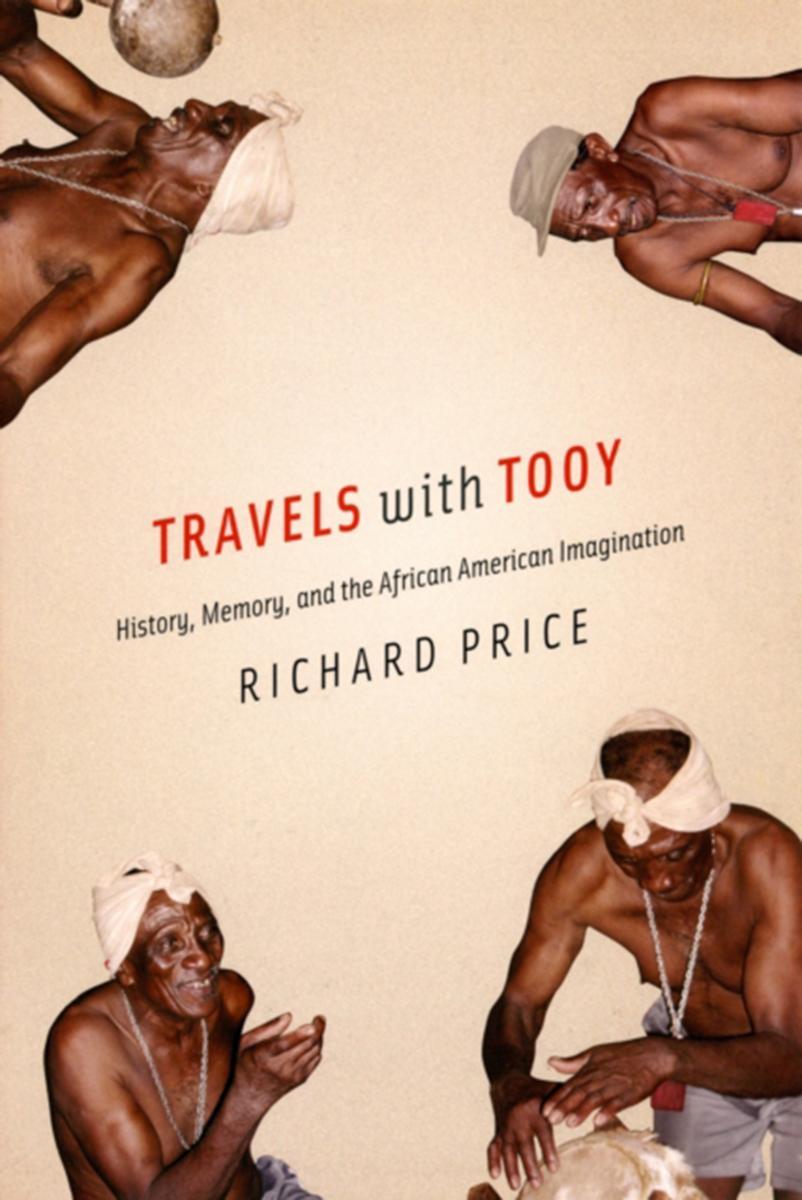
Travels with Tooy
¥265.87
At first glance, the rough shantytowns that ring Cayenne, where Haitian, Brazilian, Guyanese, and Suriname migrants live cheek by jowl, might seem the least likely of places to meet a fellow intellectual. And yet . . . The poverty that threatens to crush the spirit of both the hardworking and the unemployed can leave largely untouched the richness of the imagination. Amidst the mud and stench and random violence, Tooy—captain of the Saramakas of Cayenne—runs a household in which spiritual and rhetorical gifts abound. I’ve felt privileged to play a part in it during the past seven years.

Acolytes of Nature
¥447.34
Although many of the practical and intellectual traditions that make up modern science date back centuries, the category of "e;science"e; itself is a relative novelty. In the early eighteenth century, the modern German word that would later mean "e;science,"e; naturwissenschaft, was not even included in dictionaries. By 1850, however, the term was in use everywhere. Acolytes of Nature follows the emergence of this important new category within German-speaking Europe, tracing its rise from an insignificant eighteenth-century neologism to a defining rallying cry of modern German culture.Today's notion of a unified natural science has been deemed an invention of the mid-nineteenth century. Yet what Denise Phillips reveals here is that the idea of naturwissenschaft acquired a prominent place in German public life several decades earlier. Phillips uncovers the evolving outlines of the category of natural science and examines why Germans of varied social station and intellectual commitments came to find this label useful. An expanding education system, an increasingly vibrant consumer culture and urban social life, the early stages of industrialization, and the emergence of a liberal political movement all fundamentally altered the world in which educated Germans lived, and also reshaped the way they classified knowledge.
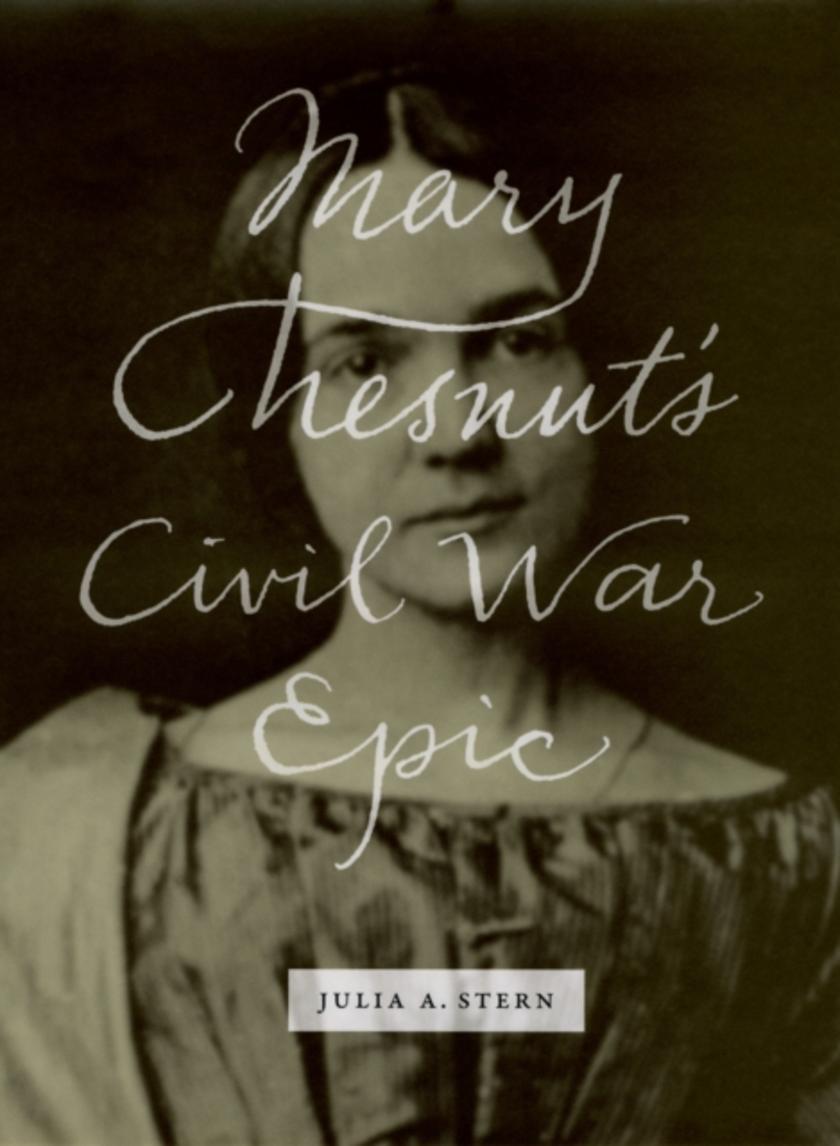
Mary Chesnut's Civil War Epic
¥447.34
A genteel southern intellectual, saloniste, and wife to a prominent colonel in Jefferson Davis's inner circle, Mary Chesnut today is remembered best for her penetrating Civil War diary. Composed between 1861 and 1865 and revised thoroughly from the late 1870s until Chesnut's death in 1886, the diary was published first in 1905, again in 1949, and later, to great acclaim, in 1981. This complicated literary history and the questions that attend it-which edition represents the real ChesnutTo what genre does this text belong?-may explain why the document largely has, until now, been overlooked in literary studies.Julia A. Stern's critical analysis returns Chesnut to her rightful place among American writers. In Mary Chesnut's Civil War Epic, Stern argues that the revised diary offers the most trenchant literary account of race and slavery until the work of Faulkner and that, along with his Yoknapatawpha novels, it constitutes one of the two great Civil War epics of the American canon. By restoring Chesnut's 1880s revision to its complex, multidecade cultural context, Stern argues both for Chesnut's reinsertion into the pantheon of nineteenth-century American letters and for her centrality to the literary history of women's writing as it evolved from sentimental to tragic to realist forms.
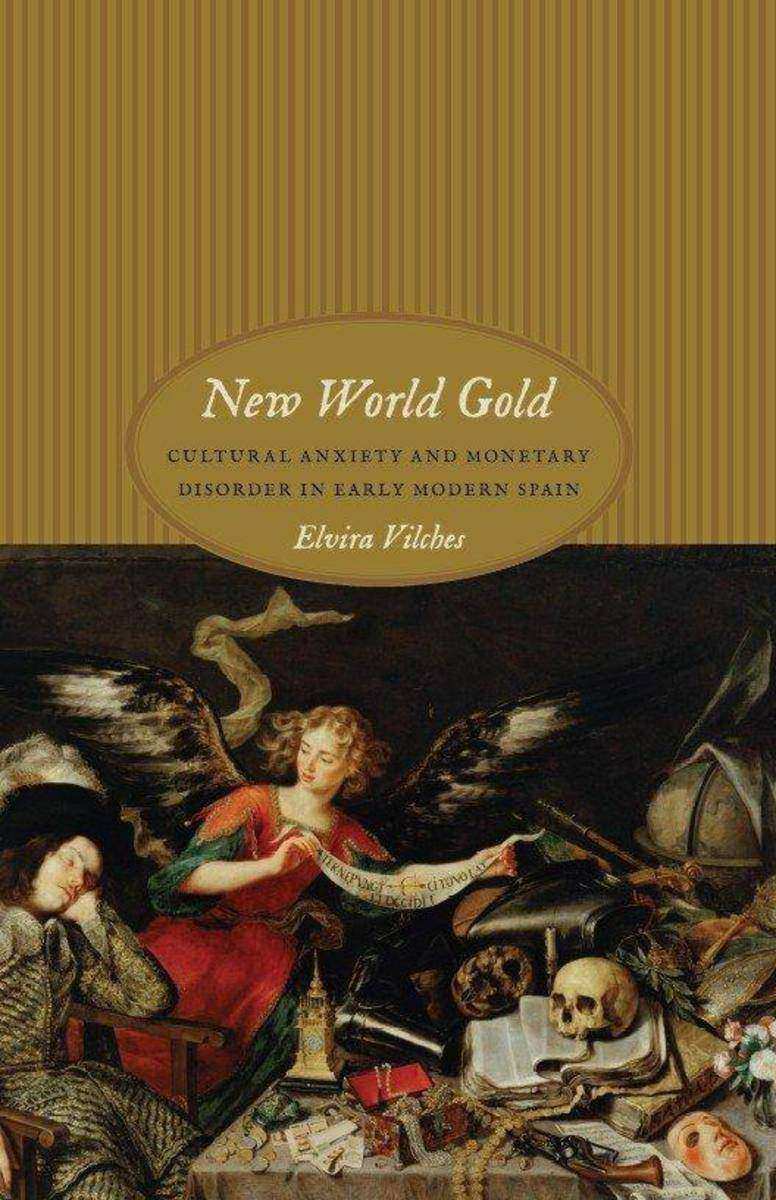
New World Gold
¥447.34
The discovery of the New World was initially a cause for celebration. But the vast amounts of gold that Columbus and other explorers claimed from these lands altered Spanish society. The influx of such wealth contributed to the expansion of the Spanish empire, but also it raised doubts and insecurities about the meaning and function of money, the ideals of court and civility, and the structure of commerce and credit. New World Gold shows that, far from being a stabilizing force, the flow of gold from the Americas created anxieties among Spaniards and shaped a host of distinct behaviors, cultural practices, and intellectual pursuits on both sides of the Atlantic.Elvira Vilches examines economic treatises, stories of travel and conquest, moralist writings, fiction, poetry, and drama to reveal that New World gold ultimately became a problematic source of power that destabilized Spain's sense of trust, truth, and worth. These cultural anxieties, she argues, rendered the discovery of gold paradoxically disastrous for Spanish society. Combining economic thought, social history, and literary theory in trans-Atlantic contexts, New World Gold unveils the dark side of Spain's Golden Age.
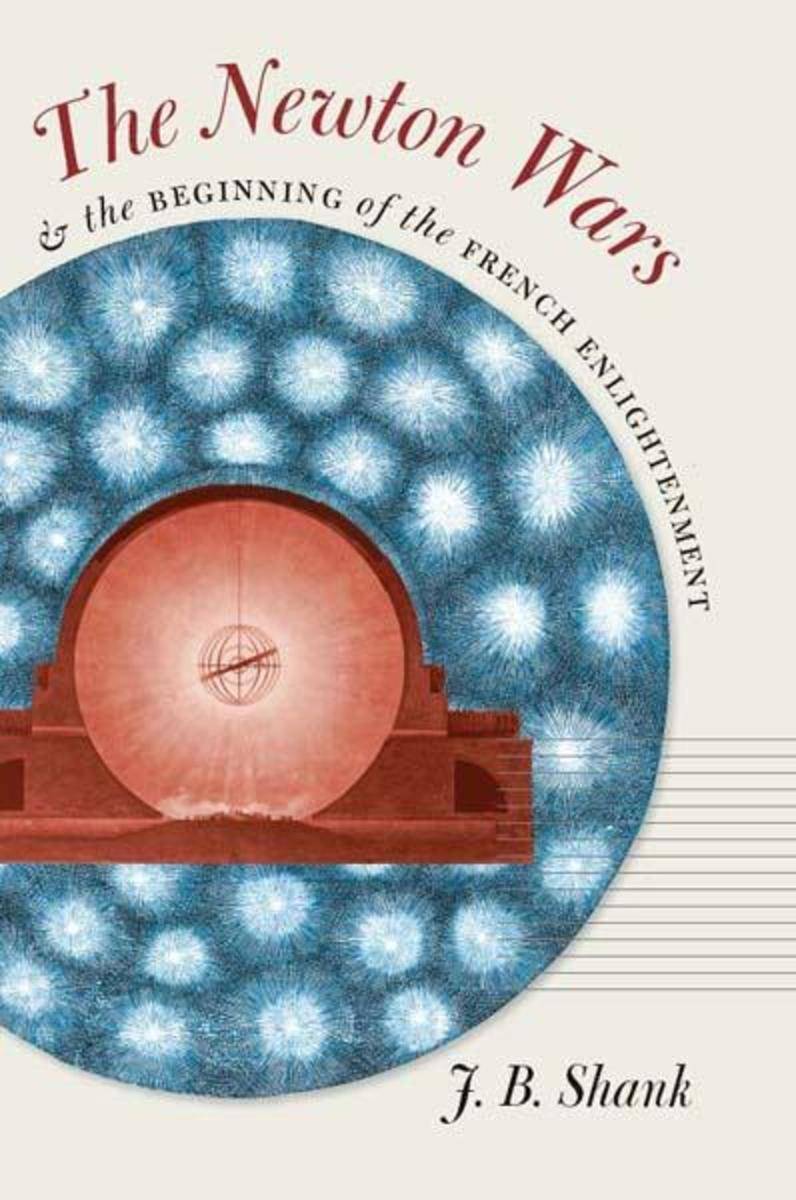
Newton Wars and the Beginning of the French Enlightenment
¥529.74
Nothing is considered more natural than the connection between Isaac Newton's science and the modernity that came into being during the eighteenth-century Enlightenment. Terms like "e;Newtonianism"e; are routinely taken as synonyms for "e;Enlightenment"e; and "e;modern"e; thought, yet the particular conjunction of these terms has a history full of accidents and contingencies. Modern physics, for example, was not the determined result of the rational unfolding of Newton's scientific work in the eighteenth century, nor was the Enlightenment the natural and inevitable consequence of Newton's eighteenth-century reception. Each of these outcomes, in fact, was a contingent event produced by the particular historical developments of the early eighteenth century.A comprehensive study of public culture, The Newton Wars and the Beginning of the French Enlightenment digsbelow the surface of the commonplace narratives that link Newton with Enlightenment thought to examine the actual historical changes that brought them together in eighteenth-century time and space. Drawing on the full range of early modern scientific sources, from studied scientific treatises and academic papers to book reviews, commentaries, and private correspondence, J. B. Shank challenges the widely accepted claim that Isaac Newton's solitary genius is the reason for his iconic status as the father of modern physics and the philosophemovement.
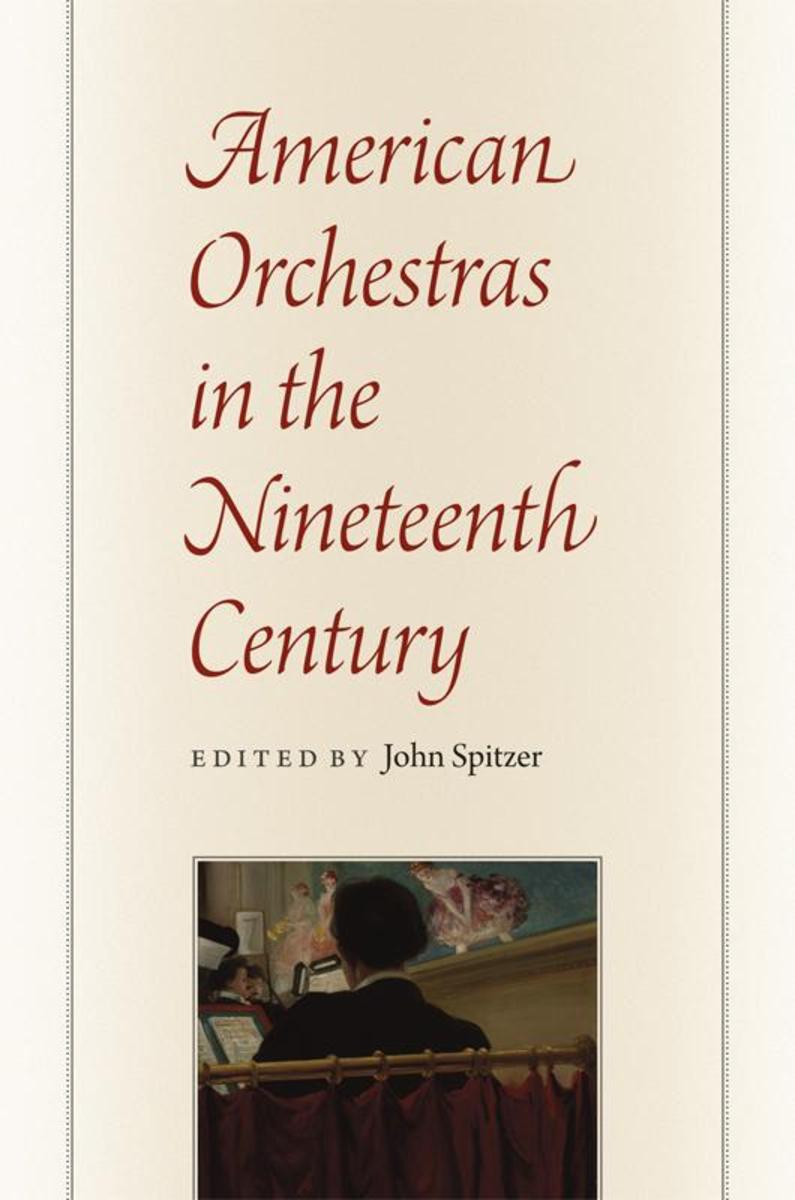
American Orchestras in the Nineteenth Century
¥529.74
Studies of concert life in nineteenth-century America have generally been limited to large orchestras and the programs we are familiar with today. But as this book reveals, audiences of that era enjoyed far more diverse musical experiences than this focus would suggest. To hear an orchestra, people were more likely to head to a beer garden, restaurant, or summer resort than to a concert hall. And what they heard weren't just symphonic works-programs also included opera excerpts and arrangements, instrumental showpieces, comic numbers, and medleys of patriotic tunes.This book brings together musicologists and historians to investigate the many orchestras and programs that developed in nineteenth-century America. In addition to reflecting on the music that orchestras played and the socioeconomic aspects of building and maintaining orchestras, the book considers a wide range of topics, including audiences, entrepreneurs, concert arrangements, tours, and musicians' unions. The authors also show that the period saw a massive influx of immigrant performers, the increasing ability of orchestras to travel across the nation, and the rising influence of women as listeners, patrons, and players. Painting a rich and detailed picture of nineteenth-century concert life, this collection will greatly broaden our understanding of America's musical history.


