


 购物车
购物车 个人中心
个人中心
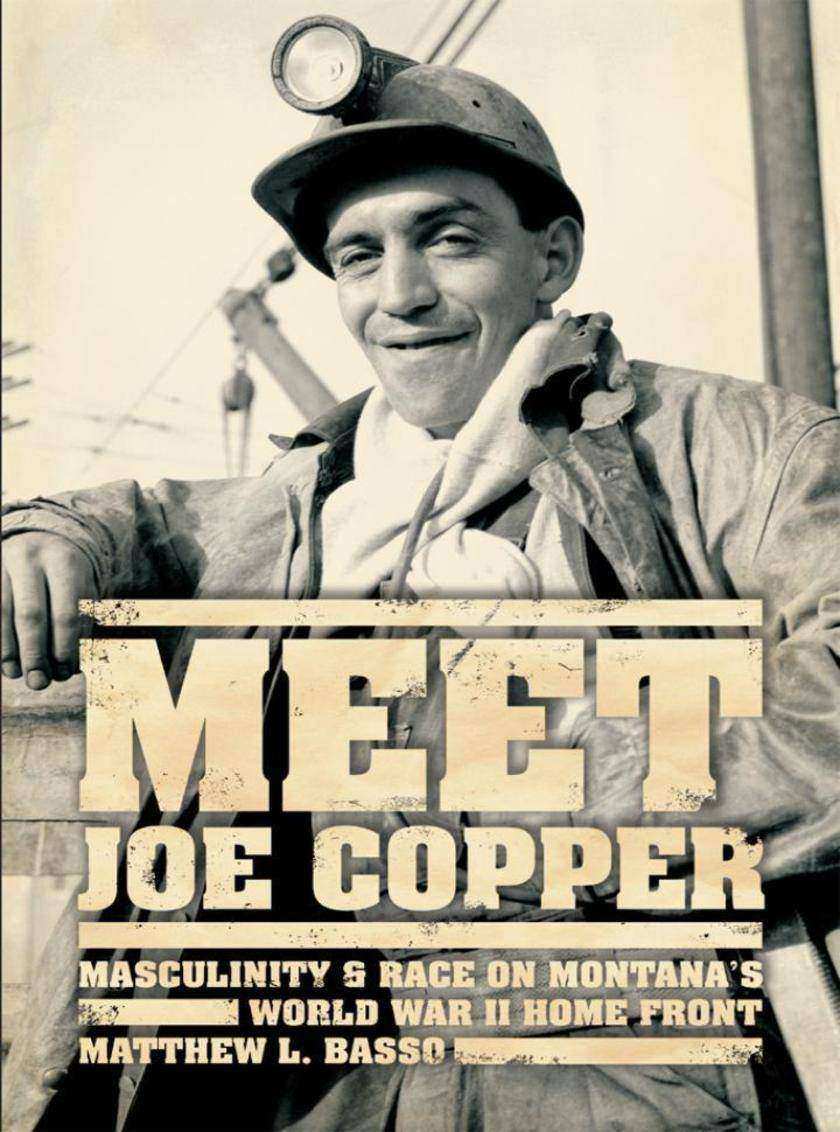
Meet Joe Copper
¥247.21
"e;I realize that I am a soldier of production whose duties are as important in this war as those of the man behind the gun."e; So began the pledge that many home front men took at the outset of World War II when they went to work in the factories, fields, and mines while their compatriots fought in the battlefields of Europe and on the bloody beaches of the Pacific. The male experience of working and living in wartime America is rarely examined, but the story of men like these provides a crucial counter-narrative to the national story of Rosie the Riveter and GI Joe that dominates scholarly and popular discussions of World War II.In Meet Joe Copper, Matthew L. Basso describes the formation of a powerful, white, working-class masculine ideology in the decades prior to the war, and shows how it thrived-on the job, in the community, and through union politics. Basso recalls for us the practices and beliefs of the first- and second-generation immigrant copper workers of Montana while advancing the historical conversation on gender, class, and the formation of a white ethnic racial identity. Meet Joe Copper provides a context for our ideas of postwar masculinity and whiteness and finally returns the men of the home front to our reckoning of the Greatest Generation and the New Deal era.
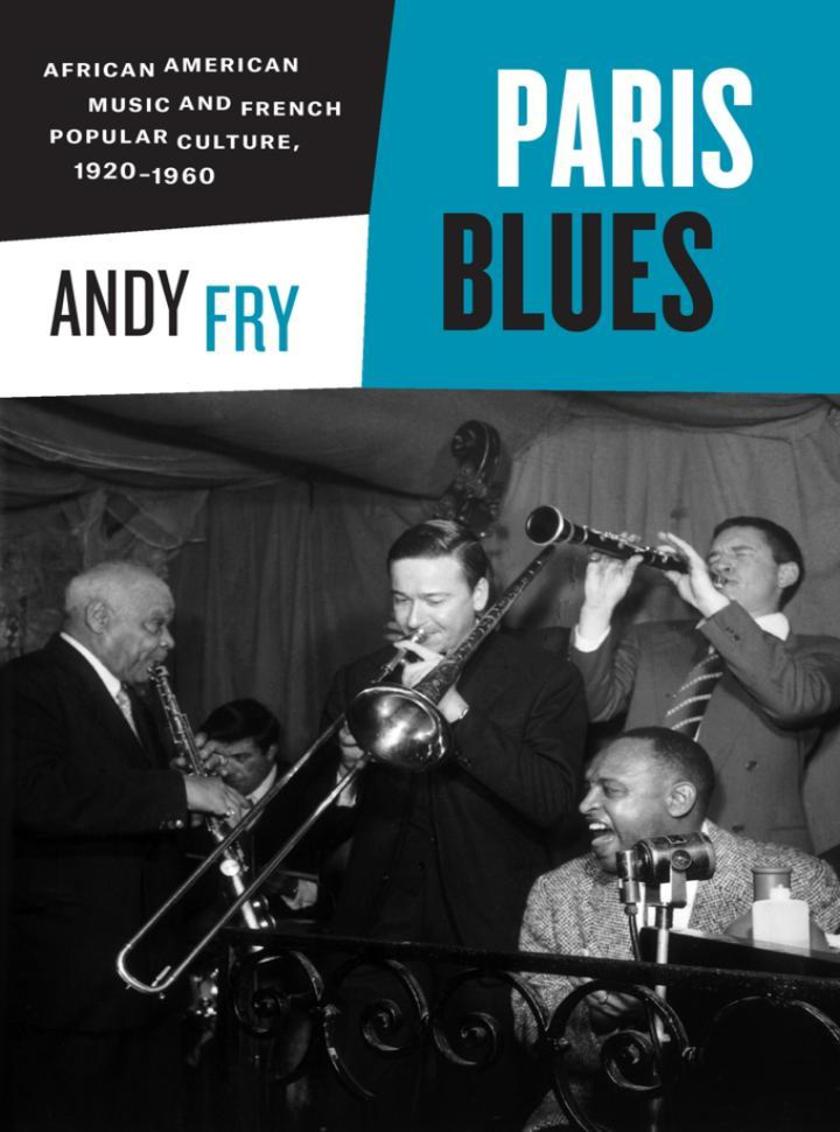
Paris Blues
¥247.21
The Jazz Age. The phrase conjures images of Louis Armstrong holding court at the Sunset Cafe in Chicago, Duke Ellington dazzling crowds at the Cotton Club in Harlem, and star singers like Bessie Smith and Ma Rainey. But the Jazz Age was every bit as much of a Paris phenomenon as it was a Chicago and New York scene.In?Paris Blues, Andy Fry provides an alternative history of African American music and musicians in France, one that looks beyond familiar personalities and well-rehearsed stories. He pinpoints key issues of race and nation in France's complicated jazz history from the 1920s through the 1950s. While he deals with many of the traditional icons-such as Josephine Baker, Django Reinhardt, and Sidney Bechet, among others-what he asks is how they came to be so iconic, and what their stories hide as well as what they preserve. Fry focuses throughout on early jazz and swing but includes its re-creation-reinvention-in the 1950s. Along the way, he pays tribute to forgotten traditions such as black musical theater, white show bands, and French wartime swing.?Paris Blues?provides a nuanced account of the French reception of African Americans and their music and contributes greatly to a growing literature on jazz, race, and nation in France.
Planning Matter
¥247.21
City and regional planners talk constantly about the things of the world-from highway interchanges and retention ponds to zoning documents and conference rooms-yet most seem to have a poor understanding of the materiality of the world in which they're immersed. Too often planners treat built forms, weather patterns, plants, animals, or regulatory technologies as passively awaiting commands rather than actively involved in the workings of cities and regions.In the ambitious and provocative Planning Matter, Robert A. Beauregard sets out to offer a new materialist perspective on planning practice that reveals the many ways in which the nonhuman things of the world mediate what planners say and do. Drawing on actor-network theory and science and technology studies, Beauregard lays out a framework that acknowledges the inevitable insufficiency of our representations of reality while also engaging more holistically with the world in all of its diversity-including human and nonhuman actors alike.
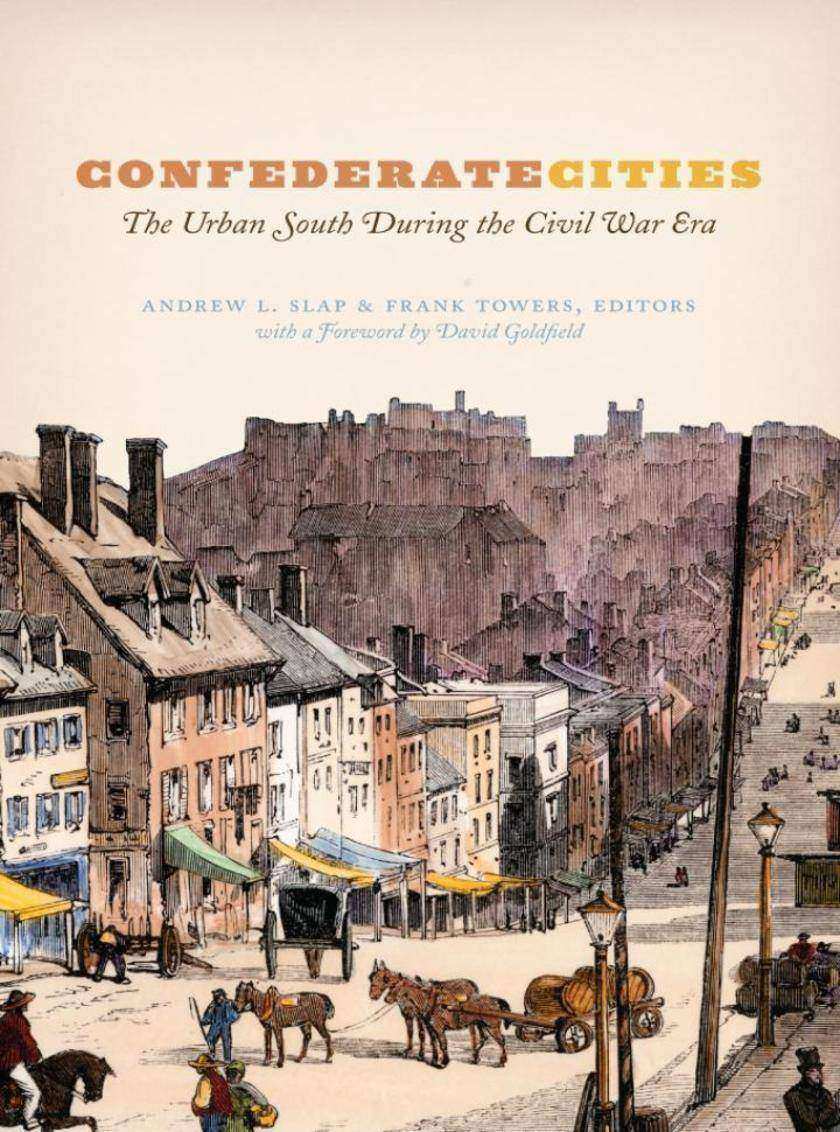
Confederate Cities
¥247.21
When we talk about the Civil War, we often describe it in terms of battles that took place in small towns or in the countryside: Antietam, Gettysburg, Bull Run, and, most tellingly, the Battle of the Wilderness. One reason this picture has persisted is that few urban historians have studied the war, even though cities hosted, enabled, and shaped Southern society as much as they did in the North.Confederate Cities, edited by Andrew L. Slap and Frank Towers, shifts the focus from the agrarian economy that undergirded the South to the cities that served as its political and administrative hubs. The contributors use the lens of the city to examine now-familiar Civil War-era themes, including the scope of the war, secession, gender, emancipation, and war's destruction. This more integrative approach dramatically revises our understanding of slavery's relationship to capitalist economics and cultural modernity. By enabling a more holistic reading of the South, the book speaks to contemporary Civil War scholars and students alike-not least in providing fresh perspectives on a well-studied war.
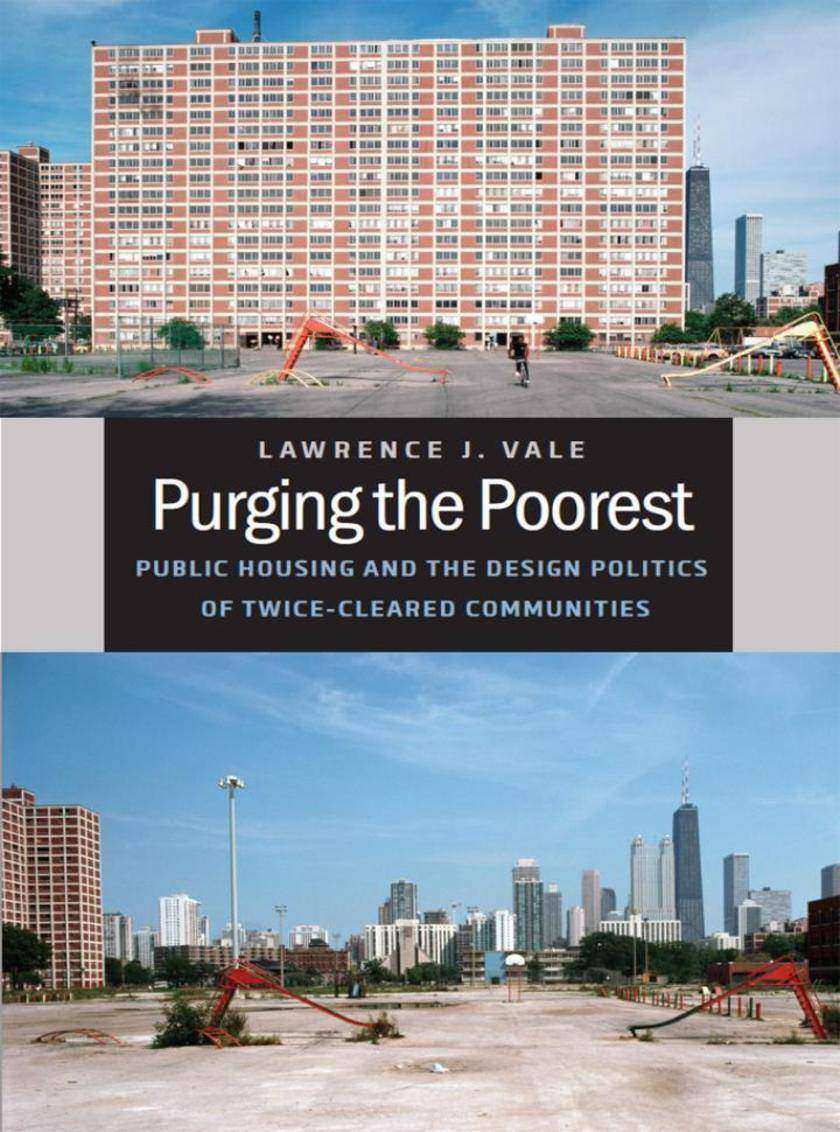
Purging the Poorest
¥247.21
The building and management of public housing is often seen as a signal failure of American public policy, but this is a vastly oversimplified view. In?Purging the Poorest, Lawrence J. Vale offers a new narrative of the seventy-five-year struggle to house the "e;deserving poor."e;In the 1930s, two iconic American cities, Atlanta and Chicago, demolished their slums and established some of this country's first public housing. Six decades later, these same cities also led the way in clearing public housing itself. Vale's groundbreaking history of these "e;twice-cleared"e; communities provides unprecedented detail about the development, decline, and redevelopment of two of America's most famous housing projects: Chicago's Cabrini-Green and Atlanta's Techwood /Clark Howell Homes. Vale offers the novel concept of?design politics?to show how issues of architecture and urbanism are intimately bound up in thinking about policy. Drawing from extensive archival research and in-depth interviews, Vale recalibrates the larger cultural role of public housing, revalues the contributions of public housing residents, and reconsiders the role of design and designers.
Switching Codes
¥282.53
Half a century into the digital era, the profound impact of information technology on intellectual and cultural life is universally acknowledged but still poorly understood. The sheer complexity of the technology coupled with the rapid pace of change makes it increasingly difficult to establish common ground and to promote thoughtful discussion.?Responding to this challenge, Switching Codes?brings together leading American and European scholars, scientists, and artists-including Charles Bernstein, Ian Foster, Bruno Latour, Alan Liu, and Richard Powers-to consider how the precipitous growth of digital information and its associated technologies are transforming the ways we think and act. Employing a wide range of forms, including essay, dialogue, short fiction, and game design, this book aims to model and foster discussion between IT specialists, who typically have scant training in the humanities or traditional arts, and scholars and artists, who often understand little about the technologies that are so radically transforming their fields. Switching Codes?will be an indispensable volume for anyone seeking to understand the impact of digital technology on contemporary culture, including scientists, educators, policymakers, and artists, alike.
Fire under the Ashes
¥370.82
In Fire under the Ashes, John Donoghue recovers the lasting significance of the radical ideas of the English Revolution, exploring their wider Atlantic history through a case study of Coleman Street Ward, London. Located in the crowded center of seventeenth-century London, Coleman Street Ward was a hotbed of political, social, and religious unrest. There among diverse and contentious groups of puritans a tumultuous republican underground evolved as the political means to a more perfect Protestant Reformation. But while Coleman Street has long been recognized as a crucial location of the English Revolution, its importance to events across the Atlantic has yet to be explored.Prominent merchant revolutionaries from Coleman Street led England's imperial expansion by investing deeply in the slave trade and projects of colonial conquest. Opposing them were other Coleman Street puritans, who having crossed and re-crossed the ocean as colonists and revolutionaries, circulated new ideas about the liberty of body and soul that they defined against England's emergent, political economy of empire. These transatlantic radicals promoted social justice as the cornerstone of a republican liberty opposed to both political tyranny and economic slavery-and their efforts, Donoghue argues, provided the ideological foundations for the abolitionist movement that swept the Atlantic more than a century later.
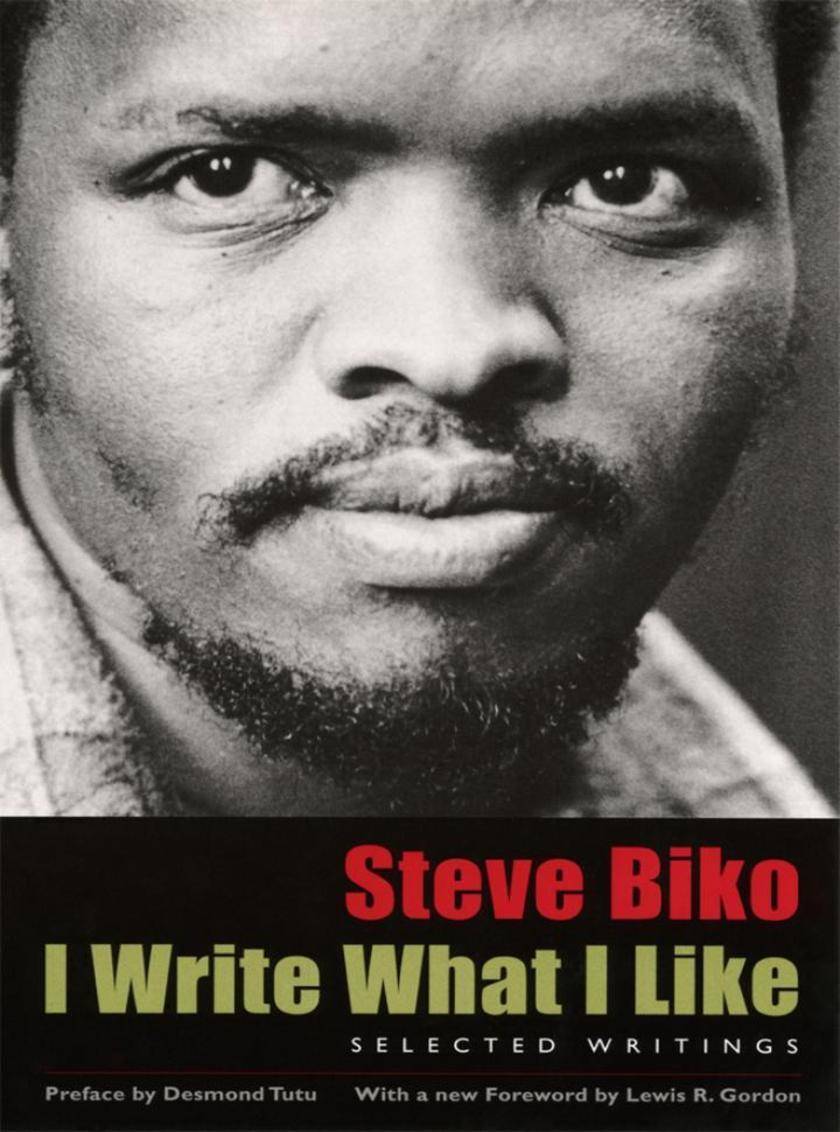
I Write What I Like
¥170.69
"e;The most potent weapon in the hands of the oppressor is the mind of the oppressed."e; Like all of Steve Biko's writings, those words testify to the passion, courage, and keen insight that made him one of the most powerful figures in South Africa's struggle against apartheid. They also reflect his conviction that black people in South Africa could not be liberated until they united to break their chains of servitude, a key tenet of the Black Consciousness movement that he helped found.I Write What I Like contains a selection of Biko's writings from 1969, when he became the president of the South African Students' Organization, to 1972, when he was prohibited from publishing. The collection also includes a preface by Archbishop Desmond Tutu; an introduction by Malusi and Thoko Mpumlwana, who were both involved with Biko in the Black Consciousness movement; a memoir of Biko by Father Aelred Stubbs, his longtime pastor and friend; and a new foreword by Professor Lewis Gordon.Biko's writings will inspire and educate anyone concerned with issues of racism, postcolonialism, and black nationalism.
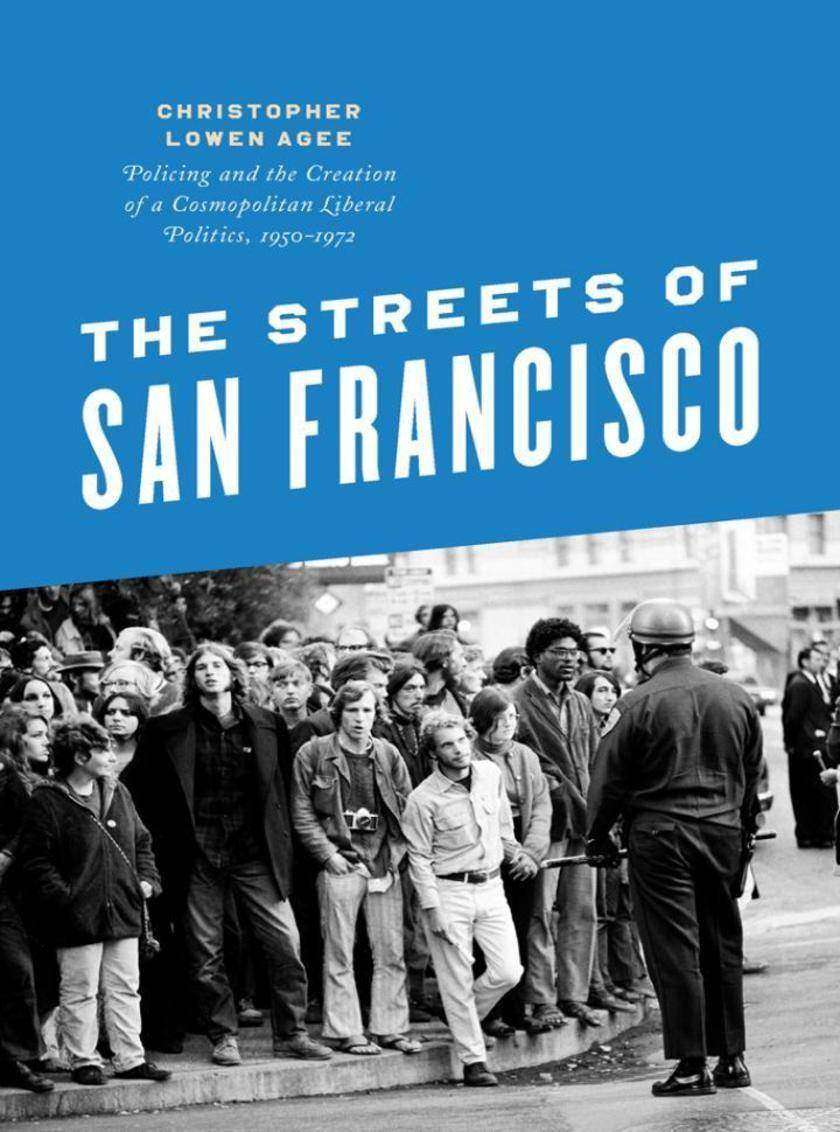
Streets of San Francisco
¥370.82
During the Sixties the nation turned its eyes to San Francisco as the city's police force clashed with movements for free speech, civil rights, and sexual liberation.?These conflicts on the street forced Americans to reconsider the role of the police officer in a democracy. In The Streets of San Francisco Christopher Lowen Agee explores the surprising and influential ways in which San Francisco liberals answered that question, ultimately turning to the police as partners, and reshaping understandings of crime, policing, and democracy.The Streets of San Francisco uncovers the seldom-reported, street-level interactions between police officers and San Francisco residents and finds that police discretion was the defining feature of mid-century law enforcement.?Postwar police officers enjoyed great autonomy?when dealing with North Beach beats, African American gang leaders,?gay and lesbian bar owners, Haight-Ashbury hippies, artists who created sexually explicit works, Chinese American entrepreneurs, and a wide range of other San Franciscans. Unexpectedly, this police independence grew into a source of both concern and inspiration for the thousands of young professionals streaming into the city's growing financial district.?These young professionals ultimately used the issue of police discretion to forge a new cosmopolitan liberal coalition that incorporated both marginalized San Franciscans and rank-and-file police officers. The success of this model in San Francisco resulted in the rise of cosmopolitan liberal coalitions throughout the country, and today, liberal cities across America ground themselves in similar understandings of democracy, emphasizing both broad diversity and strong policing.

Ministry of Presence
¥370.82
Most people in the United States today no longer live their lives under the guidance of local institutionalized religious leadership, such as rabbis, ministers, and priests; rather, liberals and conservatives alike have taken charge of their own religious or spiritual practices. This shift, along with other social and cultural changes, has opened up a perhaps surprising space for chaplains-spiritual professionals who usually work with the endorsement of a religious community but do that work away from its immediate hierarchy, ministering in a secular institution, such as a prison, the military, or an airport, to an ever-changing group of clients of widely varying faiths and beliefs.In?A Ministry of Presence, Winnifred Fallers Sullivan explores how chaplaincy works in the United States-and in particular how it sits uneasily at the intersection of law and religion, spiritual care, and government regulation. Responsible for ministering to the wandering souls of the globalized economy, the chaplain works with a clientele often unmarked by a specific religious identity, and does so on behalf of a secular institution, like a hospital. Sullivan's examination of the sometimes heroic but often deeply ambiguous work yields fascinating insights into contemporary spiritual life, the politics of religious freedom, and the never-ending negotiation of religion's place in American institutional life.
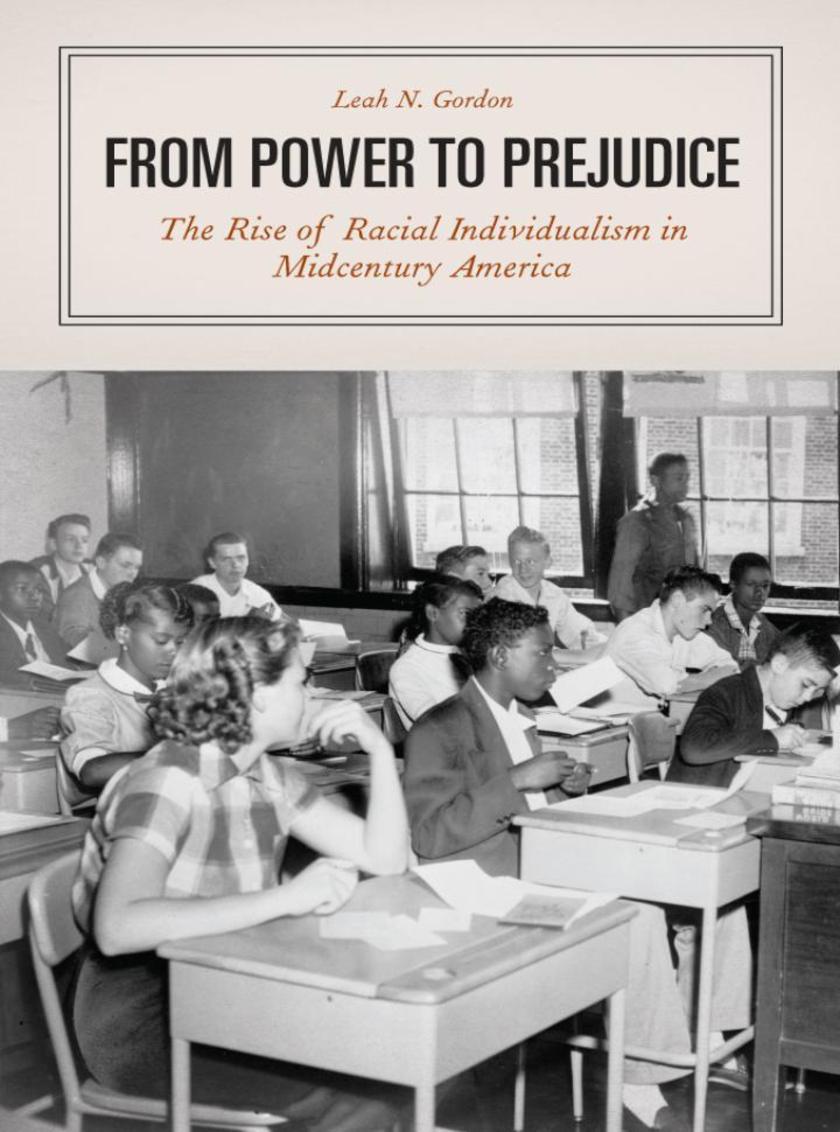
From Power to Prejudice
¥370.82
Americans believe strongly in the socially transformative power of education, and the idea that we can challenge racial injustice by reducing white prejudice has long been a core component of this faith. How did we get hereIn this first-rate intellectual history, Leah N. Gordon jumps into this and other big questions about race, power, and social justice.To answer these questions, From Power to Prejudice examines American academia-both black and white-in the 1940s and '50s. Gordon presents four competing visions of ?"e;the race problem"e; and documents how an individualistic paradigm, which presented white attitudes as the source of racial injustice, gained traction. A number of factors, Gordon shows, explain racial individualism's postwar influence: individuals were easier to measure than social forces; psychology was well funded; studying political economy was difficult amid McCarthyism; and individualism was useful in legal attacks on segregation. Highlighting vigorous midcentury debate over the meanings of racial justice and equality, From Power to Prejudice reveals how one particular vision of social justice won out among many contenders.
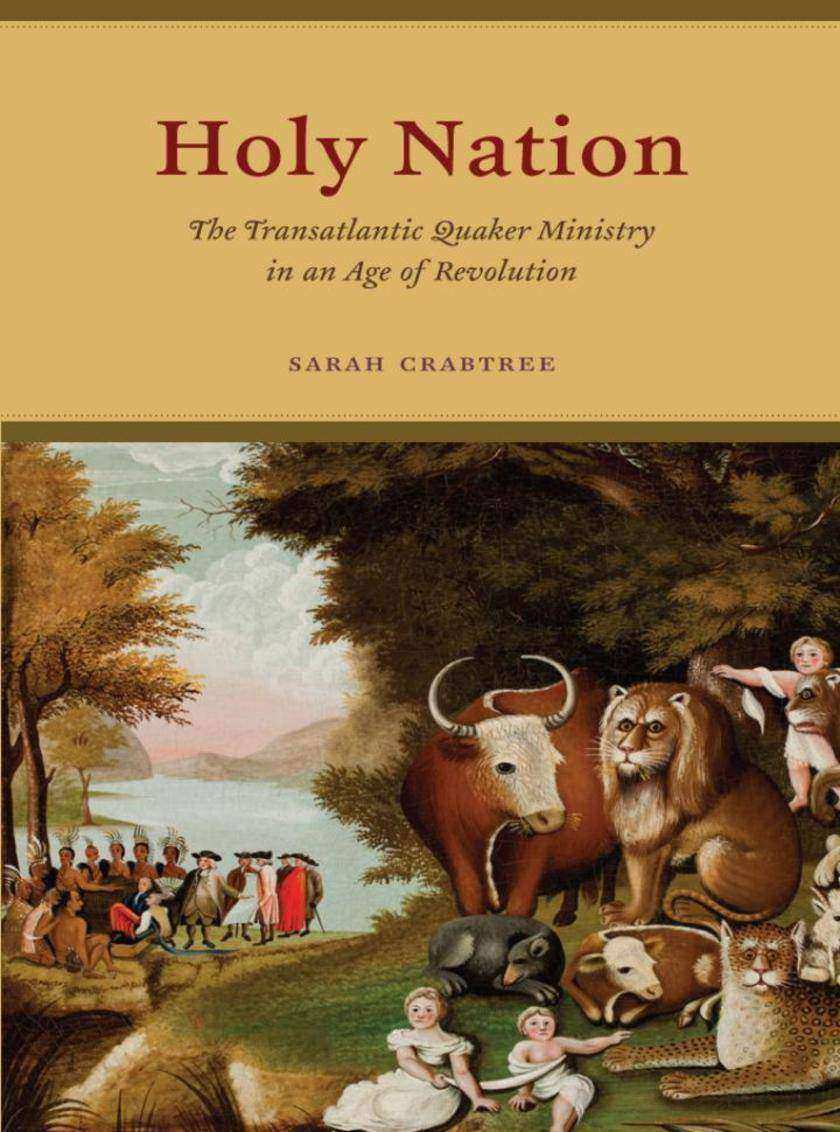
Holy Nation
¥370.82
Early American Quakers have long been perceived as retiring separatists, but in Holy Nation Sarah Crabtree transforms our historical understanding of the sect by drawing on the sermons, diaries, and correspondence of Quakers themselves. Situating Quakerism within the larger intellectual and religious undercurrents of the Atlantic World, Crabtree shows how Quakers forged a paradoxical sense of their place in the world as militant warriors fighting for peace. She argues that during the turbulent Age of Revolution and Reaction, the Religious Society of Friends forged a "e;holy nation,"e; a transnational community of like-minded believers committed first and foremost to divine law and to one another. Declaring themselves citizens of their own nation served to underscore the decidedly unholy nature of the nation-state, worldly governments, and profane laws. As a result, campaigns of persecution against the Friends escalated as those in power moved to declare Quakers aliens and traitors to their home countries.Holy Nation convincingly shows that ideals and actions were inseparable for the Society of Friends, yielding an account of Quakerism that is simultaneously a history of the faith and its adherents and a history of its confrontations with the wider world. Ultimately, Crabtree argues, the conflicts experienced between obligations of church and state that Quakers faced can illuminate similar contemporary struggles.
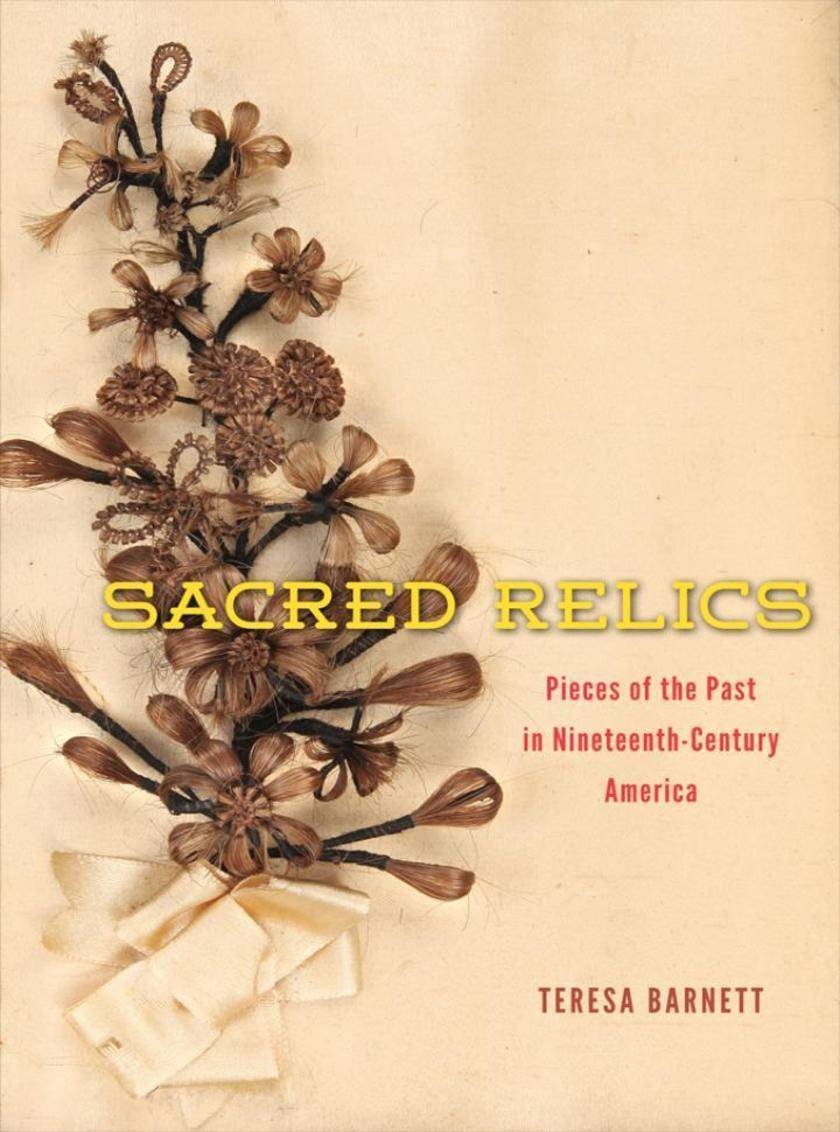
Sacred Relics
¥329.62
A piece of Plymouth Rock. A lock of George Washington's hair. Wood from the cabin where Abraham Lincoln was born. Various bits and pieces of the past-often called "e;association items"e;-may appear to be eccentric odds and ends, but they are valued because of their connections to prominent people and events in American history. Kept in museum collections large and small across the United States, such objects are the touchstones of our popular engagement with history.In Sacred Relics, Teresa Barnett explores the history of private collections of items like these, illuminating how Americans view the past. She traces the relic-collecting tradition back to eighteenth-century England, then on to articles belonging to the founding fathers and through the mass collecting of artifacts that followed the Civil War. Ultimately, Barnett shows how we can trace our own historical collecting from the nineteenth century's assemblages of the material possessions of great men and women.
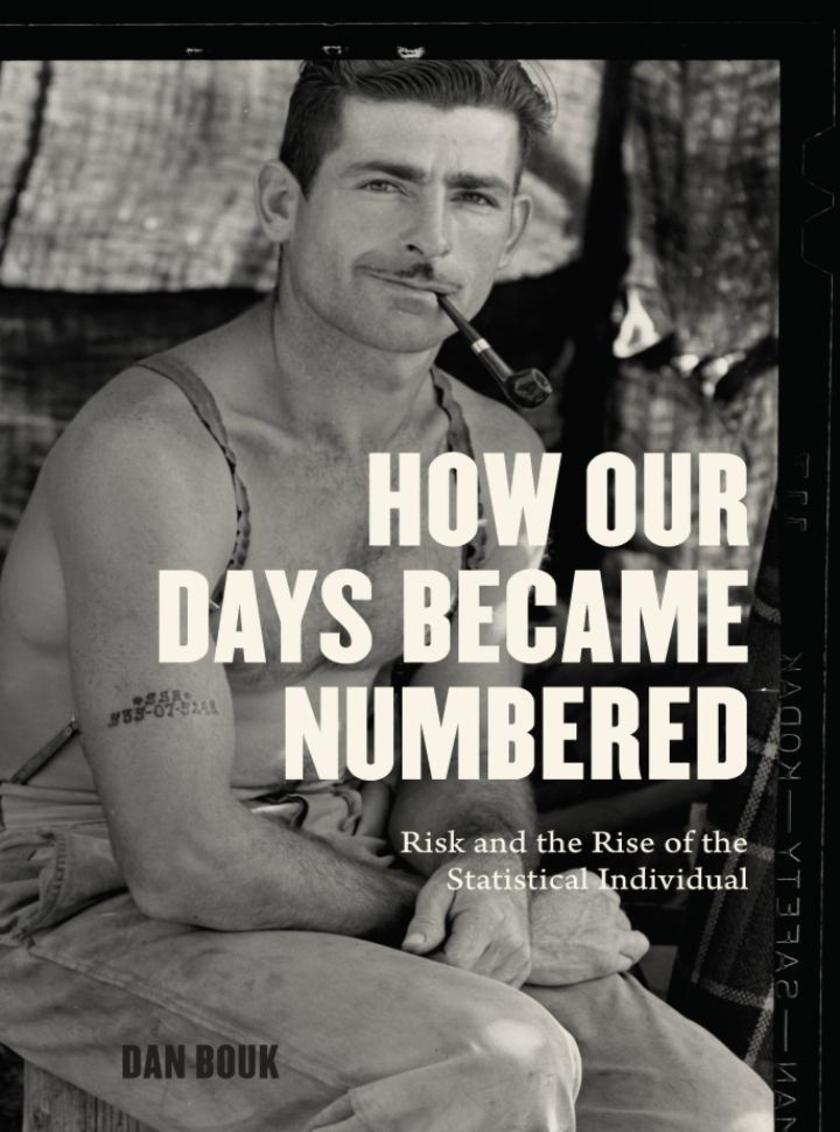
How Our Days Became Numbered
¥329.62
Long before the age of "e;Big Data"e; or the rise of today's "e;self-quantifiers,"e; American capitalism embraced "e;risk"e;--and proceeded to number our days. Life insurers led the way, developing numerical practices for measuring individuals and groups, predicting their fates, and intervening in their futures. Emanating from the gilded boardrooms of Lower Manhattan and making their way into drawing rooms and tenement apartments across the nation, these practices soon came to change the futures they purported to divine.How Our Days Became Numbered tells a story of corporate culture remaking American culture--a story of intellectuals and professionals in and around insurance companies who reimagined Americans' lives through numbers and taught ordinary Americans to do the same. Making individuals statistical did not happen easily. Legislative battles raged over the propriety of discriminating by race or of smoothing away the effects of capitalism's fluctuations on individuals. Meanwhile, debates within companies set doctors against actuaries and agents, resulting in elaborate, secretive systems of surveillance and calculation.Dan Bouk reveals how, in a little over half a century, insurers laid the groundwork for the much-quantified, risk-infused world that we live in today. To understand how the financial world shapes modern bodies, how risk assessments can perpetuate inequalities of race or sex, and how the quantification and claims of risk on each of us continue to grow, we must take seriously the history of those who view our lives as a series of probabilities to be managed.
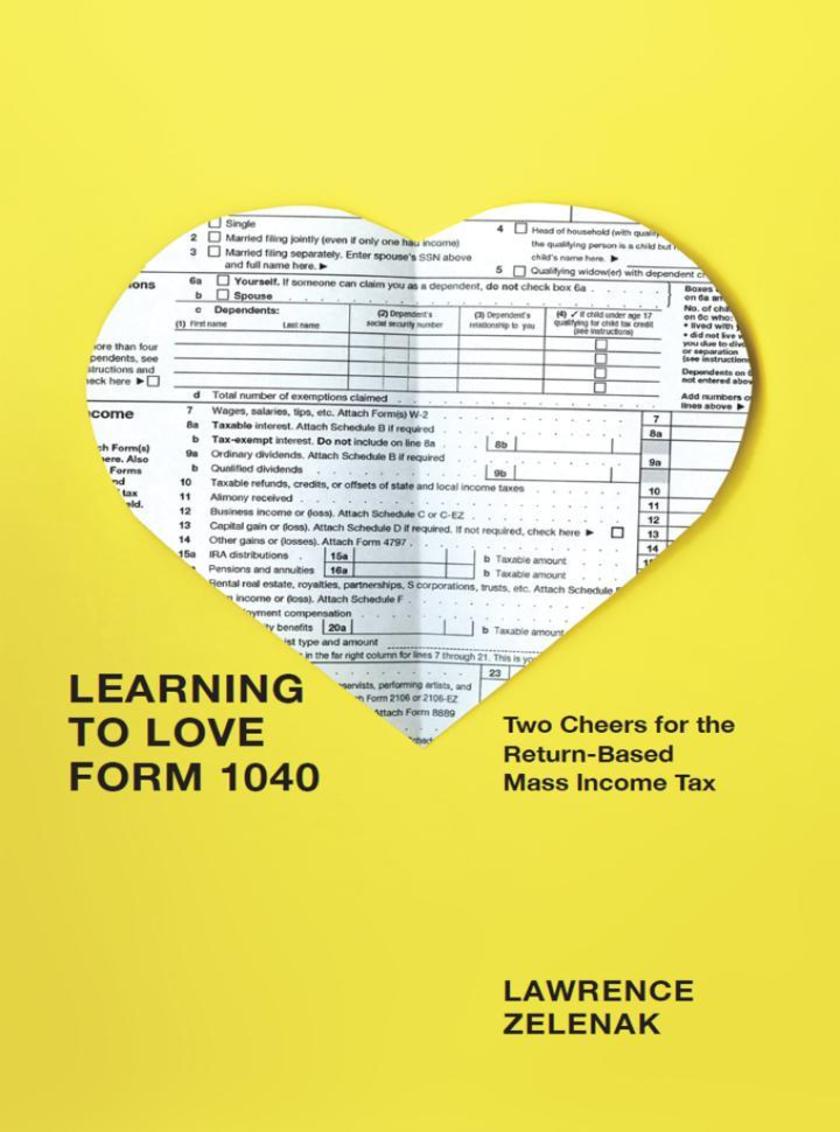
Learning to Love Form 1040
¥311.96
No one likes paying taxes, much less the process of filing tax returns. For years, would-be reformers have advocated replacing the return-based mass income tax with a flat tax, federal sales tax, or some combination thereof. Congress itself has commissioned studies on the feasibility of a system of exact withholding. But might the much-maligned return-based taxation method serve an important yet overlooked civic purpose?In Learning to Love Form 1040, Lawrence Zelenak argues that filing taxes can strengthen fiscal citizenship by prompting taxpayers to reflect on the contract they have with their government and the value-or perceived lack of value-they receive in exchange for their money. Zelenak traces the mass income tax to its origins as a means for raising revenue during World War II. Even then, debates raged over the merits of consumption-based versus income taxation, as well as whether taxes should be withheld from payroll or paid at the time of filing. The result is the income tax system we have today-a system whose maddening complexity, intended to accommodate citizens in widely different circumstances, threatens to outweigh any civic benefits.If sitcoms and political cartoons are any indication, public understanding of the income tax is badly in need of a corrective. Zelenak clears up some of the most common misconceptions and closes with suggestions for how the current system could be substantially simplified to better serve its civic purpose.
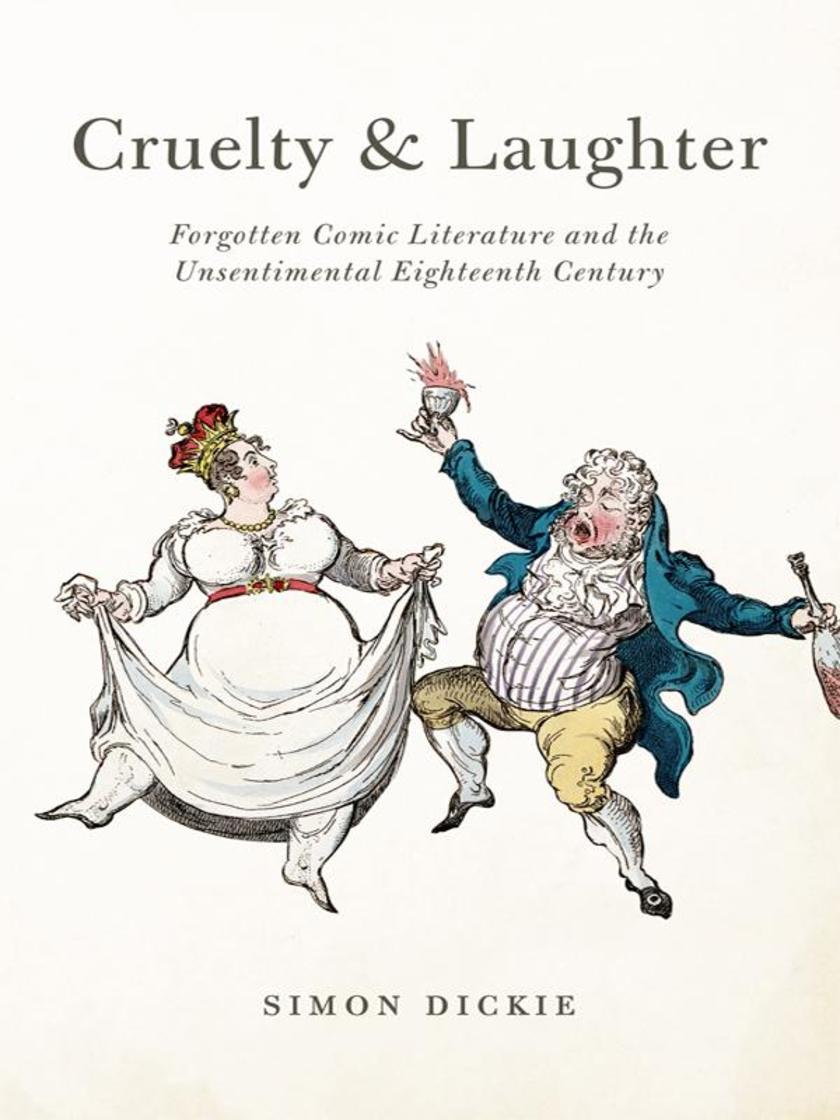
Cruelty and Laughter
¥311.96
Eighteenth-century British culture is often seen as polite and sentimental-the creation of an emerging middle class. Simon Dickie?disputes these assumptions in Cruelty and Laughter, a wildly enjoyable but shocking plunge into the forgotten comic literature of the age. Beneath the surface of Enlightenment civility, Dickie uncovers a rich vein of?cruel humor?that?forces us to recognize just how slowly?ordinary human sufferings became worthy of sympathy.Delving into an enormous archive of comic novels, jestbooks, farces, variety shows, and cartoons,?Dickie finds?a vast repository of jokes about cripples, blind men, rape, and wife-beating. Epigrams about syphilis and scurvy sit alongside one-act comedies about hunchbacks in love. He shows us that everyone-rich and poor, women as well as men-laughed along. In the process,?Dickie also expands our understanding of many of the century's major authors, including Samuel Richardson, Lady Mary Wortley Montagu, Tobias Smollett, Frances Burney, and Jane Austen. He devotes particular attention to Henry Fielding's Joseph Andrews, a novel that reflects repeatedly on the limits of compassion and the ethical problems of laughter. Cruelty and Laughter is an engaging, far-reaching study of the other side of culture in eighteenth-century Britain.

Well Worth Saving
¥288.41
The urgent demand for housing after World War I fueled a boom in residential construction that led to historic peaks in home ownership. Foreclosures at the time were rare, and when they did happen, lenders could quickly recoup their losses by selling into a strong market. But no mortgage system is equipped to deal with credit problems on the scale of the Great Depression. As foreclosures quintupled, it became clear that the mortgage system of the 1920s was not up to the task, and borrowers, lenders, and real estate professionals sought action at the federal level.Well Worth Saving tells the story of the disastrous housing market during the Great Depression and the extent to which an immensely popular New Deal relief program, the Home Owners' Loan Corporation (HOLC), was able to stem foreclosures by buying distressed mortgages from lenders and refinancing them. Drawing on historical records and modern statistical tools, Price Fishback, Jonathan Rose, and Kenneth Snowden investigate important unanswered questions to provide an unparalleled view of the mortgage loan industry throughout the 1920s and early '30s. Combining this with the stories of those involved, the book offers a clear understanding of the HOLC within the context of the housing market in which it operated, including an examination of how the incentives and behaviors at play throughout the crisis influenced the effectiveness of policy.?More than eighty years after the start of the Great Depression, when politicians have called for similar programs to quell the current mortgage crisis, this accessible account of the Home Owners' Loan Corporation holds invaluable lessons for our own time.
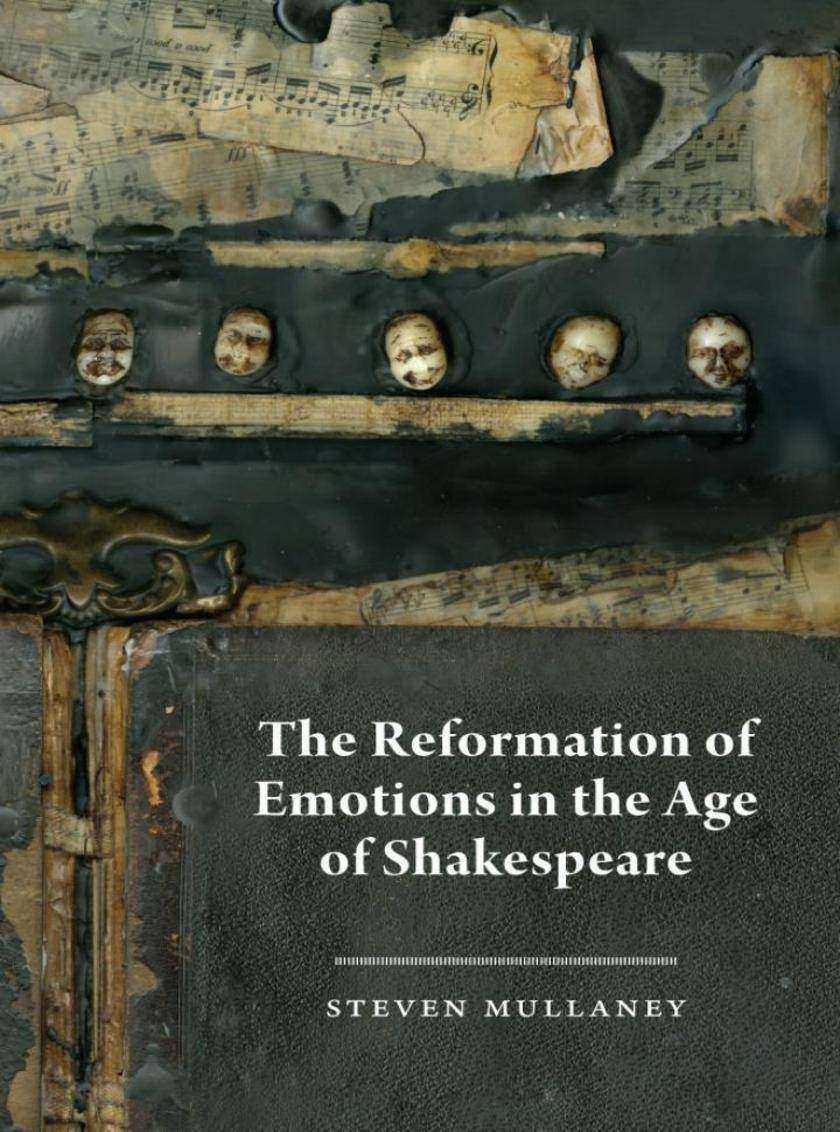
Reformation of Emotions in the Age of Shakespeare
¥288.41
The crises of faith that fractured Reformation Europe also caused crises of individual and collective identity. Structures of feeling as well as structures of belief were transformed; there was a reformation of social emotions as well as a Reformation of faith.As Steven Mullaney shows in?The Reformation of Emotions in the Age of Shakespeare, Elizabethan popular drama played a significant role in confronting the uncertainties and unresolved traumas of Elizabethan Protestant England. Shakespeare and his contemporaries-audiences as well as playwrights-reshaped popular drama into a new form of embodied social, critical, and affective thought. Examining a variety of works, from revenge plays to Shakespeare's first history tetralogy and beyond, Mullaney explores how post-Reformation drama not only exposed these faultlines of society on stage but also provoked playgoers in the audience to acknowledge their shared differences. He demonstrates that our most lasting works of culture remain powerful largely because of their deep roots in the emotional landscape of their times.
Mustaine: A Life in Metal
¥72.30
Founding member of Megadeth and former Metallica guitarist Dave Mustaine tells a never-before-heard story of the lifetime he has spent in rock ‘n’ roll. But this extraordinary tale, riddled with his own personal ups and downs, is also the inside account of two of the most influential heavy metal bands in the world. Here, for the first time ever, Dave Mustaine tells the tale of two of the biggest metal bands in history; a story yet to be told from the inside. Metallica, the pioneers of the thrash metal genre, rocketed to international fame in the 1980s, selling over 90 million records worldwide, making it the most successful band of its kind – ever. Megadeth, the second most successful thrash metal band ever, have sold more than 20 million albums worldwide, including six consecutive platinum albums. Despite their enormous success together, Dave and Metallica have bad blood by the bucket-load. In April of 1983, due in part to alcoholism and in part to personality clashes with founding members Hetfield and Ulrich, Dave was unceremoniously fired from the band, dumped at a Greyhound bus station in Rochester, NY with a single ticket back to LA. How did such an abrupt end come about? How did he pick himself back up, recover his dignity, and go on to send another band into the dizzying heights of rock stardom? The time has come to set the record straight. From the early, crazy days of Metallica to his split with the band, and to his glorious reign with Megadeth, Dave has seen and experienced life’s extremities. This startlingly candid, refreshingly in-your-face memoir tells it all.
Jelleyman’s Thrown a Wobbly: Saturday Afternoons in Front of the Telly
¥66.22
The cult SkySports Soccer Saturday anchorman delivers a volley of entertaining and informative anecdotes about life in front of the videprinter. Jeff Stelling is a legend amongst football fans. To the millions unable to get to their teams' games on Saturday afternoons, the next best thing is undoubtedly the pleasurable company of Jeff and the Sky Sports videprinter for a cosy marathon on the sofa. If someone's got to reveal that your beloved team have just gone 3-0 down away from home and had a man sent off, it's best if it's consummate professional Jeff who breaks the news to you. Avid Hartlepool fan Jeff knows our pain and shares our joy…but mostly he knows our pain. The long-time host of SkySports' iconic Soccer Saturday show has become a cult figure, universally admired for his encyclopaedic knowledge of the game, his genuine and unlimited enthusiasm for ALL levels of football, and his wicked sense of humour which makes the six-hour long show simply whiz by. Jellyman's Thrown a Wobbly is a deliciously chaotic, hugely entertaining, anecdote-ridden, humorous taste of life in the Soccer Saturday studio. Hear what Jeff has to say about some of the show's legendary pundits over the years – ex-players such as George Best, Rodney Marsh, Chris Kamara, Charlie Nicholas and Matt Le Tissier. Be a fly on the wall of the hotel bar on Friday nights as Jeff and his guests gather for a natter and few drinks. Get the inside track on all those great one-liners: ? "Mansfield Town's Gareth Jellyman has been shown the red card for dissent. Looks like Jellyman's thrown a wobbly." ? "Darlington's equaliser has been scored by Guyain Ndumbu-Nsungu. Very much a case of local boy makes good." (He's from Congo.) ? "They'll be dancing in the streets of Total Network Solutions tonight." ? "James Brown's grabbed a second for Hartlepool. I feel good!" Jellyman's Thrown a Wobbly goes a long way to demonstrate how a six-hour long, studio-based show with no live action pictures and featuring men gazing into TV monitors which the viewer can't see, can hold a huge audience enthralled every Saturday afternoon between August and May.

Cry Myself to Sleep: He had to escape. They would never hurt him again.
¥73.58
The next book from the number one bestselling author of Cry Silent Tears. Joe was only five years old when he lost his voice. Only five years old when he was first beaten by his mother and raped by her boyfriend. And only nine years old when his mother sold him to a paedophile ring. At sixteen, Joe finally found the courage to escape and headed for Charing Cross station with no money in his pocket, no friends and nowhere to turn to. But the nightmare was far from over. Haunted by his harrowing past, Joe's life spiralled out of control. Living on the lonely streets of London, Joe turned down a dark path of crime and self-destruction and it seemed that he was bound for prison. Until the love of a good woman set him free… This is the ultimate story of triumph over evil, of survival and redemption. Heartbreaking, but unbelievably inspiring, it is a testament to the unbreakable resilience of a little boy who grew up into a remarkable man. Now that he has found his voice again, Joe speaks out against child abuse and helps support and protect other children whose lives have been blighted by it.


