


 购物车
购物车 个人中心
个人中心

Fate of the Forest
¥229.55
The Amazon rain forest covers more than five million square kilometers, amid the territories of nine different nations. It represents over half of the planet's remaining rain forest. Is it truly in perilWhat steps are necessary to save itTo understand the future of Amazonia, one must know how its history was forged: in the eras of large pre-Columbian populations, in the gold rush of conquistadors, in centuries of slavery, in the schemes of Brazil's military dictators in the 1960s and 1970s, and in new globalized economies where Brazilian soy and beef now dominate, while the market in carbon credits raises the value of standing forest.Susanna Hecht and Alexander Cockburn show in compelling detail the panorama of destruction as it unfolded, and also reveal the extraordinary turnaround that is now taking place, thanks to both the social movements, and the emergence of new environmental markets. Exploring the role of human hands in destroying-and saving-this vast forested region, The Fate of the Forest pivots on the murder of Chico Mendes, the legendary labor and environmental organizer assassinated after successful confrontations with big ranchers. A multifaceted portrait of Eden under siege, complete with a new preface and afterword by the authors, this book demonstrates that those who would hold a mirror up to nature must first learn the lessons offered by some of their own people.
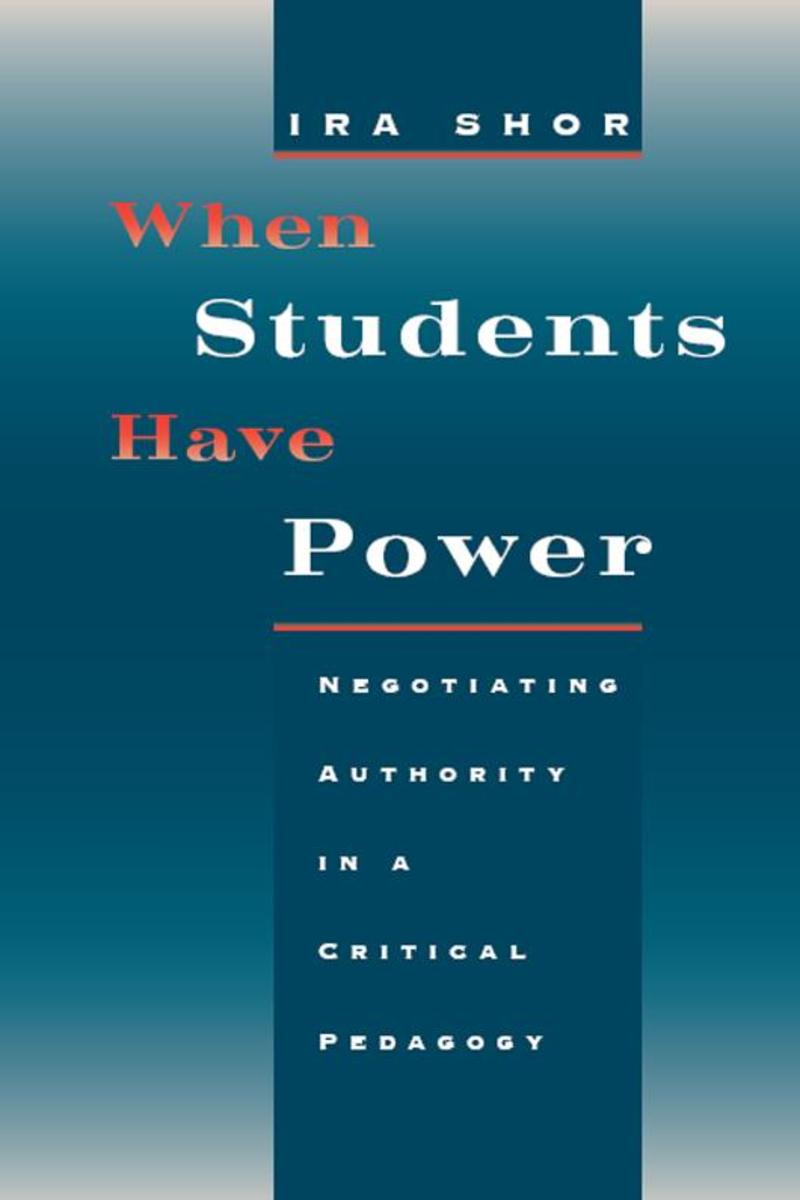
When Students Have Power
¥211.90
What happens when teachers share power with studentsIn this profound book, Ira Shor-the inventor of critical pedagogy in the United States-relates the story of an experiment that nearly went out of control.Shor provides the reader with a reenactment of one semester that shows what really can happen when one applies the theory and democratizes the classroom. This is the story of one class in which Shor tried to fully share with his students control of the curriculum and of the classroom. After twenty years of practicing critical teaching, he unexpectedly found himself faced with a student uprising that threatened the very possibility of learning. How Shor resolves these problems, while remaining true to his commitment to power-sharing and radical pedagogy, is the crux of the book. Unconventional in both form and substance, this deeply personal work weaves together student voices and thick de*ions of classroom experience with pedagogical theory to illuminate the power relations that must be negotiated if true learning is to take place.
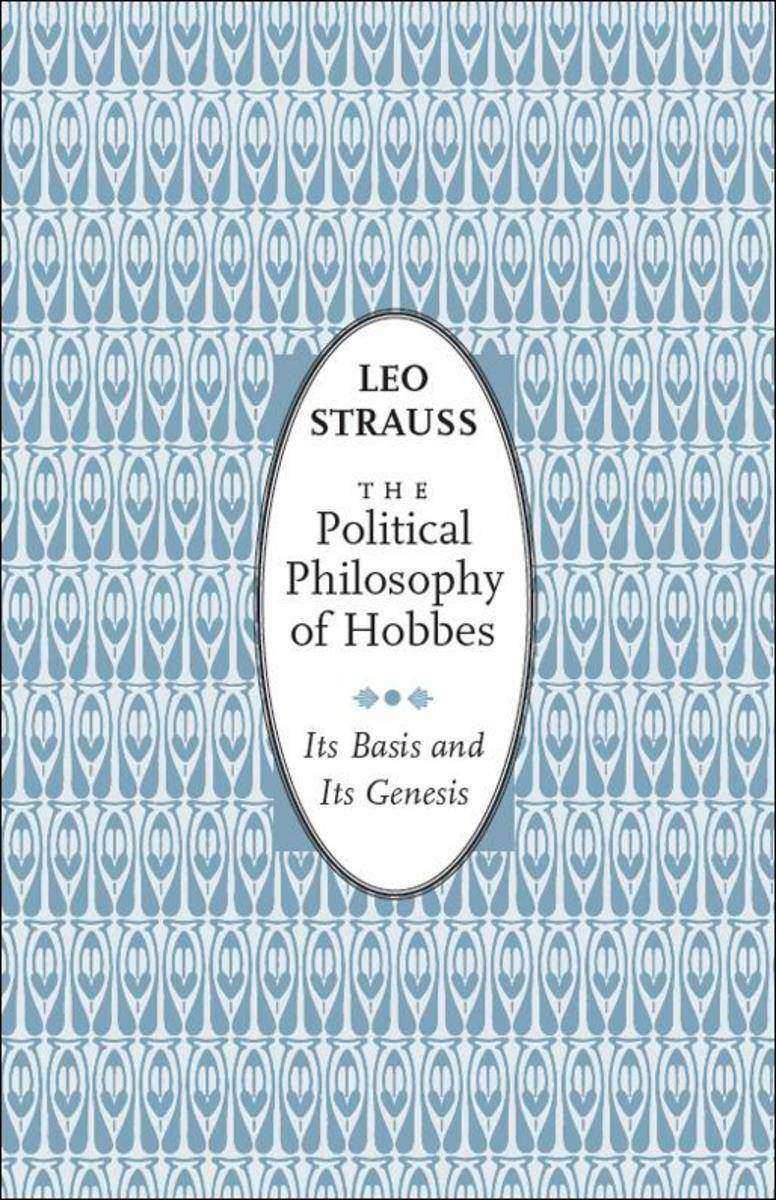
Political Philosophy of Hobbes
¥211.90
In this classic analysis, Leo Strauss pinpoints what is original and innovative in the political philosophy of Thomas Hobbes. He argues that Hobbes's ideas arose not from tradition or science but from his own deep knowledge and experience of human nature. Tracing the development of Hobbes's moral doctrine from his early writings to his major work The Leviathan, Strauss explains contradictions in the body of Hobbes's work and discovers startling connections between Hobbes and the thought of Plato, Thucydides, Aristotle, Descartes, Spinoza, and Hegel.
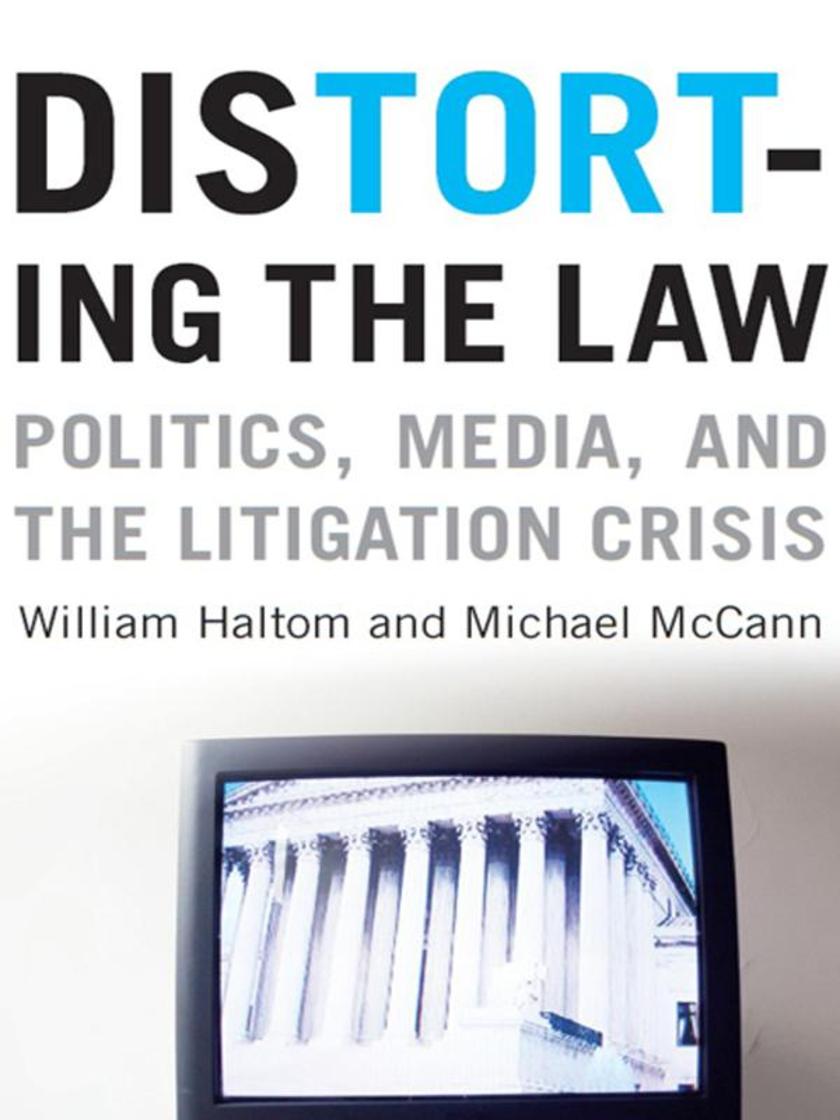
Distorting the Law
¥211.90
In recent years, stories of reckless lawyers and greedy citizens have given the legal system, and victims in general, a bad name. Many Americans have come to believe that we live in the land of the litigious, where frivolous lawsuits and absurdly high settlements reign.Scholars have argued for years that this common view of the depraved ruin of our civil legal system is a myth, but their research and statistics rarely make the news. William Haltom and Michael McCann here persuasively show how popularized distorted understandings of tort litigation (or tort tales) have been perpetuated by the mass media and reform proponents. Distorting the Law lays bare how media coverage has sensationalized lawsuits and sympathetically portrayed corporate interests, supporting big business and reinforcing negative stereotypes of law practices.Based on extensive interviews, nearly two decades of newspaper coverage, and in-depth studies of the McDonald's coffee case and tobacco litigation, Distorting the Law offers a compelling analysis of the presumed litigation crisis, the campaign for tort law reform, and the crucial role the media play in this process.
Craft of Scientific Communication
¥211.90
The ability to communicate in print and person is essential to the life of a successful scientist. But since writing is often secondary in scientific education and teaching, there remains a significant need for guides that teach scientists how best to convey their research to general and professional audiences. The Craft of Scientific Communication will teach science students and scientists alike how to improve the clarity, cogency, and communicative power of their words and images.In this remarkable guide, Joseph E. Harmon and Alan G. Gross have combined their many years of experience in the art of science writing to analyze published examples of how the best scientists communicate. Organized topically with information on the structural elements and the style of scientific communications, each chapter draws on models of past successes and failures to show students and practitioners how best to negotiate the world of print, online publication, and oral presentation.
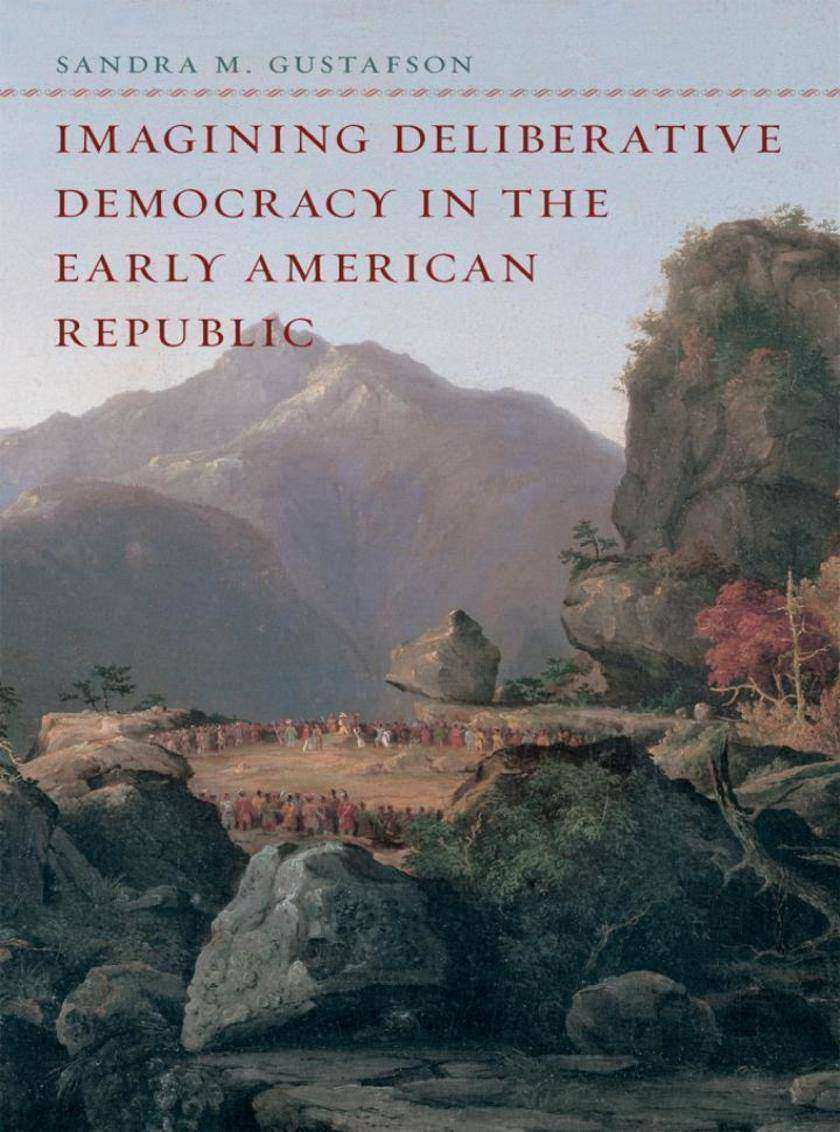
Imagining Deliberative Democracy in the Early American Republic
¥447.34
Deliberation, in recent years, has emerged as a form of civic engagement worth reclaiming. In this persuasive book, Sandra M. Gustafson combines historical literary analysis and political theory in order to demonstrate that current democratic practices of deliberation are rooted in the civic rhetoric that flourished in the early American republic.Though the U.S. Constitution made deliberation central to republican self-governance, the ethical emphasis on group deliberation often conflicted with the rhetorical focus on persuasive speech. From Alexis de Tocqueville's ideas about the deliberative basis of American democracy through the works of Walt Whitman, John Dewey, John F. Kennedy, and Martin Luther King Jr., Gustafson shows how writers and speakers have made the aesthetic and political possibilities of deliberation central to their autobiographies, manifestos, novels, and orations. Examining seven key writers from the early American republic-including James Fenimore Cooper, David Crockett, and Daniel Webster-whose works of deliberative imagination explored the intersections of style and democratic substance, Gustafson offers a mode of historical and textual analysis that displays the wide range of resources imaginative language can contribute to political life.
Mosaic Constitution
¥447.34
It is a common belief that *ure has no place in modern, secular politics. Graham Hammill challenges this notion in The Mosaic Constitution, arguing that Moses's constitution of Israel, which created people bound by the rule of law, was central to early modern writings about government and state.Hammill shows how political writers from Machiavelli to Spinoza drew on Mosaic narrative to imagine constitutional forms of government. At the same time, literary writers like Christopher Marlowe, Michael Drayton, and John Milton turned to Hebrew *ure to probe such fundamental divisions as those between populace and multitude, citizenship and race, and obedience and individual choice. As these writers used biblical narrative to fuse politics with the creative resources of language, Mosaic narrative also gave them a means for exploring divine authority as a product of literary imagination. The first book to place Hebrew *ure at the cutting edge of seventeenth-century literary and political innovation, The Mosaic Constitution offers a fresh perspective on political theology and the relations between literary representation and the founding of political communities.
Romantic Absolute
¥412.02
The absolute was one of the most significant philosophical concepts in the early nineteenth century, particularly for the German romantics. Its exact meaning and its role within philosophical romanticism remain, however, a highly contested topic among contemporary scholars.In?The Romantic Absolute, Dalia Nassar offers an illuminating new assessment of the romantics and their understanding of the absolute. In doing so, she fills an important gap in the history of philosophy, especially with respect to the crucial period between Kant and Hegel.Scholars today interpret philosophical romanticism along two competing lines: one emphasizes the romantics' concern with epistemology, the other their concern with metaphysics. Through careful textual analysis and systematic reconstruction of the work of three major romantics-Novalis, Friedrich Schlegel, and Friedrich Schelling-Nassar shows that neither interpretation is fully satisfying. Rather, she argues, one needs to approach the absolute from both perspectives. Rescuing these philosophers from frequent misunderstanding, and even dismissal, she articulates not only a new angle on the philosophical foundations of romanticism but on the meaning and significance of the notion of the absolute itself.
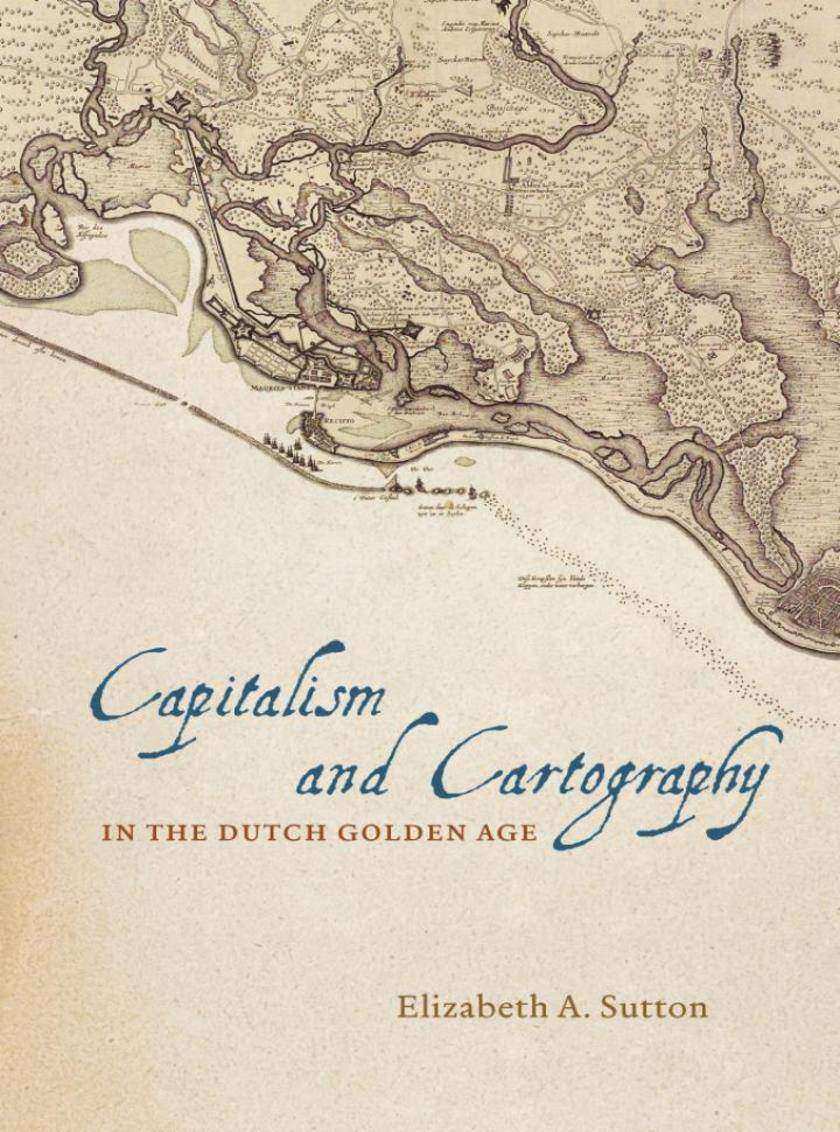
Capitalism and Cartography in the Dutch Golden Age
¥412.02
In?Capitalism and Cartography in the Dutch Golden Age, Elizabeth A. Sutton explores the fascinating but previously neglected history of corporate cartography during the Dutch Golden Age, from ca. 1600 to 1650. She examines how maps were used as propaganda tools for the Dutch West India Company in order to encourage the commodification of land and an overall capitalist agenda.Building her exploration around the central figure of Claes Jansz Vischer, an Amsterdam-based publisher closely tied to the Dutch West India Company, Sutton shows how printed maps of Dutch Atlantic territories helped rationalize the Dutch Republic's global expansion. Maps of land reclamation projects in the Netherlands, as well as the Dutch territories of New Netherland (now New York) and New Holland (Dutch Brazil), reveal how print media were used both to increase investment and to project a common narrative of national unity. Maps of this era showed those boundaries, commodities, and topographical details that publishers and the Dutch West India Company merchants and governing Dutch elite deemed significant to their agenda. In the process, Sutton argues, they perpetuated and promoted modern state capitalism.
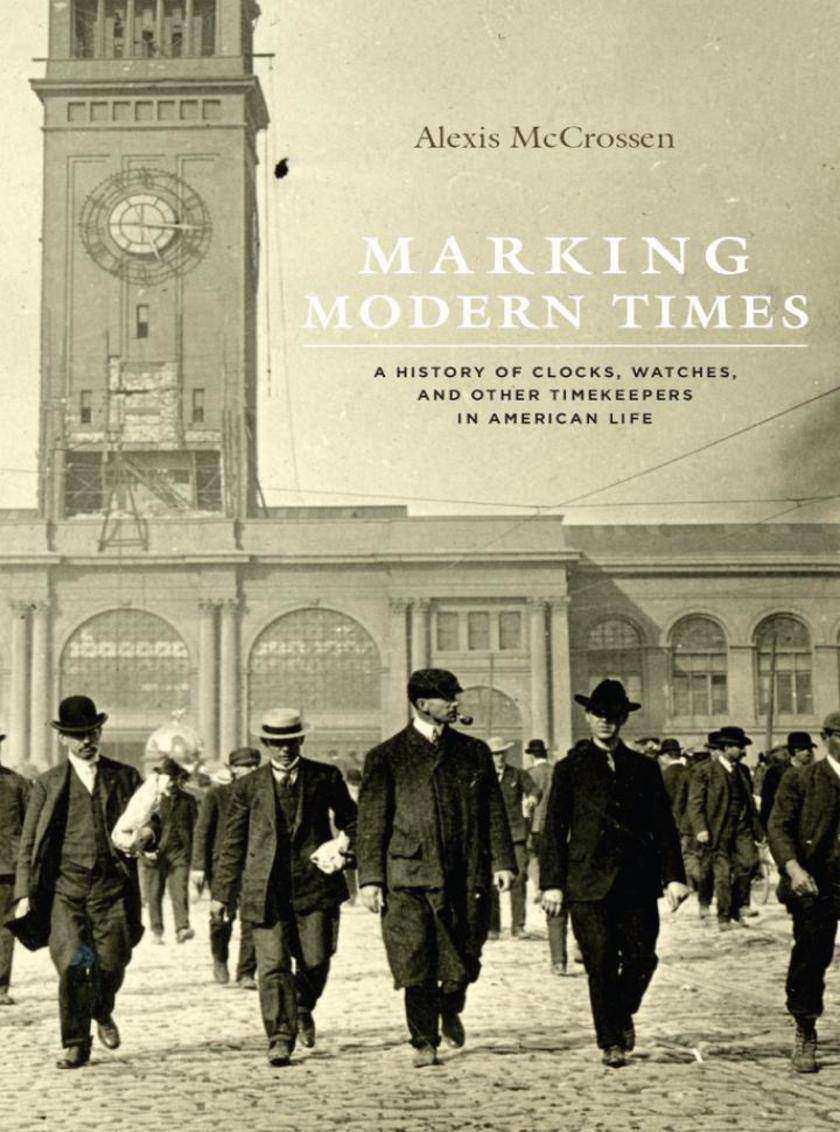
Marking Modern Times
¥394.36
The public spaces and buildings of the United States are home to many thousands of timepieces-bells, time balls, and clock faces-that tower over urban streets, peek out from lobbies, and gleam in store windows. And in the streets and squares beneath them, men, women, and children wear wristwatches of all kinds. Americans have decorated their homes with clocks and included them in their poetry, sermons, stories, and songs. And as political instruments, social tools, and cultural symbols, these personal and public timekeepers have enjoyed a broad currency in art, life, and culture.In Marking Modern Times, Alexis McCrossen relates how the American preoccupation with time led people from across social classes to acquire watches and clocks. While noting the difficulties in regulating and synchronizing so many timepieces, McCrossen expands our understanding of the development of modern time discipline, delving into the ways we have standardized time and describing how timekeepers have served as political, social, and cultural tools in a society that doesn't merely value time but regards access to time as a natural-born right, a privilege of being an American.

Boll Weevil Blues
¥394.36
Between the 1890s and the early 1920s, the boll weevil slowly ate its way across the Cotton South from Texas to the Atlantic Ocean. At the turn of the century, some Texas counties were reporting crop losses of over 70 percent, as were areas of Louisiana, Arkansas, and Mississippi. By the time the boll weevil reached the limits of the cotton belt, it had destroyed much of the region's chief cash crop-tens of billions of pounds of cotton, worth nearly a trillion dollars.?As staggering as these numbers may seem, James C. Giesen demonstrates that it was the very idea of the boll weevil and the struggle over its meanings that most profoundly changed the South-as different groups, from policymakers to blues singers, projected onto this natural disaster the consequences they feared and the outcomes they sought. Giesen asks how the myth of the boll weevil's lasting impact helped obscure the real problems of the region-those caused not by insects, but by landowning patterns, antiquated credit systems, white supremacist ideology, and declining soil fertility. Boll Weevil Blues brings together these cultural, environmental, and agricultural narratives in a novel and important way that allows us to reconsider the making of the modern American South.

Building a Market
¥394.36
Each year, North Americans spend as much money fixing up their homes as they do buying new ones. This obsession with improving our dwellings has given rise to a multibillion-dollar industry that includes countless books, consumer magazines, a cable television network, and thousands of home improvement stores.Building a Market charts the rise of the home improvement industry in the United States and Canada from the end of World War I into the late 1950s. Drawing on the insights of business, social, and urban historians, and making use of a wide range of documentary sources, Richard Harris shows how the middle-class preference for home ownership first emerged in the 1920s-and how manufacturers, retailers, and the federal government combined to establish the massive home improvement market and a pervasive culture of Do-It-Yourself.?Deeply insightful, Building a Market is the carefully crafted history of the emergence and evolution of a home improvement revolution that changed not just American culture but the American landscape as well.
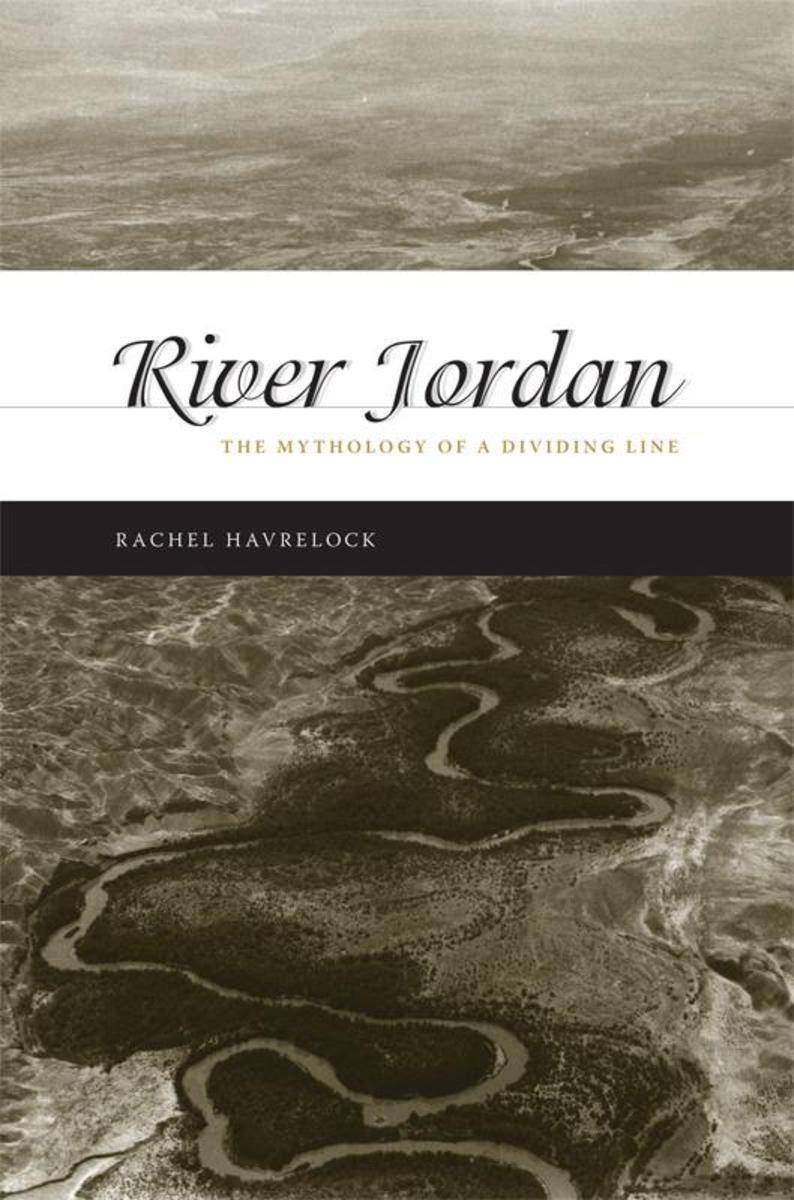
River Jordan
¥394.36
As the site of several miracles in the Jewish and Christian traditions, the Jordan is one of the world's holiest rivers. It is also the major political and symbolic border contested by Israelis and Palestinians. Combining biblical and folkloric studies with historical geography, Rachel Havrelock explores how the complex religious and mythological representations of the river have shaped the current conflict in the Middle East.Havrelock contends that the intractability of the Israeli-Palestinian conflict stems from the nationalist myths of the Hebrew Bible, where the Jordan is defined as a border of the Promised Land. Both Israelis and Palestinians claim the Jordan as a necessary boundary of an indivisible homeland. Examining the Hebrew Bible alongside ancient and modern maps of the Jordan, Havrelock chronicles the evolution of Israel's borders based on nationalist myths while uncovering additional myths that envision Israel as a bi-national state. These other myths, she proposes, provide roadmaps for future political configurations of the nation. Ambitious and masterful in its scope, River Jordan brings a fresh, provocative perspective to the ongoing struggle in this violence-riddled region.
Mastering Iron
¥394.36
Veins of iron run deep in the history of America. Iron making began almost as soon as European settlement, with the establishment of the first ironworks in colonial Massachusetts. Yet it was Great Britain that became the Atlantic world's dominant low-cost, high-volume producer of iron, a position it retained throughout the nineteenth century. It was not until after the Civil War that American iron producers began to match the scale and efficiency of the British iron industry.?In Mastering Iron, Anne Kelly Knowles argues that the prolonged development of the US iron industry was largely due to geographical problems the British did not face. Pairing exhaustive manu* research with analysis of a detailed geospatial database that she built of the industry, Knowles reconstructs the American iron industry in unprecedented depth, from locating hundreds of iron companies in their social and environmental contexts to explaining workplace culture and social relations between workers and managers. She demonstrates how ironworks in Alabama, Maryland, Pennsylvania, and Virginia struggled to replicate British technologies but, in the attempt, brought about changes in the American industry that set the stage for the subsequent age of steel.?Richly illustrated with dozens of original maps and period art work, all in full color, Mastering Iron sheds new light on American ambitions and highlights the challenges a young nation faced as it grappled with its geographic conditions.
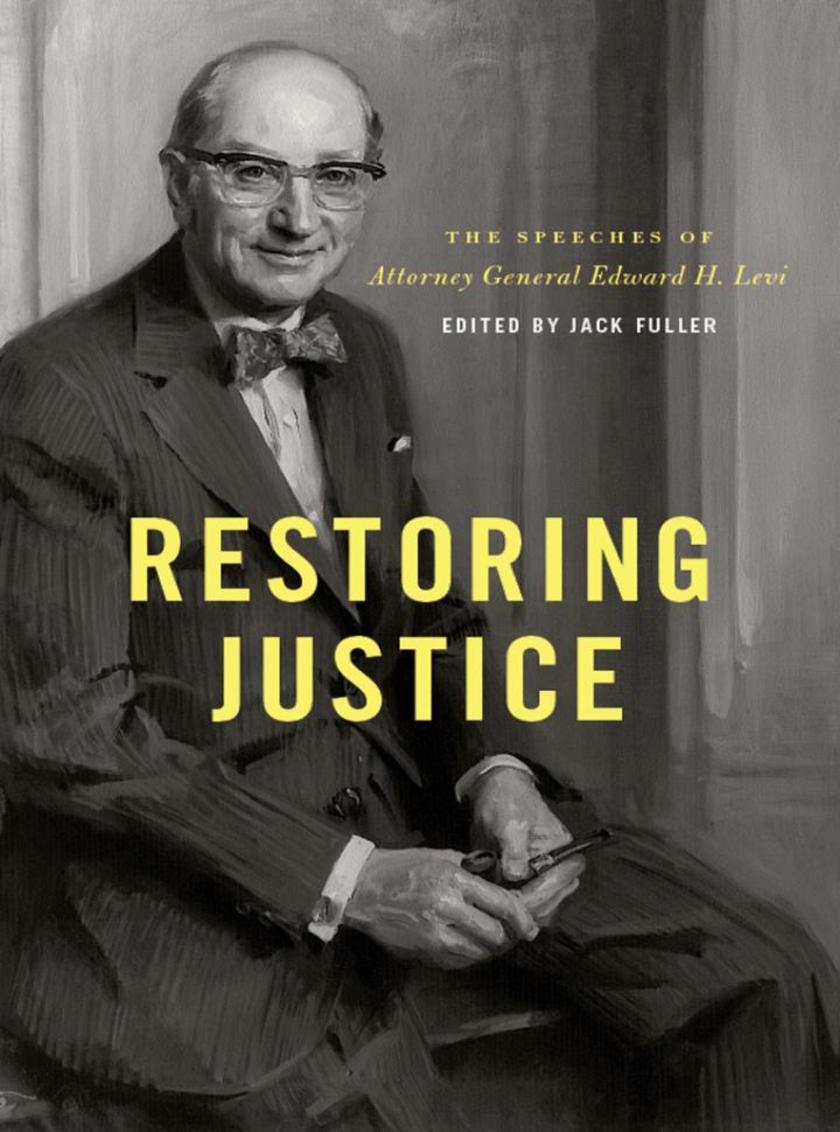
Restoring Justice
¥370.82
In the wake of Watergate, Gerald Ford appointed eminent lawyer and scholar Edward H. Levi to the post of attorney general-and thus gave him the onerous task of restoring legitimacy to a discredited Department of Justice. Levi was famously fair-minded and free of political baggage, and his inspired addresses during this tumultuous time were critical to rebuilding national trust. They reassured a tense and troubled nation that the Department of Justice would act in accordance with the principles underlying its name, operating as a nonpartisan organization under the strict rule of law.For Restoring Justice, Jack Fuller has carefully chosen from among Levi's speeches a selection that sets out the attorney general's view of the considerable challenges he faced: restoring public confidence through discussion and acts of justice, combating the corrosive skepticism of the time, and ensuring that the executive branch would behave judicially. Also included are addresses and Congressional testimonies that speak to issues that were hotly debated at the time, including electronic surveillance, executive privilege, separation of powers, antitrust enforcement, and the guidelines governing the FBI-many of which remain relevant today. Serving at an almost unprecedentedly difficult time, Levi was among the most admired attorney generals of the modern era. Published here for the first time, the speeches in Restoring Justice offer a superb sense of the man and his work.
Rise of the Public Authority
¥229.55
In the late nineteenth century, public officials throughout the United States began to experiment with new methods of managing their local economies and meeting the infrastructure needs of a newly urban, industrial nation.?Stymied by legal and financial barriers, they created a new class of quasi-public agencies called public authorities. Today these entities operate at all levels of government, and range from tiny operations like the Springfield Parking Authority in Massachusetts, which runs thirteen parking lots and garages, to mammoth enterprises like the Tennessee Valley Authority, with nearly twelve billion dollars in revenues each year.?In?The Rise of the Public Authority, Gail Radford recounts the history of these inscrutable agencies, examining how and why they were established, the varied forms they have taken, and how these pervasive but elusive mechanisms have molded our economy and politics over the past hundred years.?
Flawed System/Flawed Self
¥229.55
Today 4.7 million Americans have been unemployed for more than six months. In France more than ten percent of the working population is without work. In Israel it's above seven percent. And in Greece and Spain, that number approaches thirty percent. Across the developed world, the experience of unemployment has become frighteningly common-and so are the seemingly endless tactics that job seekers employ in their quest for new work.Flawed System/Flawed Self?delves beneath these staggering numbers to explore the world of job searching and unemployment across class and nation. Through in-depth interviews and observations at job-search support organizations, Ofer Sharone reveals how different labor-market institutions give rise to job-search games like Israel's rsum-based "e;spec games"e;-which are focused on presenting one's skills to fit the job-and the "e;chemistry games"e; more common in the United States in which job seekers concentrate on presenting the person behind the rsum. By closely examining the specific day-to-day activities and strategies of searching for a job, Sharone develops a theory of the mechanisms that connect objective social structures and subjective experiences in this challenging environment and shows how these different structures can lead to very different experiences of unemployment.

Mixed Emotions
¥229.55
In recent years, it's become increasingly clear that emotion plays a central role in global politics. For example, people readily care about acts of terrorism and humanitarian crises because they appeal to our compassion for human suffering. These struggles also command attention where social interactions have the power to produce or intensify the emotional responses of those who participate in them.?From passionate protests to poignant speeches, Andrew A. G. Ross analyzes high-emotion events with an eye to how they shape public sentiment and finds that there is no single answer. The politically powerful play to the public's emotions to advance their political aims, and such appeals to emotion also often serve to sustain existing values and ?institutions. But the affective dimension can produce profound change, particularly when a struggle in the present can be shown to line up with emotionally resonant events from the past. Extending his findings to well-studied conflicts, including the War on Terror and the violence in Rwanda and the Balkans, Ross identifies important sites of emotional impact missed by earlier research focused on identities and interests.

Saharan Jews and the Fate of French Algeria
¥229.55
The history of Algerian Jews has thus far been viewed from the perspective of communities on the northern coast, who became, to some extent, beneficiaries of colonialism. ?But to the south, in the Sahara, Jews faced a harsher colonial treatment. In Saharan Jews and the Fate of French Algeria, Sarah Abrevaya Stein asks why the Jews of Algeria's south were marginalized by French authorities, how they negotiated the sometimes brutal results, and what the reverberations have been in the postcolonial era.?Drawing on materials from thirty archives across six countries, Stein tells the story of colonial imposition on a desert community that had lived and traveled in the Sahara for centuries. She paints an intriguing historical picture-of an ancient community, trans-Saharan commerce, desert labor camps during World War II, anthropologist spies, battles over oil, and the struggle for Algerian sovereignty. Writing colonialism and decolonization into Jewish history and Jews into the French Saharan one, Saharan Jews and the Fate of French Algeria is a fascinating exploration not of Jewish exceptionalism but of colonial power and its religious and cultural differentiations, which have indelibly shaped the modern world.?
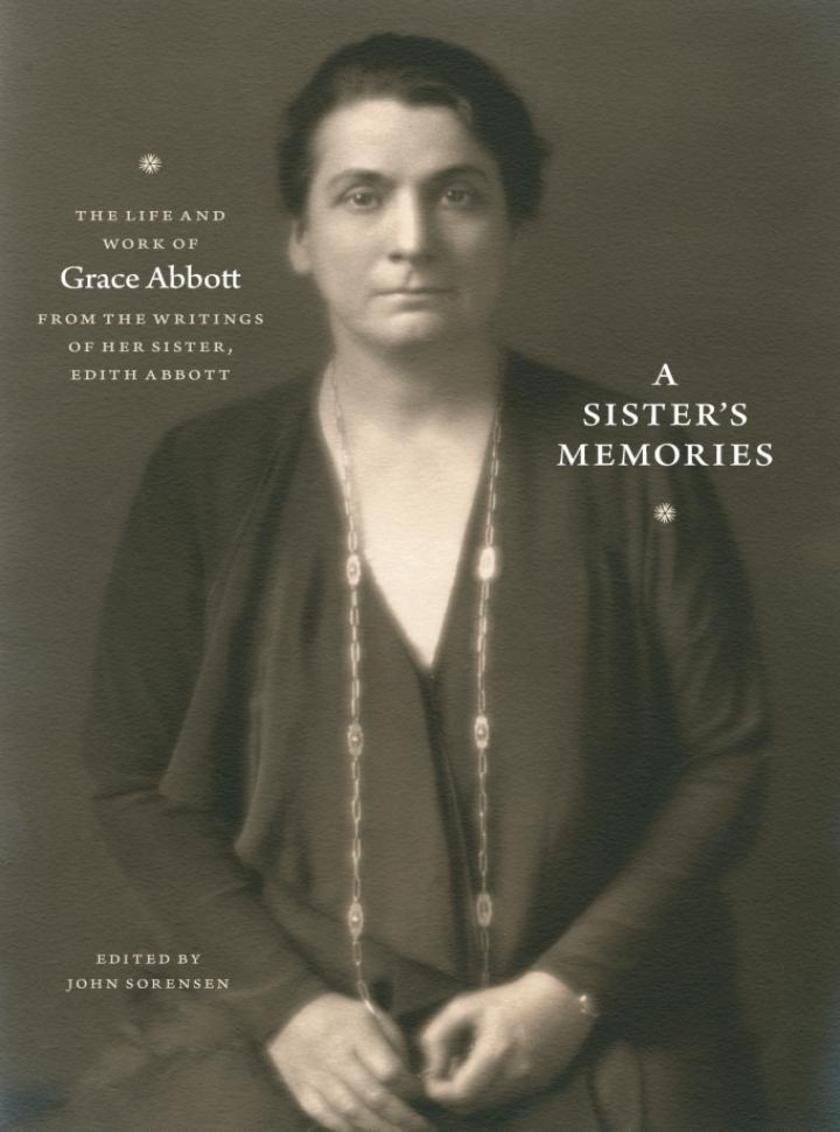
Sister's Memories
¥147.15
Among the great figures of Progressive Era reform, Edith and Grace Abbott are perhaps the least sung. Peers, companions, and coworkers of legendary figures such as Jane Addams and Sophonisba Breckinridge, the Abbott sisters were nearly omnipresent in turn-of-the-century struggles to improve the lives of the poor and the working-class people who fed the industrial engines and crowded into diverse city neighborhoods. Grace's innovative role as a leading champion for the rights of children, immigrants, and women earned her a key place in the history of the social justice movement. As her friend and colleague Eleanor Roosevelt wrote, Grace was "e;one of the great women of our day . . . a definite strength which we could count on for use in battle."e;A Sister's Memories is the inspiring story of Grace Abbott (1878-1939), as told by her sister and social justice comrade, Edith Abbott (1876-1957). Edith recalls in vivid detail the Nebraska childhood, impressive achievements, and struggles of her sister who, as head of the Immigrants' Protective League and the U.S. Children's Bureau, championed children's rights from the slums of Chicago to the villages of Appalachia. Grace's crusade can perhaps be best summed up in her well-known credo: "e;Justice for all children is the high ideal in a democracy."e; Her efforts saved the lives of thousands of children and immigrants and improved those of millions more. These trailblazing social service works led the way to the creation of the Social Security Act and UNICEF and caused the press to nickname her "e;The Mother of America's 43 Million Children."e; She was the first woman in American history to be nominated to the presidential cabinet and the first person to represent the United States at a committee of the League of Nations.Edited by Abbott scholar John Sorensen, A Sister's Memories is destined to become a classic. It shapes the diverse writings of Edith Abbott into a cohesive narrative for the first time and fills in the gaps of our understanding of Progressive Era reforms. Readers of all backgrounds will find themselves engrossed by this history of the unstoppable, pioneer feminist Abbott sisters.
Accidental Diarist
¥247.21
In this era of tweets and blogs, it is easy to assume that the self-obsessive recording of daily minutiae is a recent phenomenon. But Americans have been navel-gazing since nearly the beginning of the republic. The daily planner-variously called the daily diary, commercial diary, and portable account book-first emerged in colonial times as a means of telling time, tracking finances, locating the nearest inn, and even planning for the coming winter. They were carried by everyone from George Washington to the soldiers who fought the Civil War. And by the twentieth century, this document had become ubiquitous in the American home as a way of recording a great deal more than simple accounts.In this appealing history of the daily act of self-reckoning, Molly McCarthy explores just how vital these unassuming and easily overlooked stationery staples are to those who use them. From their origins in almanacs and blank books through the nineteenth century and on to the enduring legacy of written introspection, McCarthy has penned an exquisite biography of an almost ubiquitous document that has borne witness to American lives in all of their complexity and mundanity.


