


 购物车
购物车 个人中心
个人中心
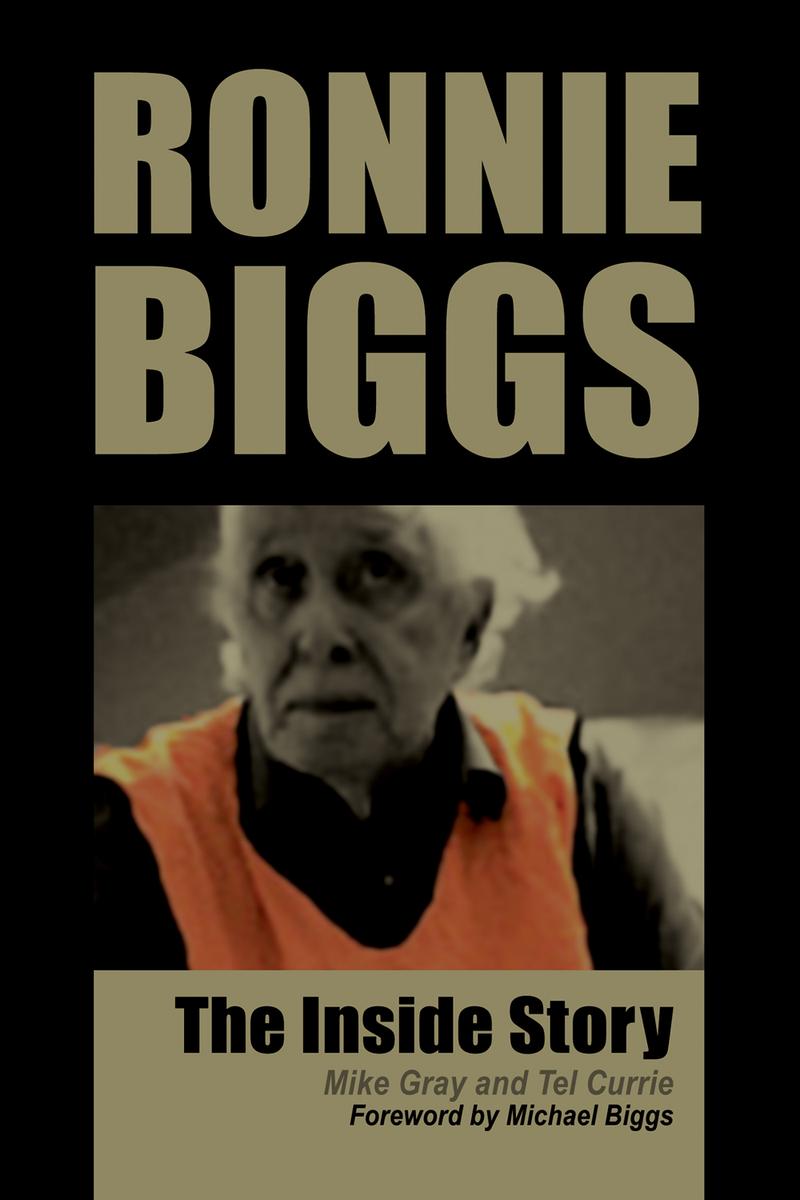
Ronnie Biggs - The Inside Story
¥73.48
Ronnie Biggs: The Inside Story, written by two of Ronnie Biggs's closest friends and most ardent supporters, delivers exactly what it says on the label, giving a very personal, unique and yet disturbing insight into the mind and subsequent treatment by the judicial and penal systems of the man that became a legendary household name for his role in one of Britain's most notorious crimes, the Great Train Robbery of 1963, and his subsequent life on the run upon his escape from prison in 1965. Raising pointed questions and dispelling many myths, the story makes one wonder who is the greater criminal: the carpenter that played a bit part in an unarmed robbery 45 years ago, who has remained incarcerated since his return to the UK in 2001 despite the fact that he is now a frail, wheelchair-bound 79-year-old grandfather who is no threat to society, is fed via a tube to his stomach and can only communicate by pointing to letters on a laminated sheet; or the justice and prison systems that have allowed him to rot in jail for so long. One thing's for sure, although Ronnie Biggs's body is letting him down after a series of strokes and other illnesses, his legal team, campaign supporters, underworld friends and devoted family certainly aren't, and neither is his own fighting spirit or his humanity in the face of inhumanity. All he wants now is to be able to die a free man rather than suffer "e;a slow crucifixion on the Home Office cross"e;, and once all the facts have been digested one can only be moved to ask: "e;How could anyone deny him that?"e;

Planning for Learning through ICT
¥73.48
Planning for Learning through ICT aims to introduce young children to what ICT is, and provides over six weeks worth of activities that explore a range of technologies suitable for children 3-5. The book provides ideas for helping children learn about the different purposes of ICT and explores how to use ICT to create, to find information, to play, to shop. The book focuses in particular on how to use ICT creatively as well as outdoors. Whatever your daily learning, this book aims to show how ICT can be easily and appropriately included in your everyday play and learning.

Laurie Lee Selected Poems
¥98.00
Lee's first love was always poetry, though he was only moderately successful as a poet. Lee's first poem appeared in The Sunday Referee in 1934. Another poem was published in Cyril Connolly's Horizon magazine in 1940 and his first volume of poems, The Sun My Monument, was launched in 1944. This was followed by The Bloom of Candles (1947) and My Many-coated Man (1955). Several poems written in the early 1940s reflect the atmosphere of the war, but also capture the beauty of the English countryside. The poem "e;Twelfth Night"e; from My Many-coated Man was set for unaccompanied mixed choir by American composer Samuel Barber in 1968.

Maria's Story
¥39.14
When Robin Barratt and his wife first met Maria in Moscow, they had no idea how much of an impact she would have on their own lives. From the initial interest in her story, the horror of discovering her daily struggle to survive through to active involvement in trying to improve her life. Living on the streets and begging is a harsh reality for many in Russia but for those with a disability life can be doubly cruel. Overlooked by the authorities and people who should have helped her, Maria willingly shared her story with the author who, in turn, made a promise, not only to tell the world about her situation, but to try and make a real difference. Maria's Story documents the true story of one woman's fight for survival against all the odds and those who tried to help her. It uncovers the truth of how many people continue to live in poverty in one of the world's most vibrant cities. Desperately sad, haunting but frequently uplifting, this book is a tale about overcoming adversity and, above all, never losing hope.

Great Britons, A Very Peculiar History
¥58.76
Great Britain can be accused of many things; a proliferation of queuing, a fondness of the demon drink; but it's not without more than its fair share of important historical and modern people. 'Great Britons: A Very Peculiar History' looks at a myriad brillliant Britons and their influence on the world. The book features a short potted history of each person, detailing their acheivements, personalities and lifestyles in a quirky and memorable way. From kings and queens, pirates and politicians, actors and directors to sportsmen, explorers, scientists and inventors, 'Great Britons: A Very Peculiar History' celebrates the men and women who have shaped Great Britain and made it what it is today.
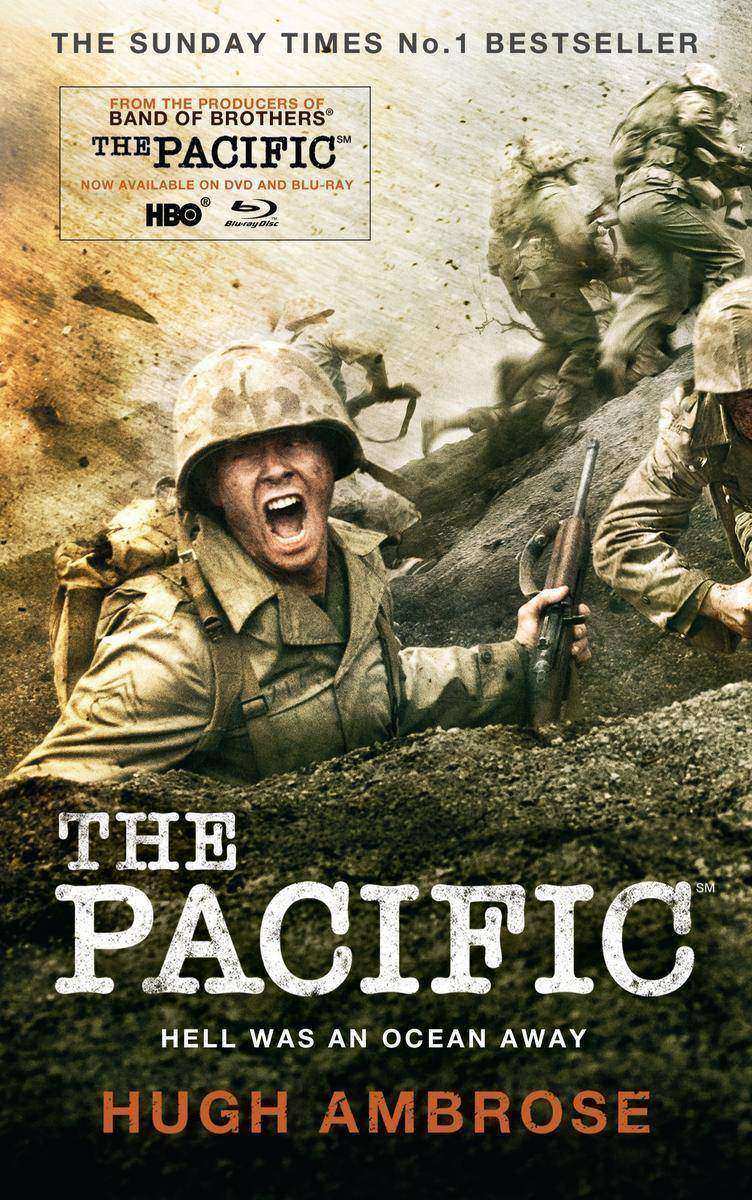
Pacific (The Official HBO/Sky TV Tie-In)
¥78.38
Sidney C. Philips, an easygoing Alabama teenager, enlisted along with a friend. 'Manila John' Basilone was the son of immigrants who found happiness in the rough-and-ready life of a marine. Eugene B. Sledge watched his best friend and brother go off to war - and finally rebelled against his parents to follow them. 'Shifty' Shofner was the scion of a prominent family with a long record of military service. Ensign Vernon 'Mike' Micheel left the family farm to complete flight school. Between America's retreat from China in late 1941 and the moment that MacArthur's plane landed in Japan in August 1945, these five men fought many of the key battles of the war in the Pacific. Here, Hugh Ambrose focuses on their real-life experiences and those of their fellow servicemen, enhancing and expanding upon the story told in the HBO miniseries. Covering nearly four years of combat with unprecedented access to military records, letters, journals, memoirs, photographs and interviews, this volume offers a unique historical perspective on the war against Japan, from the debacle in Bataan to the miracle of Midway, the relentless vortex of Guadalcanal, the black terraces of Iwo Jima and the killing fields of Okinawa - and ultimately the triumphant yet uneasy return home. These are the true stories of the men who put their lives on the line for their country, who were dispatched to the other side of the world to fight an enemy who preferred suicide to surrender; men who suffered hardship and humiliation in POW camps; men who witnessed casualties among soldiers and civilians alike; and men whose medals came at a shocking price - a price paid in full by all.

Star Wars Cookbook: BB-Ate - Awaken to the Force of Breakfast and Brunch
¥152.94
Awaken your inner Force with 29 intergalactic breakfast recipes. Fuel up with Hans Soloatmeal, battle hunger with Admiral Ackbars, and so much more! These easy-to-make, mouthwatering recipes feature characters and scenes from Star Wars: The Force Awakens as well as from the upcoming film Star Wars: The Last Jedi. And photographs featuring Star Wars figurines re-creating epic moments from the films provide an extra helping of humor. and TM Lucasfilm Ltd. Used Under Authorization
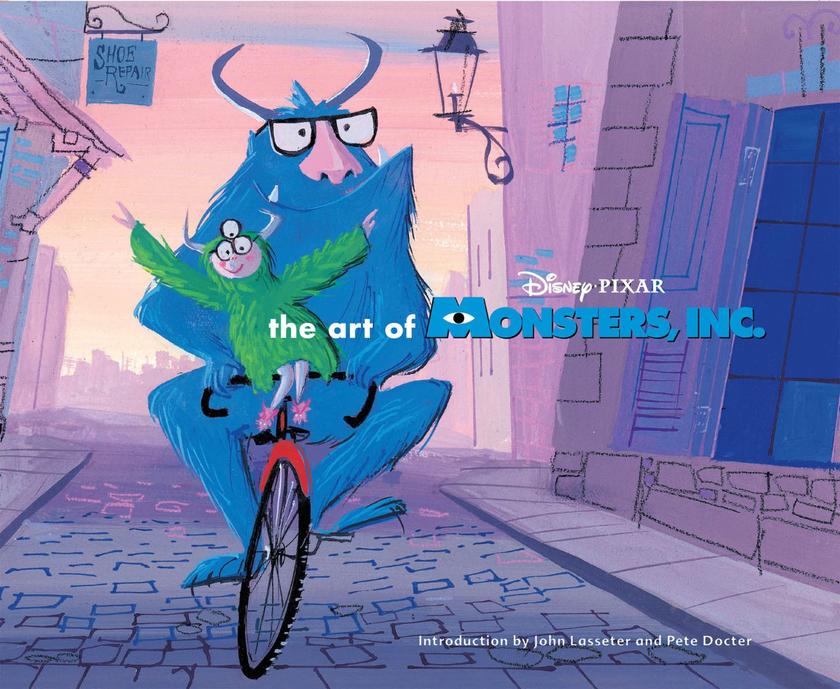
Art of Monster, Inc.
¥305.97
The Art of Monsters, Inc. opens the door into Pixar's colorful archives of concept art and to the endearing story of Monsters, Inc. Since the very first bedtime, children around the world have known that once their parents tuck them into bed and shut off the light, monsters lie waiting behind closet doors, ready to emerge. But what they don't realize is that these monsters scare children because they have to. It's their job. This superb film from Pixar Studios, the people who brought you Toy Story, A Bug's Life, and Toy Story 2, reveals the truth about monsters with the brilliant techniques that have earned them their reputation as a ground-breaking animation studio. This incredible body of artwork was commissioned from the top artists, illustrators, and animators in the industry and from it the ultimate visual approach of the film was defined. From sketches scribbled on napkins and quickly inked marker drawings, to finished oil paintings and fabulous pastel color scripts, this behind-the-scenes artwork reveals the elaborate creative process behind a blockbuster film.

Star Wars Super Graphic - A Visual Guide to a Galaxy Far, Far Away
¥165.71
Graphic design guru Tim Leong presents Star Wars trivia in an all-new waythrough playful pie charts, bar graphs, and other data-driven infographics. From a Venn diagram of Yoda's idiosyncrasies to an organizational chart of the Empire to a line graph of Grand Moff Tarkin's management decisions, Star Wars Super Graphic shines a new light on the much-adored universe. Equal parts playful and informative, this visual love letter to the vast Star Wars universe will enchant fans of all ages. and TM Lucasfilm Ltd. Used Under Authorization

Star Wars Epic Yarns: The Empire Strikes Back
¥70.53
Jedi apprentices and little princesses will delight in this (heart)felt retelling of the Star Wars saga. And so will Star Wars fans of any age! The series launches with the original trilogy, and every word counts in these small but perfectly formed yarns. That's because each volume features 12 iconic scenes, handcrafted in felt and pithily summarized in just a single word. The attention to detail is eye-opening; the proportions are just-right for small hands; the fun is guaranteed. In The Empire Strikes Back, Luke meets his teacher Yoda, Han Solo makes a friend, and there is a lightsaber duel with a Sith Lord in the dark. and TM Lucasfilm Ltd. Used Under Authorization
Poetry of Robert Greene
¥15.21
Robert Greene was, by the best accounts available, born in Norwich in 1558 and baptised on July 11th.Greene is believed to have been a pupil at Norwich Grammar School and then attended Cambridge receiving his B.A. in 1580, and an M.A. in 1583. He then moved to London and began an extraordinary chapter in his life as a widely published author. His literary career began with the publication of the long romance, 'Mamillia', (1580). Greene's romances were written in a highly wrought style which reached its peak in 'Pandosto' (1588) and 'Menaphon' (1589). Short poems and songs incorporated in some of the romances attest to his ability as a lyric poet. In 1588, he was granted an MA from Oxford University, almost certainly as a courtesy degree. Thereafter he sometimes placed the phrase Utruisq. Academiae in Artibus Magister', "e;Master of Arts in both Universities"e; on the title page of his works.The lack of records hinders any complete biography of Greene but he did write an autobiography of sorts, but where the balance lies between facts and artistic licence is not clearly drawn. According to that autobiography 'The Repentance of Robert Greene', Greene is alleged to have written 'A Groatsworth of Wit Bought with a Million of Repentance' during the month prior to his death, including in it a letter to his wife asking her to forgive him and stating that he was sending their son back to her. His output was prolific. Between 1583 and 1592, he published more than twenty-five works in prose, becoming one of the first authors in England to support himself with his pen in an era when professional authorship was virtually unknown.In his 'coney-catching' pamphlets, Greene fashioned himself into a well-known public figure, narrating colourful inside stories of rakes and rascals duping young gentlemen and solid citizens out of their hard-earned money. These stories, told from the perspective of a repentant former rascal, have been considered autobiographical, and to incorporate many facts of Greene's own life thinly veiled as fiction. However, the alternate account suggests that Greene invented almost everything, merely displaying his undoubted skills as a writer.In addition to his prose works, Greene also wrote several plays, none of them published in his lifetime, including 'The Scottish History of James IV', 'Alphonsus', and his greatest popular success, 'Friar Bacon and Friar Bungay', as well as 'Orlando Furioso', based on Ludovico Ariosto's Orlando Furioso.His plays earned himself the title as one of the 'University Wits', a group that included George Peele, Thomas Nashe, and Christopher Marlowe.Robert Greene died 3rd September 1592.
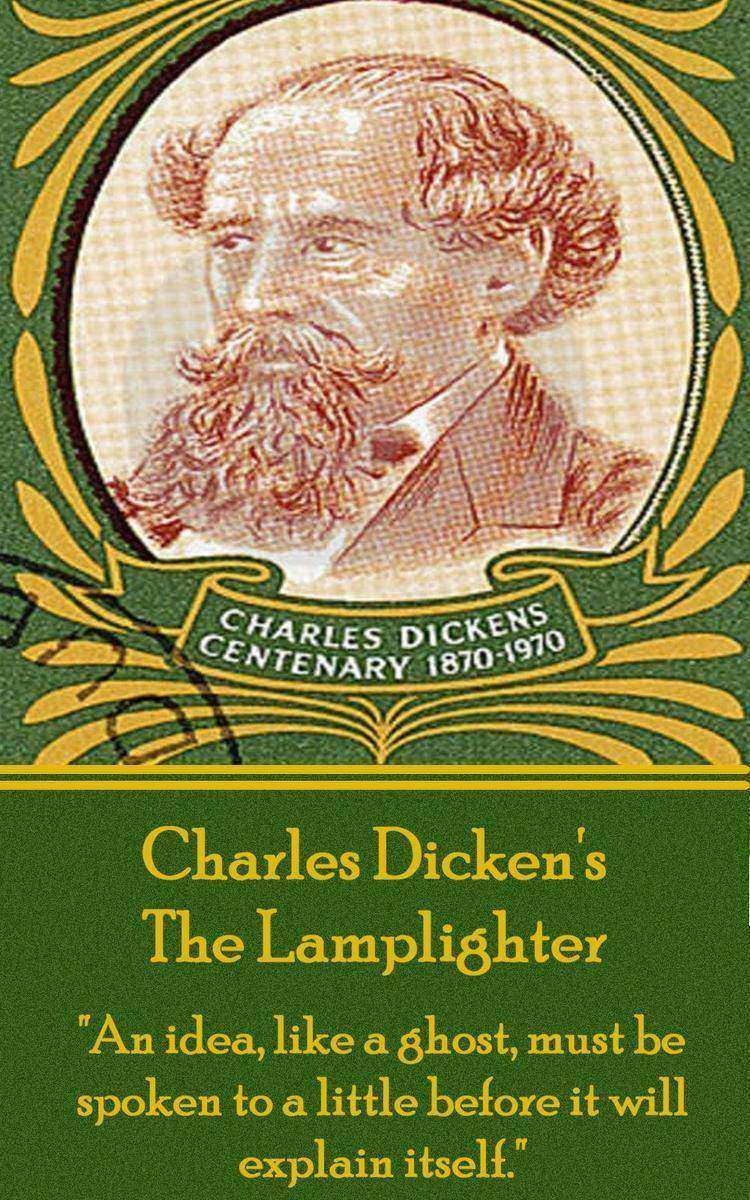
Lamplighter - An idea, like a ghost, must be spoken to a little before it will e
¥29.33
Charles Dickens (1812-1870) is regarded by many readers and literary critics to be THE major English novelist of the Victorian Age. He is remembered today as the author of a series of weighty novels which have been translated into many languages and promoted to the rank of World Classics. The latter include, but are not limited to, The Adventures of Oliver Twist, A Tale of Two Cities, David Copperfield, A Christmas Carol, Hard Times, Great Expectations and The Old Curiosity Shop. His talents extended to many other forms including short stories, poetry, letters and his serial magazines. Of course being such a talent he also wrote plays. We are very pleased to present his fourth of four plays: The Lamplighter
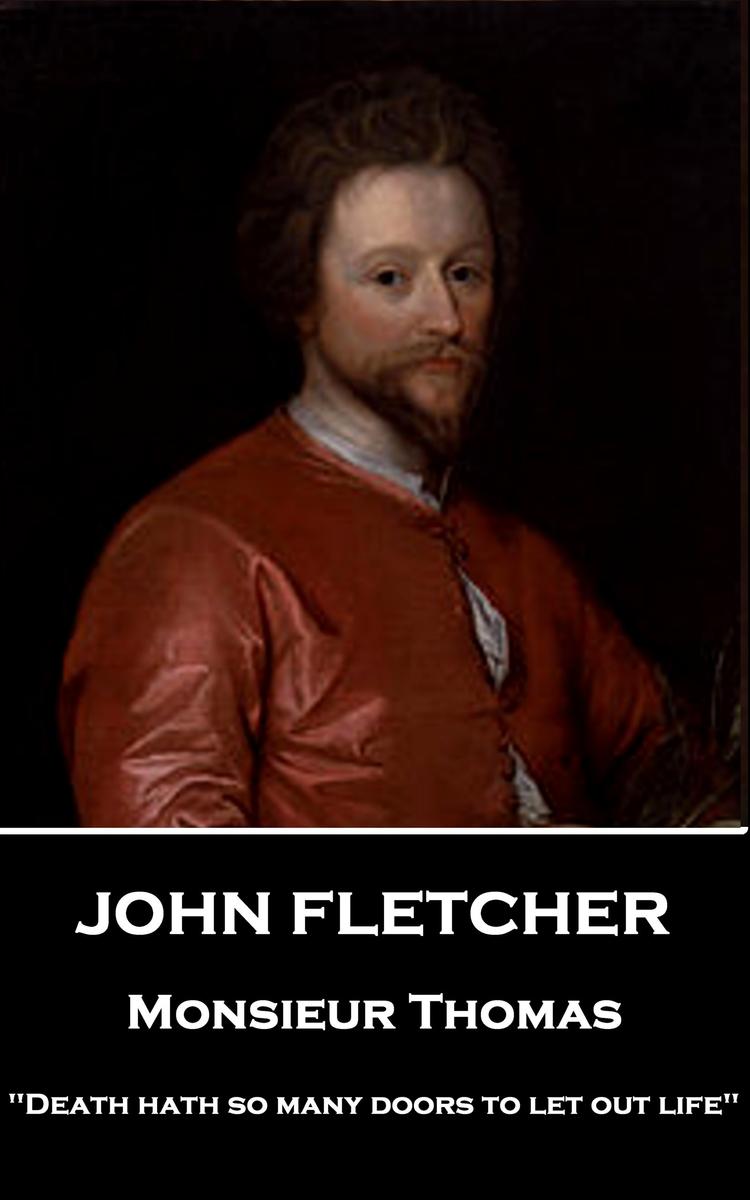
Monsieur Thomas - Death hath so many doors to let out life
¥26.98
John Fletcher was born in December, 1579 in Rye, Sussex. He was baptised on December 20th. As can be imagined details of much of his life and career have not survived and, accordingly, only a very brief indication of his life and works can be given. Young Fletcher appears at the very young age of eleven to have entered Corpus Christi College at Cambridge University in 1591. There are no records that he ever took a degree but there is some small evidence that he was being prepared for a career in the church. However what is clear is that this was soon abandoned as he joined the stream of people who would leave University and decamp to the more bohemian life of commercial theatre in London. The upbringing of the now teenage Fletcher and his seven siblings now passed to his paternal uncle, the poet and minor official Giles Fletcher. Giles, who had the patronage of the Earl of Essex may have been a liability rather than an advantage to the young Fletcher. With Essex involved in the failed rebellion against Elizabeth Giles was also tainted. By 1606 John Fletcher appears to have equipped himself with the talents to become a playwright. Initially this appears to have been for the Children of the Queen's Revels, then performing at the Blackfriars Theatre. Fletcher's early career was marked by one significant failure; The Faithful Shepherdess, his adaptation of Giovanni Battista Guarini's Il Pastor Fido, which was performed by the Blackfriars Children in 1608. By 1609, however, he had found his stride. With his collaborator John Beaumont, he wrote Philaster, which became a hit for the King's Men and began a profitable association between Fletcher and that company. Philaster appears also to have begun a trend for tragicomedy. By the middle of the 1610s, Fletcher's plays had achieved a popularity that rivalled Shakespeare's and cemented the pre-eminence of the King's Men in Jacobean London. After his frequent early collaborator John Beaumont's early death in 1616, Fletcher continued working, both singly and in collaboration, until his own death in 1625. By that time, he had produced, or had been credited with, close to fifty plays.
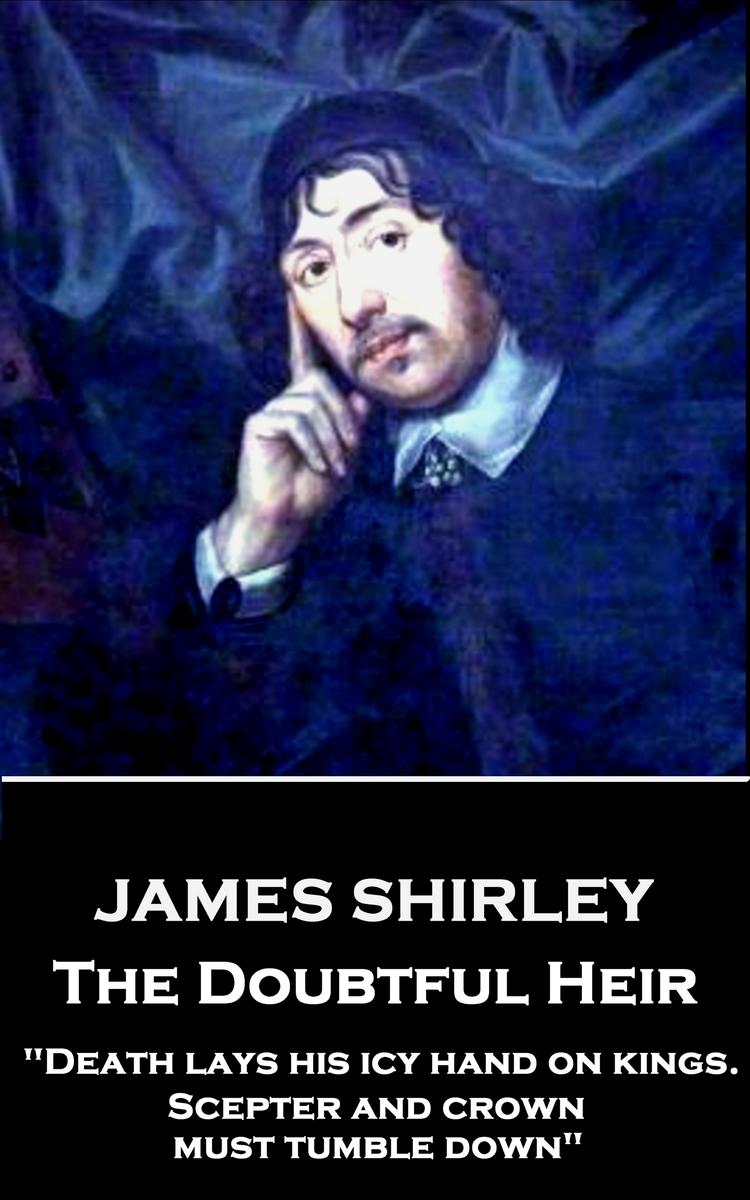
Doubtful Heir - Death lays his icy hand on kings. Scepter and crown must tumble
¥25.80
James Shirley was born in London in September 1596. His education was through a collection of England's finest establishments: Merchant Taylors' School, London, St John's College, Oxford, and St Catharine's College, Cambridge, where he took his B.A. degree in approximately 1618. He first published in 1618, a poem entitled Echo, or the Unfortunate Lovers. As with many artists of this period full details of his life and career are not recorded. Sources say that after graduating he became "e;a minister of God's word in or near St Albans."e; A conversion to the Catholic faith enabled him to become master of St Albans School from 1623-25. He wrote his first play, Love Tricks, or the School of Complement, which was licensed on February 10th, 1625. From the given date it would seem he wrote this whilst at St Albans but, after its production, he moved to London and to live in Gray's Inn. For the next two decades, he would write prolifically and with great quality, across a spectrum of thirty plays; through tragedies and comedies to tragicomedies as well as several books of poetry. Unfortunately, his talents were left to wither when Parliament passed the Puritan edict in 1642, forbidding all stage plays and closing the theatres. Most of his early plays were performed by Queen Henrietta's Men, the acting company for which Shirley was engaged as house dramatist. Shirley's sympathies lay with the King in battles with Parliament and he received marks of special favor from the Queen. He made a bitter attack on William Prynne, who had attacked the stage in Histriomastix, and, when in 1634 a special masque was presented at Whitehall by the gentlemen of the Inns of Court as a practical reply to Prynne, Shirley wrote the text-The Triumph of Peace. Shirley spent the years 1636 to 1640 in Ireland, under the patronage of the Earl of Kildare. Several of his plays were produced by his friend John Ogilby in Dublin in the first ever constructed Irish theatre; The Werburgh Street Theatre. During his years in Dublin he wrote The Doubtful Heir, The Royal Master, The Constant Maid, and St. Patrick for Ireland. In his absence from London, Queen Henrietta's Men sold off a dozen of his plays to the stationers, who naturally, enough published them. When Shirley returned to London in 1640, he finished with the Queen Henrietta's company and his final plays in London were acted by the King's Men. On the outbreak of the English Civil War Shirley served with the Earl of Newcastle. However when the King's fortunes began to decline he returned to London. There his friend Thomas Stanley gave him help and thereafter Shirley supported himself in the main by teaching and publishing some educational works under the Commonwealth. In addition to these he published during the period of dramatic eclipse four small volumes of poems and plays, in 1646, 1653, 1655, and 1659. It is said that he was "e;a drudge"e; for John Ogilby in his translations of Homer's Iliad and the Odyssey, and survived into the reign of Charles II, but, though some of his comedies were revived, his days as a playwright were over. His death, at age seventy, along with that of his wife, in 1666, is described as one of fright and exposure due to the Great Fire of London which had raged through parts of London from September 2nd to the 5th. He was buried at St Giles in the Fields, in London, on October 29th, 1666.
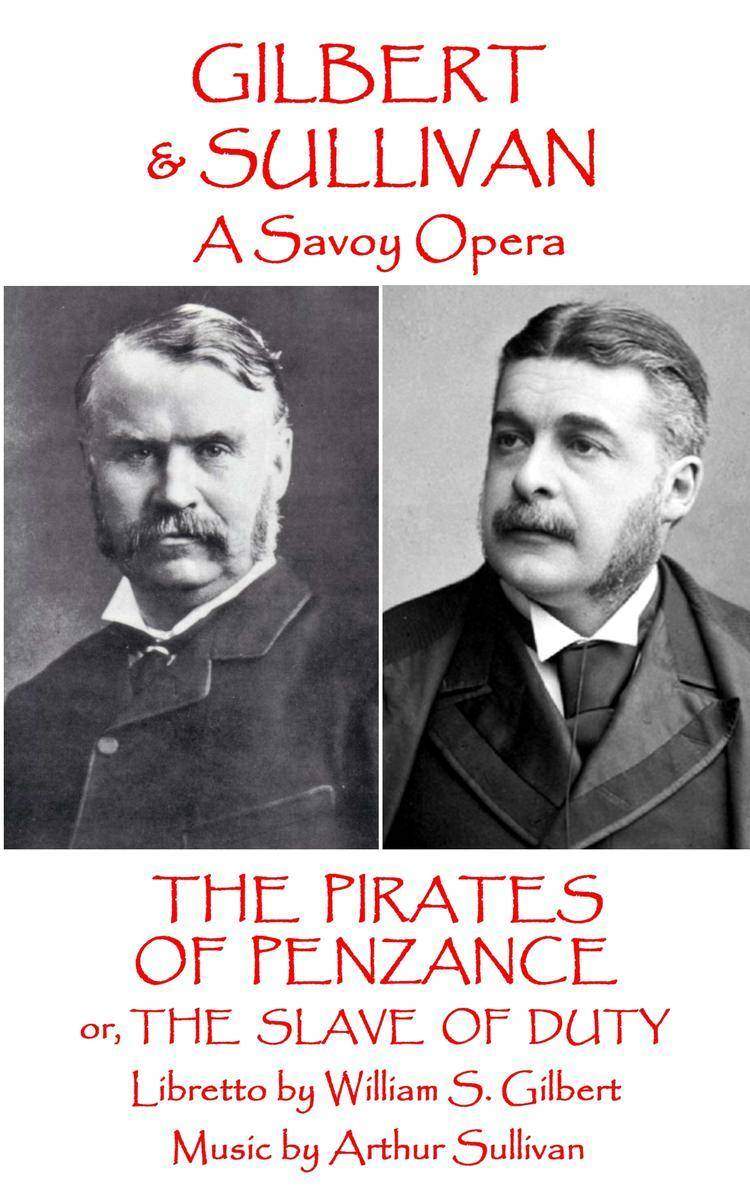
Pirates of Penzance - or The Slave of Duty
¥26.98
The partnership between William Schwenck Gilbert and Arthur Seymour Sullivan and their canon of Savoy Operas is rightly lauded by all lovers of comic opera the world over. Gilbert's sharp, funny words and Sullivan's deliciously lively and hummable tunes create a world that is distinctly British in view but has the world as its audience. Both men were exceptionally talented and gifted in their own right and wrote much, often with other partners, that still stands the test of time. However, together as a team they created Light or Comic Operas of a standard that have had no rivals equal to their standard, before or since. That's quite an achievement. To be recognised by the critics is one thing but their commercial success was incredible. The profits were astronomical, allowing for the building of their own purpose built theatre - The Savoy Theatre. Beginning with the first of their fourteen collaborations, Thespis in 1871 and travelling through many classics including The Sorcerer (1877), H.M.S. Pinafore (1878), The Pirates of Penzance (1879), The Mikado (1885), The Gondoliers (1889) to their finale in 1896 with The Grand Duke, Gilbert & Sullivan created a legacy that is constantly revived and admired in theatres and other media to this very day.
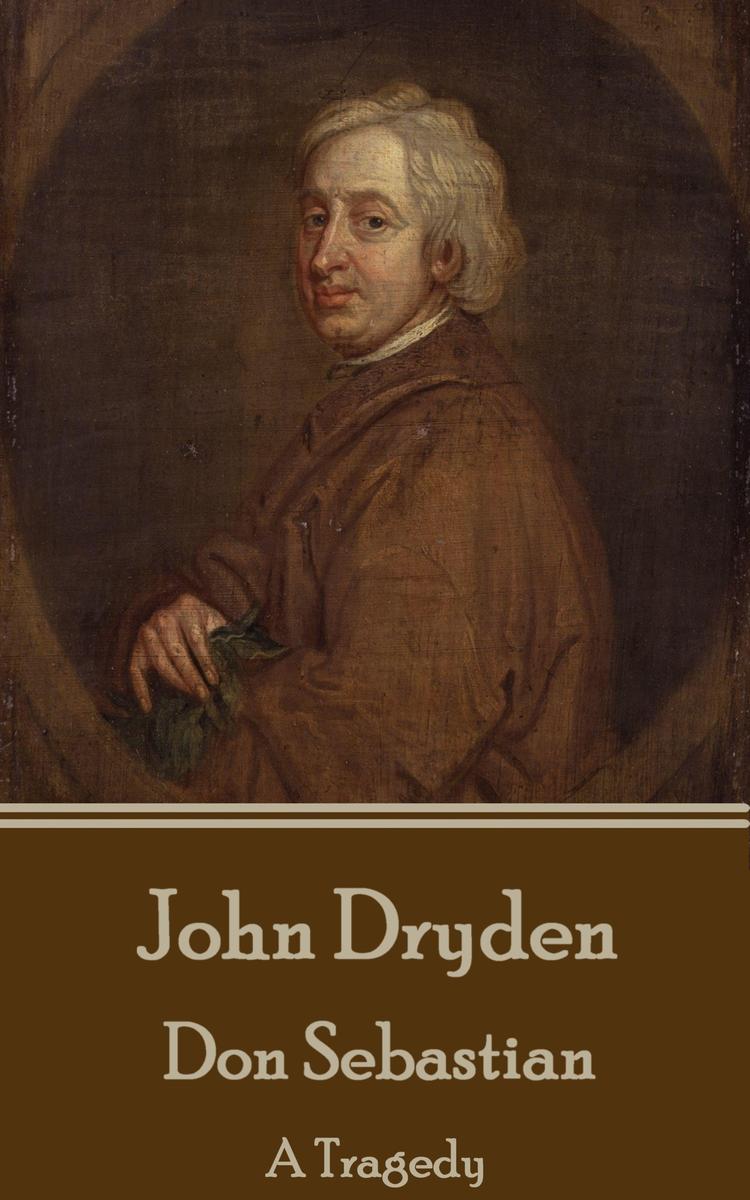
Don Sebastian - A Tragedy
¥26.98
John Dryden was born on August 9th, 1631 in the village rectory of Aldwincle near Thrapston in Northamptonshire. As a boy Dryden lived in the nearby village of Titchmarsh, Northamptonshire. In 1644 he was sent to Westminster School as a King's Scholar. Dryden obtained his BA in 1654, graduating top of the list for Trinity College, Cambridge that year. Returning to London during The Protectorate, Dryden now obtained work with Cromwell's Secretary of State, John Thurloe. At Cromwell's funeral on 23 November 1658 Dryden was in the company of the Puritan poets John Milton and Andrew Marvell. The setting was to be a sea change in English history. From Republic to Monarchy and from one set of lauded poets to what would soon become the Age of Dryden. The start began later that year when Dryden published the first of his great poems, Heroic Stanzas (1658), a eulogy on Cromwell's death. With the Restoration of the Monarchy in 1660 Dryden celebrated in verse with Astraea Redux, an authentic royalist panegyric. With the re-opening of the theatres after the Puritan ban, Dryden began to also write plays. His first play, The Wild Gallant, appeared in 1663 but was not successful. From 1668 on he was contracted to produce three plays a year for the King's Company, in which he became a shareholder. During the 1660s and '70s, theatrical writing was his main source of income. In 1667, he published Annus Mirabilis, a lengthy historical poem which described the English defeat of the Dutch naval fleet and the Great Fire of London in 1666. It established him as the pre-eminent poet of his generation, and was crucial in his attaining the posts of Poet Laureate (1668) and then historiographer royal (1670). This was truly the Age of Dryden, he was the foremost English Literary figure in Poetry, Plays, translations and other forms. In 1694 he began work on what would be his most ambitious and defining work as translator, The Works of Virgil (1697), which was published by subscription. It was a national event. John Dryden died on May 12th, 1700, and was initially buried in St. Anne's cemetery in Soho, before being exhumed and reburied in Westminster Abbey ten days later.
Twelfth Night - Better a witty fool, than a foolish wit.
¥11.67
The life of William Shakespeare, arguably the most significant figure in the Western literary canon, is relatively unknown. Shakespeare was born in Stratford-upon-Avon in 1565, possibly on the 23rd April, St. George's Day, and baptised there on 26th April. Little is known of his education and the first firm facts to his life relate to his marriage, aged 18, to Anne Hathaway, who was 26 and from the nearby village of Shottery. Anne gave birth to their first son six months later. Shakespeare's first play, The Comedy of Errors began a procession of real heavyweights that were to emanate from his pen in a career of just over twenty years in which 37 plays were written and his reputation forever established. This early skill was recognised by many and by 1594 the Lord Chamberlain's Men were performing his works. With the advantage of Shakespeare's progressive writing they rapidly became London's leading company of players, affording him more exposure and, following the death of Queen Elizabeth in 1603, a royal patent by the new king, James I, at which point they changed their name to the King's Men. By 1598, and despite efforts to pirate his work, Shakespeare's name was well known and had become a selling point in its own right on title pages. No plays are attributed to Shakespeare after 1613, and the last few plays he wrote before this time were in collaboration with other writers, one of whom is likely to be John Fletcher who succeeded him as the house playwright for the King's Men. William Shakespeare died two months later on April 23rd, 1616, survived by his wife, two daughters and a legacy of writing that none have since yet eclipsed.
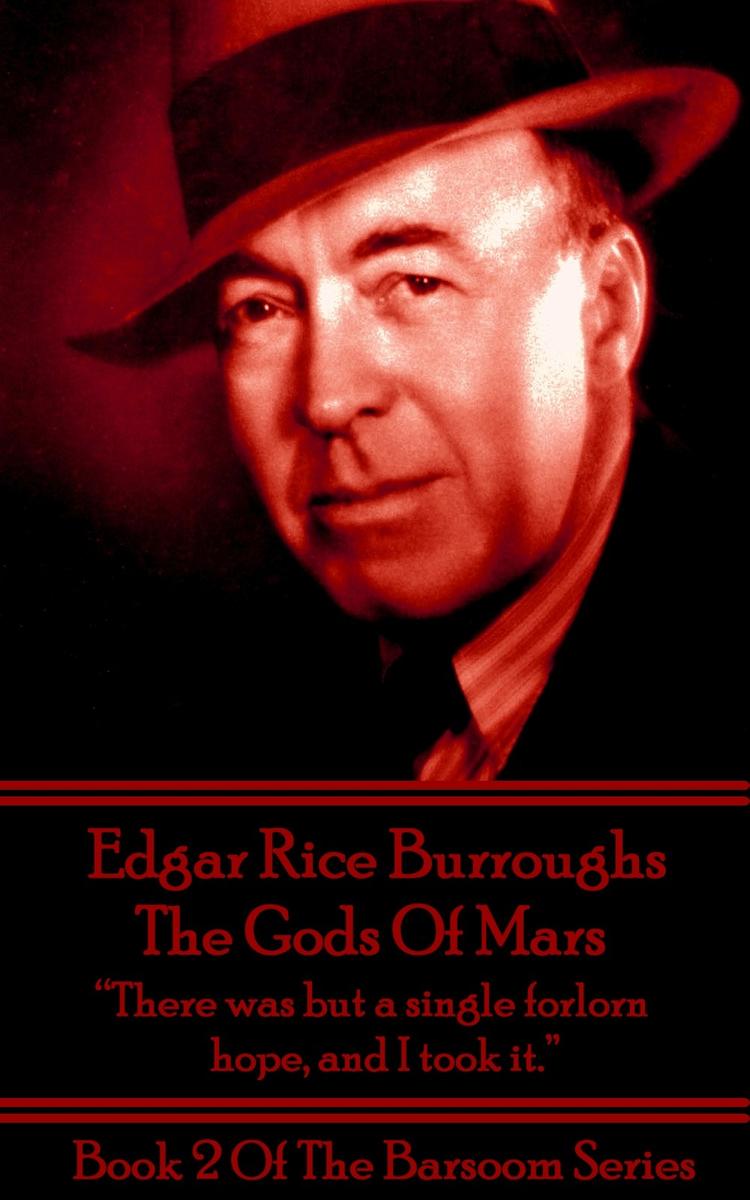
Gods Of Mars - There was but a single forlorn hope, and I took it.
¥35.22
Edgar Rice Burroughs was born on September 1, 1875, in Chicago, Illinois. His early career was unremarkable. After failing to enter West Point he enlisted in the 7th Calvary but was discharged after heart problems were diagnosed. A series of short term jobs gave no indication as to a career path but finally, in 1911, married and with two young children, he turned his hand to writing. He aimed his works squarely at the very popular pulp serial magazines. His first effort 'Under The Moons Of Mars' ran in Munsey's Magazine in 1912 under the pseudonym Norman Bean. With its success he began writing full time. A continuing theme of his work was to develop series so that each character had ample opportunities to return in sequels. John Carter was in the Mars series and there was another on Venus and one on Pellucidar among others. But perhaps the best known is Tarzan. Indeed Burroughs wanted so much to capitalise upon the brand that he introduced a syndicated Tarzan comic strip, movies and merchandise. He purchased a large ranch north of Los Angeles, California, which he named "e;Tarzana."e; The surrounding communities outside the ranch voted in 1927 to adopt the name as their own. By 1932 Burroughs set up his own company to print his own books. Here we publish the second in the Barsoom series and its enduring hero John Carter 'The Gods of Mars'. Another cultural classic.
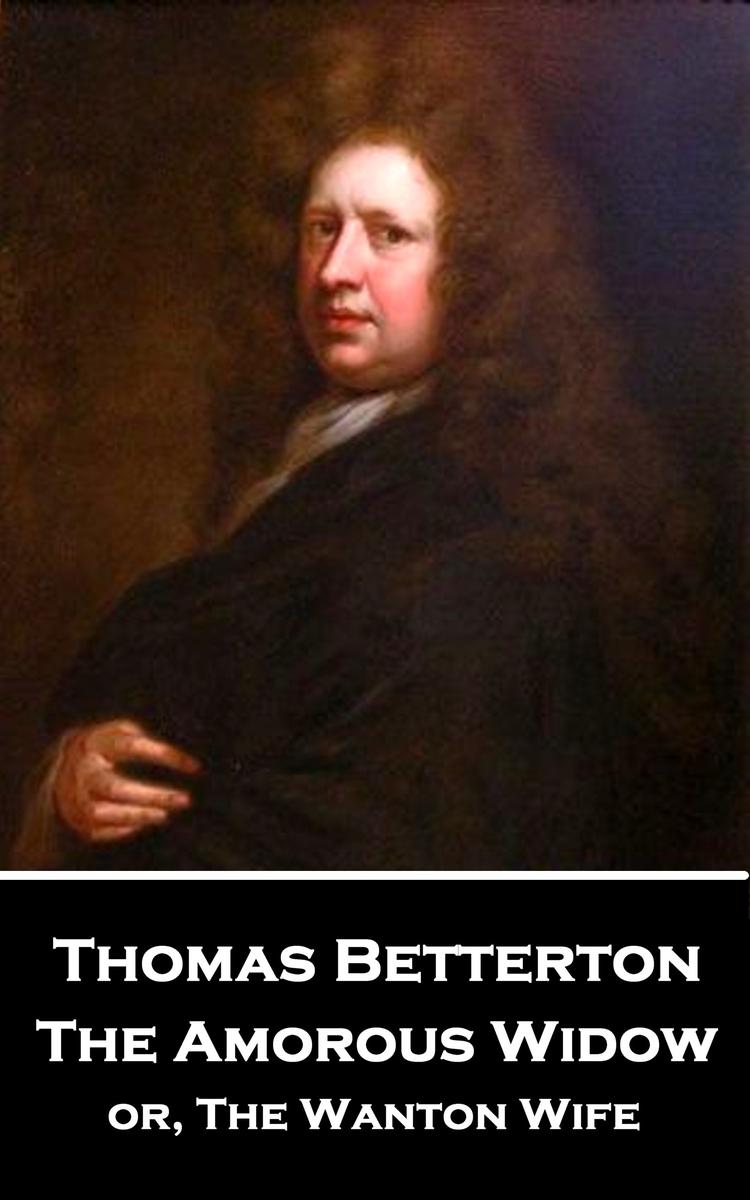
Amorous Widow - or, The Wanton Wife
¥15.21
Thomas Patrick Betterton was born around 1635 in London.As can be understood exact records of much of his early life do not exist.We know he was apprenticed to John Holden, Sir William Davenant's publisher, and later John Rhodes, a bookseller, whose previous career was that of wardrobe-keeper at the Blackfriars Theatre. In 1659, Rhodes obtained a license to set up a company of players at the Cockpit Theatre in Drury Lane; and when the theatre re-opened the following year Betterton made his first stage appearance.By all accounts he was talented and was soon performing the leads. In 1661 a new theatre opened in Lincoln's Inn Fields. Davenant, the patentee of the Duke's Company, engaged Betterton and Rhodes's company to perform his 'The Siege of Rhodes'. Betterton was by now a public favourite and a royal favourite and keen on improving the presentation of plays and the management of theatres. Charles II sent him to Paris to examine stage improvements and then introduced the shifting scenes that replaced the tapestry backgrounds of English theatre.In 1662 Betterton married the actress Mary Saunderson. She and Betterton played opposite each other in a production of Hamlet' she played Ophelia, to his Hamlet. They were also invited to teach the children from noble and royal families to perform John Crowne's 'Calisto', 1675, in the last Stuart court Masque.Betterton was taller than average, athletic, with a strong rather melodious voice which was wonderfully dexterious. His repertory included Shakespearian roles, in versions adapted by Davenant, Dryden, Shadwell and Nahum Tate. In them his performances were praised. He played Lear opposite Elizabeth Barry's Cordelia in Tate's modified version of Shakespeare's 'King Lear'. Betterton was also the author of several popular adaptations.After Davenant's death in 1668, Betterton was the manager and director of the Duke's Company, and from the merger of London's two theatre companies in 1682, he continued these functions in the new United Company. However, in 1695, as this theatrical monopoly worsened conditions of the actors they all walked out. They set up a co-operative company in Lincoln's Inn Fields under Betterton's leadership. The first production was the premiere of Congreve's 'Love for Love' with Betterton as Valentine and Anne Bracegirdle as Angelica. After several years, audiences dwindled, profits fell and Betterton now older and stricken with gout decided to retire from the stage. At his benefit performance, where he again played Valentine in 'Love for Love, the profits are said to have been over GBP500.Betterton's career behind the stage was almost transformative. He invented new stage machines at Dorset Garden Theatre, transposed 'The Prophetess' into an opera, and introduced French singers and dancers to the Restoration stage. He also built the first permanent theatre fully equipped with Italianate machinery. Additionally, he invested in remodeling the tennis court in the Lincoln's Inn Fields and built a new theatre there. His salary was now topped up by a small "e;rent"e; fees for each performance played there.Betterton worked with all of the most significant playwrights of his age and performed with the first generation of English actresses. It is said that Betterton had more than 120 different roles at his command from heroic drama, Jonsonian comedy, comedies of manners, tragicomedies by Beaumont and Fletcher, and tragedies, comedies and histories by Shakespeare. At the age of seventy-five, he claimed, "e;He was yet learning to be an actor."e; Three days before his death at seventy-five, he made his last appearance on the stage in 1710, as Melantius in 'The Maid's Tragedy'. Thomas Betterton died on April 28th 1710. He was buried in Westminster Abbey.
Playboy Of The Western World
¥20.60
In 1896 JM Synge met W. B. Yeats, who encouraged Synge to live for a while in the Aran Islands and then return to Dublin and devote himself to creative work. In 1897 Synge suffered his first attack of Hodgkin's disease, a form of untreatable cancer at the time, and also had an enlarged gland removed from his neck. In 1898, he spent his first summer on the Aran Islands and then continued for the next five collecting stories and folklore and perfecting his Irish but continued to live in Paris for the rest of the year. During this period, Synge wrote his first play, When The Moon Has Set. In 1903, Synge left Paris and moved to London. He had written two one-act plays, Riders to the Sea and The Shadow of the Glen the previous year. The Shadow of the Glen was performed at the Molesworth Hall in October 1903. Riders to the Sea was performed at the same venue in February the following year. The play widely regarded as his masterpiece, The Playboy of the Western World, was first performed in the Abbey on 26 January 1907. The comedy attracted a hostile reaction from the Irish public and thereafter a riot ensued. Described as "e;an unmitigated, protracted libel upon Irish peasant men, and worse still upon Irish girlhood"e;. Yeats returned from Scotland to address the crowd on the second night, and decided to call in the police. Press opinion soon turned against the rioters and the protests petered out. Synge died of Hodgkin's disease just weeks short of his 38th birthday on March 24th 1909 trying to complete his last play, Deirdre Of The Sorrows. He was buried in Mount Jerome Graveyard, Dublin.

Wasps - Evil events from evil causes spring
¥11.67
The reality is that little is known of Aristophanes actual life but eleven of his forty plays survive intact and upon those rest his deserved reputation as the Father of Comedy or, The Prince of Ancient Comedy. Accounts agree that he was born sometime between 456BC and 446 BC. Many cities claim the honor of his birthplace and the most probable story makes him the son of Philippus of gina, and therefore only an adopted citizen of Athens, a distinction which, at times could be cruel, though he was raised and educated in Athens. His plays are said to recreate the life of ancient Athens more realistically than any other author could. Intellectually his powers of ridicule were feared by his influential contemporaries; Plato himself singled out Aristophanes' play The Clouds as a slander that contributed to the trial and condemning to death of Socrates and although other satirical playwrights had also caricatured the philosopher his carried the most weight. His now lost play, The Babylonians, was denounced by the demagogue Cleon as a slander against the Athenian polis. Aristophanes seems to have taken this criticism to heart and thereafter caricatured Cleon mercilessly in his subsequent plays, especially The Knights. His life and playwriting years were undoubtedly long though again accounts as to the year of his death vary quite widely. What can be certain is that his legacy of surviving plays is in effect both a treasured legacy but also in itself the only surviving texts of Ancient Greek comedy.


