


 购物车
购物车 个人中心
个人中心
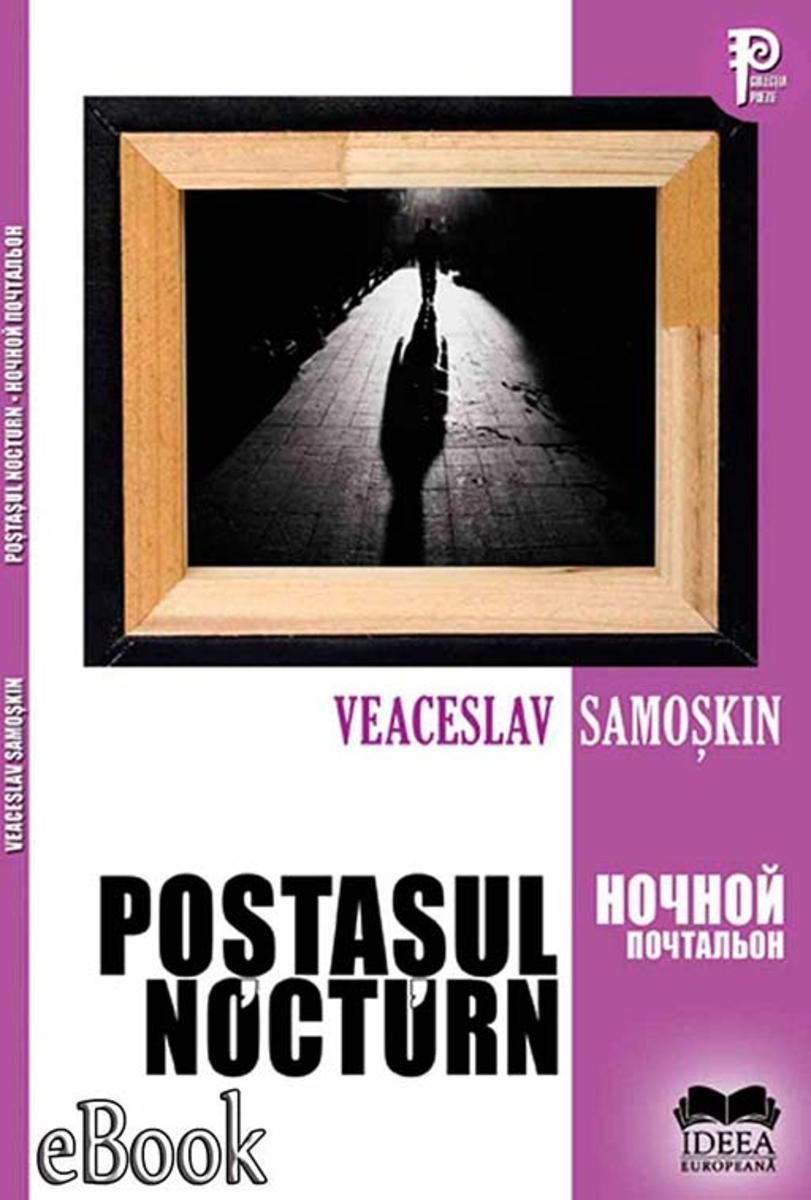
Po?ta?ul nocturn. Ночной Почтальон
¥20.44
Edi?ie bilingv? Veaceslav Samo?kin este rus, corespondent de pres? la Bucure?ti, dar ?n primul r?nd, poet. Universul lui poetic penduleaz? ?ntre tragismul ?nsingur?rii ?i nevoia de confesiune. Elegiac? ?i intimist?, lirica din volumul Po?ta?ul nocturn este strig?tul de am?r?ciune al intelectualului lucid ?n fa?a vicisitudinilor unei istorii contorsionate ?i, totodat?, supapa prin care se revars? preaplinul propriilor drame existen?iale. Poet prin excelen?? citadin, Veaceslav Samo?kin ??i aminte?te cu nostalgie de ora?ul natal ?cu nume bol?evic“, care ?i-a pus amprenta asupra ?ntregii lui vie?i – ?Arhitectura sufletului meu/ e-a str?zilor lui prelungire“–, descrie cu delicate?e ner?bdarea de a ?nt?lni fata drag? – ?ochii mei ?nverzesc semaforul“ –, identific? ?n triste?ea unei toamne destinul unei iubiri trecute – ?era acea toamn?/ nu un anotimp, ci/ soarta noastr? doamn?“–, sufer? al?turi de femeile care pl?ng noaptea, cu hohote ?n?bu?ite, ?vie?ile nen?scute ori ucise/ ?n disperate p?ntece de mam?“... Tr?itor de c?teva decenii ?n ?ara noastr?, Veaceslav Samo?kin s-a integrat perfect ?n peisajul d?mbovi?ean: ?l putem ?nt?lni pe str?zile ora?ului sau ?i putem asculta, ?ntr-o cafenea, considera?iile generoase asupra literaturii ?i artei, politicii sau vie?ii, ?n general. C?ci cel pe care prietenii ?l apeleaz? cu diminutivul Slava nu este doar un intelectual de stirpe aleas?, impresionant prin erudi?ie, ci ?i un om de o fermec?toare ?i bl?nd? colocvialitate. ?n c?teva din versurile sale, poetul pentru care Rom?nia a devenit a doua patrie zugr?ve?te imaginea Bucure?tiului sub ar?i?a necru??toare a verii, anotimp ?nscris ?ntr-un ineluctabil ciclu universal. (Dinu Moraru)
Via?a unui c?rturar
¥186.80
Tr?g?nd linie, am spune c? ne afl?m ?n prezen?a unui demers pertinent de mare actualitate, a unui pre?ios instrument de lucru menit s? umple un gol ?n literatura didactico-?tiin?ific? de specialitate, dar totodat? put?nd deveni util ?i unor cercuri intelectuale interesate de evolu?ia fenomenului poetic rusesc ?n secolul XX, situate ?n afara comunit??ii universitare. (Mircea Croitoru) E o bibliotec? umbl?toare. A citit mii de c?r?i ale altora ?i a scris c?teva ale sale. ?l recuno?ti dintr-o mie. Ziarele, revistele, c?r?ile ?i sunt lipite de degete. Merge pe strad? ?i cite?te, a?teapt? lini?tit la o coad? ?i cite?te. Absent pentru lumea aceasta viermuitoare ?i pragmatic?, el s-a retras protector ?n spatele ziarelor ?i c?r?ilor, ?i a rezistat. Cu o ?inut? sobr?, de o ?epeno?enie verde, demn? de ?ara Fagilor de unde-?i trage ob?r?ia, nu-i po?i da anii pe care, incredibil, ?i are. (…) Dac? te duci la el acas?, totul pare sprijinit pe tomuri, iar dac? ai proasta inspira?ie s? clinte?ti ceva, acea ?arhitectur? intelectual?“ ??i poate fi fatal?. Un soi de Manole Anapoda, zidit ?n chip de An? ?ntr-o m?n?stire de c?r?i. Prietenii ?i spun Dima. Am tradus ?mpreun? din Bulat Okudjava volumul de versuri C?ntecul esen?ial ?i, din mul?i al?i poe?i contemporani ru?i, ?n periodice. Metodic, punctual, suferind de acribie ?i, bine?n?eles, scufundat ?ntr-o lectur? atunci c?nd nu lucram ?mpreun?, a dovedit c? nu e doar un consumator de literatur?, ci ?i un excelent cunosc?tor al limbii din care traducea, ?i chiar un creator. ?l invidiez pentru felul sfid?tor ?n care ?tie s? uite de televizor ?i de calculator. Dima cite?te. El e scufundat ?n ecranul unei file de carte, al unei pagini de ziar sau de revist?. ?ntr-o vreme ?n care aceste dou? ustensile subjug? lumea obosind-o, nevroz?nd-o, ?mb?tr?nind-o, f?c?nd abstrac?ie de mirajul lor, el a r?mas ?nc? proasp?t, zdrav?n ?i t?n?r. (Passionaria Stoicescu)

Penki i? vienos ank?ties
¥9.24
O carte incitant? despre unul dintre cei mai mari poe?i interbelici, taxat pe nedrept de c?tre G. C?linescu drept un poet minor. Studiul este semnat de cunoscutul exeget literar Mihai Cimpoi, pre?edinte al Uniunii Scriitorilor din R. Moldova, Membru al Academiei Rom?ne. Cartea se adreseaz? elevilor, studen?ilor, precum ?i publicului larg de cititori.

Büd?ss úr
¥58.94
Un volum fundamental, pagini memorabile despre literatura francez? nu numai pentru elevi, studen?i, profesori, constituind un manual indirect de literatur? francez?; este editat pentru prima dat? ?n Colec?ia Edi?ii Definitive, ?n condi?ii grafice cu totul excep?ionale. ??...Vor crede poate c? a fost un bufon, un farsor?. Medicul Pierre Boulenger nu se ?n?el? scriind astfel despre faima viitoare a marelui s?u prieten, Rabelais. Nimic mai ridicol dec?t p?rerile felurite care s-au risipit ?n decursul veacurilor pe socoteala maestrului Alcofibras. Mirarea acestuia ar fi mare dac? le-ar putea afla ?i desigur nu o dat? ar azv?rli printre hohote c?te-o vorba pe care urechile noastre mult prea fine de fii ai veacului al dou?zecilea nu ar putea-o cuprinde dec?t ?nro?indu-se. Ronsard vede ?n autorul lui Gargantua un animal jovial ?i ve?nic ?nsetat, t?v?lindu-se ?n b?l?i de vin ?ca o broasc? ?n noroi?. Tabloul acesta bestial cred c? n-a mai fost reluat de altul. ?n schimb judec??ile au fost tot at?t de neverosimile.” O carte esen?ial?. Un manual indirect de literatur? francez?.
Noua ?tiin?? a gestion?rii artritei. Cum s? prevenim sau s? alung?m durerea
¥65.32
Volumul a ambi?ionat s? aduc? ?n aten?ia cititorului activitatea unuia dintre cei mai importan?i lingvi?ti ?i publici?ti ai momentului din ?ara noastr?, din perspectiva speciali?tilor, dar ?i a fo?tilor sau actualilor s?i studen?i. ?n cei aproape ?aizeci de ani de activitate ?tiin?ific? ?i didactic?, Stelian Dumistr?cel s-a impus ?n domeniile dialectologie, stilistic?, etnolingvistic?, pragmatic? lingvistic? ?.a.; la Ia?i, a pus bazele unei ?coli de cercetare doctoral? de orientare co?erian?, confrunt?nd ?tehnica liber? a vorbirii ?i discursul repetat”. Pun?nd accentul pe activitatea sa publicistic?, ?miezul” acestui volum este constituit de treizeci de articole ap?rute ?n Revista de cultur? contemporan? ?Timpul”, c?rora li s-a ad?ugat o selec?ie de interviuri ?i articole publicate ?n alte diverse periodice, dar, la aniversare, ?i testimoniale care ?l prezint? pe Stelian Dumistr?cel ?i din postura dasc?lului preocupat at?t de fenomenele limbajului, c?t ?i de problemele comunic?rii, din perspectiv? larg interdisciplinar?.STELIAN-TRAIAN DUMISTR?CEL (n. 19 august 1937, Zvori?tea, Suceava) este, din 1958, cercet?tor ?tiin?ific la Institutul de Filologie Rom?n? ?A. Philippide” al Filialei Ia?i a Academiei Rom?ne. Din 1996, anul ?nfiin??rii Departamentului de Jurnalistic? ?i ?tiin?ele Comunic?rii la Universitatea ?Alexandru Ioan Cuza”, sus?ine cursuri de limba rom?n? (fonetic?, gramatic?, vocabular) ?i de stilistic? ?i retoric?, din perspectiva pragmaticii comunic?rii. A publicat, ?n calitate de autor ?i coautor peste trei sute de titluri (volume, studii, recenzii etc.) ?i aproape o mie de articole ?n periodice culturale ?i ?n presa cotidian?. Printre cele mai cunoscute volume se num?r? ?Influen?a limbii literare asupra graiurilor dacorom?ne” (1978), ?Lupta ?n jurul literei ? ?i demnitatea Academiei Rom?ne” (1993), ?P?n?-n p?nzele albe. Expresii rom?ne?ti. Biografii – motiva?ii” (1997, 2001), ?Limbajul publicistic rom?nesc din perspectiva stilurilor func?ionale” (2006), ?Discursul repetat ?n textul jurnalistic” (2006) ?.a.
Elegii parisiene
¥46.36
Vrnd s fac un dar poeilor romni – de la care n tineree am primit inestimabile daruri, Nichita, Cezar, Grigore – am ndrznit o versiune romneasc a intraductibilelor i abstruselor poeme rilkeene. Mostre supreme ale unui discurs poetic somnambulic, desfidnd nu numai logica i sintaxa curent dar i cea poetic, aceste Elegii… sunt, cred eu, un vrf dac nu un monument al spiritualitii moderne europene. Sunt fericit ca limba romn a strmoilor mei i a marilor poei romni a primit i a putut cuprinde arta poetului austriac, ce se clatin i cuvnt ntr-un aer de o tensiune insuportabil, ntre Pindar i Holderlin, un monument de vrf inegalabil, cu siguran, al creaiei europene.“ (Nicolae Breban)
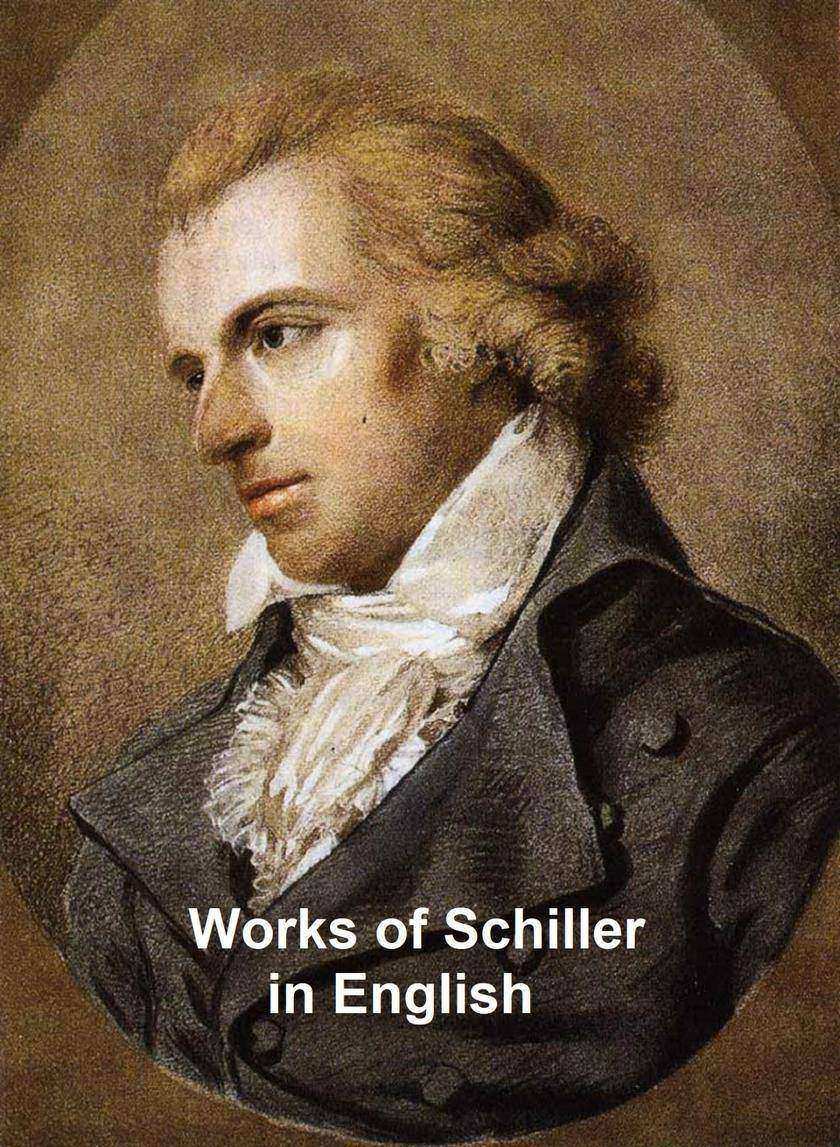
Works of Schiller in English
¥8.09
This collection includes: Life of Schiller by Calvin Thomas and such works by Schiller as Death of Wallenstein, William Tell, excerpts from The Thirty Years' War, poetry, and Correspondence with Goethe. The German Classics Of The Nineteenth And Twentieth Centuries, Volume 3, edited by Kuno Francke.
Memories of Hawthorne
¥8.09
According to Wikipedia: "Mother Alphonsa was born on May 20, 1851 to Nathaniel Hawthorne and his wife Sophia Hawthorne, and baptised as Rose Hawthorne… After her father's death in 1864, she tried to become an author, like him. She wrote book of poems, Along the Shore, which was published in 1888. She later decided to rededicate her life to restoring her family's reputation after her brother's illegal activities and prostitution attempts. She was known for her service near and within New York City, caring for impoverished cancer by founding St. Rose's Free Home for Incurable Cancer in the Lower East Side. After George's death in 1898, she became a nun, and was inspired by "The New Colossus", a poem penned by her close friend Emma Lazarus, to found a community of Dominican religious, now known as the Dominican Sisters of Hawthorne."
Sketches from Concord and Appledore
¥8.09
According to Wikipedia: "Frank Preston Stearns (1846-1917), the son of abolitionist George Luther Stearns, was a writer and abolitionist from Massachusetts during the 19th century. In addition to collaborating with Elizur Wright in ambitious abolitionist projects, such as the American Anti-Slavery Society, he is credited with several seminal works exploring the lives and careers of important American public figures and authors of note, including The Life and Genius of Nathaniel Hawthorne and The Life and Public Services of George Luther Stearns."
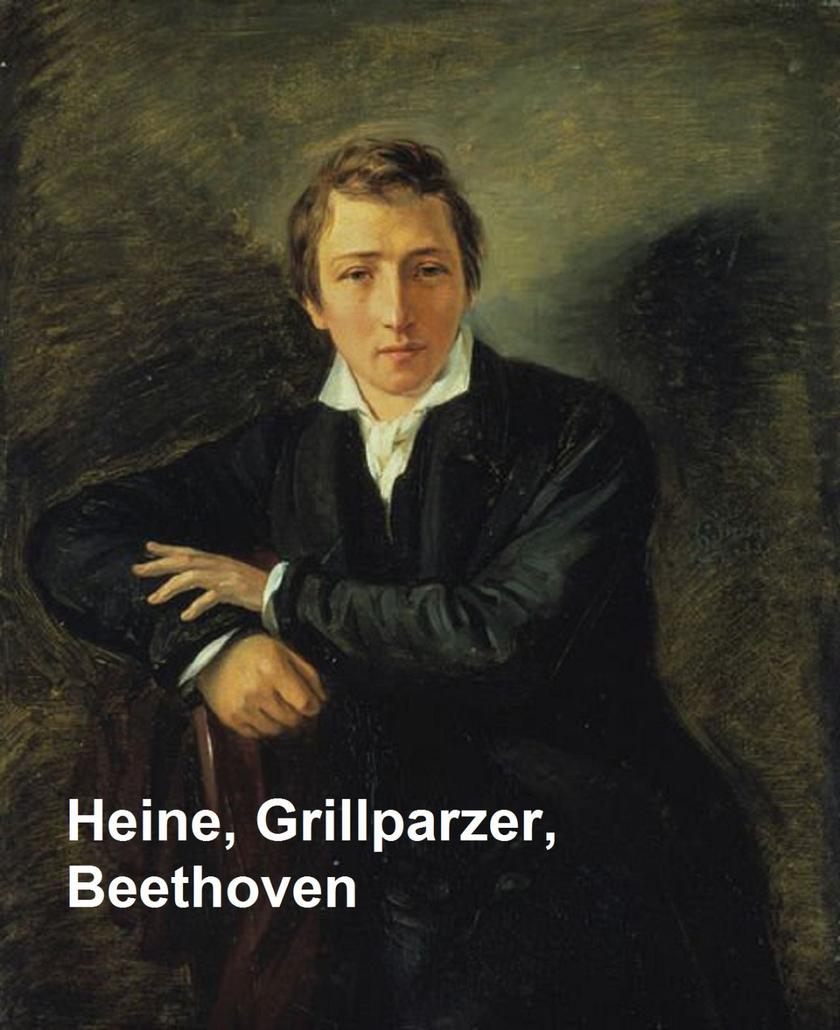
Heine, Grillparzer, Beethoven
¥8.09
This collection includes works by and about Heinrich Heine, Grillparzer, and Beethoven. The German Classics Of The Nineteenth And Twentieth Centuries, Volume 6, edited by Kuno Francke.
Essays of Robert Louis Stevenson
¥8.09
This collection includes: ON THE ENJOYMENT OF UNPLEASANT PLACES, AN APOLOGY FOR IDLERS, AES TRIPLEX, TALK AND TALKERS, A GOSSIP ON ROMANCE, THE CHARACTER OF DOGS, A COLLEGE MAGAZINE, BOOKS WHICH HAVE INFLUENCED ME, and PULVIS ET UMBRA.
Essays of Travel
¥8.09
This collection includes: THE AMATEUR EMIGRANT: FROM THE CLYDE TO SANDY HOOK. COCKERMOUTH AND KESWICK, AN AUTUMN EFFECT, A WINTER'S WALK IN CARRICK AND GALLOWAY, FOREST NOTES, A MOUNTAIN TOWN IN FRANCE, RANDOM MEMORIES: ROSA QUO LOCORUM, THE IDEAL HOUSE, DAVOS IN WINTER, HEALTH AND MOUNTAINS, ALPINE DIVERSION, THE STUMULATION OF THE ALPS, ROADS, and ON THE ENJOYMENT OF UNPLEASANT PLACES.
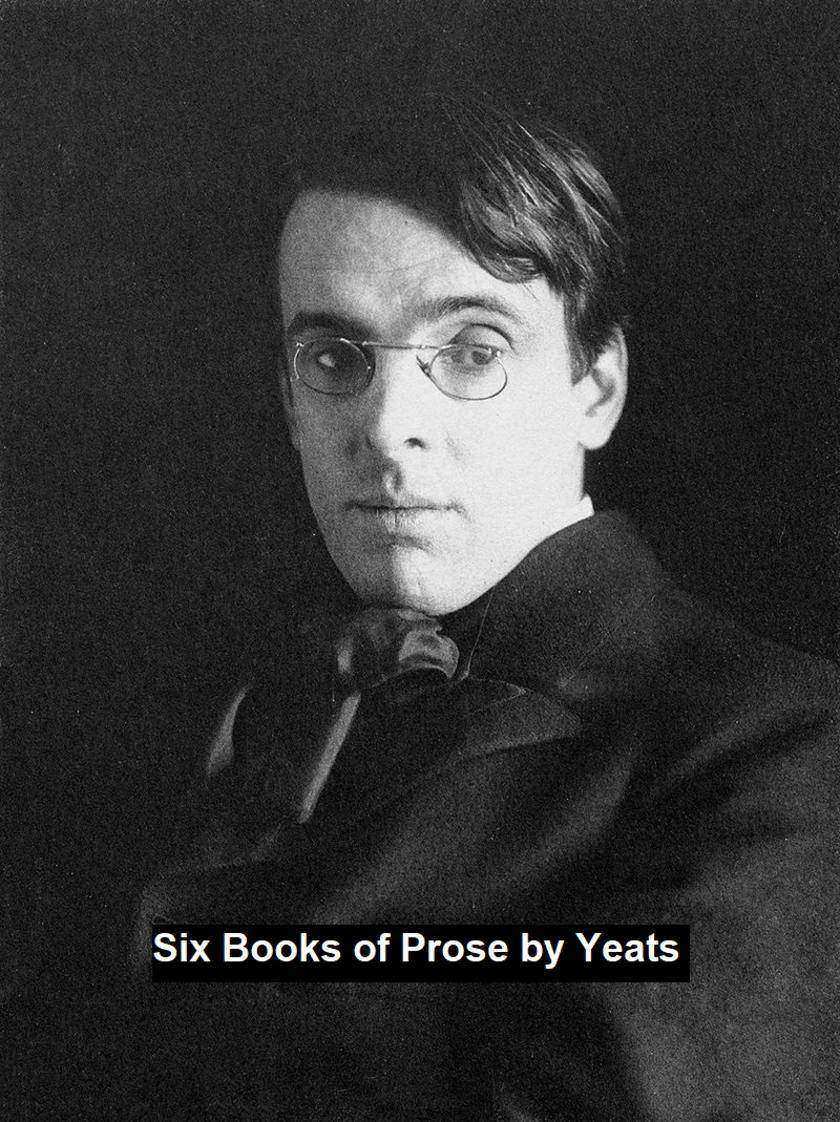
Six Books of Prose
¥8.09
This file includes: Celtic Twilight, Four Years, Rosa Alchemica, The Secret Rose, Stories of Red Hanrahan, and Synge and the Ireland of His Time. According to Wikipedia: "William Butler Yeats (13 June 1865 - 28 January 1939) was an Irish poet, dramatist, and one of the foremost figures of 20th century literature. A pillar of both the Irish and British literary establishments, in his later years Yeats served as an Irish Senator for two terms. He was a driving force behind the Irish Literary Revival, and along with Lady Gregory and Edward Martyn founded the Abbey Theatre, serving as its chief during its early years. In 1923, he was awarded a Nobel Prize in Literature for what the Nobel Committee described as "inspired poetry, which in a highly artistic form gives expression to the spirit of a whole nation." He was the first Irishman so honored. Yeats is generally considered one of the few writers whose greatest works were completed after being awarded the Nobel Prize;[2] such works include The Tower (1928) and The Winding Stair and Other Poems (1929). Yeats was born and educated in Dublin, but spent his childhood in County Sligo. He studied poetry in his youth, and from an early age was fascinated by both Irish legends and the occult. Those topics feature in the first phase of his work, which lasted roughly until the turn of the century. His earliest volume of verse was published in 1889, and those slowly paced and lyrical poems display debts to Edmund Spenser and Percy Bysshe Shelley, as well as to the lyricism of the Pre-Raphaelite poets. From 1900, Yeats' poetry grew more physical and realistic. He largely renounced the transcendental beliefs of his youth, though he remained preoccupied with physical and spiritual masks, as well as with cyclical theories of life."
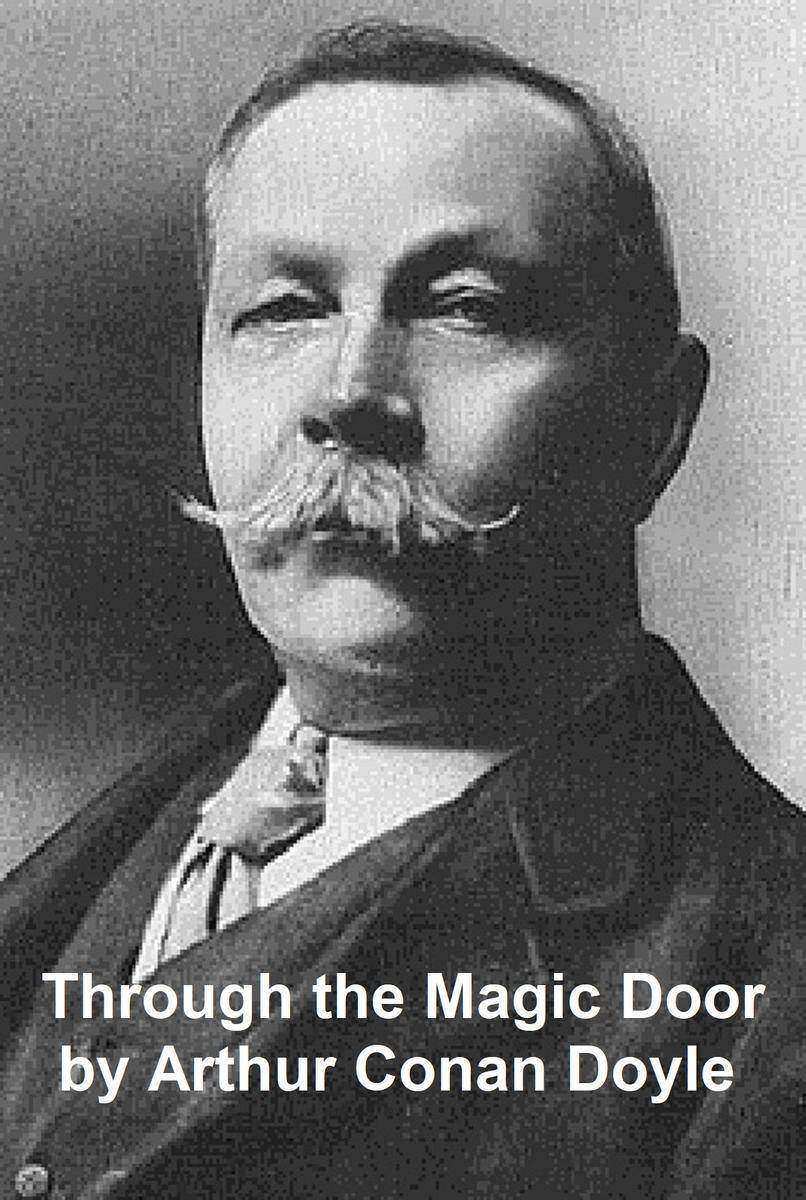
Through the Magic Door
¥8.09
First published in 1907. A memoir of the books in Doyle's library. According to Wikipedia: "Sir Arthur Ignatius Conan Doyle (22 May 1859 – 7 July 1930) was a Scottish physician and writer who is most noted for his fictional stories about the detective Sherlock Holmes, which are generally considered milestones in the field of crime fiction. He is also known for writing the fictional adventures of a second character he invented, Professor Challenger, and for popularising the mystery of the Mary Celeste. He was a prolific writer whose other works include fantasy and science fiction stories, plays, romances, poetry, non-fiction, and historical novels."
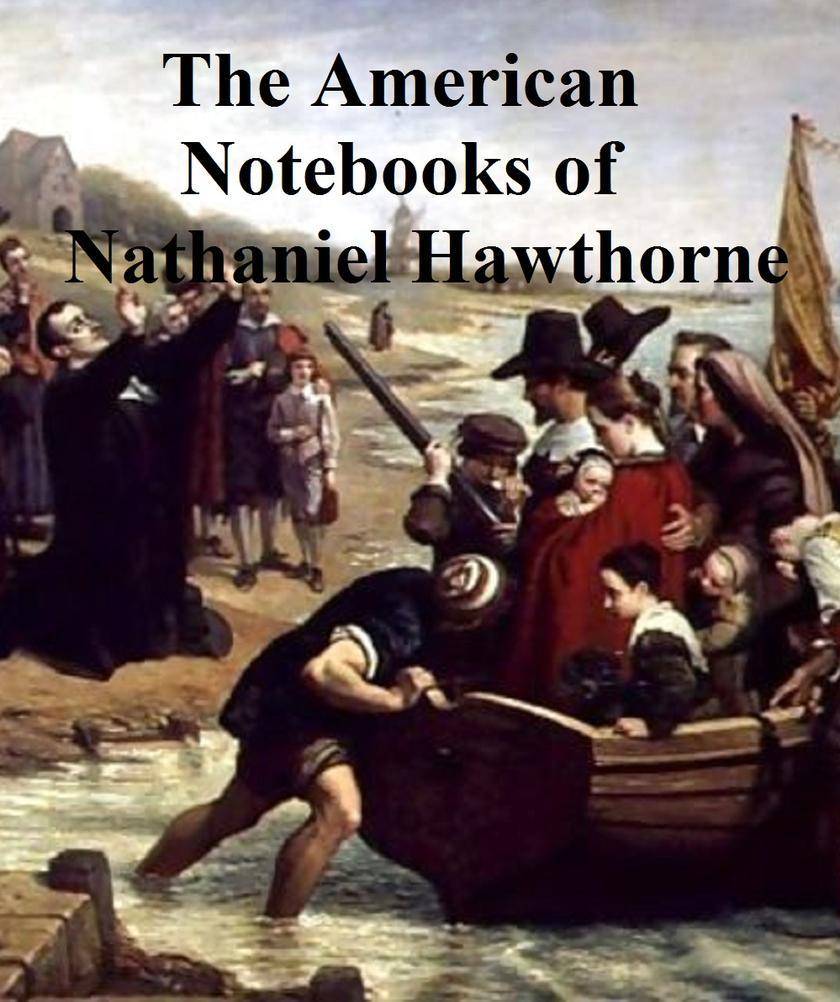
Passages from the American Notebooks of Nathaniel Hawthorne
¥8.09
The author's journals. Both volumes in a single file. According to Wikipedia: "Nathaniel Hawthorne (1804 –1864) was an American novelist and short story writer... Much of Hawthorne's writing centers around New England and many feature moral allegories with a Puritan inspiration. His fiction works are considered part of the Romantic movement and, more specifically, dark romanticism. His themes often center on the inherent evil and sin of humanity and his works often have moral messages and deep psychological complexity. His published works include novels, short stories, and a biography of his friend Franklin Pierce."
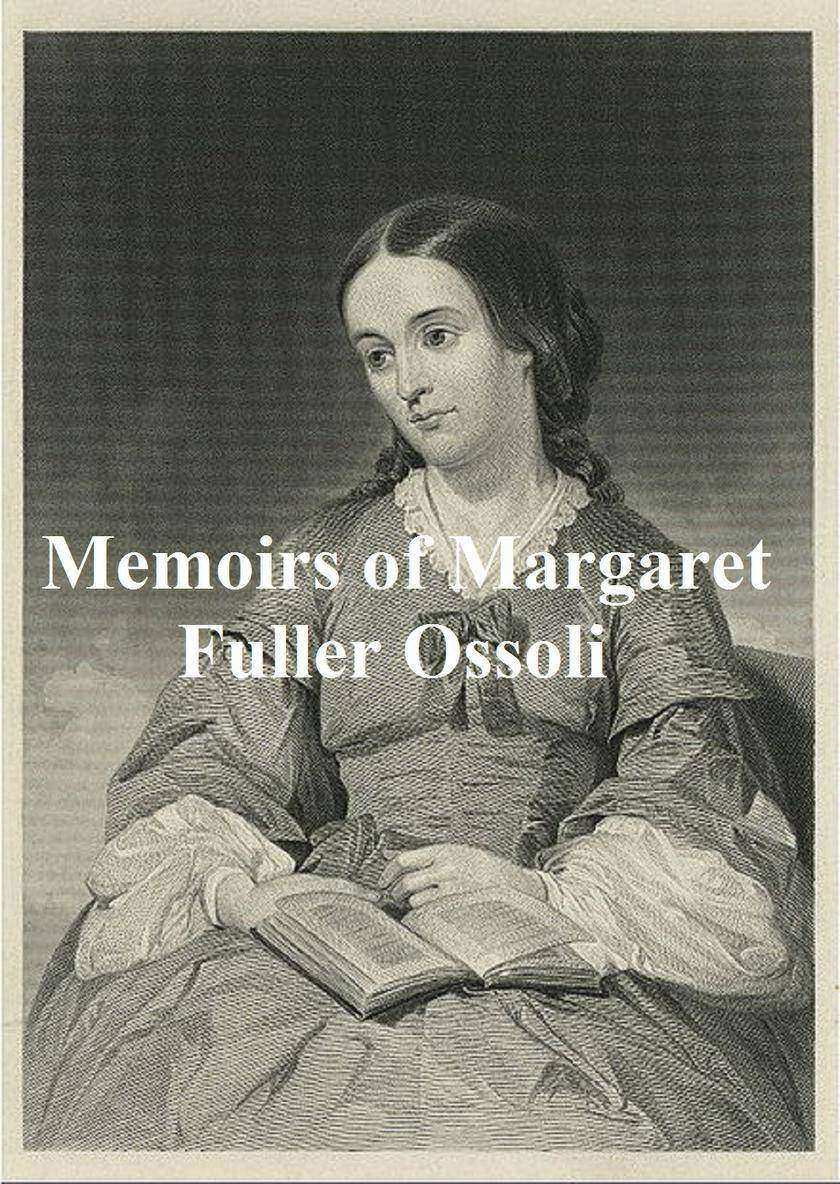
Memoirs of Margaret Fuller Ossoli
¥8.09
According to Wikipedia: "Sarah Margaret Fuller Ossoli (May 23, 1810 – July 19, 1850) was a journalist, critic and women's rights activist associated with the American transcendental movement. She was the first full-time female book reviewer in journalism. Her book Woman in the Nineteenth Century is considered the first major feminist work in the United States."
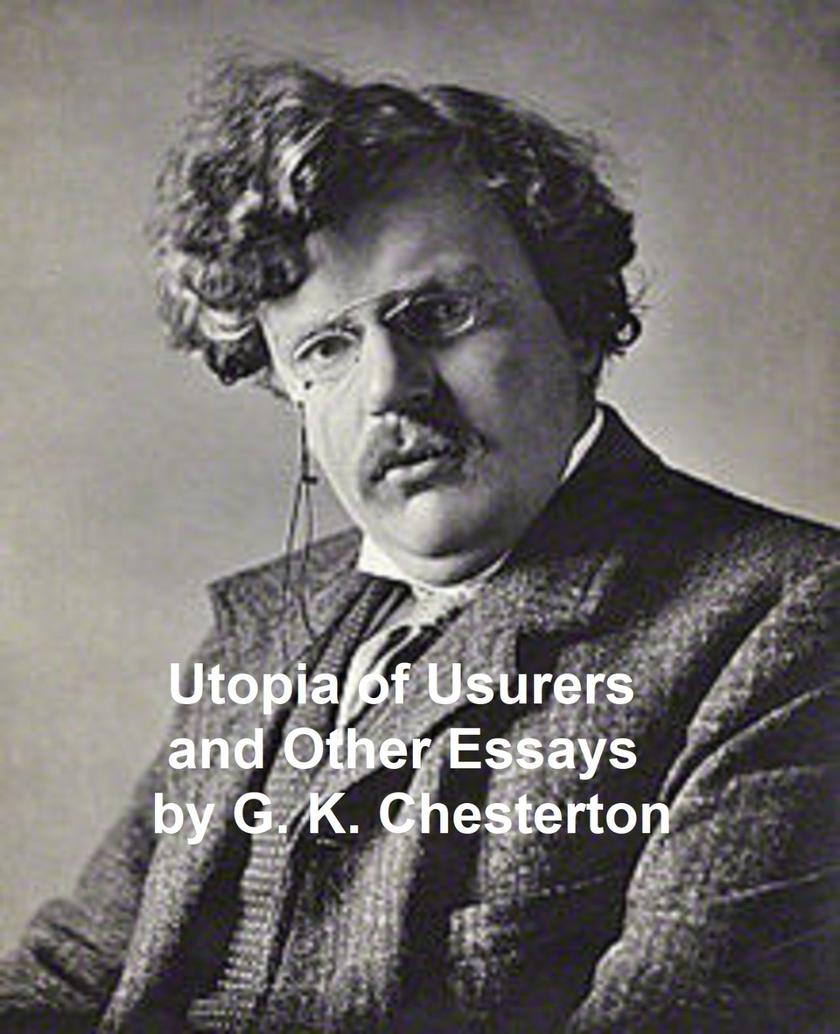
Utopia of Usurers and Other Essays
¥8.09
Classic collection of essays. According to Wikipedia: "Gilbert Keith Chesterton (1874 - 1936) was an influential English writer of the early 20th century. His prolific and diverse output included journalism, philosophy, poetry, biography, Christian apologetics, fantasy and detective fiction. Chesterton has been called the "prince of paradox."[1] He wrote in an off-hand, whimsical prose studded with startling formulations. For example: "Thieves respect property. They merely wish the property to become their property that they may more perfectly respect it."[2] He is one of the few Christian thinkers who are equally admired and quoted by both liberal and conservative Christians, and indeed by many non-Christians. Chesterton's own theological and political views were far too nuanced to fit comfortably under the "liberal" or "conservative" banner."
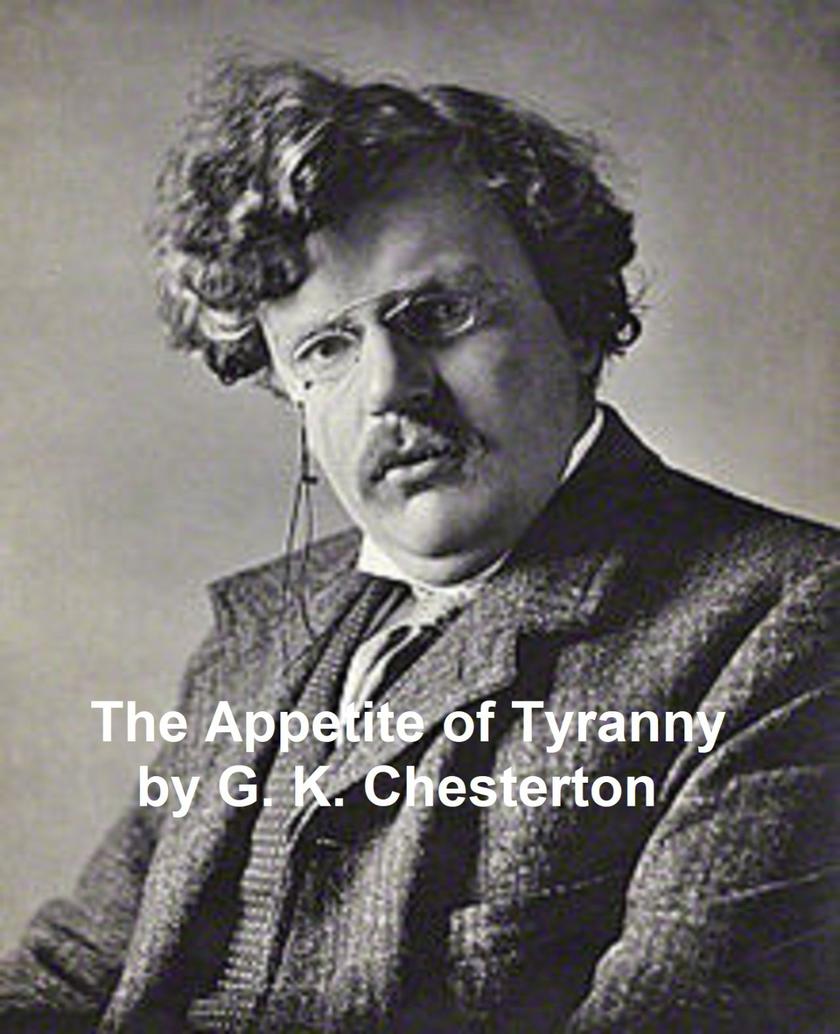
The Appetite of Tyranny
¥8.09
Long satiric essay. According to Wikipedia: "Gilbert Keith Chesterton (1874 - 1936) was an influential English writer of the early 20th century. His prolific and diverse output included journalism, philosophy, poetry, biography, Christian apologetics, fantasy and detective fiction. Chesterton has been called the "prince of paradox."[1] He wrote in an off-hand, whimsical prose studded with startling formulations. For example: "Thieves respect property. They merely wish the property to become their property that they may more perfectly respect it."[2] He is one of the few Christian thinkers who are equally admired and quoted by both liberal and conservative Christians, and indeed by many non-Christians. Chesterton's own theological and political views were far too nuanced to fit comfortably under the "liberal" or "conservative" banner."
Actes et Paroles
¥8.09
Selon Wikipedia: "Victor-Marie Hugo (26 février 1802 - 22 mai 1885) était un poète, dramaturge, romancier, essayiste, artiste visuel, homme d'?tat, militant des droits de l'homme et représentant du mouvement romantique en France. La renommée littéraire vient d'abord de sa poésie, mais repose aussi sur ses romans et ses réalisations dramatiques Parmi les nombreux volumes de poésie, Les Contemplations et La Légende des siècles sont particulièrement estimés et Hugo est parfois identifié comme le plus grand poète fran?ais. La France, ses ?uvres les plus connues sont les romans Les Misérables et Notre-Dame de Paris (connu aussi en anglais sous le titre de Le Bossu de Notre-Dame), bien que conservateur conservateur dans sa jeunesse, Hugo devint plus libéral au fil des décennies. il est devenu un partisan passionné du républicanisme et son travail touche à la plupart des questions politiques et sociales et aux tendances artistiques de son temps: il est enterré au Panthéon.
The Renaissance: Studies in Art and Poetry
¥8.09
According to Wikipedia: "Walter Horatio Pater (4 August 1839 - 30 July 1894) was an English essayist and critic of art and literary critic....his study of "Aesthetic Poetry" appeared in the Fortnightly Review, to be succeeded by essays on Leonardo da Vinci, Sandro Botticelli, Pico della Mirandola and Michelangelo. These, with other similar studies, were collected in his Studies in the History of the Renaissance in 1873. Pater, now at the centre of a small but interesting circle in Oxford, gained respect in London and elsewhere, numbering the Pre-Raphaelites among his friends.... by the time his philosophical novel Marius the Epicurean appeared, he had gathered quite a following. This, his chief contribution to literature, was published early in 1885. In it Pater displays, with fullness and elaboration, his ideal of the aesthetic life, his cult of beauty as opposed to bare asceticism, and his theory of the stimulating effect of the pursuit of beauty as an ideal of its own. The principles of what would be known as the Aesthetic movement were partly traceable to Pater and his effect was particularly felt on one of the movement's leading proponents, Oscar Wilde, a former student of Pater at Oxford. In 1887 he published Imaginary Portraits, a series of essays in philosophic fiction; Appreciations, with an Essay on Style was published in 1889 with a revised second edition in 1890; in 1893, Plato and Platonism; and in 1894, The Child in the House. His Greek Studies and his Miscellaneous Studies were collected posthumously in 1895; his romance Gaston de Latour appeared posthumously in 1896; and his essays from The Guardian were privately printed in 1897."

George Washington
¥8.09
According to Wikipedia: "Washington is seen as a symbol of the United States and republicanism in practice. His devotion to civic virtue made him an exemplary figure among early American politicians. Washington died in 1799, and in his funeral oration, Henry Lee said that of all Americans, he was "first in war, first in peace, and first in the hearts of his countrymen." Washington has been consistently ranked by scholars as one of the greatest U.S. Presidents."


