


 购物车
 个人中心

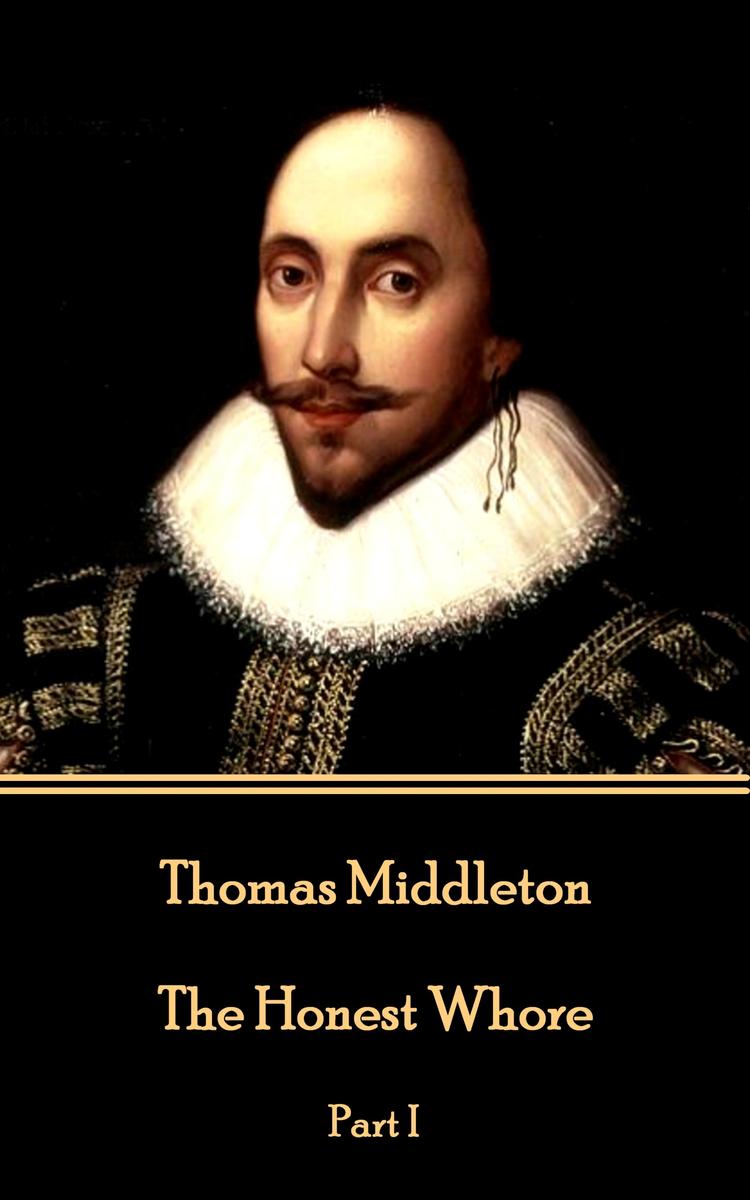
Honest Whore - Part I
¥23.45
Thomas Middleton was born in London in April 1580 and baptised on 18th April. Middleton was aged only five when his father died. His mother remarried but this unfortunately fell apart into a fifteen year legal dispute regarding the inheritance due Thomas and his younger sister. By the time he left Oxford, at the turn of the Century, Middleton had and published Microcynicon: Six Snarling Satirese which was denounced by the Archbishop of Canterbury and publicly burned. In the early years of the 17th century, Middleton wrote topical pamphlets. One - Penniless Parliament of Threadbare Poets was reprinted several times and the subject of a parliamentary inquiry. These early years writing plays continued to attract controversy. His writing partnership with Thomas Dekker brought him into conflict with Ben Jonson and George Chapman in the so-called War of the Theatres. His finest work with Dekker was undoubtedly The Roaring Girl, a biography of the notorious Mary Frith. In the 1610s, Middleton began another playwriting partnership, this time with the actor William Rowley, producing another slew of plays including Wit at Several Weapons and A Fair Quarrel. The ever adaptable Middleton seemed at ease working with others or by himself. His solo writing credits include the comic masterpiece, A Chaste Maid in Cheapside, in 1613. In 1620 he was officially appointed as chronologer of the City of London, a post he held until his death. The 1620s saw the production of his and Rowley's tragedy, and continual favourite, The Changeling, and of several other tragicomedies. However in 1624, he reached a peak of notoriety when his dramatic allegory A Game at Chess was staged by the King's Men. Though Middleton's approach was strongly patriotic, the Privy Council silenced the play after only nine performances at the Globe theatre, having received a complaint from the Spanish ambassador. What happened next is a mystery. It is the last play recorded as having being written by Middleton. Thomas Middleton died at his home at Newington Butts in Southwark in the summer of 1627, and was buried on July 4th, in St Mary's churchyard which today survives as a public park in Elephant and Castle.
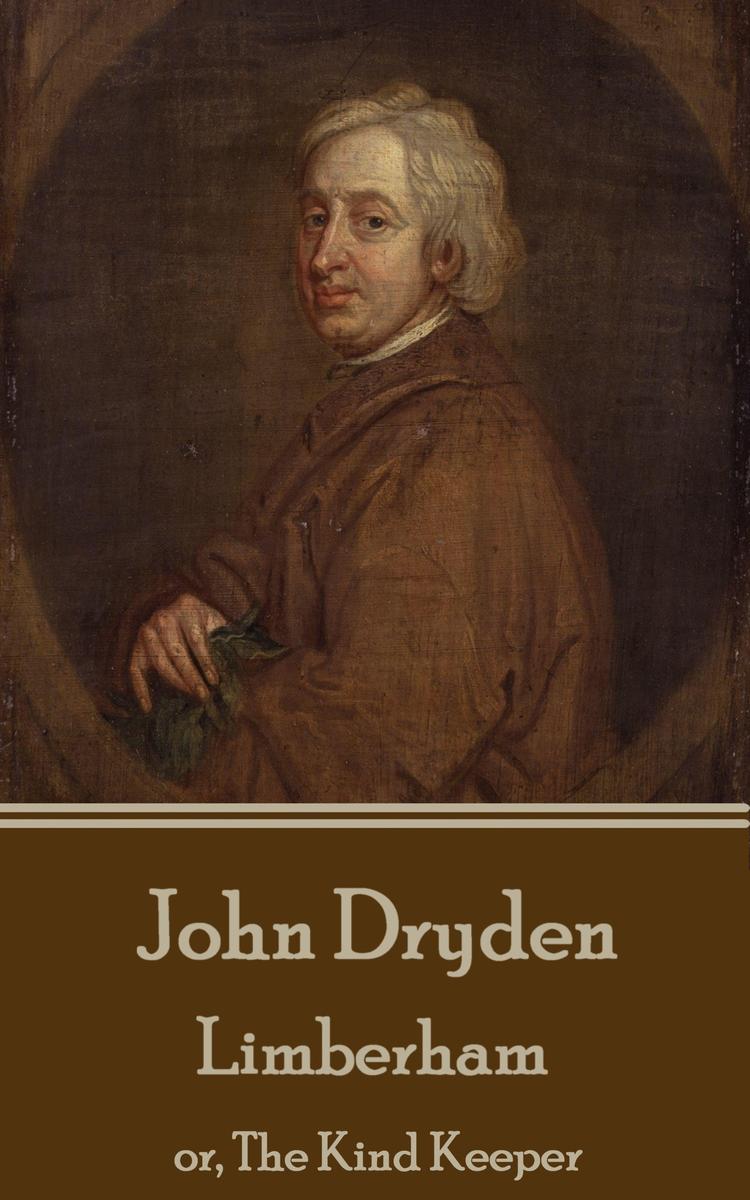
Limberham - or, The Kind Keeper
¥21.09
John Dryden was born on August 9th, 1631 in the village rectory of Aldwincle near Thrapston in Northamptonshire. As a boy Dryden lived in the nearby village of Titchmarsh, Northamptonshire. In 1644 he was sent to Westminster School as a King's Scholar. Dryden obtained his BA in 1654, graduating top of the list for Trinity College, Cambridge that year. Returning to London during The Protectorate, Dryden now obtained work with Cromwell's Secretary of State, John Thurloe. At Cromwell's funeral on 23 November 1658 Dryden was in the company of the Puritan poets John Milton and Andrew Marvell. The setting was to be a sea change in English history. From Republic to Monarchy and from one set of lauded poets to what would soon become the Age of Dryden. The start began later that year when Dryden published the first of his great poems, Heroic Stanzas (1658), a eulogy on Cromwell's death. With the Restoration of the Monarchy in 1660 Dryden celebrated in verse with Astraea Redux, an authentic royalist panegyric. With the re-opening of the theatres after the Puritan ban, Dryden began to also write plays. His first play, The Wild Gallant, appeared in 1663 but was not successful. From 1668 on he was contracted to produce three plays a year for the King's Company, in which he became a shareholder. During the 1660s and '70s, theatrical writing was his main source of income. In 1667, he published Annus Mirabilis, a lengthy historical poem which described the English defeat of the Dutch naval fleet and the Great Fire of London in 1666. It established him as the pre-eminent poet of his generation, and was crucial in his attaining the posts of Poet Laureate (1668) and then historiographer royal (1670). This was truly the Age of Dryden, he was the foremost English Literary figure in Poetry, Plays, translations and other forms. In 1694 he began work on what would be his most ambitious and defining work as translator, The Works of Virgil (1697), which was published by subscription. It was a national event. John Dryden died on May 12th, 1700, and was initially buried in St. Anne's cemetery in Soho, before being exhumed and reburied in Westminster Abbey ten days later.
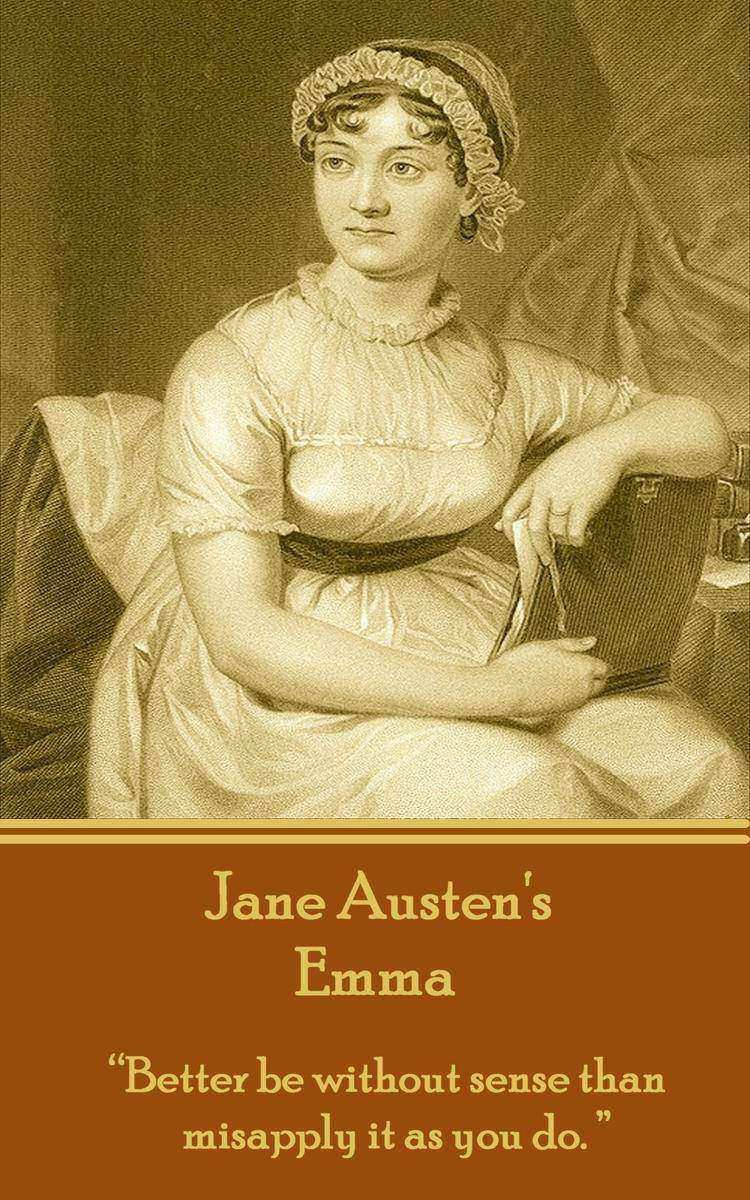
Emma - Better be without sense than misapply it as you do.
¥23.45
Jane Austen's Emma (1815) explores the life of women in Regency England, combining romance with some aspects of the comedy of manners. The story centers around the eponymous character who, unlike Austen's other popular heroines, is an upper middle-class young woman with no pecuniary concerns. Emma Woodhouse is rather a strong-headed, beautiful young woman who lives with her father and who has resolved not to marry. Yet, she spends considerable time and energy trying to make matches for the other people around her and tends to draw amusement and satisfaction from such practice. After one successful experience, Emma tries to match her friend Harriet to a man named Mr. Elton. Her earnest and honest friend George Knightley warns her of Mr. Elton's snobbish nature. Nonetheless, Emma starts by making her friend Harriet reject a marriage proposal. Surprisingly, while she believes Mr. Elton's attention is drawn towards Harriet, the man ends up declaring his love for the match-maker herself. When Emma informs Mr. Elton of her intention to match him to her friend, he feels insulted, considering Harriet's inferior social class. He leaves the town while Emma keeps on trying to find a husband for Harriet. By the end of the novel, Emma marries Mr. Knightley to finally give up her favorite hobby while Harriet marries Robert Martin. We've also included a concise and informative biography of Jane's works and life at the end of the book. We hope it helps to give a little context and colour about how her life interacted with her art.

Gibson Upright
¥29.33
Booth Tarkington was born on July 29, 1869 in Indianapolis, Indiana. He is one of only three novelists to win the Pulitzer Prize more than once. When you look through the quality of his work it is easy to understand why. The Magnificent Ambersons, Alice Adams, Penrod, Penrod And Sam - all classics. The Penrod novels depict a typical upper-middle class American boy of 1910 vintage, revealing a fine, bookish sense of American humor. At one time, his Penrod series was as well known andregarded as Twain's Huckleberry Finn. Much of Tarkington's work consists of satirical and closely observed studies of the American class system and its foibles. Coming as he did from a patrician Midwestern family that lost much of its wealth after the Panic of 1873 the foundations for that outlook are clear. Today, he is best known for his novel The Magnificent Ambersons which contrasted the decline of the "e;old money"e; Amberson dynasty with the rise of "e;new money"e; industrial tycoons in the years between the American Civil War and World War I. In this volume you have an opportunity to read one his plays, The Gibson Upright
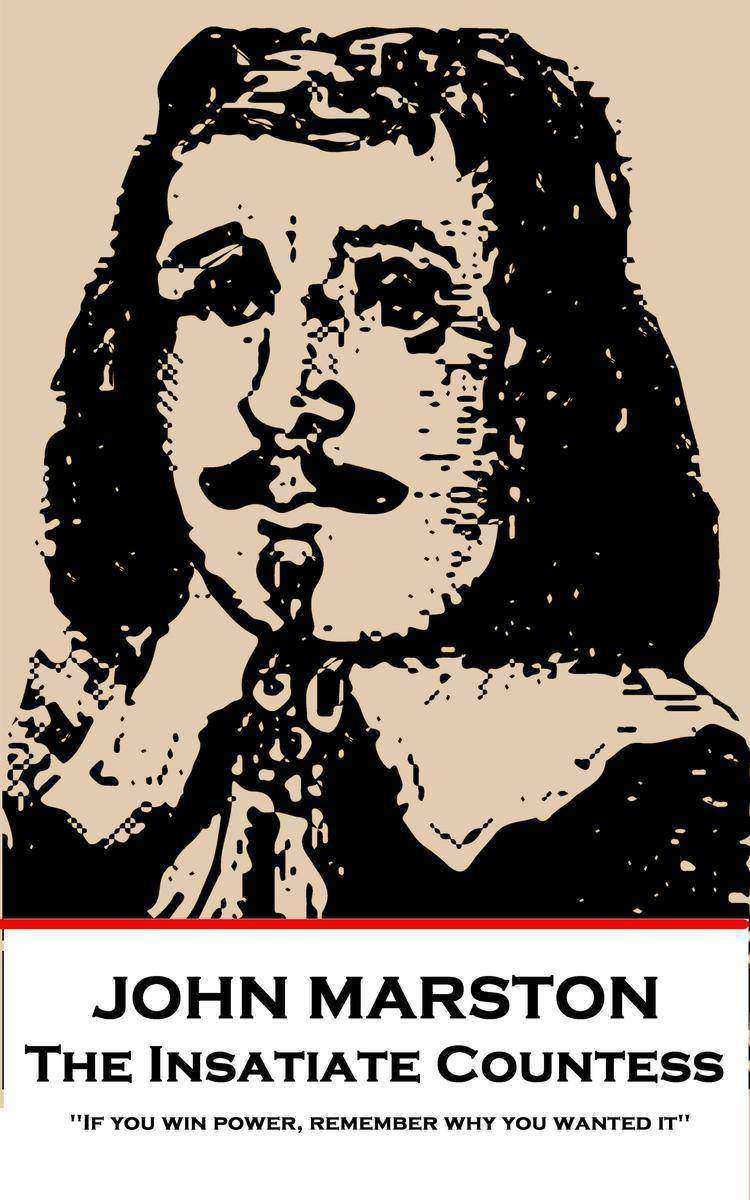
Insatiate Countess - 'If you win power, remember why you wanted it''
¥15.21
John Marston was born to John and Maria Marston nee Guarsi, and baptised on October 7th, 1576 at Wardington, Oxfordshire.Marston entered Brasenose College, Oxford in 1592 and earned his BA in 1594. By 1595, he was in London, living in the Middle Temple. His interests were in poetry and play writing, although his father's will of 1599 hopes that he would not further pursue such vanities.His brief career in literature began with the fashionable genres of erotic epyllion and satire; erotic plays for boy actors to be performed before educated young men and members of the inns of court.In 1598, he published 'The Metamorphosis of Pigmalion's Image and Certaine Satyres', a book of poetry. He also published 'The Scourge of Villanie', in 1598. 'Histriomastix' regarded as his first play was produced 1599. It's performance kicked off an episode in literary history known as the War of the Theatres; a literary feud between Marston, Jonson and Dekker that lasted until 1602.However, the playwrights were later reconciled; Marston wrote a prefatory poem for Jonson's 'Sejanus' in 1605 and dedicated 'The Malcontent' to him. Beyond this episode Marston's career continued to gather both strength, assets and followers. In 1603, he became a shareholder in the Children of Blackfriars company. He wrote and produced two plays with the company. The first was 'The Malcontent' in 1603, his most famous play. His second was 'The Dutch Courtesan', a satire on lust and hypocrisy, in 1604-5.In 1605, he worked with George Chapman and Ben Jonson on 'Eastward Ho', a satire of popular taste and the vain imaginings of wealth to be found in the colony of Virginia.Marston took the theatre world by surprise when he gave up writing plays in 1609 at the age of thirty-three. He sold his shares in the company of Blackfriars. His departure from the literary scene may have been because of further offence he gave to the king. The king suspended performances at Blackfriars and had Marston imprisoned.On 24th September 1609 he was made a deacon and them a priest on 24th December 1609. In October 1616, Marston was assigned the living of Christchurch, Hampshire.He died (accounts vary) on either the 24th or 25th June 1634 in London and was buried in the Middle Temple Church.

Art of Zootropolis
¥235.34
Disney's newest animated feature, Zootropolis, is a comedy-adventure starring Officer Judy Hopps, a rookie bunny cop who has to team up with fast-talking scam-artist fox Nick Wilde to crack her first case in the all-animal city of Zootropolis. This lushly illustrated book offers a behind-the-scenes view of the elaborate artistry involved in creating the film.
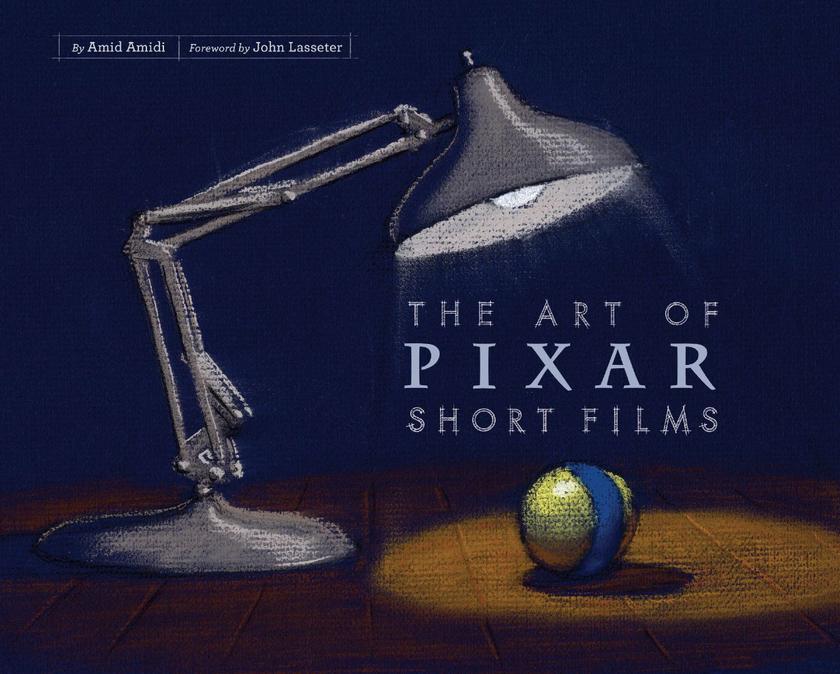
Art of Pixar Short Films
¥305.97
While Pixar Animation Studios was creating beloved feature-length films such as Monsters Inc., Ratatouille, and WALLE, it was simultaneously testing animation and storytelling techniques in dozens of memorable short films. Andre and Wally B proved that computer animation was possible; Tin Toy laid the groundwork for what would become Toy Story; and Mike's New Car exposed Pixar's finely tuned funny bone. In The Art of Pixar Short Films, animation expert and short film devotee Amid Amidi shines a spotlight on these and many more memorable vignettes from the Pixar archive. Essays and interviews illuminate more than 250 full-color pastels, pencil sketches, storyboards, and final rendered frames that were the foundation of Pixar's creative process.

Homeland Revealed
¥200.03
An American soldier presumed killed in Iraq returns home ten years after disappearing. This is the premise of the award-winning and highly addictive Homeland. Known for its heart-pumping plot and phenomenal acting, Homeland has garnered multiple Emmys, fabulous reviews, and legions of devoted fans. This richly visual book unpacks the complex show, delving into favorite characters, conspiracy theories, and behind-the-scenes detail, while also exploring how real covert operations inspire and inform the show. Hundreds of photos capturing the intense onscreen action complement veteran writer Matt Hurwitz's narrative as he weaves in and out of the past three seasons using interviews with the creators, cast, and crew. An engrossing read in a deluxe hardcover package, Homeland Revealed is the ultimate gift for any fan of the series.Homeland TM 2014 Twentieth Century Fox Film Corporation. All Rights Reserved. Artwork 2014 Showtime Networks, Inc. A CBS Company. All Rights Reserved.
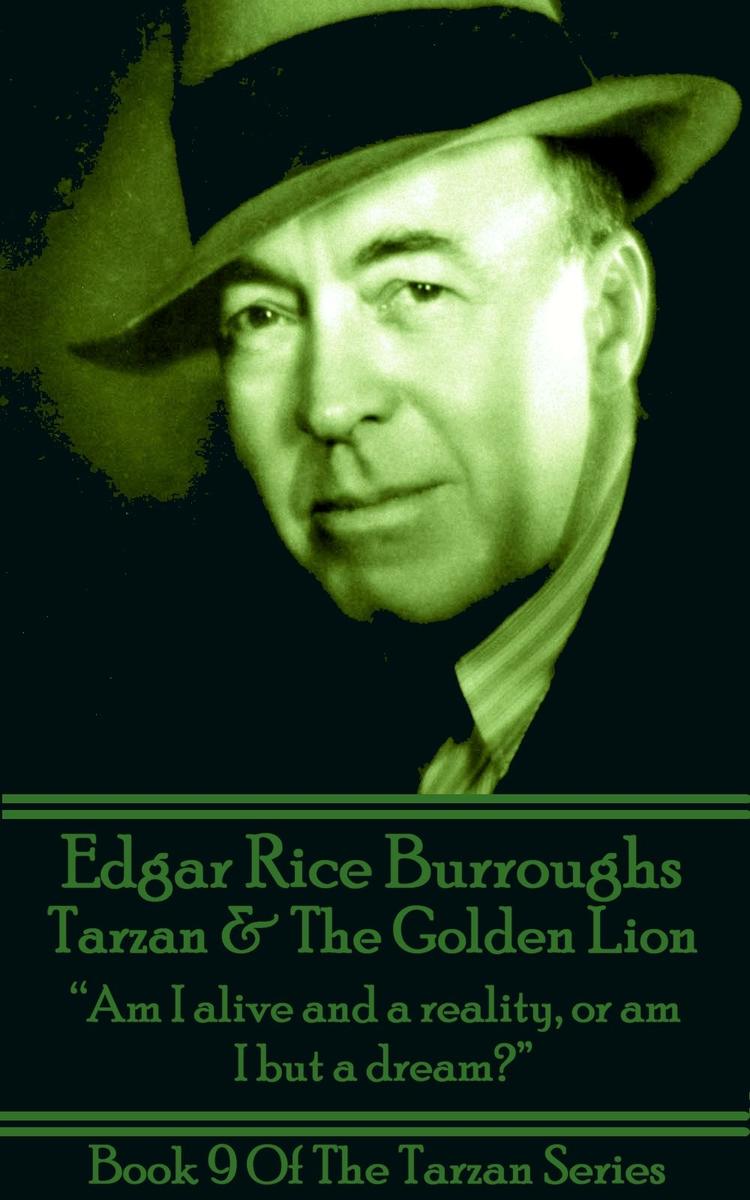
Tarzan & The Golden Lion - Am I alive and a reality, or am I but a dream?
¥35.22
Edgar Rice Burroughs was born on September 1, 1875, in Chicago, Illinois. His early career was unremarkable. After failing to enter West Point he enlisted in the 7th Calvary but was discharged after heart problems were diagnosed. A series of short term jobs gave no indication as to a career path but finally, in 1911, married and with two young children, he turned his hand to writing. He aimed his works squarely at the very popular pulp serial magazines. His first effort 'Under The Moons Of Mars' ran in Munsey's Magazine in 1912 under the pseudonym Norman Bean. With its success he began writing full time. A continuing theme of his work was to develop series so that each character had ample opportunities to return in sequels. John Carter was in the Mars series and there was another on Venus and one on Pellucidar among others. But perhaps the best known is Tarzan. Indeed Burroughs wanted so much to capitalise upon the brand that he introduced a syndicated Tarzan comic strip, movies and merchandise. He purchased a large ranch north of Los Angeles, California, which he named "e;Tarzana."e; The surrounding communities outside the ranch voted in 1927 to adopt the name as their own. By 1932 Burroughs set up his own company to print his own books. Here we publish the ninth in the Tarzan series 'Tarzan & The Golden Lion'. Another cultural classic.
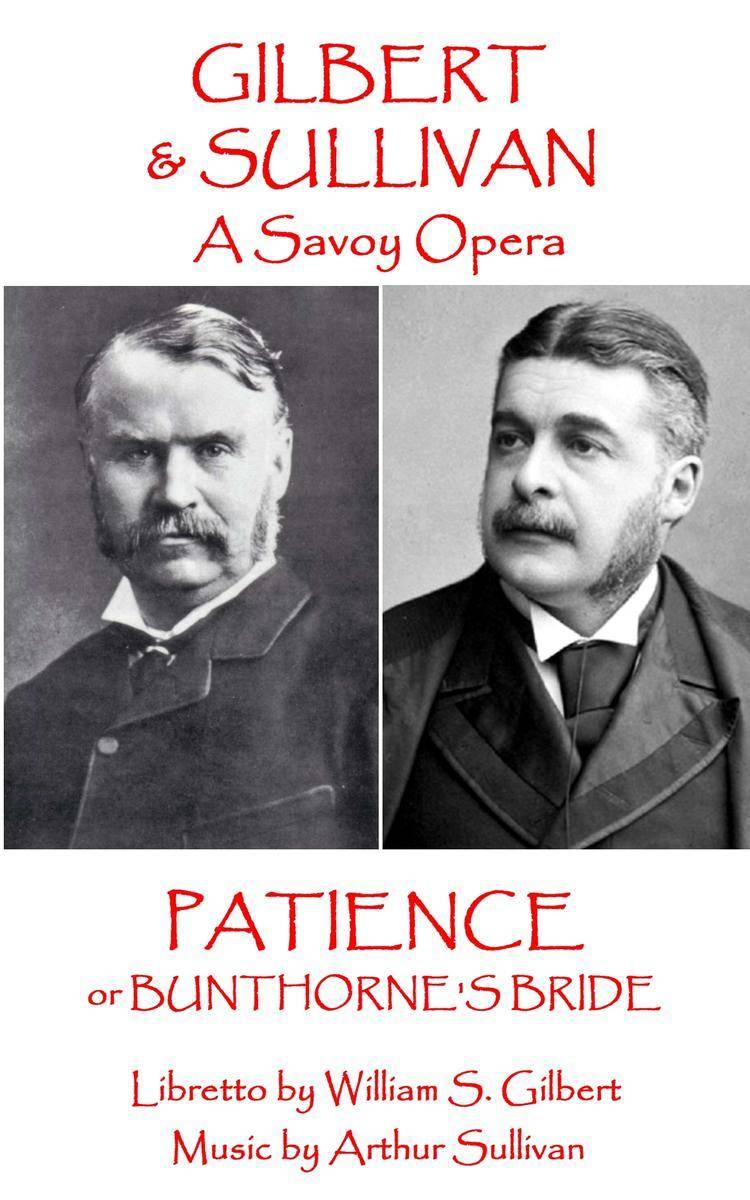
Patience - or Bunthorne's Bride
¥26.98
The partnership between William Schwenck Gilbert and Arthur Seymour Sullivan and their canon of Savoy Operas is rightly lauded by all lovers of comic opera the world over. Gilbert's sharp, funny words and Sullivan's deliciously lively and hummable tunes create a world that is distinctly British in view but has the world as its audience. Both men were exceptionally talented and gifted in their own right and wrote much, often with other partners, that still stands the test of time. However, together as a team they created Light or Comic Operas of a standard that have had no rivals equal to their standard, before or since. That's quite an achievement. To be recognised by the critics is one thing but their commercial success was incredible. The profits were astronomical, allowing for the building of their own purpose built theatre - The Savoy Theatre. Beginning with the first of their fourteen collaborations, Thespis in 1871 and travelling through many classics including The Sorcerer (1877), H.M.S. Pinafore (1878), The Pirates of Penzance (1879), The Mikado (1885), The Gondoliers (1889) to their finale in 1896 with The Grand Duke, Gilbert & Sullivan created a legacy that is constantly revived and admired in theatres and other media to this very day.
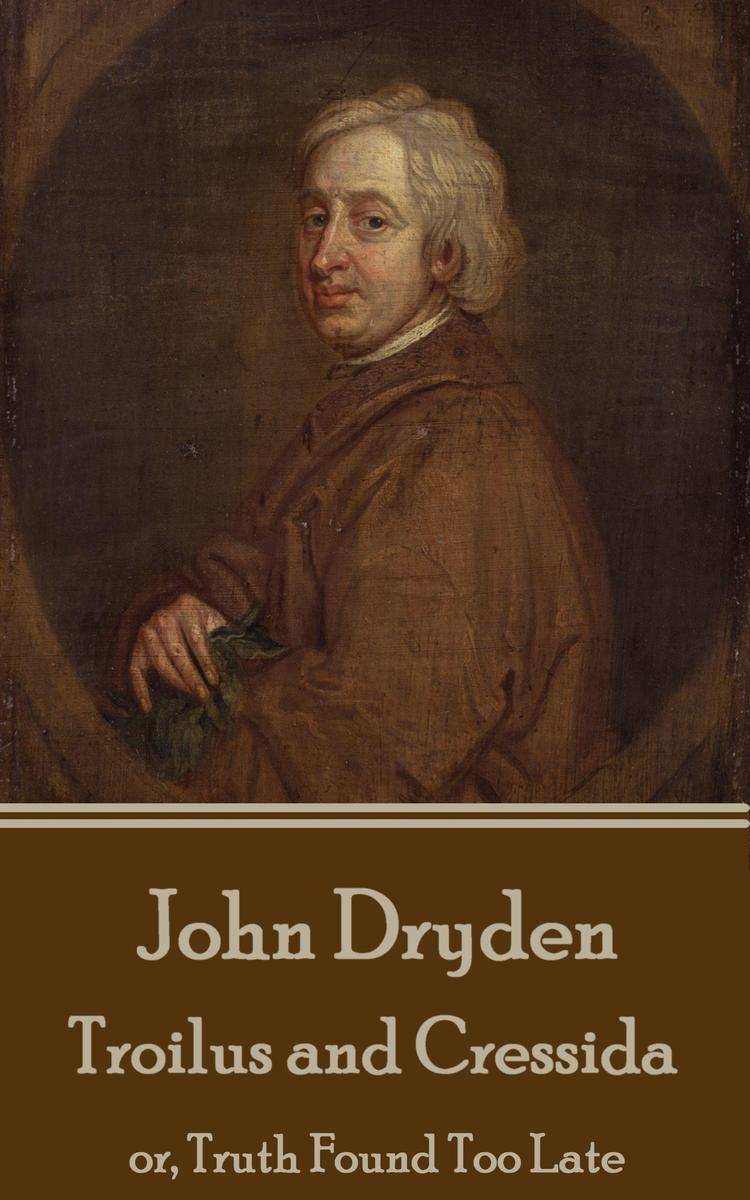
Troilus and Cressida - or, Truth Found Too Late
¥26.98
John Dryden was born on August 9th, 1631 in the village rectory of Aldwincle near Thrapston in Northamptonshire. As a boy Dryden lived in the nearby village of Titchmarsh, Northamptonshire. In 1644 he was sent to Westminster School as a King's Scholar. Dryden obtained his BA in 1654, graduating top of the list for Trinity College, Cambridge that year. Returning to London during The Protectorate, Dryden now obtained work with Cromwell's Secretary of State, John Thurloe. At Cromwell's funeral on 23 November 1658 Dryden was in the company of the Puritan poets John Milton and Andrew Marvell. The setting was to be a sea change in English history. From Republic to Monarchy and from one set of lauded poets to what would soon become the Age of Dryden. The start began later that year when Dryden published the first of his great poems, Heroic Stanzas (1658), a eulogy on Cromwell's death. With the Restoration of the Monarchy in 1660 Dryden celebrated in verse with Astraea Redux, an authentic royalist panegyric. With the re-opening of the theatres after the Puritan ban, Dryden began to also write plays. His first play, The Wild Gallant, appeared in 1663 but was not successful. From 1668 on he was contracted to produce three plays a year for the King's Company, in which he became a shareholder. During the 1660s and '70s, theatrical writing was his main source of income. In 1667, he published Annus Mirabilis, a lengthy historical poem which described the English defeat of the Dutch naval fleet and the Great Fire of London in 1666. It established him as the pre-eminent poet of his generation, and was crucial in his attaining the posts of Poet Laureate (1668) and then historiographer royal (1670). This was truly the Age of Dryden, he was the foremost English Literary figure in Poetry, Plays, translations and other forms. In 1694 he began work on what would be his most ambitious and defining work as translator, The Works of Virgil (1697), which was published by subscription. It was a national event. John Dryden died on May 12th, 1700, and was initially buried in St. Anne's cemetery in Soho, before being exhumed and reburied in Westminster Abbey ten days later.
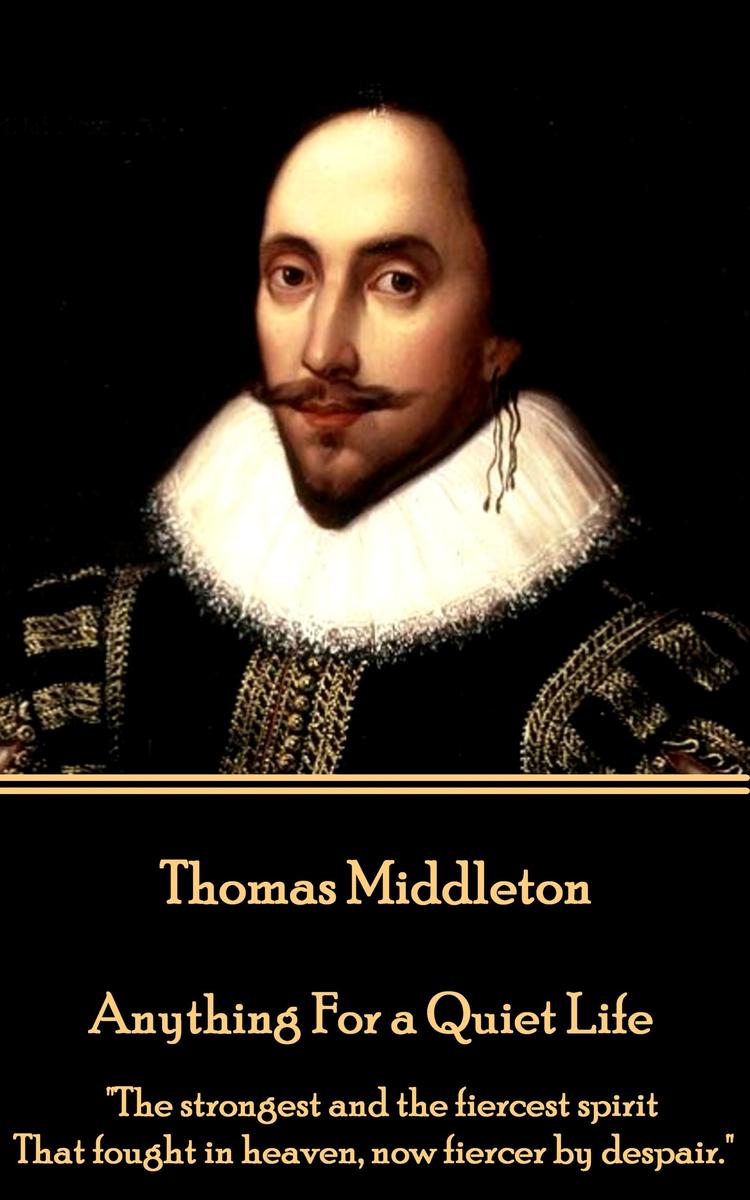
Anything For a Quiet Life - The strongest and the fiercest spirit That fought in
¥23.45
Thomas Middleton was born in London in April 1580 and baptised on 18th April. Middleton was aged only five when his father died. His mother remarried but this unfortunately fell apart into a fifteen year legal dispute regarding the inheritance due Thomas and his younger sister. By the time he left Oxford, at the turn of the Century, Middleton had and published Microcynicon: Six Snarling Satirese which was denounced by the Archbishop of Canterbury and publicly burned. In the early years of the 17th century, Middleton wrote topical pamphlets. One - Penniless Parliament of Threadbare Poets was reprinted several times and the subject of a parliamentary inquiry. These early years writing plays continued to attract controversy. His writing partnership with Thomas Dekker brought him into conflict with Ben Jonson and George Chapman in the so-called War of the Theatres. His finest work with Dekker was undoubtedly The Roaring Girl, a biography of the notorious Mary Frith. In the 1610s, Middleton began another playwriting partnership, this time with the actor William Rowley, producing another slew of plays including Wit at Several Weapons and A Fair Quarrel. The ever adaptable Middleton seemed at ease working with others or by himself. His solo writing credits include the comic masterpiece, A Chaste Maid in Cheapside, in 1613. In 1620 he was officially appointed as chronologer of the City of London, a post he held until his death. The 1620s saw the production of his and Rowley's tragedy, and continual favourite, The Changeling, and of several other tragicomedies. However in 1624, he reached a peak of notoriety when his dramatic allegory A Game at Chess was staged by the King's Men. Though Middleton's approach was strongly patriotic, the Privy Council silenced the play after only nine performances at the Globe theatre, having received a complaint from the Spanish ambassador. What happened next is a mystery. It is the last play recorded as having being written by Middleton. Thomas Middleton died at his home at Newington Butts in Southwark in the summer of 1627, and was buried on July 4th, in St Mary's churchyard which today survives as a public park in Elephant and Castle.
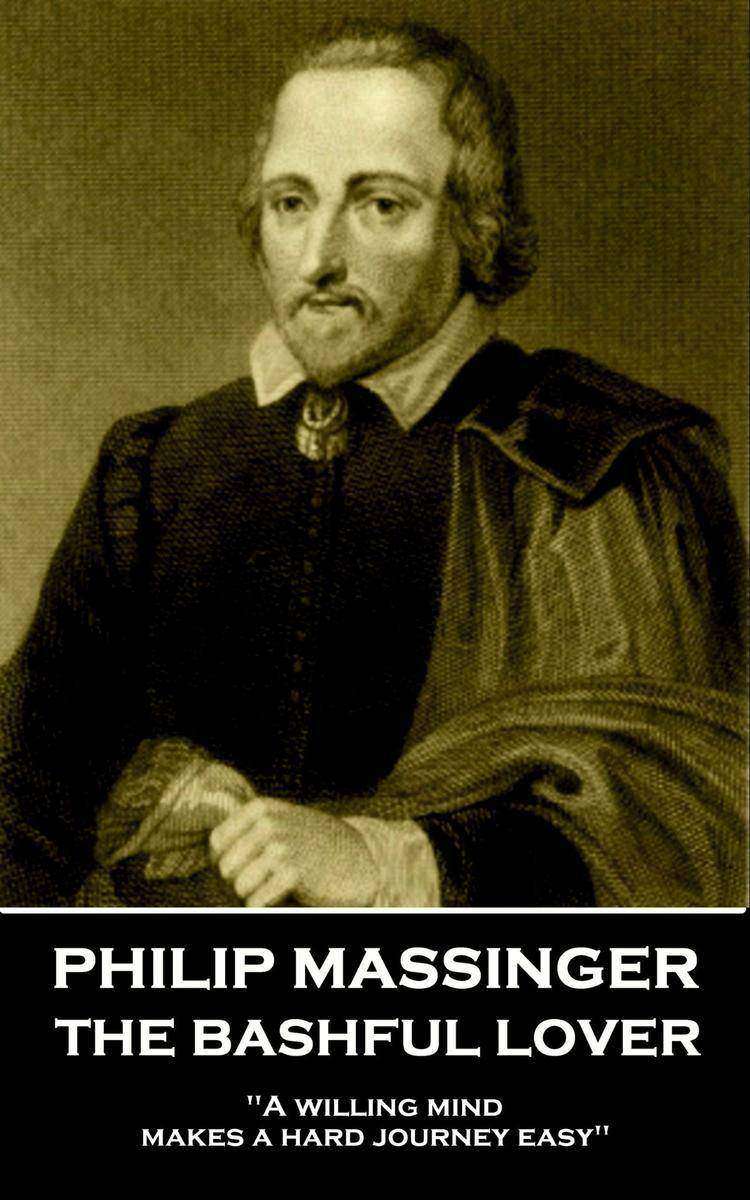
Bashful Lover - A willing mind makes a hard journey easy
¥23.45
Philip Massinger was baptized at St. Thomas's in Salisbury on November 24th, 1583.Massinger is described in his matriculation entry at St. Alban Hall, Oxford (1602), as the son of a gentleman. His father, who had also been educated there, was a member of parliament, and attached to the household of Henry Herbert, 2nd Earl of Pembroke. The Earl was later seen as a potential patron for Massinger.He left Oxford in 1606 without a degree. His father had died in 1603, and accounts suggest that Massinger was left with no financial support this, together with rumours that he had converted to Catholicism, meant the next stage of his career needed to provide an income.Massinger went to London to make his living as a dramatist, but he is only recorded as author some fifteen years later, when The Virgin Martyr (1621) is given as the work of Massinger and Thomas Dekker.During those early years as a playwright he wrote for the Elizabethan stage entrepreneur, Philip Henslowe. It was a difficult existence. Poverty was always close and there was constant pleading for advance payments on forthcoming works merely to survive.After Henslowe died in 1616 Massinger and John Fletcher began to write primarily for the King's Men and Massinger would write regularly for them until his death.The tone of the dedications in later plays suggests evidence of his continued poverty. In the preface of The Maid of Honour (1632) he wrote, addressing Sir Francis Foljambe and Sir Thomas Bland: "e;I had not to this time subsisted, but that I was supported by your frequent courtesies and favours."e;The prologue to The Guardian (1633) refers to two unsuccessful plays and two years of silence, when the author feared he had lost popular favour although, from the little evidence that survives, it also seems he had involved some of his plays with political characters which would have cast shadows upon England's alliances.Philip Massinger died suddenly at his house near the Globe Theatre on March 17th, 1640. He was buried the next day in the churchyard of St. Saviour's, Southwark, on March 18th, 1640. In the entry in the parish register he is described as a "e;stranger,"e; which, however, implies nothing more than that he belonged to another parish.

The Sum of Us: Tales of the Bonded and Bound
¥69.67
The greatest gift to us is caring. What would the world be like without someone to care for or to care with? Would love survive if we don't care? From the world of twenty-three science fiction and fantasy authors comes a world that can be funny, heartwarming, strange, or sad. Or not what we expect. Nominated – 2018 (Canadian SF&F) Aurora Award Shortlist (anthology/Best Related Work) 2018 Alberta Book Publishing Award Shortlist (Best Speculative Fiction) Finalist One story selected for Best of British Science Fiction 2017 (ed. by Donna Scott) One story selected for Best Indie Speculative Fiction, Vol. 1 (Bards & Sages Publishing) Five stories on Tangent Online Recommended Reading List 2017 One story nominated – 2018 (Canadian SF&F) Aurora Award Short Fiction Finalist One story – 2018 WSFA Small Press Award Finalist One story nominated – 2018 Sunburst Award for Excellence in Canadian Literature of the Fantastic Short Fiction Shortlist Three stories – 2018 Sunburst Award for Excellence in Canadian Literature of the Fantastic Short Fiction Longlist How can a henchman keep up with a mischievous retired supervillain? Can a dog help a hockey player score again? Will an odd couple with a zany sense of adventure and diminished capabilities survive an earthquake? Where does a stray cat go to find love every night? What secret does a pious monk have with a cargo of sleeping human? Will terrorism in space take out a young apprentice and a blind welder? What does an oracle tell a lover about her final days? Can a "heart of gold" prevent a soldier from crossing the enemy line with the governor's children? These, and many more. Featuring Original Stories by Colleen Anderson, Charlotte Ashley, Brenda Cooper, Ian Creasey, A.M. Dellamonica, Bev Geddes, Claire Humphrey, Sandra Kasturi, Tyler Keevil, Juliet Marillier, Matt Moore, Heather Osborne, Nisi Shawl, Alex Shvartsman, Karina Sumner-Smith, Kate Story, Amanda Sun, Hayden Trenholm, James Van Pelt, Liz Westbrook-Trenholm, Edward Willett, Christie Yant & Caroline M. Yoachim With Introduction by Dominik Parisien Edited by Susan Forest and Lucas K. Law Anthologies in this series (Strangers Among Us, The Sum of Us, Where the Stars Rise) have been recommended by Publishers Weekly, Booklist (American Library Association), Kirkus Reviews, Library Journal, School Library Journal, Locus, Foreword Reviews, and Quill & Quire. REVIEWS for THE SUM OF US “A strong collection . . . make it worth reading.” –Publishers Weekly “Definitely consider buying a copy, if not for yourself, then for someone who is serving as a caretaker. At the very least, it should make us all appreciate caretakers for all they do.” –Lightspeed Magazine “Thought provoking page-turners.” –Tangent “These stories take a broad exploration of what care can mean . . .” —Speculating Canada (Derek Newman-Stille)
The White Venus: World War Two Historical Fiction
¥54.76
When the ties of loyalty are severed, whom do you trust?Part of?The Love and War Series, novels set during the 20th century's darkest years. World War Two. It is June 1940. France has surrendered and the Nazi German occupation begins. A small village in northern France awaits the arrival of a garrison of conquering Germans.?To their dismay, 16-year-old Pierre and his parents, Georges and Sandrine, are forced to accommodate a German major, Major Hurtzberger. He is the enemy within their midst; the invader of their country, and, more pertinently, the unwanted lodger within their home. The problem, however, is that the German is annoyingly pleasant. The major, with a son of his own, empathises with Pierre in a way Georges has never been able to. Immediately the two of them find a bond, leaving Pierre confused and his understanding of good and bad, of black and white, shattered.?But then, Georges, Pierre’s father, is arrested by the Gestapo and taken away. Forced to confront the prejudices of others, as well as his own, Pierre has to ask where his loyalties lie, and who are his friends and who, exactly, is the enemy.?Desperate to prove himself a man, Pierre is continually thwarted by those he trusts – his parents, the villagers and especially Claire, the girl he so desires.?Pierre’s quest brings to the fore a traumatic event in the family’s past, a tragedy never forgotten but never mentioned. Only by confronting his trauma, can Pierre find the answer and prove he is a man in a country at war.From the founder of the History In An Hour series, comes another powerful work of WW2 historical fiction that will remain with you long after you’ve turned the final page.“Really enjoyed this book. Loved the characters and their involvement in the story.”“This is a book with difference. I will look for more books by this author.”“Colley draws his characters with fine lines, illustrating both the brutality and compassion shown by individuals on both sides of this war.”“Told with great poignancy.”Historical fiction with heart and drama.

Modern Magick, Volume 1: Books 1-3
¥43.51
Can British magick survive? As the pace of modern life accelerates, the old ways wither and die. But to the Society for Magickal Heritage, that just isn’t good enough. The Witch: Friend to the unicorns, lover of pancakes, and wielder of potent artefacts, star agent Cordelia “Ves” Vesper will stop at nothing — okay, very little — to drag ancient magicks back out of the grave. The Waymaster: New recruit Jay Patel has some rare and powerful arts at his disposal. With a penchant for old books and motorbikes in near equal measure, he’s a force to be reckoned with. The Necromancer: Prankster Zareen Dalir may be high-spirited but she’s got a darker side. A much, much darker side. Head of the Toil and Trouble division, Zar’s the best kind of bad news. The Baron: Is Baron Alban the handsomest troll alive or... forget it, yes. Yes, he is. But he’s not just a pretty face. With the powerful Troll Court at his back and a smile to slay an army, Alban’s a staunch ally. Join these four champions, the enigmatic “Milady” of the Society, and the sentient house they call Home as they fight to keep magick alive! This compendium brings you the first three wild adventures all in one: The Road to Farringale, Toil and Trouble, and The Striding Spire.? Praise for the Modern Magick series: 'Charming, quirky, and funny.' 'Enjoyable and imaginative fantasy series with whimsical overtones... A fresh magical world.' 'This is an incredibly entertaining story... help, I'm running out of superlatives.' 'The writing is excellent and fun... a rousing, gripping adventure. ' '...delightfully fun, whimsical and engaging, with great characters and settings.' 'If you like Jodi Taylor's St Mary's books, this is for you.' '...quirky and fun and I couldn't ask for more... Her usual unique charm.' ''...characters that are easy to love, an invisible boss and a house that seems to have a mind of it's own. I devoured the book in one sitting.' 'Written with charm and intelligence, this series is a delight to read!' '...the pages just seem to fly by! Can't wait to read the next one.' '...the entire quirky cast is fun and endearing... our heroine is a delightful companion for adventure.'
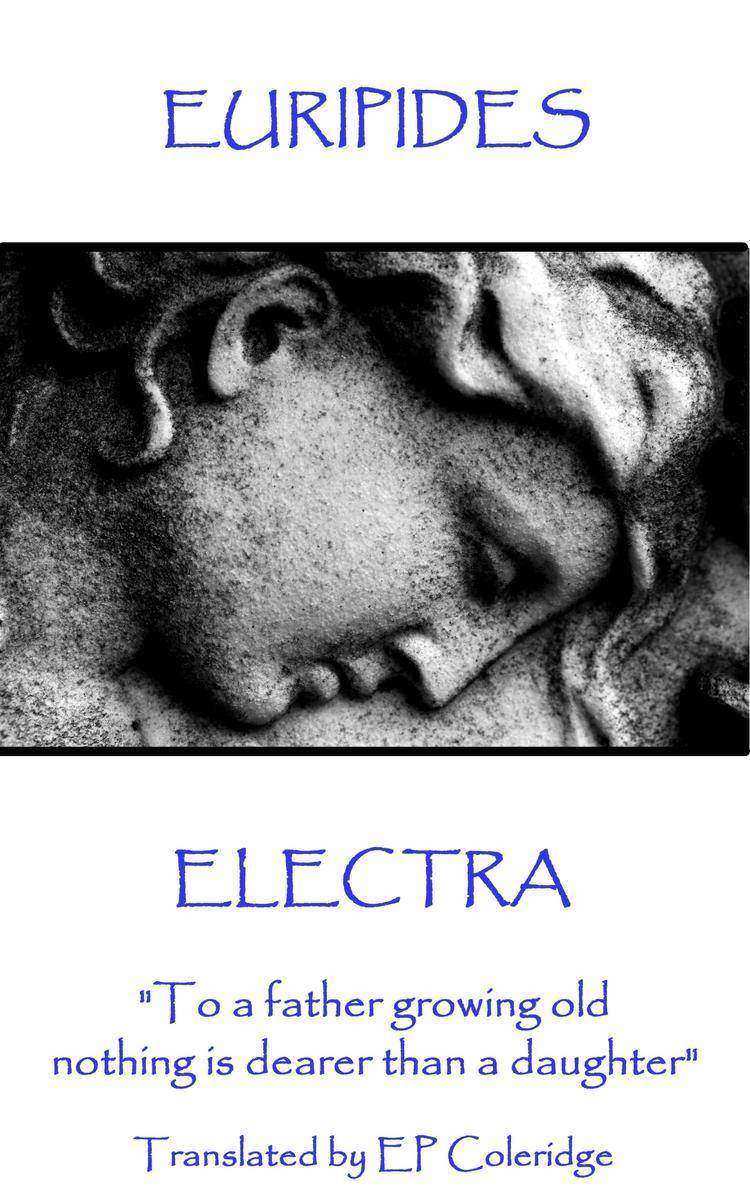
Electra - To a father growing old nothing is dearer than a daughter
¥14.03
Euripides is rightly lauded as one of the great dramatists of all time. In his lifetime, he wrote over 90 plays and although only 18 have survived they reveal the scope and reach of his genius. Euripides is identified with many theatrical innovations that have influenced drama all the way down to modern times, especially in the representation of traditional, mythical heroes as ordinary people in extraordinary circumstances. As would be expected from a life lived 2,500 years ago, details of it are few and far between. Accounts of his life, written down the ages, do exist but whether much is reliable or surmised is open to debate. Most accounts agree that he was born on Salamis Island around 480 BC, to mother Cleito and father Mnesarchus, a retailer who lived in a village near Athens. Upon the receipt of an oracle saying that his son was fated to win "e;crowns of victory"e;, Mnesarchus insisted that the boy should train for a career in athletics. However, what is clear is that athletics was not to be the way to win crowns of victory. Euripides had been lucky enough to have been born in the era as the other two masters of Greek Tragedy; Sophocles and schylus. It was in their footsteps that he was destined to follow. His first play was performed some thirteen years after the first of Socrates plays and a mere three years after schylus had written his classic The Oristria. Theatre was becoming a very important part of the Greek culture. The Dionysia, held annually, was the most important festival of theatre and second only to the fore-runner of the Olympic games, the Panathenia, held every four years, in appeal. Euripides first competed in the City Dionysia, in 455 BC, one year after the death of schylus, and, incredibly, it was not until 441 BC that he won first prize. His final competition in Athens was in 408 BC. The Bacchae and Iphigenia in Aulis were performed after his death in 405 BC and first prize was awarded posthumously. Altogether his plays won first prize only five times. Euripides was also a great lyric poet. In Medea, for example, he composed for his city, Athens, "e;the noblest of her songs of praise"e;. His lyric skills however are not just confined to individual poems: "e;A play of Euripides is a musical whole....one song echoes motifs from the preceding song, while introducing new ones."e; Much of his life and his whole career coincided with the struggle between Athens and Sparta for hegemony in Greece but he didn't live to see the final defeat of his city. Euripides fell out of favour with his fellow Athenian citizens and retired to the court of Archelaus, king of Macedon, who treated him with consideration and affection. At his death, in around 406BC, he was mourned by the king, who, refusing the request of the Athenians that his remains be carried back to the Greek city, buried him with much splendor within his own dominions. His tomb was placed at the confluence of two streams, near Arethusa in Macedonia, and a cenotaph was built to his memory on the road from Athens towards the Piraeus.
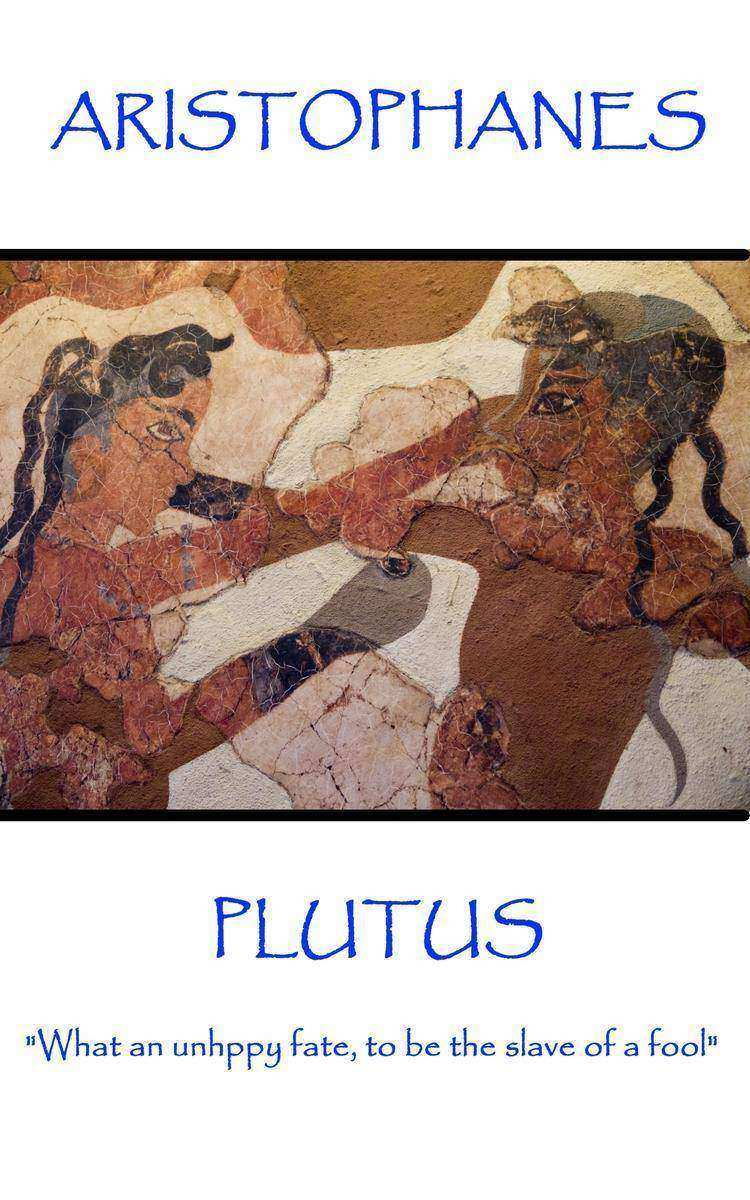
Plutus - What an unhppy fate, to be the slave of a fool
¥11.67
The reality is that little is known of Aristophanes actual life but eleven of his forty plays survive intact and upon those rest his deserved reputation as the Father of Comedy or, The Prince of Ancient Comedy. Accounts agree that he was born sometime between 456BC and 446 BC. Many cities claim the honor of his birthplace and the most probable story makes him the son of Philippus of gina, and therefore only an adopted citizen of Athens, a distinction which, at times could be cruel, though he was raised and educated in Athens. His plays are said to recreate the life of ancient Athens more realistically than any other author could. Intellectually his powers of ridicule were feared by his influential contemporaries; Plato himself singled out Aristophanes' play The Clouds as a slander that contributed to the trial and condemning to death of Socrates and although other satirical playwrights had also caricatured the philosopher his carried the most weight. His now lost play, The Babylonians, was denounced by the demagogue Cleon as a slander against the Athenian polis. Aristophanes seems to have taken this criticism to heart and thereafter caricatured Cleon mercilessly in his subsequent plays, especially The Knights. His life and playwriting years were undoubtedly long though again accounts as to the year of his death vary quite widely. What can be certain is that his legacy of surviving plays is in effect both a treasured legacy but also in itself the only surviving texts of Ancient Greek comedy.
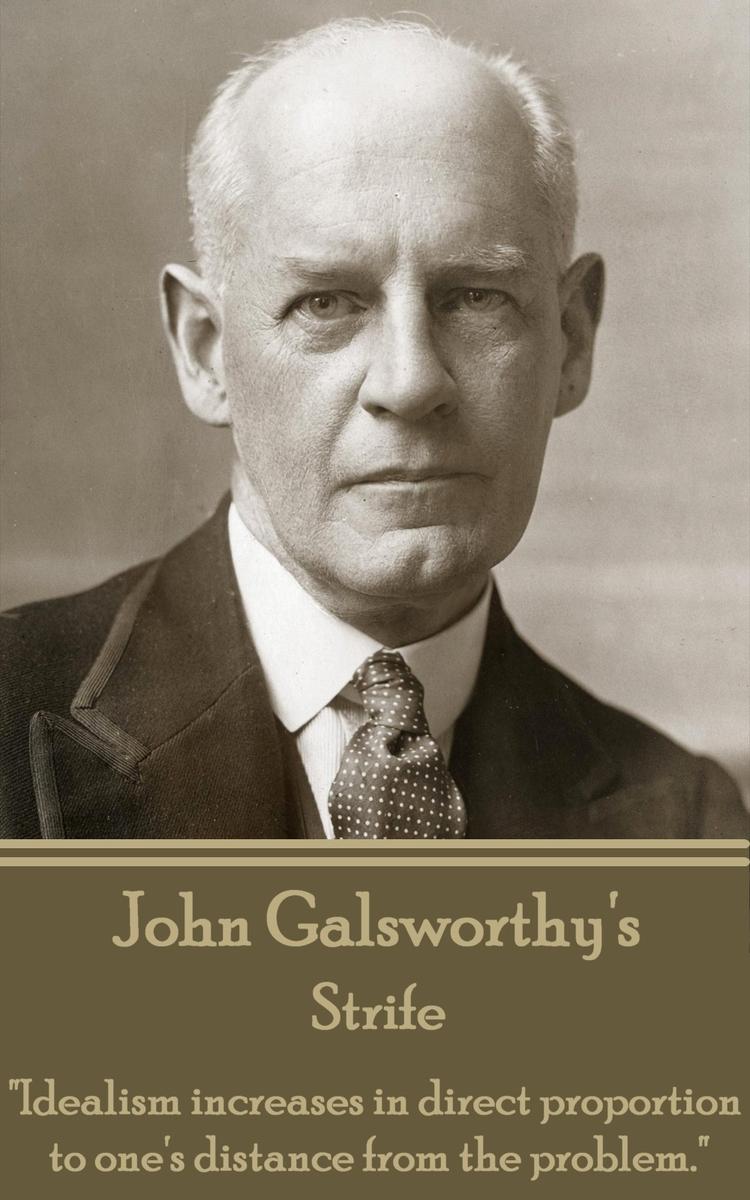
Strife - Idealism increases in direct proportion to one's distance from the prob
¥29.33
John Galsworthy first published in 1897 with a collection of short stories entitled "e;The Four Winds"e;. For the next 7 years he published these and all works under his pen name John Sinjohn. It was only upon the death of his father and the publication of "e;The Island Pharisees"e; in 1904 that he published as John Galsworthy. His first play was The Silver Box, an immediate success when it debuted in 1906 and was followed by "e;The Man of Property"e; later that same year and was the first in the Forsyte trilogy. Whilst today he is far more well know as a Nobel Prize winning novelist then he was considered a playwright dealing with social issues and the class system. We publish here 'Strife' a great example of both his writing and his demonstration of how the class system worked at the time. He was appointed to the Order of Merit in 1929, after earlier turning down a knighthood, and awarded the Nobel Prize in 1932 though he was too ill to attend. John Galsworthy died from a brain tumour at his London home, Grove Lodge, Hampstead on January 31st 1933. In accordance with his will he was cremated at Woking with his ashes then being scattered over the South Downs from an aeroplane.
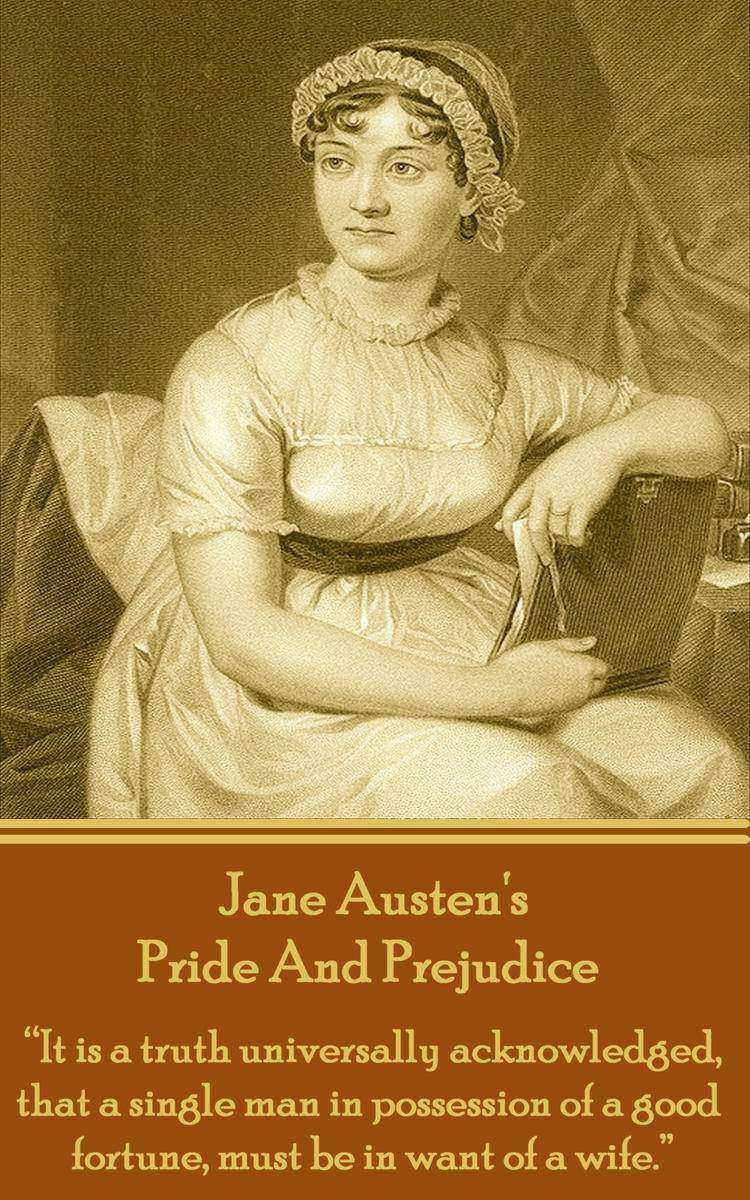
Pride And Prejudice
¥23.45
Pride and Prejudice (1813) is one of the most popular novels of the English tongue in which Jane Austen tells the story of Elizabeth Bennet, a beautiful twenty-year-old woman whose liveliness and intelligence do not prevent her from having false impressions and prejudgments about the people surrounding her. The young woman lives with her middle-class family and her best friend Charlotte Lucas. As the plot unfolds, Elizabeth develops a romantic relationship with a man from a higher social rank and a much wealthier background named Mr. Darcy. The latter gentleman is intelligent, handsome and well-mannered. Nonetheless, he generally leaves a negative impression on strangers who do not know his true nature by showing a proud and haughty attitude, refusing to dance at balls and behaving in a reserved manner. Austen gradually elucidates, nonetheless, that what is often seen by strangers as a condescending behavior is just the awkward appearance of a kind and virtuous gentleman. After numerous bursts of rather childish big-headedness and misunderstanding, Elizabeth and Mr. Darcy eventually overcome their pride and prejudice. By the very end of the narrative, Elizabeth accepts Mr. Darcy's proposal when their love for each other succeeds in vanquishing their self-love. We've also included a concise and informative biography of Jane's works and life at the end of the book. We hope it helps to give a little context and colour about how her life interacted with her art.
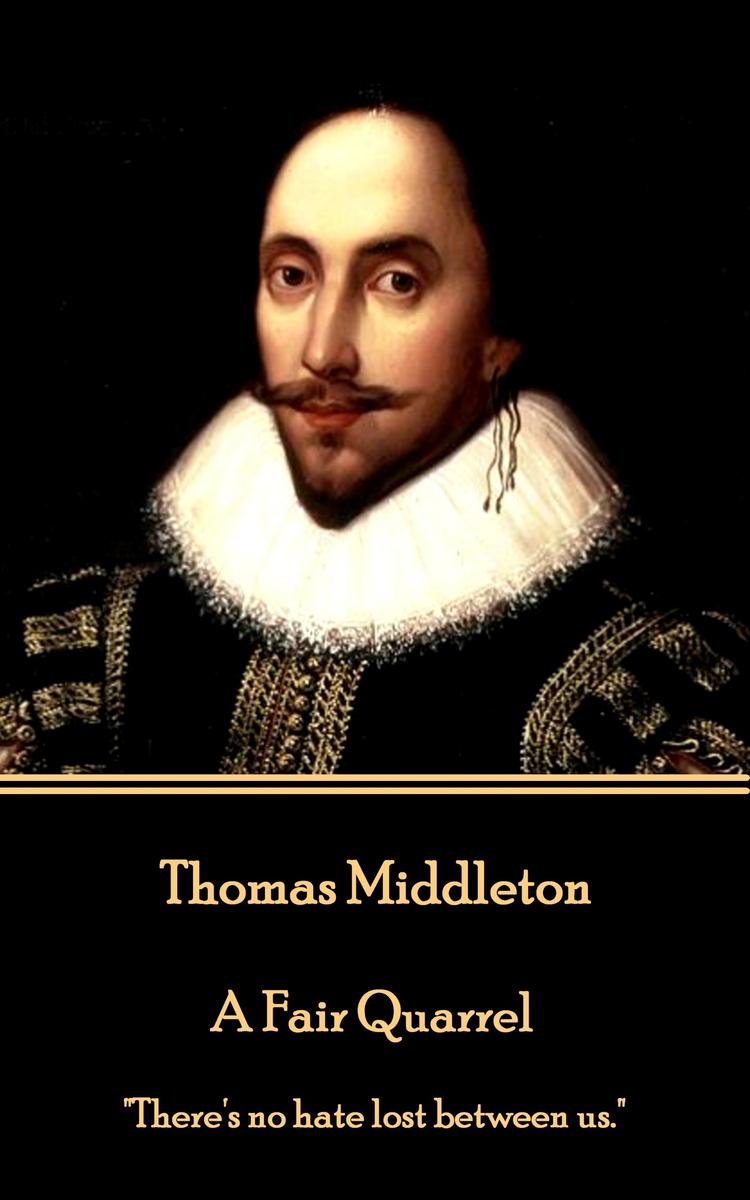
Fair Quarrel - There's no hate lost between us.
¥23.45
Thomas Middleton was born in London in April 1580 and baptised on 18th April. Middleton was aged only five when his father died. His mother remarried but this unfortunately fell apart into a fifteen year legal dispute regarding the inheritance due Thomas and his younger sister. By the time he left Oxford, at the turn of the Century, Middleton had and published Microcynicon: Six Snarling Satirese which was denounced by the Archbishop of Canterbury and publicly burned. In the early years of the 17th century, Middleton wrote topical pamphlets. One - Penniless Parliament of Threadbare Poets was reprinted several times and the subject of a parliamentary inquiry. These early years writing plays continued to attract controversy. His writing partnership with Thomas Dekker brought him into conflict with Ben Jonson and George Chapman in the so-called War of the Theatres. His finest work with Dekker was undoubtedly The Roaring Girl, a biography of the notorious Mary Frith. In the 1610s, Middleton began another playwriting partnership, this time with the actor William Rowley, producing another slew of plays including Wit at Several Weapons and A Fair Quarrel. The ever adaptable Middleton seemed at ease working with others or by himself. His solo writing credits include the comic masterpiece, A Chaste Maid in Cheapside, in 1613. In 1620 he was officially appointed as chronologer of the City of London, a post he held until his death. The 1620s saw the production of his and Rowley's tragedy, and continual favourite, The Changeling, and of several other tragicomedies. However in 1624, he reached a peak of notoriety when his dramatic allegory A Game at Chess was staged by the King's Men. Though Middleton's approach was strongly patriotic, the Privy Council silenced the play after only nine performances at the Globe theatre, having received a complaint from the Spanish ambassador. What happened next is a mystery. It is the last play recorded as having being written by Middleton. Thomas Middleton died at his home at Newington Butts in Southwark in the summer of 1627, and was buried on July 4th, in St Mary's churchyard which today survives as a public park in Elephant and Castle.


