


 购物车
购物车 个人中心
个人中心
Acum, c?nd am ucis totul
¥24.44
Selec?ie de Teodor Dun? ?O parte a criticii a socotit c? Mazilescu este un ?poet de limbaj?, elaborat, rafinat, atras de artificiu, nu cu scopul exacerb?rii retorice a limbajului, ci, din contr?, pentru configurarea unui minimalism poetic, prin distorsiuni sintactice, blancuri, omisiuni, ?ntreruperi etc. ce au rolul de a revela o insolitare suplimentar? a limbajului poetic. Eugen Negrici caracteriza lirica lui Mazilescu prin formula fericit?: ?o stilistic? a eschivei?. Virgil Mazilescu trebuie privit, ?ns?, nu doar ca un poet al limbajului, oric?t de ?ncifrat, ci ?i ca un poet al fiin?ei, cu un discurs liric ce are o miz? clar ontologic?, dispus? chiar ?ntr-un registru neoexpresionist, un discurs ce ?ncorporeaz? ?n sine ‘?marile teme? ale modernit??ii: moartea, nebunia, suferin?a, Poezia cu ?majuscul?? ?i care percepe ?mistica poeziei ca instrument de m?ntuire, gravitatea rostirii? (Mircea C?rt?rescu)’.“ – Iulian Boldea
Scriitorul de vagoane ?i alte povestiri aproape adev?rate
¥24.44
Camil L. A. Camil este un alt nume. Persoana din spatele lui Camil L. A. Camil nu-?i asum? responsabilitatea celor scrise, de?i voi crede?i c? i-ar apar?ine de drept. ?Probabil”, g?nde?te acea persoan?, poeziile scrise de Camil L. A. Camil sunt retu?uri ?n trans?.” Eu nu sunt la?, dar nu mai ?tiu unde ?i c?nd am scris cele ce urmeaz?! S? fie uitarea singurul meu viciu?
Munca
¥24.44
O carte pe s?pt?m?n? reprezint? norma decent? pentru un critic de ?nt?mpinare, cu at?t mai mult cu c?t el mai scrie ?i studii sau eseuri, ??i duce copilul la ?coal?, plimb? c?inele pe trasee lungi, dinainte calculate, petrece mult timp printre studen?i la cursuri ?i seminarii, formeaz? oameni tineri ?i ?ncurajeaz? debuturi, fiind prezent c?teva ore zilnic ?i pe Internet, pentru a prelua comenzi de colaborare sau ca s? onoreze unele mai vechi, cu scaden?e ?n general respectate. Cartea de fa?? prezint? jum?tatea pedanta, disciplinat? a celui care a scris, ca un program personal de evaziune, Visul lupului de step?: 52 de texte, dedicate scriitorilor rom?ni, formeaz? aici un ?an ideal“ consacrat literaturii recente, compus din respect pentru munca altora, din admira?ie ?i entuziasm, dar ?i din responsabilitatea critic? a disocierilor lucide, tran?ante, atunci c?nd cazurile o impun. Practic?nd cu pl?cere cronica de ?nt?mpinare de mai bine de 30 de ani, autorul c?r?ii de fa?? ?tie prea bine c? nu laude a?teapt? ?n primul r?nd scriitorul rom?n din partea criticului s?u, ci ?n?elegerea obiectiv? a demersului literar ?i onestitate. ?n consecin??, se prea cuvine ca recenzentul s? r?m?n? un om marginal ?i s? priveasc? vedetele din penumbr?. ?n ultim? instan??, critica de ?nt?mpinare devine stil prin coregrafia subtil? a distan??rilor reciproce: a scriitorului de sine ?nsu?i prin intermediul criticului s?u, ?i a acestuia din urm? de propria sa fixa?ie, prin mijlocirea c?r?ilor mereu noi pe care le cite?te.

Tratamente naturiste ?n serviciul s?n?t??ii
¥40.79
O edi?ie aniversar?, dedicat? unuia dintre cei mai mari creatori europeni, realizat? cu participarea unor importante personalit??i ale culturii rom?ne (Nicolae Balota, Eugen Simion, Nicolae Manolescu etc.); edi?ie special? ce con?ine o bogat? iconografie. Textele sunt menite s? omagieze o legend? vie a literaturii rom?ne – ctitor, al?turi de Liviu Rebreanu ?i Hortensia Papadat-Bengescu, al romanului modern.
Nietzsche ?i muzica
¥48.97
De ce fr minotaur Fiindc literatura, din perspectiva mea, este un labirint, iar naintarea n ea, una plin de pericole, topite ns n pura iridiscen. Un labirint, dar unul radios, menit s atrag atenia asupra infinitii de jocuri ascunse n textul literar. Jocuri care te prind (mai bine-zis te seduc), doar ca s te poi elibera, s fii vzut n mijloc, schind un salut triumfator – poate spre nite prieteni nevzui. Cu nimic altceva n jur dect pietre ncinse, ncrustate cu nestemate. Nevoit s mergi mereu nainte, lai averea asta altcuiva, n-o poi lua cu tine – sensul e s iei din labirint cu totul nud (neatins de prejudeci ori de cliee), fr cicatrici literare, literatura s fie pentru tine o poart, nu o temni. Ea poart, ntr-adevr, n sine, aceast imens generozitate. Niciun minotaur care s te sfie, doar picurul de miere al bucuriei lecturii, pe lespezile arse de soare: suntem la amiaz, ateni, vigili (minotaurul ar fi doar creaia noastr). Senzaia de deschidere druit de literatur st deci la originea acestei cri, mai degrab un sinuos autoportret de cititor (nu att narcisiac, ct fidel siei) dect o lucrare sistematic. Un chip caleidoscopic, conturat din capricii reunite, firesc, ca rsplata pentru a fi urmrit cu ncredere traiectoria neregulat a lecturii – sinuozitate nelipsit totui de un sim al unitii, tradus n meditaia continu asupra unor noiuni precum familiaritate i alteritate, a relaiona ori a insolita.“ – Simona Grazia Dima
Karma s?n?t??ii
¥40.79
Lidia Lazu a scris aceste poeme. i pe urm a uitat c le-a scris. Le-a gsit pe marginea unei ferestre, ciugulite de psrile cerului, cu frumuseea pierdut pentru totdeauna – c toate lucrurile sortite s ntrein miracolul existenei. Acesta este mitul n jurul cruia ar putea s se consolideze o ntreag oper poetic. Eu cred c nici unul dintre poeii romni nu a reuit s construiasc o asemenea imagine, care ntr-adevr s ne reprezinte ntr-un asemenea chip i ntr-o asemenea msur. Lidia Lazu scrie din preaplinul firii sale. (...) Ea face parte dintre acei oameni care nu scriu din pricina slbiciunilor lor, ci din pricina prea multelor daruri cu care a fost nzestrat de Dumnezeu.“ – Mircea Ciobanu
Karma norocului
¥40.79
Sub limita de detec?ieVorbi?i ?n ?oapt?Ceva se petreceSub pragul vostru auditiv.A?a cum silabele gurii taleSunt sorbite de timpanele ei, tot astfelAcolo, ?n ad?nc,Picur? ceva –P?m?ntului ?i scap? lacrimiPe care le-nghit r?d?cinile;Acolo, ?n ?naltSe spulbera ceva –V?zduhului ?i scap? lacrimiPe care le-nghit ?ngerii.E un plan?et f?r? istovAl lucrurilor, fertil –Doar c? se petreceSub limita de detec?ie.

Cum s? fii o fat? rea
¥65.32
B?rba?ii vin de pe Marte, femeile de la coafor este urmarea best-sellerului Femeile vin de pe Venus, b?rba?ii de la b?ut. Ambele volume s-au n?scut ?n paginile s?pt?m?nalului satiric Ca?avencii. De?i pare c? e vorba de un ?r?zboi ?ntre sexe“, ?n realitate, autorii n-au dus niciodat? un r?zboi, ci un dialog. R?nd pe r?nd, toate stereotipurile care circul? despre via?a de cuplu au fost puse ?ntr-o lumin? umoristic?, eliberatoare. Primul volum s-a bucurat de o primire extraordinar? din partea publicului, ating?nd ?n mai pu?in de doi ani de la lansare un tiraj de aproape 20.000 de exemplare. Ne face pl?cere s? v? oferim acum continuarea lui, const?nd ?ntr-o nou? colec?ie de texte pline de umor, inteligen?? ?i autoironie. * * * De unde naiba s? ?tie b?rbatul care-i sunt hainele murdare??? ??i miroase, timp de dou? ore, toate c?rpele de pe scaunul-cuier. Le ?mparte ?n dou? gr?mezi, unele curate ?i altele murdare. C?nd, transpirat, anun?? c? a terminat, bestia de so?ie se ?nfiin?eaz? ?i ia ambele mormane la sp?lat. — De ce le iei ?i pe-alea curate? o ?ntreab?, confuz. — Pentru c? sunt jegoase. ?i d?-le ?i pe toate alea de pe tine, c? put. — Dar sunt proasp?t sp?late, le-am luat de-abia acum o s?pt?m?n?. Vr?jitoarea e ?ns? de neclintit. ?i ?ntoarce spatele ?i iese, l?s?ndu-l gol, dezorientat, umilit ?i mirosindu-se la subra?. * * * C?nd e o hain? murdar?? C?nd te-ai uitat la ea. Ai p?ng?rit-o cu privirea ta. E ca ?i cum s-a frecat un pechinez ?n c?lduri pe ea, trebuie aruncat? la sp?lat. Multe femei stau la u?a ?ifonierului ?i te urm?resc c?nd ??i alegi haine: — Haaaa, tricou atins, tricou ?mbr?cat, tricou ?mpu?iiiiit!

A Midsummer Night's Dream
¥8.67
The Divine Comedy describes Dante's journey through Hell (Inferno), Purgatory (Purgatorio), and Paradise (Paradiso), guided first by the Roman poet Virgil and then by Beatrice, the subject of his love and of another of his works, La Vita Nuova. While the vision of Hell, the Inferno, is vivid for modern readers, the theological niceties presented in the other books require a certain amount of patience and knowledge to appreciate. Purgatorio, the most lyrical and human of the three, also has the most poets in it; Paradiso, the most heavily theological, has the most beautiful and ecstatic mystic passages in which Dante tries to describe what he confesses he is unable to convey (e.g., when Dante looks into the face of God: "all'alta fantasia qui mancò possa" — "at this high moment, ability failed my capacity to describe," Paradiso, XXXIII, 142). "IN the midway of this our mortal life, I found me in a gloomy wood, astray Gone from the path direct: and e'en to tell It were no easy task, how savage wild That forest, how robust and rough its growth, Which to remember only, my dismay Renews, in bitterness not far from death.." (Dante) IN the midway of this our mortal life,I found me in a gloomy wood, astrayGone from the path direct: and e'en to tellIt were no easy task, how savage wildThat forest, how robust and rough its growth,Which to remember only, my dismayRenews, in bitterness not far from death.Yet to discourse of what there good befell,All else will I relate discover'd there.How first I enter'd it I scarce can say,Such sleepy dullness in that instant weigh'dMy senses down, when the true path I left,But when a mountain's foot I reach'd, where clos'dThe valley, that had pierc'd my heart with dread,I look'd aloft, and saw his shoulders broadAlready vested with that planet's beam,Who leads all wanderers safe through every way. Then was a little respite to the fear,That in my heart's recesses deep had lain,All of that night, so pitifully pass'd:And as a man, with difficult short breath,Forespent with toiling, 'scap'd from sea to shore,Turns to the perilous wide waste, and standsAt gaze; e'en so my spirit, that yet fail'dStruggling with terror, turn'd to view the straits,That none hath pass'd and liv'd. My weary frameAfter short pause recomforted, againI journey'd on over that lonely steep,The hinder foot still firmer. Scarce the ascentBegan, when, lo! a panther, nimble, light,And cover'd with a speckled skin, appear'd,Nor, when it saw me, vanish'd, rather stroveTo check my onward going; that ofttimesWith purpose to retrace my steps I turn'd. ? ?About Dante: ? Durante degli Alighieri, simply referred to as Dante (1265–1321), was a major Italian poet of the Middle Ages. His Divine Comedy, originally called La Comedia and later called Divina by Boccaccio, is widely considered the greatest literary work composed in the Italian language and a masterpiece of world literature. In Italy he is known as il Sommo Poeta ("the Supreme Poet") or just il Poeta. He, Petrarch and Boccaccio are also known as "the three fountains" or "the three crowns". Dante is also called the "Father of the Italian language".
Democracy in America: Book Two
¥28.04
The girl had been an orphan from childhood, and Rowland Trowbridge had been almost as a father to her. Avice loved him and watched over him as a daughter; at least, that had been the case until lately. A few weeks since, Mr. Trowbridge had succumbed to the rather florid charms of Mrs. Black, his housekeeper, and told Avice he would marry her in a month. Though greatly surprised and not greatly pleased, Avice had accepted the situation and treated the housekeeper with the same pleasant courtesy she had always shown her. The two “got along” as the phrase is, though their natures were not in many ways congenial. Avice remained at the window till she saw at last Leslie Hoyt’s tall form approaching. She ran to open the door herself. “Oh, Judge Hoyt,” she cried, “Uncle hasn’t come yet! There must be something wrong! What can we do” THE MARK OF CAINBY CAROLYN WELLS AUTHOR OF “A CHAIN OF EVIDENCE,” “THE GOLD BAG,” “THE WHITE ALLEY,” ETC.WITH A FRONTISPIECE IN COLOR BY GAYLE HOSKINS
Din coresponden?a lui Descartes
¥40.79
Trebuie spus c ghinga pe nelesul tuturor e i el un volum de construcie. Se vede de la poziionarea la nceput i la final a dou texte pn la capt/ la capt. Nu doar prin abilitatea cu care l structureaz, Coman d impresia unei poete exersate ndelung nainte de a-i propune s debuteze, ci prin modul impecabil n care i concepe fiecare text n parte. Dac vei cuta bjbieli, construcii ntmpltoare, falsete, balast (inerente unui volum de debut), v asigur ca nu le vei gsi aici. Coman reuete s construiasc o lume credibil cu o voce feminin care, dei pare s opteasc, strig. Este o carte care exploateaz jocul de contraste, nuannd: abia dup cel de-al doilea copil al nostru/ am neles ca sunt chestiuni/ perfect distincte – dragostea (am/ putea tri foarte bine/ ca fraii) i plcerea./ pentru amndoi plcerea a venit/ de la corpul strin. n-a mai rmas dect dragostea./ o vom duce cum se cuvine pn la capt. Unei poetici feminine viscerale cu artificii retorice, Coman i opune ceea ce muli ar punea vedea drept o extirpare a afectivitii. Vorbim de dedublare: niciodat n-am ncetat s-mi vorbesc/ altfel dect unei femei/ dar astzi am depit orice nchipuire./ astzi cnd tocmai reuisem/ s-mi adorm trupul/ iar tensiunea dintre mine i el/ aproape c se risipise i de depersonalizare: ntr-un loc n care se aud tot mai tare/ copiii/ cineva m numete nina./ am 40 de ani/ i nu vreau s-mi mai beau cafeaua cu un mort. Vorbim de existen domestica printre oale, robinet, frigider, paa hasan, adjectiv, de hiperchinezie dublat de deficien de concentare, dar i de oboseal cronica (nu m odihnesc niciodat) i acuitate perceptiv, de pnd (ciulesc urechile). O figur care pare c folosete prospecia ca terapie: voi schimba ceva la pr, mi voi/ cumpra ciorapi verzi./ voi zugrvi buctria. mi voi/ face timp s corectez teancurile cu lucrri./ voi mbtrni pentru a cdea, de fapt, imediat n blazare. Pe aceste schimbri brute de direcie, fr a fi disonante, ci perfect muzicale, Coman mizeaz i iese pe deplin ctigtoare.“ – Ioana Dunea
Legende urbane. Saga lui Mathias Coback
¥40.79
O poezie de o stranietate izbitoare, o lume postapocaliptic cldit pe datele unui imediat nstrinat. O poezie rece, tioas, ritmat (ritmul i aduce aportul formal la respectiva stranietate) care pune n dialog un Eu bntuit de moarte, pe care o citete, o palpeaz n toate detaliile unui univers cvasimitologic pe care-l construiete tocmai pentru a o putea circumscrie. Eul acesta al lui Kemény se afl ntr-o continu stare de asediu pe care o transfer asupra cititorului ideal adoptnd de multe ori structura narativ a mitului, a povestirii legendare (...)Materia are o greutate sufocant n poemele lui Kemény, contrastnd parc cu imaginile aflate n continu micare i transformare. Un vag suprarealism care aduce oarecum, vizual, cu acele videoclipuri ale anilor ’90 trzii, care mizau, pentru a obine stranietatea, pe ocul dat de alternarea dintre accelerarea brusc a micrii i aspectul static al temei mitologice (m gndesc n special la Metallica, clipul de la Until it sleeps)Un volum excelent, un adevrat manual de poezie care sun, datorit lui Andrei Dósa, impecabil.“ – Bogdan Alexandru Stanescu

O s? m? ?tii de undeva
¥48.97
Cum se vede orbirea. ?ntr-o colec?ie de eseuri ?n care studiul biografic se ?mbin? p?n? la indistinc?ie cu fic?iunea, Julián Fuks face o incursiune puternic subiectiv? ?n via?a ?i opera a trei dintre cei mai cunoscu?i scriitori ai secolului XX. Inova?ia ?n literatur? nu este singurul punct comun al celor trei biografii, cel asupra c?ruia Fucks se va opri fiind orbirea, ca incident care ?i va afecta pe to?i. Trecerea de la lumea perceput? cu toate cele cinci sim?uri la universul ?n care culorile sunt proiec?ii ale min?ii ?i vagi amintiri difer? de la un autor la altul, iar Fucks va descrie ?i completa prin propria imagina?ie creatoare felul ?n care Borges, Jo?o Cabral ?i Joyce – deveni?i personaje – aleg s?-?i gestioneze limitele senzoriale.

A mélyb?l j?tt fest?: Sziklai Károly naiv festészete
¥28.53
Graff Angéla és Encsy Eszter élete és sorsa oly szorosan tartozik ?ssze, akár a nappal és az éjszaka – s ?k ketten éppen ennyire ellentétei is egymásnak. Komor korban t?ltik együtt gyermekéveiket, amelynek s?tétségér?l Angéla mit sem tud, s amely ?r?kre feketére festi Eszter lelkét. Angéla gondtalan áhítattal mosolyog a hajnali fénybe, mik?zben széthulló családja életük romjait menekíti, Eszter pedig tehetetlen irigységgel zokog, amiért nem láthatja szenvedni ezt az ártatlan angyalt. ?vekkel kés?bb találkoznak ismét, a kapocs kettejük k?z?tt egy férfi ? férj és szeret?. Eszter ünnepelt színészn?, mégis boldogtalan: a lelkében izzó démoni gy?l?let lassan elpusztít mindent, ami boldoggá tehetné. Angéla ?r?k gyermek, fogalma sincs a k?rül?tte munkáló gyilkos indulatokról, emészt? szenvedélyekr?l. Nem sejti, hogy akiket a legjobban szeret, háta m?g?tt megcsalják, élete f?lforgatására készülnek. Az ?z?egy szerelmi háromsz?g és egy élethosszig tartó, engesztelhetetlen bosszú kegyetlen t?rténete. Szabó Magda magával ragadó, kíméletlen regénye mé.ltán tette egy csapásra híressé és elismertté szerz?jét: t?bb mint húsz nyelvre fordították le, és máig sem veszített elementáris erejéb?l

Meztelen igazság
¥52.48
Nagy élmény ez az éjszaka! Felettem zldell faág és a csillagos ég.” A csndben zek, dámvadak osonnak le a kopolyához”… – írja naplójában tizenévesen a majdani kutató, a nvénybiológia professzora, két teljes napot egyedül eltltve a Nagynyíri erdben. Folytatódik a sor nyári diákmunkaként egész megyéket feltérképez kerékpártúrákkal, ifjúkori nyaralásokkal, majd eljutunk a már felntt férfi, családapa kutatói munkáival sszekapcsolódó utazásaihoz, tanulmányútjaihoz. Egyszer turista számára elérhetetlen oldalát láthatjuk Hollandiának, Japánnak, megtudjuk, hol van Fokhagymaország”, van-e, volt-e rabszolgaság a 20. sz.-ban, mit mond a távolról jtt magyarnak Dél-Amerika… Megismerhetjük más népek szokásait, vallását, gynyrkdhetünk természeti és épített kincseik szépségében. Ismeretekben gazdag leírások, pontos információkkal az adott ország fldrajzi adottságairól, társadalmáról, olykor trténelmérl is – érzékletesen, élményszeren. Nem hagyva ki a korabeli Magyarország külfldi utakkal kapcsolatos hozzáállását sem... Szülfldjérl, Trtelrl indul, és vissza is tér oda. Bár Szegeden él, mégis tevékenyen vesz részt a település mindennapjaiban. E. L. tudósként gondolkodik, de a hétkznapok nyelvén fogalmaz. Visszaemlékezéseit olvasva knnyedén, szinte észrevétlenül gazdagodik tudásunk, emelkedik lelkünk… Szafián Zsuzsanna tanár, író

A gyermek
¥56.57
A fordító huszon?t amerikai k?lt? ?sszesen százegy versét válogatta kétnyelv? antológiába. Olyan k?lt?k verseit, akik kortársaink a második ezredforduló tájékán. Igyekezett színes képet kapni – és mutatni – a magyar irodalomkedvel?knek híres k?lt?k változatos egyéniségér?l, témájuk kavalkádjáról.A versfordítás ?r?k dilemmája: mennyire legyen szolgai, mennyire legyen szabad. Jelen k?tet fordítójának célja az arany k?zépút megtartása volt, ellenállni a parttalan átk?ltés csábításának. A maga valójában mutatni meg az amerikai k?ltészet tartalmi és formai sokszín?ségét. Három-négy vers egy-egy k?lt?t?l, szellemi kóstoló, néhány felvillantott gondolat, kép, hangulat – távolról sem életm?vek, vagy korszakos k?tetek bemutatásának igényével.A fordító azzal az ambícióval hízeleg magának, hogy férfi mivoltának dacára képes hitelesen tolmácsolni a szebbik nem érzéseit is.A versek kedvel?it szólítja meg ez az ?sszeállítás, egyben hasznos – és remélhet?leg élvezetes – kirándulásra vezetheti azokat, akik az angol nyelvvel ismerkednek, vagy foglalkoznak. ?Amerikás magyarjaink” is haszonnal vehetik kézbe. Nekik és gyermekeiknek a magyar szókincset segíthet ?rizni és gyarapítani. The translator has selected, for inclusion in this anthology, a total of one hundred and one poems written by twenty five American poets at about the turn of the last century. These tr anslations are intended to convey the color and personality of each poet for Hungarian readers, while still respecting and preserving the essential style of each poet — and while also avoiding the temptation to rewrite.American poetry has so much diversity of form and content that a translator has to attempt, for each individual poet, to include representative works that express unique tastes, thoughts, images and humors, in acceptance of the fact that comprehensive treatment of each poet is not reasonably within reach in this volume.A sincere effort has been made to faithfully present the work of a number of American women, at least as well as a mere man can do.Throughout, the chosen works all reflect an overriding purpose of fur-thering a love of poetry while also serving as an effective tool for learning English. Hungarians abroad, and their families, it is hoped, will also find that this anthology will help them to increase and broaden the vocabulary of their native language.
DonQuijotisme AntropoLexice
¥47.42
Tenta?ia magnific?rii excesive a valorilor autohtone compor?t? nu pu?ine primejdii. Pe cele, mai ales, de a suscita acuza?ii de ?protocronism“, de etnocentrism, de ?localit?“, de p??unism sau ?esprit de clocher“, de ignorare a tabloului mondial al evolu?iilor ?n domeniul vizat, acuza?ii care, e adev?rat, pot fi drepte sau ne?drepte: criteriul r?m?ne legat de o chestiune de relativizare ?i de dozaj, deci de proced?ri ?nzestrate prin excelen?? cu o foarte firav? voca?ie consensual?. Am mai evocat, cu alt prilej – vorbind despre romanele lui D. ?epeneag, pe care nu le socoteam inferioare celor ale nobelizatului Claude Simon – de riscul reedit?rii sindromului ?Notre grand Arghiropoulos“, ironizat (cu simpatie, totu?i!) de E. Lovinescu ?n Aquaforte. Tot c?ut?nd, ?ns?, s? evit?m acest risc, ajungem s? ne expunem altuia: cel de a subaprecia, ?n pofida evi?den?ei, un num?r, deloc mic, de valori certe ale literaturii noastre postbelice. Nicolae B?rna
Psalmi
¥55.59
n lirica decadent a lui Pierre Lous (18701925), actul erotic are valene mistice i chiar religioase. Poemele sale reproduc un adevrat ritual de adoraie.Pierre Lous ncepe ca secesionist (plin de langori i crnuri fezandate) i/sau ca prerafaelit, ca s continue,n lo stile floreale, ca n, bunoar, celebrele Chansons de Bilitis, scriere apocrif a unei aazise discipole din vechea Grecie a Sapphidei, transpus muzical de civa mari compozitori (printre acetia, Debussy) i tradus, de muli ani, i n romn, ca una ce, antic fiind, devine acceptabil cum este, printre altele, Ars amatoria a surghiunitului la Tomis“ – erban Foar.
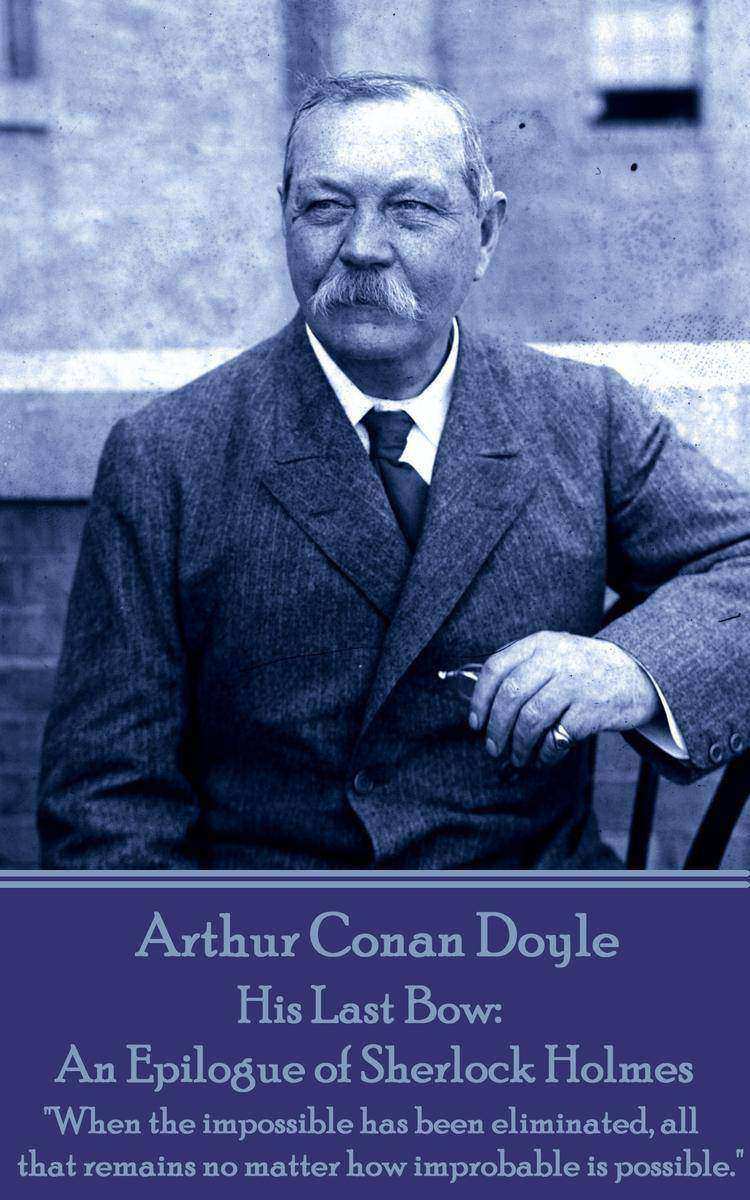
His Last Bow: An Epilogue of Sherlock Holmes
¥14.03
If ever a writer needed an introduction Arthur Conan Doyle would not be considered that man. After all, Sherlock Holmes is perhaps the foremost literary detective of any age. Add to this canon his stories of science fiction and his poems, his historical novels, his plays, his political campaigning, his efforts in establishing a Court of Appeal and there is little room for anything else. Except he was also an exceptional writer of short stories of the horrific and macabre. Something very different from what you might expect. Born in Arthur Conan Doyle was born on 22 May 1859 at 11 Picardy Place, Edinburgh, Scotland. From 1876 - 1881 he studied medicine at the University of Edinburgh following which he was employed as a doctor on the Greenland whaler Hope of Peterhead in 1880 and, after his graduation, as a ship's surgeon on the SS Mayumba during a voyage to the West African coast in 1881. Arriving in Portsmouth in June of that year with less than GBP10 (GBP700 today) to his name, he set up a medical practice at 1 Bush Villas in Elm Grove, Southsea. The practice was initially not very successful. While waiting for patients, Conan Doyle again began writing stories and composed his first novel The Mystery of Cloomber. Although he continued to study and practice medicine his career was now firmly set as a writer. And thereafter great works continued to pour out of him.

Adventure of the Red Circle - It's every man's business to see justice done.
¥14.03
If ever a writer needed an introduction Arthur Conan Doyle would not be considered that man. After all, Sherlock Holmes is perhaps the foremost literary detective of any age. Add to this canon his stories of science fiction and his poems, his historical novels, his plays, his political campaigning, his efforts in establishing a Court of Appeal and there is little room for anything else. Except he was also an exceptional writer of short stories of the horrific and macabre. Something very different from what you might expect. Born in Arthur Conan Doyle was born on 22 May 1859 at 11 Picardy Place, Edinburgh, Scotland. From 1876 - 1881 he studied medicine at the University of Edinburgh following which he was employed as a doctor on the Greenland whaler Hope of Peterhead in 1880 and, after his graduation, as a ship's surgeon on the SS Mayumba during a voyage to the West African coast in 1881. Arriving in Portsmouth in June of that year with less than GBP10 (GBP700 today) to his name, he set up a medical practice at 1 Bush Villas in Elm Grove, Southsea. The practice was initially not very successful. While waiting for patients, Conan Doyle again began writing stories and composed his first novel The Mystery of Cloomber. Although he continued to study and practice medicine his career was now firmly set as a writer. And thereafter great works continued to pour out of him.
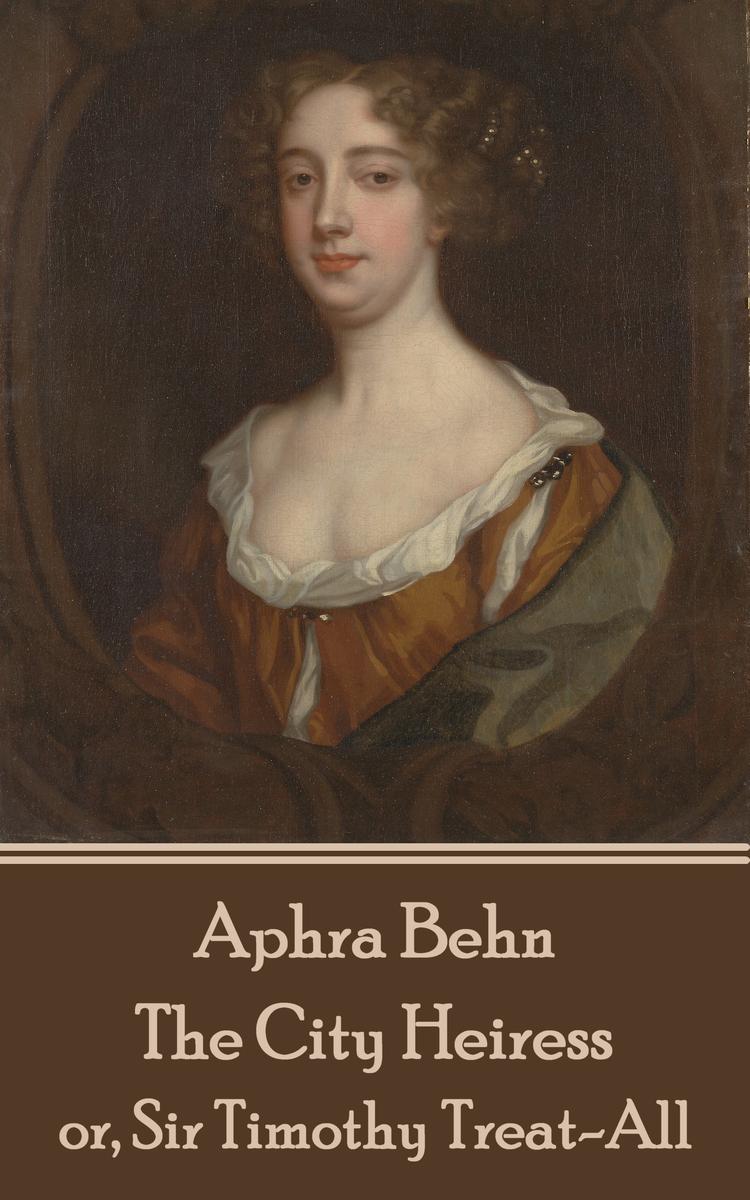
City Heiress - or, Sir Timothy Treat-All
¥23.45
Aphra Behn was a prolific and well established writer but facts about her remain scant and difficult to confirm. What can safely be said though is that Aphra Behn is now regarded as a key English playwright and a major figure in Restoration theatre. Aphra was born into the rising tensions to the English Civil War. Obviously a time of much division and difficulty as the King and Parliament, and their respective forces, came ever closer to conflict. There are claims she was a spy, that she travelled abroad, possibly as far as Surinam. By 1664 her marriage was over (though by death or separation is not known but presumably the former as it occurred in the year of their marriage) and she now used Mrs Behn as her professional name. Aphra now moved towards pursuing a more sustainable and substantial career and began work for the King's Company and the Duke's Company players as a scribe. Previously her only writing had been poetry but now she would become a playwright. Her first, "e;The Forc'd Marriage"e;, was staged in 1670, followed by "e;The Amorous Prince"e; (1671). After her third play, "e;The Dutch Lover"e;, Aphra had a three year lull in her writing career. Again it is speculated that she went travelling again, possibly once again as a spy. After this sojourn her writing moves towards comic works, which prove commercially more successful. Her most popular works included "e;The Rover"e; and "e;Love-Letters Between a Nobleman and His Sister"e; (1684-87). With her growing reputation Aphra became friends with many of the most notable writers of the day. This is The Age of Dryden and his literary dominance. From the mid 1680's Aphra's health began to decline. This was exacerbated by her continual state of debt and descent into poverty. Aphra Behn died on April 16th 1689, and is buried in the East Cloister of Westminster Abbey. The inscription on her tombstone reads: "e;Here lies a Proof that Wit can never be Defence enough against Mortality."e; She was quoted as stating that she had led a "e;life dedicated to pleasure and poetry."e;


