


 购物车
购物车 个人中心
个人中心
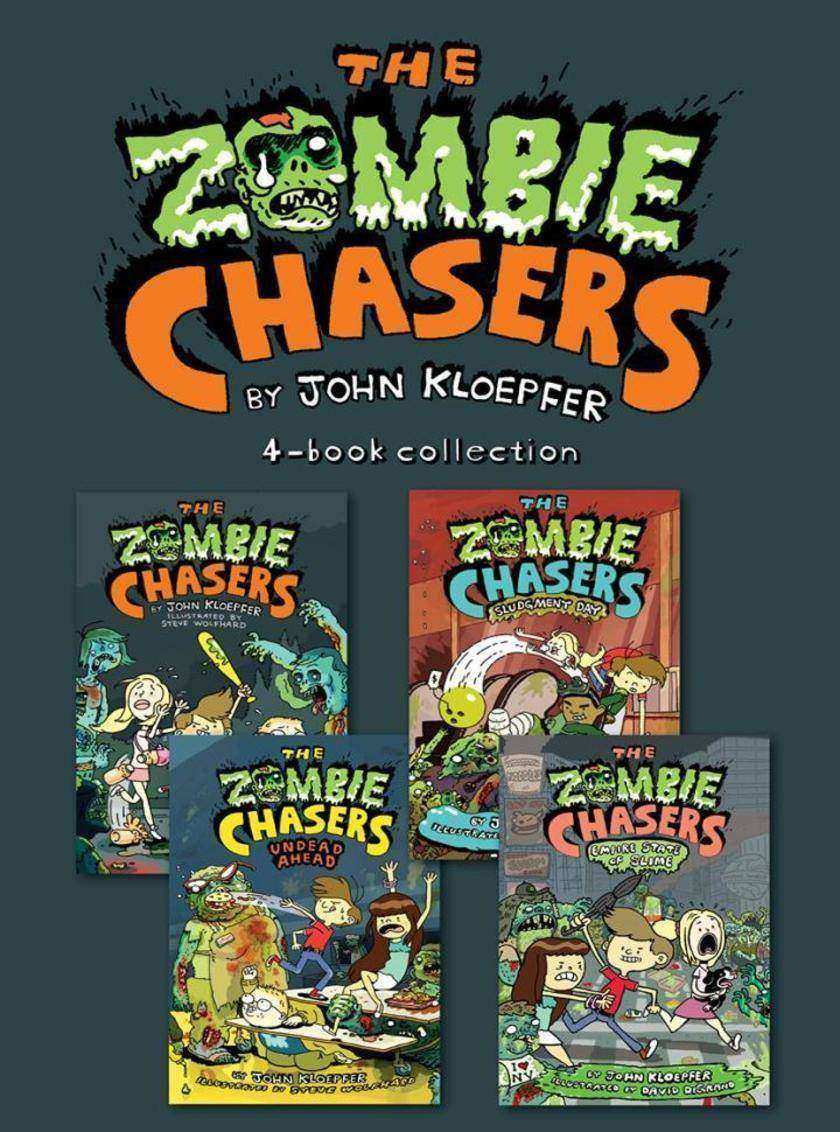
Zombie Chasers 4-Book Collection
¥218.05
Perfect for fans of Diary of a Wimpy Kid and The Strange Case of Origami Yoda, John Kloepfer's hilarious and stomach-churning Zombie Chasers tween series is overflowing with uproarious middle school humor, dead-on illustrations, and high-action adventure that will leave readers moaning for more. This collection contains the first four books in the series.The Zombie Chasers: Zombie Attack! When brain-gobbling zombies invade, a sleep?over at Zack Clarke's house quickly turns into a Level-3 creep-over. The undead have infested the streets, filling the air with deathly moans and the stench of rotting flesh. The Zombie Chasers are on a mission to save the world, but first they have to survive their flesh-eating, half-dead neighbors—and one another.The Zombie Chasers #2: Undead Ahead: Zack's sister is a zombie and his parents might be goners. Rice has uncovered the source of the zombie outbreak, and Madison's health-drink habit may be the key to a cure. Ozzie, the newest zombie chaser, is a nunchaku-wielding, monster-fighting machine who's ready to kick some undead butt. The whole country—from their parents to the president—is counting on them. Can the Zombie Chasers save the nation from brain-gobbling ghoulsOr will the US of A become the US of Z?The Zombie Chasers #3: Sludgment Day: Zack and his crew of Zombie Chasers—Rice, Madison, Ozzie, and Zoe—are ready to end this nightmare once and for all! With the antidote in hand, the gang sets off on a wild cross-country road trip to defeat the evil genius behind the zombie apocalypse.The Zombie Chasers #4: Empire State of Slime: Six months after Zack Clarke, his sister, Zoe, and pals Rice, Ozzie, and Madison saved the country from brain-gobbling ghouls, life is finally heading back to normal. But while the kids are busy exploring the Big Apple's sites on a class trip to New York City, things go from sublime to slime when millions of people suddenly rezombify! The Zombie Chasers are back on undead duty, but can they escape the crowded city streets and find a new cure, or is Z-Day here to stay?
The Last Apprentice Complete Collection
¥1363.22
All 13 volumes of Joseph Delaney's internationally best-selling fantasy adventure series, The Last Apprentice, plus the two short story collections and The Spook's Bestiary—all together for the first time!Tom Ward is the seventh son of a seventh son. As the Spook's apprentice, he will face boggarts, witches, ghosts, and other terrifying creatures of the night. Other apprentices have come before him. Some have failed. Some have fled. Some have died. Will Tom be the one who survives—especially when he becomes the target of the world's greatest evils?Includes 16 books set in the world of the acclaimed series that inspired the major motion picture Seventh Son.Revenge of the Witch (Book 1) Curse of the Bane (Book 2) Night of the Soul Stealer (Book 3) Attack of the Fiend (Book 4) Wrath of the Bloodeye (Book 5) Clash of the Demons (Book 6) Rise of the Huntress (Book 7) Rage of the Fallen (Book 8) Grimalkin the Witch Assassin (Book 9) Lure of the Dead (Book 10) Slither (Book 11) I Am Alice (Book 12) Fury of the Seventh Son (Book 13) The Spook's Tale and Other Horrors (short story collection) Coven of Witches (short story collection) The Spook's Bestiary: The Guide to Creatures of the Dark (illustrated companion book)
The Secret Zoo Complete Collection
¥377.59
Five complete books in one! Noah, Megan, Richie, and Ella are the Action Scouts: friends whose tree house overlooks the Clarksville City Zoo. When they discover a magical world hidden within the zoo, they are swept away on an adventure in which penguins can fly, a mysterious figure lurks in the shadows, and the scouts are enlisted to help Mr. Darby, who is in charge of the Secret Zoo.The Secret Zoo: Noah, his sister Megan, and their best friends, Richie and Ella, live next door to the zoo. Megan is the first to notice the puzzling behavior of some of the animals. One day Megan disappears, and her brother and their friends realize it's up to them to find her. Once inside, will they discover there's much more to the Clarksville City Zoo than they could ever have guessed?The Secret Zoo: Secrets and Shadows: Noah and his must train to become Crossers, members of a secret society who freely travel to the Secret Zoo and back, helping to defend its borders. But now that the monstrous sasquatches are on the loose and the evil Shadowist is plotting destruction, will Noah, Megan, Ella, and Richie have what it takes to survive?The Secret Zoo: Riddles and Danger: Will the scouts be able to fight against the dangerous sasquatches who have escaped the zoo and threaten their town?The Secret Zoo: Traps and Specters: On Halloween night, Noah and his friends must battle terrifying sasquatches that have attacked their own elementary school. Little do they know the sasquatches are a trap! When DeGraff captures three of Noah's friends, can the kids ally with their rivals in order to save every person and animal in the zoo—all while dodging the town's police?The Secret Zoo: Raids and Rescues: Even in the Secret Zoo, there are dangers . . . and forbidden places. When the scouts' friends are held in the off-limits sector—a never-ending maze of aquariums—Noah, Megan, Richie, and Ella must be at their most courageous.
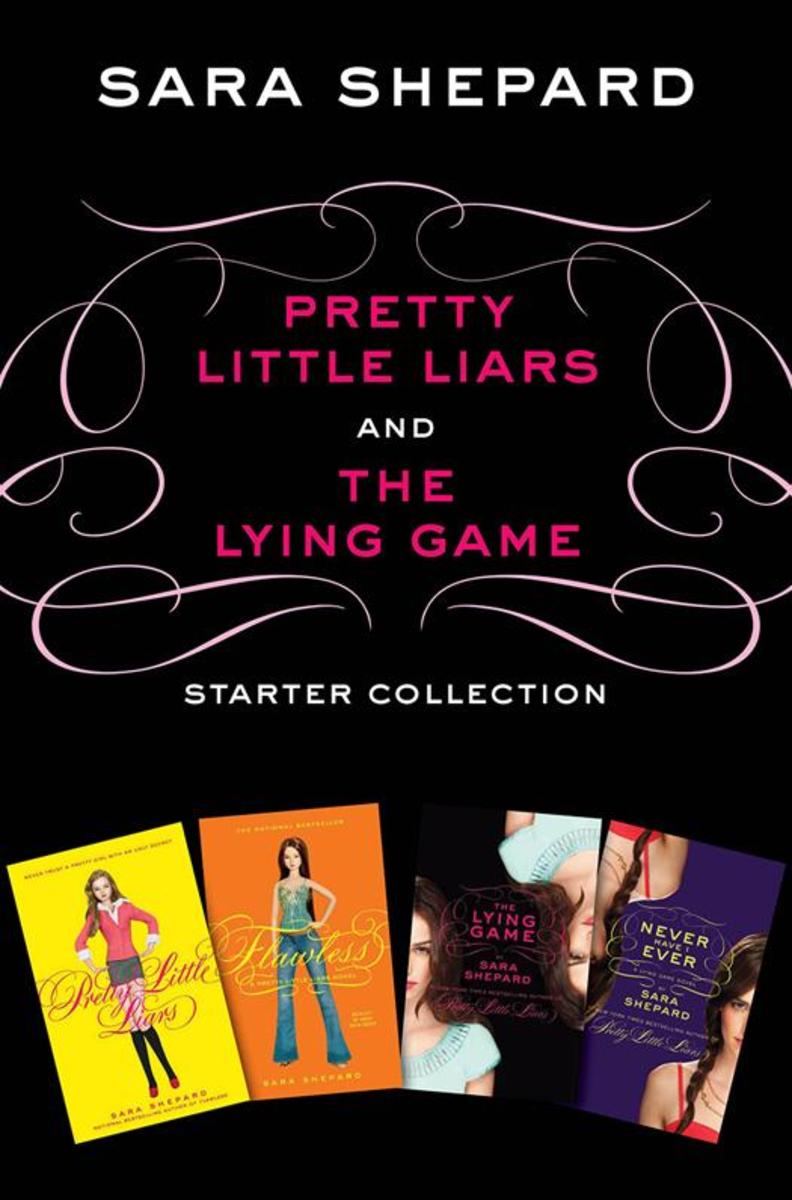
Pretty Little Liars and The Lying Game Starter Collection
¥261.68
This collection contains the first two novels in Sara Shepard's New York Times bestselling Pretty Little Liars and Lying Games series, plus a sneak peek at The Perfectionists, the first book in a brand-new Sara Shepard series!Pretty Little Liars: This page-turning start to the Pretty Little Liars series introduces readers to Rosewood and the pretty little liars who call it home. High school juniors Spencer, Hanna, Aria, and Emily thought their darkest secrets vanished when their best friend, Alison, went missing three years ago. But now someone named "A" is sending them notes and threatening to reveal their ugliest secrets—things only Alison knew.Pretty Little Liars #2: Flawless: Four pretty little liars have been very bad girls. But their most horrible secret yet is so scandalous that the truth would ruin them forever.The Lying Game: Separated at birth, twin sisters Emma Paxton and Sutton Mercer never had a chance to meet. And now they never will. Someone murdered Sutton and forced Emma into taking her place.The Lying Game #2: Never Have I Ever: The deeper Emma digs, the more suspects she uncovers. It turns out Sutton and her friends played a lot of games—games that ruined people's lives. Anyone could want revenge . . . anyone could want Sutton—and now Emma—dead.Plus, a sneak peek at The Perfectionists, another series full of Sara Shepard's trademark juicy secrets, nail-biting suspense, and beautiful girls who will do anything to hide the ugly truth.
Warriors: Dawn of the Clans 3-Book Collection
¥194.15
This collection contains the first three books in the thrilling prequel arc in Erin Hunter's #1 nationally bestselling Warriors series! Discover how the warrior Clans came to be.Dawn of the Clans #1: The Sun Trail: Long before Firestar left his kittypet home to join ThunderClan, a band of cats from the mountains set off on a dangerous journey in search of a new home.Dawn of the Clans #2: Thunder Rising: The mountain cats from the Tribe of Rushing Water followed the sun trail to a new territory, convinced that in a land with more prey, their lives would be free from strife. But while no cat has gone hungry, tensions are rising.Dawn of the Clans #3: The First Battle: The rivalry between Gray Wing and Clear Sky has driven a bitter wedge between all of the forest cats. As Thunder and Gray Wing struggle to find a peaceful path for the future, tensions are growing—and soon more blood will be shed.
The Magic Thief Complete Collection
¥302.05
In a city that runs on a dwindling supply of magic, a young boy is drawn into a life of wizardry and adventure. Author Sarah Prineas works her own spells as she transports us to an extraordinary world where cities are run on living magic and even a thief can become a wizard's apprentice. Diana Wynne Jones, author of Howl's Moving Castle, praised this middle grade fantasy series filled with magic and wonder, saying of the first, "I couldn't put it down. Wonderful, exciting stuff." This collection contains all four novels in the series, plus the digital original novella The Magic Thief: A Proper Wizard.The Magic Thief: Conn should have dropped dead the day he picked Nevery's pocket and touched the wizard's locus magicalicus, a stone used to focus magic and work spells. But for some reason he did not. Nevery finds that interesting, and he takes Conn as his apprentice on the provision that the boy find a locus stone of his own. But Conn has little time to search for his stone between wizard lessons and helping Nevery discover who—or what—is stealing the city of Wellmet's magic.The Magic Thief: Lost: Conn may only be a wizard's apprentice, but even he knows it's dangerous to play with fire . . . especially around magic. But Conn is drawn to the murmurs he hears every time he sets off an explosion—something is trying to talk to him, to warn him. When none of the wizards listen, Conn takes matters into his own hands. His quest to protect everything he loves brings him face-to-face with a powerful sorcerer-king and a treachery beyond even his vivid imagination.The Magic Thief: Found: Sneaking out of prison isn't easy, unless you are a thief, or a wizard. Luckily, Conn is both! Trouble is, once he's out, where does he goHis home is a pile of rubble since he blew it up doing magic. His master, the wizard Nevery, is not happy with him. Worst of all, Conn's been exiled, and staying in the city will mean his death.The Magic Thief: A Proper Wizard: When Verent, a young apprentice from neighboring Danivelle, comes to Wellmet to ask for Conn's help with his city's magical problems, he is less than impressed with Conn. Will Verent be able to overcome his misgivings about Conn in order to help his townAnd with Conn's help, will Verent become a proper wizard?The Magic Thief: Home: Duchess Rowan has promoted Conn to ducal magister, but the other wizards see him only as a thief. But something sinister is brewing, as magicians' locus stones are being stolen and magical spells are going awry. As Conn faces old enemies and powerful magical forces, is he strong enough to save the city he calls home?

The Girl of Fire and Thorns Complete Collection
¥312.84
All three volumes of Rae Carson's New York Times?bestselling The Girl of Fire and Thorns trilogy plus the three novellas set in the same world, available together! An insecure princess with an unclear destiny becomes a secret bride, a revolutionary, a queen, and—finally—the champion her world so desperately needs in this epic fantasy series that Tamora Pierce called "engrossing" and that Veronica Roth said was "intense, unique . . . definitely recommended."This complete collection includes the three volumes of the trilogy: book one, The Girl of Fire and Thorns; book two, The Crown of Embers; and book three, The Bitter Kingdom. It also includes the three novellas set in the world of the series: The Shadow Cats, The Shattered Mountain, and The King's Guard.Once every century, one person is chosen for greatness. But the prophecy is vague, and Elisa has no idea why she was chosen or how she will fulfill the expectations. Her future is unknown and her potential is tremendous—even if she doesn't realize it. A sweeping fantasy series about a young woman finding her true strength, this is perfect for fans of Kristin Cashore's Graceling and George R. R. Martin's Game of Thrones.
Roscoe Riley Rules Complete Collection
¥381.65
Short, funny, true-to-life stories from Katherine Applegate, the author of the Newbery Medal winning The One and Only Ivan, the Roscoe Riley books are perfect for kids new to reading chapter books. They're filled with appealing art, and they star good-hearted first grader Roscoe Riley.This collection includes all seven books in the series: Never Glue Your Friends to ChairsNever Swipe a Bully's BearDon't Swap Your Sweater for a DogNever Swim in ApplesauceDon't Tap-Dance on Your TeacherNever Walk in Shoes That TalkNever Race a Runaway Pumpkin
Baseball Card Adventures: 4-Book Grand Slam Collection
¥196.24
Twelve-year-old Joe Stoshack is an average kid with two amazing talents: getting his hands on rare baseball cards, and traveling through time to meet the famous players they depict. Sports buffs and fans of authors like Tim Green and Jon Scieszka will love this imaginative series.Together for the first time, this collection includes:Honus & Me, featuring Honus Wagner, the greatest shortstop ever, from the turn of the century. Honus Wagner’s baseball card is the rarest and most expensive of all; one specimen sold for $2.8 million in 2007. Jackie & Me, featuring Jackie Robinson, the first African-American player in Major League Baseball, six-time All-Star, and recipient of the Presidential Medal of Freedom and the Congressional Gold Medal. Babe & Me, featuring Babe Ruth, all-time great batter and seven-time World Series champion, who set records that still stand today. Shoeless Joe & Me, featuring Shoeless Joe Jackson, who was banned from baseball in the prime of his career and whose involvement in the Black Sox Scandal is still disputed.

The Hero's Guide Complete Collection
¥215.70
In the Hero's Guide books, readers discover that Prince Charming isn't one man—there are four of them: Liam, Frederick, Duncan, and Gustav. And they all have their own challenges to overcome as they try to grow from goofy, average-guy princes into impossibly perfect knights of legend. Joined by princesses Ella, Snow White, Briar Rose, Rapunzel, and Lila, they're off on adventures that they—and their kingdoms—can only hope to survive. Tween fans of Shrek and How to Train Your Dragon will love this fast-paced, funny series that's been applauded by the LA Times, the New York Times, Publishers Weekly, and Kirkus Reviews.This collection includes:The Hero’s Guide to Saving Your Kingdom The Hero’s Guide to Storming the Castle The Hero’s Guide to Being an Outlaw
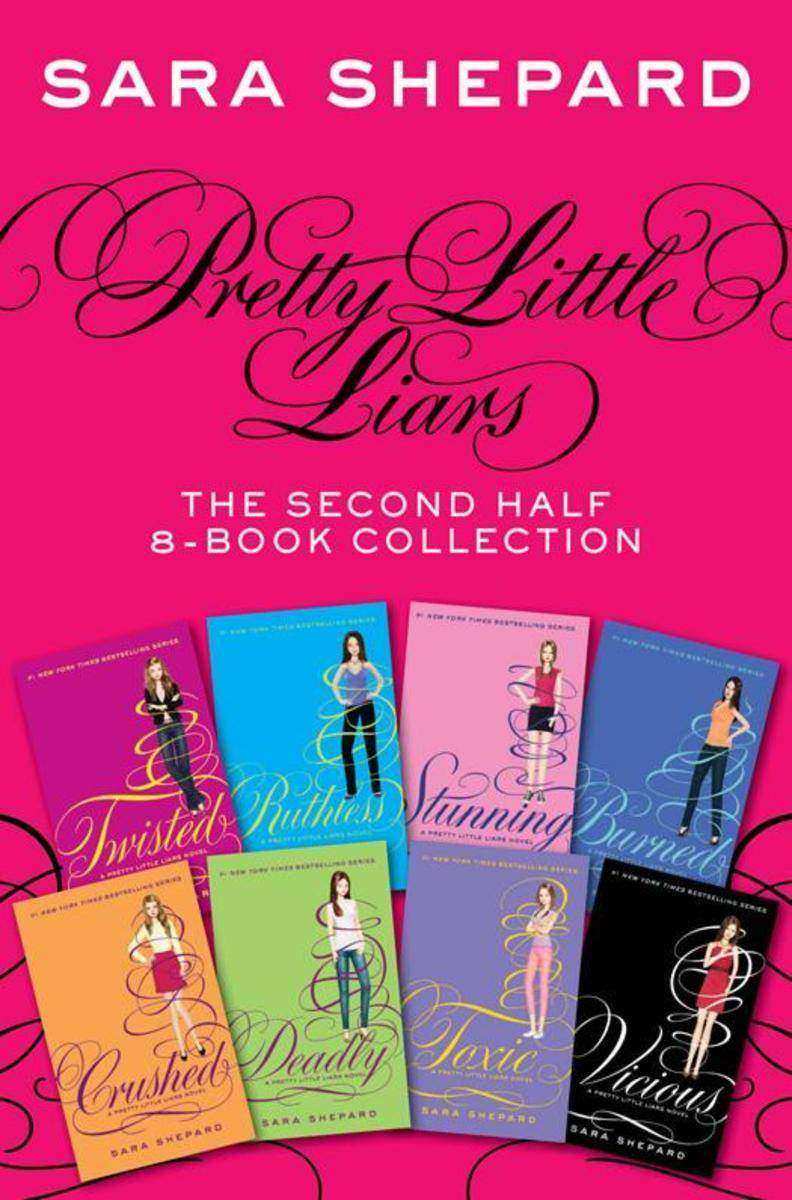
Pretty Little Liars: The Second Half 8-Book Collection
¥708.84
In Rosewood, majestic estates sprawl for acres, and Tiffany toggle bracelets dangle from every girl's wrist. But not all that glitters is gold, and the town harbors secrets darker than anyone could imagine—like the truth about what really happened the night Alison DiLaurentis went missing. . . . Sara Shepard's #1 New York Times bestselling Pretty Little Liars series is the inspiration for the hit ABC Family original TV show. This collection contains the final eight novels in the series.Includes:Pretty Little Liars #9: Twisted Pretty Little Liars #10: Ruthless Pretty Little Liars #11: Stunning Pretty Little Liars #12: Burned Pretty Little Liars #13: Crushed Pretty Little Liars #14: Deadly Pretty Little Liars #15: Toxic Pretty Little Liars #16: Vicious
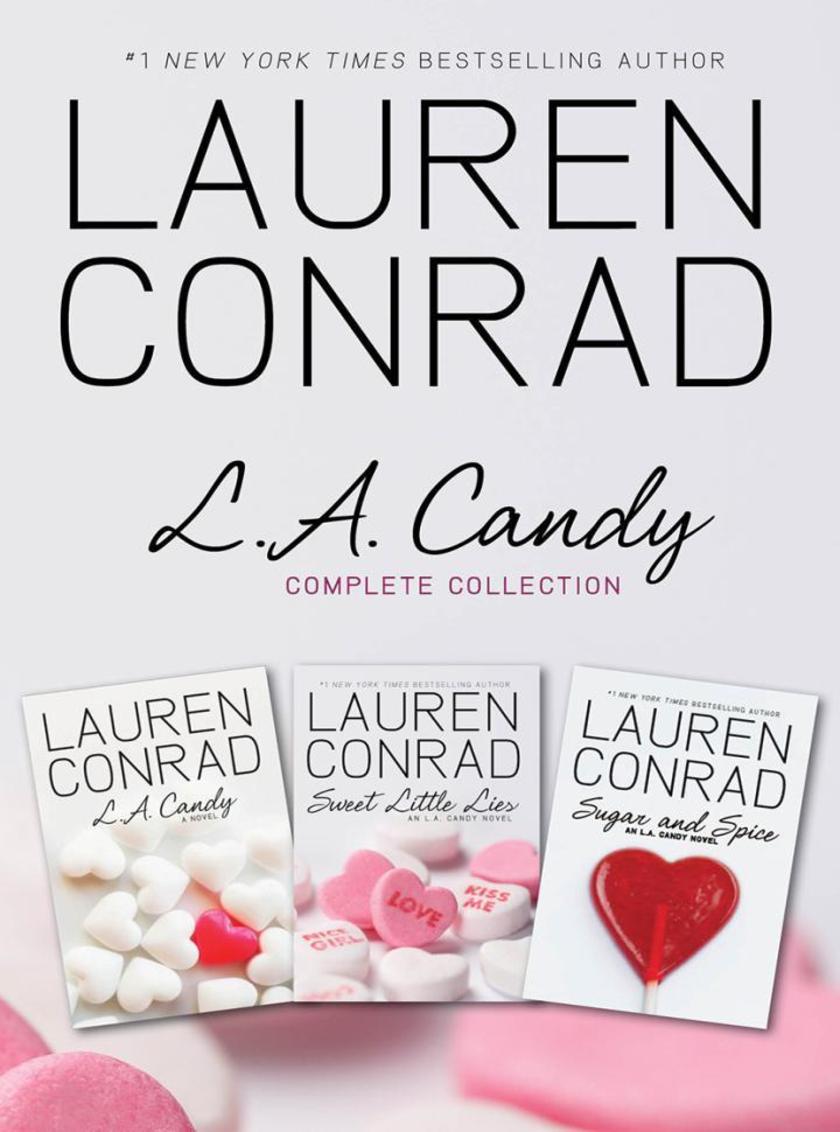
L.A. Candy Complete Collection
¥305.30
The L.A. Candy trilogy is a fast-paced, fun, and realistic depiction of coming of age in Hollywood while starring in a reality TV show—written by a star who's experienced it all firsthand: Lauren Conrad, of MTV's #1 show The Hills. This #1 New York Times bestselling series provides a scandalous peek into the life of new reality celebrity Jane Roberts while dishing Hollywood gossip and drama at every turn.Includes:L.A. Candy Sweet Little Lies: An L.A. Candy Novel Sugar and Spice: An L.A. Candy Novel

The Hidden Prince
¥54.42
The city of Skyvale is in trouble. Magic use is rampant. Crime is spreading. Told from the perspective of Tobiah, the crown prince with a dangerous secret, and set two years before the heart-racing action of The Orphan Queen, this 100-page digital novella brings to life one of Jodi Meadows's most beloved characters.Tobiah Pierce knows he is a spoiled, sheltered prince, and he's tired of it. His only chance for freedom is if his cousin, James Rayner, passes the trials to be one of his bodyguards. But when Tobiah takes a rare opportunity to escape a courtly celebration and he witnesses a horrible—and magical—crime, he must make a momentous decision: return to the ignorance and comfort of the palace, or risk everything to discover the truth?The Hidden Prince is the first of four prequel novellas that offer existing fans a deeper insight into a favorite character and the complex city of Skyvale, while new readers will find a stunning introduction to this rich world and the heart-pounding fantasy of the Orphan Queen series.Epic Reads Impulse is a digital imprint with new releases each month.

Bridget Wilder: Spy-in-Training
¥39.24
Middle school meets Mission Impossible in this hilarious spy series for fans of Chris Rylander, Stuart Gibbs, and Ally Carter about a girl whose life is turned upside down when she discovers her father is a superspy.Up until Bridget’s birthday the most exciting moment in her life was when Dale Tookey maybe, sort of, smiled at her one time. But that was before—before she found a mysterious present at her doorstep, before she was transported to a covert CIA agency called Section 23, and before she became Bridget Wilder: Spy-in-Training. Now Bridget’s busting boys out of detention, being chauffeured by a talking car, and infiltrating the popular girls’ clique to steal secret codes, all while undercover as a semi-awkward middle school girl. But will she be able to keep up with her new action-packed life?It is no secret—Bridget Wilder: Spy-in-Training is the start of an explosive new series packed with gadgets, humor, and best of all: girl power.
The Cost of All Things
¥101.00
Eternal Sunshine of the Spotless Mind meets We Were Liars in this thought-provoking and brilliantly written debut that is part love story, part mystery, part high-stakes drama.What would you pay to cure your heartbreakBanish your sadnessTransform your looksThe right spell can fix anything…. When Ari's boyfriend Win dies, she gets a spell to erase all memory of him. But spells come at a cost, and this one sets off a chain of events that reveal the hidden—and sometimes dangerous—connections between Ari, her friends, and the boyfriend she can no longer remember.Told from four different points of view, this original and affecting novel weaves past and present in a suspenseful narrative that unveils the truth behind a terrible tragedy.
A Madness So Discreet
¥55.33
Mindy McGinnis, the acclaimed author of Not a Drop to Drink and In a Handful of Dust, combines murder, madness, and mystery in a beautifully twisted gothic historical thriller perfect for fans of novels such as Asylum and The Diviners as well as television's True Detective and American Horror Story.Grace Mae is already familiar with madness when family secrets and the bulge in her belly send her to an insane asylum—but it is in the darkness that she finds a new lease on life. When a visiting doctor interested in criminal psychology recognizes Grace's brilliant mind beneath her rage, he recruits her as his assistant. Continuing to operate under the cloak of madness at crime scenes allows her to gather clues from bystanders who believe her less than human. Now comfortable in an ethical asylum, Grace finds friends—and hope. But gruesome nights bring Grace and the doctor into the circle of a killer who will bring her shaky sanity and the demons in her past dangerously close to the surface.

Finding Paris
¥101.00
An evocative and compelling story of two sisters who would do anything for each other—perfect for fans of Thirteen Reasons Why and Speak. Joy Preble's stirring new novel explores the lengths to which sisters go to protect each other, and the winding road that brings two strangers into each other's lives.Sisters Leo and Paris Hollings have only ever had each other to rely on. They can't trust their mother, who hops from city to city and from guy to guy, or their gambler stepfather, who's moved them all to Las Vegas. It's just the two of them: Paris, who's always been the dreamer, and Leo, who has a real future in mind—going to Stanford, becoming a doctor, falling in love. But Leo isn't going anywhere right now, except driving around Vegas all night with her sister.Until Paris ditches Leo at the Heartbreak Hotel Diner, where moments before they had been talking with physics student Max Sullivan. Outside, Leo finds a cryptic note from Paris—a clue. Is it some kind of gameWhere is Paris, and why has she disappearedWhen Leo reluctantly accepts Max's offer of help, the two find themselves following a string of clues through Vegas and beyond. But the search for the truth is not a straight line. And neither is the path to secrets Leo and Max hold inside.
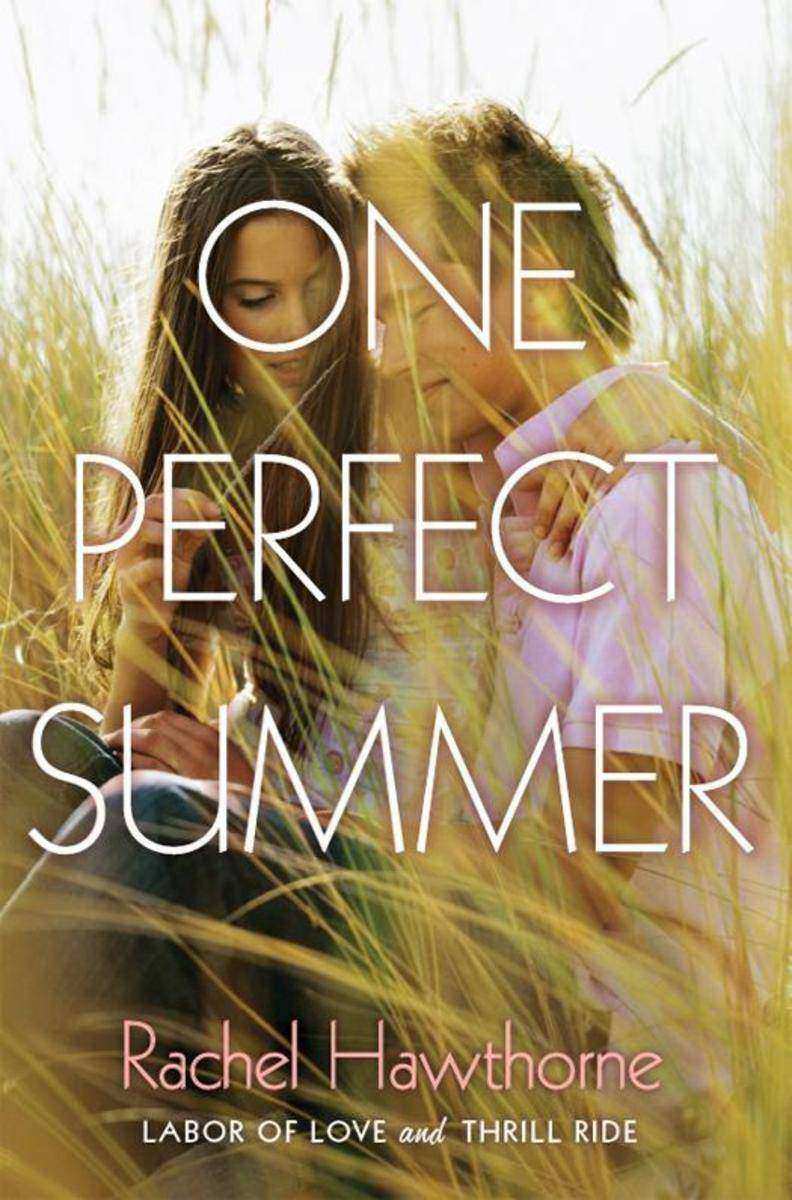
One Perfect Summer
¥55.33
Perfect for fans of Lauren Barnholdt and Susane Colasanti, this sun-soaked pairing of Rachel Hawthorne's beach reads Labor of Love and Thrill Ride brings a fresh feel to two summer favorites.In Labor of Love, Dawn joins a volunteer trip to New Orleans, hoping to forget about boys (her cheating ex Drew, in particular) for the summer. But when a fortune teller predicts she'll meet the man of her dreams on this trip, Dawn has to decide if she believes in the destiny of true love, or if she's just headed for another heartbreak.In Thrill Ride, Megan has landed the perfect summer job at an amusement park far away from home. The only problem is she'll also be far away from her boyfriend. But surely true love can survive three months apart. And Megan can resist her incredibly hot coworker . . . right?Value priced with a great new cover, this combined edition will have readers (re)discovering Rachel Hawthorne.
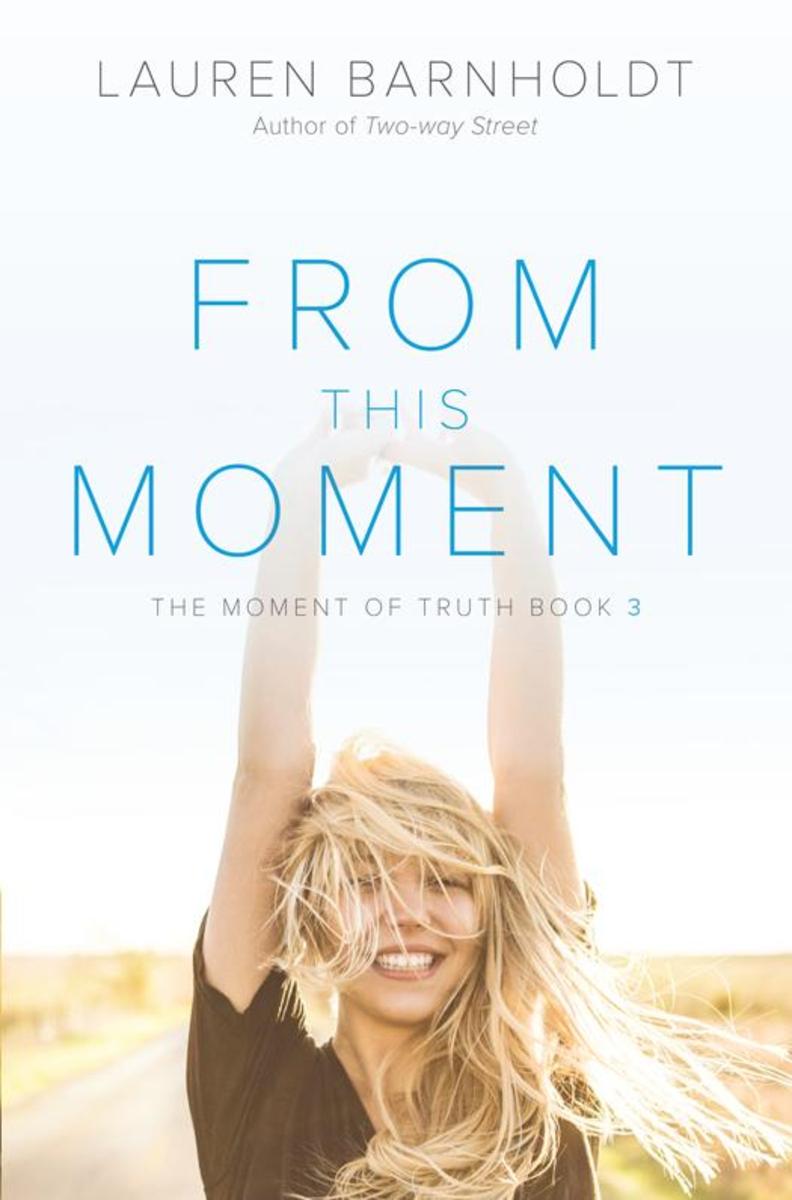
From This Moment
¥55.33
Each book in The Moment of Truth trilogy is told from the perspective of former best friends Lyla, Aven, and Quinn. When they were freshman, they wrote emails to themselves about one thing they hoped to accomplish before they graduate. Over the course of the series, which takes place on their senior trip, each girl tackles that email all while learning about life, love, and the truth about the fight that ended their perfect friendship.In the final book, Aven must decide if, when it comes to deciding between friendship and true love, she is able to listen to her heart. For the past four years she has shared everything with her best friend, Liam . . . except for the secret she knows would ruin their friendship. The one about how she's loved him since the first time they met.But now everything is about to change.With the end of high school drawing near, and the seniors headed to Florida for a class trip, Aven is determined to tell Liam the truth. Even though he already has a girlfriend. Even though Aven's finally met a great guy who likes her back. Even though Liam reciprocating her feelings is as terrifying as him rejecting her. Because no matter what he says, Aven knows that once the truth is out, things will never be the same.
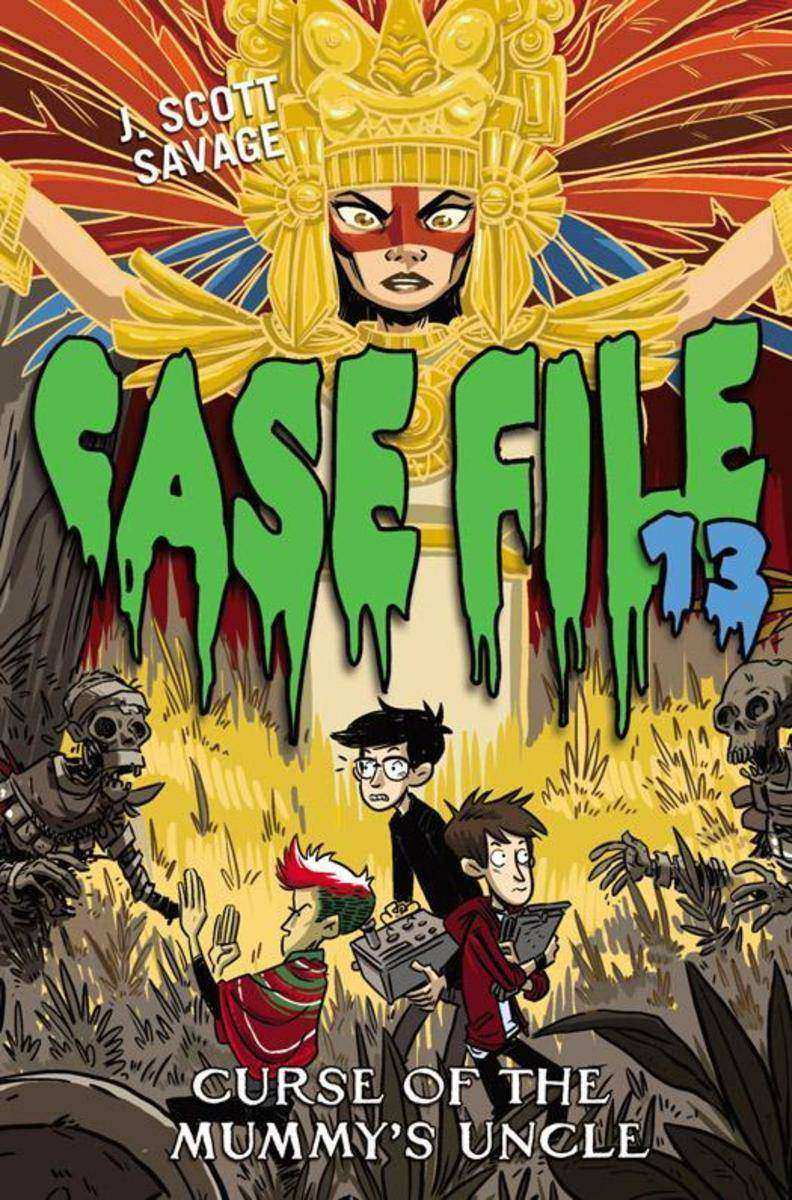
Case File 13 #4: Curse of the Mummy's Uncle
¥44.85
With thrills, chills, and laughs on every page, this fourth book in the tween series "sure to please young readers looking for a thrill" (Kirkus Reviews, starred review) follows three monster-obsessed best friends on a trip to a haunted Mexican pyramid.The Three Monsterteers—Nick, Carter, and Angelo—have defeated the Zombie King, taken down a mad scientist, and even squared off with their own evil twins. But all that pales in comparison to the trio's latest monster mystery, which begins with a family trip to Mexico to explore some forgotten Mayan pyramids alongside a group of archaeologists. When the boys arrive at the archaeological site, they learn of a previous expedition that vanished into these very pyramids fifty years ago. Angelo is convinced that aliens must have been involved, but Nick starts to suspect that the disappearance had more to do with an ancient Mayan curse—one that may still hang over the ruins today. Using their knowledge of real Mayan mythology, the three friends must unravel the secret history of the curse—before someone very close to Nick ends up trapped in the underworld forever.With the same "mix of creepy chills and laugh-out-loud humor" that made bestselling author James Dashner call Zombie Kid "the perfect book," this fourth book in the Case File 13 series will leave you rolling in your tomb.
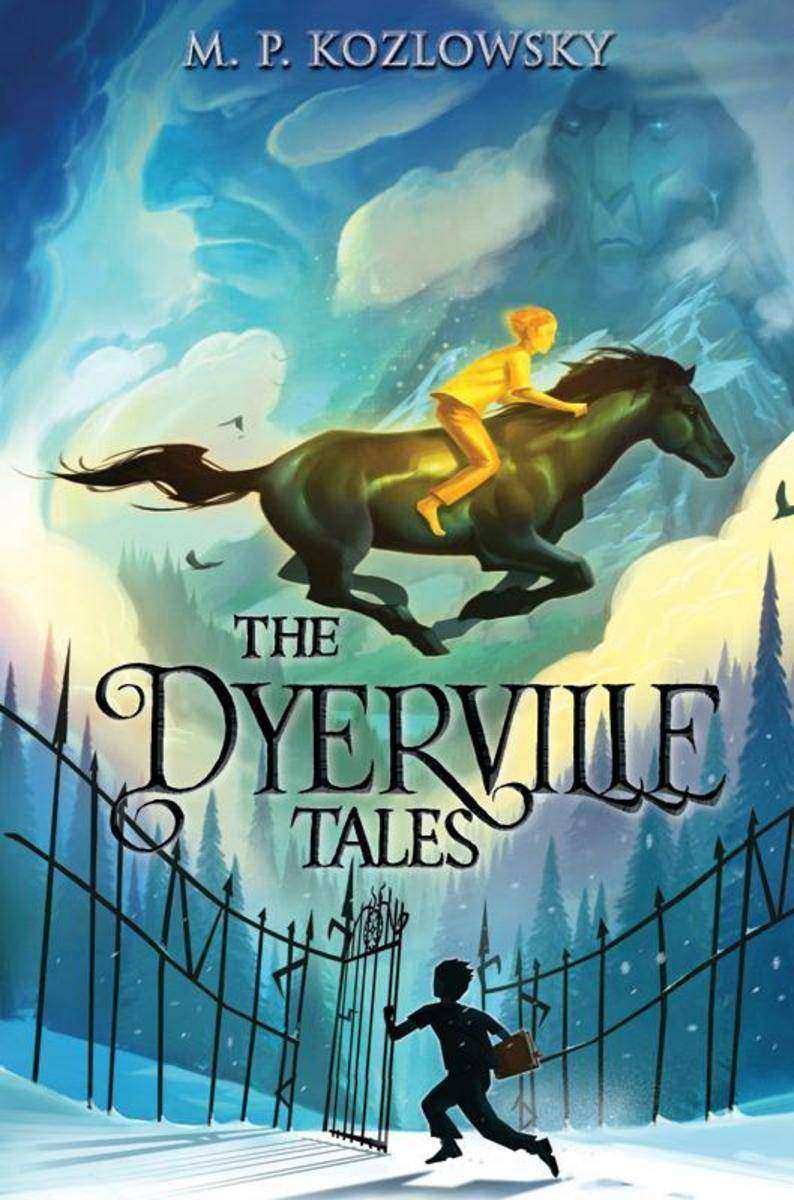
The Dyerville Tales
¥96.50
"Kozlowsky deftly intertwines imagination and adventure with sobering realities; while the story arc itself engrosses and the grandfather's fairy tale–like quest enchants, he underpins the novel with an unceasing melancholy that remembers the human heart, its pain, and its need for hope."—The Bulletin of the Center for Children's Books (starred review)M. P. Kozlowsky's The Dyerville Tales is a powerfully imaginative middle grade novel that blurs the line between fairy tale and reality. Vince Elgin is an orphan, having lost his mother and father in a fire when he was young. With only a senile grandfather he barely knows to call family, Vince was interned in a group home, dreaming that his father, whose body was never found, might one day return for him. When a letter arrives, telling Vince his grandfather has passed away, he is convinced that if his father is still alive, he'll find him at the funeral. He strikes out for the small town of Dyerville, carrying only one thing with him: his grandfather's journal. The journal tells a fantastical story of witches and giants and magic, one that can't be true. But as Vince reads on, he finds that his very real adventure may have more in common with his grandfather's than he ever could have known.


