


 购物车
购物车 个人中心
个人中心

A v?r?slámpás ház
¥8.83
BORNAI TIBOR ?S BORNAI TIBOR? Talán csak nem ?nmagával fog társalogni a szerz?? Nos, ezúttal másról van szó. A k?nyvet, amit most a kezében tart az olvasó, ketten írták: Bornai Tibor, az édesapa, aki hatvanéves korában, negyven évvel ezel?tt hunyt el, és fia, Bornai Tibor, aki akkor még csak tizenhét éves volt. Az apa 1912-ben született, és 1972-ben halt meg. Fia 1955-ben látta meg a napvilágot, a másik dátum még titok. Kettejük t?rténeteib?l rajzolódik ki ez a nehéz, csodákkal és tragédiákkal telezsúfolt id?szak, amelynek kezdete éppen most, a k?nyv megjelenésekor ér százéves évfordulójához. Err?l a száz évr?l mesélnek ?k ketten: a kályha mellett ülve téli estéken, a Balaton partján heverészve, egy május elsejei felvonuláson, egy Párizs felé robogó kisbuszon, a Népliget mutatványosbódéi el?tti padon vagy egy ?ll?i úti bérház konyhájában. Sírós-nevet?s k?nyv ez, dokumentumregény, minden benne szerepl? tény és adat valóságos. Apa és fia jegyzetfüzetében lapozgathatunk csodálkozva, hogy mennyire rímel egymásra ez a két sors. ?s talán sokan lesznek majd, akik a maguk életében is megtalálják az ugyanilyen rímképlet? verssorokat. ?Oroszlán az Ecseri úton? Hogy kerül egy oroszlán az Ecseri útra, ahol a használt gyerekkocsitól a hibás rádióig, a szakadozott k?nyvekt?l a molyos rókaboáig ócska tárgyakat adnak-vesznek az emberek?” Kiderül majd, ahogy az olvasók az igazi, nagy kérdésekre is választ találnak ebben az emberséggel és humorral átsz?tt k?nyvben.

Darabokra t?rt szívek
¥57.31
Meg lehet-e gyógyulni egy súlyos betegségb?l, amelynek már a puszta neve is sokakat rettegéssel t?lt el? Péceli Rita válasza: igen! S hogy mi kell hozzá? Elszántság, bátorság, bizalom és szeretet. Odafigyelés ?nmagunkra, remek orvosok, barátaink támogatása és nem utolsósorban egy h?séges társ, aki jóban-rosszban kitart mellettünk. Mert a gyógyulás lehetséges, még akkor is, ha a bajban éppen azoktól nem kapunk segítséget, akikre a leginkább számítunk. A t?rténet bizonyítja: a legnehezebb helyzetb?l is megtalálhatjuk a kiutat. Mert a szeretet és a segítség er?t ad. Ennek k?sz?nhet?en Rita felveszi a keszty?t, és a hosszú, gy?trelmes küzdelem végén megtalálja a gyógyulást, a boldogságot és igazi hivatását is. Visszakapja egészségét, normális életét, s?t a szenvedés árán egy sokkal gazdagabb, igazabb életet nyer a régi helyett. ?Hamarosan hozzám is odaj?ttek. – Ni, csak, a vicces kedv? h?lgy. – Engem is átraktak a kórtermi ágyamba. Megint elveszítettem az ?ntudatomat. Amikor végleg felébredtem, úgy éreztem, majd kicsattanok. Az ablaküvegen átfúródó napsugarak táncot jártak a szobában, minden sarokba jutott bel?lük. Az ágynem?k a korábbinál is fehérebben vakítottak. Egy darabka mennyország dicsfénnyel és felh?kkel. Valóságos eufória lett úrrá rajtam. – ?lek, élek, élek! – kiáltottam. – Micsoda boldogság!” A visszakapott élet Rados Virág második regénye, a nagy siker? Bipoláris folytatása, amely szintén igaz t?rténet alapján íródott.

November lánya
¥78.07
A bájos, v?r?s hajú Répássy Rebeka szereti a magas sarkú cip?ket, a drágak?veket és a bécsi kávét. Nem szereti viszont a tenger gyüm?lcseit, a tolakodó pasikat és a felt?nést. A sors szeszélye folytán mégis egyik pillanatról a másikra az osztrák tévé képerny?jén találja magát, és a Kísérletkastély cím? valóságshow ígéretes szerepl?jeként egy ország kíséri figyelemmel minden mozdulatát. A tét Rebeka számára százezer euró, a hírnév, és váratlan ráadásként a szívfájdítóan jókép? producer, Marcus szerelme. A Bécsben dolgozó magyar lány igyekszik megállni a helyét a kereskedelmi tévék számára ismeretlen világában, ahol semmi sem az, aminek látszik: az ellenfelek barátnak álcázzák magukat, a segítség kerül? utakon jár, és még az igazi szerelem is álruhába bújik. Vajon ki mozgatja a szálakat a háttérben? Mi a szerepe az eseményekben a titokzatos újságírón?nek, Fr?ulein Lemkének? ?s vajon megtartja-e Rebeka kezdeti elhatározását, miszerint nem hajlandó szerelmeskedni a kamerák el?tt? Aki a rokonszenves Rebekához hasonlóan kedveli az osztrák f?várost, a karácsonyi hangulatot és a bécsi kávét, az kül?n?sen élvezni fogja PALOT?S PETRA izgalmakban és fordulatokban nem sz?k?lk?d? regényét.
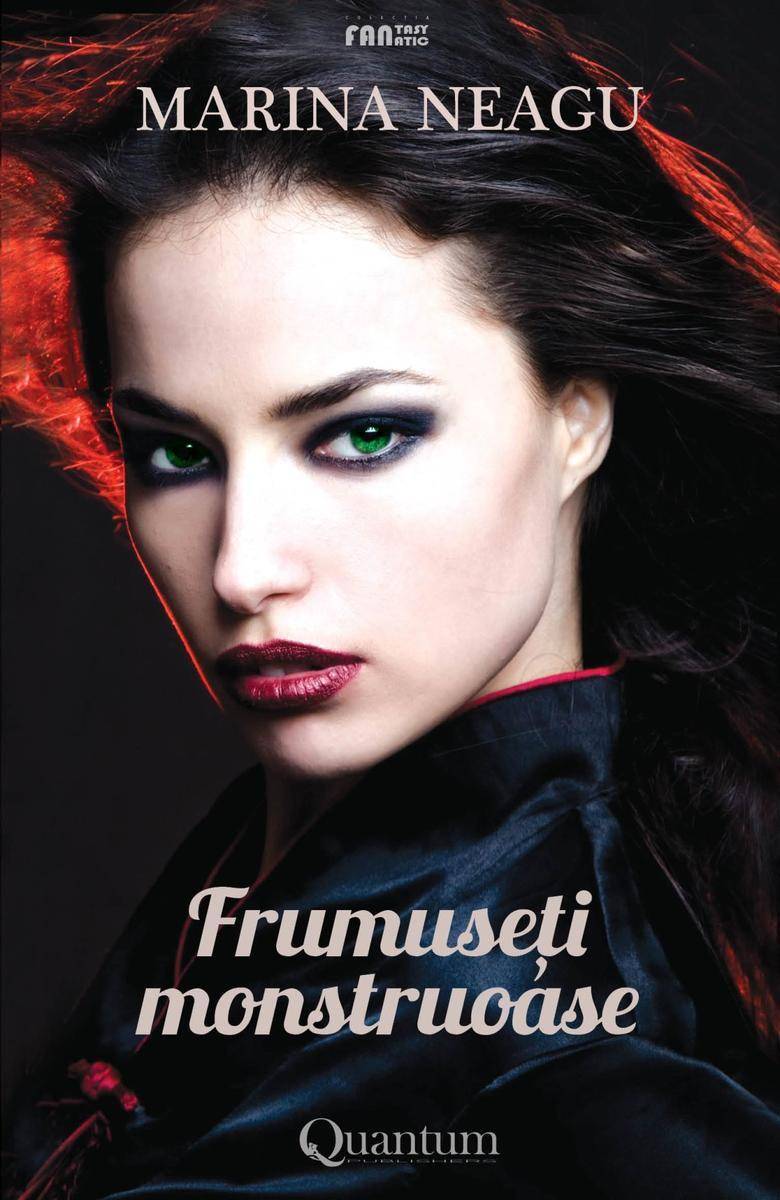
Frumuse?i monstruoase
¥32.70
Dup? treisprezece ani de la prima apari?ie, m?-ntreb unde-a ajuns oare Drumul furnicilor? Strada pe care plou?-ntotdeauna ?i-o fi luat un new look? Josefina, musca dintre ferestre, cum se adapteaz? la termopane? La baie apa continu? s? curg? zi ?i noapte ca un fluviu particular? Colacul de s?rm? ploioas? s-o fi dezr?sucit de tot, l?s?nd moartea pe dinafar?? Vreun paparazzi o fi ob?inut vreo poz? a p?s?rii din pod pe care nimeni n-a z?rit-o? Nu m?-ntreba?i pe mine, eu n-am f?cut altceva dec?t s? bat la ma?in? litere unele dup? altele. Tot ce ?tiu este c? ?i dup? treisprezece ani norii ?i be?ele de chibrit r?m?n cele mai frumoase lucruri de pe lume. (Constantin Ab?lu??, decembrie 2010)
Seguridade social e saúde: tendências e desafios
¥57.14
Mihai Eminescu este considerat de cititori ?i de critica literar? mondial? drept cea mai important? voce poetic? din literatura rom?n?. ?Titlul de fata reprezinta cea mai bogata colectie de poezii a poetului Mihai Eminescu. In cele 650 de pagini regasiti titluri celebre precum: Floare albastra * Revedere * Scrisoarea III * Luceafarul * Ce te legeni... * Mai am un singur dor * Sara pe deal
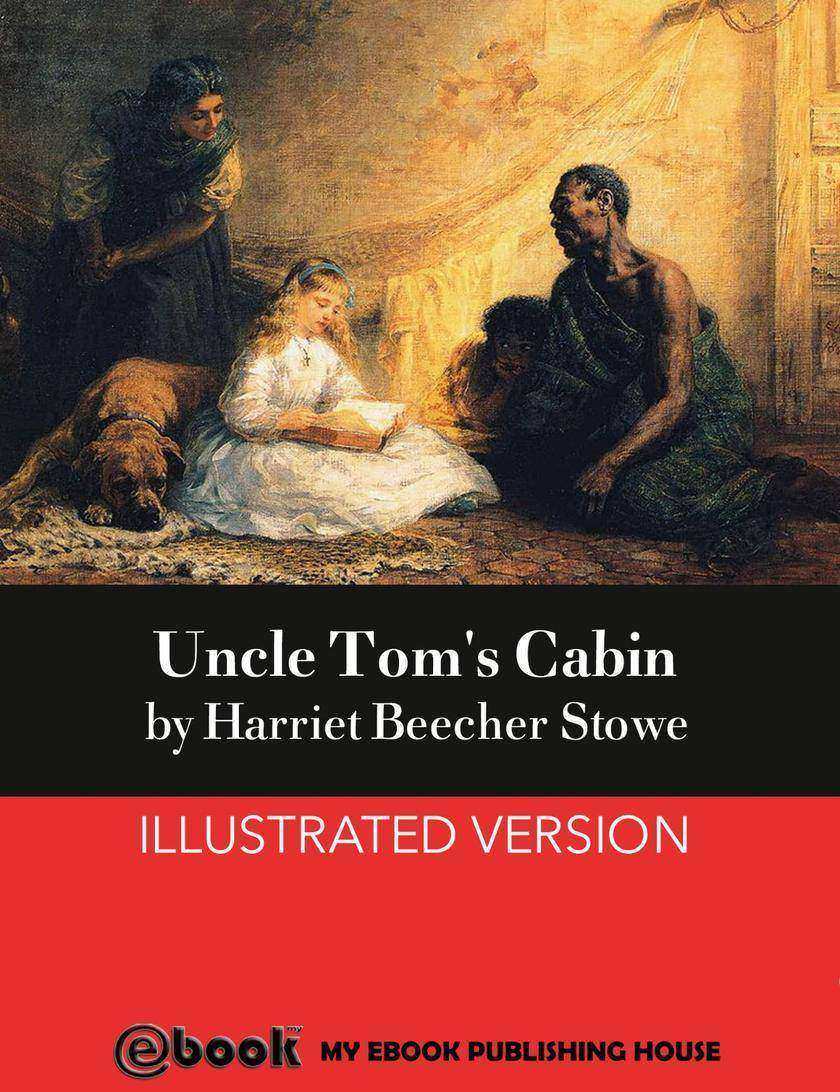
Uncle Tom's Cabin
¥8.09
Eram ?n Her?str?u, la parcul de distrac?ii, ?Luna-parc“, cum i se spunea pe atunci, ?ase b?ie?i ?i o fat?: Vintil? Iv?nceanu, Virgil Mazilescu, Daniel Turcea, Mihai Teclu, George Almosnino, Iulian Neac?u ?i Nora Iuga. Infatua?ii, arogan?ii, scandalagii, cosmopoli?ii – ONIRICII. B?ie?ii trecuser? un pic de dou?zeci, ?fata“ trecuse bini?or de treizeci, important era c? nu se vedea. Ne d?deam ?n ma?inu?e; caramboluri ?i chiote! Pe urm?, la bere, Pur?i – a?a ?i spuneam eu lui Vintil? – se ia de Iulian: ?Da’ neagra ta, cum ?i zice, dactilografa de noapte, te mai viziteaz??“... ?i urechea mea p?lnie se f?cu ?i la dou? noaptea, la ma?ina mea, am b?tut eu mai departe ce-mi dicta ea. (Nora Iuga, iulie 2010)
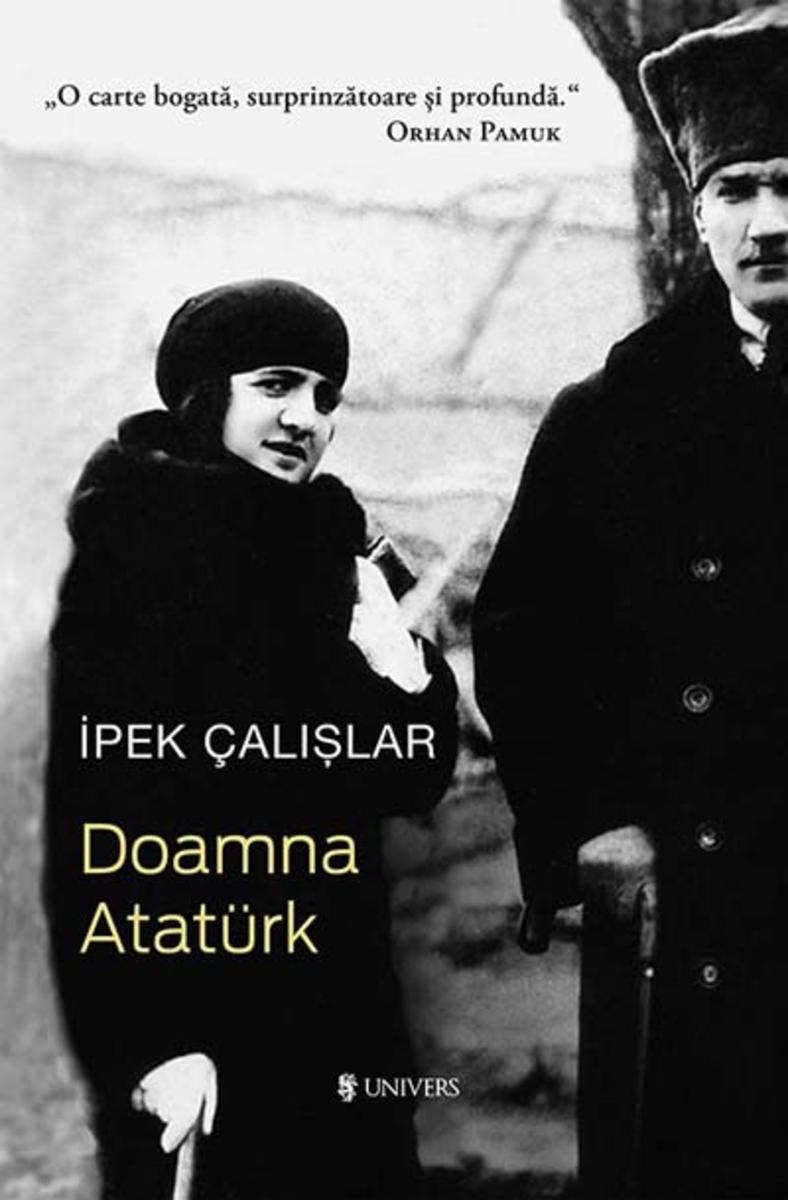
Doamna Ataturk
¥81.67
Cartea aceasta reprezint o confesiune sincer despre tririle, sentimentele, nvmintele i convingerile mele. Am depnat aici amintiri din ntreaga mea via, cu bune i cu mai puin bune, cu frumoase i mai puin frumoase. Dragostea, acest sentiment minunat, este cea care mi-a ghidat destinul, ncepnd cu dragostea pentru prini, apoi cu cea pentru alesul inimii, continund cu dragostea pentru copii, pentru familia toat, pentru oameni n general i, alturi de toate acestea, dragostea pentru cntec.“ Maria Dragomiroiu
Ie?irea la suprafa??
¥106.19
Critic? literar? Editura ALLFA inaugureaz? seria de volume ?Eminescu, poem cu poem”, care va cuprinde ?ntreaga oper? poetic? antum? a marelui poet analizat? de scriitorul ?i criticul literar Alex. ?tef?nescu. Lucrarea ?Eminescu, poem cu poem. C?lin (file din poveste)” ne dezva?? de toate vechile obiceiuri de interpretare care au prezentat ?n limbaj de lemn poezia eminescian?. Alex. ?tef?nescu ne face din nou cuno?tin??, de data aceasta ?n cuvinte simple ?i idei proaspete, cu una dintre cele mai cunoscute poezii din literatura rom?n?. Analiza sa cuprinde observa?ii fresh ?i referin?e culturale pe gustul elevilor, tinerilor ?i iubitorilor de literatur? care (re)descoper? ast?zi poezia eminescian?. C?lin, ?voinicul” din basmele populare rom?ne?ti, ?i face o vizit? nocturn?, neanun?at?, fetei de ?mp?rat. Alex. ?tef?nescu scoate ?n eviden?? capacitatea poetului de a p?stra ritmul, de a nu precipita relatarea, de?i evenimentele se precipit?. Marii poe?i ai lumii, Homer ?i Dante, st?p?neau acelea?i mijloace. Mai mult dec?t at?t, o dezvoltare calm? a ideilor, cu toate nuan??rile necesare, se reg?se?te ?i ?n interiorul replicilor personajelor lui Shakespeare. Un mare scriitor ?tie c? spectacolul existen?ei este mai important dec?t succesul sau insuccesul ?ntreprinderilor omene?ti. Volumul cuprinde poemul ?C?lin (file din poveste)” ?nso?it de textul critic al lui Alex. ?tef?nescu.
Jocurile Daniei
¥0.01
Cartea de fa surprinde momente de libertate, arcuiri de libertate, zvcniri libere, explozii spre frumos, notate n fragmente lirice. n esen ei ncape i mulumirea pentru aceste momente, pentru minunea coninut n ele. Iar bucuriei acestei liberti i dau o orientare n sus i spre rsrit, c mrturisire i c recunotina pentru putin de a o fi trit-o.Din punct de vedere muzical, poeziile se acordeaz i cu muzica pe care o interpretez i studiez – muzica psaltic – prelund multe din elementele ntlnite n acest gen muzical. sub aspectul formei, n multe situaii am pstrat varianta cea mai brut, considernd c pstreaz cel mai bine culoarea momentului poeziei.“ –Cristian Boro
A Christmas Carol in Prose: Being a Ghost Story of Christmas
¥8.18
Soii Claudia i Haruya Sumiya sunt modele de buntate i sensibilitate. Au parcurs zeci de mii de kilometri n drumurile lor din Japonia pn n Ro-mnia, pentru salvarea cinilor fr stpn, n timp ce 90% dintre romni, spre ruinea lor, au asistat pasivi la mcelrirea a peste 300.000 de cini. Etalon pentru iubitorii de animale, cartea se adreseaz tuturor vrstelor; are i candoare, i caracter educativ, i mult nelepciune. Dac au inim, n paginile ei se regsesc oameni din toate categoriile socia-le. Judecata de valoare a doamnei Claudia Sumiya este imbatabil: ntr-adevr, toi cei care se ocup s omoare cinii, de la preedinte pn la hingherul de rnd, sunt oameni cu mintea contorsionat”. Devotai unei cauze nobile, soii Sumiya i-au salvat de la un sfrit iminent i ngrozitor pe celua Fetia din Romnia, pe motanul Sultan i pe ci-nele Sheba din Japonia. Grija lor i a iubitorilor de animale s-a ndreptat i spre eroul Ta-keshi Koizumi, condamnat la moarte pentru vina de a-i fi rzbunat cel mai loial prieten, cinele Chiro, ucis de hingheri, cu bestialitate. Cu siguran, familia Sumiya este binecuvantat cu mult fericire, pentru c iubirea revrsat ctre un animal se ntoarce nze-cit spre cel care-l iubete necondiionat. nchei prin a-i felicita pe cei doi autentici iubitori de animale i scriitori remarcabili, care ne dau permanent lecii de via: Iubim oamenii, de aceea cei mai inteligeni dintre ei spun c noi suntem cei mai buni prieteni ai lor. V mulumim c existai!“ – Marius Marinescu
Majdnem Aushwitz
¥58.61
A szerz? a két nem k?z?tti klasszikus konfliktushelyzeteket vázol fel, majd k?nnyedén kivitelezhet? és hatékony megoldásokat kínál a kezelésükre. Ha megfogadjuk tanácsait, vérbeli "férfiszelídít?ként" nem esik majd nehezünkre, hogy k?lcs?n?s megbecsülésre és szerelemre épül? párkapcsolatban éljünk, olyan intim viszonyban, amelyben kulcsszerepet játszik a humor, és amelyben álmaink férfija szívesen és ?nszántából k?vet bennünket, hogy kapcsolatunk boldog és sikeres legyen.
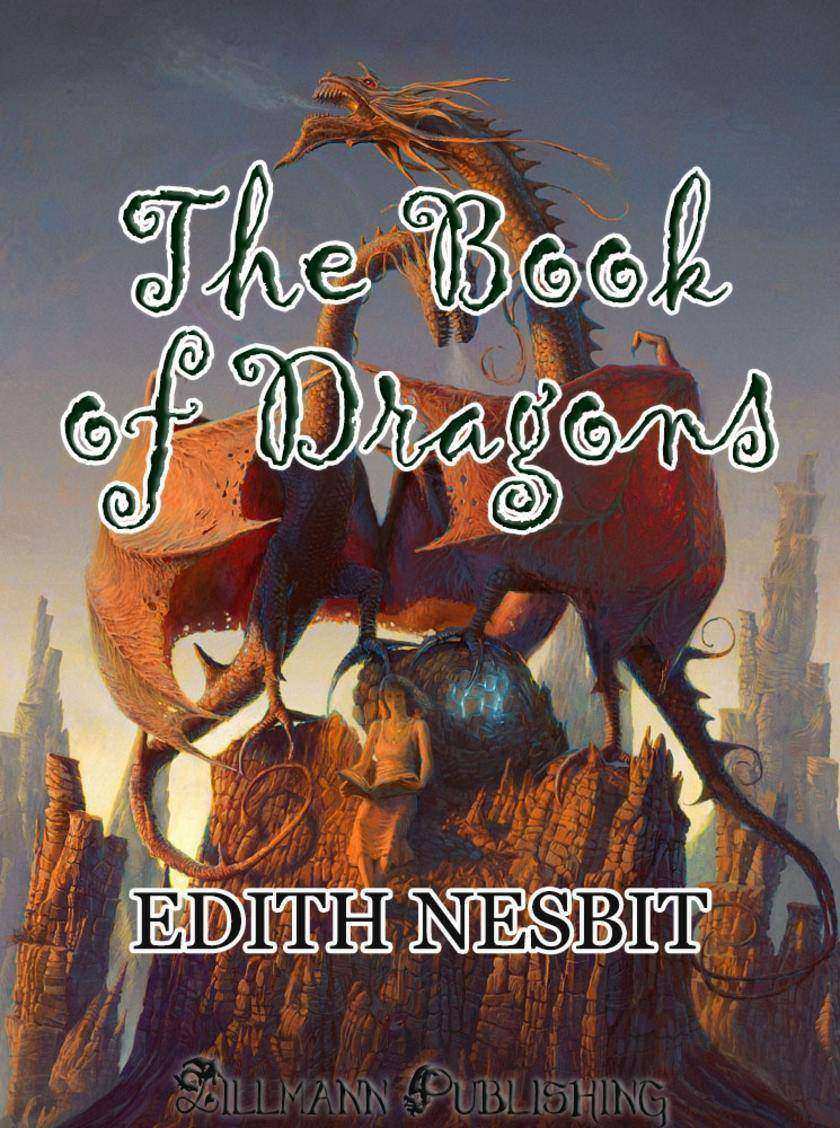
The Book of Dragons
¥8.18
Un b?ie?el singuratic ?i f?r? prieteni Un b?rbat secretos care a petrecut ani de zile ?ncerc?nd s? transforme metalele ?n aur Unul dintre cele mai mari genii ale tuturor timpurilor Toate cele de mai sus! ? Afl? mai multe despre adev?ratul Isaac Newton ?n aceast? biografie amuzant? ?i minunat ilustrat?!
Dezvoltare personal?, vindecare emo?ional? ?i maturizare. 12 povestiri terapeuti
¥40.79
n doar opt ani, Peggy Guggenheim a schimbat faa artei secolului XX; iar viaa sa, cea public i cea privat, a fost la fel de radical precum colecia pe care a deinut o. --The IndependentPatroan a artelor nc din anii 1930, Peggy Guggenheim ne ofer, ntr un autoportret plin de sinceritate, o perspectiv din interior asupra nceputului artei moderne, fcnd mrturisiri revelatoare despre familia sa bogat i excentric, despre relaiile sale personale i oferindu ne portrete adesea surprinztoare ale artitilor nii.Confesiunile unei dependente de art imortalizeaz un capitol nsemnat din istoria artei moderne, precum i personalitatea uneia dintre cele mai fervente susintoare a ei.Ar trebui s ne mulumim, deocamdat, cu ceea ce a produs secolul XX — Picasso, Matisse, Mondrian, Kandinsky, Klee, Léger, Braque, Gris, Ernst, Miró, Brncui, Arp, Giacometti, Lipchitz, Calder, Pevsner, Moore i Pollock. Astzi este vremea colecionrii, nu a creaiei.Haidei cel puin s conservm i s le oferim oamenilor toate marile comori pe care le avem. -- Peggy Guggenheimntlnirea cu frumosul ne modific. Arta, n toate formele ei de exprimare, ne vorbete despre frumuseea acestei lumi, indiferent ct de sublim sau atroce este ea.Prin Colecia StArt pe care o inaugureaz odat cu apariia Confesiunilor lui Peggy Guggenheim, Editura Pandora M i propune s familiarizeze cititorii cu arta modern a secolului XX i cu fabuloasa lume din spatele cortinelor care ascund de multe ori poveti extraordinare i viziuni inedite. Colecia StArt este un loc de ntlnire ntre cei care au curiozitatea de a citi viaa prin alt fel de lentile dect cele obinuite i cei mai importani actori ai scenei de art, fie c este vorba despre artiti, curatori, galeriti, colecionari, critici sau istorici.
Toamna se num?r? e?ecurile
¥65.32
Lectura este una dintre activit??ile umane cel mai frecvent investigate ?n diversele episteme care au ordonat g?ndirea uman? a ultimului secol. Ea a fost analizat? at?t ca proces diacronic, c?t ?i ca activitate sincronic? ?n paradigmele ?tiin?elor limbajului ?i ?n cele ale hermeneuticii ?i ofer? un c?mp conceptual foarte amplu, astfel ?nc?t orice nou demers care ?i?ar propune s??l acopere ?n integritate trebuie s? acceseze domenii variate, modalit??i distincte de conceptualizare.?

Educ?-m? cu viziune
¥90.84
Edgar Allan Poe's Complete Poetical Works' is an elegant edition boasting the entire Poe catalog. It features works from the famous gothic American writer. His works span the years from 1827 to his death in 1849.?This treasure book collects all of Poe's poetry in a single volume, some of the most evocative poetry in the English language.
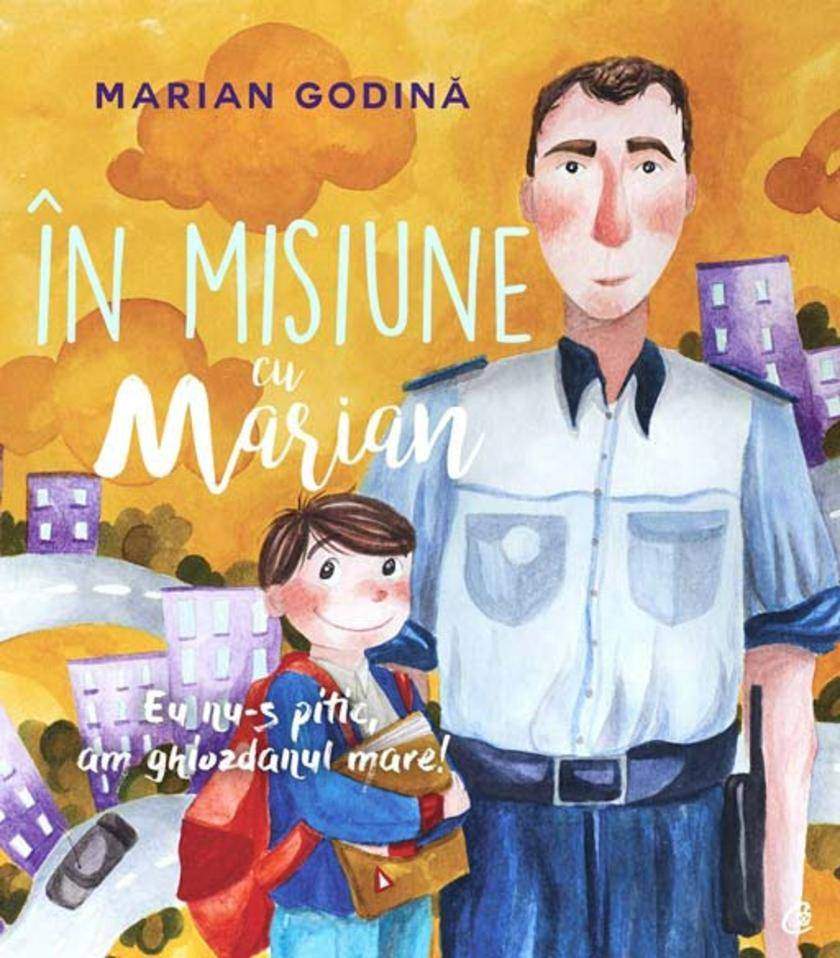
?n misiune cu Marian: Eu nu-s pitic, am ghiozdanul mare!
¥65.32
Monumentala monografie dedicat? unuia dintre cei mai mari romancieri ai lumii are avantajul de a sintetiza o bun? parte din bibliografia scris? pe marginea operei uria?ului care a semnat, ?ntre altele, capodopera Crima ?i pedeaps?. Ion Iano?i plaseaz? ?ac?iunea“, firul epic al cercet?rii ?ntreprinse ?n contextul secolului al XIX-lea, astfel ?nc?t eroii vie?ii literare de atunci se contureaz? pregnant, provoc?tor de viu.
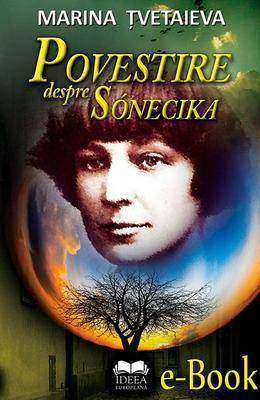
Povestire despre Sonecika
¥54.10
Lirica Aurei Christi s-a format i s-a modelat iute, ferm, cu o ndrzneal i o gravitate rar a tonului, mai ales n jurul poeziei de meditaie post-romantic, de la Rilke la vetaieva, de la Blaga la Nichita Stnescu. Necznd prad ispitelor culturale i mondene post-decembriste, ntre care aa-zisul post-modernism romnesc, ce afia cu o anume suficien refuzul valorilor clasice i moderne n favoarea unei lirici descompuse i uneori barbar improvizate sub scuza autenticismului, poeta noastr a uimit critica de specialitate prin ample volute metaforice, calde, ndrznee, abordnd, n cteva volume, printr-o splendid frond, clasicul sonet poetic i dovedind o excelent stpnire a limbii, a mijloacelor specifice, ntr-o liric a meditaiei grave, adnci, exprimat n metafore, n care modernitatea i sensibilitatea secolului se confund, cu vigoare clar, de o marcat originalitate, tumultuos i muzical aproape, ntr-o subtil rezonan eufonic, cu trimiteri, accente i imagini simbolice, cu marele torent al liricii europene de nalt nivel, de la Rimbaud i Baudelaire, la Rilke i Blaga. i, nc odat, la vetaieva i Nichita Stnescu.“ (Nicolae Breban)A scrie cderea apocaliptic nu e uor. E un merit al Aurei Christi faptul de a gsi singura soluie la aceast cdere fatal, dat din pornire: cel care o scrie o i oprete, incitnd rigoarea/ celui din urm frig. Doar un fel de zeu al poeziei, o divinitate descoperit cu greu, contient de destrmarea mitului, poate s impun din nou mitul: instituirea mai viului este cu putin doar datorit morii. nvierea nu e posibil dect datorit ei. Sensul celei mai mari dintre taine se dezleag, astfel, paradoxal, prin rsturnarea negativitii generale a sensului. (...) Descoperirea fcut de poet este c realul nsui are origine poetic (nu real!), prin cderea n emisfera cealalt, de parc Dante nsui ar fi acum reeditat n alt semantic: Ah, calul e fiu al pegailor dintotdeauna. Fiinele existente i au obria n himere, iar realitatea ia fiin din metafor. (...) Alt descoperire poetic: ntreg mitul temporal al omenirii poate fi ranversat. (…) Iat, deci, cum se poate recupera mitul ntr-o epoc n care toat lumea postmodern a visat la demitizare i dez-iluzionare pentru a se apropia de realul ca atare.“ (tefania Mincu)http://aurachristi.ro/
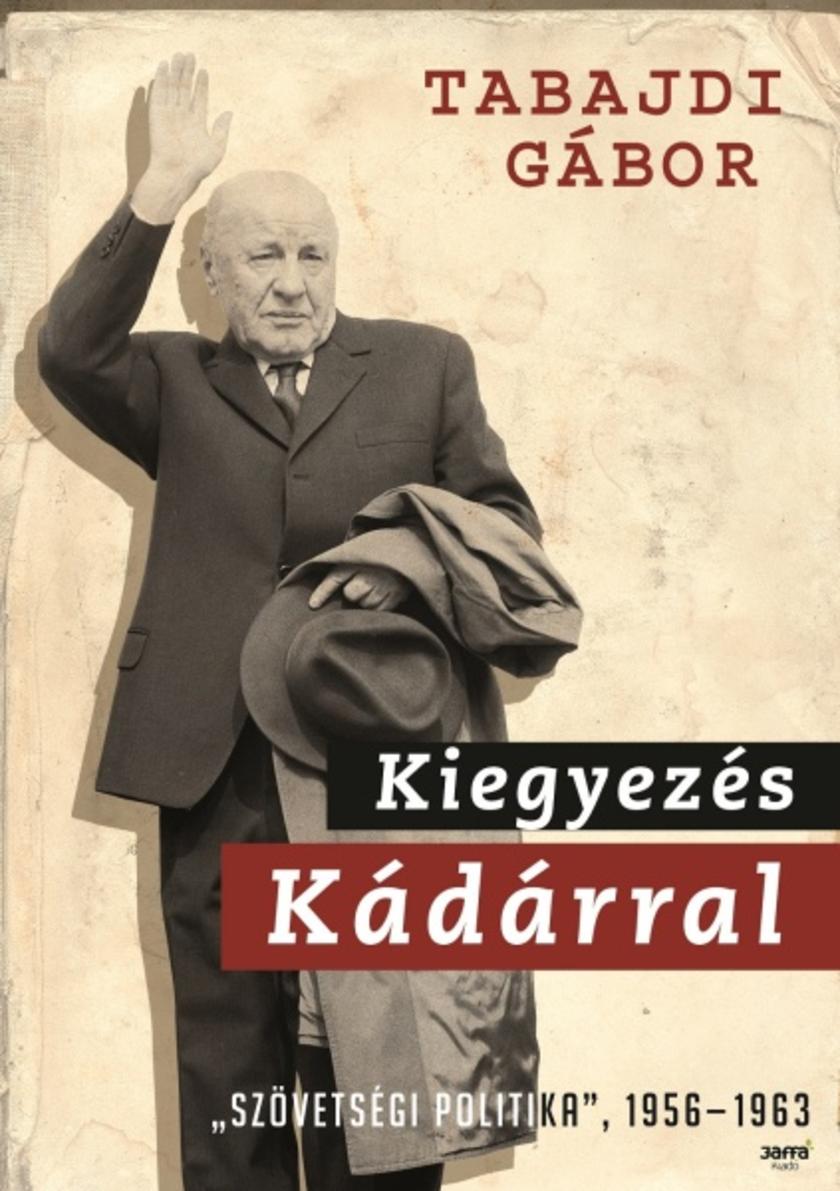
Kiegyezés Kádárral
¥57.31
Poeta, eseista ?i prozatoarea Aura Christi propune o radiografie a vie?ii literare ?i a celor mai interesante c?r?i ap?rute ?n ultimul deceniu literar. Cartea se adreseaz? elevilor, studen?ilor, precum ?i publicului larg de cititori.
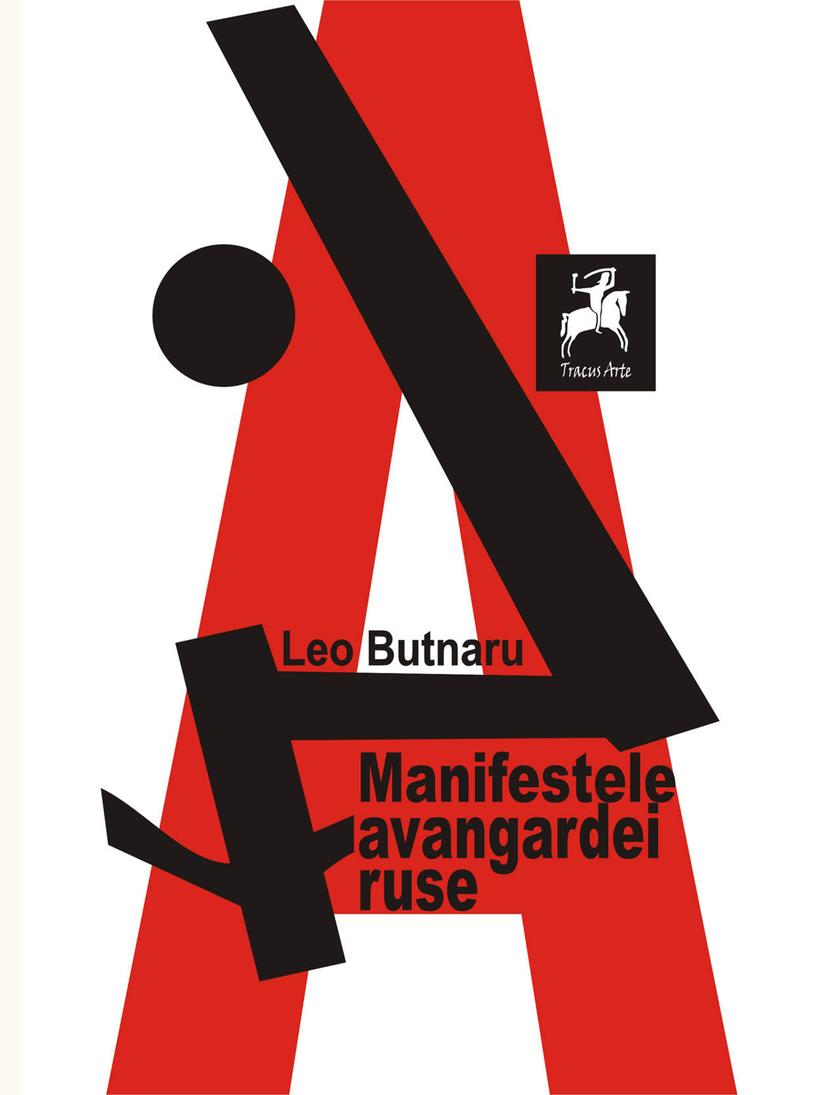
Manifestele avangardei ruse. Antologie
¥32.62
Amurgul ora?elor este o antologie care reune?te cele mai valoroase poezii scrise de Nichita Danilov de la debutul din anii ‘80 p?n? ?n prezent. De?i este un membru de seam? al optzecismului, prezent ?n toate antologiile importante ale acestui curent literar, Nichita Danilov propune o poezie atemporal?, metaforic?, parabolic?, cu scenarii mitice, al c?rei model este, cum remarca ?i Nicolae Manolescu, Lucian Blaga. Se poate detecta la Nichita Danilov un neoexpresionism mistic ?i vizionar, dublat de o con?tiin?? ironic? vie. Exist?, ?n Amurgul ora?elor, superbe poezii de dragoste, de o clasic? simplitate, c?t ?i poeme alegorice, cu substrat filozofic, dar ?i capodopera Nou? varia?iuni pentru org?.
Eclipsa
¥108.27
La zece ani de la moartea lui Emil Cioran – un studiu aplicat ?i incitant despre viata ?i opera sa, rela?ia filosofului de la R??inari cu marii g?nditori ai lumii, dar ?i cu ?ara ce l-a d?ruit lumii, cu care parisianul nu ?nceteaz? niciodat? controversele. Un studiu de teorie ?i istorie literar? extrem de interesant ?i util ce se adreseaz? elevilor, studen?ilor, precum ?i publicului larg de cititori.
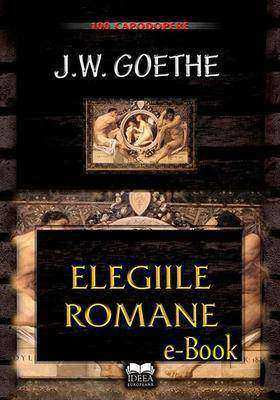
Elegiile romane
¥54.10
Volumul de versuri Elegii parisiene este scris ?n anii 1986-1987, la Paris, reprezent?nd – conform confesiunii autorului – ?alcoolul unei veri“. Este un volum dens, scris ?n siajul Elegiilor… rilkeene, de factur? expresionist?, volumul fiind menit sa ne aduc? ?n fa?? o alt? posibil? imagine a romancierului Nicolae Breban.


