


 购物车
购物车 个人中心
个人中心
Short Stories of Various Types
¥8.09
You will find that the stories in this collection are of different types with settings that take you in imagination all over our own country and into foreign lands. Try writing a story with a surprise ending like "The Gift of the Magi," a character story with the theme of unselfish love, and its setting in a big city. Again, "John G," the story of adventure with an animal for the hero, might suggest to you an adventuresome incident in your own experience. If you have a vivid imagination, it might be interesting to write a fanciful story like "Feathertop." All of you have heard of true and thrilling incidents of the recent Great War. Try to weave one into a good war story as did Daudet or Mrs. Andrews. Almost every young person loves nature or the open country. After you have read Mr. Garland's, "The Camping Trip," see how well you can tell a story of your own experience in the out-of-doors. Or, best of all, see if you can equal the great Conan Doyle in a detective story.

Oliver Cromwell: A Play
¥8.09
This unique edition of Oliver Cromwell: A Play from Dead Dodo Vintage includes the full original text as well as exclusive features not available in other editions.

Delphi Collected Poetical Works of Adam Mickiewicz (Illustrated)
¥24.44
Explore Adam Mickiewicz, Poland’s National Poet, who was a leading figure of Romanticism, often likened to Byron and Goethe. Born in the Russian-partitioned territories of the former Grand Duchy of Lithuania, Mickiewicz was active in the struggle to win independence for his homeland. His epic poem ‘Pan Tadeusz’ is celebrated as a masterpiece of European literature. The Delphi Poets Series offers readers the works of literature's finest poets, with superior formatting. This volume presents Mickiewicz’ collected poetical works, with related illustrations and the usual Delphi bonus material. (Version 1) * Beautifully illustrated with images relating to Mickiewicz’ life and works* Concise introduction to Mickiewicz’ life and poetry* Images of how the poetry books were first printed, giving your eReader a taste of the original texts* Excellent formatting of the poems* Special chronological and alphabetical contents tables for the poetry* Easily locate the poems you want to read* Includes a modern-day verse translation of Mickiewicz’ great epic ‘Pan Tadeusz’ by Leonard Kress – available in no other collection* Features a bonus biography - discover Mickiewicz’ intriguing life* Scholarly ordering of texts into chronological order and literary genres Please visit www.delphiclassics.com to see our wide range of poet titles CONTENTS: The Life and Poetry of Adam MickiewiczBRIEF INTRODUCTION: ADAM MICKIEWICZODE TO YOUTHTHE CRIMEAN SONNETS (Translated by Edna Worthley Underwood)KONRAD WALLENROD (Translated by M. A. Biggs)PAN TADEUSZ The PoemsLIST OF POEMS IN CHRONOLOGICAL ORDERLIST OF POEMS IN ALPHABETICAL ORDER The ProseMY FIRST BATTLE The BiographyADAM MICKIEWICZ: A BIOGRAPHICAL SKETCH by Edna Worthley Underwood Please visit www.delphiclassics.com to browse through our range of poetry titles or buy the entire Delphi Poets Series as a Super Set
The Trouble with Asian Men
¥38.62
Macho men or metrosexual guys? Mummy’s boys or blokes under their missus’ thumbs? Self-made entrepreneurs, pukka professionals and successful executives with their Mercedes Benz lives and designer-clad wives; husbands, sons, uncles, brothers and fathers – these successful, soulful and spirited Asian men have come a long way from their origins but they’ve all got roots! The Trouble with Asian Men is a vital, tender and hilarious insight into lives that surround us every day. From the award-winning theatre company that brought us East is East, a revealing verbatim comedy that has played to sell-out houses internationally.
Elon Musk: Moviendo el Mundo con Una Tecnología a la Vez
¥24.44
Deja de lado lo que estás leyendo en la web sobre Elon Musk. Hay una cantidad de información más significativa que no se limita a hablar solo sobre su genio y sus logros. Este libro expone la vida que tuvo antes de llegar a los Estados Unidos y mira al ni?o que se encuentra en su interior, quien se abrió camino por sí solo, y literalmente pasó por los fuegos del infierno antes de obtener las oportunidades que deseaba.No cayó en la riqueza y no trabajó dentro de la escalera corporativa, sino que Elon conformó cada parte de su vida que puedes ver hoy. Algunas de las historias que encontrarás en este libro te sorprenderán, asombrarán y cambiarán la forma en que consideras tus propios desafíos. De llegar a un nuevo país con pocos dólares y no conocer a nadie, trabajar en granjas y limpiar los animales, hasta trabajar en el fuego de un horno tóxico. Lee sobre el hombre que está a punto de hacer que este planeta sea un lugar más seguro para vivir.Elon Musk es una inspiración para una generación porque representa muchos de los valores que definen a los Millennials de hoy y a los de la Generación X. Desde PayPal hasta Tesla, la fuerza impulsora que construyó estos íconos de la imaginación fue el deseo de hacer del mundo un lugar mejor para todos: y nunca se trató sobre el dinero. Este libro te da una mirada y un análisis más profundo de un hombre que desafía el molde tradicional de lo que es ser industrial, emprendedor y triunfador.

Félélet
¥32.62
40 éves lettem. Bibliai értelemben – ha egy emberéletet 80 esztend?ben mérünk – eljutottam az élet felére. Ezért a cím: Félélet. 6 k?tet, kisregények sorozata után elgondolkodtam, miért is írok, hogyan jutottam el addig a pontig, amikor tollat vettem a kezembe. Végül ráj?ttem, és magam is meglep?dtem, hogy az els? nyomtatásban megjelent írásom 1996-ból való, ha innen indulok, akkor az életem felében írtam. Mindenfélét: verset, cikket, naplót, t?rténeteket. Ezekb?l állt ?ssze ez, az életem els? felét ?sszegz? k?tet. Nem változtattam a rég leírt szavakon, gondolatokon, akkor és ott jók voltak, ma is megfelelnek. Sokan kísértek az úton. K?sz?net jár mindazoknak, akiket illet, hogy eddig eljutottam. Indulok tovább. 2017. október 13. Csüll?g Ferenc
Ποιητικ? Αυτογνωσ?α
¥42.10
Το συγγραφικ? αυτ? ?ργο ε?ναι απ?σταγμα των ιδια?τερων συναισθηματικ?ν δεσμ?ν του συγγραφ?α με το εσ?τερο κομμ?τι τη? ψυχ?? του και τον αν?τερο φ?λακα ?γγελ? του, ?που ο ?διο? ο ?γγελο? μιλ? με σαφ?νεια και απαρ?μιλλη αγ?πη προ? αυτ?ν, μεταφ?ροντα? την ευλογ?α που συναντ? κανε?? στα κρυμμ?να καταπρ?σινα λιβ?δια του καρδιακο? πεδ?ου, ?που επ?ση? τα ροζ λουλο?δια επικρατο?ν. Ε?ναι πρ?γματι μια προσωπικ? μελ?τη γεμ?τη με πλο?σια συναισθ?ματα, ?που τι? ιερ?? στιγμ?? τη? σιωπ?? αναδ?ονται τα στοιχε?α του πυρ?να τη? ?παρξη? και αυτ? αντιμ?χονται την κ?λπικη προσωπικ?τητα, με νικηφ?ρα πορε?α την υπ?ρμαχο αγ?πη και τη συμπ?νια για κ?θε τι που υπ?ρχει σ?μερα. ?Μπορε? το σ?μερα να νικ?σει την εμμον? στο παρελθ?ν και το φευγι? στο μ?λλον?? ... Μα δεν υπ?ρχει τ?ποτε ?λλο παρ? μ?νο αυτ? η στιγμ? που διαβ?ζει? αυτ? την απλ? φρ?ση!!!... Υπ?ρχει? τ?ρα!!!...

The Evolution of Modern Orchestration
¥27.88
It is not the purpose of this work to write a treatise on instrumentation or to prepare a pedagogical analysis of orchestration only, but rather to trace the evolu-tion of the orchestra and of orchestration in connection with the history of music proper. Special emphasis will be laid upon what may be termed the IMPELLING FORCES to which the development of orchestration is due. This necessitates a considerable repetition of familiar facts that do not lend themselves to further original treatment. The restatement of such facts, however, would seem to form an indispensable background for the main theme, which is thereby exposed with all its attending phases of logical evolution. In addition to extended studies of orchestral scores themselves, the standard works of Berlioz, Geva?rt, Riemann, Parry, and others have, as a matter of course, been referred to. The subject under discussion has already been admirably handled by Lavoix in his voluminous work entitled "Histoire de L'Instrumentation," but it was unquestionably done through French glasses, and the scores of not one German romanticist are submitted to careful analysis beyond those of Weber and Wagner. "Parsifal" had not been produced at the time when Lavoix's book went to press, nor had such representative composers as Brahms, Saint-Sa?ns, Tschaikowsky, Dvorak then won their full meed of recognition. It is obvious, therefore, that the orchestration especially of the nineteenth century offers a fertile field for further profitable research. Again, the present writer is not aware of the existence of any comprehensive work in the English language upon the history of the orchestra and of orchestration. Throughout these pages the achievements of the more prominent composers are set forth in such manner as to indicate not only the distinctive features of their orchestration but of their general creative ability as well. In each case, the general style of composition and its significance as a contribution to musical literature are first enlarged upon. This is followed by an examination of the differentiated treatment of the strings, the wood, the brass, presented in logical sequence. A final analysis is then made of the individual method of orchestration as a whole, together with its relative value in the evolution of orchestration. In the Appendix to this book will be found a few musical illustrations selected from representative orchestral scores. LOUIS ADOLPHE COERNE. Cambridge, Massachusetts, U.S.A.April 30, 1905.
Recep Tayyip Erdo?an'l? Y?llar
¥27.80
Bu kitapta Türkiye Cumhuriyeti'nin Atatürk'ten sonra gelen en ba?ar?l? lideri Recep Tayyip Erdo?an'?n siyasi hayat? ve ?zellikle icraat?n ba??nda oldu?u Ba?bakanl?k d?nemi yer almaktad?r. Ba?bakanl?k d?neminde ya?anan siyasi ve gündemi olu?turan olaylar kronolojik olarak s?ralanm??t?r. Bu eserde "Ba?ar?l? bir siyaset?i nas?l olunur?" sorusunun cevab?, 13 y?ll?k Ba?bakanl?k yapt??? g?revinde nas?l ba?ar?l? oldu?unun yan?t?, Recep Tayyip Erdo?an'?n hayat?ndan kesitler ve Recep Tayyip Erdo?an'?n farkl? konulardaki de?erlendirmeleri ve g?rü?leri vard?r. Ayr?ca Recep Tayyip Erdo?an'?n karakteri, ald??? ?düller ve yabanc?lar?n g?zünden Recep Tayyip Erdo?an hakk?nda yorumlar yer almaktad?r. "Yeni Türkiye" olarak tan?mlad??? Recep Tayyip Erdo?an'?n Türkiye'sinden bizim almam?z gereken dersler de elbette vard?r...Recep Tayyip Erdo?an, 26 ?ubat 1954'te ?stanbul'un Kas?mpa?a semtinde ailesinin ü?üncü ?ocu?u olarak do?du. Ahmet Erdo?an'?n Tenzile Erdo?an'la olan ikinci evlili?inden bir erkek ?ocu?u, Recep Tayyip dünyaya geldi. Babas?n?n, bir ?nceki evlili?inden iki ?ocu?u daha vard?. Recep Tayyip Erdo?an'?n biri k?z d?rt karde?i vard?. Deniz Hatlar?'nda k?y? kaptan? olarak ?al??an "Reis Kaptan" lakapl? baba Ahmet Erdo?an, o?luna babas?n?n ad? olan Tayyip ad?n? koydu. Eski takvime g?re Recep ay?nda do?an bebe?e Recep ad? da verildi. Recep Tayyip Erdo?an'?n ailesi, Recep Tayyip Erdo?an 13 ya??ndayken Rize'nin eski ad?yla Potamya yeni ad?yla Güneysu il?esinden, yokluk ve i?sizlik nedeniyle ?stanbul'un Kas?mpa?a semtine g?? etti. Recep Tayyip Erdo?an'?n babas? Sahil Güvenlik Te?kilat?nda g?revli oldu?u i?in ?ocuklu?u Rize'de ge?ti. Babas?, o d?nemin “?irket-i Hayriye”si günümüzün Denizyollar?'nda kaptanl?k yapt? ve ve k?y? kaptanl???ndan emekli oldu. Recep Tayyip Erdo?an, o günleri anlat?rken babas?n?n ?stanbul'un varo?lar?nda ko?turdu?unu belirterek, gelecekte nas?l bir ya?am olmas? gerekti?ini ?u s?zlerle ifade ediyordu:“O ?ilelerin i?erisinden geldik. Onlar da oralarda b?yle merdiven altlar?nda odalarda ya?ad?lar. Bunlar? bana a?layarak anlat?rd? rahmetli babam. Biz oralardan geldik. Ama oralarda kalamay?z. Gelecek ku?aklar?m?za da biz oralar? ?rnek olarak veririz ama ‘Orada kal.’ diyemeyiz. Bunlar? ya?ad???m?za g?re gelecek ku?aklara biz ?ok daha farkl? bir Türkiye b?rakmak zorunday?z. O yavrular?m?z ?ok daha farkl? yeti?mek durumunda. E?er ben o?lumu, torunumu bilimde, sanatta her alanda ?ok daha ileri g?türebiliyorsam kendimi ?ok daha ba?ar?l? bir baba ve dede olarak g?rebilirim. E?er g?türemiyorsam o zaman ba?ar?s?z?m, olaya b?yle bakaca??z. Onun i?in bizim bir günümüz di?erine e?it olmamal?. Dün bugünden geri kalmal?. Yar?n bugünden ?ok daha ileri olmal?. Mevlana diyor ya ’Dün dünde kald? canca??z?m yeni bir ?eyler yapmak, s?ylemek laz?m.’ … ??te biz bunu ba?armak durumunday?z.”
Pachamama Peaches: Poetry Collection
¥84.28
Pachamama Peaches a is a collection of poetry and prose about life. The poems explore femininity, friendship, relationships, nature, beauty and art imitating life. Each poem serves an individual purpose that is subject to the minds of each reader.
Foot Notes
¥57.14
In a tale of sand, songs, survival and untimely erections, it takes a trek along the Australian coastline for Benjamin Allmon to find himself, and the true key to happiness. It is 2006. After more than a decade trying to make it in the music industry, singer-songwriter Ben is getting desperate. As his former bandmates settle into sensible careers he gives it one last shot and records his debut album. The only problem – how to promote it?? In homage to the Deep South bluesmen who walked and played their way to Chicago, he decides to trek 1000 kilometres of Australian coastline. Kissing his girlfriend goodbye, he sets off with a guitar, a sleeping bag and a heroic miscalculation of what he’s getting into.? Beset by bushfires, dingoes, and septuagenarian nudists, fame seems to forever be over the horizon. Penniless and lost, the tour soon becomes a matter of survival instead of climbing the charts. Through his encounters with the people you only meet when walking slow and sleeping rough, Ben realises that what he wanted at the outset has changed enormously.
Samuel Taylor Coleridge Complete Works – World’s Best Collection
¥8.09
Samuel Taylor Coleridge Complete Works World's Best Collection This is the world’s best Coleridge collection, including the most complete set of Austen’s works available plus many free bonus materials. Samuel Taylor Coleridge Samuel Taylor Coleridge was an English poet, literary critic and philosopher who, with his friend William Wordsworth, founded the Romantic Movement in England. Some of his works are the most famous in English literature. The ‘Must-Have’ Complete Collection In this irresistible collection you get a full set of Coleridge’s work, All his legendary poems, All his prose, All his famous works, and All his long works. We also include an unusual autobiography written by Coleridge himself, plus other bonus material. Works Included: Poems?Including among others: The Rime Of The Ancient Mariner Kubla Khan To The Evening Star Songs Of The Pixies The Rose Kisses The Death Of The Starling The Faded Flower The Outcast Ode To The Departing Year The Raven To An Unfortunate Woman At The Theatre Christabel Fire, Famine, And Slaughter A War Eclogue The Devil’s Thoughts The Mad Monk Ode To Tranquility Dramatic Works?Including: The Fall Of Robespierre Osorio The Piccolomini The Death Of Wallenstein Epigrams Jeux D’Esprit Metrical Experiments Your Free Special Bonuses Fragments From A Notebook Circa 1796-98- intriguing fragments from Coleridge’s notebooks. Biographia Literaria?- an unusual autobiography written by Coleridge himself The Life Of Samuel Taylor Coleridge?- a biopgraphy of Coleridge and his fascinating life. Historical Context and Literary Context Notes?- Detailed explanations of the Regency Era and Romanticism, written specially for this collection. Get This Collection Right Now This is the best Coleridge collection you can get, so get it now and start enjoying and being inspired by his world like never before!
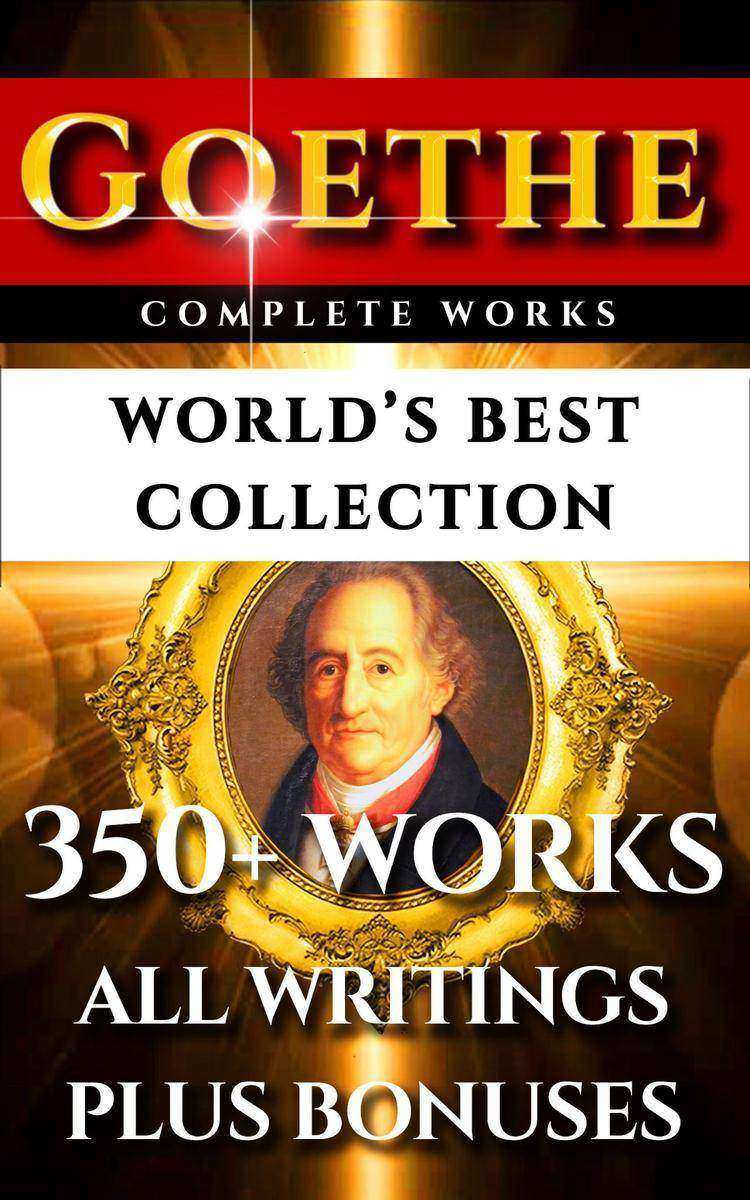
Goethe Complete Works – World’s Best Collection: 350+ Works
¥8.09
Goethe Complete Works World's Best Collection This is the world’s best Goethe collection, including the most complete set of Goethe’s works available plus many free bonus materials. Johann Wolfgang von Goethe Johann Wolfgang von Goethe was a German writer and politician. His body of work includes epic and lyric poetry written in a variety of meters and styles; prose and verse dramas; memoirs His work Wilhelm Meister’s Apprenticeship has been called one of the four greatest novels ever written The ‘Must-Have’ Complete Collection In this irresistible collection you get a full set of Goethe’s work, All his legendary plays, All his poetry, All his famous works and All his rarities, plus an auto biography written by Goethe himself. Plus Extra Bonus Material. Works Included: Poems?Including: The Misanthrope With A Golden Necklace Alexis And Dora Epigrams Sonnets Plays?Including: Faust - A Tragedy The Sorrows Of Young Werther Reynard The Fox The Fairy Tale Of The Green Snake And The Beautiful Lily Wilhelm Meister’s Apprenticeship Your Free Special Bonuses The Life Of Goethe - a fascinating and intriguing look into the life of Goethe. Autobiography Truth And Fiction Relating To My Life - an autobiography by Goethe himself Conversations Of Goethe Letters From Switzerland Letters From Italy Historical Context and Literary Context Notes?- Detailed explanations of the Regency Era and Romanticism, written specially for this collection. Get This Collection Right Now This is the best Goethe you can get, so get it now and start enjoying and being inspired by his world like never before!

Felsefe ?iirleri: ?iir
¥27.71
Deniz fenerinin ki gibidir: Ayd?n?n da ?????. Birisi gemileri, di?eri insanlar? ayd?nlat?r. Onlar?n sayesinde: Gemiler ve toplumlar yollar?n? bulabilirler."Batmaktan" kurtulup ayakta kalabilirler. Yeter ki: I??klar? söndürülmesin. Hiçbir fener, hiçbir ko?ulda; bir geminin tonaj?n? ve band?ras?n? sormaz. Gerçek bir ayd?n da öyle: Ayd?nl???n?n bilgisini sunarken; insanlar?n hiçbirine, ne ?rk?n? ve cinsiyetini ne de inanç tercihini sormaz. Ayd?n dedi?in; ayn? zamanda gerçekçidir. Gördü?ü: Hiçbir kötü rüyay? da hayra yormaz!...Her ikisi de; ?ss?z ve sessiz geceler boyu çal??arak; ayd?nlatmaya çabalar karanl?klar?. Ayd?nlar da fenerler gibidirler: Ortakt?r yaln?zl?klar?!..Özetle:"Ben de;Küçük bir "burunda"Küçük bir deniz feneriyim,Hümanizmin ise; sad?k bir neferiyim.I????m? hep çakar?m, Her durumda.Ya?am benim kutsal?m:Ya?ayan her canl? benim umurumda.Fenerler, kimseleri aramazlar;Arayanlar, mutlaka onlar? bulurlar:Ço?u kez de zor durumda.Ben her daim i?ime bakar,Sürekli ?????m? çakar?m.Hiç y?lmam; bunu hep yapar?m!...FELSEFE ???RLER? tüm bu duygular? ifade etmek için, yeni bir ?iir türü olarak yaz?ld?..
Cum se fabric? o emo?ie
¥32.62
n paginile acestei cri, am redat situaia general din Paradisul Vestului“ i a exilatului romn venit aici, vzut n dublu avantaj de persoana particular i jurnalist. Majoritatea celor venii n perioada tranziiei romne“, dar i o buna parte din ceilali au fost i sunt buni aici – cu preponderen n Germania – la muncile de jos“ (…) Romnia nu e cunoscut n Occident dect ca zona srciei, a copiilor orfani, a hoilor i a corupiei“!

Zanna Bianca
¥32.54
Astfel de dic?ionare care s? te edifice asupra autorului, a operelor ?i a personajelor principale ale acestora n-au mai ap?rut p?n? acum la noi (desigur, ?n ce prive?te literatura universal?). Aici g?se?ti nu numai cuno?tin?ele necesare la orele rezervate lecturii obligatorii sau suplimentare din literatura universal?, ci ?i suficiente informa?ii care s? te incite la noi ?aventuri“ ale lecturii ?i, firesc, la l?rgirea universului intelectual.
Me?terul Manole
¥77.66
Dac? spun un adev?r incomod sunt tratat? ca un trouble-fête. Dac? regret radicalismul sau lipsa de tact de a emite un adev?r nepl?cut, mi se sugereaz? c? sunt la??. Dac? sunt vis?toare sau patetic?, mi se spune c? sunt dep??it?. C?nd sunt trist? ?i m? ascund dup? masca unei veselii debordante, mi se z?mbe?te insidios: ei, ascunde ea ceva. C?nd spun ?n gura mare ceea ce cred, sunt ?fichiuit? cu sarcasme. Iar atunci c?nd abordez teme majore, mi se sugereaz? c? sunt expirat?. Nu, nu exist? nici un fel de comunicare. La mijloc sunt, mai degrab?, ni?te savante mecanisme menite s?-?i deformeze faptele, iar, ?n ultim? instan??, imaginea, ?i s?-?i taie orice elan, pentru ca, ?ntr-un t?rziu, s? te fac? s? alegi, iar??i, singur?tatea – mam? bun?, aspr?, cald? – ?n iadul-raiul de fiecare zi.S? te re?ntorci ?n subterana ta mereu acela?i, mereu altul, tu, cel care e?ti ?i devii ceea ce e?ti. Aici e marea judecat?. ?ntre pere?ii acoperi?i cu c?r?i ?ncepe cunoa?terea. Restul sunt vorbe, fantezii, toane, divaga?ii, ?nt?mpl?ri m?runte, scurse dinspre realitatea de fum, a c?rei amintire e proasp?t? ?i-at?t de vie. Orgoliul, smerenia ?i asprimea ?ndreptat? ?mpotriva ta ??i vor fi sfetnici.Carnea trec?toare a cui sunt, Doamne? (Aura Christi)
Pasakos Hanso Christiano Anderseno
¥18.56
Nici avangardi?tii cei mai radicali n-au putut ignora total tradi?ia, de?i, la modul teoretic, au pretins c? au aruncat-o la co?ul de gunoi. Un Urmuz a valorificat absurdul care nu lipse?te din folclor, dar nici din Caragiale. ?Constructivi?tii” au sim?it tenta?ia s?-l asimileze pe Br?ncu?i la avangard? etc. Iat? ?ns? c? postmoderni?tii au ajuns la ??n?elepciunea” c? lumea contemporan? ?ncepe doar cu d?n?ii. Am auzit voci spun?nd c? Liviu Rebreanu este at?t de ??nvechit”, ?nc?t nu mai are ce c?uta ?n programele de ?nv???m?nt. Nu mai vorbim de Eminescu. Acesta n-ar fi dec?t un scriitor ?istoricizat”, interesant, cel mult, prin c?teva poeme cu tent? parodic-textualist?, cum sus?ine un eminent istoric literar, care consider? c? locul ?n ?canonul literar” rom?nesc trebuie cedat postmodernistului Mircea C?rt?rescu, cu detronarea ?poetului na?ional”, sintagm? complet ?dep??it?”. Captatio benevolentiae din conferin?a Aurei Crhisti ?ncepe cu o astfel de provocare: ?M-am ?ntrebat nu o dat?, pe ?ntinderea ultimilor ani, ce s-ar ?nt?mpla dac?, ?ntr-o bun? zi, ne-am pomeni fa?? ?n fa?? cu Mihai (sau Mihail, cum ?i spunea Nichita St?nescu) Eminescu, cu Lucian Blaga sau Nicolae Iorga, cu George C?linescu sau Liviu Rebreanu, cu Titu Maiorescu sau cu una dintre marile doamne ale literaturii rom?ne, Hortensia Papadat-Bengescu? S-ar sim?i acas?? Aici, printre noi, scriitorii rom?ni… Aceste ?ntreb?ri ar st?rni, f?r? ?ndoial?, ironiile sau comentariile sarcastice ale multor postmoderni?ti, textuali?ti, dou?mii?ti sau post-post-moderni?ti, care ?i-au ?ntocmit, ?ntr-o grab? suspect?, precipitat?, o ?nou? tabl? de valori acceptate?, fiindc? no?iunea de cultur? e... ?suspect? din punct de vedere politic!? Desigur, ace?ti mari scriitori nu s-ar mai sim?i acas?, ci abandona?i, cu patria lor cu tot, ?n numele alteia, obscur?, fudul?, ?n vulgaritatea ei, hibrid? din punct de vedere nu numai cultural, a?a cum o prevedea, alarmat, Mircea Eliade ?n celebra lui conferin?? din 1953, Destinul culturii rom?ne?ti. (Theodor Codreanu)
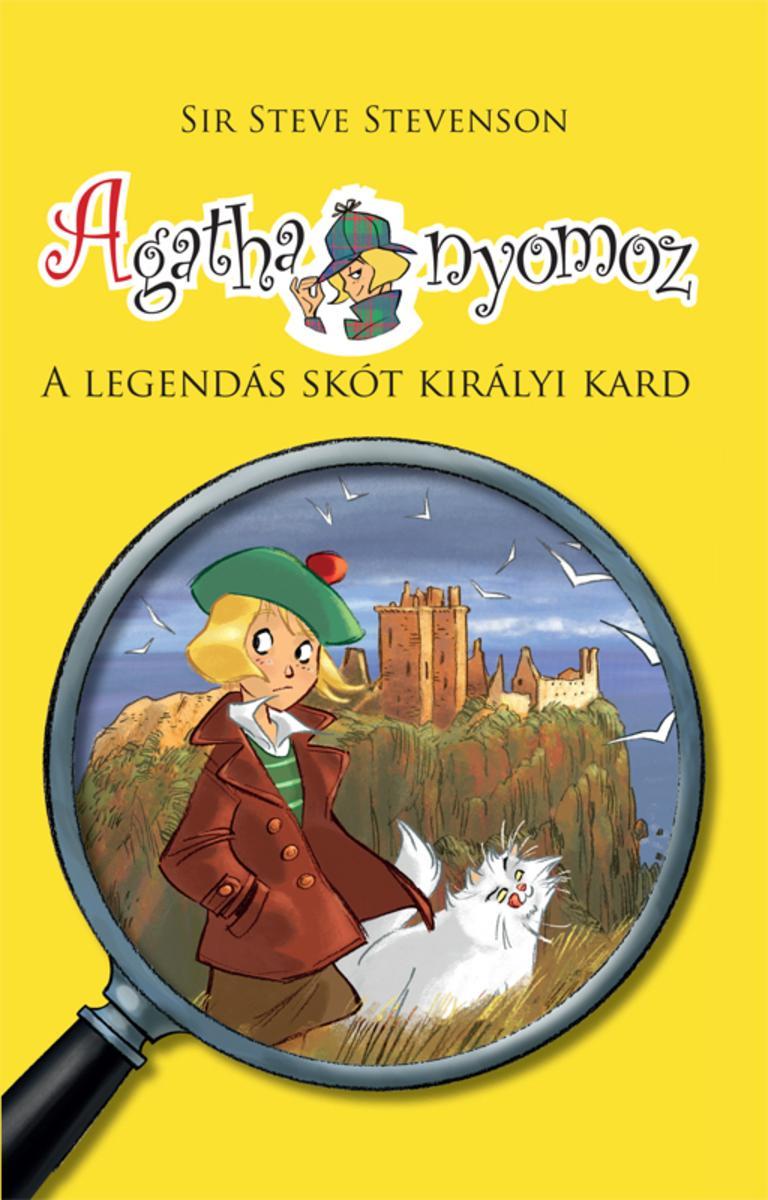
Agatha nyomoz: A legendás skót királyi kard
¥38.18
Alian?ele, studiul filosofiei ?i psihologiei, cunoa?terea intim? a literaturii, muzicii ?i artelor plastice de la noi ?i de altundeva au completat p?n? la rafinare forma?ia Hortensiei Papadat-Bengescu. ?n alt mod dec?t compatrioatele Dora D’Istria, Elena V?c?rescu, Martha Bibescu, Anna de Noailles. Sensibil? la inova?ii, ?n ton cu timpul ?i cu noile cerin?e, elec?iunea spiritului european, acestea i-au ?ntre?inut voca?ia originar?. Cum se spune cu formularea devenit? loc comun: un scriitor f?r? frontiere. Un alt mod de a fi european.
Autobuzul de noapte
¥55.59
Este o carte care adun? ?n acela?i loc ?i-n acela?i timp, o diversitate de informa?ii ?i mesaje pozitive, energie ?i ?nv???minte care vin din istoria ?i cultura na?ional? ?i universal?, din tradi?iile ?i folclorul poporului rom?n dar ?i din lumea "necuv?nt?toarelor". Trebuie doar s-o "deschide?i" ?i ?sigur v? va cuprinde pasional? curiozitate. Primi?i ?n casele?domniilor voastre, "Pic?tura ?de ?n?elepciune" ?i "naviga?i" prin?"apele" ei lini?tite sau ?nvolburate ! S-ave?i "c?l?torie ?frumoas?"!
Cosmos
¥18.56
Cosmos I Go search the ?ons an you willWhere withered leaves of Doubt are whirled,And who hath solved this riddle, Life,Or Death - that moves with sails unfurled,Beyond the straining eyes of manMarooned upon an unknown world. II Nor tongue hath told, nor vision caughtThat paradox. Primeval Cause;Each age has had some parableEach age succeeding marked the flaws;While shifted, with the calendar,What men have termed generic laws. III Creed after creed behold them nowLike Etna on Vesuvius piled;Till, scaled to earth by drifting sandsThey lie in later days reviled,And pushed aside by Time's rough handAs toys are, by a peevish child.


