


 购物车
购物车 个人中心
个人中心

Mummy’s Little Helper
¥51.50
The fifth book from bestselling author and specialist foster carer Casey Watson. A recent census shows that there are at least 175,000 child carers in the UK, 13,000 of whom care for more than 50 hours a week. Many remain invisible to a system that would otherwise help them. Abigail is one of those children. This is her story. Ten-year-old Abigail has never known her father. Her mother, Sarah, has multiple sclerosis, and Abigail has been her carer since she was a toddler – shopping, cooking, cleaning and attending to her personal needs. When Sarah is rushed to hospital, suddenly this comes to the attention of the social services, and Abigail has nowhere to go. Though she doesn’t fit the usual profile of a child that specialist foster carers Casey and Mike Watson would take on, they are happy to step in and look after Abigail. It’s an emergency, after all – and all that’s needed is a loving temporary home, while social services look into how to support the family so that they can be reunited. But it soon becomes clear that this isn’t going to happen. Sarah’s MS is now at a very advanced stage, and the doctors are certain that there will no longer be periods of remission. Abigail’s emotional state starts to spiral out of control as she struggles to let go of the burden of responsibilities she has carried for so long. Sarah and Abigail insist that they do not need help, but with no other family to contact, social services are left with no choice but to find long-term care for Abigail, against their wishes. But Casey never gives up on a child in need, and she knows there must be another solution… Includes a sample chapter of Sunday Times bestseller Trafficked.
Fish of the Seto Inland Sea (Text Only)
¥53.76
An extraordinary portrait of one family across the years of Japan’s greatest changes; a loving, honest, moving biography of the author’s mother. Ruri Pilgrim tells the story of her family from the 1870s to the 1950s. She begins with the formality and security of the arrangements of life for a Japanese middle-class family, living in a walled compound with their servants, following exactly the tradition inherited from their parents, with marriages arranged for the children, which continued up till World War II. By then her mother was married to an engineer and living in Japanese-occupied Manchuria. That period, with her mother’s often funny, painful experiences of learning about the Chinese and Russians with whom she now lived with her growing family, and the war seen from her point of view, is fascinating. At the end of the war, the Japanese – women, children, everyone – had to escape, walking hundreds of miles to the coast. The family returned to a Tokyo where the society, the culture, the economy was entirely overturned. The Americans were everywhere, the Japanese were unemployed, and the ways of society that they had all known had vanished. And yet somehow Ruri’s indomitable mother survived.
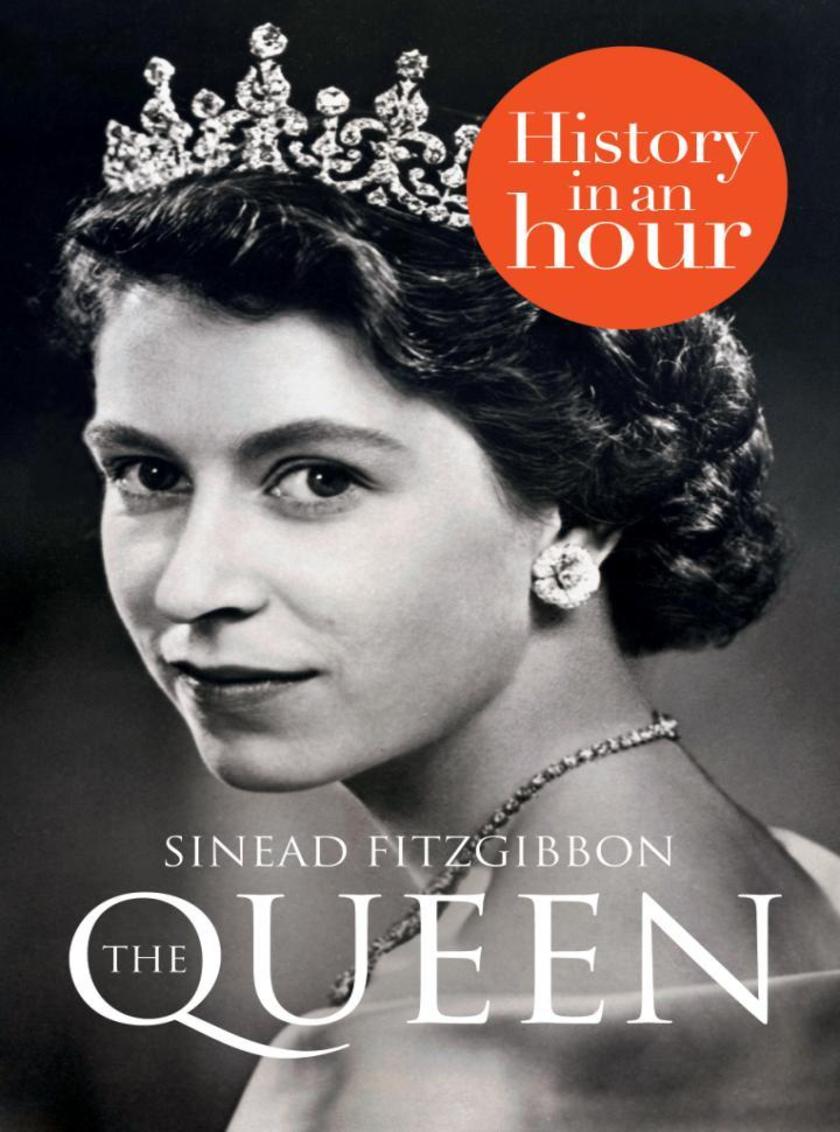
The Queen:History in an Hour
¥14.81
Love history? Know your stuff with History in an Hour. Elizabeth II is the longest lived and, after Queen Victoria, second longest reigning monarch of the United Kingdom. From her coronation in 1953 to her Diamond Jubilee in 2012, Queen Elizabeth II has stood on the world stage as the figurehead for Britain. The Queen: History in an Hour tells the story of the Queen Elizabeth II’s life and long reign, her royal duties, service during the Second World War, public perception and the transformation of the British Empire into the Commonwealth of Nations under her rule. In the Diamond Jubilee year this is essential reading for Royalists and Republicans alike. Know your stuff: read about Queen Elizabeth II in just one hour.
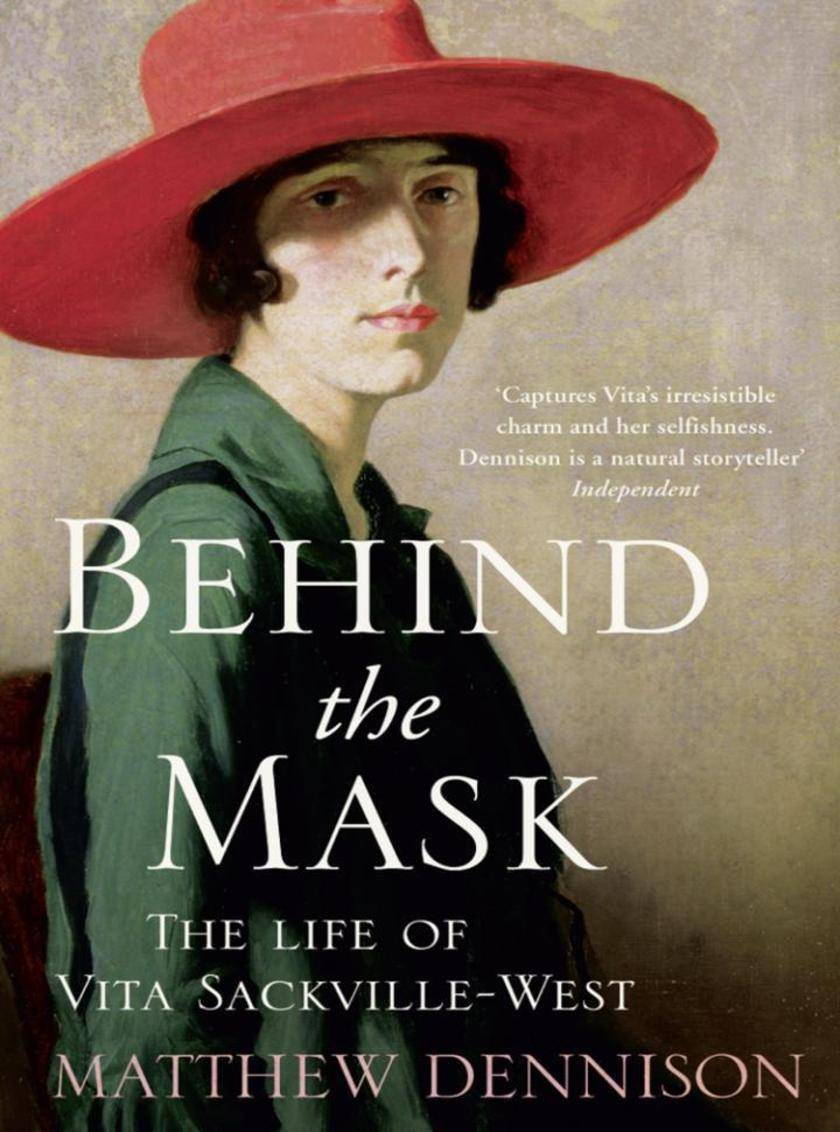
Behind the Mask:The Life of Vita Sackville-West
¥76.91
Aristocrat, literary celebrity, ‘Rose Queen’, devoted wife, lesbian, recluse, iconoclast – Vita Sackville-West was many things, but she was never straightforward. Her life is re-told here in a dazzling new biography. Vita Sackville-West is perhaps best known as the creator, with her husband Harold Nicolson, of the gardens at Sissinghurst Castle, now the most visited gardens in Britain. In a career spanning more than forty years, she also made her mark as a prolific and accomplished writer. She was an award-winning poet, a best-selling novelist, a biographer, a travel writer and a journalist with a huge and devoted following. Images of Vita – striking, poised, aristocratic, and intellectual – remain iconic even now. Yet these public images do not tell all. Behind the mask another, more complicated Vita lay. Here, in the first biography to be written for thirty years, Matthew Dennison reveals a renegade, brave and charismatic woman: from a lonely childhood of immense privilege in her beloved family house Knole (which she, as a woman, could never inherit), to a celebrated and affectionate marriage which was nevertheless mutually ‘open’ and strewn with passionate homosexual affairs (in Vita's case, most famously with Virginia Woolf and Violet Trefusis); from the hubbub of jewel-encrusted parties at Buckingham Palace, to the solace Vita found in nature and gardening and the eventual seclusion of her tower at Sissinghurst. Drawing on sources from archives across the globe as well as Vita's own prolific written output, Dennison traces the inspiration, triumphs and contradictions of Vita’s extraordinary life. Devoted wife, literary celebrity, 'Rose Queen', reluctant courtier, recluse, lesbian, iconoclast – Dennison deftly weaves together the myriad strands of Vita’s life to create a revealing and insightful portrait of the woman behind the mask.
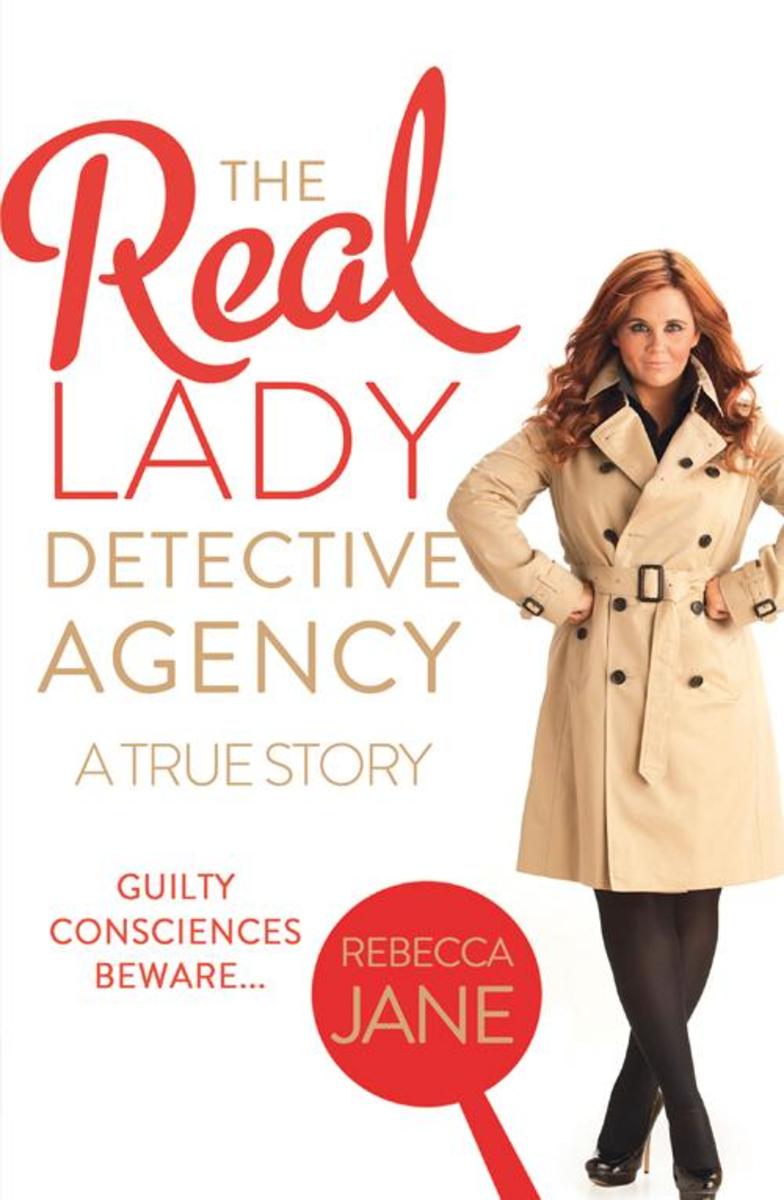
The Real Lady Detective Agency:A True Story
¥63.18
The true story of the Lady Detective Agency, one of the UK’s most successful female private detective services. The Agency exists for one purpose: to expose the truth. Cheating husbands, bad boyfriends and guilty consciences beware… For the first time, the Agency is opening its doors and revealing its secrets. Why won’t he ever let you use his phone? Why is he always going on about that girl from work? Is he cheating on you? There’s one way to find out – ask him. Then (when he lies) call Rebecca Jane, founder and owner of the Lady Detective Agency. The Agency exists to find the truth. Whether that means trailing a transsexual prostitute through the streets of London, following suspected cheats on stag parties, tracking down someone’s beloved three-legged cat or uncovering famous people’s affairs, Rebecca and her elite team will help. Whatever it takes. Their extraordinary dedication stems from first-hand experience of deception. Here Rebecca not only reveals her clients’ fascinating stories, but her own rollercoaster journey too – from early success to crushing failure, scandal, abuse and affairs, and ultimately to finding true love. At times heartbreaking, hilarious and eye-opening, this vibrantly-written compilation of stories introduces us to a sparkling and witty new voice in Rebecca and her crack team of female detectives who are always ready to solve any case, no matter how big or small.
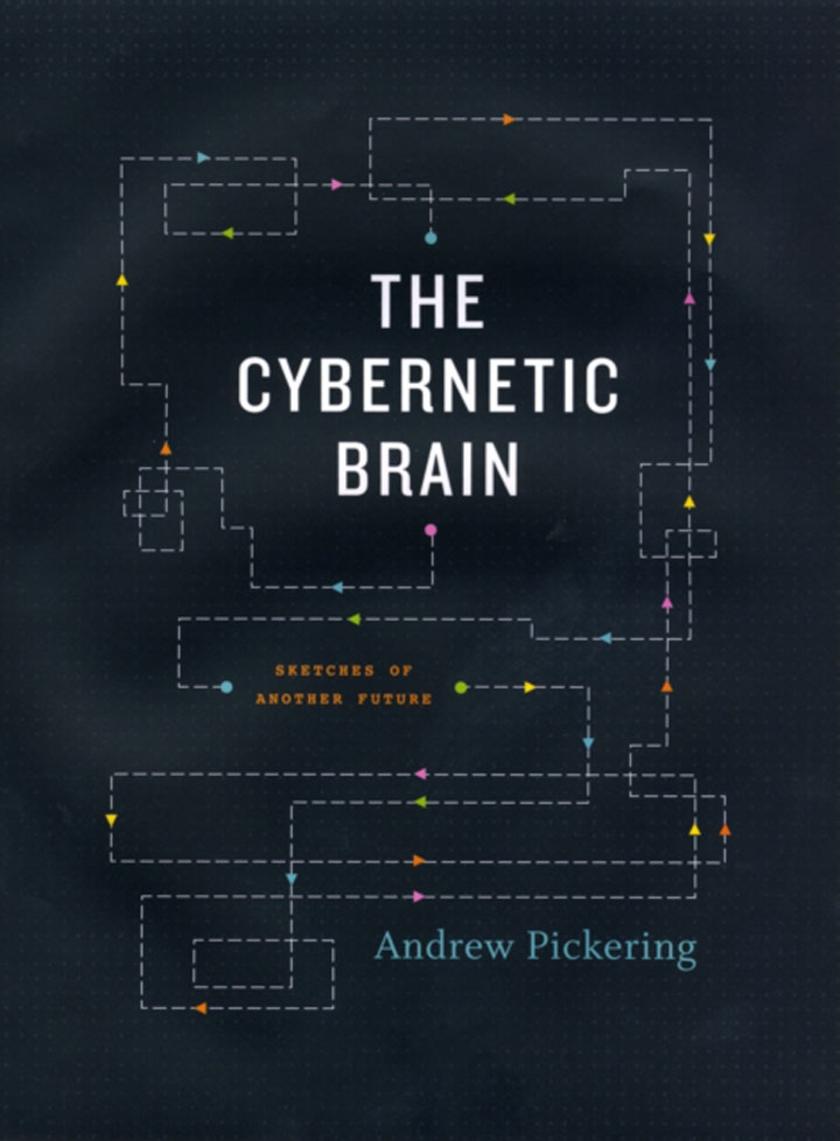
The Cybernetic Brain
¥282.53
Cybernetics is often thought of as a grim military or industrial science of control. But as Andrew Pickering reveals in this beguiling book, a much more lively and experimental strain of cybernetics can be traced from the 1940s to the present.The Cybernetic Brain explores a largely forgotten group of British thinkers, including Grey Walter, Ross Ashby, Gregory Bateson, R. D. Laing, Stafford Beer, and Gordon Pask, and their singular work in a dazzling array of fields. Psychiatry, engineering, management, politics, music, architecture, education, tantric yoga, the Beats, and the sixties counterculture all come into play as Pickering follows the history of cybernetics' impact on the world, from contemporary robotics and complexity theory to the Chilean economy under Salvador Allende. What underpins this fascinating history, Pickering contends, is a shared but unconventional vision of the world as ultimately unknowable, a place where genuine novelty is always emerging. And thus, Pickering avers, the history of cybernetics provides us with an imaginative model of open-ended experimentation in stark opposition to the modern urge to achieve domination over nature and each other.

The Paradoxes of Integration
¥200.12
Tali Mendelberg and Janelle . In 1999, while at Princeton University, Tali and I started talking about race and social environments. At the time I was writing about how suburban social contexts influence civic participation, and she suggested it might be interesting to examine their impact on racial attitudes. This piqued my interest, and, working together, we published a paper examining how economic and racial contexts shaped whites' racial attitudes. A year later, while at Yale University, Janelle and I began to wonder if these same effects might be evident among minority populations as well. As an undergraduate at UCLA, Janelle had worked as a researcher on the Multi-City Study of Urban Inequality (MCSUI) and told me the data might be a great source for testing some hypotheses about interminority attitudes. Working together, we later published a paper using the Los Angeles portion of the MCSUI study. I am greatly indebted to both Tali and Janelle for helping me first engage this difficult topic and work through many core issues in this analysis.
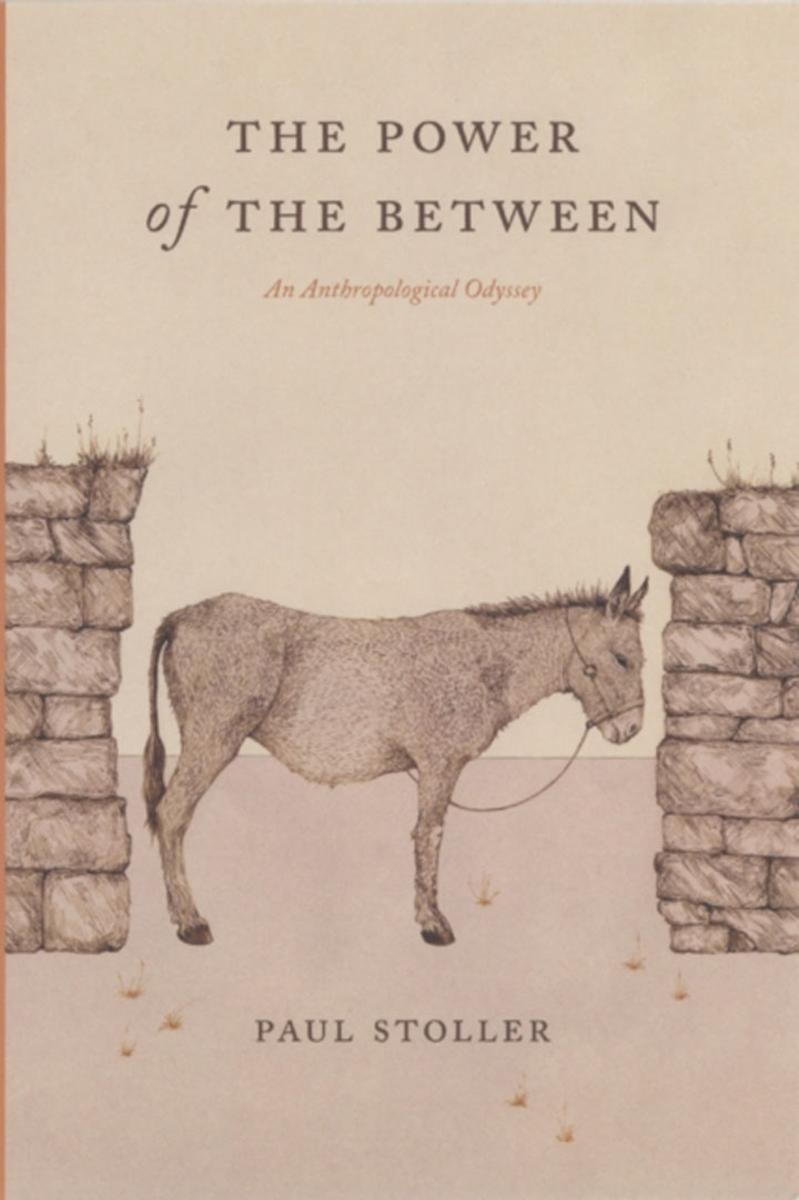
Power of the Between
¥188.35
It is the anthropologist's fate to always be between things: countries, languages, cultures, even realities. But rather than lament this, anthropologist Paul Stoller here celebrates the creative power of the between, showing how it can transform us, changing our conceptions of who we are, what we know, and how we live in the world.Beginning with his early days with the Peace Corps in Africa and culminating with a recent bout with cancer, The Power of the Between is an evocative account of the circuitous path Stoller's life has taken, offering a fascinating depiction of how a career is shaped over decades of reading and research. Stoller imparts his accumulated wisdom not through grandiose pronouncements but by drawing on his gift for storytelling. Tales of his apprenticeship to a sorcerer in Niger, his studies with Claude Lvi-Strauss in Paris, and his friendships with West African street vendors in New York City accompany philosophical reflections on love, memory, power, courage, health, and illness.Graced with Stoller's trademark humor and narrative elegance, The Power of the Between is both the story of a distinguished career and a profound meditation on coming to terms with the impermanence of all things.
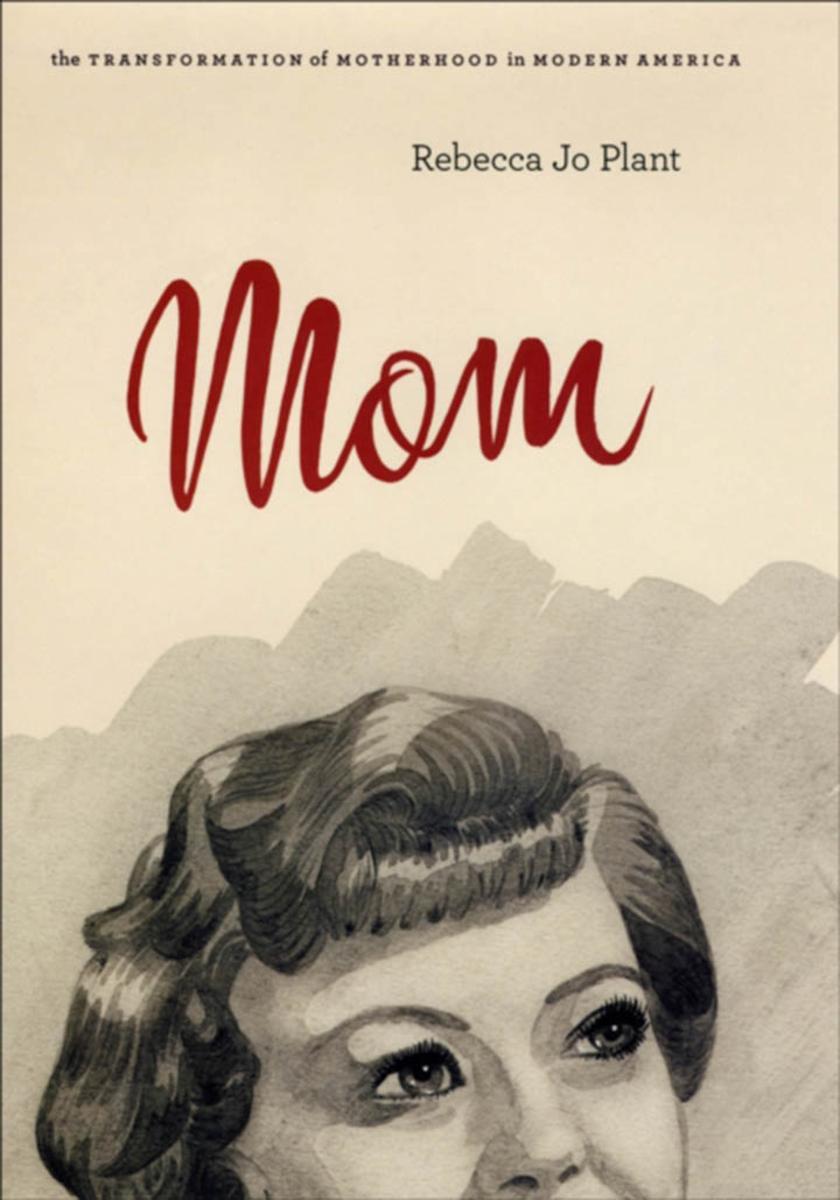
Mom
¥165.81
In the early twentieth century, Americans often waxed lyrical about "Mother Love," signaling a conception of motherhood as an all-encompassing identity, rooted in self-sacrifice and infused with social and political meaning. By the 1940s, the idealization of motherhood had waned, and the nation's mothers found themselves blamed for a host of societal and psychological ills. In Mom, Rebecca Jo Plant traces this important shift by exploring the evolution of maternalist politics, changing perceptions of the mother-child bond, and the rise of new approaches to childbirth pain and suffering.Plant argues that the assault on sentimental motherhood came from numerous quarters. Male critics who railed against female moral authority, psychological experts who hoped to expand their influence, and women who strove to be more than wives and mothers-all for their own distinct reasons-sought to discredit the longstanding maternal ideal. By showing how motherhood ultimately came to be redefined as a more private and partial component of female identity, Plant illuminates a major reorientation in American civic, social, and familial life that still reverberates today.

Africa as a Living Laboratory
¥270.76
Tropical Africa was one of the last regions of the world to experience formal European colonialism, a process that coincided with the advent of a range of new scientific specialties and research methods. Africa as a Living Laboratory is a far-reaching study of the thorny relationship between imperialism and the role of scientific expertise-environmental, medical, racial, and anthropological-in the colonization of British Africa.A key source for Helen Tilley's analysis is the African Research Survey, a project undertaken in the 1930s to explore how modern science was being applied to African problems. This project both embraced and recommended an interdisciplinary approach to research on Africa that, Tilley argues, underscored the heterogeneity of African environments and the interrelations among the problems being studied. While the aim of British colonialists was unquestionably to transform and modernize Africa, their efforts, Tilley contends, were often unexpectedly subverted by scientific concerns with the local and vernacular. Meticulously researched and gracefully argued, Africa as a Living Laboratory transforms our understanding of imperial history, colonial development, and the role science played in both.
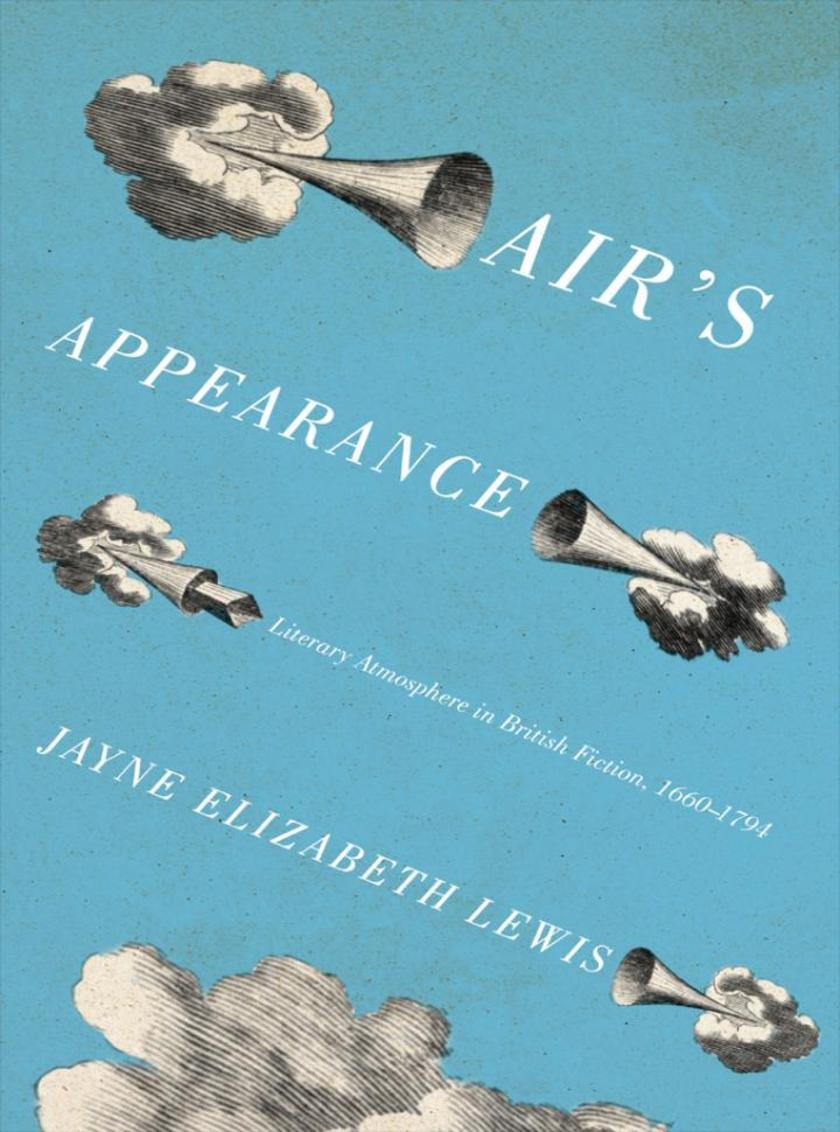
Air's Appearance
¥394.36
In Air's Appearance, Jayne Elizabeth Lewis enlists her readers in pursuit of the elusive concept of atmosphere in literary works. She shows how diverse conceptions of air in the eighteenth century converged in British fiction, producing the modern literary sense of atmosphere and moving novelists to explore the threshold between material and immaterial worlds.?Air's Appearance links the emergence of literary atmosphere to changing ideas about air and the earth's atmosphere in natural philosophy, as well as to the era's theories of the supernatural and fascination with social manners-or, as they are now known, "e;airs."e; Lewis thus offers a striking new interpretation of several standard features of the Enlightenment-the scientific revolution, the decline of magic, character-based sociability, and the rise of the novel-that considers them in terms of the romance of air that permeates and connects them. As it explores key episodes in the history of natural philosophy and in major literary works like Paradise Lost, "e;The Rape of the Lock,"e; Robinson Crusoe, and The Mysteries of Udolpho, this book promises to change the atmosphere of eighteenth-century studies and the history of the novel.
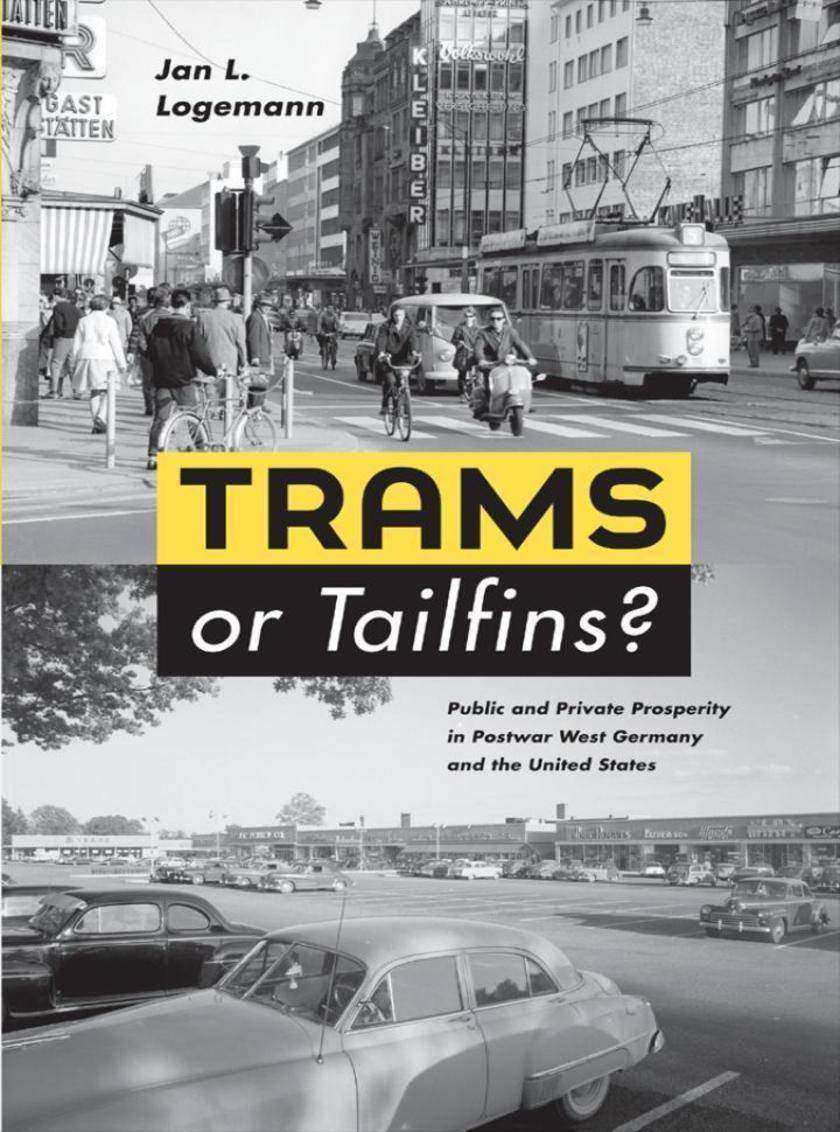
Trams or Tailfins?
¥394.36
In the years that followed World War II, both the United States and the newly formed West German republic had an opportunity to remake their economies. Since then, much has been made of a supposed "e;Americanization"e; of European consumer societies-in Germany and elsewhere. Arguing against these foggy notions, Jan L. Logemann takes a comparative look at the development of postwar mass consumption in West Germany and the United States and the emergence of discrete consumer modernities.?In Trams or Tailfins?, Logemann explains how the decisions made at this crucial time helped to define both of these economic superpowers in the second half of the twentieth century. While Americans splurged on private cars and bought goods on credit in suburban shopping malls, Germans rebuilt public transit and developed pedestrian shopping streets in their city centers-choices that continue to shape the quality and character of life decades later. Outlining the abundant differences in the structures of consumer society, consumer habits, and the role of public consumption in these countries, Logemann reveals the many subtle ways that the spheres of government, society, and physical space define how we live.
Loving Faster than Light
¥394.36
In November 1919, newspapers around the world alerted readers to a sensational new theory of the universe: Albert Einstein's theory of relativity. Coming at a time of social, political, and economic upheaval, Einstein's theory quickly became a rich cultural resource with many uses beyond physical theory. Media coverage of relativity in Britain took on qualities of pastiche and parody, as serious attempts to evaluate Einstein's theory jostled with jokes and satires linking relativity to everything from railway budgets to religion. The image of a befuddled newspaper reader attempting to explain Einstein's theory to his companions became a set piece in the popular press.?Loving Faster than Light focuses on the popular reception of relativity in Britain, demonstrating how abstract science came to be entangled with class politics, new media technology, changing sex relations, crime, cricket, and cinematography in the British imagination during the 1920s. Blending literary analysis with insights from the history of science, Katy Price reveals how cultural meanings for Einstein's relativity were negotiated in newspapers with differing political agendas, popular science magazines, pulp fiction adventure and romance stories, detective plots, and esoteric love poetry. Loving Faster than Light is an essential read for anyone interested in popular science, the intersection of science and literature, and the social and cultural history of physics.
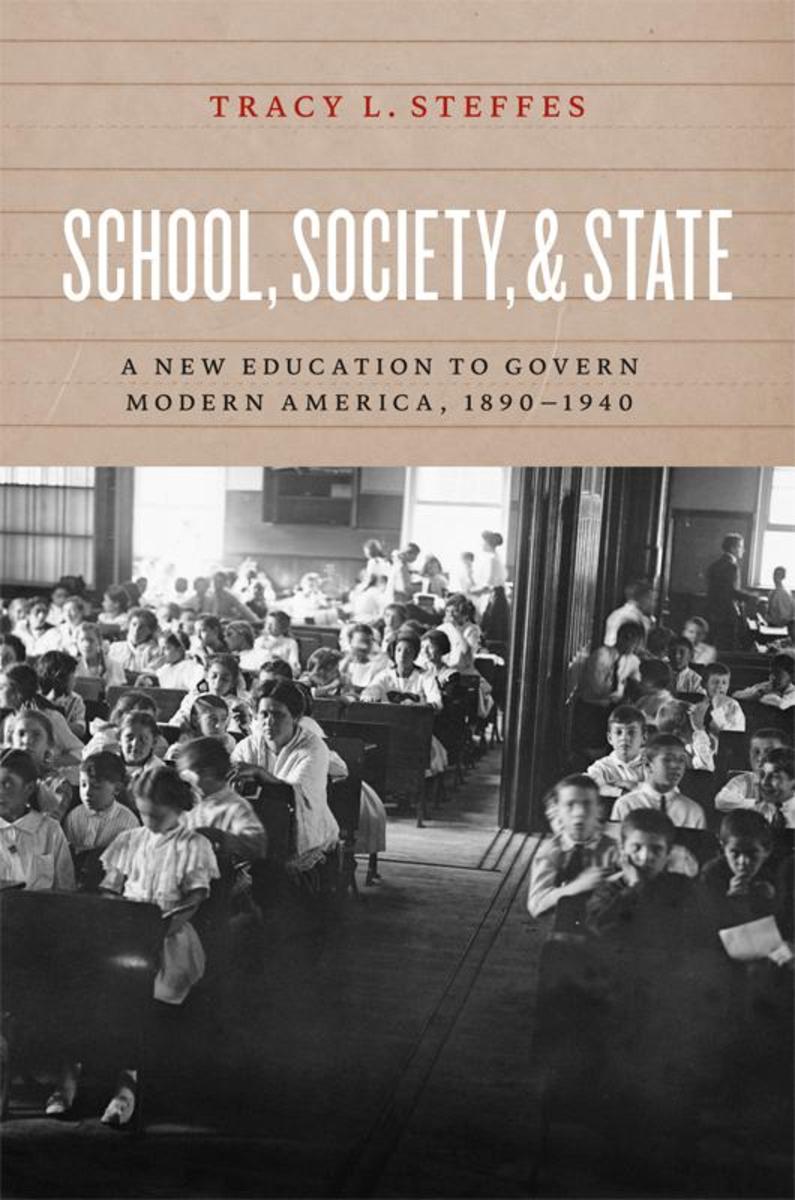
School, Society, and State
¥394.36
"e;Democracy has to be born anew every generation, and education is its midwife,"e; wrote John Dewey in his classic work The School and Society. In School, Society, and State, Tracy Steffes places that idea at the center of her exploration of the connections between public school reform in the early twentieth century and American political development from 1890 to 1940.American public schooling, Steffes shows, was not merely another reform project of the Progressive Era, but a central one. She addresses why Americans invested in public education and explains how an array of reformers subtly transformed schooling into a tool of social governance to address the consequences of industrialization and urbanization. By extending the reach of schools, broadening their mandate, and expanding their authority over the well-being of children, the state assumed a defining role in the education-and in the lives-of American families.In School, Society, and State, Steffes returns the state to the study of the history of education and brings the schools back into our discussion of state power during a pivotal moment in American political development.
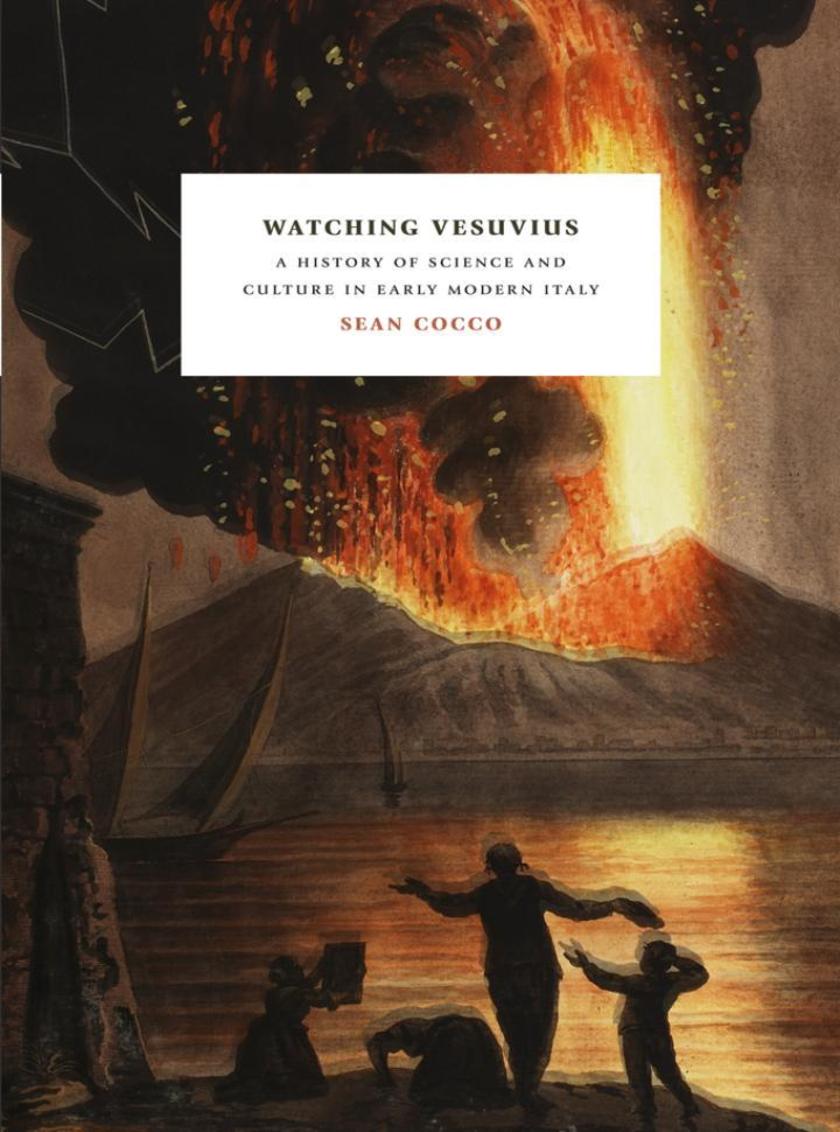
Watching Vesuvius
¥394.36
Mount Vesuvius has been famous ever since its eruption in 79 CE, when it destroyed and buried the Roman cities of Pompeii and Herculaneum. But less well-known is the role it played in the science and culture of early modern Italy, as Sean Cocco reveals in this ambitious and wide-ranging study. Humanists began to make pilgrimages to Vesuvius during the early Renaissance to experience its beauty and study its history, but a new tradition of observation emerged in 1631 with the first great eruption of the modern period. Seeking to understand the volcano's place in the larger system of nature, Neapolitans flocked to Vesuvius to examine volcanic phenomena and to collect floral and mineral specimens from the mountainside.?In Watching Vesuvius, Cocco argues that this investigation and engagement with Vesuvius was paramount to the development of modern volcanology. He then situates the native experience of Vesuvius in a larger intellectual, cultural, and political context and explains how later eighteenth-century representations of Naples-of its climate and character-grew out of this tradition of natural history. Painting a rich and detailed portrait of Vesuvius and those living in its shadow, Cocco returns the historic volcano to its place in a broader European culture of science, travel, and appreciation of the natural world.
Before Mickey
¥288.41
This witty and fascinating study reminds us that there was animation before Disney: about thirty years of creativity and experimentation flourishing in such extraordinary work as Girdie the Dinosaur and Felix the Cat. Before Mickey, the first and only in-depth history of animation from 1898-1928, includes accounts of mechanical ingenuity, marketing and art. Crafton is equally adept at explaining techniques of sketching and camera work, evoking characteristic styles of such pioneering animators as Winsor McCay and Ladislas Starevitch, placing work in its social and economic context, and unraveling the aesthetic impact of specific cartoons."e;Before Mickey's scholarship is quite lively and its de*ions are evocative and often funny. The history of animation coexisted with that of live-action film but has never been given as much attention."e;-Tim Hunter, New York Times
Metropolitan Jews
¥288.41
In this provocative and accessible urban history, Lila Corwin Berman considers the role that Detroit's Jews played in the city's well-known narrative of migration and decline. Taking its cue from social critics and historians who have long looked toward Detroit to understand twentieth-century urban transformations, Metropolitan Jews tells the story of Jews leaving the city while retaining a deep connection to it. Berman argues convincingly that though most Jews moved to the suburbs, urban abandonment, disinvestment, and an embrace of conservatism did not invariably accompany their moves. Instead, the Jewish postwar migration was marked by an enduring commitment to a newly fashioned urbanism with a vision of self, community, and society that persisted well beyond city limits.Complex and subtle, Metropolitan Jews pushes urban scholarship beyond the tenacious black/white, urban/suburban dichotomy. It demands a more nuanced understanding of the process and politics of suburbanization and will reframe how we think about the American urban experiment and modern Jewish history.
Courtiers' Anatomists
¥288.41
The Courtiers' Anatomists is about dead bodies and live animals in Louis XIV's Paris--and the surprising links between them. Examining the practice of seventeenth-century anatomy, Anita Guerrini reveals how anatomy and natural history were connected through animal dissection and vivisection. Driven by an insatiable curiosity, Parisian scientists, with the support of the king, dissected hundreds of animals from the royal menageries and the streets of Paris. Guerrini is the first to tell the story of Joseph-Guichard Duverney, who performed violent, riot-inducing dissections of both animal and human bodies before the king at Versailles and in front of hundreds of spectators at the King's Garden in Paris. At the Paris Academy of Sciences, meanwhile, Claude Perrault, with the help of Duverney's dissections, edited two folios in the 1670s filled with lavish illustrations by court artists of exotic royal animals.Through the stories of Duverney and Perrault, as well as those of Marin Cureau de la Chambre, Jean Pecquet, and Louis Gayant, The Courtiers' Anatomists explores the relationships between empiricism and theory, human and animal, as well as the origins of the natural history museum and the relationship between science and other cultural activities, including art, music, and literature.
Hayek's Challenge
¥265.87
Friedrich A. Hayek is regarded as one of the preeminent economic theorists of the twentieth century, as much for his work outside of economics as for his work within it. During a career spanning several decades, he made contributions in fields as diverse as psychology, political philosophy, the history of ideas, and the methodology of the social sciences. Bruce Caldwell-editor of The Collected Works of F. A. Hayek-understands Hayek's thought like few others, and with this book he offers us the first full intellectual biography of this pivotal social theorist.Caldwell begins by providing the necessary background for understanding Hayek's thought, tracing the emergence, in fin-de-sicle Vienna, of the Austrian school of economics-a distinctive analysis forged in the midst of contending schools of thought. In the second part of the book, Caldwell follows the path by which Hayek, beginning from the standard Austrian assumptions, gradually developed his unique perspective on not only economics but a broad range of social phenomena. In the third part, Caldwell offers both an assessment of Hayek's arguments and, in an epilogue, an insightful estimation of how Hayek's insights can help us to clarify and reexamine changes in the field of economics during the twentieth century.As Hayek's ideas matured, he became increasingly critical of developments within mainstream economics: his works grew increasingly contrarian and evolved in striking-and sometimes seemingly contradictory-ways. Caldwell is ideally suited to explain the complex evolution of Hayek's thought, and his analysis here is nothing short of brilliant, impressively situating Hayek in a broader intellectual context, unpacking the often difficult turns in his thinking, and showing how his economic ideas came to inform his ideas on the other social sciences.Hayek's Challenge will be received as one of the most important works published on this thinker in recent decades.
Moral Imagination
¥265.87
Using path-breaking discoveries of cognitive science, Mark Johnson argues that humans are fundamentally imaginative moral animals, challenging the view that morality is simply a system of universal laws dictated by reason. According to the Western moral tradition, we make ethical decisions by applying universal laws to concrete situations. But Johnson shows how research in cognitive science undermines this view and reveals that imagination has an essential role in ethical deliberation.Expanding his innovative studies of human reason in Metaphors We Live By and The Body in the Mind, Johnson provides the tools for more practical, realistic, and constructive moral reflection.
Argument and the Action of Plato's Laws
¥265.87
The posthumous publication of The Argument and the Action of Plato's "e;Laws"e; was compiled shortly before the death of Leo Strauss in 1973. Strauss offers an insightful and instructive reading through careful probing of Plato's classic text."e;Strauss's The Argument and the Action of Plato's 'Laws' reflects his interest in political thought, his dogged method of following the argument of the Laws step by step, and his vigorous defense of this dialogue's integrity in respect to the ideals of the Republic."e;-Cross Currents"e;The unique characteristics of this commentary on the Laws reflect the care and precision which were the marks of Professor Strauss's efforts to understand the complex thoughts of other men."e;-Allan D. Nelson, Canadian Journal of Political Science"e;Thorough and provocative, an important addition to Plato scholarship."e;-Library Journal"e;The major purpose of the commentary is to provide a reading of the dialogue which displays its structural arrangement and the continuity of the argument."e;-J. W. Dy, Bibliographical Bulletin of Philosophy"e;The reader of Strauss's book is indeed guided closely through the whole text."e;- M. J. Silverthorne, The Humanities Association ReviewLeo Strauss (1899-1973) was the Robert Maynard Hutchins Distinguished Service Professor Emeritus of political science at the University of Chicago.


