


 购物车
购物车 个人中心
个人中心

On Creaturely Life
¥241.33
In his Duino Elegies, Rainer Maria Rilke suggests that animals enjoy direct access to a realm of being-the open-concealed from humans by the workings of consciousness and self-consciousness. In his own reading of Rilke, Martin Heidegger reclaims the open as the proper domain of human existence but suggests that human life remains haunted by vestiges of an animal-like relation to its surroundings. Walter Benjamin, in turn, was to show that such vestiges-what Eric Santner calls the creaturely-have a biopolitical aspect: they are linked to the processes that inscribe life in the realm of power and authority.?Santner traces this theme of creaturely life from its poetic and philosophical beginnings in the first half of the twentieth century to the writings of the enigmatic German novelist W. G. Sebald. Sebald's entire oeuvre, Santner argues, can be seen as an archive of creaturely life. For Sebald, the work on such an archive was inseparable from his understanding of what it means to engage ethically with another person's history and pain, an engagement that transforms us from indifferent individuals into neighbors.?An indispensable book for students of Sebald, On Creaturely Life is also a significant contribution to critical theory.
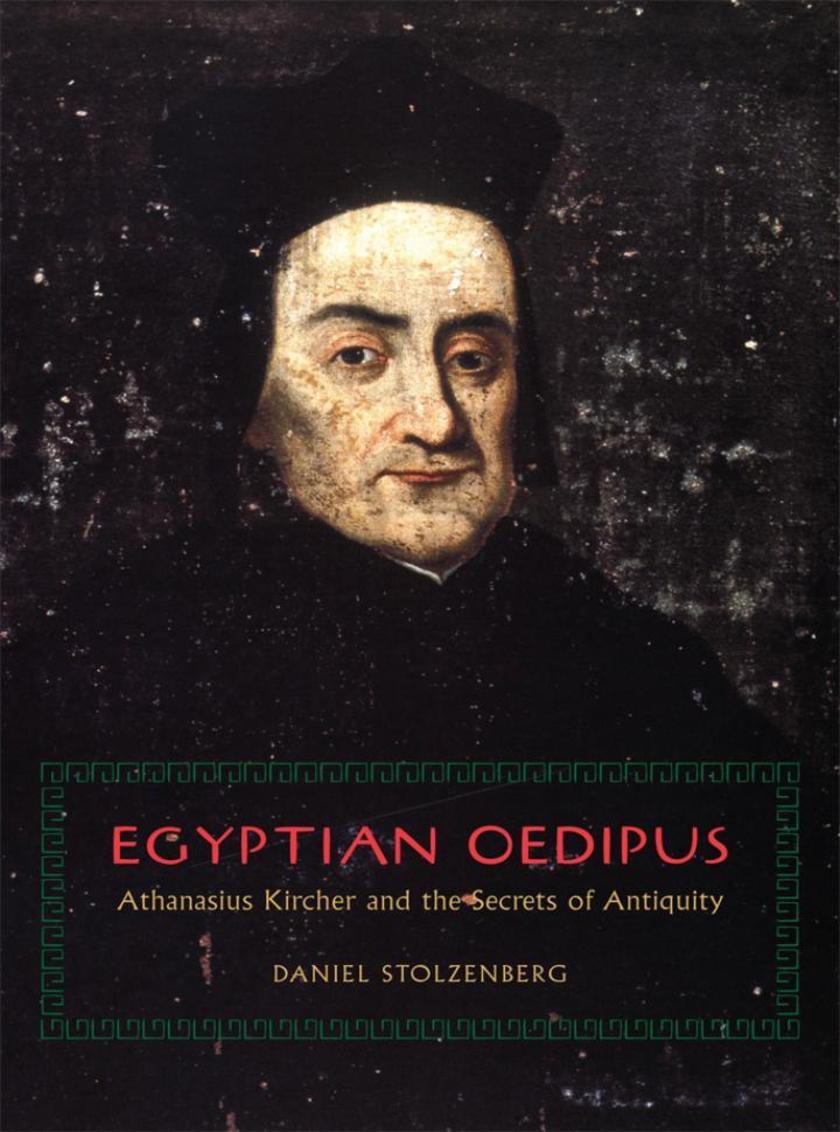
Egyptian Oedipus
¥247.21
A contemporary of Descartes and Newton, Athanasius Kircher, S. J. (1601/2-80), was one of Europe's most inventive and versatile scholars in the baroque era. He published more than thirty works in fields as diverse as astronomy, magnetism, cryptology, numerology, geology, and music. But Kircher is most famous-or infamous-for his quixotic attempt to decipher the Egyptian hieroglyphs and reconstruct the ancient traditions they encoded. In 1655, after more than two decades of toil, Kircher published his solution to the hieroglyphs, Oedipus Aegyptiacus, a work that has been called "e;one of the most learned monstrosities of all times."e; Here Daniel Stolzenberg presents a new interpretation of Kircher's hieroglyphic studies, placing them in the context of seventeenth-century scholarship on paganism and Oriental languages.?Situating Kircher in the social world of baroque Rome, with its scholars, artists, patrons, and censors, Stolzenberg shows how Kircher's study of ancient paganism depended on the circulation of texts, artifacts, and people between Christian and Islamic civilizations. Along with other participants in the rise of Oriental studies, Kircher aimed to revolutionize the study of the past by mastering Near Eastern languages and recovering ancient manu*s hidden away in the legendary libraries of Cairo and Damascus. The spectacular flaws of his scholarship have fostered an image of Kircher as an eccentric anachronism, a throwback to the Renaissance hermetic tradition. Stolzenberg argues against this view, showing how Kircher embodied essential tensions of a pivotal phase in European intellectual history, when pre-Enlightenment scholars pioneered modern empirical methods of studying the past while still working within traditional frameworks, such as biblical history and beliefs about magic and esoteric wisdom.
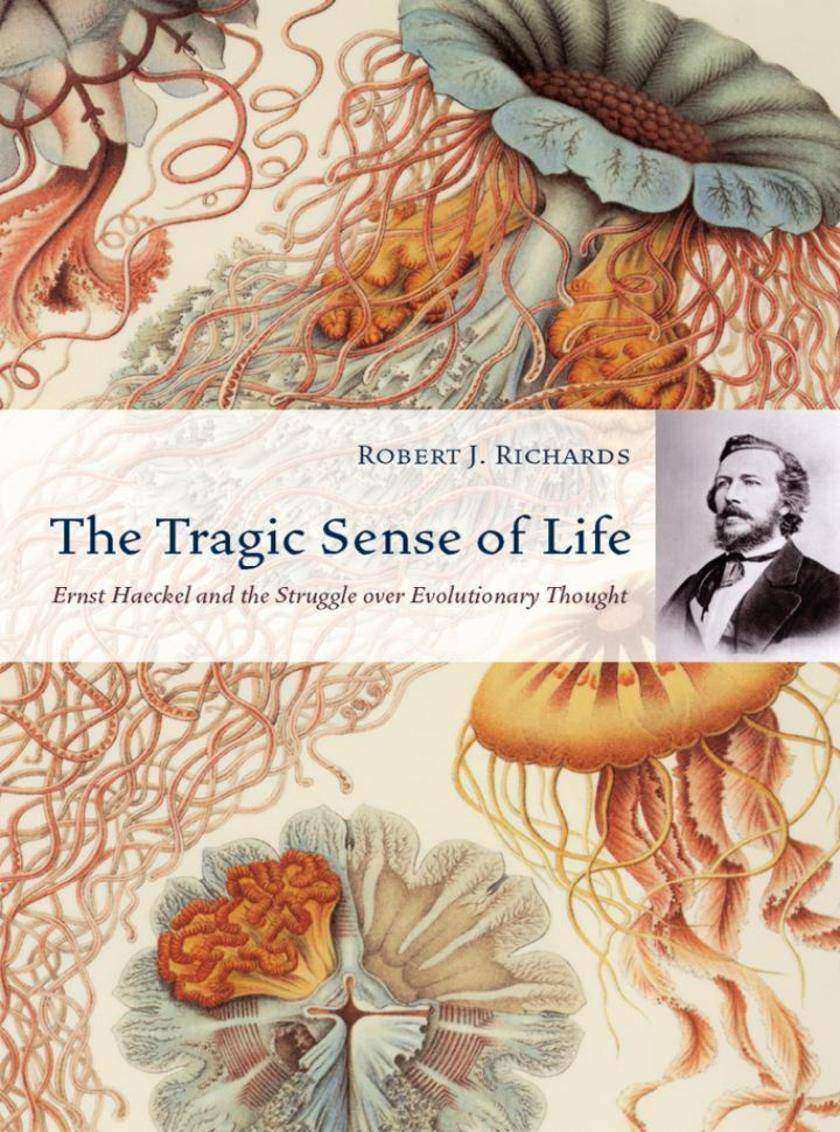
Tragic Sense of Life
¥253.10
Prior to the First World War, more people learned of evolutionary theory from the voluminous writings of Charles Darwin's foremost champion in Germany, Ernst Haeckel (1834-1919), than from any other source, including the writings of Darwin himself. But, with detractors ranging from paleontologist Stephen Jay Gould to modern-day creationists and advocates of intelligent design, Haeckel is better known as a divisive figure than as a pioneering biologist. Robert J. Richards's intellectual biography rehabilitates Haeckel, providing the most accurate measure of his science and art yet written, as well as a moving account of Haeckel's eventful life.
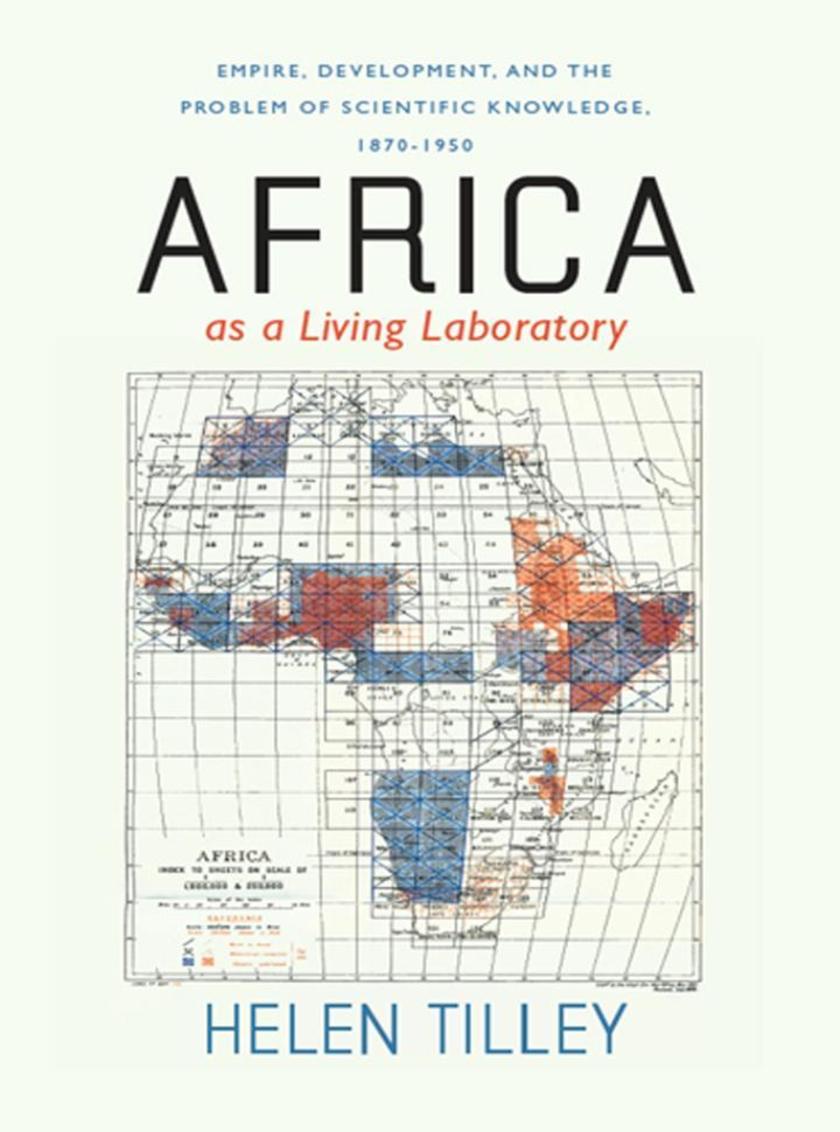
Africa as a Living Laboratory
¥270.76
Tropical Africa was one of the last regions of the world to experience formal European colonialism, a process that coincided with the advent of a range of new scientific specialties and research methods. Africa as a Living Laboratory is a far-reaching study of the thorny relationship between imperialism and the role of scientific expertise-environmental, medical, racial, and anthropological-in the colonization of British Africa.A key source for Helen Tilley's analysis is the African Research Survey, a project undertaken in the 1930s to explore how modern science was being applied to African problems. This project both embraced and recommended an interdisciplinary approach to research on Africa that, Tilley argues, underscored the heterogeneity of African environments and the interrelations among the problems being studied. While the aim of British colonialists was unquestionably to transform and modernize Africa, their efforts, Tilley contends, were often unexpectedly subverted by scientific concerns with the local and vernacular. Meticulously researched and gracefully argued, Africa as a Living Laboratory transforms our understanding of imperial history, colonial development, and the role science played in both.
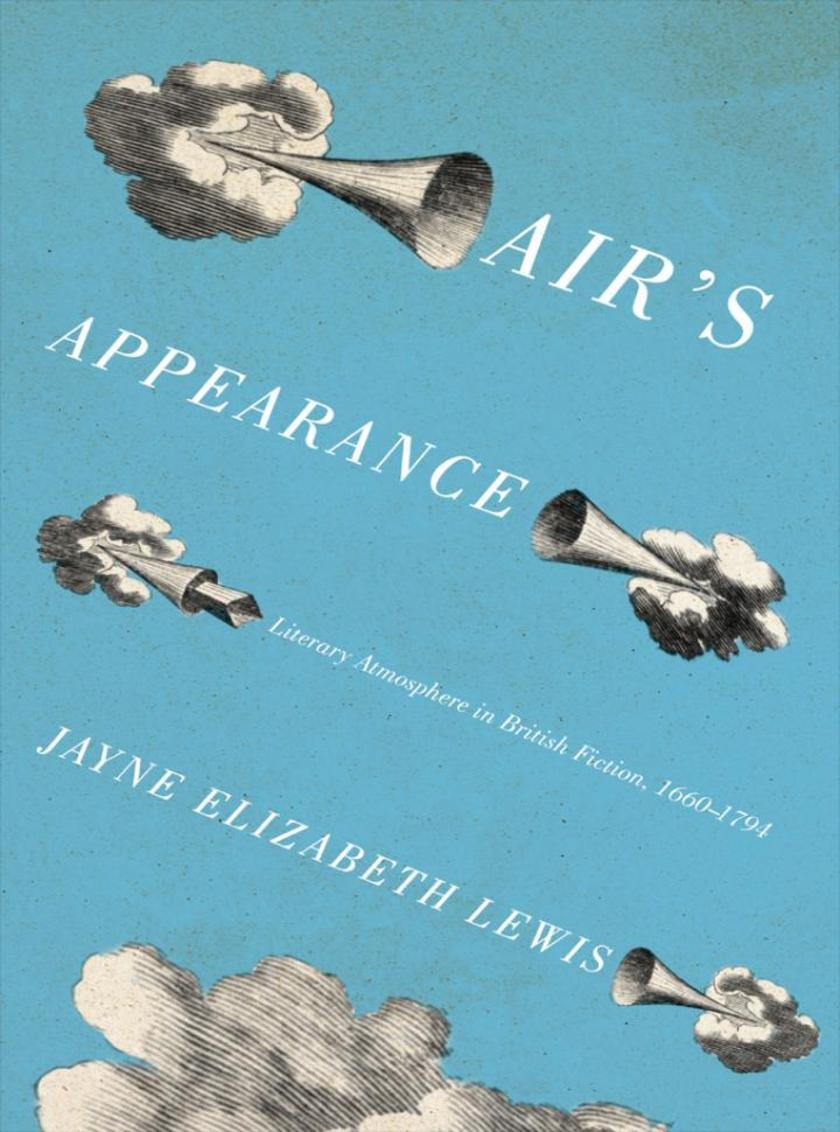
Air's Appearance
¥394.36
In Air's Appearance, Jayne Elizabeth Lewis enlists her readers in pursuit of the elusive concept of atmosphere in literary works. She shows how diverse conceptions of air in the eighteenth century converged in British fiction, producing the modern literary sense of atmosphere and moving novelists to explore the threshold between material and immaterial worlds.?Air's Appearance links the emergence of literary atmosphere to changing ideas about air and the earth's atmosphere in natural philosophy, as well as to the era's theories of the supernatural and fascination with social manners-or, as they are now known, "e;airs."e; Lewis thus offers a striking new interpretation of several standard features of the Enlightenment-the scientific revolution, the decline of magic, character-based sociability, and the rise of the novel-that considers them in terms of the romance of air that permeates and connects them. As it explores key episodes in the history of natural philosophy and in major literary works like Paradise Lost, "e;The Rape of the Lock,"e; Robinson Crusoe, and The Mysteries of Udolpho, this book promises to change the atmosphere of eighteenth-century studies and the history of the novel.
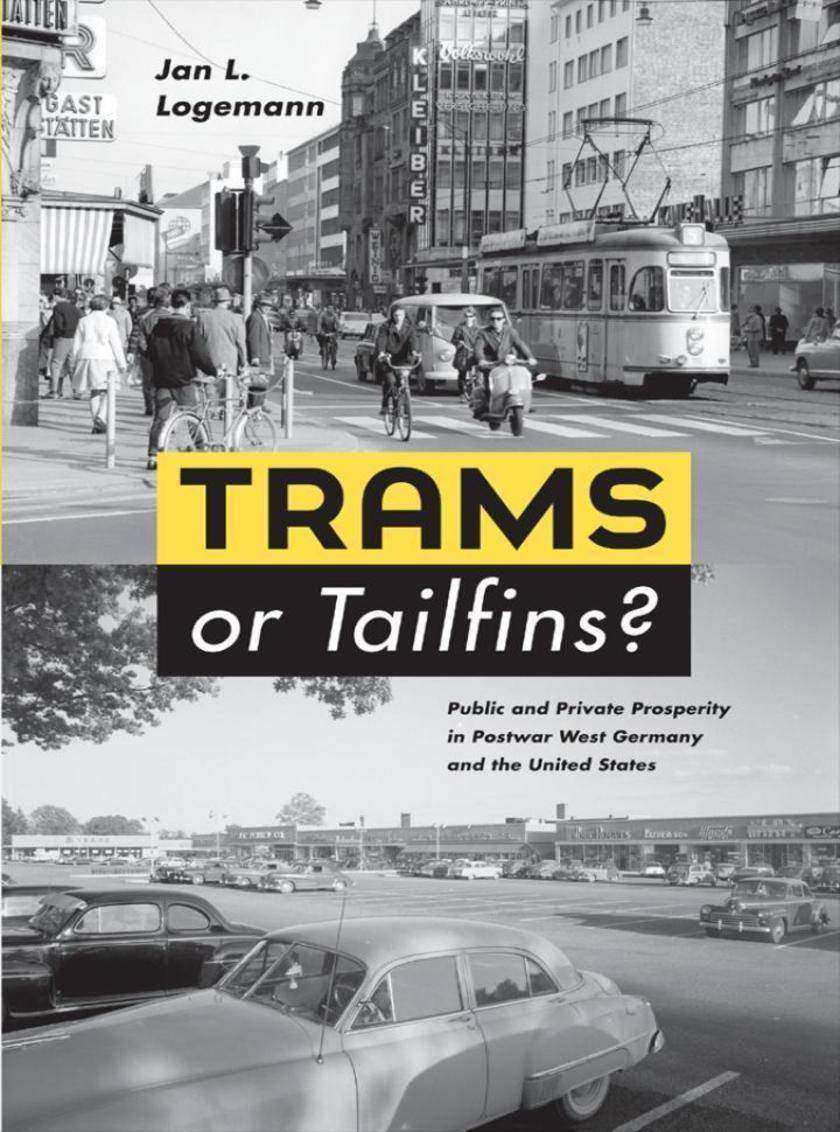
Trams or Tailfins?
¥394.36
In the years that followed World War II, both the United States and the newly formed West German republic had an opportunity to remake their economies. Since then, much has been made of a supposed "e;Americanization"e; of European consumer societies-in Germany and elsewhere. Arguing against these foggy notions, Jan L. Logemann takes a comparative look at the development of postwar mass consumption in West Germany and the United States and the emergence of discrete consumer modernities.?In Trams or Tailfins?, Logemann explains how the decisions made at this crucial time helped to define both of these economic superpowers in the second half of the twentieth century. While Americans splurged on private cars and bought goods on credit in suburban shopping malls, Germans rebuilt public transit and developed pedestrian shopping streets in their city centers-choices that continue to shape the quality and character of life decades later. Outlining the abundant differences in the structures of consumer society, consumer habits, and the role of public consumption in these countries, Logemann reveals the many subtle ways that the spheres of government, society, and physical space define how we live.
Loving Faster than Light
¥394.36
In November 1919, newspapers around the world alerted readers to a sensational new theory of the universe: Albert Einstein's theory of relativity. Coming at a time of social, political, and economic upheaval, Einstein's theory quickly became a rich cultural resource with many uses beyond physical theory. Media coverage of relativity in Britain took on qualities of pastiche and parody, as serious attempts to evaluate Einstein's theory jostled with jokes and satires linking relativity to everything from railway budgets to religion. The image of a befuddled newspaper reader attempting to explain Einstein's theory to his companions became a set piece in the popular press.?Loving Faster than Light focuses on the popular reception of relativity in Britain, demonstrating how abstract science came to be entangled with class politics, new media technology, changing sex relations, crime, cricket, and cinematography in the British imagination during the 1920s. Blending literary analysis with insights from the history of science, Katy Price reveals how cultural meanings for Einstein's relativity were negotiated in newspapers with differing political agendas, popular science magazines, pulp fiction adventure and romance stories, detective plots, and esoteric love poetry. Loving Faster than Light is an essential read for anyone interested in popular science, the intersection of science and literature, and the social and cultural history of physics.
Debate of the Romance of the Rose
¥353.16
In 1401, Christine de Pizan (1365-1430?), one of the most renowned and prolific woman writers of the Middle Ages, wrote a letter to the provost of Lille criticizing the highly popular and widely read Romance of the Rose for its blatant and unwarranted misogynistic depictions of women. The debate that ensued, over not only the merits of the treatise but also of the place of women in society, started Europe on the long path to gender parity. Pizan's criticism sparked a continent-wide discussion of issues that is still alive today in disputes about art and morality, especially the civic responsibility of a writer or artist for the works he or she produces.In Debate of the "e;Romance of the Rose,"e; David Hult collects, along with the debate documents themselves, letters, sermons, and excerpts from other works of Pizan, including one from City of Ladies-her major defense of women and their rights-that give context to this debate.?Here, Pizan's supporters and detractors are heard alongside her own formidable, protofeminist voice.The resulting volume affords a rare look at the way people read and thought about literature in the period immediately preceding the era of print.
Jewish Poet and Intellectual in Seventeenth-Century Venice
¥353.16
These recent achievements have their origins in things women (and some male supporters) said for the first time about six hundred years ago. Theirs is the “other voice,” in contradistinction to the “first voice,” the voice of the educated men who created Western culture. Coincident with a general reshaping of European culture in the period 1300- 1700 (called the Renaissance or early modern period), questions of female equality and op-portunity were raised that still resound and are still unresolved.
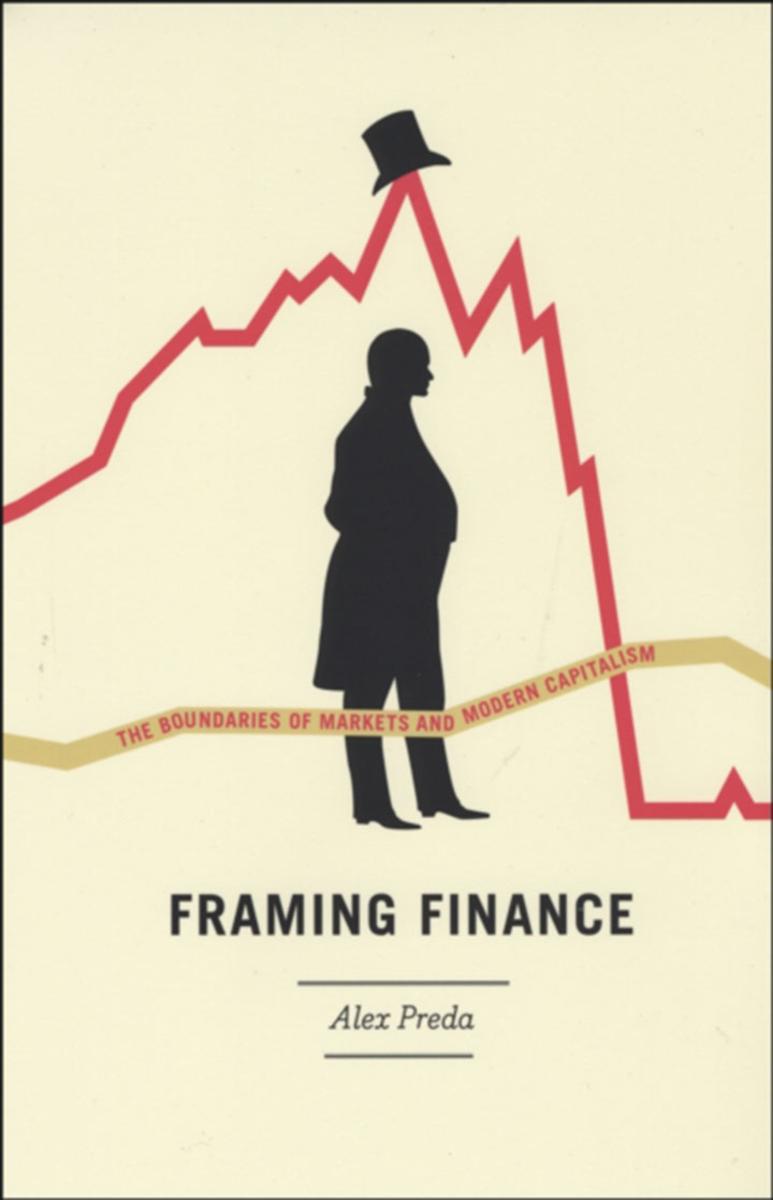
Framing Finance
¥253.10
As the banking crisis and its effects on the world economy have made plain, the stock market is of colossal importance to our livelihoods. In Framing Finance, Alex Preda looks at the history of the market to figure out how we arrived at a point where investing is not only commonplace, but critical, as market fluctuations threaten our plans to send our children to college or retire comfortably. As Preda discovers through extensive research, the public was once much more skeptical. For investing to become accepted, a deep-seated prejudice against speculation had to be overcome, and Preda reveals that over the course of the eighteenth and nineteenth centuries groups associated with stock exchanges in New York, London, and Paris managed to redefine finance as a scientific pursuit grounded in observational technology. But Preda also notes that as the financial data in which they trafficked became ever more difficult to understand, charismatic speculators emerged whose manipulations of the market undermined the benefits of widespread investment. And so, Framing Finance ends with an eye on the future, proposing a system of public financial education to counter the irrational elements that still animate the appeal of finance.
Power of the Between
¥188.35
It is the anthropologist's fate to always be between things: countries, languages, cultures, even realities. But rather than lament this, anthropologist Paul Stoller here celebrates the creative power of the between, showing how it can transform us, changing our conceptions of who we are, what we know, and how we live in the world.Beginning with his early days with the Peace Corps in Africa and culminating with a recent bout with cancer, The Power of the Between is an evocative account of the circuitous path Stoller's life has taken, offering a fascinating depiction of how a career is shaped over decades of reading and research. Stoller imparts his accumulated wisdom not through grandiose pronouncements but by drawing on his gift for storytelling. Tales of his apprenticeship to a sorcerer in Niger, his studies with Claude Lvi-Strauss in Paris, and his friendships with West African street vendors in New York City accompany philosophical reflections on love, memory, power, courage, health, and illness.Graced with Stoller's trademark humor and narrative elegance, The Power of the Between is both the story of a distinguished career and a profound meditation on coming to terms with the impermanence of all things.
Madwomen
¥200.12
A schoolteacher whose poetry catapulted her to early fame in her native Chile and an international diplomat whose boundary-defying sexuality still challenges scholars, Gabriela Mistral (1889-1957) is one of the most important and enigmatic figures in Latin American literature of the last century. The Locas mujeres poems collected here are among Mistral's most complex and compelling, exploring facets of the self in extremis-poems marked by the wound of blazing catastrophe and its aftermath of mourning. From disquieting humor to balladlike lyricism to folkloric wisdom, these pieces enact a tragic sense of life, depicting "e;madwomen"e; who are anything but mad. Strong and intensely human, Mistral's poetic women confront impossible situations to which no sane response exists. This groundbreaking collection presents poems from Mistral's final published volume as well as new editions of posthumous work, featuring the first English-language appearance of many essential poems. Madwomen promises to reveal a profound poet to a new generation of Anglophone readers while reacquainting Spanish readers with a stranger, more complicated "e;madwoman"e; than most have ever known.
Mom
¥165.81
In the early twentieth century, Americans often waxed lyrical about "Mother Love," signaling a conception of motherhood as an all-encompassing identity, rooted in self-sacrifice and infused with social and political meaning. By the 1940s, the idealization of motherhood had waned, and the nation's mothers found themselves blamed for a host of societal and psychological ills. In Mom, Rebecca Jo Plant traces this important shift by exploring the evolution of maternalist politics, changing perceptions of the mother-child bond, and the rise of new approaches to childbirth pain and suffering.Plant argues that the assault on sentimental motherhood came from numerous quarters. Male critics who railed against female moral authority, psychological experts who hoped to expand their influence, and women who strove to be more than wives and mothers-all for their own distinct reasons-sought to discredit the longstanding maternal ideal. By showing how motherhood ultimately came to be redefined as a more private and partial component of female identity, Plant illuminates a major reorientation in American civic, social, and familial life that still reverberates today.

Agitations
¥261.83
Not Without Honor threads together the stories of three American POWs-Carano; his buddy Bill Blackmon, who was also at Stalag 17 b; and John C. Bitzer, who survived the brutal "e;Death March"e; from northern Germany to liberation in April 1945. At times the journal reads like a thriller as he records air battles and escape attempts. Yet in their most gripping accounts, these POWs ruminate on psychological survival. The sense of community they formed was instrumental to their endurance. This compelling book allows the reader to journey with these young men as they bore firsthand witness to the best and worst of human nature.
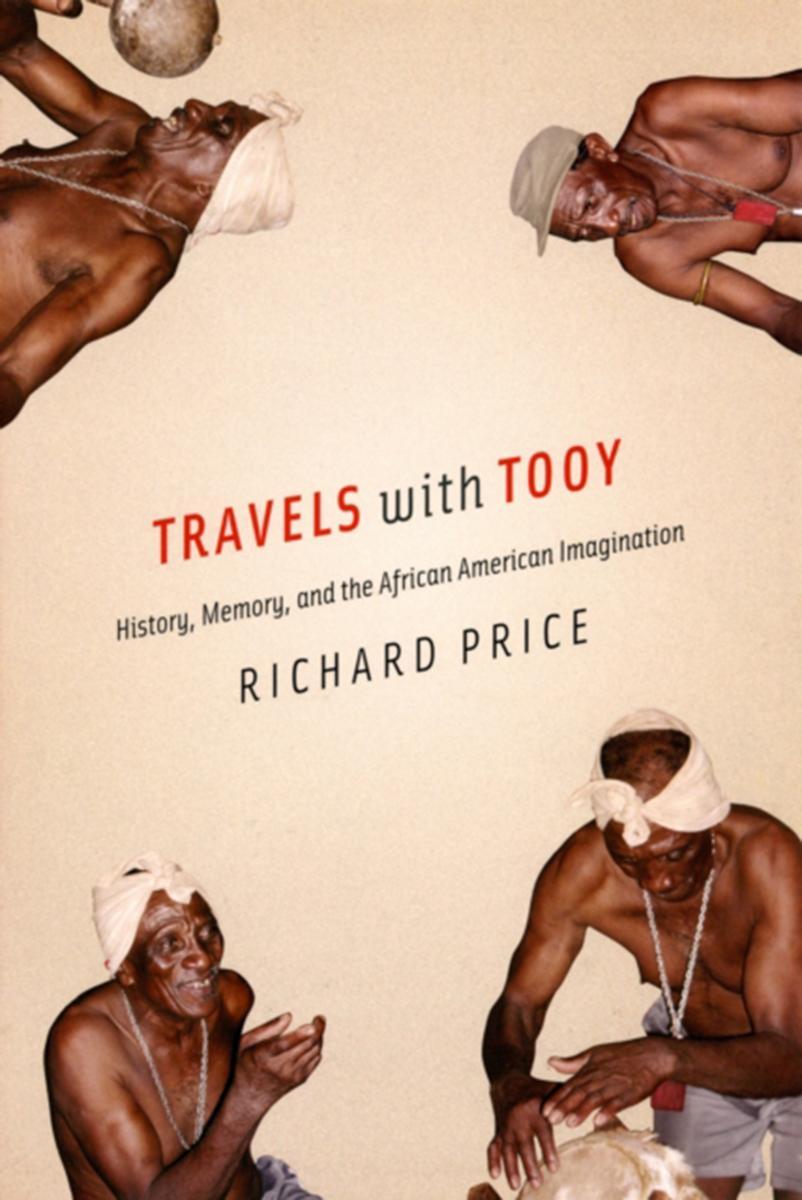
Travels with Tooy
¥265.87
At first glance, the rough shantytowns that ring Cayenne, where Haitian, Brazilian, Guyanese, and Suriname migrants live cheek by jowl, might seem the least likely of places to meet a fellow intellectual. And yet . . . The poverty that threatens to crush the spirit of both the hardworking and the unemployed can leave largely untouched the richness of the imagination. Amidst the mud and stench and random violence, Tooy—captain of the Saramakas of Cayenne—runs a household in which spiritual and rhetorical gifts abound. I’ve felt privileged to play a part in it during the past seven years.
The Cybernetic Brain
¥282.53
Cybernetics is often thought of as a grim military or industrial science of control. But as Andrew Pickering reveals in this beguiling book, a much more lively and experimental strain of cybernetics can be traced from the 1940s to the present.The Cybernetic Brain explores a largely forgotten group of British thinkers, including Grey Walter, Ross Ashby, Gregory Bateson, R. D. Laing, Stafford Beer, and Gordon Pask, and their singular work in a dazzling array of fields. Psychiatry, engineering, management, politics, music, architecture, education, tantric yoga, the Beats, and the sixties counterculture all come into play as Pickering follows the history of cybernetics' impact on the world, from contemporary robotics and complexity theory to the Chilean economy under Salvador Allende. What underpins this fascinating history, Pickering contends, is a shared but unconventional vision of the world as ultimately unknowable, a place where genuine novelty is always emerging. And thus, Pickering avers, the history of cybernetics provides us with an imaginative model of open-ended experimentation in stark opposition to the modern urge to achieve domination over nature and each other.
The Paradoxes of Integration
¥200.12
Tali Mendelberg and Janelle . In 1999, while at Princeton University, Tali and I started talking about race and social environments. At the time I was writing about how suburban social contexts influence civic participation, and she suggested it might be interesting to examine their impact on racial attitudes. This piqued my interest, and, working together, we published a paper examining how economic and racial contexts shaped whites' racial attitudes. A year later, while at Yale University, Janelle and I began to wonder if these same effects might be evident among minority populations as well. As an undergraduate at UCLA, Janelle had worked as a researcher on the Multi-City Study of Urban Inequality (MCSUI) and told me the data might be a great source for testing some hypotheses about interminority attitudes. Working together, we later published a paper using the Los Angeles portion of the MCSUI study. I am greatly indebted to both Tali and Janelle for helping me first engage this difficult topic and work through many core issues in this analysis.
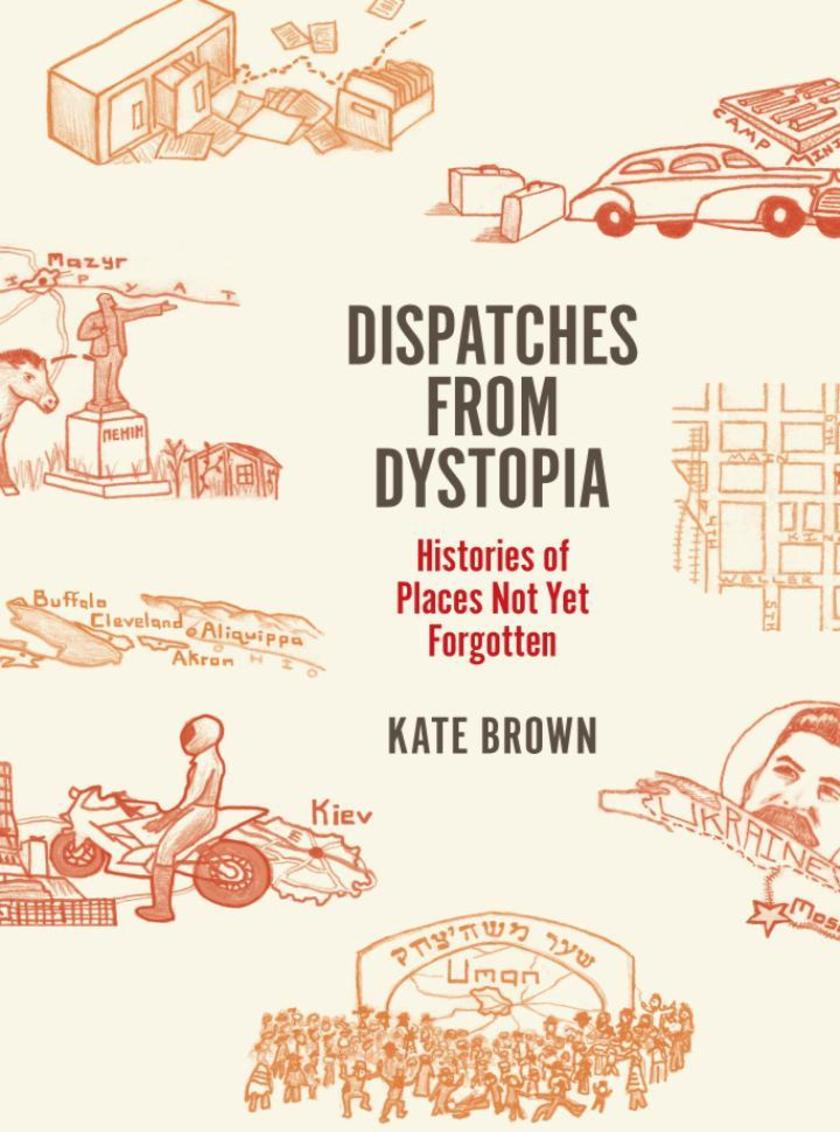
Dispatches from Dystopia
¥147.15
"e;Why are Kazakhstan and Montana the same place?"e; asks one chapter of Kate Brown's surprising and unusual journey into the histories of places on the margins, overlooked or erased. It turns out that a ruined mining town in Kazakhstan and Butte, Montana-America's largest environmental Superfund site-have much more in common than one would think thanks to similarities in climate, hucksterism, and the perseverance of their few hardy inhabitants. Taking readers to these and other unlikely locales, Dispatches from Dystopia delves into the very human and sometimes very fraught ways we come to understand a particular place, its people, and its history.In Dispatches from Dystopia, Brown wanders the Chernobyl Zone of Alienation, first on the Internet and then in person, to figure out which version-the real or the virtual-is the actual forgery. She also takes us to the basement of a hotel in Seattle to examine the personal possessions left in storage by Japanese-Americans on their way to internment camps in 1942. In Uman, Ukraine, we hide with Brown in a tree in order to witness the annual male-only Rosh Hashanah celebration of Hasidic Jews. In the Russian southern Urals, she speaks with the citizens of the small city of Kyshtym, where invisible radioactive pollutants have mysteriously blighted lives. Finally, Brown returns home to Elgin, Illinois, in the midwestern industrial rust belt to investigate the rise of "e;rustalgia"e; and?the ways?her formative experiences have inspired her obsession with modernist wastelands.?Dispatches from Dystopia powerfully and movingly narrates the histories of locales that have been silenced, broken, or contaminated. In telling these previously unknown stories, Brown examines the making and unmaking of place, and the lives of the people who remain in the fragile landscapes that are left behind.
Secret Lives of Teachers
¥147.15
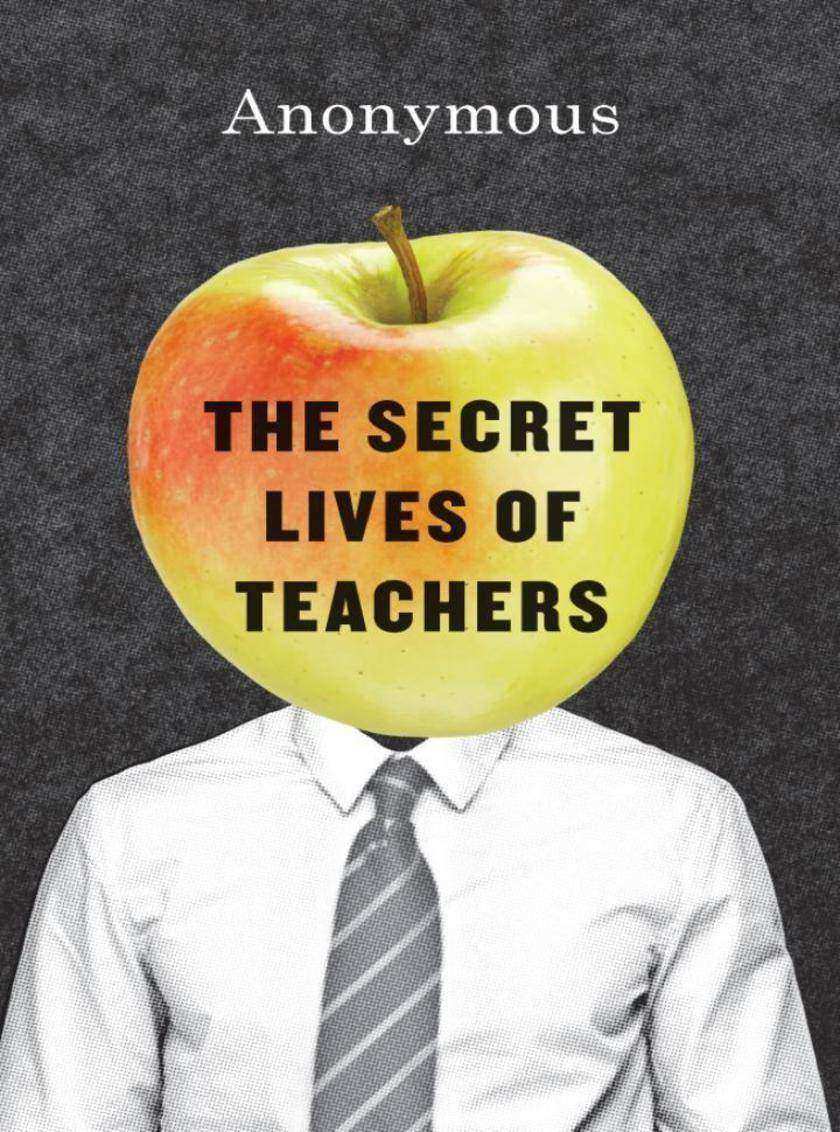
Welcome to "e;East Hudson,"e; an elite private school in New York where the students are attentive, the colleagues are supportive, and the tuition would make the average person choke on its string of zeroes. You might think a teacher here would have little in common with most other teachers in America, but as this veteran educator-writing anonymously-shows in this refreshingly honest account, all teachers are bound by a common thread. Stripped of most economic obstacles and freed up by anonymity, he is able to tell a deeper story about the universal conditions, anxieties, foibles, generosities, hopes, and complaints that comprise every teacher's life. The results are sometimes funny, sometimes scandalous, but always recognizable to anyone who has ever walked into a classroom, closed the door, and started their day.?This is not a how-to manual. Rather, the author explores the dimensions of teaching that no one else has, those private thoughts few would dare put into a book but that form an important part of the day-to-day experience of a teacher. We see him ponder the clothes that people wear, think frankly about money (and the imbalance of its distribution), get wrangled by parents, provide on-the-fly psychotherapy, drape niceties over conversations that are actually all-out warfare, drop an f-bomb or two, and deal with students who are just plain unlikeable. We also see him envy, admire, fear, and hope; we see him in adulation and uncertainty, and in energy and exhaustion. We see him as teachers really are: human beings with a complex, rewarding, and very important job.There has been no shortage of commentary on the teaching profession over the decades, but none quite like this. Unflinching, wry, and at times laugh-out-loud funny, it's written for every teacher out there who has ever scrambled, smirked, or sighed-and toughed it out nonetheless.?
Edible Memory
¥147.15
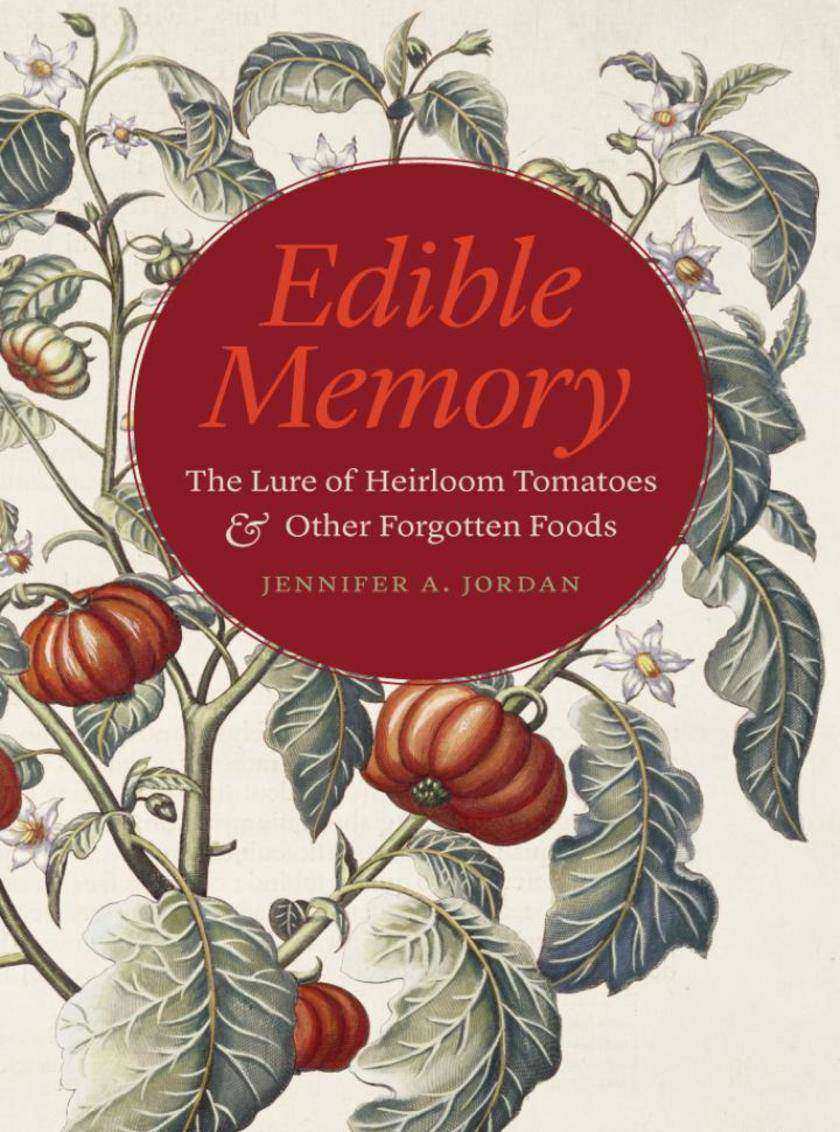
Each week during the growing season, farmers' markets offer up such delicious treasures as brandywine tomatoes, cosmic purple carrots, pink pearl apples, and chioggia beets-varieties of fruits and vegetables that are prized by home chefs and carefully stewarded by farmers from year to year. These are the heirlooms and the antiques of the food world, endowed with their own rich histories. While cooking techniques and flavor fads have changed from generation to generation, a Ribston Pippin apple today can taste just as flavorful as it did in the eighteenth century. But how does an apple become an antique and a tomato an heirloomIn Edible Memory, Jennifer A. Jordan examines the ways that people around the world have sought to identify and preserve old-fashioned varieties of produce. In doing so, Jordan shows that these fruits and vegetables offer a powerful emotional and physical connection to a shared genetic, cultural, and culinary past.?Jordan begins with the heirloom tomato, inquiring into its botanical origins in South America and its culinary beginnings in Aztec cooking to show how the homely and homegrown tomato has since grown to be an object of wealth and taste, as well as a popular symbol of the farm-to-table and heritage foods movements. ?She shows how a shift in the 1940s away from open pollination resulted in a narrow range of hybrid tomato crops. But memory and the pursuit of flavor led to intense seed-saving efforts increasing in the 1970s, as local produce and seeds began to be recognized as living windows to the past. In the chapters that follow, Jordan combines lush de*ion and thorough research as she investigates the long history of antique apples; changing tastes in turnips and related foods like kale and parsnips; the movement of vegetables and fruits around the globe in the wake of Columbus; and the poignant, perishable world of stone fruits and tropical fruit, in order to reveal the connections-the edible memories-these heirlooms offer for farmers, gardeners, chefs, diners, and home cooks. This deep culinary connection to the past influences not only the foods we grow and consume, but the ways we shape and imagine our farms, gardens, and local landscapes.?From the farmers' market to the seed bank to the neighborhood bistro, these foods offer essential keys not only to our past but also to the future of agriculture, the environment, and taste. By cultivating these edible memories, Jordan reveals, we can stay connected to a delicious heritage of historic flavors, and to the pleasures and possibilities for generations of feasts to come.
Purposeful Graduate
¥147.15
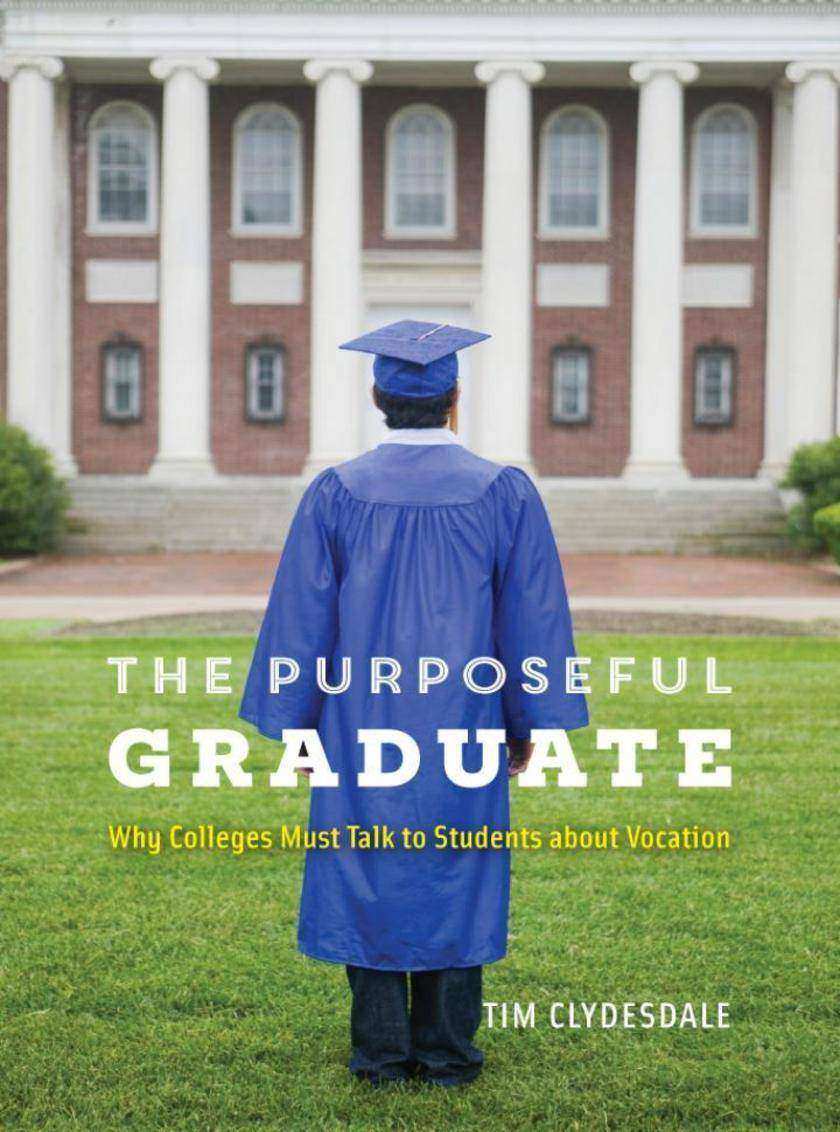
We all know that higher education has changed dramatically over the past two decades. Historically a time of exploration and self-discovery, the college years have been narrowed toward an increasingly singular goal-career training-and college students these days forgo the big questions about who they are and how they can change the world and instead focus single-mindedly on their economic survival. In The Purposeful Graduate, Tim Clydesdale elucidates just what a tremendous loss this is, for our youth, our universities, and our future as a society. At the same time, he shows that it doesn't have to be this way: higher education can retain its higher cultural role, and students with a true sense of purpose-of personal, cultural, and intellectual value that cannot be measured by a wage-can be streaming out of every one of its institutions.The key, he argues, is simple: direct, systematic, and creative programs that engage undergraduates on the question of purpose. Backing up his argument with rich data from a Lilly Endowment grant that funded such programs on eighty-eight different campuses, he shows that thoughtful engagement of the notion of vocational calling by students, faculty, and staff can bring rich rewards for all those involved: greater intellectual development, more robust community involvement, and a more proactive approach to lifelong goals. Nearly every institution he examines-from internationally acclaimed research universities to small liberal arts colleges-is a success story, each designing and implementing its own program, that provides students with deep resources that help them to launch flourishing lives.Flying in the face of the pessimistic forecast of higher education's emaciated future, Clydesdale offers a profoundly rich alternative, one that can be achieved if we simply muster the courage to talk with students about who they are and what they are meant to do.


