


 购物车
购物车 个人中心
个人中心

Secretele celor mai s?n?to?i copii din lume.
¥65.32
Din ?nsemn?rile de scriitor al autorului (Vreme ?nchis?), realizate cu consecven?? ?ncep?nd cu anul 1979 (?i adus p?n? ?n actualitate ?i reprezent?nd ?n primul r?nd cronica unor campanii de geolog prospector care ?i-a desf??urat activitatea ?n cele mai diferite col?uri ale ??rii), nu puteau s? lipseasc? nota?iile privind aspecte din via?? literar? ca atare; ?n selec?ia Scene din via?a literar? sunt deci consemnate scene, portrete, dialoguri, ?nt?lniri cu scriitori, arti?ti plastici, actori, muzicieni, al?i oameni de cultur?. C?teva fragmente edificatoare privind aceast? tem? au ap?rut deja ?n revistele Arge? ?i Oglinda literar? (chiar sub titlul Scene din via?a literar?), dar ?i sub alte titluri: ?n Via?a Rom?neasc? (Medalion Mircea Ciobanu), ?n Luceaf?rul (Via?a cu num?rul 13), ?n Ziua literar? (Am fost ?mpin?i la margine...). Sunt de re?inut relat?rile cu privire la constr?ngerile impuse de cenzura necru??toare ?i la numeroasele stratageme prin care scriitorii c?utau s? ob?in? ?bunul de tipar“ ?i ?bunul de difuzare“, ?n condi?iile de nesiguran?? ?n care se desf??ura activitatea creatorilor de arta ?n comunism, dar ?i atelierul de crea?ie propriu-zis al autorului, care ?n perioada respectiv? lucra la romanele R?m??agul, Curtea Interioar?, Capcana de piatr?, ap?rute ?n acei ani, dar ?i texte de sertar; ?n jurnalul de scriitor vom ?nt?lni, cum ?i era de a?teptat, numeroase referiri la opera proprie, edit? sau inedit? ?n acel moment, dar ?i la operele colegilor de genera?ie sau ale clasicilor.
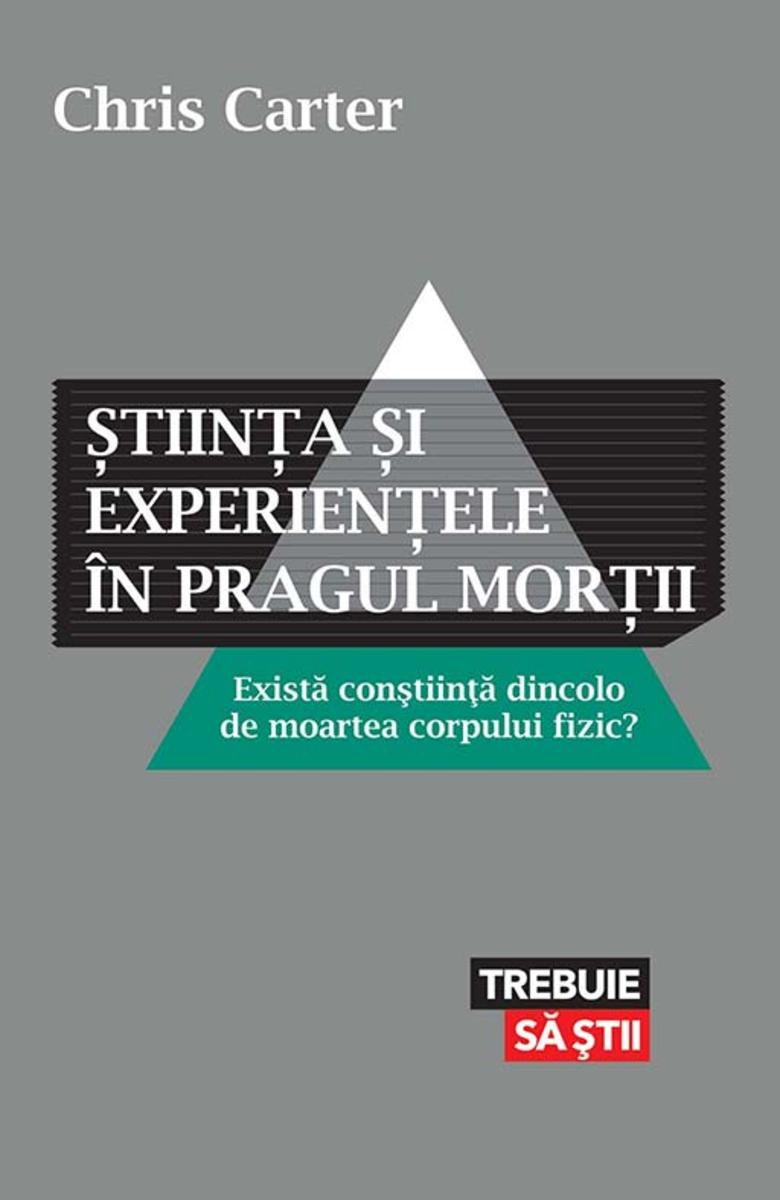
tiin?a ?i experien?ele ?n pragul mor?ii.
¥81.67
Rstimp de douzeci de ani, sub egida acestui prestigios Club de Dialog – Ideea European – au fost organizate numeroase dezbateri, turnee, lecturi publice, conferine, ntruniri, simpozioane, att n ar, ct i peste hotare. M refer, n aceast ordine de idei, la Conferinele Modele Europene. Friedrich Nietzsche, Marx i Nietzsche. Vinovai fr vin, Modele europene. Ion Ianoi, Eugen Negrici. Iluziile literaturii romne sau Nicolae Breban. Trdarea criticii (...) in deopotriv la toate. Unele dintre acestea, multe – majoritatea! – au fost gndite de subsemnata mpreun cu romancierul Nicolae Breban, fiind rodul unei prietenii, al unei compliciti de litere rare – a spune, citnd-o de fapt pe Magda Ursache, unice – cum sunt, de pild, dezbaterile dedicate crilor-eveniment: Iluziile literaturii romne de Eugen Negrici i Trdarea criticii de Nicolae Breban, ca s citez exclusiv dou, oprindu-ne aici. Dar, m ntreb, iar i iar, de ce ne-am opri Nu spunea Blaga, oare, ntr-un vers memorabil: Orice nceput se vrea fecund“ Douzeci de ani sunt un nceput!Destinul nostru este literatura, spuneam ani de-a rndul, parafrazndu-l pe Napoleon, repetnd, iar i iar, aceast afirmaie gnomic, nu rareori, c pe o rugciune, ca pe o litanie, cu smerenie, iar, uneori-adeseori, cu spaim, ntruct – iubindu-l atroce pe sihastrul de la Torino, da, pe Nietzsche cel unic, cel hamletian – tiam, da, tiam, cine se joac de-a destinul... devine destin.“ – Aura Christi
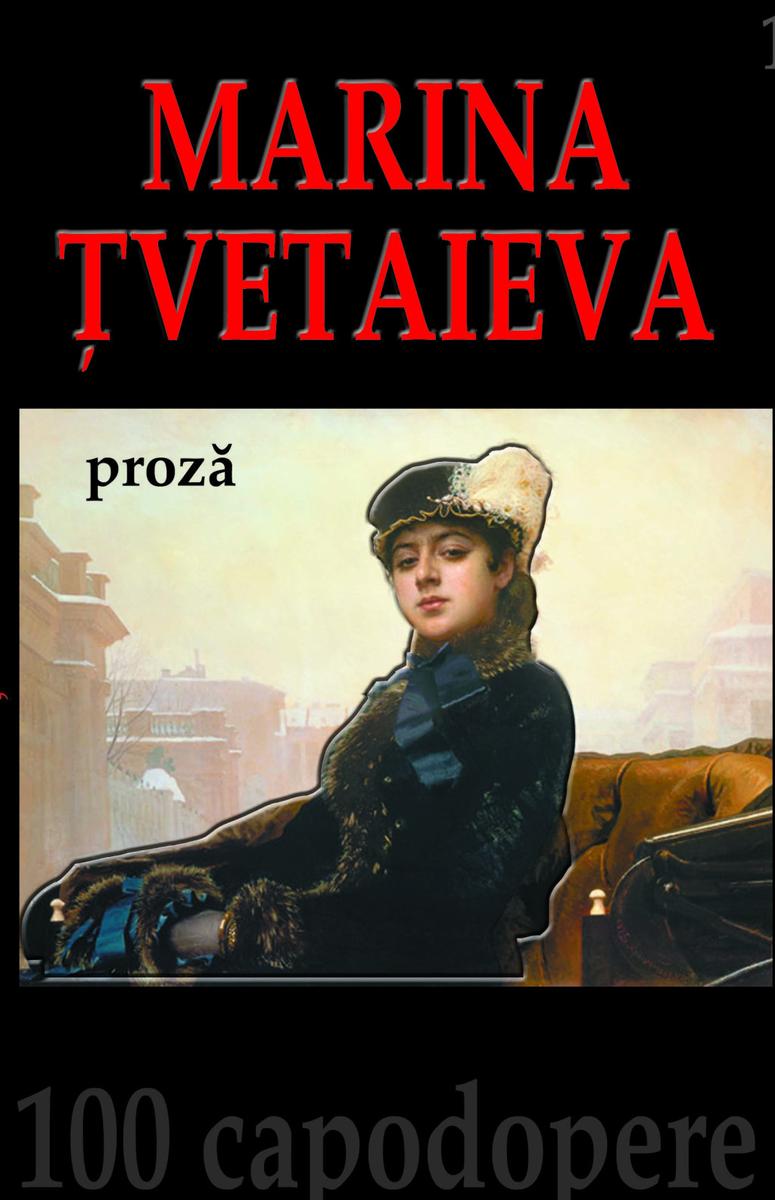
Proz?
¥90.84
Autoarea trece ?n revist? principalele direc?ii din teoria critic? a ultimelor dou? decenii, a c?ror surs? empiric? este literatura publicat? la grani?a dintre secole. Din studiul paralel, al limbajelor teoretice ?i al lumilor fic?ionale, se poate observa omogenitatea epistemic? ?i retoric? a operelor literare apar?in?nd unei faze din istoria literaturii, for?a modelatoare a unui spirit al timpului care se manifest? dincolo de grani?e geo-politice. Totodat?, printr-o lectur? comparatist?, se poate demonstra capacitatea impresionant? a unei literaturi na?ionale de a reface, ?ntr-un timp foarte scurt, leg?turile cu marile centre de cultur? ?i de a ?negocia“ cu succes forme ?i idei literare ale unei epoci comparabile, prin ambi?iile enciclopediste ?i de sinteza, cu Rena?terea. Abordarea are caracter interdisciplinar, la grani?a dintre studiul filologic ?i modelele epistemologice furnizate, ?n epoca numit? a ?complexit??ii“, de ?tiin?a dominant?: fizica cuantic?.
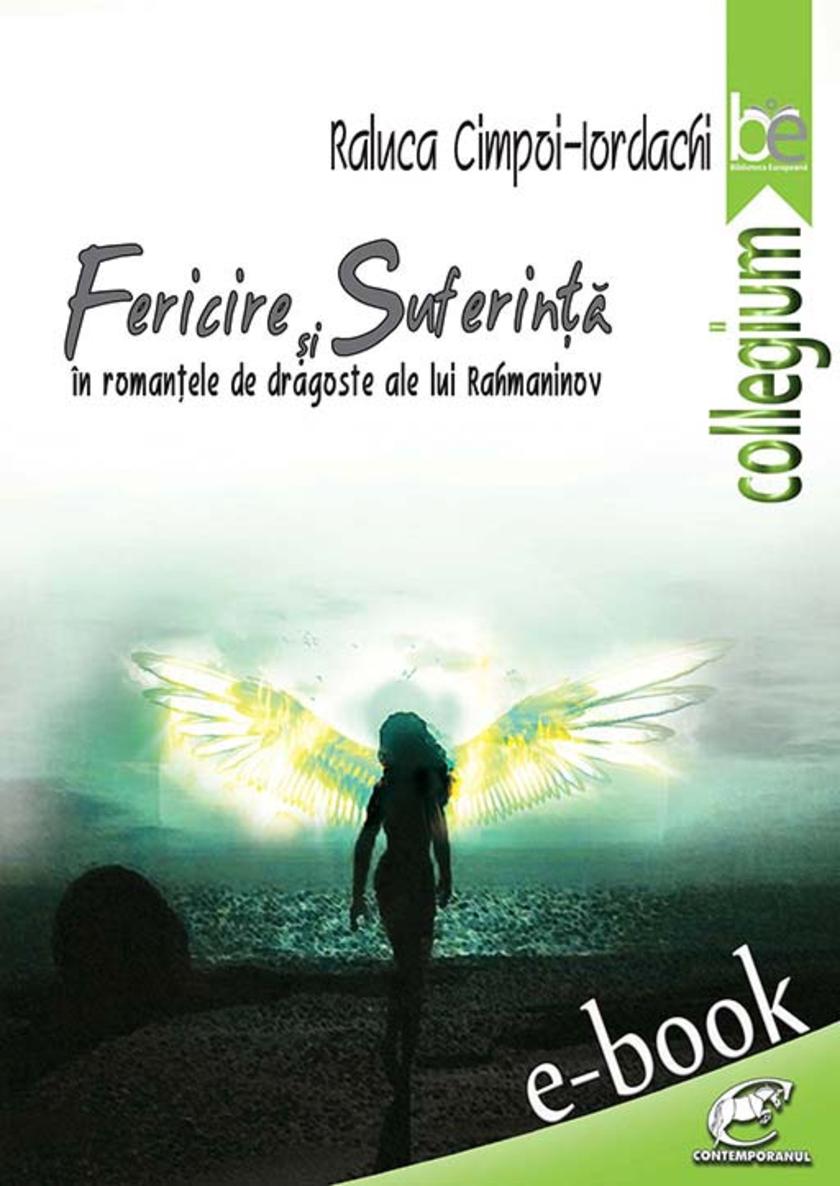
Fericire ?i suferin?? ?n roman?ele de dragoste ale lui Rahmaninov
¥57.14
Aceasta tnr scriitoare este animat de o rar pasiune formatoare. A se forma pe sine nseamn totodat a-i forma pe alii. Nu ne mir recursul frecvent al eseistei la modelele formatoare, chiar dac nu este nicidecum vorba de a repeta epigonic experiene consumate. Modelul poate (i trebuie s fie) ntructva jucu. Ion Barbu este, n aceast perspectiv, un magister ludi. Cu o generozitate spontan, Aura Christi i mprtete experienele, e gta s dea sfaturi unor tineri poei, n continuarea celor binecunoscute ale lui Rilke cel din Scrisorile ctre un tnr poet. Iat, aadar, cartea unei autoare cu un destin literar cert. Un destin pe care Aura Christi i-l asum. Mai mult, ea i-l construiete cu orice sacrificiu.“ – Nicolae Balot
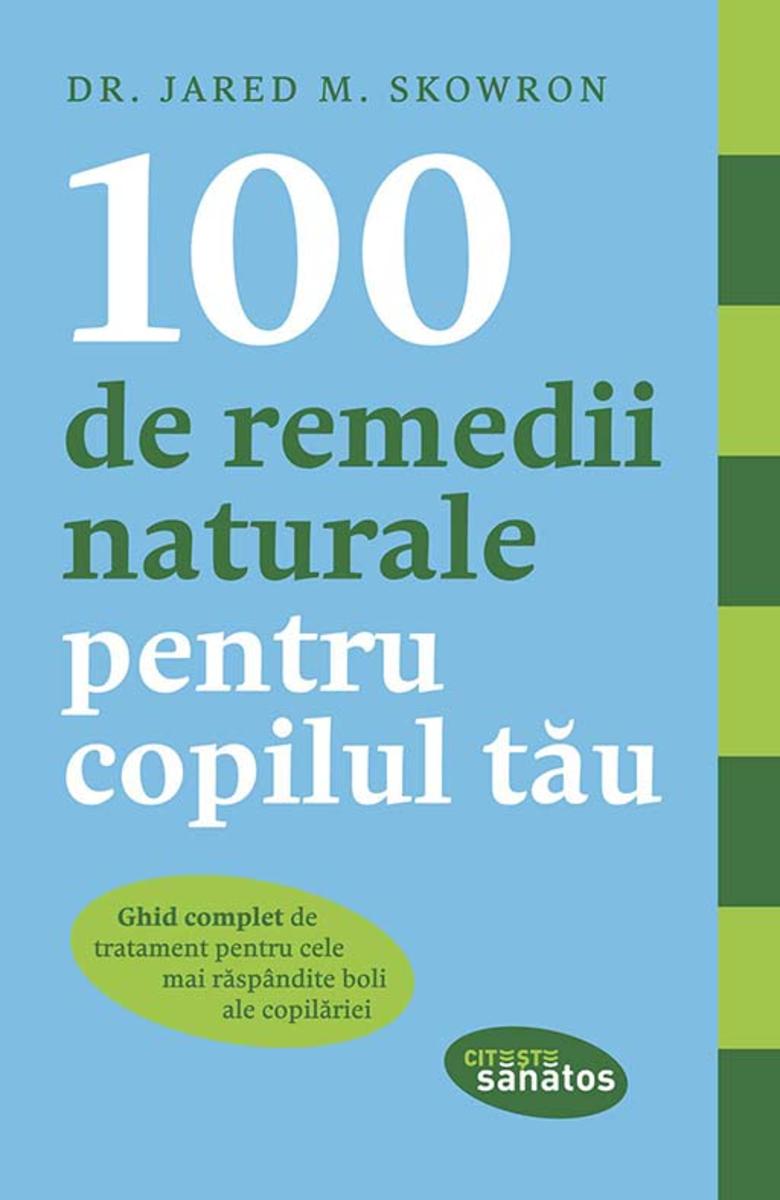
100 de remedii naturale pentru copilul t?u
¥81.67
La Zürich, c?nd intri ?ntr-un magazin, spui ?Grüetzi“, la Berlin, ?Hallo“, la Buenos Aires, ?Ola“, un ?Hallo“ ?ntors pe dos, poate unde-i pe emisfera cealalt?, la Viena, ?Grüss Gott“, dar ?i la Sibiu, acum 60 de ani, se spunea tot ?Grüss Gott“. Timi?oara nu cred c? f?cea opinie separat?, c? unde-i unu’ nu-i putere, o ?tie tot rom?nu’, dar nici Budapesta n-avea de ce s? fac? mofturi, de vreme ce Sisi, superba ?mp?r?teas? a Austriei, devenise regina Ungariei, datorit? unui foarte cool conte maghiar... cam a?a se ?ncruci?eaz? ?i limbile. ?Grüss Gott“ ?nseamn?: ?Salut?-l pe Dumnezeu“ sau ?Domnul s? te aibe ?n paz?“. Din binecuv?ntare a ajuns marcaj de grani?? a fostului imperiu habsburgic. Gata. Mi-am f?cut intrarea ?n scen?. De fapt n-am vrut dec?t s? v? spun ?Bun? ziua“. (Nora Iuga 29 decembrie 2009)
Zece basarabeni pentru cultura rom?n? (interviuri cu tinerii dintre milenii)
¥8.09
Poemele lui Virgil Botnaru au una dintre cele mai rare caliti regsibile la un debutant: anume polifonia. Dei arat numaidect recognoscibil, ele sun diferit de la o seciune la alta a crii; se vede, vreau s spun, c-s produse de un acelai spirit i o aceeai energeia, ns sunetul lor e mereu altul. Uneori, ele par contaminate de un misticism aproape pios, ca-n poemul (aproape un haiku) n care poetul trece dimineaa devreme pe lng catedral i gsete c Dumnezeu doarme; pentru ca dup cteva pagini s gseti o strigtur licenioas de dou versuri, deucheat dar simpatic; iar, dup alte cteva pagini, poemele devin documente ale unei melancolii virile, alcoolizate & depresive. E limpede, pentru mine, c Virgil Botnaru e un poet, al crui instrument acoper cteva octave bune; i c tie, de la bun nceput, cum s i-l exploateze. E, adic, un poet despre care tiu sigur c voi mai vorbi–cu ncredere & apreciere.“ – Radu Vancu
Despre enigmele sufletului
¥32.62
Femeile vin de pe Venus, b?rba?ii de la b?ut s?a n?scut ?n paginile s?pt?m?nalului de umor Ca?avencii. La cererea insistent? a cititorilor, o parte dintre textele rubricii B?t?i ?n dialog sunt adunate acum ?n acest volum. De?i pare c? e vorba de un ?r?zboi ?ntre sexe“, ?n realitate, autorii n?au dus niciodat? un r?zboi, ci un dialog. Ei lanseaz?, alternativ, c?te o tem? la care r?spunde cel?lalt. R?nd pe r?nd, toate stereotipurile care circul? despre via?a de cuplu sunt puse ?ntr?o lumin? umoristic?, eliberatoare. ?n mod normal, paginile care urmeaz? ar trebui s? v? salveze de la divor? sau m?car s? v? scuteasc? de a mai da banii pe terapie de cuplu. Cu o singur? condi?ie: s? ave?i umor.

Cum ucide zah?rul. Adev?rul ascuns despre obezitate, diabet, boli cardiovascular
¥51.50
Am pus ?n valiz? / Chilo?i ?i po?ete / Degetu’ t?u mare / Trei perechi de ghete.?n aia mai mic? / Am pus o batist? / 5 kile de mere / O spr?ncean? trist?.?n cea mijlocie / Nu o ?nc?put / Dec?t 4 pere / ?i-un genunchi futut.Nu mi-e dor de tine / Te am peste tot / Te am ?n valiz? / Chiar ?i ?n compot.
Pinocchio: The Story of a Puppet
¥8.09
Ce e un manechin? Un om-p?pu??, unu’ care se las? ?mbr?cat ?i dezbr?cat ?n v?zul lumii, o f?ptur? derutant?, un fel de paralitic ?ntr-un spital; nu mi?c?, nu vorbe?te dec?t ?nl?untrul s?u, ca ?ntr-un joc de-a v-a?i ascunselea: ?observi cum ??i fur vorbele cum ??i mut patul c?nd eram t?n?r? m? ?ndr?gosteam ?n mai acum m? ?ndr?gostesc ?n octombrie soarele meu bostanul meu doldora de semin?e orice ascunz?toare e o m?rturisire“. (Nora Iuga, iulie 2010)
Cei care se ?ntorc
¥81.67
Volumul de fa?? din seria Eminescu, poem cu poem ne dezva?? de toate vechile obiceiuri de interpretare care au prezentat ?n limbaj de lemn poeziile eminesciene. Alex. ?tef?nescu ne face din nou cuno?tin??, de data aceasta ?n cuvinte simple ?i idei proaspete, cu unele dintre cele mai cunoscute poezii din literatura rom?n?. Analiza sa cuprinde observa?ii fresh ?i referin?e culturale pe gustul elevilor, tinerilor ?i iubitorilor de literatur? care (re)descoper? ast?zi crea?ia eminescian?.

T?nase Scatiu
¥0.01
Fluturele este o insect din ordinul Lepidoptera, termen ce provine din termenii grecesti lepis (coaj) si pteron (arip). Mai mult coaj dect miez. Acest ordin are aproximativ 165.000 de specii cunoscute care, n ciuda unei mari varieti de forme si culori, au o structur similar, mai toi fiind nscrii n uniunile scriitoriceti de pretutindeni. Printre azteci, fluturii sunt un simbol al sufletului sau ultima suflare a unui muribund. Un fluture care zboar printre flori reprezint sufletul unui rzboinic czut pe un cmp de lupt. ntr-adevr, rzboinicii se ntorc pe pmnt sub form de colibri sau fluturi care, de data aceasta, se apuc imediat de scris i nu mai suport vederea armelor. Eventual sapa o mai tolereaz, pentru a-i spa pe cei care nu le laud culorile, stilul i fandoselile. Curcanul, ns, este o pasre de talie mare, originar din America, domesticit cu premii literare nc din timpul aztecilor. n timpul mperecherii n vederea formrii gtilor literare, culoarea pielii capului i gtului devine albastru i rou aprins, masculul desfurnd coada n form de evantai. Femelele desfoar doar sunete guturale: glu-glu-glu! i recit cu gravitate ce le vine la ndemn, pe sub aripi. Specie hipersensibil, curcanii pot s sufere atacuri de cord sau de panic. n timpul unor teste ale avioanelor U.S. Air Force s-a constatat decesul a mai multor curcani din zon din cauza atacurilor cardiace. Remediul este aplicarea de laude i aplauze n zonele tumefiate. Fluturele-curcan este o specie ncruciat ce, paradoxal, nu tolereaz fluturii i curcanii pur-snge. Exist zvonuri c unele exemplare modificate genetic pot rezista fr s scrie chiar i 6 luni. Timp n care clocesc citind pe rupte. (tiri despre fluturi, curcani i hibrizi/stirileprotv.ro)“

Пробуй, не зупиняйся
¥16.92
Oblik du?e Gordane Beni? nije mjesto nikakve zatvorenosti, nego otvorenosti i gostoljubivosti za svjetlost, koja u oniri?kome transu donosi i sjaj i tamu prapo?etka. To je - kako pi?e autorica - jo? uvijek ?isto mjesto na?ega velikoga i??ekivanja, to je mjesto gdje i du?a slobodno bira i svoje no?ne zvijezde i svoje danje puteljke, svoje oblike putuju?i kroz nimalo joj sklonu stvarnost, stvarnost koja doslovno, sada ?u napisati ono obe?ano o poni?enju - poni?ava sve tragove ljudskoga duha izvan op?eprihva?ene znanstveno/tehni?ke matrice i umjetnosti u periodu vlastite industrijalizacije i poodmakle desupstancijalizacije. Pjesni?ki dar kojim Gordana Beni? danas podaruje hrvatsko pjesni?tvo vrijedan je i vi?e nego po?tovanja. Stoga nam ne preostaje ni?ta ino nego ?ekati njezine sljede?e, koliko mudre toliko i odmetni?ke, rebelijanske knjige - ne da bi najavljena pentalogija dobila svoje kona?no izdanje, pa tako mogla biti akademski i ino uskladi?tena (?itaj: umrtvljena) kao jo? jedan ambiciozan pjesni?ki projekt hrvatskoga pjesni?tva, nego da sve oko sebe bar jednom u no?i i danu pogledamo u punoj, nezakrivenoj svjetlosti. Delimir Re?icki

Via?a continu?
¥32.62
De ce o carte despre via?a ?i opera lui Vasile Voiculescu?R?spunsul poate fi complex ?i nuan?at. Pe de o parte, acumularea unei cantit??i mari de contribu?ii biografice ?i critice a impus reevaluarea lor. Pe de alt? parte, chiar varietatea ?i bog??ia informa?iilor pun sub semnul ?ndoielii destule afirma?ii anterioare. Dincolo de aceste motive r?m?ne faptul c? Vasile Voiculescu a fost un erudit cu o g?ndire profund?, un nemuritor. Personalitatea sa multilateral? trebuie rea?ezat? ?n actualitate. Nu din retoric? trufa?? repet?m ?ntrebarea, modific?nd-o pu?in: de ce o monografie Voiculescu ?n epoca demitiz?rilor? ?nainte de a da alte r?spunsuri, m?rturisim c? suntem preocupa?i de felul ?n care va fi receptat?. Probabil c? voiculescologii consacra?i vor fi curio?i s? afle cum ?l prezint? Gheorghe Postelnicu din P?rscov pe Vasile Voiculescu, ilustrul s?u ?nainta? ?i cons?tean. Sper?m s? constate c? nu au ?n fa?? o carte de celebrare, de?i nu am spune adev?rul dac? nu am recunoa?te c? ?n perioada document?rii am fost ?nso?i?i de o sensibilitate admirativ?.
Az ajtó
¥71.69
Comentariile lui Cristian ?opescu ?mpletite cu turneul final de vis al na?ionalei Rom?niei m-au f?cut s? vreau un singur lucru: s? ajung ?i eu comentator ?i s? pot tr?i pe viu meciuri de neuitat. A?a am absolvit ?coala Superioar? de Jurnalistic? ?n 2003, an ?n care mi-am realizat ?i un prim vis: acela de a comenta un meci de fotbal ?n direct. Se ?nt?mpla la TV Sport, actualul sport.ro. Partida, Arsenal – Everton 2-0. De atunci p?n? ?n prezent am adunat peste 1700 de meciuri comentate, fie din studio, fie de pe stadion. Printre ele, dou? finale de Champions League, c?teva dintre cele mai a?teptate derby-uri din Europa, Barcelona – Real Madrid, AC Milan – Inter sau Arsenal – Manchester United, precum ?i Clasicul Rom?niei, Steaua – Dinamo. Inevitabil, c?nd e?ti ?ntr-o asemenea situa?ie, trebuie s? ?nfrun?i ?i criticile ?i cele mai grobiene ?njur?turi. ?tiu c? stilul meu vulcanic, mai sud-american, nu este pe placul tuturor, ?ns? eu cred c? mi se potrive?te cel mai bine. Consider c? un comentator trebuie s? transmit? emo?ia ?i pasiunea din timpul unui meci tocmai pentru a-l face pe telespectator s? se simt? ca ?i cum ar fi pe stadion. Cert este c? pe nimeni nu las? indiferente comentariile mele. Ori plac, ori ba!
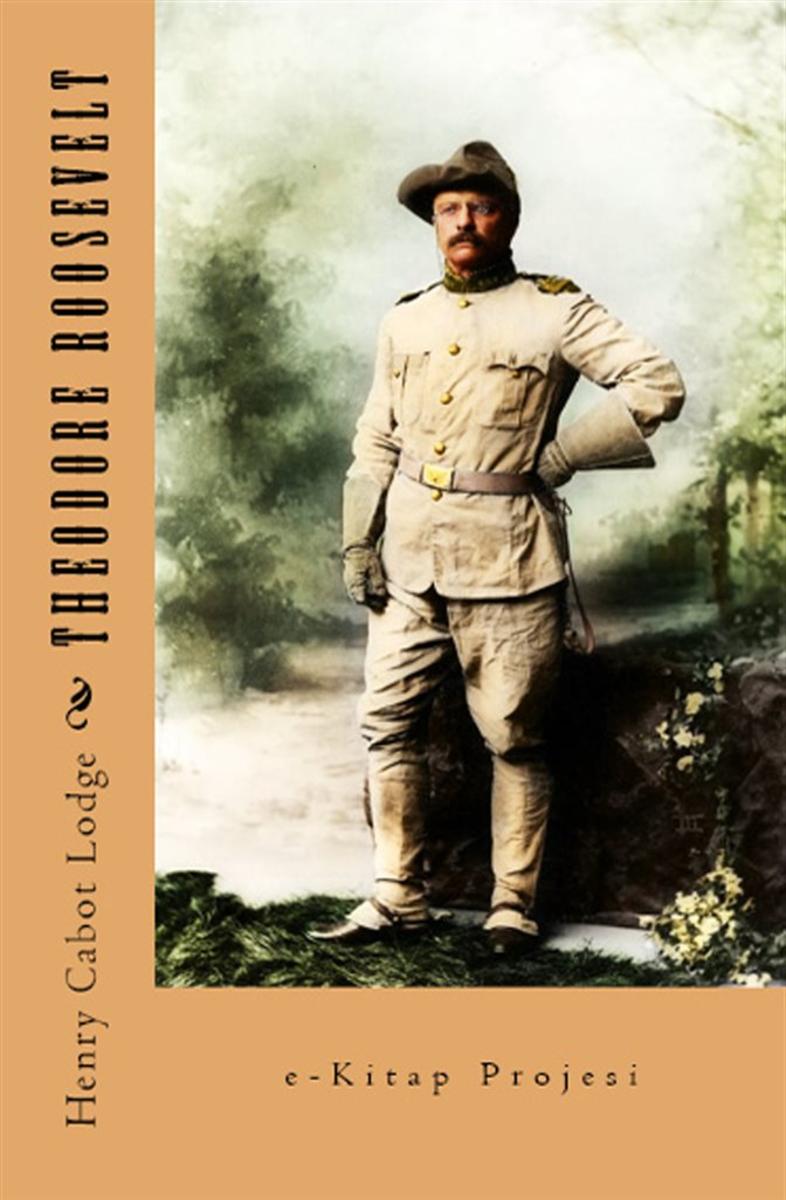
Theodore Roosevelt
¥18.56
Theodore Roosevelt had the good fortune to be born of a well-known, long-established family, with every facility for education and with an atmosphere of patriotism and disinterested service both to country and humanity all about him. In his father he had before him an example of lofty public spirit, from which it would have been difficult to depart. But if the work of his ancestors relieved him from the hard struggle which meets an unaided man at the outset, he also lacked the spur of necessity to prick the sides of his intent, in itself no small loss. As a balance to the opportunity which was his without labor, he had not only the later difficulties which come to him to whom fate has been kind at the start; he had also spread before him the temp-tations inseparable from such inherited advantages as fell to his lot—temptations to a life of sports and pleasure, to lettered ease, to an amateur's career in one of the fine arts, perhaps to a money-making business, likewise an inheritance, none of them easily to be set aside in obedience to the stern rule that the larger and more facile the opportunity the greater and more insistent the responsibility. ? About Author: ? henry Cabot Lodge (May 12, 1850 – November 9, 1924) was an American Republican Senator and historian from Massachusetts. Lodge received his PhD in history from Harvard. Lodge was a long-time friend and confidant of Theodore Roosevelt. Lodge had the role (but not the official title) of the first Senate Majority Leader. He is best known for his positions on foreign policy, especially his battle with President Woodrow Wilson in 1919 over the Treaty of Versailles. Lodge demanded Congressional control of declarations of war; Wilson refused and blocked Lodge's move to ratify the treaty with reservations. As a result, the United States never joined the League of Nations.Historian George E. Mowry argues that: Henry Cabot Lodge was one of the best informed statesmen of his time, he was an excellent parliamentarian, and he brought to bear on foreign questions a mind that was at once razor sharp and devoid of much of the moral cant that was so typical of the age....[Yet] Lodge never made the contributions he should have made, largely because of Lodge the person. He was opportunistic, selfish, jealous, condescending, supercilious, and could never resist calling his opponent's spade a dirty shovel. Small wonder that except for Roosevelt and Root, most of his colleagues of both parties disliked him, and many distrusted him. * * *

Poezii
¥33.03
Mergnd pe linia lui Adrian Punescu, autorul volumului abordeaz aceeai atitudine fa de cititorii obinuii ca i marele su nainta. Ioan Popa, membru al Uniunii Scriitorilor din Romnia, privete lirica din perspectiva cititorului de rnd. El i exprim sentimentele i ideile n aa fel, nct s fie neles de toat lumea. Abordeaz subiecte din viaa de zi cu zi a fiecruia dintre noi, vorbete de mersul la cumprturi, de evoluiile vieii politice, de divor, beii, scandaluri, aglomeraie urban i cte i mai cte. Adic aduce n poezie situaiile i strile sufleteti crora trebuie s le facem fa zilnic cu toii.Poetul are o solid formaie clasic i, n scrierile sale, apar i referine la antichitate, fie c acestea in de istorie, fie c in de mit. n acest fel, de multe ori elementele efemerului, ale derizoriului, ajung s ating o rezonan universal. ns exprimarea este lipsit de preiozitate, are simplitatea i transparena pe care cititorul nesofisticat de poezie le simte ca fiindu-i familiare.Scriind pentru toi cititorii de poezie, Ioan Popa continu o tradiie romneasc nobil. S amintim numai de mult iubiii notri poei George Cobuc, Ion Minulescu, George Toprceanu, Adrian Punescu. Oricare dintre noi intr uor n rezonan cu poeziile lor i le ptrunde nelesul fr s dispun de o aparatur complicat de receptare i interpretare.Fiind uor de neles, poeziile lui Ioan Popa se citesc cu bucurie i plcere – i cu un zmbet n colul gurii.“ – Vasile Poenaru
Caietul Roxanei ?i alte Jurnale
¥40.79
S?nge albastru nu mai exist? pe pia?a de carte de zeci de ani. De fapt, de la debut, din 1969. C?nd scriu aceste r?nduri, ?nc? nu mi-am rev?zut ?i recitit cartea. Aproape c? pot spune c? nu am habar ce am scris ?n S?nge albastru. ?i nici nu cred c? a? putea fi obiectiv? fa?? de valoarea estetic? a c?r?ilor mele de ?nceput. Nu-mi amintesc s? fi scris cineva, vreun critic, c?t ar fi fost el de neverosimil, despre carte. E?ecul a fost total. To?i colegii de v?rsta mea debutaser? deja, cu brio. Pentru ei ?ncepuser? vremurile recunoa?terii ?i ale privilegiilor. Eu s?pam, ca o c?rti?? kafkian?, bolnav? ?i oarb?, prin p?m?ntul poeziei din capul meu. ?tiu, doar, c? n-am putut dintr-o pudoare (ne)verosimil? s?-mi exhib sentimentele legate de boala care nu m? l?sa s? respir. Aveam tuberculoz? pulmonar? sever?. Am fost inocent?. S?nt ?i acum, dar altfel. A venit Alex Goldi?, un t?nar critic de aproximativ treizeci de ani, care a readus ?n scen? S?nge albastru, un gest exorbitant ?i riscant din partea lui, pentru care ?i mul?umesc. (Angela Marinescu)De peste patru decenii, Angela Marinescu a r?mas una dintre cele mai excentrice figuri ale poeziei rom?ne?ti, de ne?ncadrat ?n nici o poetic? genera?ionist?. ?n S?nge albastru, excelentul volum de debut din 1969 (care m? face s? m? ?ntreb unde s?nt str?lucitele debuturi de alt?dat?), t?n?ra poet? r?sturna abstractismul panteist ?i livresc à la Nichita St?nescu sau Ana Blandiana ?ntr-un imaginar dens ?i grav, ?nc?rcat de fantasme sexuale ?i funerare. Simbolurile ascensiunii, ale tinere?ii ?i ale purit??ii, tipic ?aizeciste, f?ceau loc unui con?inut poetic ponderabil ?i impudic. Ce ?mp?rt??ea poezia Angelei Marinescu cu versurile colegilor de genera?ie era, poate, doar o anumit? calofilie barbian? a formei, la care va renun?a pe parcurs. Cu optzeci?tii are autoarea Blindajului final ?i mai pu?ine lucruri ?n comun, c?ci formula ei poetic? e tot ce poate fi mai str?in ?nscen?rilor textuale. E explicabil, a?adar, faptul c? tocmai postura de outsider o recomand? pe Angela Marinescu drept mam? absolut? a autenticismului rom?nesc. (Alex Goldi?)
92 de pove?ti cu c?r?i
¥40.79
Ceea ce surprinde i fascineaz din capul locului n Ppdia electric este naturaleea cu care erban Axinte i transcrie viziunile. Discursul su nu are nimic contrafcut, strident, literar; din contr, poetul las impresia c nu face dect s repertorieze ct mai neutru, cu o precizie de grefier, o lume care i se ofer de-a gata i care, n ultim instan, l cuprinde. E drept c asemenea fotograme, care nu pot fi captate dect n stri liminale, precum visul, hipnoza, beia sau demena, au un aspect halucinant i misterios, de underworld rsrit parc din aburii alcoolului ori cufundat ntr-o memorie lichefiat. Numai c acest efect nu provine din anularea, ci tocmai din dilatarea percepiei comune, din celulele surescitate ale retinei care descoper nu att o irealitate imediat, ct o realitate remixat, n care lucrurile pot fi i aa, i altminteri. N-a putea bga mna-n foc c lumea i-a mai ieit i de aceast dat lui erban Axinte aa cum a vrut. Poezia, ns – cu siguran.“ – Andrei Terianerban Axinte este, dup cum tie toat lumea, unul dintre cele mai bune produse ale criticii literare din ultimul deceniu. Cronicar la Observator cultural, el este i autorul uneia dintre cele mai ambiioase sinteze recente – Definiiile romanului. De la Dimitrie Cantemir la G. Clinescu, o morfologie istoric a romanului romnesc care merit cu prisosin o receptare en fanfare.ns, pe de alt parte, taman faptul c toat lumea tie cine e criticul literar erban Axinte nu-i face un PR prea grozav poetului erban Axinte, cu toate c cel din urm e egalul absolut n drepturi al celui dinti. Lucrul s-a vzut i la precedenta sa carte de poezie, Lumea i-a ieit cum ai vrut (Vinea, 2006) – recomandat de prefaa empatic a lui Doris Mironescu, volumul n-a avut totui receptarea pe care ar fi meritat-o. Iar acum, dup cum se vede, scriu la rndul meu o prefa empatic, spernd din toat inima c Ppdia electric va fi o carte mai norocoas.(...)Ppdia electric e construit din trei cicluri (ca i Lumea i-a ieit aa cum ai vrut, de altfel – ceea ce poate s sugereze un anumit pattern arhitectural urmrit cu schepsis), intitulate decoct, bulb i acele electrice; ei bine, poemele tuturor acestor trei cicluri sunt inervate de imagini remarcabile, deseori de-a dreptul memorabile – citez aproape la ntmplare: s ni se ridice din inim o lumin att de puternic nct custura lumilor s nu se mai vad (acele electrice), ceva crete acum din mine, / cineva sufl asupra mea / cu miliarde de fotoni. // aura / nflorete din bulbul cretetului meu / ntr-o uria ppdie electric (ppdia electric), de ce i este fric, atta timp ct stai acolo, / nimic nu te poate atinge. // ce vd n tine, ce vd n tine, // un cimitir n care toi dumnezeii pmntului / i-au lsat morii s nfloreasc (de ce i este fric) .a.m.d. Sunt, toate, imagini de o mare frumusee, cu care empatizezi instantaneu i te fac s stabileti cu textul de sub ochi acel contract de ncredere despre care vorbea cndva Borges ca de o condiie sine qua non a lecturii de poezie.(...) Aadar, dac inem s-l etichetm generaionist pe erban Axinte, nu putem dect conchide c e cel mai atipic doumiist. Cu excepia obsesiei pentru hapax-ul existenial, nimic nu-l leag de generaia sa: nici poetica, nici maniera, nici tehnica. O atipie profund transpare din tot scrisul lui poetic; or, dup cum se tie, atipicii sunt ntotdeauna ctigtori pe termen lung.“ – Radu Vancu

Purgatorio: Am murit, din fericire 4
¥46.60
O carte savuroas?, foarte bine conturat? din prezent, un pamflet fin, sustinut de o ironie muscatoare.?Arti?tii sunt firi complicate ca un motor Peugeot. Pentru ei asta este o virtute. Respir? pe nas ?i cred c? numai ei pot a?a, pentru c? am ?nv??at din lecturi c? limba scoas? e dizgra?ioas?“, scrie Octavian D?rm?nescu despre artist ?i, implicit ?i despre sine. Iar despre pamflet ?n sine: ?pamfletul este o ?int? ?n mi?care, o pas?re de ?nalt? altitudine. Pamfletul se scrie sp?lat pe m?ini ?i cu creioane foarte ascu?ite. De ce? Pentru c? pamfletul trebuie s? fie discret“.?C?nd ai combustia ?i voca?ia de pilot de curse a lui D?rm?nescu ?i nu e?ti obi?nuit s? ape?i pe fr?n? ?nainte de curb?, mai ales c?nd e noroi pe jos (ce-i drept, noroi rom?nesc, patriotic), e greu s? nu scapi din c?nd ?n c?nd volanul ?i s? ie?i ni?el ?n decor. Din acest motiv, e cinstit s? spun firilor mai sensibile c? D?rm?nescu trebuie ?judecat? nu doar prin prisma celor scrise, ci mai ales prin prisma motivelor pe care le are atunci c?nd – de exemplu – afirm?, funebru, c? ?Toat? istoria valahilor nu este altceva dec?t o cronic? cuminte a unui popor prea fricos pentru a se revolta pentru mai bine?. – Silviu Man, actor ?i publicist
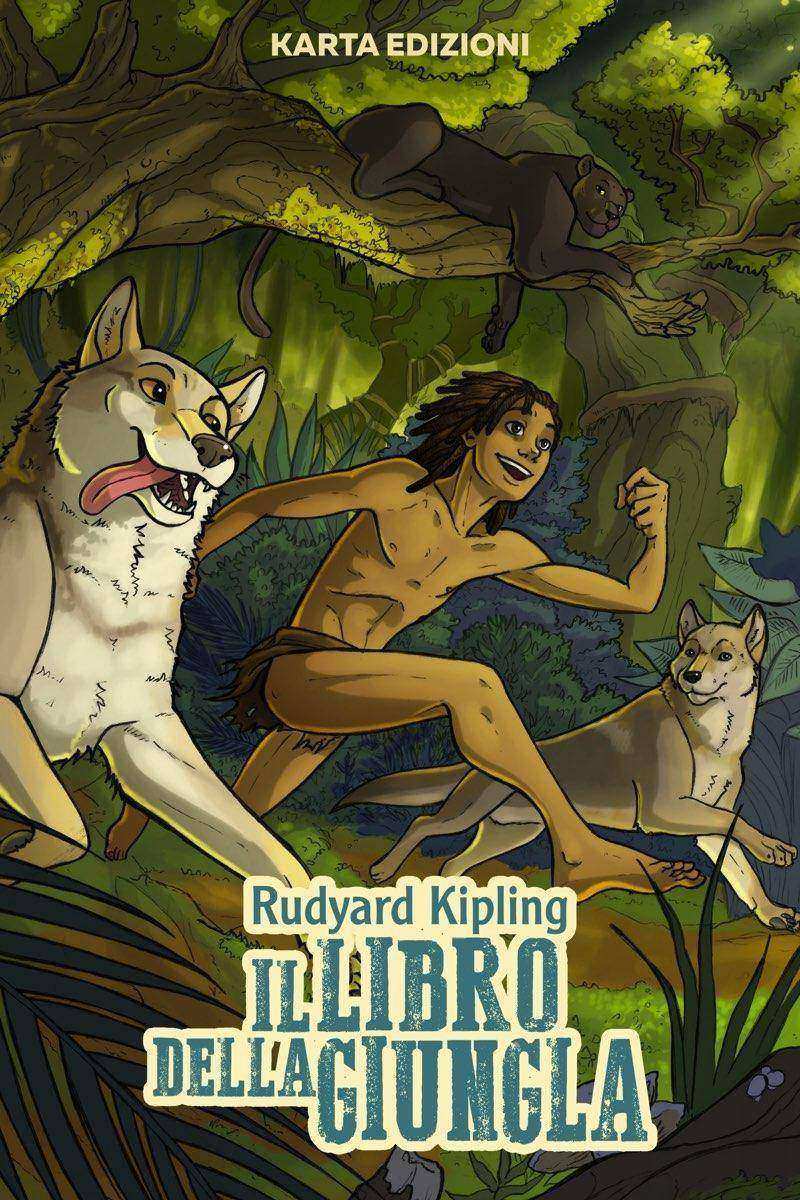
Il libro della giungla
¥32.54
Cosmoza, demonstrat? aproape matematic ?ntr-o construc?ie original?, este drumul sacru al ?mplinirii. Iubirea cosmic? e ideea de raport ?ntre Dumnezeu ?i lume, un raport ?ntemeiat pe compatibilitate ?i justificat prin deosebire. F?r? ea, crea?ia s-ar destr?ma. Cu ea, cele dep?rtate se apropie, se unesc, se ?nal?? ?i devin asemenea. Un parcurs temerar al g?ndului ?ntre generarea, degenerarea ?i regenerarea noastr?.Un demers care une?te prin metafizic? ?i metafor? trecutul cu viitorul, Orientul cu Occidentul, credin?a cu ?tiin?a, matematica cu teologia. Un eseu holistic profund ?i liric pres?rat cu sentin?e ingenue ?i disec?ii nemiloase. O carte despre cunoa?tere, care se cite?te cu creionul ?n m?n?...

A szegén ember meg a t?z: Bukovinai székely népmesék II.
¥32.05
Pentru c? jurnalul de scriitor al Aurei Christi – o parte a acestuia ap?rut ini?ial ?n dou? volume (Trei mii de semne ?i Foamea de a fi) – are circa o mie de pagini, la sugestia editorului, acestea au fost redistribuite ?n volume. Titlul Trei mii de semne (Editura Ideea European?, 2007) – edi?ie rev?zut? ?i ad?ugit? – a r?mas intact, pe c?nd Foamea de a fi (ed. I-a: Editura Contemporanul, 2010) apare cu titlul Coasta lui Apollo. Publicistica polemic? a fost organizat? ?ntr-un volum separat.?Am trecut pe l?ng? Academie, ?n a c?rei gr?din? am admirat ni?te castani b?tr?ni ?i at?t de m?ndri, Doamne, ?n solitudinea lor, dezvelit? ?n plin? urbe. Am urm?rit felul ?n care – ezit?nd parc? sau nu e dec?t o prejudecat? – c?deau ni?te castane; auzind pocnetul acela copil?ros ?i grav, care m-a dus cu g?ndul la o ?mplinire, apoi la un sf?r?it de drum, m-am oprit locului. Era o zi senin?; sufla un v?nt u?or ?i greu, de septembrie t?rziu, cu ochi ?ntuneca?i. Un septembrie cu cearc?ne de b?tr?n ?nsingurat. Dup? ce c?dea, straniu, nici o castan? parc? nu mai mi?ca; fiecare fruct r?m?nea pe locul desemnat parc? ?n timpul c?derii; da, fiecare castan? avea locul ei, ?tiut parc? ?nainte de a fi slobozit? pe asfaltul aleilor asimetrice sau pe p?m?ntul ?mp?nzit de frunze de un galben putred, uitat, ruginit. Privind acele castane, mi-am dorit ca poemele, eseurile ?i prozele mele s? se bucure de aceea?i, minunat?, ?nt?mplare: fiecare cuv?nt s? cad? ?n pagin? ca un fruct greu, copt, imposibil de urnit, fiecare cuv?nt s? r?m?n? ?n textura frazei, ca ?i cum ar fi acolo dintotdeauna.Prin urmare, rolul meu const? ?n dexteritatea r?bd?toare de a asista cuvintele, a?a cum Iosif – copilul f?nt?nii ?i al norocului – ajuta v?ntul ?n gr?dina de palmieri a prietenului faraonului, Putifar. (Aura Christi)


