


 购物车
购物车 个人中心
个人中心
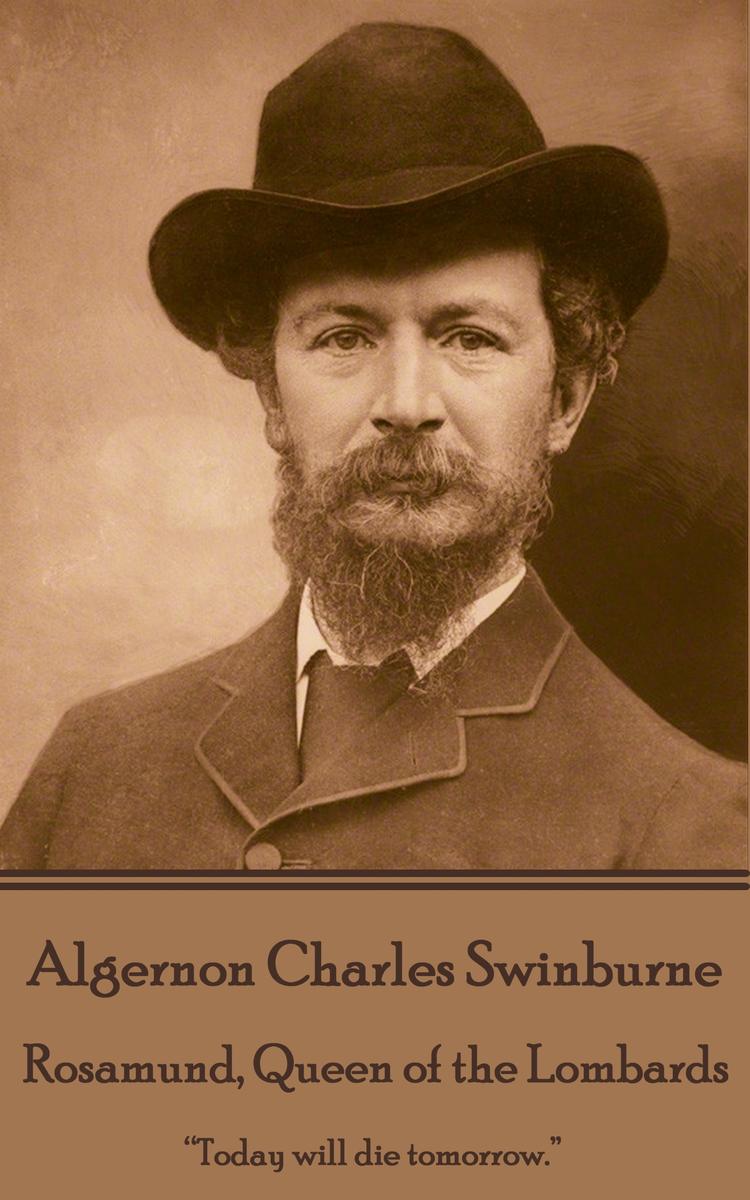
Rosamund, Queen of the Lombards - Today will die tomorrow.
¥14.03
Algernon Charles Swinburne was born on April 5th, 1837, in London, into a wealthy Northumbrian family. He was educated at Eton and at Balliol College, Oxford, but did not complete a degree. In 1860 Swinburne published two verse dramas but achieved his first literary success in 1865 with Atalanta in Calydon, written in the form of classical Greek tragedy. The following year "e;Poems and Ballads"e; brought him instant notoriety. He was now identified with "e;indecent"e; themes and the precept of art for art's sake. Although he produced much after this success in general his popularity and critical reputation declined. The most important qualities of Swinburne's work are an intense lyricism, his intricately extended and evocative imagery, metrical virtuosity, rich use of assonance and alliteration, and bold, complex rhythms. Swinburne's physical appearance was small, frail, and plagued by several other oddities of physique and temperament. Throughout the 1860s and 1870s he drank excessively and was prone to accidents that often left him bruised, bloody, or unconscious. Until his forties he suffered intermittent physical collapses that necessitated removal to his parents' home while he recovered. Throughout his career Swinburne also published literary criticism of great worth. His deep knowledge of world literatures contributed to a critical style rich in quotation, allusion, and comparison. He is particularly noted for discerning studies of Elizabethan dramatists and of many English and French poets and novelists. As well he was a noted essayist and wrote two novels. In 1879, Swinburne's friend and literary agent, Theodore Watts-Dunton, intervened during a time when Swinburne was dangerously ill. Watts-Dunton isolated Swinburne at a suburban home in Putney and gradually weaned him from alcohol, former companions and many other habits as well. Much of his poetry in this period may be inferior but some individual poems are exceptional; "e;By the North Sea,"e; "e;Evening on the Broads,"e; "e;A Nympholept,"e; "e;The Lake of Gaube,"e; and "e;Neap-Tide."e; Swinburne lived another thirty years with Watts-Dunton. He denied Swinburne's friends access to him, controlled the poet's money, and restricted his activities. It is often quoted that 'he saved the man but killed the poet'. Algernon Charles Swinburne died on April 10th, 1909 at the age of seventy-two.
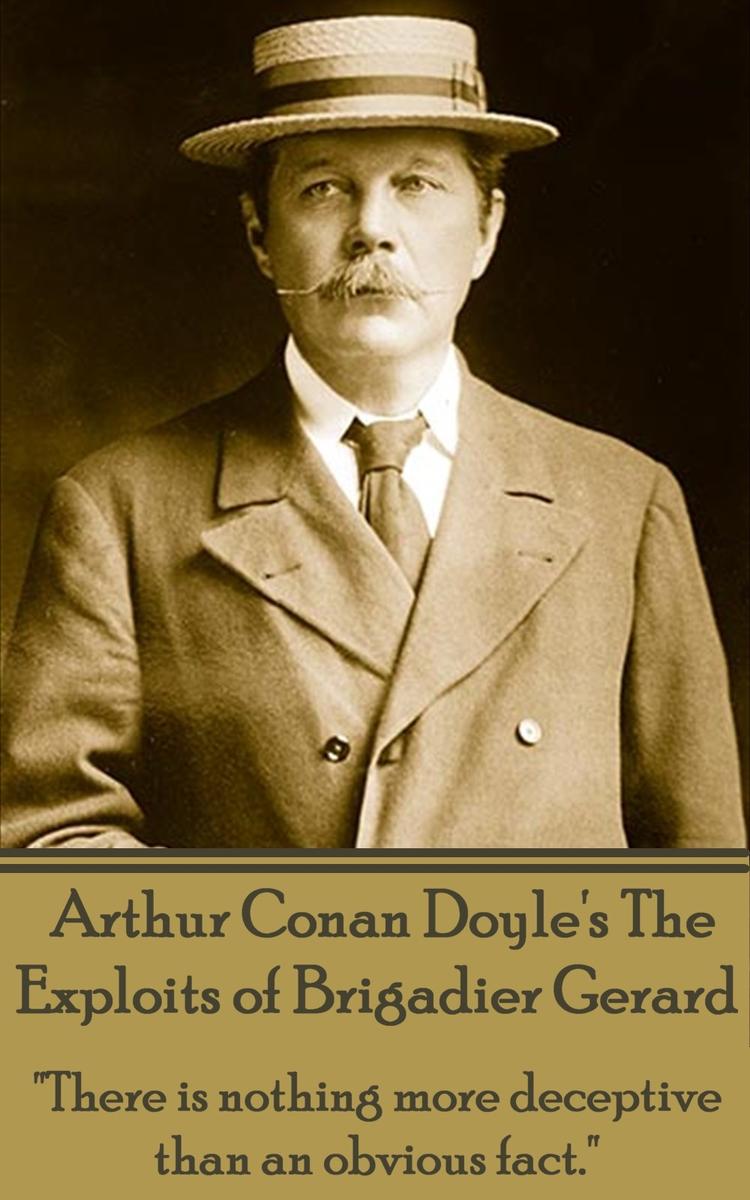
Exploits of Brigadier Gerard - There is nothing more deceptive than an obvious f
¥29.33
If ever a writer needed an introduction Arthur Conan Doyle would not be considered that man. After all, Sherlock Holmes is perhaps the foremost literary detective of any age. Add to this canon his stories of science fiction and his poems, his historical novels, his political campaigning, his efforts in establishing a Court Of Appeal and there is little room for anything else. Born in Arthur Conan Doyle was born on 22 May 1859 at 11 Picardy Place, Edinburgh, Scotland. From 1876 - 1881 he studied medicine at the University of Edinburgh following which he was employed as a doctor on the Greenland whaler Hope of Peterhead in 1880 and, after his graduation, as a ship's surgeon on the SS Mayumba during a voyage to the West African coast in 1881. Arriving in Portsmouth in June of that year with less than GBP10 (GBP700 today to his name, he set up a medical practice at 1 Bush Villas in Elm Grove, Southsea. The practice was initially not very successful. While waiting for patients, Conan Doyle again began writing stories and composed his first novel The Mystery of Cloomber. Although he continued to study and practice medicine his career was now firmly set as a writer. And thereafter great works continued to pour out of him. Here we one of those pieces for which his fame does not spread quite so far but which is an essential part of his work - 'The Exploits of Brigadier Gerard'.
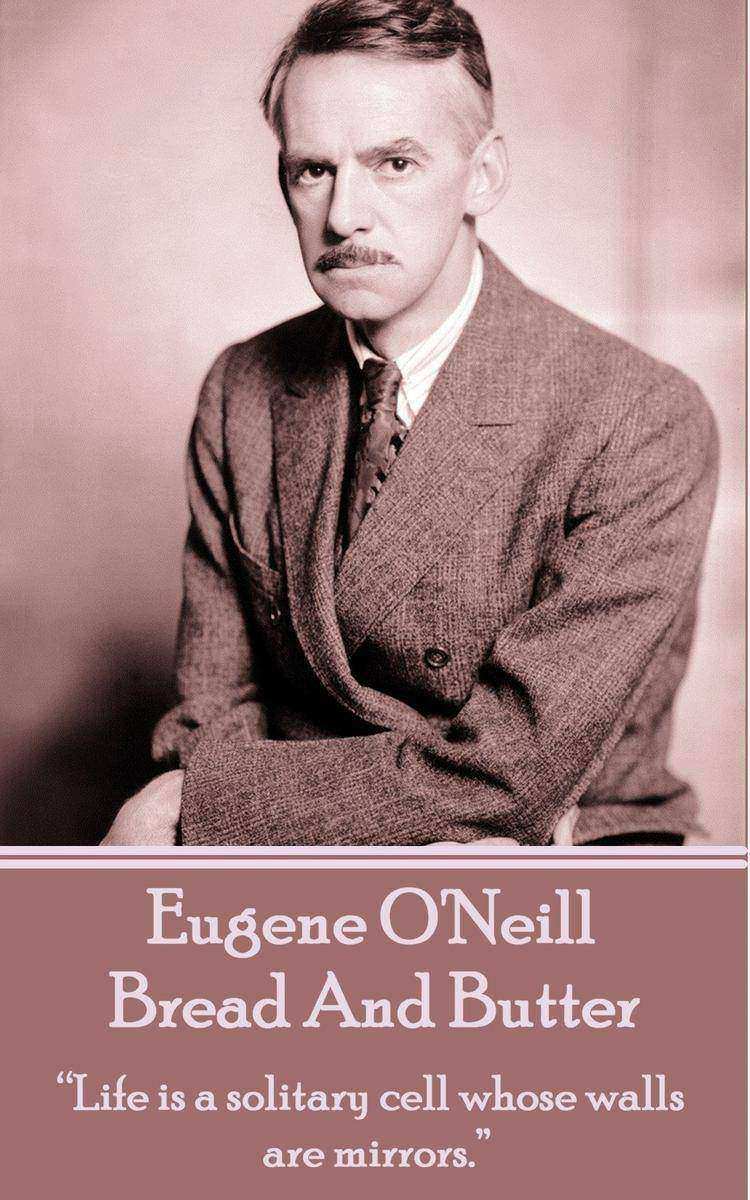
Bread And Butter - Life is a solitary cell whose walls are mirrors.
¥23.45
Eugene Gladstone O'Neill was born on October 16, 1888 in a hotel bedroom in what is now Times Square, New York. Much of his childhood was spent in the comfort of books at boarding schools whilst his actor father was on the road and his Mother contended with her own demons. He spent only a year at University - Princeton - and various reasons have been given for his departure. However whatever his background and education denied or added to his development it is agreed amongst all that he was a playwright of the first rank and possibly America's greatest. His introduction of realism into American drama was instrumental in its development and paved a path for many talents thereafter. Of course his winning of both the Pulitzer Prize (4 times) and the Nobel Prize are indicative of his status. His more famous and later works do side with the disillusionment and personal tragedy of those on the fringes of society but continue to build upon ideas and structures he incorporated in his early one act plays. Eugene O'Neill suffered from various health problems, mainly depression and alcoholism. In the last decade he also faced a Parkinson's like tremor in his hands which made writing increasingly difficult. But out of such difficulties came plays of the calibre of The Iceman Cometh, Long Day's Journey Into Night, and A Moon for the Misbegotten. Eugene O'Neill died in Room 401 of the Sheraton Hotel on Bay State Road in Boston, on November 27, 1953, at the age of 65. As he was dying, he whispered his last words: "e;I knew it. I knew it. Born in a hotel room and died in a hotel room."e;
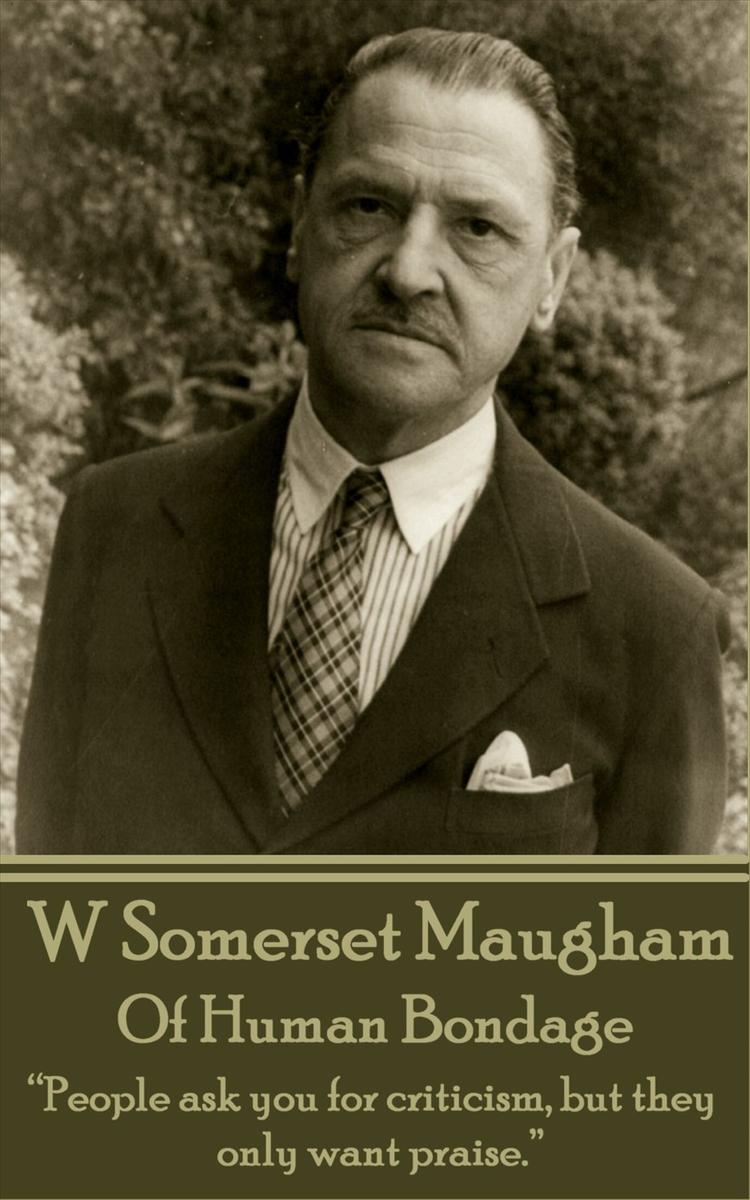
Of Human Bondage
¥46.99
William Somerset Maugham's Of Human Bondage is generally considered to be an autobiographical fiction where the different events happening to the protagonist, Philip, stand for the hardships that Maugham himself faced throughout his life. The story begins when Phillip successively loses both parents and is sent to stay in his uncle's vicarage in a small Kent village named Blackstable. Being taken from one of Spinoza's works, the title alludes to the novel's deeply-philosophical aspect and pressing existential and theological questions. The narrative recounts Phillip's different experiences with women, mainly his rather masochistic love for the hospital waitress, Mildred, who keeps on disappointing him. It also speaks about his constant wavering between different fields of study, namely theology, art and medicine. His uncle's collection of books provides him with continuous flights into the world of fiction and helps him enrich his imagination and worldly experience. By the end of the novel, Phillip seems to give up his philosophical idealism and to finally apprehend that life should be taken simply in order to be lived fully and happily. The happy resolution parallels Maugham's life achievements as a wealthy and prized playwright and novelist.
Dr Faustus - Hell is just a frame of mind.
¥9.32
In this foundational classic play, Christopher Marlowe beautifully retells the legend of Doctor Faustus in a masterful combination of verse and prose. The celebrated moral of the play is about how excessive ambition and unlimited lust for knowledge and power lead to self-destruction and damnation. The protagonist in the story is a talented lower-class man who is obsessed with the study of sciences and the secrets of life. His excessive academic ambition and his reliance solely on logic and reason lead him to cogitate about the nature of the world and its existence and to question the utility of the "e;doctrine of Divinity."e; Unsatisfied with the knowledge that pure and experimental sciences can offer, he eventually decides to explore the curious world of Black Magic. Through the recital of a strange incantation, Faustus succeeds in summoning a devil called Mephistopheles who informs him that he will only obey his orders once a pact is signed between Faustus and the devil's master: Lucifer. The pact is signed by Faustus' own blood and stipulates that in return of Mephistopheles' services, which unexpectedly turn to be unworthy by the end, he must give his soul over to Lucifer. The denouement of the play opens the floor for different speculations about Faustus' damnation or salvation.
Hengist, King of Kent - or, The Mayor of Quinborough
¥23.45
Thomas Middleton was born in London in April 1580 and baptised on 18th April. Middleton was aged only five when his father died. His mother remarried but this unfortunately fell apart into a fifteen year legal dispute regarding the inheritance due Thomas and his younger sister. By the time he left Oxford, at the turn of the Century, Middleton had and published Microcynicon: Six Snarling Satirese which was denounced by the Archbishop of Canterbury and publicly burned. In the early years of the 17th century, Middleton wrote topical pamphlets. One - Penniless Parliament of Threadbare Poets was reprinted several times and the subject of a parliamentary inquiry. These early years writing plays continued to attract controversy. His writing partnership with Thomas Dekker brought him into conflict with Ben Jonson and George Chapman in the so-called War of the Theatres. His finest work with Dekker was undoubtedly The Roaring Girl, a biography of the notorious Mary Frith. In the 1610s, Middleton began another playwriting partnership, this time with the actor William Rowley, producing another slew of plays including Wit at Several Weapons and A Fair Quarrel. The ever adaptable Middleton seemed at ease working with others or by himself. His solo writing credits include the comic masterpiece, A Chaste Maid in Cheapside, in 1613. In 1620 he was officially appointed as chronologer of the City of London, a post he held until his death. The 1620s saw the production of his and Rowley's tragedy, and continual favourite, The Changeling, and of several other tragicomedies. However in 1624, he reached a peak of notoriety when his dramatic allegory A Game at Chess was staged by the King's Men. Though Middleton's approach was strongly patriotic, the Privy Council silenced the play after only nine performances at the Globe theatre, having received a complaint from the Spanish ambassador. What happened next is a mystery. It is the last play recorded as having being written by Middleton. Thomas Middleton died at his home at Newington Butts in Southwark in the summer of 1627, and was buried on July 4th, in St Mary's churchyard which today survives as a public park in Elephant and Castle.
Family of Love - The devil's engine and the soul's corrupter.
¥26.98
Thomas Dekker was a playwright, pamphleteer and poet who, perhaps, deserves greater recognition than he has so far gained. Despite the fact only perhaps twenty of his plays were published, and fewer still survive, he was far more prolific than that. Born around 1572 his peak years were the mid 1590's to the 1620's - seven of which he spent in a debtor's prison. His works span the late Elizabethan and Caroline eras and his numerous collaborations with Ford, Middleton, Webster and Jonson say much about his work. His pamphlets detail much of the life in these times, times of great change, of plague and of course that great capital city London a swirling mass of people, power, intrigue.
Scrappy Rough Draft: Use science to strategically motivate yourself & finish wri
¥0.01
The canonical Gospels stand very differently, as respects origin, character and reception, with the Gospels, Acts and Apocalpyses known as ‘Apocryphal.’ These apocryphal writings began to be produced (so far as known) in the second century, mostly in Ebionitic and Gnostic circles, and, with few exceptions, were repudiated and condemned by the Church. Only later, and in modified and expurgated forms, did their stories pass into the general Catholic tradition. The second century seems to have been a perfect hot-bed for the production of this class of writings. The heretical Gospel of the Egyptians is already quoted in 2 Clement (circa a.d. 140). Iren?us speaks of the sect of the Marcosians as adducing ‘an unspeakable number of apocryphal and spurious writings, which they themselves had forged, to bewilder the minds of the foolish,’ and instances the story, found in the Gospel of Thomas, of Jesus confounding the schoolmaster who sought to teach Him His letters (Adv. Haer. i. 20). Later tradition attributed the composition of many of the apocryphal writings (Pseudo-Matthew, Acts of Apostles) to a mythical Leucius, a disciple of the Apostles (cp. art. ‘Leucius,’ Dict. of Christ. Biog.). Eusebius gives a list of spurious and disputed books: ‘That we may have it in our power to know both these books (the canonical) and those that are adduced by the heretics under the name of the Apostles, such, viz., as compose the Gospels of Peter, of Thomas, and of Matthew, and certain others beside these, or such as contain the Acts of Andrew and John, and of the other Apostles, of which no one of those writers in the ecclesiastical succession has condescended to make any mention in his works; and, indeed, the character of the style itself is very different from that of the Apostles, and the sentiments, and the purport of those things that are advanced in them, deviating as far as possible from sound orthodoxy, evidently proves they are the fictions of heretical men; whence they are not only to be ranked among the spurious writings, but are to be rejected as altogether absurd and impious’ (H. E. iii. 25). Only a small part of this extensive literature remains to us, and in no case in its original form, but solely in later, and often much-altered recensions. CrossReach Publications

Thuvia, Maid Of Mars - And yet I feel that I cannot go on living forever
¥35.22
Edgar Rice Burroughs was born on September 1, 1875, in Chicago, Illinois. His early career was unremarkable. After failing to enter West Point he enlisted in the 7th Calvary but was discharged after heart problems were diagnosed. A series of short term jobs gave no indication as to a career path but finally, in 1911, married and with two young children, he turned his hand to writing. He aimed his works squarely at the very popular pulp serial magazines. His first effort 'Under The Moons Of Mars' ran in Munsey's Magazine in 1912 under the pseudonym Norman Bean. With its success he began writing full time. A continuing theme of his work was to develop series so that each character had ample opportunities to return in sequels. John Carter was in the Mars series and there was another on Venus and one on Pellucidar among others. But perhaps the best known is Tarzan. Indeed Burroughs wanted so much to capitalise upon the brand that he introduced a syndicated Tarzan comic strip, movies and merchandise. He purchased a large ranch north of Los Angeles, California, which he named "e;Tarzana."e; The surrounding communities outside the ranch voted in 1927 to adopt the name as their own. By 1932 Burroughs set up his own company to print his own books. Here we publish the fourth in the Barsoom series and its enduring hero John Carter 'Thuvia, Maid of Mars'. Another cultural classic.
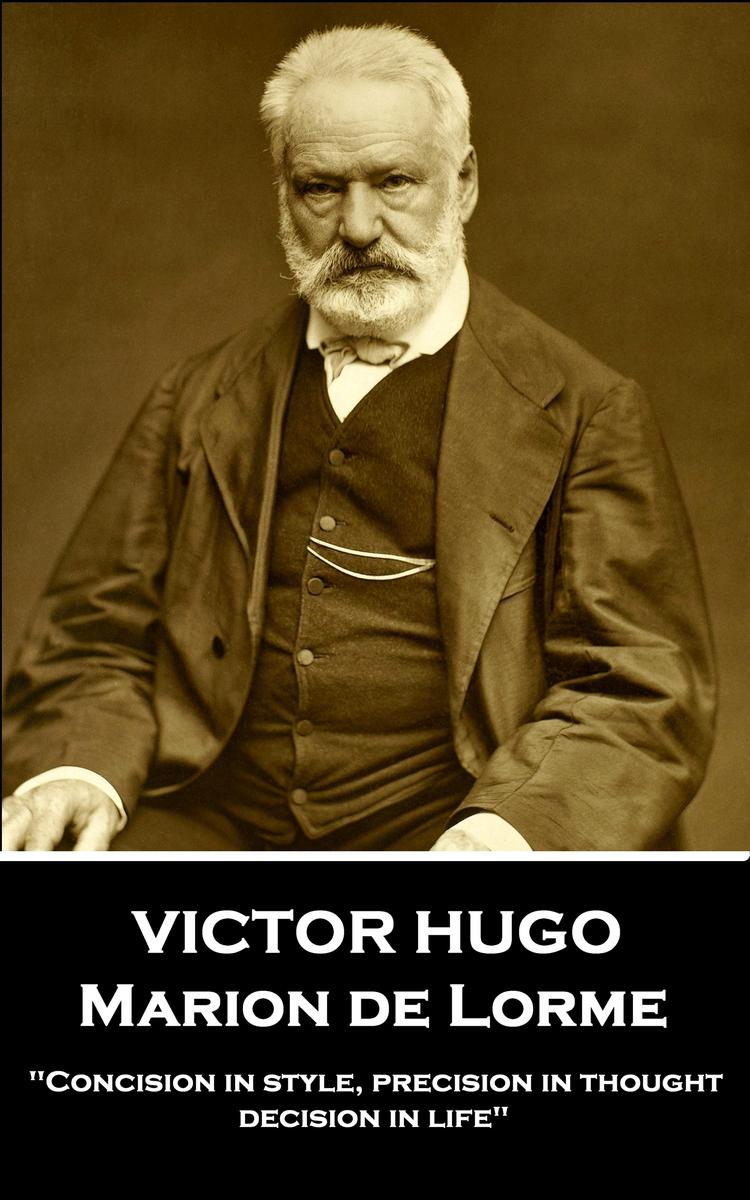
Marion de Lorme - Concision in style, precision in thought, decision in life
¥29.33
Victor Marie Hugo was born on 26th February 1802 and is revered as the greatest of all French writers. A poet, novelist, dramatist and painter he was a passionate supporter of Republicanism and made a notable contribution to the politics of his Country.His life was paralleled by the immense political and social movements of the 19th Century. When he was two Napoleon was proclaimed Emperor but before he was eighteen the Bourbon Monarchy was restored.It was only with his Mother's death in 1821 that he felt confident enough to marry Adele Foucher, a relationship he had kept secret from his mother. Their first child was born inside a year but died in infancy. Leopoldine was born the following year, followed by three further siblings.Hugo published his first novel the year following year, Han d'Islande, (1823). Three years later his second, Bug-Jargal (1826).Between 1829 and 1840 he would publish five further volumes of poetry solidifying his reputation as one of the greatest elegiac and lyric poets of his time. His reputation was growing not only in France but across Europe.In 1841 he was elected to the Academie Francaise, cementing his position in the world of French arts and letters. Hugo also now began to turn his attention to an involvement in French politics.Elevated to the peerage by King Louis-Philippe in 1841 he spoke eloquently and at length against the death penalty and social injustice as well as passionately in favour of freedom of the press and self-government for Poland.When Napoleon III seized power in 1851, and established an anti-parliamentary constitution, Hugo openly declared him a traitor to France and began a long exile, based mainly in Guernsey.In exile, Hugo published his famous political pamphlets; Napoleon le Petit and Histoire d'un crime. Although the pamphlets were banned in France, they nonetheless made a strong impact there. His exile also seemed to have a creative impetus. He composed or published some of his greatest work including Les Miserables, and three widely honoured collections of poetry (Les Chatiments, 1853; Les Contemplations, 1856; and La Legende des siecles, 1859).In 1870 the Third Republic was established and Hugo finally returned home, where he was elected to the National Assembly and the Senate. That same year War erupted between France and Prussia and the French were badly beaten.With the end of the War Hugo began his campaign for a great valuation and protection for the rights of artists and copyright. He was a founding member of the Association Litteraire et Artistique Internationale, which led to the Berne Convention for the Protection of Literary and Artistic Works.Victor Hugo's death on 22nd May 1885, at the age of 83, generated intense nation-wide mourning. Revered not only as a towering figure in literature, he was a statesman who had helped to shape the Third Republic and democracy in France. Index of ContentsDRAMATIS PERSONTIME: 1638MARION DE LORMEACT ITHE MEETINGSCENE ISCENE IISCENE IIISCENE IVACT IITHE ENCOUNTERSCENE ISCENE IISCENE IIISCENE IVSCENE VACT IIITHE COMEDYSCENE ISCENE IISCENE IIISCENE IVSCENE VSCENE VISCENE VIISCENE VIIISCENE IXSCENE XACT IVTHE KINGSCENE ISCENE IISCENE IIISCENE IVSCENE VSCENE VISCENE VIISCENE VIIIACT VTHE CARDINALSCENE ISCENE IISCENE IIISCENE IVSCENE VSCENE VIVICTOR HUGO - A SHORT BIOGRAPHYVICTOR HUGO - A CONCISE BIBLIOGRAPHY

Duet - The love of books is among the choicest gifts of the gods.
¥29.33
If ever a writer needed an introduction Arthur Conan Doyle would not be considered that man. After all, Sherlock Holmes is perhaps the foremost literary detective of any age. Add to this canon his stories of science fiction and his poems, his historical novels, his political campaigning, his efforts in establishing a Court Of Appeal and there is little room for anything else. Born in Arthur Conan Doyle was born on 22 May 1859 at 11 Picardy Place, Edinburgh, Scotland. From 1876 - 1881 he studied medicine at the University of Edinburgh following which he was employed as a doctor on the Greenland whaler Hope of Peterhead in 1880 and, after his graduation, as a ship's surgeon on the SS Mayumba during a voyage to the West African coast in 1881. Arriving in Portsmouth in June of that year with less than GBP10 (GBP700 today to his name, he set up a medical practice at 1 Bush Villas in Elm Grove, Southsea. The practice was initially not very successful. While waiting for patients, Conan Doyle again began writing stories and composed his first novel The Mystery of Cloomber. Although he continued to study and practice medicine his career was now firmly set as a writer. And thereafter great works continued to pour out of him. Here we one of those pieces for which his fame does not spread quite so far but which is an essential part of his work - 'The Duet'.
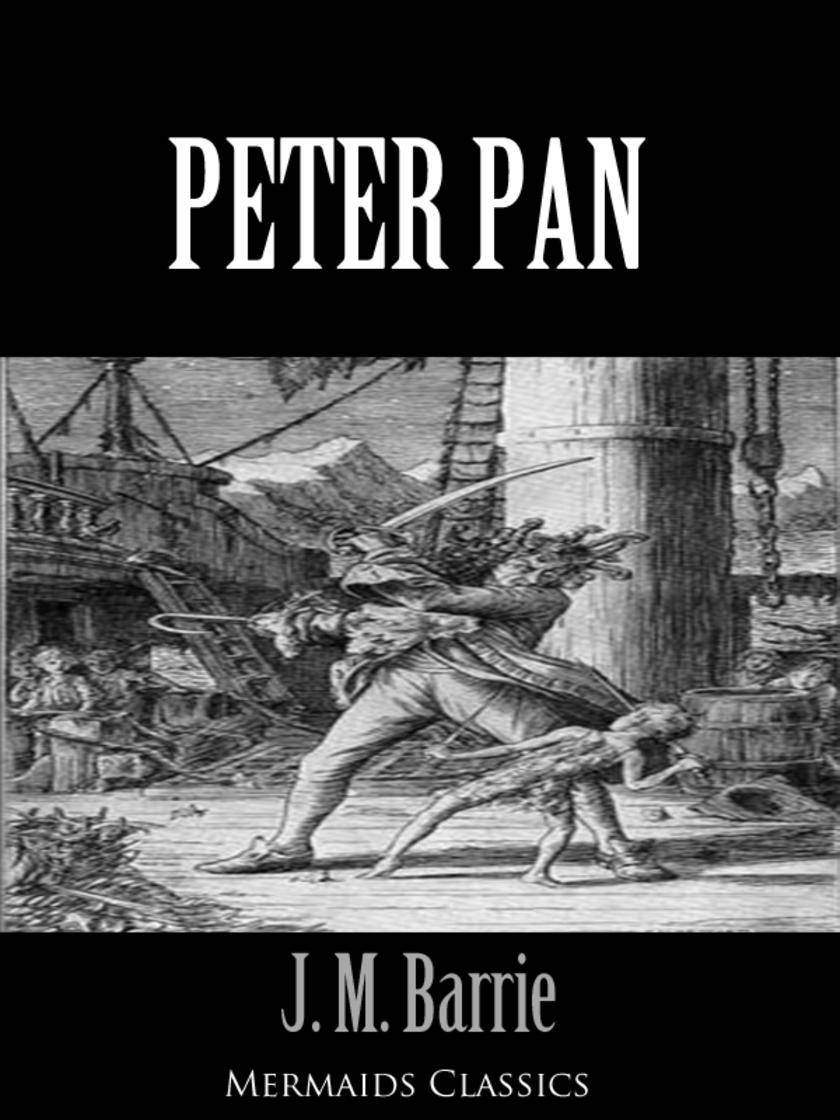
Peter Pan (Mermaids Classics)
¥35.22
Peter Pan (also known as Peter Pan and Wendy or Peter and Wendy) was written by J.M. Barrie (1860 - 1937) and was first published as a novel in 1911. The story follows a young boy who can fly and never grows old. He lives on an island called Neverland with a group of friends called The Lost Boys and fights with the fearsome pirate - Captain Hook. Other friends include fairies, mermaids and of course, children outside of Neverland.This digital edition is beautifully formatted with an active Table of Contents that goes directly to each chapter of the story. Mermaids Classics, an imprint of Mermaids Publishing brings the very best of old classic literature to a modern era of digital reading by producing high quality books in ebook format. All of the Mermaids Classics epublications are reproductions of classic antique books that were originally published in print format, mostly over a century ago and are now republished in digital format as ebooks. Begin to build your collection of digital books by looking for more literary gems from Mermaids Classics.
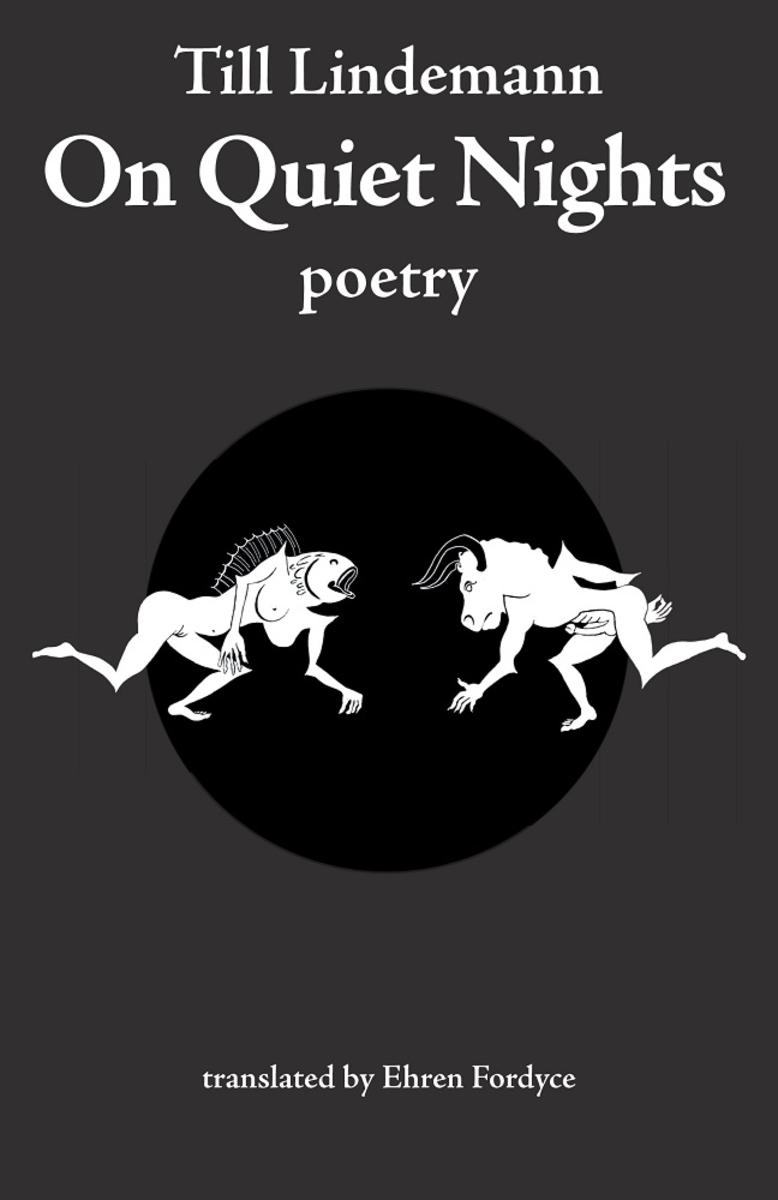
On Quiet Nights
¥65.32
There's a place inside us that is cloaked in darkness, rubbed raw with silence. It's a shadow wrapped in a shadow and it screams, but it screams in harsh whispers. This collection explores the blackness within, the gritty underground that hides inside memories and cowers just outside fear. The poems, paired with illustrations from Matthias Matthies work in sync to create a collage of blunt sexuality, masochistic, and sometimes sadistic recollections of love, reflection, and self-exploration.??Lindemann paints pictures with his poems, a slave to the vulnerability and sexuality that drives mankind. His words themselves are body modifications that settle on readers, piercing then slowly penetrating and pumping his audience full with a mix of pleasure and pain. A combination of longing, emotional depth, and bestial intuition, these pieces evoke an innate nature to seek pleasure, to ask for forgiveness, to instill blame. ??On Quiet Nights pulls back the curtains at night and asks readers to think about who they are. Lindemann holds a mirror to soul, capturing desire and need, with the courage to answer some of life's biggest questions: Who am I? What am I? Why am I?
Scarlet Letter (Mermaids Classics)
¥35.22
The Scarlet Letter (1850) is a historical romantic fiction novel written by American author Nathaniel Hawthorne (1804-1864). It is considered to be his magnum opus. Set in 17th-century Puritan Boston, Massachusetts during the years 1642 to 1649, it tells the story of Hester Prynne, who conceives a daughter through an adulterous affair and struggles to create a new life of repentance and dignity. Throughout the book, Hawthorne explores themes of legalism, sin and guilt. (Citation from Wikipedia: The free Encyclopaedia)Mermaids Classics, an imprint of Mermaids Publishing brings the very best of old classic literature to a modern era of digital reading by producing high quality books in ebook format. All of the Mermaids Classics epublications are reproductions of classic antique books that were originally published in print format, mostly over a century ago and are now republished in digital format as ebooks. Begin to build your collection of digital books by looking for more literary gems from Mermaids Classics.
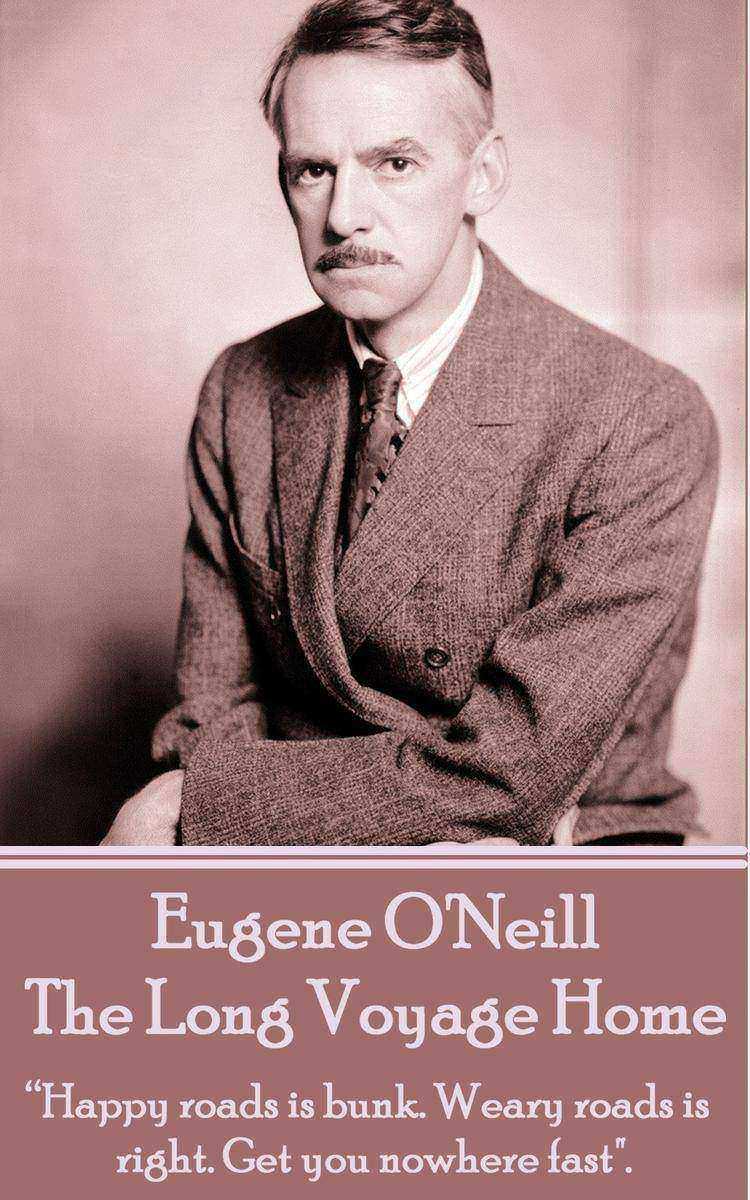
Long Voyage Home - Happy roads is bunk. Weary roads is right. Get you nowhere fa
¥14.03
Eugene Gladstone O'Neill was born on October 16, 1888 in a hotel bedroom in what is now Times Square, New York. Much of his childhood was spent in the comfort of books at boarding schools whilst his actor father was on the road and his Mother contended with her own demons. He spent only a year at University - Princeton - and various reasons have been given for his departure. However whatever his background and education denied or added to his development it is agreed amongst all that he was a playwright of the first rank and possibly America's greatest. His introduction of realism into American drama was instrumental in its development and paved a path for many talents thereafter. Of course his winning of both the Pulitzer Prize (4 times) and the Nobel Prize are indicative of his status. His more famous and later works do side with the disillusionment and personal tragedy of those on the fringes of society but continue to build upon ideas and structures he incorporated in his early one act plays. Eugene O'Neill suffered from various health problems, mainly depression and alcoholism. In the last decade he also faced a Parkinson's like tremor in his hands which made writing increasingly difficult. But out of such difficulties came plays of the calibre of The Iceman Cometh, Long Day's Journey Into Night, and A Moon for the Misbegotten. Eugene O'Neill died in Room 401 of the Sheraton Hotel on Bay State Road in Boston, on November 27, 1953, at the age of 65. As he was dying, he whispered his last words: "e;I knew it. I knew it. Born in a hotel room and died in a hotel room."e;
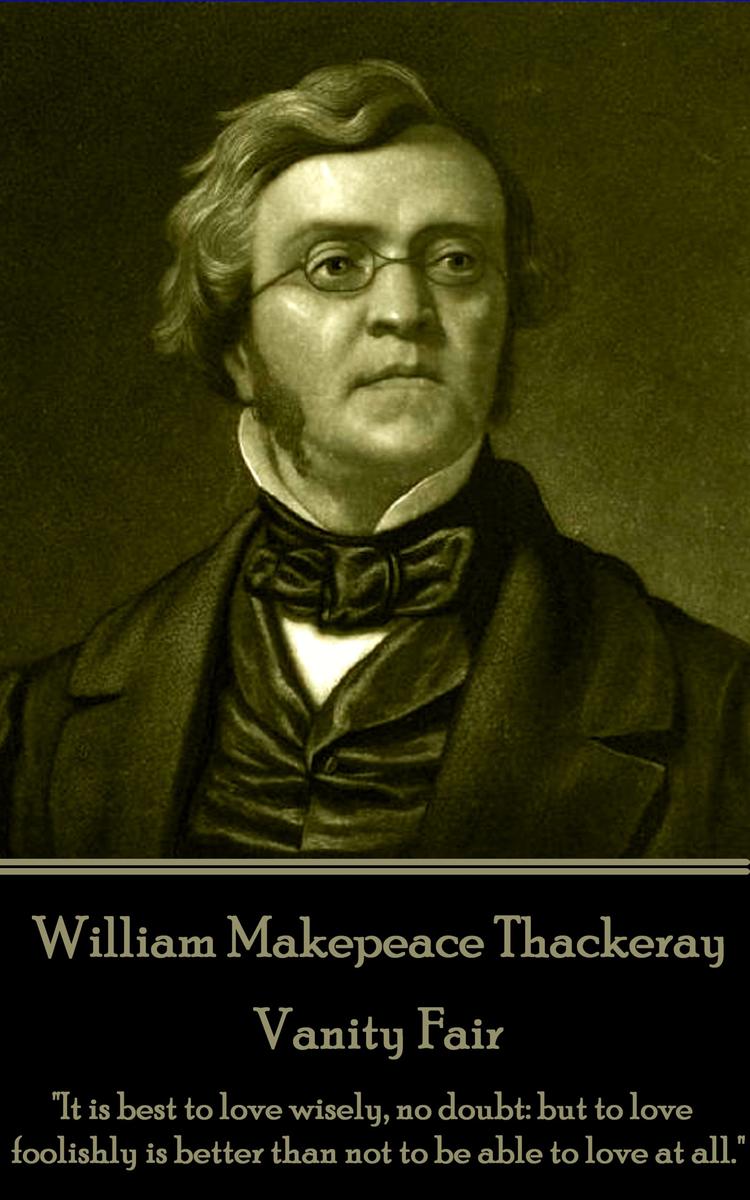
Vanity Fair - It is best to love wisely, no doubt
¥43.46
The great author of Vanity Fair and The Luck Of Barry Lyndon was born in India in 1811. At age 5 his father died and his mother sent him back to England. His education was of the best but he himself seemed unable to apply his talents to a rigorous work ethic. However, once he harnessed his talents the works flowed in novels, articles, short stories, sketches and lectures. Sadly, his personal life was rather more difficult. After a few years of marriage his wife began to suffer from depression and over the years became detached from reality. Thackeray himself suffered from ill health later in his life and the one pursuit that kept him moving forward was that of writing. In his life time, he was placed second only to Dickens. High praise indeed.

莎士比亚戏剧典藏:皆大欢喜
¥12.99
弗莱德里克不顾兄弟情谊,篡夺同胞兄弟的公爵头衔,把公爵赶走,使他被迫流亡在森林里。不久公爵的女儿罗瑟琳也被驱逐到森林,遇到了受兄长奥列佛虐待的奥兰多,两人相爱。奥兰多宽恕了奥列佛,使奥列佛悔过,并与罗瑟琳的堂妹西莉娅产生了爱情。他们一起生活在森林里,罗瑟琳终于在森林里找到了父亲,弗莱德里克受隐士拨,对自己的行为十分懊悔,将权位归还给了胞兄,奥兰多与罗瑟琳、奥列佛与西莉娅、牧人西尔维斯与牧女菲必、小丑试金石与村姑奥德雷四对恋人喜结良缘,收获了大团圆的结局。
莎士比亚戏剧典藏:威尼斯商人
¥12.99
《威尼斯商人》 是莎士比亚早期的重要作品,是一部具有极大讽刺性的喜剧。主要讲述了威尼斯商人安东尼奥为了帮助好友巴萨尼奥成婚,向犹太人高利贷者夏洛克借了三千金币。夏洛克因为安东尼奥借给别人钱不要利息,影响了他的生意,又侮辱过他,所以借机报复,在借约上戏言三个月期满还不上钱,就从安东尼奥身上割下一磅肉抵债。安东尼奥因船失事,不能如期还钱,夏洛克就提起公诉,要安东尼奥履行借约。 为救安东尼奥的性命,巴萨尼奥的未婚妻鲍西亚假扮律师,利用智慧巧妙地让夏洛克无法执行割一磅肉而败诉,害人不成反而失去财产。

St James in the Bush
¥39.14
Promoting positive community was something that just came naturally to Francis Boatwright, a pioneer educationalist who worked for many years in Mozambique. His great passion was helping others reach their potential and was also good at bringing healing to people, so they could know themselves as whole persons capable of contributing to human flourishing. Boatwright moved to Zimbabwe, a country of natural beauty, in the middle of the twentieth century with his wife Monica who had an excellent command of the Nguni languages. As they had no house at first, the Boatwrights camped out. But the bush was very thick. It wasn't long before they started getting visits from wild animals and snakes of all kinds...

Blood of Kings
¥68.57
A reflection on life, The Blood of Kings describes in raw emotion and evocative language all aspects of what it is to be a man, a poet, a soldier, a friend. This poetry, with a dark edge, covers the loss of love, death, religion, friendship, war and a philosophical outlook on what they all really mean. Not always easy reading, but with depth and passion, JB Brown describes a passage of rights where the juxtaposition of life, its highs and its accompanying pain are only too real.
101 Princess Diana Facts
¥19.52
Diana, Princess of Wales is one of the most recognisable figures in history. However how much do you really know about the woman who stole a nation's heart? This quick-read eBook gives you all the information you need in easy to digest sections which cover her life from a young child through her ill-fated marriage and subsequent divorce, her relationships, charity work plus much more. Find out everything there is to know about the people's princess whose life was tragically cut short.


