


 购物车
购物车 个人中心
个人中心
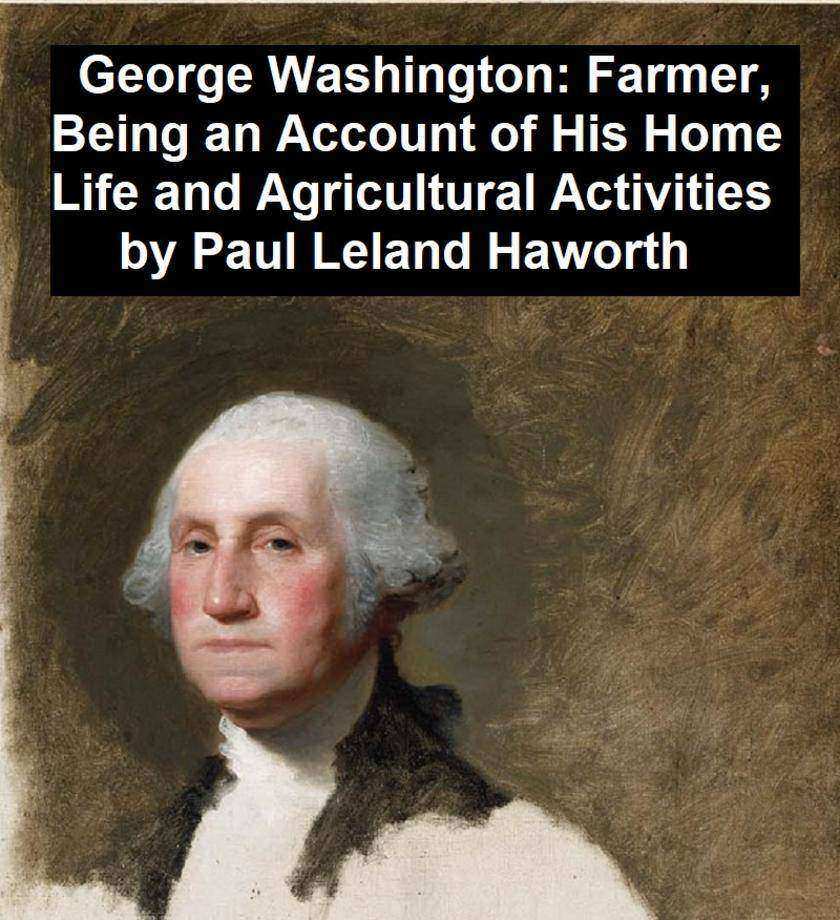
George Washington
¥8.09
According to Wikipedia: "Washington is seen as a symbol of the United States and republicanism in practice. His devotion to civic virtue made him an exemplary figure among early American politicians. Washington died in 1799, and in his funeral oration, Henry Lee said that of all Americans, he was "first in war, first in peace, and first in the hearts of his countrymen." Washington has been consistently ranked by scholars as one of the greatest U.S. Presidents."
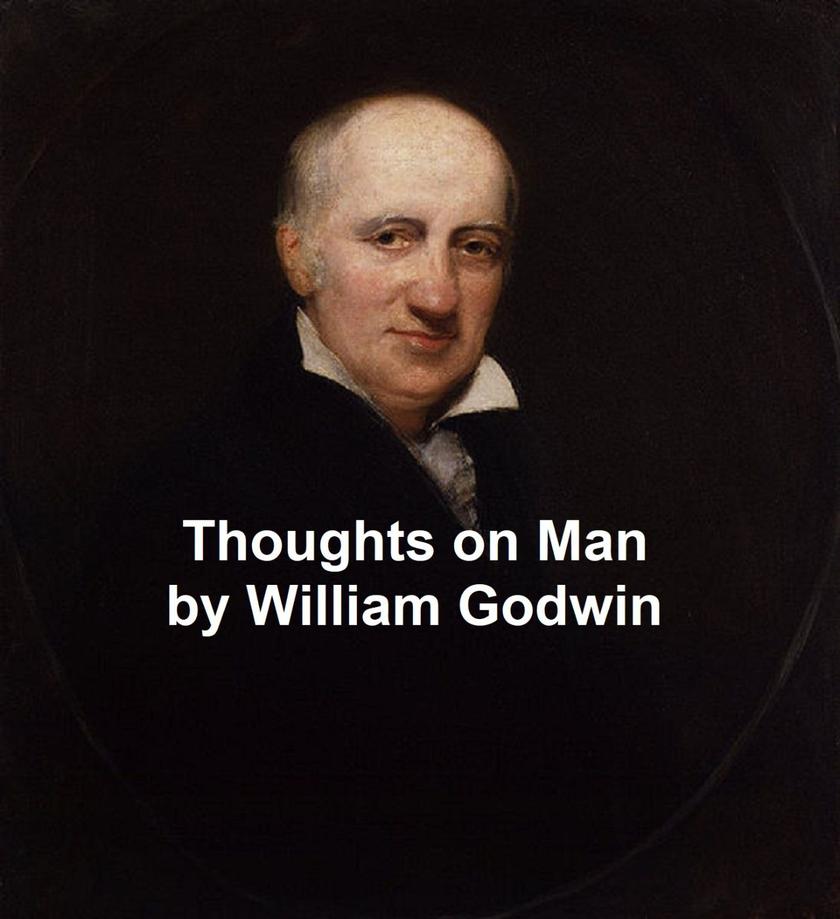
Thoughts on Man
¥8.09
According to Wikipedia: "William Godwin (3 March 1756 – 7 April 1836) was an English journalist, political philosopher and novelist. He is considered one of the first exponents of utilitarianism, and one of the first modern proponents of anarchism. Godwin is most famous for two books that he published within the space of a year: An Enquiry Concerning Political Justice, an attack on political institutions, and Things as They Are or The Adventures of Caleb Williams, which attacks aristocratic privilege, but also is virtually the first mystery novel. Based on the success of both, Godwin featured prominently in the radical circles of London in the 1790s. In the ensuing conservative reaction to British radicalism, Godwin was attacked, in part because of his marriage to the pioneering feminist writer Mary Wollstonecraft in 1797 and his candid biography of her after her death; their child, Mary Godwin (later Mary Shelley) would go on to author Frankenstein and marry the poet Percy Bysshe Shelley. Godwin wrote prolifically in the genres of novels, history and demography throughout his lifetime."
Memoir of Fleeming Jenkin
¥8.09
Biography by the author of Treasure Island. According to Wikipedia: "Henry Charles Fleeming Jenkin (25 March 1833 - 12 June 1885) was Professor of Engineering at the University of Edinburgh, remarkable for his versatility. Known to the world as the inventor of telpherage, he was an electrician and cable engineer, a lecturer, linguist, critic, actor, dramatist and artist."
Hawthorne
¥8.09
Biography of one New England author by another.? According to Wikipedia: "Nathaniel Hawthorne (July 4, 1804 – May 19, 1864) was an American novelist, dark romantic, and short story writer. He was born in 1804 in Salem, Massachusetts to Nathaniel Hathorne and the former Elizabeth Clarke Manning. His ancestors include John Hathorne, the only judge involved in the Salem witch trials who never repented of his actions. He entered Bowdoin College in 1821, was elected to Phi Beta Kappa in 1824,[1] and graduated in 1825. He published his first work in 1828, the novel Fanshawe; he later tried to suppress it, feeling that it was not equal to the standard of his later work.[2] He published several short stories in periodicals, which he collected in 1837 as Twice-Told Tales. The next year, he became engaged to Sophia Peabody. He worked at the Boston Custom House and joined Brook Farm, a transcendentalist community, before marrying Peabody in 1842. The couple moved to The Old Manse in Concord, Massachusetts, later moving to Salem, the Berkshires, then to The Wayside in Concord. The Scarlet Letter was published in 1850, followed by a succession of other novels. A political appointment as consul took Hawthorne and family to Europe before their return to Concord in 1860. Hawthorne died on May 19, 1864, and was survived by his wife and their three children."
George Bernard Shaw
¥8.09
Book-length study of the great playwright by a great novelist. According to Wikipedia: "Gilbert Keith Chesterton (1874 - 1936) was an influential English writer of the early 20th century. His prolific and diverse output included journalism, philosophy, poetry
Abraham Lincoln
¥8.09
Classic biography of Lincoln, first published in 1899. According to Wikipedia: "According to Wikipedia: "Abraham Lincoln is a 2-volume biography of Abraham Lincoln written by John Torrey Morse (1840-1937). Originally published in 1893, the New York times found it to be "for its scope, admirable. It will even stand up and appear respectable in the most distinguished company of Lincoln biographies that might be assembled." The author is "a sane biographer, who brings to the task of writing about Lincoln a mind that aspires to see clear and think straight, instead of one held slavishly subject to a heart's desire to make Lincoln out a hero without fault or blemish." The Atlantic Monthly noted that Morse had "attempted a bit of scientific painting and not a portraiture to the life. The book is a criticism, consequently, rather than an appreciation." They also noted that Morse concentrates mostly on the five years that Lincoln was in office... In 1987, Gabor Boritt noted that Morse was the first biographer to have "fully exemplified as well as diagnosed the above ailment [the schism between the self-serving, not very admirable politician that Lincoln was up until 1860 versus the later "unparalleled greatness"]." Morse has written of "the insoluble problem of two men - two lives - one following the other with no visible link... we have physically one creature, morally and mentally two beings."
Heretics
¥8.09
Classic collection of essays. Introductory Remarks on the Importance of Orthodoxy, On the Negative Spirit, On Mr. Rudyard Kipling and Making the World Small, Mr. Bernard Shaw, Mr. H. G. Wells and the Giants, Christmas and the Esthetes, Omar and the Sacred Vine, The Mildness of the Yellow Press, The Moods of Mr. George Moore, On Sandals and Simplicity, Science and the Savages, Paganism and Mr. Lowes Dickinson, Celts and Celtophiles, On Certain Modern Writers and the Institution of the Family, and On Smart Novelists and the Smart Set, On Mr. McCabe and a Divine Frivolity, On the Wit of Whistler, The Fallacy of the Young Nation, Slum Novelists and the Slums, and Concluding Remarks on the Importance of Orthodoxy. According to Wikipedia: "Gilbert Keith Chesterton (29 May 1874 – 14 June 1936) was an influential English writer of the early 20th century. His prolific and diverse output included journalism, philosophy, poetry, biography, Christian apologetics, fantasy and detective fiction. Chesterton has been called the "prince of paradox." Time magazine, in a review of a biography of Chesterton, observed of his writing style: "Whenever possible Chesterton made his points with popular sayings, proverbs, allegories—first carefully turning them inside out."
All Things Considered
¥8.09
Classic collection of essays. According to Wikipedia: "Gilbert Keith Chesterton (1874 - 1936) was an influential English writer of the early 20th century. His prolific and diverse output included journalism, philosophy, poetry, biography, Christian apologetics, fantasy and detective fiction. Chesterton has been called the "prince of paradox." He wrote in an off-hand, whimsical prose studded with startling formulations. For example: "Thieves respect property. They merely wish the property to become their property that they may more perfectly respect it."[2] He is one of the few Christian thinkers who are equally admired and quoted by both liberal and conservative Christians, and indeed by many non-Christians. Chesterton's own theological and political views were far too nuanced to fit comfortably under the "liberal" or "conservative" banner."
In Defense of Women
¥8.09
Classic collection of satirical essays, including The Feminine Mind, The War Between the Sexes, Marriage, Woman Sufrage, and The New Age. The Introduction begins: "As a professional critic of life and letters, my principal business in the world is that of manufacturing platitudes for tomorrow, which is to say, ideas so novel that they will be instantly rejected as insane and outrageous by all right thinking men, and so apposite and sound that they will eventually conquer that instinctive opposition, and force themselves into the traditional wisdom of the race."
Notes on My Books
¥8.09
Conrad's summaries, prefaces, and ruminations about his books. According to Wikipedia: "Joseph Conrad (1857 – 1924) was a Polish-born English novelist. Many critics regard him as one of the greatest novelists in the English language—a fact that is remarkable, as he did not learn to speak English fluently until he was in his twenties (and always with a strong Polish accent). He became a naturalized British subject in 1886. Conrad is recognized as a master prose stylist. Some of his works have a strain of romanticism, but more importantly he is recognized as an important forerunner of modernist literature. His narrative style and anti-heroic characters have influenced many writers, including Ernest Hemingway, D. H. Lawrence, F. Scott Fitzgerald, Graham Greene, William S. Burroughs, Joseph Heller, V.S. Naipaul, Italo Calvino and J. M. Coetzee."
Italian Hours
¥8.09
Essays inspired by travel and residence in Italy. According to Wikipedia: "Henry James, (1843 – 1916), son of theologian Henry James Sr., brother of the philosopher and psychologist William James and diarist Alice James, was an American-born British author. He is one of the key figures of 19th century literary realism; the fine art of his writing has led many academics to consider him the greatest master of the novel and novella form. He spent much of his life in England and became a British subject shortly before his death. He is primarily known for a series of major novels in which he portrayed the encounter of America with Europe. His plots centered on personal relationships, the proper exercise of power in such relationships, and other moral questions. His method of writing from the point of view of a character within a tale allowed him to explore the phenomena of consciousness and perception, and his style in later works has been compared to impressionist painting."
Essays and Counsels, Civil and Moral
¥8.09
From the essay "Of Study": "Some books are to be tasted, others to be swallowed, and some few to be chewed and digested; that is, some books are to be read only in parts; others to be read, but not curiously; and some few to be read wholly, and with diligence and attention." According to Wikipedia: "Francis Bacon, 1st Viscount St Alban KC QC (22 January 1561 — 9 April 1626) was an English philosopher, statesman, and author. He served both as Attorney General and Lord Chancellor of England. He is also known as a catalyst of the scientific revolution. His most celebrated works include The New Atlantis. Bacon was knighted in 1603, created Baron Verulam in 1618, and Viscount St Alban in 1621..."
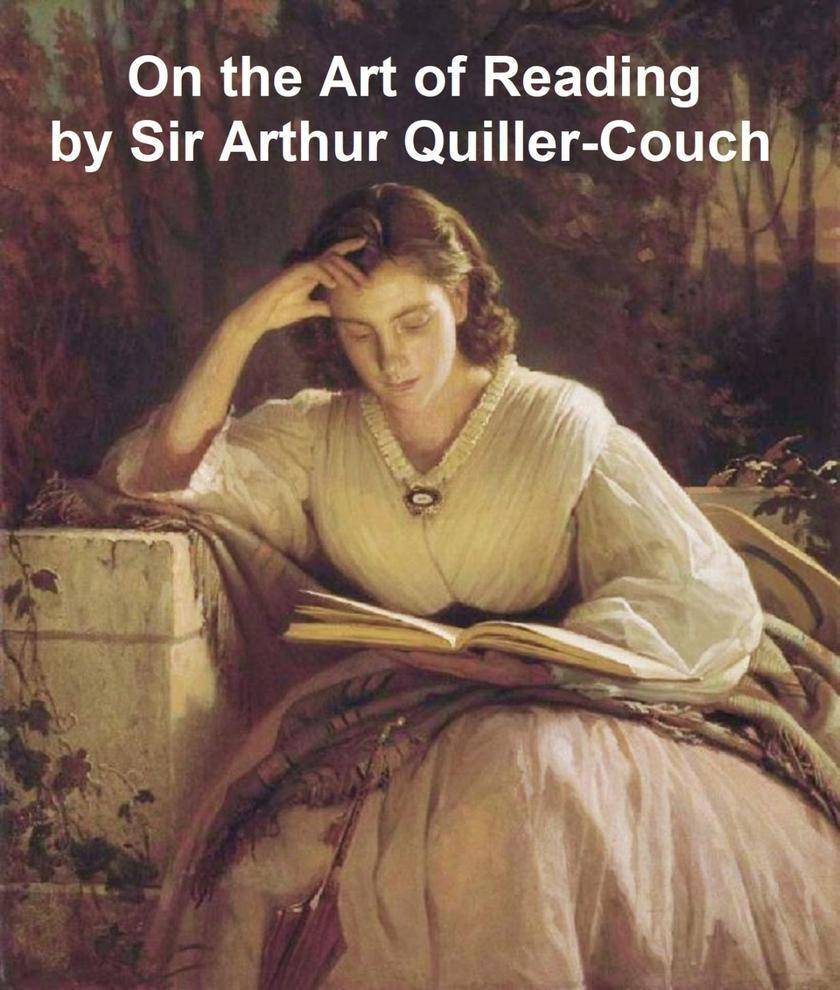
On the Art of Reading
¥8.09
Series of lectures delivered at the University of Cambridge in 1916. According to Wikipedia: "Sir Arthur Thomas Quiller-Couch(21 November 1863 – 12 May 1944) was a British writer, who published under the pen name of Q. He is primarily remembered for the monumental Oxford Book Of English Verse 1250–1900 (later extended to 1918), and for his literary criticism. He guided the taste of many who never met him, including American writer Helene Hanff, author of 84 Charing Cross Road, its sequel, Q's Legacy; and the putatively fictional Horace Rumpole via John Mortimer, his literary amanuensis."
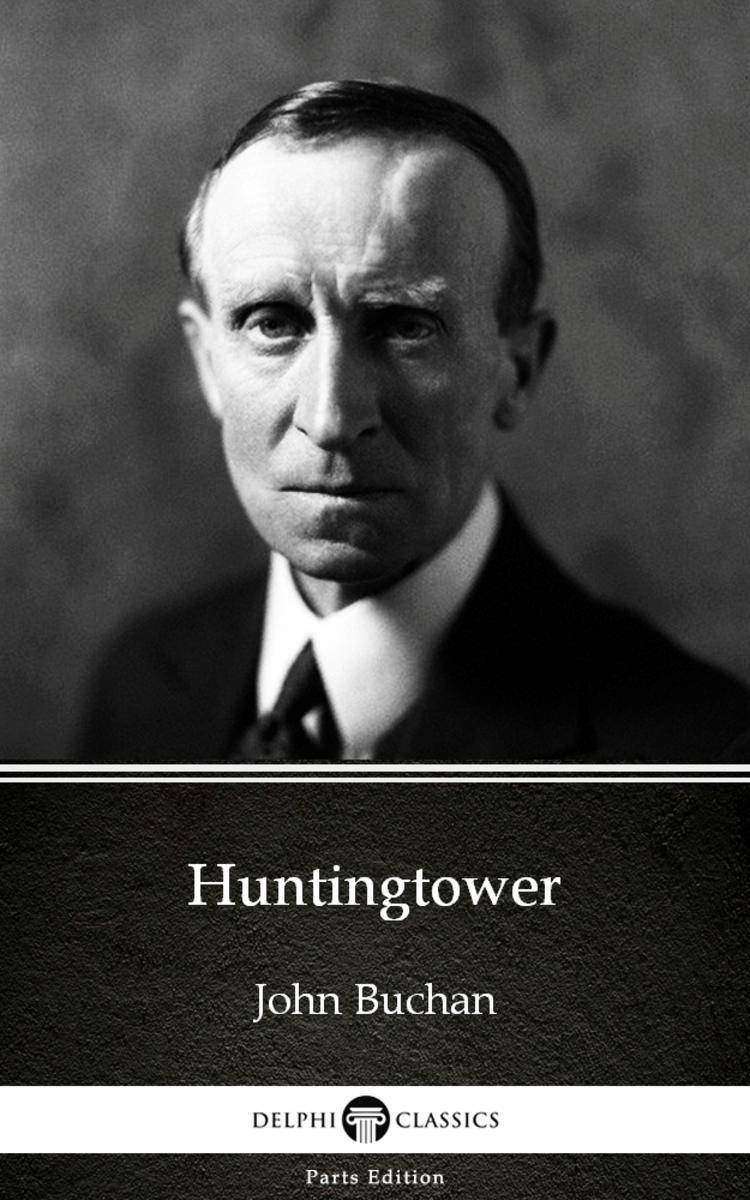
Huntingtower by John Buchan - Delphi Classics (Illustrated)
¥8.09
This eBook features the unabridged text of ‘Huntingtower by John Buchan - Delphi Classics (Illustrated)’ from the bestselling edition of ‘The Complete Works of John Buchan’. Having established their name as the leading publisher of classic literature and art, Delphi Classics produce publications that are individually crafted with superior formatting, while introducing many rare texts for the first time in digital print. The Delphi Classics edition of Buchan includes original annotations and illustrations relating to the life and works of the author, as well as individual tables of contents, allowing you to navigate eBooks quickly and easily. eBook features: * The complete unabridged text of ‘Huntingtower by John Buchan - Delphi Classics (Illustrated)’ * Beautifully illustrated with images related to Buchan’s works * Individual contents table, allowing easy navigation around the eBook * Excellent formatting of the text Please visit www.delphiclassics.com to learn more about our wide range of titles
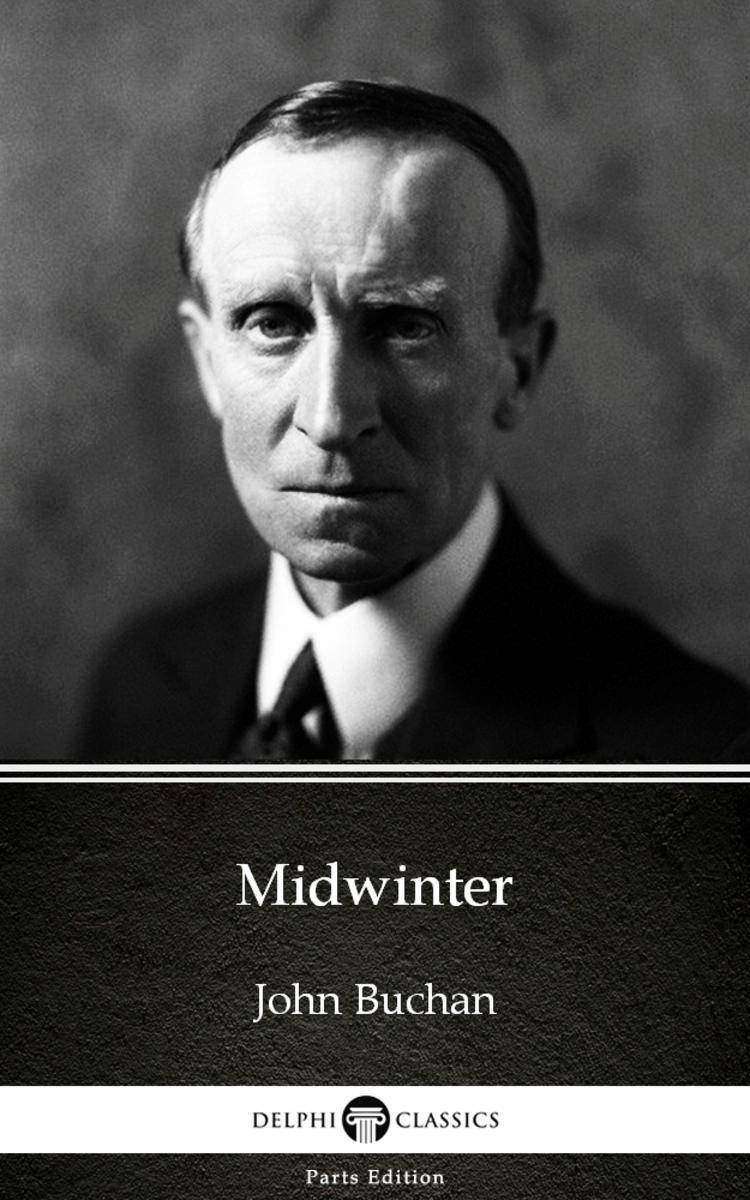
Midwinter by John Buchan - Delphi Classics (Illustrated)
¥8.09
This eBook features the unabridged text of ‘Midwinter by John Buchan - Delphi Classics (Illustrated)’ from the bestselling edition of ‘The Complete Works of John Buchan’. Having established their name as the leading publisher of classic literature and art, Delphi Classics produce publications that are individually crafted with superior formatting, while introducing many rare texts for the first time in digital print. The Delphi Classics edition of Buchan includes original annotations and illustrations relating to the life and works of the author, as well as individual tables of contents, allowing you to navigate eBooks quickly and easily. eBook features: * The complete unabridged text of ‘Midwinter by John Buchan - Delphi Classics (Illustrated)’ * Beautifully illustrated with images related to Buchan’s works * Individual contents table, allowing easy navigation around the eBook * Excellent formatting of the text Please visit www.delphiclassics.com to learn more about our wide range of titles
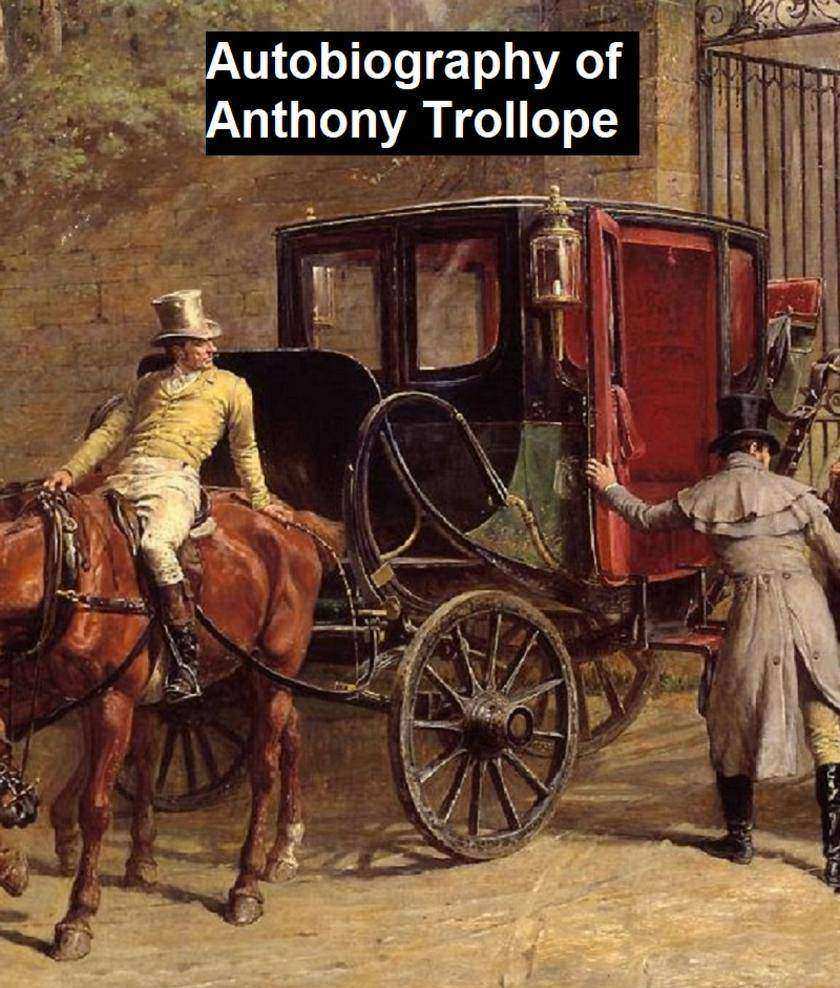
Autobiography of Anthony Trollope
¥8.09
Life of the prolific English novelist. According to Wikipedia: "Anthony Trollope ( 1815 – 1882 ) became one of the most successful, prolific and respected English novelists of the Victorian era. Some of Trollope's best-loved works, known as the Chronicles of Barsetshire, revolve around the imaginary county of Barsetshire; he also wrote penetrating novels on political, social, and gender issues and conflicts of his day. Trollope has always been a popular novelist. Noted fans have included Sir Alec Guinness (who never travelled without a Trollope novel), former British Prime Ministers Harold Macmillan and Sir John Major, economist John Kenneth Galbraith, American novelists Sue Grafton and Dominick Dunne and soap opera writer Harding Lemay. Trollope's literary reputation dipped somewhat during the last years of his life, but he regained the esteem of critics by the mid-twentieth century. "Of all novelists in any country, Trollope best understands the role of money. Compared with him even Balzac is a romantic." — W. H. Auden"
Considerations on Representative Government
¥40.79
The book presents the concept of representative government, the ideal form of government. Mill suggests that representative bodies such as parliaments and senates are best suited to be places of public debate on the various opinions held by the population and to act as watchdogs of the professionals who create and administer laws and policy.
Captains Courageous
¥40.79
Harvey Cheyne washed overboard from a transatlantic steamship and rescued by fishermen off the Grand Banks of Newfoundland, the young Harvey Cheyne can neither persuade them to take him quickly to port, nor convince them that his is the son of a wealthy railroad magnate. Disko Troop, captain of the We're Here, offers him a job as part of the crew until they return to port. With no other choice, Harvey accepts.

The English Notebooks
¥8.09
The author's notebooks. According to Wikipedia: ""Nathaniel Hawthorne (born Nathaniel Hathorne; July 4, 1804 – May 19, 1864) was an American novelist and short story writer."
Nathaniel Hawthorne
¥8.09
According to Wikipedia: "George Edward Woodberry, Litt. D., LL. D. (May 12, 1855–January 2, 1930) was an American literary critic and poet… For twelve years, Woodberry was an almost constant writer to the literary portion of The Nation. He also, during Aldrich's editorship, was anonymously, and for this reason able, the more forcibly, to asser his critical strength in the Atlantic Monthly. He contributed one paper to the Fortnightly Review in 1882, and during 1888 wrote regularly, mostly upon literary topics, for the Boston Post. In 1891–1904 he was professor of comparative literature at Columbia University. He was elected to the American Academy of Arts and Letters. In 1930 he was posthumously awarded one of the first three Frost Medals for lifetime achievement in poetry by the Poetry Society of America. He wrote a number of books as well."
Legend of Sir Lancelot du Lac
¥8.09
First published in 1901. According to Wikipedia: "Jessie Laidlay Weston (1850–1928) was an independent scholar and folklorist, working mainly on mediaeval Arthurian texts. Her best-known work is From Ritual to Romance (1920). In it she brought to bear an analysis harking back to James George Frazer on the Grail legend, arguing for origins earlier than the Christian or Celtic sources conventionally discussed at the time. It was cited by T. S. Eliot in his notes to The Waste Land. (He later claimed that the notes as a whole were ironic in intention, and the extent of Weston's actual influence on the poem is unclear. Eliot also indicated that the notes were requested by the publisher to bulk out the length of the poem in book form, calling them "bogus scholarship".) It also caused her to be dismissed as a theosophist by F. L. Lucas, in a hostile review of Eliot's poem. The interpretation of the Grail quest as mystical and connected to self-realisation, which she added to the anthropological layer of reading, was to become increasingly popular during the 1920s. According to Richard Barber in The Holy Grail: Imagination and Belief, the Wasteland as theme in the Grail romances is of minor importance until the last works of the cycle, and the emphasis on fertility is "an interpretation which has haunted twentieth-century literature to a degree quite disproportionate to its basis in fact"... While Weston's work on the Grail theme has been derided as fanciful speculation in the years since the publication of From Ritual to Romance (even one-time supporter Roger Sherman Loomis eventually abandoned her hypothesis), her editions of numerous medieval romances have been commended as valuable translations"


