


 购物车
购物车 个人中心
个人中心
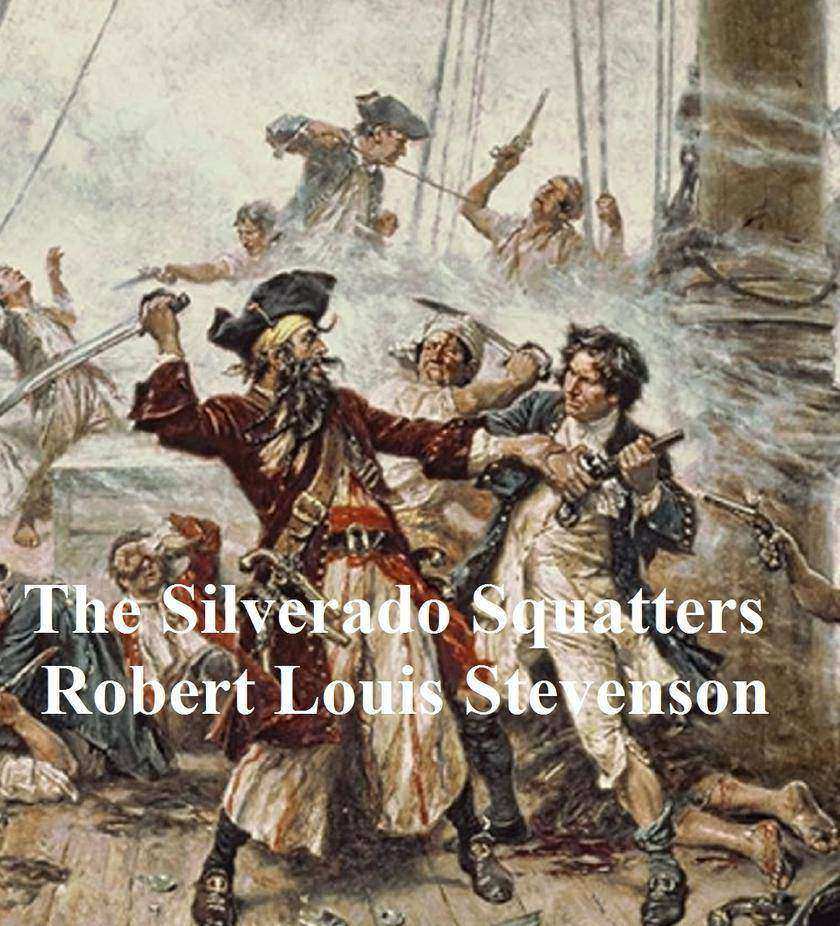
The Silverado Squatters
¥8.09
Travelogue/memoir of a stay in a ghost town in northern California on Mount Saint Helena in the 1870s. According to Wikipedia: "Robert Louis (Balfour) Stevenson ( 1850 - 1894), was a Scottish novelist, poet, and travel writer, and a leading representative of Neo-romanticism in English literature. He was the man who "seemed to pick the right word up on the point of his pen, like a man playing spillikins", as G. K. Chesterton put it. He was also greatly admired by many authors, including Jorge Luis Borges, Ernest Hemingway, Rudyard Kipling, Vladimir Nabokov, and J. M. Barrie. Most modernist writers dismissed him, however, because he was popular and did not write within their definition of modernism. It is only recently that critics have begun to look beyond Stevenson's popularity and allow him a place in the canon."
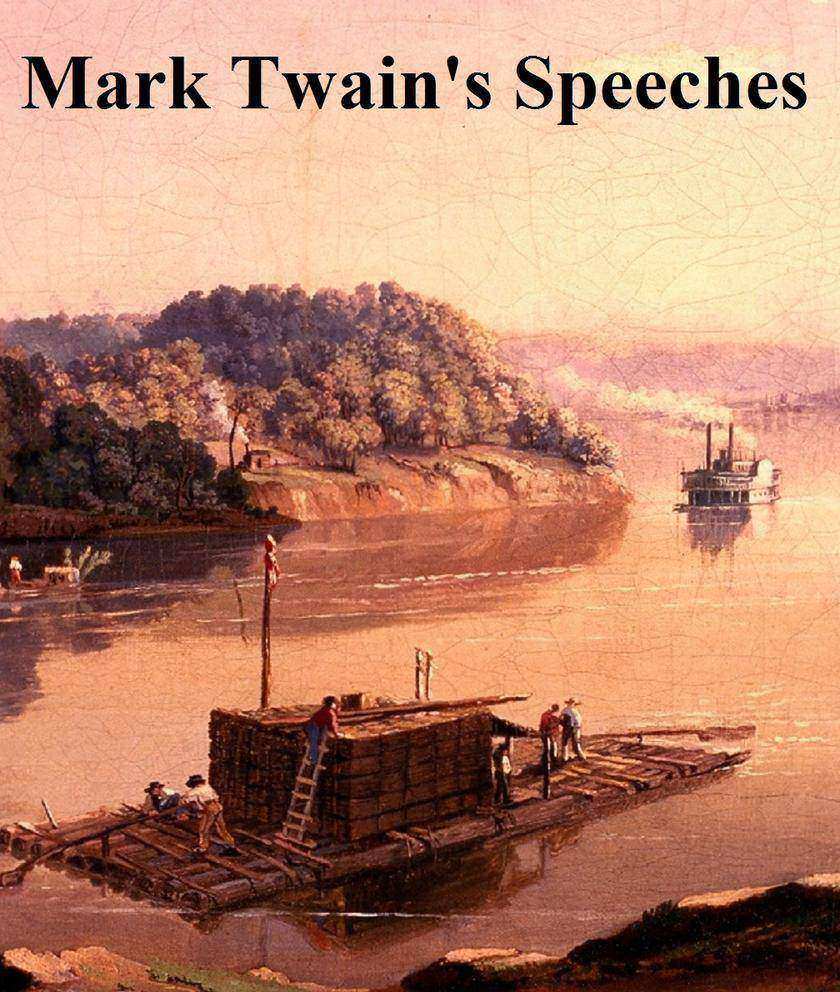
Mark Twain's Speeches
¥8.09
Comprehensive collection, first published in 1910. According to Wikipedia: "Samuel Langhorne Clemens (November 30, 1835 - April 21, 1910), better known by the pen name Mark Twain, was a humorist, satirist, lecturer and writer from the United States of America. Twain is most noted for his novels Adventures of Huckleberry Finn, which has since been called the Great American Novel, and The Adventures of Tom Sawyer. He is also known for his quotations. During his lifetime, Twain became a friend to presidents, artists, leading industrialists and European royalty. Twain enjoyed immense public popularity, and his keen wit and incisive satire earned him praise from both critics and peers. American author William Faulkner called Twain 'the father of American literature.'"
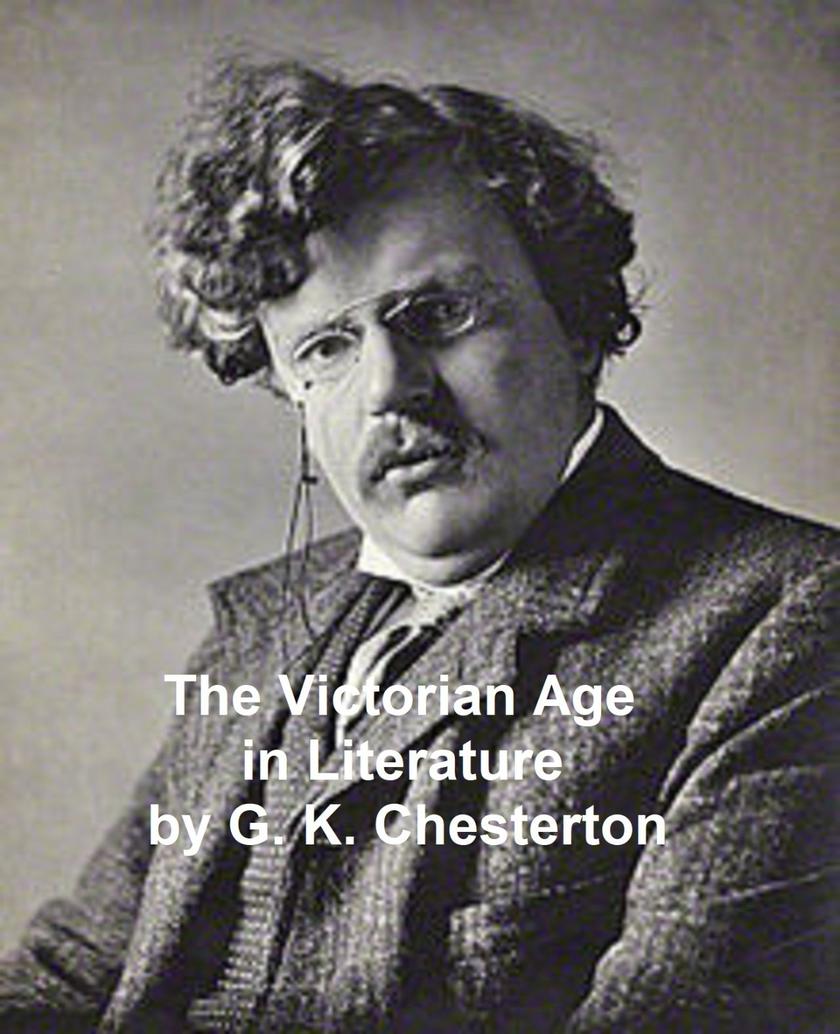
The Victorian Age in Literature
¥8.09
Criticism and literary history by a great novelist and essayist. According to Wikipedia: "Gilbert Keith Chesterton (1874 - 1936) was an influential English writer of the early 20th century. His prolific and diverse output included journalism, philosophy, poetry, biography, Christian apologetics, fantasy and detective fiction. Chesterton has been called the "prince of paradox."[1] He wrote in an off-hand, whimsical prose studded with startling formulations. For example: "Thieves respect property. They merely wish the property to become their property that they may more perfectly respect it."[2] He is one of the few Christian thinkers who are equally admired and quoted by both liberal and conservative Christians, and indeed by many non-Christians. Chesterton's own theological and political views were far too nuanced to fit comfortably under the "liberal" or "conservative" banner."
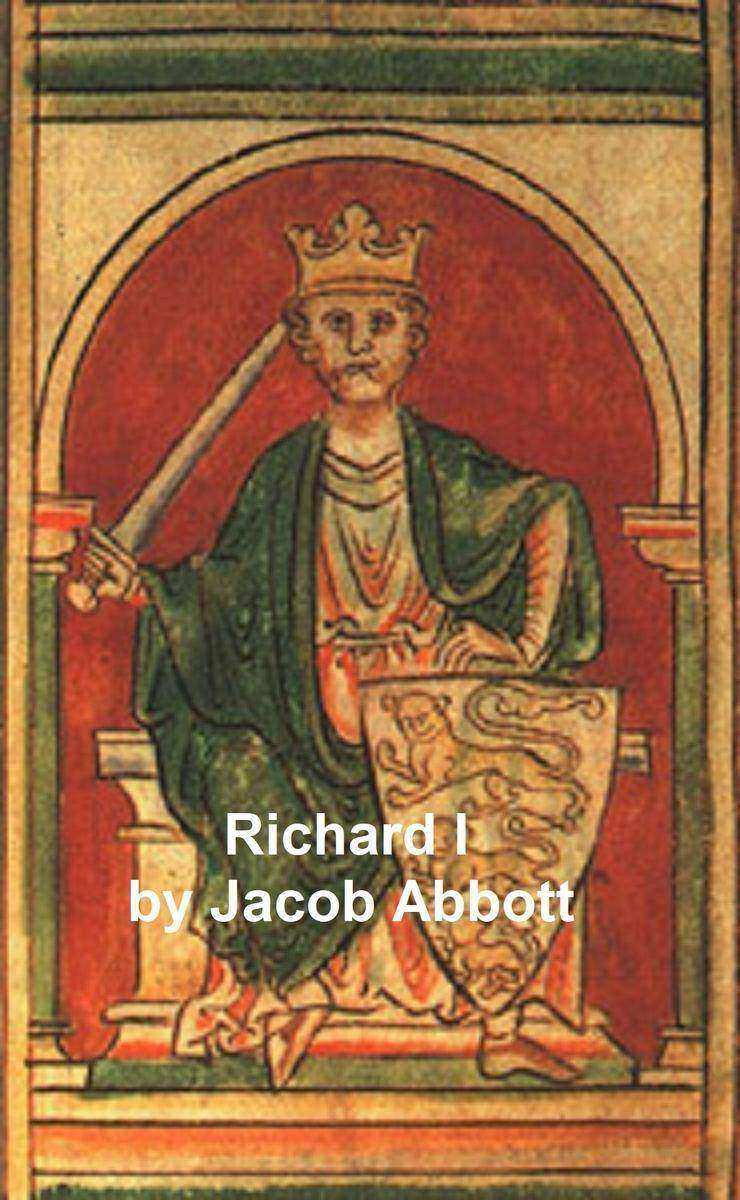
Richard I
¥8.09
According to Wikipedia: "Richard I (8 September 1157 – 6 April 1199) was King of England from 6 July 1189 until his death. He also ruled as Duke of Normandy, Duke of Aquitaine, Duke of Gascony, Lord of Ireland, Lord of Cyprus, Count of Anjou, Count of Maine, Count of Nantes, and Overlord of Brittany at various times during the same period. He was known as C?ur de Lion, or Richard the Lionheart, even before his accession, because of his reputation as a great military leader and warrior.[1] The Saracens called him Melek-Ric or Malek al-Inkitar - King of England. By age 16, Richard was commanding his own army, putting down rebellions in Poitou against his father, King Henry II.[1] Richard was a central Christian commander during the Third Crusade, effectively leading the campaign after the departure of Philip Augustus and scoring considerable victories against his Muslim counterpart, Saladin, but was unable to reconquer Jerusalem. Although only speaking French and spending very little time in England (he lived in his Duchy of Aquitaine, in the southwest of France, preferring to use his kingdom as a source of revenue to support his armies), he was seen as a pious hero by his subjects. He remains one of the very few Kings of England remembered by his epithet, rather than regnal number, and is an enduring, iconic figure in England."
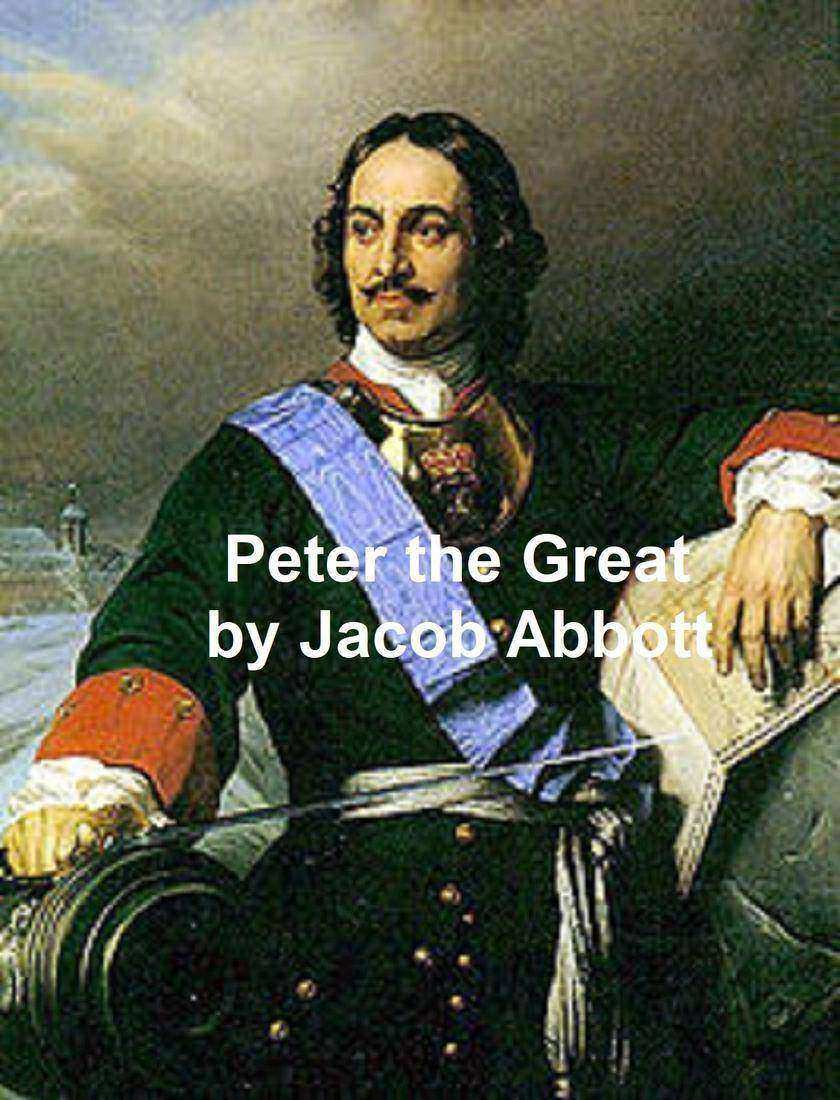
Peter the Great
¥8.09
According to Wikipedia: "Peter I the Great or Pyotr Alexeyevich Romanov (9 June [O.S. 30 May] 1672 – 8 February 1725) ruled Russia and later the Russian Empire from 7 May 1682 until his death, jointly ruling before 1696 with his weak and sickly half-brother, Ivan V. He carried out a policy of modernization and expansion that transformed the Tsardom of Russia into a 3-billion acre Russian Empire, a major European power."

Passages from the French and Italian Notebooks of Nathaniel Hawthorne
¥8.09
Journal of his stays in France and Italy, two volumes in one file. According to Wikipedia: "Nathaniel Hawthorne (1804 –1864) was an American novelist and short story writer... Much of Hawthorne's writing centers around New England and many feature moral allegories with a Puritan inspiration. His fiction works are considered part of the Romantic movement and, more specifically, dark romanticism. His themes often center on the inherent evil and sin of humanity and his works often have moral messages and deep psychological complexity. His published works include novels, short stories, and a biography of his friend Franklin Pierce."
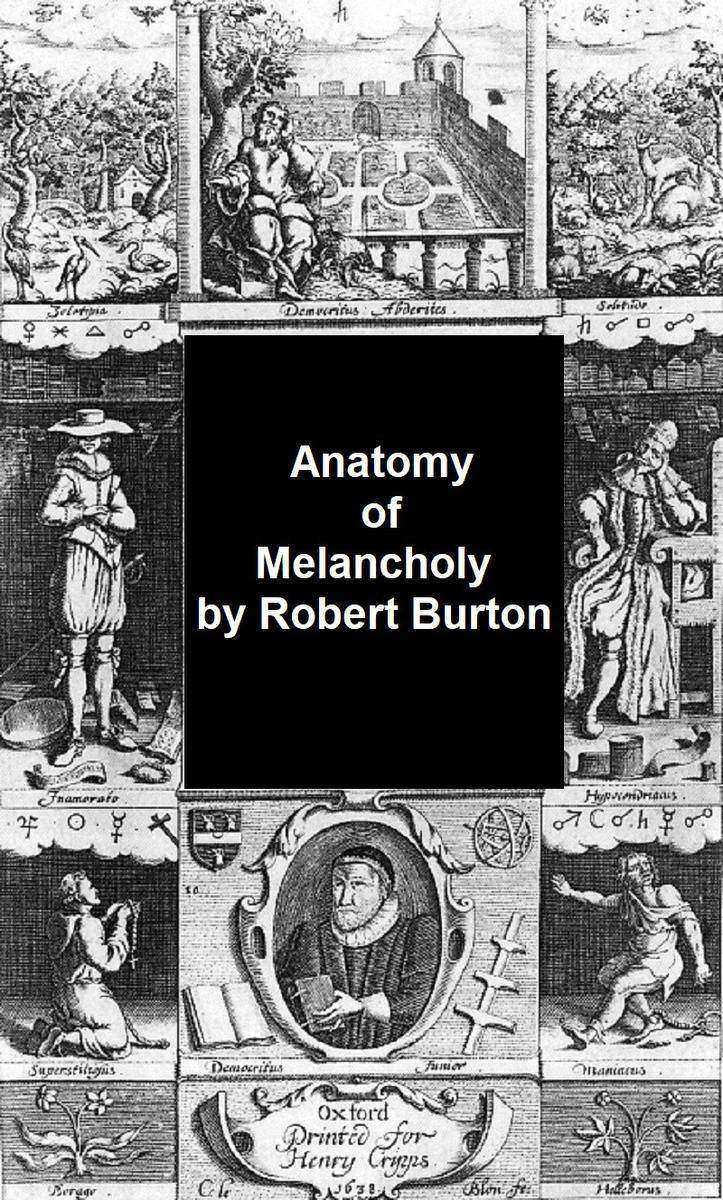
Anatomy of Melancholy
¥8.09
According to Wikipedia: "The Anatomy of Melancholy (Full title: The Anatomy of Melancholy, What it is: With all the Kinds, Causes, Symptomes, Prognostickes, and Several Cures of it. In Three Maine Partitions with their several Sections, Members, and Subsections. Philosophically, Medicinally, Historically, Opened and Cut Up) is a book by Robert Burton, first published in 1621. Burton's book consists mostly of a collection of opinions of a multitude of writers, grouped under quaint and old-fashioned divisions; in a solemn tone Burton endeavoured to prove indisputable facts by weighty quotations. The subjects discussed and determined by Burton ranged from the doctrines of religion to military discipline, from inland navigation to the morality of dancing-schools. On its surface, the book is presented as a medical textbook in which Burton applies his vast and varied learning, in the scholastic manner, to the subject of melancholia (which includes what is now termed clinical depression). Though presented as a medical text, The Anatomy of Melancholy is as much a sui generis work of literature as it is a scientific or philosophical text, and Burton addresses far more than his stated subject. In fact, the Anatomy uses melancholy as the lens through which all human emotion and thought may be scrutinized, and virtually the entire contents of a 17th-century library are marshalled into service of this goal. It is encyclopedic in its range and reference. In his satirical preface to the reader, Burton's persona Democritus Junior explains, "I write of melancholy by being busy to avoid melancholy." This is characteristic of the author's style, which often supersedes the book's strengths as a medical text or historical document as its main source of appeal to admirers. Both satirical and serious in tone, the Anatomy is "vitalized by (Burton's) pervading humour",[3] and Burton's digressive and inclusive style, often verging on a stream of consciousness, consistently informs and animates the text."
Records of a Family of Engineers
¥8.09
Robert Louis Stevenson's account of his ancestors. According to Wikipedia: "Robert Louis (Balfour) Stevenson ( 1850 - 1894), was a Scottish novelist, poet, and travel writer, and a leading representative of Neo-romanticism in English literature. He was the man who "seemed to pick the right word up on the point of his pen, like a man playing spillikins", as G. K. Chesterton put it. He was also greatly admired by many authors, including Jorge Luis Borges, Ernest Hemingway, Rudyard Kipling, Vladimir Nabokov, and J. M. Barrie. Most modernist writers dismissed him, however, because he was popular and did not write within their definition of modernism. It is only recently that critics have begun to look beyond Stevenson's popularity and allow him a place in the canon."
Reviews
¥8.09
Large book-length collection of According to Wikipedia: "Oscar Fingal O'Flahertie Wills Wilde (1854 - 1900) was an Irish playwright, novelist, poet, and author of short stories. Known for his barbed wit, he was one of the most successful playwrights of late Victorian London, and one of the greatest celebrities of his day. As the result of a famous trial, he suffered a dramatic downfall and was imprisoned for two years of hard labour after being convicted of the offence of 'gross indecency.'"
Intentions
¥8.09
Dodo Collections brings you another classic from Oscar Wilde, ‘Intentions’. Originally published in 1891 when Wilde was at the height of his form, these brilliant essays on art, literature, criticism, and society display the flamboyant poseur’s famous wit and wide learning. A leading spokesman for the English Aesthetic movement, Wilde promoted "art for art’s sake" against critics who argued that art must serve a moral purpose. On every page of this collection the gifted literary stylist admirably demonstrates not only that the characteristics of art are "distinction, charm, beauty, and imaginative power," but also that criticism itself can be raised to an art form possessing these very qualities. Oscar Fingal O'Flahertie Wills Wilde (16 October 1854 – 30 November 1900) was an Irish author, playwright and poet. After writing in different forms throughout the 1880s, he became one of London's most popular playwrights in the early 1890s. He is remembered for his epigrams, his novel The Picture of Dorian Gray, his plays, as well as the circumstances of his imprisonment and early death. At the height of his fame and success, while his masterpiece, The Importance of Being Earnest (1895), was still on stage in London, Wilde had the Marquess of Queensberry prosecuted for libel. The Marquess was the father of Wilde's lover, Lord Alfred Douglas. The charge carried a penalty of up to two years in prison. The trial unearthed evidence that caused Wilde to drop his charges and led to his own arrest and trial for gross indecency with other men. After two more trials he was convicted and imprisoned for two years' hard labour. In 1897, in prison, he wrote De Profundis, which was published in 1905, a long letter which discusses his spiritual journey through his trials, forming a dark counterpoint to his earlier philosophy of pleasure. Upon his release he left immediately for France, never to return to Ireland or Britain. There he wrote his last work, The Ballad of Reading Gaol (1898), a long poem commemorating the harsh rhythms of prison life. He died destitute in Paris at the age of 46.
Fables
¥8.09
Short collection of anecdotes. According to Wikipedia: "Robert Louis (Balfour) Stevenson ( 1850 - 1894), was a Scottish novelist, poet, and travel writer, and a leading representative of Neo-romanticism in English literature. He was the man who "seemed to pick the right word up on the point of his pen, like a man playing spillikins", as G. K. Chesterton put it. He was also greatly admired by many authors, including Jorge Luis Borges, Ernest Hemingway, Rudyard Kipling, Vladimir Nabokov, and J. M. Barrie. Most modernist writers dismissed him, however, because he was popular and did not write within their definition of modernism. It is only recently that critics have begun to look beyond Stevenson's popularity and allow him a place in the canon."
What's Wrong with the World
¥8.09
Book-length collection of essays. According to Wikipedia: "Gilbert Keith Chesterton (1874 - 1936) was an influential English writer of the early 20th century. His prolific and diverse output included journalism, philosophy, poetry, biography, Christian apologetics, fantasy and detective fiction. Chesterton has been called the "prince of paradox."[1] He wrote in an off-hand, whimsical prose studded with startling formulations. For example: "Thieves respect property. They merely wish the property to become their property that they may more perfectly respect it."[2] He is one of the few Christian thinkers who are equally admired and quoted by both liberal and conservative Christians, and indeed by many non-Christians. Chesterton's own theological and political views were far too nuanced to fit comfortably under the "liberal" or "conservative" banner."

Washington in Domestic Life, From Original Letters and Manuscripts
¥8.09
Brief biographical essay. The introduction begins: "The manuscript or paper here published was prepared from a collection of original letters from General Washington on matters, for the most part, purely domestic and personal, addressed to Colonel Tobias Lear, his private Secretary for a part of the time he was President; and then, and during periods much longer, his confidential friend. They came into my hands through the voluntary kindness of Mrs. Lear, of the city of Washington, the estimable relict of Colonel Lear, and niece of Mrs. Washington, whose friendship it was my good lot and that of my family to enjoy; as we did that of Colonel Lear while he lived. The latter died in Washington in 1816. "
The German Novel of Provincial Life
¥8.09
This collection includes works by Little Barefoot by Berthold Auerbach and works by Jeremias Gotthelf, Fritz Euter, Adabert Stifter, and Wilhelm Heinrich Riehl. The German Classics Of The Nineteenth And Twentieth Centuries, Volume 8, edited by Kuno Francke.

Works of Hebbel and Ludwig
¥8.09
This collection includes works by Hebbel and Ludwig. The German Classics Of The Nineteenth And Twentieth Centuries, Volume 9, edited by Kuno Francke.
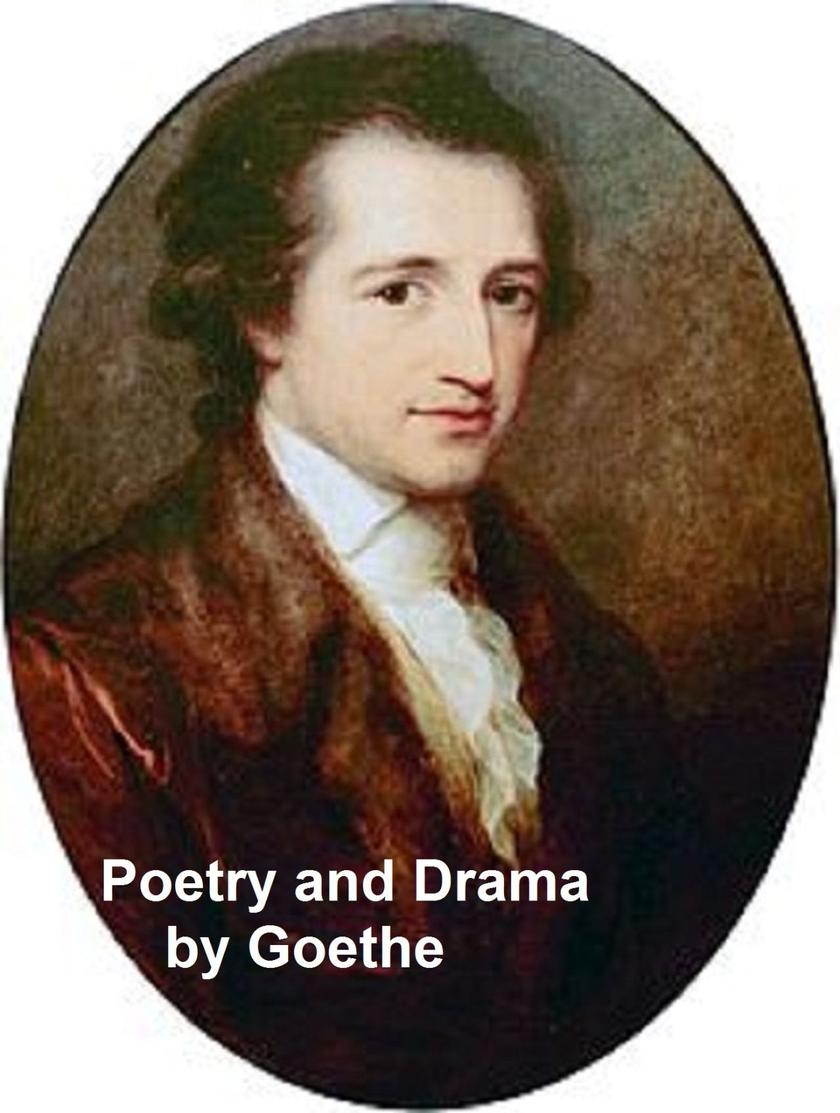
Poetry and Drama
¥8.09
This collection includes: Life of Goethe by Calvin Thomas, Hermann and Dorothea, Iphigenia in Tauris, Faust Parts 1 and selections from Part 2. The German Classics Of The Nineteenth And Twentieth Centuries, Volume 1, edited by Kuno Francke.
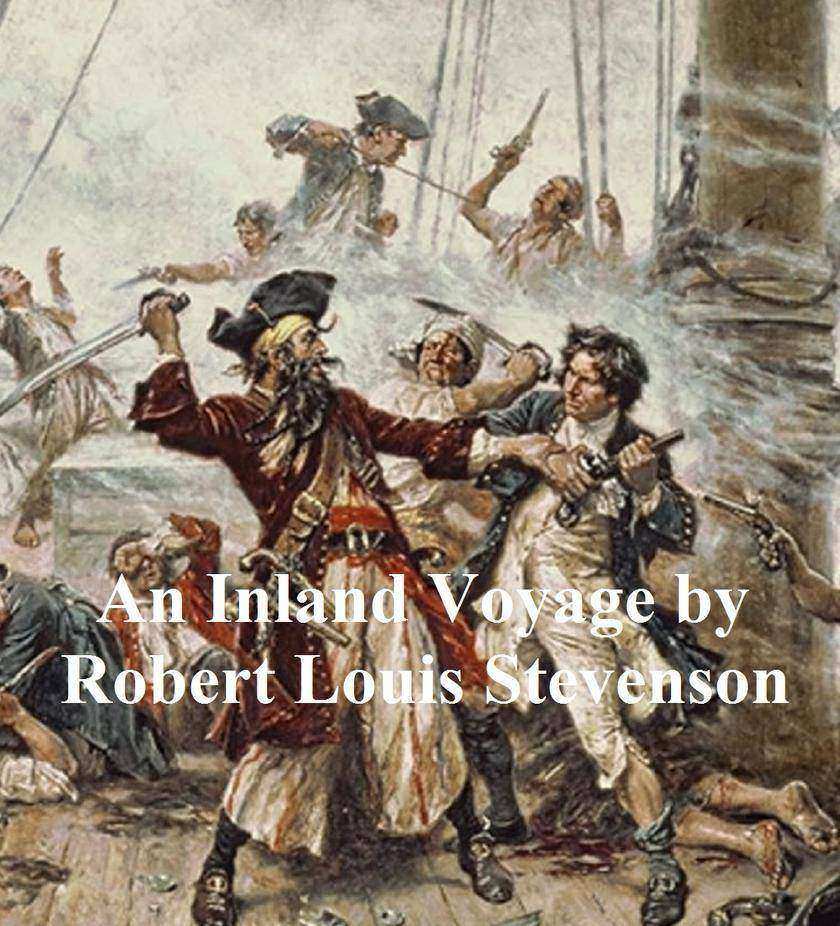
An Inland Voyage
¥8.09
Classic travelogue/memoir. According to Wikipedia: "Robert Louis (Balfour) Stevenson ( 1850 - 1894), was a Scottish novelist, poet, and travel writer, and a leading representative of Neo-romanticism in English literature. He was the man who "seemed to pick the right word up on the point of his pen, like a man playing spillikins", as G. K. Chesterton put it. He was also greatly admired by many authors, including Jorge Luis Borges, Ernest Hemingway, Rudyard Kipling, Vladimir Nabokov, and J. M. Barrie. Most modernist writers dismissed him, however, because he was popular and did not write within their definition of modernism. It is only recently that critics have begun to look beyond Stevenson's popularity and allow him a place in the canon."

Real Estate Investing: 7 Ways ANYONE Can Use to Make Money in Real Estate
¥8.09
Real Estate Investing: 7 Ways ANYONE Can Use to Make Money in Real Estate
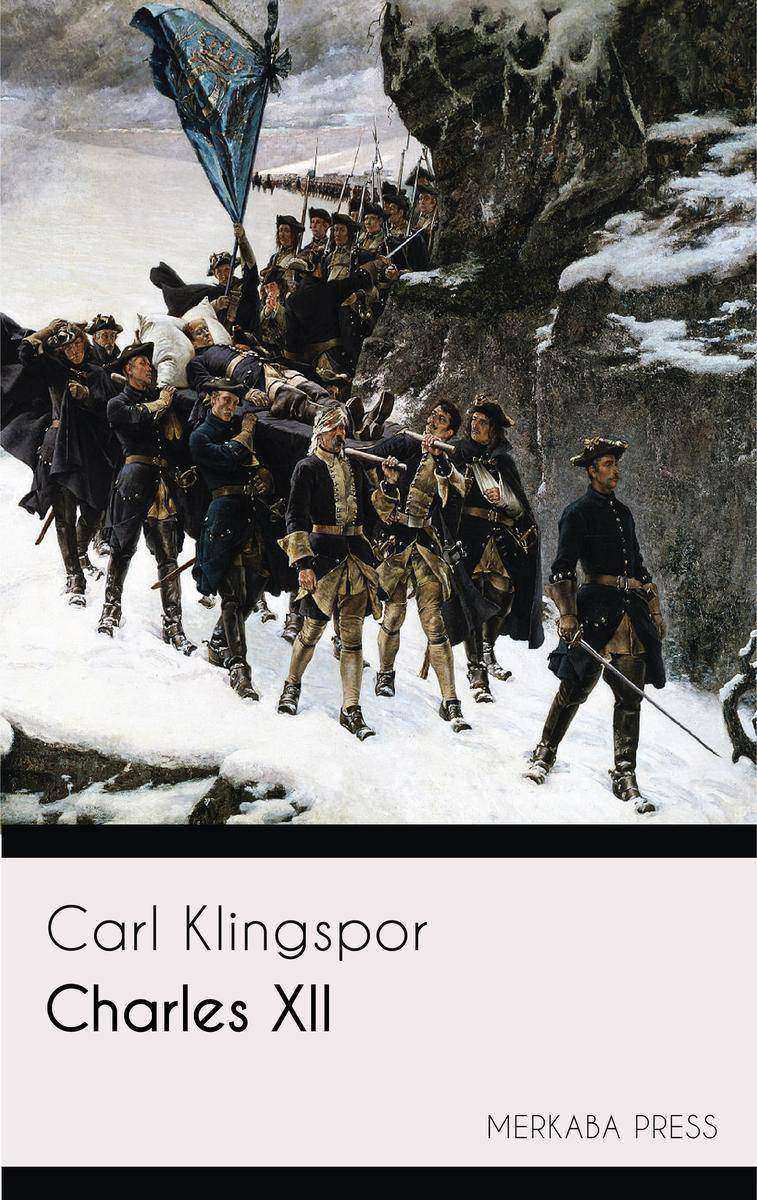
Charles XII
¥8.09
Charles XII
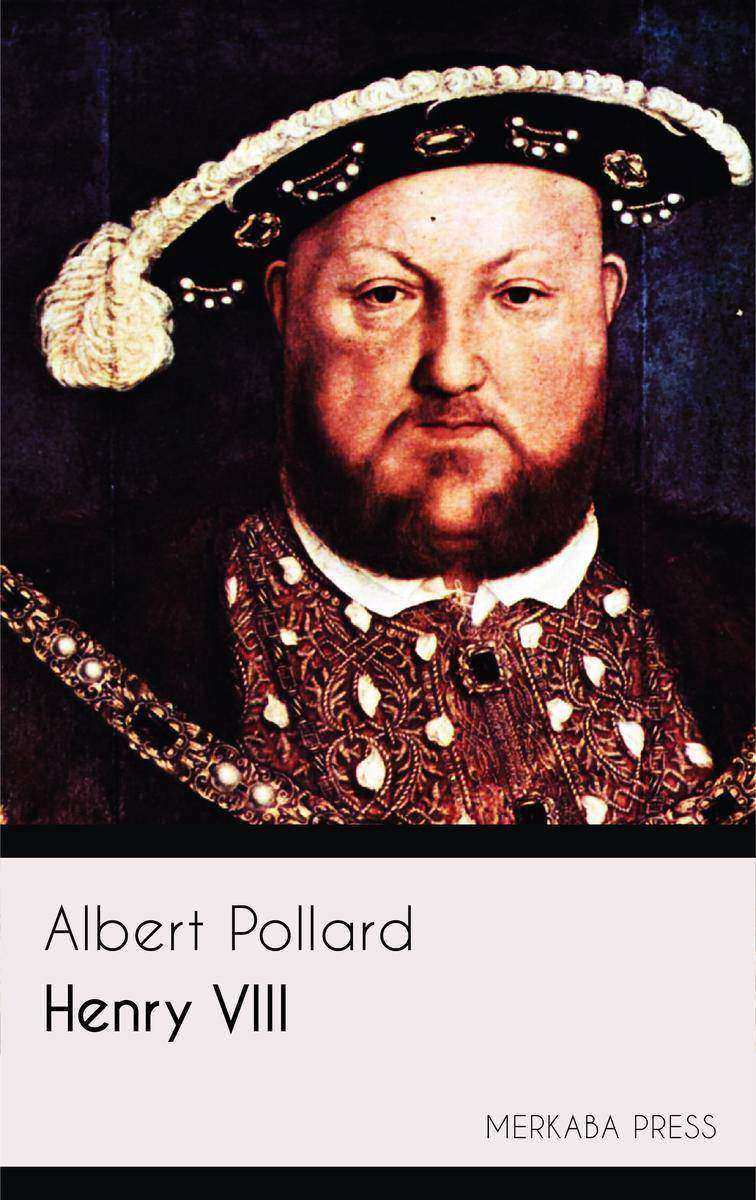
Henry VIII
¥8.09
Henry VIII
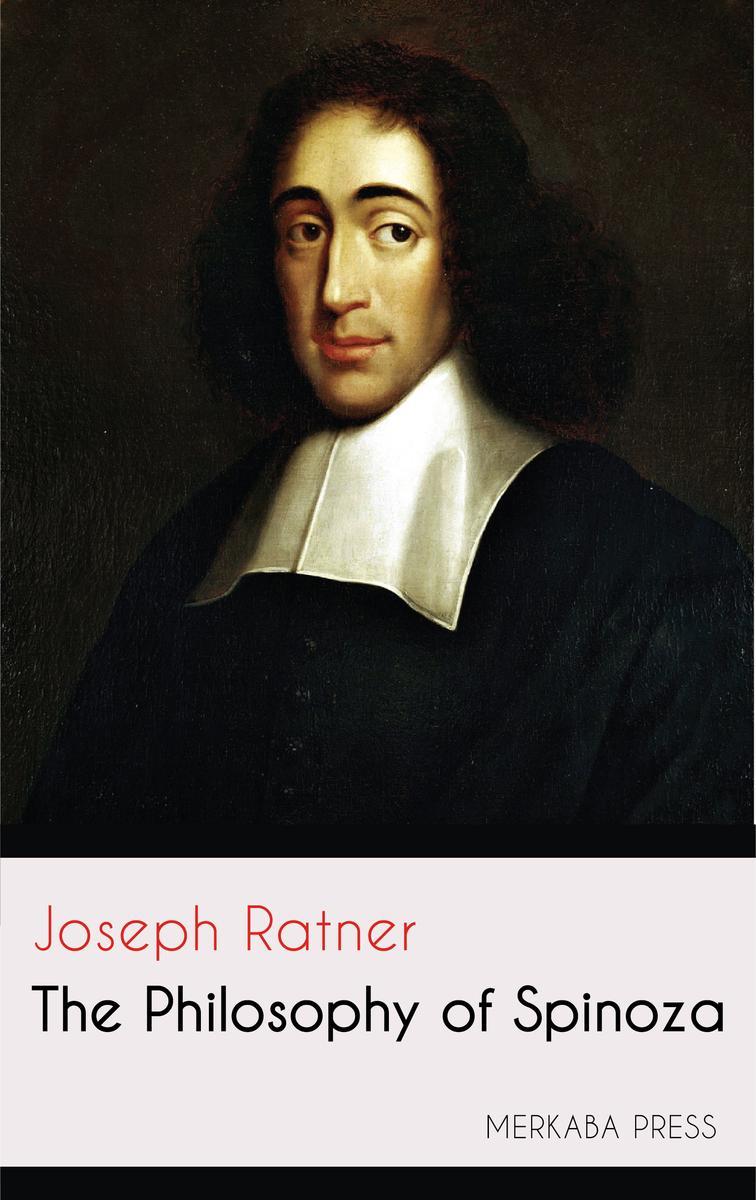
The Philosophy of Spinoza
¥8.09
The Philosophy of Spinoza


