Szívhang 415. (A hosszú fehér felh? f?ldje)
¥18.74
Szívhang 415. (A hosszú fehér felh? f?ldje)
Júlia 483. (Becsület kérdése)
¥18.74
Júlia 483. (Becsület kérdése)
Szívhang 421. (Két keréken tér vissza a szerelem)
¥18.74
Szívhang 421. (Két keréken tér vissza a szerelem)
Romana 473. (?r?k?s harc)
¥18.74
Romana 473. (?r?k?s harc)
Szívhang 417. (Szívek háborúja)
¥18.74
Szívhang 417. (Szívek háborúja)
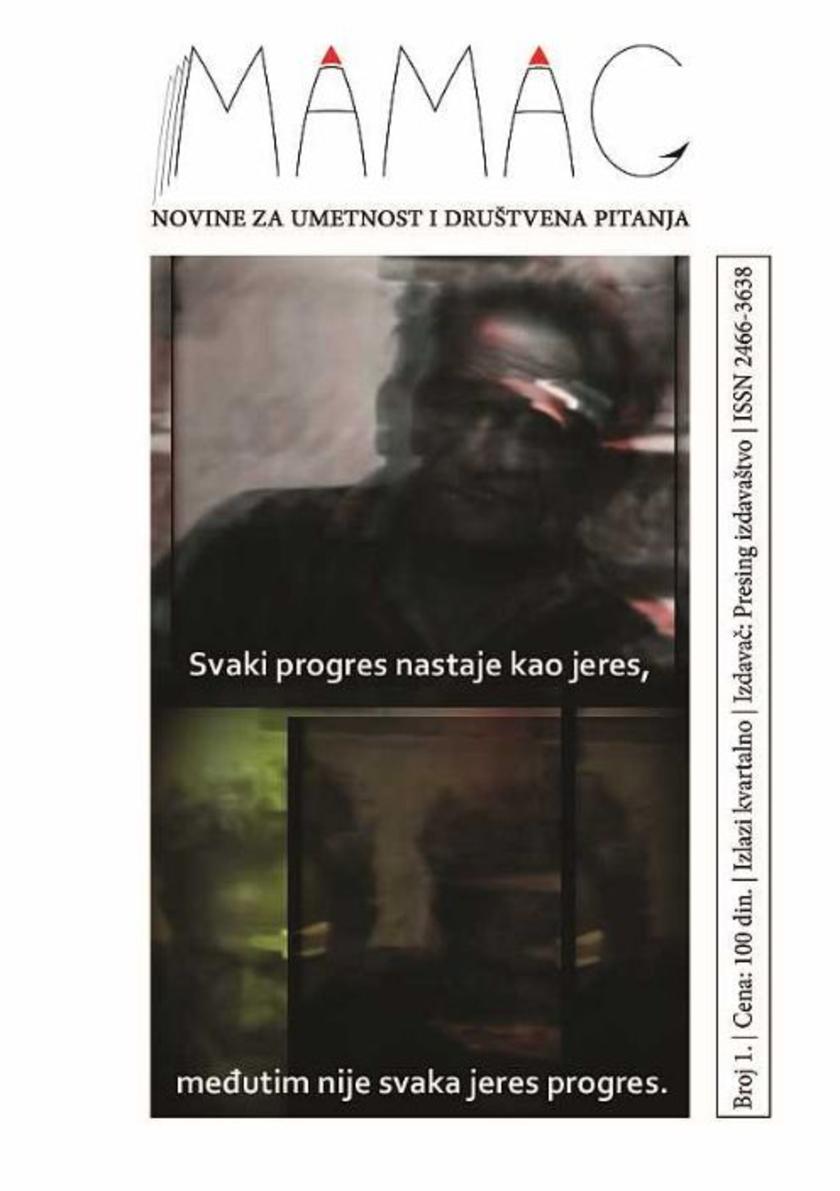
Mamac broj 1
¥18.74
asopis za kulturu i drutvena pitanja, bavi se socijalno angaovanim temama. Izlazi kvartalno. Prvi broj posveen je Oskaru Daviu
The Alchemist
¥18.74
Of all the myths which have come down to us from the East, and of all the creations of Western fancy and belief, the Personality of Evil has had the strongest attraction for the mind of man. The Devil is the greatest enigma that has ever con-fronted the human intelligence. So large a place has Satan taken in our imagination, and we might also say in our heart, that his expulsion therefrom, no matter what philosophy may teach us, must for ever remain an impossibility. As a character in imagi-native literature Lucifer has not his equal in heaven above or on the earth beneath. In contrast to the idea of Good, which is the more exalted in proportion to its freedom from anthropomor-phism, the idea of Evil owes to the presence of this element its chief value as a poetic theme. The discrowned archangel may have been inferior to St. Michael in military tactics, but he cer-tainly is his superior in matters literary. The fair angels—all frankness and goodness—are beyond our comprehension, but the fallen angels, with all their faults and sufferings, are kin to us. There is a legend that the Devil has always had literary aspi-rations. The German theosophist Jacob B?hme relates that when Satan was asked to explain the cause of God’s enmity to him and his consequent downfall, he replied: “I wanted to be an author.” Whether or not the Devil has ever written anything over his own signature, he has certainly helped others compose their greatest works. It is a significant fact that the greatest im-aginations have discerned an attraction in Diabolus. What would the world’s literature be if from it we eliminated Dante’s Divine Comedy, Calderón’s Marvellous Magician, Milton’s Paradise Lost, Goethe’s Faust, Byron’s Cain, Vigny’s Eloa, and Lermon-tov’s Demon? Sorry indeed would have been the plight of litera-ture without a judicious admixture of the Diabolical. Without the Devil there would simply be no literature, because without his intervention there would be no plot, and without a plot the story of the world would lose its interest. Even now, when the belief in the Devil has gone out of fashion, and when the very mention of his name, far from causing men to cross themselves, brings a smile to their faces, Satan has continued to be a puissant personage in the realm of letters. As a matter of fact, Beelzebub has perhaps received his greatest elaboration at the hands of writers who believed in him just as little as Shake-speare did in the ghost of Hamlet’s father.
Romana 481. (Dada álnéven)
¥18.74
Romana 481. (Dada álnéven)
Júlia 489. (Mondj igent a szerelemre!)
¥18.74
Júlia 489. (Mondj igent a szerelemre!)
Bianca 246. (K?zszolgálati boszorkány)
¥18.74
Bianca 246. (K?zszolgálati boszorkány)
Júlia 494. (Soha vagy ?r?kké?)
¥18.74
Júlia 494. (Soha vagy ?r?kké?)
Romana 484. (Mennyei ígéret)
¥18.74
Romana 484. (Mennyei ígéret)
Júlia 485. (Orosz rulett)
¥18.74
Júlia 485. (Orosz rulett)
Bianca 227. (Keljfeljancsi)
¥18.74
Bianca 227. (Keljfeljancsi)
Tiffany 242. (Kulcskérdés)
¥18.74
Tiffany 242. (Kulcskérdés)
Júlia 454. (Cukorbaba)
¥18.74
Júlia 454. (Cukorbaba)
Romana 443. (Popsztár vagy feleség?)
¥18.74
Romana 443. (Popsztár vagy feleség?)
Bianca 228. (Hóviharos éjszakán)
¥18.74
Bianca 228. (Hóviharos éjszakán)
Júlia 486. (?jrakezdés Szicíliában)
¥18.74
Júlia 486. (?jrakezdés Szicíliában)

Szívhang 419. (Találd meg az igazit!)
¥18.74
Szívhang 419. (Találd meg az igazit!)
Szívhang 416. (Egy kis szerencse)
¥18.74
Szívhang 416. (Egy kis szerencse)

购物车
个人中心