


 购物车
购物车 个人中心
个人中心
Bilin? ve Zaman
¥9.32
Her ?ey ?evresiyle etkile?imsel bütünlükte anlaml? olmaktad?r. Soral?m yine de; Bütünü par?alar?ndan fazlas? yapan nedenler nelerdir? Evrende neyin ifadesiyiz? Canl?l?k, bilin?, ruh, duygular art?k anla??labilir midir? Canl?l?k h?z farklar?ndan m? olu?maktad?r? H?zl? bile?enimiz olan elektri?in; canl?l???n ve bilincimizin olu?umunda nas?l bir etken olmaktad?r? Bizleri olu?turanlardan beden, duygular, bilin?, ruh diye tan?mlad?klar?m?z aras?nda ba?lant?lar nas?l kurulmaktad?r? Sorular?, günümüzde enerjiler aras? ba?lant?, etkile?im nas?l kurulmaktad?r? Sorusu gibi oldu?u, yani her?ey gibi onlar?nda enerji oldu?u anla??lm??t?r. Ruh olarak tan?mlad?k, zihin-beden aras?nda ba?lant?y? kurmaya, duygular? anlamaya ?al??t?k. Bilincin, alg?n?n tüm bunlarla nas?l bir ili?kisi olabilece?ini sorgulad?k. Genelde ?yle oluyor ya, bütünün ?nce par?alar?n? anlamaya, par?alara ay?r?p anlamaya ?al??man?n sorunlar?n?n izlerini sürüp bütünle olan etkile?imini g?rmeye y?neliyoruz. Zaman?n i?inde zaman ge?irmemize ra?men bilincimizle, canl?l???m?zla nas?l ba?lant?l? oldu?unu g?rmezden geldik. Günümüz dünyas?n?n ula?t??? bilgi, ya?amsal deneyimlerin kaydedilip aktar?lmas?, izledi?imiz filmlerden tutun da, deneyimlerimizin h?zl? etkile?imiyle zaman aral?klar?n? orduk. S?n?r sistemimize benzeyen internet a?lar? olu?turduk. ?nsanl?k olarak yapay zekalar geli?tirdik. Hücre ile beden benzeri; canl?yla tüm canl?l???n, ekosistemin, varl???n etkile?im ?rüntüsü oldu?unu, etkile?imsel ?rüntüde anlam? oldu?unu ??rendik. Belki de olu?turdu?umuz yeni anlamlar gelecekte olu?acaklar?n par?alar?d?r. De?i?im devam ediyor. G?rünen o ki, canl?lar bu evrenin en ileri evrensel enerji alanlar?d?r. Soral?m kendimize; Evrende canl?l?ktan daha anlaml? bir ?ey var m?d?r? Dünya bilinci ?a?lard?r. Biriktirdi?i bilgi ve deneyimlerini, olu?umun ba?lang?c?ndan itibaren nesiller boyu aktarm??, ekosistemiyle bir bütün olarak evrilmi?tir. Ula?t??? bilin? halini ?evresiyle etkile?imsel d?ngü i?inde hep yeniden ?ekillendirmi?tir. D?nü?ümsel etkile?imin hi?bir zaman?n?n ayn? olmay??? temel evrensel durumun etkisiyle de zamanda evrilmi? ve günümüz dünyas?n?n paradigmas?na ula?m??t?r. Evrimsel ?rüntüye paralel geli?en teknolojik entegrasyonla bilgi, zamanda ?ok yo?un etkile?ebilmi?tir. Dünya üzerinde artan s?n?r hücresi say?s? yani artan canl? say?s?n?n olumlu bir yan? ise, bilginin etkile?imini art?rm?? olmas?d?r. Platon’un idealar dünyas?nda var olan?n kendi ba??na var olamayaca??n?, var olan?n ?ncül bir mükemmeli olmal? dü?üncesiyle hareket etti?i g?rülüyor. Bu dü?ünceye bi ele?tiriyle ba?lay?p daha sonra ele?tiriyide ele?tirelim. Diyelim ki bu dü?ünceye evrimin, zaman?n itiraz? var. Buna b?yle devam edersek ba?lang?? i?inde, uzaylar i?inde ba?layan evrenler olsa bile bugünki mant?k yine en ba?a d?nmemizi s?ylüyor. Yani ilk nas?l olu?tu? Bu olu?um ?ncesi uzay diyeyim en mükemmel saf hali olan B?R nas?l olu?tu. 1’de ise hi?bir ?zellik olmamal? yani nas?l olurda idea’lar oradan kaynaklan?r. Demek ki varl?k olu?umu bi süre?, evrim olur gibi. Sondan ba?a d?nsekte bi süre?, ba?tan ba?lam?? olsakta bi süre?. Bu ifadeler B?R d?ngüsü i?inde do?ru olabilir. ?dealar nereden geldi ?ünki sonu? olarak idealar B?R de olmamal? ?ünkü B?R farkl?l?k bar?nd?rm?yor. Asl?nda her ?eyi B?R kapsar, o kaynak potansiyeller alan?d?r. Haliyle her ?eyle ayn? alandad?r. Bi nevi potansiyeller alan?yla varl?k ayn? ?eydir, benzerdir. O halde Platon’un idealar kuram?n?n kayna?? ve kendisi bu evrendedir, bu evrendir. Günümüz bilim dünyas?nda ?oklu evrenler dü?üncesi olduk?a yayg?nd?r. O halde evrenlerin oldu?u daha dev uzaysal kaynaklar, alanlar olmal?d?r. ??te B?R belkide bizimde i?inde evrildi?imiz vede k?smen farkl?la?t???m?z her ?eyin kayna??, alan?d?r. Evren büyük tabii ancak büyüklük hep yan?lt?c? olmaya devam etmi?tir. Belkide hiper bir uzay hatta uzaylar alan?nda olabiliriz. Belki ama e?er do?ru b? dü?ünce ?ekliyse bu ilk soruyu yinede de?i?tirmiyor. ?lk ba?lang?? diye bir ?ey var m??
Inventions of the Great War
¥27.88
The great World War was more than two-thirds over when America entered the struggle, and yet in a sense this country was in the war from its very beginning. Three great inventions controlled the character of the fighting and made it different from any other the world has ever seen. These three inventions were American. The submarine was our invention; it carried the war into the sea. The airplane was an American invention; it carried the war into the sky. We invented the machine-gun; it drove the war into the ground. It is not my purpose to boast of American genius but, rather, to show that we entered the war with heavy responsibilities. The inven-tions we had given to the world had been developed marvelously in other lands. Furthermore they were in the hands of a determined and unscrupulous foe, and we found before us the task of overcoming the very machines that we had created. Yankee ingenuity was faced with a real test. The only way of overcoming the airplane was to build more and better machines than the enemy possessed. This we tried to do, but first we had to be taught by our allies the latest refinements of this machine, and the war was over before we had more than started our a?rial program. The machine-gun and its accessory, barbed wire (also an American invention), were overcome by the tank; and we may find what little comfort we can in the fact that its invention was inspired by the sight of an American farm tractor. But the tank was a British creation and was undoubtedly the most important invention of the war. On the sea we were faced with a most baffling problem. The U-boat could not be coped with by the building of swarms of submarines. The essential here was a means of locating the enemy and destroying him even while he lurked under the surface. Two American inventions, the hydrophone and the depth bomb, made the lot of the U-boat decidedly unenviable and they hastened if they did not actually end German frightfulness on the sea. But these were by no means the only inventions of the war. Great Britain showed wonderful ingenuity and resourcefulness in many di-rections; France did marvels with the airplane and showed great clev-erness in her development of the tank and there was a host of minor inventions to her credit; while Italy showed marked skill in the crea-tion of large airplanes and small seacraft.
Fundamentele comunic?rii interpersonale
¥48.97
Puericultur? ?i pediatrie pentru asisten?i medicali ofer? elevilor ?colilor postliceale sanitare un instrument de studiu al particularit??ilor fiziologice ?i patologice ale copilului, necesar identific?rii nevoilor fundamentale ale copilului s?n?tos ?i bolnav ?i aplic?rii tehnicilor specifice de ?ngrijire a acestuia.Aceast? carte se dore?te a fi un ghid teoretic pentru elevii ?i asisten?ii medicali care ?ngrijesc copii ?n diverse perioade de dezvoltare, pornind de la premisa c? un copil nu este un adult ?n miniatur?.Lucrarea este astfel conceput? ?nc?t informa?ia oferit? s? acopere cerin?ele programei analitice, s? fie simplu de accesat ?i s? fie u?or de ?n?eles.
Scriitori evrei din Rom?nia
¥46.36
Pornind de la rezultatele unor cercet?ri ?i experimente ?ndelungate ?n domeniul alimenta?iei, F?nic?-Voinea Ene, renumit specialist ?n medicin? complementar?, ne demonstreaz? c? numai o diet? naturist? ne poate conduce spre o pierdere ?n greutate lesnicioas?, cu pu?ine frustr?ri ?i f?r? s? ne afecteze s?n?tatea, fiindc? ea presupune consumul alimentelor integrale, a?a cum se g?sesc ele pe planeta aceasta de milioane de ani, ?i care au suferit pu?ine prelucr?ri termice sau chimice. Este o diet? bazat? pe respectarea unor reguli specifice: meniul zilnic trebuie s? con?in? numai alimente cu calorii negative, trebuie s? se consume doar ape minerale alcaline plate ?i alimente alcaline; se pune accent pe consumul de gr?simi nesaturate, carbohidra?i cu indice glicemic sc?zut, nu trebuie s? se utilizeze nutrimente glucido-lipidice ?i nici asocieri de glucide cu lipide la aceea?i mas?...

San-Antonio. Arhipelagul mitocanilor
¥32.62
Una dintre cele mai cuprinz?toare ?i mai bine v?ndute c?r?i despre tratamentul ?i supravie?uirea ?n cazurile de cancer mamar Aceast? edi?ie revizuit? ?i actualizat? a Manualului de supravie?uire ?n cancerul mamar ofer? nout??i esen?iale legate de tratament ?i ?ngrijire, f?c?nd din volumul de fa?? cel mai important ghid din ultimii zece ani pentru femeile diagnosticate cu cancer la s?n. Prezenta edi?ie cuprinde cele mai actuale informa?ii medicale privind: noua clasificare genomic? a cancerului mamar ?i importan?a acesteia ?n planificarea tratamentului; testarea genelor canceroase, prin care se determin? dac? pacienta va beneficia de pe urma chimioterapiei; noile progrese din chirurgia cancerului mamar ?i extirparea chirurgical? a ganglionilor limfatici; necesitatea ob?inerii unei a doua opinii: de ce este important s? o ob?inem, ce ?ntreb?ri trebuie s? punem ?i cum s? decidem care echip? de doctori este cea mai potrivit?. Con?tient de evolu?ia rapid? a spectrului op?iunilor de tratament, dr. John Link descrie ultimele experimente clinice din domeniu ?i ofer? sfaturi pentru pacientele aflate ?n c?utarea celui mai eficient plan de tratament. Manualul de supravie?uire ?n cancerul mamar r?m?ne o lectur? obligatorie pentru femeile care au nevoie de informa?ii corecte ?i accesibile cu privire la gestionarea cancerului mamar ?n zilele noastre. ?Ar fi o gre?eal? imens? s? trat?m cancerul mamar f?r? a ne g?ndi la femeia ?ns??i. V?rsta, statusul hormonal, starea general? de s?n?tate, re?eaua de sprijin emo?ional, sexualitatea, sistemul imunitar ?i femeia din punct de vedere psihologic ?i spiritual sunt toate extrem de importante pentru planificarea tratamentului ?i men?inerea st?rii de s?n?tate.“ – Dr. John Link ?Este o carte pe care nimeni n-ar vrea s? fie nevoit s-o citeasc?, dar cuprinde multe dintre informa?iile pe care trebuie s? le ?tim c?nd ne confrunt?m cu diagnosticarea acestei maladii teribile.“ – Beverly Deal
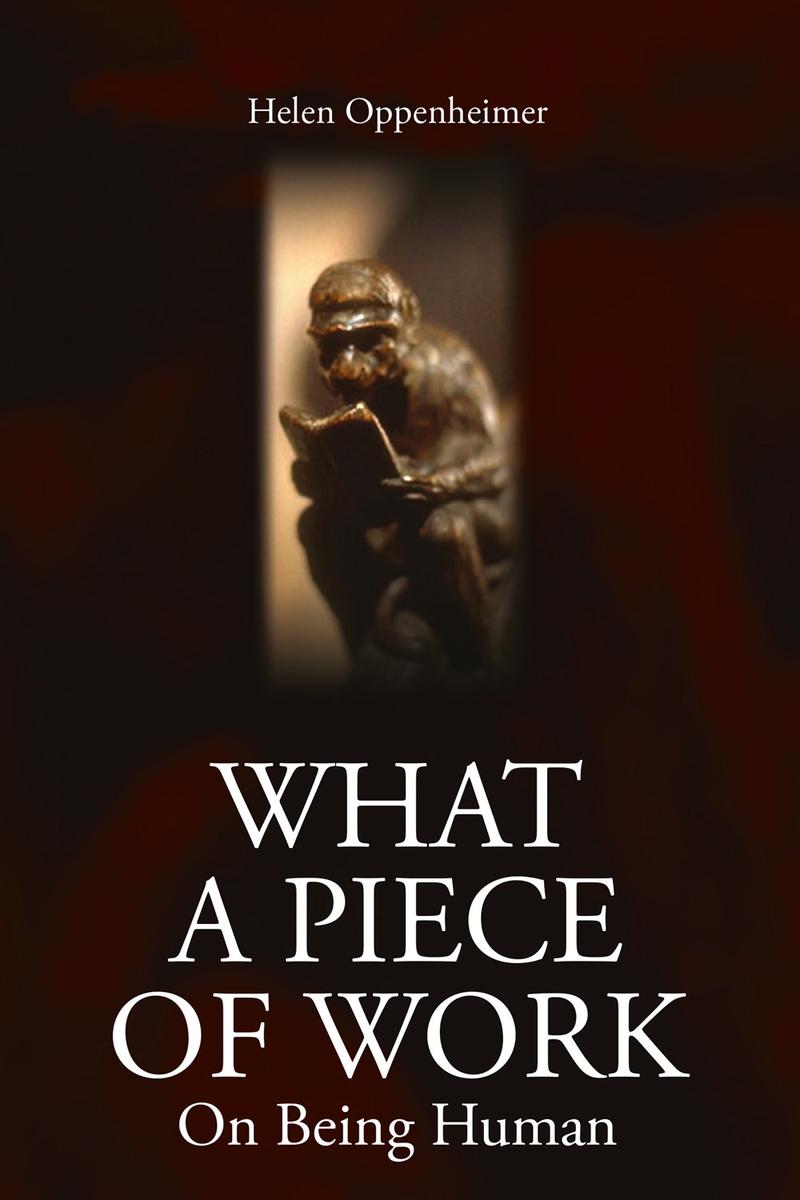
What a Piece of Work
¥63.67
This is a small book on a large subject: What is special about human beings? Hamlet mused, 'What a piece of work is man! How noble in reason! how like a god!' but went on to speak of 'this quintessence of dust'. Helen Oppenheimer prefers to start with the dust and move to the glory: we really are animals - and from these animals has come Shakespeare. People are indeed 'miserable sinners' - and also magnificent creatures.The author does not disguise that she is a Christian theologian whose subject is ethics, but she writes equally for non-Christians. Her invitation to the reader is: Here is a way of looking at things that I find exciting and convincing - I hope you do too.
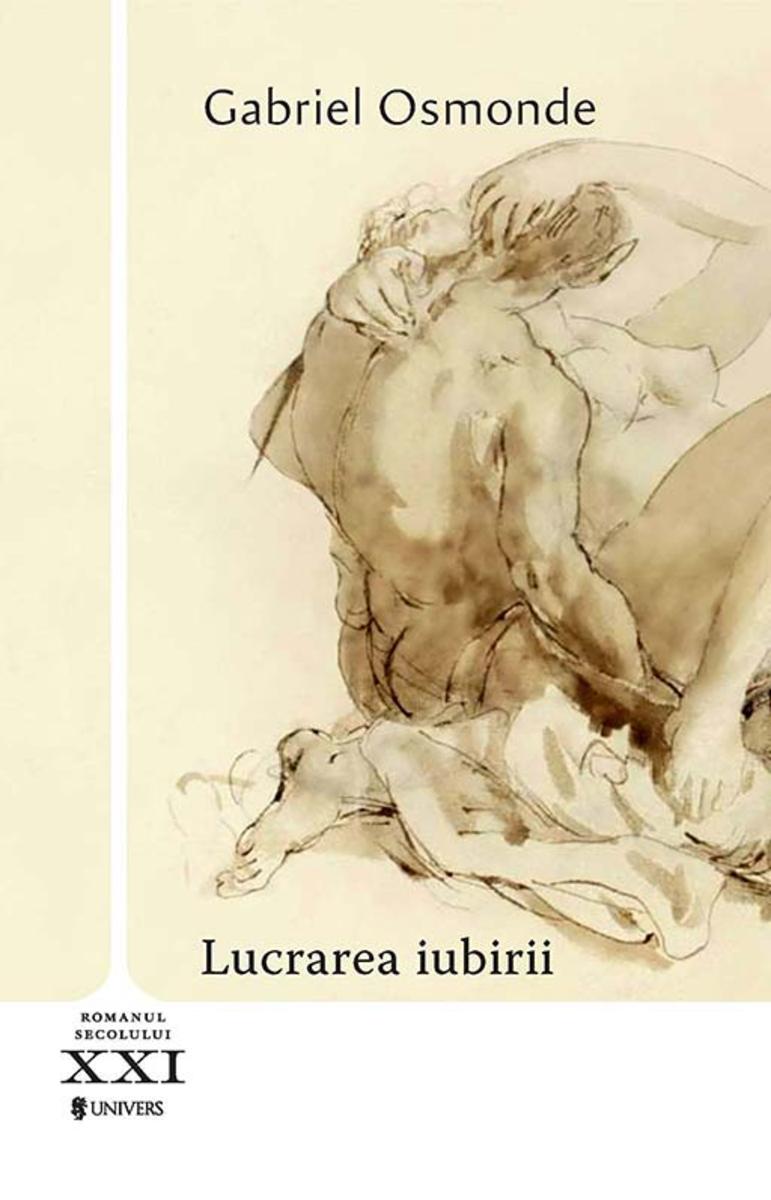
Lucrarea iubirii
¥48.97
Propor?iile epidemice ale artritei sunt cu at?t mai ?ngrijor?toare dac? avem ?n vedere faptul c?, de?i este considerat? ?n general o boal? a v?rstei a treia, v?rsta medie la care debuteaz? boala a sc?zut la 47 de ani.Dar exist? ?i ve?ti bune: artrita poate fi ?nt?rziat? sau gestionat?, ceea ce poate ?mbun?t??i ?n mod spectaculos calitatea vie?ii. Noua ?tiin?? a gestion?rii artritei ofer? solu?ii pentru to?i cei care doresc s? previn? suferin?a, disconfortul ?i limit?rile asociate cu artrita sau chiar s?-i opreasc? evolu?ia.Este prima carte despre artrit? care include ultimele cercet?ri ?tiin?ifice ?i strategiile de tratament pentru o boal? cu care se confrunt? marea majoritate a celor din genera?ia ?baby-boom“, de dup? cel de-al Doilea R?zboi Mondial. Iar genera?iile mai tinere au la dispozi?ie un plan u?or de urmat pentru minimizarea ?i chiar evitarea aspectelor debilitante ale artritei.Cartea de fa?? ofer? r?spunsuri la ?ntreb?ri de maxim interes precum:* De ce ne ?mboln?vim de artrit??* Ce suplimente pentru artrit? sunt eficiente?* Care sunt cele mai bune exerci?ii fizice ?i strategii dietetice?* Ce terapii alternative pot fi folosite f?r? riscuri?* Care sunt cele mai noi descoperiri ?tiin?ifice cu privire la celulele stem ?i terapiile viitoare legate de genele ?i biologia uman??InfoDad.com, 16.01.2014?O lucrare scris? ?ntr-un limbaj accesibil despre artrit? ?i cum s?-i facem fa??, despre o boal? deloc pl?cut? pentru cei ?n cauz?… o excelent? trecere ?n revist? a concep?iilor curente referitoare la acest complex de afec?iuni, la tratament ?i la direc?ia spre care se ?ndreapt? cercet?rile din domeniu.“Chatelaine.com: ?10 Best Health Books of 2014“, 03.02.2014?De ce ne place cartea: autorul nu inten?ioneaz? s? ne sperie, ci s? arunce lumin? asupra adev?rului… De asemenea, nu sus?ine o diet? riguroas? sau restrictiv?, ci ?ndeamn? la un regim alimentar echilibrat, care s? contribuie la men?inerea greut??ii ?i a imunit??ii.“
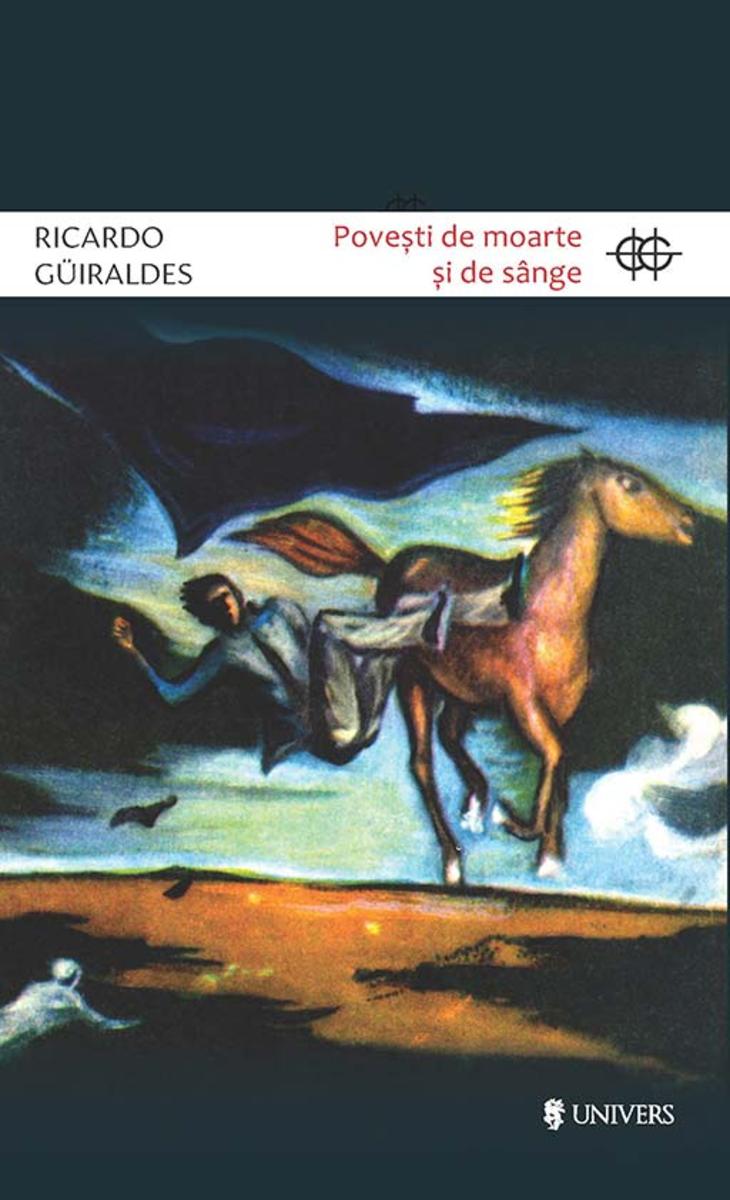
Pove?ti de moarte ?i de s?nge
¥32.62
Ce este tensiunea arterial? ?i de ce ne poate face r?u o valoare ridicat? a acesteia? Cum se ajunge la hipertensiune ?i cum poate fi prevenit?? ?i, cel mai important, ce se poate face pentru tratarea ei?Pornind de la ultimele cercet?ri ?n domeniu, William Manger ?i colegii ofer? o serie de r?spunsuri la ?ntreb?ri legate de exerci?iile fizice, regimul alimentar, Viagra, estrogen, vitamine, sare, alcool ?i fumat. Informa?iile privind analizele de s?nge ?i medicamentele folosite ?n mod curent ?i ajut? pe cititori s? discute ?n cuno?tin?? de cauz? cu medicul despre tratamentul prescris, s? ?n?eleag? ce li se ?nt?mpl? ?i s? dezvolte o rela?ie doctorstr?ns?, esen?ial? pentru ?inerea sub control a tensiunii arteriale.Men?in?ndu-?i tensiunea arterial? ?n limite normale, ??i salvezi via?a. Ce poate fi mai important?Cele 101 ?ntreb?ri ?i r?spunsuri preg?tite de exper?i de frunte din domeniul hipertensiunii arteriale reprezint? un instrument necesar pentru dob?ndirea unui stil de via?? s?n?tos ?i gestionarea cu succes a tensiunii arteriale ridicate.Dr. Alberto Zanchetti, profesor emerit de medicin? la Universitatea din MilanoAutorii au f?cut o treab? excelent? formul?nd ?i r?spunz?nd la numeroasele ?ntreb?ri pe care oamenii ?i le pun cu privire la tensiunea arterial? ridicat?: ce este, cum se manifest? ?i ce putem face ?n privin?a ei. Pentru modul ?n care au clarificat ?i au corectat multe dintre miturile ?i concep?iile eronate legate de aceast? boal?, merit? toate felicit?rile.Dr. Marvin M. Moser, profesor de medicin? clinic?, Facultatea de Medicin? Yale, redactor emerit, Journal of Clinical Hypertension.PRINTRE CELE 101 SUBIECTE SE NUM?R?:? cea mai bun? metod? de monitorizare a tensiunii arteriale? principalii factori de risc care duc la apari?ia hipertensiunii? sugestii pentru diet?, combaterea stresului, renun?area la fumat ?i exerci?ii fizice? diferite medicamente pentru tratarea hipertensiunii? boli ?i medicamente care cresc riscul de hipertensiune? c?i de prevenire a hipertensiunii la copiiAcum po?i s? ?ncepi s? faci schimb?rile necesare ca s?-?i protejezi inima ?i s? duci o via?? lung? ?i fericit?!
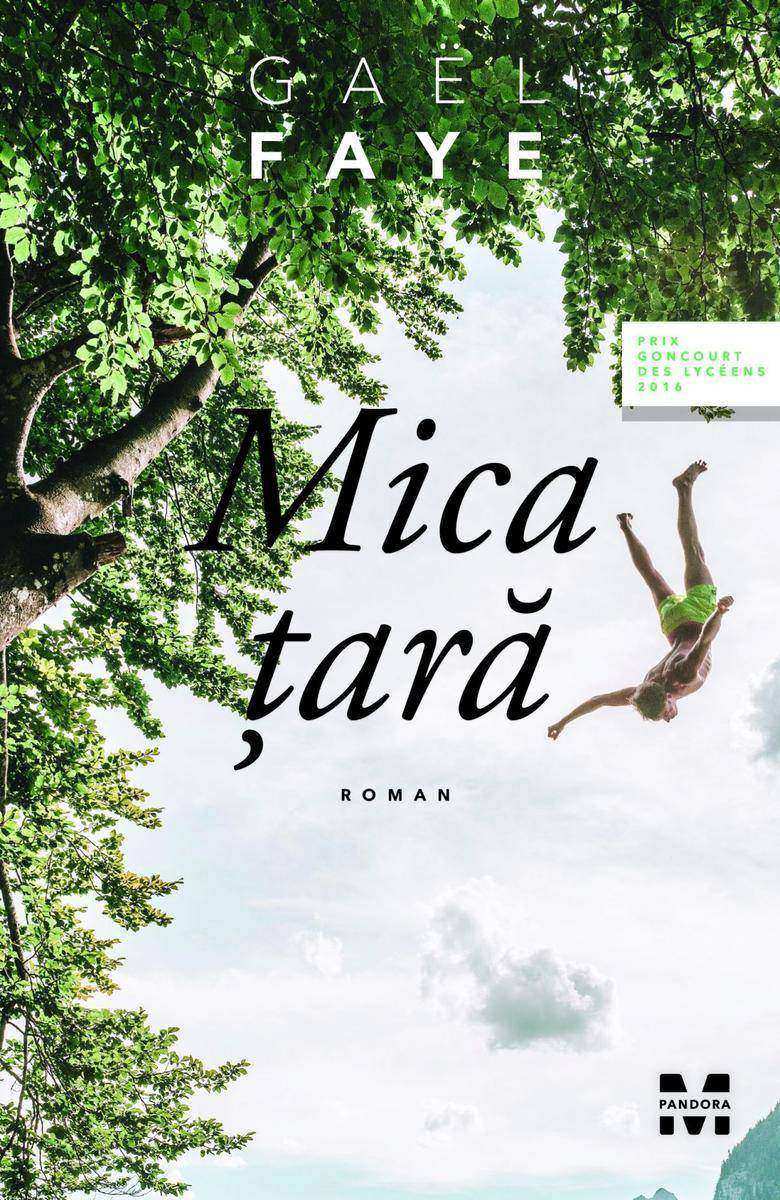
Mica ?ar?
¥57.14
Amit az olvasó a kezében tart, a F?ld kül?nb?z? pontjain feltárt lel?helyekr?l és a bennük található leletekr?l szól. Kül?nleges ablakot nyit elfeledett világokba, amiket a legt?bb ember nehezen tud elképzelni. Ezek a helyek olyan k?rülmények k?z?tt j?ttek létre, amik k?vetkeztében halált hoztak a figyelmetlenekre, legyenek azok kicsik vagy hatalmasak. Ebben a k?nyvben végigmegyünk kül?nb?z? f?ldt?rténeti korokon, mik?zben megtudjuk, hogy ezek a csapdák hogyan keletkeztek, hogyan m?k?dtek, és a bennük elpusztultak maradványaiból rekonstruáljuk a rég elfeledett él?lényeket.
Superimunitatea. F?r? injec?ii, f?r? medicamente, f?r? concedii medicale
¥81.67
E u?or s? te ba?i cu pumnul ?n piept c? iube?ti Rom?nia. E simplu s?-?i cumperi un fular ?n culorile tricolorului – ro?u, galben ?i albastru – ?i s? ie?i ?n pia?? de 1 Decembrie, la un pahar de vin gratis. E comod s? te cer?i ?n diferite grupuri pe Facebook cu ?nenoroci?ii care nu iubesc trupul patriei mam? ?i-l p?ng?resc“. E la ?ndem?n? s?-?i lipe?ti pe man?et? o etichet? care url? c? ?rom?nii sunt frumo?i“. E confortabil s? te ?mp?unezi cu reu?itele altor rom?ni, al?ii dec?t tine – fie c? vorbim despre filme rom?ne?ti premiate ?n lume, fie c? vorbim despre o echip? de fotbal sau ni?te liceeni olimpici la matematic?. E ideal s? spui, de acas?, din fotoliul t?u, scuip?nd o coaj? de s?m?n?? pe covor: ?E buni, domle, e rom?ni de-ai no?tri!“ Dar, de fiecare dat? c?nd e?ti tentat s? spui asta, pune-?i ?i ?ntrebarea: c?nd am f?cut, cu adev?rat, ceva real ?i personal PENTRU Rom?nia?
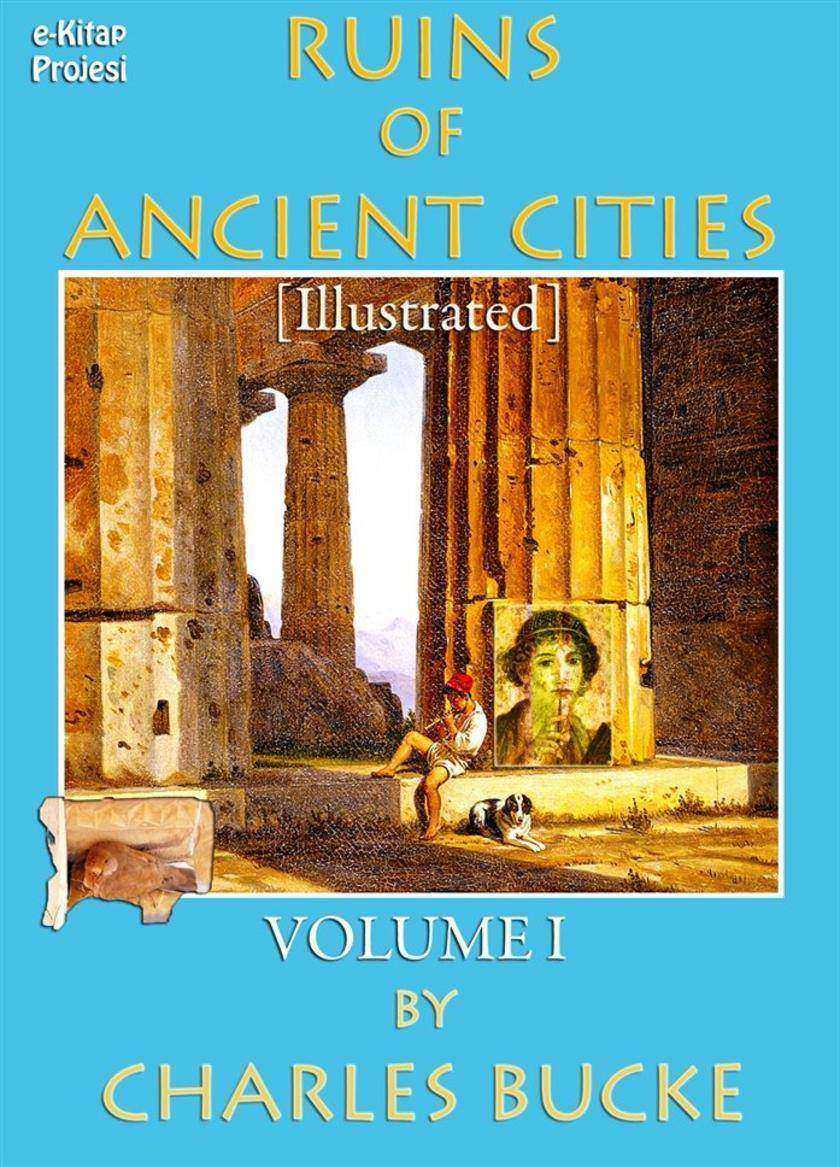
Ruins of Ancient Cities: (Volume - I)
¥28.04
"UKRAY" - UNIFIED FIELD THEORY - - A New Unification Theory on Electromagnetic Gravitation- PREFACE ? ?“This study which aims to prove that all forces and laws of physics exist in a single unified structure at the Starting and Ending moment of the Universe analyzes all laws of physics within the framework of a unified structure from Newton Mechanics to Quantum Theory, Einstein Relativity to modern 11-dimensional Super string theory. The study may also be considered as a "MODERN ERA PRINCIPIA" since it was started to be written in about 300 years (early 2007) after the publication of the great study of Newton named "PRINCIPIA" (1703-1707) on the topic of gravity theories. The volume includes SEVEN CHAPTERS in the form of SEVEN different articles which follow each other and make clear the subject when they are read consecutively. In addition, FOUR additional chapters in the form of APPENDIXES in nature of FUNDAMENTALS OF MATHEMATICS were also included at the end of the volume for readers who have a less degree of technical knowledge about the topic… THIS THEORY, GETS THESE QUESTIONS INTO; - A CHANGE into Gravitational field and field equations, STATIC AND UNIVERSAL GRAVITATIONAL CONSTANTS, - THE DYNAMICS OF Gravitational field with Combining the Electromagnetics Theory. - THE VELOCITY OF LIGHT COULD BE EXCEEDED? THIS THEORY WAS PREPARED AS A CONSEQUENCE OF APPROXIMATELY 16 YEARS STUDY, - WHOLE "666" PAGE- INCLUDES ABOUT 100 THEOREMS, - AND 1000 ILLUSTRATED DRAWINGS, - ASSERTS THE NEW PHYSICS OF THE UNIVERSE. AND MUCH MORE… "I imagined the situation of a mass falling towards the singularity point in a blackhole singularity in electrodynamic gravity conditions for some relative structures in the electromagnetic theory which is the most important and understandable theory in the classical physics I had comprehensive knowledge in my last years of my undergraduate term of the academic life (in about 2000) in an article of Faraday on the topic of the law of induction I had incidentally seen while I was examining the existing physics literature in the faculty's library. I wondered if the law of induction in a circular conducting wire differently perceived according to an observer in the train and the one on the land in the special relativity of Einstein may occur by the increase and decrease of mass during the course of falling to singularity in this blackhole and may create an electromagnetic gravity wave and a magnetic charge current which would decrease the impact of gravitation in parallel to this. This oriented me to a series of researches to study and create this theory for years and then directed me to create a unified electromagnetic gravity theory composed of SEVEN ARTICLES in total I will submit here in order and step by step. Even though the theory includes a deductive mathematical approach, tensor calculation and geometric modellings, I will give solutions of Einstein-Maxwell Equations with a different mathematical 4x4 Pauli-Dirac Spinors and Tensor calculation construction in direction of closed extra dimension of the space (5 Dimension Effect) What Does the Theory Tell? {Short Abstract and Philosophy of the Theory} The THEORY summarizes the general and simple mathematical description of the universe in the form of general conclusion items and forecasts the followings; Basic Projections of the Theory? - NEW MODEL OF AN ATOM, - NEW MODEL OF THE UNIVERSE, - CHANGE IN GALILEO Inertia Principle, - A Fundamental Change in the Structure of MAXWELL's EQUATIONS, AN ADDITIONAL TERMS AND ADDITIONS, - A CHANGE IN POYNTING ENERGY THEORY, - A NEW ATOMIC MODEL, - A NEW UNIVERSE MODEL, - CHANGE IN GALILEO'S PRINCIPLE OF INERTIA, - A FUNDEMENTAL CHANGE AND AN ADDITIONAL TERM IN THE STRUCTURE IF MAXWELL EQUATIONS, - A CHANGE IN STATIC FIELD EQUATIONS OF THE GRAVITY FIELD AND IN THE UNIVERSAL GRAVITY CONSTANT. - CHANGE IN POYNTING ENERGY THEOREM, - HOW CAN THE VELOCITY OF LIGHT BE EXCEEDED?

Un american la Chi?in?u
¥48.97
Medicina modern? a f?cut progrese imense. Cu toate acestea, nu a reu?it s? ?nving? cancerul, boala nemiloas? care face milioane de victime ?n fiecare an, la nivel mondial. ?i totu?i, dr. Max Gerson (1881-1959) ne-a oferit o raz? de speran??, prin terapia alternativ? care ?i poart? numele. ?n 1958, el a fost primul medic din lume care a spus despre cancer c? ar fi cauzat de mai mul?i factori independen?i. Dintre cei 49 de astfel de factori identifica?i p?n? ?n prezent (deficien?ele de nutri?ie, radia?iile de diverse tipuri, ingerarea aditivilor alimentari, stresul cronic, consumul de tutun ?i de alcool etc.), ?n mod surprinz?tor, alimentele toxice fac cel mai mare r?u. Peste 70% dintre tumorile maligne sunt cauzate, ?ntr-un fel sau altul, de ceea ce m?nc?m. Tocmai de aceea, Terapia Gerson are la baz? o diet? care include fructe ?i legume proaspete, cultivate organic, ?i 13 pahare de sucuri proaspete pe zi, la intervale fixe. Dup? 70 de ani de la apari?ia terapiei, timp ?n care mii de pacien?i au fost trata?i cu succes, fiica dr. Gerson, Charlotte, ea ?ns??i terapeut ?n medicina alternativ?, ?mpreun? cu dr. Morton Walker ofer? ?i mai multe informa?ii despre efectele puternice de vindecare ale fructelor ?i legumelor organice. Afl?: cum s? ?nvingi cancerul schimb?nd chimia organismului;cum s? prepari sucuri prin tehnici speciale pentru a le maximiza puterea de vindecare;cum s? scapi de alergii, obezitate, hipertensiune, SIDA, lupus ?i alte boli;ce suplimente ?nt?resc sistemul imunitar. Terapia Gerson – cea mai bun? metod? pentru oricine a spus vreodat? ?Vreau s? m? fac bine. Ar?ta-mi cum“ A func?ionat ?i pentru al?ii, va func?iona ?i pentru tine! ?nvinge boala cu ajutorul Terapiei Gerson!
Great Astronomers
¥24.44
Great Astronomers
Biological Principles: A Tutorial Study Guide
¥32.62
Biological Principles: A Tutorial Study Guide
Nervous System: A Tutorial Study Guide
¥48.97
Nervous System: A Tutorial Study Guide
Circulatory System: A Tutorial Study Guide
¥32.62
Circulatory System: A Tutorial Study Guide
Immune System: A Tutorial Study Guide
¥32.62
Immune System: A Tutorial Study Guide
Motor System: A Tutorial Study Guide
¥32.62
Motor System: A Tutorial Study Guide
Dose-Response Curve: A Tutorial Study Guide
¥32.62
Dose-Response Curve: A Tutorial Study Guide
Universe: The Solar System and Beyond
¥24.44
Universe: The Solar System and Beyond
The Story of the Heavens
¥24.44
The Story of the Heavens


