Lucrarea iubirii
¥48.97
Propor?iile epidemice ale artritei sunt cu at?t mai ?ngrijor?toare dac? avem ?n vedere faptul c?, de?i este considerat? ?n general o boal? a v?rstei a treia, v?rsta medie la care debuteaz? boala a sc?zut la 47 de ani.Dar exist? ?i ve?ti bune: artrita poate fi ?nt?rziat? sau gestionat?, ceea ce poate ?mbun?t??i ?n mod spectaculos calitatea vie?ii. Noua ?tiin?? a gestion?rii artritei ofer? solu?ii pentru to?i cei care doresc s? previn? suferin?a, disconfortul ?i limit?rile asociate cu artrita sau chiar s?-i opreasc? evolu?ia.Este prima carte despre artrit? care include ultimele cercet?ri ?tiin?ifice ?i strategiile de tratament pentru o boal? cu care se confrunt? marea majoritate a celor din genera?ia ?baby-boom“, de dup? cel de-al Doilea R?zboi Mondial. Iar genera?iile mai tinere au la dispozi?ie un plan u?or de urmat pentru minimizarea ?i chiar evitarea aspectelor debilitante ale artritei.Cartea de fa?? ofer? r?spunsuri la ?ntreb?ri de maxim interes precum:* De ce ne ?mboln?vim de artrit??* Ce suplimente pentru artrit? sunt eficiente?* Care sunt cele mai bune exerci?ii fizice ?i strategii dietetice?* Ce terapii alternative pot fi folosite f?r? riscuri?* Care sunt cele mai noi descoperiri ?tiin?ifice cu privire la celulele stem ?i terapiile viitoare legate de genele ?i biologia uman??InfoDad.com, 16.01.2014?O lucrare scris? ?ntr-un limbaj accesibil despre artrit? ?i cum s?-i facem fa??, despre o boal? deloc pl?cut? pentru cei ?n cauz?… o excelent? trecere ?n revist? a concep?iilor curente referitoare la acest complex de afec?iuni, la tratament ?i la direc?ia spre care se ?ndreapt? cercet?rile din domeniu.“Chatelaine.com: ?10 Best Health Books of 2014“, 03.02.2014?De ce ne place cartea: autorul nu inten?ioneaz? s? ne sperie, ci s? arunce lumin? asupra adev?rului… De asemenea, nu sus?ine o diet? riguroas? sau restrictiv?, ci ?ndeamn? la un regim alimentar echilibrat, care s? contribuie la men?inerea greut??ii ?i a imunit??ii.“
Divine Comedy (Volume II): Illustrated Hell
¥18.74
Micrographia is a historic book by Robert Hooke, detailing the then thirty-year-old Hooke's observations through various lenses. Published in September 1665, the first major publication of the Royal Society, it was the first scientific best-seller, inspiring a wide public interest in the new science of microscopy. It is also notable for coining the biological term cell. Observations: Hooke most famously describes a fly's eye and a plant cell (where he coined that term because plant cells, which are walled, reminded him of a monk's quarters). Known for its spectacular copperplate engravings of the miniature world, particularly its fold-out plates of insects, the text itself reinforces the tremendous power of the new microscope. The plates of insects fold out to be larger than the large folio itself, the engraving of the louse in particular folding out to four times the size of the book. Although the book is best known for demonstrating the power of the microscope, Micrographia also describes distant planetary bodies, the wave theory of light, the organic origin of fossils, and various other philosophical and scientific interests of its author. Publication: Published under the aegis of The Royal Society, the popularity of the book helped further the society's image and mission of being "the" scientifically progressive organization of London. Micrographia also focused attention on the miniature world, capturing the public's imagination in a radically new way. This impact is illustrated by Samuel Pepys' reaction upon completing the tome: "the most ingenious book that I ever read in my life." Hooke also selected several objects of human origin; among these objects were the jagged edge of a honed razor and the point of a needle, seeming blunt under the microscope. His goal may well have been as a way to contrast the flawed products of mankind with the perfection of nature (and hence, in the spirit of the times, of biblical creation). About Author: Robert Hooke (1635 – 1703) was an English natural philosopher, architect and polymath.His adult life comprised three distinct periods: as a scientific inquirer lacking money; achieving great wealth and standing through his reputation for hard work and scrupulous honesty following the great fire of 1666, but eventually becoming ill and party to jealous intellectual disputes. These issues may have contributed to his relative historical obscurity. He was at one time simultaneously the curator of experiments of the Royal Society and a member of its council, Gresham Professor of Geometry and a Surveyor to the City of London after the Great Fire of London, in which capacity he appears to have performed more than half of all the surveys after the fire. He was also an important architect of his time – though few of his buildings now survive and some of those are generally misattributed – and was instrumental in devising a set of planning controls for London whose influence remains today. Allan Chapman has characterised him as "England's Leonardo".Robert Gunther's Early Science in Oxford, a history of science in Oxford during the Protectorate, Restoration and Age of Enlightenment, devotes five of its fourteen volumes to Hooke.Hooke studied at Wadham College during the Protectorate where he became one of a tightly knit group of ardent Royalists led by John Wilkins. Here he was employed as an assistant to Thomas Willis and to Robert Boyle, for whom he built the vacuum pumps used in Boyle's gas law experiments. He built some of the earliest Gregorian telescopes and observed the rotations of Mars and Jupiter. In 1665 he inspired the use of microscopes for scientific exploration with his book, Micrographia. Based on his microscopic observations of fossils, Hooke was an early proponent of biological evolution. He investigated the phenomenon of refraction, deducing the wave theory of light, and was the first to suggest that matter expands when heated and that air is made of small particles separated by relatively large distances. He performed pioneering work in the field of surveying and map-making and was involved in the work, though his plan for London on a grid system was rejected in favour of rebuilding along the existing routes. He also came near to an experimental proof that gravity follows an inverse square law, and hypothesised that such a relation governs the motions of the planets, an idea which was subsequently developed by Newton.
Euthyphro
¥9.24
On the Origin of Species, published on 24 November 1859, is a work of scientific literature by Charles Darwin which is considered to be the foundation of evolutionary biology. Its full title was On the Origin of Species by Means of Natural Selection, or the Preservation of Favoured Races in the Struggle for Life. For the sixth edition of 1872, the short title was changed to The Origin of Species. Darwin's book introduced the scientific theory that populations evolve over the course of generations through a process of natural selection. It presented a body of evidence that the diversity of life arose by common descent through a branching pattern of evolution. Darwin included evidence that he had gathered on the Beagle expedition in the 1830s and his subsequent findings from research, correspondence, and experimentation. Various evolutionary ideas had already been proposed to explain new findings in biology. There was growing support for such ideas among dissident anatomists and the general public, but during the first half of the 19th century the English scientific establishment was closely tied to the Church of England, while science was part of natural theology. Ideas about the transmutation of species were controversial as they conflicted with the beliefs that species were unchanging parts of a designed hierarchy and that humans were unique, unrelated to other animals. The political and theological implications were intensely debated, but transmutation was not accepted by the scientific mainstream. The book was written for non-specialist readers and attracted widespread interest upon its publication. As Darwin was an eminent scientist, his findings were taken seriously and the evidence he presented generated scientific, philosophical, and religious discussion. The debate over the book contributed to the campaign by T. H. Huxley and his fellow members of the X Club to secularise science by promoting scientific naturalism. Within two decades there was widespread scientific agreement that evolution, with a branching pattern of common descent, had occurred, but scientists were slow to give natural selection the significance that Darwin thought appropriate. During the "eclipse of Darwinism" from the 1880s to the 1930s, various other mechanisms of evolution were given more credit. With the development of the modern evolutionary synthesis in the 1930s and 1940s, Darwin's concept of evolutionary adaptation through natural selection became central to modern evolutionary theory, and it has now become the unifying concept of the life sciences. Summary of Darwin's theory: Darwin's theory of evolution is based on key facts and the inferences drawn from them, which biologist Ernst Mayr summarised as follows: ? Every species is fertile enough that if all offspring survived to reproduce the population would grow (fact).? Despite periodic fluctuations, populations remain roughly the same size (fact).? Resources such as food are limited and are relatively stable over time (fact).? A struggle for survival ensues (inference).? Individuals in a population vary significantly from one another (fact).? Much of this variation is inheritable (fact).? Individuals less suited to the environment are less likely to survive and less likely to reproduce; individuals more suited to the environment are more likely to survive and more likely to reproduce and leave their inheritable traits to future generations, which produces the process of natural selection (inference).? This slowly effected process results in populations changing to adapt to their environments, and ultimately, these variations accumulate over time to form new species (inference).
Bilin? ve Zaman
¥9.32
Her ?ey ?evresiyle etkile?imsel bütünlükte anlaml? olmaktad?r. Soral?m yine de; Bütünü par?alar?ndan fazlas? yapan nedenler nelerdir? Evrende neyin ifadesiyiz? Canl?l?k, bilin?, ruh, duygular art?k anla??labilir midir? Canl?l?k h?z farklar?ndan m? olu?maktad?r? H?zl? bile?enimiz olan elektri?in; canl?l???n ve bilincimizin olu?umunda nas?l bir etken olmaktad?r? Bizleri olu?turanlardan beden, duygular, bilin?, ruh diye tan?mlad?klar?m?z aras?nda ba?lant?lar nas?l kurulmaktad?r? Sorular?, günümüzde enerjiler aras? ba?lant?, etkile?im nas?l kurulmaktad?r? Sorusu gibi oldu?u, yani her?ey gibi onlar?nda enerji oldu?u anla??lm??t?r. Ruh olarak tan?mlad?k, zihin-beden aras?nda ba?lant?y? kurmaya, duygular? anlamaya ?al??t?k. Bilincin, alg?n?n tüm bunlarla nas?l bir ili?kisi olabilece?ini sorgulad?k. Genelde ?yle oluyor ya, bütünün ?nce par?alar?n? anlamaya, par?alara ay?r?p anlamaya ?al??man?n sorunlar?n?n izlerini sürüp bütünle olan etkile?imini g?rmeye y?neliyoruz. Zaman?n i?inde zaman ge?irmemize ra?men bilincimizle, canl?l???m?zla nas?l ba?lant?l? oldu?unu g?rmezden geldik. Günümüz dünyas?n?n ula?t??? bilgi, ya?amsal deneyimlerin kaydedilip aktar?lmas?, izledi?imiz filmlerden tutun da, deneyimlerimizin h?zl? etkile?imiyle zaman aral?klar?n? orduk. S?n?r sistemimize benzeyen internet a?lar? olu?turduk. ?nsanl?k olarak yapay zekalar geli?tirdik. Hücre ile beden benzeri; canl?yla tüm canl?l???n, ekosistemin, varl???n etkile?im ?rüntüsü oldu?unu, etkile?imsel ?rüntüde anlam? oldu?unu ??rendik. Belki de olu?turdu?umuz yeni anlamlar gelecekte olu?acaklar?n par?alar?d?r. De?i?im devam ediyor. G?rünen o ki, canl?lar bu evrenin en ileri evrensel enerji alanlar?d?r. Soral?m kendimize; Evrende canl?l?ktan daha anlaml? bir ?ey var m?d?r? Dünya bilinci ?a?lard?r. Biriktirdi?i bilgi ve deneyimlerini, olu?umun ba?lang?c?ndan itibaren nesiller boyu aktarm??, ekosistemiyle bir bütün olarak evrilmi?tir. Ula?t??? bilin? halini ?evresiyle etkile?imsel d?ngü i?inde hep yeniden ?ekillendirmi?tir. D?nü?ümsel etkile?imin hi?bir zaman?n?n ayn? olmay??? temel evrensel durumun etkisiyle de zamanda evrilmi? ve günümüz dünyas?n?n paradigmas?na ula?m??t?r. Evrimsel ?rüntüye paralel geli?en teknolojik entegrasyonla bilgi, zamanda ?ok yo?un etkile?ebilmi?tir. Dünya üzerinde artan s?n?r hücresi say?s? yani artan canl? say?s?n?n olumlu bir yan? ise, bilginin etkile?imini art?rm?? olmas?d?r. Platon’un idealar dünyas?nda var olan?n kendi ba??na var olamayaca??n?, var olan?n ?ncül bir mükemmeli olmal? dü?üncesiyle hareket etti?i g?rülüyor. Bu dü?ünceye bi ele?tiriyle ba?lay?p daha sonra ele?tiriyide ele?tirelim. Diyelim ki bu dü?ünceye evrimin, zaman?n itiraz? var. Buna b?yle devam edersek ba?lang?? i?inde, uzaylar i?inde ba?layan evrenler olsa bile bugünki mant?k yine en ba?a d?nmemizi s?ylüyor. Yani ilk nas?l olu?tu? Bu olu?um ?ncesi uzay diyeyim en mükemmel saf hali olan B?R nas?l olu?tu. 1’de ise hi?bir ?zellik olmamal? yani nas?l olurda idea’lar oradan kaynaklan?r. Demek ki varl?k olu?umu bi süre?, evrim olur gibi. Sondan ba?a d?nsekte bi süre?, ba?tan ba?lam?? olsakta bi süre?. Bu ifadeler B?R d?ngüsü i?inde do?ru olabilir. ?dealar nereden geldi ?ünki sonu? olarak idealar B?R de olmamal? ?ünkü B?R farkl?l?k bar?nd?rm?yor. Asl?nda her ?eyi B?R kapsar, o kaynak potansiyeller alan?d?r. Haliyle her ?eyle ayn? alandad?r. Bi nevi potansiyeller alan?yla varl?k ayn? ?eydir, benzerdir. O halde Platon’un idealar kuram?n?n kayna?? ve kendisi bu evrendedir, bu evrendir. Günümüz bilim dünyas?nda ?oklu evrenler dü?üncesi olduk?a yayg?nd?r. O halde evrenlerin oldu?u daha dev uzaysal kaynaklar, alanlar olmal?d?r. ??te B?R belkide bizimde i?inde evrildi?imiz vede k?smen farkl?la?t???m?z her ?eyin kayna??, alan?d?r. Evren büyük tabii ancak büyüklük hep yan?lt?c? olmaya devam etmi?tir. Belkide hiper bir uzay hatta uzaylar alan?nda olabiliriz. Belki ama e?er do?ru b? dü?ünce ?ekliyse bu ilk soruyu yinede de?i?tirmiyor. ?lk ba?lang?? diye bir ?ey var m??
The Inventions, Researches and Writings of Nikola Tesla: Complete & Illustrated
¥28.61
The electrical problems of the present day lie largely in the economical transmission of power and in the radical improvement of the means and methods of illumination. To many workers and thinkers in the domain of electrical invention, the apparatus and devices that are familiar, appear cumbrous and wasteful, and subject to severe limitations. They believe that the principles of current generation must be changed, the area of current supply be enlarged, and the appliances used by the consumer be at once cheapened and simplified. The brilliant successes of the past justify them in every expectancy of still more generous fruition.??The present volume is a simple record of the pioneer work done in such departments up to date, by Mr. Nikola Tesla, in whom the world has already recognized one of the foremost of modern electrical in-vestigators and inventors. No attempt whatever has been made here to emphasize the importance of his researches and discoveries. ??Great ideas and real inventions win their own way, determining their own place by intrinsic merit. But with the conviction that Mr. Tesla is blazing a path that electrical development must follow for many years to come, the compiler has endeavored to bring together all that bears the impress of Mr. Tesla's genius, and is worthy of preservation. Aside from its value as showing the scope of his inventions, this volume may be of service as indicating the range of his thought. There is intellectual profit in studying the push and play of a vigorous and original mind.?
Bütünsel Bak??la Canl?l?k-II: "Madde ve Enerji, Beden ve Ruh ?li?kisi"
¥0.01
alardan beridir insanln duygularn, rüyalarn, davranlarn, düüncelerini, hemen her eyini etkileyen ve algland kadaryla sorduu baz sorularn günümüz dünyasnda anlalmaya, kaplarnn aralanp bilincimizi yeniden ekillendirmeye baladn grürken, yeni sorular oluturmaya baladmz grüyoruz. Bugünlere kadar hepimizin merak ettii sorularn bazlar unlardr: - Canllk nedir - Duygularmz nedir - Ben neyim Bunlar alglayp yorumlayabildiimiz bilin nedir - Beden ile düünce zamanda nasl balanmtr - Düüncelerimi, grdüklerimi, gzleyen nedir - Uzay nedir Nasl var olmutur - Evrende neyin ifadesiyiz - Zaman nedir - lümden sonras var mdr Ruh olarak tanmladk, zihin-beden arasnda balanty kurmaya, duygular anlamaya alrken. Bilincin, algnn ve tüm bunlarla nasl bir ilikisi olabileceini sorguladk. Genelde yle oluyor ya bütünün nce paralarn anlamaya, paralara ayrp anlamaya almann, sorunlarn izlerini sürüp bütünle olan etkileimini grmeye yneliyoruz. Zamann iinde zaman geirmemize ramen, bilincimizle, canllmzla nasl balantl olduunu grmezden geldik. Günümüz dünyasnn ulat bilgi, yaamsal deneyimlerin kaydedilip aktarlmas, izlediimiz filmlerden tutun da, deneyimlerimizin hzl etkileimiyle zaman aralklarn orduk. Snr sistemimize benzeyen internet alar oluturduk. nsanlk olarak yapay zekalar gelitirdik. Hücre ile beden benzeri; canlyla tüm canlln, ekosistemin, varln etkileim rüntüsü olduunu anlamaya baladk. Belki de oluturduumuz yeni anlamlar, gelecekte oluacaklarn paralardr. Deiim devam ediyor. Grünen o ki, canllar bu evrenin en ileri evrensel alanlardr. Soralm kendimize; Evrende canllktan daha anlaml bir ey var mdr
Mica ?ar?
¥57.14
Amit az olvasó a kezében tart, a F?ld kül?nb?z? pontjain feltárt lel?helyekr?l és a bennük található leletekr?l szól. Kül?nleges ablakot nyit elfeledett világokba, amiket a legt?bb ember nehezen tud elképzelni. Ezek a helyek olyan k?rülmények k?z?tt j?ttek létre, amik k?vetkeztében halált hoztak a figyelmetlenekre, legyenek azok kicsik vagy hatalmasak. Ebben a k?nyvben végigmegyünk kül?nb?z? f?ldt?rténeti korokon, mik?zben megtudjuk, hogy ezek a csapdák hogyan keletkeztek, hogyan m?k?dtek, és a bennük elpusztultak maradványaiból rekonstruáljuk a rég elfeledett él?lényeket.
Superimunitatea. F?r? injec?ii, f?r? medicamente, f?r? concedii medicale
¥81.67
E u?or s? te ba?i cu pumnul ?n piept c? iube?ti Rom?nia. E simplu s?-?i cumperi un fular ?n culorile tricolorului – ro?u, galben ?i albastru – ?i s? ie?i ?n pia?? de 1 Decembrie, la un pahar de vin gratis. E comod s? te cer?i ?n diferite grupuri pe Facebook cu ?nenoroci?ii care nu iubesc trupul patriei mam? ?i-l p?ng?resc“. E la ?ndem?n? s?-?i lipe?ti pe man?et? o etichet? care url? c? ?rom?nii sunt frumo?i“. E confortabil s? te ?mp?unezi cu reu?itele altor rom?ni, al?ii dec?t tine – fie c? vorbim despre filme rom?ne?ti premiate ?n lume, fie c? vorbim despre o echip? de fotbal sau ni?te liceeni olimpici la matematic?. E ideal s? spui, de acas?, din fotoliul t?u, scuip?nd o coaj? de s?m?n?? pe covor: ?E buni, domle, e rom?ni de-ai no?tri!“ Dar, de fiecare dat? c?nd e?ti tentat s? spui asta, pune-?i ?i ?ntrebarea: c?nd am f?cut, cu adev?rat, ceva real ?i personal PENTRU Rom?nia?
Fiul risipitor
¥68.75
Se spune c? ?nceputurile pot fi uneori ca o cea?? de nep?truns. A?a este ?i cazul acestei pove?ti, care ?ncepe cu apari?ia unei noi specii, probabil ?n urm? cu dou? mii de ani. Specia nu are ?nc? un nume – nimic nu are ?nc? unul – dar are capacitatea de a numi lucruri.Asemenea oric?rei alte noi specii, starea acesteia este fragil?. Num?rul membrilor s?i este mic, iar teritoriul pe care ?l ocup? este redus la o bucat? din estul Africii. Popula?ia sa cre?te treptat, dar apoi, destul de probabil, aceasta se diminueaz? din nou – unii ar spune c? asta se ?nt?mpl? ?ntr-un mod aproape fatal – ajung?nd la doar c?teva mii de perechi.Membrii speciei nu sunt neap?rat foarte rapizi sau puternici sau fertili. Ei sunt ?ns? nemaipomenit de descurc?re?i. Progresiv, ei ?ncep s? exploreze teritorii cu diferite climate, diferi?i pr?d?tori ?i diferite tipuri de v?nat. Nici una dintre constr?ngerile aduse de habitat sau de geografia locului nu pare s? ?i afecteze prea tare.
Inventions of the Great War
¥27.88
The great World War was more than two-thirds over when America entered the struggle, and yet in a sense this country was in the war from its very beginning. Three great inventions controlled the character of the fighting and made it different from any other the world has ever seen. These three inventions were American. The submarine was our invention; it carried the war into the sea. The airplane was an American invention; it carried the war into the sky. We invented the machine-gun; it drove the war into the ground. It is not my purpose to boast of American genius but, rather, to show that we entered the war with heavy responsibilities. The inven-tions we had given to the world had been developed marvelously in other lands. Furthermore they were in the hands of a determined and unscrupulous foe, and we found before us the task of overcoming the very machines that we had created. Yankee ingenuity was faced with a real test. The only way of overcoming the airplane was to build more and better machines than the enemy possessed. This we tried to do, but first we had to be taught by our allies the latest refinements of this machine, and the war was over before we had more than started our a?rial program. The machine-gun and its accessory, barbed wire (also an American invention), were overcome by the tank; and we may find what little comfort we can in the fact that its invention was inspired by the sight of an American farm tractor. But the tank was a British creation and was undoubtedly the most important invention of the war. On the sea we were faced with a most baffling problem. The U-boat could not be coped with by the building of swarms of submarines. The essential here was a means of locating the enemy and destroying him even while he lurked under the surface. Two American inventions, the hydrophone and the depth bomb, made the lot of the U-boat decidedly unenviable and they hastened if they did not actually end German frightfulness on the sea. But these were by no means the only inventions of the war. Great Britain showed wonderful ingenuity and resourcefulness in many di-rections; France did marvels with the airplane and showed great clev-erness in her development of the tank and there was a host of minor inventions to her credit; while Italy showed marked skill in the crea-tion of large airplanes and small seacraft.
Dealing with Negative People
¥19.52
A busy person's guide to help you to deal with a negative person. This guide covers dealing with negative people at home and at work regardless of their position in relation to the reader. It provides practical and proven tips and strategies to getting people to cheer up and get on with life. It also helps to identify the more serious issue of stress.
Inside Out
¥53.86
Inside-Out Weight Loss focuses on changing relationships with food by 're-programming' behaviour. Understanding that control and choice around food is managed at an unconscious level Louise Dorrian gently guides you to develop an awareness of food habits and compulsions that stem from 'thought processes' and result in overeating. Easy to understand and use techniques change the unhelpful thought processes and combine with the hypnotic recordings to transform your relationship with food and eating behaviours. Already proven to be successful and result in weight loss with Louise's private clients this program is available for the first time in book format and mp3 downloads. No diets, eating plans or strict regimes, just a natural, easy and rewarding route to weight loss and wellbeing.
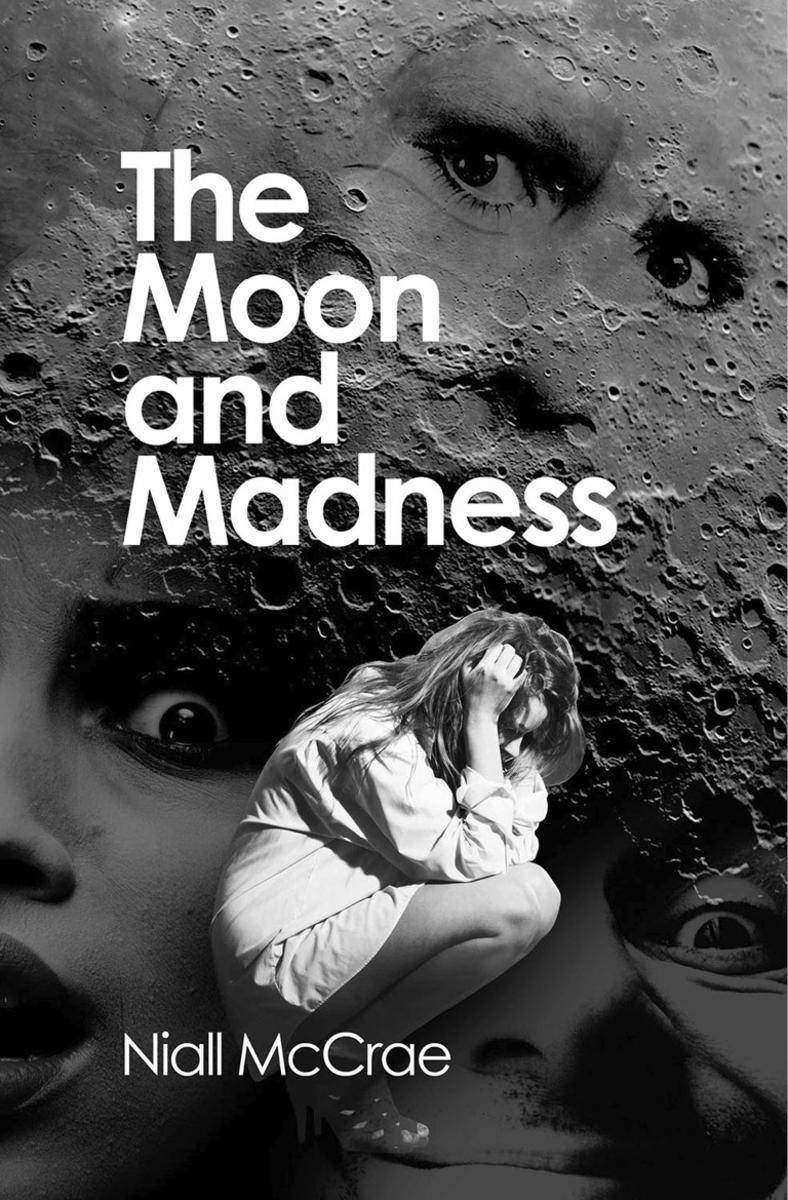
Moon and Madness
¥132.34
Lunacy, the legendary notion of minds unhinged by the moon, continues to captivate the popular imagination. Although it violates the assumptions of modern science and psychiatry, such belief remains common among mental health workers. Furthermore, several studies have found a small, unexplained correlation between behaviour and the lunar cycle. The book is divided into two parts. It begins with a historical account of the lunacy concept, followed by an investigation of hypothetical mechanisms for a lunar effect.
I Am Indigo
¥19.52
Indigo children are those that have been prophesied, those that will bring with them a new understanding of life. This book aims to show you who you really are. Indigo children are intuitive, bright and strong-willed. Being a teenager is challenging anyway but being an Indigo is both wonderful and extra challenging. They are often misunderstood as they don't fit into the 'one size fits all' established rules and patterns. This causes problems at school and in the home. The book explains what an Indigo is and a questionnaire to discover if a person is an Indigo and which type. You'll be fascinated to discover why Indigos are here, what qualities they have and how to help Indigos using alternative solutions to improve self image, achieve their goals, and get along with parents/teachers.
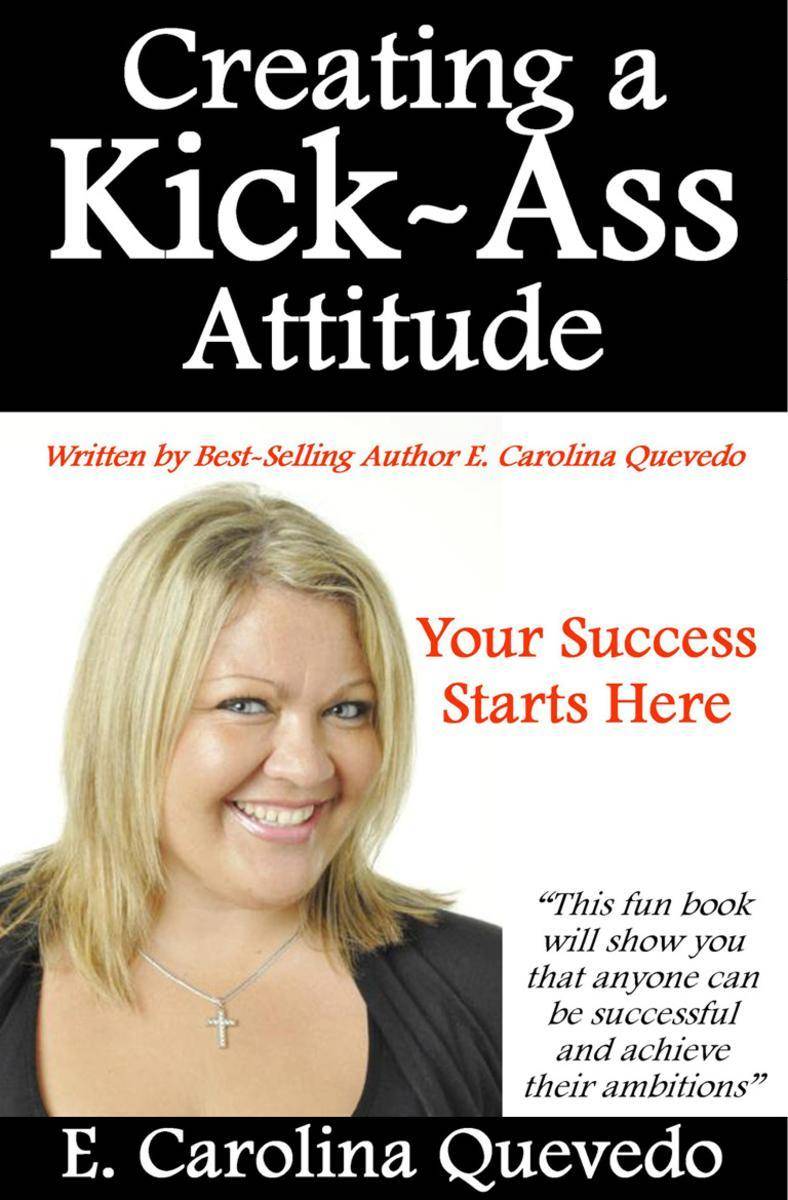
Creating a Kick Ass Attitude
¥39.14
Would you like to know how to develop a more positive attitude? Do you want to learn how to lead a happier life and fulfil your potential? Would you like to know what is stopping you from achieving your personal and professional goals? If you answered yes to any of these questions, Creating a Kick-Ass Attitude will show you how to change your way of thinking to become more successful. In this groundbreaking new book, life coach and entrepreneur E. Carolina Quevedo explains how you can improve your life for the better simply by changing your outlook. Based on her own experiences as an international speaker and motivator, E. Carolina teaches you how to get what you want by liberating your thoughts and changing the way you look at life. Improve your chances of success in everything you do with this must-have self-help guide. Written for a modern generation, this fun book will show you that anyone can be successful and achieve their ambitions, all it takes is the right attitude.
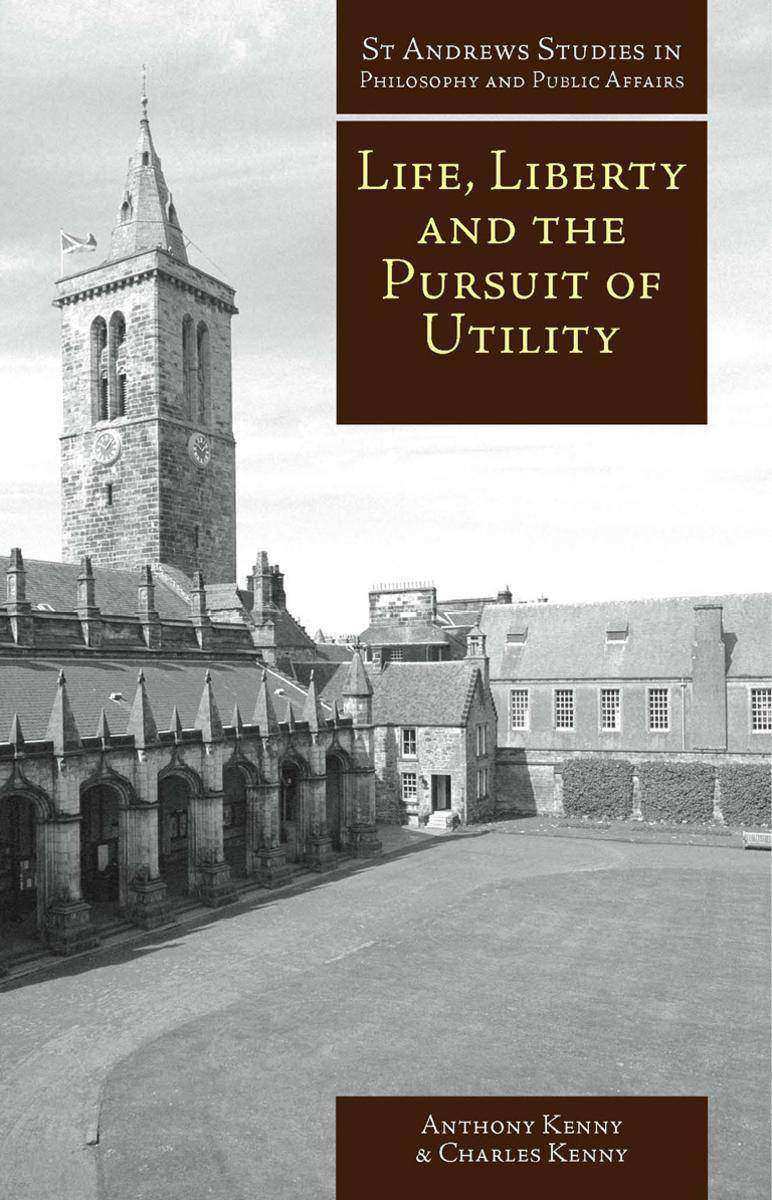
Life, Liberty and the Pursuit of Utility
¥132.34
A volume on the nature, ingredients, causes and consequences of human happiness by the father and son team of Anthony and Charles Kenny.
Exploring Emotions
¥73.48
This practical book from Ros Bayley is designed to enable every practitioner to help children manage their emotions. This title looks at the whole range of emotions that children feel and enable any practitioner to help children recognise these emotions and talk about them. Brimming with ideas for using puppets, toys, pictures, games and stories this is a must-have book for any practitioner looking to manage the emotions of children in their care.
Autobiography of Charles Darwin
¥19.52
The autobiography of one of the most influential people of the modern age. This was taken from writings and letters that Darwin wrote for his family, edited by his son Francis Darwin, and published posthumously.
What a Piece of Work
¥63.67
This is a small book on a large subject: What is special about human beings? Hamlet mused, 'What a piece of work is man! How noble in reason! how like a god!' but went on to speak of 'this quintessence of dust'. Helen Oppenheimer prefers to start with the dust and move to the glory: we really are animals - and from these animals has come Shakespeare. People are indeed 'miserable sinners' - and also magnificent creatures.The author does not disguise that she is a Christian theologian whose subject is ethics, but she writes equally for non-Christians. Her invitation to the reader is: Here is a way of looking at things that I find exciting and convincing - I hope you do too.
Ghost Trails of Lancashire
¥29.33
Popular TV ghosthunter Clive Kristen takes the reader in search of grueseome events in his home county of Lancashire. The stories are woven into their historical context and take the reader to spooktacular places. From grisly murders to wronged women to unfinished business, Lancashire has a haunting story...
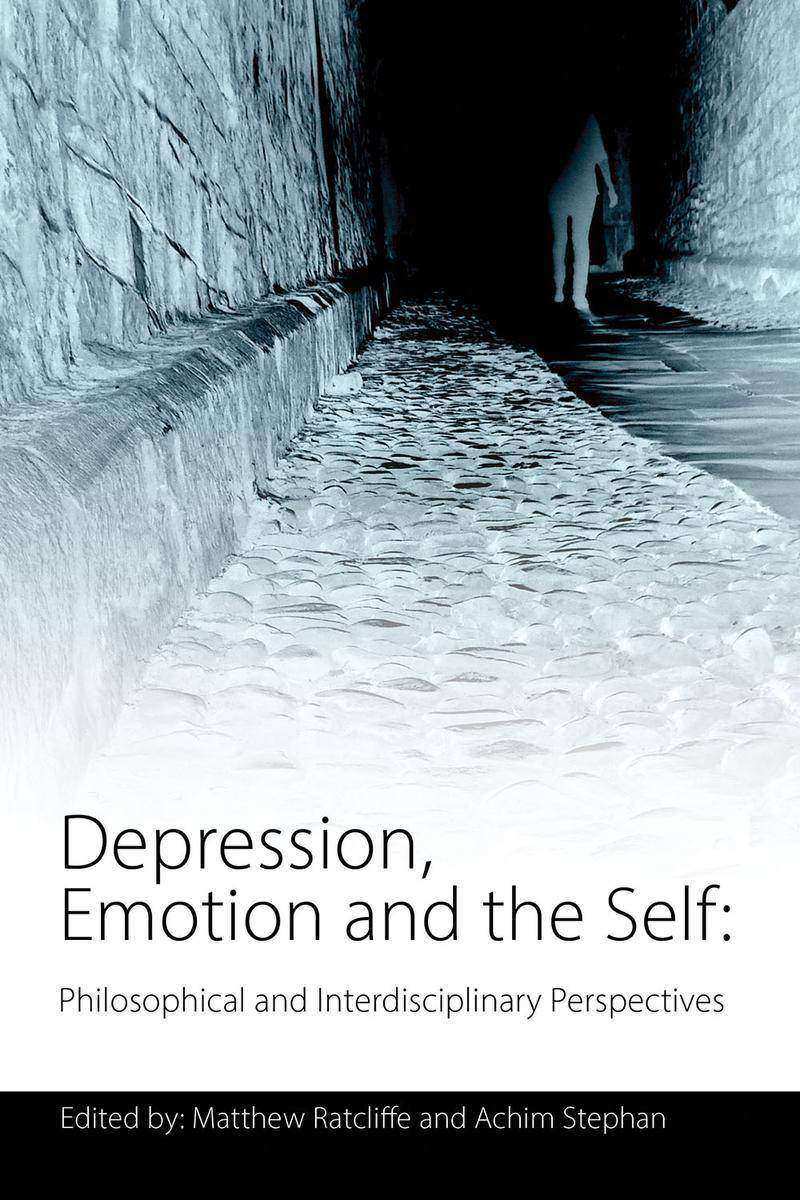
Depression, Emotion and the Self
¥147.05
This volume addresses the question of what it is like to be depressed. Despite the vast amount of research that has been conducted into the causes and treatment of depression, the experience of depression remains poorly understood. Indeed, many depression memoirs state that the experience is impossible for others to understand. However, it is at least clear that changes in emotion, mood, and bodily feeling are central to all forms of depression, and these are the book's principal focus. In recent years, there has been a great deal of valuable philosophical and interdisciplinary research on the emotions, complemented by new developments in philosophy of psychiatry and scientifically-informed phenomenology. The book draws on all these areas, in order to offer a range of novel insights into the nature of depression experiences. To do so, it brings together a distinguished group of philosophers, psychiatrists, anthropologists, clinical psychologists and neuroscientists, all of whom have made important contributions to current research on emotion and/or psychiatric illness.

购物车
个人中心