


 购物车
 个人中心


R?zbun?torul. Legenda lui Hugh Glass
¥73.49
E?ti curios s? afli ce aduce schimbarea ?ntr-o psihanaliz?? Care este acel ingredient miraculos ce apare ?n rela?ia dintre terapeut ?i pacientul s?u, facilit?nd vindecarea acestuia din urm?? Owen Renik, ?rebelul“, a?a cum este numit de confra?ii s?i, ne invit? ?n cabinetul s?u ?i ne las? s? p?trundem delicatele ?es?turi ale colabor?rii ce se petrece acolo pe dou? planuri: con?tient ?i incon?tient. El ne ofer? imaginea unui psihanalist mai degrab? cald ?i empatic, deschis, interesat ?mpreun? cu pacien?ii s?i de eliminarea simptomelor ?i a disconfortului acestora. Cartea este construit? pe baza unor exemple clinice dintre cele mai diverse, surprinse ?n momente de cotitur? ale terapiei, Renik ilustr?nd prin intermediul lor, ?ntr-un limbaj accesibil, propria viziune asupra unor concepte de baz? ale psihanalizei.Captivant? ?nc? de la primele r?nduri, ea se adreseaz? cititorului pasionat de domeniul ?psi“, fie el profesionist sau profan. Scopul meu este s? discut de o manier? pragmatic? ?i nepreten?ioas? ceea ce, ?n experien?a mea, ar fi util ca at?t analistul, c?t ?i pacientul s? aib? ?n vedere atunci c?nd colaboreaz? ?n str?dania de a-l face pe acesta din urm? s? se simt? mai bine; ?i cred c? modul cel mai potrivit ?n care pot face acest lucru este prin a oferi o culegere de istorisiri cu t?lc, ?mpreun? cu reflec?iile mele despre ele. – Owen Renik Maturizarea intelectual? a lui Renik s-a produs ?n interiorul culturii psihanalitice care s-a dezvoltat pe parcursul ultimului secol. El o cunoa?te bine, ar fi ?n stare s? se descurce cu ochii ?nchi?i prin labirintul ei… ?nv???tura primit? e acceptat? f?r? plec?ciuni, iar dac? nu-?i are rostul, e dat? deoparte f?r? mult? ceremonie. ?ncep?nd cu prima pagin?, ne d?m seama c? ne afl?m ?ntr-un atelier de lucru, nu ?ntr-un templu. Pragmatismul lui ??i taie r?suflarea: ce ne folose?te e important, ce nu, n-are rost s? ne pierdem vremea. Chilia ce nu permite dec?t g?ndire ?nghesuit? s-a transformat ?n spa?iu deschis care cheam? noutatea. Drept-credincio?ii trebuie avertiza?i: s-ar putea s? nu mai fie niciodat? la fel ca ?nainte. – Allen Wheelis, autorul c?r?ilor How People Change ?i The Way We Are.
?nc? o zi
¥73.49
Volumul al treilea din seria N?scu?i ?n cea?? Am?gi?i s? elibereze spiritul r?u N?ruire ?n timp ce ?ncercau s? ?nchid? F?nt?na ?n?l??rii, noul ?mp?rat Elend Venture ?i so?ia lui, asasina Vin, se str?duiesc s? salveze lumea de Inchizitorii uciga?i ai N?ruirii, de ce?urile letale ?i insidioase numite Ad?ncime ?i de c?derile tot mai masive de cenu?? neagr? care amenin?? s? ?ngroape p?m?nturile ?i s?-i ucid? prin ?nfometare pe locuitorii lor. Pe c?nd caut? ultimul depozit secret de atiu al fostului ?mp?rat, sursa celor mai puternice energii ale N?scu?ilor din Cea??, cei doi ?nfrunt? at?t for?ele N?ruirii, c?t ?i mon?tri ?i puteri amintite ?n profe?ii. ?Un apogeu dramatic ?i surprinz?tor… Saga lui Sanderson are personaje complexe ?i o intrig? fascinant?, pun?nd ?ntreb?ri serioase despre loialitate, credin?? ?i responsabilitate."Publishers Weekly Seria N?scu?i din cea?? este o trilogie, la care a fost ad?ugat ulterior un al patrulea volum a c?rui ac?iune se petrece la 300 de ani dup? evenimentele din seria original?.

A Gresham a nácik ellen
¥57.31
O carte-eveniment, alc?tuit? din dialoguri cu Ana Blandiana, Nicolae Breban, Augustin Buzura, Ion Iano?i, Gabriela Melinescu, Irina Petra?, Dumitru Radu Popa, Alex ?tef?nescu ?i Ion Vianu. Un manual indirect de istorie, realizat de cunoscuta scriitoare (romanciera, poeta ?i eseista) ?n baza m?rturiilor unor oameni de cultur? de prima m?n?, posibile modele europene, care – ?n falsa tranzi?ie interminabil? – aleg, iar ?i iar, voca?ia, atipica meserie de scriitor, r?m?n?nd – martori impar?iali ?i aten?i – mereu ?n prim plan. O carte extrem de dens?, actual?, un fragment dintr-o posibil? istorie a mentalit??ilor. ?Aceast? carte a ap?rut din nevoia de prietenie; a fost adunat?, treptat-treptat, ?n ritmurile felului meu de a fi, uneori-adeseori, catastrofic de ?ncet. Interlocutorii mi i-am ales, i-am c?utat, am ?ncercat s?-i "tachinez" cu ?ntreb?ri, temele discu?iilor converg?nd, firesc, de fiecare dat?, spre o arie de preocup?ri, care ne unesc mai mult dec?t ne despart. Fie ca dialog?m cu Ion Iano?i, fie cu Nicolae Breban, fie cu Ana Blandiana, fie cu Augustin Buzura, fie cu un alt interlocutor, de fiecare dat?, voiam s? aflu – folosind ca instrument, iar uneori ca arm? (din apanajul retoricii, de buna seam?) ?ntreb?rile; unele dintre acestea, da, naive, st?ngace, ?n schimb vii, mereu vii! – cum a rezistat fiecare dintre ei, cum a reu?it s?-?i construiasc? un destin, cum a izbutit s? fie, sa r?m?n? el ?nsu?i/ea ?ns??i ?i s? nu se pr?bu?easc?, cum a izbutit fiecare s? nu renun?e la lupta pentru sine ?nsu?i, pentru cultura rom?n?? Cu unele dintre personajele acestei c?r?i – dac? acceptam ca fiecare scriitor e un personaj, iar literatura este o singur? carte unic? – vreau s? cred c? m-am ?mprietenit, descoperindu-le, redescoperindu-le de fiecare dat?; ?mi place s? cred c? fiecare, aproape fiecare dintre invita?ii mei – ?ntr-un fel sau altul – m-a marcat, m-a f?cut s? m? reapropii altminteri de literatur?, de lectur?, de carte, s? v?d altminteri c?teva lucruri nelipsite pentru mine de greutate, sau – ?i mai important ! – m-a ajutat (uneori, f?r? s? ?tie!) sa r?m?n aceea?i, adic? s? nu m? schimb. Adesea, c?ut?nd prezen?a scriitorilor, de fapt c?utam o calitate la care ?ntunecat?, ?ntortocheat? de mine ajunge greu, c?teodat?, foarte greu: senin?tatea. Apoi… c?utam oameni de litere vii, scriitori ?n carne ?i oase – cum spuneam ?n adolescen??, ?i, iat?, mai spun ?i la cei circa patruzeci de ani – c?rora nu le este str?in cultul prieteniei, cultul voca?iei, cultul lucrului bine f?cut, al lucrului "rotund", cum afirm? un personaj din unul din romanele mele. Apoi… da, nu ascund, c?utam ceea ce se nume?te "complicitate" ?ntr-o lume cultural? postdecembrist? pestri?-amar?, desp?r?it? ?n grupuri, biserici, pui de catedrale. Marea majoritate a protagoni?tilor acestei c?rti de altminteri sunt mari lupi singuratici; ?i mi-a f?cut pl?cere s?-i ?ndemn s? vorbeasc? despre felul ?n care trateaz? solitudinea, via?a, literatura, contemporaneitatea. (Aura Christi)
Kilenc koffer: Az emberi becstelenség krónikája
¥70.80
Cassian Maria Spiridon e un fervent al fragmentului liric, al concentratului capabil a fixa poezia. Spa?iul ?i timpul verbului se contrag astfel la minimalul semn al substan?ei, ungarettian urm?rite ?n sensul unor fugitive contacte ale universului l?untric cu cel exterior, ?nconjurate de magia t?cerii. Pe deasupra oric?rei dezvolt?ri, resim?ite ca parazitare, fragmentul e suveran ca loc privilegiat al poeziei. Dac? Paul Valery afirm? c? partea cea mai profund? a omului e pielea sa, ?n?elegem alarma nivelului senzorial, ?ncordarea sim?urilor ?n vederea ?ntegr?rii ?n real a fiin?ei. Se ajunge astfel la o poetic? a sim?urilor. Aceasta restaureaz? concretul ?n drepturile lui de atotputernic? imaginea a lumii. Cassian Maria Spiridon tr?ie?te liric prin concret, ?nlocuind sublimarea experien?elor sale suflete?ti printr-o decupare ghidat? de acuitatea contemplativ?. (Gheorghe Grigurcu)Pozi?ia individual? a unui Cassian Maria Spiridon, interiorizat, divizat ?i iscoditor (dup? o copil?rie frustrat?), comport? st?ri de opozi?ie, accente de orgoliu ?i tentative (e?uate) de ini?iere ?ntr-un umanism f?r? tenebre. Ca?iva dintre contemporanii s?i mai v?rstnici ?i sunt aproape. (…) Problematiz?nd, la modul ?nalt, d?nd prioritate cerebralit??ii ?i ?nc?dr?ndu-se axial ?n fluxul psiho-nevrotic al momentului sau, Cassian Maria Spiridon opune decorativismului ?i transparen?elor ?nsemnele unei vie?i interioare fr?m?ntate. Poezia sa, de un lirism ideizat, e jurnalul superior-ceremonios al unui melancolic de extrema luciditate. (Constantin Ciopraga)
ROM: A komonizmus t?rténete
¥47.09
Volumele de dialoguri (vor fi trei ?n total) socratice adun? convorbiri cu personalit??i ale culturii ?i literaturii na?ionale, realizate ?n libertate, ?ncepind cu 1990. Ele au fost publicate ?n diverse reviste, ?n principal ?Convorbiri literare“ ?i ?Poezia“, dar ?i ?n ?Dacia literar?“, ?Poesis“, ?Hyperion“ ?.a. Dialogurile se succed ?n ordinea apari?ie ?i reflect? fr?m?nt?rile culturale, literare, politice ale momentului, de interes peren ?i constant privind biografia artistic? a personalit??ii intervievate. Dialogurile sunt vii, atractive, instructive ?i mereu actuale prin problematic? abordat?. Participan?ii la acest veritabil banchet platonician din primul volum, Democra?ia oblig? idiotul sa stea al?turi de geniu (310 pagini), sunt: Petre ?u?ea, Ana Blandiana, Alexandru Zub, Ioan Alexandru, Dimitrie Gavrilean, Mihai Ursachi, Cezar Iv?nescu, Svetlana Paleologu-Matta, ?erban Cantacuzino, ?tefan Avadanei, Cristian Simionescu, Luca Pi?u, Lauren?iu Ulici, Corneliu ?tefanache, Ioana Cr?ciunescu, Paul Goma, Monica Lovinescu, Ilie Cleopa, George Astalos, Marin Mincu, Liviu Ioan Stoiciu, Dan M?nuc?, Costache Ol?reanu, Sorin Vieru, Gellu Dorian, Alex ?tef?nescu, Nicolae Manolescu, Ilie Constantin.

Colonia cu demoni
¥65.32
Limbajul, ca func?ie psihic? specific uman?, se afl? la confluen?a mai multor discipline, printre care filosofia, psihologia, neurobiologia, psihopedagogia special?, logopedia. Tulbur?rile sale, fie c? sunt de natur? organic?, func?ional? sau psihologic?, restr?ng capacitatea de comunicare a individului ?i, implicit, via?a lui social?. ?n cartea de fa??, pornind de la modelele explicative ale tulbur?rilor de limbaj ?i prezent?nd metode de evaluare ?i interven?ie a c?ror eficacitate a fost demonstrat? ?tiin?ific, autoarea realizeaz? o deschidere spre tulbur?rile emo?ionale, comportamentale, de ?nv??are ?i nu numai, ?ncadr?ndu-le ?n contextul mai larg al mentalului uman. Propun?nd direc?ii concrete de evaluare ?i interven?ie ?n cazul unor tulbur?ri ale limbajului precum dislalia, b?lb?iala, rinolalia, dizartria, afazia, tulbur?rile de voce, ?nt?rzierea ?n dezvoltarea limbajului, aceast? carte are o important? latur? practic?, ?mbog??ind literatura de specialitate printr-un demers inovator ?i binevenit.

Paznicul farului
¥90.84
"O carte care te b?ntuie." -?The Sun Nimeni n-a aflat secretul lui Emily. O vei face tu?? O c?snicie fericit?. Un fiu superb. Un c?min perfect. Atunci ce anume o face pe Emily Coleman s? se trezeasc? ?ntr-o diminea?? ?i s?-?i schimbe radical destinul, plec?nd de acas? ?i l?s?nd ?n urm? tot ce a construit? ?ntr-o Londr? mai mult ostil? dec?t prietenoas?, cu un nume nou, cu o profesie nou?, dar cu acelea?i vinov??ii ?i co?maruri, Emily ?ncearc? s? se reinventeze ?i s-o ia de la cap?t. ?ns? nu poate sc?pa de fantomele trecutului, care continu? s? o b?ntuie.? ?i cur?nd, va trebui s? se confrunte cu urm?rile faptelor sale - o descoperire ?ocant? care s-ar putea s? o ?mping? cu un pas prea departe...? "Un roman zguduitor despre ce pre? trebuie s? pl?tim c?nd evad?m din propria via??."?- Kirkus Reviews "Thrillerul psihologic al Tinei Seskis ?ine cititorul ?n suspans p?n? ?n ultima clip?." -?US Weekly "N-ai cum s? nu te sim?i cople?it."?- New York Times
Книга нонсенса
¥23.14
Este un autoportret al cunoa?terii personale, un autoportret schi?at ?n timp real, sub ochii cititorului, pe m?sura ce Lara ia cuno?tin?? de st?rile emo?ionale prin care trece, ??i analizeaz? sentimentele, rezultatul posibilelor ac?iuni, analizeaz? deciziile pe care le ia, consecin?ele posibile. Dilema declarat? a Larei este: cum ?mpaci nevoia inimii pentru noutate, pentru tr?iri spontane, cu monotonia mariajului, chiar dac? acesta e fericit? Con?tiin?a sa este prins? ?ntre dragostea pentru so?ul cu care ?tie c? se potrive?te ca structur? ?i pe care ?l iube?te, ?i efervescen?a aventurii cu un alt b?rbat, care ?i furnizeaz? spontanul dup? care t?nje?te. Romanul se concentreaz? pe amant ?n mod deliberat. Lara este perfect con?tient? de r?ul pe care ?l produce celor trei personaje ?mplic?te: so?, amant, ?i ei ?ns??i. Perioada ?n care este creat ?i definitivat autoportretul sunt ultimii ai comunismului, anii ?n care priva?iunile impuse popula?iei sem?nau mai degrab? cu priva?iunile unui r?zboi. Cu toate acestea, eroina se concentreaz? cu ?nc?p???nare pe iubirea ei, pe mi?c?rile sufletului ei, refugiindu-se ?n tr?irile proprii ?i reu?ind astfel s? se salveze de autocomp?timire ?i s? supravie?uiasc? ?ntr-o aparent? normalitate.

Tokat??: ?ocuk roman?
¥19.05
Bir ?ocu?un, ya?ad??? ?ehirden k?rsalda ya?ayan babaannesinin yan?nda gidip yaz tatilini ge?irirken ya?ad??? maceray? anlat?r Tokat??. 85 ya??ndaki babaannesinin dikti?i a?a?larla nas?l ya?ama ba?land???n?, kendi kedine eme?iyle nas?l ayakta kald???n? anlatan, ?ocuklar?n aya??n? yere bast?racak ger?ekli?in romand?r. Tokat?? karakteriyle g?revi k?tüye kullanman?n sonu?lar?n? ya?ayarak g?ren Bar?? bir atla ve ba? bek?isi k?z arkada??yla ge?irdikleri unutulmaz bir yaz maceras?n?n yan?nda bilgiye ula?may?, bilimselli?i ara?t?rma sonunda ??renen ?ocuklar?n ?yküsüdür Tokat??. ?AM KARDE?L??? ? Nisan sonlar?yd?. Hava ?oktan ?s?nm??, b?rtü b?cek hareketlenmi?ti. Toprakta bin bir tohum canlanm??, yeryüzünü ye?ile boyam??t?. Bademler, ?eftaliler, elma a?a?lar?, bütün do?a tomurcuk patlamas?yla ba? d?ndürücü bir güzelli?e bürünmü?tü. A?a?lar duva??n? takm?? gelin gibiydi. 23 Nisan co?kusu bütün ?ocuklar?n i?indeydi. Okullarda bayraklar, fenerler, ?e?it ?e?it el i?i süslemeler okul pencerelerinde ?ocuklara, gen?lere; hatta bütün ulusa k?van?la bak?yordu. Zil ?ald?. ?ocuklar ko?ullanm?? zil sesiyle bah?eyi bo?alt?p s?n?flara girdi. ?ocuklar?n sesleriyle yank?lanan bo?luk, ayak izlerini ta??yan bah?e, d??ar?da kald?. S?n?fa giren ??retmen: —?ocuklar, size güzel bir haberim var, Pamukkale’ye bir gezi yapaca??z, dedi. S?n?ftaki bütün ??renciler bir a??zdan: —Oley! diye sevin? ???l??? att?lar. Planlama ve haz?rl?klar yap?ld?. Yola ??k?ld?. May?s ay?n?n ilk haftas?yd?. Otobüs Antalya’dan ??k?p yükseklere do?ru yol ald?k?a, ?ocuklar havan?n serinledi?ini fark ettiler. ?? ?Denizli’ye girmeden mola verip piknik yapmak istiyorlard?. Her ?ocu?un geziden beklentileri ayr? ayr?yd?. Kimi ?i?eklerin i?inde oyunlar kuracakt?. Kimi a?a?lara t?rmanacakt?. Kimi de belgesellerde g?rdü?ü canl?larla kar??la?abileceklerini hayal ediyordu. ?imdilik onlara d?rt duvarl? s?n?ftan ??kmak bile yetmi?ti. ??? Otobüs, derin bir vadide bir süre ilerledikten sonra ?ay?r? ?imeni bol, ho? bir düzlükte durdu. ??retmen kap? a??lmadan gerekli uyar?lar? yapt?. Kap? a??ld?. ?ocuklar s?rayla indiler. Hava s?cakt?. Ku?lar?n, b?rtü b?ceklerin güzel sesleri bitmeyen bir ?ark? gibiydi. Yaban ?ilekleri, b??ürtlenler, al??lar, da? elmas?, ku?burnular hepsi ama hepsi ?i?eklerini ?oktan a?m??, yapraklar? tomurcuklanm??t?. ??? ?ocuklar, ?imenin yumu?akl???n? hissedince, ko?maktan kendini alam?yordu. K?zlar ?i?ekten ba?lar?na ta? yap?yor, ar?lar o ?i?ekten ?tekine u?u?urken, onlarla yar???rcas?na hoplay?p z?pl?yorlard?. ??? Bar??, g?züne kestirdi?i bir ?am a?ac?na y?nelip t?rmanmaya ba?lad?. Bar??’? g?ren ?ocuklar ??retmene g?sterdiler. ??retmen ?am a?ac?na bakt?: HAL?L ERDEM ? 1961 Dirmil-Burdur do?umlu. Gazi ?niversitesi E?itim Fakültesi S?n?f ??retmenli?ini bitirdi. Türk?e B?lümünde lisans tamamlad?. Kar Ayd?nl??????????? (Roman)?????? Fam Yay?nlar? 2014 Dirmil ?mürcüsü (Roman)?????? Fam Yay?nlar?2006- 2014 Goca Meryem????? (Roman)?????? Fam Yay?nlar? 2014 Tokat?????????????????????? (?ocuk Roman?) Kendi Yay?n? 2013 Teke Y?resi Halk ?nan?lar? (Ara?t?rma - inceleme) Kendi Yay?n? 2008 Karacao?lan Gelene?inde Dirmil Güzellemeleri ve ?yküler (Ara?t?rma inceleme) 2011 Alter Yay. Gece Mavisinde A?k???? (?iir)?????? Kendi Yay?n? 1998 Ve Al???ld? ?lüme?????????? (?iir )????? Temmuz Yay?nlar? 1990 Kardan Adam??????? (?ocuk ?iirleri) Kendi Yay?n? 1998 I??k Avc?lar???????????? (?ocuk ?iirleri) Kendi Yay?n?) 2013 ??pten ??rendi?im Hayat?? ?ocuk Kitab?????????????? 2015 G?l Hikayeleri?????????? (?ykü)???????????????????????????????????? 2015 ? ?iir ve yaz?lar?n? Bah?e, Mavi Umut, Bahar, ?al?, ??retmen Dünyas?, Dirmil, Noktam, Bezuvar, süje, Kar dergilerinde yay?nlad?. Beykonak E?itim ve Kültür Vakf? Yirce ?iir Yar??mas?nda. Ne-Var Yok ?iiriyle Birincilik ald?.(2004) Resim ?al??malar?n? da yürüten Halil ERDEM 3 ki?isel, 25 karma resim sergi etkinli?inde bulundu.
Inima dat? la maximum
¥16.27
gata! Mito? Micleu?anu (n. 1972), pictor, scriitor, muzician. Cofondator al proiectului ?Planeta Moldova“.
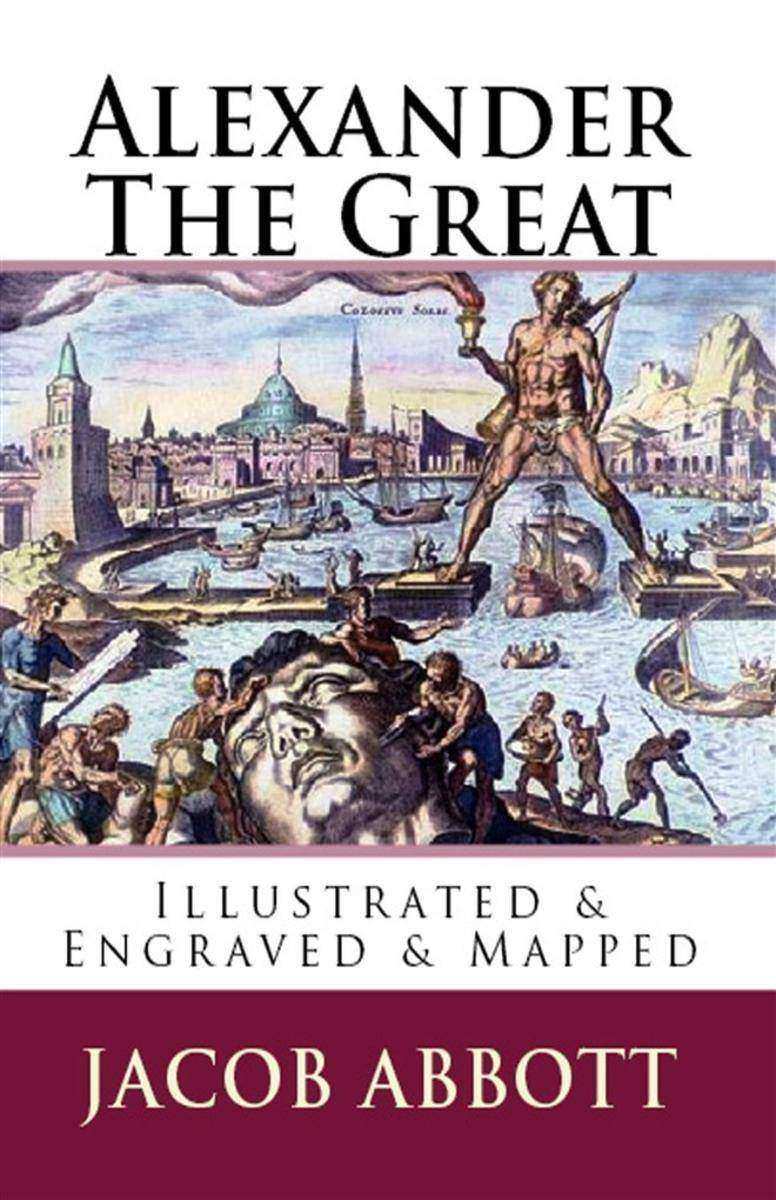
Alexander the Great
¥18.56
ALEXANDER the Great died when he was quite young. He was but thirty-two years of age when he ended his career, and as he was about twenty when he commenced it, it was only for a period of twelve years that he was actually engaged in performing the work of his life. Napoleon was nearly three times as long on the great field of human action.??Notwithstanding the briefness of Alexander's career, he ran through, during that short period, a very brilliant series of exploits, which were so bold, so romantic, and which led him into such adventures in scenes of the greatest magnificence and splendor, that all the world looked on with astonishment then, and mankind have continued to read the story since, from age to age, with the greatest interest and attention.??The secret of Alexander's success was his character. He possessed a certain combination of mental and per-sonal attractions, which in every age gives to those who exhibit it a mysterious and almost unbounded ascendency over all within their influence. Alexander was characterized by these qualities in a very remarkable degree. He was finely formed in person, and very prepossessing in his manners. He was active, athletic, and full of ardor and enthusiasm in all that he did.
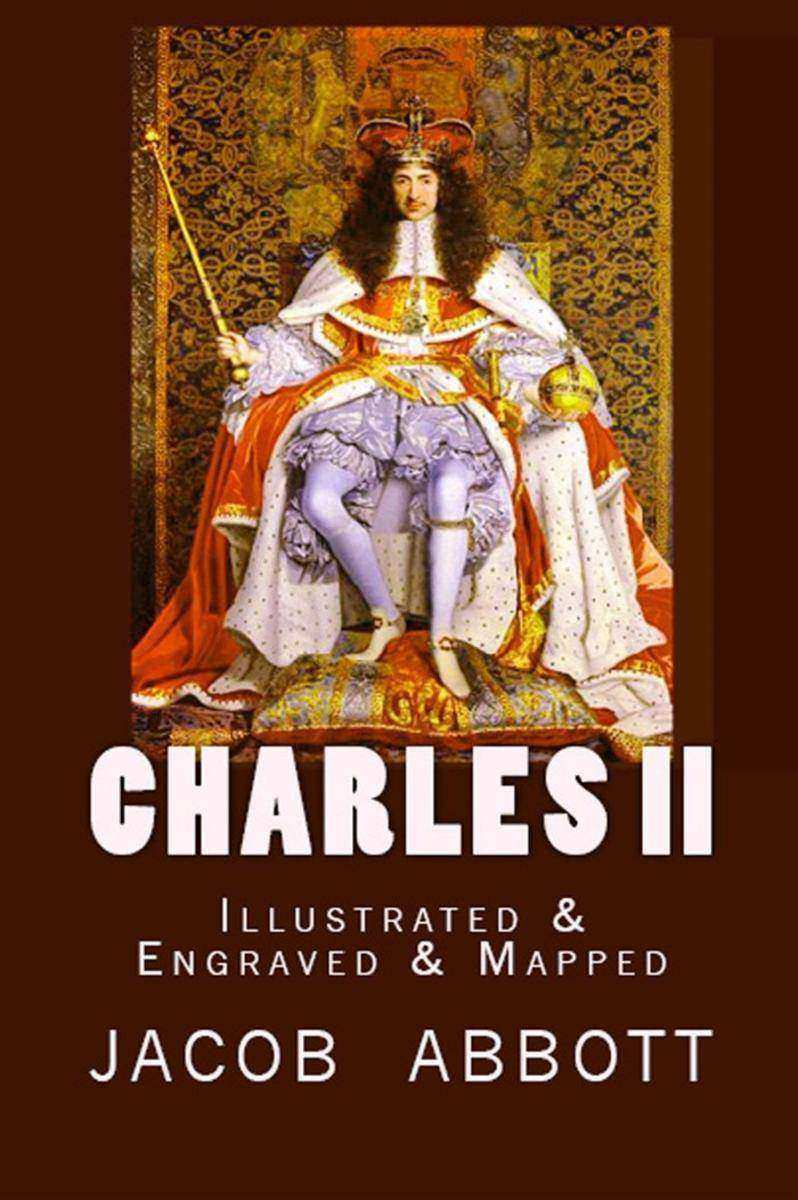
Charles II
¥18.56
KING CHARLES THE SECOND was the son and successor of King Charles the First. These two are the only kings of the name of Charles that have appea-red, thus far, in the line of English sovereigns. Nor is it very probable that there will soon be another. The reigns of both these monarchs were stained and tarnished with many vices and crimes, and darkened by national disasters of every kind, and the name is thus connected with so many painful associations in the minds of men, that it seems to have been dropped, by common consent, in all branches of the royal family.??The reign of Charles the First, as will be seen by the history of his life in this series, was characterized by a long and obstinate contest between the king and the people, which brought on, at last, a civil war, in which the king was defeated and taken prisoner, and in the end beheaded on a block, before one of his own pala-ces. During the last stages of this terrible contest, and before Charles was himself taken prisoner, he was, as it were, a fugitive and an outlaw in his own dominions. His wife and family were scattered in various foreign lands, his cities and castles were in the hands of his enemies, and his oldest son, the prince Charles, was the object of special hostility. The prince incurred, therefore, a great many dangers, and suffered many heavy calamities in his early years. He lived to see these calamities pass away, and, after they were gone, he enjoyed, so far as his own personal safety and welfare were concerned, a tranquil and prosperous life. The storm, however, of trial and suffering which enveloped the evening of his father's days, darkened the morning of his own. ??The life of Charles the First was a river rising gently, from quiet springs, in a scene of verdure and sunshine, and flowing gradually into rugged and gloomy regions, where at last it falls into a terrific abyss, enveloped in darkness and storms. That of Charles the Second, on the other hand, rising in the wild and rugged mountains where the parent stream was engulfed, commences its course by leaping frightfully from precipice to precipice, with turbid and foaming waters, but emerges at last into a smooth and smiling land, and flows through it prosperously to the sea.
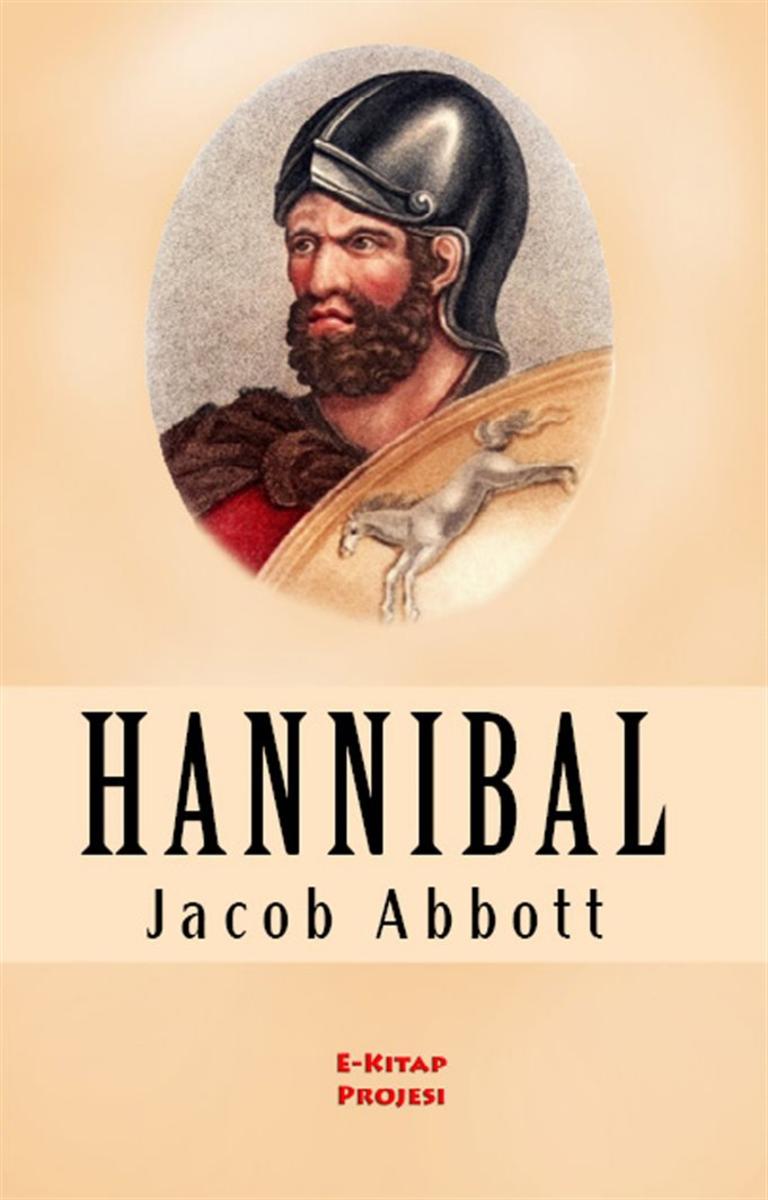
Hannibal
¥27.88
HANNIBAL was a Carthaginian general. He acquired his great distinction as a warrior by his desperate contests with the Romans. Rome and Carthage grew up together on opposite sides of the Mediterranean Sea. For about a hundred years they waged against each other most dreadful wars. There were three of these wars. Rome was successful in the end, and Carthage was entirely destroyed.?There was no real cause for any disagreement between these two nations. Their hostility to each other was mere rivalry and spontaneous hate. They spoke a different language; they had a different origin; and they lived on opposite sides of the same sea. So they hated and devoured each other.?Those who have read the history of Alexander the Great, in this series, will recollect the difficulty he experienced in besieging and subduing Tyre, a great maritime city, situated about two miles from the shore, on the eastern coast of the Mediterranean Sea. Cart-hage was originally founded by a colony from this city of Tyre, and it soon became a great commercial and maritime power like its mother. The Carthaginians built ships, and with them explored all parts of the Mediterranean Sea.
Queen Elizabeth
¥27.88
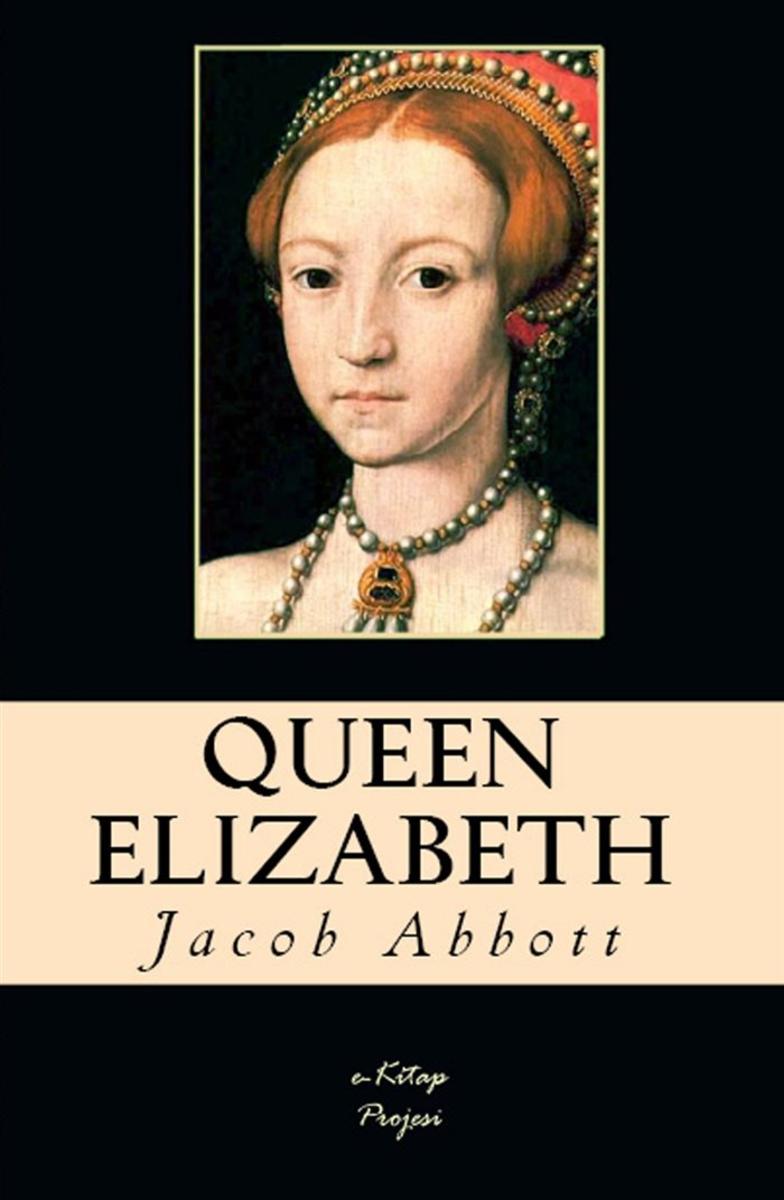
ELIZABETH was about three years old at the death of her mother. She was a princess, but she was left in a very forlorn and desolate condition. She was not, however, entirely abandoned. Her claims to inherit the crown had been set aside, but then she was, as all admitted, the daughter of the king, and she must, of course, be the object of a certain degree of consideration and ceremony. It would be entirely inconsistent with the notions of royal dignity which then prevailed to have her treated like an ordinary child.??Next came Elizabeth, who was about fourteen years of age. She was the daughter of the king's second wife, Queen Anne Boleyn. She had been educated a Protestant. She was not pretty, but was a very lively and sprightly child, altogether different in her cast of character and in her manners from her sister Mary.??Then, lastly, there was Edward, the son of Jane Seymour, the third queen. He was about nine years of age at his father's death. He was boy of good character, mild and gentle in his position, fond of study and reflection, and a general favorite with all who knew him.

Locuri. Oameni. Pove?ti
¥40.79
Un aspect atractiv al prezentei ediii st n capacitatea sa de a fi o lectur plcut i practic, rmnnd n acelai timp un document tiinific util deopotriv cercettorilor i publicului general. Pentru specialiti, cartea de fa poate reprezenta o schimbare agreabil de ritm (de la materialele de studiu obinuite), care, totui, nu face rabat seriozitii tiinifice. De asemenea, att pentru cercettori ct i pentru publicul larg, cartea aceasta poate fi considerat o modalitate de a demonstra c, printr-o prezentare adecvat, ceea ce pare a fi doar un text tiinific fad se poate dovedi a fi, n realitate, un text plin de via, folositor i relevant pentru toata lumea.“ – Robert B. Cialdini

The Adventures of Akbar
¥13.90
THIS BOOK is written for all little lads and lasses, but especially for the former, since it is the true—quite true—story of a little lad who lived to be, perhaps, the greatest king this world has ever seen.?It is a strange, wild tale this of the adventures of Prince Akbar among the snowy mountains between Kandahar and Kabul, and though the names may be a bit of a puzzle at first, as they will have to be learned by and bye in geography and history lessons, it might be as well to get familiar with them in a story-book; though, indeed, as everybody in it except Roy the Rajput, Meroo the cook boy; Tumbu, the dog; and Down, the cat (and these four may have been true, you know, though they have not been remembered) really lived, I don't know whether this book oughtn't to be considered real history, and therefore??A LESSON BOOK:??"Anyhow, I hope you won't find it dull."??STORIES:?FAREWELL ?THE FIRST VICTORY ?THE ROYAL UMBRELLA ?TUMBU-DOWN ?ON THE ROAD ?AT COURT ?WINTER?DOWN'S STRATAGEM?SPRING ?THE NIGHT OF RECORD ?A WINTER MARCH?SNOW AND ICE ?OVER THE PASS ?IN THE VALLEY?DEAREST-LADY?CRUEL BROTHER KUMRAN?IMPRISONMENT?THE GARDEN OF GAMES?BETWIXT CUP AND LIP?ESCAPED?DAWN

Mályvacukor égbolt: Skye t?rténete
¥56.98
Un productor neobosit de surprize, n spaiul nostru literar, este Nicolae Breban…“ (Gabriel Dimisianu, Romnia literar“, nr. 42, 2009) Nicolae Breban este stpnit de – i ajunge sa stpneasc el nsui – voina de putere creatoare. Creaia este, dup Fr. Nietzsche, adevrata voina de putere. Ct pot crea – att exist“, iat relaia definitorie i poate chiar sensul vieii, raliat adnc unei ontologii a artei literare. Scriitorul se teme cel mai mult de insuficiena voinei. ntotdeauna a fost ngrozit de un succes de mna a doua. Un succes a fost faptul ca n Frana i-au fost publicate romane dificile“, ntr-un context literar i istoric defavorabil. (…) Breban triete cu luciditate abisal un vis estetic“. Urmeaz, aadar, i nu contrazice autonomia esteticului. Omul i cultura sunt artificioase, nu naturale. El crede c, n esen, literatura nu s-a schimbat niciodat de la Homer ncoace.“ (Marian Victor Buciu) Un romancier pentru o generaie a literaturii. Nici un prozator roman nu a trit, dup 1960, o evoluie att de rapid. Succesul fulgertor al lui Nicolae Breban nu poate i nici nu trebuie s fie judecat independent de momentul 1965 al literaturii tinere. O generaie de povestitori i de poei avea nevoie de un adevrat romancier pentru a-i consacra, aa cum se cuvine, strlucirea. Nu de un romancier fcut prin aglomerarea povestirilor, strlucitor pe fiecare pagina, spectaculos prin fiecare personaj al sau; generaia reclama nu un autor care tie sa povesteasc, ci un scriitor nzestrat cu vocaie de romancier: de adevrat constructor.“ (Cornel Ungureanu)
101 poeme
¥24.44
Prin u?ile l?sate vrai?teDe cei ce nu se mai ?ntorcPrin pere?ii pe care i?i zg?riar?ViseleD? buzna glasul mul?imiiCare se zbateDeja prins? ?ntre fireleIscusitei urzeli a paianjenilorPoliticiThrough the wide-open doorsBy those who never returnThrough the walls on which they’d scratchedTheir dreamsThe voice barges through from a crowdWhich is strugglingAlreadz trappedIn the skillfullz/woven webOf the spiders of politics

Old Time Tales: "Forty Stories from Old History"
¥23.54
THE author of this work makes no pretense of originality in the telling of these stories of olden times. They have been gleaned from many sources, and are the common heritage of all who love to write them anew and hear them again. Only the words belong to the story teller; the story itself is as old as the race.??In the lapse of years and with the much telling of these stories there is no longer a line between fact and fiction. How much is true and how much is false does not matter; the story itself is the thing, and one need not worry whether it really happened or not. Much of it is palpable fiction, but much of it is true. Let us not be too critical of a story when it is a few hundred years old.??At any rate, the stories herein contained are a part of the great inheritance that the boys and girls of this day have received from the past, and to which they are entitled in all fullness and freedom. If the reading of them shall add anything to the enjoyment or to the information of those who are always young in heart because they always thrill at romance and adventure, the writer of these old time tales will be amply repaid.?LAWTON B. EVANS??1. JEROME AND THE LION?2. THE SAINT WHO STOOD ON A PILLAR?3. THE SCOURGE OF GOD?4. THE VANDAL HORDE?5. KING CLOVIS BECOMES A CHRISTIAN?6. A CAMEL DRIVER BECOMES A PROPHET?7. WHAT IT MEANT TO BE A KNIGHT?8. BERTHA WITH THE BIG FOOT?9. STORIES OF CHARLEMAGNE?10. CHARLEMAGNE AND THE MAGIC RING?11. CHARLEMAGNE AND THE ROBBER?12. ROLAND BECOMES A KNIGHT?13. THE DEATH OF ROLAND?14. HOW NORMANDY CAME BY ITS NAME?15. OLAF, THE BOY VIKING OF NORWAY?16. THE CID WINS HIS NAME?17. THE LAST DAYS OF THE CID?18. THE LORELEI?19. THE MOUSE TOWER?20. THE DEVIL'S LADDER?21. GERDA'S RIDE TO HER WEDDING?22. PETER THE HERMIT?23. THE WIVES OF WEINSBERG?24. THE MEETING OF KING RICHARD AND SALADIN?25. ADVENTURES OF RICHARD, THE LION HEART?26. THE PRINCE OF TRAVELERS?27. WILLIAM TELL, THE SWISS PATRIOT?28. EDWARD, THE BLACK PRINCE?29. BIG FERRE KEEPS THE FORT?30. THE LEGEND OF THE STRASSBURG CLOCK?31. THE BURGHERS OF GHENT REFUSE TO BE HANGED?32. THE SACRIFICE OF ARNOLD WINKELRIED?33. THE STORY OF JOAN OF ARC?34. BAYARD, THE KNIGHT WITHOUT FEAR AND WITHOUT REPROACH?35. THE FIELD OF THE CLOTH OF GOLD?36. DMITRI, THE PRETENDER?37. THE MAN WITH THE IRON MASK?38. STORIES OF PETER THE GREAT?39. MAZEPPA, THE CHIEF OF THE COSSACKS?40. THE CRIME OF CHARLOTTE CORDAY

The Romance of Spanish History: [Illustrated & Engraved & Mapped]
¥28.29
THE Spanish peninsula, separated from France on the north by the Pyrenees, and bounded on the three remaining sides by the Mediterranean Sea and the Atlantic Ocean, con-tains an area of 225,600 square miles, being a little larger than France. Nature has reared a very formidable barrier between Spain and France, for the Pyrenees, extending in a straight line 250 miles in length, from the Bay of Biscay to the Mediterranean, and often rising in peaks more than ten thou-sand feet in height, offer but three defiles which carriages can traverse, though there are more than a hundred passes which may be surmounted by pedestrians or the sure-footed mule. The soil is fertile; the climate genial and salubrious; and the face of the country, diversified with meadows and mountains, presents, in rare combination, the most attractive features both of loveliness and sublimity.?History does not inform us when and how this beautiful peninsula—called Hispania by the Romans—first became in-habited. Whether the earliest emigrants crossed the straits of Gibraltar from Africa, or came from Asia, coasting the shores of the Mediterranean, or descended from France through the defiles of the Pyrenees, can now never be known. The first glimpse we catch of Spain, through the haze of past ages, reveals to us the country inhabited by numerous barbaric tri-bes, fiercely hostile to each other, and constantly engaged in bloody wars. The mountain fastnesses were infested with robber bands, and rapine and violence everywhere reigned. The weapons grasped by these fierce warriors consisted of lances, clubs, and slings, with sabres and hatchets, of rude fashion but of keen edge. Their food was mainly nuts and ro-ots. Their clothing consisted of a single linen garment, girded around the waist; and a woollen tunic, surmounted by a cloth cap, descended to the feet. As in all barbarous nations, the hard work of life was performed by the women.??The names even of most of these tribes have long since perished; a few however have been transmitted to our day, such as the Celts, the Gallicians, the Lusitanians, and the Iberians. Several ages before the foundations of Rome or of Carthage were laid, it is said that the Phoenicians, exploring in their commercial tours the shores of the Mediterranean, established a mercantile colony at Cadiz. The colonists growing rich and strong, extended their dominions and founded the cities of Malaga and Cordova. About 800 years before Christ, a colony from Rhodes settled in the Spanish peninsula, and established the city of Rosas. Other expeditions, from various parts of Greece, also planted colonies and engaged in successful traffic with the Spanish natives.??Four hundred years before Christ, the Carthaginian republic was one of the leading powers, and Carthage was one of the most populous and influential cities on the globe. The Carthaginians crossed the narrow straits which separate Africa from Spain, landed in great strength upon the Spanish peninsula, and, after a short but severe conflict, subdued the foreign colonies there, brought the native Spaniards into subjection, and established their own supremacy over all the southern coast. Cadiz became the central point of Carthaginian power, from whence the invaders constantly extended their conquests. Though many of the interior tribes maintained for a time a sort of rude and ferocious independence, still Carthage gradually assumed dominion over the whole of Spain.??In the year 235 B.C., Hamilcar, the father of the illustrious Hannibal, compelled nearly all the tribes of Spain to ack-nowledge his sway. For eight years Hamilcar waged almost an incessant battle with the Spaniards. Still it was merely a military possession which he held of the country, and he erected Barcelona and several other fortresses, where his soldiers could bid defiance to assaults, and could overawe the surrounding inhabitants.

Capcana de piatr?
¥40.79
Sonetul contondentCelor doi / poe?i de mare soi...(Istrate ?i Murgeanu)Visam c? Marea-?i p?r?sea ghioculCu-al s?u tumult de valuri euxine?i, h?t-departe-n zonele alpine,Ca-n Cretaceu, ??i reg?sise locul...Priveam de-acuma fascinat la joculDe valuri ?n?esate de jivineDin vremuri disp?rute, care-n fine,??i ?ncercau, o dat?-n plus, norocul.Sim?eam o dulce binecuv?ntareC?-n groapa euxinic? ad?nc?O Mare Neagr? nu exist? ?nc?,Nici Casa Scriitorilor la mare;Nici doi poe?i cu barb?, bur?i ?i plete,S?-n?ire contondentele sonete.


