


 购物车
购物车 个人中心
个人中心
Istorii despre literatur? ?i orbire (Borges, Jo?o Cabral ?i Joyce)
¥32.62
Va putea frumuse?ea s? salveze lumea? este ?ntrebarea ?n jurul c?reia Monique Proulx construie?te pove?tile personajelor sale. ?inutul s?lbatic al Canadei nu va fi doar fundalul ?n care se mi?c? protagoni?tii, ci le va fi refugiul ?i martorul confrunt?rilor furtunoase. Lila Szach este ecoul unui timp trecut ?i simbolul posesiunii. Simon este ?ntruchiparea entuziasmului incurabil, iar Claire p?streaz? echilibrul fragil ?ntre idealism ?i scepticism. Cu aceea?i precizie, Monique Proulx surprinde statornicia naturii ?i instabilitatea emo?iilor umane, trec?nd cu u?urin?? de la triste?e la umor. Champagne ?n titlul s?u original, duc?nd cu g?ndul la vechea form? a fran?uzescului ?campagne“, romanul este un tribut adus naturii, dar ?i un tablou ?n mi?care al rela?iilor dintre oameni.
Vizionare
¥65.32
Ce ve?i g?si ?n aceast? carte? Ve?i g?si ?nt?mpl?ri ?i pove?ti care seam?n? izbitor cu cele pe care le vedem ?n corpora?ii. Ve?i reg?si lucruri familiare, lucruri care v? plac, dar ?i lucruri care ?i vor pune pe g?nduri pe corporati?ti. Ve?i reg?si pove?ti despre situa?ii zilnice, colegii de birou, colegii de la alte birouri. ?i, nu ?n ultimul r?nd, v? ve?i reg?si pe fiecare dintre voi. De ce s? cump?ra?i o carte care v? poveste?te ceva ce tr?i?i zilnic? Poate pentru c? modul ?n care se poveste?te o s? v? plac? ?i o s? v? captiveze, pentru faptul c? e ca ?i cum cineva v-ar fi citit g?ndurile, pentru faptul c? doar vre?i s? v? sim?i?i bine descoperind mediul corporatist. Este o carte dedicat?, ?n principal, corpora?iilor ?i oamenilor care lucreaz? ?n ele, adic? despre noi, corporati?tii. ?ntr-un ton optimist ?i, sper, amuzant.
The Code of Hammurabi
¥8.82
The Code of Hammurabi (Codex Hammurabi) is a well-preserved ancient law code, created ca. 1790 BC (middle chronology) in ancient Babylon. It was enacted by the sixth Babylonian king, Hammurabi. One nearly complete example of the Code survives today, inscribed on a seven foot, four inch tall basalt stele in the Akkadian language in the cuneiform script. One of the first written codes of law in recorded history. These laws were written on a stone tablet standing over eight feet tall (2.4 meters) that was found in 1901.
Intrus ?n lumea umbrelor. Rebelul
¥116.01
Intrus n lumea umbrelor“ este un roman de sertar… care a fost scris ntre 1982-1986 i care a zcut ascuns n beci, ntr-o lad cu nisip pentru ptrunjei i morcovi de iarn, din 1986 pn n 1991. Apoi s-a mutat ntr-un sertar al biroului… pn astzi… Aciunea primului volum, CAPCANA“, se petrece n anii 1982 – 1983. Un scriitor aflat n slujba partidului comunist, un autor care semnase pactul cu diavolul“, pact n general negat, dar existent n realitate, care scria cri la comand“, dezerteaz. Un personaj deopotriv curajos i destul de la nct s fi semnat acest pact blestemat, vicios, drept i cinstit n acelai timp, afemeiat i pctos, ncpnat i realist, vntor i braconier, ducnd o via deanat, trit pe muchie de cuit, o via plin de femei i de infideliti conjugale, chefuri, prieteni la fel de vicioi, curajoi, nelinitii i realiti ca i el. Obosit de contiina care nu-l las sa adoarm, se refugiaz la ar, n nordul extrem al rii, ntre pduri i dealuri, pentru a scpa de oameni i de minciun. i descoper prieteni uitai i rude pe care n ultimii ani le ignorase. Dar, cutnd un adevr de care nc nu era contient, i descoper i dumanii. ntr-o goan parc nebun dup regsirea de sine, i rentlnete iubirile pierdute, femei care l-au iubit i pe care el le prsise cutnd mereu altceva, femei pe care le iubise i care l-au prsit, prieteni i dumani care nu l-au uitat, oameni trectori prin viaa sa. Cu incontiena omului brusc trezit la realitate, se las purtat de valul ntmplrii, aflnd adevruri mereu ntrezrite i bnuite, dar tinuite ntr-o lege a tcerii pe care n-o nelege nc. Tenace din fire i venic gata s rite totul pe o carte dintr-o nevoie aproape bolnvicioas de senzaii tari, ncepe s ntrebe, contient c fr ntrebri, nu exist nici rspunsuri. Iar ntrebrile lui trezesc brusc furia stpnilor si comuniti. Ameninrile acestora i ale securitii care, la ordin, i urmrea fiecare micare, trezete n el i curajul neamului din care se trage i care dormise n el n toi aceti ani. ncpnat i ncrncenat, ncepe s afle adevrul despre colectivizarea din nordul ndeprtat, att de apropiat sufletului su. Pas cu pas afl despre crimele, ororile, minciunile i teroarea ce se aflau n spatele mreelor realizri ale partidului cruia i slujea. Afl despre oameni pe care i cunoscuse i care erau altceva dect crezuse el ca sunt. Obosit de atta minciun, se decide sa spun, n sfrit, adevrul. Realizeaz ns c pe nevzute i negndite, czuse n CAPCANA… pentru ca ce altceva este pn la urma adevrul, dect capcana propriei tale contiine! Cnd te hotrti s spui adevrul, nu te poi ocoli pe tine nsui pentru a-l spune doar despre ceilali! Adevrul este doar unul singur, i te include i pe tine i faptele tale… alturi de ceilali i de faptele lor…
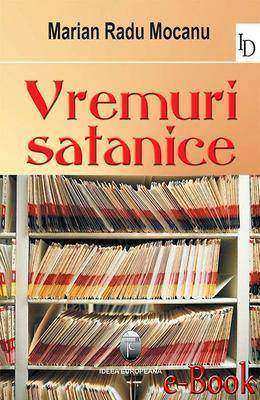
Vremuri satanice
¥61.83
Sunt convins c aceast carte va intra n istoria literaturii, aa cum este ea, minunat. Nu cunosc n literatura romn un mai frumos omagiu adus mamei...“ (Ana Blandiana)Titlul unui roman care ar trebui s intre n manualele de literatur: Veneticii de Ion Lazu. Acest roman nseamn anexarea unui nou domeniu pentru literatura noastr, dar mai nseamn i un pas pentru proza romneasc de dup razboi, n-a spune doar pentru cea de dup ’89. El se detaeaz prin virtui stilistice cu totul remarcabile. Aceast oper literar condenseaz n ea att un proiect autobiografic, ct i o experien extraordinar n domeniul romanescului. Este un roman emblematic pentru secolul XX, cci figura refugiatului este ea nsi emblematic pentru acest secol… Cred c cele mai bune pagini din Veneticii pot concura cu pagini memorabile din Donul linitit, pentru c bntuie peste tot acel suflu de mare proz realist.“ (Radu Voinescu)
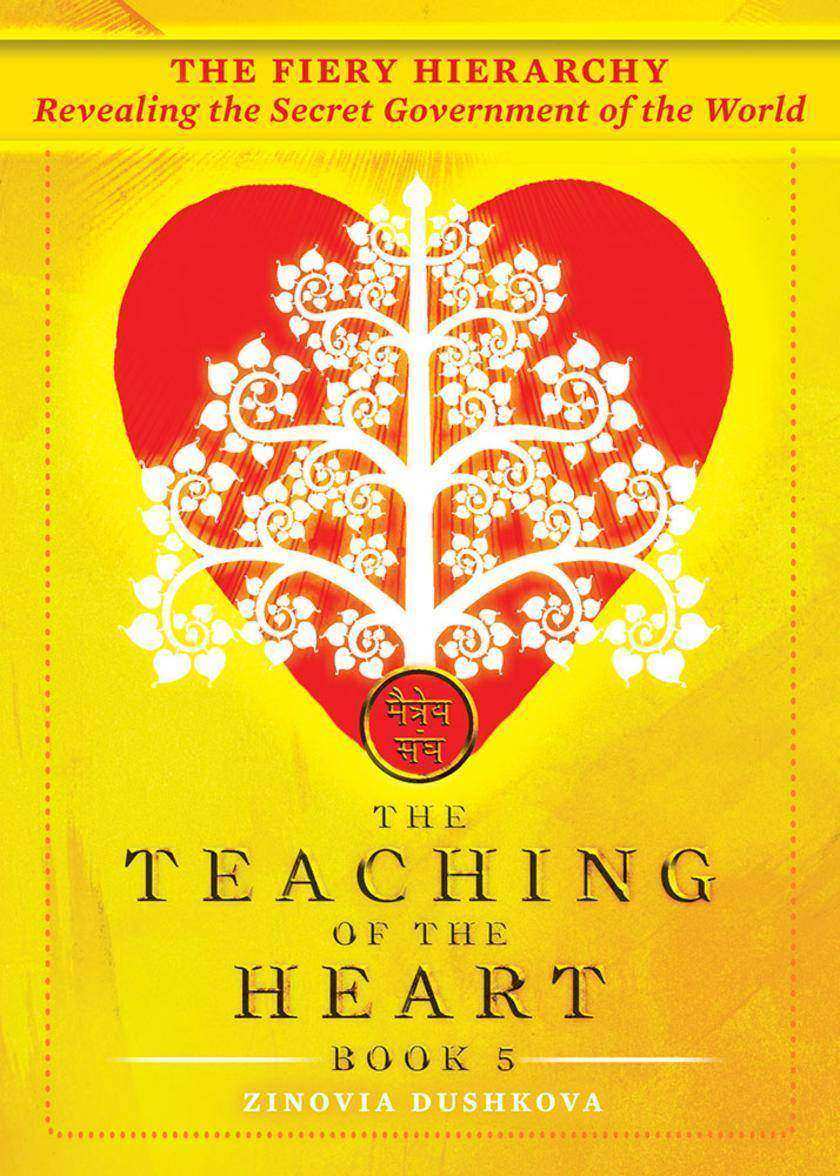
The Fiery Hierarchy: Revealing the Secret Government of the World
¥40.79
All the peoples of the world have preserved myths and legends about a secret government which rules everything invisibly, making the most important decisions for humanity according to the just Laws of the Cosmos. This world government is Shambhala the Resplendent, headed by the Great Lord, who was once known all over the world as Prester John, a mysterious king of the East. Although this hidden government has little in common with earthly regimes, it still offered its help to leaders of different countries often. The acceptance of this higher assistance would bring these countries unprecedented flourishing, while its rejection would result in their inevitable decline. So what does the Hierarchy of Light, this biblical Jacob’s Ladder connecting the Earth and Heaven, represent? According to what laws does it rule in the Universe and on our planet? And how can you become a colleague of the Hierarchy? In Book 5 of The Teaching of the Heart series, the Lord of Love and Compassion, the Supreme Head of the Hierarchy on our planet, will tell you about the Teachers who guide life on the Earth and oppose the forces of darkness. He will help you comprehend one of the most fundamental and immutable laws of all creation: the Law of Hierarchy. In addition, in the book’s pages you will learn about an innermost link between the Teachers and their disciples and also how you yourself can come closer to the Hierarchy of Light and become its loyal colleague. The clear realization of the Hierarchy of Light will enable you to accelerate your spiritual ascent and attain the Higher Leadership, which will guide and protect you in all the righteous undertakings that you do for the good of all humanity. Will your heart accept the Supreme Guidance?

Minimanimalisme
¥48.97
ngerii i rsu-plnsu reprezint un caleidoscop de proze scurte, diverse ca registru narativ i plasament tipologic, realiste sau misterioase n explorarea unor universuri afective imprevizibile n dezvoltarea ideaiei. n mare, e aici ceea ce s-ar numi Active Fictions Show. Naraiunile sunt de un laconism galo-latin, dar, n anumite pasaje, sintagme, discursuri ceva mai ample, dndu-i drumul“ spre o fantazare lingvistic, verbocreatorie, sau cvasiverbocreatorie, n descrierea existenei uor surdinizate, interiorizate, spre vis, spre supra-realitate a posibilitii noastre de a ne imagina cu ochii nchii, mijii sau chiar larg deschii. n diversitatea textelor s-ar ntmpla parc o multipl deschidere de ui, dar i plasare de antene pentru captarea semnalelor din psihocosmicitatea existenei n fantastic, n basm (intelectual, modern), n vis. E o concomiten (i interaciune) a cercetrii prin art i a intuiiei, a veridicului i a inefabilului. Leo Butnaru este un diavol cu barb care scapr din copite de sidef la mijloc de ru i de bine, adic ntr-o lume din scoar de mr domnesc plutind pe creasta valurilor ce le nal Prutul. Se vrea gladiator de destine, dar nu tie s i-l pzeasc pe al su, ceea ce nseamn c este un poet adevrat.Leo, ridic vslele i las vntul s te poarte spre limanul Nistrului romnesc, spre Delta uimirilor ce le adun Europa lng Ceatalul Ismail, spre misterele Carpailor. (Fnu Neagu) Dei tritor n lumea Prutului de dincolo, Leo aparine organic literaturii romne. Ai spune c triete la Bucureti, Rduti sau Rmnicu Srat... (Mihail Glanu)
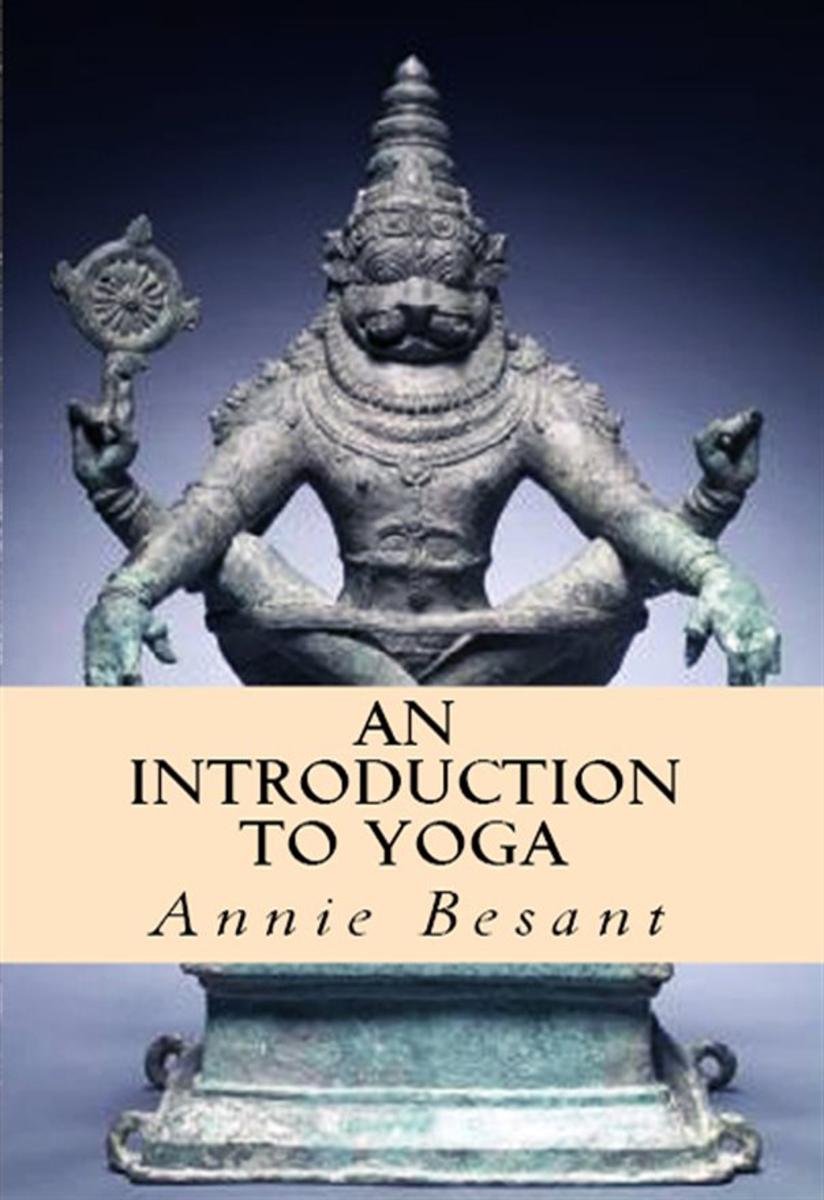
An Introduction to Yoga
¥28.37
THE NATURE OF YOGA?In this first discourse we shall concern ourselves with the gaining of a general idea of the subject of Yoga, seeking its place in nature, its own character, its object in human evolution.??THE MEANING OF THE UNIVERSE:?Let us, first of all, ask ourselves, looking at the world around us, what it is that the history of the world signifies. When we read history, what does the history tell us? It seems to be a moving panorama of people and events, but it is really only a dance of shadows; the people are shadows, not realities, the kings and statesmen, the ministers and armies; and the events the battles and revolutions, the rises and falls of states ??are the most shad-owlike dance of all. Even if the historian tries to go deeper, if he deals with economic conditions, with social organisations, with the study of the tendencies of the currents of thought, even then he is in the midst of shadows, the illusory shadows cast by unseen realities. This world is full of forms that are illusory, and the values are all wrong, the proportions are out of focus. The things which a man of the world thinks valuable, a spiritual man must cast aside as worthless. ??The diamonds of the world, with their glare and glitter in the rays of the outside sun, are mere fragments of broken glass to the man of knowledge. The crown of the king, the sceptre of the emperor, the triumph of earthly power, are less than nothing to the man who has had one glimpse of the majesty of the Self. ??What is, then, real? What is truly valuable? Our answer will be very different from the answer given by the man of the world.??"The universe exists for the sake of the Self." Not for what the outer world can give, not for control over the objects of desire, not for the sake even of beauty or pleasure, does the Great Architect plan and build His worlds. He has filled them with objects, beautiful and pleasure-giving. The great arch of the sky above, the mountains with snow-clad peaks, the valleys soft with verdure and fragrant with blossoms, the oceans with their vast depths, their surface now calm as a lake, now tossing in fury, they all exist, not for the objects themselves, but for their value to the Self. Not for themselves because they are anything in themselves but that the purpose of the Self may be served, and His manifestations made possible.
Proz?
¥16.35
Tr?ind de azi pe m?ine ?ntr-un Bucure?ti plin de tenta?ii, dar consumator de resurse, studentul la Drept Mihnea B?iatu nu ?i-a dat examenele, iar ob?inerea licen?ei ?ncepe s? semene cu un vis imposibil. A ?nv??at ?ns? cum s? c??tige ?ncrederea cet??enilor s?raci cu duhul – ?i nu e pu?in lucru. Plasat ?ntr-un decor suburban, cu personaje caragialiene, Mihnea B?iatu se ?nscrie ?ns?, f?r? doar ?i poate, ?n tipologia eroilor lui Gib I. Mih?escu, urm?ri?i de idealul femeii absolute. Expert ?n practicile ?amorului democrat“ ?i ?n escrocarea cu sistem – erotic? ?i financiar? – a propriet?reselor de mahala, eternul student d? nas ?n nas pe culoarele universit??ii cu femeia perfect?, care-l scruteaz? ?i ea, cu acela?i interes, prin lentila unui lornion de aur…

Patty in the City
¥28.29
It was the third week in September when the Fairfields left the seashore and returned to their Vernondale home.??“Now, my child,” said Mr. Fairfield, as they sat on the veranda after dinner, “I will unfold to you my plans for the coming winter, and you may accept, or reject, or amend them as you please.”??“Proceed,” said Patty, settling herself comfortably in her wicker chair; “I feel in an amiable mood this evening, and will probably agree to anything you may suggest.”??“I’ve been thinking for some time,” went on her father, “that I don’t want to spend the coming winter in Vernondale. I would much rather be in New York.”??“Reason number one—Nan,” said Patty, checking it off on her forefinger and smiling at her father.?“Yes,” he responded, with an answering smile, “she is reason number one, but there are others.”?To readers who are unfamiliar with Patty’s earlier history we may say right here that her mother had died when Patty was but three years old. ??At present she lived with her father in their little home in Vernondale, an establishment of which Patty greatly prided herself on her management.?Recently Mr. Fairfield had become engaged to Miss Nan Allen, a young lady who lived in Philadelphia, and who was a dear friend of Patty’s.

Capcana de piatr?
¥40.79
Sonetul contondentCelor doi / poe?i de mare soi...(Istrate ?i Murgeanu)Visam c? Marea-?i p?r?sea ghioculCu-al s?u tumult de valuri euxine?i, h?t-departe-n zonele alpine,Ca-n Cretaceu, ??i reg?sise locul...Priveam de-acuma fascinat la joculDe valuri ?n?esate de jivineDin vremuri disp?rute, care-n fine,??i ?ncercau, o dat?-n plus, norocul.Sim?eam o dulce binecuv?ntareC?-n groapa euxinic? ad?nc?O Mare Neagr? nu exist? ?nc?,Nici Casa Scriitorilor la mare;Nici doi poe?i cu barb?, bur?i ?i plete,S?-n?ire contondentele sonete.
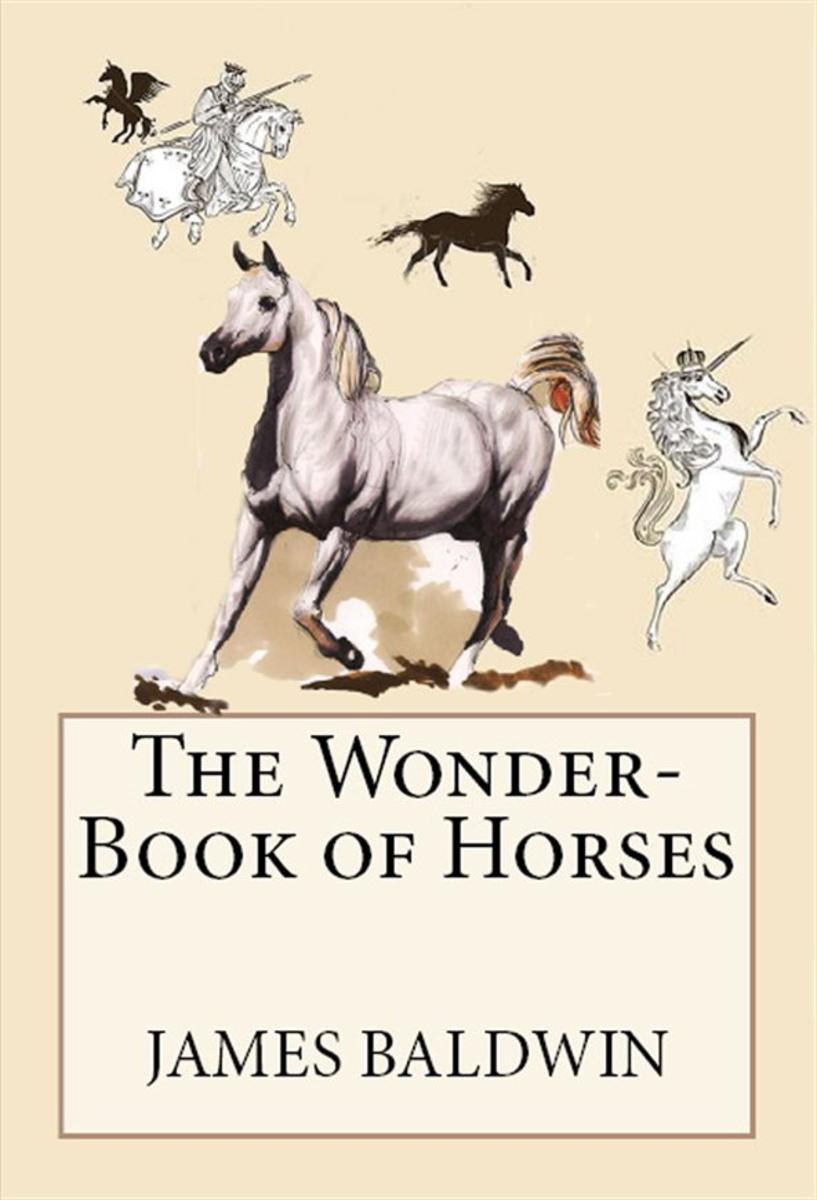
The Wonder-Book of Horses
¥28.29
SINCE the publication of my larger book, "The Horse Fair," many letters have been received from teachers and their scholars telling of the pleasure derived from the reading of it, and incidentally suggesting that much of its contents is directly in line with the courses of literary instruction pursued in our elementary schools. This suggestion has led me to col-lect certain of the stories into a smaller volume especially adapted for use as a school reading-book.? The eighteen stories in this volume have been chosen with a thought to their educative value as well as for the intrinsic charm of the original narratives, which in various forms have delighted many generations of readers. All have a literary interest connecting them with subjects with which every educated person is supposed to be familiar. In the first four, you will be introduced to the sun myths and season myths of the Greeks and of our Norse ancestors. Following these, the tale of song-inspiring Pegasus is presented in contrast with that of Griffen, the base imitation invented by the romancing poets of the Middle Ages. ? Then in "The Ship of the Plains," you may read of the mythical founding of Athens; and in the sketch that follows, you may enjoy a brief glimpse of Arabic imagery in the story of one of the most interesting episodes in the life of the prophet Mohammed. The story of the twin brethren will acquaint you with the thought of some of the old Latin writers, while the tale of Rakush will give you a taste of Persian literature as it is found in the great epic written by Firdusi. The romances of Charlemagne and his peers are represented by the story of Broiefort and his indomitable master; and the world-famous Don Quixote is introduced by his sorry but scarcely less famous steed, Rozinante.
?zlemek Sevmekse, ?zlüyorum Seni
¥9.16
B?R DAMLA SEVG?YLE MERHABA ?Dokunan hafif bir esinti, bir damla ya?, bir kü?ük ka?amak bak??tan ve bir tatl? s?zden sonra yüre?in ?eperlerine yap???p kalan a?k?n izleriyle dolu ya?amakt?r belki de istenilen… ??zlemek sevgiyle yüre?e dokunmaksa; bir tatl? s?z, bir gidenin ard?ndan kalan iz, bir hüzün i?indeki umutsuzluklarda bile, umut arayan kalple var olmakt?r kimbilir belki de i?imizde kalan… ??zlemek; a?k?n g?zya?lar?nda, yar?n? olmayan a?klarda ve bir garip a?k?n i?inde bile mutlulu?u, sevginin kanatlar?nda ?zlemle arayarak yazmakt?r belki de sayfalarda saklanan… ?Kim bilir belki de sevgiyi i?inde bularak kanatlanmakt?r, kanats?z hallerinde bile ?zlemle a?ka u?makt?r… ?Her okunan ?iirin i?inde hissedebilmektir belki de; tarifi olmayan, tarifsiz o duyguyu, yüre?indeki bir k?v?lc?m ate?iyle canland?r?p ya?atabilmektir belki de arzulanan... ?Sevgiyle dolu sayfalarda, hissettiklerinizi bulup dolu dolu ya?aman?z dile?iyle… Cengiz ?ET?K 1964 y?l?nda Konya/Karap?nar do?du. ?lkokulu Emirgazi il?esinde okudu. Ortaokulu ve liseyi Karap?nar’da okudu. Endüstri Meslek Lisesi Torna tesviye’den mezun oldu. 1989 y?l?nda Burdur E?itim Yüksek Okulu’ndan S?n?f ??retmeni olarak mezun olduktan sonra 1990 y?l?ndan bu yana zaman zaman idarecilik yapsa da ?u an Uzman S?n?f ??retmeni olarak ?al??makta olup iki k?z babas?d?r. 1986 y?l?nda ilk ?yküsü “sonun Ba?lang?c?” bir sinema dergisinin a?t??? yar??mada birinci gelmi?tir. Finike yerel gazetelerinde 2005 y?l?ndan sonra bir?ok k??e yaz?lar? yay?nland?. 2006 y?l?nda ilk ?iir kitab? “Son S?züm Sana Gülüm” yay?nlad?. ?kinci kitab? “Siyahlarday?m Alev Bak??l?m” 2008 y?l?nda yay?nland?. Ayr?ca güfte halinde “ Siyahlarday?m” 2010 y?l?nda ve “Vazge? G?nlüm” 2016 y?l?nda iki ?iiri bestelenip ?ark? olarak hayat bulmu?tur. 2017 y?l? son ay?nda ilk bilimkurgu roman? “Pokentranl? G?kmen” okurlar?yla tan??t?.
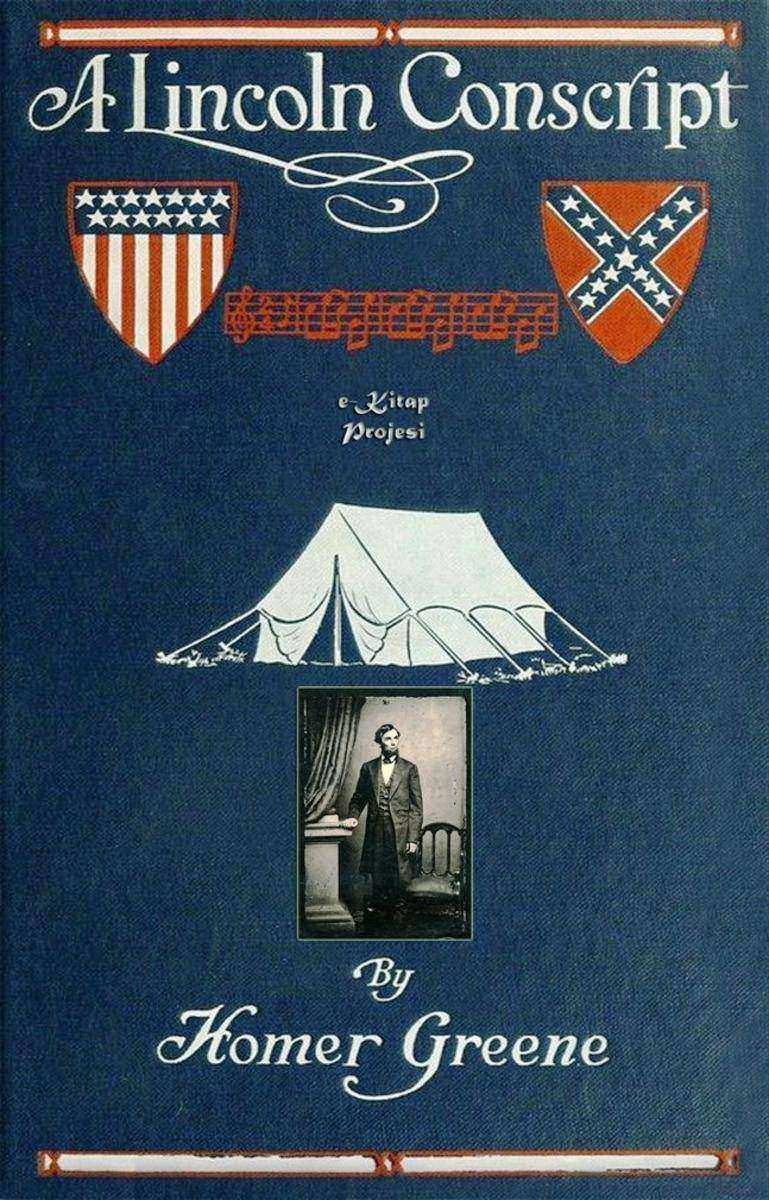
A Lincoln Conscript
¥27.88
On the second day of July in the year 1863 the Civil War in America was at its height. Late in the preceding month Lee had turned his face northward, and, with an army of a hundred thou-sand Confederate soldiers at his back, had marched up into Penn-sylvania. There was little to hinder his advance. Refraining, by reason of strict orders, from wanton destruction of property, his soldiers nevertheless lived on the rich country through which they passed. York and Carlisle were in their grasp. Harrisburg was but a day’s march away, and now, on this second day of July, flushed with fresh victories, they had turned and were giving desperate battle, through the streets and on the hills of Gettysburg, to the Union armies that had followed them. The old commonwealth was stirred as she had not been stirred before since the fall of Sumter. Every town and village in the state responded quickly to the governor’s call for emergency troops to defend the capital city. Mount Hermon, already depleted by gen-erous early enlistments, and by the draft of 1862, gathered to-gether the bulk of the able-bodied men left in the village and its surroundings, and sent them forth in defense of the common-wealth. Not that Mount Hermon was in especial danger from Lee’s invasion, far from it. Up in the northeastern corner of the state, on a plateau of one of the low foot-hills of the Moosic range, sheltered by the mountains at its back, it was well protected, both by reason of distance and location, from the advancing foe. But Mount Hermon was intensely patriotic. In the days preceding the Revolution the sturdy pioneers from Connecticut had met the equally sturdy settlers from the domain of Penn, and on this plateau they had fought out their contentions and settled their differences; the son of the Pennamite had married the daughter of the Yankee; and the new race, with love of country tingeing every drop of its blood a deeper red, had stayed on and possessed the land. So, on this July day, when the armies of North and South were striving and struggling with each other in bloody combat back and forth across the plain and up the hills of Gettysburg, Mount Hermon’s heart beat fast. But it was not for themselves that these people were anxious. It was for the fathers, husbands, sons, lovers in that army with which Meade, untried and unproven, was endeavoring to match the strategy and strength of Lee. News of the first day’s skirmishing had reached the village, and it was felt that a great battle was imminent. In the early evening, while the women were still busy at their household tasks, the men gathered at the post-office and the stores, eager for late news, anxious to discuss the situation as they had learned it. In the meantime the boys of the town had congregated on the village green to resume the military drills which, with more or less frequency, they had carried on during the summer. These drills were not wholly without serious intent. It was play, indeed; but, out of the ranks of these boys, three of the older ones had already gone to the front to fight real battles; and it was felt, by the men of the town, that the boys could not be too thoroughly imbued with the military spirit. So, on this July evening, wakened into new ardor by the news from Gettysburg, they had gathered to resume their nightly work—and play.There were thirty-three of them, ranging in years all the way from eight to eighteen. They were eager and enthusiastic. At the command to fall in there was much pushing and jostling, much striving for desirable places, and even the young captain, with great show of authority, could not quite adjust all differences to the complete satisfaction of his men.Before the confusion had wholly ceased, and while there were still awkward gaps in the ranks, a tall, straight, shy-mannered boy of seventeen, who had remained hitherto on the outskirts of the group, quietly slipped into one of the vacant places.
C?ntec sf?nt
¥16.35
Ceea ce putem spune ?i ceea ce se cuvine spus este c? literatura noastr? modern? ?l revendic? cu hot?r?re pe Panait Istrati, pe fiul pierdut ?i revenit ca ?i Ulise al versului francez, dup? o miraculoas? c?l?torie. C?ci opera lui Panait Istrati ?ntrege?te peisajul literaturii rom?ne?ti din ultimii dou?zeci de ani, deoarece, dimpreun? cu Mihail Sadoveanu ?i cu Liviu Rebreanu, autorul Chirei Chiralina alc?tuie?te treimea cea de o fiin?? a celei mai unitare substan?e epice. C? ?i ace?tia – ?i poate c? nu stric? s? amintim cum c?te?itrei purced la ?mplinirea operei lor, cam ?n acela?i timp (?ntreg Sadoveanu de dup? Cocost?rcul albastru, doar de la trecutul r?zboi ?ncepe) c? ?i ace?tia, Panait Istrati este dintre to?i ceilal?i scriitori ai no?tri, acela care aduce cele mai multe probleme, cei mai mul?i eroi ?i cea mai puternic? individualitate. — Perpessicius
Excelsior
¥16.35
Dup? cum din Golanii nu se putea prevedea Ion, tot a?a nici din La Grandiflora nu se putea prevedea Rusoaica sau Donna Alba, cu toat? prezen?a elementelor prezumtive ale talentului lui Gib I. Mih?escu. Scriitorul a ?tiut s? se organizeze ?n crea?ii de care critica e bucuroas? s? ?in? seama, ca de produc?ii reprezentative ale literaturii noastre ultime. (Eugen Lovinescu)
Ruptura
¥40.79
Referindu-se la Pesc?ru?ul ?ntr-o scrisoare din octombrie 1895, Cehov nota, ?ntre altele: ?Scriu o pies? pe care probabil nu o voi termina p?n? la sf?r?itul lui noiembrie. O scriu nu f?r? pl?cere, de?i m? tem de conven?iile scenei. E o comedie, exist? trei roluri pentru femei, ?ase pentru b?rba?i, patru acte, peisaje (priveli?tea unui lac), o mul?ime de conversa?ii despre literatur?, pu?in? ac?iune, mult? iubire“. Premiera s-a dovedit dezastruoas?, editorul s?u aduc?ndu-i acuze ca, pild?, la?itatea evident?, caracterul din cale afar? de feminin. Con?tient de geniul s?u, Cehov riposteaz?: ?De ce aceast? calomnie? Dup? reprezenta?ie am luat cina la Romanovi. Pe cuv?ntul meu de onoare. Apoi m-am dus la culcare, am dormit s?n?tos ?i a doua zi am mers acas? f?r? a suspina vreo nemul?umire. Dac? a? fi fost un la?, a? fi alergat de la un editor la altul ?i de la un actor la altul, i-a? fi implorat s? fie ?ng?duitori ?i a? fi petrecut dou? trei s?pt?m?ni ?n Petersburg, agit?ndu-m? cu Pesc?ru?ul meu, cu emo?ie, cu o transpira?ie rece ?n lamenta?ii. Am ac?ionat at?t de rece ?i de responsabil precum un om care a f?cut o ofert? ?i apoi a fost ?nt?mpinat cu un refuz ?i nu mai are nimic altceva de f?cut dec?t s? plece. ?ntr-adev?r, vanitatea mea a fost n?ucit?, dar ?ti?i, nu a fost o lovitur? din senin. A?teptam un e?ec ?i m? preg?tisem pentru el precum te-am prevenit cu o absolut? sinceritate“.
The Magic City: (Illustrated)
¥18.80
Philip Haldane and his sister lived in a little red-roofed house in a little redroofed town. They had a little garden and a little balcony, and a little stable with a little pony in it—and a little cart for the pony to draw; a little canary hung in a little cage in the little bow-window, and the neat little servant kept everything as bright and clean as a little new pin. Philip had no one but his sister, and she had no one but Philip. Their parents were dead, and Helen, who was twenty years older than Philip and was really his half-sister, was all the mother he had ever known. And he had never envied other boys their mothers, because Helen was so kind and clever and dear. She gave up almost all her time to him; she taught him all the lessons he learned; she played with him, inventing the most wonderful new games and adventures. ABOUT AUTHOR: Edith Nesbit (married name Edith Bland; 1858 – 1924) was an English author and poet; she published her books for children under the name of E. Nesbit. She wrote or collaborated on over 60 books of fiction for children, several of which have been adapted for film and television. She was also a political activist and co-founded the Fabian Society, a socialist organisation later connected to the Labour Party.

The Man Without a Country: (Illustrated)
¥12.18
"The Man Without a Country" first appeared in the Atlantic Monthlyfor December, 1863. It was the author's wish that it be published anonymously, in the hope that it might be ascribed to some officer of the Navy; but unfortunately, the man who compiled the year's index for the magazine, which was mailed with the December number, recognized Dr. Hale's handwriting, and gave him credit for it in the index. The story was written during the darkest period of the Civil War, and this war is perhaps the gloomiest period in the history of our great republic in the history of our great Republic; it was written at a time when one-half of the people in the United States were burning with patriotism, and were ready to lay down their lives to preserve the Union, while the other half were striving to disrupt what to them was merely a confederation of States, in no wise binding, and were damning the United States, even as did Philip Nolan; at at time when the President was bending low under the weight of sorrow for the loss of thousands of noble men who were falling in battle, and was enduring in pitiful silence the villification that was heaped upon him by the "copper-head" opposition; at a time when patriotism was preached in the pulpit, sung by our poets, and exhaled with every breath. The story launched in such an atmosphere, met with immediate favor. It was reprinted everywhere without regard for copyright, and was translated into several foreign languages. It was accepted by many as a narrative of actual facts, and provoked many discussions as to whether Philip Nolan was a real person; some even went so far as to identify him.
Japi?a
¥32.62
Prin volumul Istorie ?i sacralitate, Const. Miu ne poart? prin lumea cuv?ntului spus ori scris, de la ?nceputuri ?i p?n? ?n prezent. Autorul, ?n acest volum, atrage aten?ia, al?turi de al?i autori dedica?i adev?rului, pe care domnia sa ?i citeaz?, c? lingvi?tii no?tri din motive de ne?n?eles au l?sat a se ?n?elege c? limba rom?n? ar fi una de ?mprumut. Nu putem ?ti ce anume i-a determinat pe ace?tia s? conchid? ?n privin?a unor cuvinte din dic?ionarul limbii rom?ne c? ar avea r?d?cini turcice, slave ori din limba latin?. Se pare c? au uitat c? aceast? limb? este vorbit? pe ?ntreg arealul ??rii, spre deosebire de limba italian?, ce are mai multe dialecte ?i idiomuri care difer? de la o provincie la alta.
Idolii pe?terii
¥24.44
Aceste povestiri au fost scrise ?n perioada 2010?2014 ?i publicate, ?n parte, ?n periodice. Le?am numit parabole, av?nd o anumit? inten?ionalitate, ?i am aplicat ?n realizarea lor aceea?i structur? (cvadripartit?) ?i acela?i registru can?titativ (aproximativ o mie de cuvinte).Pe cele din C?l?uzitorul de suflete (cea dint?i sec?iune) le consider europene, ac?iunea lor petrec?ndu?se ?n loca?ii diferite de pe b?tr?nul continent ?i majoritatea ideilor pe care se bazeaz? n?sc?ndu?se ?n timpul unor peregrin?ri (iubirile, c?r?ile, muzica ?i c?l?toriile sunt, dup? umila?mi p?rere, cele mai frumoase lucruri care ni se pot ?nt?mpla ?ntr?o via??). Cu excep?ia primei ?i a ultimei lucr?ri care schi?eaz? un posibil cadru, ordinea povestirilor este alfabetic?. De?i g?ndite ca fantastice, ele au ?i o dimensiune experien?ial?, ?n acela?i timp put?nd fi citite ?i ca poeme ?n proz?: ale ora??elor prin care am trecut, ale oamenilor pe care i?am cunos?cut ?i, desigur, ale sufletului meu, undeva, ?n str?fundurile mele consider?ndu?m?, ca mul?i semeni de?ai mei, oarecum poet… (Ladislau Daradici)


