


 购物车
购物车 个人中心
个人中心

Az ellenállás
¥82.99
Te milyennek képzeled a t?kéletes randit? ?lmodoztál már arról, hogy egyszer valaki kitalálja a legdédelgetettebb álmod? Szeretted a D.A.C. els? részét, és türelmetlenül várod, hogy megjelenjen a második? Akkor ezt el kell olvasnod! Kalapos ?va ebben a novellában kis bepillantást enged Márk fejébe, és azt is megtudhatjuk, hogy sikerül-e a fiúnak ?sszehoznia egy bénázásoktól és félreértésekt?l mentes randit Flórával. Lépj be te is a D.A.C. világába, és éld át velünk A t?kéletes randit! NOVELLA kizárólag e-k?nyvben!

San-Antonio. Bérurier ?n serai
¥32.62
Solu?ia Chopra pentru o sc?dere ?n greutate permanent?, stare de bine ?i lini?te sufleteasc? Via?a ?nseamn? ?mplinire! La ce t?nje?ti acum? La m?ncare? Iubire? Stim? de sine? Lini?te sufleteasc?? De ce m?nc?m uneori mai mult dec?t avem nevoie? Deepak Chopra ne r?spunde: fiindc? nu reu?im s? g?sim mul?umirea ?i lini?tea sufleteasc? de care avem nevoie, transform?m m?ncarea ?n substitut al satisfac?iei emo?ionale. C?nd motivele dezechilibrului emo?ional dispar, organismul se autoregleaz? ?i cere c?t ?i trebuie. Deepak Chopra identific? mai ?nt?i cauzele care ne ?mpiedic? s? ne schimb?m atitudinea: obiceiurile proaste, teama de schimbare, descurajarea de a urma ?nc? o diet? sau dimpotriv?, credin?a naiv? c? urm?toarea diet? va func?iona, al?turi de poftele cotidiene, mai ales pentru alimentele s?rate, dulci ?i grase ?i de faptul c? ritmul modern de via?? aproape c? ne impune alegerea alimentelor nes?n?toase.Solu?ia Chopra este o abordare holistic?, bazat? pe leg?tura dintre minte ?i corp. Ca s? ajungem la o stare ideal? de ?mplinire sufleteasc? ?i form? fizic? optim? trebuie s? ne hr?nim zilnic trupul cu alimente s?n?toase, inima cu bucurie, compasiune ?i iubire, mintea cu noi informa?ii, iar spiritul cu calm ?i con?tiin?? de sine.Cartea se ?ncheie cu o sec?iune de re?ete delicioase ?i s?n?toase inspirate din meniurile Centrului Chopra ?i bazate pe principiile alimentare ayurvedice, adaptate la via?a occidental? modern?.Oriunde te afli ?n via??, cartea de fa?? te va ajuta s? alegi direc?ia potrivit?.

Madarak a dobozban
¥57.14
"A Daughter of the Snows" is Jack London's first novel. The novel features a strong female heroine, Frona Welse. Frona was born into a wealthy family and educated at Stanford but she takes to the Yukon trail after upsetting her father and his wealthy community of friends with her out-spoken ways and her innocent friendship with the town's prostitute. "All ready, Miss Welse, though I'm sorry we can't spare one of the steamer's boats." Frona Welse arose with alacrity and came to the first officer's side. "We're so busy," he explained, "and gold-rushers are such perishable freight, at least—" "I understand," she interrupted, "and I, too, am behaving as though I were perishable. And I am sorry for the trouble I am giving you, but—but—" She turned quickly and pointed to the shore. "Do you see that big log-house Between the clump of pines and the river I was born there." "Guess I'd be in a hurry myself," he muttered, sympathetically, as he piloted her along the crowded deck.Everybody was in everybody else's way; nor was there one who failed to proclaim it at the top of his lungs. A thousand gold-seekers were clamoring for the immediate landing of their outfits. Each hatchway gaped wide open, and from the lower depths the shrieking donkey-engines were hurrying the misassorted outfits skyward. On either side of the steamer, rows of scows received the flying cargo, and on each of these scows a sweating mob of men charged the descending slings and heaved bales and boxes about in frantic search. Men waved shipping receipts and shouted over the steamer-rails to them. Sometimes two and three identified the same article, and war arose. The "two-circle" and the "circle-and-dot" brands caused endless jangling, while every whipsaw discovered a dozen claimants. "The purser insists that he is going mad," the first officer said, as he helped Frona Welse down the gangway to the landing stage, "and the freight clerks have turned the cargo over to the passengers and quit work. But we're not so unlucky as the Star of Bethlehem," he reassured her, pointing to a steamship at anchor a quarter of a mile away. "Half of her passengers have pack-horses for Skaguay and White Pass, and the other half are bound over the Chilcoot. So they've mutinied and everything's at a standstill." "Hey, you!" he cried, beckoning to a Whitehall which hovered discreetly on the outer rim of the floating confusion. A tiny launch, pulling heroically at a huge tow-barge, attempted to pass between; but the boatman shot nervily across her bow, and just as he was clear, unfortunately, caught a crab. This slewed the boat around and brought it to a stop. "Watch out!" the first officer shouted. ABOUT AUTHOR: John Griffith "Jack" London (born John Griffith Chaney, January 12, 1876 – November 22, 1916) was an American author, journalist, and social activist, Authors of; "The Pearls of Parlay" and "The Heathen", and of the San Francisco Bay area in The Sea Wolf. And also; as his dystopian novel The Iron Heel, his non-fiction exposé The People of the Abyss, and The War of the Classes.
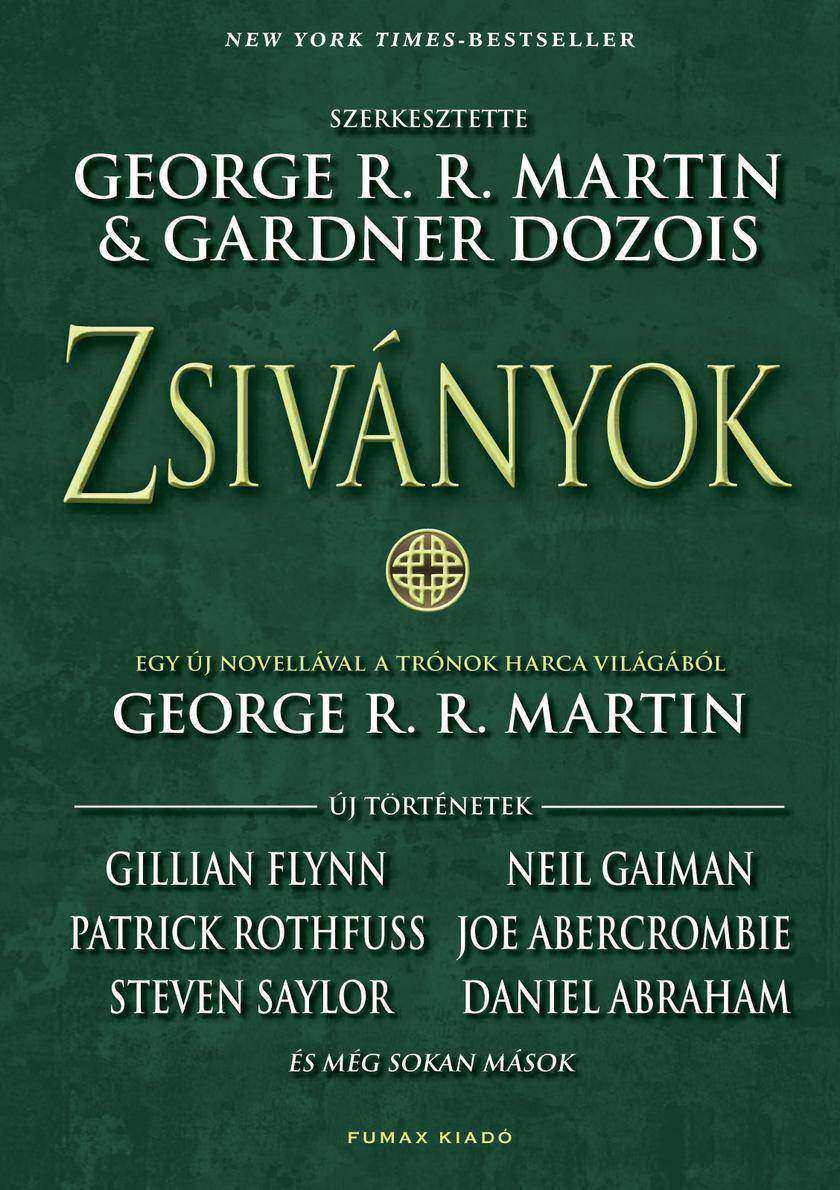
Zsiványok
¥85.76
Summary: Sara Crewe, a pupil at Miss Minchin's London school, is left in poverty when her father dies, but is later rescued by a mysterious benefactor. ?"Once on a dark winter's day, when the yellow fog hung so thick and heavy in the streets of London that the lamps were lighted and the shop windows blazed with gas as they do at night, an odd-looking little girl sat in a cab with her father and was driven rather slowly through the big thoroughfares." ? She sat with her feet tucked under her, and leaned against her father, who held her in his arm, as she stared out of the window at the passing people with a queer old-fashioned thoughtfulness in her big eyes. ? She was such a little girl that one did not expect to see such a look on her small face. It would have been an old look for a child of twelve, and Sara Crewe was only seven. The fact was, however, that she was always dreaming and thinking odd things and could not herself remember any time when she had not been thinking things about grown-up people and the world they belonged to. She felt as if she had lived a long, long time. ? "The Little Princes, in this Illustrated book, a fantastic girl who Principally, she was thinking of what a queer thing it was that at one time one was in India in the blazing sun, and then in the middle of the ocean, and then driving in a strange vehicle through strange streets where the day was as dark as the night. She found this so puzzling that she moved closer to her father.." Illustrated by Murat UKray, By e-Kitap Projesi

Hétf? csont nélkül
¥58.45
The dual purpose of the revision of this work has been simplification and amplification.?The language has been recast in parts and there have been added sub-titles within each chapter, cross-references and an index. Ideas such as "Religion as law," the Logos of Philo and the development of Messianism have been made as simple as these subjects admit of.??In seeking illustrations to vivify the narrative it is unfortunate that so little is available. Ah! if we had pictures of Hillel, of Akiba the Martyr, of Judah the Saint, of the Jamnia Academy, of the splendor of the Babylonian Exilarch. But this very absence of pictures is in itself a bit of Jewish history.??This new edition contains quotations from the literature of the periods covered, from the Apocrypha, Philo, Josephus and the Mishna. Three chapters have been added, two on "Stories and Sayings of the Sages of the Talmud" and one on "Rabbi Judah and his times."?Other chapters have been placed in more logical sequence. Both the Chronological Tables and the Notes are fuller. A new feature has been introduced in a "theme for discussion" at the close of each chapter that may be found helpful to study circles and Chautauqua societies. This has also been introduced in the recently issued "Modern Jewish History."??The author expresses his grateful indebtedness to Dr. David de Sola Pool for a most careful reading of the manuscript and for many corrections and suggestions; also to Mr. Philip Cowen for the aid rendered in collecting the illustrations. The author has availed himself of writings that have appeared on this epoch since the edition of 1904. He hopes he has succeeded in producing a more readable book.??When the impatient youth demands, like the heathen from Hillel, a definition of Judaism, bid him "go and learn" the history of the Jew. Let him follow the fascinating story from hoar antiquity, when the obscure Hebrews, "leaving kindred and father's house," took a bold and new departure for the land that God would show—the land that would show God.??Point to the colossal figure of Moses on Sinai, "greatest of the prophets," who gave the first uplifting impulse with his Ten Words of Faith and Duty. Trace with him the soul struggle of this "fewest of all peoples" to reach the truth of divinity—beginning with a crude conception that became steadily more exalted and more clarified with each successive age, until, at last, the idea is realized of an all-pervading Spirit, with "righteousness and justice as the pillars of His throne," the "refuge of all generations."??Make clear to him how the revelation of the divine will came to be expressed in Law. And, how the preservation and development of this Law, in the interpreting hands of prophets, scribes, rabbis, poets and philosophers, became henceforth the controlling motif of the history of the Jew, his modus vivendi, whether under Babylonians, Persians, Greeks, Romans, Arabians or Franks. Help him to see that through it the Jew held in his keeping the religious fate of Orient and Occident, that took from him their respective impressions of Islamism and Christianity.??Let him see the "God-intoxicated" teaching his message by living it; the Suffering Servant whose martyrdom brought healing to his smiters.??Then, perhaps, he may understand that no one definition can completely express the Faith of the Jew and his place in the divine economy. But with this glimpse of his history the grandeur of his inheritance will sink into his consciousness, becoming part of himself, and he will be thrilled with the tremendous responsibility devolving upon him as a member of the priest-people, the witnesses of God, whose mission was and is to "bring light to the Gentiles—that salvation may reach to the ends of the earth."??By e-Kitap Projesi, Illustrated by Murat Ukray..

Téli fagyi
¥67.77
"A lányok még viharosabban nevettek. Kelepei azonban t?prengve szítta a fogát. Azon gondolkodott, mi lenne, ha csakugyan idek?lt?zne? Lelki szeme el?tt egész csomó dolog jelent meg. A jó koszt, a dunyhás ágy, amellyel talán minden együtt jár, ingyen, ami a Háznak specialitása, ha az ember itt lakik helyben."

Puterea chakrelor. Deblocheaz?-?i cei ?apte centri energetici ai vindec?rii
¥73.49
Volumul lui Cornel Mihai Ungureanu cuprinde interesante interviuri cu mari personalit??i ale culturii rom?ne?ti, din sfere multiple. Printre al?ii, Ana Blandiana, Gabriel Andreescu, Liviu Antonesei, Gellu Dorian, Bogdan Suceav?, Lucian Dan Teodorovici sau Daniel Cristea?Enache. Cititorul va g?si ?n paginile c?r?ii comentarii provocatoare privind operele ?i biografiile intervieva?ilor, precum ?i pagini din istoria tulbure din perioada comunist? ?i din cea contemporan?.
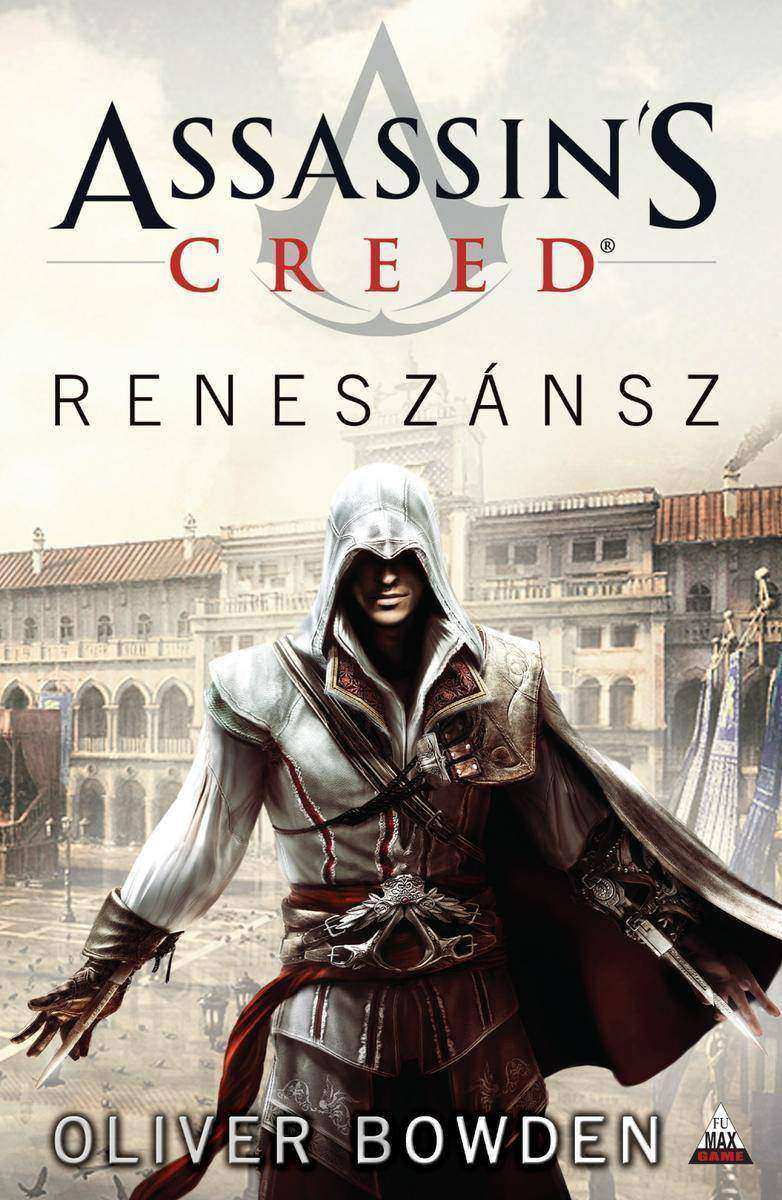
Assassin's Creed: Reneszánsz
¥71.69
The story starts in London on Tuesday, October 1, 1872. Fogg is a rich English gentleman and bachelor living in solitude at Number 7 Savile Row, Burlington Gardens. Despite his wealth, which is ?40,000 (roughly ?3,020,000 today), Fogg, whose countenance is described as "repose in action", lives a modest life with habits carried out with mathematical precision. Very little can be said about his social life other than that he is a member of the Reform Club. Having dismissed his former valet, James Foster, for bringing him shaving water at 84 °F (29 °C) instead of 86 °F (30 °C), Fogg hires a Frenchman by the name of Jean Passepartout, who is about 30 years old, as a replacement. Later on that day, in the Reform Club, Fogg gets involved in an argument over an article in The Daily Telegraph, stating that with the opening of a new railway section in India, it is now possible to travel around the world in 80 days. He accepts a wager for ?20,000 (roughly ?1,510,000 today) from his fellow club members, which he will receive if he makes it around the world in 80 days. Accompanied by Passepartout, he leaves London by train at 8:45 P.M. on Wednesday, October 2, 1872, and thus is due back at the Reform Club at the same time 80 days later, Saturday, December 21, 1872. Mr. Phileas Fogg lived, in 1872, at No. 7, Saville Row, Burlington Gardens, the house in which Sheridan died in 1814. He was one of the most noticeable members of the Reform Club, though he seemed always to avoid attracting attention; an enigmatical personage, about whom little was known, except that he was a polished man of the world. People said that he resembled Byron—at least that his head was Byronic; but he was a bearded, tranquil Byron, who might live on a thousand years without growing old. Certainly an Englishman, it was more doubtful whether Phileas Fogg was a Londoner. He was never seen on 'Change, nor at the Bank, nor in the counting-rooms of the "City"; no ships ever came into London docks of which he was the owner; he had no public employment; he had never been entered at any of the Inns of Court, either at the Temple, or Lincoln's Inn, or Gray's Inn; nor had his voice ever resounded in the Court of Chancery, or in the Exchequer, or the Queen's Bench, or the Ecclesiastical Courts. He certainly was not a manufacturer; nor was he a merchant or a gentleman farmer. His name was strange to the scientific and learned societies, and he never was known to take part in the sage deliberations of the Royal Institution or the London Institution, the Artisan's Association, or the Institution of Arts and Sciences. He belonged, in fact, to none of the numerous societies which swarm in the English capital, from the Harmonic to that of the Entomologists, founded mainly for the purpose of abolishing pernicious insects. Phileas Fogg was a member of the Reform, and that was all. The way in which he got admission to this exclusive club was simple enough. He was recommended by the Barings, with whom he had an open credit. His cheques were regularly paid at sight from his account current, which was always flush. Was Phileas Fogg rich? Undoubtedly. But those who knew him best could not imagine how he had made his fortune, and Mr. Fogg was the last person to whom to apply for the information. He was not lavish, nor, on the contrary, avaricious; for, whenever he knew that money was needed for a noble, useful, or benevolent purpose, he supplied it quietly and sometimes anonymously. He was, in short, the least communicative of men. He talked very little, and seemed all the more mysterious for his taciturn manner. His daily habits were quite open to observation; but whatever he did was so exactly the same thing that he had always done before, that the wits of the curious were fairly puzzled. ABOUT AUTHOR: Jules Gabriel Verne (1828 – 1905) was a French novelist, poet, and playwright best known for his adventure novels and his profound influence on the literary genre of science fiction. Born to bourgeois parents in the seaport of Nantes, Verne was trained to follow in his father's footsteps as a lawyer, but quit the profession early in life to write for magazines and the stage. His collaboration with the publisher Pierre-Jules Hetzel led to the creation of the Voyages Extraordinaires, a widely popular series of scrupulously researched adventure novels including Journey to the Center of the Earth, Twenty Thousand Leagues Under the Sea, and Around the World in Eighty Days.
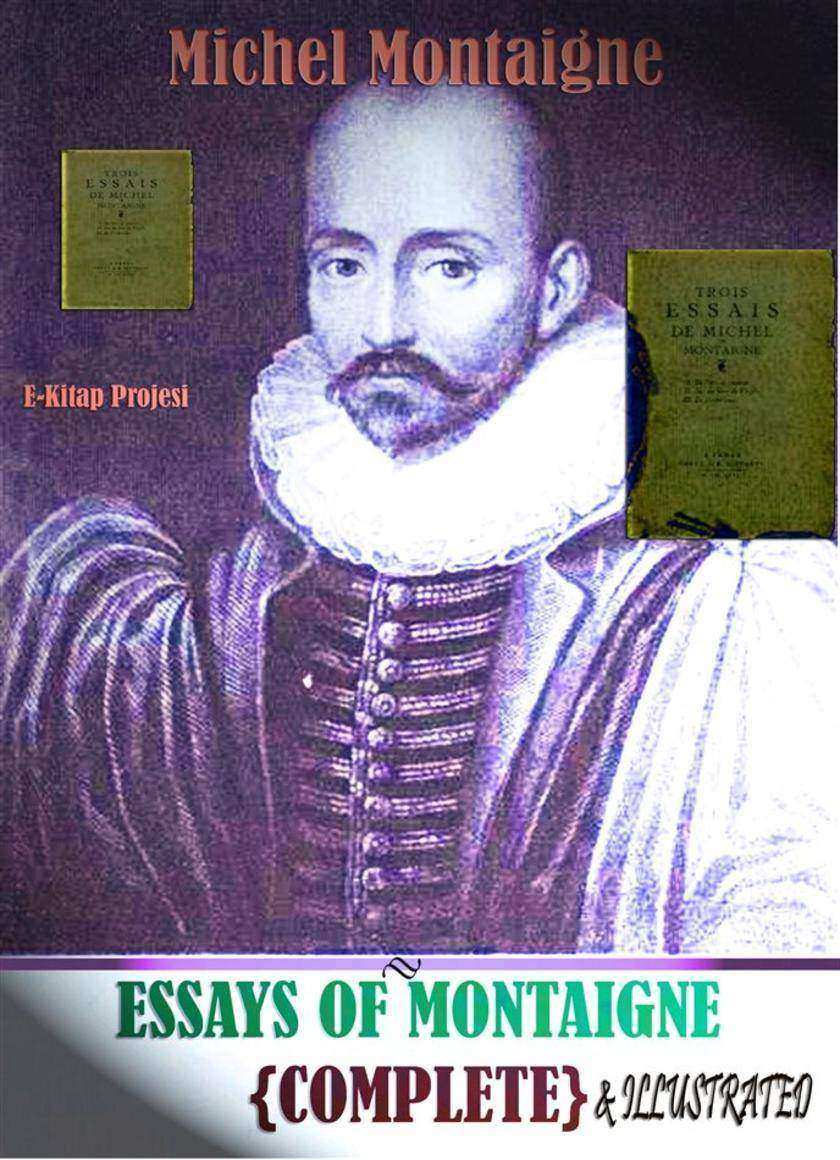
Essays of Montaigne: {Complete & Illustrated}
¥37.36
The Odyssey (Greek:Odysseia) is one of two major ancient Greek epic poems attributed to Homer. It is, in part, a sequel to the Iliad, the other work ascribed to Homer. The poem is fundamental to the modern Western canon, and is the second oldest extant work of Western literature, the Iliad being the oldest. It is believed to have been composed near the end of the 8th century BC, somewhere in Ionia, the Greek coastal region of Anatolia. The poem mainly centers on the Greek hero Odysseus (known as Ulysses in Roman myths) and his journey home after the fall of Troy. It takes Odysseus ten years to reach Ithaca after the ten-year Trojan War. In his absence, it is assumed he has died, and his wife Penelope and son Telemachus must deal with a group of unruly suitors, the Mnesteres or Proci, who compete for Penelope's hand in marriage. It continues to be read in the Homeric Greek and translated into modern languages around the world. Many scholars believe that the original poem was composed in an oral tradition by an aoidos (epic poet/singer), perhaps a rhapsode (professional performer), and was more likely intended to be heard than read. The details of the ancient oral performance, and the story's conversion to a written work inspire continual debate among scholars. The Odyssey was written in a poetic dialect of Greek—a literary amalgam of Aeolic Greek, Ionic Greek, and other Ancient Greek dialects—and comprises 12,110 lines of dactylic hexameter. Among the most noteworthy elements of the text are its non-linear plot, and the influence on events of choices made by women and serfs, besides the actions of fighting men. In the English language as well as many others, the word odyssey has come to refer to an epic voyage. The Odyssey has a lost sequel, the Telegony, which was not written by Homer. It was usually attributed in Antiquity to Cinaethon of Sparta, but in one source was said to have been stolen from Musaeus by Eugamon or Eugammon of Cyrene (see Cyclic poets). ABOUT AUTHOR: Homeros, In the Western classical tradition, Homer (Ancient Greek: Homeros) is the author of the Iliad and the Odyssey, and is revered as the greatest of ancient Greek epic poets. These epics lie at the beginning of the Western canon of literature, and have had an enormous influence on the history of literature. When he lived is unknown. Herodotus estimates that Homer lived 400 years before his own time, which would place him at around 850 BC, while other ancient sources claim that he lived much nearer to the supposed time of the Trojan War, in the early 12th century BC. Most modern researchers place Homer in the 7th or 8th centuries BC. The formative influence of the Homeric epics in shaping Greek culture was widely recognized, and Homer was described as the teacher of Greece. Homer's works, which are about fifty percent speeches, provided models in persuasive speaking and writing that were emulated throughout the ancient and medieval Greek worlds. Fragments of Homer account for nearly half of all identifiable Greek literary papyrus finds. PeriodFor modern scholars "the date of Homer" refers not to an individual, but to the period when the epics were created. The consensus is that "the Iliad and the Odyssey date from around the 8th century BC, the Iliad being composed before the Odyssey, perhaps by some decades," i.e. earlier than Hesiod, the Iliad being the oldest work of Western literature. Over the past few decades, some scholars have argued for a 7th-century BC date. Oliver Taplin believes that the conclusion of modern researchers is that Homer dates to between 750 to 650 BC. Some of those who argue that the Homeric poems developed gradually over a long period of time give an even later date for the composition of the poems; according to Gregory Nagy for example, they only became fixed texts in the 6th century BC. The question of the historicity of Homer the individual is known as the "Homeric question"; there is no reliable biographical information handed down from classical antiquity. The poems are generally seen as the culmination of many generations of oral story-telling, in a tradition with a well-developed formulaic system of poetic composition. Some scholars, such as Martin West, claim that "Homer" is "not the name of a historical poet, but a fictitious or constructed name."
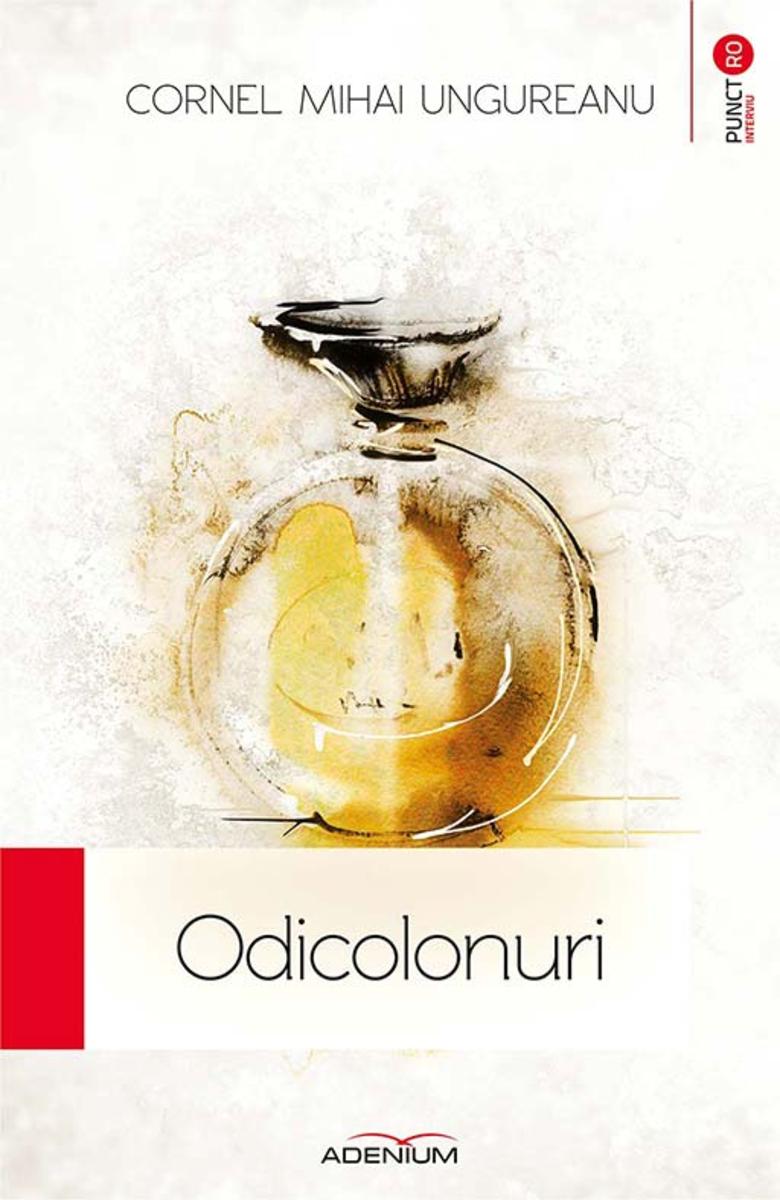
Odicolonuri
¥57.14
Volumul Save Point e un prilej bun de ?mp?care intre cele 2 p?r?i vitale autorului, cea tehnologic? ?i cea literat?, un mediu analog ?n care se gasesc instantanee, deseori in format ludic, ale unor lumi ?n care au loc evenimente at?t de mici ?i at?t de subit ?nc?t s-ar putea spune despre ele c? aproape nu au avut loc vreodat?.
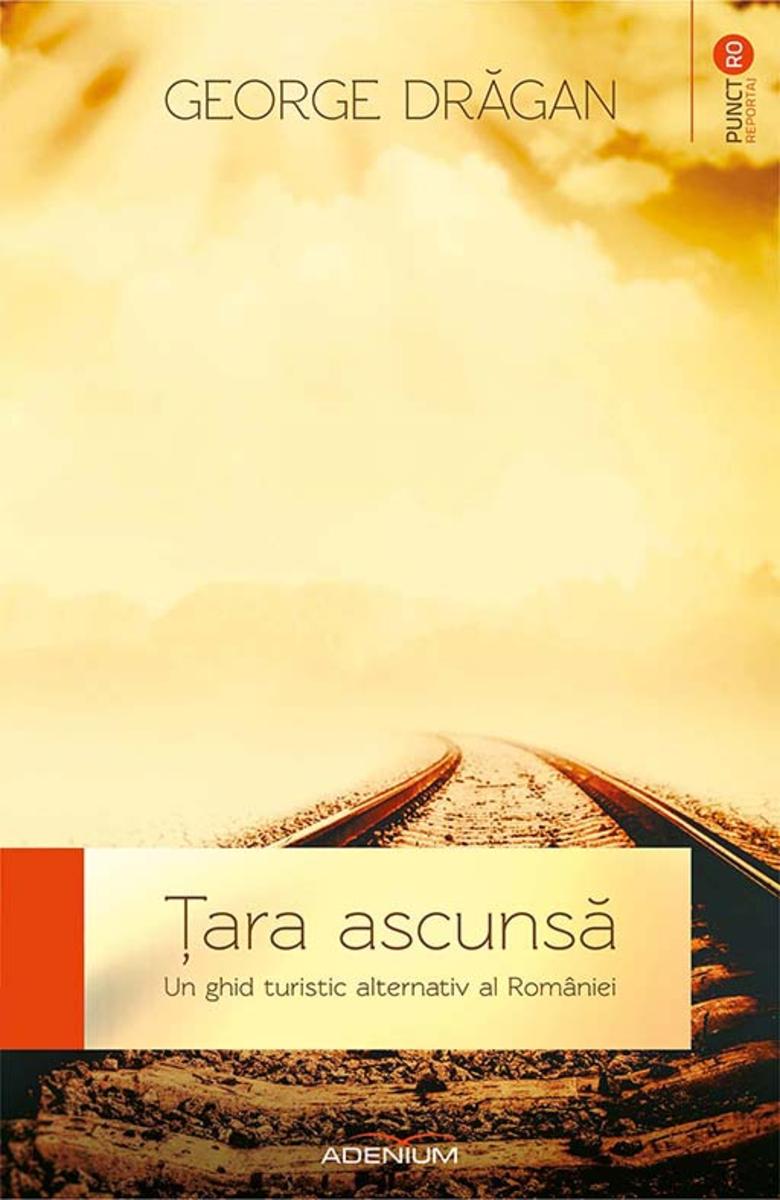
?ara ascuns?. Un ghid turistic alternativ al Rom?niei
¥32.62
ntre crile de poezie ale autoarei, Inima ca un pumn de boxeur este una dintre cele mai interesante deveniri“, una dintre multiplele sale viei“ artistice. Prima via a acestei cri a nceput n 1982 prin publicarea volumului la Editura Cartea Romneasc, constituind mpreun cu Scrisori neexpediate i Opinii despre durere revenirea n literatur a Norei Iuga dup aproape un deceniu n care poeta a avut interdicie de publicare. (Cezar Gheorghe)

Strigoi f?r? ?ar?
¥57.14
Nu ?tiu c?nd au trecut 15 ani. ?n mai 2000 nu m-am g?ndit o clip? unde voi fi peste 15 ani, ?tiam c? voi face acest ziar, dac? m? va ?ine Dumnezeu ?n via??, ?nc? un an, doi, zece, dar nu m-am v?zut o clip? m?car peste un num?r at?t de mare de ani. Pentru o publica?ie, de orice fel, 15 ani ?nseamn? enorm, aproape istorie, mai ales c?nd traverseaz? vremuri de criz?, cu fluctua?ii economice uria?e, cu schimb?ri politice care pot pune cap?t ?i celui mai minunat proiect.

Szuper Hugi
¥40.38
Verne egyik legsikerültebb és legnépszer?bb regénye, melyet mindenféle m?fajban újra és újra feldolgoznak. A lebilincsel? t?rténet mindenki fantáziáját megmozgatja, a siker garantált. Pedig már szinte a legapróbb gyerekekt?l a feln?ttekig mindenki tudja, mi t?rténik: Phileas Fogg úr – az el?kel? londoni Reform Club tagja – vállalkozik arra, hogy fogadásból 80 nap alatt k?rül utazza a F?ldet. A regény mégis olyan fordulatos, annyi mulatságos meglepetést tartogat, Verne olyan találóan jellemzi szerepl?it, hogy az olvasók újra és újra megjutalmazzák magukat a k?tet élményével. Nem csoda, hisz Phileas Fogg és Passepartout fantasztikus kalandokkal teli világ k?rüli útja sohasem pontosan ugyanúgy zajlik.
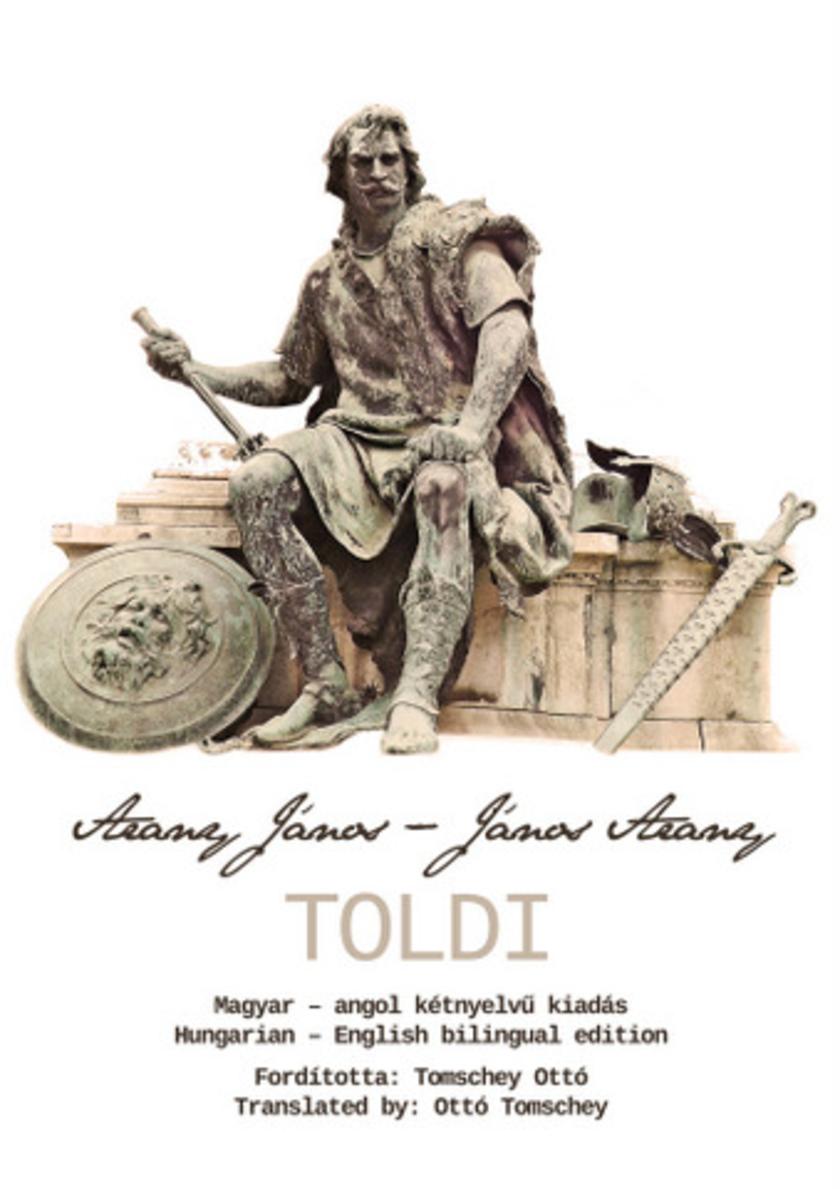
Arany János – TOLDI
¥90.42
"Reportajele din aceast? carte vorbesc despre aspecte din istoria recent?, cum ar fi migra?ia, corup?ia, via?a ?n penitenciare sau problemele minorit??ilor, ?nchiderea spitalelor sau stresul care schimb? vie?i, crizele din s?n?tate, pove?ti ale unor oameni obi?nui?i, care fac lucruri speciale. Reg?sim, ?ns?, ?i pove?ti de demult, cum e cazul reportajelor despre lupt?torii anticomuni?ti din mun?i, despre tezaurul de la Pietroasele sau istoriile din satele s?se?ti. Reportajele surprind realit??i dintr-o Rom?nie aflat? ?n continu? schimbare, cu enorme discrepan?e. Sunt ca o fotografie a realit??ii. Cine le cite?te afl? cum se tr?ia sau cum se tr?ie?te ?n anumite locuri. Cum se schimb? sau de ce nu se schimb? lucrurile ?i mentalit??ile. Cartea cuprinde 30 de reportaje publicate ?n revista Dilema veche, dar ?i adapt?ri dup? reportaje sau documentare radio difuzate la Europa FM ?i Radio Rom?nia Actualit??i. Reportajul e un gen mai rar ?nt?lnit ast?zi ?n presa din Rom?nia. Dar asta nu se ?nt?mpl? din cauza lipsei de interes a publicului, ci din pricina lipsei de bani ?i de investi?ii ?ntr-o pres? de calitate. De fiecare dat? c?nd totu?i apar reportaje bine f?cute, se constat? c? publicul le urm?re?te cu interes, tot a?a cum urm?re?te reportajele ?i documentarele oferite de televiziunile str?ine. Asta fiindc? oamenii au nevoie de pove?ti. Un reportaj bine f?cut este de fapt o poveste adev?rat?. P?n? la urm?, ?i aceast? carte este o carte cu pove?ti adev?rate." (Liliana Nicolae)

Divergent - Vol. III - Experiment
¥81.75
E textul pe baza cruia am fcut spectacolul Habemus bebe, n primvara lui 2014, mpreun cu soul meu, regizorul Robert Blan. Iniial nu-l voiam publicat, apoi m-am rzgndit, publicarea i d o via textului pe care scena nu i-o poate da (i invers cred c e la fel de valabil). Non Stress Test va fi un poem mai lung, pe o tem care nu a fost i nici nu este la mod: maternitatea. E nsoit i de un set de fotografii, sper s fie o carte mito. i de data asta m-am jucat cu limitele genului: o variant a textului a aprut deja n traducere (n bulgar i n maghiar) ca text de teatru”. (Elena Vldreanu)

D?rm?g? D?m?t?r szerencséje
¥8.83
The Jungle Book (1894) is a collection of stories written by Rudyard Kipling.The tales in the book (and also those in The Second Jungle Book which followed in 1895, and which includes five further stories about Mowgli) are fables, using animals in an anthropomorphic manner to give moral lessons. The verses of The Law of the Jungle, for example, lay down rules for the safety of individuals, families and communities. Kipling put in them nearly everything he knew or "heard or dreamed about the Indian jungle."

A láthatatlan légió
¥14.39
Peter Pan, or The Boy Who Wouldn't Grow Up and Peter and Wendy are the stage play and novel (respectively) which tell the story of Peter Pan, a mischievous little boy who can fly, and his adventures on the island of Neverland with Wendy Darling and her brothers, the fairy Tinker Bell, the Lost Boys, the Indian princess Tiger Lily, and the pirate Captain Hook. The story was written by Scottish playwright and novelist J. M. Barrie, inspired by his friendship with the Llewelyn-Davies family.
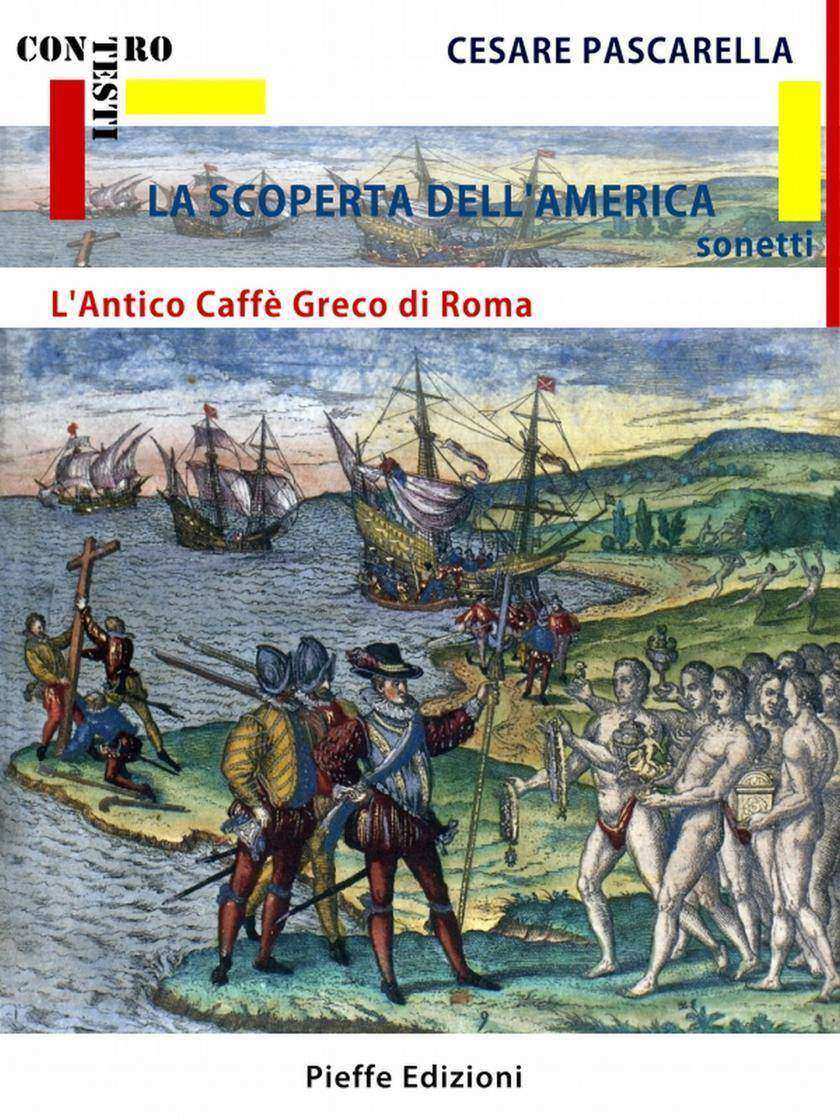
La Scoperta de l'America - L'Antico Caffè Greco di Roma
¥55.75
Ap?rut ?n 1897 ?i tradus pentru prima dat? ?n limba rom?n?, romanul Zile ?i nop?i ??i are r?d?cinile ?n experien?a de soldat a lui Jarry ?nsu?i. Conflictul dintre o inteligen?? aleas? ?i abrutizanta disciplin? militar?, absurdul ?i grotescul caz?rmilor ?i al spitalelor militare se ?mbin? aici cu evocarea fratelui absent – un adev?rat dublu al eroului -, pasiunea pentru heraldic? sau deliciile unui dezm?? ha?i?in. Satira, de care nu scap? nici lumea militar?, nici cea intelectual-artistic?, se las? atenuat? de lirism ?i jocuri de limbaj. Iar ?ntr-unul dintre capitole ??i face apari?ia chiar ?i conceptul de patafizic?.

A serf?z?
¥8.83
Ki ne vágyna rá, hogy szeressék, elfogadják és megbecsüljék? Ki ne tenne meg bármit ezekért az értékekért? Bels? Nóra új k?nyve Utak egymáshoz cím? el?z? munkájának folytatása egy teljesen új néz?pontból: a k?nyv a ?szeret?” fogalmáról, lelki és párkapcsolati jelent?ségér?l szól. A k?nyv egyik állítása, hogy ha megismerjük és elfogadjuk a szeret?i viszonyrendszer m?k?dését, talán még élni is tudunk benne. Hiszen van úgy, hogy már nincsen út egymáshoz, hogy eltévedtünk, vagy már nem is keressük azt az utat, csak egy másikat, hogy ?sszet?rt életünk, lelkivilágunk mozaikjait újból egybeillesszük… Intimitás, érzelmek, lelki k?zelség: a hosszú távú kapcsolatokban gyakran nem éppen ezek halnak el? Pedig nélkülük szinte biztos az unalom, a megszokottság monotóniája és a boldogtalan hétk?znapok. Ilyenkor léphet be ?az a bizonyos harmadik”. A szerz? anélkül beszél a szeret?r?l, hogy pálcát t?rne f?l?tte, és inkább azt igyekszik feltárni, párkapcsolataink mely szakaszában bukkanhat fel, és milyen típusú hiányokra lehet gyógyír. Azt sem mellékes tudni, mikor szinte szükségszer?ség a megjelenése, milyen jelekb?l k?vetkeztethetünk egy ?harmadik” jelenlétére, mikor rombol, és mely esetekben lehet akár épít? a szeret?sdi.

Vreau sa c?nt ?i chiar c?nt. 13 interviuri cu Mihail Vakulovski
¥48.97
n Morile lui Quincas Berro Dágua i Btrnii marinari sau Cpitanul de curs lung, Jorge Amado ofer o adevrat mostr de magie literar, rescriind, dea lungul unor pagini memorabile prin dureroasele adevruri umane coninute, destine sau, alteori, pur i simplu frnturi de existen ntrun fel carel apropie de maetrii prozei latinoamericane de secol XX, dar i i fixeaz identitatea inconfundabil.

Save Point
¥8.09
n secolul XXI, omenirea, devastat de cium, se afl n pragul extinciei. i, pentru c nu exist leac, evenimentele se precipit, iar protagonitii, n ncercarea de ai salva vieile, pleac n cutarea unui trm iluzoriu, a unui nou eden care s prezerve umanitatea. n final, rmas singur, naratorul triete cu sperana c undeva, ntrun col al planetei, exist mcar un supravieuitor i pornete n cutarea lui.


