


 购物车
购物车 个人中心
个人中心
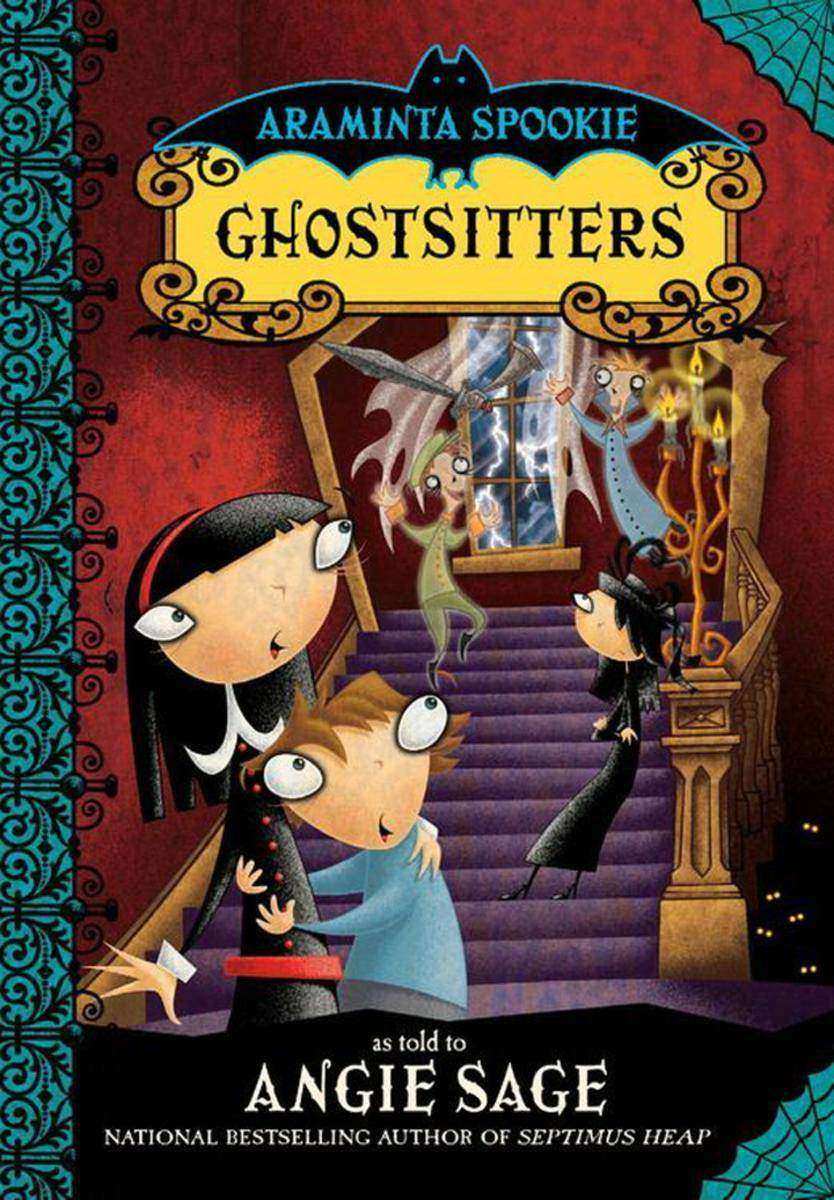
Araminta Spookie 5: Ghostsitters
¥39.13
When Aunt Tabby and Uncle Drac head off to Transylvania, Araminta is upset—they're going to be away on her birthday. However, when it turns out that her almost-grown-up cousin, Mathilda, will be babysitting, it seems things couldn't get any better. But Mathilda's brought along trouble: two rowdy teenage ghosts, Ned and Jed, who listen to no one. It's a disaster! Can the girls figure out a way to get Ned and Jed out of the house for good?
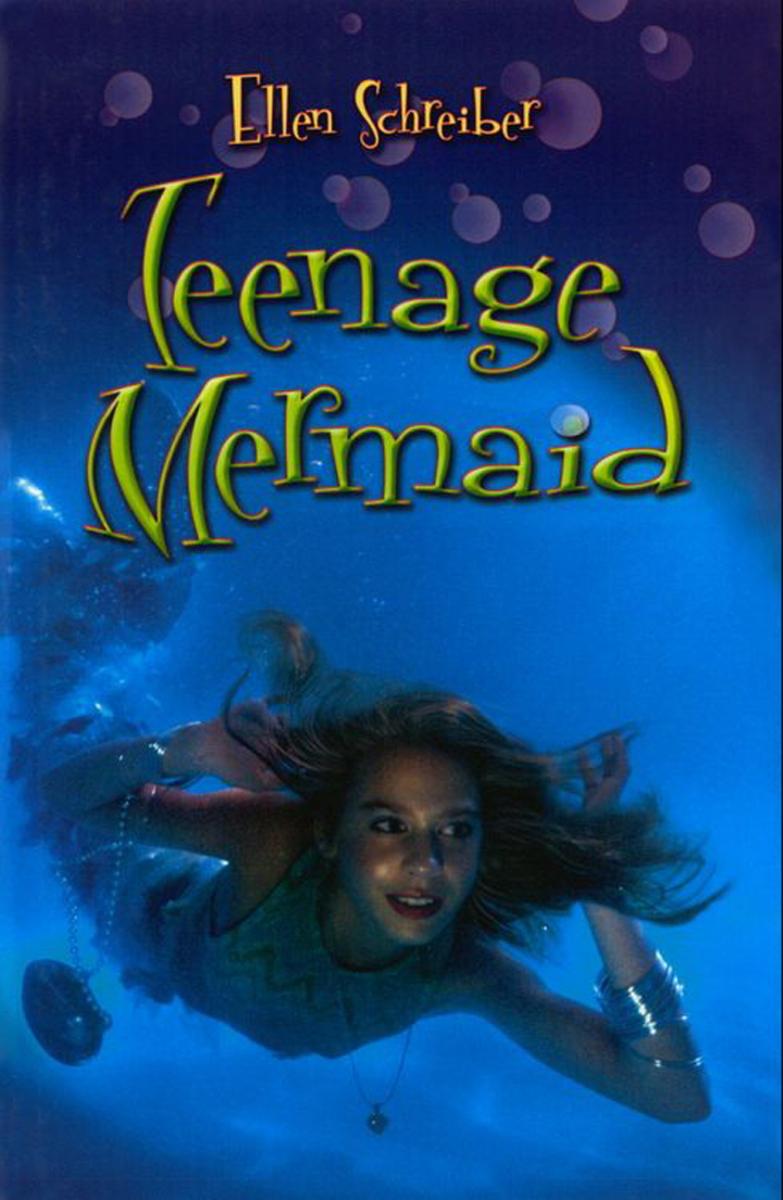
Teenage Mermaid
¥90.77
Spencer almost drowns in a surfing accident when a sparkling, golden girl saves him with a kiss of life before she suddenly disappears. Where did this dream girl come from, and will she return?Lilly rescues a boy from nearly drowning and dangerously steps out of her own watery world. Curious to explore this forbidden land, she's gotta find her handsome Earthdude.A silver heart locket is their only clue.Ellen Schreiber revamps a classic favorite with a funky magical romance that shows what transpires when boy meets girl, but discovers girl is really a . . .
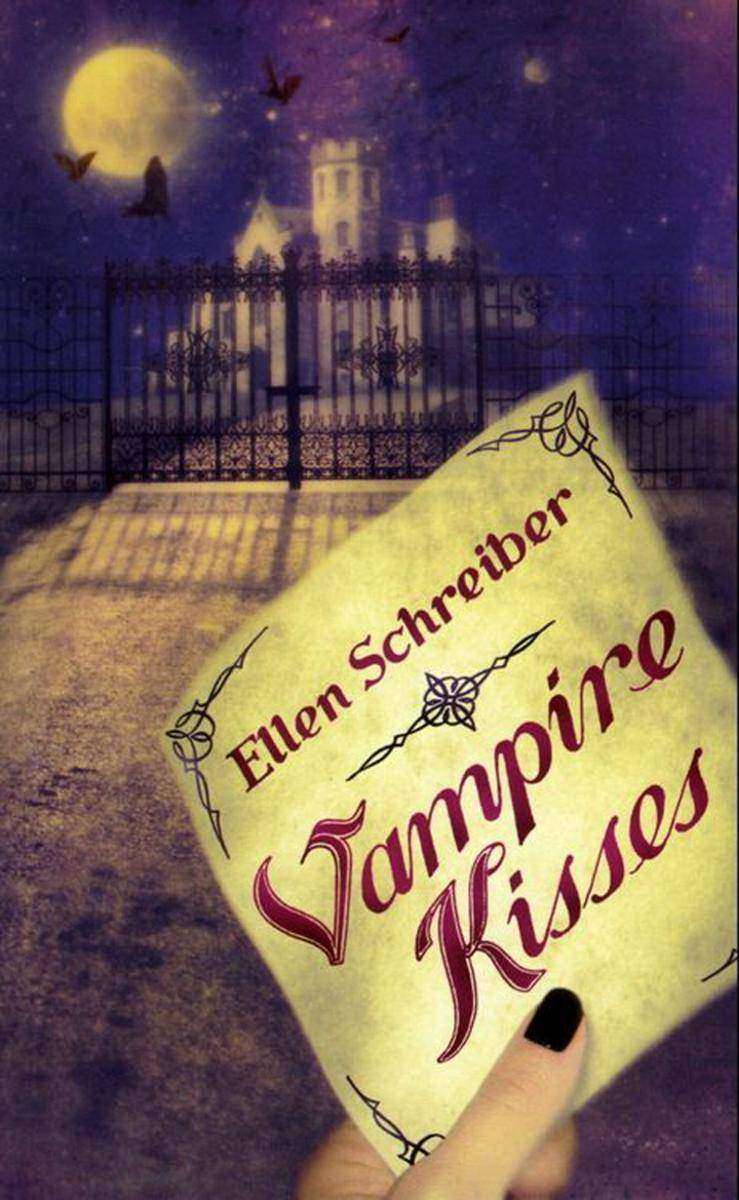
Vampire Kisses
¥100.71
In her small town, dubbed "Dullsville," sixteen-year-old Raven -- a vampire-crazed goth-girl -- is an outcast. But not for long...The intriguing and rumored-to-be haunted mansion on top of Benson Hill has stood vacant and boarded-up for years. That is, until its mysteriously strange new occupants move in. Who are these creepy people -- especially the handsome, dark, and elusive Alexander SterlingOr rather, what are theyCould the town prattle actually ring trueAre they vampiresRaven, who secretly covets a vampire kiss, both at the risk of her own mortality and Alexander's loving trust, is dying to uncover the truth.Ellen Schreiber's spooky and stirring romance tells the story of two outsiders who fall in love in a town where conformity reigns, and ends with a shocking surprise.

Frenemies
¥65.37
What happens when two besties become full-blown worsties?Avalon Greene rules the fashion scene at her sunny SoCal middle school with a diamond-clad fist, calling out classmates for their fashion-do's and most unfortunate clothes-pas. She's determined to host the social event of the season—a soiree in honor of her forever-friendship with Halley! Unfortunately, Halley's new look is one thing Avalon just can't celebrate. . . .Halley Brandon is just back from art camp and can't wait to share her funky new style with her best friend, Avalon. But when Avalon cries fashion foul, Halley realizes her best friend's true colors may clash with her own. Has their ultra-fabulous friendship finally gone out of style?From sharing custody of their puppy, Pucci, to drawing up a list of who gets which friends, Avalon and Halley discover what happens when you battle the person who knows everything about you—and isn't afraid to use your secrets to get what she wants.Best friends. Worst enemies. Frenemies.

Faketastic
¥107.82
From besties to worsties and back again . . .Team Avalon:For Avalon, staying on top of trends has never been a problem—until her fellow cheerleaders decide that her BFF Halley is definitely out this season. Now Avalon must choose between the frenemy who embarrassed her in front of everyone or the new friends who stood by her. vs.Team Halley:Halley thinks she's got it all: her forever-friend Avalon, her new bestie Sofee, and the hottest fall wardrobe at Seaview Middle School. Her life is a total YES. But when Sofee spies Avalon flirting with Halley's crush, will it be World War Halvalon all over again?

The Indian School
¥27.94
When shy, ten-year-old Lucy comes to live with her aunt and uncle at their mission school, she's surprised at the number of harsh rules and restrictions imposed on the children. Why, she wonders, should the Indians have to do all the changingAnd why is her aunt so strict with themThen a girl called Raven runs away in protest, and Lucy knows she must overcome her timidity and stand up to her aunt—no matter what the consequences. Once again Gloria Whelan has taken a chapter from our past and transformed it into gripping, accessible, historically accurate fiction.
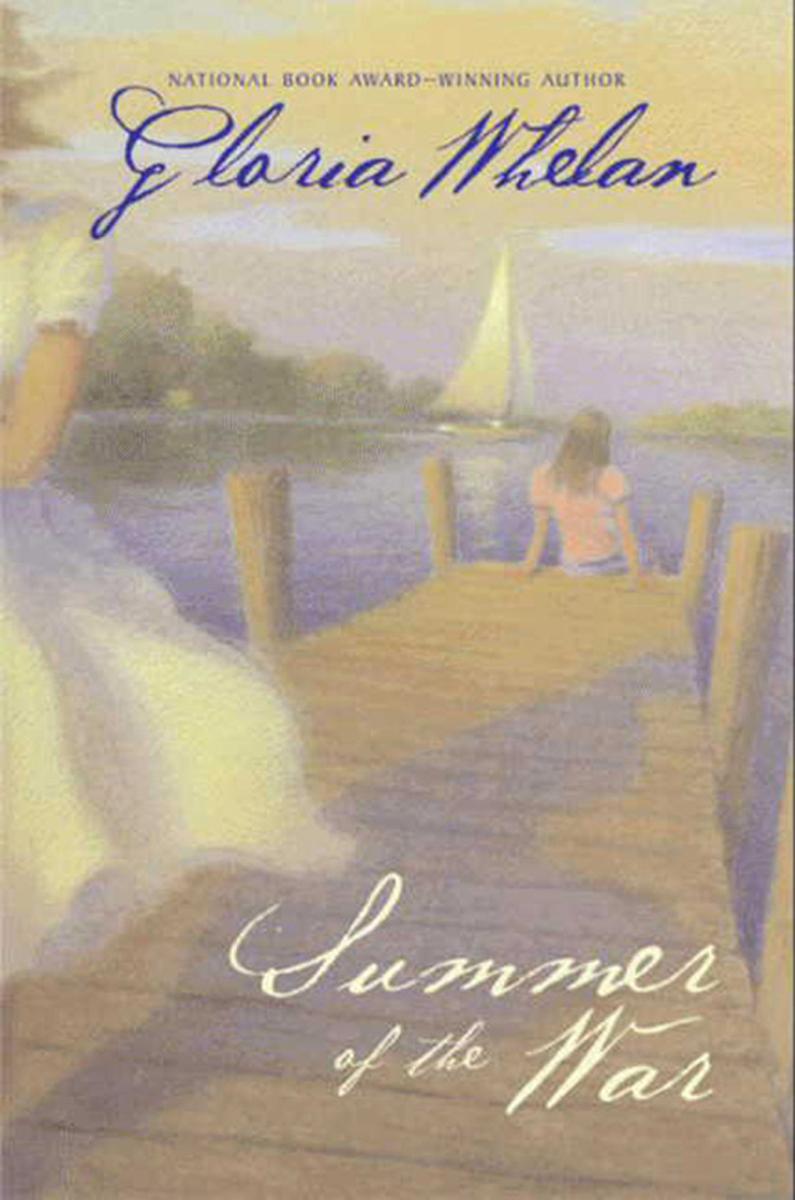
Summer of the War
¥98.08
It's the summer of 1942. At her grandparents' island cottage in Michigan, 14–year–old Belle excitedly awaits the arrival of her exotic older cousin, Carolyn. Belle's expecting worldly sophistication and French style. But Carolyn brings much more than that: she carries the troubling reality of the World War that is ravaging her home. Turtle Island will never be the same again. Set against the backdrop of breezy island cottages, this heartrending tale from National Book Award medalist Gloria Whelan is the story of a beautiful place and a special friendship–and how events thousands of miles away shaped them both.
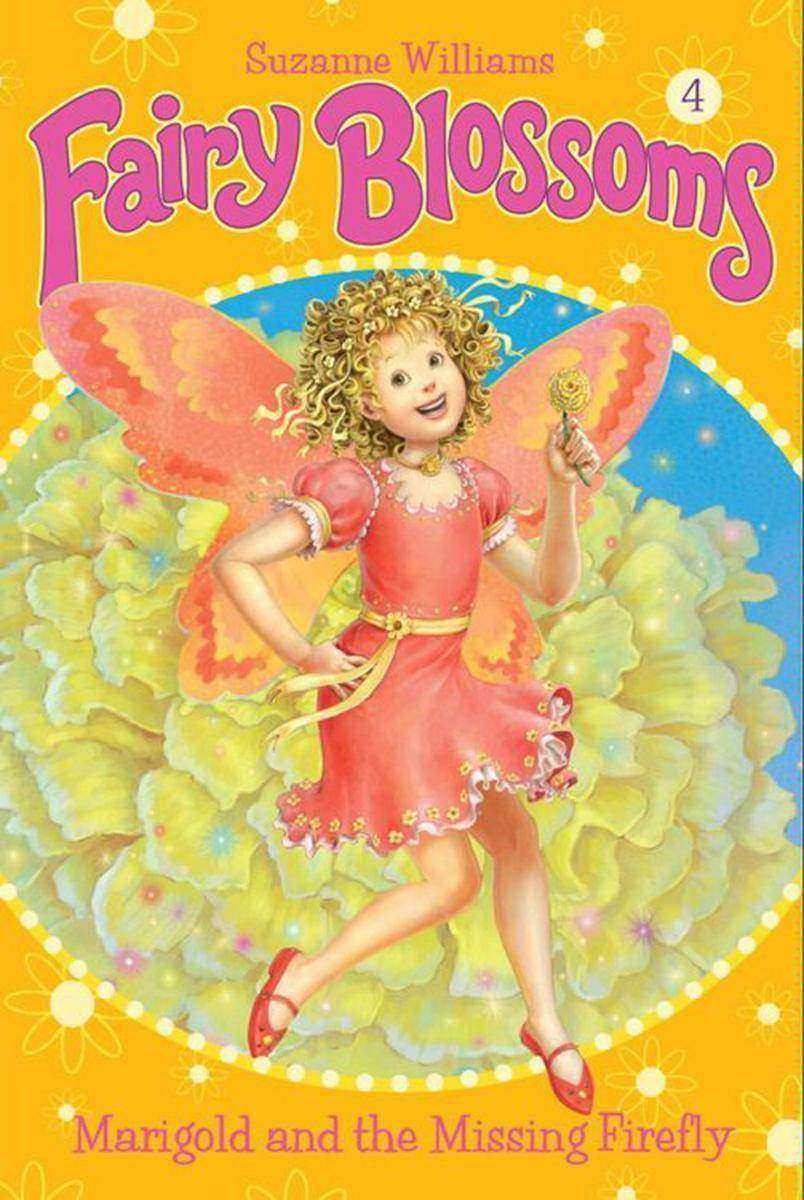
Fairy Blossoms #4: Marigold and the Missing Firefly
¥65.37
Marigold's new pet firefly, Flash, is the perfect companion. He's sweet and affectionate and just the right size to cuddle with. All the students at Mistress Lily's Fairy School soon grow to love him. But when Flash goes missing, Marigold is heartbroken! Will she ever find him?
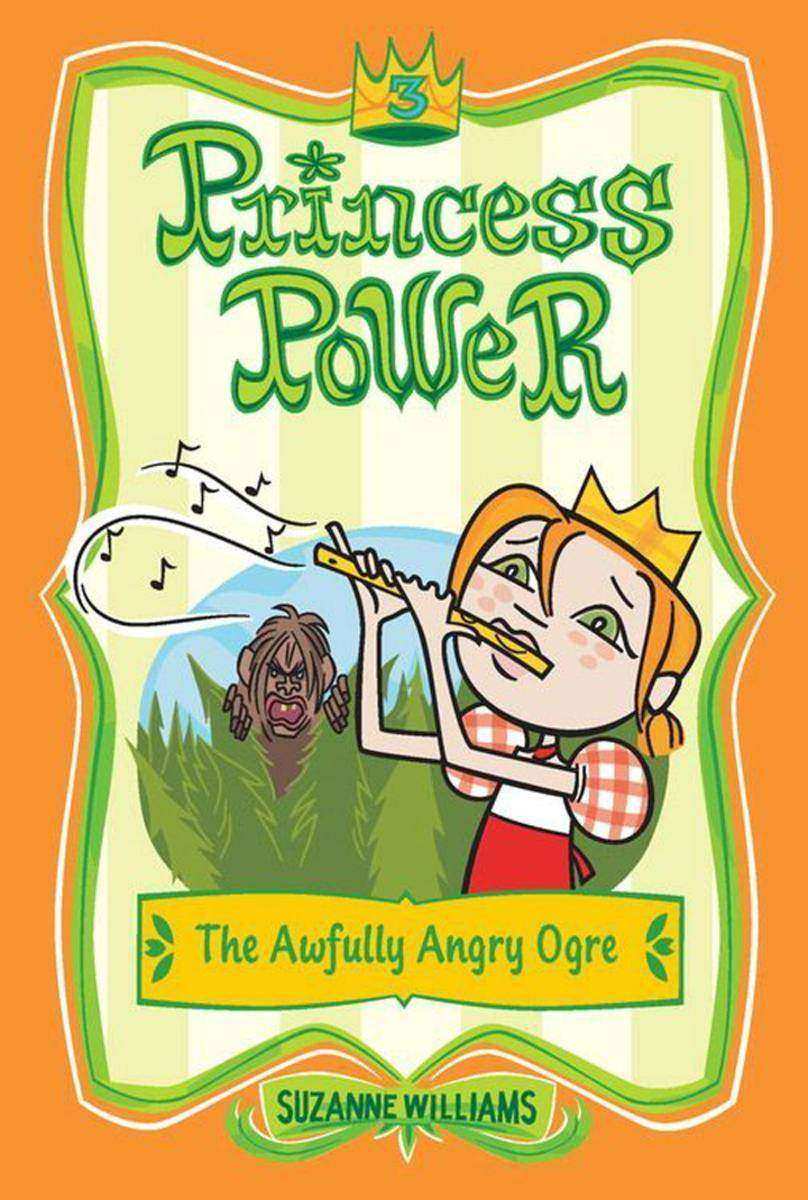
Princess Power #3: The Awfully Angry Ogre
¥65.37
Princess Tansy knows that whenever something terrible occurs in her kingdom, the ogre gets the blame. Yet anyone who challenges him is turned to stone! Tansy's two oldest brothers have been forbidden to fight the ogre, but they're determined to try. Can Tansy and her friends save the boys from a horrible fate?

The Family Tree
¥52.48
THE ONCE FERTILE EARTH OF DORA HENRY'S CHILDHOOD HAS BEEN UNDERVALUED AND OVERDEVELOPED. NOW NATURE, APPARENTLY, HAS DECIDED TO FIGHT BACK. Police officer Dora Henry is investigating the bizarre murders of three geneticists. Meanwhile, strange things are happening everywhere she turns. Weeds are becoming trees; trees are becoming forests. Overnight, a city is being transformed into a wild and verdant place. And, strangest of all, Dora can somehow communicate with the rampaging flora. A potential civilization-ending catastrophe is in the making. The bearer Dora gets to a murderer--and to the truth--the more seemingly disparate events begin to entwine. And the answers she seeks today to the salvation of humankind may lie in afar distant future. . .one which is suddenly much closer than anyone imagines. An exhilarating and enchanting novel that deftly combines fantastic invention with insight and a social conscience, from one of the most lyrical and important voices in contemporary speculative fiction.THE ONCE FERTILE EARTH OF DORA HENRYS CHILDHOOD HAS BEEN UNDERVALUED AND OVERDEVELOPED. NOW NATURE, APPARENTLY, HAS DECIDED TO FIGHT BACK.Police officer Dora Henry is investigating the bizarre murders of three geneticists. Meanwhile, strange things are happening everywhere she turns. Weeds are becoming trees; trees are becoming forests. Overnight, a city is being transformed into a wild and verdant place.And, strangest of all, Dora can somehow communicate with the rampaging flora.A potential civilization-ending catastrophe is in the making. The bearer Dora gets to a murderer--and to the truth--the more seemingly disparate events begin to entwine. And the answers she seeks today to the salvation of humankind may lie in afar distant future. . .one which is suddenly much closer than anyone imagines.An exhilarating and enchanting novel that deftly combines fantastic invention with insight and a social conscience, from one of the most lyrical and important voices in contemporary speculative fiction.

Black Magic Sanction
¥55.91
In New York Times bestselling author Kim Harrison's most complex and nuanced adventure yet, bounty hunter and witch Rachel Morgan fights a deadly battle—mind, body, and soul Black Magic SanctionRachel Morgan has fought and hunted vampires, werewolves, banshees, demons, and other supernatural dangers as both witch and bounty hunter—and lived to tell the tale. But she's never faced off against her own kind . . . until now. Denounced and shunned for dealing with demons and black magic, her best hope is life imprisonment—at worst, a forced lobotomy and genetic slavery. Only her enemies are strong enough to help her win her freedom, but trust comes hard when it hinges on the unscrupulous tycoon Trent Kalamack, the demon Algaliarept, and an ex-boyfriend turned thief. It takes a witch to catch a witch, but survival bears a heavy price.

Earth Strike
¥55.91
The first book in the epic saga of humankind's war of transcendenceThere is a milestone in the evolution of every sentient race, a Tech Singularity Event, when the species achieves transcendence through its technological advances. Now the creatures known as humans are near this momentous turning point.But an armed threat is approaching from deepest space, determined to prevent humankind from crossing over that boundary—by total annihilation if necessary.To the Sh'daar, the driving technologies of transcendent change are anathema and must be obliterated from the universe—along with those who would employ them. As their great warships destroy everything in their path en route to the Sol system, the human Confederation government falls into dangerous disarray. There is but one hope, and it rests with a rogue Navy Admiral, commander of the kilometer-long star carrier America, as he leads his courageous fighters deep into enemy space towards humankind's greatest conflict—and quite possibly its last.

The Blind Side of the Heart
¥85.05
From the author of the critically acclaimed novel A Brother's Blood, comes a haunting story about an Irish housekeeper who must discover the truth when her friend, the parish priest, is accused of horrible crimes.Maggie Quinn has had her share of misfortune: Having grown up poor and fatherless in Galway, she was forced to quit school early and find work to support her ailing mother and her own child. But when a tragedy of her own making strikes, it is too much for her to bear. Plagued by feelings of guilt and sorrow and by losing her faith in God, she runs from her past; first by fleeing Ireland for America and later by drowning her sorrows with the bottle. Maggie hits rock bottom when she makes an unsuccessful suicide attempt.While recuperating in a hospital bed, she meets the remarkable Father Jack Devlin. With his compassion and love, Maggie once more finds her faith and a reason to live.For the past eighteen years, Maggie has devoted herself to the man who saved her life. But now Father Jack, the beloved if controversial priest in the small town of Hebron Falls, Massachusetts, is accused of having done terrible things to altar boys many years before. At first Maggie is convinced that the accusations are only lies brought out by Father Jack's enemies. Yet as she sifts through the memories of her life with Father Jack, doubts begin to emerge: Could she have been blind to a darker side of her friend all these yearsAnd when new information surfaces regarding the unsolved murder of a young altar boy with possible links to Father Jack, her faith is once again put to the test. Maggie must search her memory and her heart to help her decide what to believe. The Blind Side of the Heart poignantly captures one woman's struggle to remain loyal to a friend while at the same time she is forced to examine her conscience to arrive at the truth.
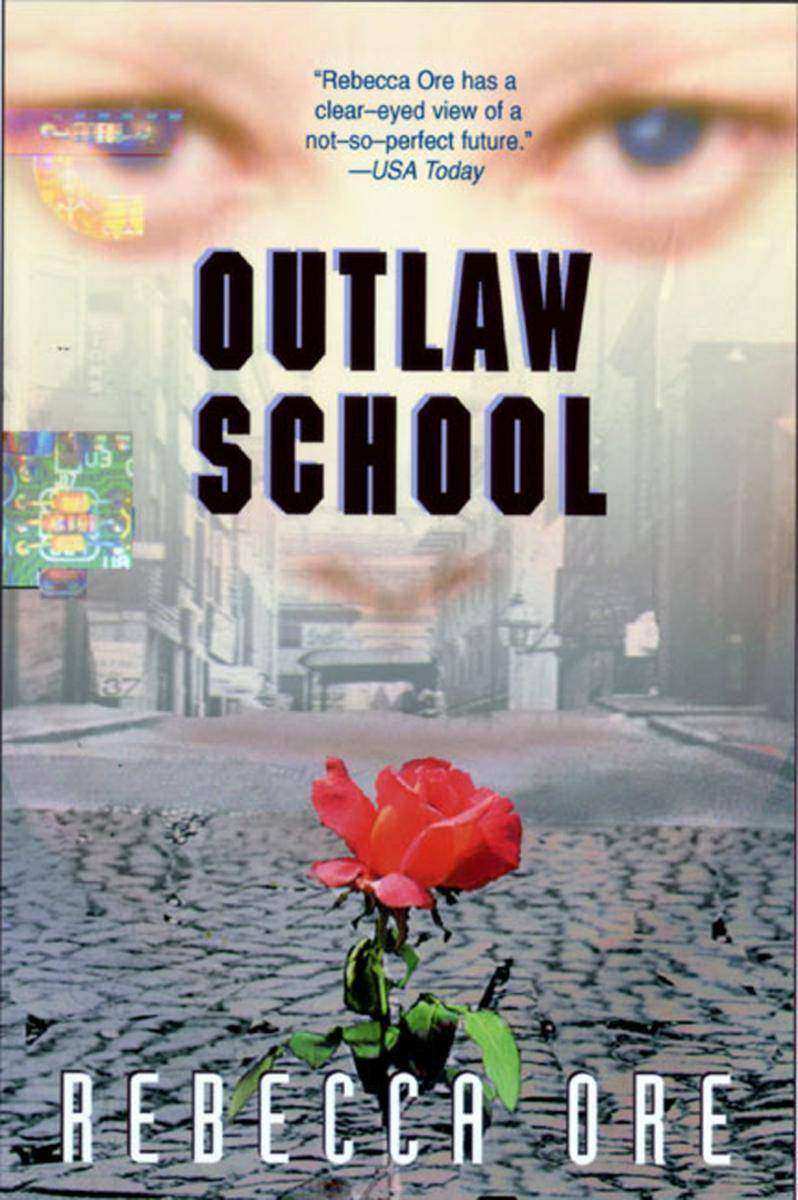
Outlaw School
¥75.57
Nominated for the 2000 James Tiptree Jr. Memorial AwardIn as gray, industro-technical future of protective shackles and slowed ideas, Jayne wants to be respectable and conform.But conformity means accepting a limited destiny and the hollow entertainments that are brutally enforced as "news".And to be respectable, she must gain back her virginity and give up an eye.Jayne's life is out of control-her reality has teeth and educational drugs and binding tools- and the only cures for her growing dissatisfactionwith a bleak, repressive status quo seem to be madness or legal suicide. Or rebellion.Jayne cannot, will not, be rehabilitated. So instead, she will live her life between lines, illegally encouraging the otherness of the lowly, the renegades, the crazies, the virtual whores, as she dedicates herself to the dangerous cause of outlaw education. There are many pitfalls built into the road Jayne has chosen to walk: failure, betrayal, terror, arrest, cyberia. But her courage and determination could be the catalyst for a new future.

A Disturbance in One Place
¥88.56
Brazen and given to transgressions, the narrator of this mordantly witty novel is an aloof, tough talking, married Manhattan woman who carries on three affairs simultaneously, blithely breaking seven of the Ten Commandments in her search for a safe place to land. Rootless, bouncing from bed to bed, she knows she is pure of heart. If only she could find where her heart got lost. Irreverent and achingly honest, she points to the small but infinitely deep cracks in our masks, drawing the reader into her world of misadventure -- erotic, comic, and deeply unsettling. Juggling four men -- her husband, "the hit man," "the multimedia artist," and "the love of her life" -- she can't decide whether she is out to prove or disprove the Talmudic wisdom: If you don't know where you're going, any road will take you there.

The Portrait of Mrs. Charbuque
¥72.71
A mysterious and richly evocative novel, The Portrait of Mrs. Charbuque tells the story of portraitist Piero Piambo, who is offered a commission unlike any other. The client is Mrs. Charbuque, a wealthy and elusive woman who asks Piambo to paint her portrait, though with one bizarre twist: he may question her at length on any topic, but he may not, under any circumstances, see her. So begins an astonishing journey into Mrs. Charbuque's world and the world of 1893 New York society in this hypnotically compelling literary thriller.
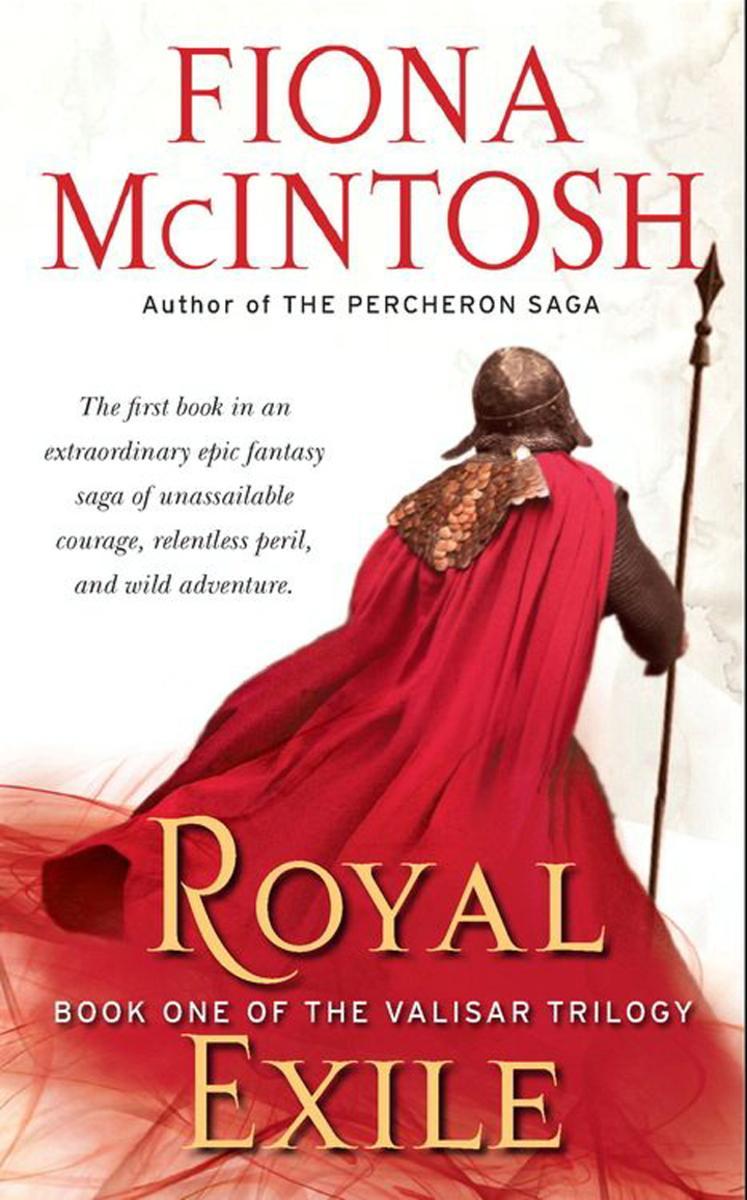
Royal Exile
¥55.31
From out of the East they came riding like a merciless plague—destroying kingdom after kingdom and the sovereigns who had previously mocked the warlord Loethar and his barbarian horde. Now only one land remains unconquered—the largest, richest, and most powerful realm of the Denova Set . . .Penraven.The Valisar royals of Penraven face certain death, for the savage tyrant Loethar covets what they alone possess: the fabled Valisar Enchantment, an irresistible power to coerce, which will belong to Loethar once every Valisar has been slain. But the last hope of the besieged kingdom is being sent in secret from his doomed home, in the company of a single warrior. The future of Penraven now rests on the shoulders of the young Crown Prince Leonel who, though untried and untested in the ways of war, must survive brutality and treachery in order to claim the Valisar throne.

Some Days You Get the Bear
¥56.07
The bear is on the prowl in many different guises.He may be the master thief stealing into Graceland, an intense young passenger experimenting in terror, or a psychiatrist haunted by his patient's nightmare.Or maybe he's beautiful, lethal woman in a blood-red scarf.So beware of the this huge, dangerous beast.Because first he will enthrall you.. and then he will strike.

Back to Wando Passo
¥90.73
Hailed as "the most gifted American novelist of his generation" (Boston Globe), David Payne introduces us to Ransom Hill, a big-hearted, wild-man lead singer of a legendary indie rock group, who has come to South Carolina determined to save his marriage, his family, and himself. But back at Wando Passo, his wife's inherited family estate, things don't proceed according to plan. There's another man in the picture, and Ran's discovery of a mysterious relic from slave times transports him—and the reader—back into the story of another romantic triangle at Wando Passo that erupted violently at the height of the Civil War. Will the present repeat the past?Filled with fast-paced adventure, lyrical writing, wicked humor, and unforgettable characters, David Payne's Back to Wando Passo propels the two love stories, linked by place through time, to a simultaneous crescendo of betrayal, revenge, and redemption.

Kill Your Friends
¥83.03
AS the twentieth century breathes its very last, with Britpop at its zenith, twenty-seven-year-old A&R man Steven Stelfox is slashing and burning his way through London’s music industry. Blithely crisscrossing the globe in search of the next megahit—fueled by greed and inhuman quantities of cocaine—Stelfox freely indulges in an unending orgy of self-gratification. But the industry is changing fast and the hits are drying up, and the only way he’s going to salvage his sagging career is by taking the idea of “cutthroat” to murderous new levels.
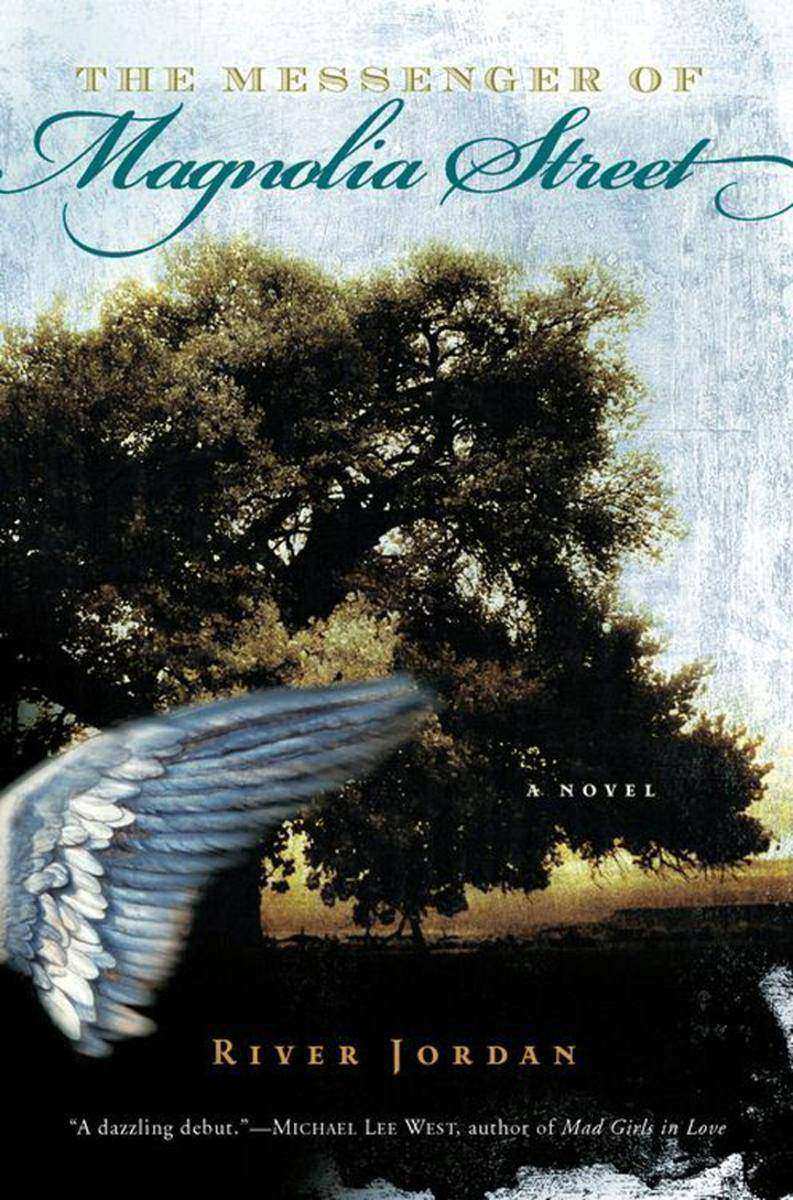
The Messenger of Magnolia Street
¥79.16
Twelve years have passed since Nehemiah Trust left his hometown of Shibboleth, Alabama. Now a successful aide in Washington DC, Nehemiah is shocked when his brother Billy and high-school girlfriend Trice show up on his doorstep warning that something is stealing the life of what should be their idyllic hometown. Billy and Trice are convinced that only Nehemiah can help. As the three friends join together to save the place they call home, they learn the solution may require a willingness to sacrifice everything.


