


 购物车
购物车 个人中心
个人中心

Beauty and the Best Man (Mills & Boon Short Stories) (Dynasties: The Lassiters,
¥11.77
May the Best Man Win…the Maid of Honor? Lassiter Media millionaire Matt Hollis never let a woman stand between him and his career. But now Matt's best friend is marrying the Lassiter heiress–and her insufferable maid of honor has stolen Matt's heart. Kayla Prince is way more than this skilled negotiator bargained for. But Kayla's conflicted. The man left her in the lurch for his L.A. gig; now he wants her back? Fool her once, shame on Matt, fool her twice…well, actually, this second chance feels like the real thing. But a fateful night is about to put that feeling to the ultimate test…. Beauty and the Best Man is a DYNASTIES: THE LASSITERS prequel novella. The story continues in The Black Sheep's Inheritance by USA TODAY bestselling author Maureen Child, only from Harlequin Desire!

Claiming the Doctor's Heart (Mills & Boon Love Inspired) (Village Green, Book 1)
¥31.10
Unexpected Love After losing her high-powered job, Olivia Scott finds herself back home in Colorado. She never imagined she'd be taking care of kids, let alone being the nanny to longtime crush Dr. Connor Mitchell's adorable twin girls. But what began as a favor to the handsome widower is growing into something more. Connor's confused by his growing feelings for his best friend's little sister. She's become a beautiful woman with a caring soul, but he can't risk his–or his girls'–heart. Olivia's planning to head back to her city life. Unless this small-town doctor can convince her to stay…forever. Village Green: Offering love, faith and a place to call home in Colorado

Foretold
¥12.75
It is written that three Sisters of Fate have the power to change the world’s destiny. But only if they survive…. The Lockwood triplets have had the prophecy drummed into their heads since birth. Still, Raven, the eldest of the sisters, can’t believe it’s really happening. She’s the reincarnation of a Norse goddess? One of the sisters is destined to die? When it starts snowing in summer in Florida, the sisters fear the worst has come to pass. Ragnarok, the Norse end of the world, has begun. Raven finds herself the secret protector of Vanir, a boy with two wolves, a knowledge of Norse magic, and a sense of destiny he can’t quite explain. He’s intense, sexy, and equally determined to save her when it becomes clear someone is endangering them. Raven doesn’t know if getting closer to him will make a difference in the coming battle, but her heart isn't giving her a choice. Ahead of the sisters is the possibility of death at the hand of a warrior, death by snow, death by water, or death by fire… Or even from something else… Sisters of Fate: The prophecy doesn't lie: One is doomed to die.

Josh (Mills & Boon Intrigue) (The Lawmen of Silver Creek Ranch, Book 7)
¥31.10
Return to Silver Creek with the scorching story of a Texas lawman who'll risk everything to save his ex-love–and his unborn child… FBI agent turned Texas deputy Josh Ryland is stunned to find pregnant hostages on a routine check for suspicious activity at a remote ranch. Even more shocking is the identity of one of the captives. Five months ago, Josh and FBI special agent Jaycee Finney shared a weekend of passion that ended badly. Now she's in danger–and claims he's her baby's father. Jaycee owes Josh the truth. After her unwitting reckless behavior almost got him killed, the cowboy cop has good reason not to trust her. But with the ruthless mastermind of a black market baby ring gunning for her, it's Jaycee who has to trust Josh with her life…and the life of their child.

Patriot Strike
¥25.60
TEXAS BLAST 'EM After the murder of a Texas Ranger, Mack Bolan is called in to investigate. Working under the radar with the dead Ranger's sister, he quickly learns rumors of missing fissile material falling into the wrong hands are true–and the terrorists plotting to use the dirty bomb are die-hard Americans determined to remove Texas from the Union, no matter what the cost. Following a trail of cold bodies, Bolan finds himself always one step behind the oil tycoon funding the deadly plot and his New Texas Republic army. But as the countdown to D-day begins and millions of Texans are oblivious to the target on their backs, time is running out. The only option is to take the bait of the superpatriots and shut them down from the inside. You don't mess with Texas. Unless you're the Executioner.

Perilous Waters (Mills & Boon Love Inspired Suspense)
¥31.10
UNDER SUSPICION For FBI agent Sam Steele, there's no room for error or emotions on his latest undercover assignment. Getting close to gallery owner Jennifer Robbins while on an Alaskan cruise is the only way to catch her dealing stolen art. Out on the icy seas, Jen suddenly goes from suspect to victim when she's targeted by a deadly enemy. And Sam's mission goes from investigating an art crime to protecting the woman who's begun to melt his heart. As danger looms closer, he'll do anything to save her life–even if it costs him his own.
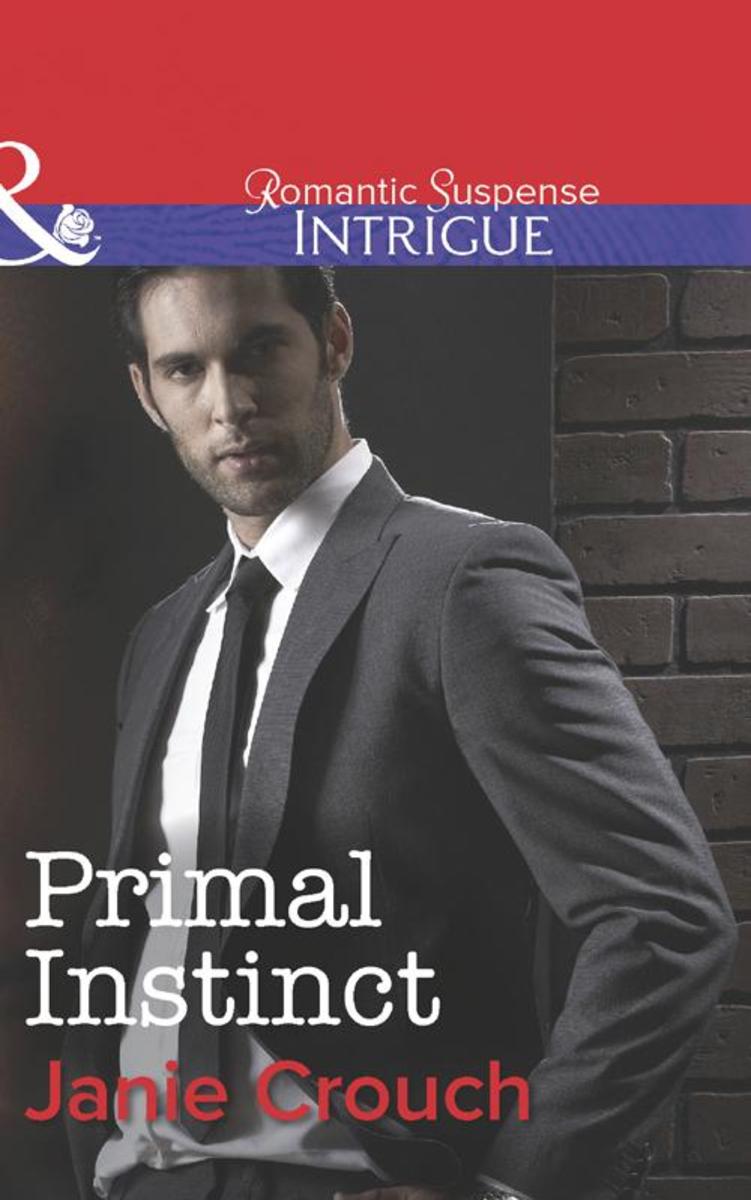
Primal Instinct (Mills & Boon Intrigue)
¥39.24
A killer stalks the city streets, and one FBI agent is determined to bring him down in Janie Crouch's Primal Instinct. On the crowded streets of San Francisco, a serial killer watches and waits. Known only as "Simon Says," he lures his next victim while the FBI grasps for answers. Desperate, they turn to Adrienne Jeffries. Adrienne has an uncanny talent for getting inside the city's most dangerous minds. But first she'll have to get past FBI agent Conner Perigo. Skeptical of Adrienne's abilities, Conner begrudgingly enlists her help…unprepared for the powerful attraction that could jeopardize their focus. With little time, and everything to lose, they must work to find Simon's next victim—before he does.
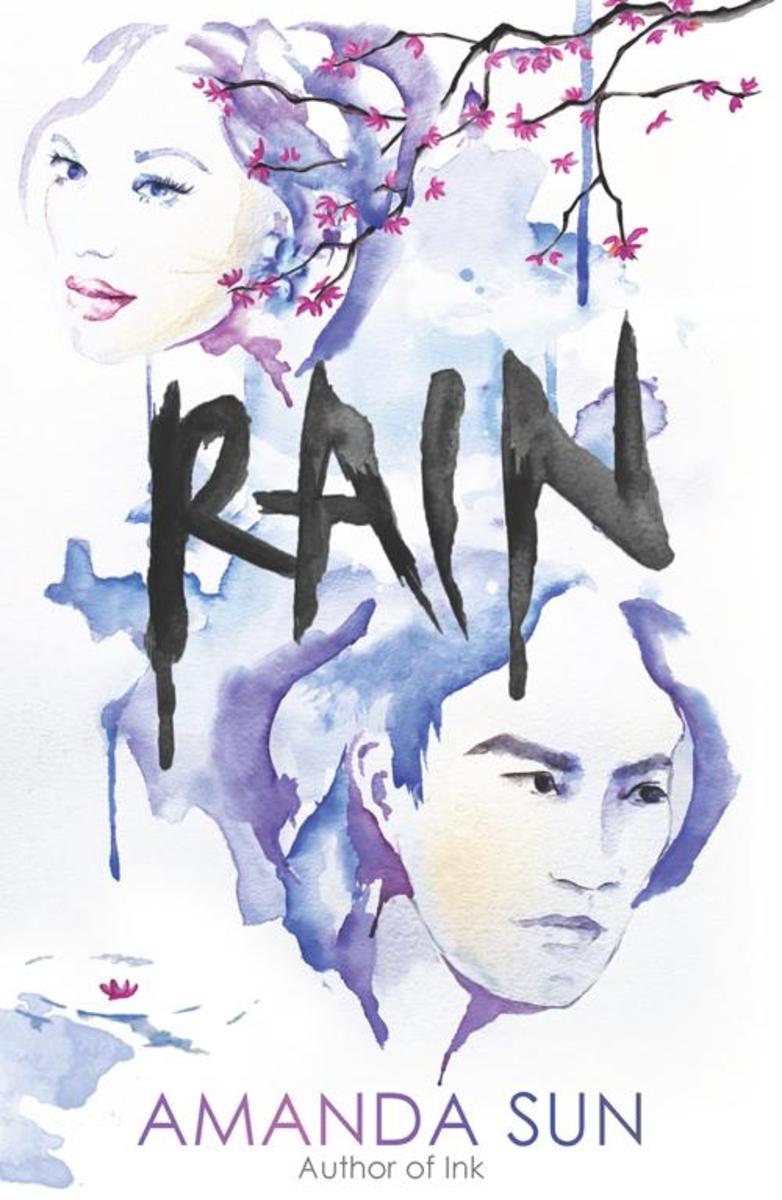
Rain (The Paper Gods, Book 3)
¥54.74
American Katie Green has decided to stay in Japan. She's started to build a life in the city of Shizuoka, and she can't imagine leaving behind her friends, her aunt and especially Tomohiro, the guy she's fallen in love with. But her return is not as simple as she thought. She's flunking out of Japanese school and committing cultural faux pas wherever she goes. Tomohiro is also struggling–as a Kami, his connection to the ancient gods of Japan and his power to bring drawings to life have begun to spiral out of control. When Tomo decides to stop drawing, the ink finds other ways to seep into his life–blackouts, threatening messages and the appearance of unexplained sketches. Unsure how to help Tomo, Katie turns to an unexpected source for help–Jun, her former friend and a Kami with an agenda of his own. But is Jun really the ally he claims to be? In order to save themselves, Katie and Tomohiro must unravel the truth about Tomo's dark ancestry, as well as Katie's, and confront one of the darkest gods in Japanese legend. American Katie Green has decided to stay in Japan. She's started to build a life in the city of Shizuoka, and she can't imagine leaving behind her friends, her aunt and especially Tomohiro, the guy she's fallen in love with. But her return is not as simple as she thought. She's flunking out of Japanese school and committing cultural faux pas wherever she goes. Tomohiro is also struggling–as a Kami, his connection to the ancient gods of Japan and his power to bring drawings to life have begun to spiral out of control. When Tomo decides to stop drawing, the ink finds other ways to seep into his life–blackouts, threatening messages and the appearance of unexplained sketches. Unsure how to help Tomo, Katie turns to an unexpected source for help–Jun, her former friend and a Kami with an agenda of his own. But is Jun really the ally he claims to be? In order to save themselves, Katie and Tomohiro must unravel the truth about Tomo's dark ancestry, as well as Katie's, and confront one of the darkest gods in Japanese legend. American Katie Green has decided to stay in Japan. She's started to build a life in the city of Shizuoka, and she can't imagine leaving behind her friends, her aunt and especially Tomohiro, the guy she's fallen in love with. But her return is not as simple as she thought. She's flunking out of Japanese school and committing cultural faux pas wherever she goes. Tomohiro is also struggling–as a Kami, his connection to the ancient gods of Japan and his power to bring drawings to life have begun to spiral out of control. When Tomo decides to stop drawing, the ink finds other ways to seep into his life–blackouts, threatening messages and the appearance of unexplained sketches. Unsure how to help Tomo, Katie turns to an unexpected source for help–Jun, her former friend and a Kami with an agenda of his own. But is Jun really the ally he claims to be? In order to save themselves, Katie and Tomohiro must unravel the truth about Tomo's dark ancestry, as well as Katie's, and confront one of the darkest gods in Japanese legend.
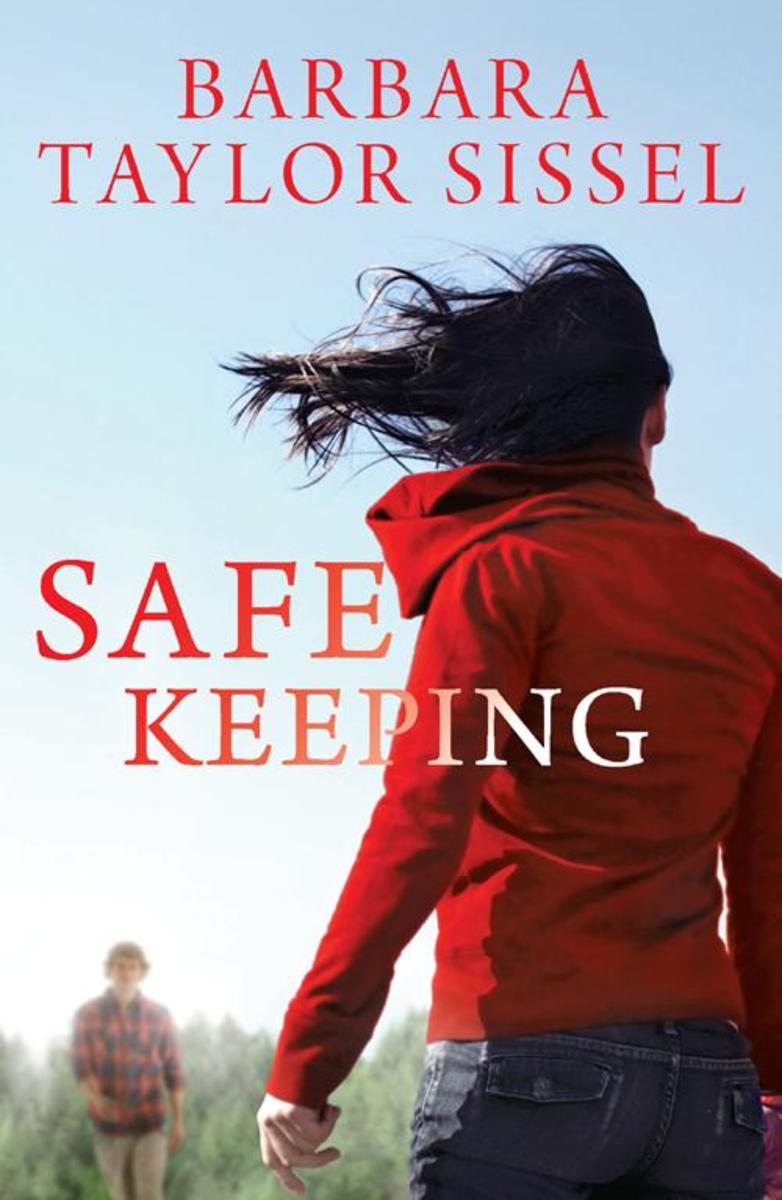
Safe Keeping
¥45.03
At the heart of every crime, there's a family… My son is a murderer…. So begins this chilling and emotionally charged mystery from highly acclaimed author Barbara Taylor Sissel. Emily Lebay had always thought of her family as ordinary. Sure, they've endured their share of problems, even a time of great trouble–what family hasn't? But when a woman's body turns up in the dense woods near their home, and Emily's grown son, Tucker, is accused of murder, Emily is forced to confront the unfathomable, and everything she believed about her life is called into question. This isn't the first time Tucker has been targeted by the police; a year ago he was a person of interest when another woman was found dead in the same stretch of woods. Still, neither Emily nor her daughter, Lissa, can reconcile their Tucker with these brutal crimes. Terrified, convinced there's been a tragic mistake, Emily and Lissa set out to learn the truth about Tucker, once and for all. And while his life hangs in the balance, what they discover proves far more shocking than their darkest fears…. "A gut-wrenching mystery…enjoyable and insightful." –RT Book Reviews on Evidence of Life

Skinny-Size It
¥78.19
"Skinny-Size It is full of nutritious, delicious recipes that my whole family enjoys! Molly adds in great skimps, swaps and skips to keep the calories down and the flavor up. I am a big fan of Molly's recipes—eating healthy does taste good!" —Chris Freytag, national fitness expert and contributing editor for Prevention magazine Tired of giving up the meals you love because you’re trying to lose weight? Stop depriving yourself and start skinny-sizing! Dietician and nutritionist Molly Morgan shares 101 recipes that give your high-calorie faves—think pancakes, muffins and lasagna—a skinny makeover. The only things you’ll be missing are those extra pounds. Traditional breakfast burritos have 600 calories and 35 grams of fat. Skinny-Sized burritos have 300 calories and only 9 grams of fat! Traditional blueberry muffins have 380 calories and 19 grams of fat Skinny-Sized blueberry muffins have 130 calories and 2 grams of fat! Traditional lasagna has 870 calories and 47 grams of fat. Skinny-Sized lasagna has 260 calories and 7 grams of fat! Molly Morgan, RD, CDN, CSSD counsels individual and corporate clients on good nutrition through her company, Creative Nutrition Solutions. She has been featured on CNN and in national magazines like Fitness, Shape, Women’s Health and many more. She is the author of The Skinny Rules and created the nutrition plan for The Cosmo Bikini Diet (Hearst Editions). Visit her at www.mollymorganrd.com.

The Devaney Brothers: Ryan and Sean: Ryan's Place / Sean's Reckoning (The Devane
¥51.50
#1 New York Times bestselling author Sherryl Woods brings readers two classic tales of the Devaneys…brothers torn apart in childhood, reunited by love Ryan's Place Abandoned by his parents and separated from his brothers, Ryan Devaney doesn't believe in love. Until Maggie O'Brien storms into his Irish pub and her bright smile and tender touch have him reconsidering. The beautiful redhead warms his frozen spirit and awakens forgotten dreams–like the desire to search for his long-lost brothers. Will he dare to believe there's a place for them in happily-ever-after? Sean's Reckoning Son of a shattered family, fireman Sean Devaney knows love never lasts, so he refuses to chance it. Then he meets single mom Deanna Blackwell, who has just lost everything in a devastating fire. Despite the warning in Sean's head, he's drawn to protect the stunning woman and her son. Sean may be tough enough to storm burning buildings…but is he brave enough to risk building a family of his own? www.SherrylWoods.com

The Husband Campaign (Mills & Boon Love Inspired Historical) (The Master Matchma
¥31.10
A Marriage of Necessity The moment John, Lord Hascot, encounters a young woman sheltering in his abandoned stable, his future is sealed. To prevent scandal–and protect Lady Amelia Jacoby from her parents' ire–he must propose. John's ability to trust vanished when his former love married his twin brother. Yet he offers Amelia everything she could want–except affection. Amelia sees John's true nature shine through when he cares for his horses. But the brooding aristocrat seems determined to keep her at arm's length. Little by little Amelia will turn Hollyoak Farm into a home, but can she turn a marriage of convenience into a joyful union? The Master Matchmakers: Wedding bells will ring when downstairs servants play Cupid for upstairs aristocracy

The Legend of Smuggler's Cave (Mills & Boon Intrigue) (Bitterwood P.D., Book 6)
¥31.10
One man will go to any lengths when a vulnerable woman and her little boy are threatened County prosecutor Dalton Hale is convinced widowed Briar Blackwood has information that can help him take down a local crime organization. Getting it is no easy task, though, considering the distrust in the Bitterwood police officer's beautiful gray eyes. But since he started his investigation, Briar and her tiny son have been attacked twice. The only solution is to move her and Logan into his home, where he can ensure their safety. However, neither Dalton nor Briar is prepared for the deepening feelings between them. Playing house is one thing, but when Briar's son is kidnapped Dalton recognizes he wants the real deal–and will put his own life on the line to get it.

The Preacher's Bride Claim (Mills & Boon Love Inspired Historical) (Bridegroom B
¥31.10
CLAIMING THEIR FUTURE For the Thornton brothers, the Oklahoma Land Rush is the perfect opportunity to finally put down some roots. A new start, a new community—what more could preacher Elijah Thornton need? Not a wife—not after the pain of losing his fiancée. But something draws him to the pretty nurse whose eyes are clouded by trouble. Only by claiming her own homestead can Alice Hawthorne avoid an unwanted marriage. Even Oklahoma may not be far enough away from New York to escape her past. Yet with courage—and the handsome reverend’s support—can she forge a loving future? Bridegroom Brothers: True love awaits three siblings in the Oklahoma Land Rush
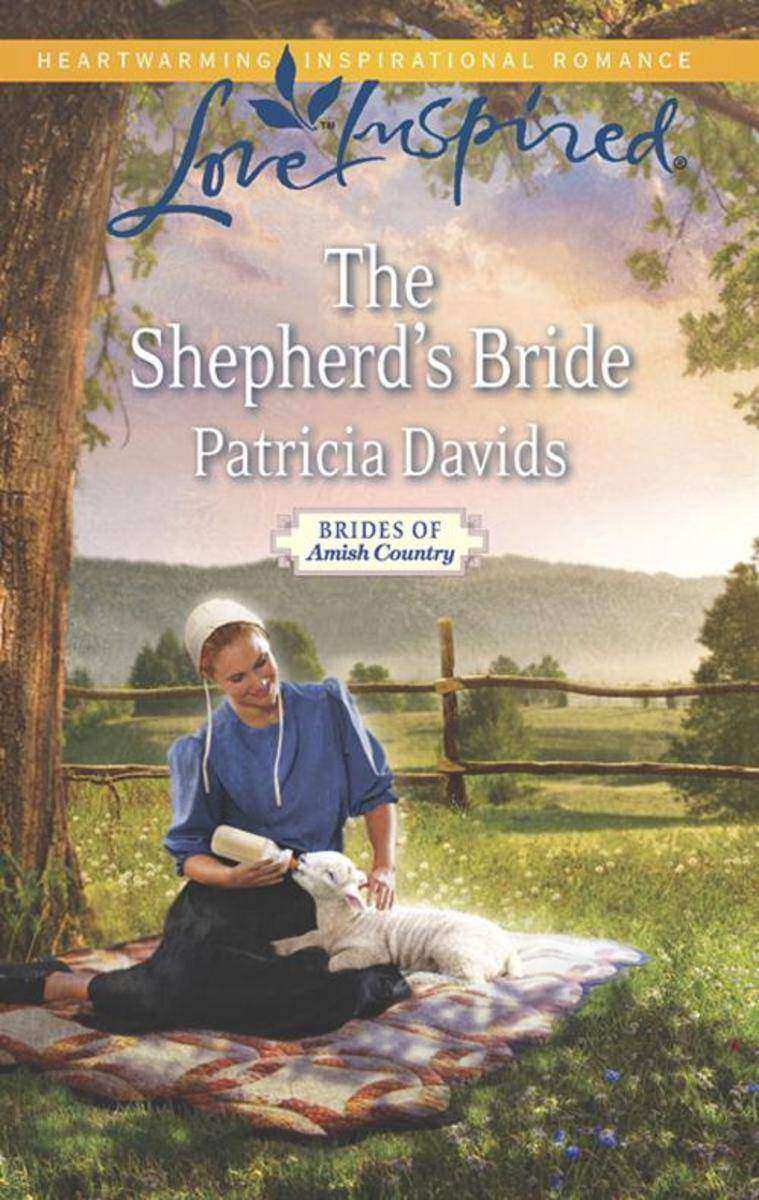
The Shepherd's Bride (Mills & Boon Love Inspired) (Brides of Amish Country, Book
¥31.10
Finding Refuge Shunned by the Amish community, shepherd Carl King has given up on his dream for a family. Yet when captivating Lizzie Barkman shows up at the sheep farm where he works, Carl sees the wife he once dreamed of. Lizzie is looking for a new start, for herself and her sisters, and discovers Carl to be a kind and gentle man who cares deeply about the Amish way of life. But he is under the bann. Is it possible that this forbidden man holds the key to her family's safety–and the one to her heart? Brides of Amish Country: Finding true love in the land of the Plain People

The Soldier's Secrets (Mills & Boon Love Inspired Historical)
¥31.10
Divided Loyalties Brigitte Dubois will do anything to keep her family safe. When she is blackmailed by her father-in-law, his quest for revenge leaves her no choice. To protect her children, she must spy on the man who may have killed her husband. But Jean Paul Belanger is nothing like she expected. The dark, imposing farmer offers food to all who need it, and insists on helping Brigitte and her children. Everything Jean Paul did was in the name of liberty. Even so, he can never forgive himself for his actions during France's revolution. Now a proud auburn-haired woman has come to his home seeking work and has found her way into his reclusive heart. But when she uncovers the truth, his past could drive them apart….

Wyoming Promises (Mills & Boon Love Inspired Historical)
¥31.10
A Place to Call Home Traveling through the Wyoming wilderness, all Bridger Jamison wants is a job and a safe haven for his brother. Finding work with the lovely Lola Martin solves at least one of his problems. And the charming town of Quiver Creek seems like the perfect place to start a new life. A string of mysterious deaths has the town–and Lola–on edge. She isn't sure what to make of the new man in town. But she can't help trusting the handsome carpenter who shows such tenderness toward his brother. When secrets come to light, Lola must put her faith in the man who's stolen her heart, or risk letting a perfect love pass her by….

The Rancher and the Runaway Bride Part 1 (36 Hours, Book 19)
¥14.62
36 Hours Serial As a devastating summer storm hits Grand Springs, Colorado, the next thirty-six hours will change the town and its residents forever…. The Rancher and the Runaway Bride Part 1 Grand Springs is about to have it's most spectacular wedding–or it was, until the bride, Randi Howell, ran off. She took advantage of the power failure to sneak out of the lodge–only to overhear strange gunmen discussing a murder. Now she's on the run from a furious groom and ruthless killers. Fleeing halfway across the country to Texas, Randi arrives at Brady Jones's ranch. It's the perfect safe haven–big sky, horses and no questions. And since the handsome cowboy's willing to take a chance on her, she'll work hard and prove her worth while she's there. Brady has taken in enough misfits and strays to know trouble when he sees it, but something about the feisty girl with the raven curls is making him look the other way. He hopes he won't regret giving her a chance…. The story continues in The Rancher and the Runaway Bride Parts 2 and 3.
Father and Child Reunion Part 3 (36 Hours, Book 18)
¥11.77
36 Hours Serial As a devastating summer storm hits Grand Springs, Colorado, the next thirty-six hours will change the town and its residents forever…. Father and Child Reunion Part 3 Investigative reporter Rio Redtree is digging into the mayor's murder. But the closer he gets to answers, the more signs are pointing to Hal Stuart–the son of the murdered mayor and brother to the woman Rio realizes he has never stopped loving. The only thing he wants more than to catch Olivia's killer is to be with Eve and her daughter, Molly. How will Eve trust him if he's willing to send her own brother to prison? Can Rio risk the family life he's always wanted to see justice done? Don't miss the next book in the continuing story of Grand Springs in The Rancher and the Runaway Bride by Susan Mallery.
Father and Child Reunion Part 2 (36 Hours, Book 17)
¥11.77
36 Hours Serial As a devastating summer storm hits Grand Springs, Colorado, the next thirty-six hours will change the town and its residents forever…. Father and Child Reunion Part 2 Eve expected a quick trip home to Grand Springs. But the night of the storm changed her carefully planned world. Her mother, Olivia, has been murdered, and Eve's sorting through her loss and confusion–and facing the feelings for Rio she ran away from years earlier. Rio thinks he's getting closer to finding Olivia's killer. But he's getting closer to Eve, too–and the little girl who looks so much like Rio himself. Solving the murder will make his career–but could destroy any hopes he has of making a life with Eve and Molly…. The story concludes in Father and Child Reunion Part 3.

Goodbye Mickey Mouse
¥45.62
In Goodbye Mickey Mouse Len Deighton has written his best novel yet: a brilliant, multi-dimensional picture of what it is to be at war… and what it was to be in love in the England of 1944. Goodbye Mickey Mouse is Deighton’s fourteenth novel and a vivid evocation of wartime England, the story of a group of American fighter pilots flying escort missions over Germany in the winter of 1943-4. At the centre of the novel are two young men: the deeply reserved Captain Jamie Farebrother, estranged son of a deskbound colonel, and the cocky Lieutenant Mickey Morse, well on his way to becoming America’s Number One Flying Ace. Alike only in their courage, they forge a bond of friendship in battle with far-reaching consequences for themselves, and for the future of those they love.


